A quick heads-up: this article contains photographs of naked bodies. Scroll accordingly.
Welcome to this edition of [book spotlight]. Today, we uncover the layers of 'Spin around the Night Consumed by the Fire,' by Taisuke Nakano (published by Fugensha, sold by by shashasha). We'd love to read your comments below about these insights and ideas behind the artist's work.
A murderer shared Taisuke Nakano’s exact name.
He discovered this while researching a real murder from 2000. The victim was a gay man, and the case slowly became connected to Nakano’s own thoughts about identity, desire, death, and the limits of understanding another person’s life. Instead of reconstructing the crime, he built the project through fiction, interviews, landscapes, staged bodies, and personal associations.
The result is Spin around the Night Consumed by the Fire.
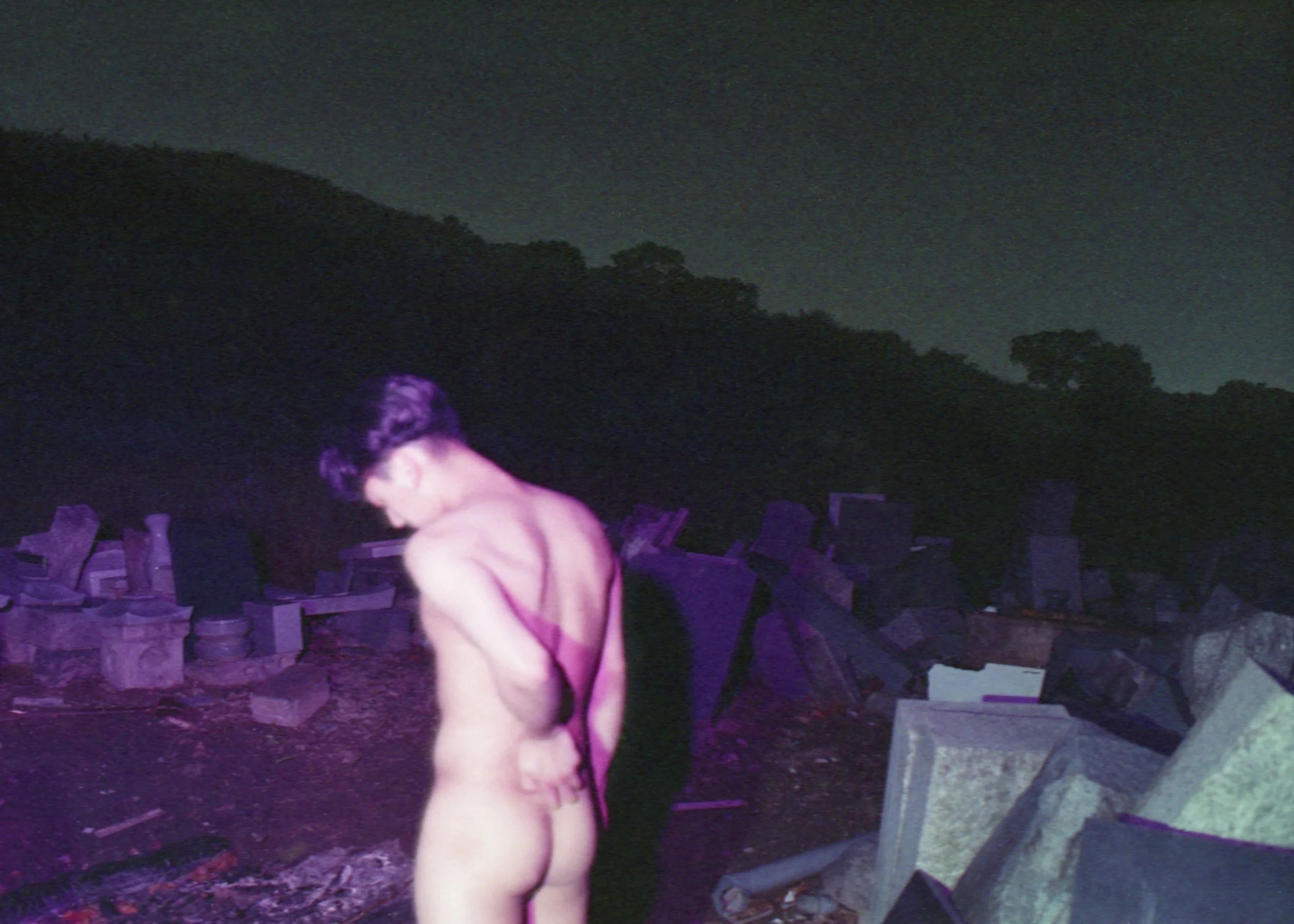
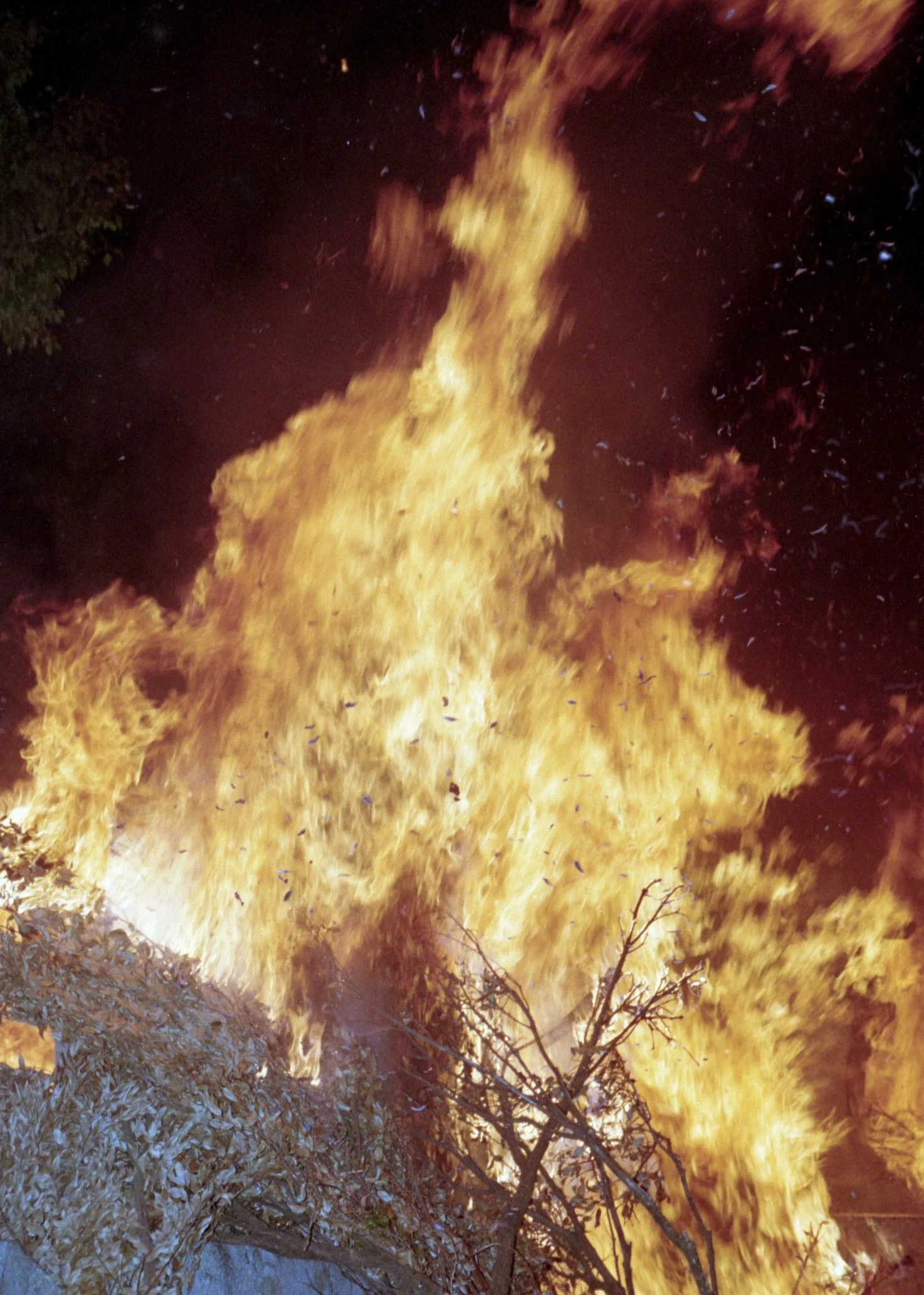
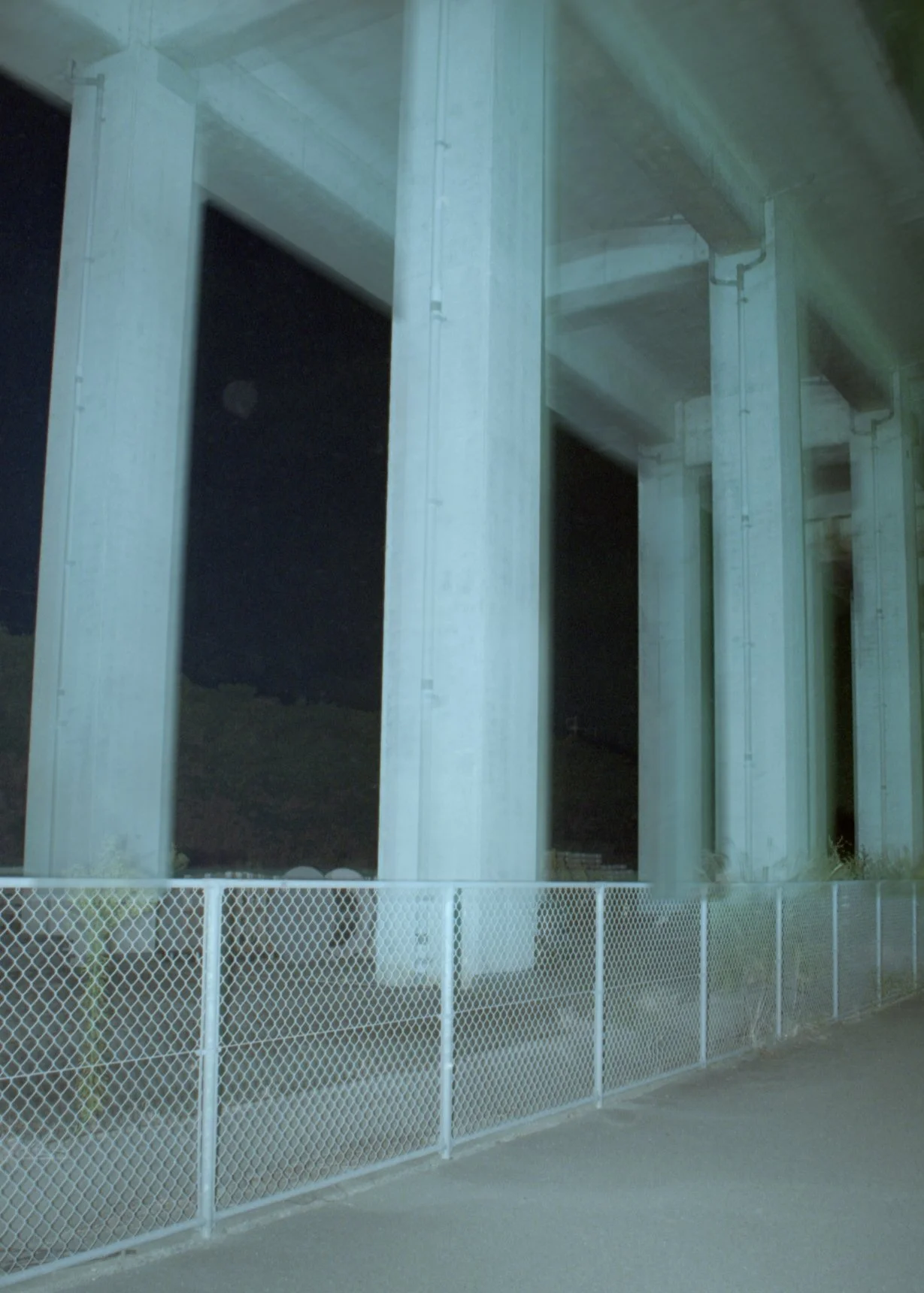
The book moves through Tokyo cruising parks, abandoned stone quarries, graves, ghosts, naked bodies, and images shaped by chance. Nakano did not want to explain the murder or speak for the victim. He wanted to create enough distance for different meanings, emotions, and uncertainties to remain inside the work.
Nakano explains how interviews can lead to images without becoming documentary evidence, why outside editors can protect a book from becoming too obvious, and how accidents can become part of a visual language. His answers show how a photographer can follow free associations while still protecting the central idea of the work.
The Book
Spin around the Night Consumed by the Fire by Taisuke Nakano, published by Fugensha, began with a disturbing coincidence. While researching a murder committed in 2000, Nakano discovered that the perpetrator had exactly the same name as him. The victim was a gay man killed in a Tokyo cruising park, but rather than reconstructing the crime as a documentary, Nakano used it as the starting point for a wider exploration of identity, desire, death, and the limits of understanding another person’s life.
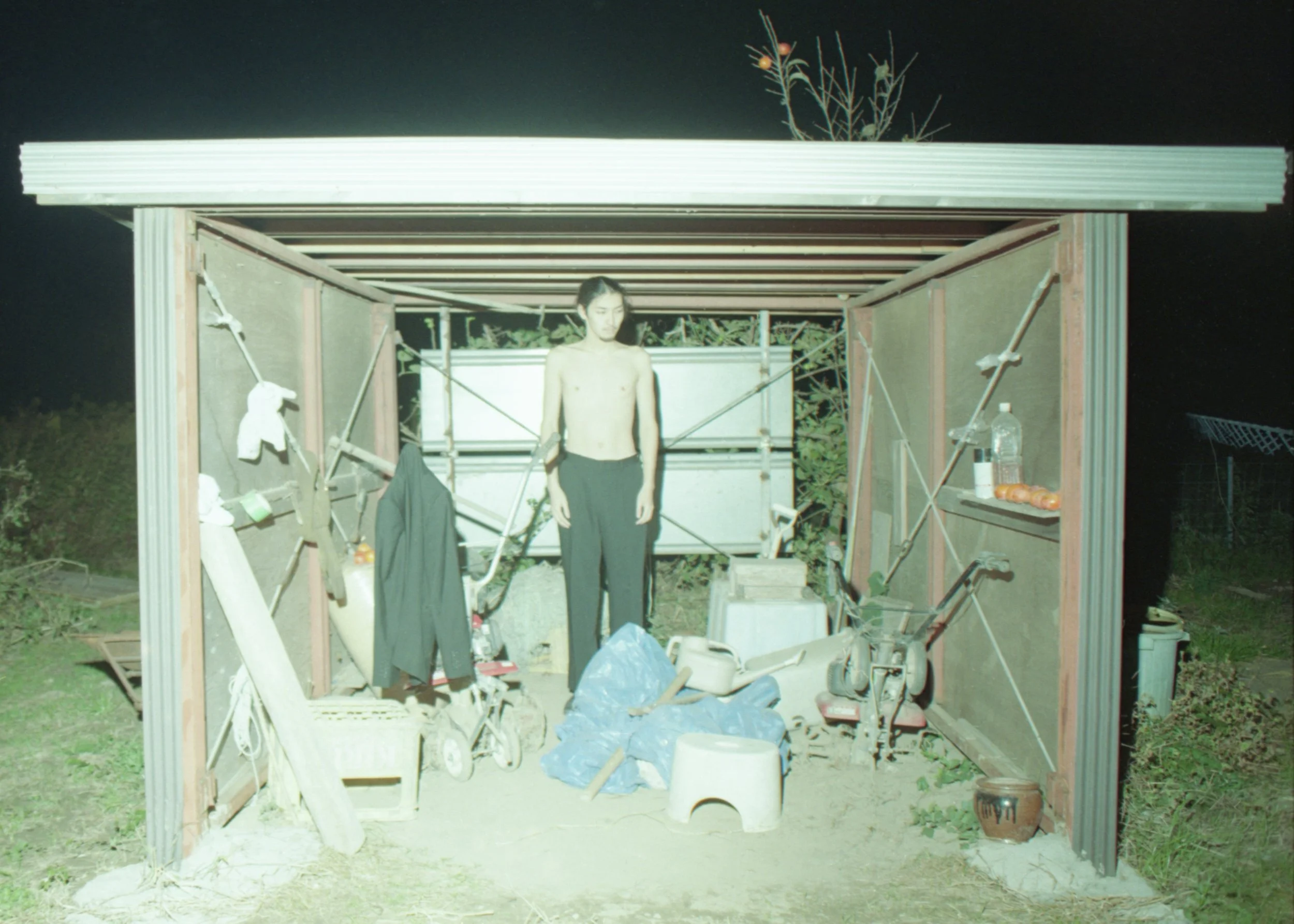
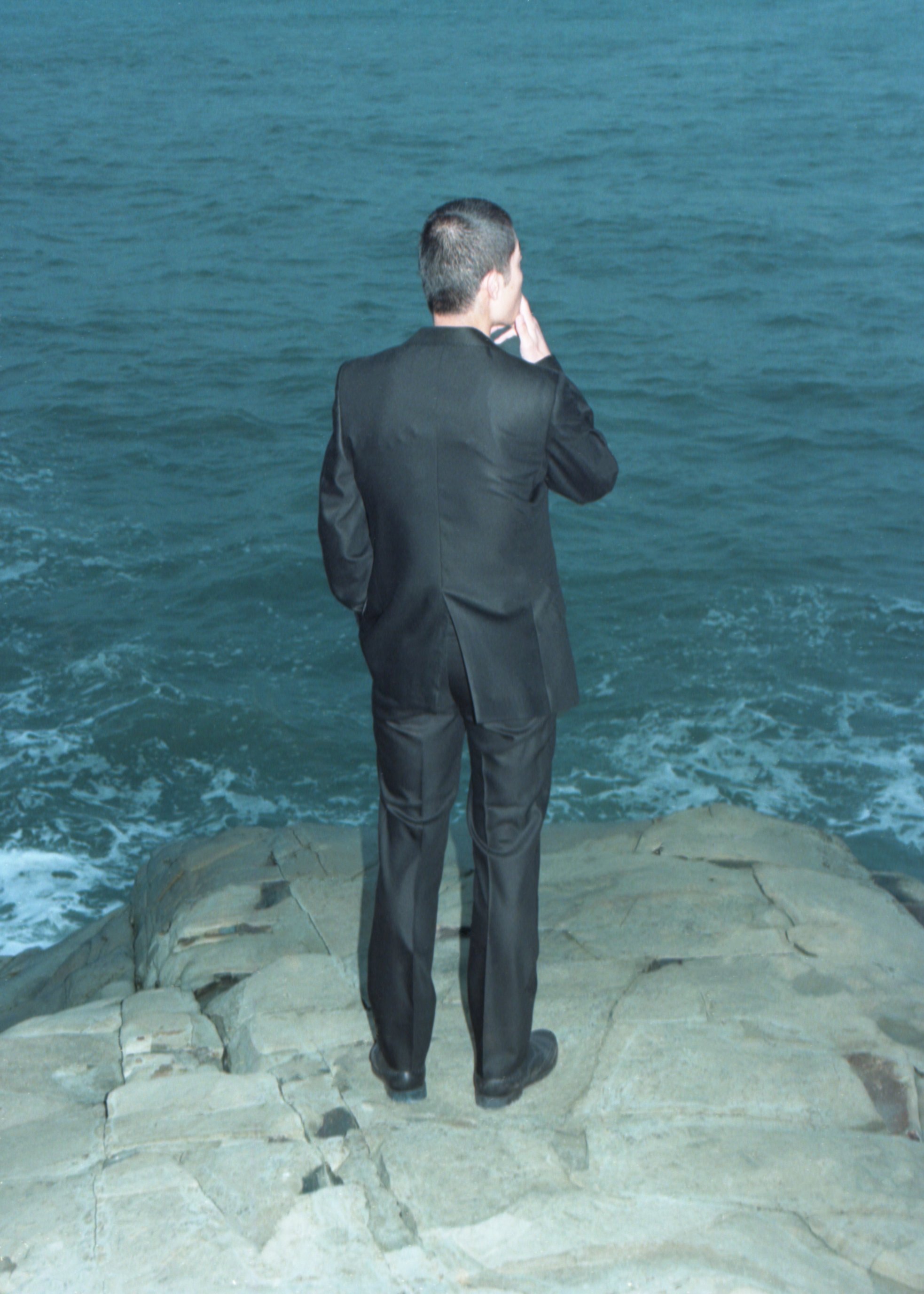
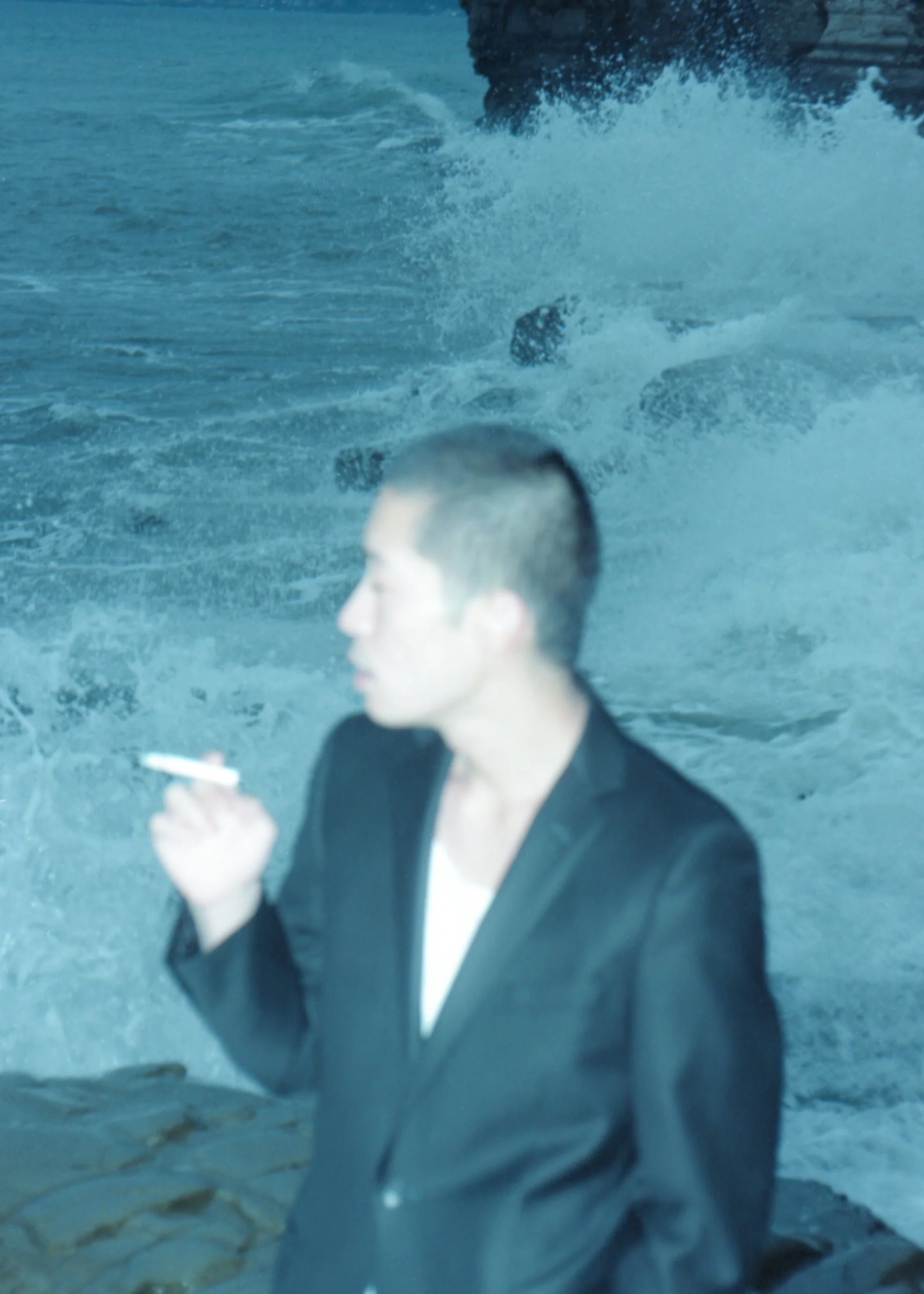
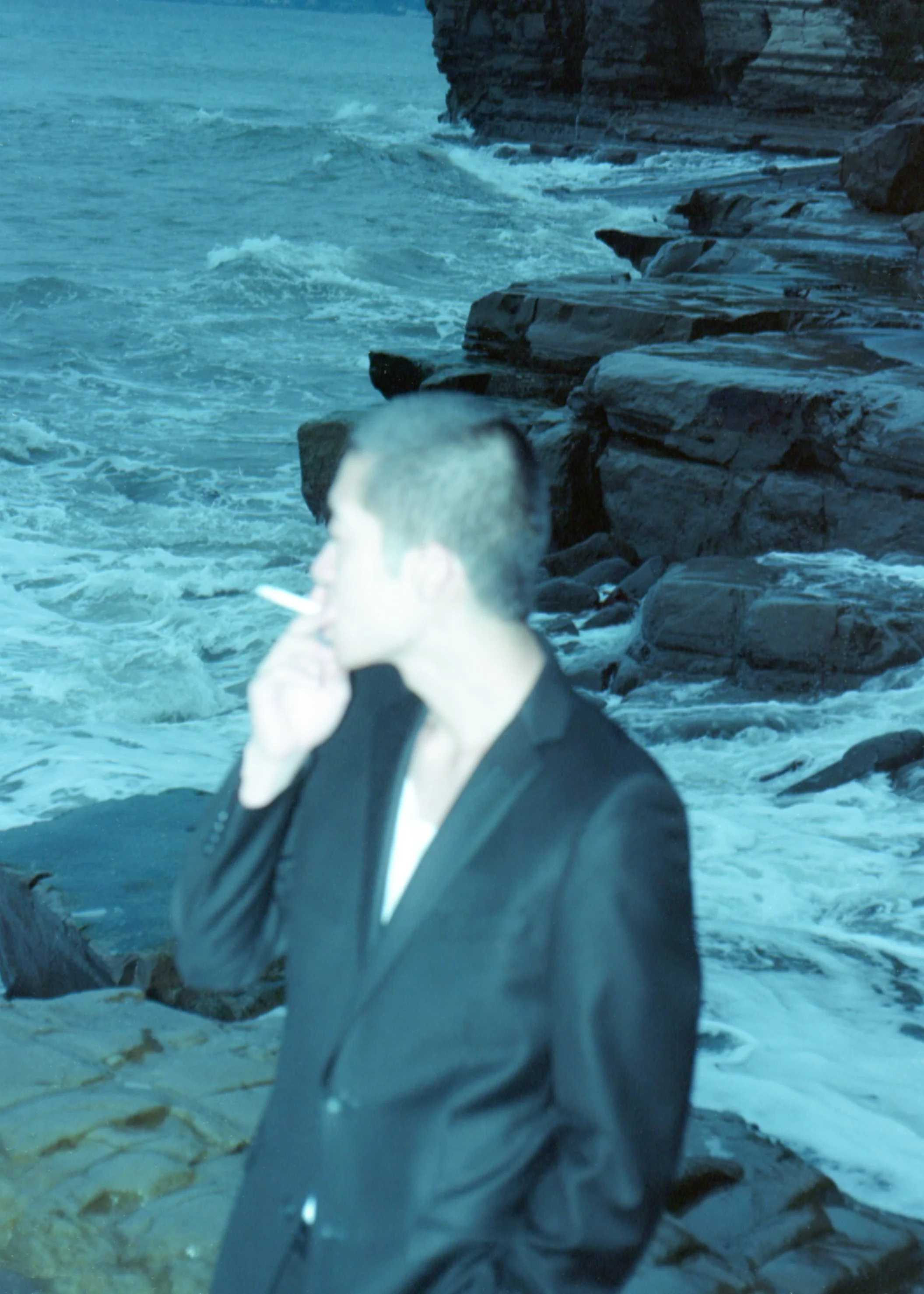
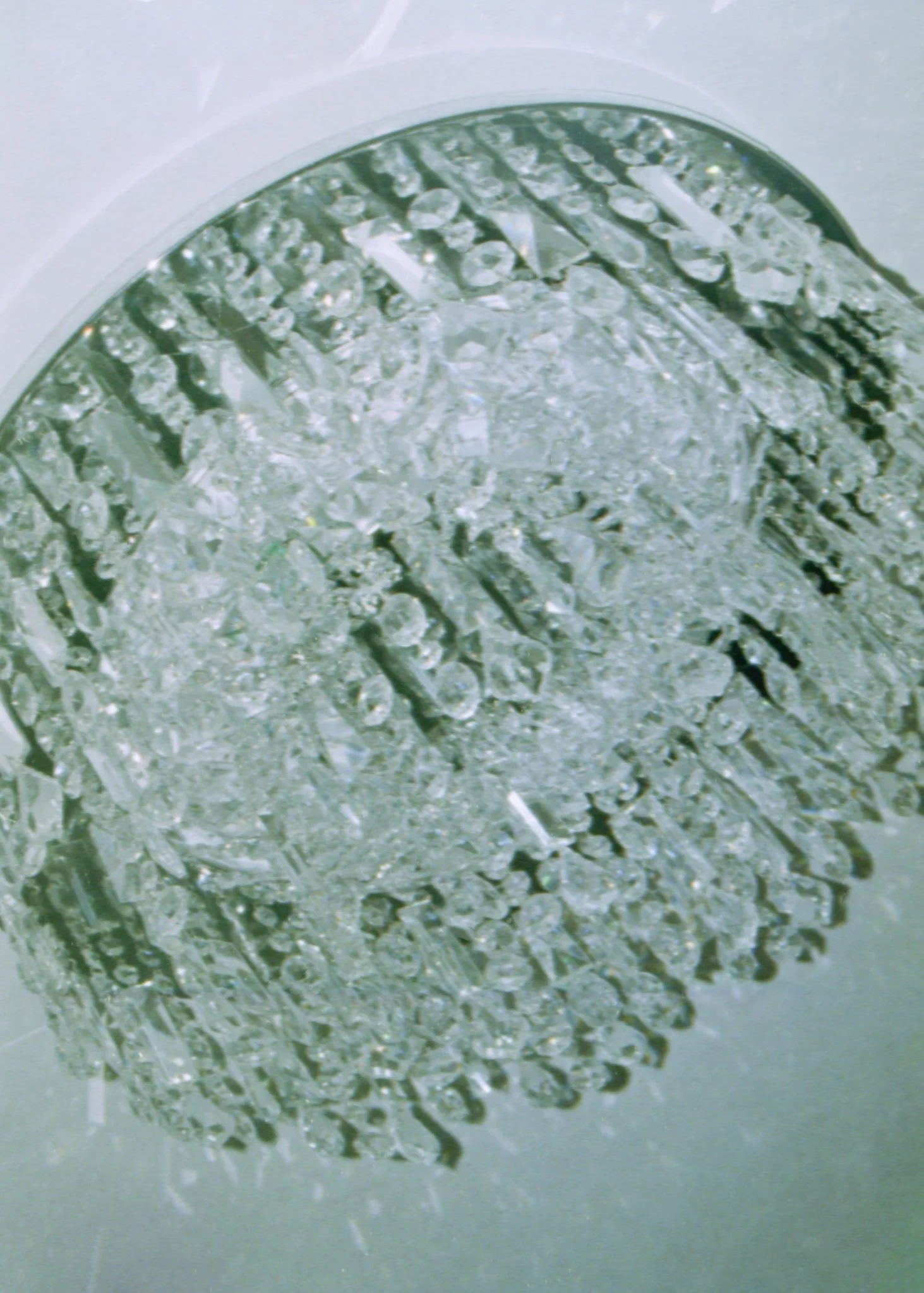
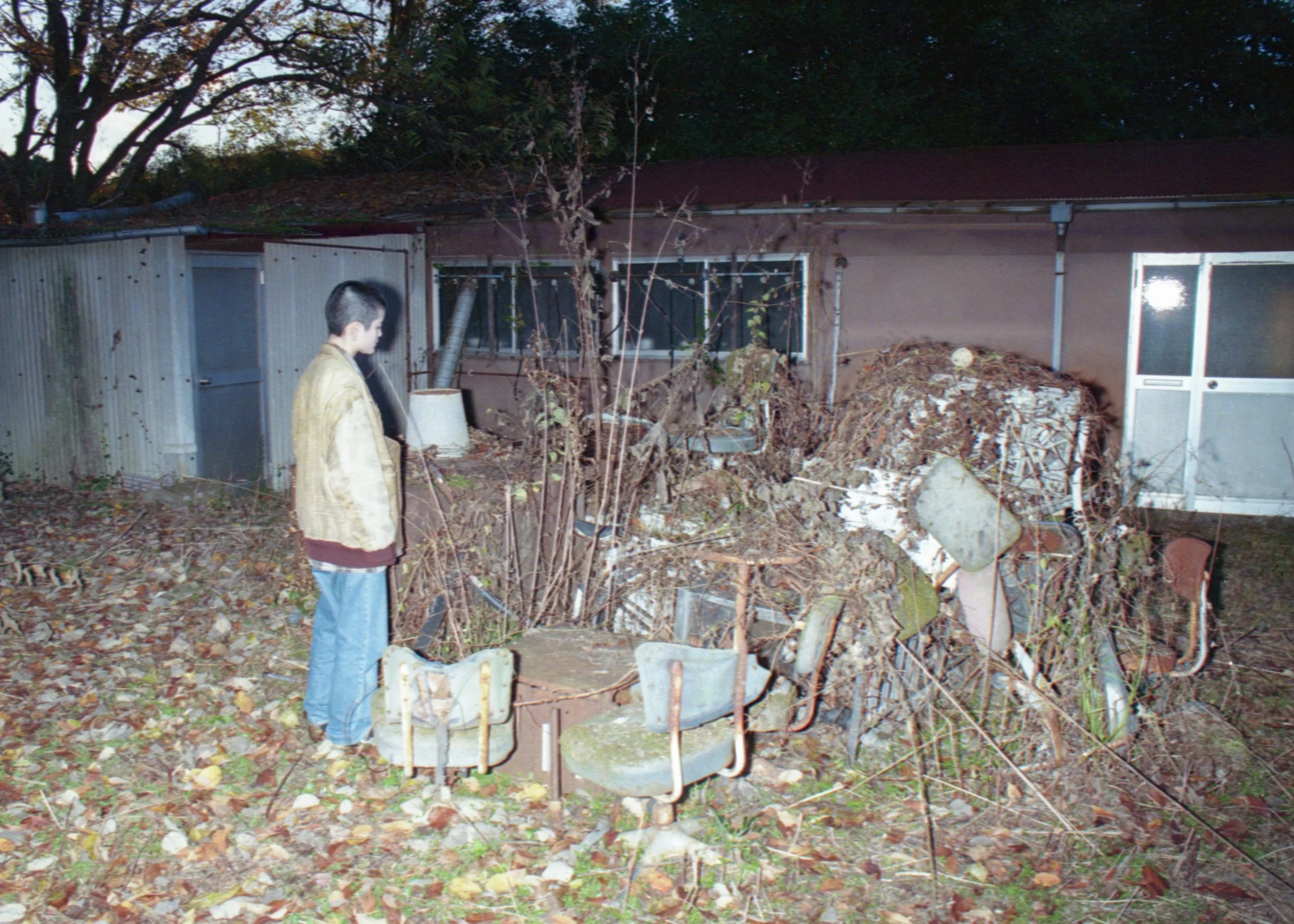
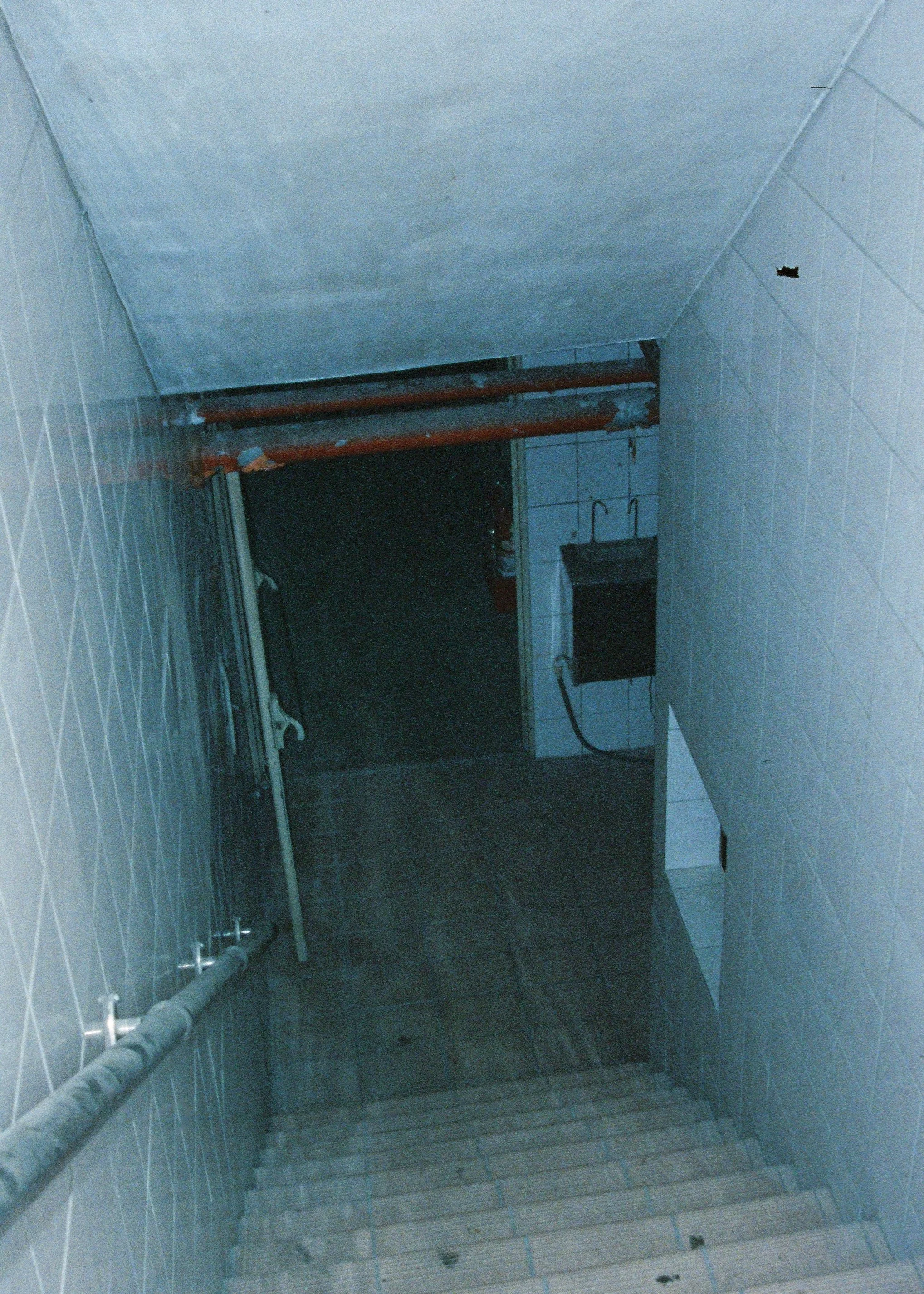
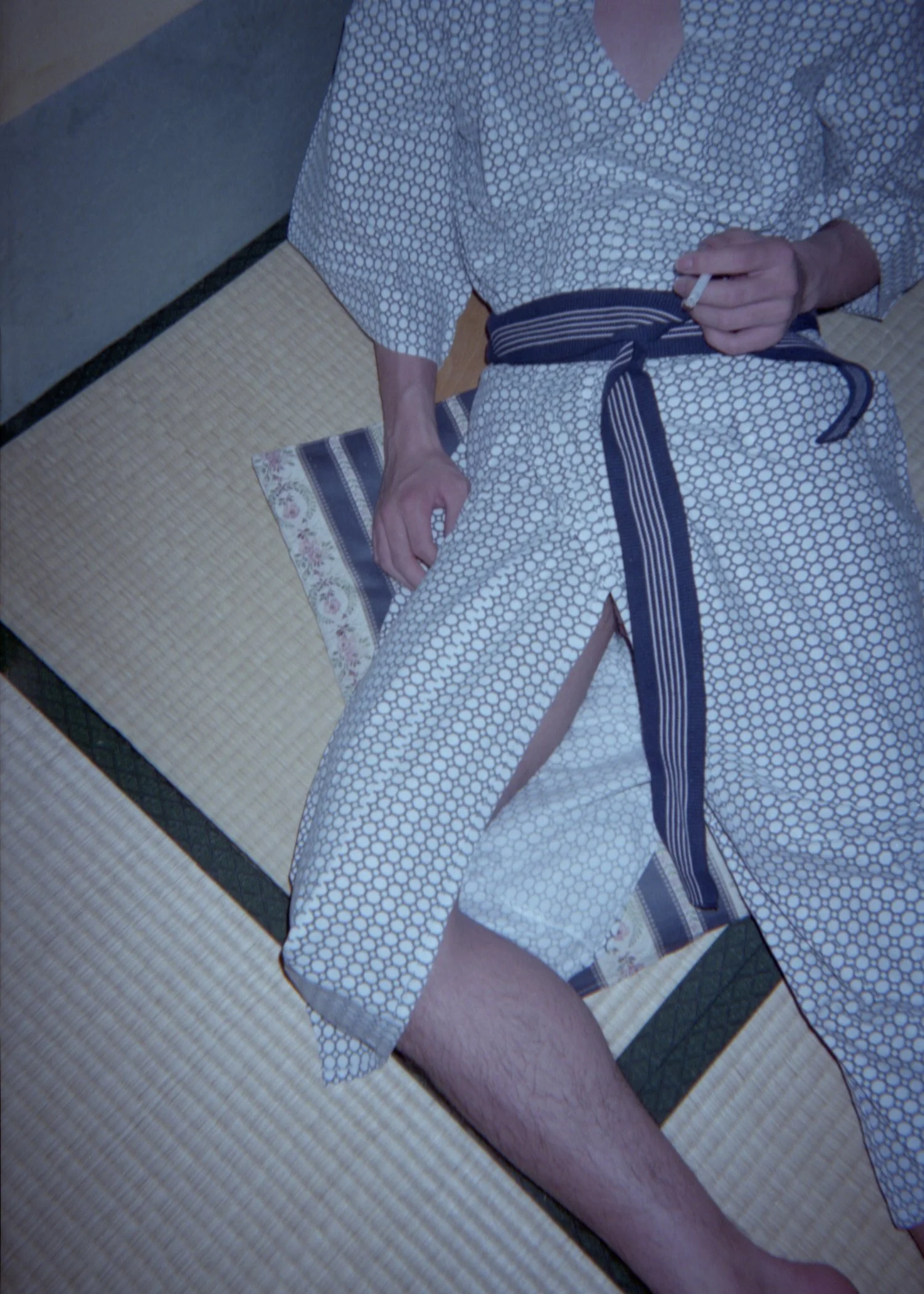
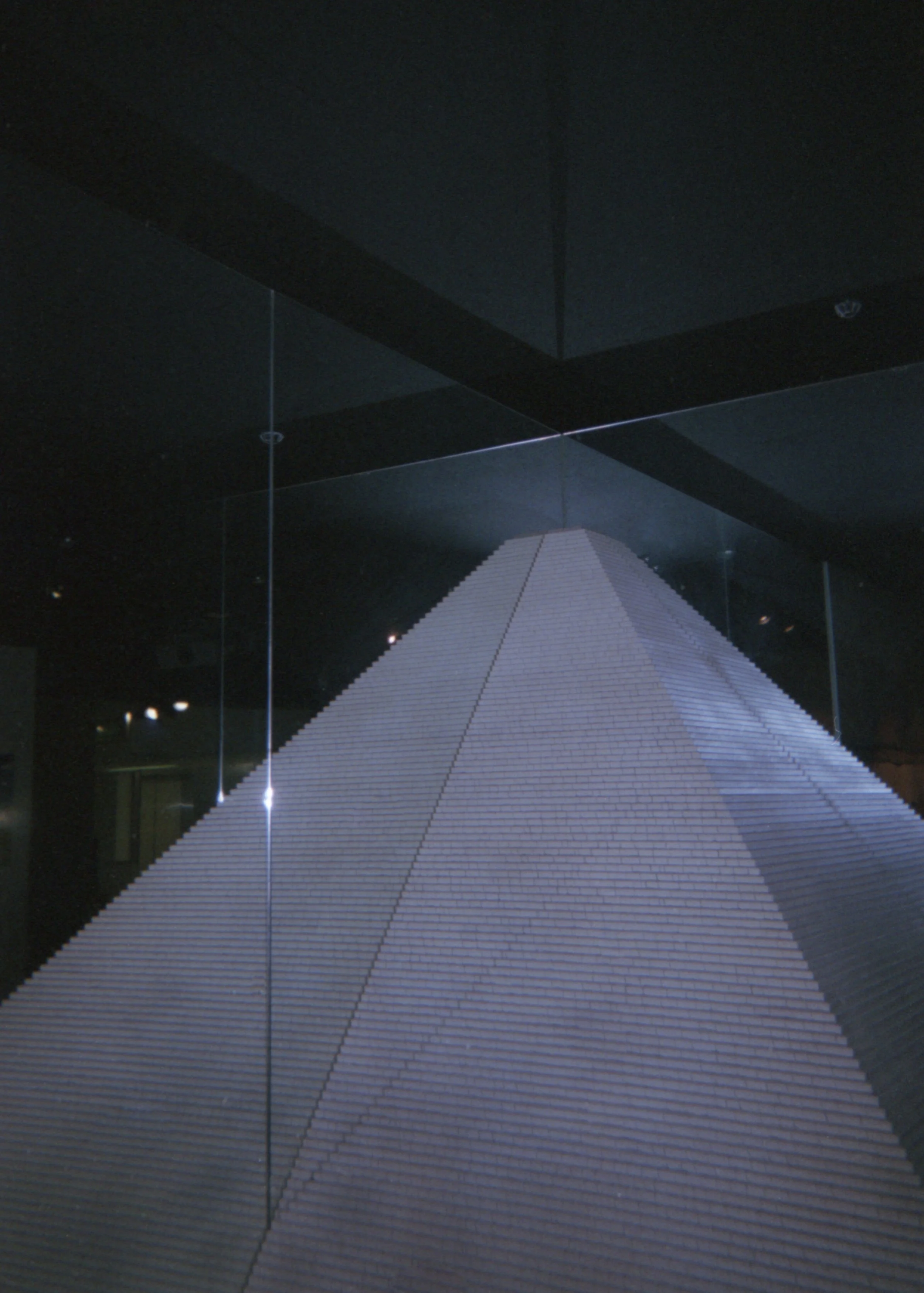
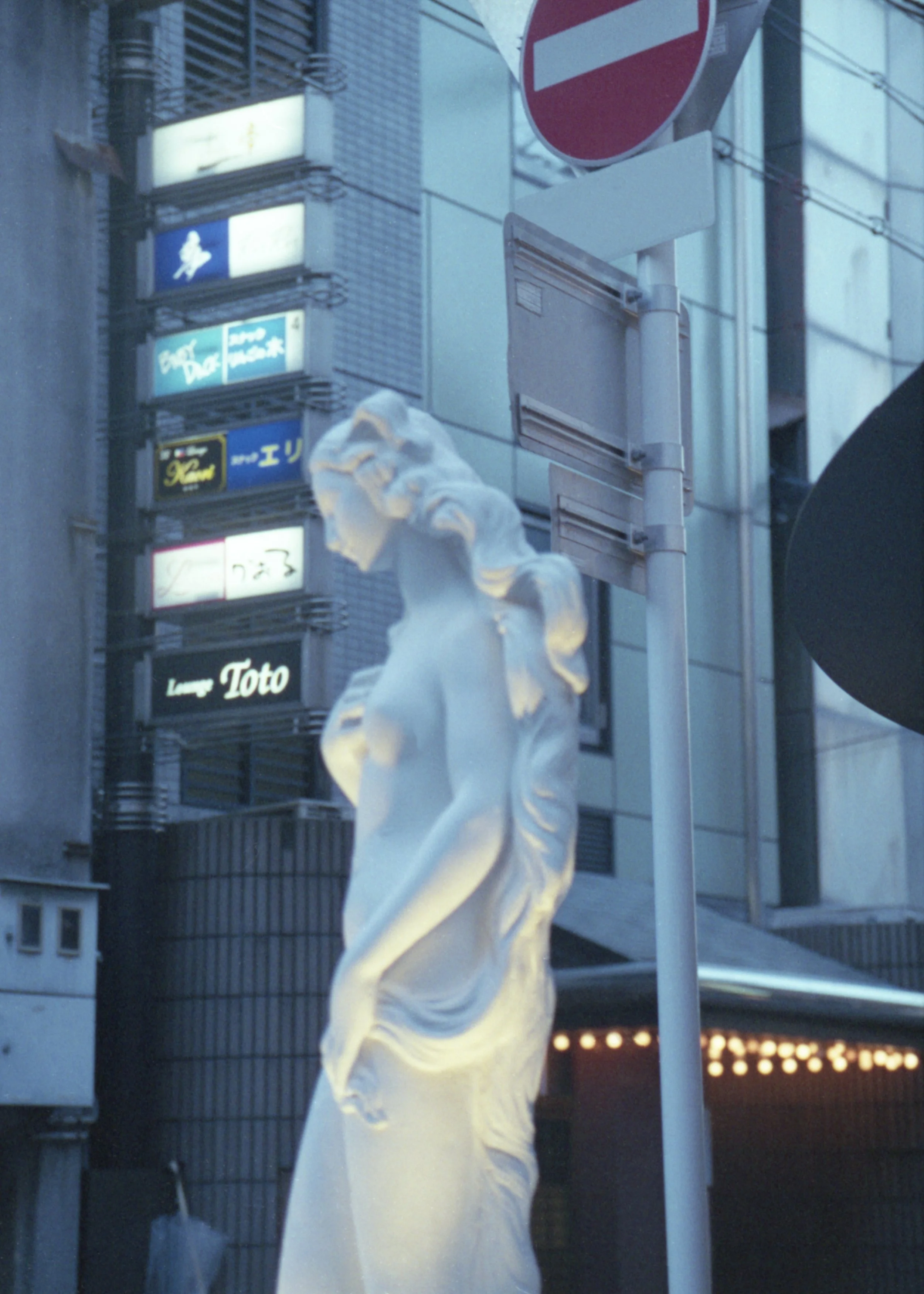
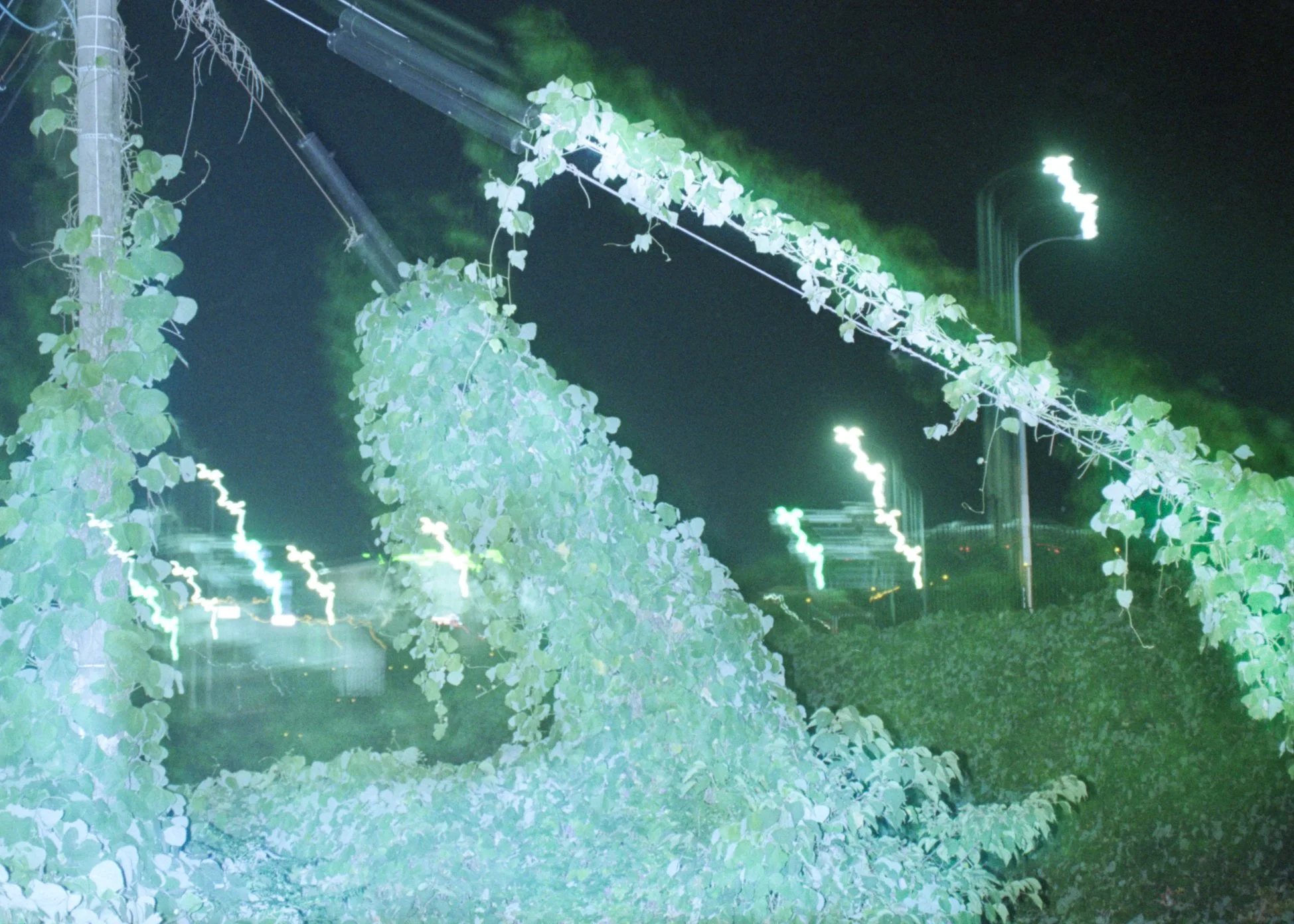
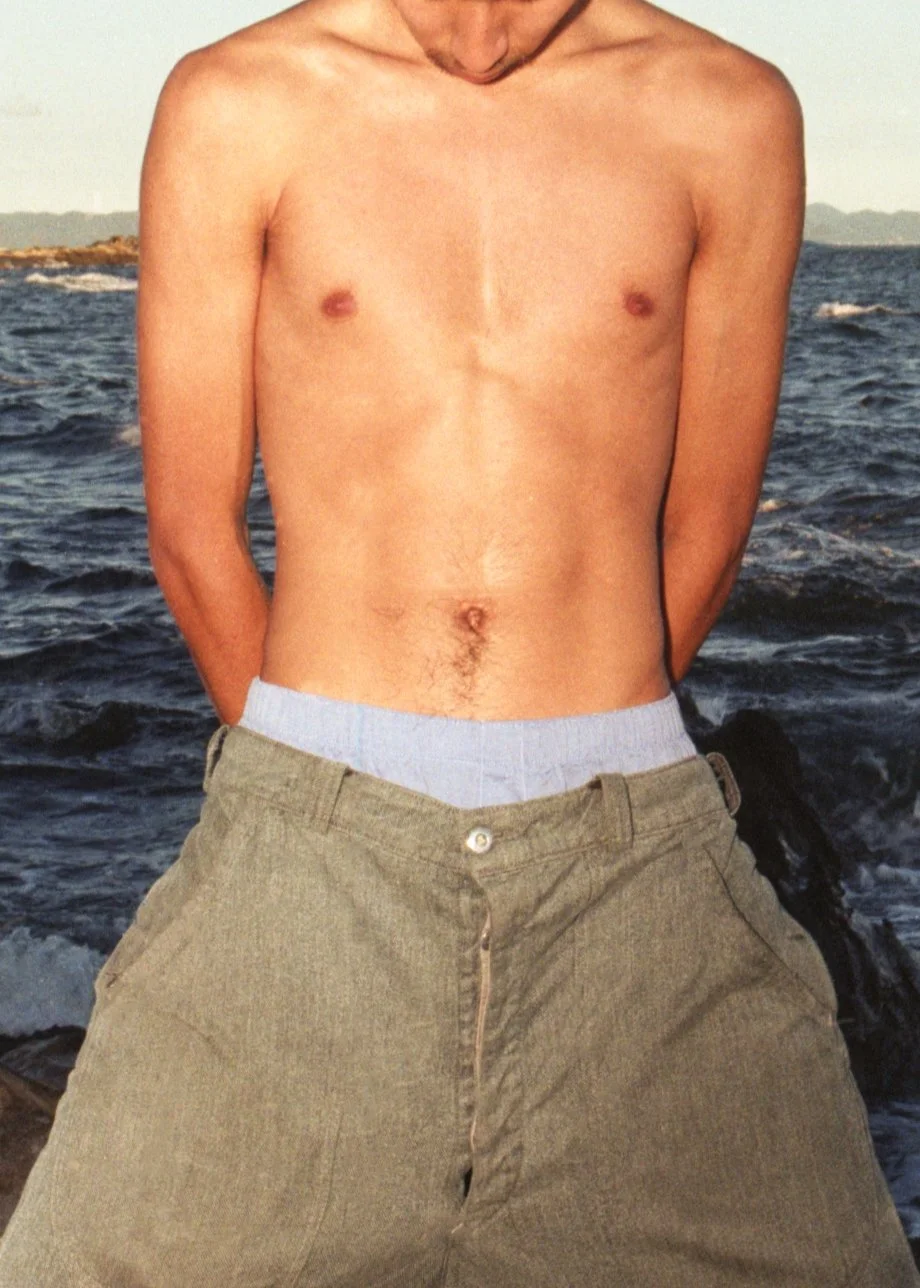
The project combines photographs from cruising parks, staged male bodies, abandoned stone quarries, landscapes, interviews, fiction, and images produced by infrared trail cameras. These different elements follow chains of association rather than a linear account of the murder, allowing reality and imagination, the living and the dead, and personal experience and historical fact to remain deliberately entangled.
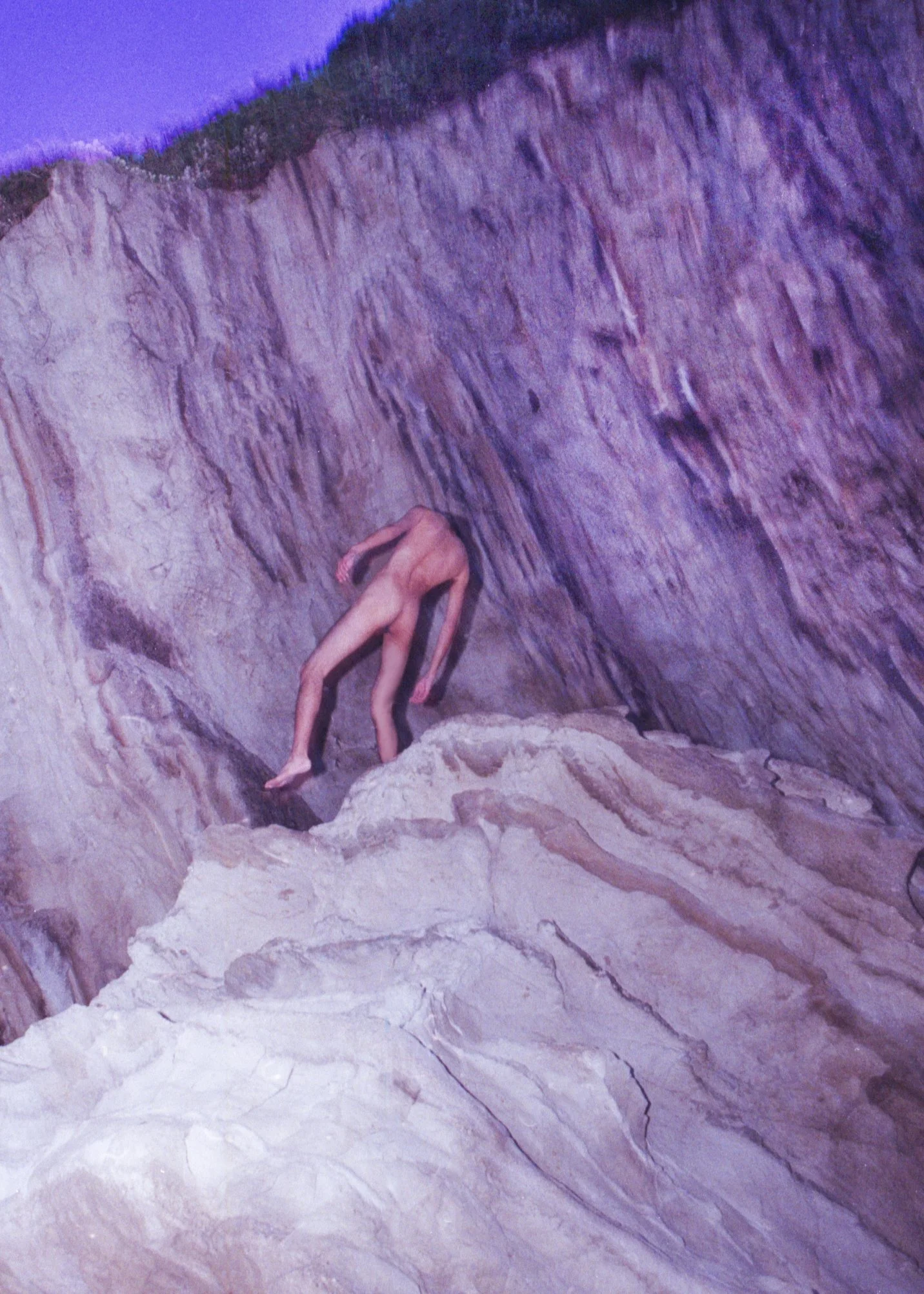
Designed by Aaron Nieh, the 248-page book must be repeatedly rotated as the reader moves through its sequence. Its experimental structure turns viewing into a physical experience, while its violet tones, shifting perspectives, and recurring images of fire, graves, ghosts, and naked bodies create a world shaped as much by accident and desire as by research. The book was published after Nakano received the fifth Fugensha Photo Award Grand Prix. (Fugensha, shashasha, Amazon)
Genesis: You learned that a real killer from a 2000 murder case had the exact same name as you. What was your first reaction, and how did that turn into this project?
When I first discovered that the perpetrator of the 2000 murder case had exactly the same name as mine, I came across it through old newspaper articles, archived news websites, and interviews. At the time, I simply thought it was a coincidence.
Later, while having tea with a female friend, I mentioned it in passing. She responded by saying, “The fact that the killer's name and the victim's sexuality, two elements so closely tied to personal identity, are deeply intertwined with this case is fascinating. You should make a work that explores that relationship.”
I was surprised by her suggestion because I rarely incorporate autobiographical elements into my work. But once I began to consider the project from that perspective, it felt as though I had finally found a map for where the work could go.
To be honest, I was already working on what became Part I of the book at the time, but I had reached a creative dead end. Her comment helped me break through that impasse and gave the entire project a new direction.
Ethics and Fiction: How did you decide when imaginative speculation was opening the project and when it risked using the victim's life for your own visual mythology?
If I were to answer in one sentence, I would say that I used fiction precisely to avoid exploiting the tragedy of the victim's life.
Although the publisher understandably emphasizes that the work is based on a real murder case, I have always felt that there are limits to what I can truly know. I could respond artistically to learning about the case and to the associations it generated in me, but I don't believe I can ever fully understand the victim, the victim's family, or even the perpetrator. Court records, newspaper articles, and interviews can never reveal the whole truth of another person's life.
Because of that, I felt it would be irresponsible to claim their experiences as my own. I also didn't want to assume that, simply because I am a gay man, I somehow shared the victim's position or had the right to speak on his behalf. For me, this is less a question of morality than one of artistic integrity.
From the beginning, I deliberately chose not to use documentary methods that would place the victim's family, the perpetrator, or the people directly involved in the case inside the work. Instead of forcing a direct connection between the real incident and my images, I allowed fiction, imagination, and association to create a certain distance.
Paradoxically, I believe that this distance was a way of respecting the reality of the people involved. Fiction did not move me away from the truth of the tragedy. It prevented me from pretending that I possessed it.
Concept: You describe yourself as a photographer working like a medium, trying to free a trapped ghost with your camera. What does that idea mean for how you actually shoot?
This is actually a difficult question because I don't think “working like a medium” is the central concept of the project. It was more of a metaphor I used in an interview to describe my state of mind while making the work.
During my research, I watched Personal Shopper. The protagonist works as a personal shopper for a celebrity, but she is also a medium who communicates with spirits. Throughout the film, she is constantly pulled between human desire (Eros) and the desires of the dead (Thanatos). Watching it, I realized that I was experiencing something similar while making this project.
The work became a mixture of many different desires: my wish to mourn the victim of the hate crime, my curiosity about the victim's desires at the time of his death, my own desires as someone living in the present, and the imagination that, if the victim's spirit still exists, perhaps it continues wandering the same cruising park today. All of these thoughts overlapped and influenced the way I photographed.
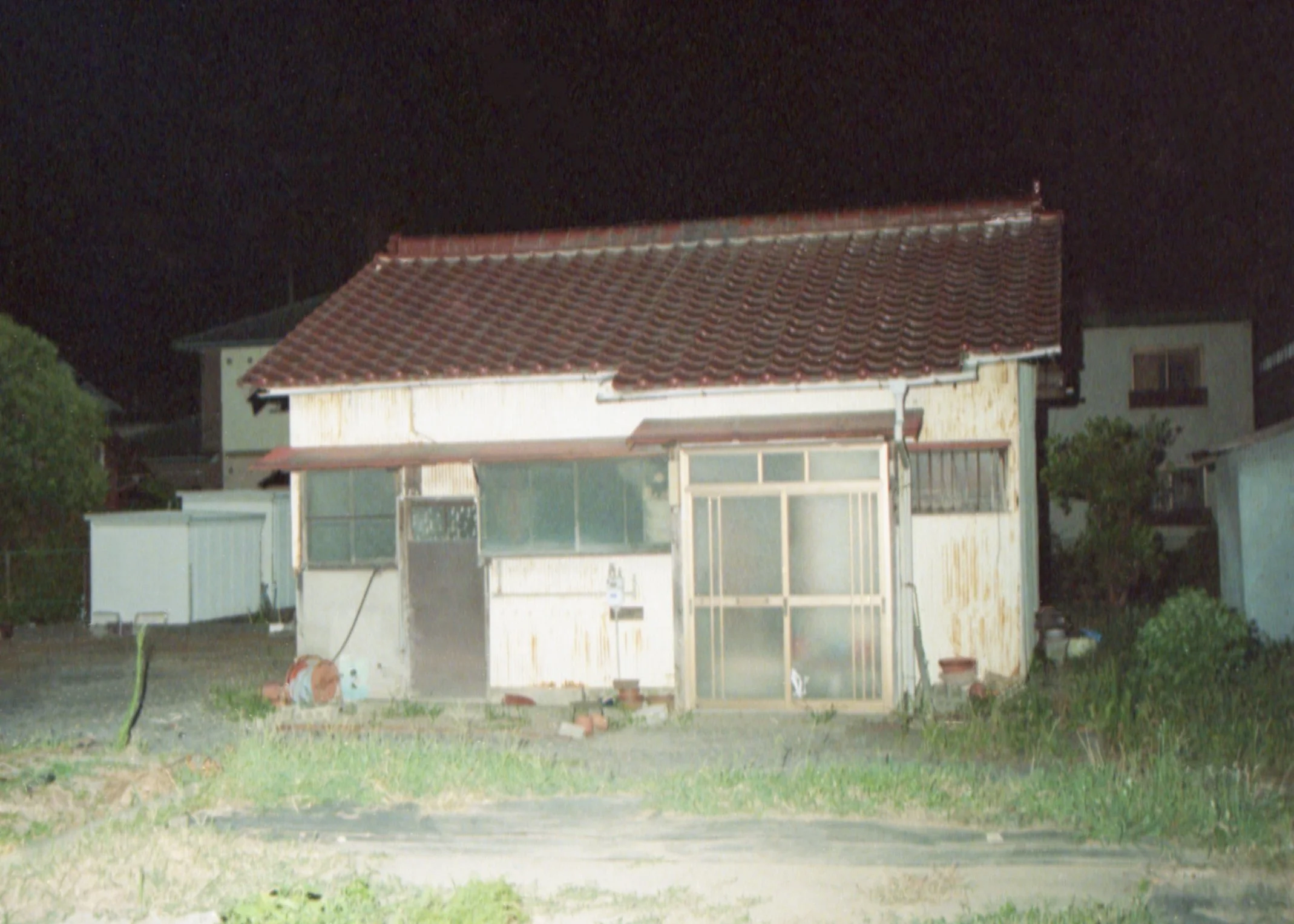
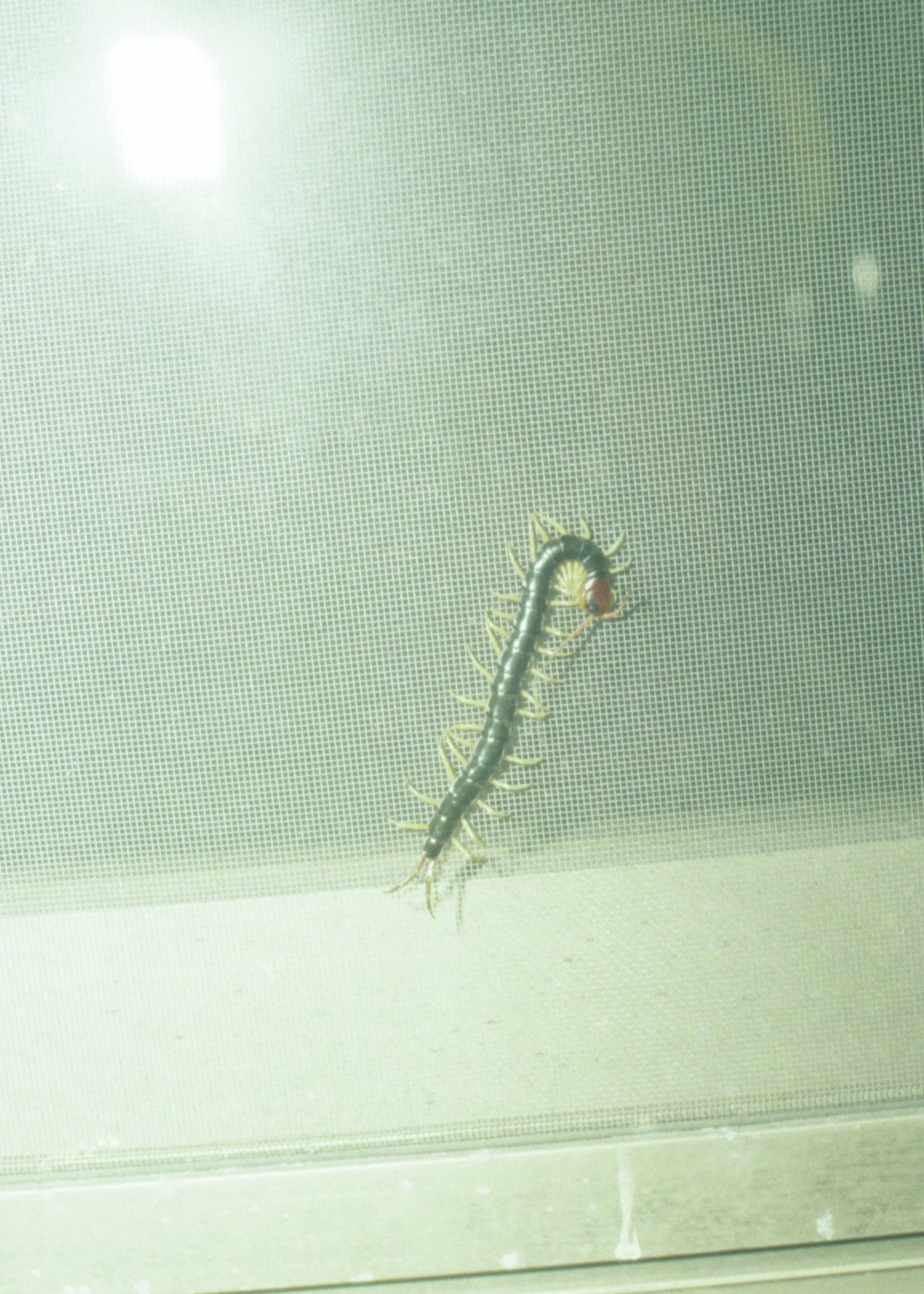
There are still several gay cruising parks in Tokyo. I installed infrared trail cameras that automatically take photographs whenever they detect movement, hoping to record the people who walk through these parks at night. In those cases, I was not the one pressing the shutter. The camera simply reacted to the presence of something.
Most of the images naturally showed people, and occasionally wild animals. But every now and then, the camera would record an empty park where no one appeared at all. The most reasonable explanation is that the sensor reacted to branches moving in the wind. Still, I couldn't help imagining another possibility: what if the camera had detected something we couldn't see?
There is a long history of people believing that cameras or surveillance devices might capture ghosts: videos of automatic doors opening for “no one” or security cameras recording unexplained movement are often presented online as ghost stories. Whether or not spirits exist is not really the point. I became interested in the human desire to believe that machines might perceive something beyond our own senses. In that sense, the camera became less a tool for documenting reality than a device for recording uncertainty, imagination, and the invisible.
Method: Can you describe one association you followed during the project but eventually rejected because it moved too far from the murder or the victim?
Not really. During the shooting process, I deliberately tried not to place limits on my associations. I wanted to allow one image to lead naturally to another, even if it seemed to move away from the original event.
Because this is not a documentary project, I never felt that every photograph had to remain directly connected to the murder or to the victim. I was more interested in seeing where those associations would take me.
For me, the project was never about reconstructing a single incident as accurately as possible. It was about exploring how one event could continue to generate images, memories, emotions, and unexpected connections. In that sense, even photographs that seemed to drift away from the crime still belonged to the same constellation of ideas.
Research: You walked the crime scene many times and talked to different people about it. Which story or detail from those talks changed your photos the most?
I interviewed gay men who had used the park at the time of the murder. I met people in bars, at LGBTQ+ organizations, in parks, and in many other places.
One topic that stayed with me was how often our conversations turned to graves. People spoke about the victim's grave, but they also spoke about their own. Several men told me they were unsure whether they should prepare a grave for themselves because, as gay men without children, there might be no descendants to look after it after they died. That idea remained with me.
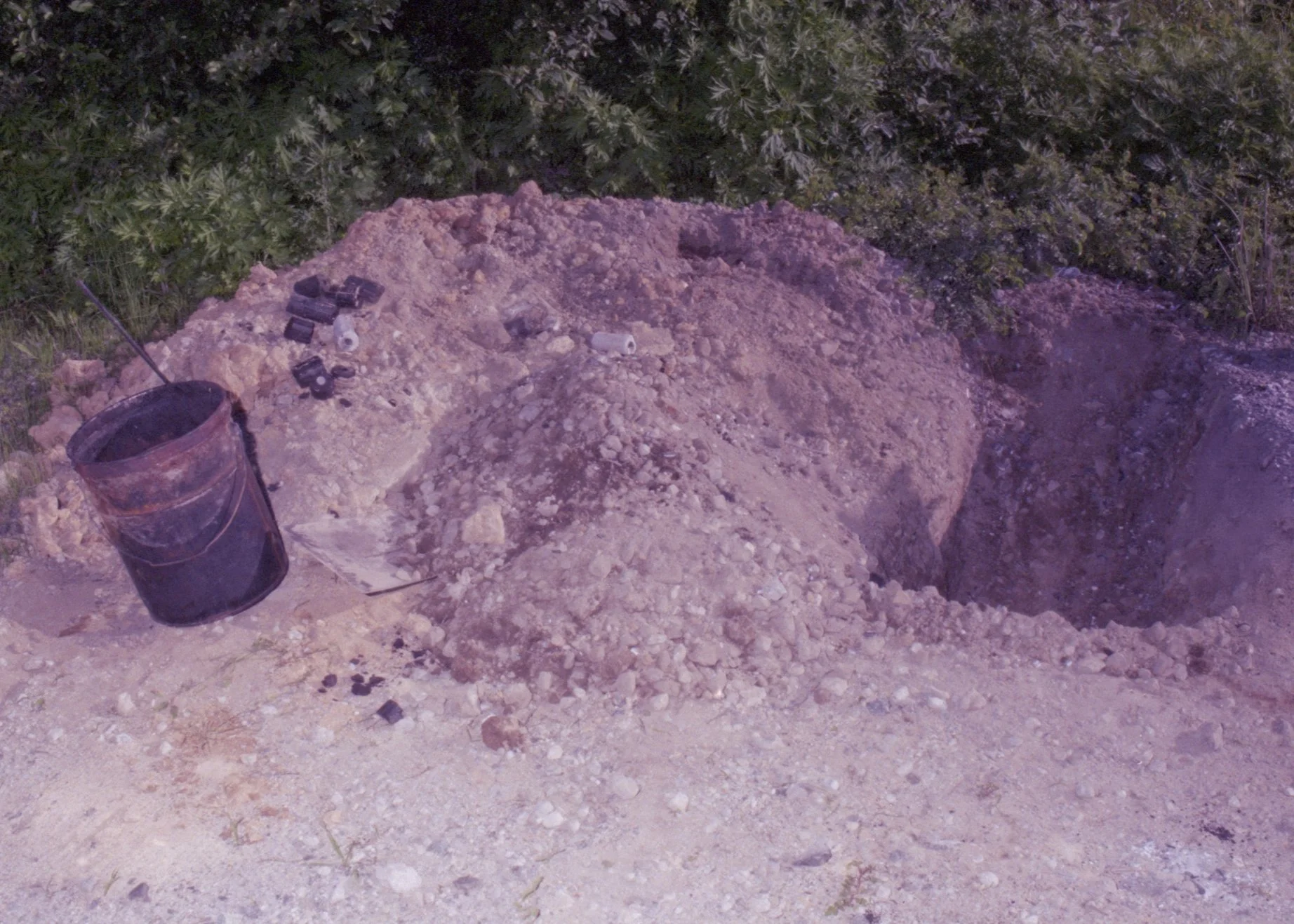
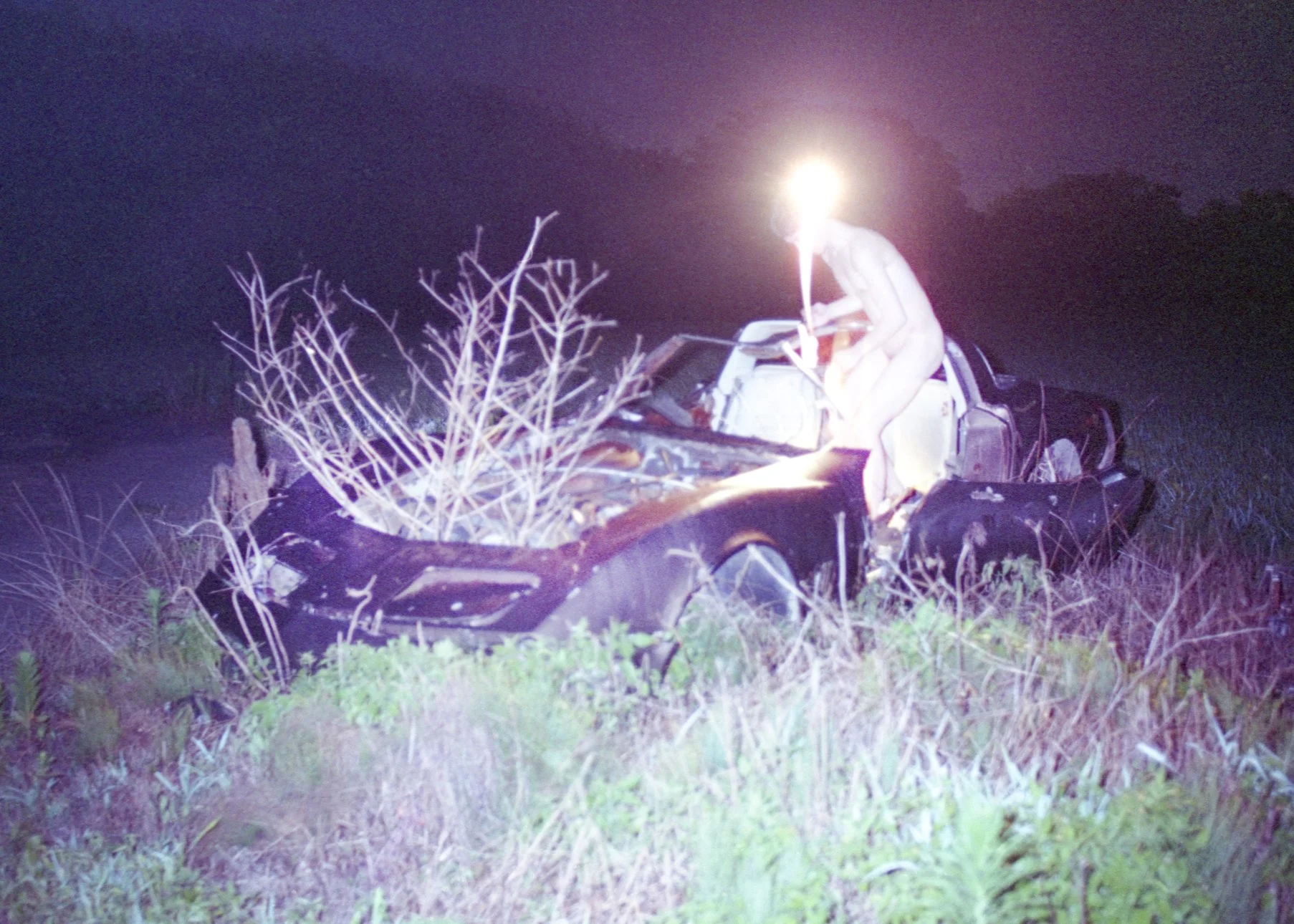
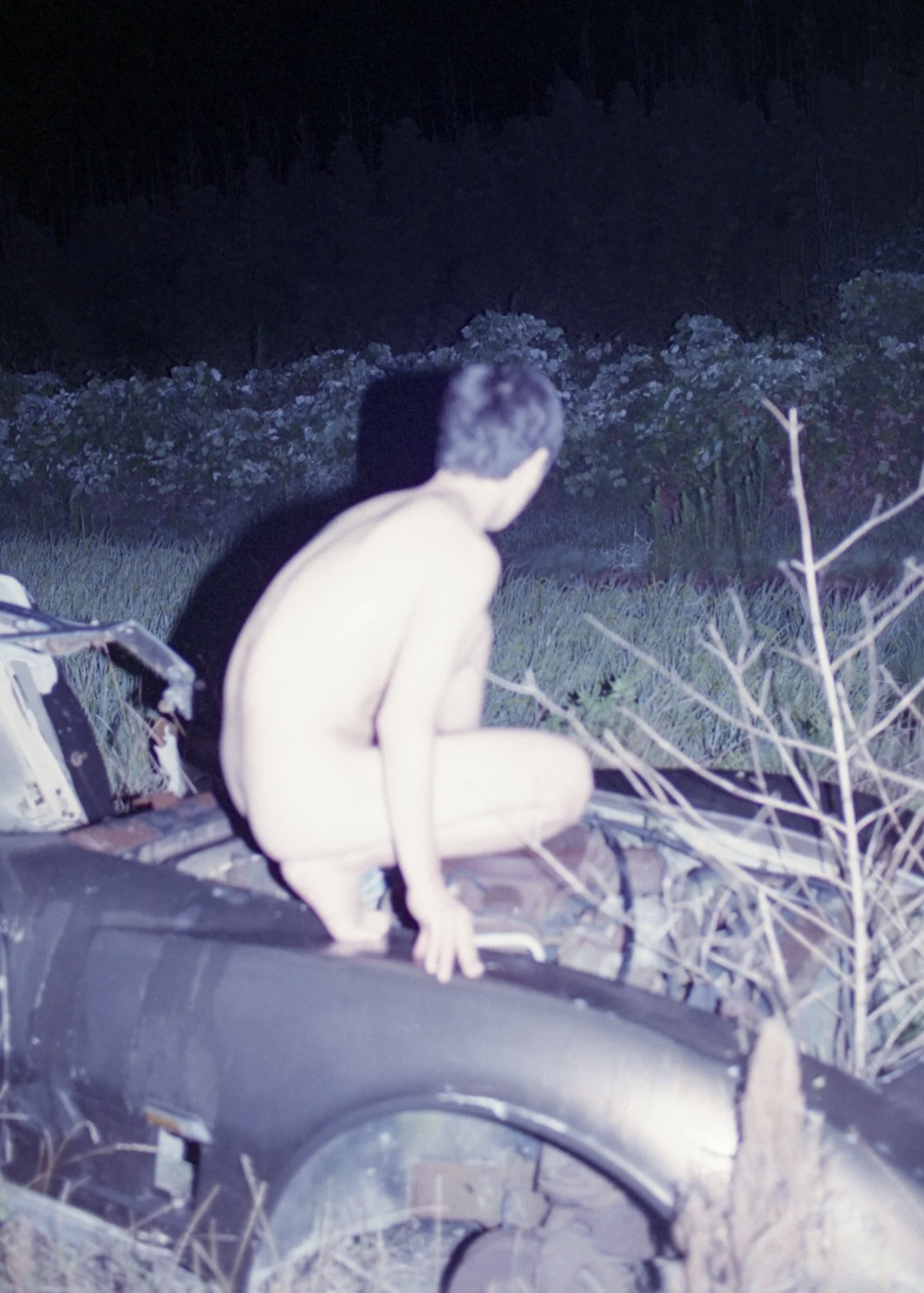
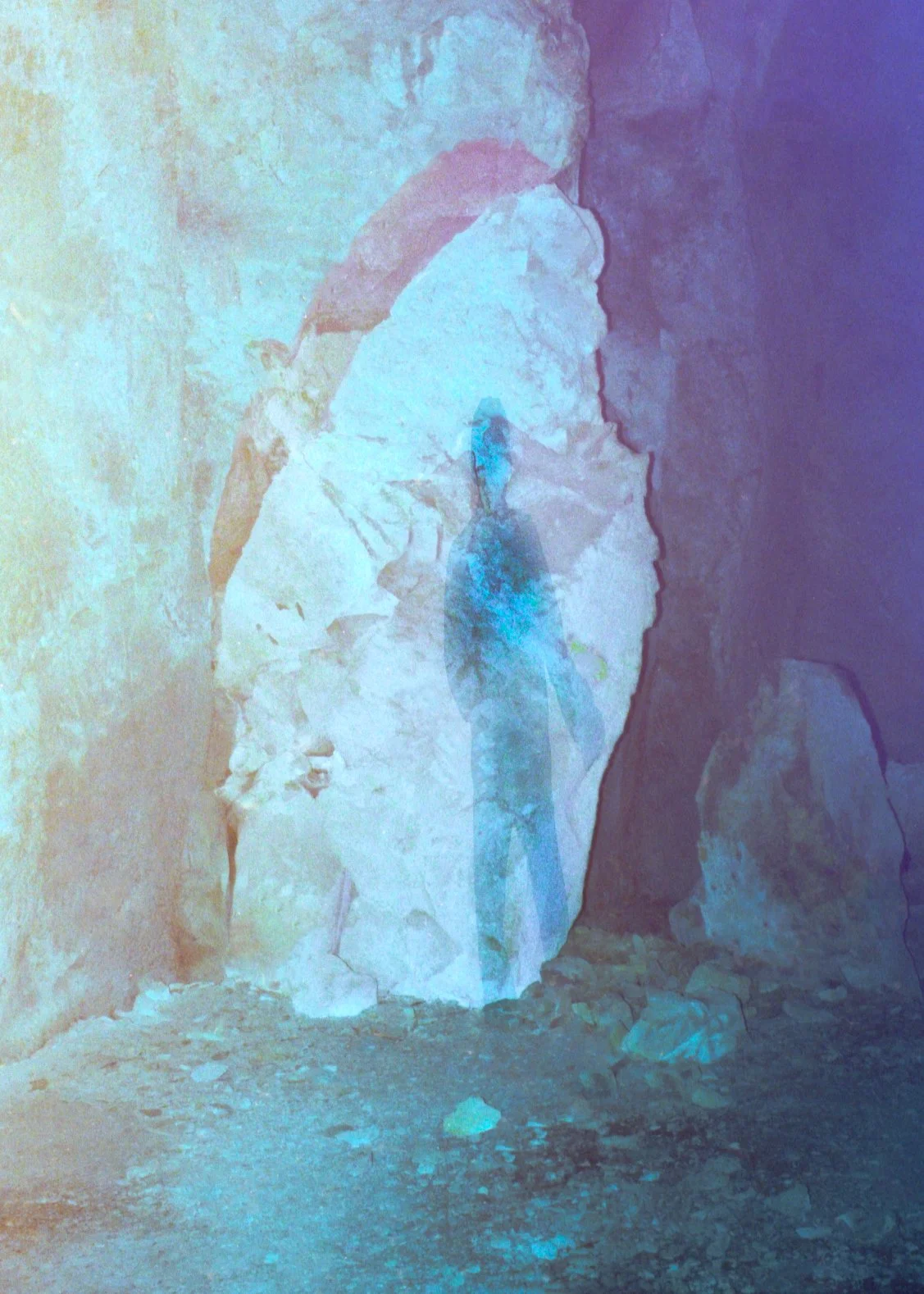
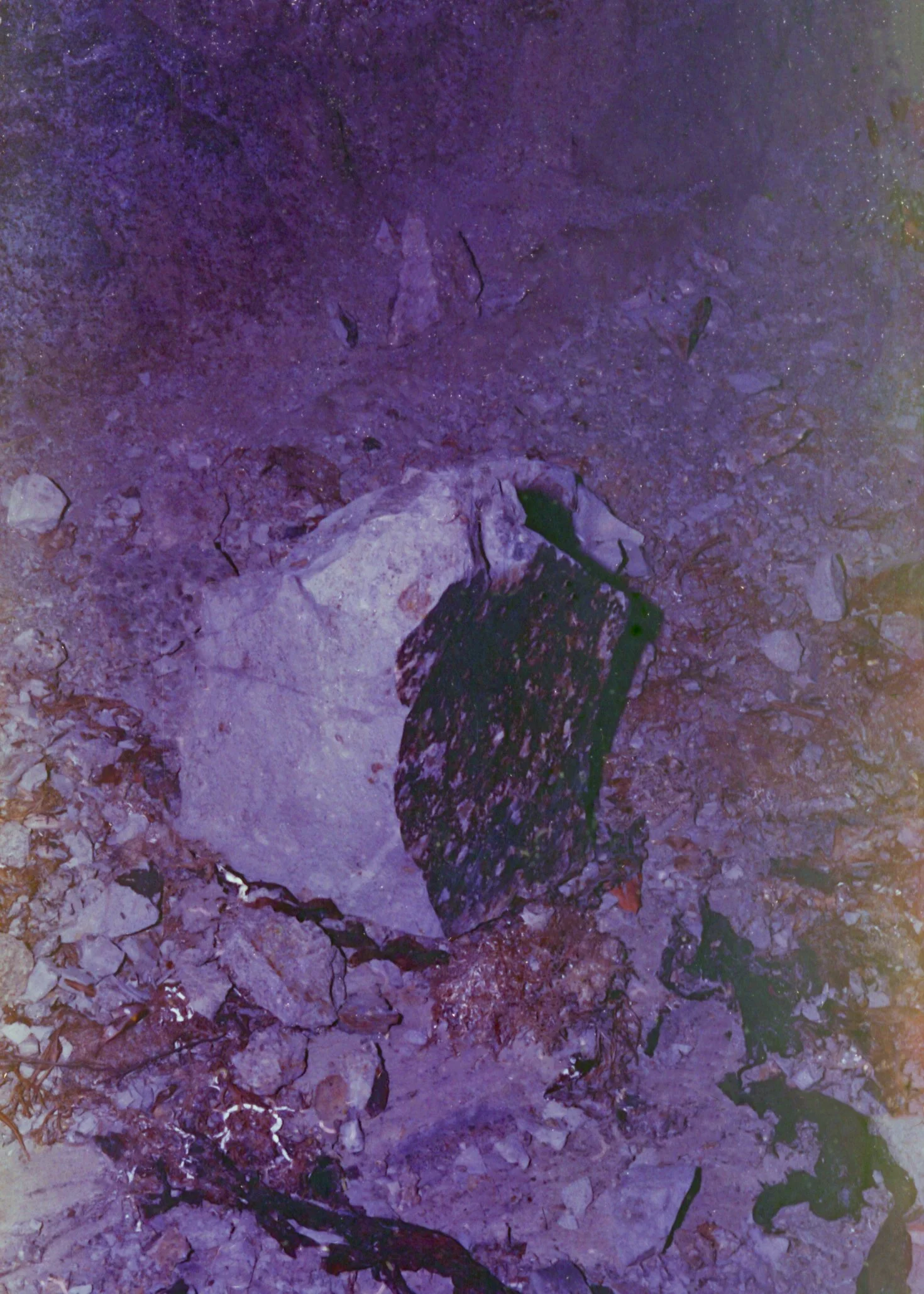
It led me to places connected with stone and burial: abandoned quarries where gravestones were once cut, and even illegal dumping sites where discarded gravestones had been piled up. These locations eventually became part of the visual language of the book.
Usually, when photographers conduct interviews, it is within the tradition of documentary photography, where the testimonies themselves become the subject. My approach was different. Rather than illustrating what people told me, I treated each conversation like a chain of associations. The interviews became starting points that led me to unexpected places and images.
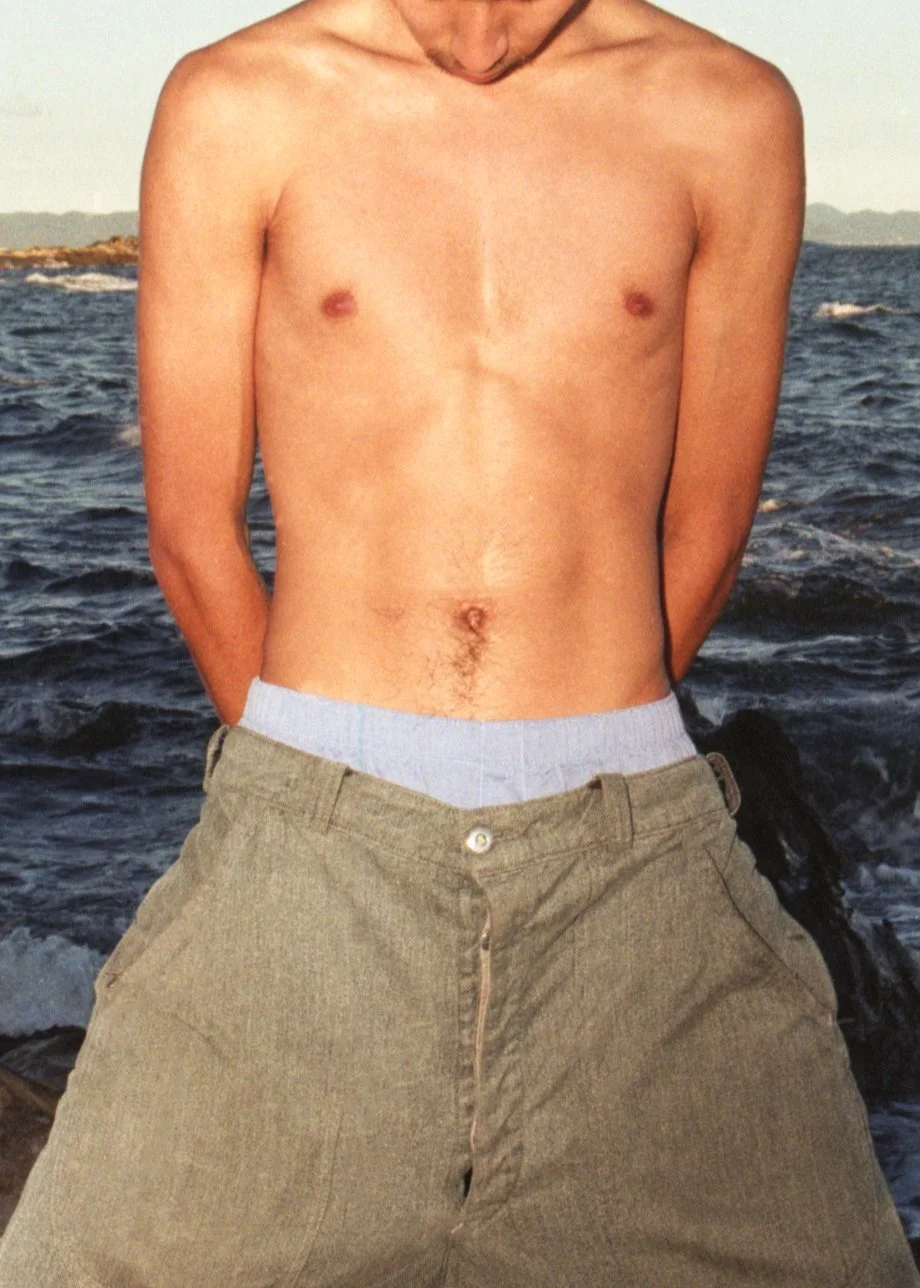
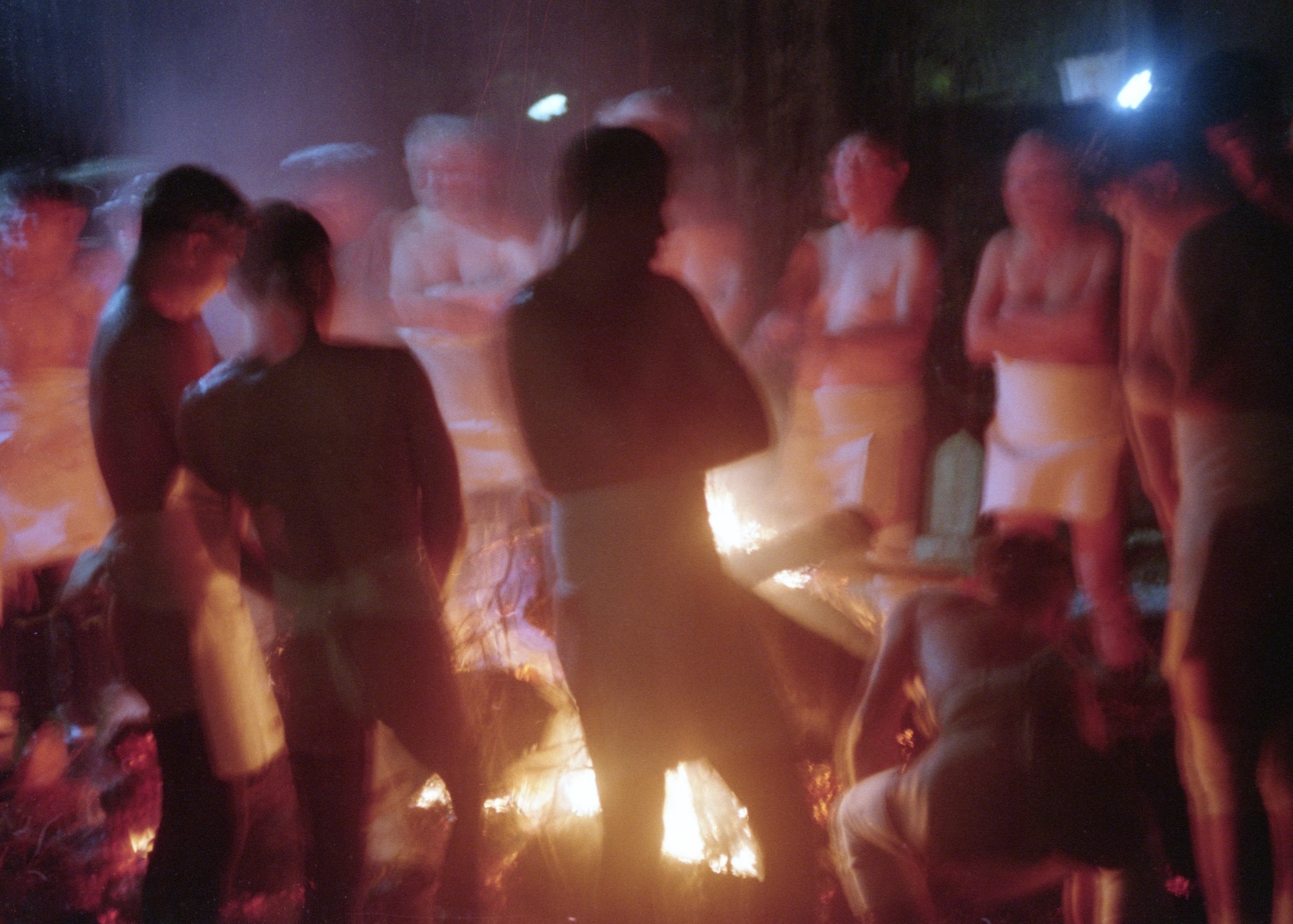
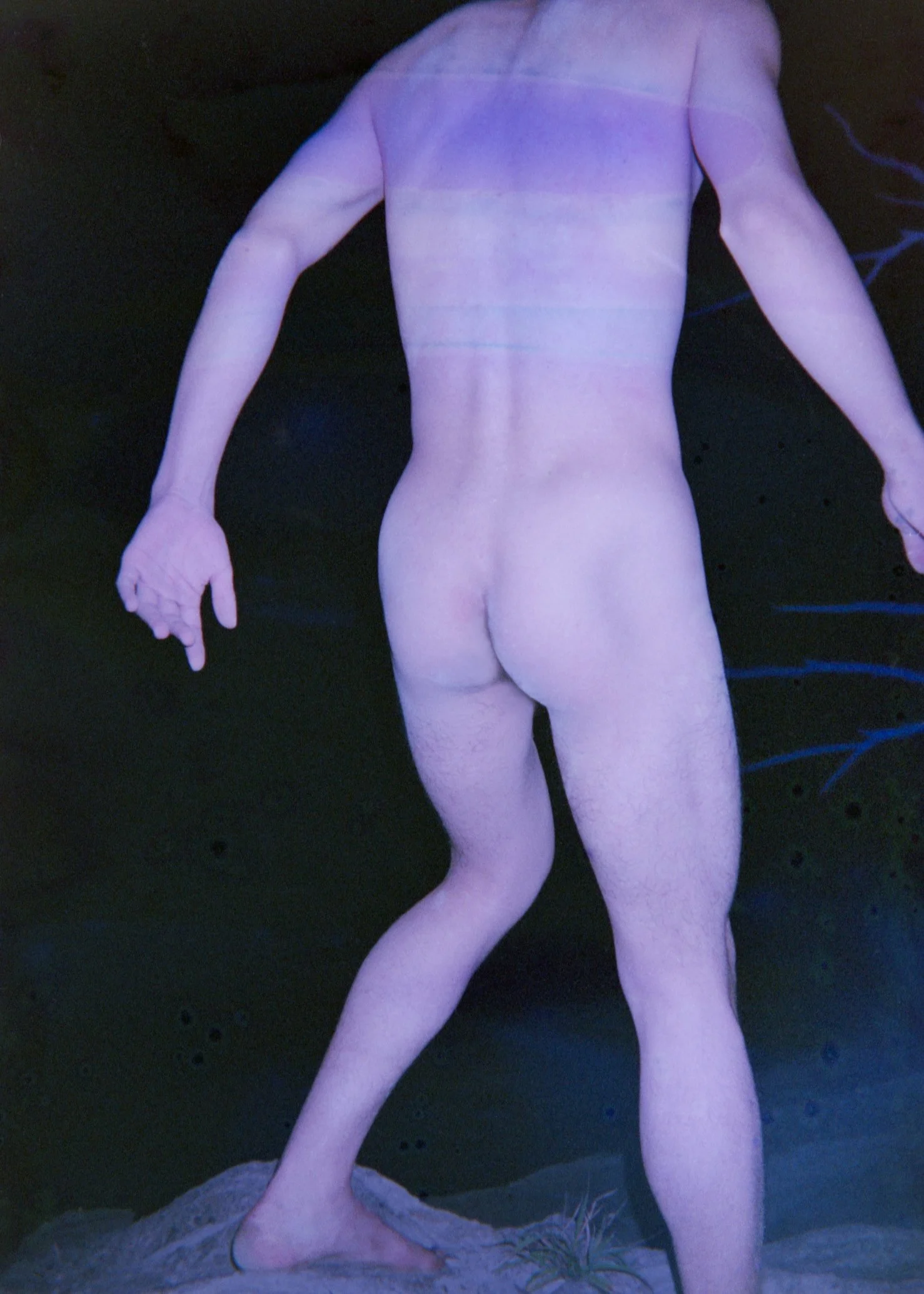
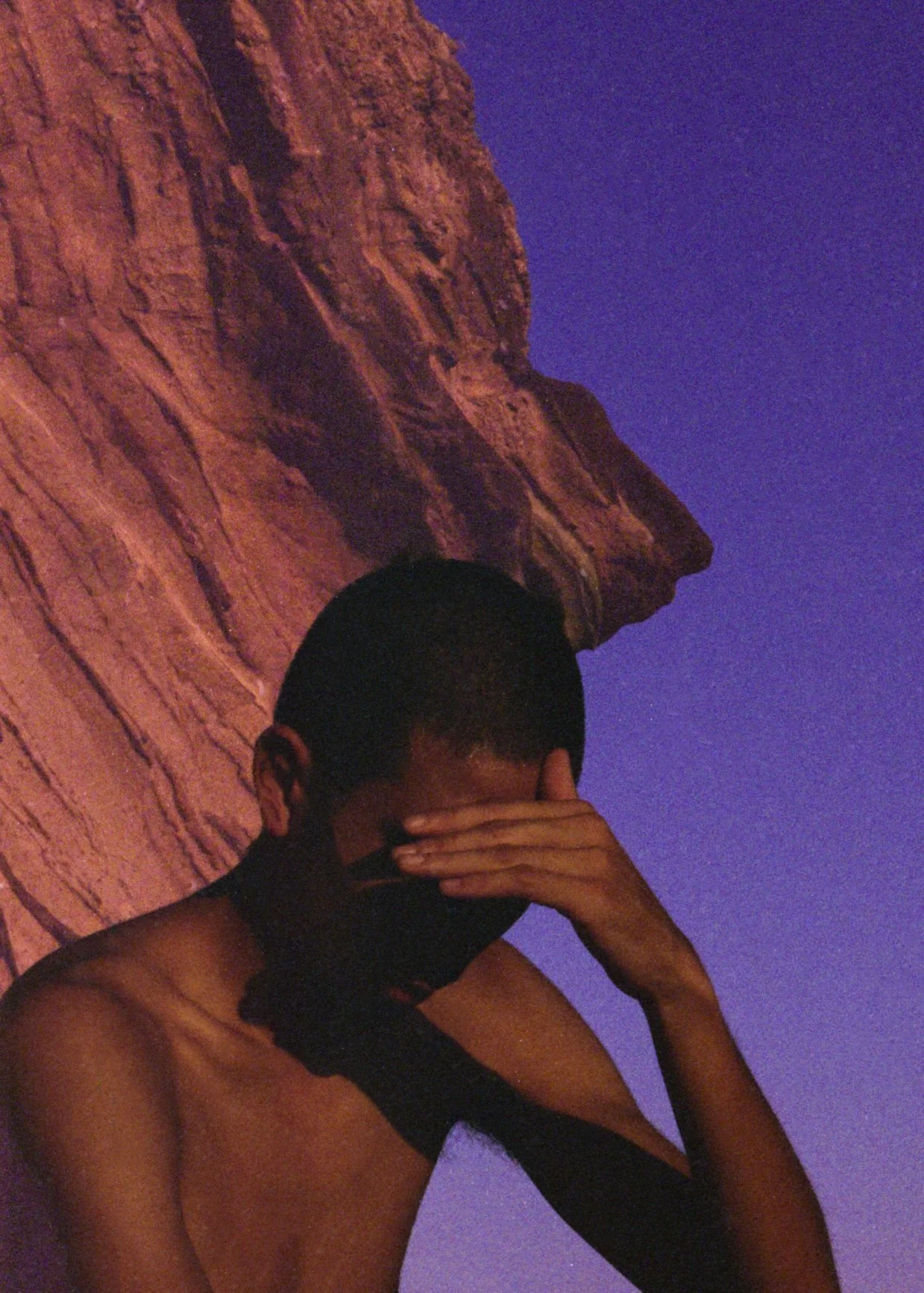
Another story that stayed with me was hearing about men having sex naked in the cruising park. By today's standards, many people would judge that behavior negatively. But the image of naked men moving through a dark forest also possessed a kind of wildness that feels absent from contemporary life. Listening to elderly men recall a time when they were full of sexual energy was incredibly moving. Those memories became one of the main inspirations for the photographs of naked male bodies in nature that appear in the second half of the book.
Challenge: You had about six months after winning the award to turn this idea into a 248-page book. What was the hardest part about working that fast on something so personal?
Producing a 248-page photobook filled with new work in such a short period was certainly challenging. The book was published as part of the Grand Prize I received in a photobook competition, which meant that many different expectations had to coexist. There were my own artistic intentions, the designer's vision, the publisher's budget and production schedule, and the expectations of the jury that had selected the project.
I don't believe an artist has to control every aspect of a project. I'm not interested in being a control freak. At the same time, I realized that I needed to carefully guide countless small decisions throughout the process. Every piece of feedback had to be considered, interpreted, and discussed with both the designer and the publisher before deciding how it should shape the final book.
Until this project, I had only published books independently, so this kind of collaboration was completely new to me. It taught me that making a photobook is not simply about selecting photographs: it's also about balancing many different perspectives while protecting the core of the work.
Of course, it would have been easier if everything had gone smoothly, but I don't think easy projects are necessarily the most rewarding. The complexity, the negotiations, and even the disagreements ultimately made the book stronger. Looking back, I think it was both one of the most difficult and one of the most enjoyable creative experiences I've had.
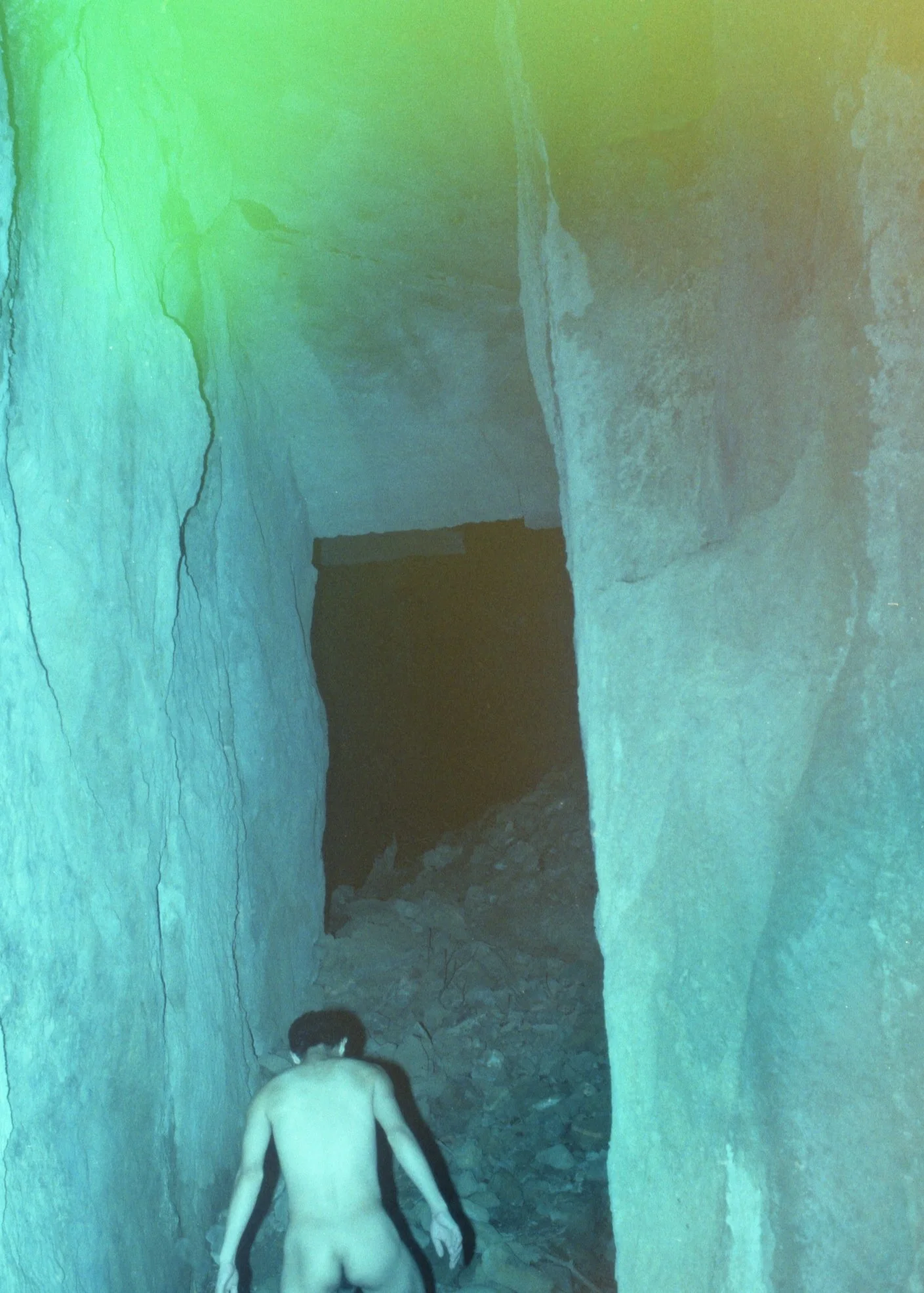
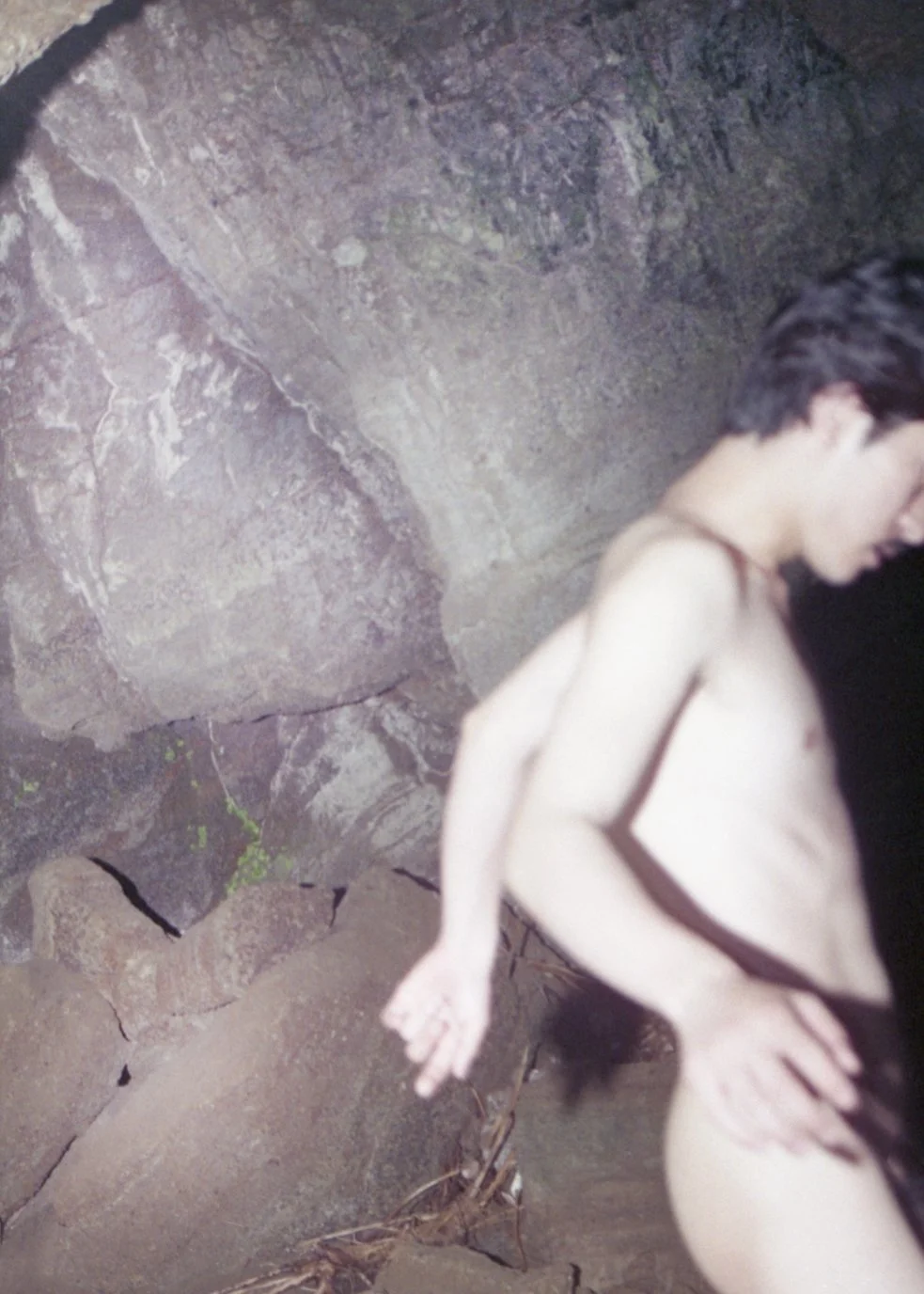
Technique: You photographed straight men's bodies with flash inside an old Edo-period stone quarry. What were you trying to show through the light and the setting?
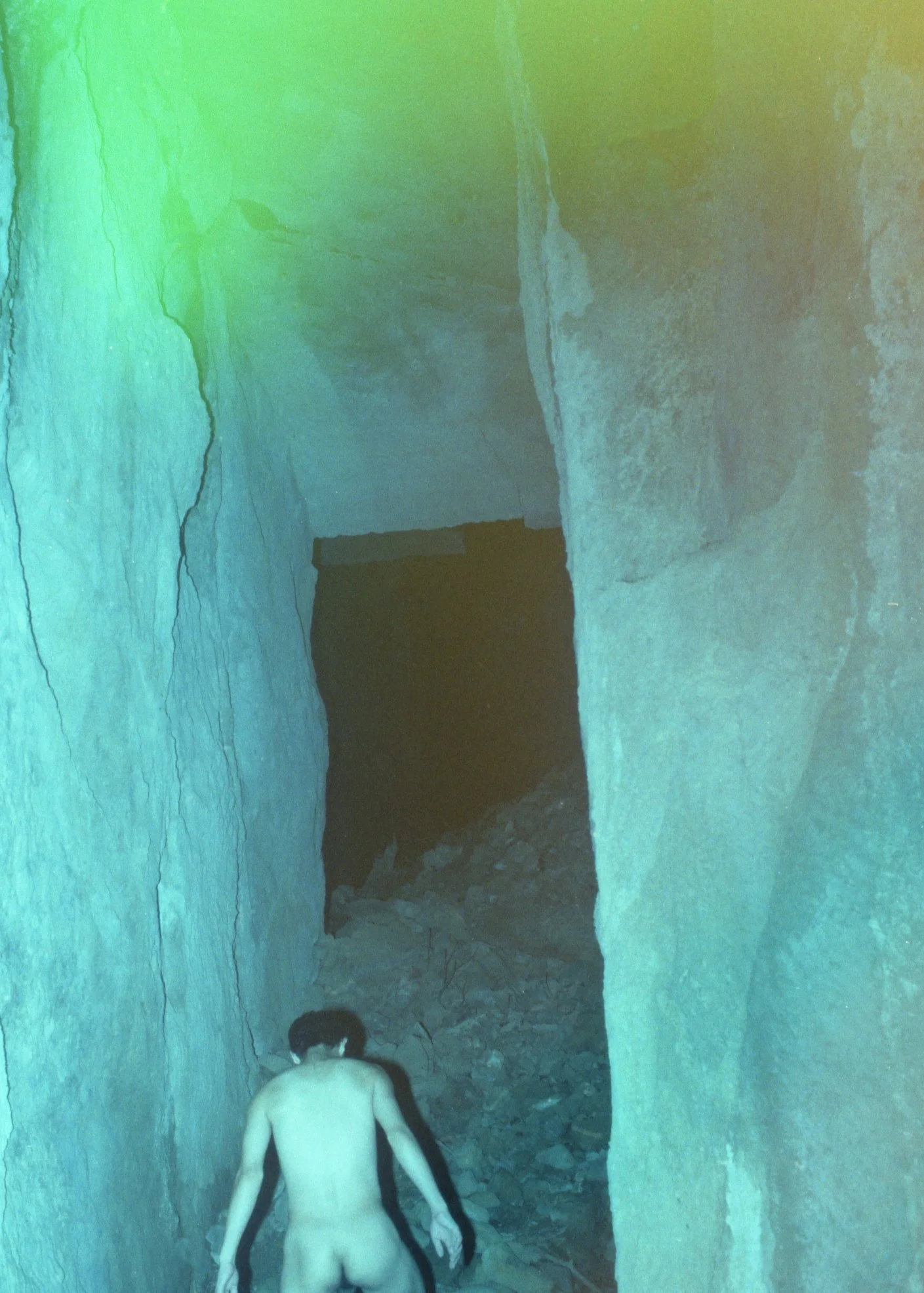
As I mentioned earlier, the interviews with gay men repeatedly brought me back to the subject of graves. While researching that theme, I discovered that there were abandoned stone quarries from the Edo period where stone for gravestones and castle walls had once been cut. These places do not appear on maps. I found this particular quarry by exploring the mountains myself.
The quarry felt like an enormous underground cave, but more than that, it felt like an entire cemetery. I still remember that the first time I entered it, my legs were trembling with fear. It was as if I had stepped inside the gravestones that people had been talking about during the interviews.
In Japanese mythology, the world of the dead is often imagined as lying beyond an underground cave. That association was certainly in my mind. I wanted the quarry to evoke death, not literally, but as a psychological space where the boundary between the living and the dead becomes uncertain.
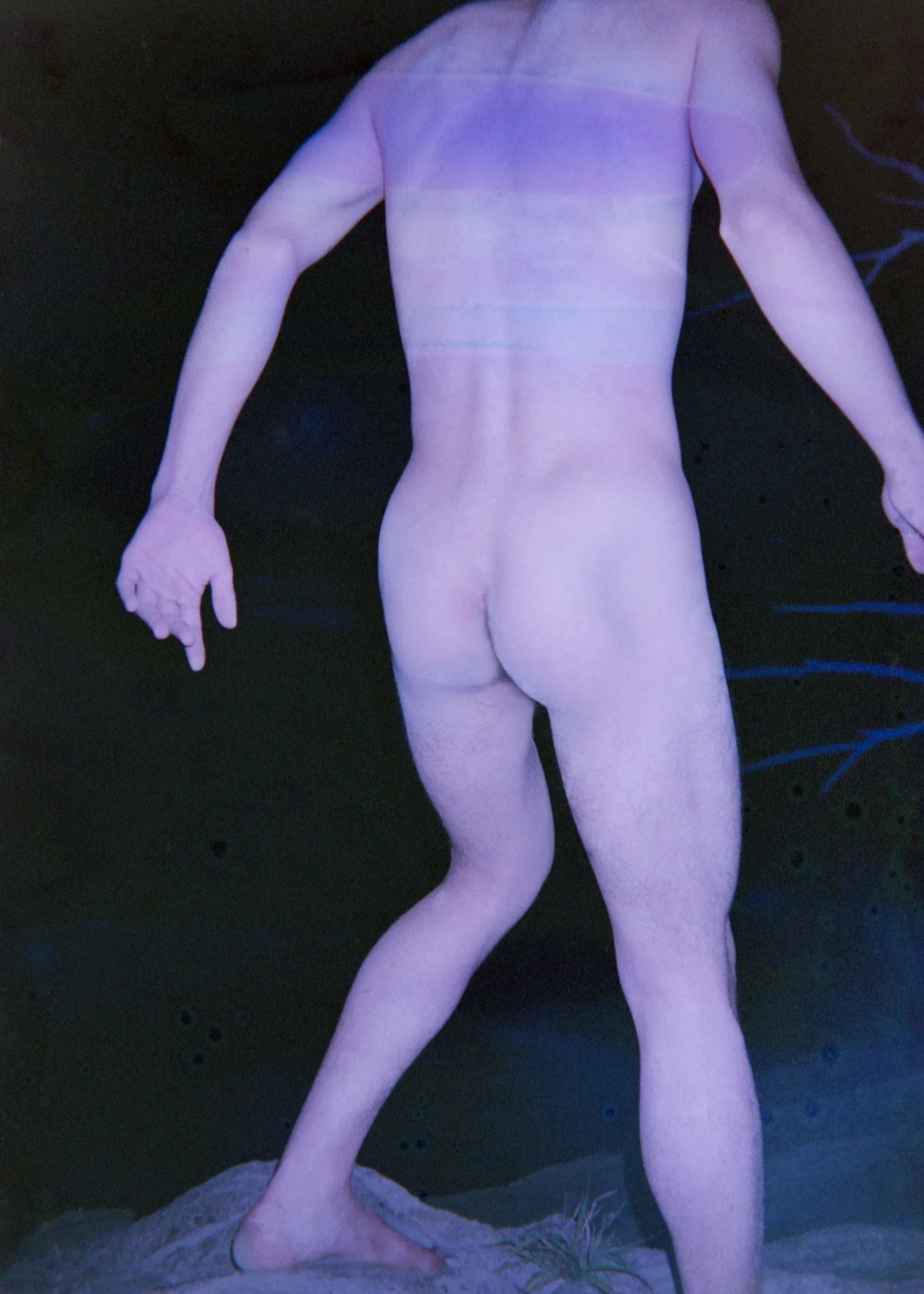
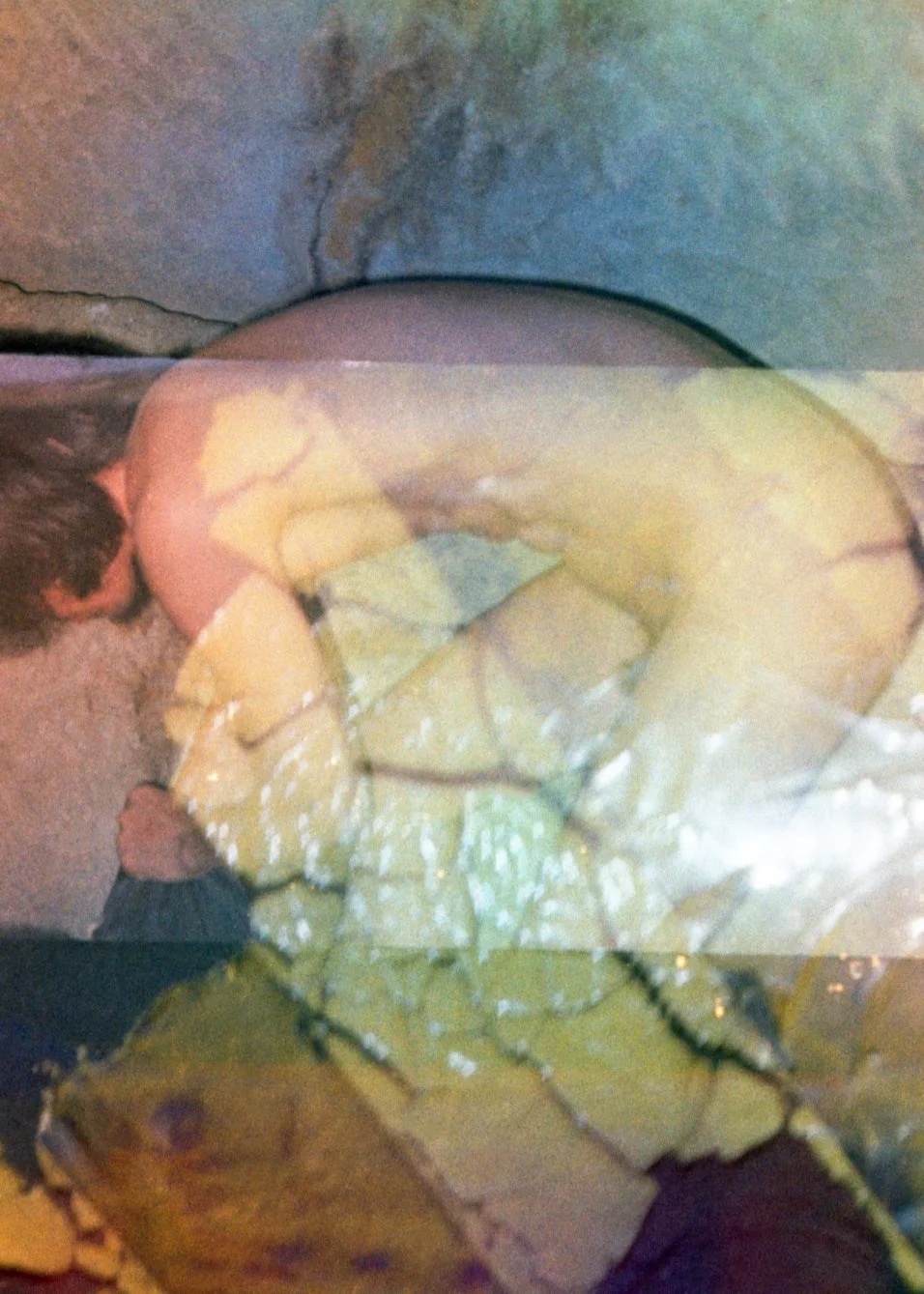
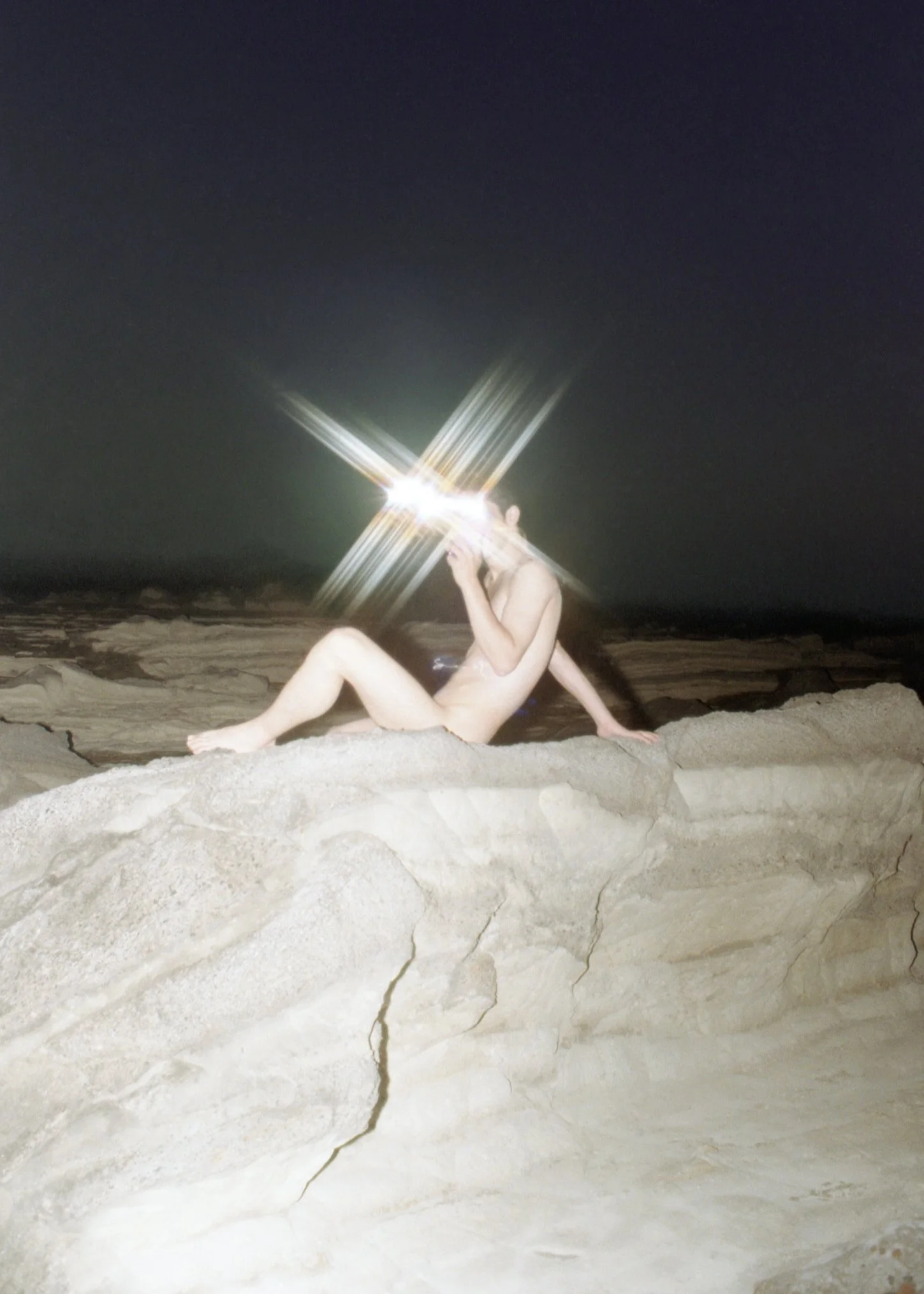
The flash also played an important role. Repeatedly firing a powerful strobe in such an extraordinary environment gradually altered my perception. It almost felt like entering a trance. Instead of concentrating on how the photographs would eventually look on film, I became much more aware of the physical and psychological state shared by both myself and the model.
Ironically, although I chose the location to suggest the world of the dead, what the photographs ultimately captured was not death itself but the transformation of our consciousness inside that space. The quarry affected us more than we affected it. In that sense, the photographs became records of an experience rather than illustrations of an idea.
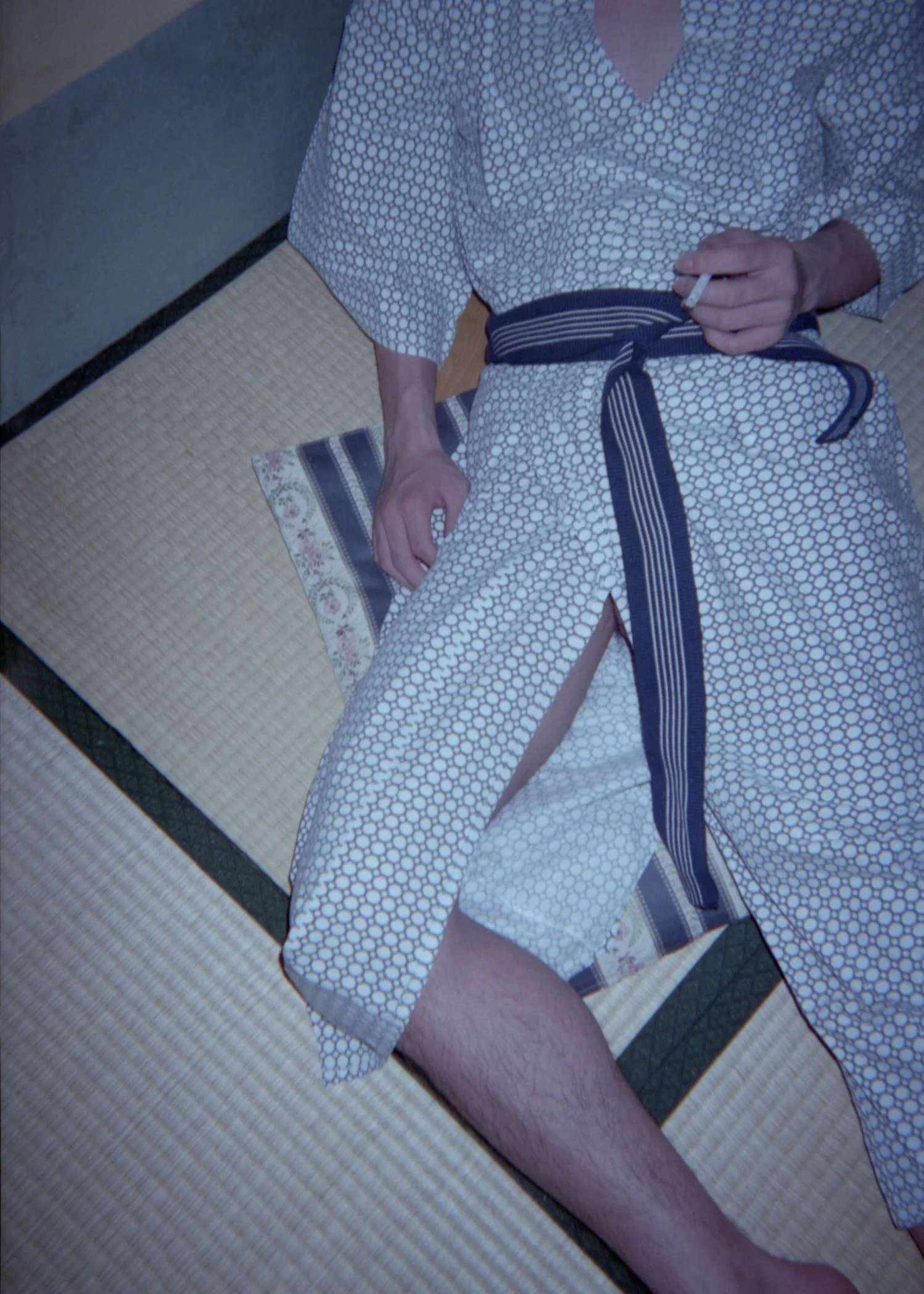
Sequencing: Can you break down one sequence where an interview, a landscape, and a staged body create a meaning none could carry alone?
One sequence that stands out to me is the series of photographs that runs from pages 105 to 113, set inside the abandoned stone quarry.
During my interviews, the word gravestone came up repeatedly. That led me to research the places where gravestones had once been quarried, and eventually I found this abandoned underground quarry. I then brought my models there and photographed them inside that space.
At the beginning of the project, I was already thinking about the idea of ghosts. Later, the interviews introduced the recurring image of gravestones. Those two lines of association eventually converged in the quarry.
The models were carrying flashlights and small portable lights, but originally these were simply practical tools to help them navigate the darkness. However, because I photographed the scenes using long exposures, the beams of light formed strange arcs across the images. To me, they resemble the glowing orbs often seen in early spirit photography.
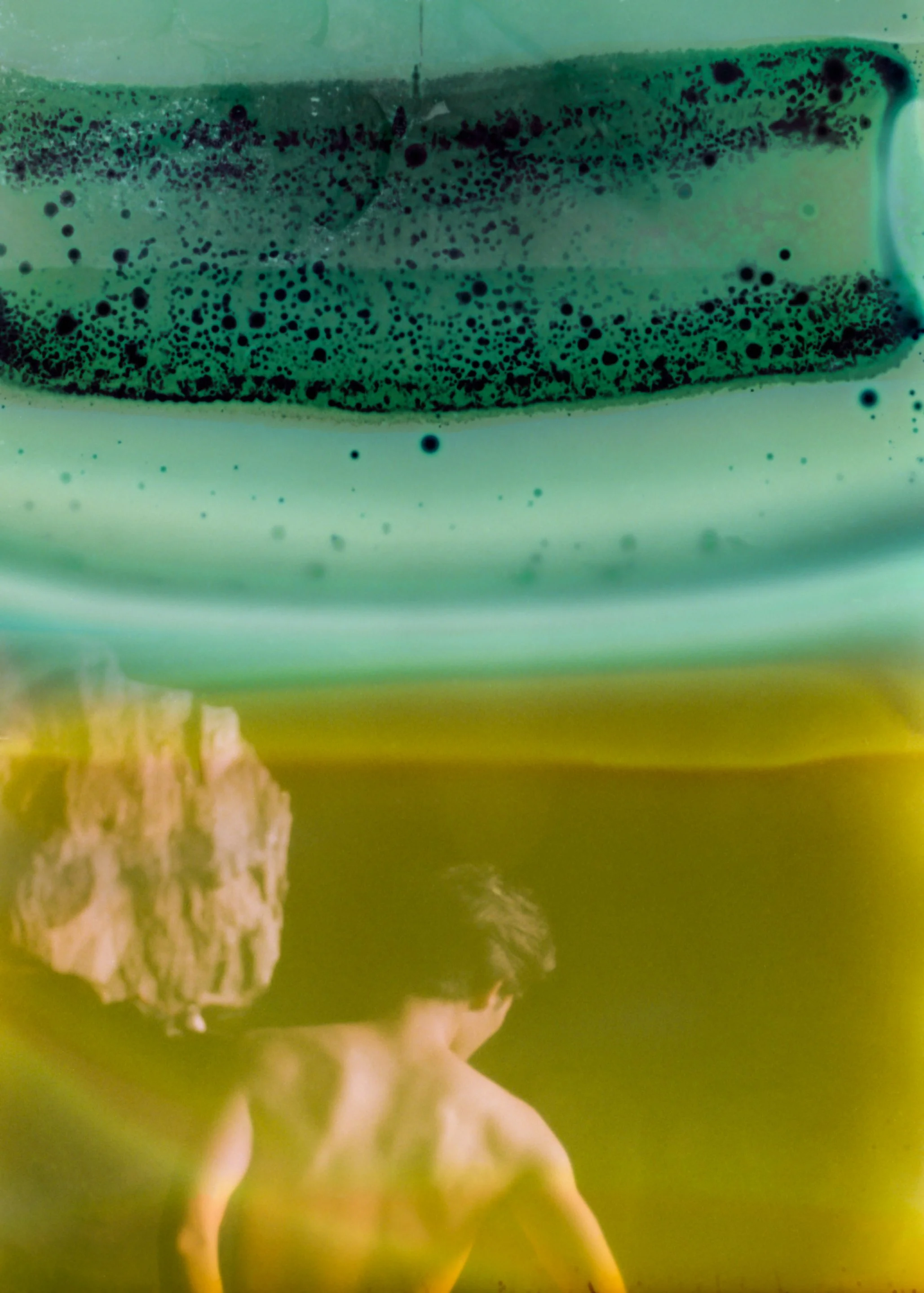
The quarry itself already felt like an underground temple carved from stone. Seeing these naked male bodies surrounded by mysterious circles of light created something that went beyond my original associations with ghosts or gravestones. None of these elements (the interviews, the landscape, or the staged figures) could have carried that meaning on their own. It only emerged when they came together in the sequence of the book.
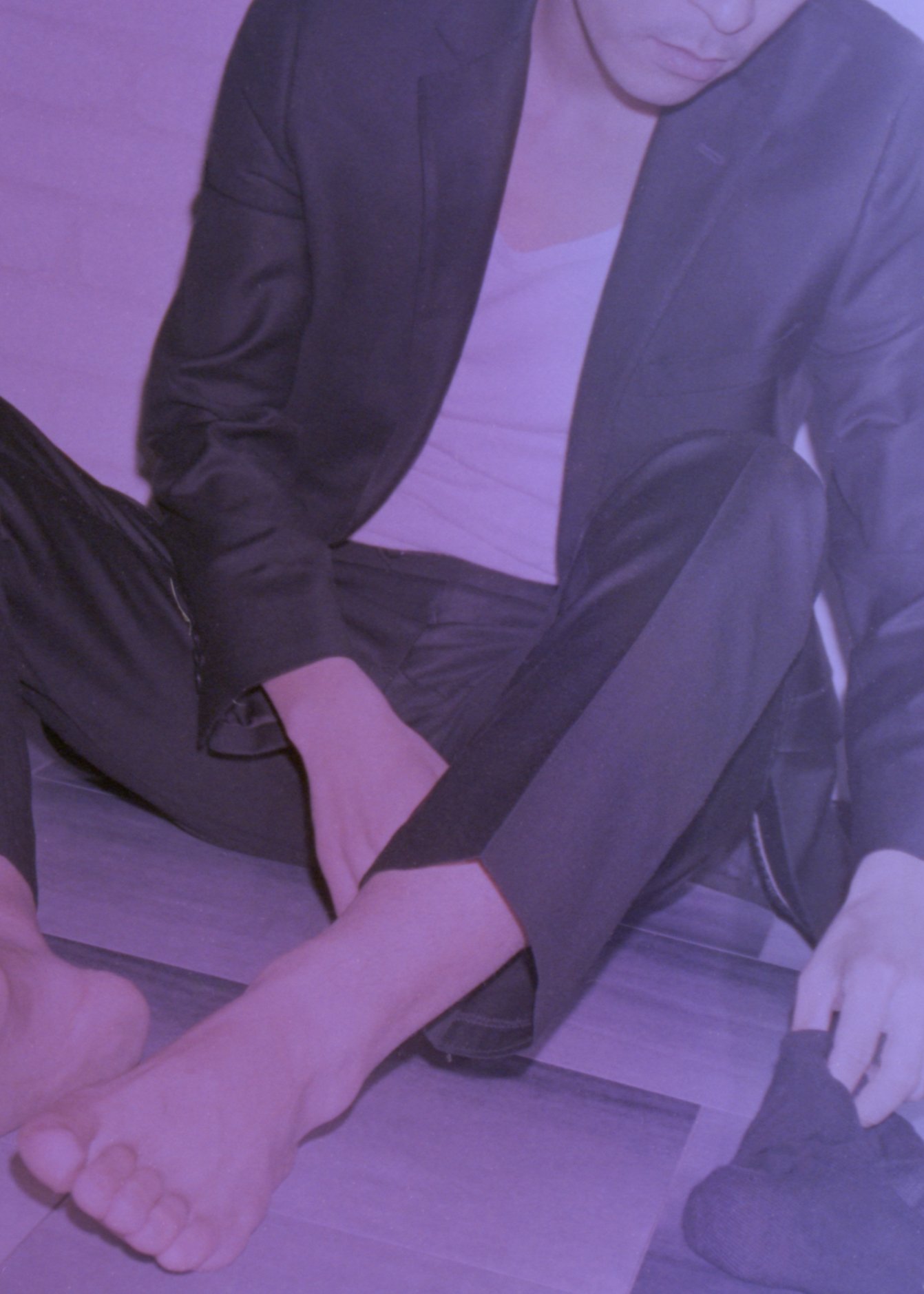
Color: Many photos in the book have a violet tone linked to ōmagatoki, the strange hour between day and night. How did you get this color, in camera or in editing?
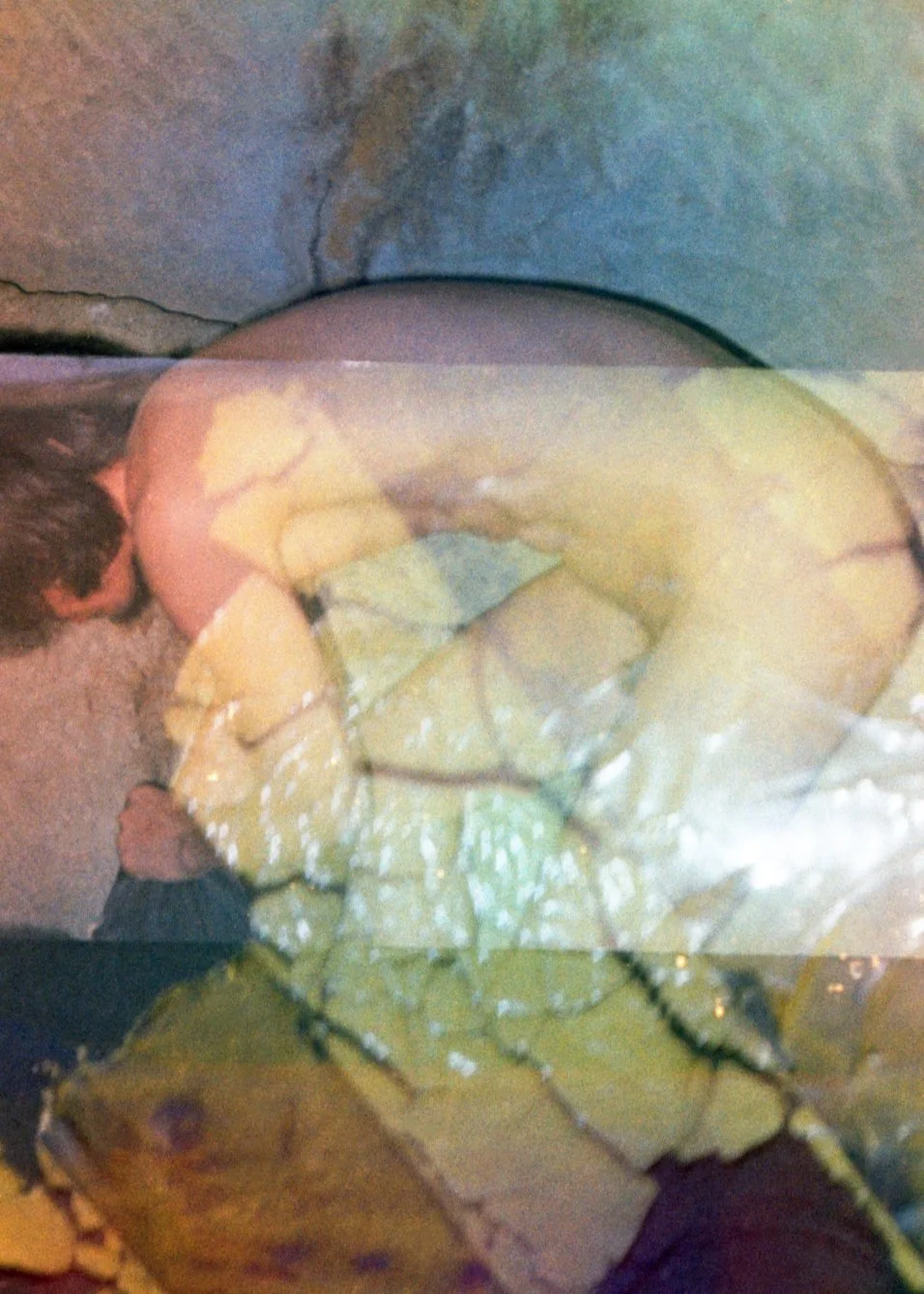
I pay very close attention to color and usually try to control it carefully. At the same time, I believe that chance is one of the most important elements in photography.
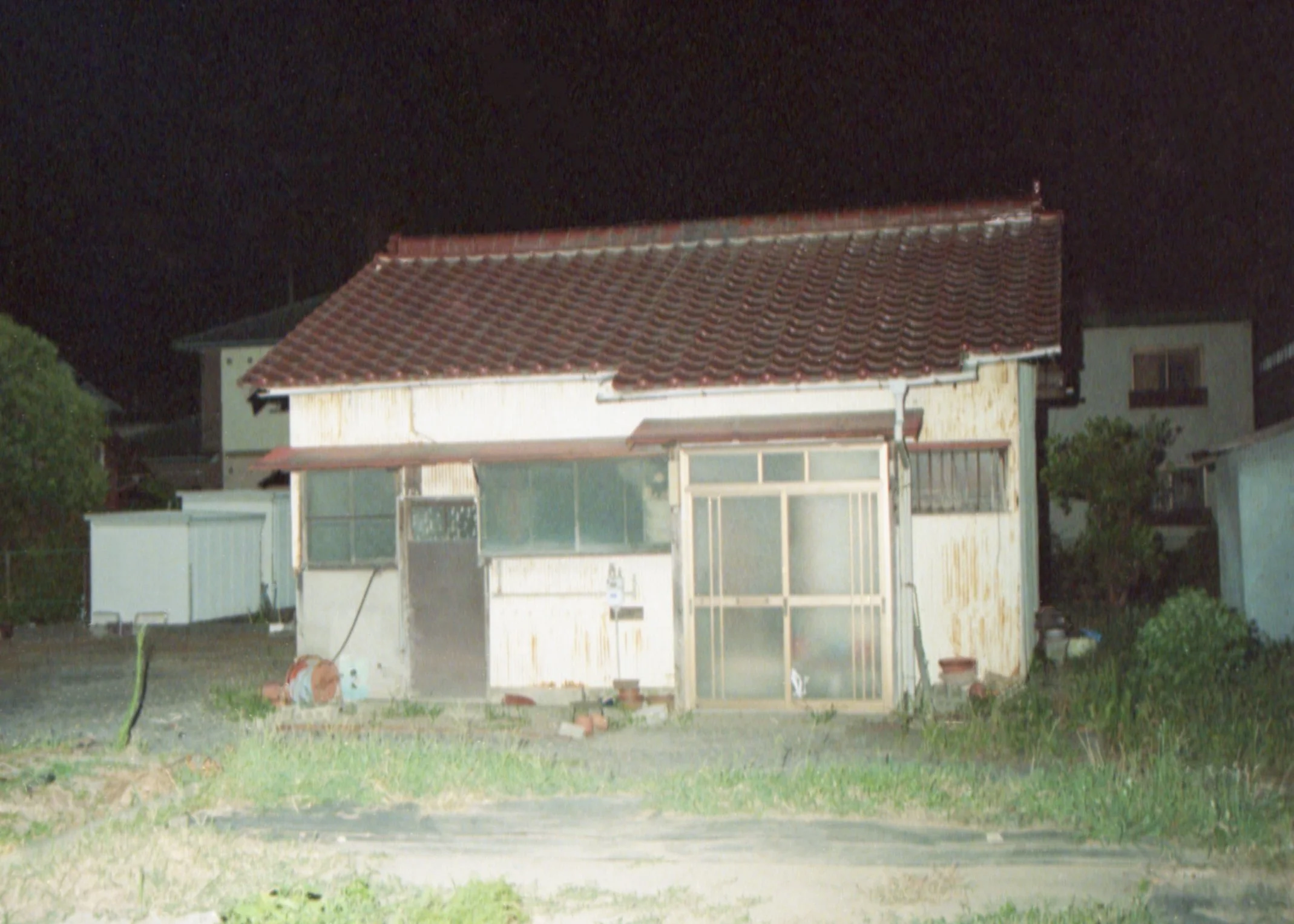
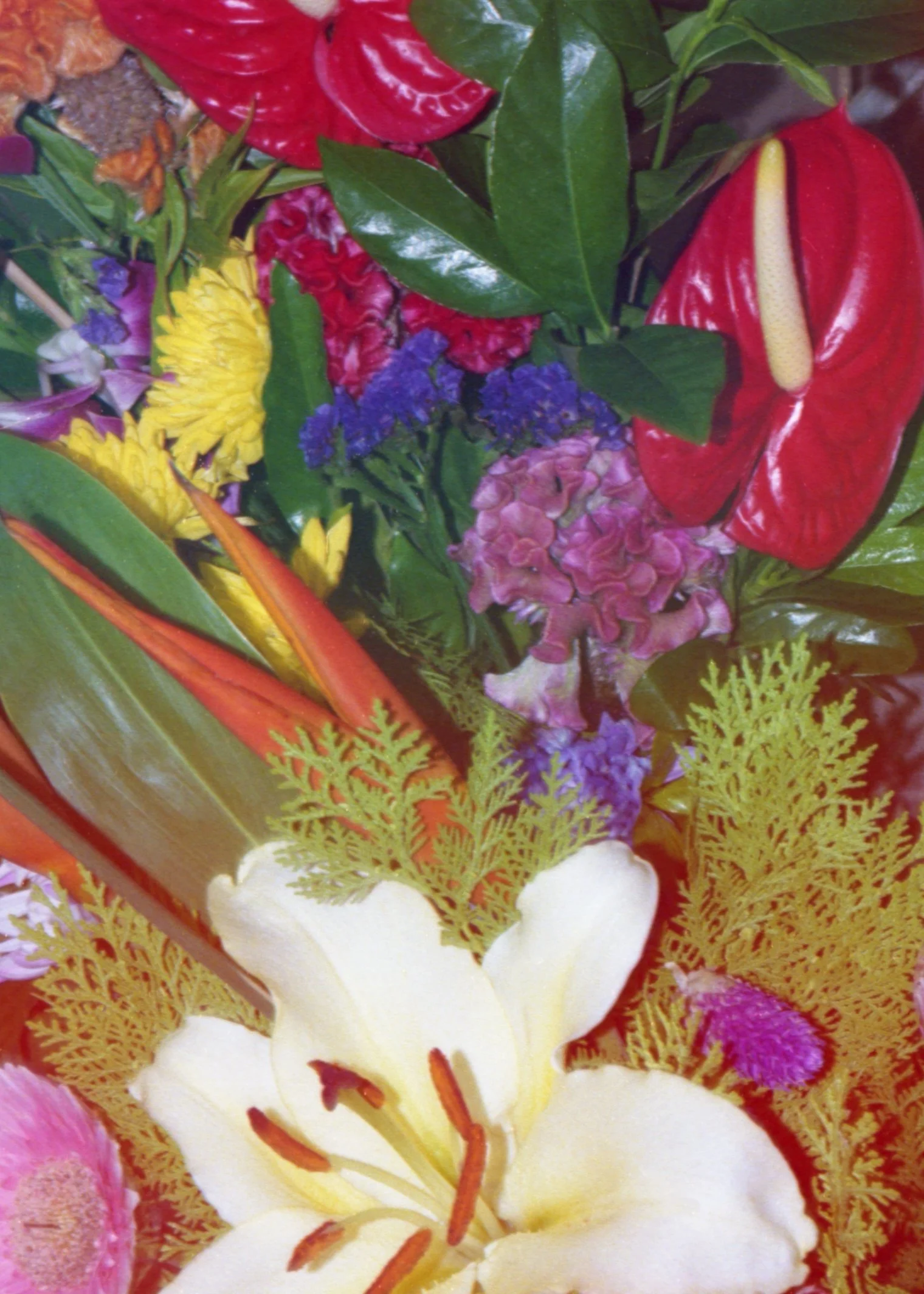
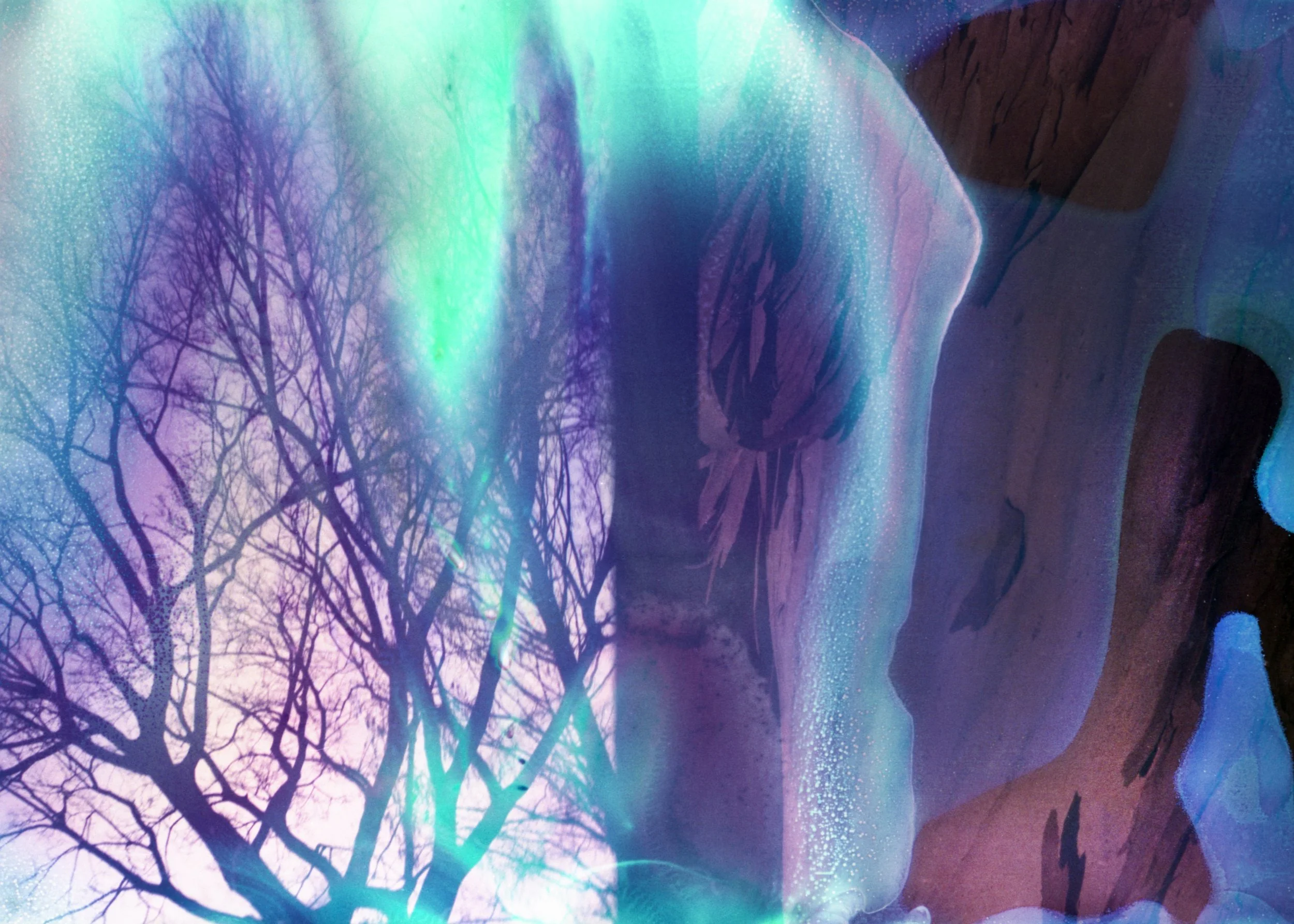
The violet tone was actually born from an accident. When I began shooting this project, I had very little money, so a photographer friend gave me several rolls of expired film. After developing them, I discovered that the images had acquired a deep violet cast across the entire frame.
The effect came from a combination of factors. I was using daylight fill flash during the warm light of late afternoon, and the expired film had chemically deteriorated over time. Together, those conditions produced a color that I could never have planned in advance.
When I saw the results, I immediately felt that this unexpected violet perfectly matched the atmosphere I had been searching for. Rather than correcting it, I decided to embrace it and make it one of the visual languages of the book.
For me, photography is always a negotiation between intention and accident. You prepare as much as you can, but sometimes the image gives you something you could never have invented yourself. This color is one of those gifts.
Editing: What kinds of photographs did you remove because they were visually powerful but made the project feel too much like horror, fantasy, or erotic spectacle?
Yes, many of them. One of my weaknesses as an editor is that I tend to want to include almost everything in a photobook. Because of that, I knew from the beginning that I needed other people's eyes.
The first edit was done by the photographer Ryudai Takano. After that, Aaron Nieh made his own selection. Finally, I made the last edit by working from the photographs that both of them had chosen.
When shooting and editing happen within such a short period of time, it becomes extremely difficult to evaluate your own images objectively. You're still emotionally attached to the experience of making them. That's why I prefer to entrust the first selection to people whose judgment I deeply trust.
Looking back, many of the photographs that disappeared were images that were very striking on their own but too explicit in one direction. Some leaned too heavily toward horror, others toward fantasy, and others became overly erotic. Individually they were strong photographs, but together they overwhelmed the complexity I wanted the book to have.
I wasn't trying to make the work less intense. Rather, I wanted to avoid allowing any single mood to dominate the entire book. I hoped the photographs would remain open enough for multiple emotions and interpretations to coexist.
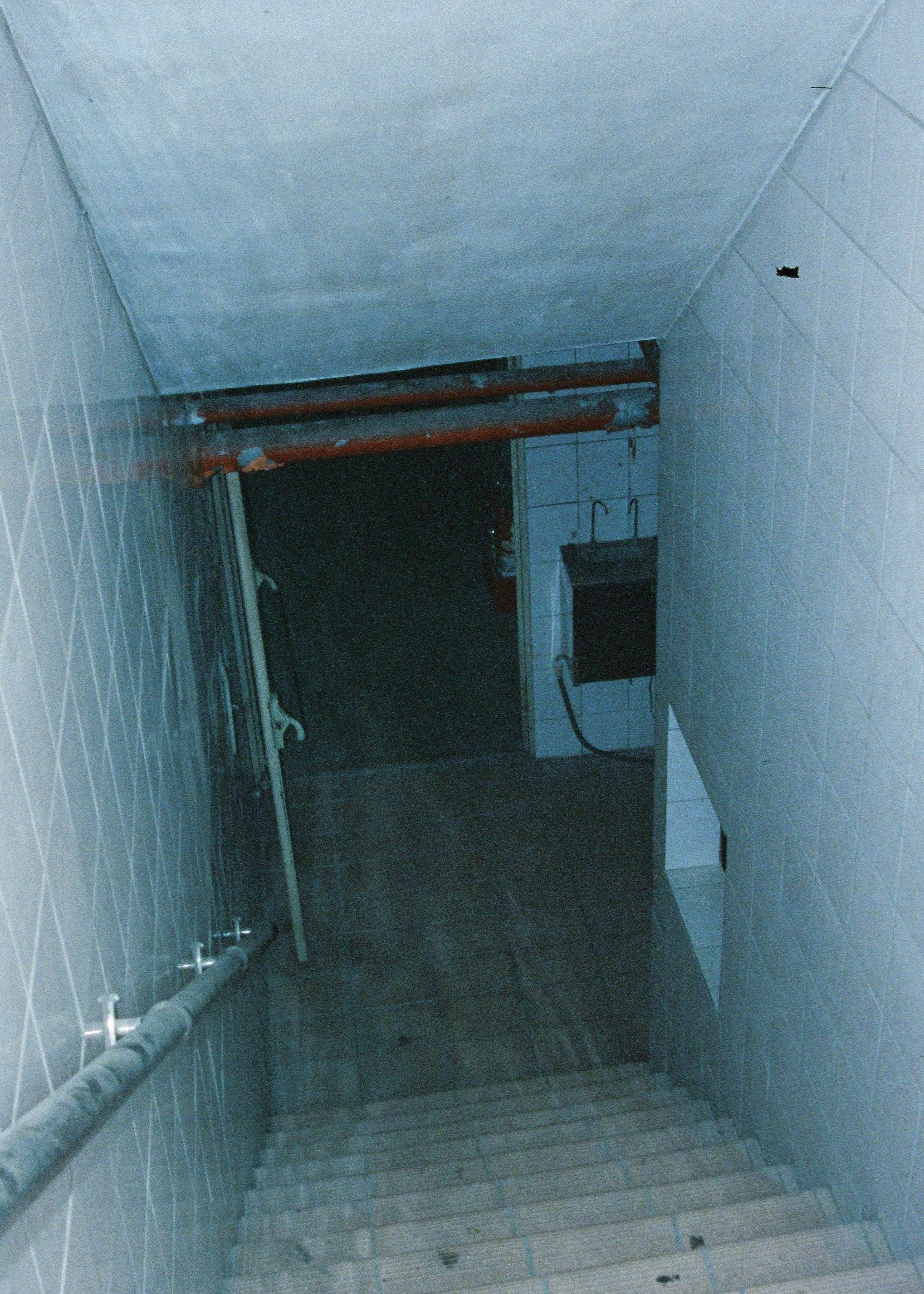
Design: Taiwanese designer Aaron Nieh built the book's experimental 248-page layout. What did you two agree on before he started, and what surprised you in the final design?
Although Aaron Nieh lives in Taiwan and I live in Japan, we were able to meet in person several times during the production of the book because I am part of the Taiwanese queer artist collective Homo Pleasure and regularly travel to Taiwan. Most of our communication happened by email, but those face-to-face conversations were important.
Before he began designing, I shared the story behind the project with him. Beyond that, I gave him only one request: I wanted the book to feel both savage and luxurious. I deliberately avoided giving detailed instructions because I trusted his visual sensibility. Aaron's previous work often has a quiet, restrained elegance, so I was curious to see what would happen if I asked him to move in the opposite direction.
The biggest surprise came when I saw the layout. This is not a photobook that can simply be flipped through from beginning to end. Because of the way the images are arranged, the reader has to rotate the book repeatedly in order to continue reading it.
At first, I worried that this would make the book less readable. But the more I spent time with it, the more I realized that the design was asking something of the reader's body. Instead of passively looking at photographs, the reader is physically drawn into the act of viewing.
I also loved the fact that the title contains the word Spin. Having to literally spin the book while reading it creates a subtle sense of humor and makes the physical experience of the book echo its title. It was a clever idea that I hadn't anticipated, and it made me appreciate how much book design can shape the way photographs are experienced.
Title: The book's title comes from a Latin palindrome about a night that burns itself out, and it used to be called That Night in the Wild. Why did the title change, and what does the new one add?
To be completely honest, That Night in the Wild was never meant to be the final title. It was simply a temporary working title that I gave the project at a very early stage, before I fully understood what the book was really about.
Before the first editorial meeting, I knew I needed to find a new title. But even at the last minute, I couldn't decide. Instead of working, I escaped into reading a novel that had nothing to do with the project. While reading, I came across the Latin palindrome that eventually inspired the title: In girum imus nocte et consumimur igni (“Spin around the Night Consumed by the Fire”)
The phrase immediately struck me because it has the atmosphere of an incantation or a magical spell. It is traditionally presented as a riddle. Most people answer that it refers to moths circling a flame until they burn to death. But I also learned that it has long been understood as a metaphor for human beings, drawn toward the fires of their own desires, even when those desires may ultimately destroy them.
That image instantly reminded me of people wandering through cruising parks at night, and of the murder that became the starting point of this project.
However, I don't use the phrase as a warning against desire. I don't want to moralize or tell people not to approach the flame. On the contrary, I see desire as something worth embracing, even if it carries risk. I wanted the title to suggest a willingness to step into that fire knowingly and without regret.
In that sense, changing the title also changed the emotional center of the book. It shifted the project away from simply recounting a crime and toward a broader reflection on desire, mortality, and the choices that make us human.
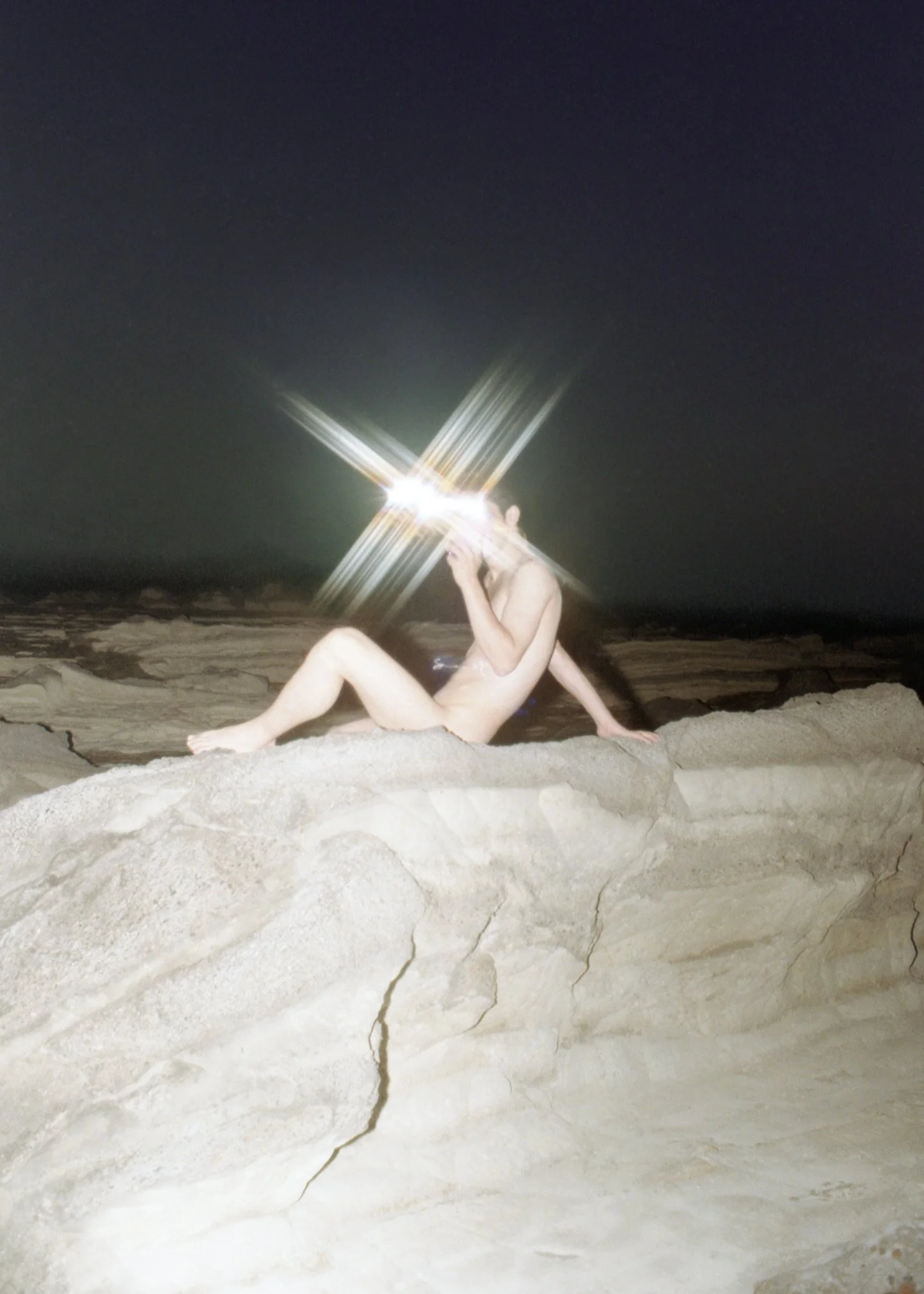
Meaning: You say the project blurs lines between real and imagined, life and death, straight and gay. What do you want a reader to feel after they finish the book?
Although this book was inspired by a hate crime, I don't see it primarily as a work about social issues, nor as a call for solidarity within the LGBTQ+ community. Those issues are deeply important to me, but they are not the main purpose of this book.
What interests me more is the idea that reality is never simple. Everything is entangled with everything else, and I believe that this complexity is both the only truth and the most fascinating aspect of being alive.
Because of that, I have no desire to use a photobook to deliver a single message or to control the reader's interpretation. Instead, I hope the book functions almost like a psychedelic experience. I don't mean that literally, but in the sense that it temporarily unsettles familiar ways of seeing.
My own creative process is built on chains of association. One image leads to another, one conversation leads to another place, one idea transforms into something unexpected. The book itself was made through that process of free association, shaped by encounters with other people, films, literature, landscapes, and chance.
I hope readers will continue that associative process after they close the book. Rather than arriving at a conclusion, I would like them to begin making their own connections.
To me, the value of a psychedelic experience lies in its ability to distort existing frameworks, shift perception, and temporarily transform consciousness. If this photobook can encourage even a small change in the way someone sees the world, or the way they connect seemingly unrelated things, then I feel it has achieved what I hoped for.
More photography books?
We'd love to read your comments below, sharing your thoughts and insights on the artist's work. Looking forward to welcoming you back for our next [book spotlight]. See you then!
Catherine DeLattre’s photographs begin with something worth stopping for. Driving through Wayne County, Pennsylvania, she notices isolated houses, trees, and open fields. Photography Book Spotlight