Welcome to this edition of Interviews. Today, we look at the project Wildlife Photography and Ecotourism, by Maya Santoro. We'd love to read your comments below about these insights and ideas behind the artist's work.
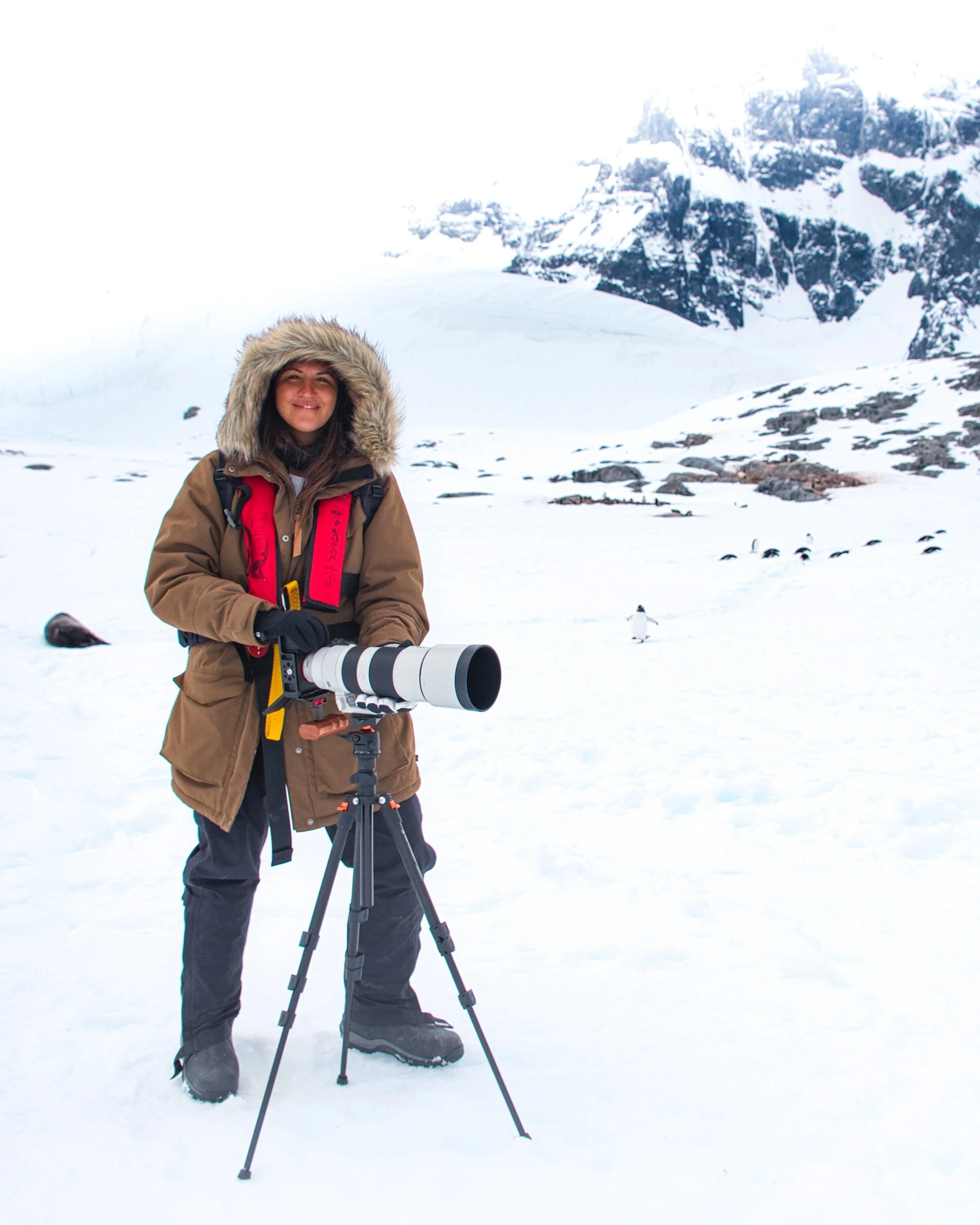
Maya Santoro is a biologist first and a photographer second.
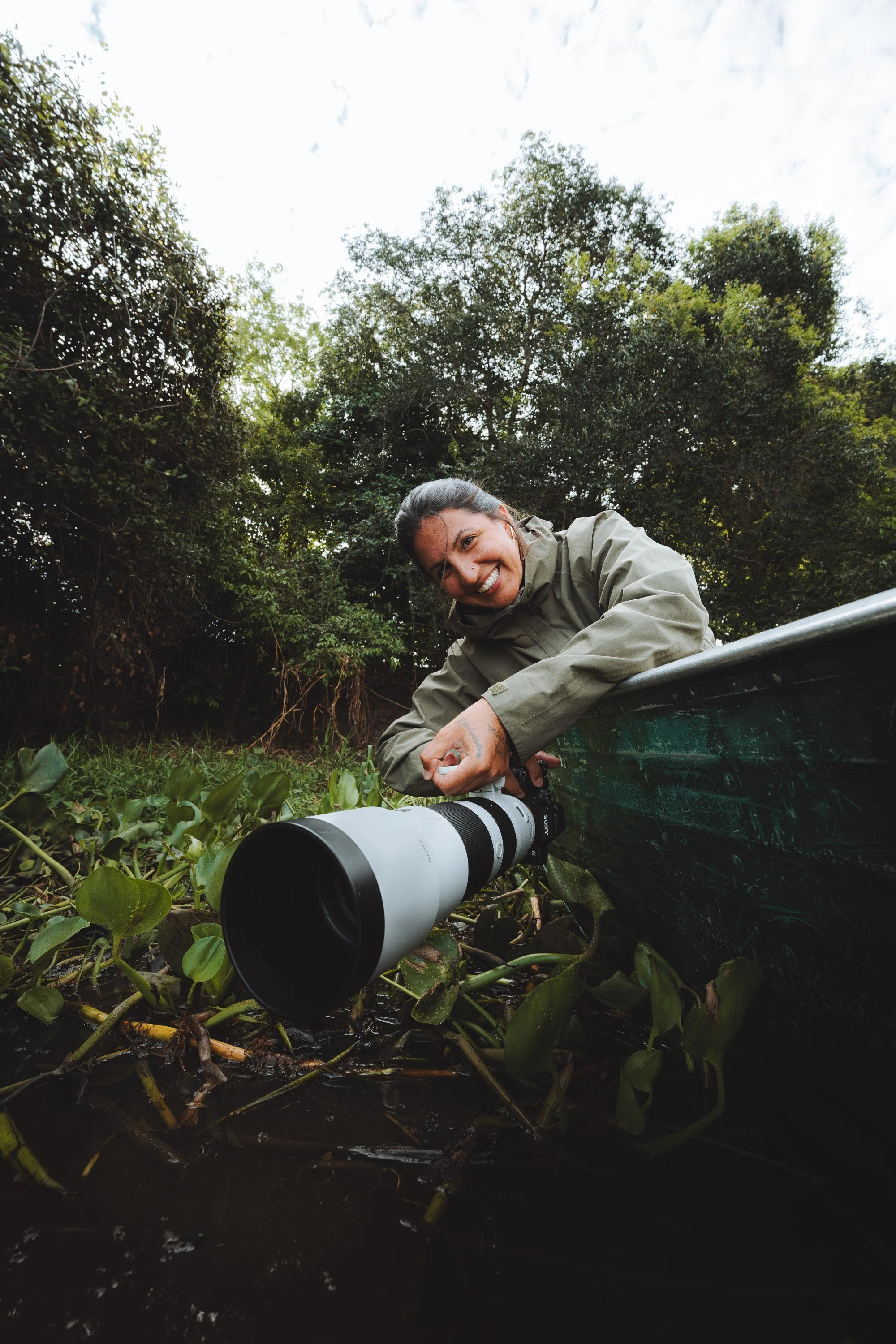
She started out in a neuroscience lab in Brazil, then left science to volunteer at wildlife rescue centres in South Africa and Brazil. Twelve years ago she began sharing those animals’ stories on Instagram and noticed that a strong photograph made people pay attention. Today she works as a wildlife photographer and tour leader, including boat safaris in the Pantanal.
Her knowledge of animal behaviour is how she anticipates a photograph.
In our live conversation, Santoro explains how she waited more than an hour for a jaguar called Medrosa to come and drink, why a six-hour wait ended with nothing, and when reading an animal’s body tells her to put the camera down and leave.
If you photograph wildlife, she also explains why she would rather leave than stress an animal for a picture.
The Project
Wildlife Photography and Ecotourism
Maya Santoro is a biologist, wildlife photographer and environmental educator who has worked in conservation for more than 12 years. For nearly a decade she has led wildlife expeditions to places such as Antarctica, Svalbard, Greenland, the Galápagos Islands, Madagascar, Patagonia and the Amazon, and she shares her field stories on Substack. In Brazil’s Pantanal, she photographs jaguars from small boats in Porto Jofre, an area where ecotourism helps protect the animals.
From a Neuroscience Lab to Wildlife Rescue
Before we get into your work with animals, can you tell me how biology and photography first became important to you? Did one come before the other?
I have always been deeply in love with nature, ever since I was a kid. Even in school, I knew I would become a biologist. In high school, I already knew I wanted to work with wildlife and the environment. So I'm a biologist first. I studied in Brazil, and I started out in neuroscience, believe it or not, working in a lab.
Then I started doing volunteer work in South Africa, and some in Brazil as well, rescuing wildlife. I was working with the animals directly, going into the field and trying to understand everything that was going on while they were there. Why were we rescuing cheetahs and lions, or primates in Brazil? What was happening? How did they end up there? I was doing this in my free time, and because of it, I realized my mission was to be in nature, not in a lab. So I quit science completely and became a volunteer. For a long time, I moved from one facility to another. And I realized that I really wanted to share those stories.
It's so important to tell people why the animals are in that situation. So I started on Instagram twelve years ago. Back then, people were not using Instagram as a work tool at all. There was no such thing as being an influencer or using Instagram as a professional platform. People used it almost like a daily diary. So I started sharing all these stories there, and I realized that whenever I shared a story with a good picture of an animal, it caught people's attention much more. So biology came first, and then I realized how powerful photography is for reaching people and making them pay attention to what you have to say.
That's how I became both a biologist and a wildlife photographer. These days, I'm more of a wildlife photographer, and I work in ecotourism.
Anticipating Medrosa
Was that when you realized that your knowledge of biology was affecting the photographs you make?
Yes, one hundred percent. As a biologist who was already working with wildlife, I have a lot of knowledge about animal behavior, and this is really important in wildlife photography. You need to understand their behavior as a species, but also as individuals, because each individual is different. It's so important to be able to predict their next movements, because you need to plan your own movements if you want to photograph them, especially if you want a photograph that shows a behavior.
They are wild and free, and you have very little control over anything. But if you know the species, and the individual when that's possible, depending on the circumstances, you can anticipate. And by anticipating, you have a better chance of getting a good photograph and a good story to tell.
Can you remember a photograph you were able to anticipate because you understood what the animal was doing?
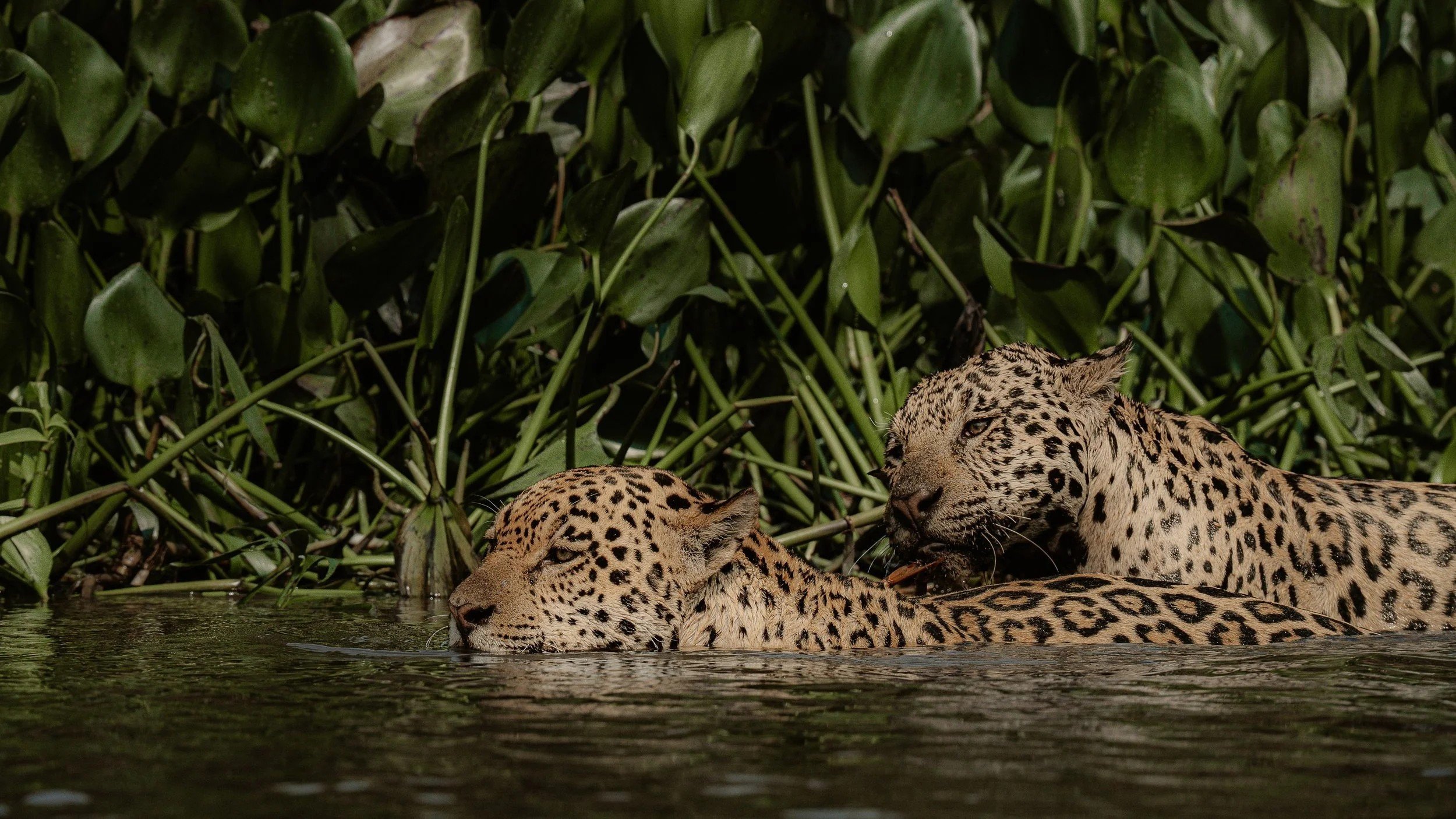
So many, especially in the Pantanal. The photograph I shared with you by email, of one of the jaguars in the Pantanal in Brazil, is a great example. In the Pantanal, we have a region called Porto Jofre, which is a very important area for the conservation of jaguars in the Americas. It's a place where they are protected, and it's protected only because of ecotourism.
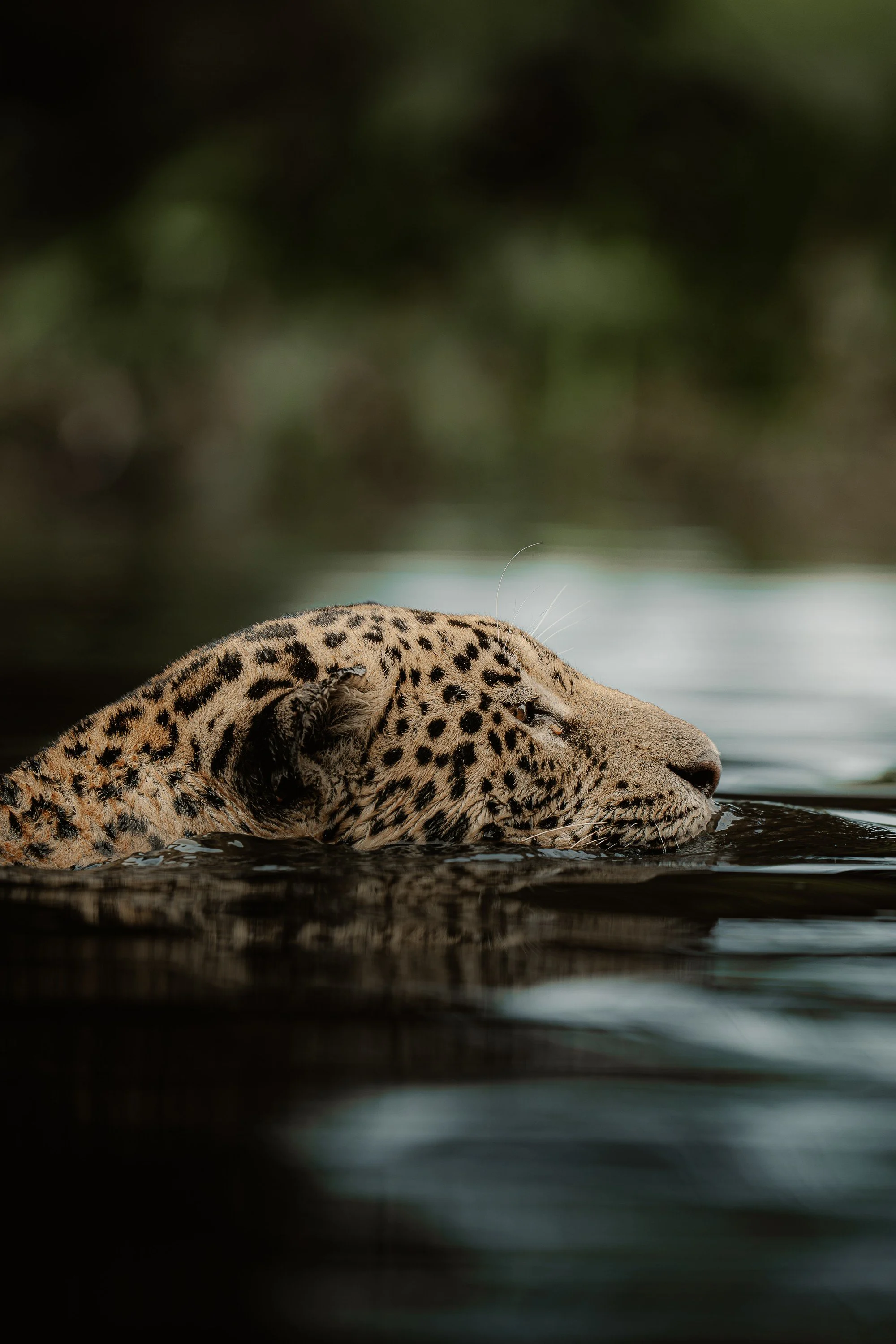
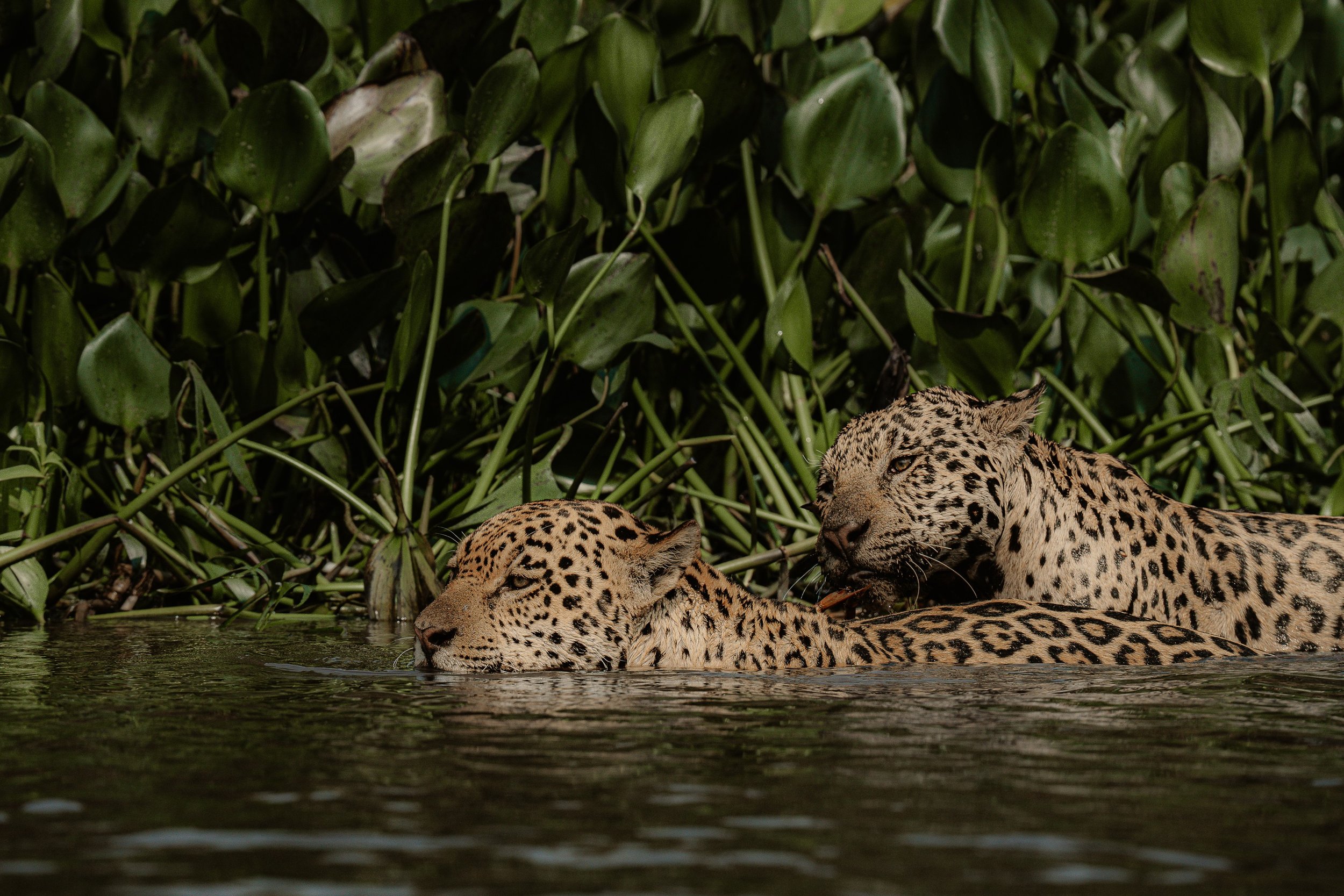
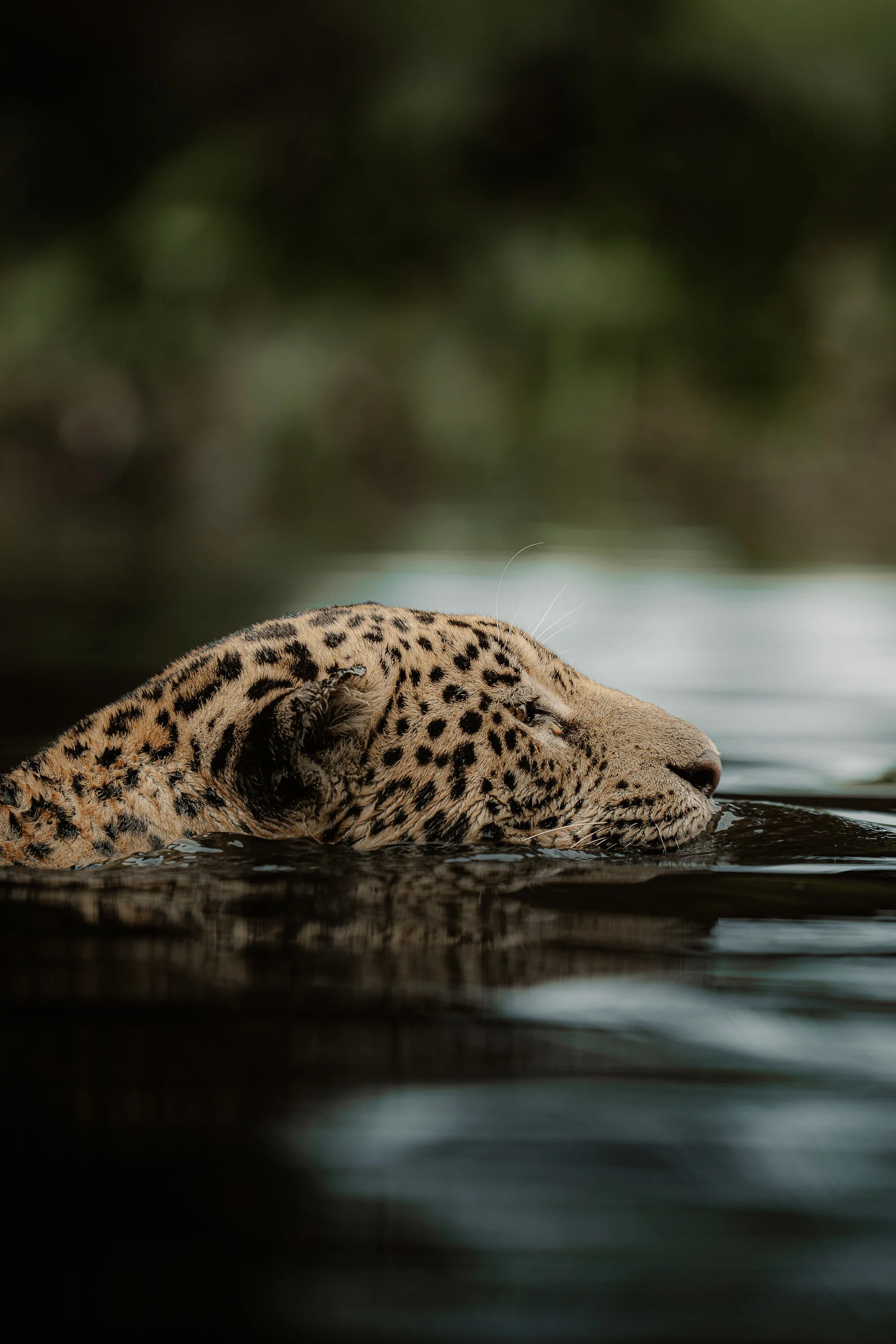
Because it's a very harmonious and respectful environment for them, they grow up getting used to the boats. We see them from small boats, on what we call boat safaris, and we try to spot them along the riverbank. The jaguars are born there, and over time they grow up seeing the boats going around and get used to them. Today there are more than 300 jaguars in the area. Some of them are very used to the boats, and because of that, they act normally, as if we weren't there. They hunt in front of us, they mate in front of us, and they raise their cubs in front of us, so we can actually witness their behavior.
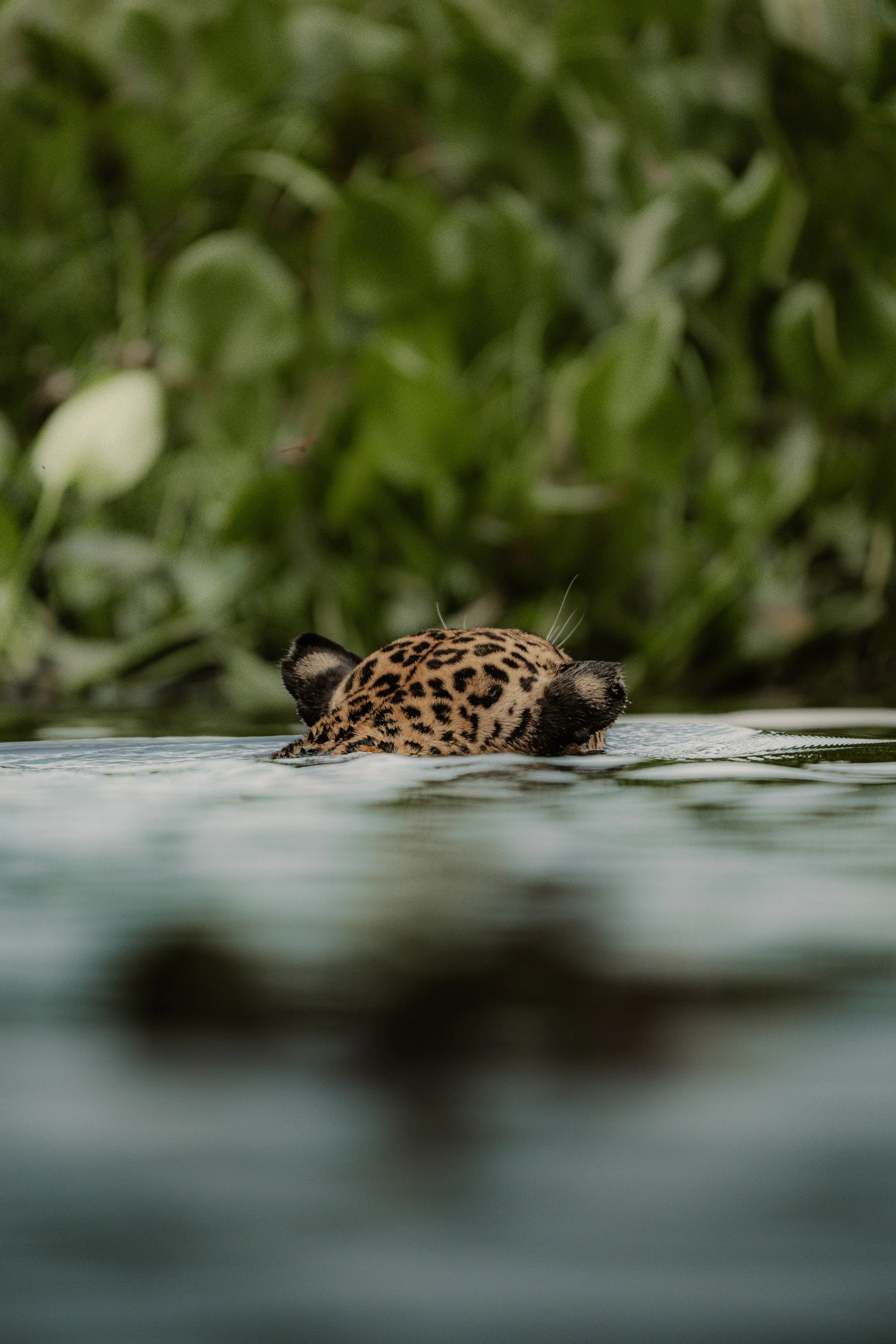
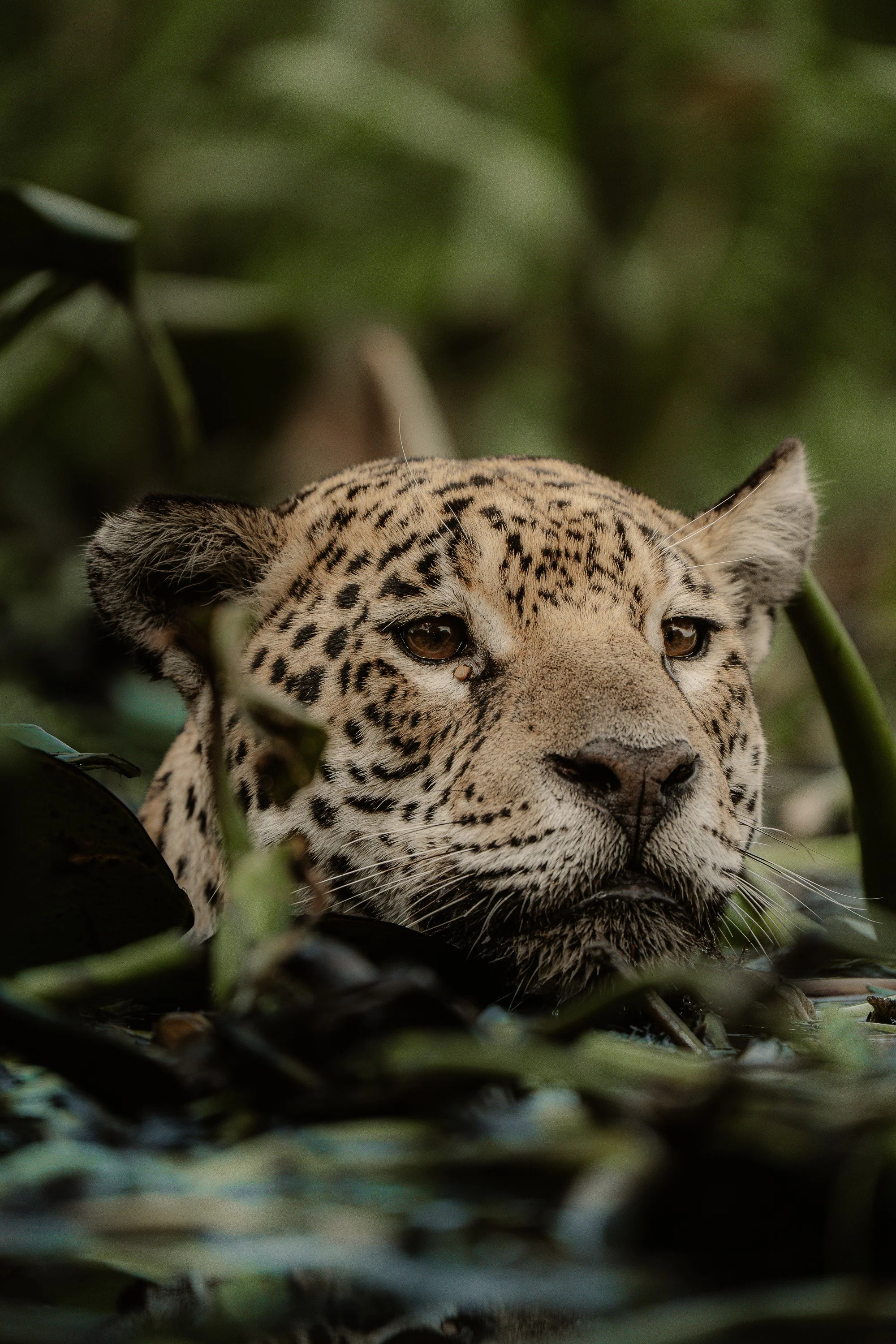
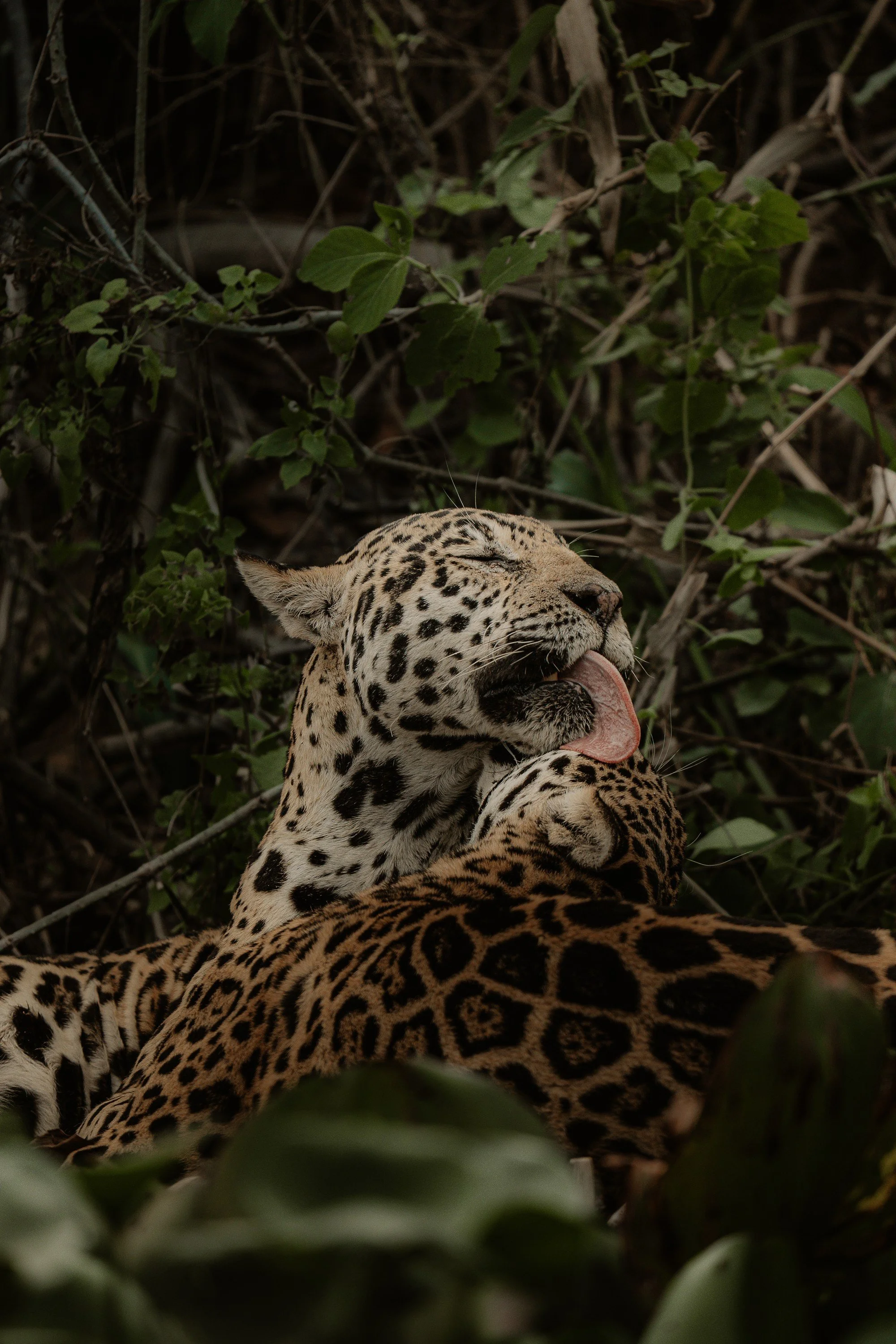
More than that, we can learn about their personalities as individuals. The photograph I shared with you is of a very specific jaguar called Medrosa. In Portuguese, it means "fearful." When she was a cub, she was very afraid of the boats and the people. She was always hiding from us. But as she grew up, she noticed that the boats weren't doing anything to her and weren't interfering with her behavior or what she was doing. So she stopped caring about them. It's very ironic that she has this name, because nowadays she is the most fearless jaguar in the area. And she is very important. Why? Because she doesn't care about people at all.
That means that if you go to that area, you are almost guaranteed to see her. This is very important for photographers and tourists, because we can never guarantee an animal sighting. But with Medrosa, it's almost guaranteed, because she doesn't care. Because we know her and her behavior, we can almost predict where she is going to be during the day. She has some favorite trees, so we can go there in anticipation and wait for her at one of them.
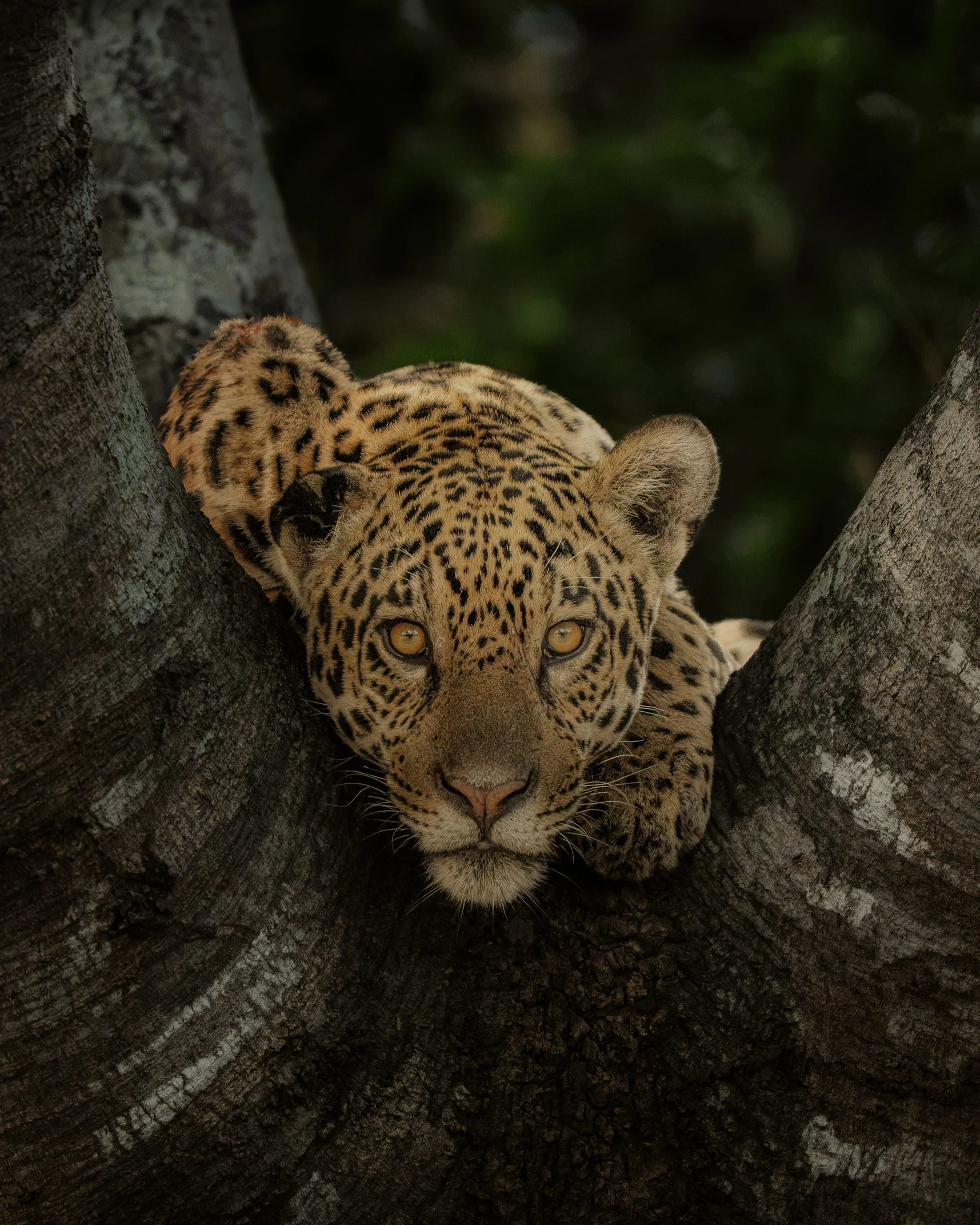
On the day I took that photograph, she had two cubs, about six to seven months old. She had also just hunted a caiman. When jaguars hunt a caiman and eat it, they feel very thirsty right after. So we knew she would come to the water to drink, which would be really good for photography. More than that, we knew she would bring the cubs near the water as well. So on that specific day, we stayed there waiting for her for more than an hour, because we knew she had a caiman inside the forest and that when she came to drink, she would bring the cubs.
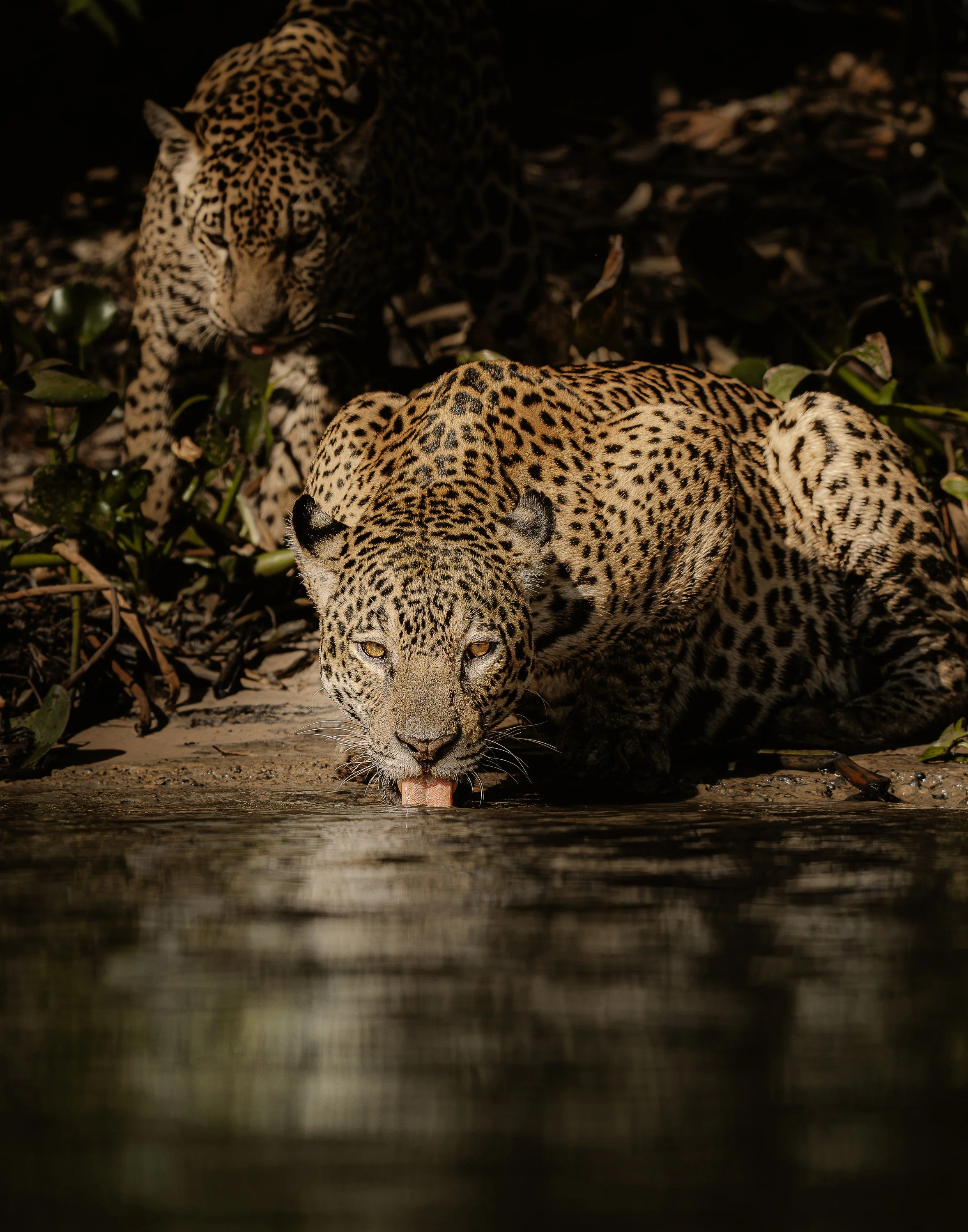
This was the perfect scenario for us to understand how to position ourselves and the boat. We considered the light, where it was coming from, and where she would come out. Because we know her specifically, we know exactly how she likes to drink, how she positions herself by the water, and which side of the river she should come from. By knowing all of this in advance, we can predict, and then we can be prepared. And we were prepared. When I took that picture, I was already holding my camera with all the settings right, just waiting for her to come. And she came.
Six Hours by the River
How do you stay open to surprise when you already know so much about the subject?
They will always surprise us. There is a limit to the control we have. Actually, I tend to say we have very little control, because it's always a risk. We lose more than we get. So although we can anticipate and do all of this, there is always a possibility that nothing happens. In fact, most of the time, nothing happens.
Here is another example from the same river. My team and I knew there was a jaguar that had recently had a baby. It's so rare to see a cub when it's about two months old. It's almost a matter of luck. It's really good for stories and really good for science, because you also want to take a photograph and give it to science. You want to document the cub and learn about it. It's good for tourism and for everyone, including the jaguars. But it's so difficult. You are passing by in the boat, and then you see the mother crossing with the cub or doing something. She tries to protect the cub as much as she can, so she avoids the riverbank.
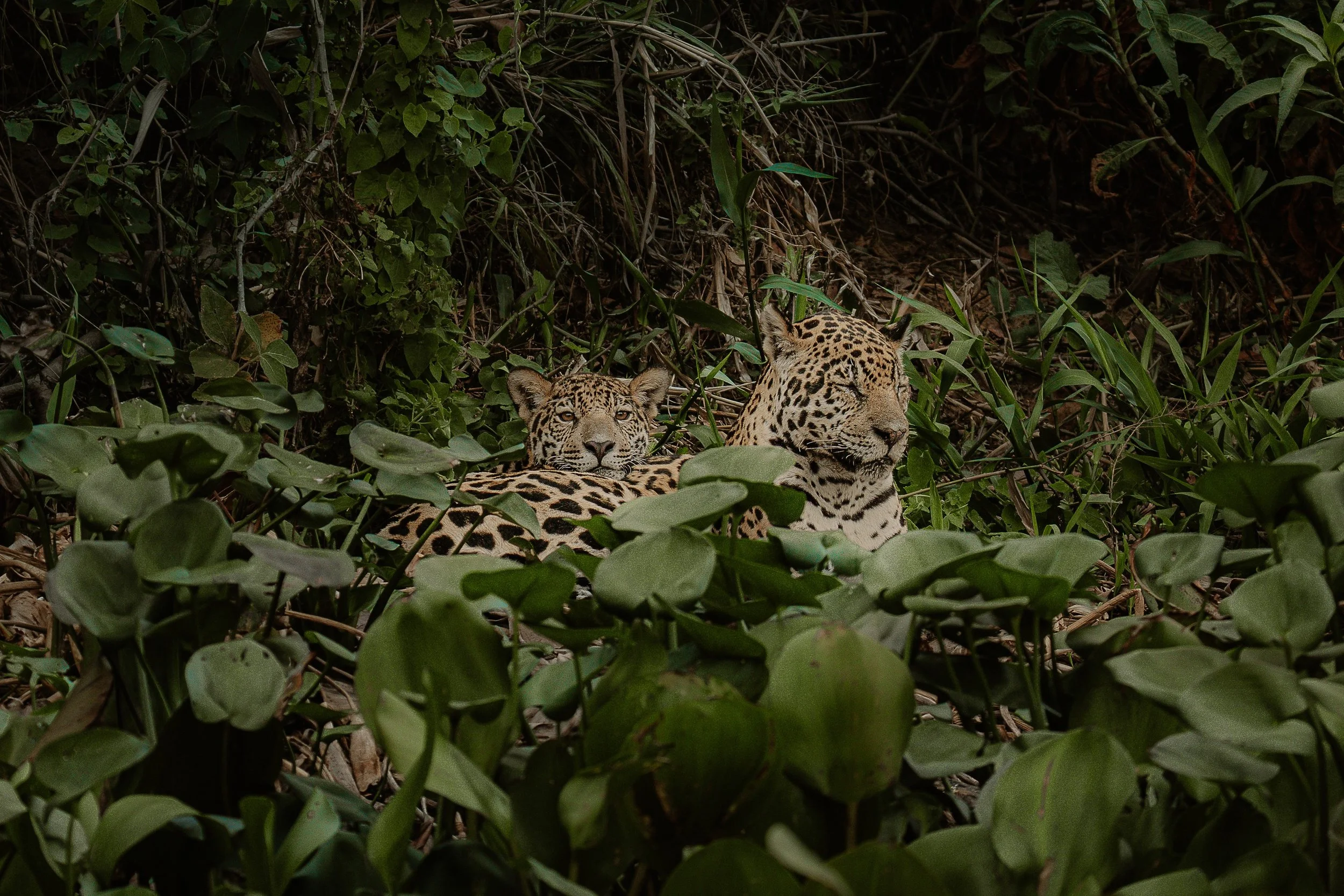
By chance, we saw this jaguar passing by with her cub, super fast. We lost her because she went into the forest, but we knew she was in that area. We also saw very briefly that she had a caiman, which meant she would probably still be in that area the next day. So my team and I decided to come back the next morning and spend the whole morning just sitting there and waiting, because she would have to come and drink water. We know that after eating, they come to drink, and she would probably bring her cub. So the next day we were there again, and we just sat and waited for six hours without doing anything. She never came. We never got the shot.
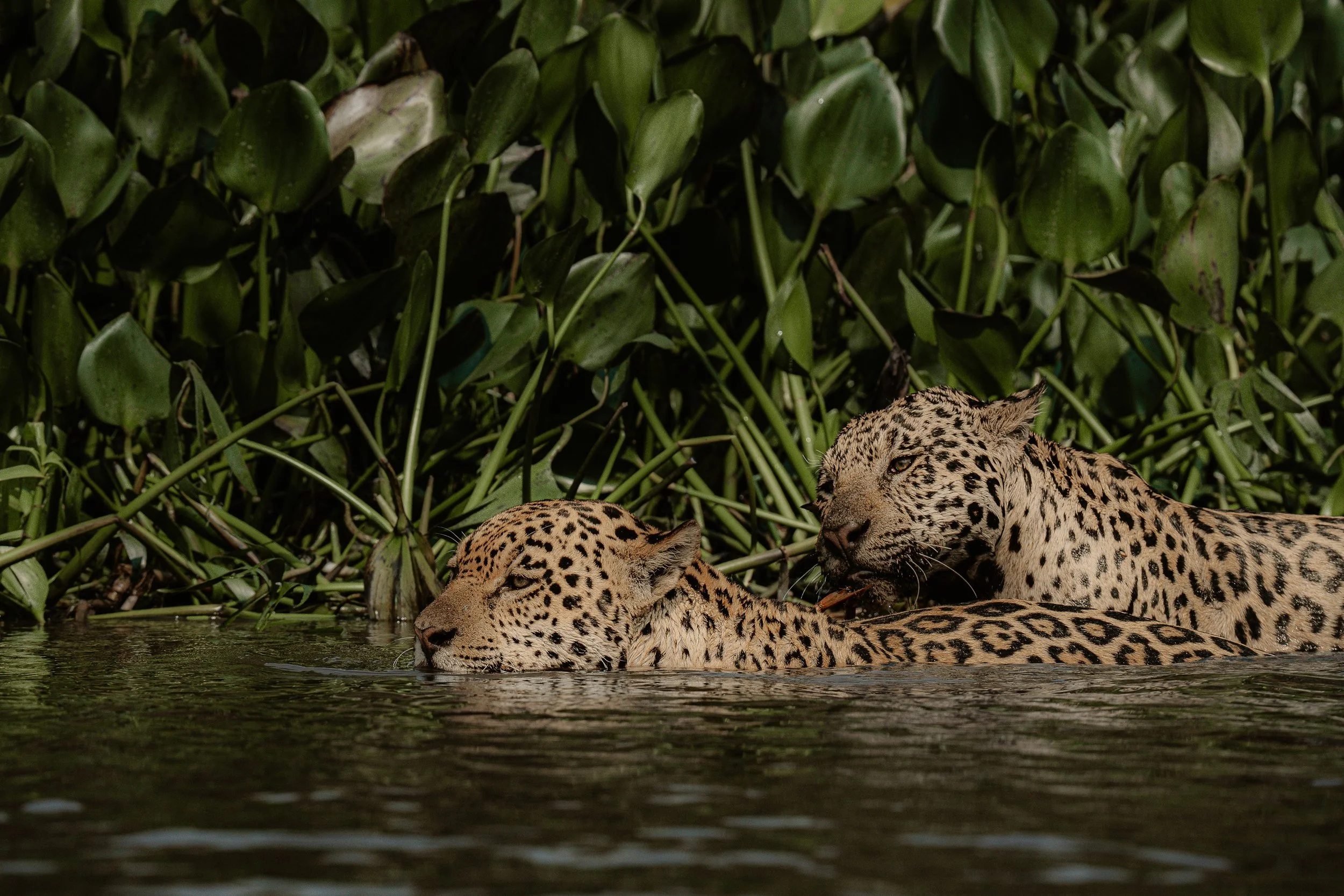
And while you are there waiting, things are happening along the riverbank. Colleagues tell you, "Hey, we're over here, and there are two males playing in the water," or "Medrosa is with her cubs, she just hunted a caiman," or "Another jaguar is hunting right now." So we always have to make decisions and take risks. You probably know this: to get a good photograph, you have to take risks. But more important than that, you have to be ready, even if nothing happens, because if something does happen in one of these opportunities, you have your photo. So it's all about taking risks and being quick. When something is happening somewhere else, you just go and try to get the shot.
A Photograph in Mind
Do you ever arrive with a particular photograph in mind?
I'm starting to do this more now, but I didn't use to. I know a lot of photographers do. They come to a site and say, "I want this photo. I have this image in my mind," or they have a reference. I didn't, and I think it's because I'm a biologist first. I'm very open to whatever is happening, because for me it's much more about the animal's behavior and the story behind it than about the photo itself.
But it's something I'm learning over time, spending so much time with really good photographers. It's always an interesting thing for me to think about, and I try to find a certain balance. I don't want the animal to do anything different from what it wants to do and is already doing. I see photography as a consequence of whatever is happening, not as the main thing. So I have a slightly different mindset compared to a lot of my colleagues. Nothing is wrong and nothing is right. It's just a different way of seeing. But I do recognize that to get a premium photograph, sometimes you need to have it in mind in advance. So I'm learning that, little by little.
This past season in the Pantanal, I knew I wanted some specific shots. It's always good to have behavior. Take a jaguar drinking water at sunrise with two cubs, for example. We know that this is probably an award-winning photograph. Or, in my case, because I'm a biologist and I like to share stories, I know it's a behavior I can explore and tell people about: how comfortable she feels with people, and how important ecotourism is in the area. There is so much one photograph can bring. I think that's why I really liked your website, because I know you appreciate the behind-the-scenes and the stories. I think this is how, if we have good intentions, we can make a positive impact on people and on the world.
When to Leave
You talked about waiting. How do you know when waiting has stopped being useful?
I don't think we know. Sometimes you need to do a kind of equation, like doing math in your mind. How long am I here for? Do I have more opportunities? Have I already secured something? How were my past days? Did I take good photos? Am I happy with them? I'm also a tour leader, so I ask: are my clients happy with what we saw? Have we already secured some behaviors and good shots? Did we have a beautiful sunrise yesterday, and are we all happy with the photos? Can we take the risk today if we don't see anything? Will we leave happy? We always have to ask these questions.
If it's the very beginning of the trip, I normally wouldn't take a big risk like waiting for six hours, because you are wasting the whole day. And it's expensive to be there. Most places where you photograph wildlife are expensive, because they are either remote or have very few spots available, since we are also talking about conservation. Mass tourism doesn't really fit these places, and it shouldn't. So normally there are few spots, it's expensive, and you don't have long to spend there. That means this decision can be very expensive.
So when do you know it's time to leave? I think it's about balancing all of this in your head. Do I have enough? How much longer do we have here? How many days? What is happening on the river? Do I have a colleague on another side of the river where something is going on? All these elements help you make the decision, and it's a really hard decision to make.
When you talk about waiting for six hours, did that change how you approached the next encounter, or was there simply nothing you could have done differently?
There was nothing I could have done differently. It was pure luck. Believe it or not, on the very next day, at the same time in the morning, a boat passed by with a brand-new guide, a brand-new tour leader. The tourists were on the very first day of their expedition, their very first morning. They were passing by, and they saw the mother with the cub. So if we had chosen the next day instead of that one, we would have gotten exactly what we were looking for. It's luck as well. It was a risk, and we took it. Sometimes you get it, and sometimes you don't. And I think whenever it does happen, it makes us appreciate it even more, because we know it's not something you get every day.
Reading the Animal's Body
Does understanding an animal better ever tell you not to make a photograph, even when you could? For example, because it might be distracting for the animal?
Yes, very much. When you understand their behavior, you know when you are messing with their dynamic, and this is really important. Knowing the animal also tells you whether it's comfortable with you. That's why I really like to tell all my colleagues, and everyone I can, to have a biologist on the team, or a naturalist, someone who really understands animal behavior. Animals are never unpredictable. They always tell you how they are feeling. Always.
If you know how to read their signs, you know when you are the extra one there. You know if you are interfering with a hunt, or with a male trying to find a female to mate with. This is so important for wildlife photography. Many times I have had to leave because of an animal's behavior, because the animal was not feeling comfortable.
I can give you an example, still about jaguars. Imagine a mother with a cub, where the cub is not feeling comfortable. It's really stressed, and it won't come to the water. The cub is thirsty and wants to drink, but whenever it sees a boat, it runs back into the forest and never comes to drink. Then you have to make a decision: no, this is not worth it, let's leave. We only stay if we know the animal is doing whatever it would be doing if we weren't there. So we must learn to read the signs of their bodies. From their body position, you know if they are happy or not, and if they are relaxed or not. You know if they change something they were already doing just because they saw you. Then you know you are interfering.
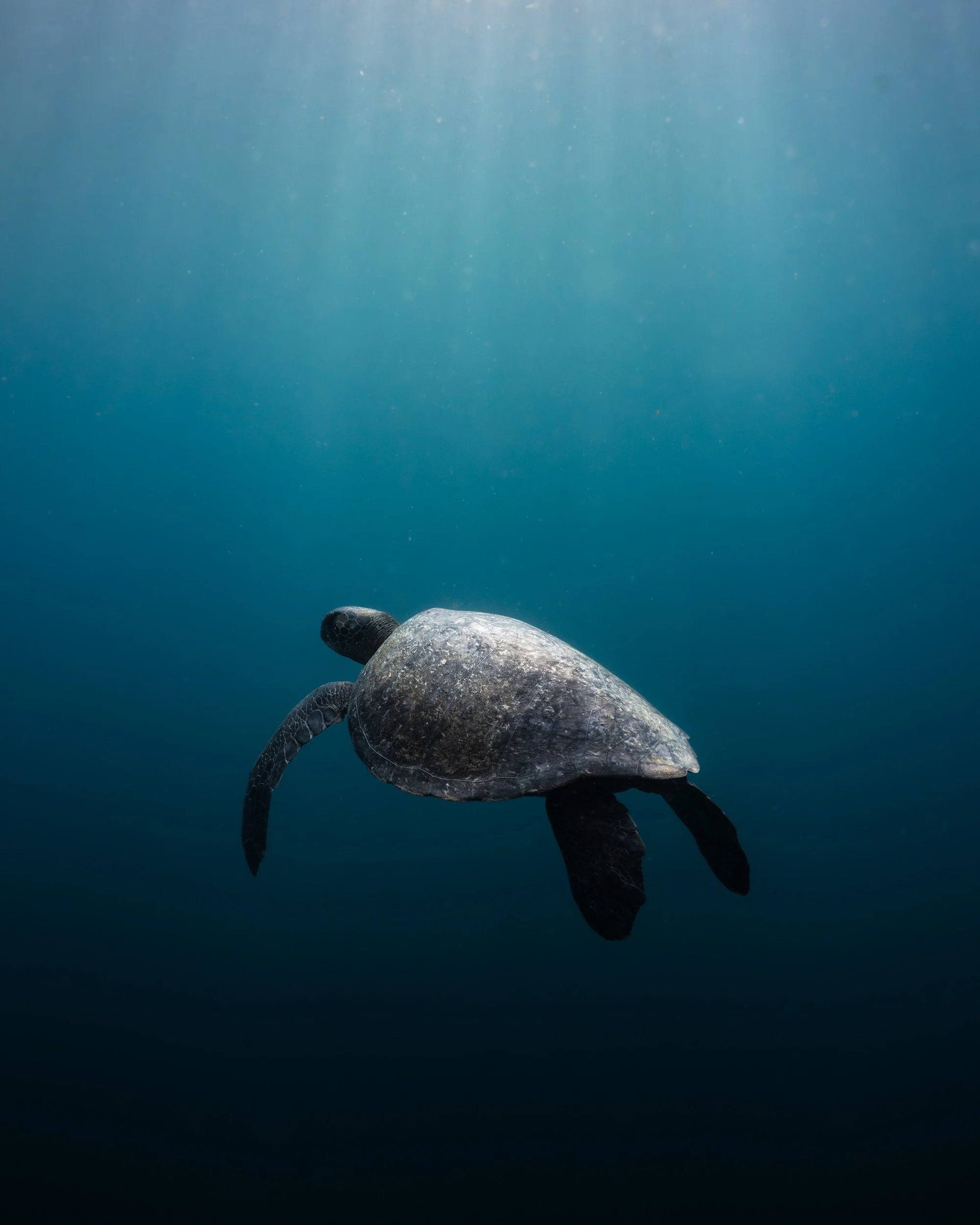
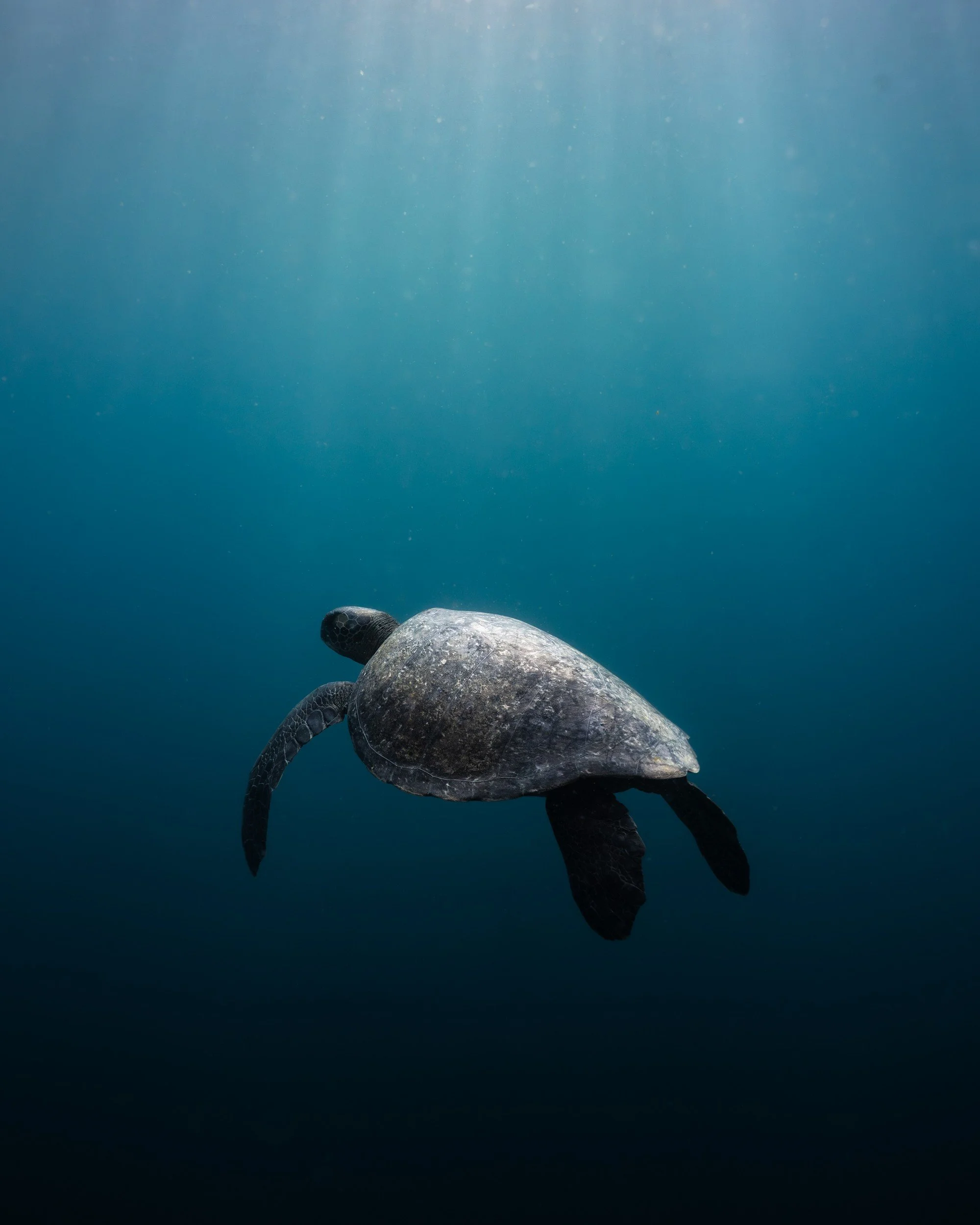
It's the same when photographing underwater wildlife. If you are photographing a turtle while it's eating, and when you approach to take a photograph, it immediately stops eating and starts swimming away from you, you know you are disturbing it. So it's really important to notice whether the animal is changing its behavior, where it is, or exactly what it is doing, because that is normally an indicator that it's not comfortable. And then it's not worth it, is it?
Has it ever been the other way around? Has photography changed the way you understand animals as a biologist?
Yes. Photography makes me even sharper in my observation, because it asks you to wait, to observe, and to have more patience and calm. So it helps me a lot as a biologist. It also teaches you how to approach. You have to be even more subtle and even more delicate, because animals don't care whether you are a woman or a man. They don't care how you look. They don't care about the color of your skin. Those things mean nothing to them. But they do care about movement. How will you approach? How is your body? With boats, we are talking about speed and distance. But when you are on foot or swimming, how you move your body is so important for them to understand that you are not a threat and that you are respectful.
It's almost like a dance, isn't it? You approach a little, and you see how the animal reacts. If you see that something has changed, if it looks at you or stops what it's doing, you stop as well. That's why I find it so fascinating.
Words, Patience and Pink Dolphins
Scientific knowledge can tell you that a behavior or relationship is important, but that doesn't automatically make it visually interesting. How do you turn something you understand intellectually into a photograph that can communicate it without that explanation?
I think by bringing words to the story. That's my strategy. I don't work with just one photograph that tells everything. That's not really my approach to photography. I always work more with a series of images and a story I can share. That brings more meaning, and hopefully I'm able to translate what I know into words, in a way that people who have never been in touch with this species before will understand.
That's the big challenge: being able to translate this so simply that anyone can understand what you are saying and feel connected to these animals, even if they have never seen them before, like a killer whale, for example. How do you make these animals feel close to people who are just looking at your photo and reading your text at home in a big city? So in my case, I always use words to complement the images.
Does writing help? Has writing about one of your photographs ever made you understand something about it that you hadn't understood when you took it?
Yes, very much, especially because I'm also a writer. When I'm photographing, I'm already writing in my mind what I want to say. You probably do the same. So writing has helped me a lot to pay attention to what matters. When I'm experiencing an encounter, I'm already thinking about how I will translate it and share it with people. So I'm already writing in my mind, or, if I'm not underwater, I'm already writing a little about it in the notes on my phone. Writing really helps me on the scene, because then I know what I want from it.
Photography is about intention, isn't it? It's not just clicking. You need to understand what you want from it, which story you want to show, and what you want to achieve. Otherwise, it's so hard to photograph, because anything can be interesting. Anything. Even in the same scene, which angle are you going to shoot from? It changes depending on your intention. Why do you want to talk about it? Do you want an angle close to the ground? Do you want to use a wider lens? Do you want the context, or do you want a detail? This matters, because why are you doing this, and what are you going to use it for? What is the story behind it? This will help you decide which lens to use for the photograph, for example.
Is there work that you deliberately keep private because you don't know what it means yet? Or do you just post whatever you photographed that week or that month?
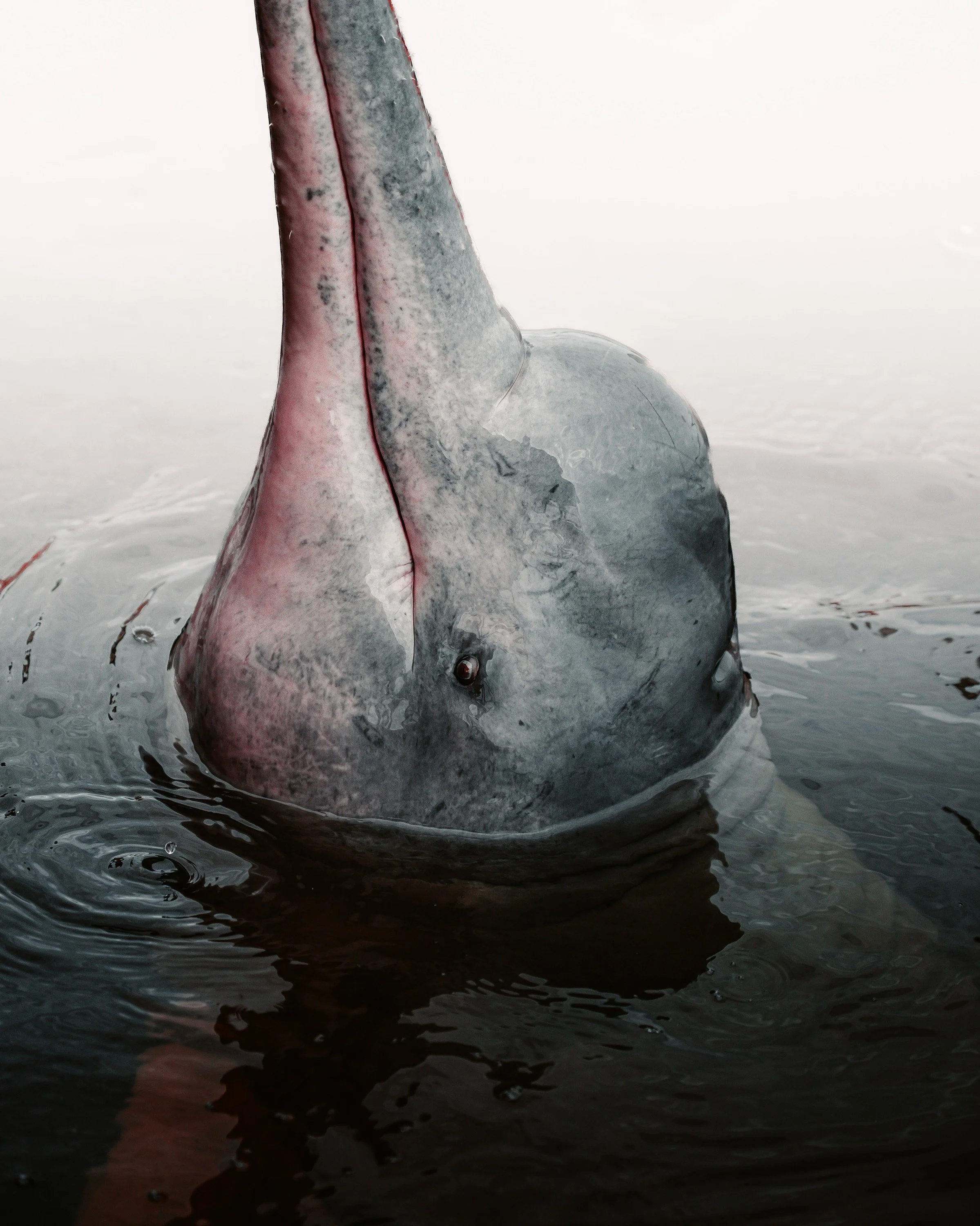
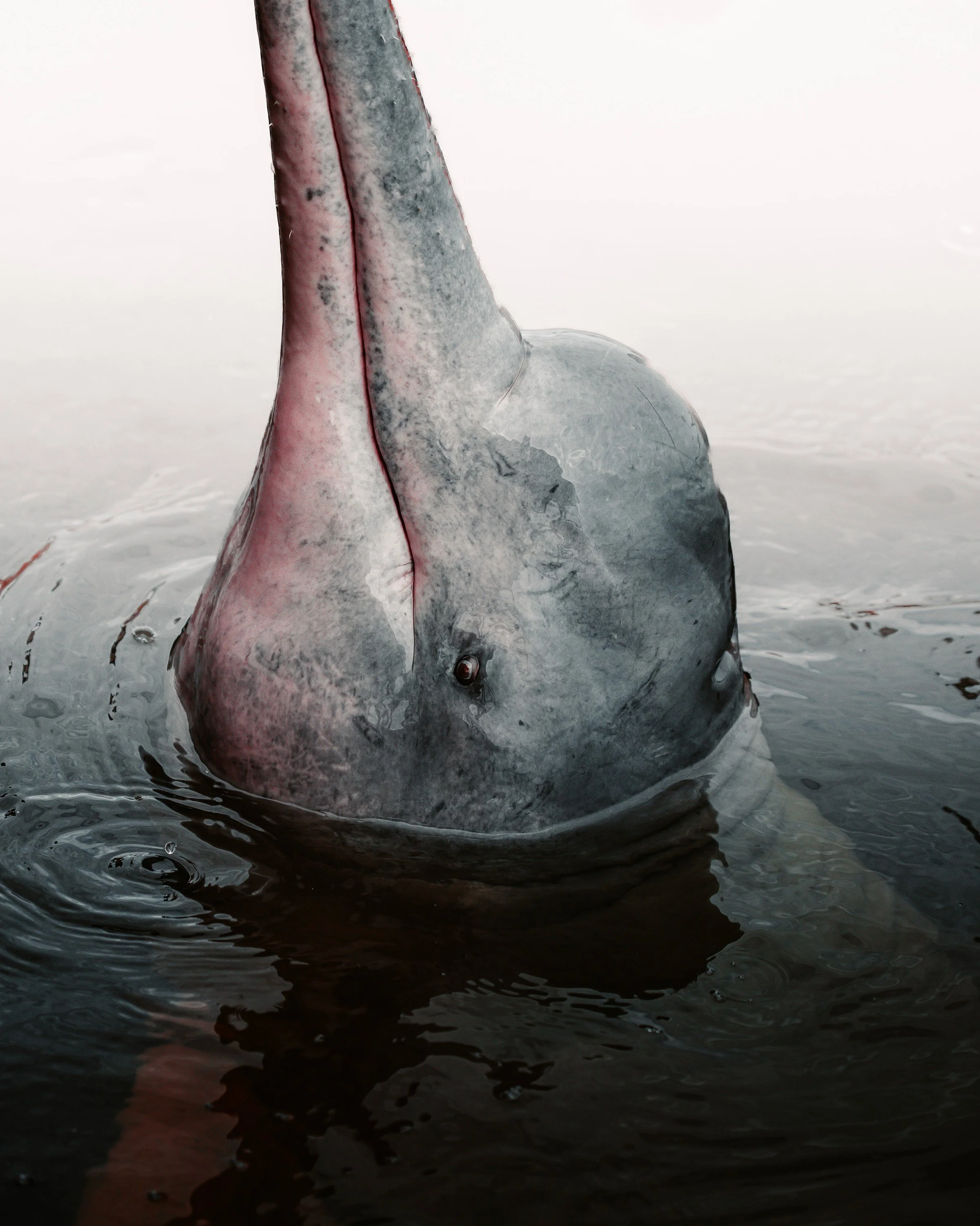
I do. I recently shared a story on my Substack about ecotourism with pink dolphins in the Brazilian Amazon. In Brazil, it's illegal to get into the water with dolphins. The only exception is the pink dolphin, and there is tourism happening there in which the animals are baited. I don't like to photograph wildlife that is baited. But I did go to one of these places, first of all to learn and to understand what was going on. I was one hundred percent against it until a friend of mine, a biologist who was responsible for creating all the regulations for this activity, came to me and said, "Maya, I understand your point, but go there and see for yourself. See it with your own eyes, and then tell me what you think."
So I went, and I photographed. Then I didn't want to share it right away. First, I didn't want to share a photograph of an animal that was baited. Second, I didn't know how I wanted to approach the story. So I kept it aside for a while, and then I realized how important it was to talk about. In this specific case, pink dolphins are killed every day. This tourism is a way to keep them alive, because it brings money to the community. So it's very complex.
Whenever something is very complex, I take some time before I share it. I don't share right away, because there is a lot of responsibility, especially if you have an audience, if you have people following your work. It's not just about sharing, is it? It's about what you want from it, and how to do it in a way that benefits the animals and doesn't cause them any more harm.
Has a photograph ever shown you something you had not noticed while taking it?
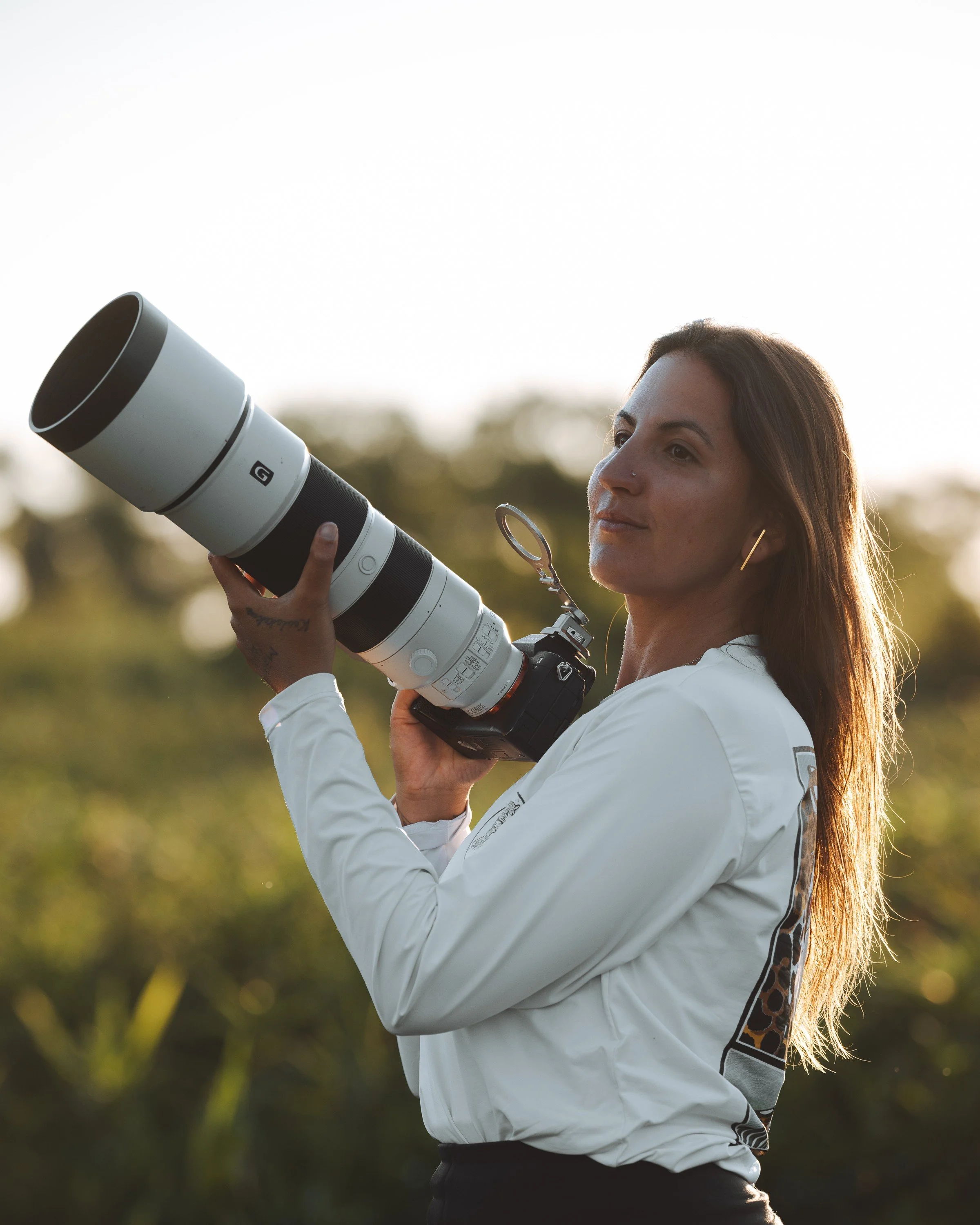
It happens whenever I use long lenses, telephoto lenses of 600, 800, and sometimes even 1,000 millimeters. I can see details that I wouldn't be able to see with my own eyes. In all these encounters, there has to be a limit to how close you get. You shouldn't get too close, otherwise you will interfere with whatever they are doing. So we use telephoto lenses, which are ideal for wildlife. You stay at enough distance, but at the same time, you can capture details. Speaking of pink dolphins, I didn't notice that they have hair on their heads, for example. I only saw it afterwards in the photograph, because I was using my telephoto lens, and I could see so many details I wouldn't have noticed with my naked eye. So yes, it's really helpful.
Thank you very much for coming today and for sharing your thoughts.
Thank you.
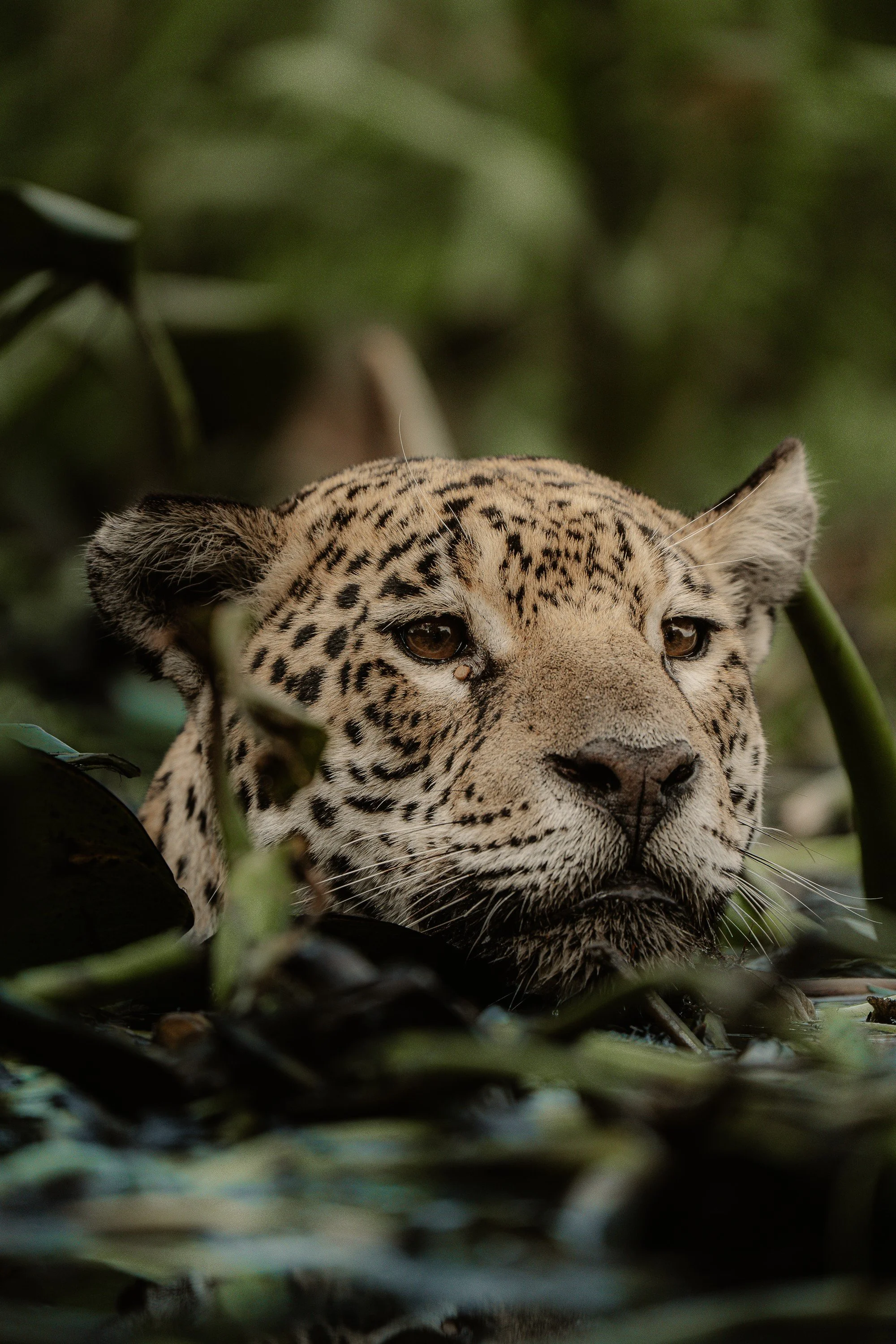
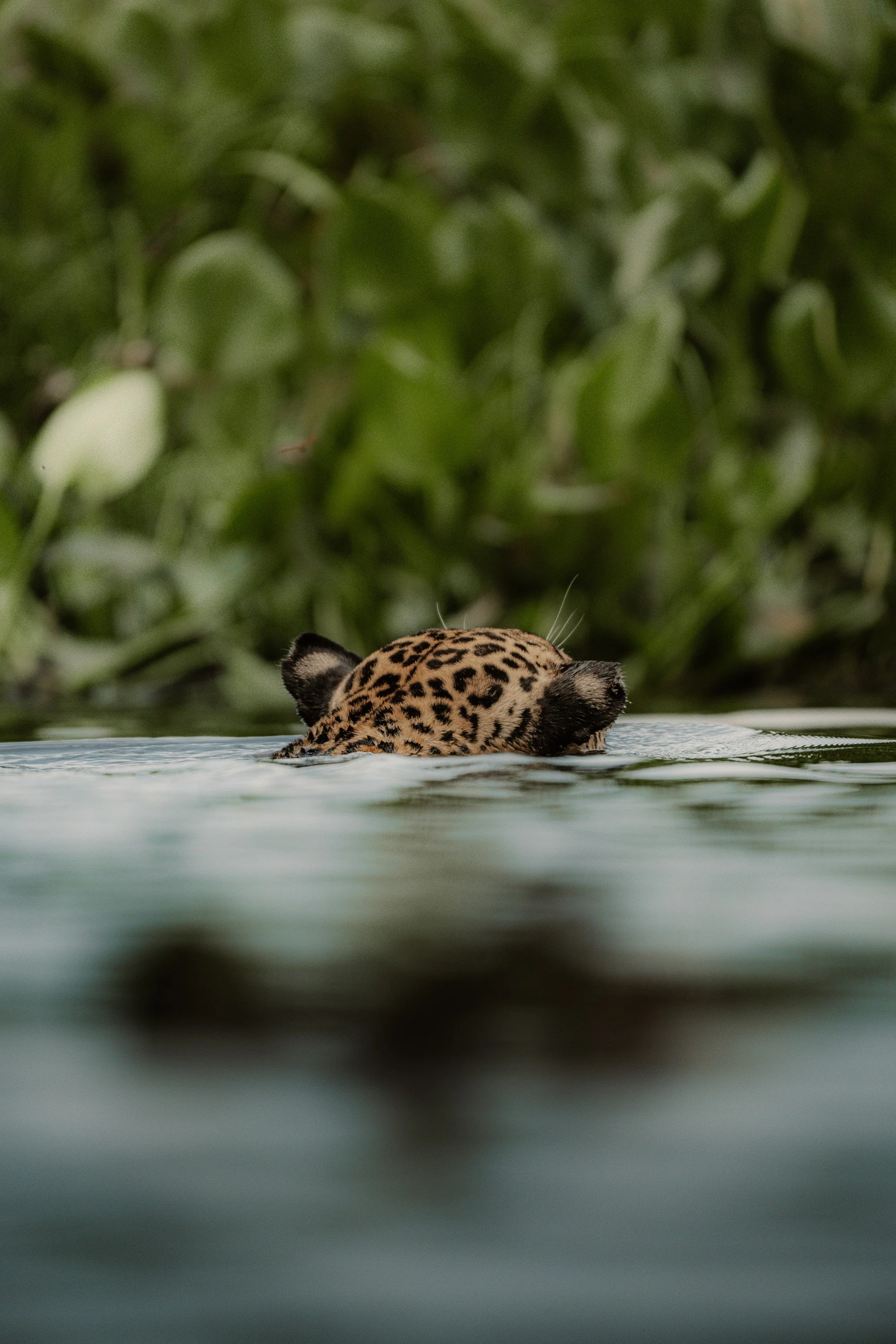
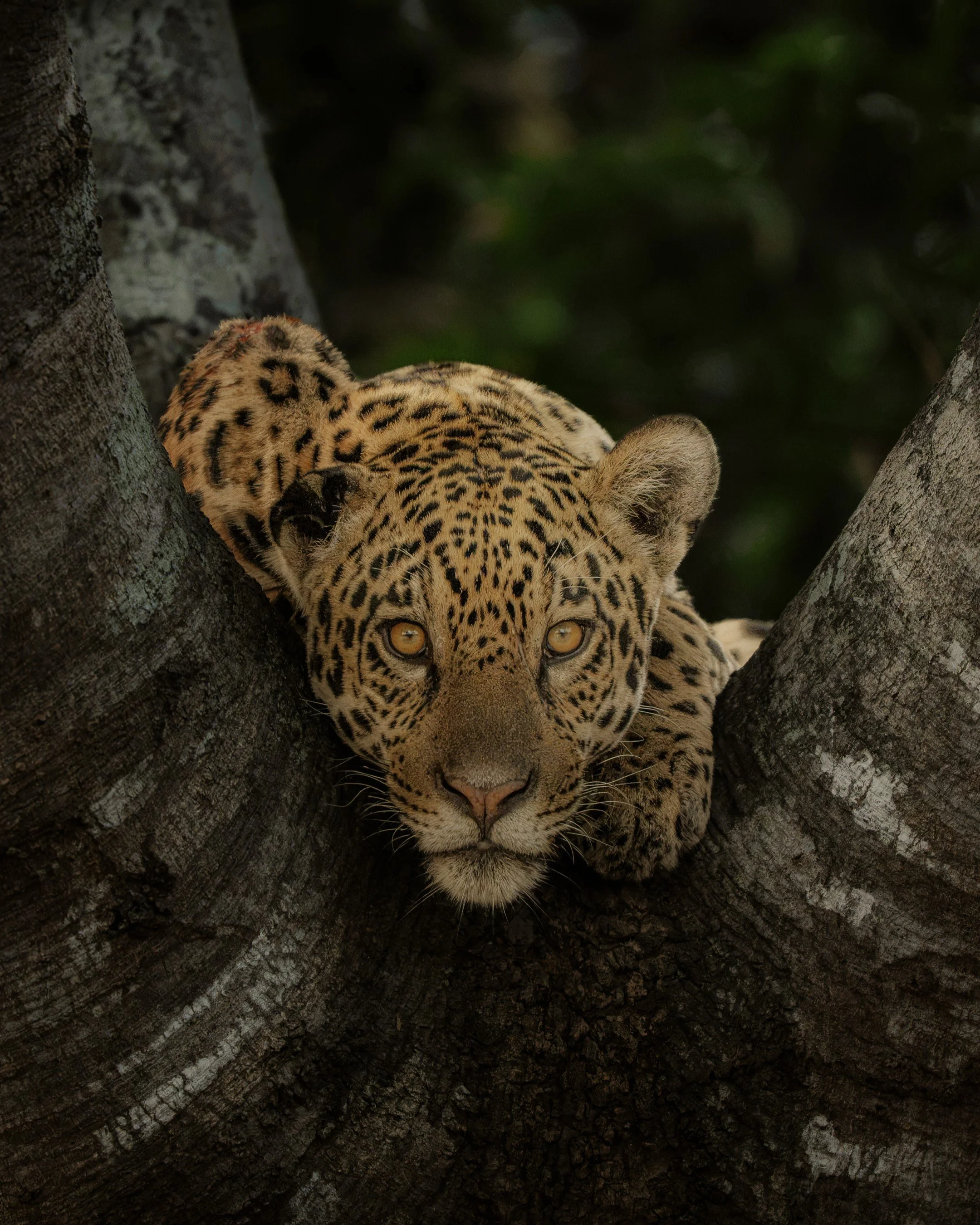
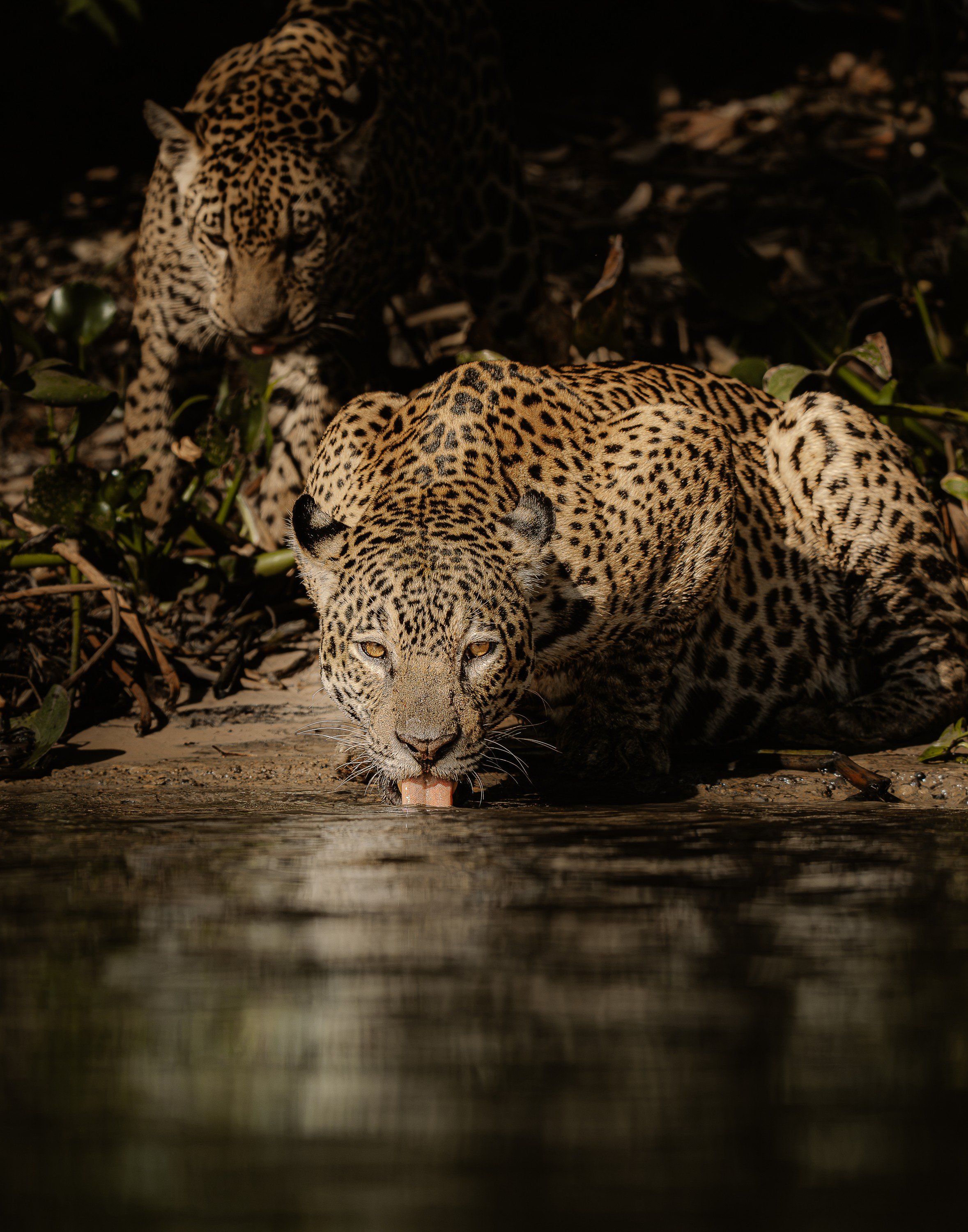
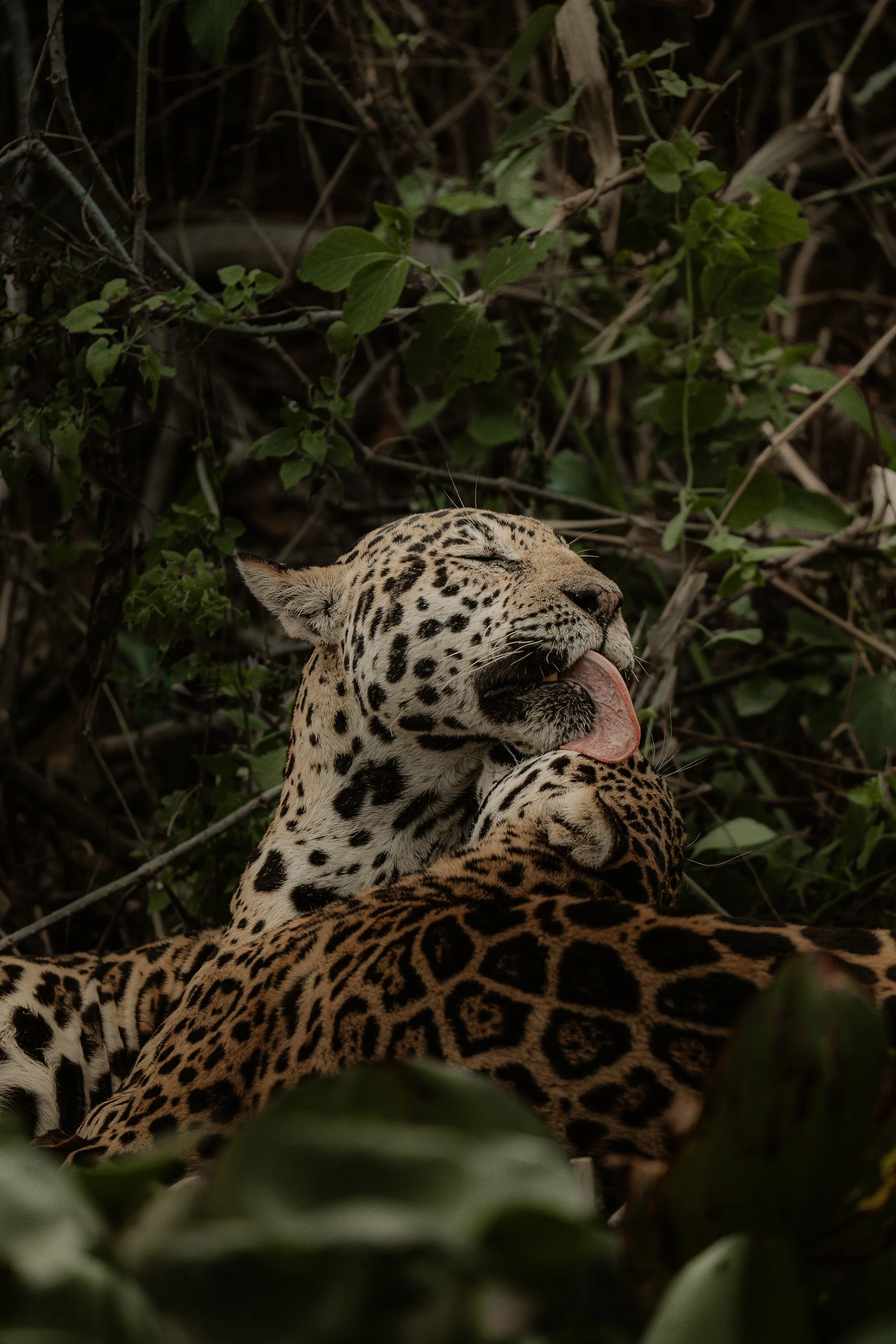
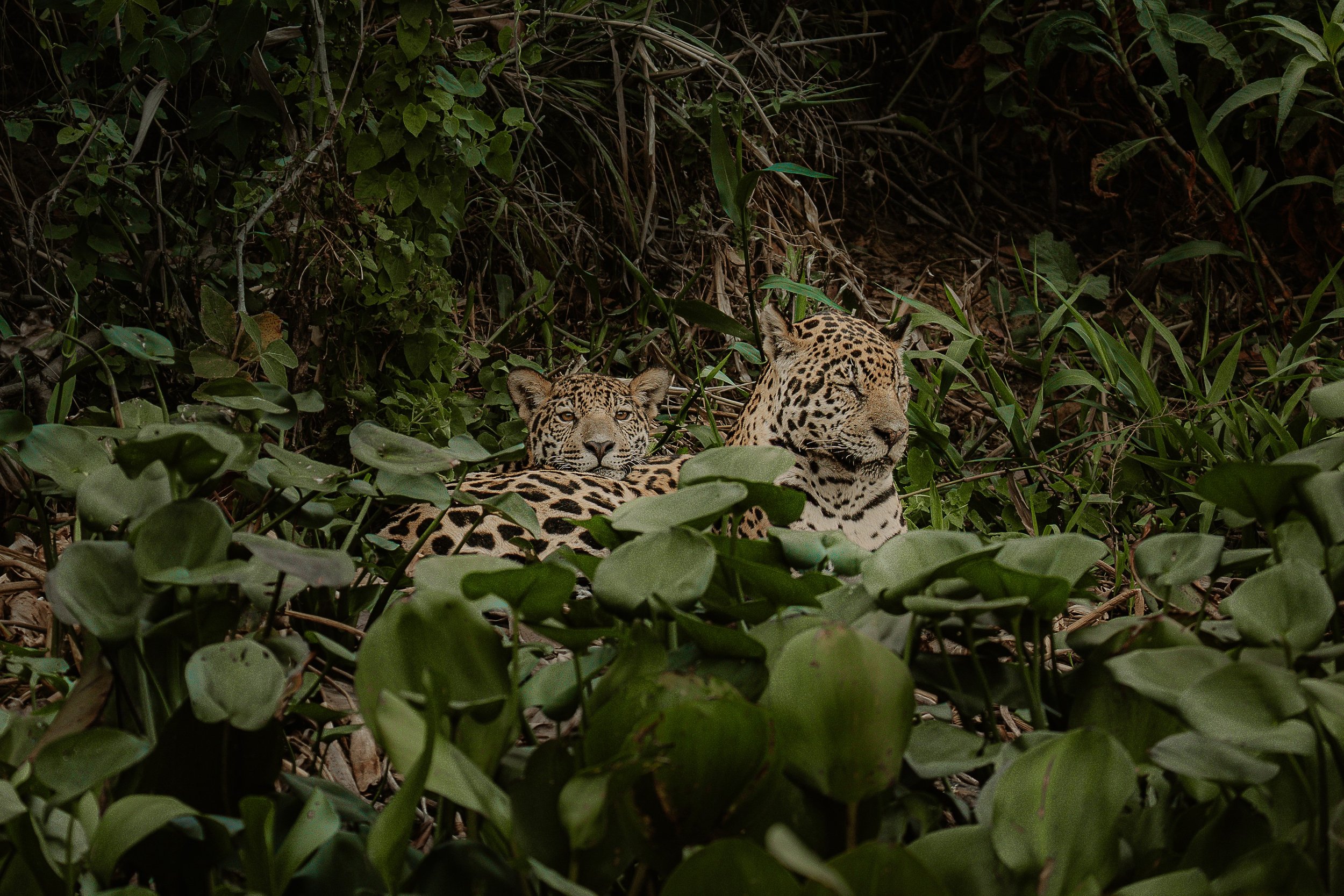
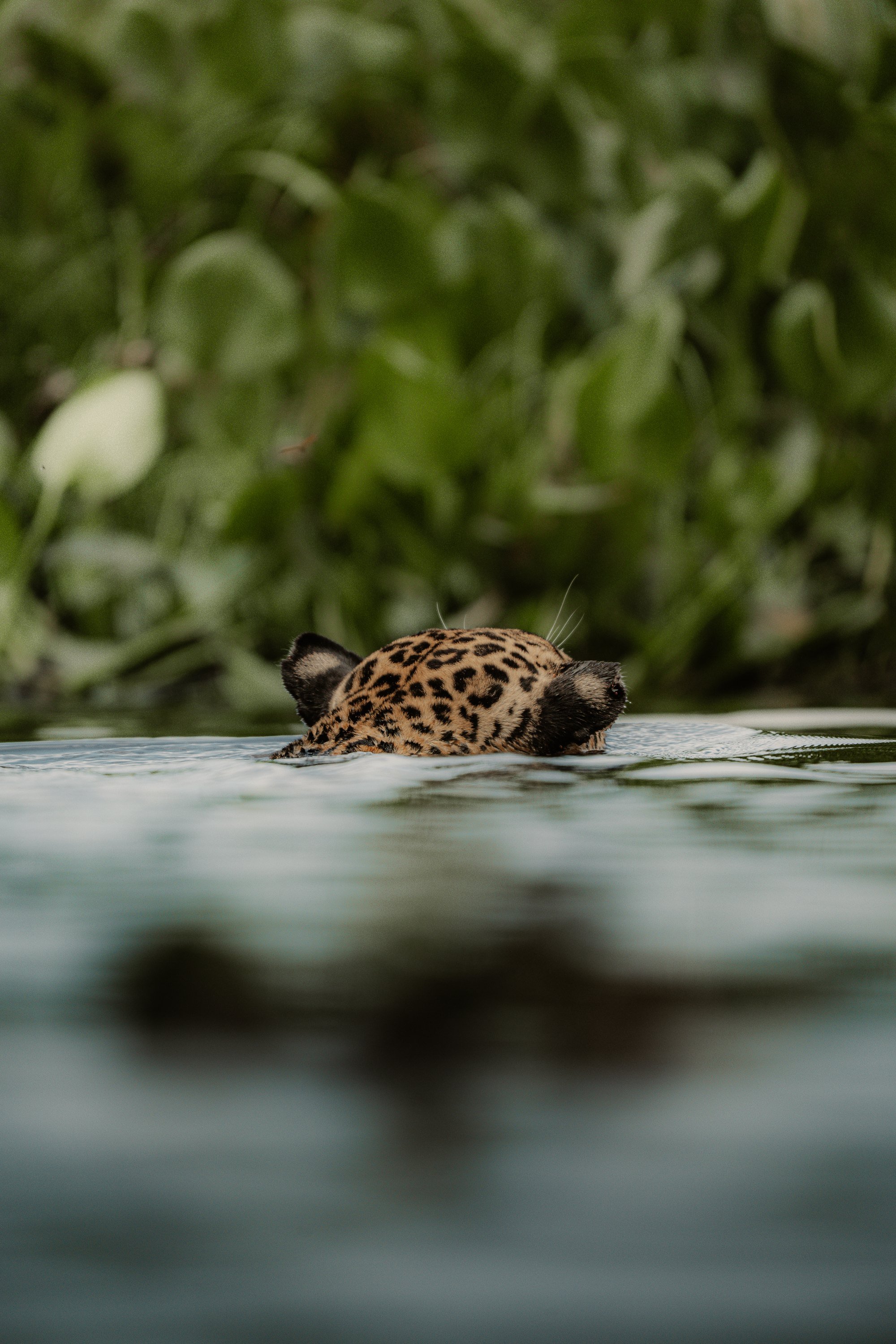
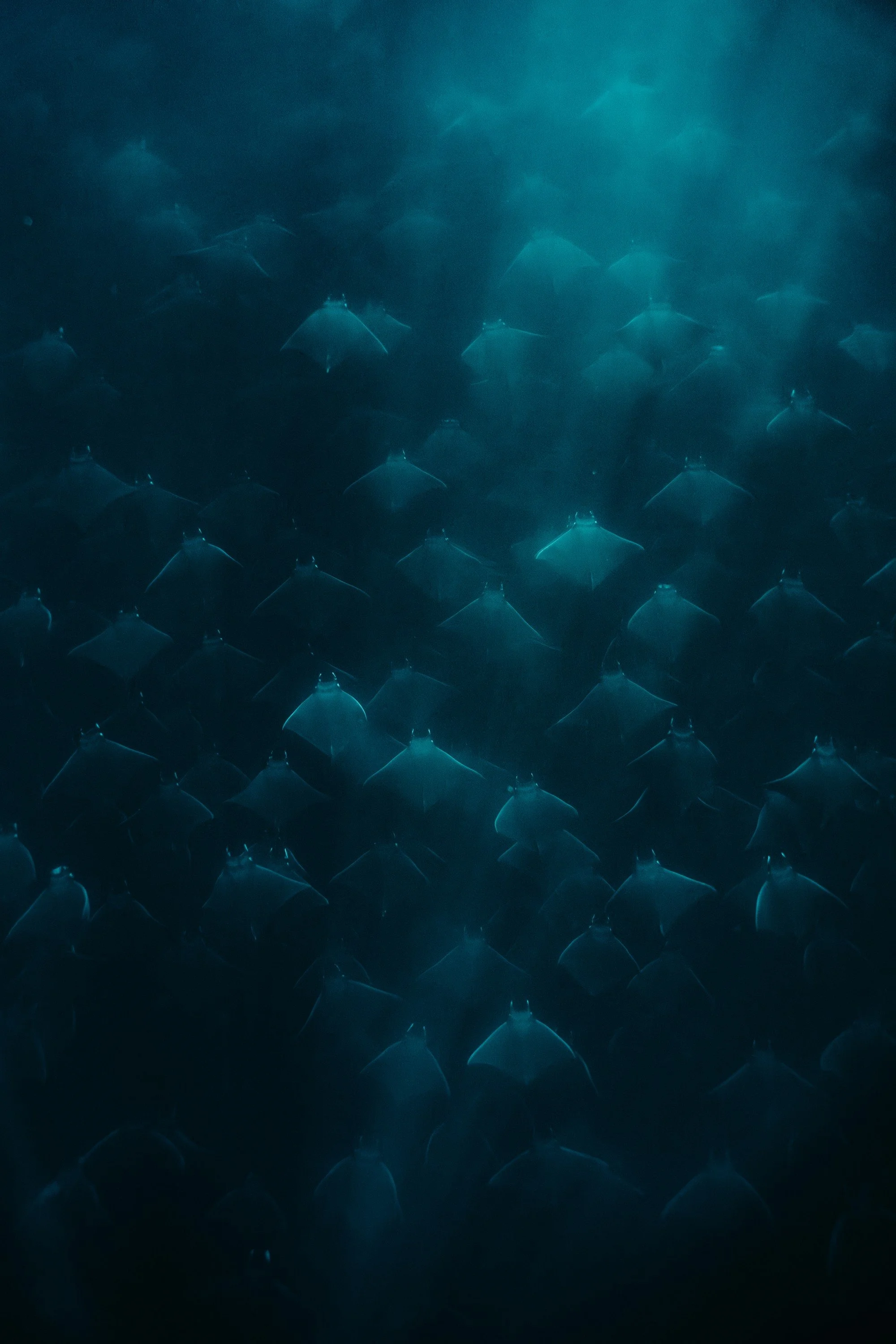
Maya Santoro doesn’t wait for a jaguar. She waits for Medrosa. She knows Medrosa’s favorite trees, and she knows Medrosa comes to the river to drink after she eats a caiman. So the boat was in place more than an hour before Medrosa arrived. The better you know your subject, the sooner you can be ready for it.
“If you know the species, and the individual when that’s possible, depending on the circumstances, you can anticipate. And by anticipating, you have a better chance of getting a good photograph and a good story to tell.”Maya Santoro
We'd love to read your comments below, sharing your thoughts and insights on the artist's work.
