Here are five photographs, from Pisa and Paris to Havana and Prague. Can you name the photographers who took them?
Under each picture, tap "Who took this photograph?" and choose one of three names. If you get stuck, open the hint. After you choose, you will see the answer and the story behind the photograph.
Get all five right and a reward is waiting at the end.
HintRain kept getting into his camera, so he switched to an underwater camera and a flashgun. The flash stayed part of his style for life.
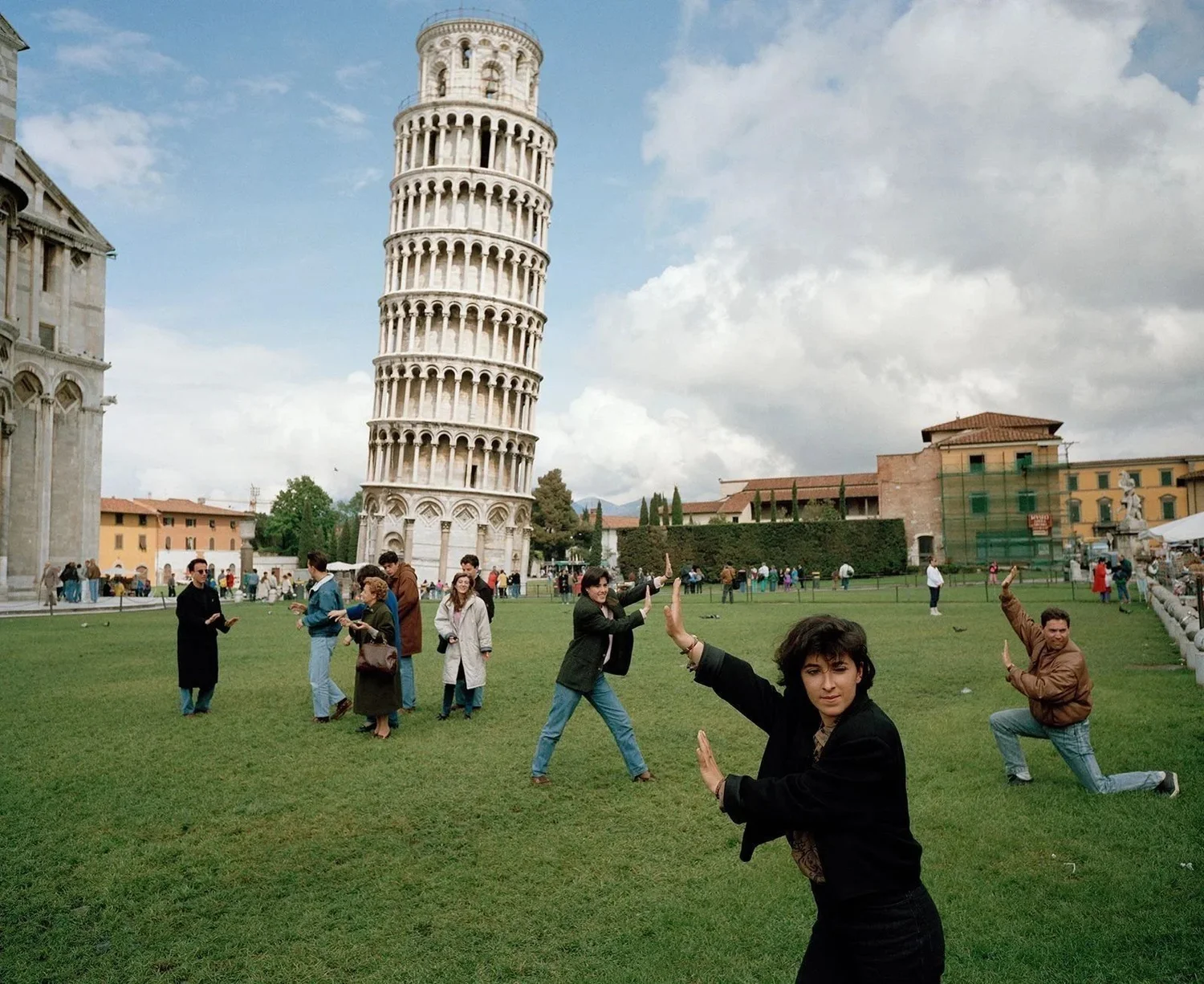
The Leaning Tower of Pisa, 1990
Martin Parr (1952–2025) was a British documentary photographer and a member of Magnum Photos. His bright, close and funny colour photographs of the seaside, shopping and tourism changed British documentary photography.
Tourists pose with outstretched arms as if holding up the tower. Parr uses the classic travel snapshot to look at performance and repetition. Source: store.magnumphotos.com
Did you know? He became a member of Magnum Photos in 1994 by just one vote. Source: aboutphotography.blog
“With photography, I like to create fiction out of reality. I try and do this by taking society's natural prejudice and giving this a twist.” Source: magnumphotos.com
HintThis French photographer works with a 4x5 view camera and makes his own prints. In 2023 he won a photojournalism commission from the national library of France.
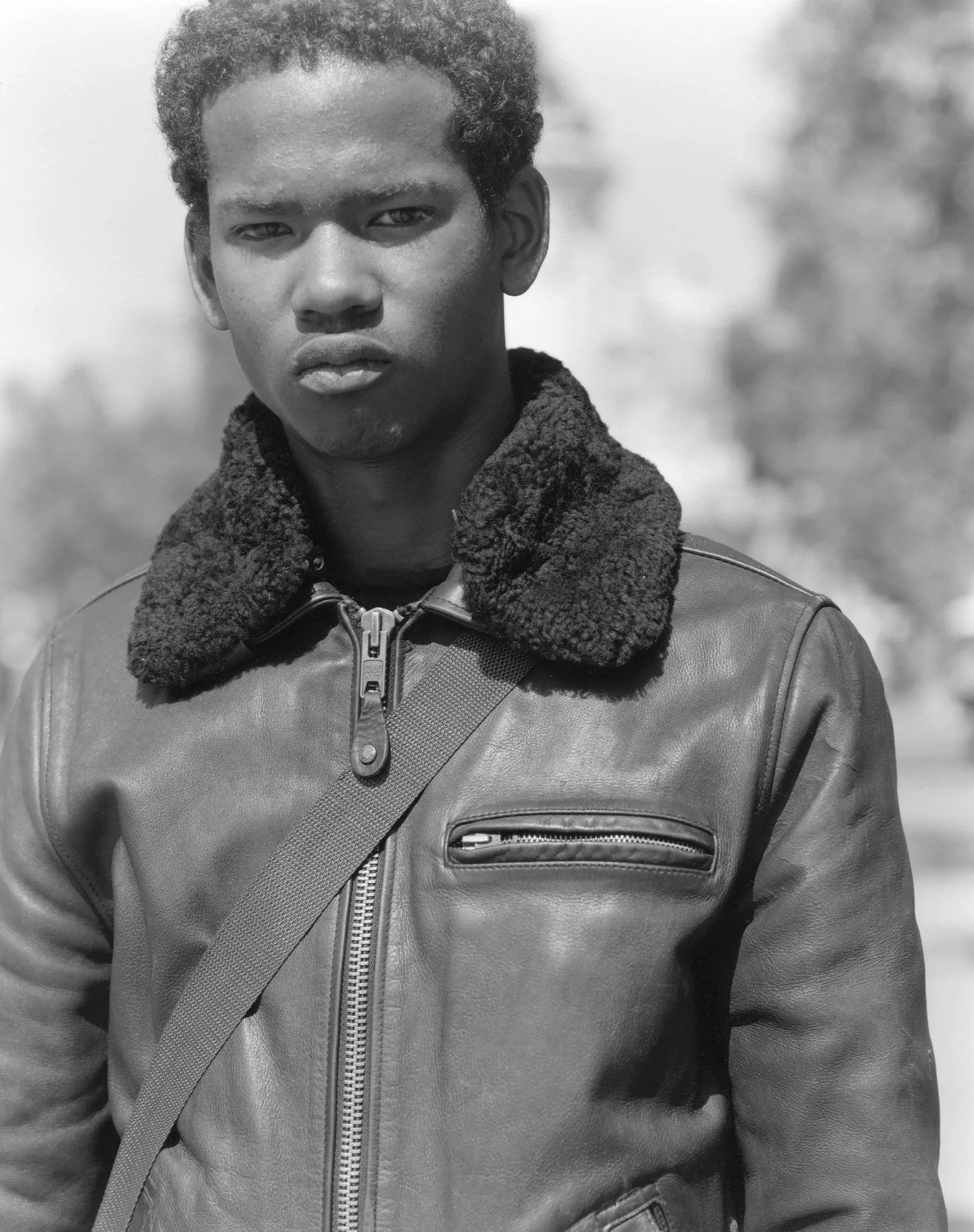
From Place de la République
Thomas Boivin is a French photographer who works mainly in black and white in the north-east of Paris. He has published three books with Stanley/Barker, including Ménilmontant and Place de la République.
For five years Boivin returned to Place de la République in Paris and photographed young people with a 4x5 camera. He realised that they would be the age of his daughter when she is his age now. Source: aboutphotography.blog
Did you know? He has published three books with Stanley/Barker, all about the north-east of Paris. Source: aboutphotography.blog
“I never try to convince anyone. I just ask if I can take a photograph.” Source: aboutphotography.blog
HintHe did not look at his pictures right away. When he died, more than 2,500 rolls of his film had never been developed.
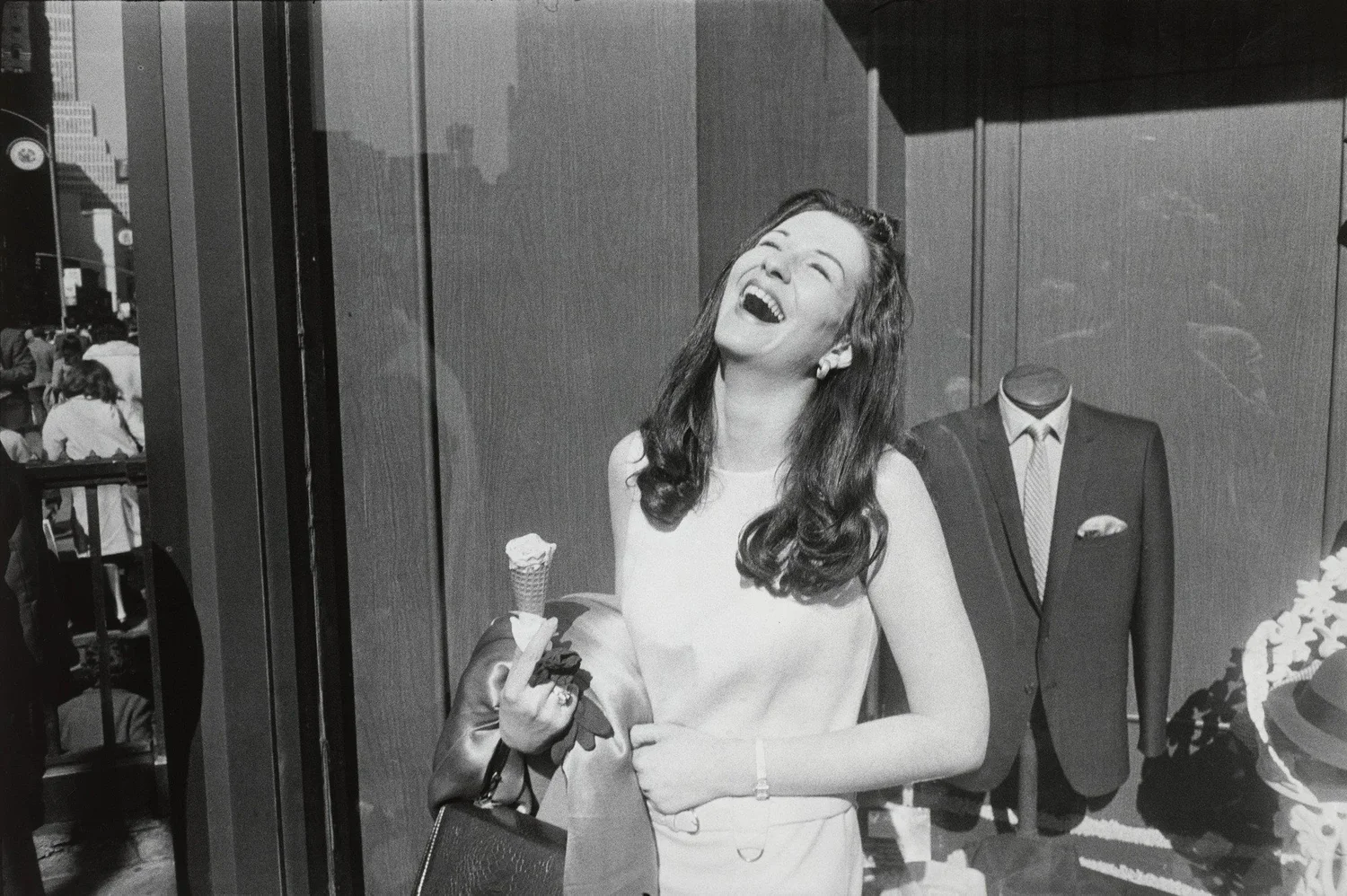
New York City, 1968
Garry Winogrand (1928–1984) was an American street photographer from the Bronx, New York. He photographed public life in America, from city sidewalks and zoos to airports and press events.
It belongs to the series Women Are Beautiful. The Whitney describes a young woman laughing and holding an ice cream cone outside a store window display. Source: whitney.org
Did you know? In 1967 the Museum of Modern Art showed his work in New Documents, together with Diane Arbus and Lee Friedlander. Source: aboutphotography.blog
“I photograph to find out what something will look like photographed.” Source: aboutphotography.blog
HintBesides photography, he works as a physician in his home town of Reggio Emilia, Italy.
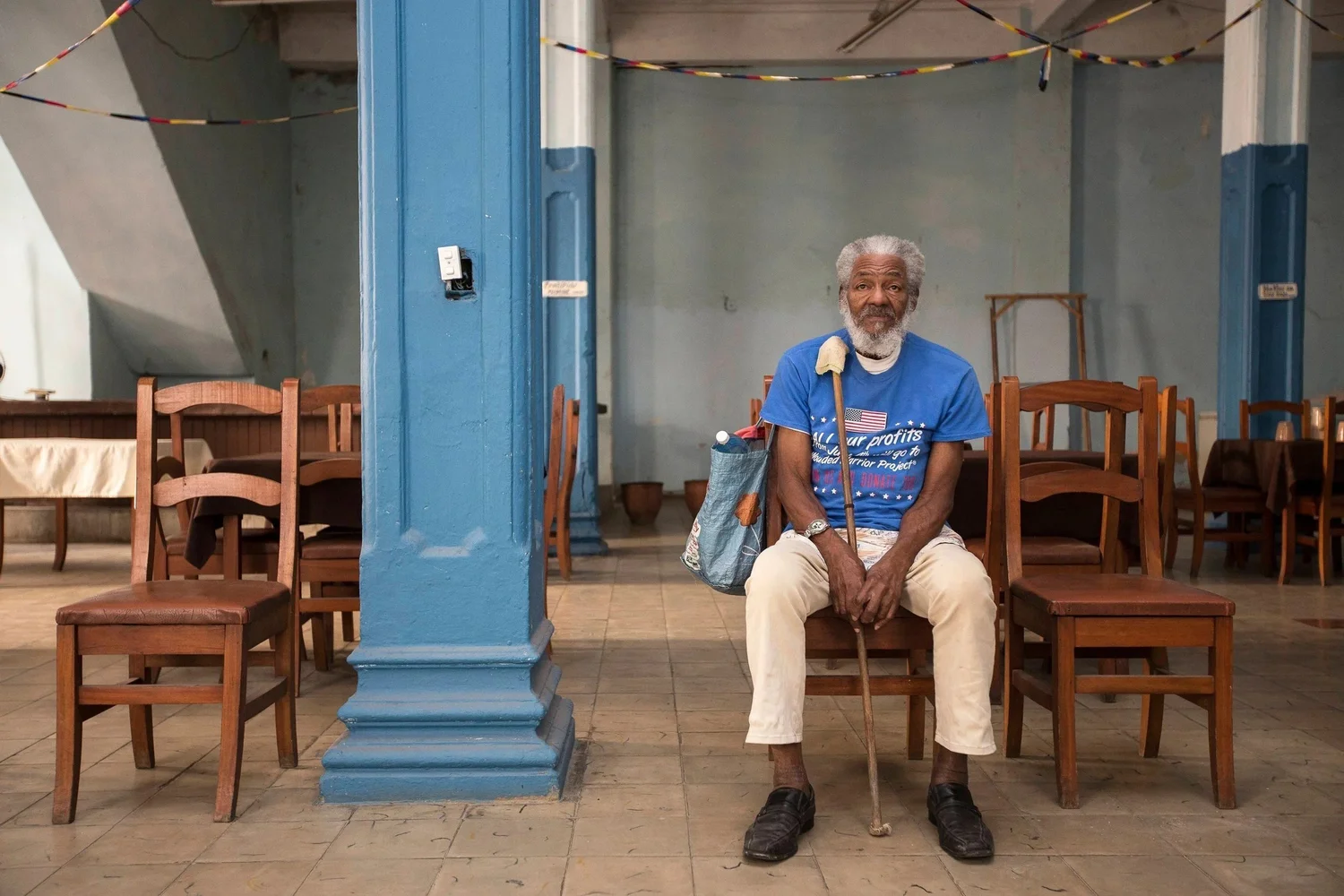
From Habana, eventual
Paolo Simonazzi is a photographer and physician from Reggio Emilia, Italy. His book Habana, eventual (Silvana Editoriale, 2026) follows ten years of visits to Centro Habana.
The book (Silvana Editoriale, 2026) comes from ten years of visits to Centro Habana. Simonazzi avoided the usual Cuba of vintage cars and political icons. Source: aboutphotography.blog
Did you know? His exhibitions have been shown as far away as Havana, Tokyo, Melbourne and San Francisco. Source: aboutphotography.blog
“That is precisely what I aspired to, a gentle gaze, suspended between empathy, irony, and melancholy.” Source: aboutphotography.blog
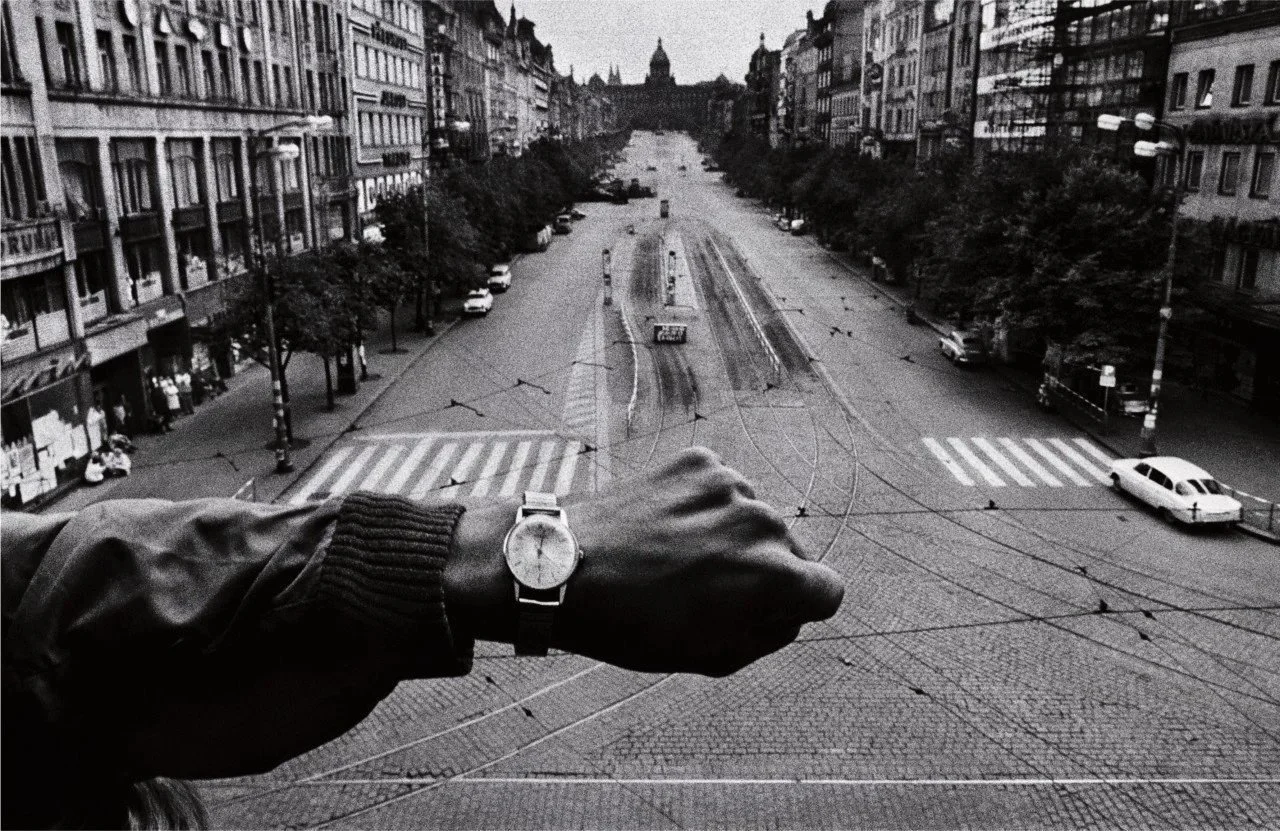
HintHe trained as an aeronautical engineer. At the same time he photographed plays for a small theatre in Prague.
Wenceslas Square, Prague, 1968
Josef Koudelka (born 1938) is a Czech-born photographer who has been a French citizen since 1987. He is known for his pictures of the 1968 Warsaw Pact invasion of Prague and for Gypsies, his long study of Roma life.
Koudelka photographed the Warsaw Pact invasion of Prague in August 1968. The pictures were first credited to "P. P." (Prague Photographer) to protect him. Source: aboutphotography.blog
Did you know? In 1969 the Robert Capa Gold Medal went to an "unknown Czech photographer". It was him. Source: aboutphotography.blog
“I knew it was important to photograph, so I photographed.” Source: magnumphotos.com
