Welcome to this edition of [book spotlight]. Today, we uncover the layers of 'Bureaucratics Revisited,' by Jan Banning (self-publishing). We'd love to read your comments below about these insights and ideas behind the artist's work.
Jan Banning spent five years photographing civil servants at work.
Between 2003 and 2007 he visited government offices in eight countries on five continents. The series, Bureaucratics, became his best-known work, and the first book, edited by Martin Parr and published by Nazraeli in 2008, sold out.
Nearly twenty years later, Banning has made the book again. Bureaucratics Revisited adds 25 photographs and a new essay, and in this live conversation he looks back at twenty years of photographing officials behind their desks.
We talk about the fast editing of Martin Parr, the photographs both of them missed and a portrait of Putin next to a very ironic plant.
Jan explains how he chose an office in a few seconds, between handshakes. He describes why a window behind the desk usually meant there would be no photograph. And he compares every office he visited to a stage, where some officials play their part and others take a nap.
For photographers, his story is a lesson about time: some photographs you love only because of the day you made them, and distance makes it much easier to let them go.
The Book
Bureaucratics Revisited
Self-published · 2026 · Limited edition
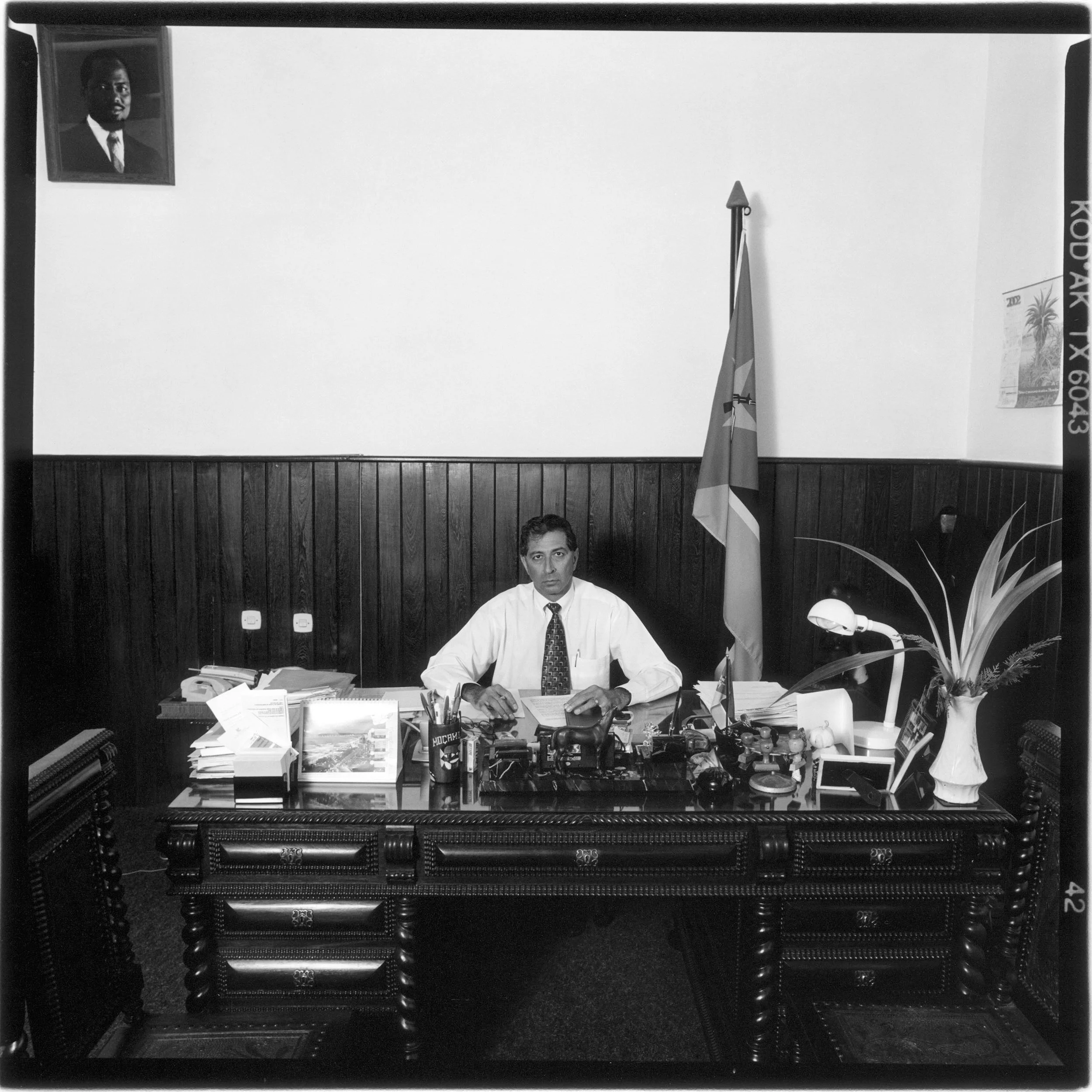
Bureaucratics Revisited is a new, expanded edition of Bureaucratics, first published by Nazraeli in 2008 and edited by Martin Parr. The original book had 50 photographs of civil servants in their offices in eight countries on five continents, made between 2003 and 2007 together with the writer Will Tinnemans. The new limited edition adds 25 photographs, including an early black and white chapter from Mozambique (2002) and images from Colombia, Italy and Uganda, partly from his later project Law & Order. It also brings a new essay about the history of the project, with an overview of its exhibitions, publications and print sales.
Why make the book again
When we last spoke, we briefly discussed Bureaucratics. Now that you've returned to the project nearly twenty years after the original book, what made you decide it was time to revisit it?
The reason to get back to it was that the book had been a big success. But to be honest, I thought it was, in a way, a lousy book. I didn't like the print quality, and I didn't like the paper. Well, I guess I liked the photographs.
Then at some point somebody pointed out to me that the old book was for sale as a secondhand copy for anything between 350 and 2,000 dollars, I think. I thought this was crazy. I contacted the publisher, Nazraeli, and said I would like to buy the rest of their stock. They said, sure, fine. So that's what I did, and then people started buying it. By the way, I didn't sell it for such ridiculous amounts. I think it was 110 euros. Anyway, it sold out, and people kept writing to me that they wanted a copy of the book.
At some point I thought, wait a minute. This is the chance to turn it into a really beautiful, well-printed book, with a new text that gives more background and describes the adventures of the whole project: the exhibitions, the print sales and so on. I wanted to make it a complete book that also works as a kind of catalogue, with lists of the exhibitions and publications. That's basically what happened. I offered it as a pre-sale for 95 euros, and at some point there were around 120 orders, so it was really doable. We had it beautifully printed in Italy. I'm not taking it to any bookshops, except museums that have acquired prints. They can sell it, but otherwise it is only available through my website.
Looking at old photographs with new eyes
When you returned to the photographs you made between 2003 and 2007, did you find yourself judging them differently from when you first selected them?
Yes, in some cases. The original book had 50 photographs, and now it has, I believe, 76. A few of them are even older. They are black and white photographs, the mother of all Bureaucratics. Because they were black and white, I didn't think they fitted in the original book. But in this new concept they do, and we used them differently in the layout. They are not full-page photographs, although they are big. They sit in between the text.
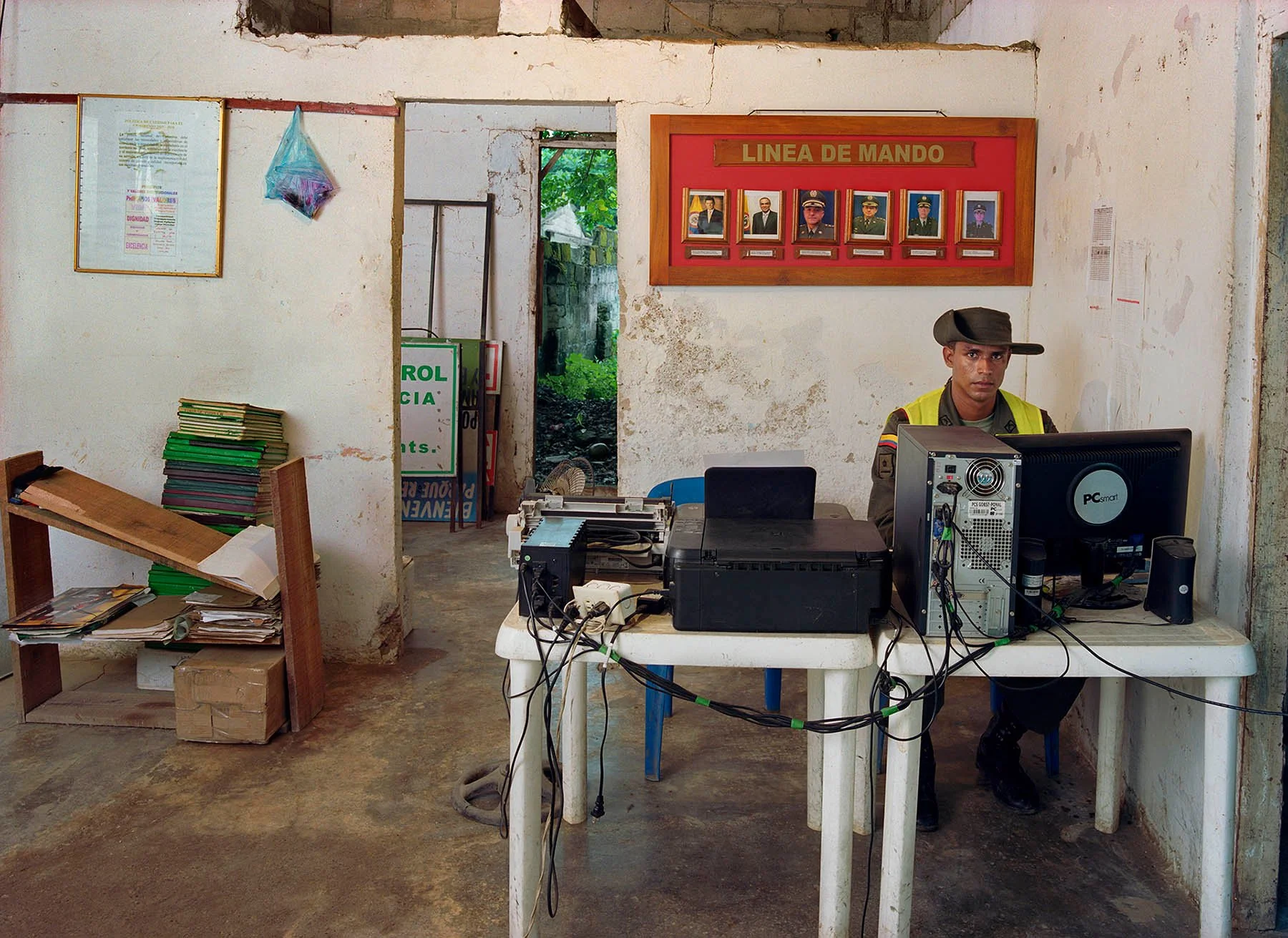
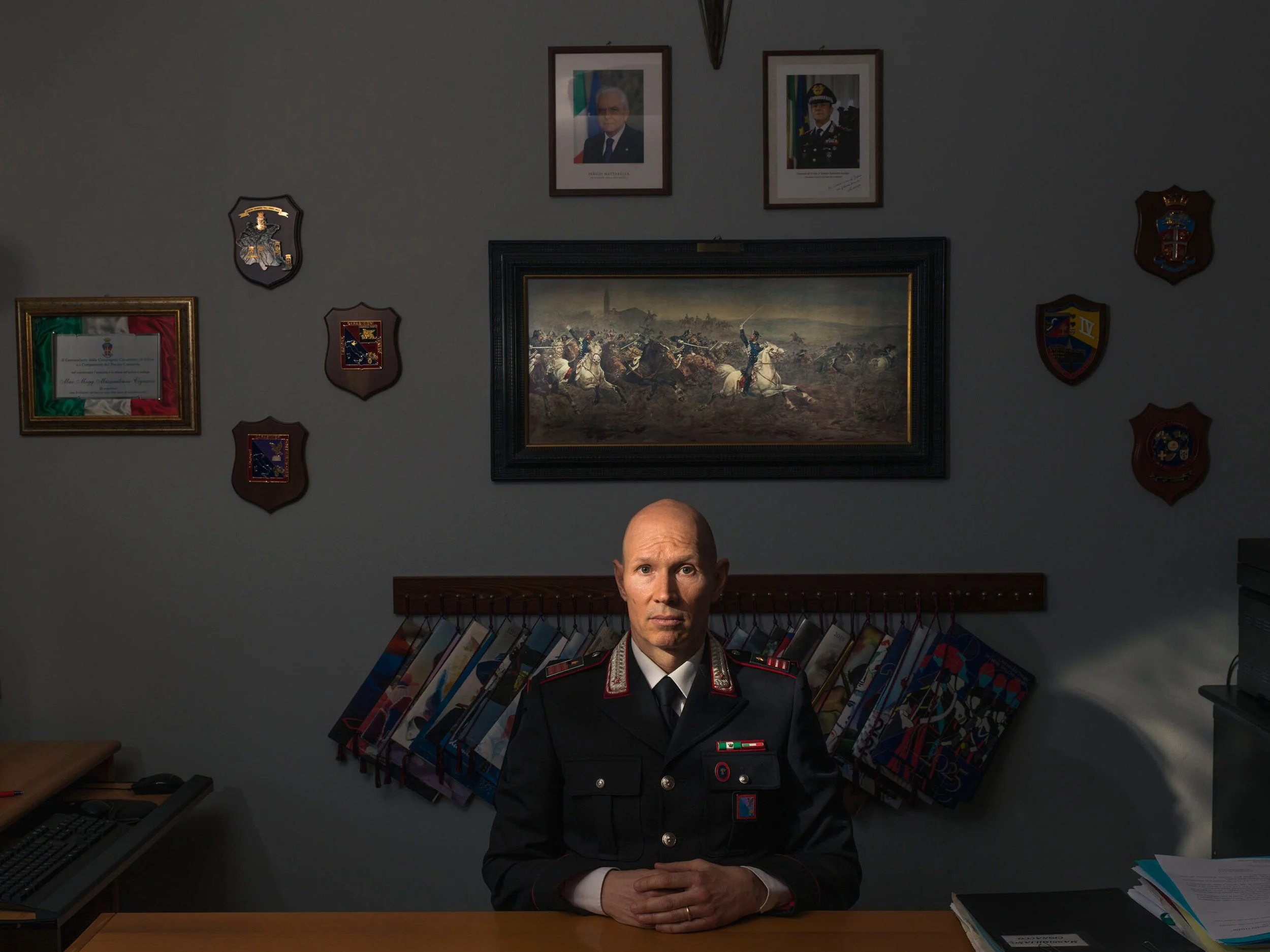
I have also been influenced by this work in my later projects, even when they were not in a square format. Later on I acquired a camera with tilt and shift, and that was the ideal tool. I could make the composition even more boring and the lines really straight. I used this camera for the project Law and Order, for example. So now I picked photographs from Law and Order and introduced them into this series, because stylistically they fit in perfectly. These photographs are also about police or courts, so they are still about bureaucrats and bureaucracy. Content-wise, they fitted in fine as well.
Was there a photograph you overlooked back then that you now consider important?
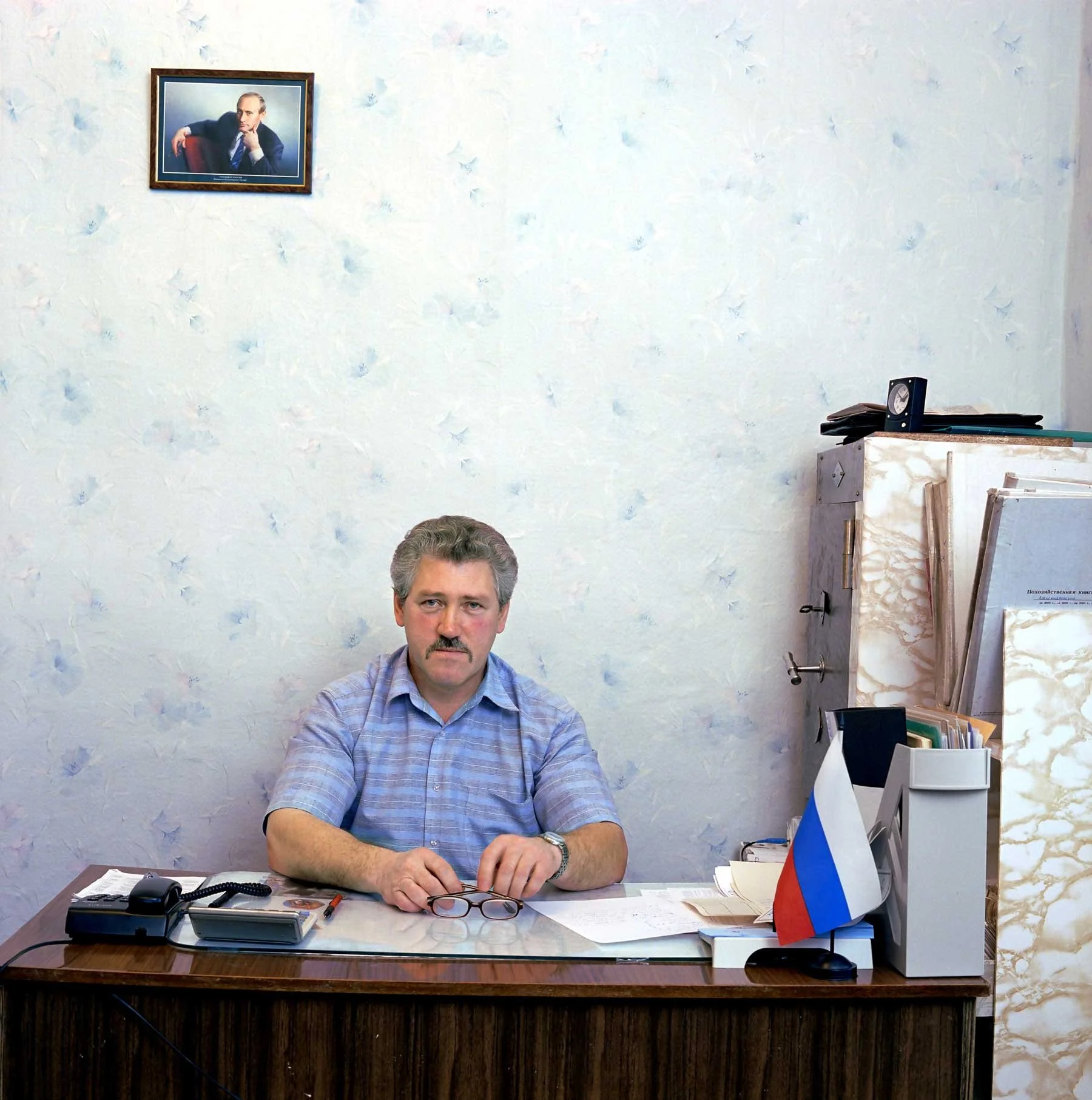
Yes, a couple. For example, from Russia. In several of the photographs there was a portrait of Putin on the wall. After the original book came out, it struck me that in one photograph with this portrait of Putin, there was a plant next to it. You will see that the plant is kind of ironically commenting on Putin's body language. So I thought that photograph should be in there as well. But there are several like that.
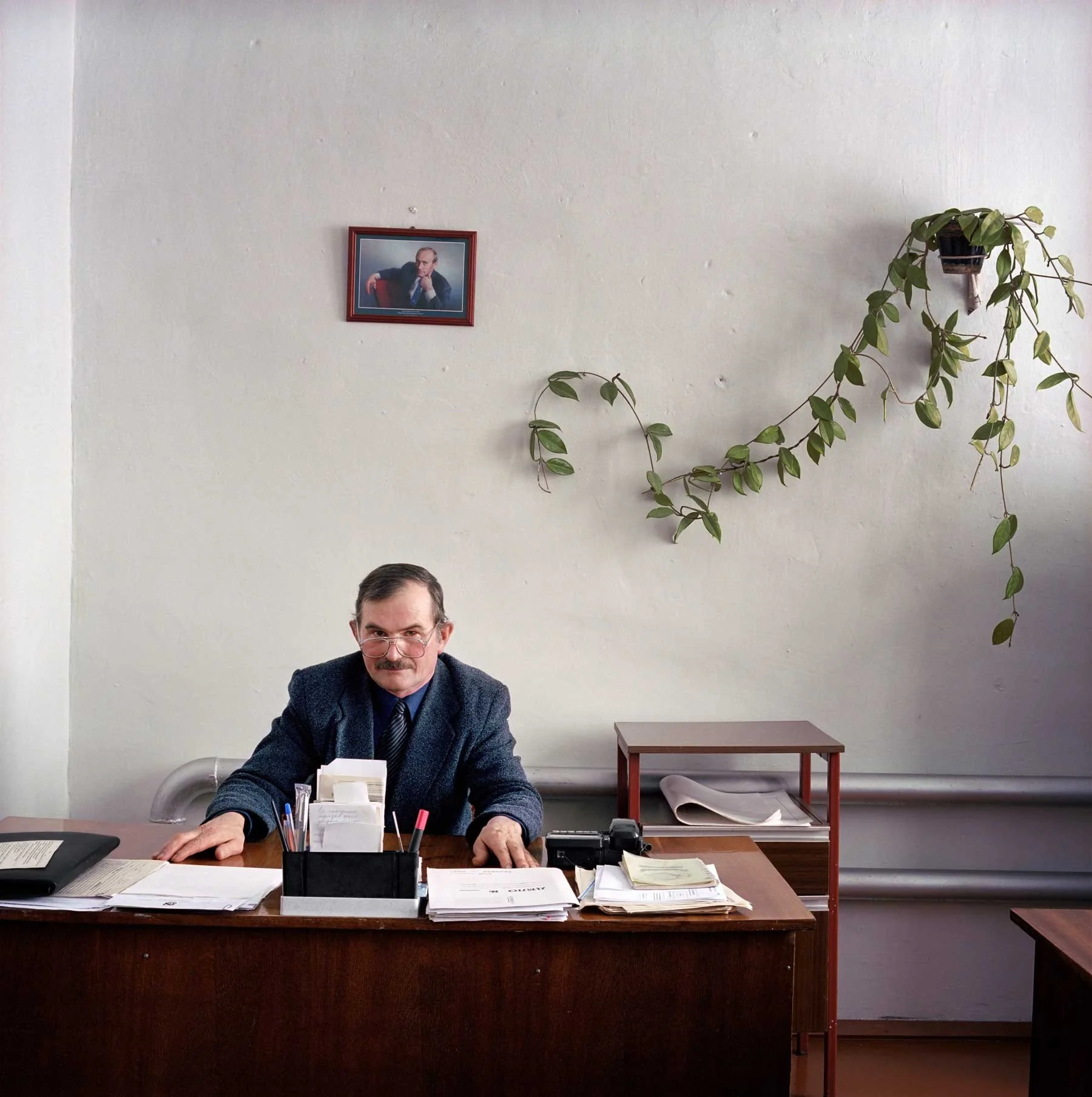
You describe the original photographs as a glimpse into a world that is disappearing through political changes, automation and digitalization. When did you begin seeing them as historical documents rather than primarily as a study of bureaucracy?
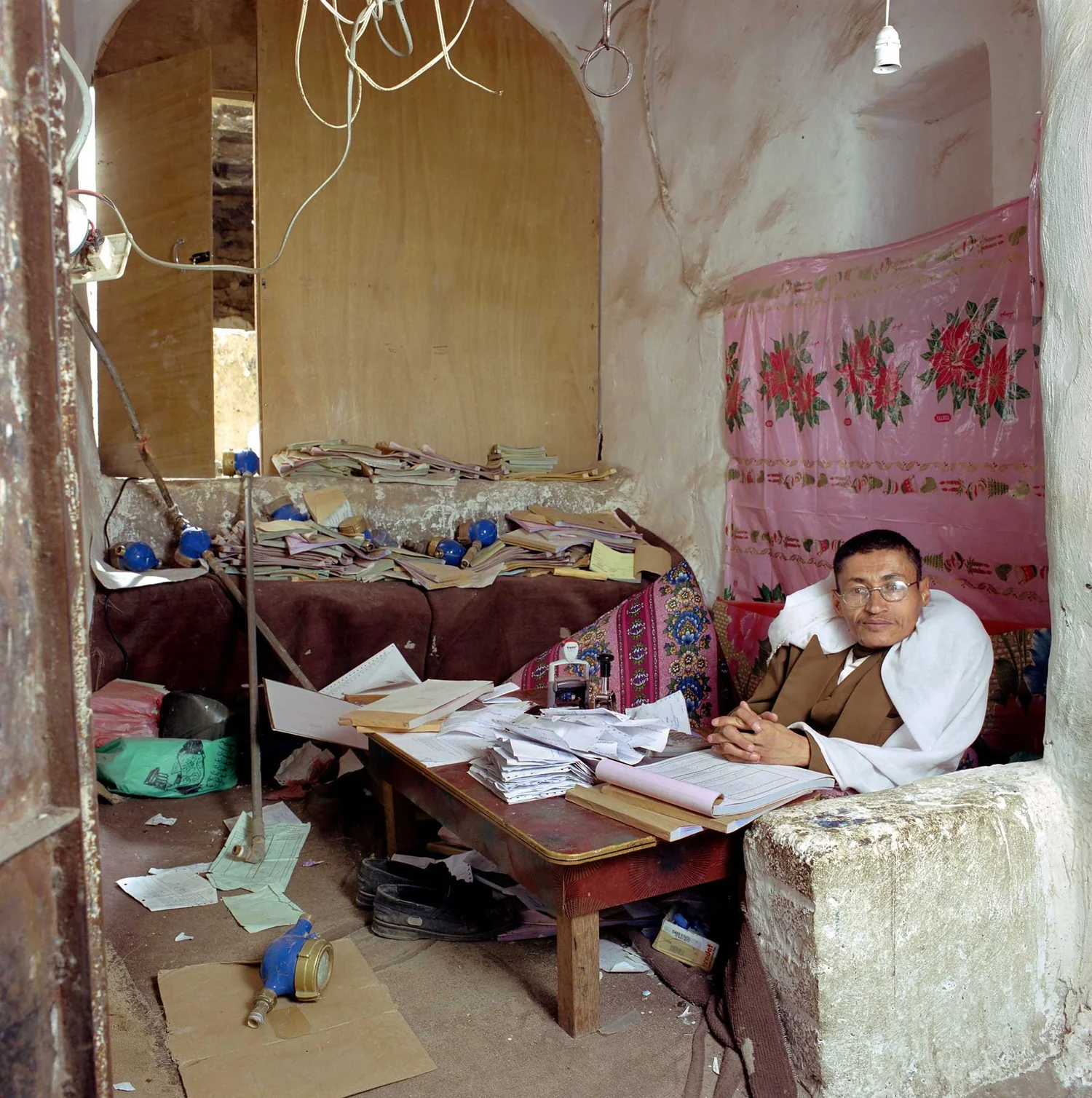
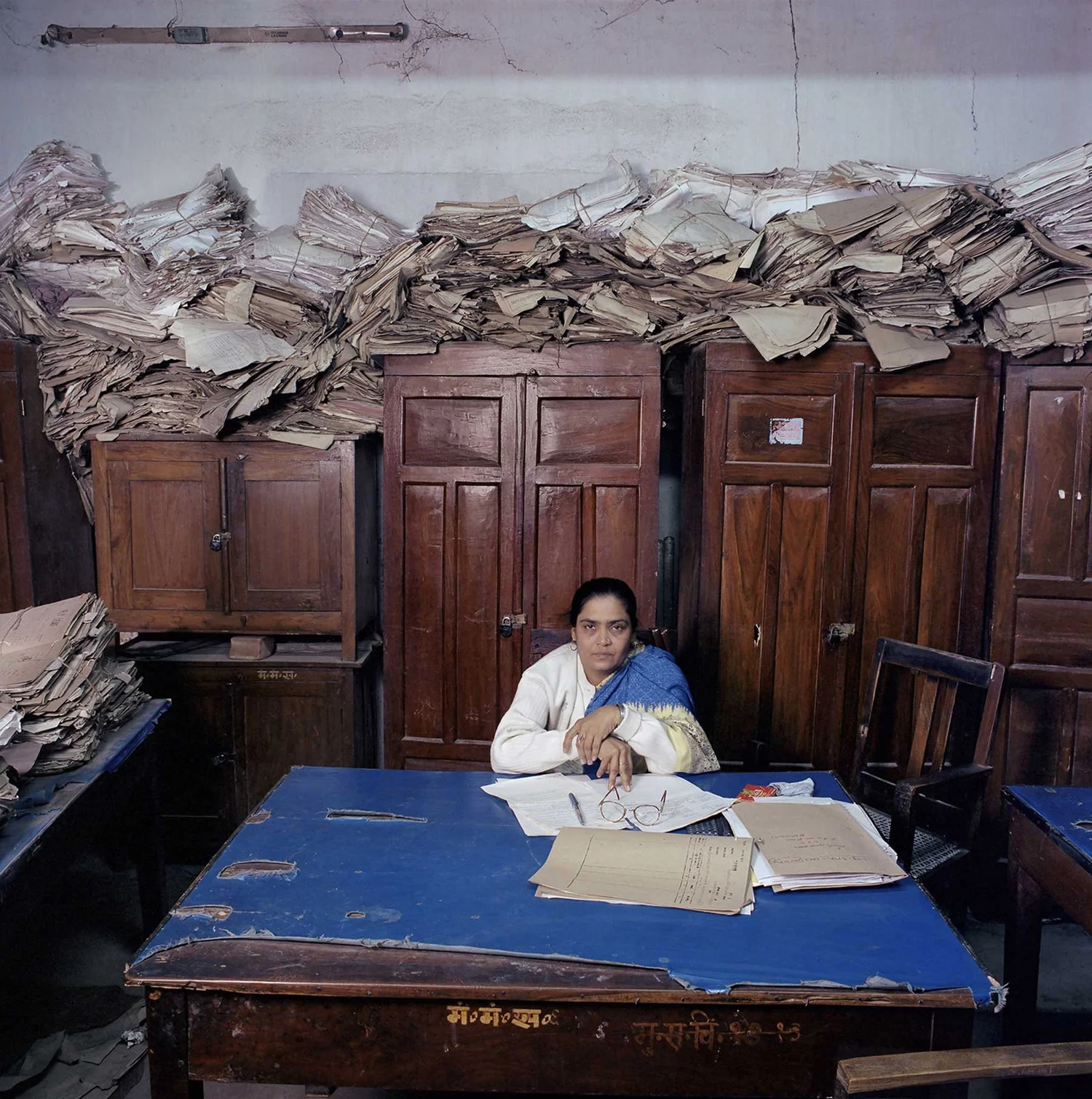
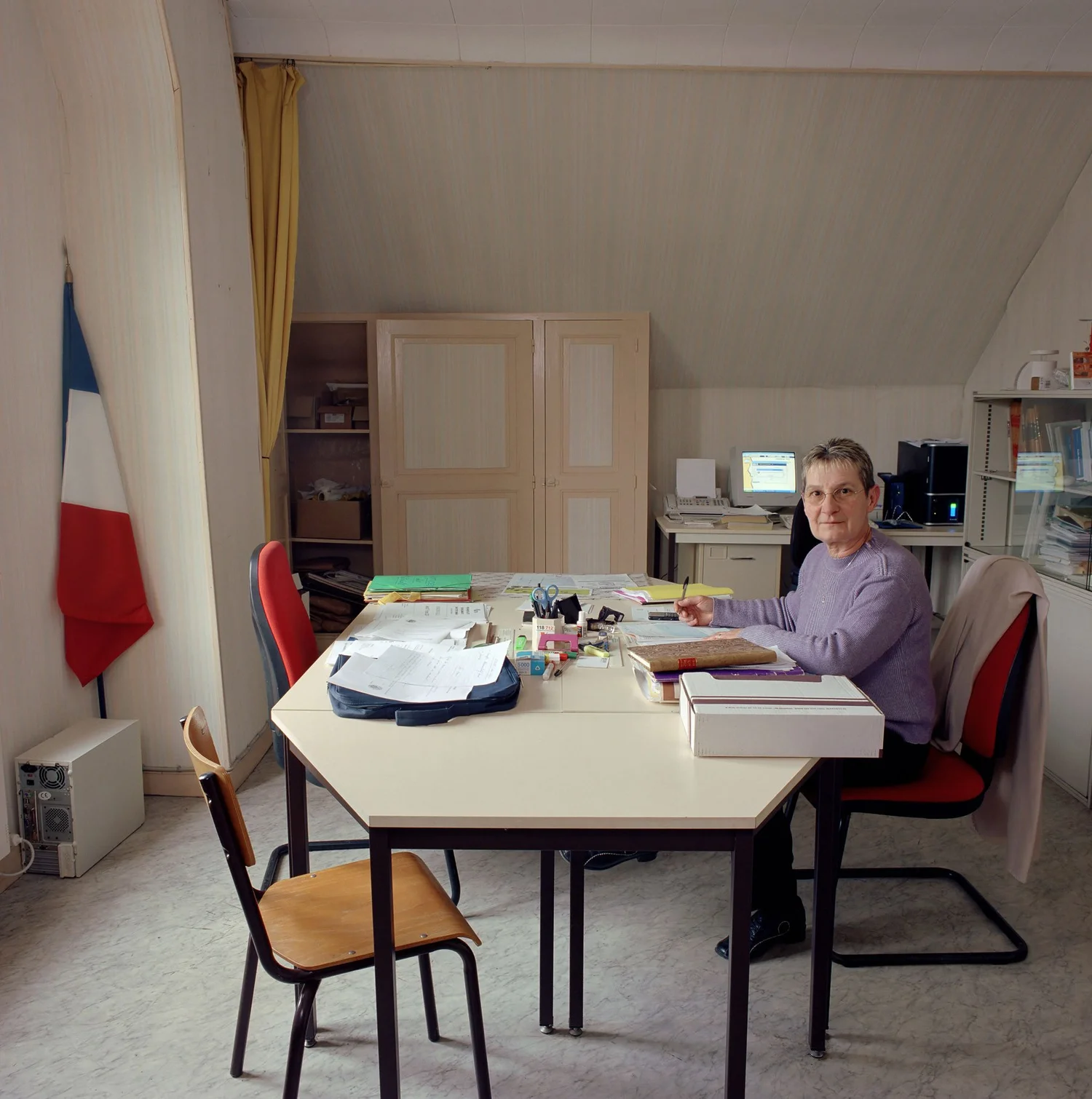
Even when I was making the work, some situations were already almost historical, although at that time they were the present. Look at Yemen or India. It was more of a mess there, but if you compared it with France or the US, all that paperwork already felt historical. So although all the original photographs were made between 2003 and 2007, it felt as if some of them were history already. And of course that feeling has become stronger.
You've written a new, extensive text for Bureaucratics Revisited. What did you feel needed to be explained or reconsidered that wasn't part of the original publication?
The original publication was the start of the whole thing, the start of the adventure. At that time I had hopes, but no realistic idea of what was going to become of it. And it has become huge. It was exhibited on five continents, in I think 18 or 20 different countries, and it was published in even more. There were lots of print sales. So I thought it was interesting to pay attention to that.
The original book was also part of a series edited by Martin Parr for the publishing house Nazraeli, so there was very limited space for text because of the concept of the series. In this new concept, I was the commander in chief, the top bureaucrat. It was all my decision how many pages we were going to spend on text. The only constraint, you could say, was financial. But I thought, to hell with that. This has also been a lucrative project, and by now the photographs deserve to be ideally presented. For the text, we take as many pages as necessary.
That gave me the opportunity to give more background. There was a book with more of that background, written by my friend, the writer Will Tinnemans, with whom I did all the work up until 2008. But it was only in Dutch. So in part I quoted from his book, which was otherwise accessible only to Dutch readers. Clearly there is so much international interest, so I thought it was a nice idea to elaborate on that in this text.
Did writing about the project again make you question any of your earlier conclusions? Is there something you understand differently today?
I would say a huge difference is that several of these countries are now probably inaccessible. I don't see myself getting permission to photograph in Russia now. It would be a tricky thing to try to photograph bureaucracy in Yemen in the present circumstances. I don't know if the Chinese would give me access. So I think that is a very important difference between then and now.
Even then, there were two countries where we did not manage to get permission. And funny enough, you wouldn't expect it: one was Cuba and the other was the Vatican. They responded more or less the same way, by just keeping you waiting forever. In the case of Cuba, which I describe in the book, it changed when I had an exhibition there.
The new edition includes photographs from Mozambique made in 2002, before most of the original series, and in black and white. Why did you decide to bring this early work into the book now?
Because the whole idea of this book is very different. The first book presented the basic form of Bureaucratics, in a given concept with space for 50 photographs. Black and white didn't fit in there. But this book is also, in a way, a retrospective, even though there are very new photographs in it. There are a couple of photographs of the Carabinieri in Italy from, I believe, 2025. That gives me more freedom to use these other photographs as well. If you start describing how the project came about and what happened with it, well, Mozambique was the starting point. It would be kind of silly to describe it in your text and then keep the photographs a secret.
New photographs in an old project
Some of the new photographs originally belonged to Law and Order. What made you realize they could also belong in Bureaucratics, even though they were made for another project?
I didn't just realize that now. I realized it all the time, already when I was making those photographs. At that time I was, well, you can't say running around, because that camera is ridiculously heavy, but I was using a Fuji 6x8 camera with tilt and shift. There were situations where I was photographing prison officials, or police as in Uganda, and I thought: whoa, now I can even set these lines completely straight. I realized it was a more sublime form of Bureaucratics that I was making at the time. So that was nothing new when I looked back on the work.
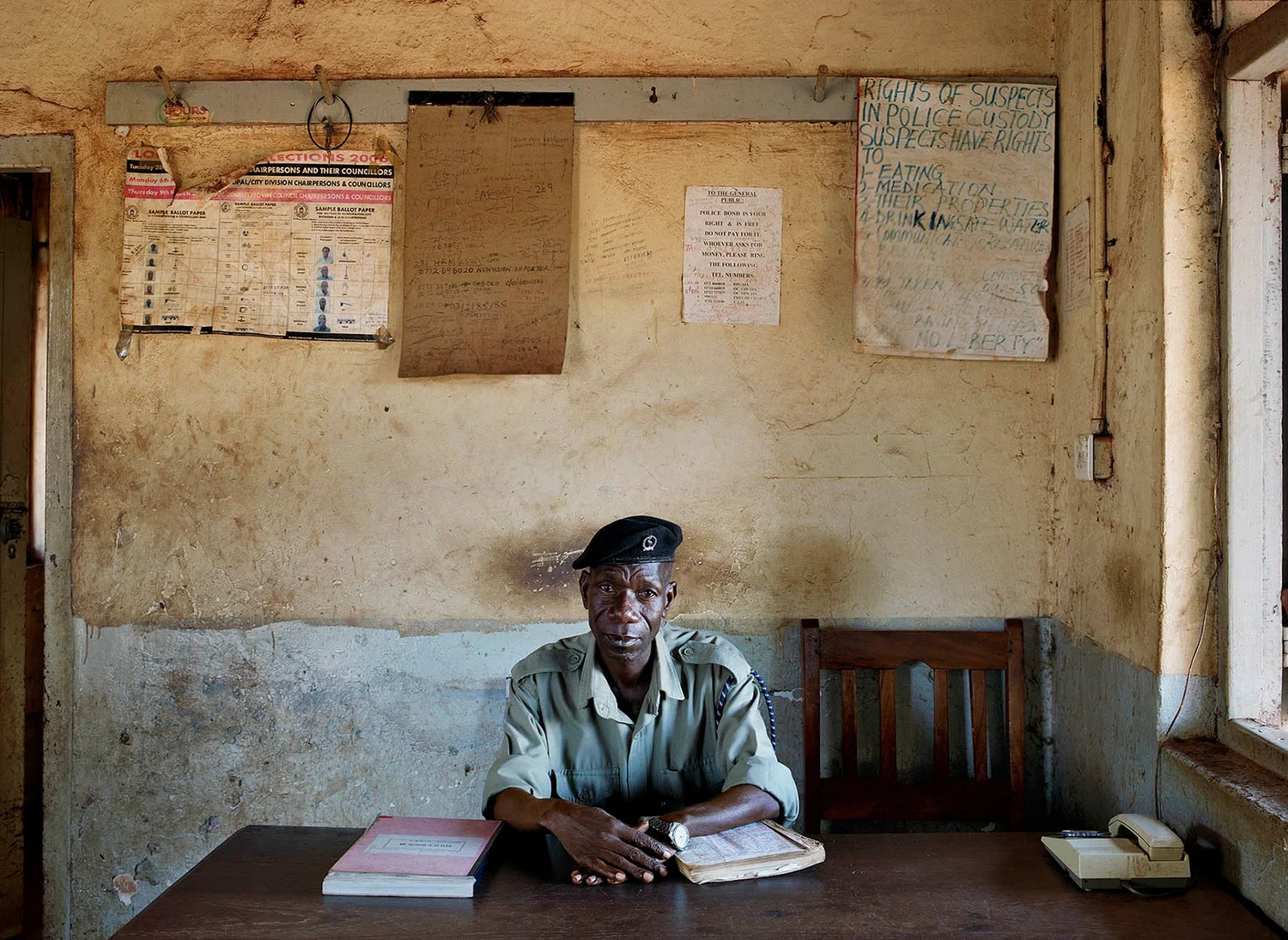
The new edition adds 25 photographs to the original selection. What made these particular photographs necessary, rather than simply another good example of a government office? Did you want to complement the existing series, was something missing, or was it more about exploring the theme?
No, I don't think there was something missing in the original series. These photographs just fit in. It's difficult to explain the final reasons for a selection, but basically they fit in both in content and in composition. And because I added the first black and white series from Mozambique, I thought I could also take more liberty at the other end. If you look at the composition of the Carabinieri photographs, they are very close to other Bureaucratics photos, even though they are not square format. But the lighting is very different. If I had felt the need to be very strict, I wouldn't have included them. But because I had taken that liberty at the beginning with the black and white of Mozambique, I thought I could extend it to the end and introduce the Carabinieri photographs.
How big was the initial selection? Did you choose these photographs from a much bigger pile?
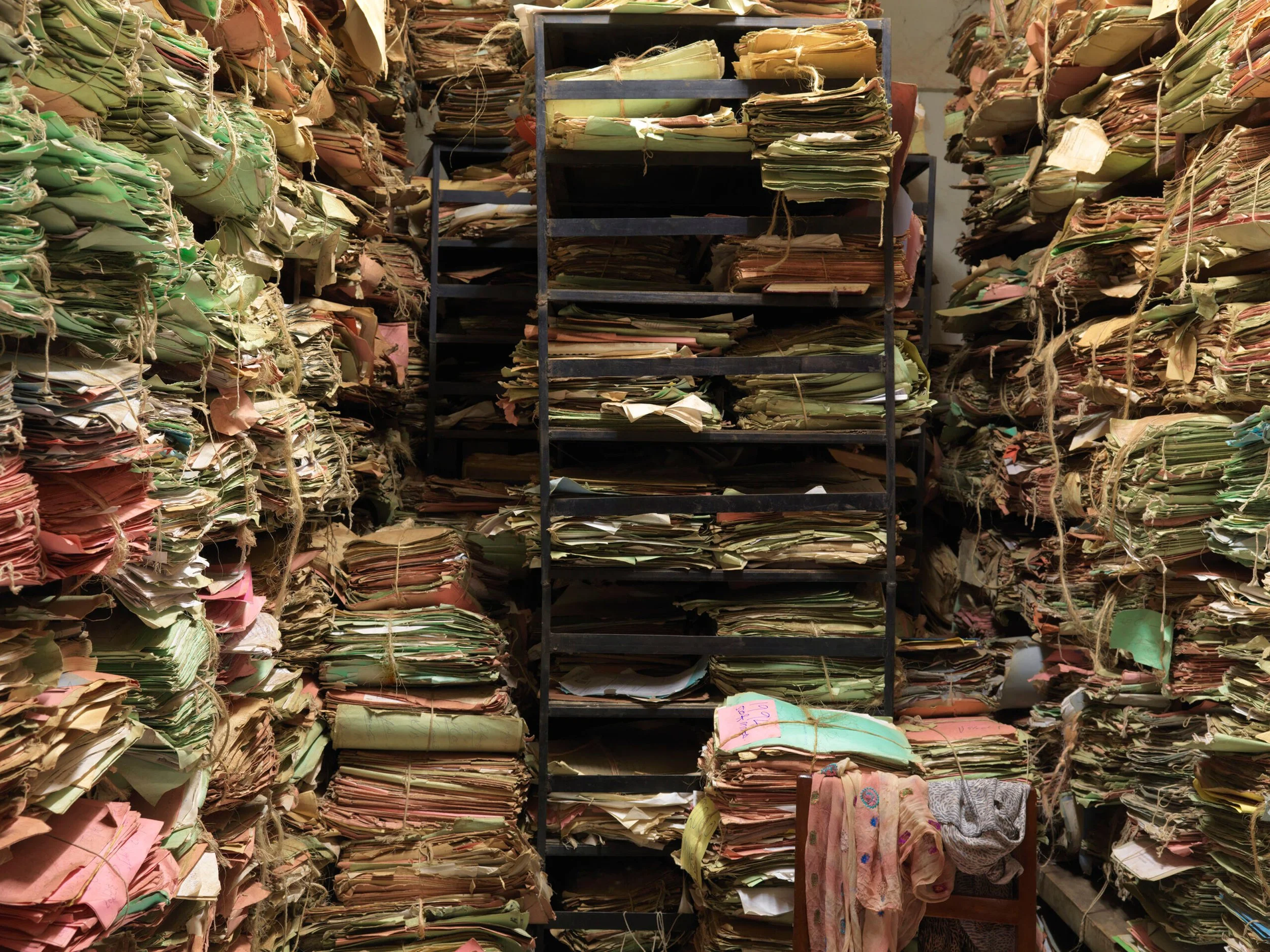
I wouldn't say that the whole Law and Order series could have fitted in. No, not really. There are even some photographs in the book now that you could discuss. If I remember correctly, there is one photograph without people. It's just an archive, an archive in Uganda. If I had been very strict, a real bureaucrat, I should have taken it out, because it didn't quite fit. But it did fit in its composition, because it had the same strict, let's say very boring, composition. I guess I felt playful when I was making the selection. But it wasn't as if there were a hundred photographs that fitted in. Most of the Law and Order photographs wouldn't have fitted, or in some cases I didn't consider them good enough in the long run.
The part where I was most in doubt, where it was more difficult to select, was choosing the extra photos from the original Bureaucratics period, 2003 to 2008. There was a whole pile, and obviously they all fitted in. So that was more of a headache than the later photographs.
Martin Parr and the art of editing
Martin Parr edited the original Bureaucratics book. When you returned to the photographs for the new edition, did you reconsider any of his original editorial decisions?
Yes. I thought he missed some good work. But in his defence, in some of these cases I'm not even sure I showed them to him. I must have shown some, but there were probably some he never got to see, because at the time, I don't know why, I didn't select them. Now I looked back on them and thought, hey, wait a minute, I missed that as well. So it's a mix. He missed some, and I missed some.
What did working with him teach you about editing that you maybe still use today?
Interesting. What I noticed is that he was incredibly fast, incredibly quick. Interesting, but it's not my style. I'm a very slow photographer, and I'm also slow at selecting. I want to look, add this or that, maybe put it away and go back to it. Of course it's very efficient if you can do it so fast. But I think the risk is that you may miss some more subtle elements in a photograph. Unfortunately, I can't ask him anymore. It would have been a nice conversation. It would have been nice to hear what he would have thought of this new version. But we can't.
Can you remember a photograph you wanted to include in the 2008 edition that he preferred to leave out?
I know there were examples, but I don't recall many. I do recall that I gave him some photographs which he fortunately threw out, and which I have now also left out. As you probably know, sometimes you have an attachment to a photograph that has little to do with the photograph itself and more with the circumstances and the time of making it. The moment was special, the person was special, the situation was absurd, whatever. That kind of attachment lingers on for a while. Now, 20 years later, I can still remember it with some melancholy, but it's not strong enough anymore. So it's much easier to kick it out.
The office as a stage
You've maintained a remarkably consistent approach, photographing officials from the front, usually behind their desks. What did this consistency allow you to discover when comparing offices across very different countries and periods?
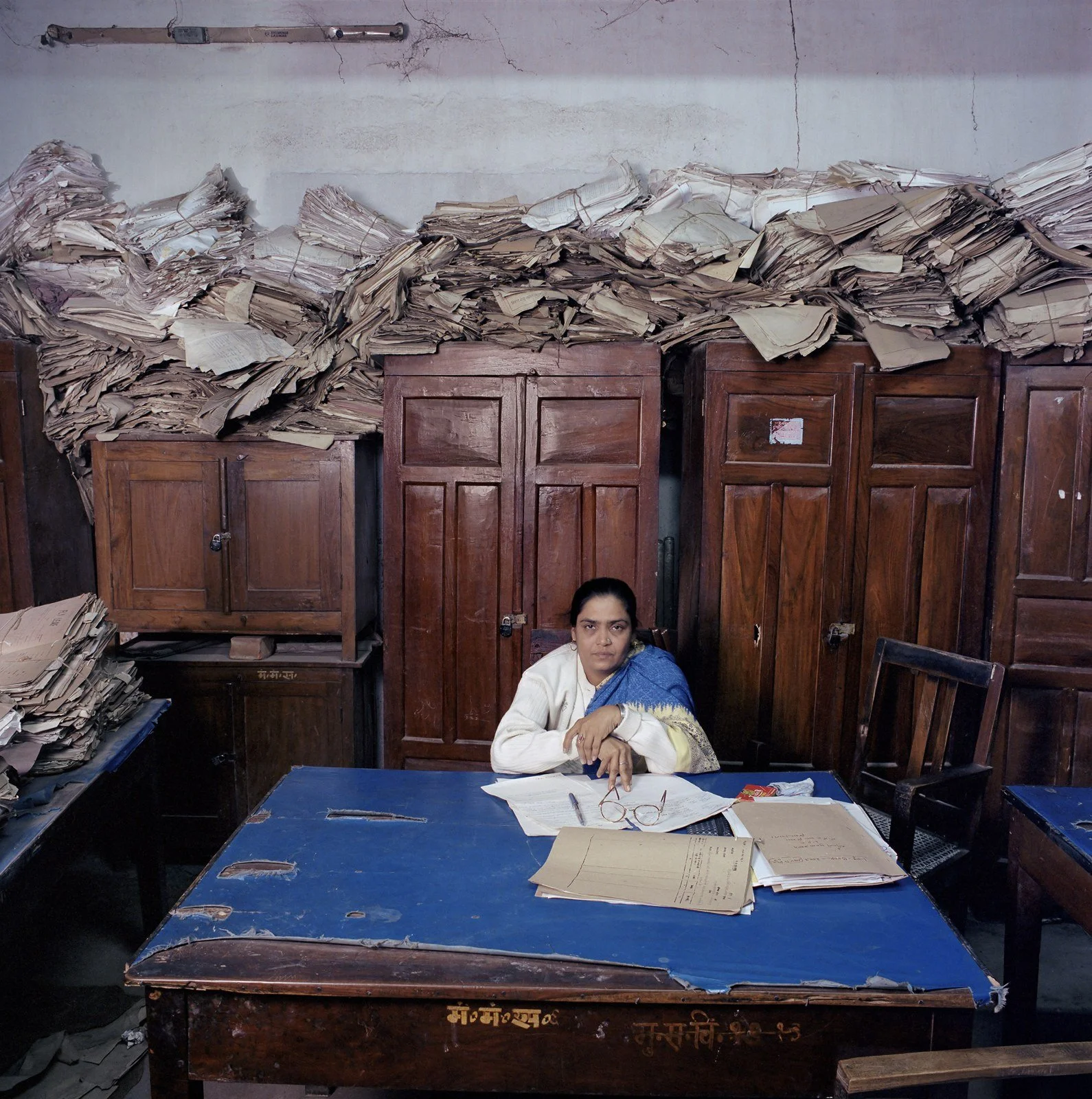
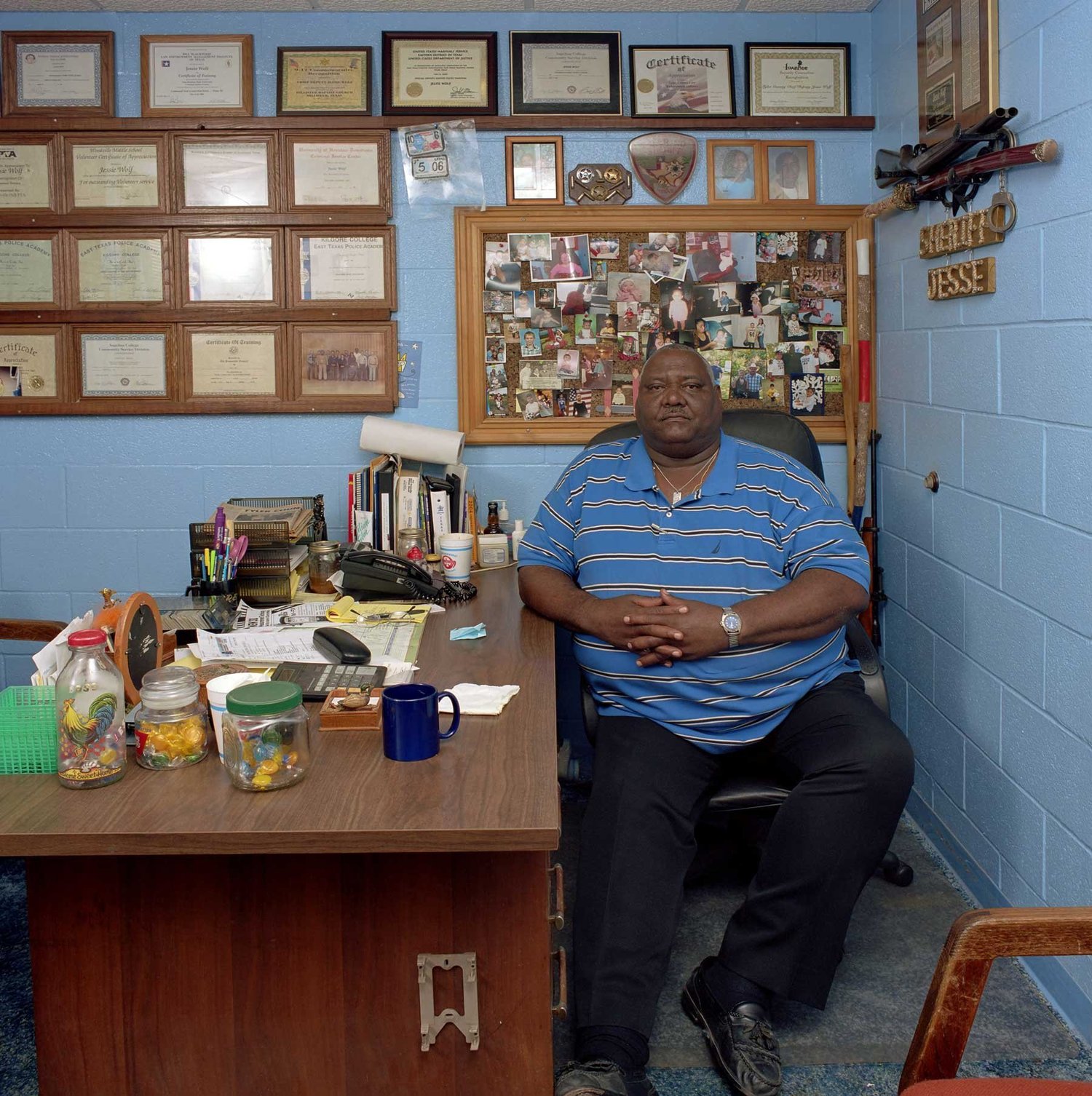
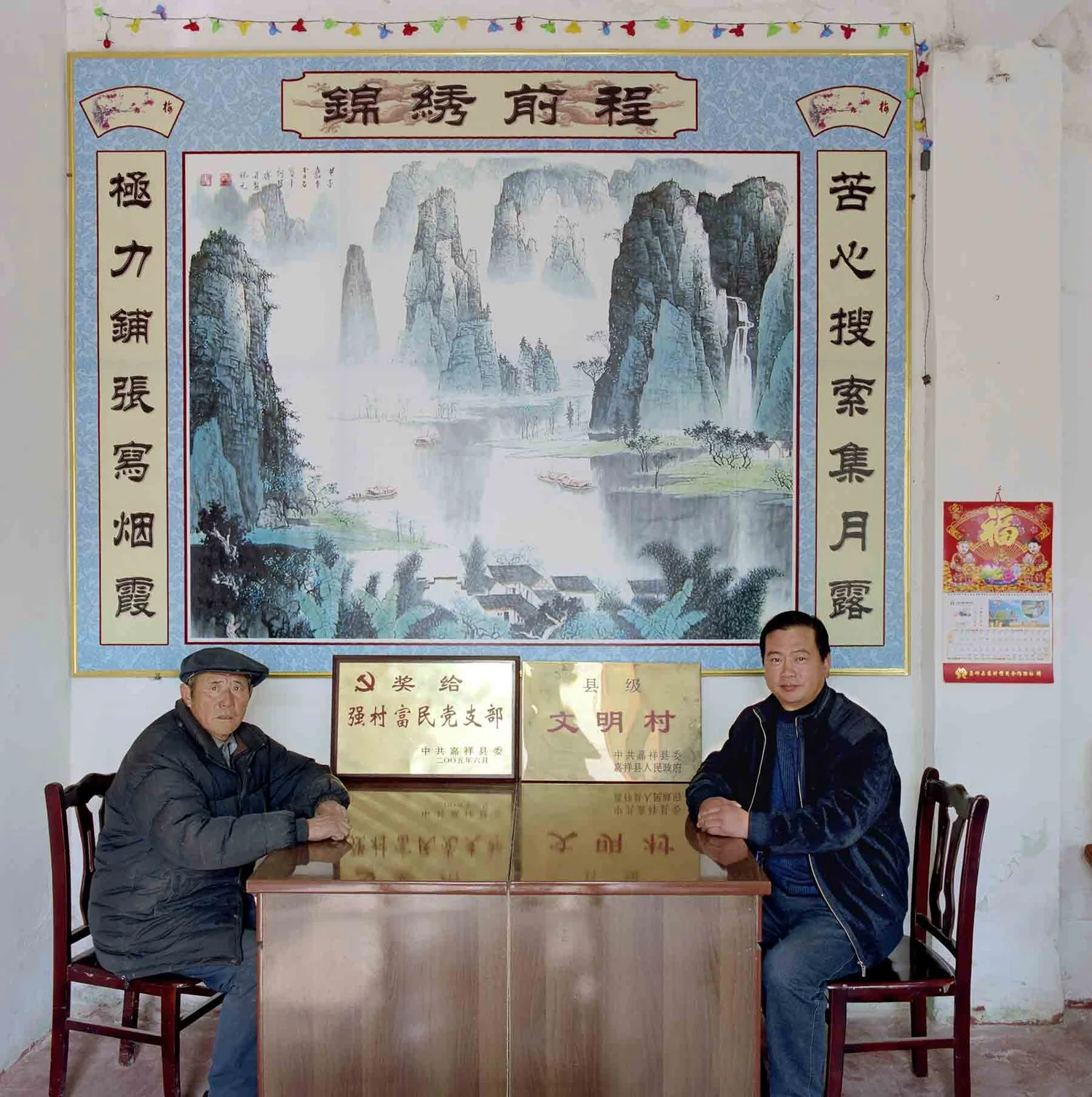
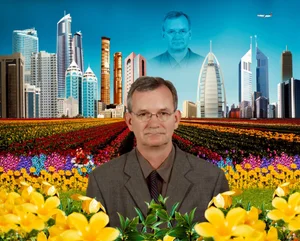
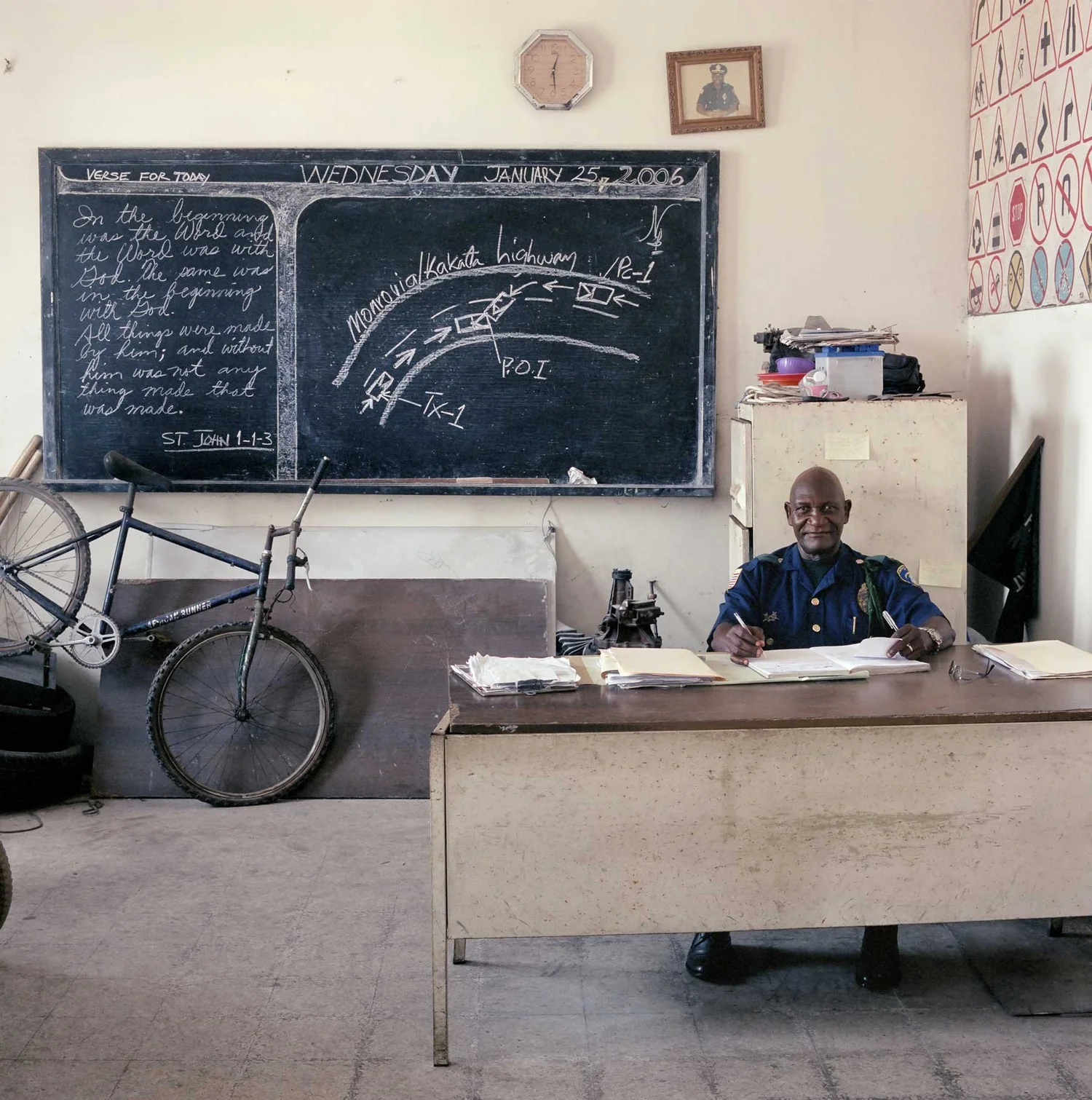
What it taught me is that there is a basic rule for an office. I found the same setup everywhere. You need a desk, which is the barrier between the bureaucrat and, how should we call him, the client, the patient, whatever you want to call the person on the other side. There are two chairs on the opposite side from the bureaucrat. Why two chairs? But okay, two chairs. Then you need a photograph of the president or the king. Sometimes people know they have to put up a portrait, but instead of the president they hang their own portrait. These kinds of things.
It's like a theatre piece. Even in places where the system as such hardly worked, as in Yemen or in some offices in parts of India, nobody was really doing anything. They were just hanging around, paid miserably, but still paid. Yet they still had this setup. They don't know the theatre piece, but they know the stage. So they put up the stage, and in some cases they play their part. In other cases it's like: okay, now we have the stage, now we can relax and have a nap.
When you entered an unfamiliar government office, what made you decide that this particular room and official were worth photographing?
In such cases my decisions often had to be as fast as Martin Parr's in the selection. Let me give you an example. The writer and I would go to a big office in Monrovia, and somebody would take us around. There were 30 or 40 rooms, and hardly anybody was doing anything. So two white guys enter the room, everyone looks at you, and everyone is very nice. They come and shake your hand. It's total chaos. And while I'm shaking hands, I'm thinking: is this a candidate?
It's very intuitive, but there are some important elements. If there is a big window behind the desk, you can basically forget about it, because it's going to reflect your light. I used flash all the time, so that room was out. In a lot of cases, in between the handshakes, you see that there is nothing that touches you. They are nice people, but they seem to be the same as in the previous room. The office looks the same, everything looks the same. So I try to be nice, I shake hands, I say hello, and then I try to get away as soon as possible.
In the next room, it all repeats itself. You may pass through 25 rooms, and then suddenly, in room number 26, something strikes you. Something absurd on the wall, or potatoes in the corner. What the hell are potatoes doing in the corner of an office? Or a sewing machine in the room of a tax official. What the hell, a sewing machine? So that's in between the handshakes, looking around. In the end it's a combination of technical factors, like the risk of reflection in the photograph, and the intuitive part: do I like it, is something touching me?
Will Tinnemans interviewed the officials while you photographed them. What could his conversations reveal about bureaucracy that your photographs alone could not?
That depended a lot. In some cases he came into an interesting conversation, and in some cases it was a huge sacrifice for him. Apart from getting the basic information, his job was also to keep them busy, so that they wouldn't start cleaning up their desk and putting order into the chaos. So in quite a few cases it was a nightmare for him. He had to keep coming up with questions while he was basically bored to death, because nothing interesting was coming out.
But of course, not all these people are uninteresting, so it could go anywhere. I remember a situation in Liberia, a conversation with a woman who had lived in the US for decades. She came back to Liberia to bury her mother and was so moved by what she found right after the civil war that she decided to stay. By then she had become the governor of, I think, a province. That's an interesting conversation, of course, and something that touches your heart. I think he continued that conversation even after I had stopped photographing.
Finishing a project
Do you still think of it as a finished project, or has making Bureaucratics Revisited changed what finishing a photographic project means to you?
I think it is probably logical that when you become older, you start to look back on what you've done, even though I'm still active. And this is not the only project where I combine old and new. As far as Bureaucratics is concerned, I think that's done now. I have no plans to continue with that project. This is a beautiful finale, and that's it.
But I just received a grant from the Dutch Mondriaan Fund to continue work on another project, which combines photographs from the early 1980s with new work. It is about Portugal. Back then I photographed in agricultural cooperatives just after the Carnation Revolution. The big absentee landowners had been dispossessed, the companies had been taken over by the workers, and the workers at that time were almost exclusively women, if you look at who was doing the actual work in the field. There's a long story behind it. It has to do with migration, and also with the colonial past and the dictatorship in Portugal.
Now I go back to the same lands and find big absentee landowners again. Some are Portuguese, some are the original landowners, and some are absentee landowners from London, Santiago de Chile or Montreal. The workers are no longer Portuguese women, but workers from Nepal, India and Bangladesh. So I'm combining photographs from the same ground, the same land. In a way, the historical situation of big landowners, rather than workers who own the land, has come back, partly in a different form. On the other hand, there is the element of migration, which is of course very different from what was going on at the time.
Not all of my projects go back as far as this Portuguese one. But yes, my work becomes more and more long-term, simply because those themes interested me at the time and have stayed with me for a very long time.
My last question about this. After everything you've learned from Bureaucratics, if you were starting the project today, would you do something differently?
No. As you can see in the Mozambique photographs, they were not compositionally as ripe as the later ones. In the later photographs, with a few exceptions, there is really this Mondrian-like structure, with the composition as boring as possible. It took me a little time to find this final approach. But once I had it, I thought it was the ideal way to document bureaucracy.
The cupboards and the photographs or paintings on the wall are like elements of a Mondrian. They are metaphors for the rules and regulations under which a bureaucracy works. And then there is this round figure in there, a metaphor for something less rigid, someone who has to interpret these rules and regulations. I think it's an ideal way to present this phenomenon. I don't think I would come up with anything better.
Thank you very much for your thoughts and for your time.
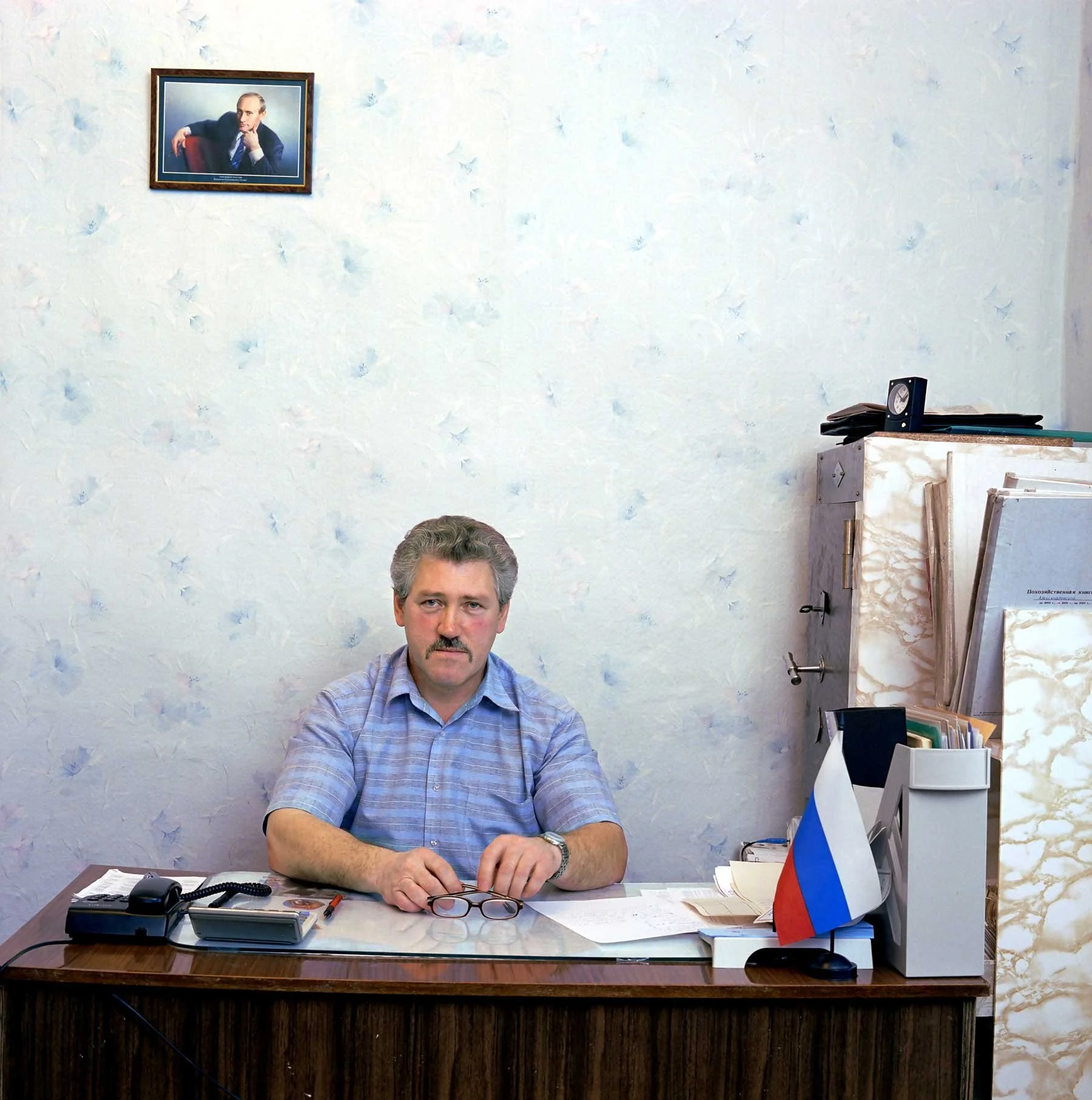
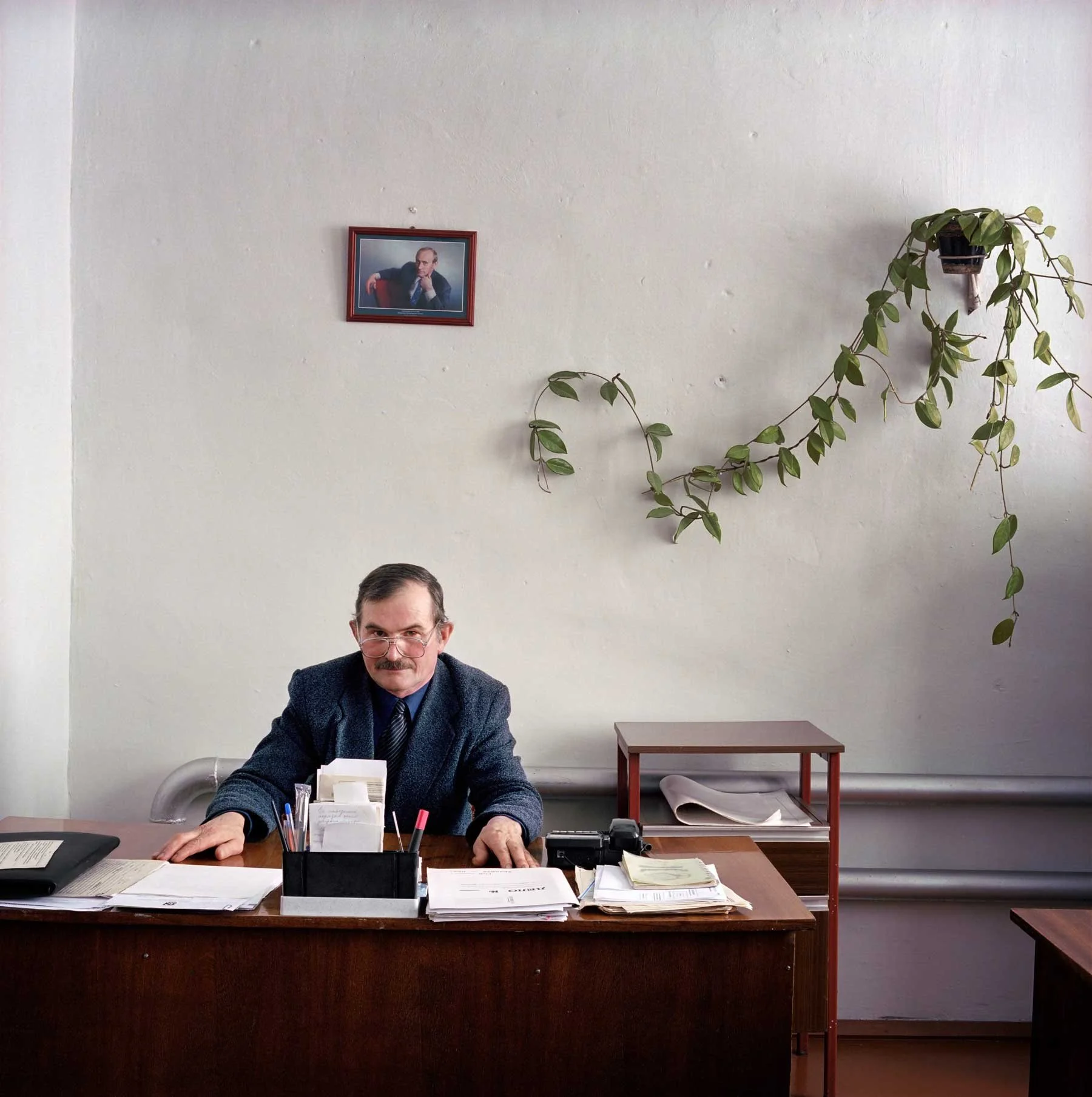
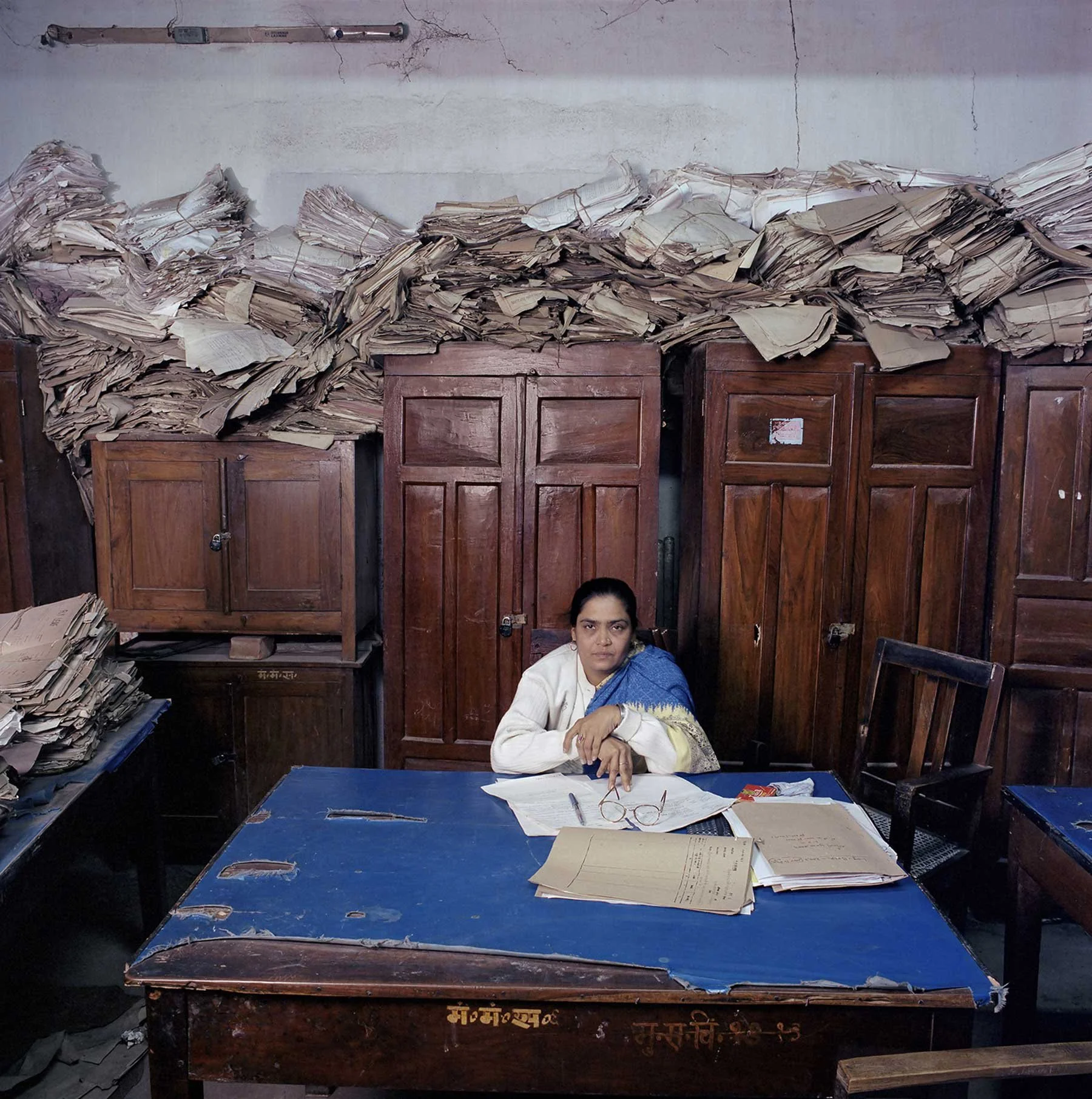
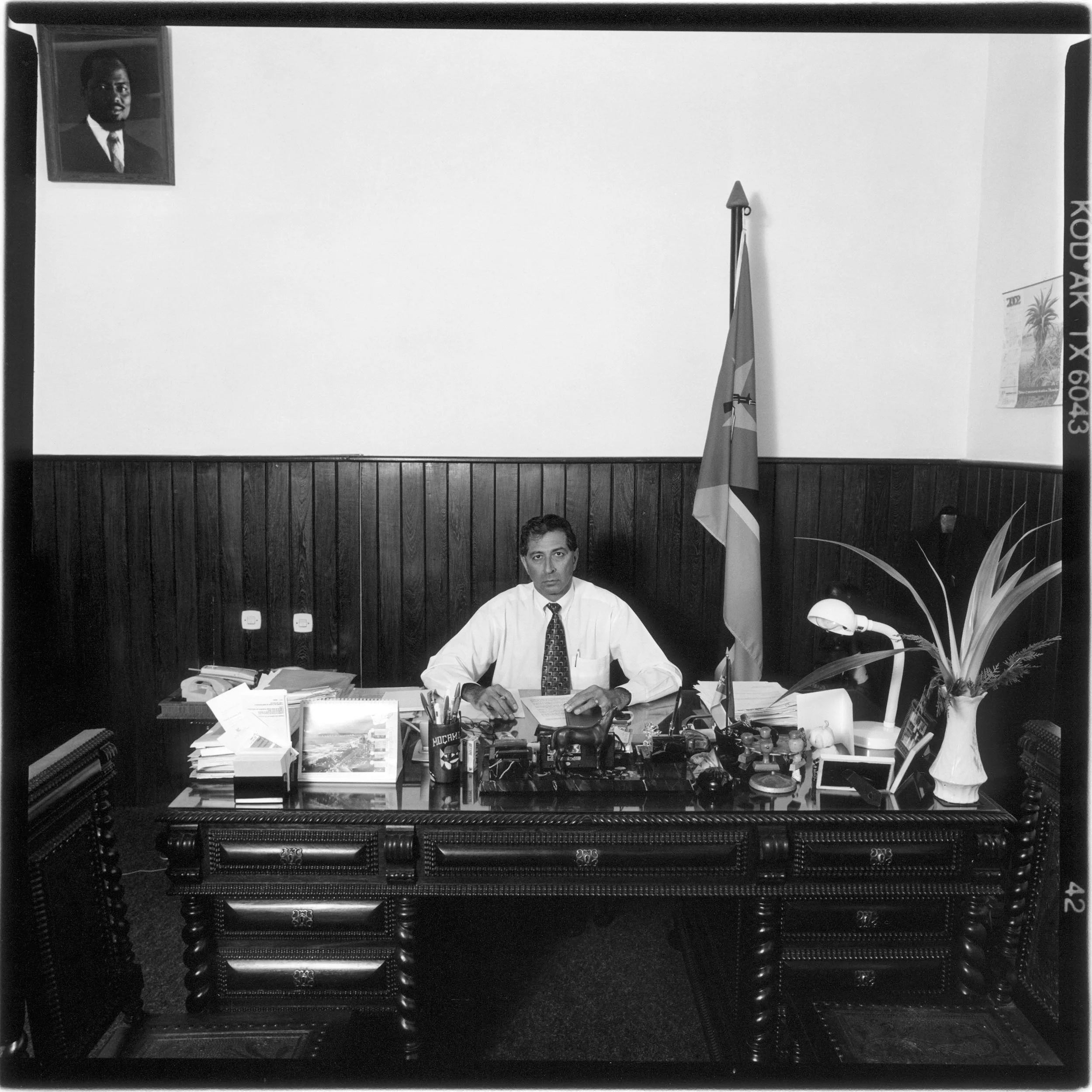
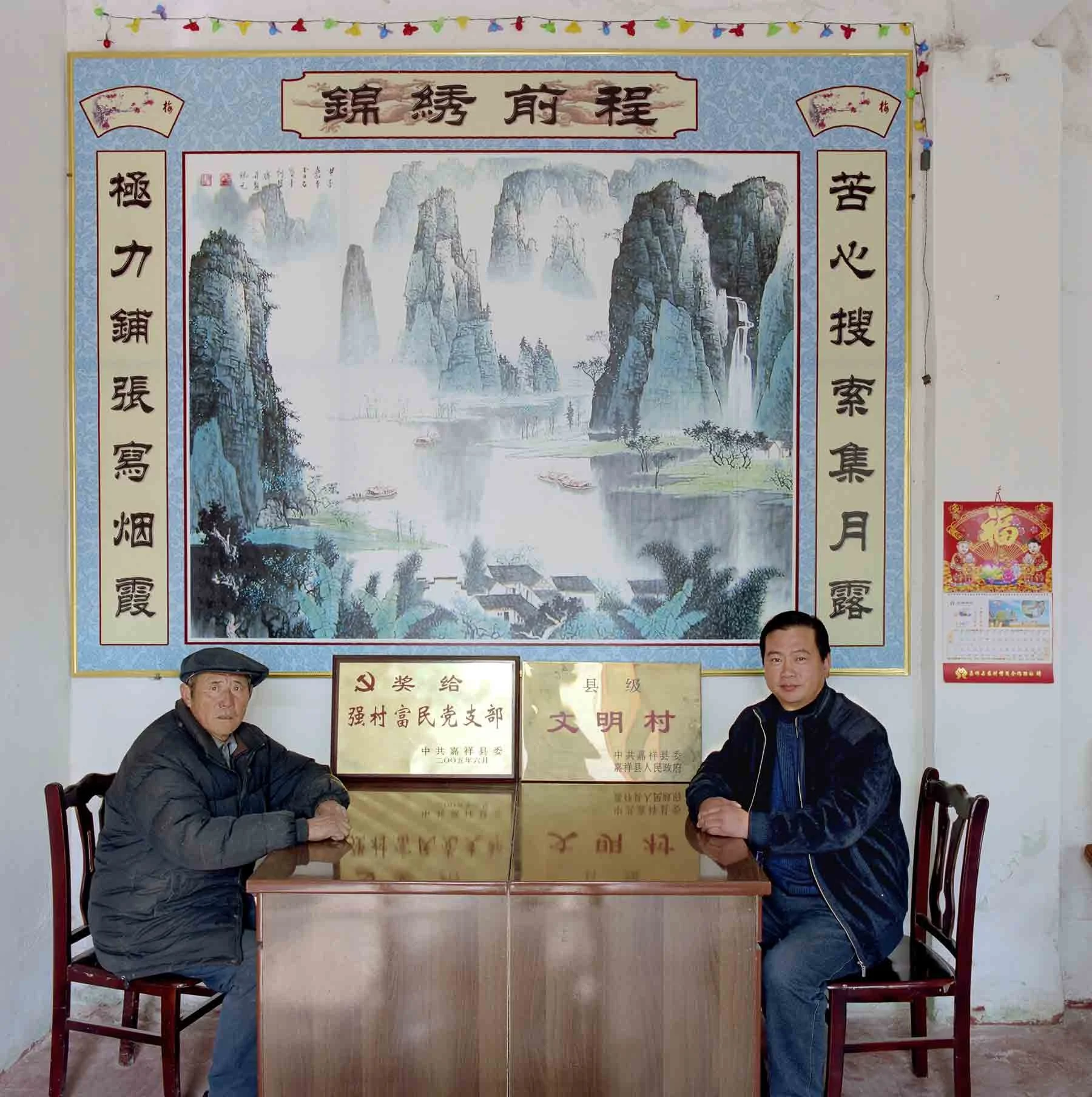
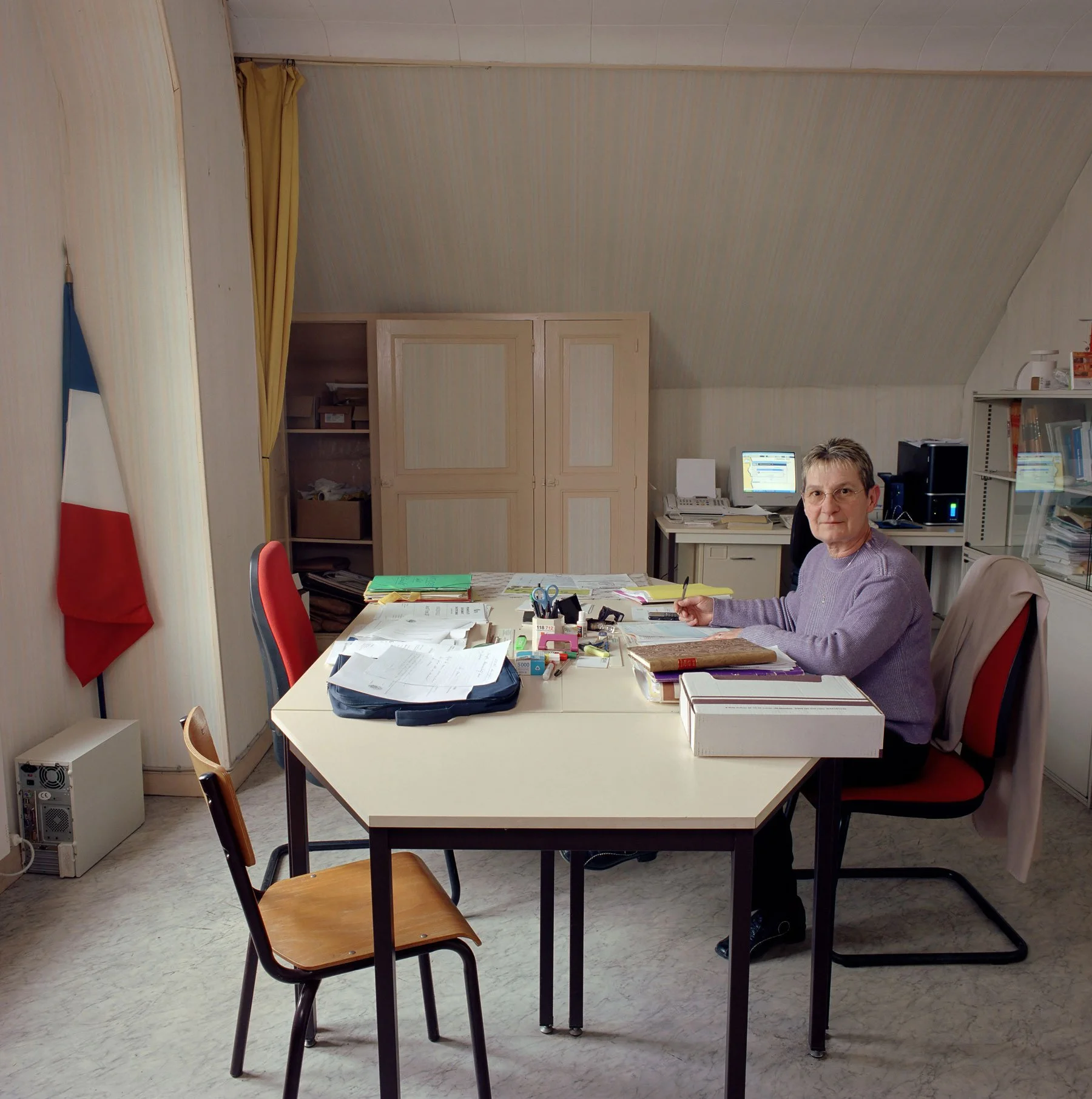
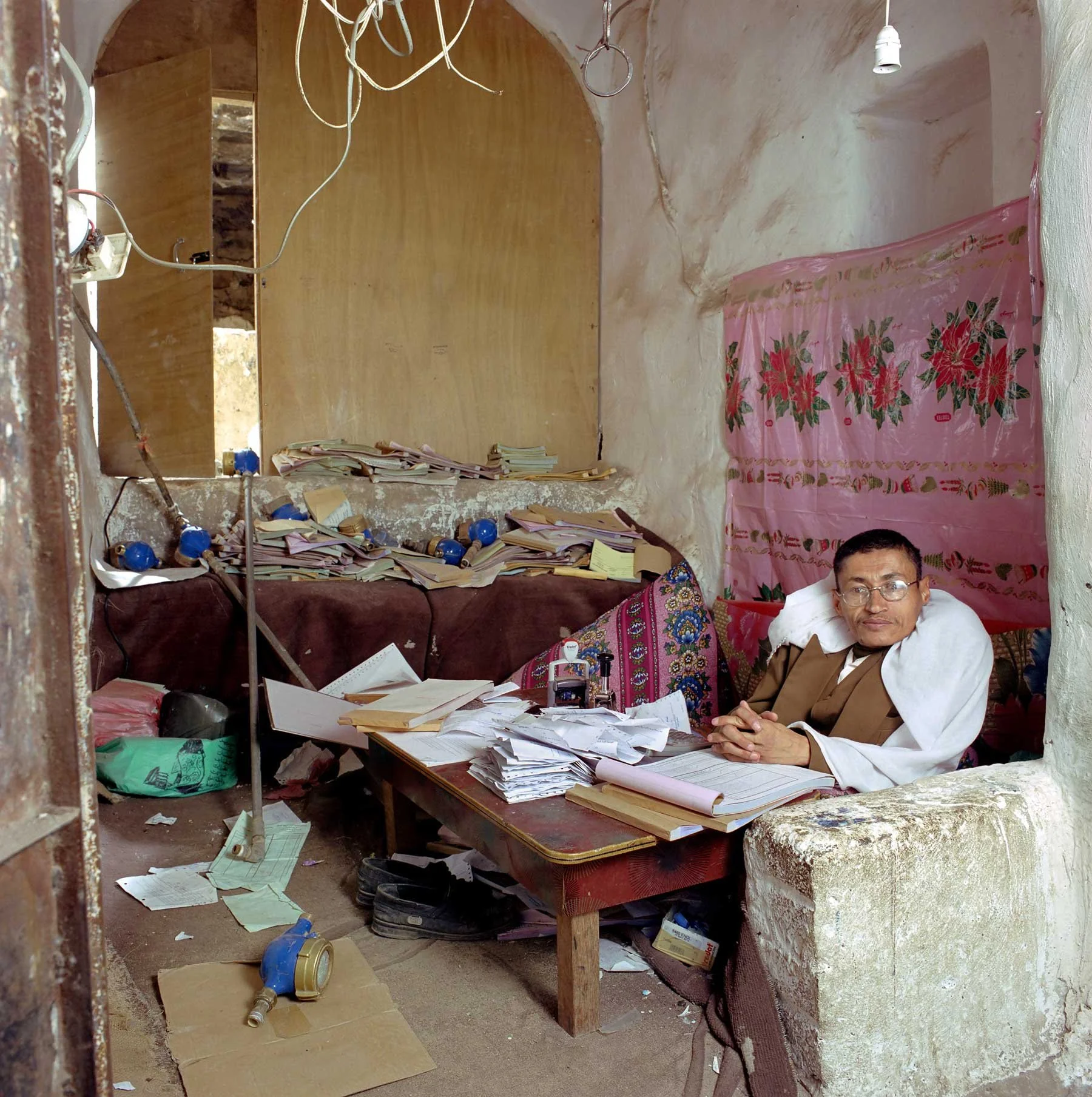
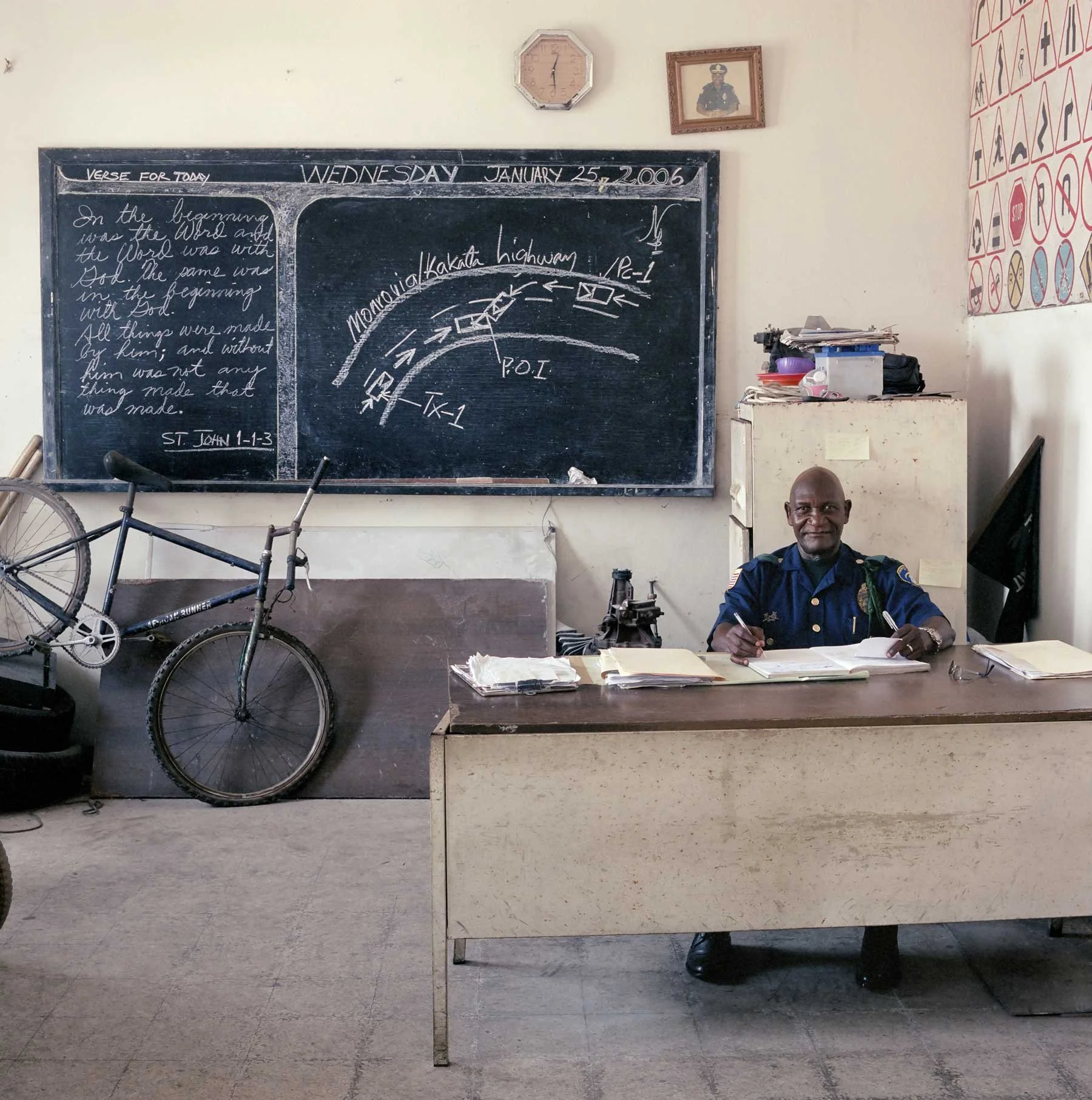
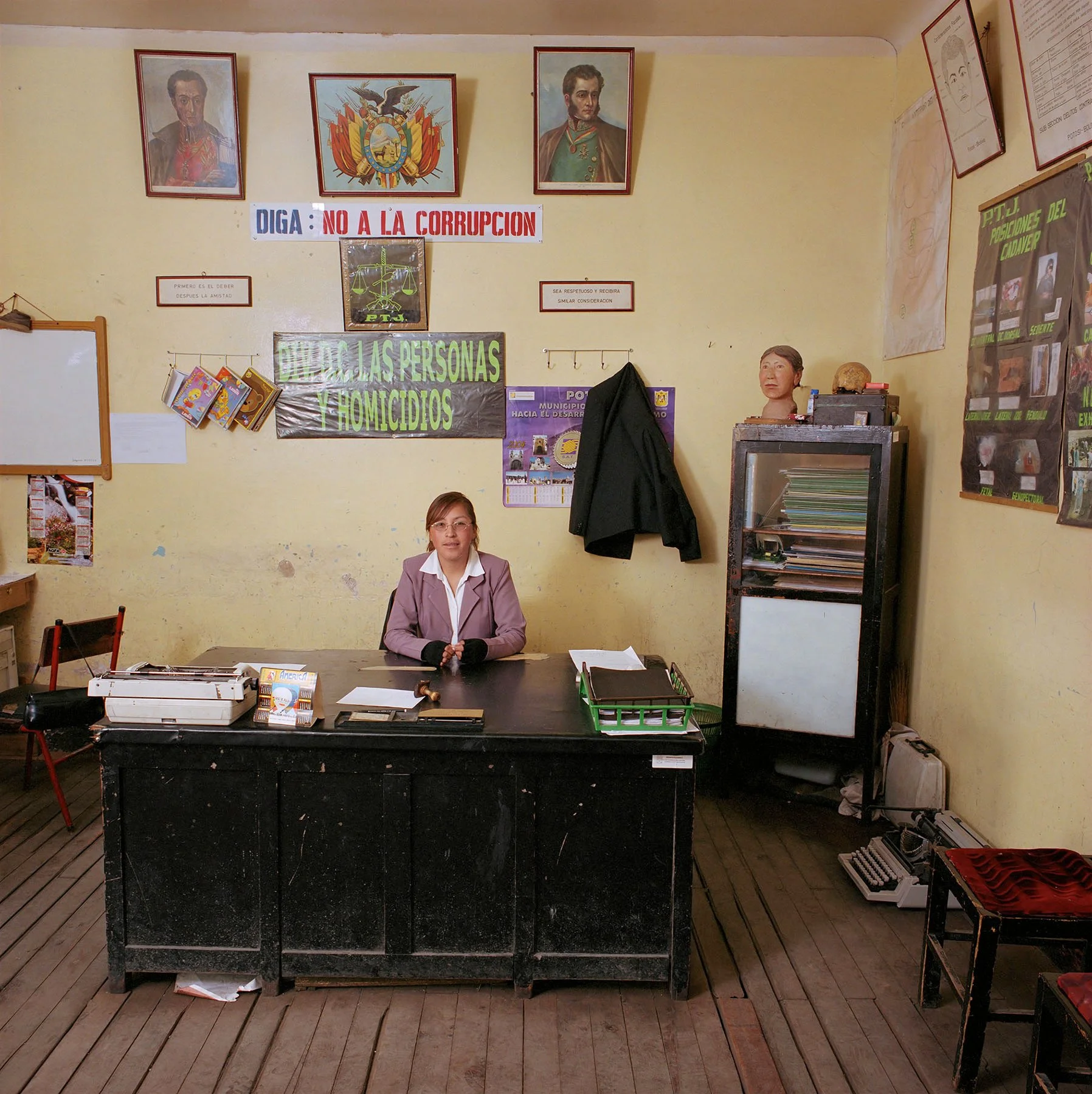
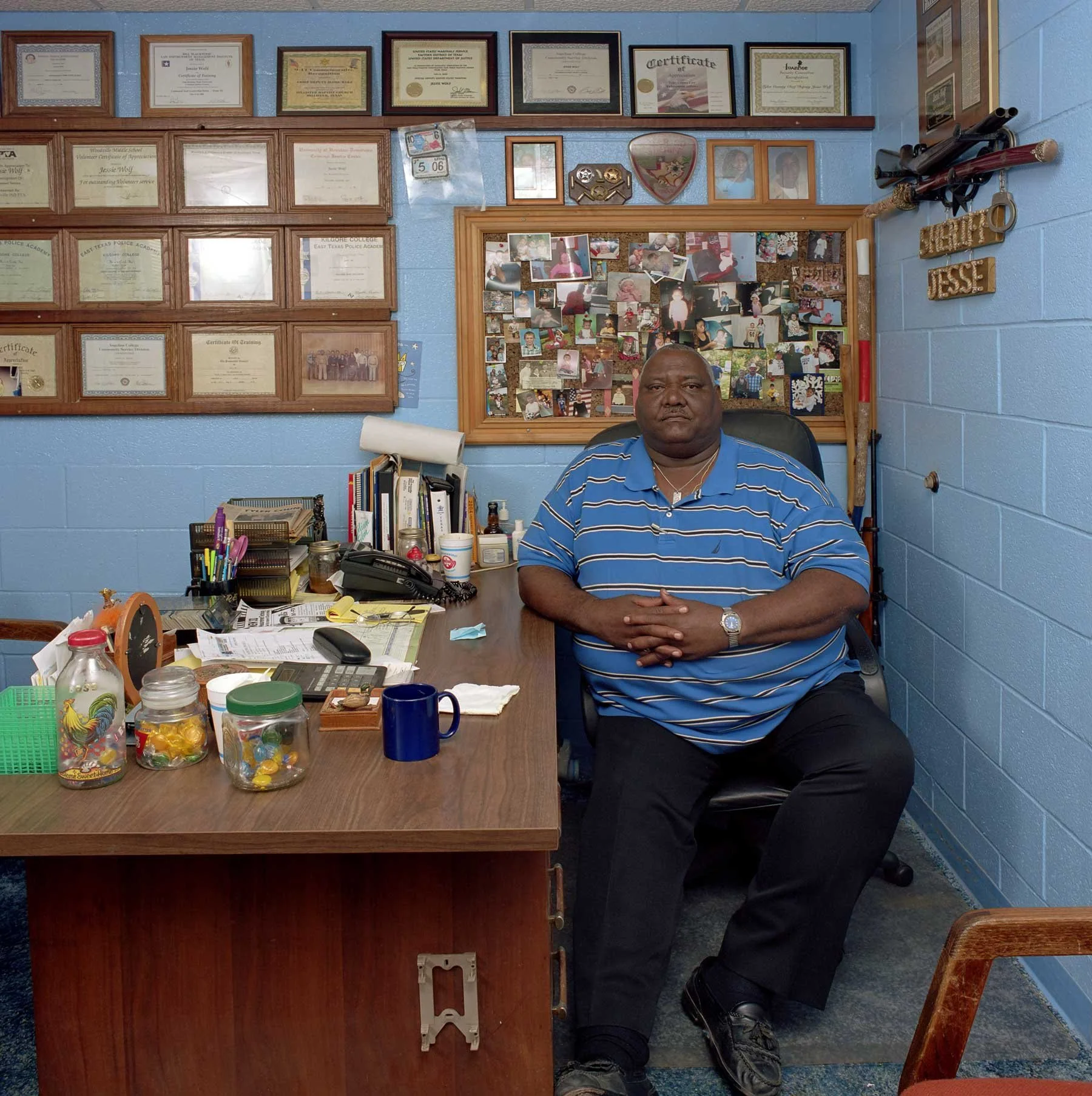
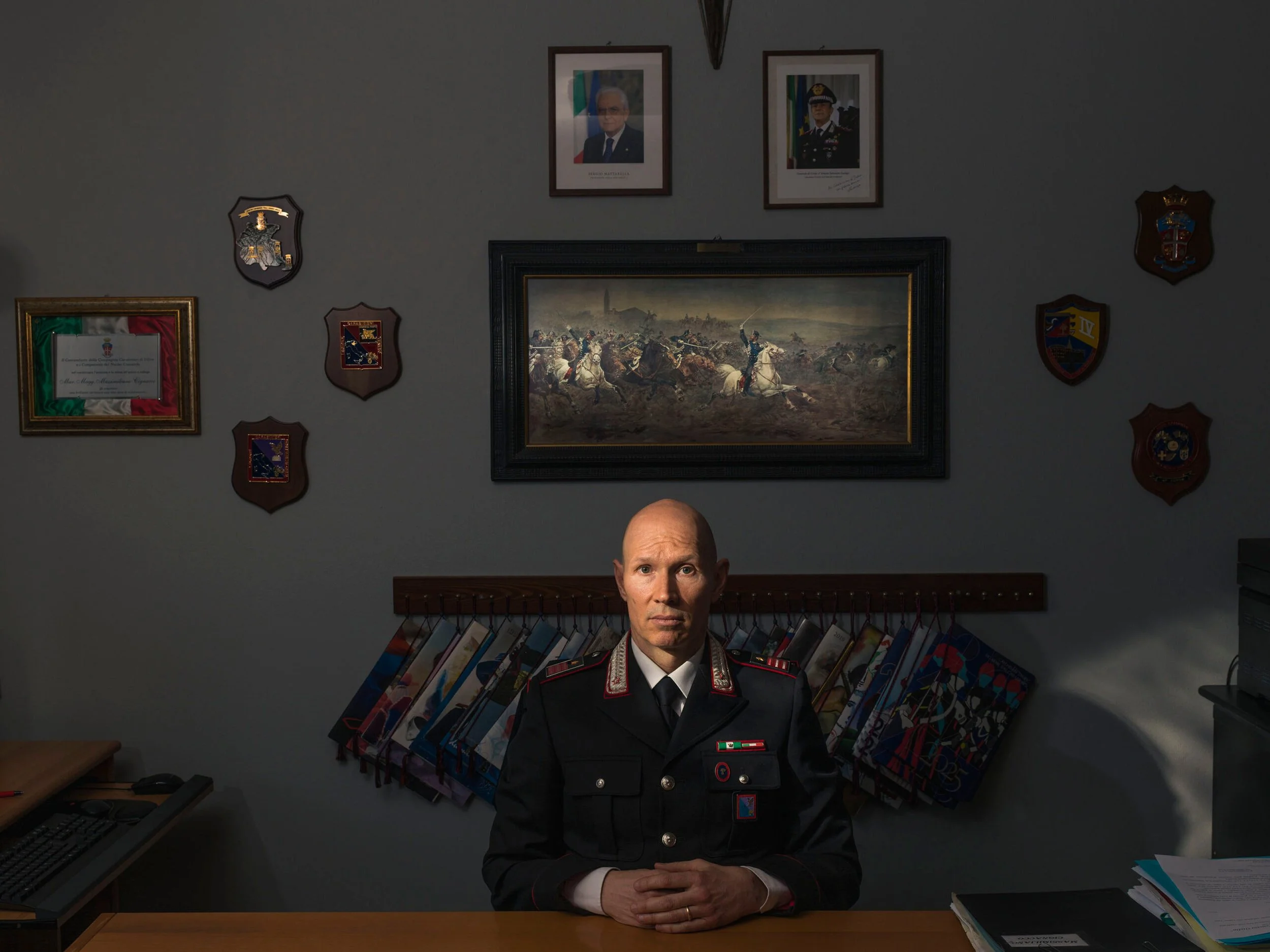
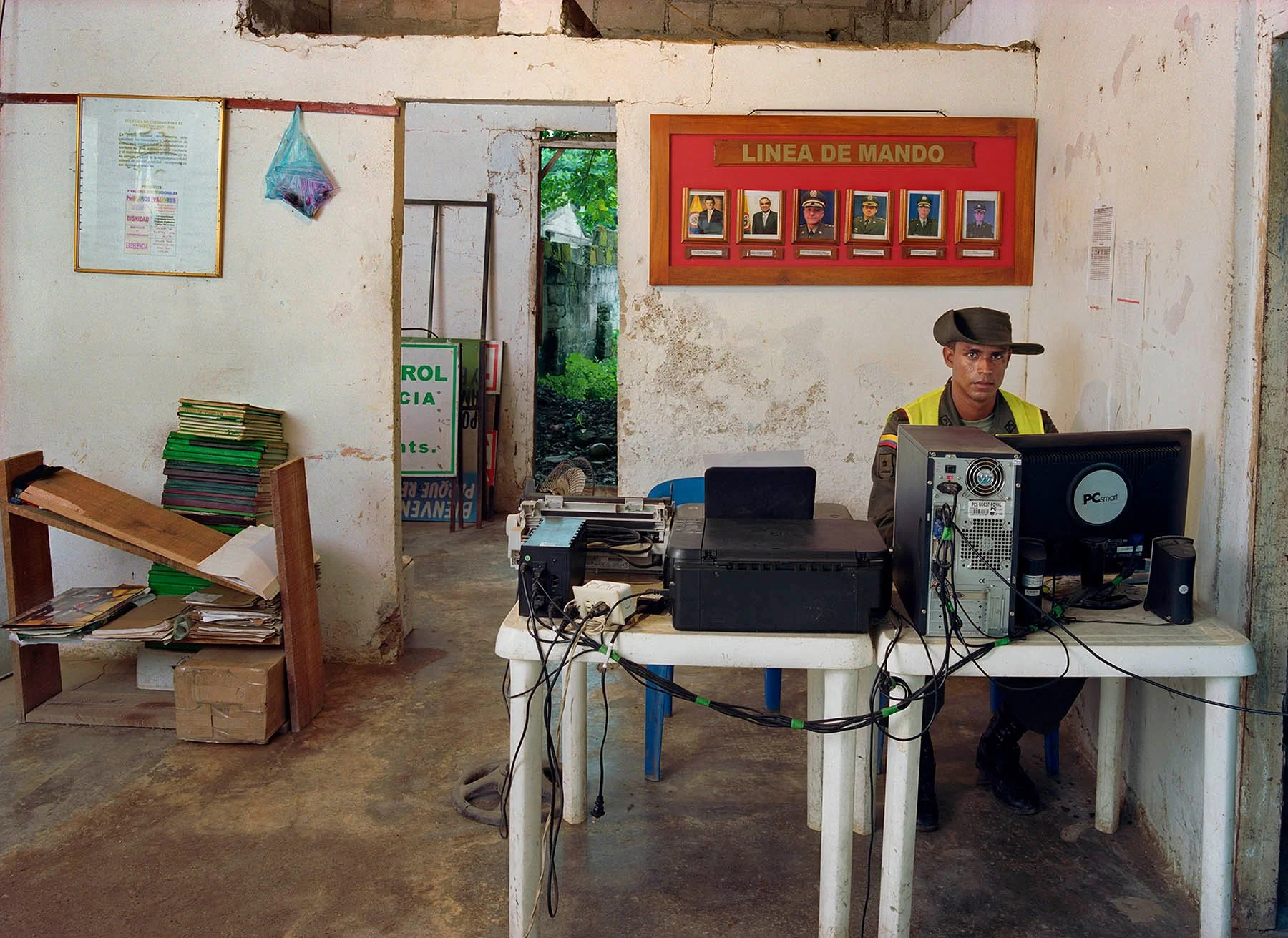
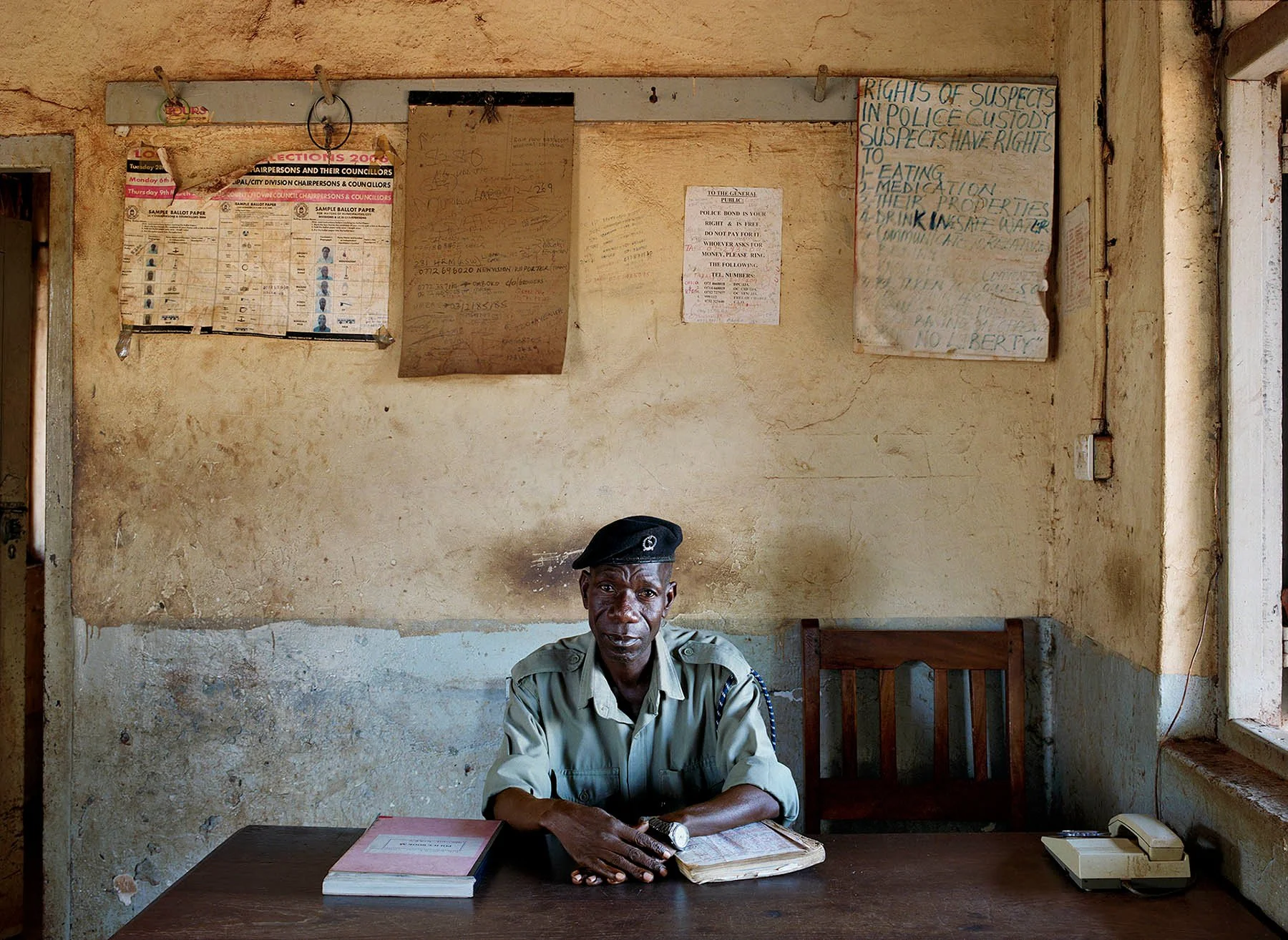
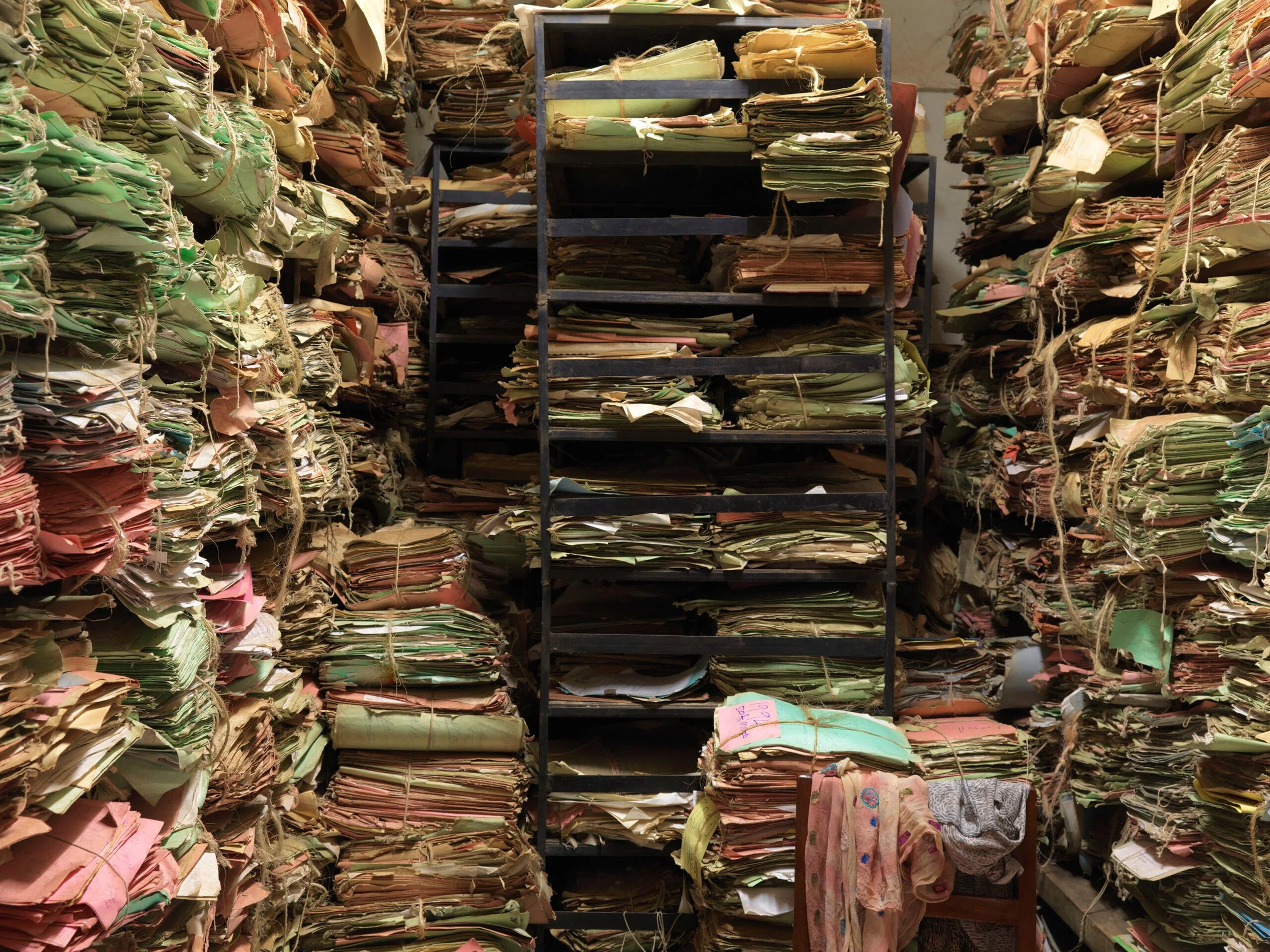
Jan Banning made his photographs of civil servants as boring as he could. He photographed each official from the front, behind the desk, and kept the lines straight. The cupboards and pictures on the wall became a grid, a metaphor for the rules, and the official in the middle is the round figure who has to interpret them. A plain frame can carry the meaning of a subject.
“…there is really this Mondrian-like structure, with the composition as boring as possible.”Jan Banning
We'd love to read your comments below, sharing your thoughts and insights on the artist's work. Looking forward to welcoming you back for our next [book spotlight]. See you then!
