Welcome to this edition of [book spotlight]. Today, we uncover the layers of 'The Power of Observation,' by Edward Grazda (published by Red Hook Editions). We'd love to read your comments below about these insights and ideas behind the artist's work.
In the 1980s, Edward Grazda ended his days of travel in Asia with a small notebook and a pencil.
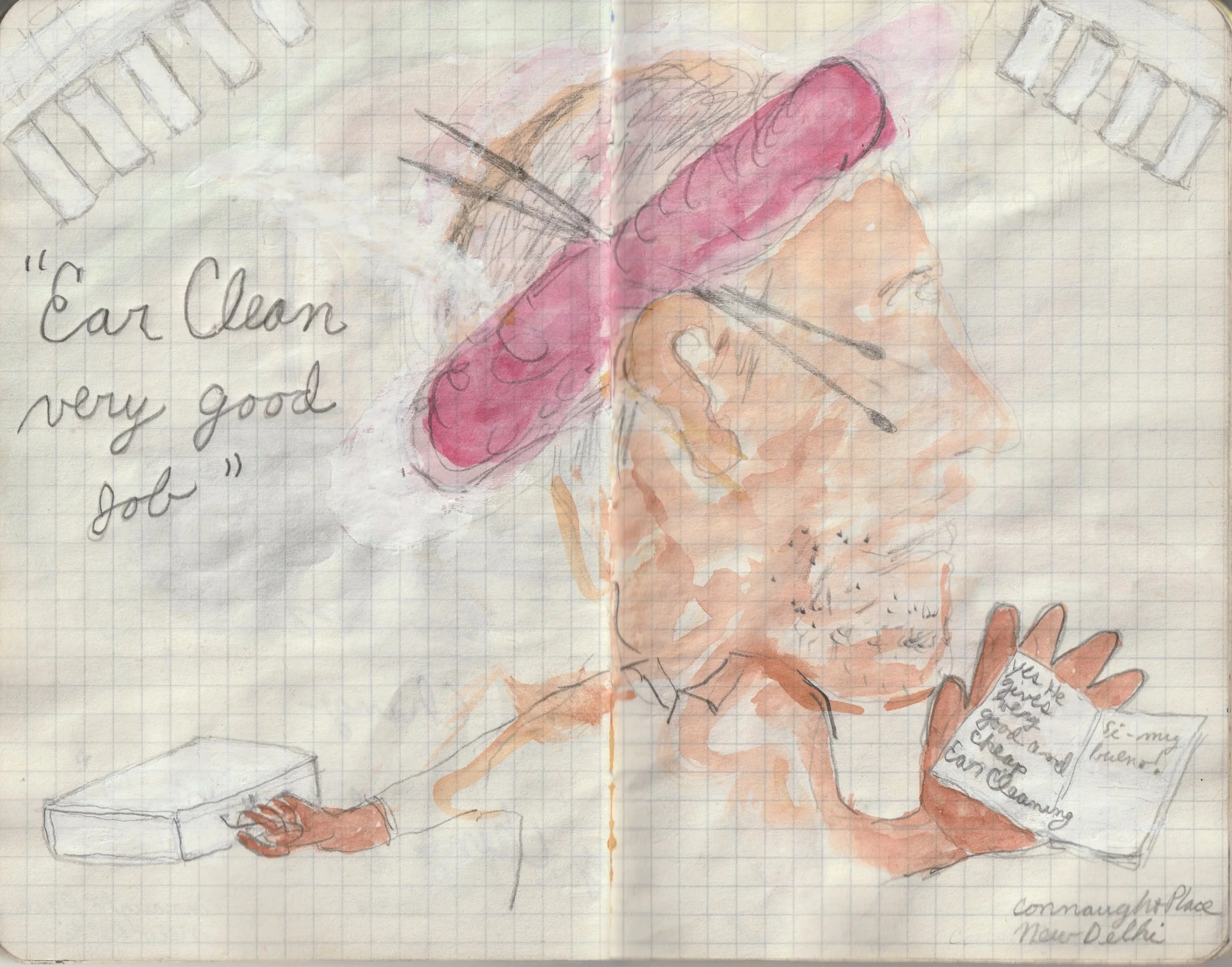
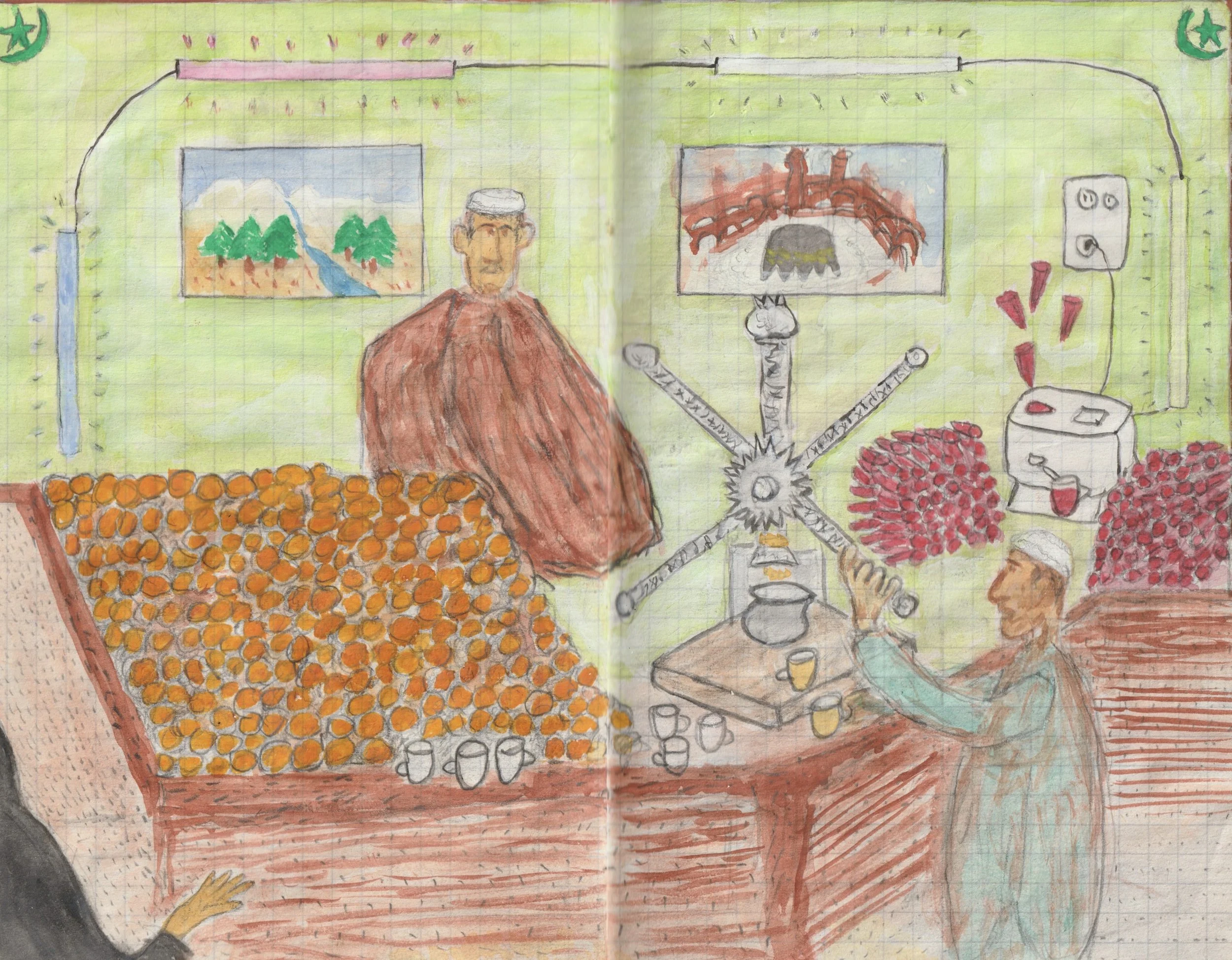
After a day of photographing, he drew one thing he had photographed, or thought he had photographed, from memory. He saw the real pictures only months later, when he developed the film. Almost forty years later, that notebook has become The Power of Observation, published by Red Hook Editions.
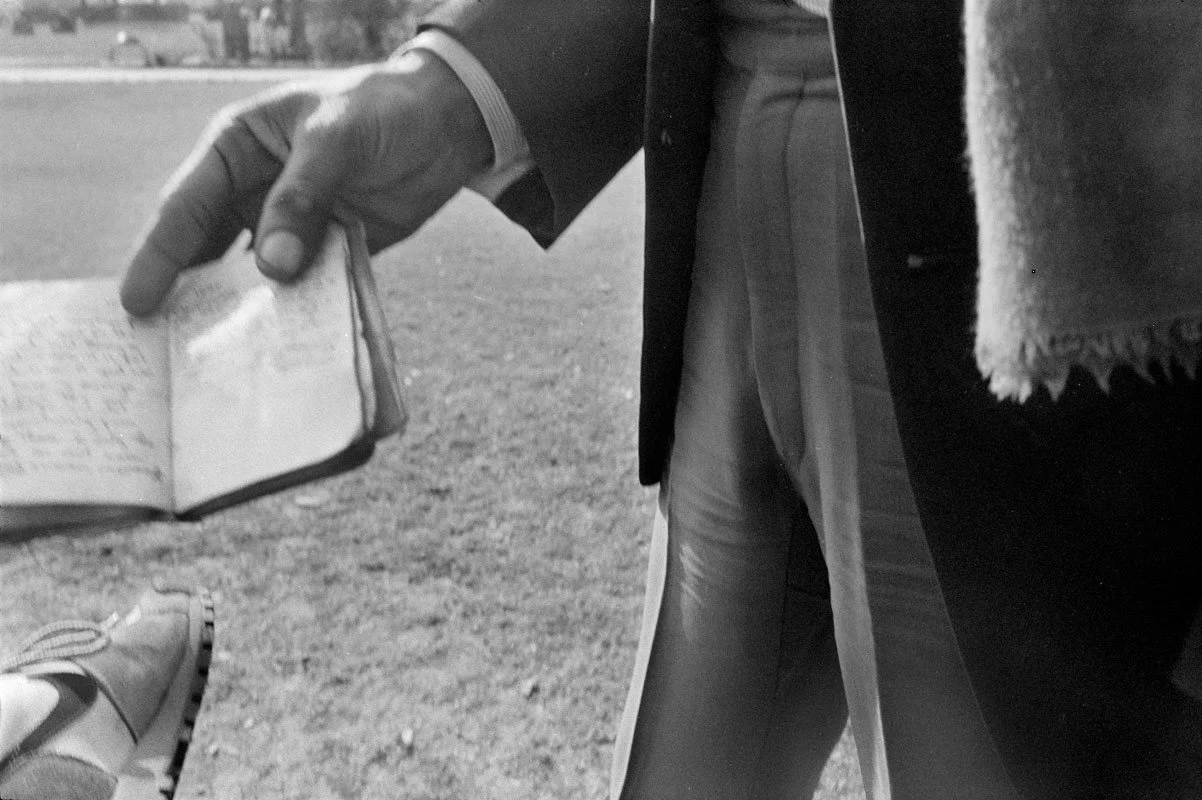
In the book, each drawing comes first, followed by the photograph behind it.
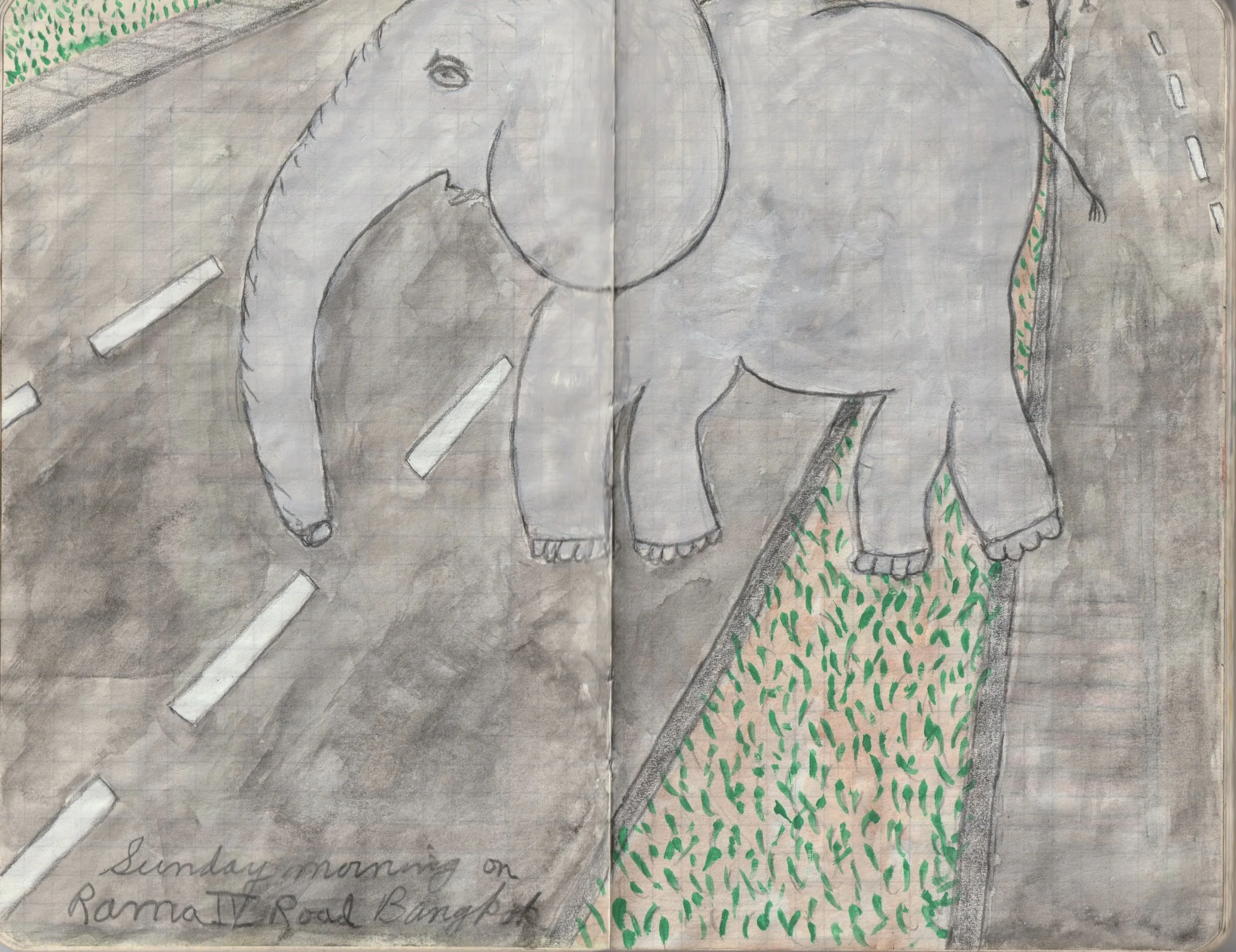
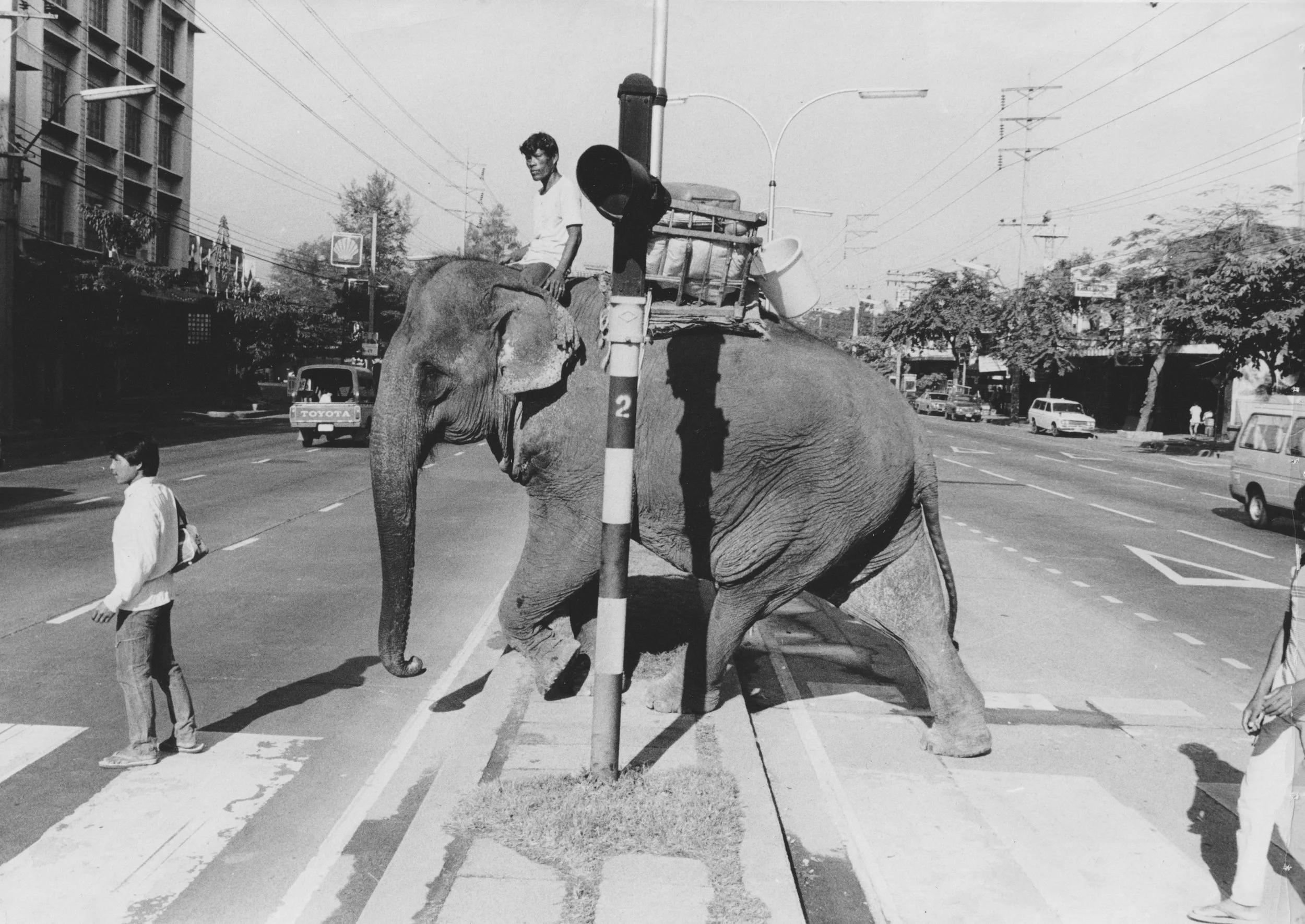
In this interview, Grazda explains why an elephant crossing the street stayed in his mind, why the book copies his original notebook, and how he later matched drawings to photos in his work prints.
His advice is simple: trust your eyes, and don’t let a screen take you out of the moment.
The Book
The Power of Observation
Red Hook Editions · 2026 · 166 pages
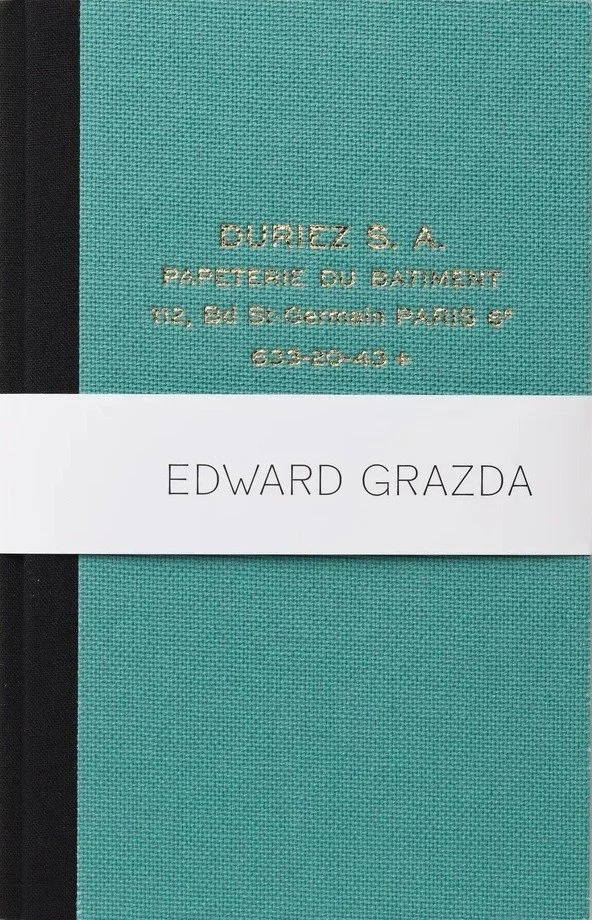
The Power of Observation is a book of drawings Edward Grazda made while travelling in Asia in the 1980s. Each one is based on something he had photographed that day but had not yet seen on film. The drawings are reproduced in colour at their original size, each followed by the black-and-white photograph that inspired it. Designed by Francesca Richer, the book recreates his original notebook. It is published in an edition of 750 copies.
Beginnings: You made a dummy called “Power of Observation” in 1987, and it was shown at the Center for Book Arts in 1989. What made you return to it as a real book almost 40 years later?
Since I stopped new photography projects, I have been going through my archive. I had given Bill Burke one of the early dummies, with about 10 pairings. As a photo teacher at the Boston Museum School for many years, Bill always showed it to his students and told me how much the students liked it.
So, a few years ago, I expanded it, first making an album with inkjet prints of the drawings and prints of the photos. I went through my notebooks and realized that I had many more than 10 pairs. I made a few dummies, showing the photo opposite the drawing. Eventually I showed it to Jason Eskenazi at Red Hook Editions. Working with Francesca Richer, we tried various formats. Finally, we came up with the idea of doing a facsimile of the original notebook that I used to make the drawings: drawing first, then the photo.
Finding pictures: At the end of a day of photographing, you drew one thing from memory. How did you decide which moment from that day to draw?
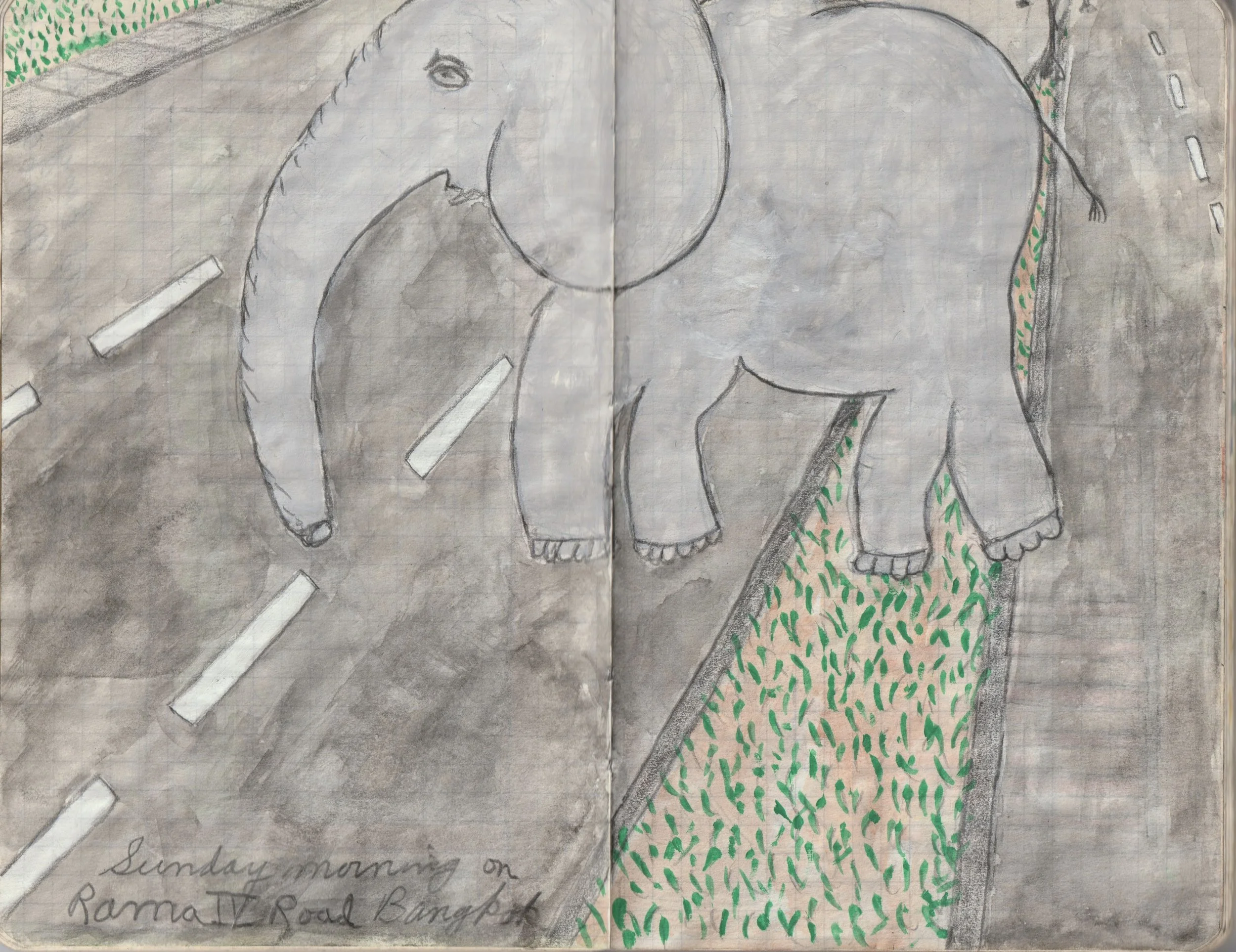
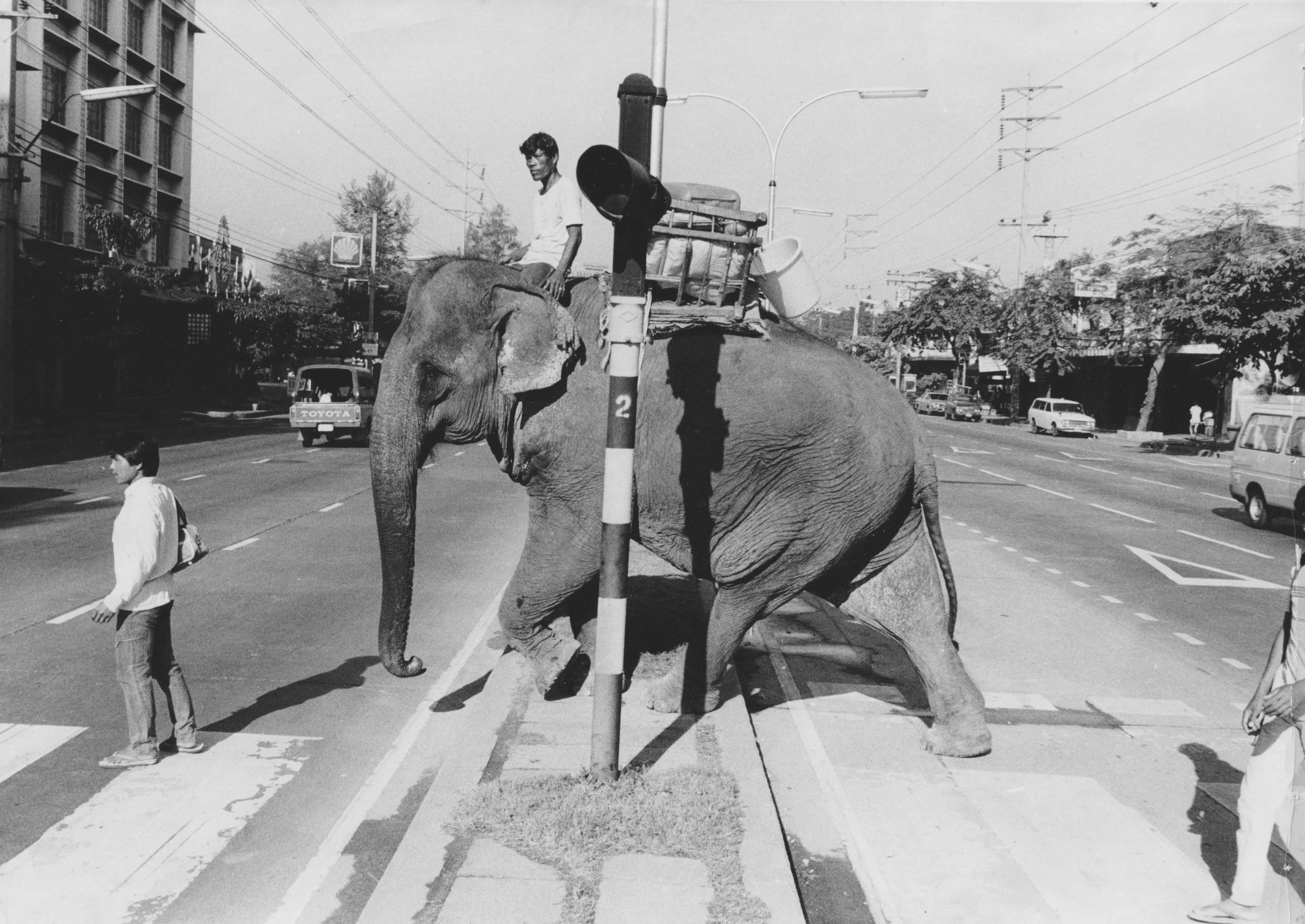
Usually, after a day of walking around and photographing, one event or photo remained in my mind. The elephant crossing the street was memorable. It stayed in my mind, so I made a drawing. In those years, 1986 and 1987, there was no internet to pass the time in cheap hotel rooms, and no digital images. So reliving the day in my mind was what was happening.
Creative decisions: The drawings appear in full colour at their original size, and the photographs in black and white. How did you decide to show the two kinds of image so differently?
Working with Francesca, we came up with the notebook format. I wanted to show the drawings in their original size. I was happy to show the photos small. I did not want to do elaborate gatefolds.
Working with Francesca Richer is always easy and quick. She has worked on a number of my books. She understands my vision and makes it work in the books.
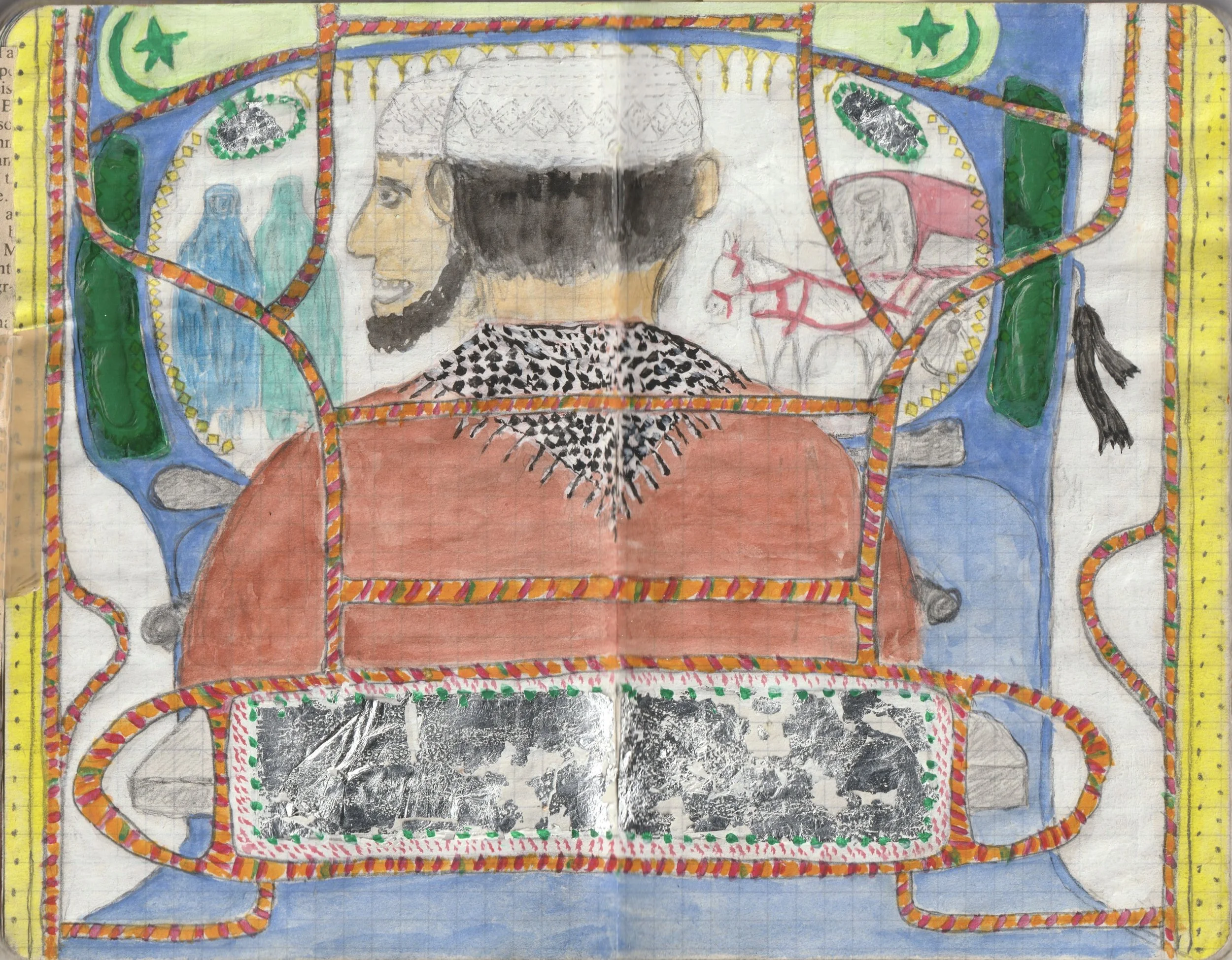
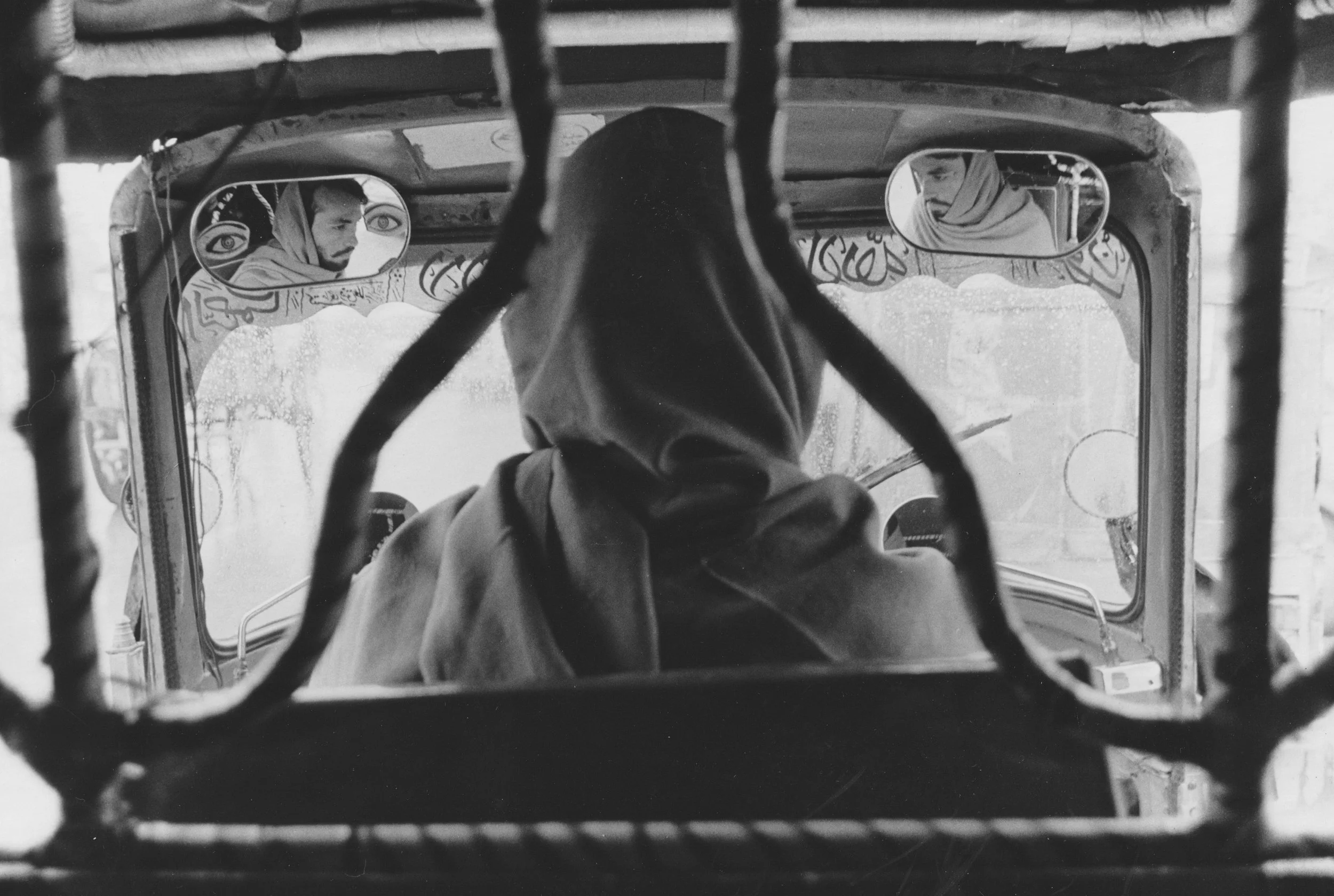
Accidents and failures: You drew things you had photographed “or thought I had photographed.” What happened when you saw the developed film months later and compared it with your drawings?
As I said, I can't remember how the drawing evolved, whether it was to pass the time or to see an image before I developed the film months later. But when I did process the film, I was not looking for the ones that went with the drawings. That came later.
Selecting pairs: You wrote that you had about 10 pairings in the early dummy, and that you then found many more than 10 pairs in your notebooks. How did you decide which of those pairs went into the book, and which did you leave out?
I think the original selection was the drawings that I liked the best. Later, as I looked through the notebooks, I realized that I had a lot of photos that went with the drawings.
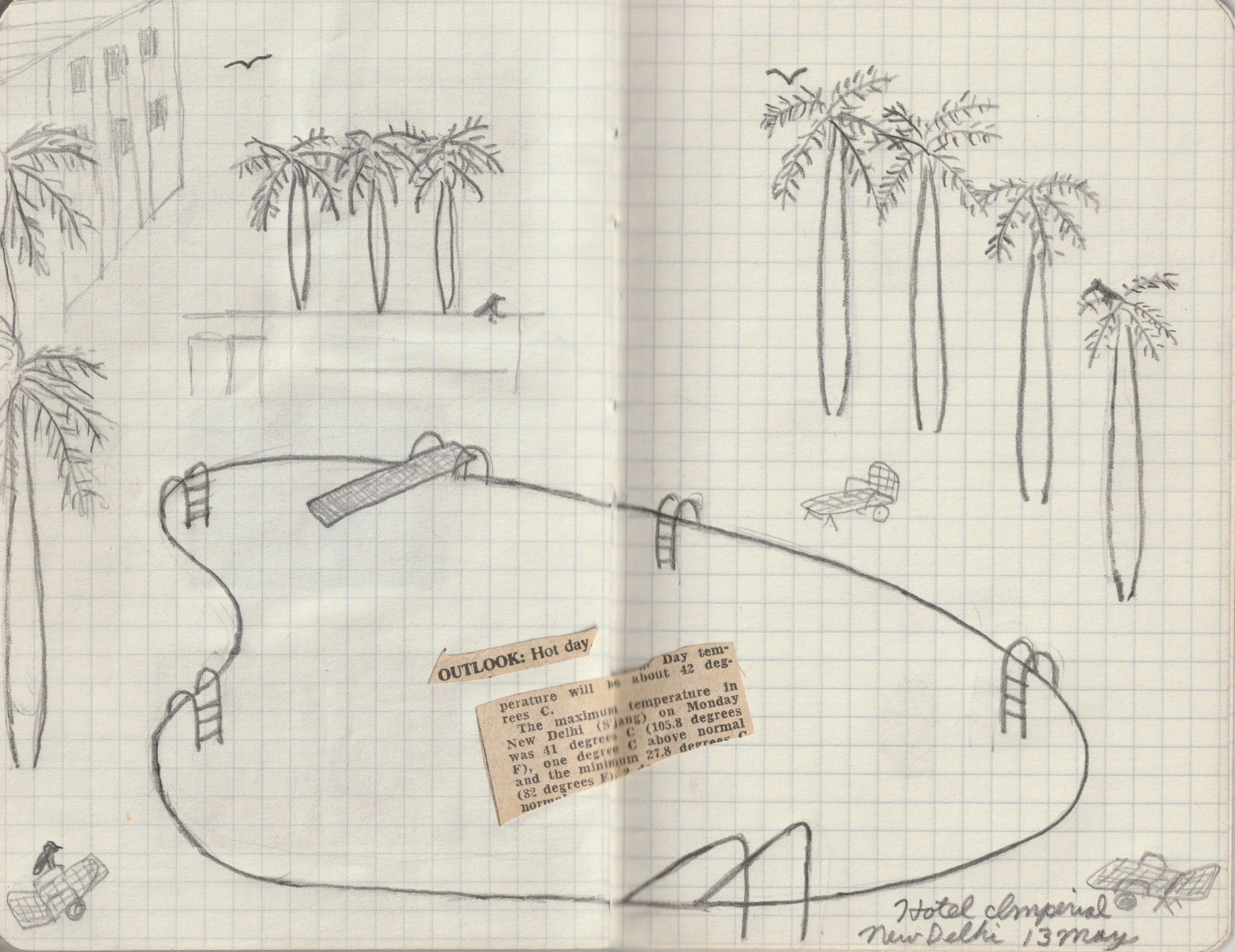
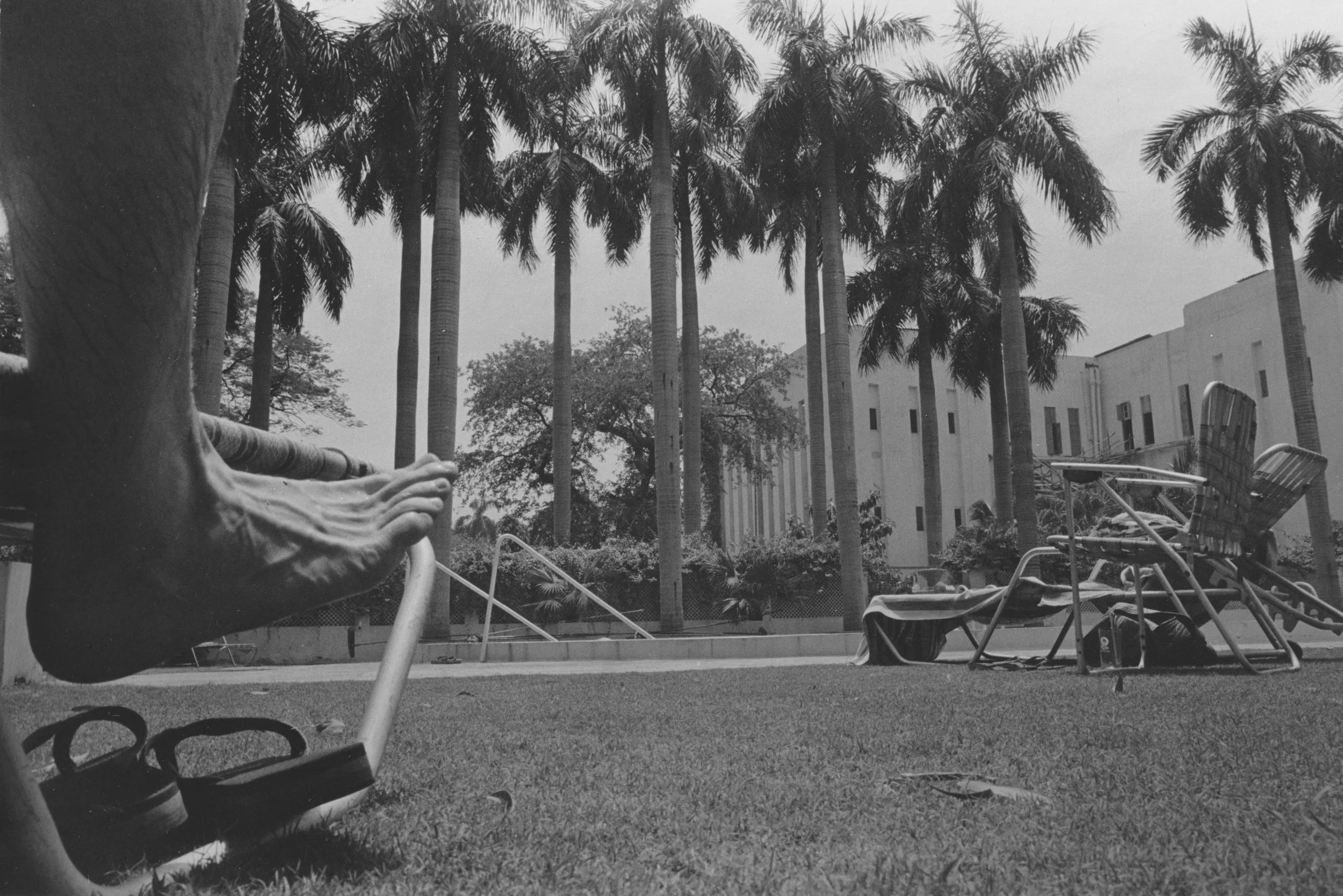
Finding the matching photos: You wrote that when you processed the film months later, you were not looking for the photos that went with the drawings, and that this came later. How did you find the matching photo for each drawing, and what did you do when the photo and the drawing did not match?
I just went through my work prints and found photos that went with the drawings.
I was not looking for them when I processed the film. Then I was interested in the photos. The drawings project came later, after I had printed the photos from the trip.
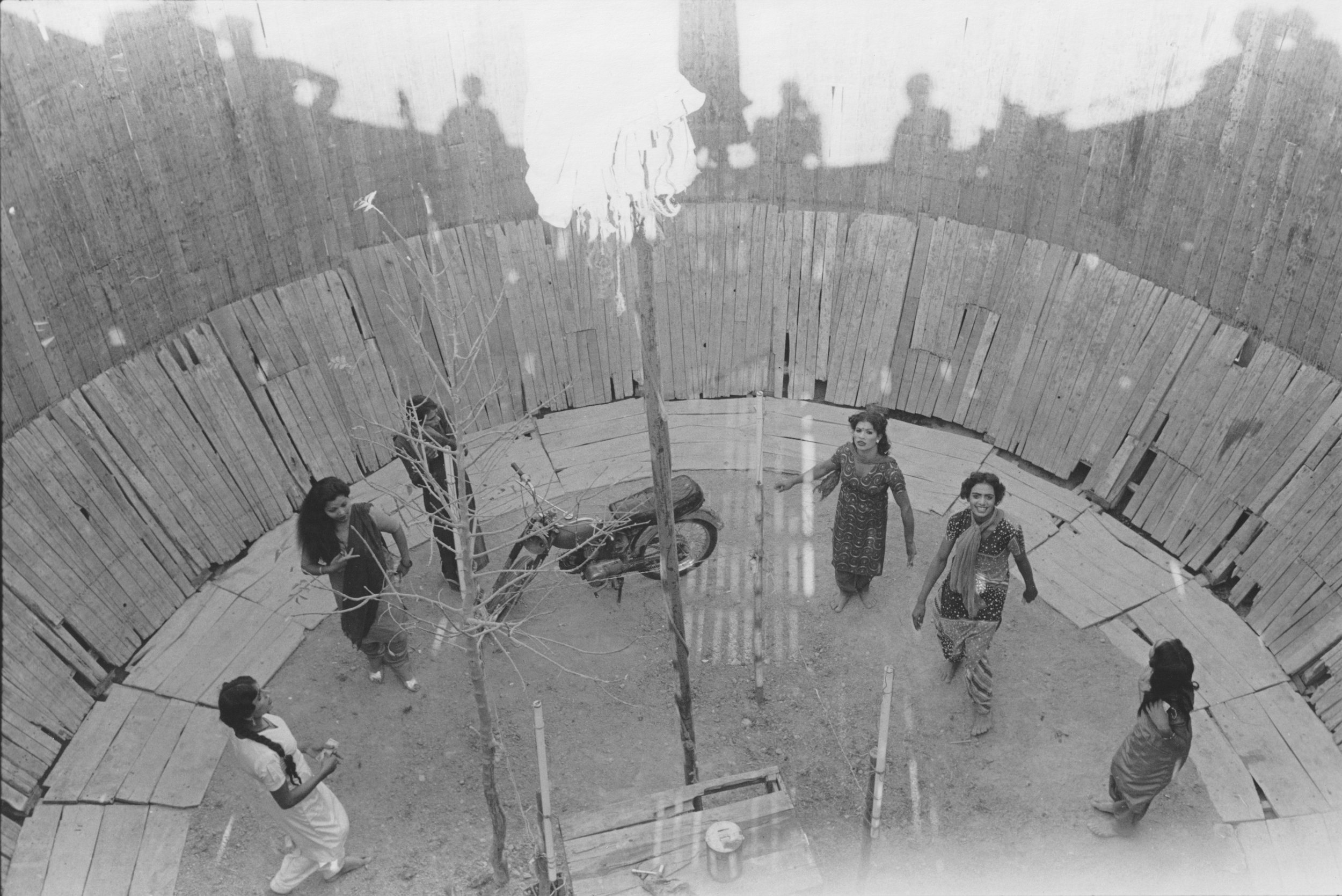
Sequencing: The book shows each drawing first and then its photo, “in the order that Ed saw them.” Why did you choose this simple order over the gatefolds and other layouts that were tried?
The sequence follows the dates when the drawings were made, over several trips.
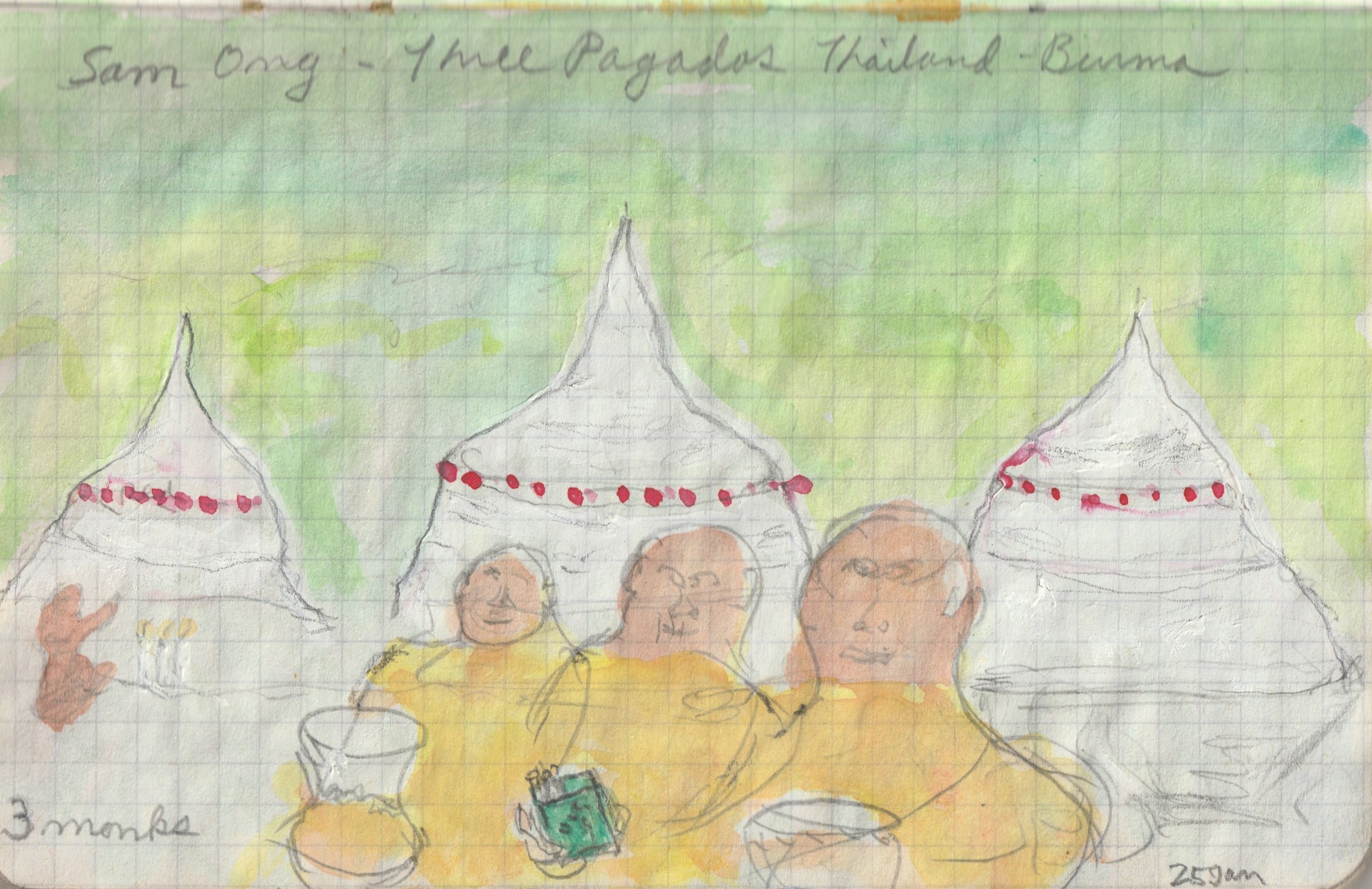
A change in style: You wrote that the last four drawings are “a little more open” and that your style was changing. What changed in the way you drew, and did it also change the way you photographed?
The last four drawings are a little more open. My style was changing.
The last few drawings, looser and more open, probably had to do with time at night in the room, and getting ready to head home.
My shooting style did not change.
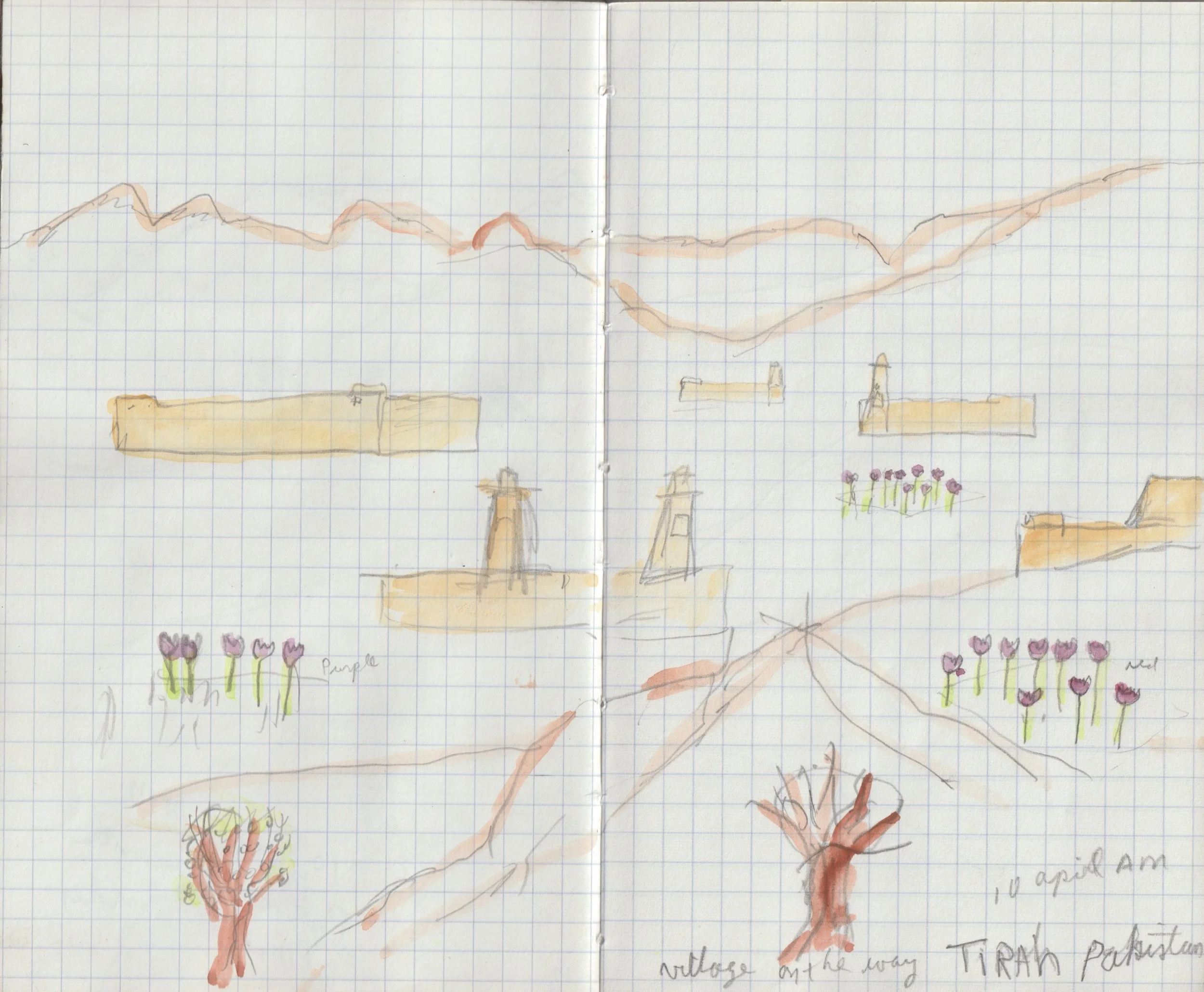
Lessons: You say that today you are “not sure how these drawings came to be.” What did this project teach you about how a photographer sees, and what habit could other photographers take from it?
Shoot analog and let your mind imagine that you are getting good photos.
In the moment: You wrote: “shoot analog and let your mind imagine that you are getting good photos.” What do you do in your mind at the moment of photographing, and how would you explain this habit to a photographer who sees every picture on a screen right away?
I don't think much while photographing. It's intuitive, in the moment. Knowing the camera is working. Seeing the image on a screen instantly shuts down your eyes and takes you out of the moment. Have faith in your eyes and feelings.
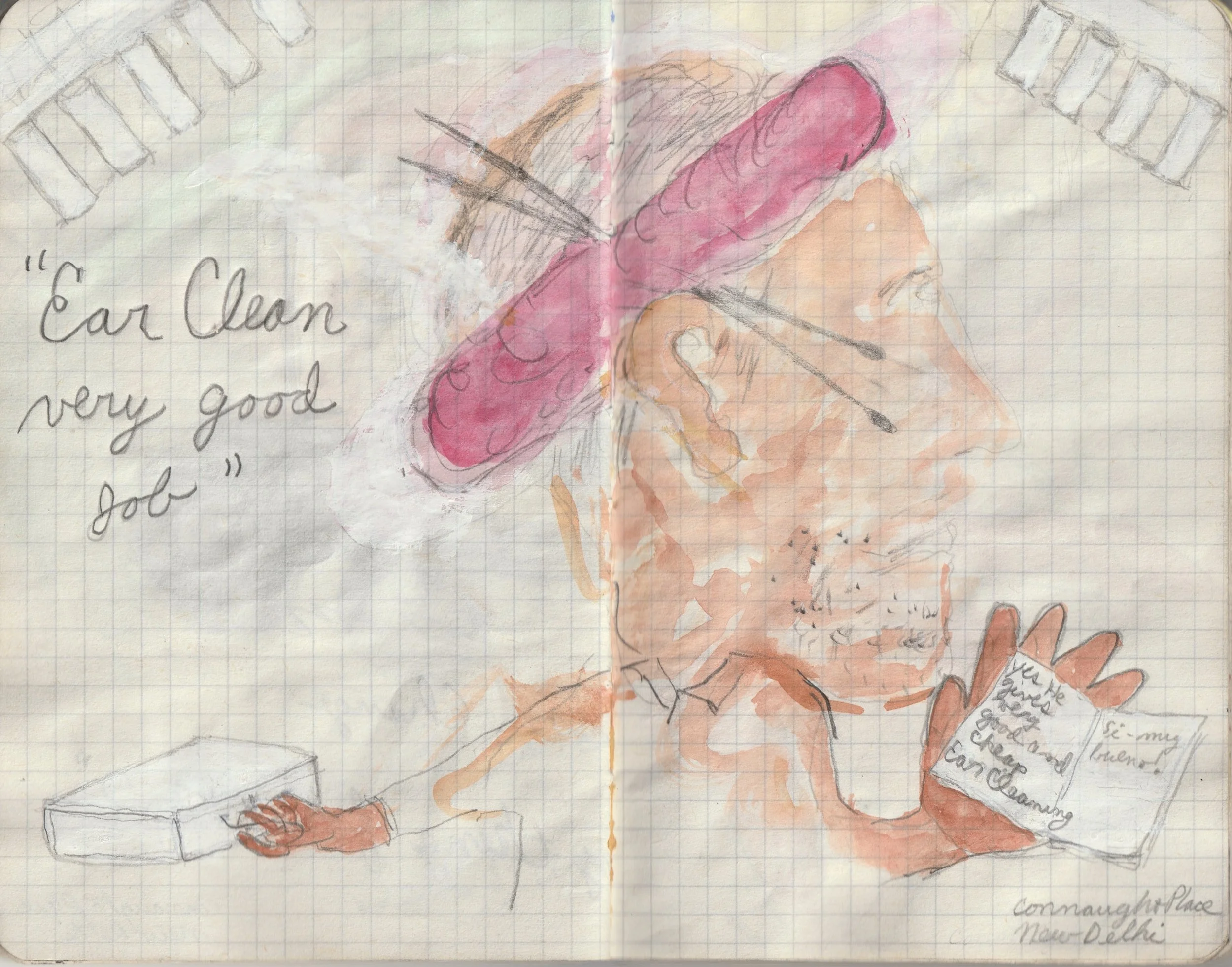
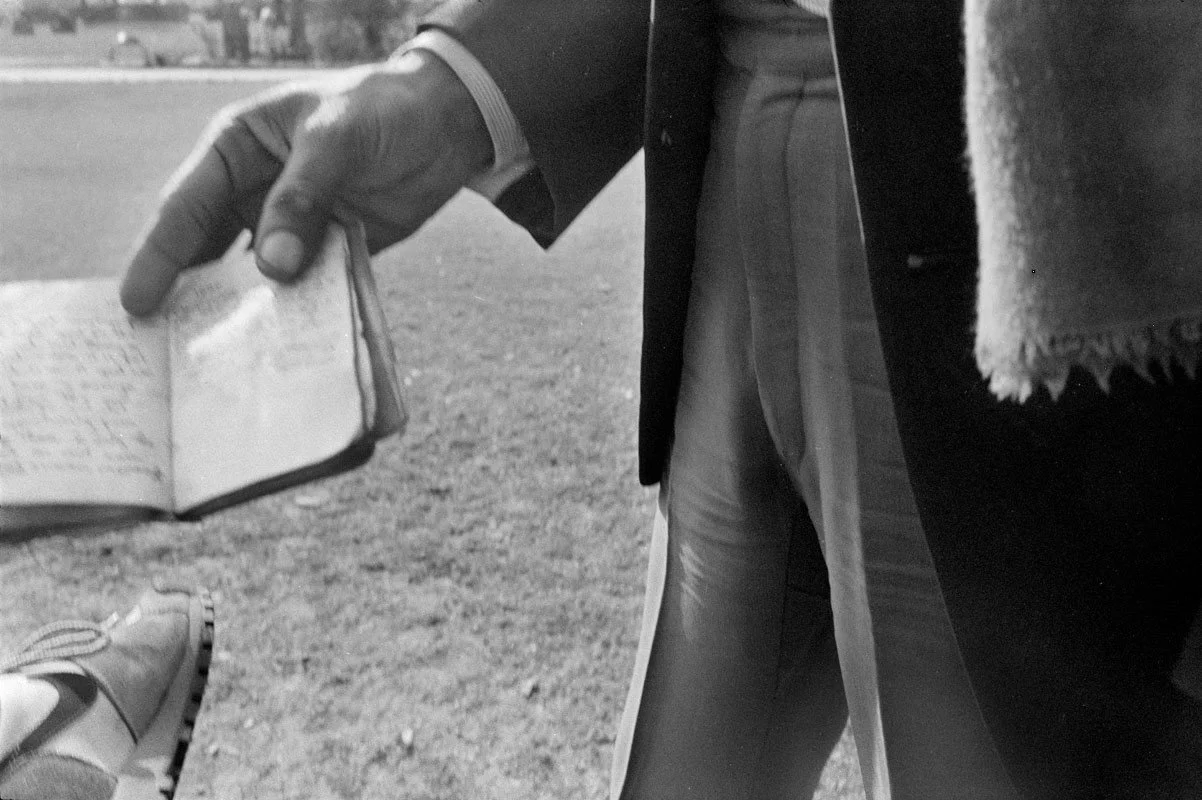
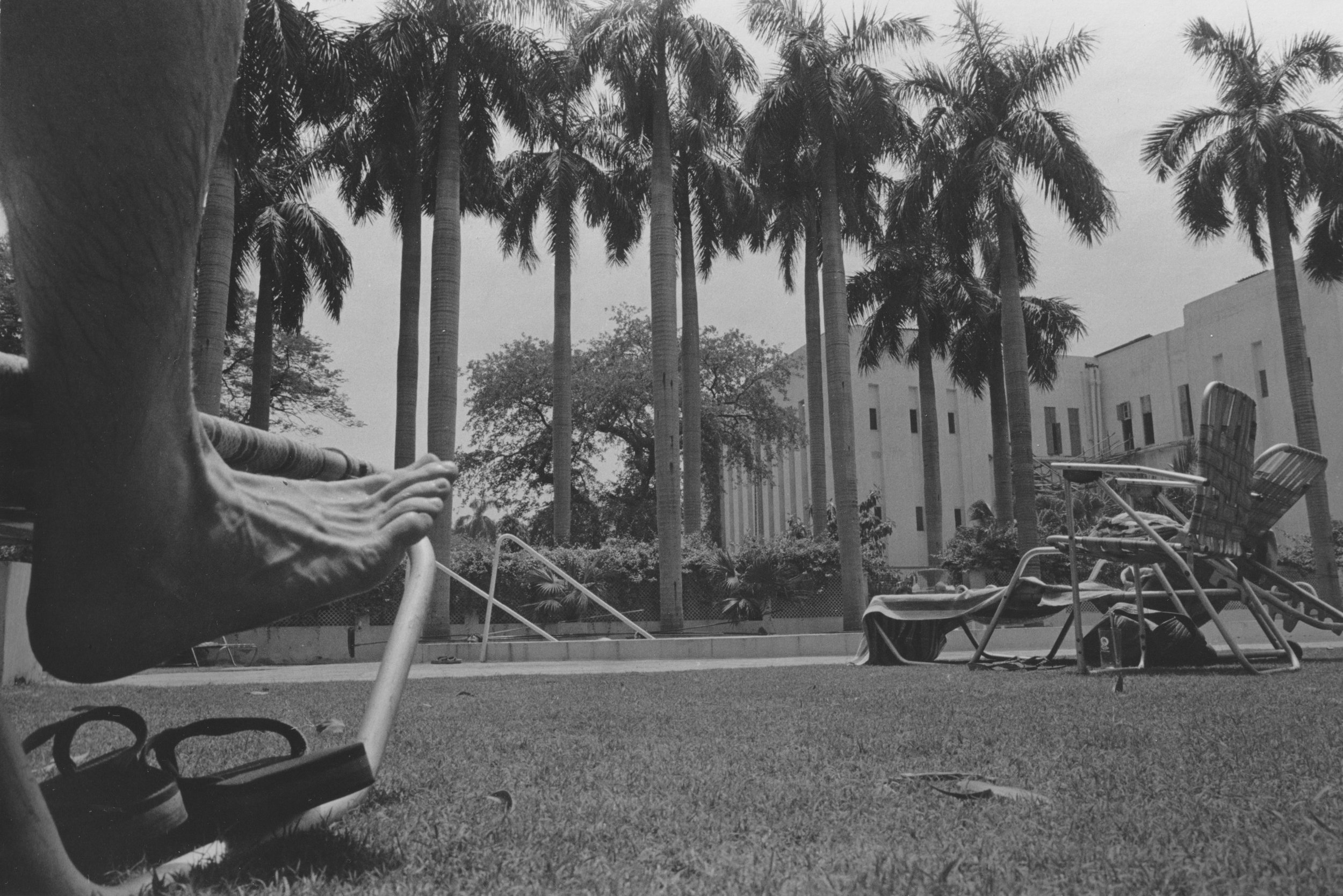
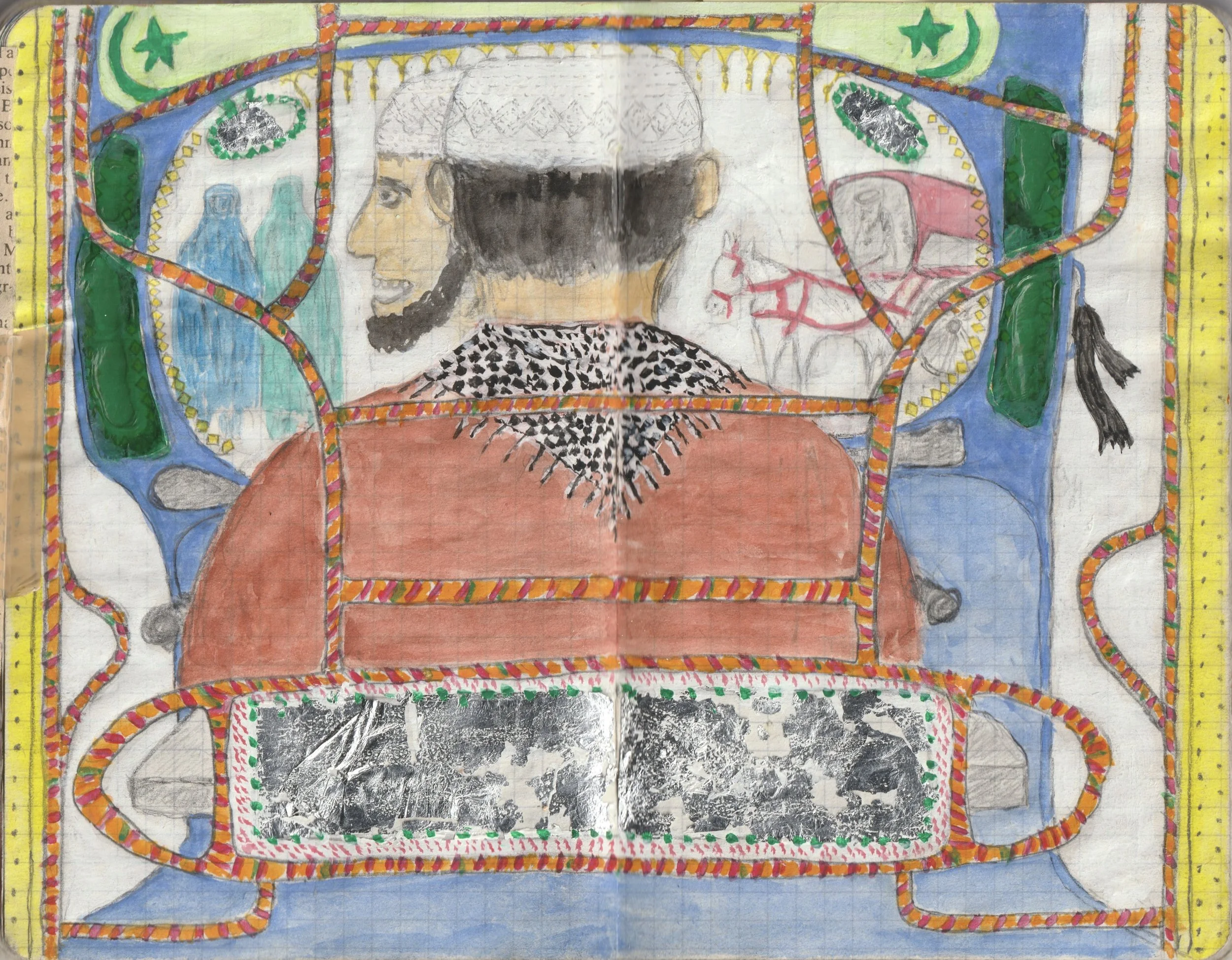
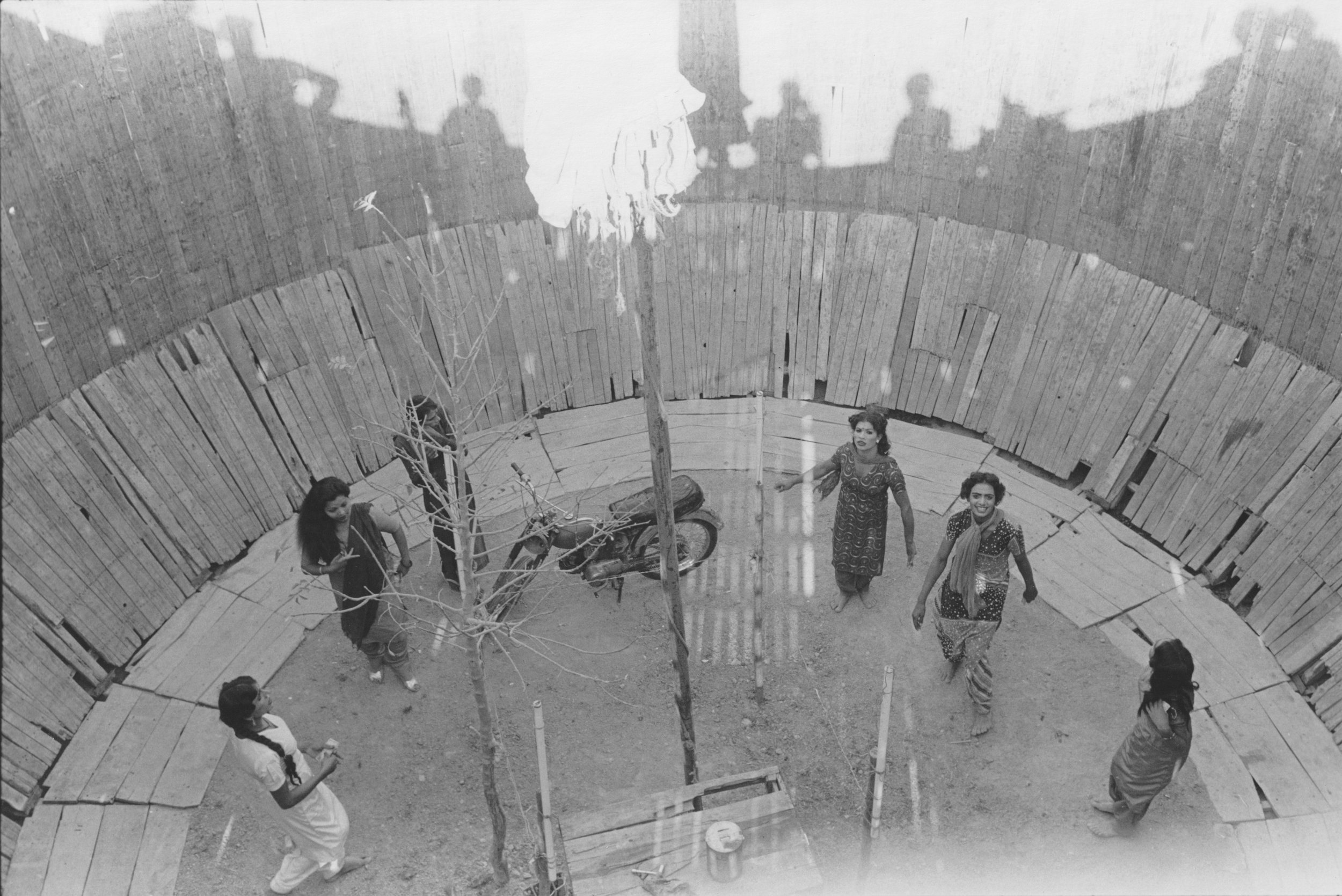
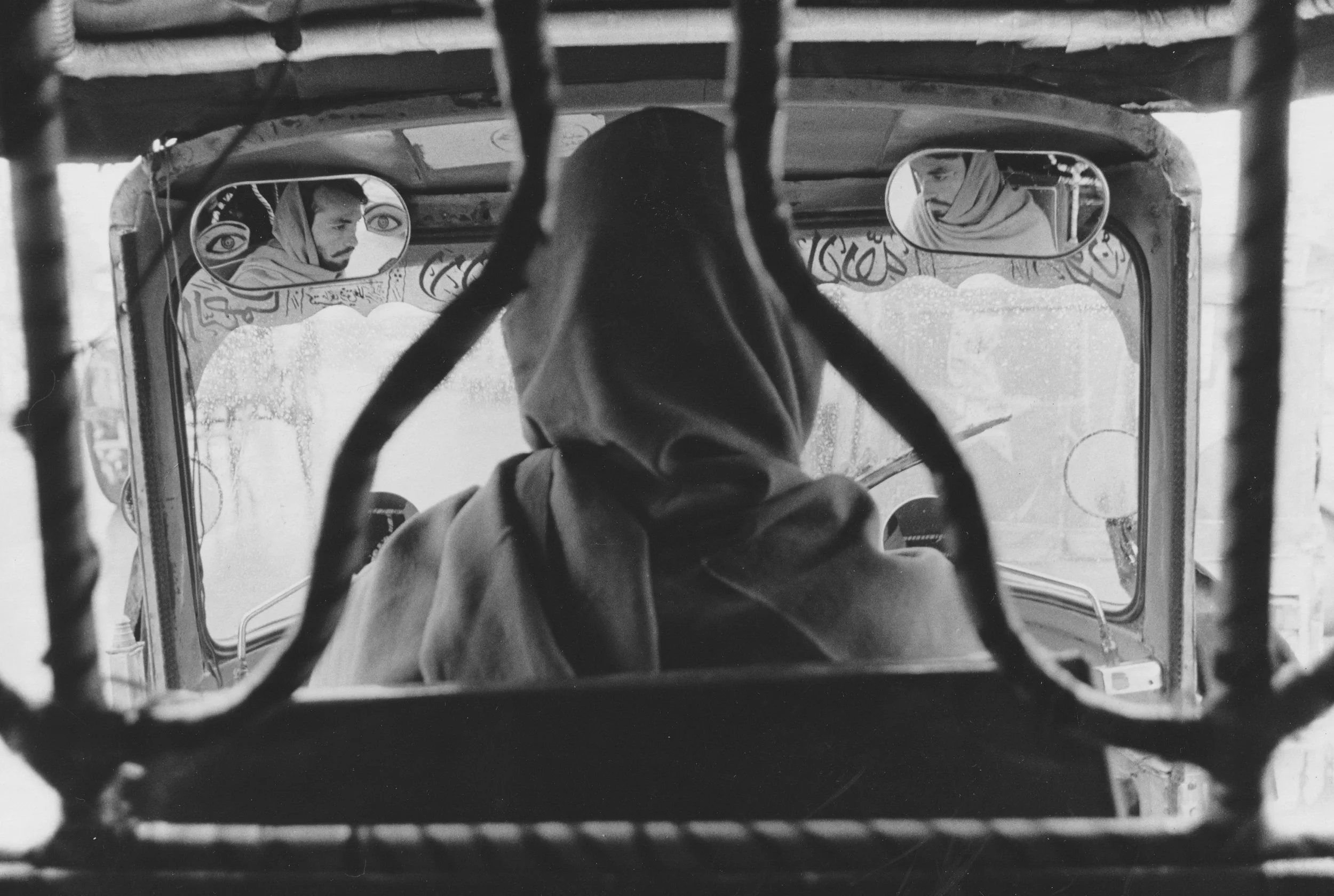
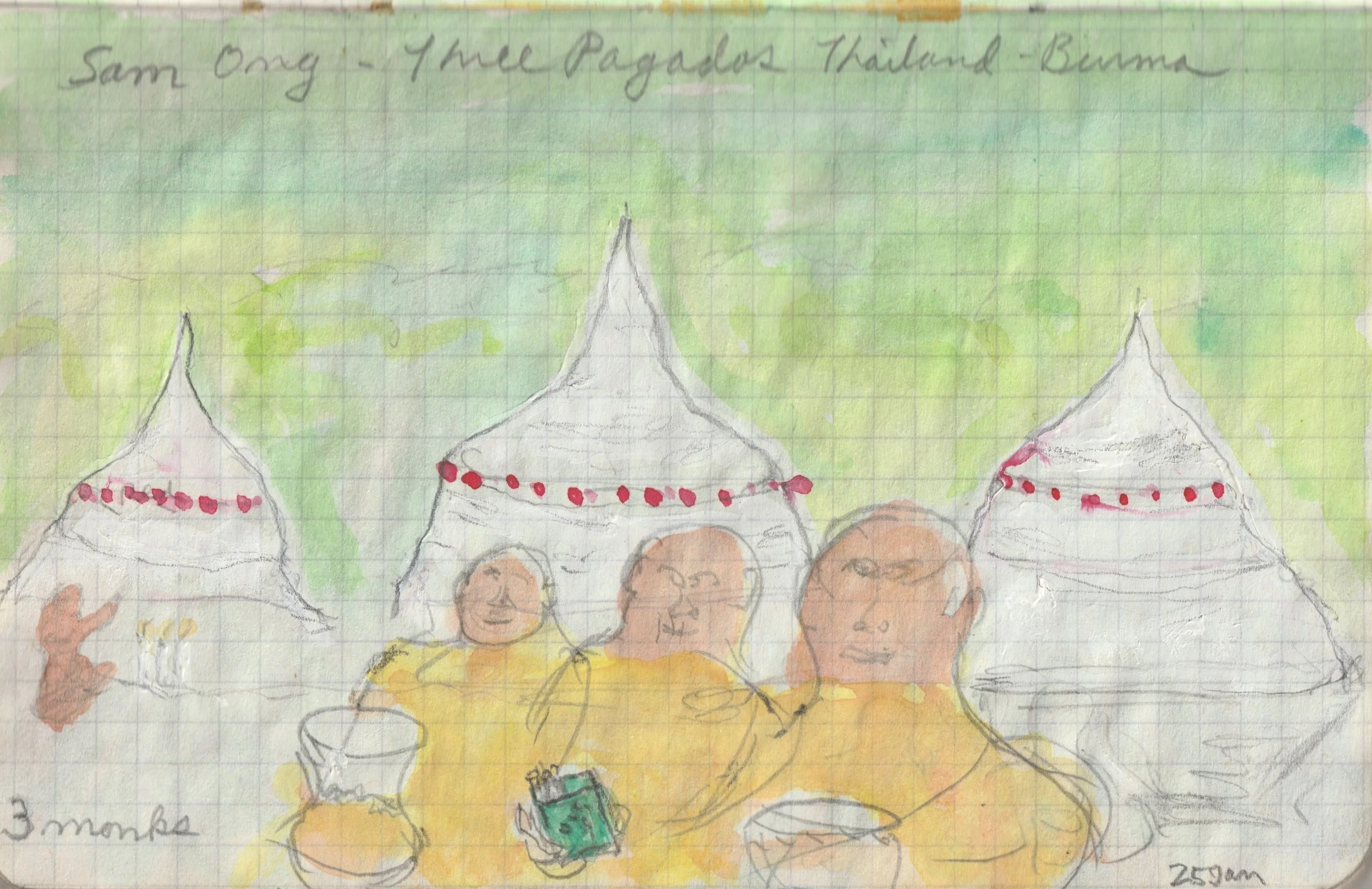
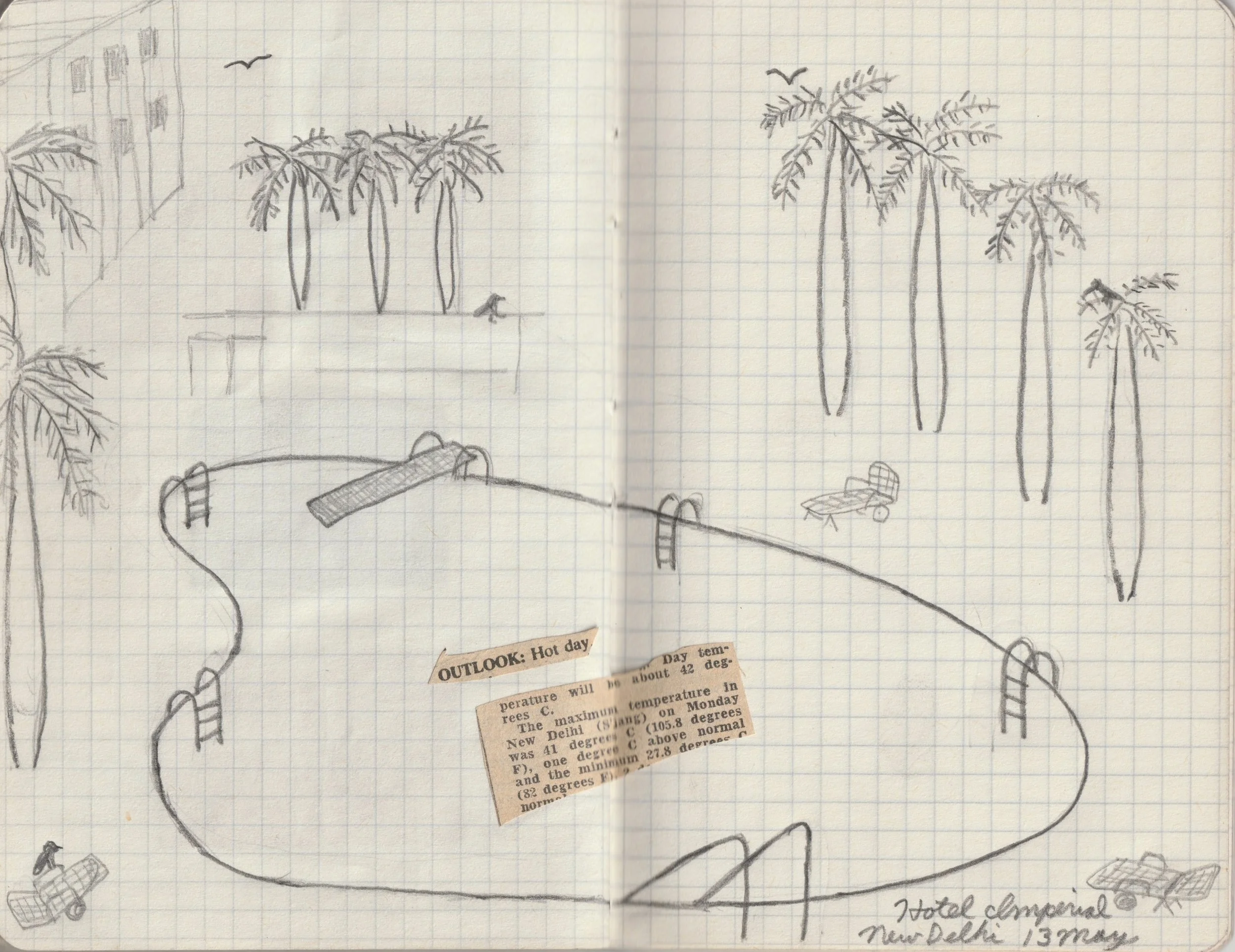
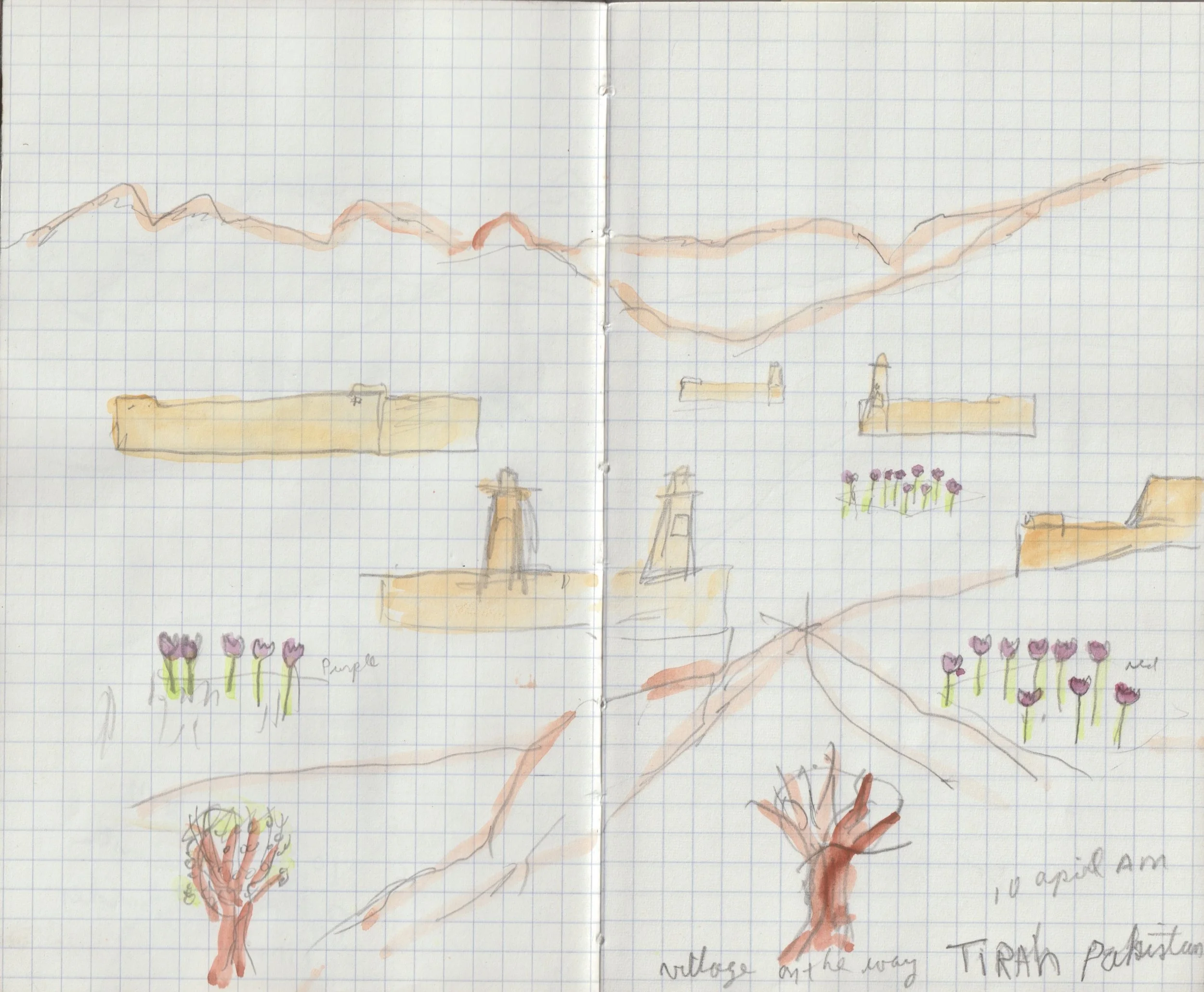
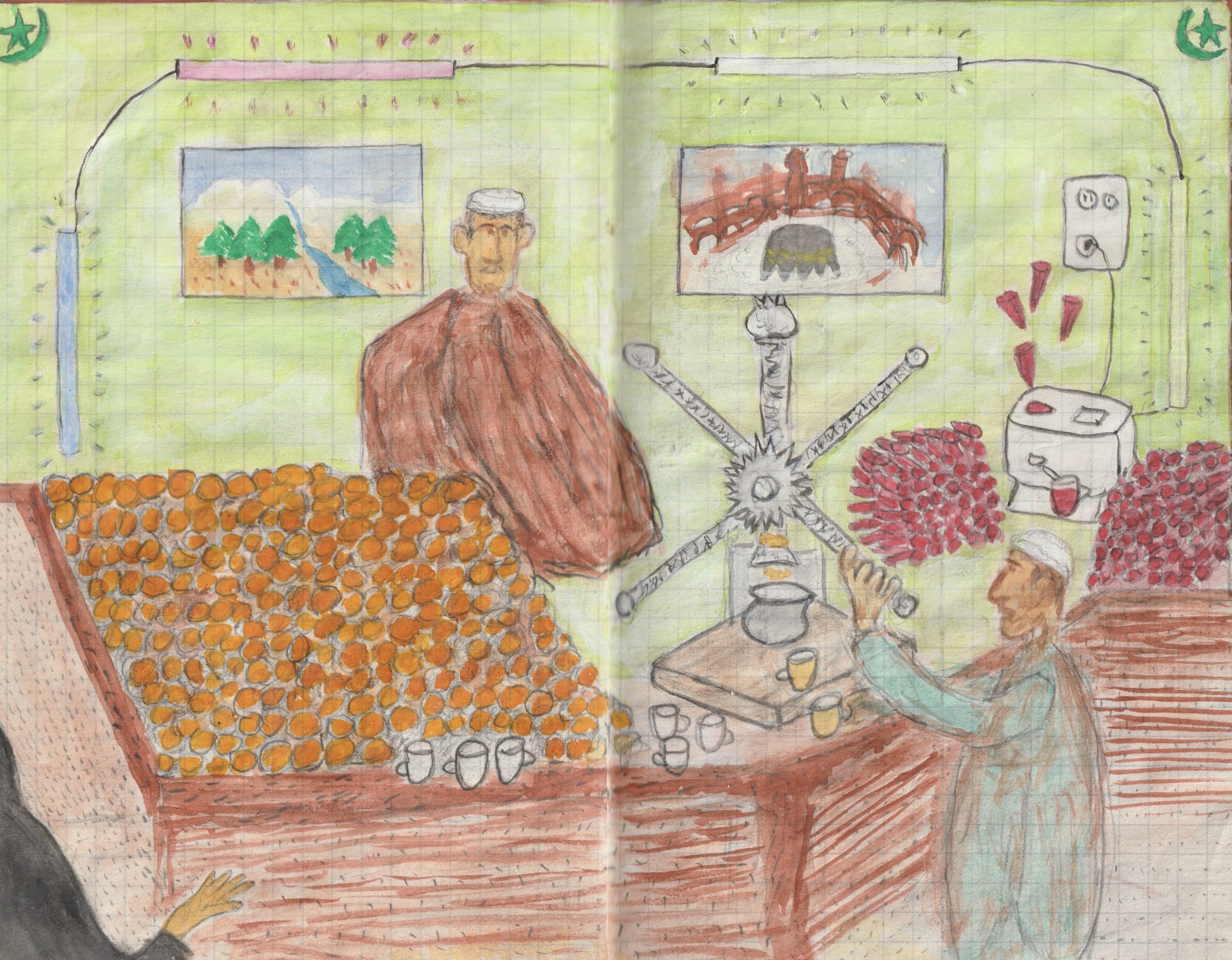
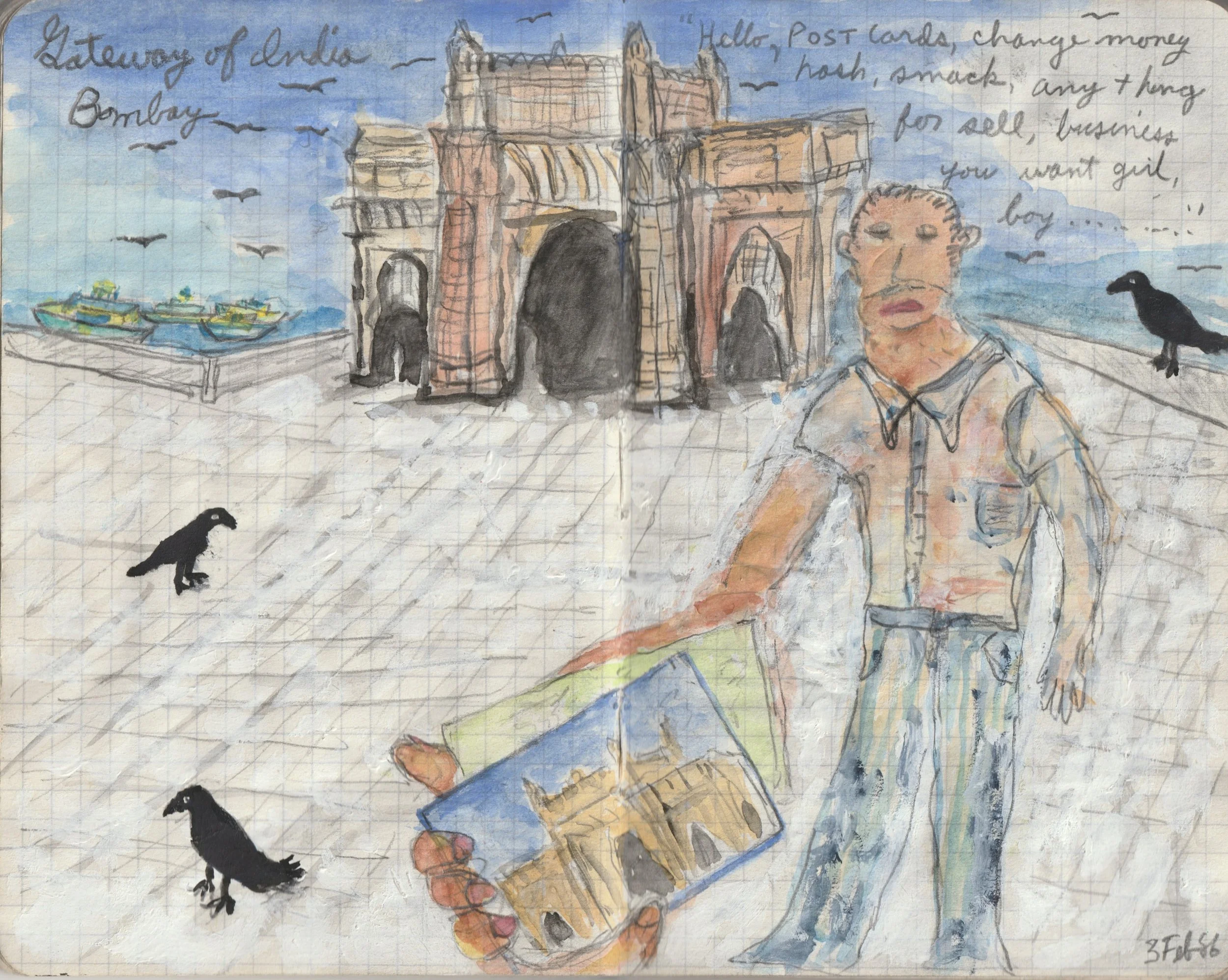
Each evening in 1980s Asia, Edward Grazda drew one thing he had photographed that day, from memory. He saw the real pictures only months later, when the film was developed. Sometimes he drew something he only thought he had photographed. Not looking at a screen keeps your eyes on what is in front of you.
“Seeing the image on a screen instantly shuts down your eyes and takes you out of the moment.”Edward Grazda
We'd love to read your comments below, sharing your thoughts and insights on the artist's work. Looking forward to welcoming you back for our next [book spotlight]. See you then!
