Survivors Sitting Next To Perpetrators: How Jan Banning Documented Reconciliation In Post-Genocide Rwanda
Welcome to this edition of [book spotlight]. Today, we uncover the layers of 'Blood Bonds: Reconciliation in Post-Genocide Rwanda,' by Jan Banning (published by Lecturis). We'd love to read your comments below about these insights and ideas behind the artist's work.
What does forgiveness look like after genocide?
In Rwanda, Jan Banning photographed survivors sitting next to the people who killed their families. The project is called Blood Bonds and it focuses on reconciliation after the 1994 genocide, not on the moment of violence. Each portrait shows two people who once stood on opposite sides of extreme loss and responsibility.
Jan Banning has spent more than 25 years photographing power, justice, and social structures.
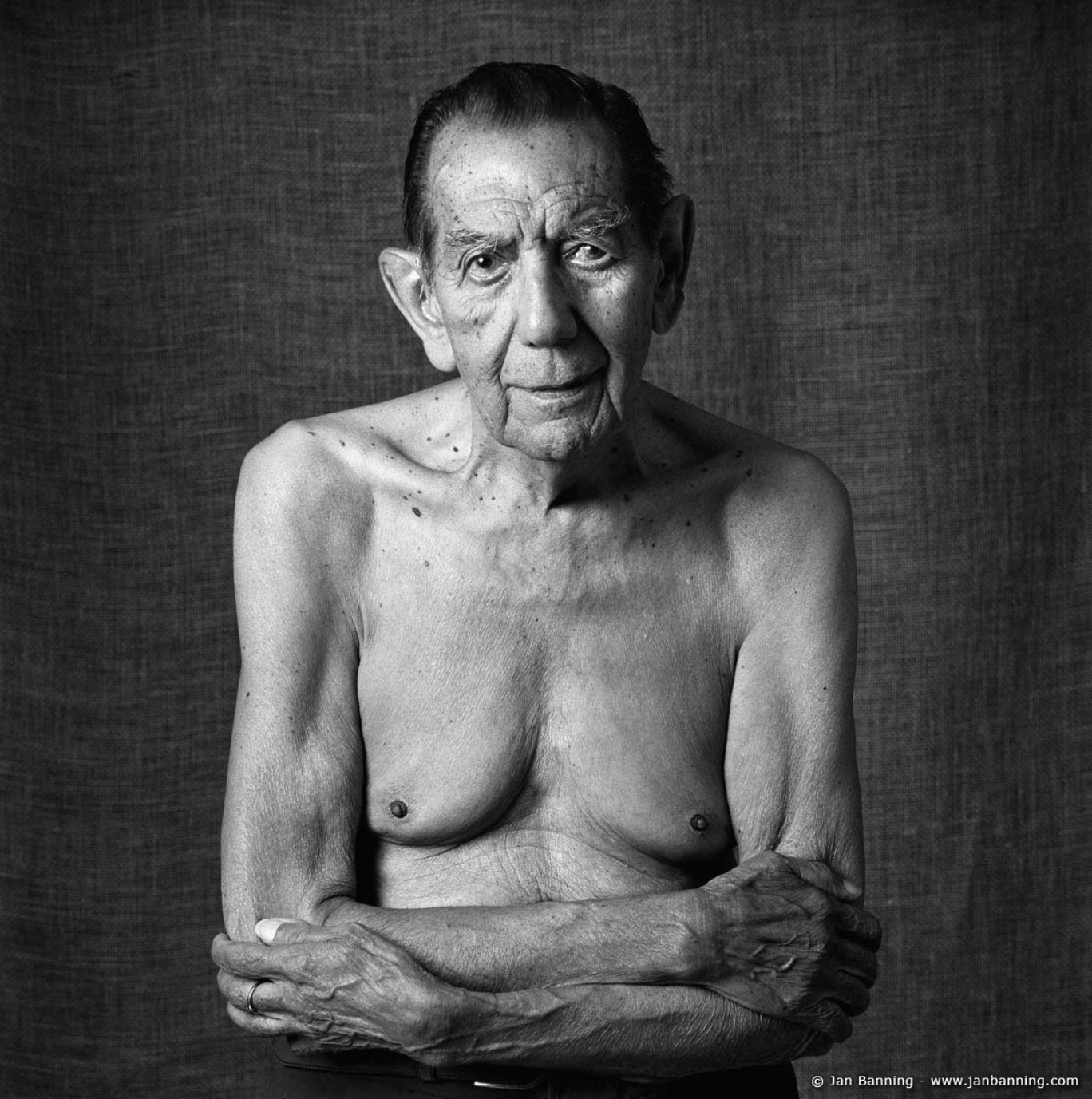
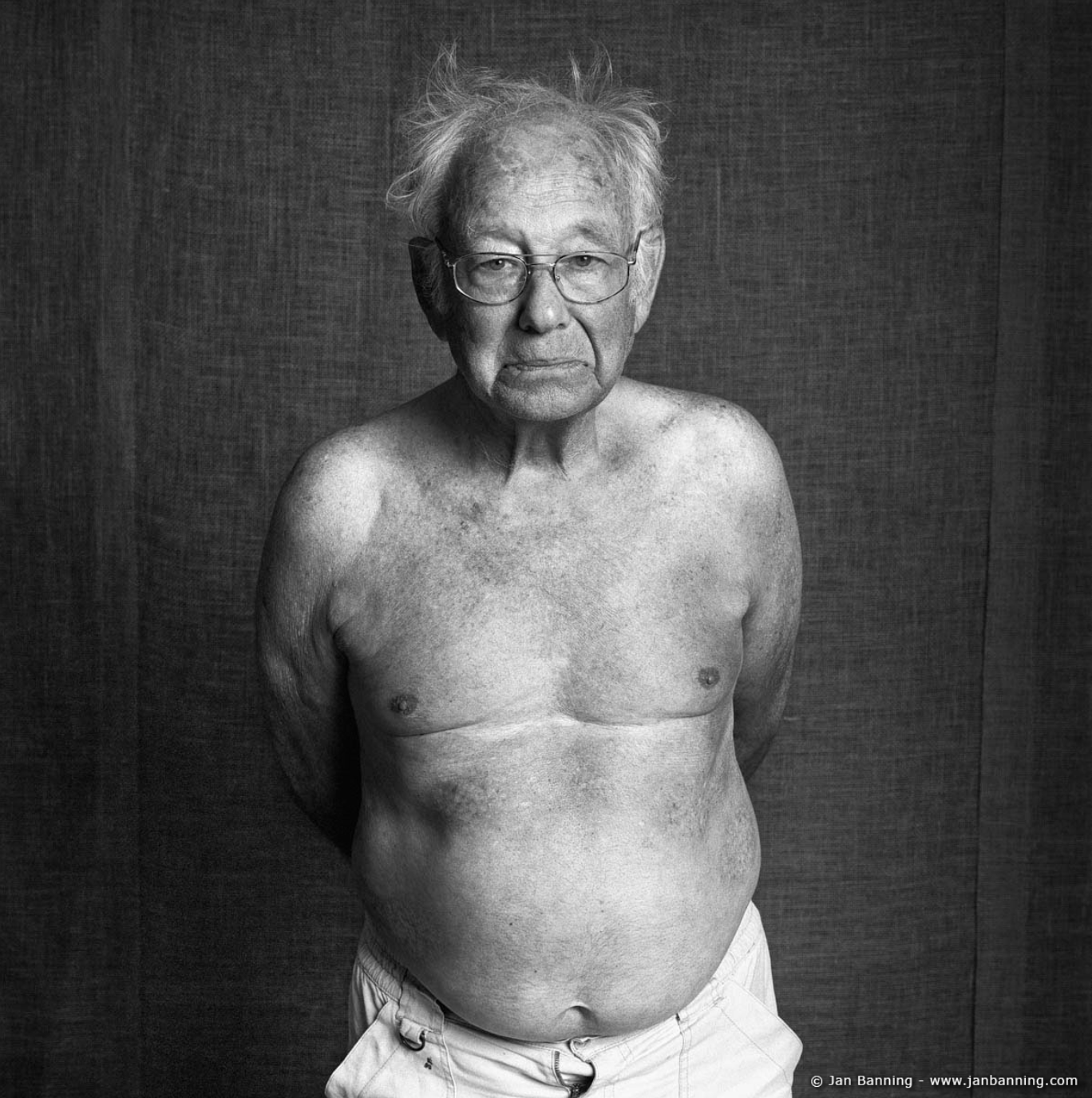
His earlier projects include Bureaucratics, about government offices, Law and Order, about criminal justice systems, and The Verdict, about a wrongful conviction in the United States. These projects share a slow approach and a strong focus on how systems shape human lives. In this interview, Banning explains how Blood Bonds grew out of this long interest and why it became a personal turning point.
The Book
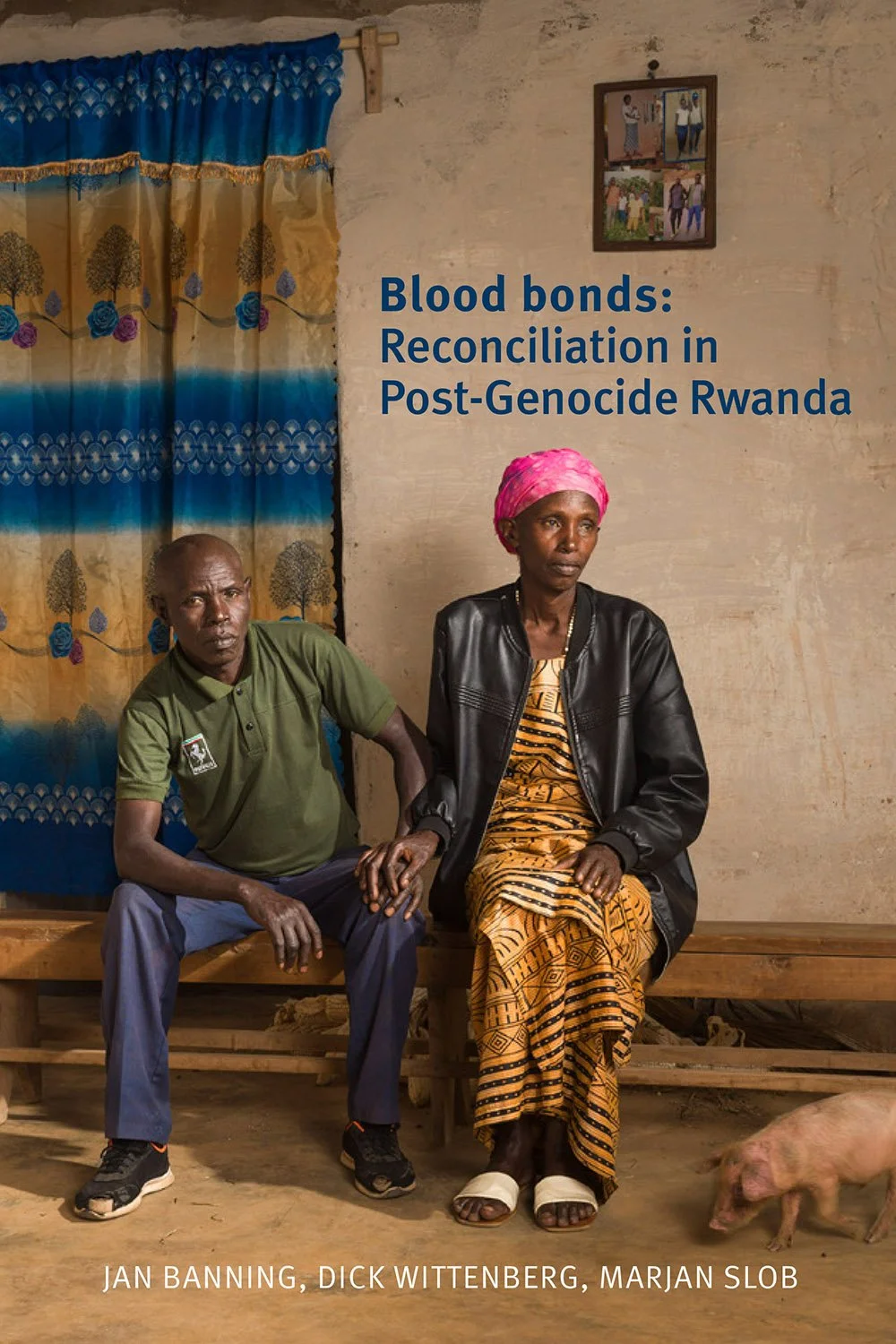
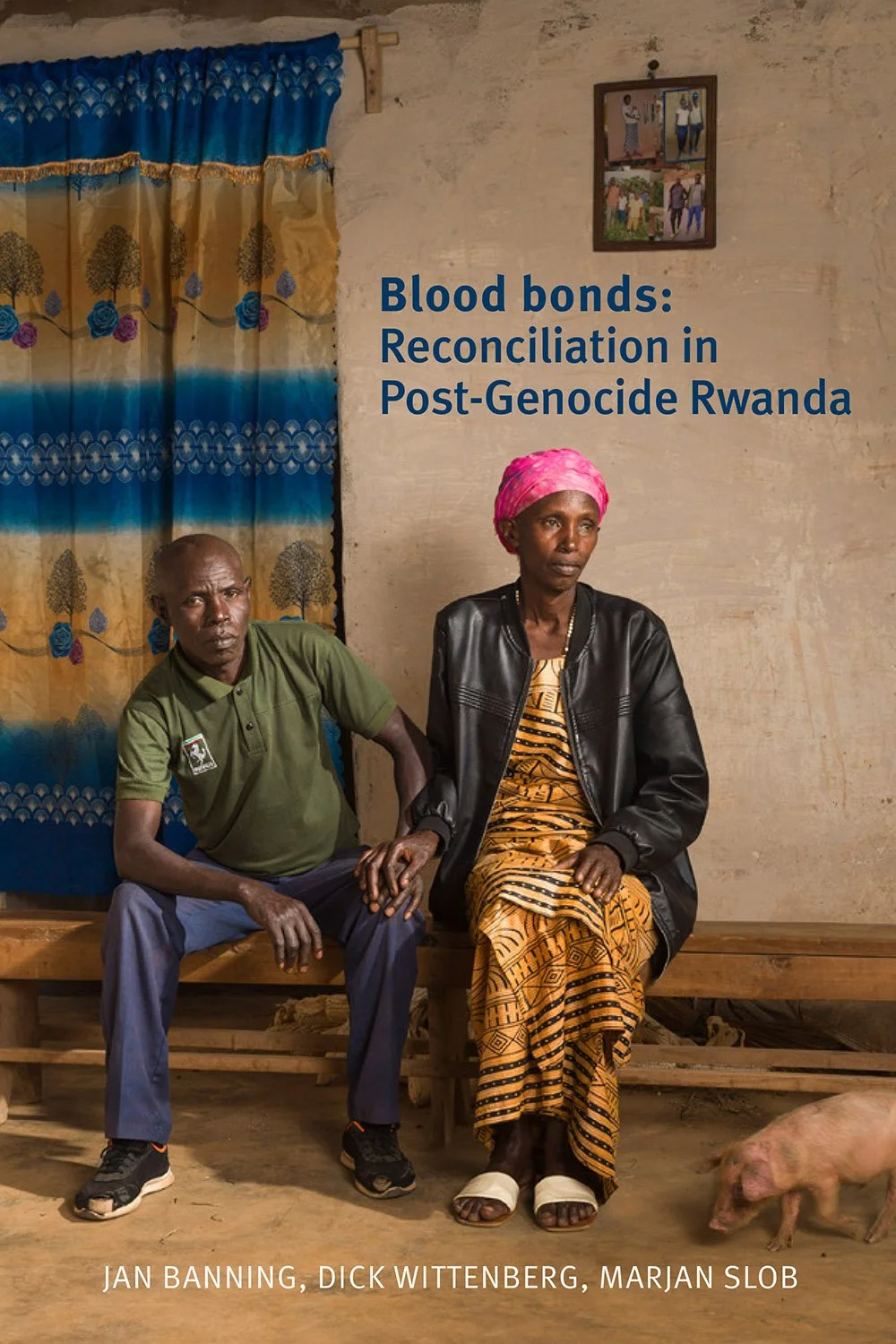
Blood Bonds: Reconciliation in Post-Genocide Rwanda is a book by Jan Banning, published by Lecturis, that documents survivors of the 1994 Rwandan genocide photographed together with the people who killed their family members. Each portrait shows a survivor and a perpetrator who have gone through a long process of justice and reconciliation and now live side by side again.
The photographs are paired with written testimonies that explain what happened, how forgiveness became possible, and what reconciliation means in daily life. Rather than focusing on violence or shock, the book looks at the long aftermath of genocide and the difficult work of living on after extreme trauma.
Blood Bonds is not a book about easy answers. It is a quiet and demanding work that asks how justice, responsibility, and forgiveness can exist at the same time, and what photography can reveal when it looks at consequences instead of events. (Lecturis, Jan Banning)
Editorial Note: In our interview we talk about more Jan‘s projects. The included pictures descriptions include the project names.
How did you start taking photos? What made you pick up the camera for the first time?
I was studying history with the intention of becoming an investigative journalist. This was during the second half of the 1970s. In 1981, I began working as a journalist, combining writing and photography. My first topic was Spain, specifically exploring whether anarchism, which had been suppressed during the Franco era after the Spanish Civil War, was making a comeback. Around 1981, there were various activities, demonstrations, and strikes by labourers and agricultural labourers in Spain, which I delved into. As I combined photography and writing, I soon realised that photography was more my medium than writing. I have continued writing to some extent, but not as a journalist for magazines or papers. Instead, I write primarily about my own projects. That’s how it all began.
For the first 15 or 20 years, I worked more or less like a regular photojournalist, taking on assignments while always combining them with my own projects. Since around the year 2000, my focus has shifted almost entirely to my own projects. Occasionally, I might take on one assignment a year, if at all.
Would studying history help you become a better photographer and take better pictures?
In a way, yes. Of course, it has no direct influence on how you handle the camera, but it has certainly helped me a lot, not just in coming up with projects but also in putting them into practice. That study taught me how to do research, investigate things, and evaluate the quality of sources. I always prepare my projects very thoroughly, and sometimes they involve extensive research. In that sense, it has been incredibly helpful.
I know your family, come from the Dutch East Indies, now Indonesia. Did growing up in that family change how you see the world through your camera?
Yes, and not just through the camera. My parents explicitly said they tried to raise their children as citizens of the world, not just one country. They were open to discussing their past, so from a very early age, I realised that human life is possible in completely different parts of the world. The whole system of borders and countries has always had very little relevance for me and my siblings.
Most photographers seek out beautiful things or exciting moments. Why do you choose to photograph subjects like government offices or difficult topics instead?
I think it stems from my study of history. I don’t photograph solely to create something beautiful, even though I believe aesthetics are crucial. Aesthetics serve to draw the viewer in, encouraging them to delve into the image, pay close attention, and engage with the subject matter. During my study of history, I realised that while history is about society, it isn’t focused on individual emotions, even though emotions play a significant role. It’s not about pure aesthetics.
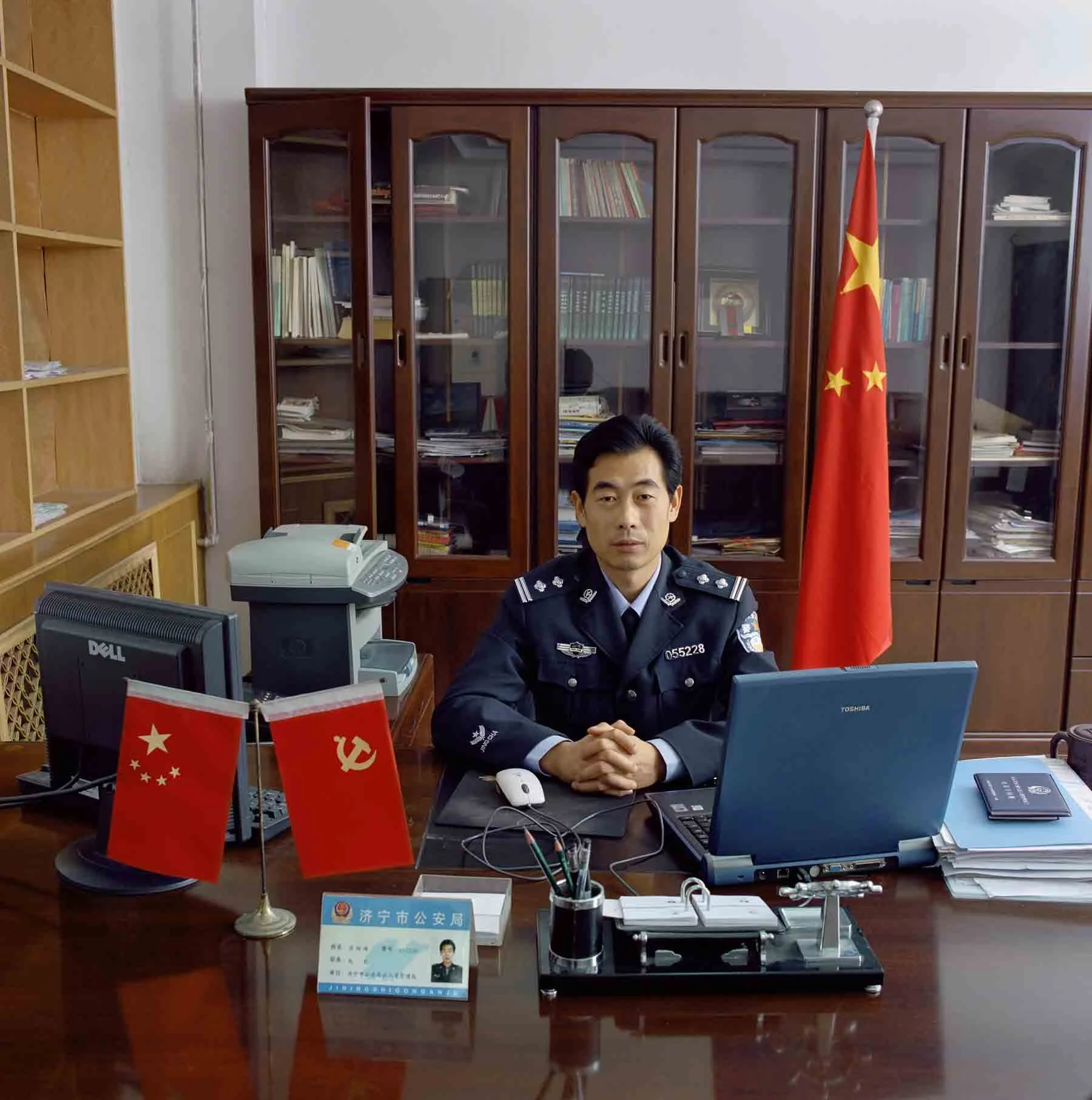
From the project Bureaucratics
I was particularly interested in the structural aspects of society, as opposed to news photography. I’ve never been particularly interested in or perhaps even suited for news photography. Instead, I focus on the slow, underlying aspects of society, those that don’t change quickly but have a profound influence on how societies are organised and structured. In that sense, my study of history has greatly shaped the way I view the world and the subjects I choose to photograph.
You describe yourself as a romantic anarchist. What does that mean, and how does it manifest in your photography? I think one example is the project you mentioned, Bureaucratics.
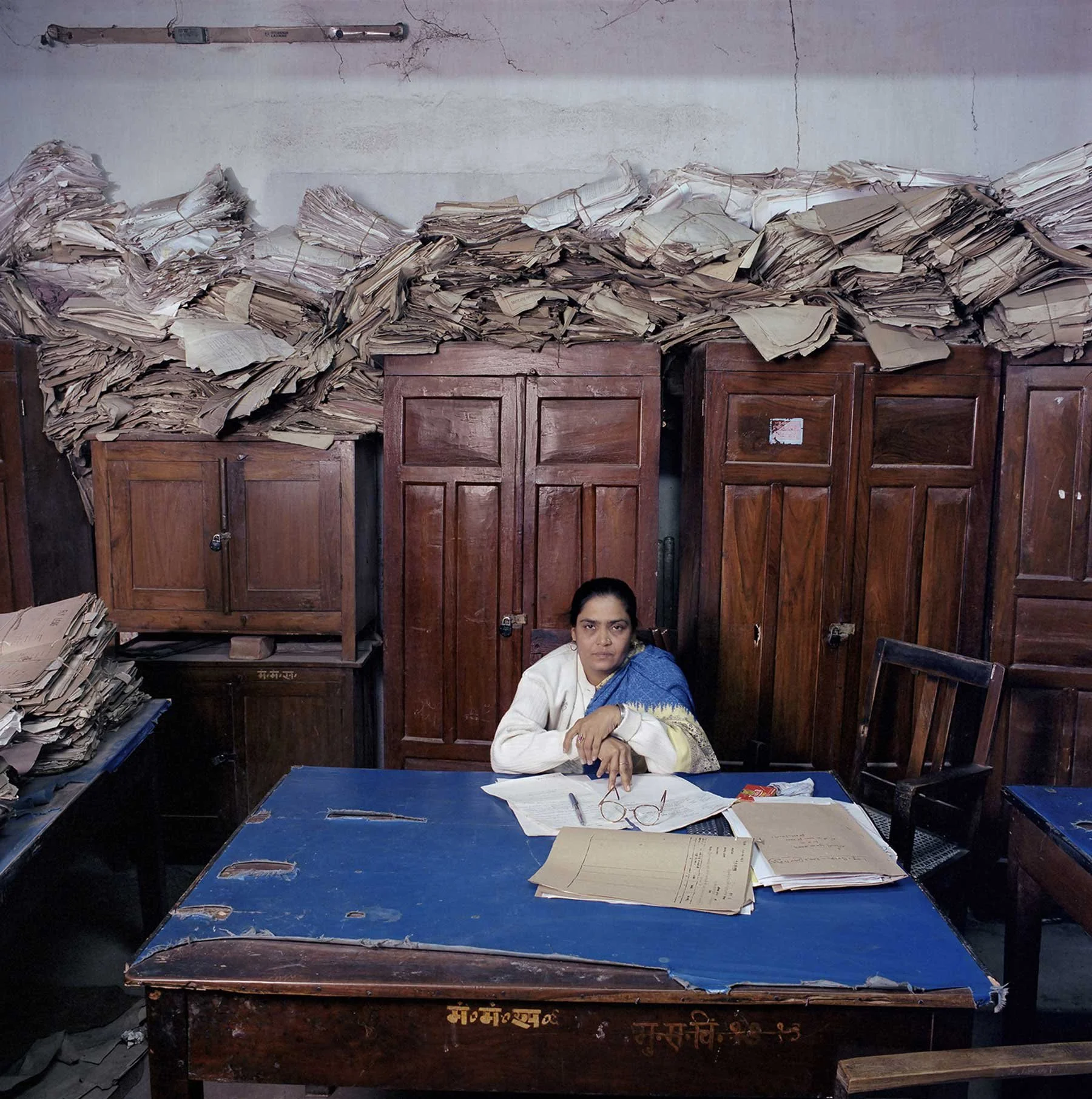
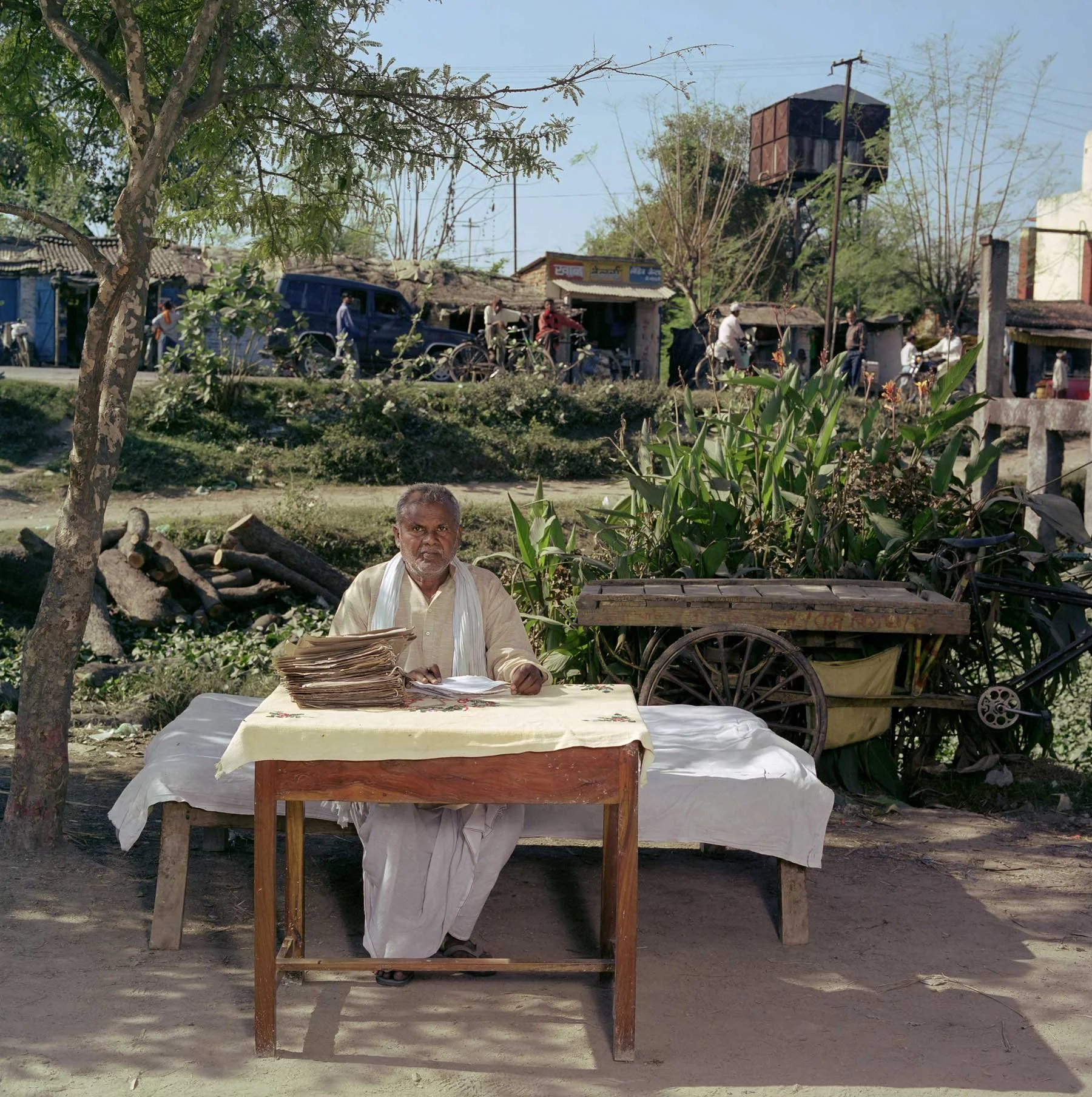
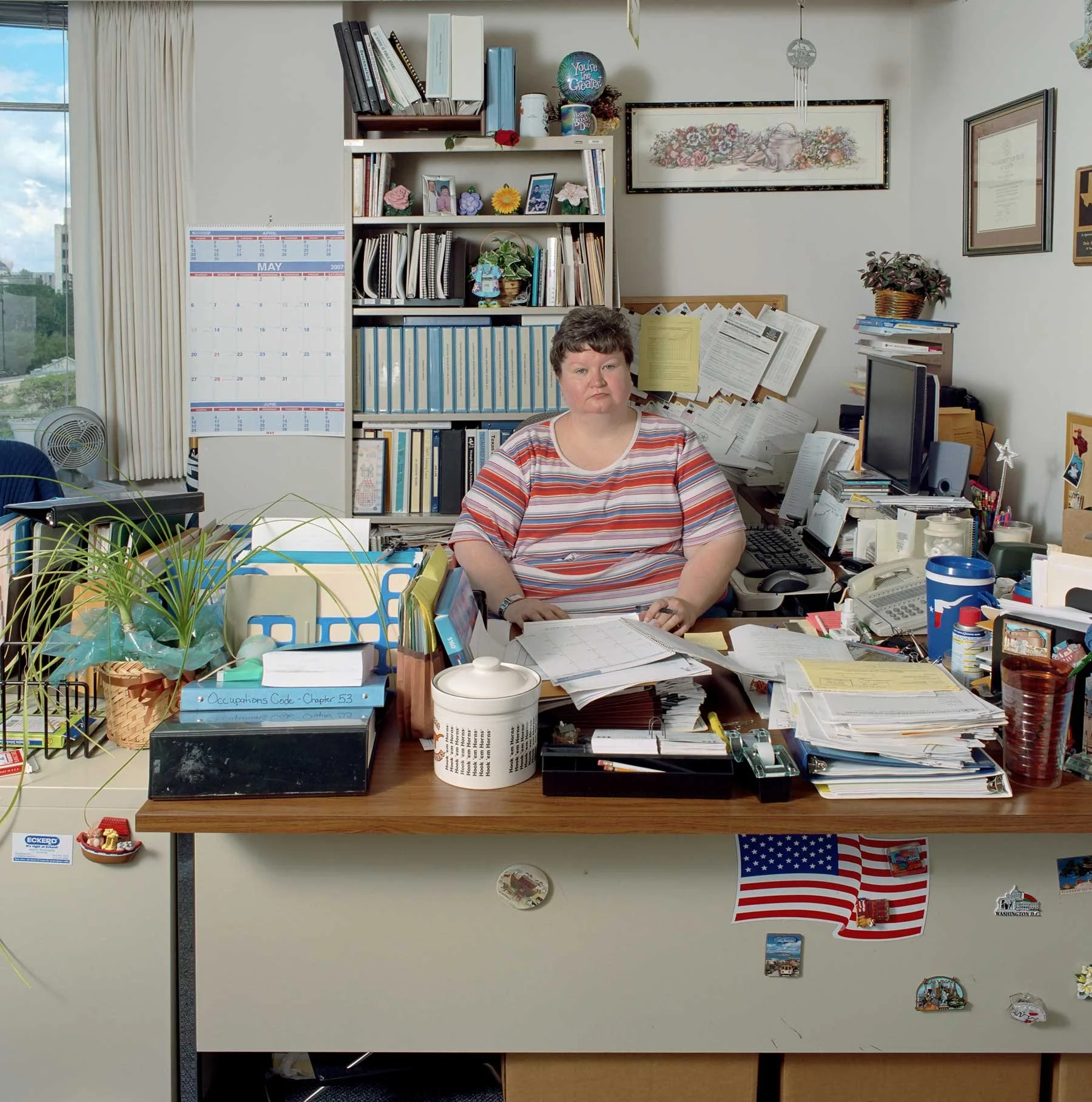
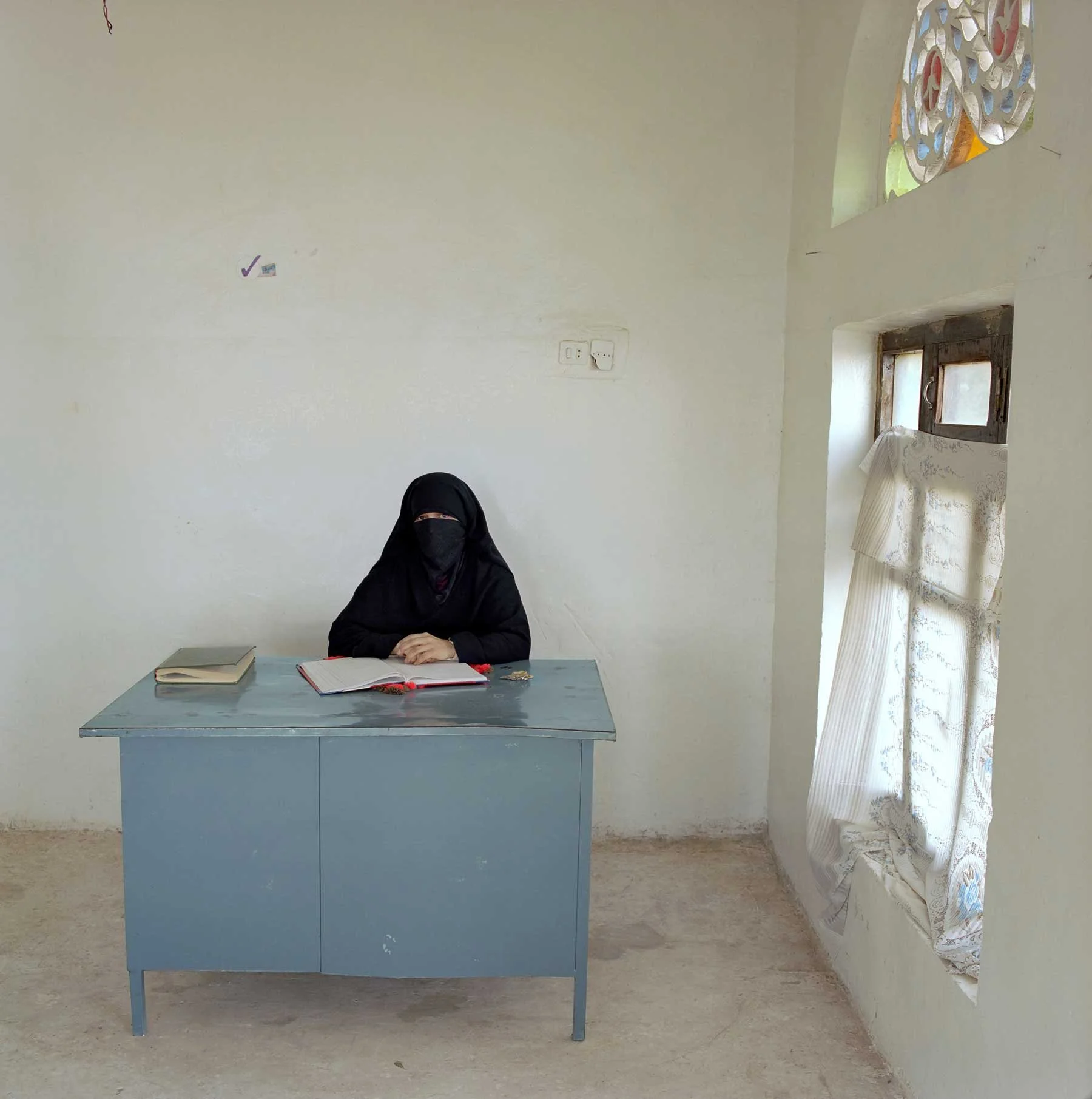
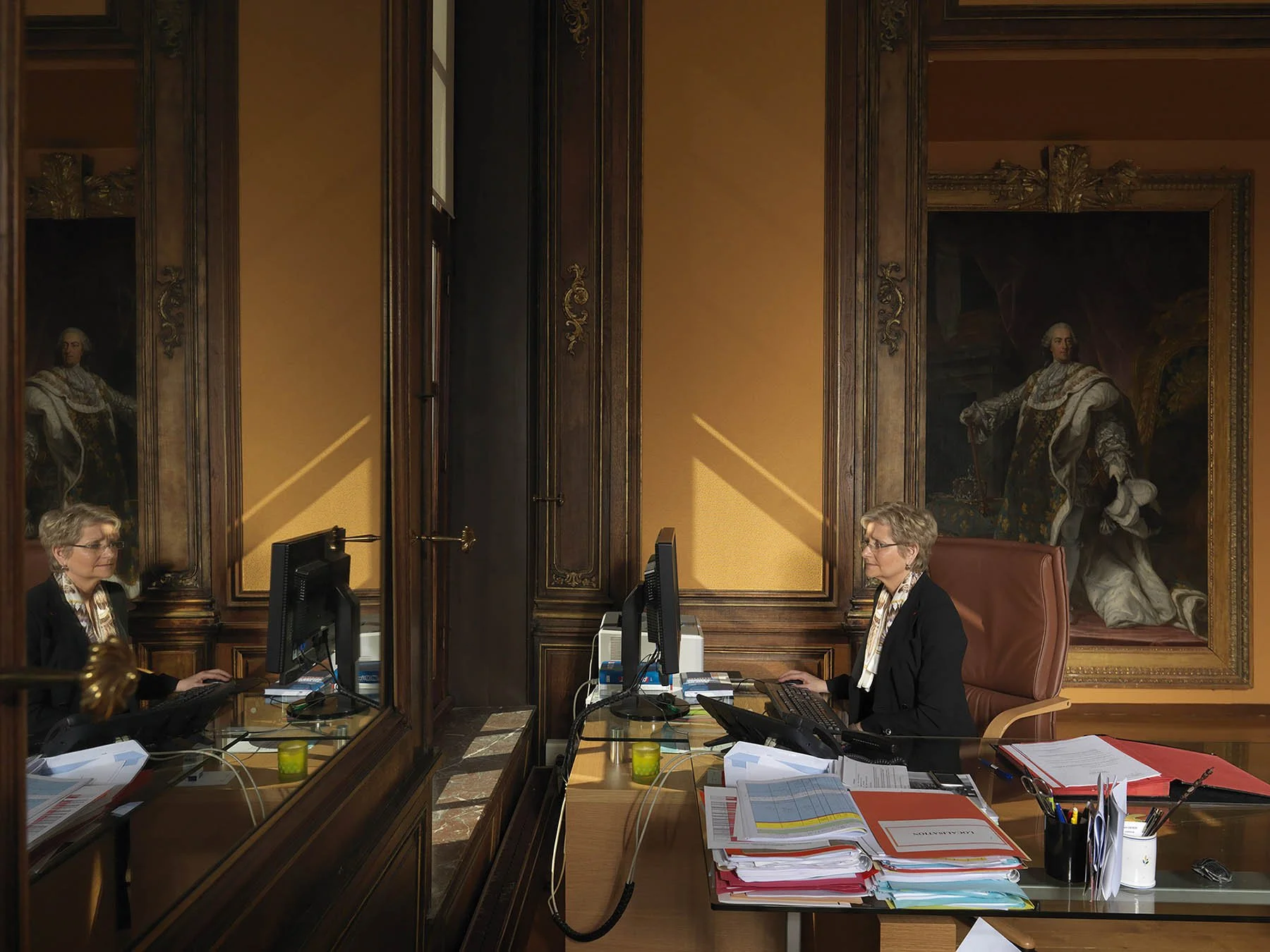
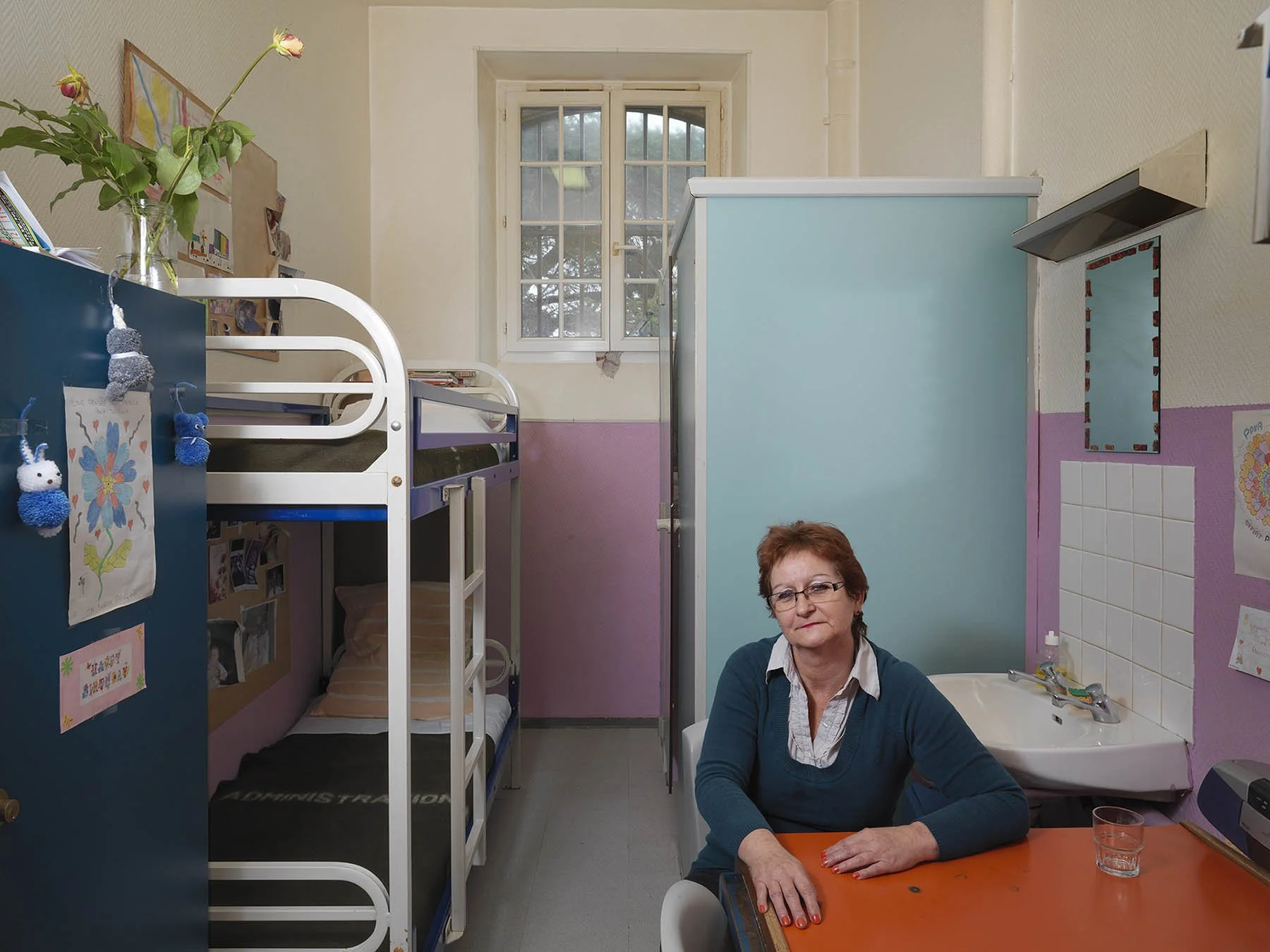
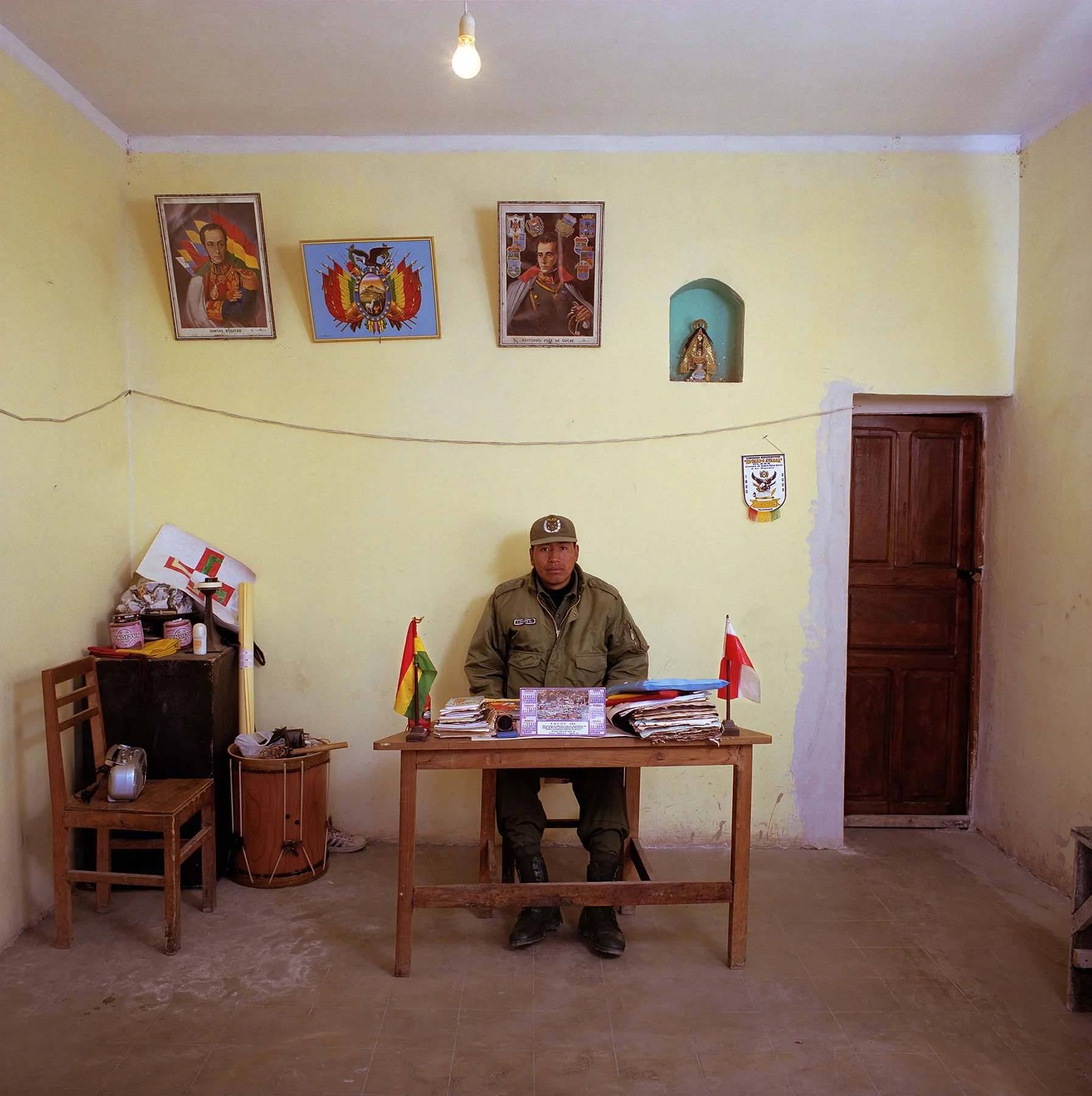
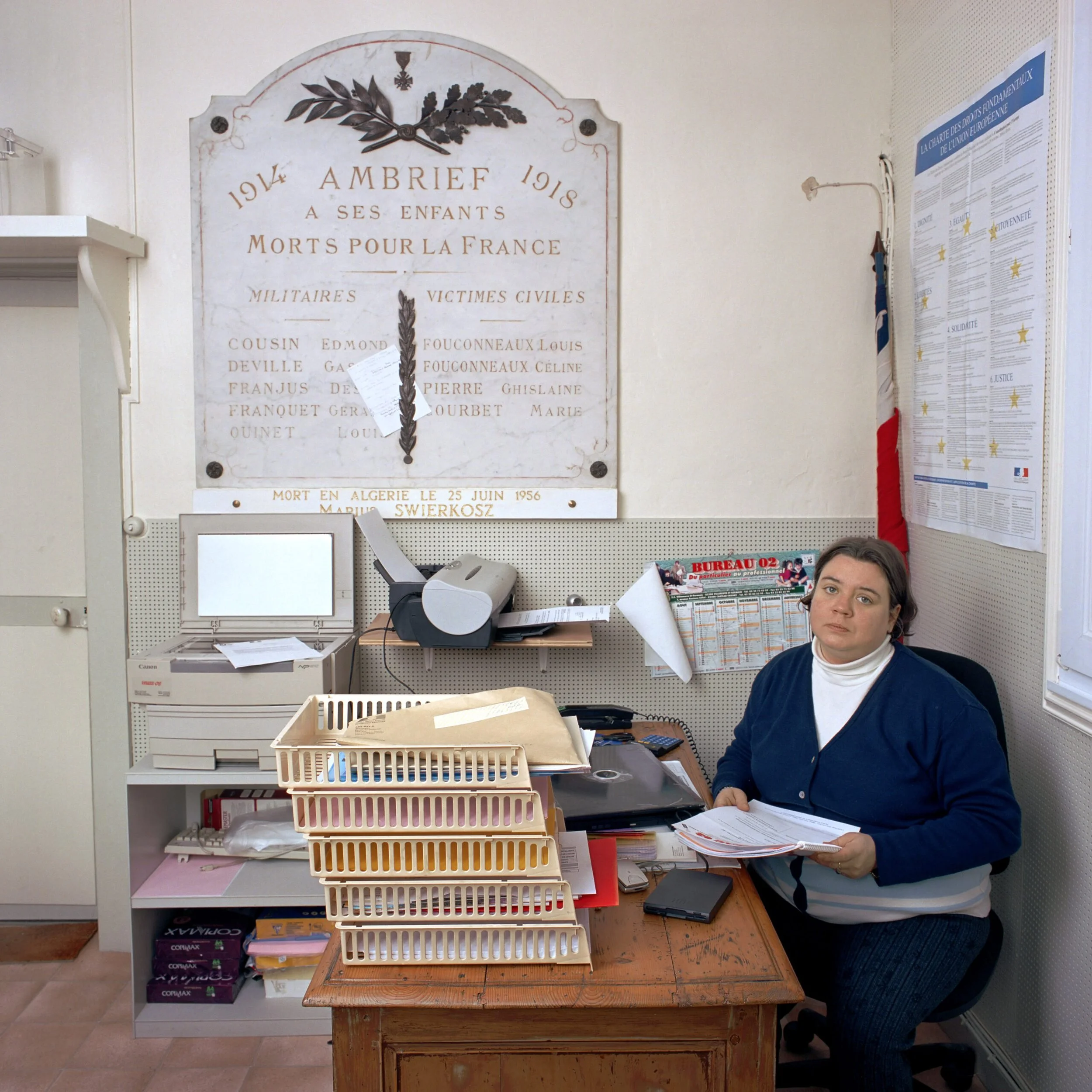
It’s a series about bureaucracy in eight different countries. Bureaucracy represents the way a state presents itself to its citizens. Government offices are the places where citizens interact with their government. My anarchist sympathies emerge in how I approach these systems, with irony and humour. I found the Institute slightly ridiculous. However, I must distinguish between the Institute itself and the individuals working there. I strive to photograph them respectfully. Yet, the situation in these offices often feels absurd, which is how my anarchist sympathies express themselves.
From the project Bureaucratics
Regarding the romantic aspect, I believe it’s reflected in the selection of subject matter. There’s a lot of empathy involved. I’m deeply interested in various aspects of human beings and emotionally touched by what happens to them. This empathy helps me connect with people. I appear approachable and accessible, which allows me to gain access to them easily. My basic attitude is to sympathise with people, which may seem vague, but I think that’s a romantic aspect.
In this bureaucratic project, you visited government workers without prior notice. Why was it important to surprise them instead of scheduling appointments?
It was well thought out. We collaborated with a writer and obtained official permission from the highest level to avoid negotiations. This also allowed us to visit these offices unannounced. The primary reason was to capture the natural habitat.
As soon as you enter an office or your arrival is announced, people tend to arrange things, clean up their desks, and create a sterile environment. This can make you a victim of propaganda, presenting the institute in a way they desire. That was not our intention. We aimed to document these offices and workers as any citizen of that country would perceive them. Therefore, it was crucial to come unannounced.
Another strategy we employed was walking through the offices, observing one after another. As a photographer, I would select which person and office to photograph and interview. Once I indicated my choice, the writer would immediately begin the interview to prevent the person from tidying up their space. It became evident that discussing themselves took precedence over cleaning their desks for most people. The writer would maintain the conversation while I set up my lights and equipment.
Sometimes, this was fascinating for him, and other times, it was tedious, but he persisted in keeping the conversation alive to stop them from rearranging their desks.
From the project Bureaucratics
Let’s talk about the Blood Bonds project. In Rwanda, you photographed genocide survivors sitting next to the people who killed their families. How did you even start with this project? What made you want to photograph reconciliation?
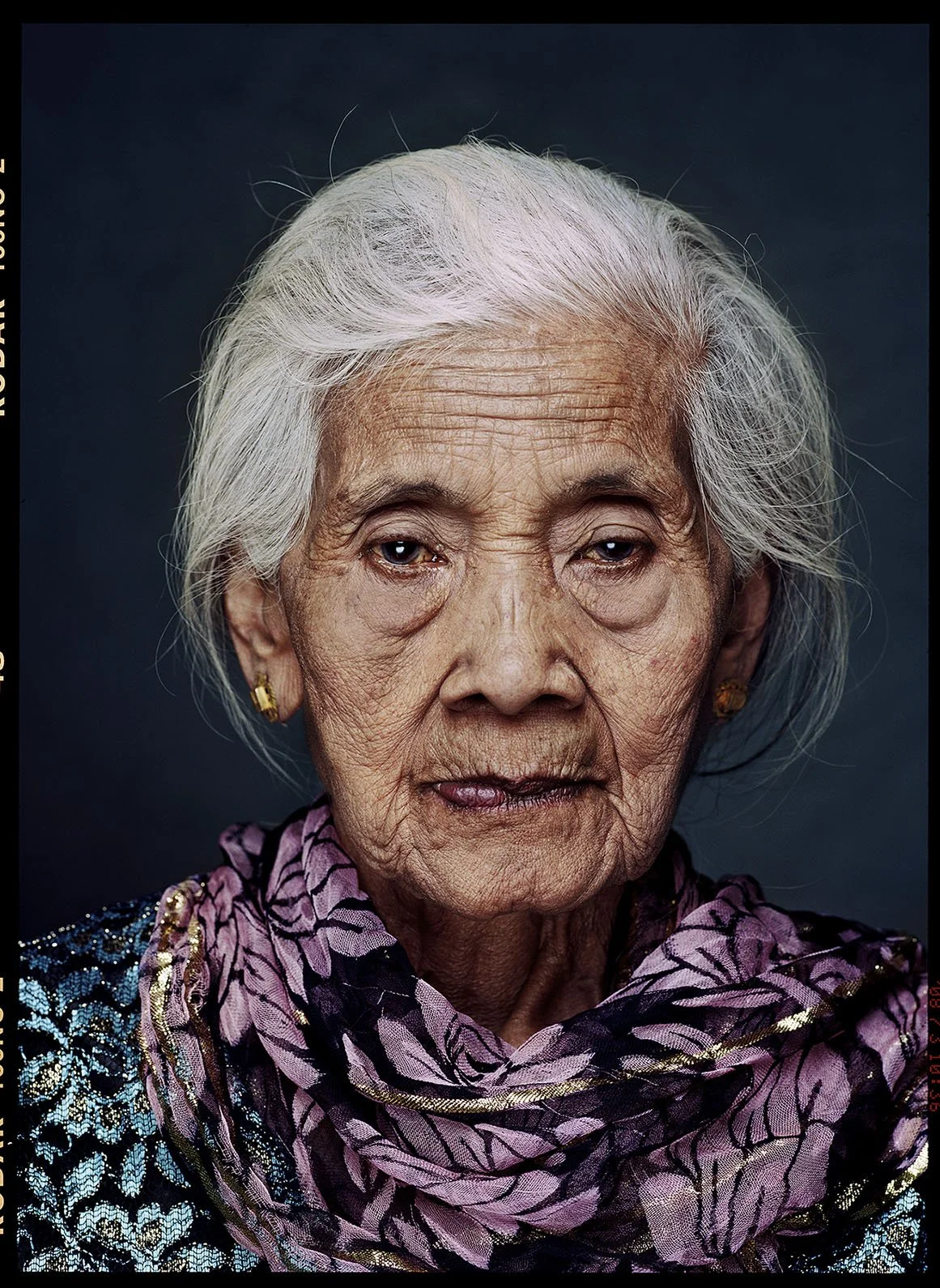
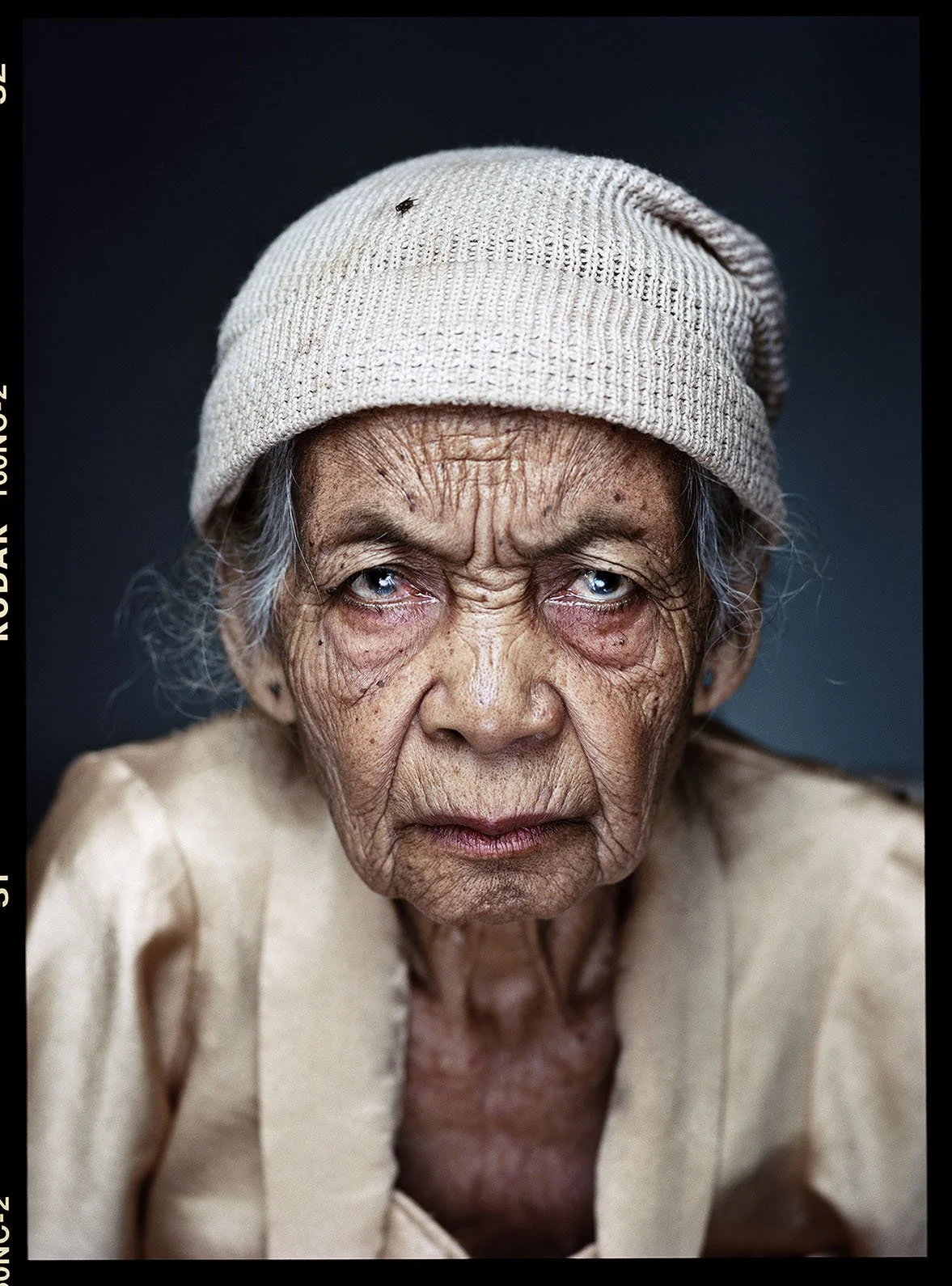
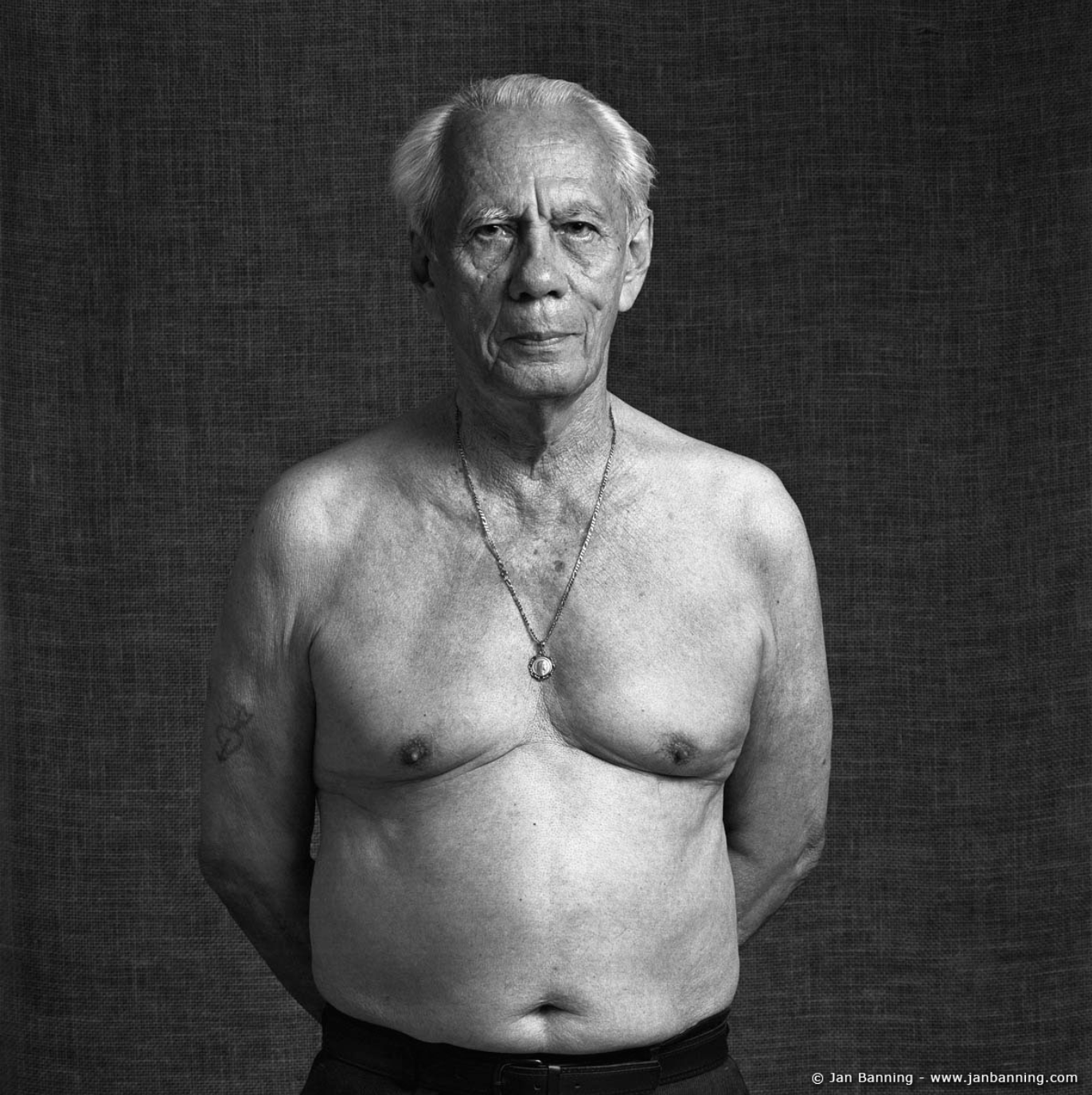
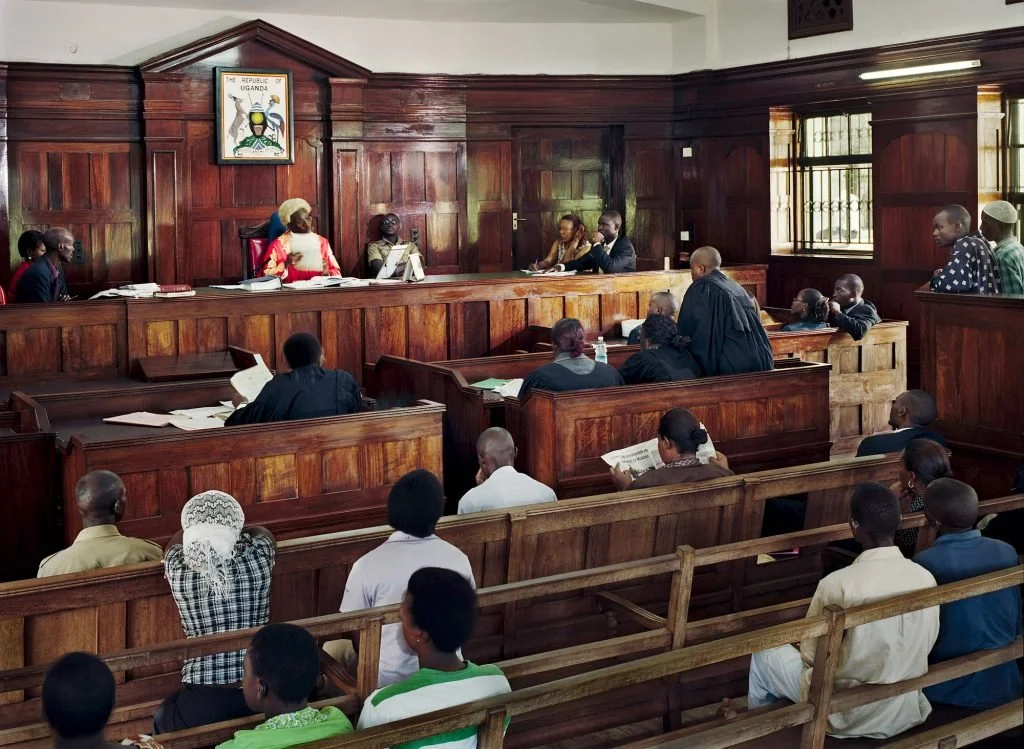
It goes back a long way. For the last 25 years, I have delved into the long-term consequences of conflicts and criminal justice. I have explored how we handle and respond to crime in various projects, ranging from former forced labourers in the Dutch East Indies under Japanese occupation to comfort women, women who were forced into sexual slavery for the Japanese military during the Second World War. I also worked on a project called Law and Order, which examined criminal justice systems, including police, courts, and prisons, in four different countries worldwide.
From the project Comfort Women
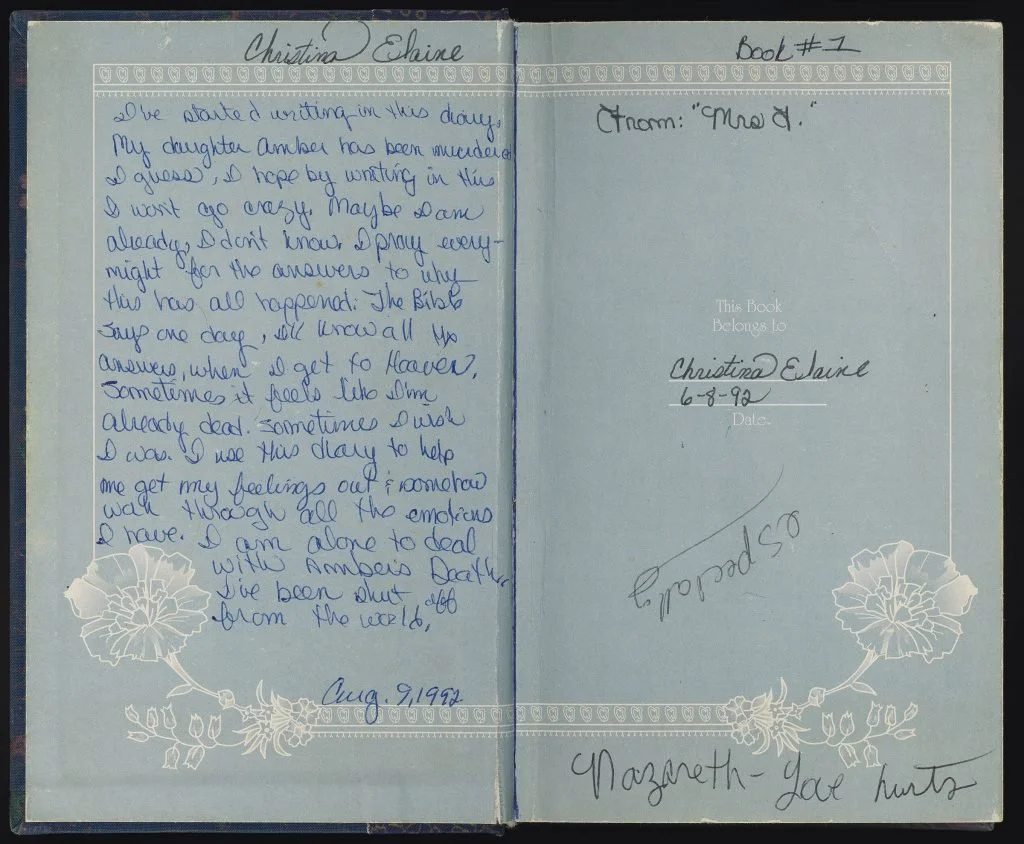
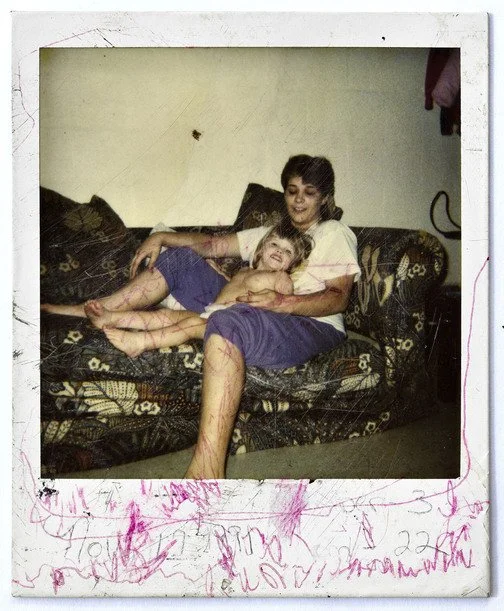
The most recent project before Blood Bonds was The Verdict, subtitled The Christina Boyer Case. It examined the American criminal justice system through a focused case study of a woman who was wrongfully convicted and imprisoned. Christina Boyer was sentenced for the killing of her three-year-old daughter, Amber. I assembled an extensive archive, including police interviews, court records, and the autopsy report, among other materials. I then consulted multiple medical experts, all of whom concluded that it would have been impossible for her to have committed the crime.
I approached this project in what I describe as an artivist manner: not only documenting the case through photography, but also actively engaging in efforts to secure her release. This included finding her new legal representation and mobilising media attention to generate public pressure. One outcome of this work was a three-part series titled Demons and Saviors, which was streamed on Hulu. I also arranged employment for her in the event of her release, with a wealthy friend offering to cover her salary.
For four years, the project consumed nearly all of my time. Yet despite the overwhelming evidence of her innocence, she remains incarcerated, now for more than 33 years. This experience left me deeply frustrated and angry with the American system, which continues to imprison innocent people—not only Christina Boyer, but likely tens of thousands of others.
From the project The Verdict
Afterward, I took on one of my rare assignments for the Dutch trade union, which asked me to photograph female construction workers in Rwanda. While there, a Rwandan trade union man named Jacques took me to a bar and shared his family history. He told me that his mother had been killed by their neighbour, whom they had always considered a good friend. The children played together, but when the genocide began, the neighbour killed his mother. Years later, the killer was brought before a court and asked the family for forgiveness. After deliberations, the family decided to forgive him. Then, the mother’s body was found, and they planned to give her a ceremonial funeral. Jacques mentioned that they invited friends, surviving family members, and even the killer to the funeral. I was flabbergasted. How was that even possible? Jacques seemed surprised by my reaction and explained that this was not exceptional in Rwanda.
That was when I realised I needed to delve into this topic. I found it incredibly important and inspiring to explore reconciliation in Rwanda. It was also something I personally needed after the frustrations with the American criminal justice system and the years of work to free someone that ultimately proved in vain. That was the start of the Blood Bonds project.
How was it that the murderer wasn’t in jail?
He was in jail. This is the case with many of the people in my photographs, the perpetrators, obviously. In fact, I think this is one important aspect of the whole reconciliation process, there has been some form of justice, at least with the people I photographed. This is different, I think, in many other cases. For example, the peace and reconciliation in South Africa seems to have led to hardly any convictions. I think that to enable people to forgive, it is almost a condition that the perpetrator must have, to put it bluntly, suffered himself.
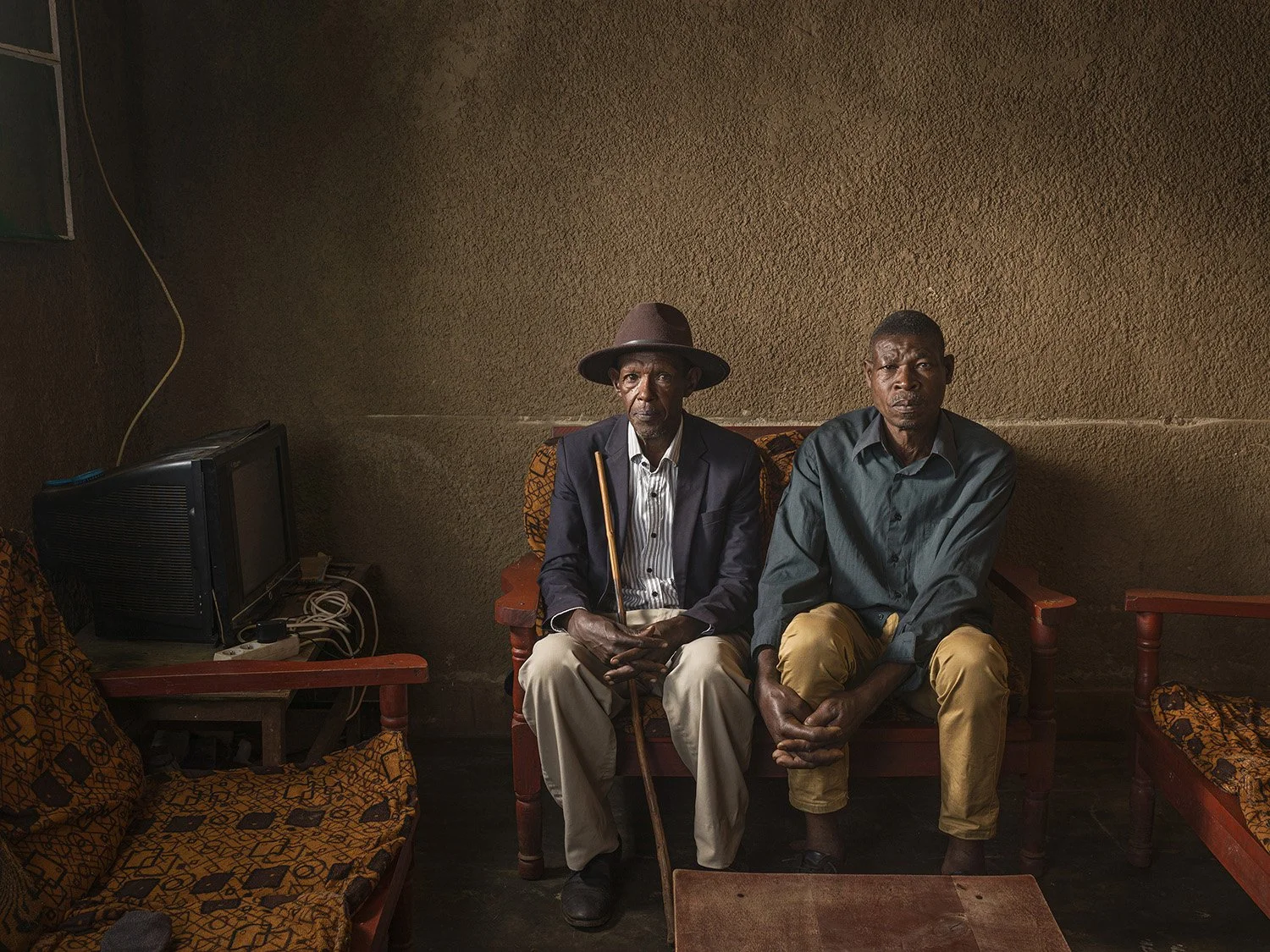
(The two men): Celestin (left) lost four children and seventeen other relatives, including his father and two sisters, who were murdered by fellow villagers during the genocide. He bears many scars and walks with a limp from a brutal attack during his flight.
Jean Marie murdered Celestin’s father, served ten years in prison, and made a confession during a gacaca trial. Later he personally apologized to Celestin and his brothers, which led to reconciliation. “At parties, we now dance together,” says Celestin.
How did you find the pairs of people who had reconciled? Did you search for them independently?
No, that would have been impossible. An important aspect was that I invited the writer to join me on this project, and we decided to work around the Rwandan government as much as possible. The Rwandan government is clearly a dictatorship, and while I have no issue with its promotion of reconciliation, we preferred to steer clear of any potential propaganda, as their so-called reconciliation villages might well be.
If we had followed the government’s guidance, they would have taken us to the so-called reconciliation villages they have established, and there is always the risk of falling into a propaganda trap. The challenge was to find an alternative way to approach this subject. It helped that I always present myself as an artist when applying for a visa. I am not a journalist in practice, as I do not rely on journalism for my livelihood, but that is another matter.
Artists are generally perceived as far less threatening than journalists. An artist is often seen as a harmless eccentric, and there is little risk in granting them access. I introduced the writer as an innocent assistant who would be taking notes, and I believe that approach was beneficial. In the meantime, I discovered an organisation called CBS Rwanda. CBS has no connection to the media; it stands for community-based social therapy. This organisation provides group therapy at a local level, and I hired them as producers.
One of the interesting aspects was that reconciliation was not their primary purpose. Of course, they would not have objected if it was the outcome, but it was not their goal. Therefore, we did not risk becoming involved in advertising or propaganda for the organisation. They introduced us to individuals who had participated in their therapeutic sessions and had genuinely reconciled. That is how we found them.
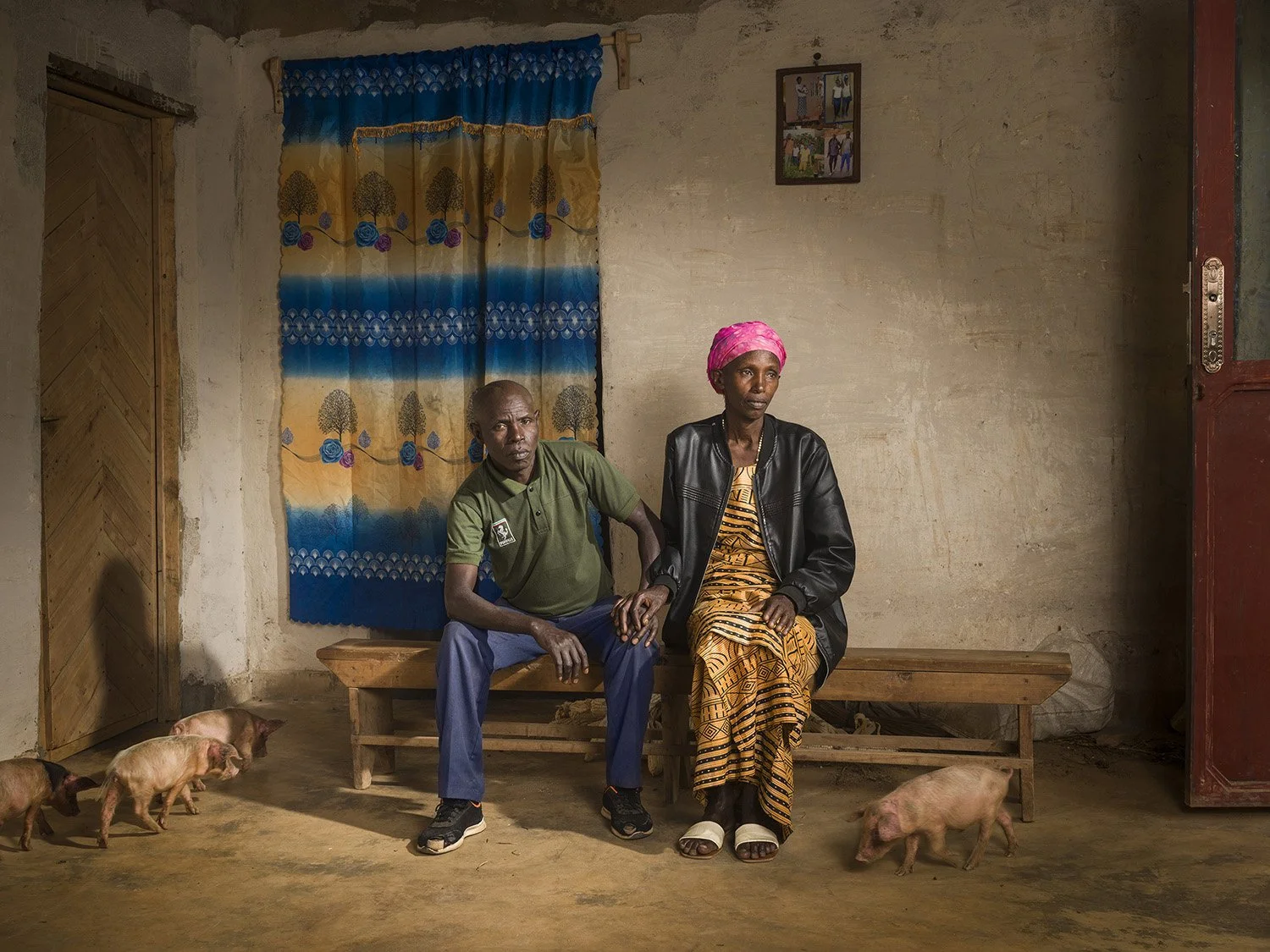
(With piglets): Marianna and two sisters were the only ones in their family who survived the massacre in the local church. They had hidden among the corpses. But one of the sisters was handed over to a mob of killers by their neighbor Marc. She and the remaining sister later escaped to Bisesero, where a large group of Tutsis resisted. Most of them perished after being abandoned by French peacekeepers.
After being convicted in a gacaca court, Marc spent nearly seven years in prison. Once released, he hid for years out of shame and fear—until he encountered Marianna in a sociotherapy group, and she reached out her hand to him.
When photographing a survivor and a perpetrator together, how do you decide how to frame the portrait? What elements are important to convey in the image?
The only thing I truly planned was to photograph the two of them. I also had ideas about the style of photography. The latter was why I carried 60 kilos of photographic equipment, including light stands and lights, as I wanted to illuminate them in a style inspired by film noir. Film noir often explores moral ambiguity, which was relevant here. In these portraits, it wasn’t always clear who was the victim and who was the perpetrator. I believe that both potentialities exist within all of us. Under certain circumstances, most of us could be either a perpetrator or a victim.
I had specific ideas about the lighting I wanted to use and knew I wanted to photograph these two individuals together. That was the extent of my planning. The process typically involved being taken to meet them in a village, sometimes requiring a two-hour drive in a four-wheel-drive car over rough roads to a small hamlet. Each location had one house for the survivor and another for the perpetrator. I would choose the best house for the photograph, often based on space constraints. Some houses were so small that setting up the lights was impossible. This decision was largely intuitive, informed by years of experience as a photographer. It could also depend on the background and what was visible in the photograph.
Once I had selected the location, the writer and translator would go to the other house to interview the survivor while the perpetrator waited. I would then set up my lights with the help of my young Rwandese assistant. I would discuss the setup with my assistant and the social worker who introduced us to these individuals, considering the most likely seating arrangement. For example, if there was one chair, we would predict who was most likely to sit and who would stand. Based on this, I would set up the lights and then join the interview to hear their stories. After interviewing the survivor, I would ask both the survivor and the perpetrator to move to the location where I had set up the lights and let them decide how and where to sit. Sometimes their seating choices aligned with the social workers’ predictions, but other times they differed, requiring me to adjust the lights slightly.
I believe that their body language and positioning in the photograph reflect the depth of their reconciliation. In some cases, they had reconciled but were not friends. You could see them standing apart, with a clear division between them, yet they were able to coexist without hostility. In other instances, I was surprised by unexpected gestures, such as a woman placing her hand on the hand of the man who had killed her loved ones. However, I would never ask someone to do that, as I'd consider such a request completely immoral. I left it entirely to them to decide how they would sit and look. Occasionally, I would ask them to look at the camera, but that was the extent of my direction.
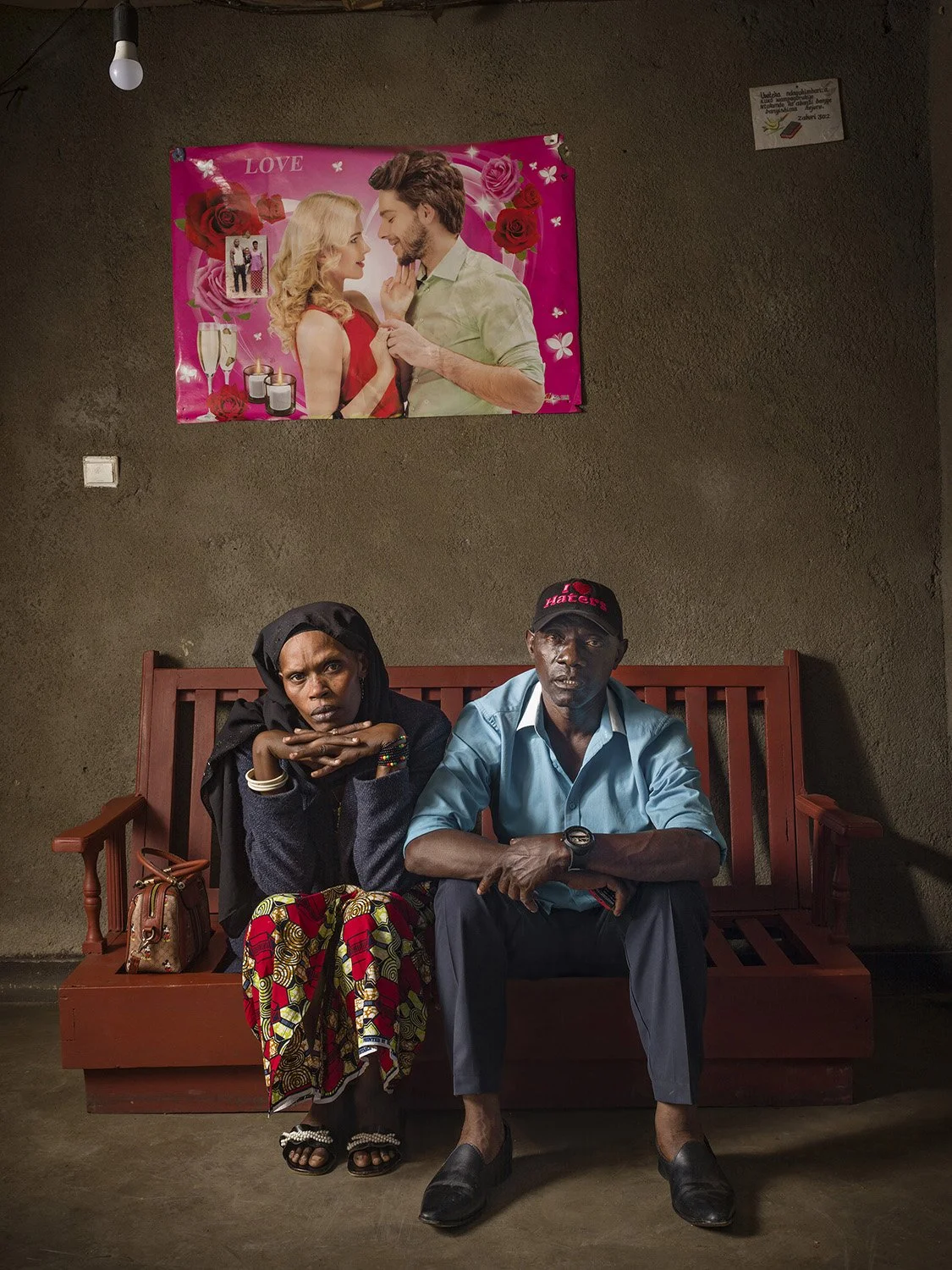
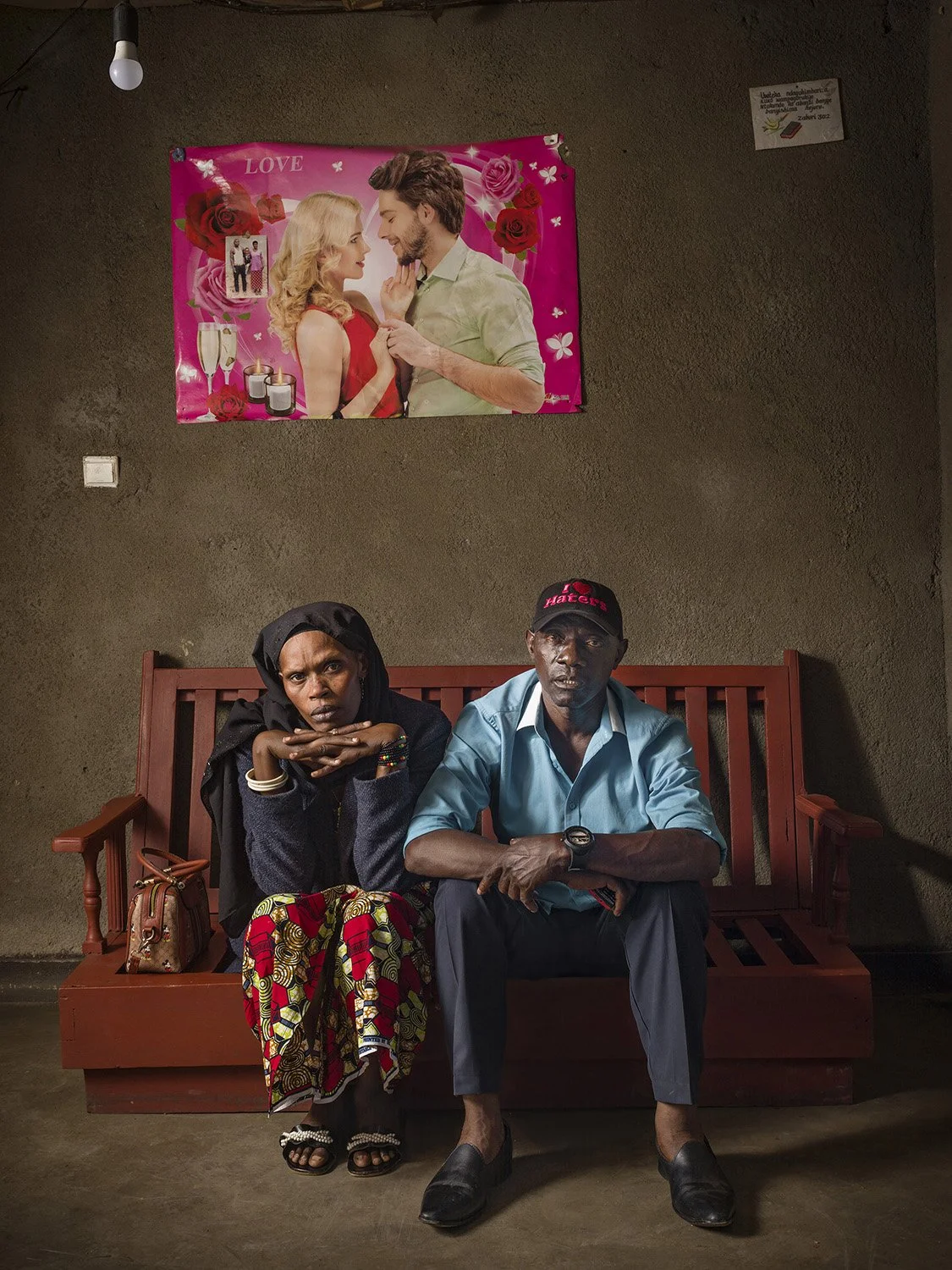
Epiphanie lost eight siblings, both parents, and nearly her own life in the genocide. On the first day of the killings, a mob including Jean Baptiste set fire to her grandmother’s house, where her family had sought refuge. At just six years old, she also survived a brutal attempt at rape. Years later, through a sociotherapy group, Epiphanie crossed paths with Jean Baptiste, who had served 12 years in prison for his crimes. After hearing his heartfelt apology, she found the strength to forgive, and they reconciled.
When you are in the room with both individuals, someone who has lost everything and someone who caused the pain, what is the atmosphere like? How do you navigate such a situation?
You absolutely feel it. I also feel it because I was present during part of the interview. Discussing this with both the perpetrators and, especially, the survivor is a deeply emotional experience. The atmosphere is charged with sadness, as these stories are often horrific. I am not a neutral observer; I have been profoundly touched by these tales. You can see this in the eyes of the people involved, it is a mix of emotions. How could you not feel sadness even after 30 years if you have lost your entire family and the other person was involved? What struck me even more was that there was often a friendly contact between the two. As far as I could observe, they seemed comfortable in each other’s presence, to varying degrees, but comfortable enough.
When you see the reconciliation, do you think it’s genuine? Do they mean it at the end, or is it something that is kind of forced upon them?
I don’t think it’s forced upon them, even though, as I mentioned, the government is promoting it. But to be honest, I don’t believe the government has such influence in these remote areas. Many of the people we met lived in remote villages.
Was it earnest? I think so, but to varying degrees. I suspect that in some cases, people have reconciled simply to be able to move on with their lives without necessarily considering the other person as a close friend. However, in some cases, yes, they had genuinely become friendly. As I mentioned earlier, you could see it in the way they interacted, even in the photographs, through their body language and the way they touched each other. That’s a significant indicator. So, I would say, yes, they all reconciled, but the extent to which they reconcile differs.
I imagine it must be difficult to photograph something invisible as forgiveness. Is there something you’re looking for or you have an idea going into this before the shoot? What is it that you’re looking for in the photograph?
I had no preconceived notions except for the ones I mentioned earlier. The social worker explained to candidates that the photographer wanted to photograph them together. If people didn’t want that, they wouldn’t show up.
I was willing to be surprised. I know it’s difficult to express visually, so I thought it was important to bring a writer and include texts. The book has a lot of room for the stories of these people, and the exhibition has been travelling to places like Italy, Boston, and Holland. Interestingly, I, as the photographer, wanted more space for the text.
I believe the combination of images and words is important, but I also think the photographs convey enough. People who have seen them seem to be moved.
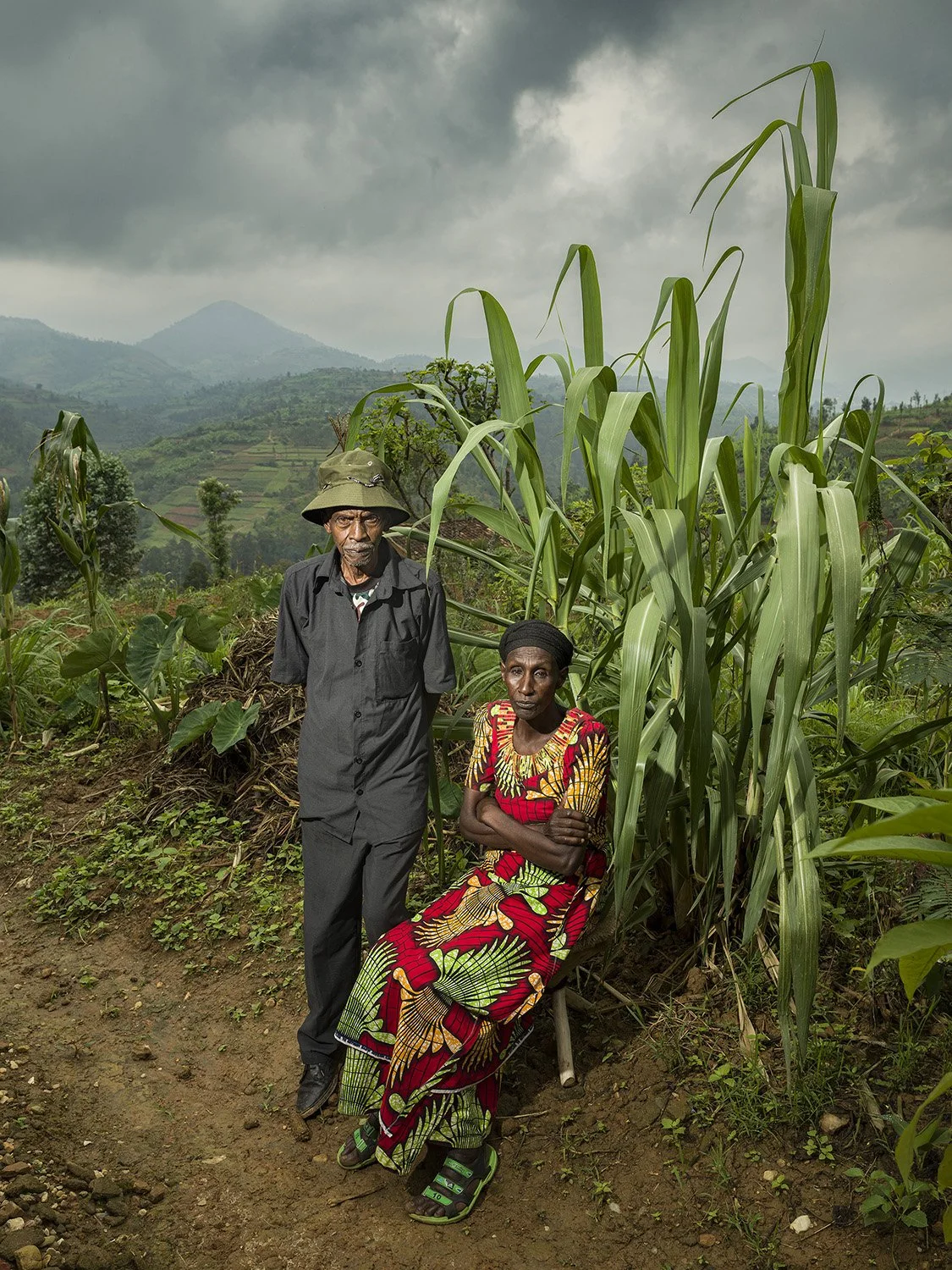
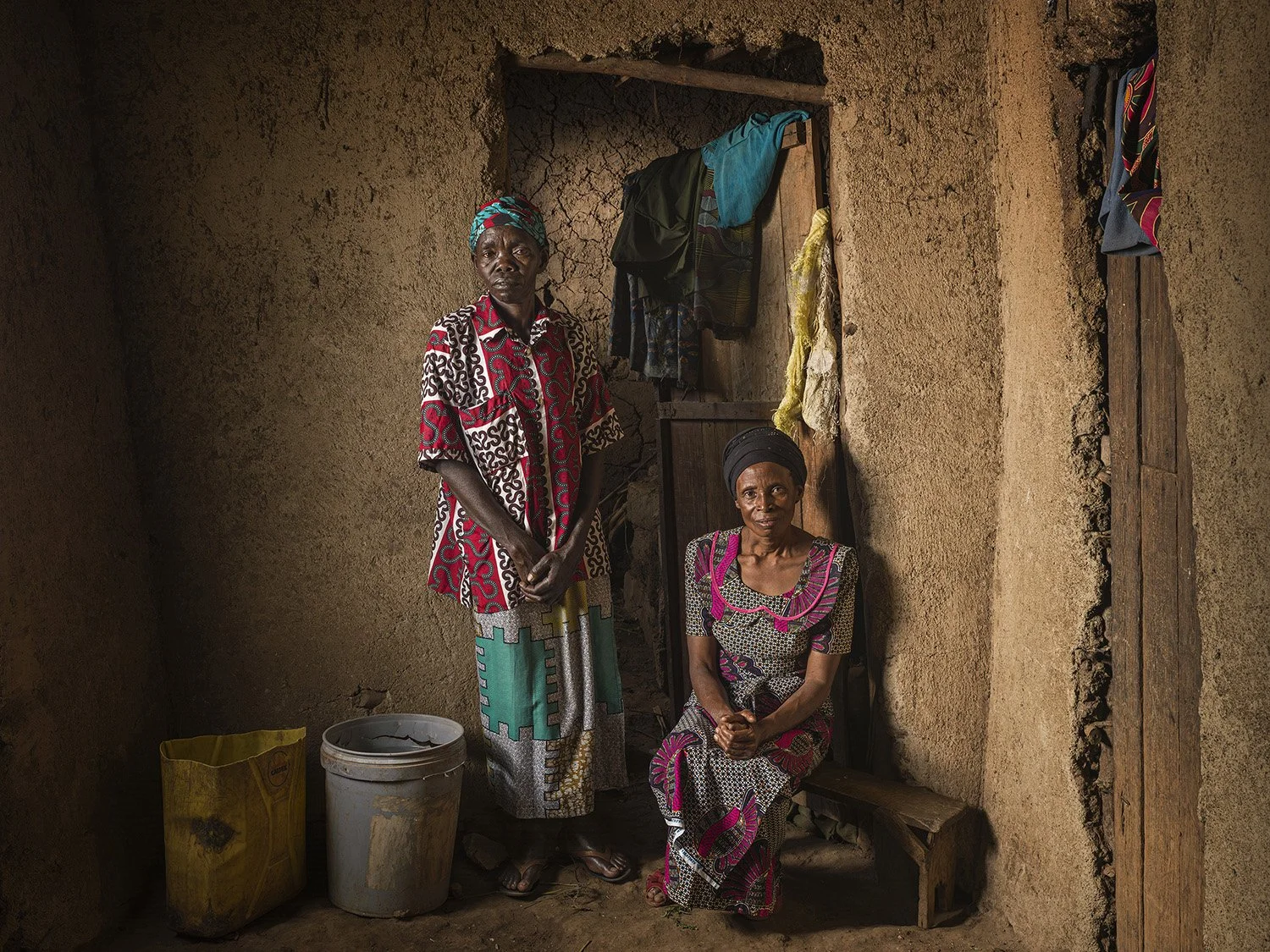
Liberatha lost five children, including baby twins who were murdered at the start of the genocide. Her entire extended family and many friends were also killed. After the genocide she was, in her own words, “insane” for years and consumed by rage.
In a sociotherapy group, she met Alphonse, who had served fifteen years in prison. He had murdered her brother. He offered his apologies and asked for forgiveness. Now they care for each other.
You touched on this earlier, but do you think neutrality is important in documentary photography, or should the photographer be invested in one side of the story? What’s your perspective?
I don’t believe in neutrality or objectivity. If you’re truly neutral about something, you wouldn’t even bother photographing it. Why would you? Neutrality means it doesn’t touch your heart, so there’s no reason to engage with it. There are always feelings and empathy involved.
However, it’s crucial to conduct thorough research to understand the facts and avoid falling into propaganda. You must be careful about that. If you’re well-informed, having read extensively, listened to documentaries, or engaged with reliable sources, then subjectivity or sympathy isn’t a significant issue, as long as you remain open to the people you meet. In this case, my sympathy naturally went out to the survivors. But I also wanted to remain open to the perpetrators. As I mentioned earlier, in other circumstances, I might have been a perpetrator myself. In a way, you’re looking into a mirror.
After spending a month in Rwanda working on this project, did photographing stories of forgiveness change your perspective on people and their capabilities?
Yes and no. I have always believed, based on earlier projects, that we possess both the incredible good and the bad within ourselves. However, being confronted with individuals who were able to forgive those who committed horrific crimes against their loved ones is truly a mystery. I am still processing it and trying to understand how it applies to my own life. It has made an incredible impression on me, but it is difficult to pinpoint exactly how it has changed me. As I mentioned, I am still processing it. I am an emotional person and have always been, as they say, a fan of the “gentle art of making enemies.” Being confronted with reconciliation challenges that attitude. Perhaps I should also strive to be milder and more patient. It has influenced me more as a person than simply as a photographer.
To discover more about this intriguing body of work and how you can acquire your own copy, you can find and purchase the book here. (Lecturis, Jan Banning)
More photography books?
We'd love to read your comments below, sharing your thoughts and insights on the artist's work. Looking forward to welcoming you back for our next [book spotlight]. See you then!
Ian Bates found his wildfire story after the fire. In 2014, he saw his first wildfire while visiting a friend in Eastern Washington. Photography Book Spotlight