Think Street Photography Is About Luck? Melissa O’Shaughnessy Explains Why It’s Actually About Failure, Persistence, And The “Gift” You Don’t See Coming
Welcome to this edition of [book spotlight]. Today, we uncover the layers of 'Perfect Strangers,' by Melissa O’Shaughnessy (published by Aperture). We'd love to read your comments below about these insights and ideas behind the artist's work.
Street photography isn’t luck. It’s relentless failure.
If you have ever walked the street with a camera and felt shy, frustrated, or invisible, this conversation is for you. Melissa O’Shaughnessy has spent more than 10 years photographing New York City and failing daily in search of one photograph that truly works. Her book Perfect Strangers, published by Aperture, was built from hundreds of images made over seven years. In this interview, she explains why persistence matters more than talent.
Most photographers think confidence comes first.
Melissa says confidence grows only after you survive enough bad days and keep shooting anyway. She walks 10 to 12 miles in a day, changes focal lengths depending on her mood, and welcomes chaos instead of trying to control it. She also speaks about “the gift” in street photography, the small detail you never saw when you pressed the shutter but discover later. If you want to understand how failure, patience, and editing turn random moments into meaningful work, you will find clear and honest answers here.
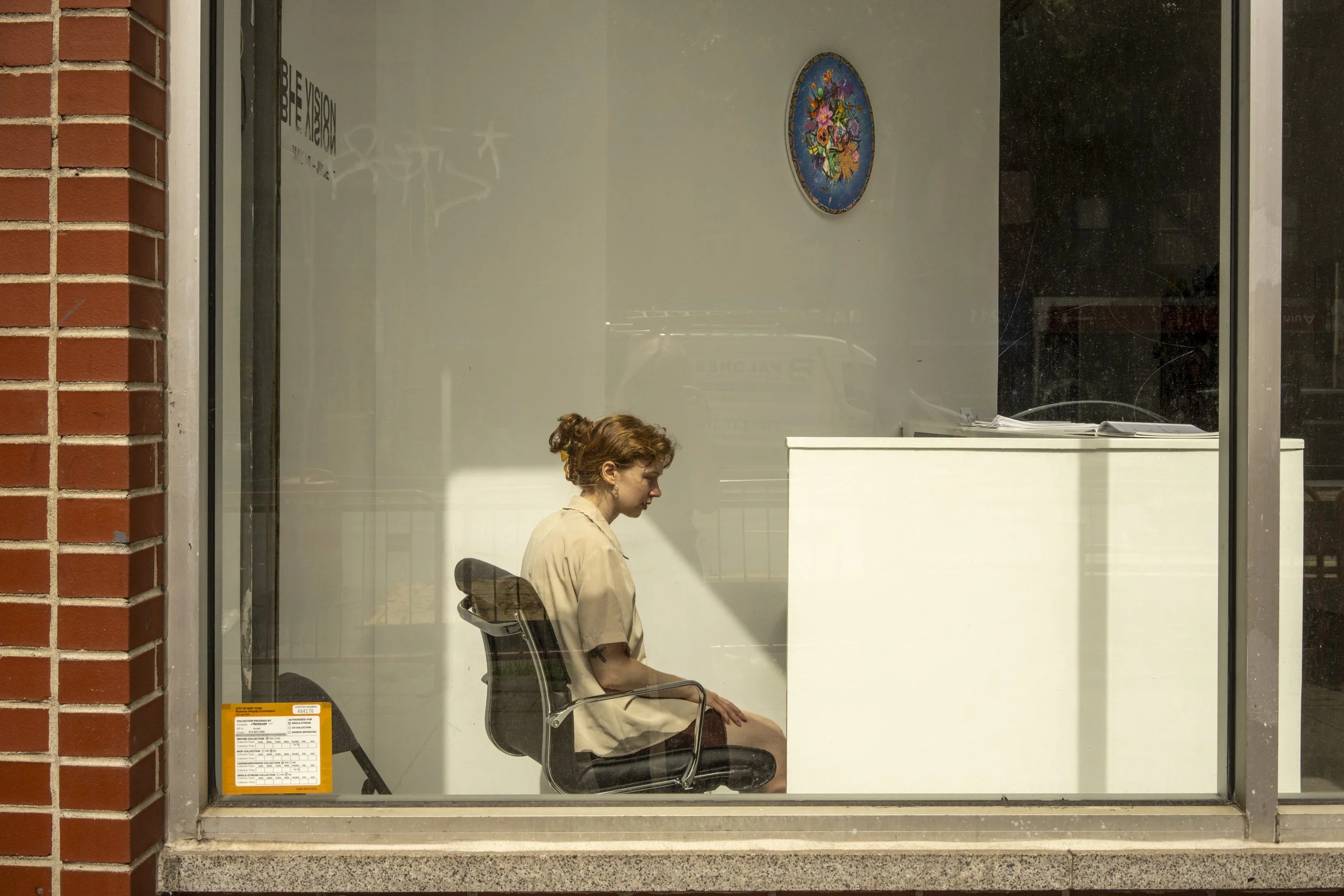
The Book
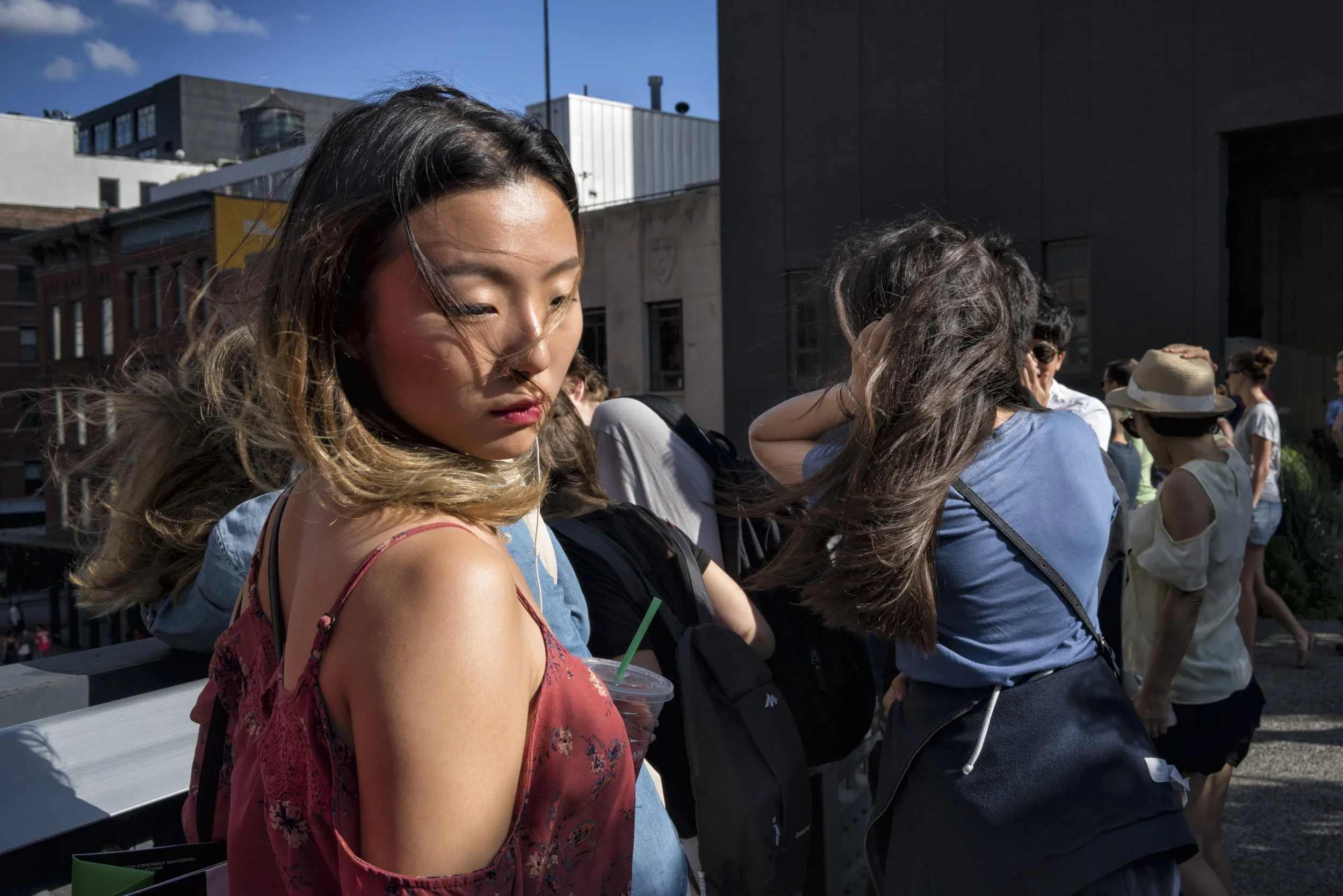
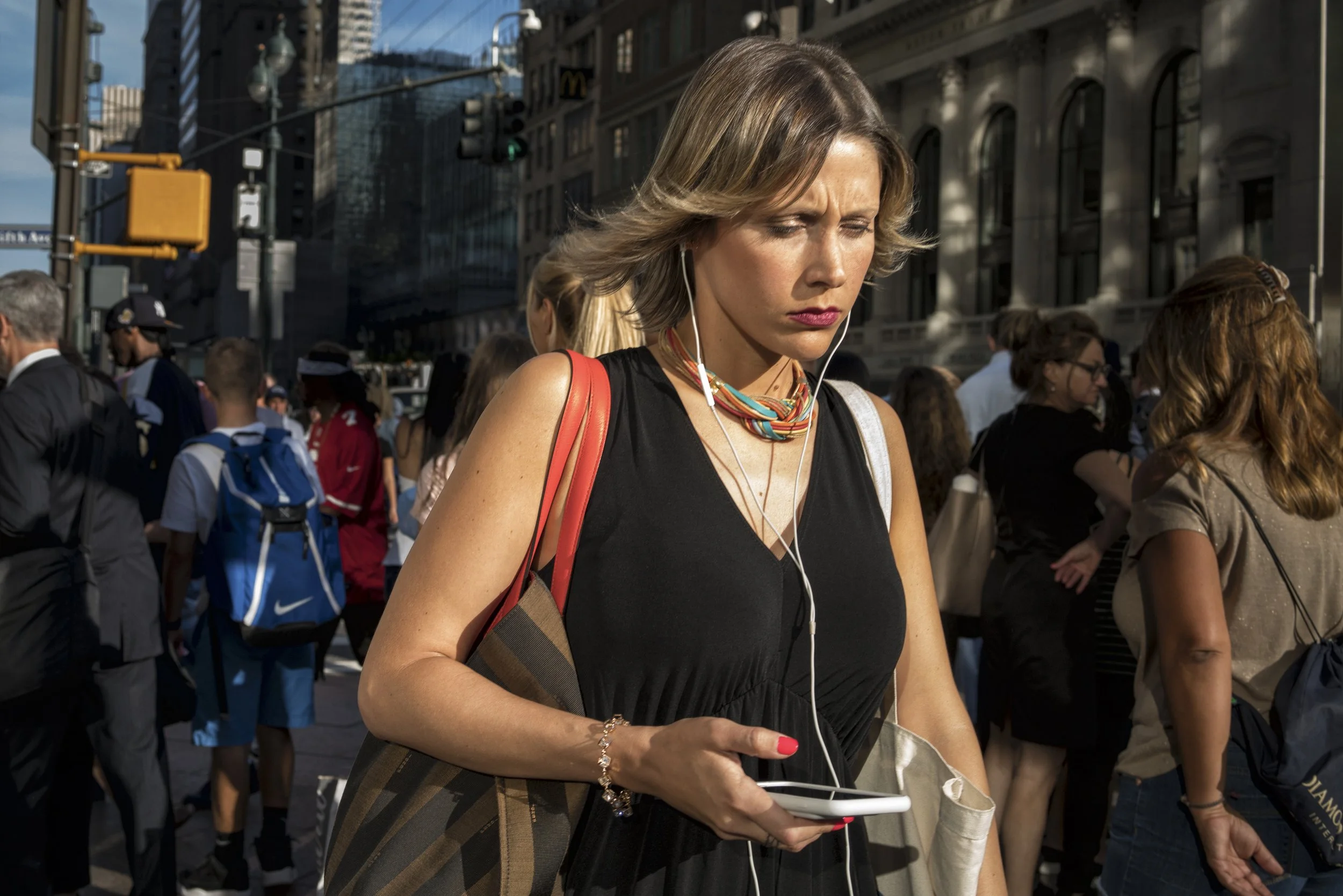
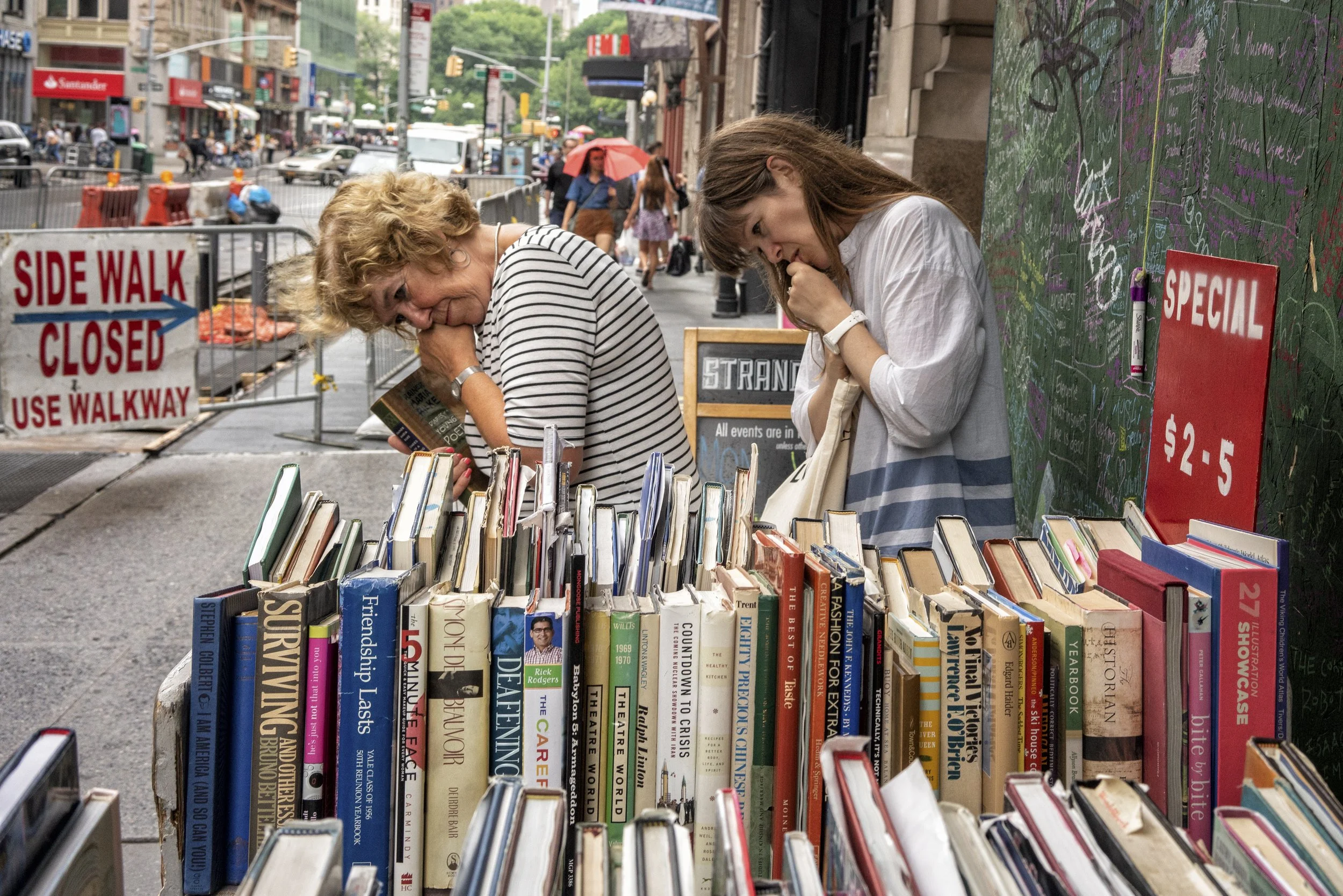
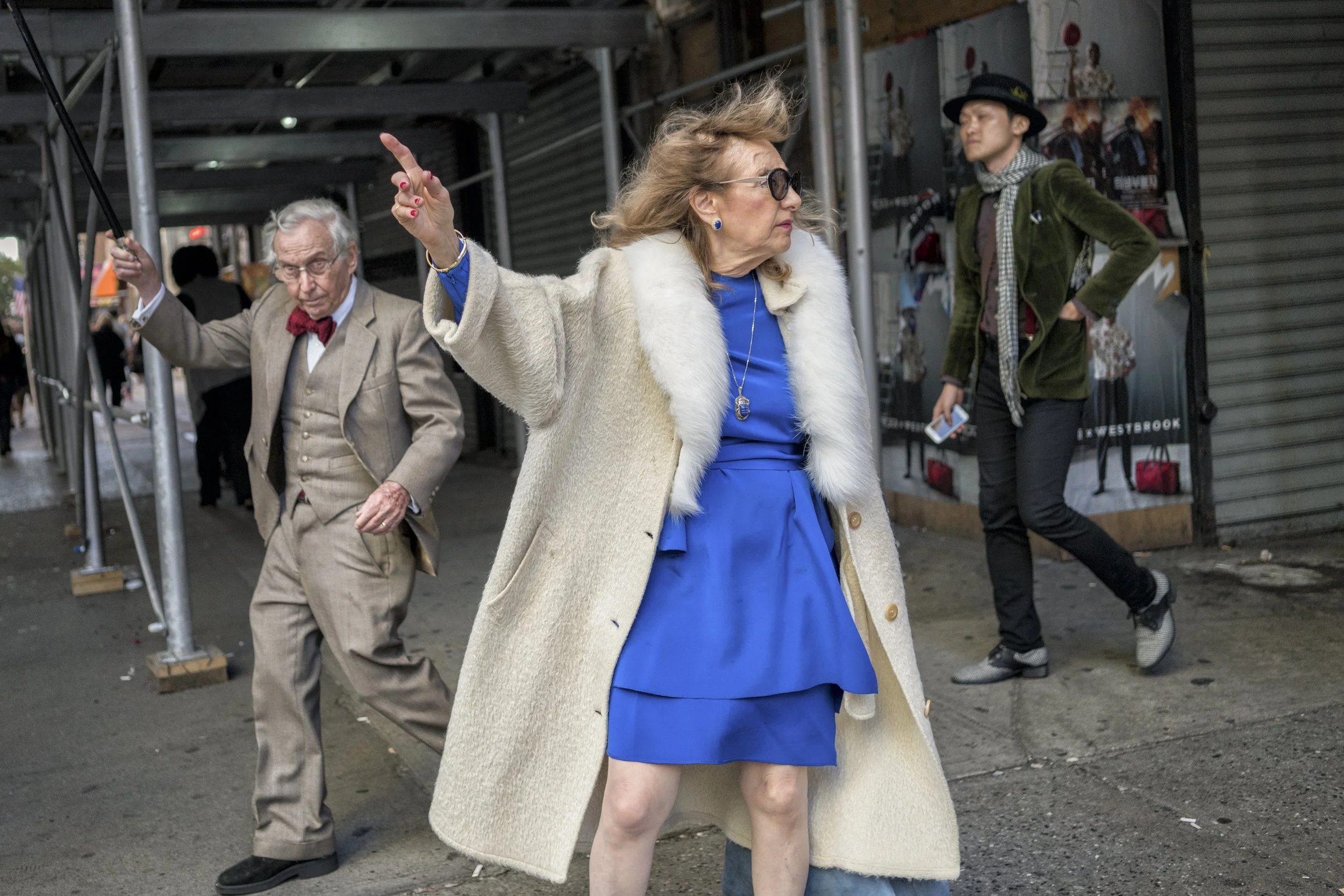
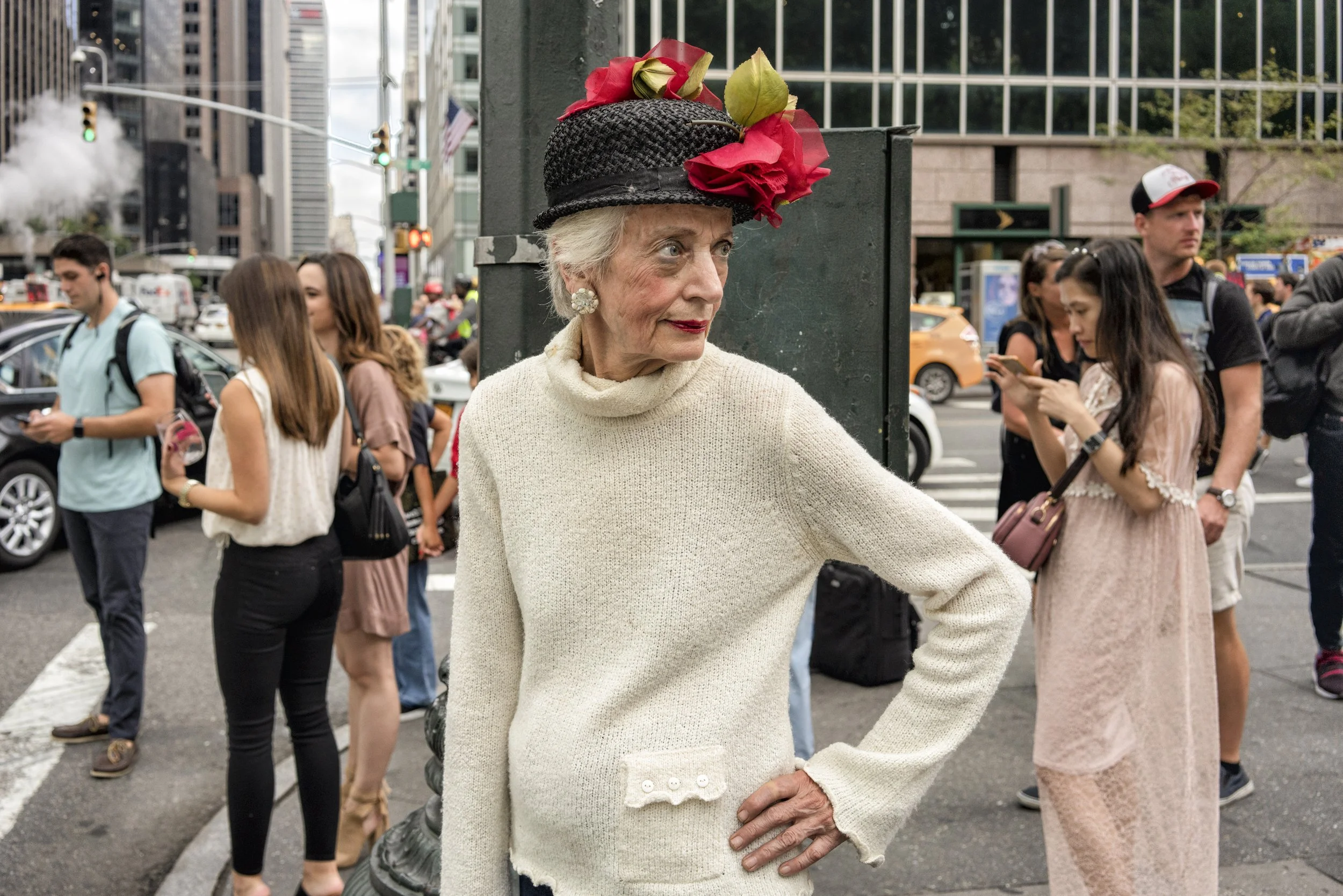
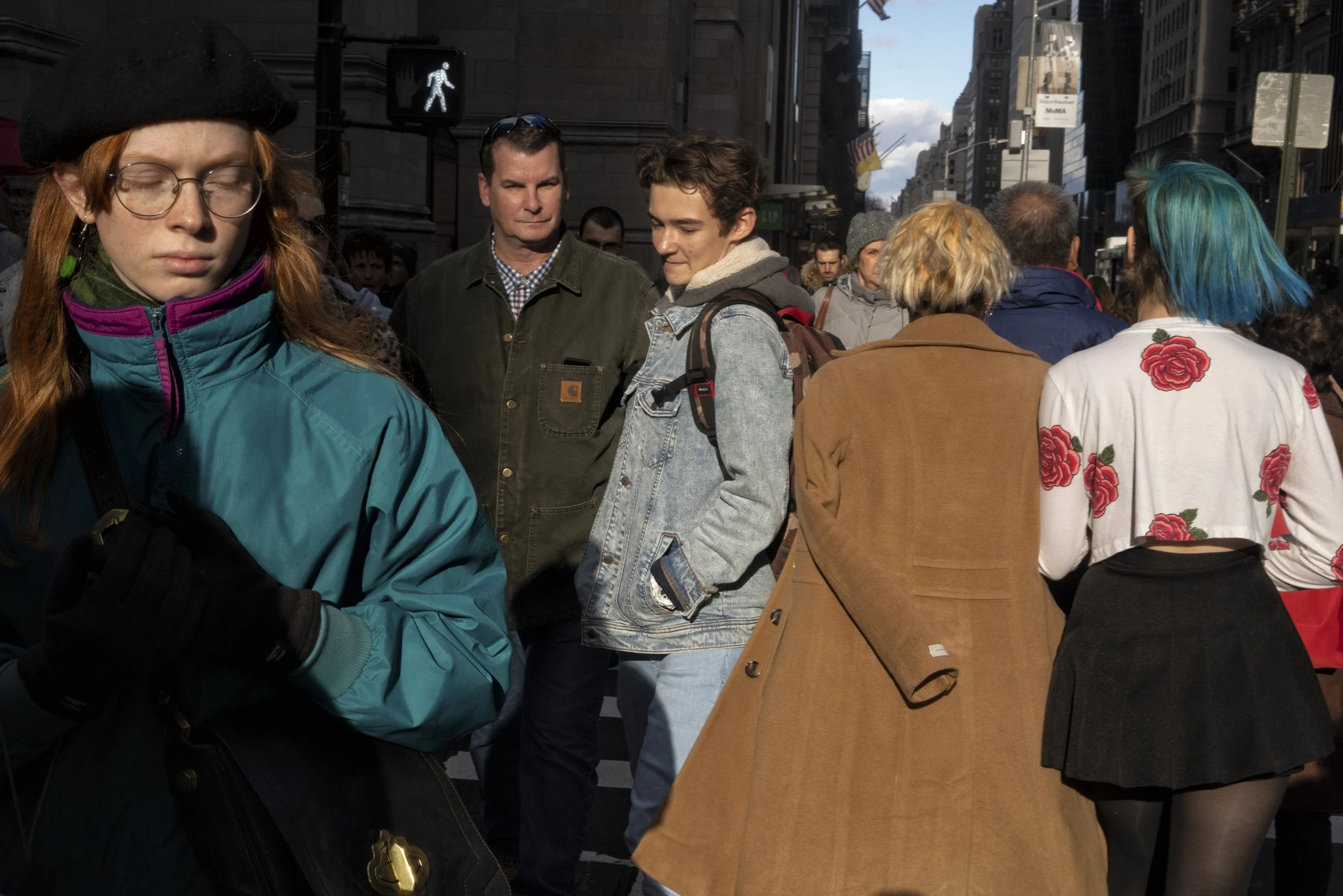
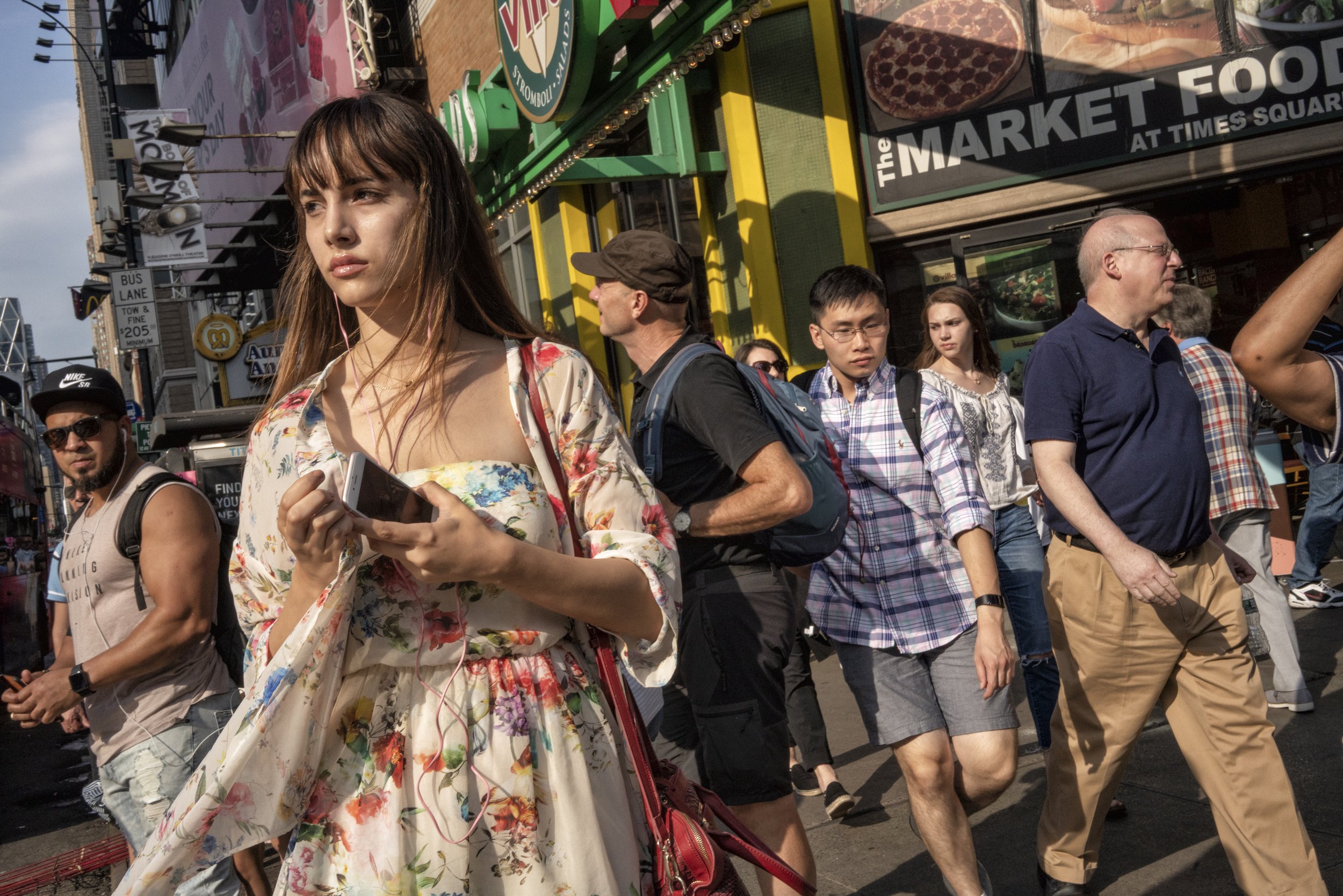
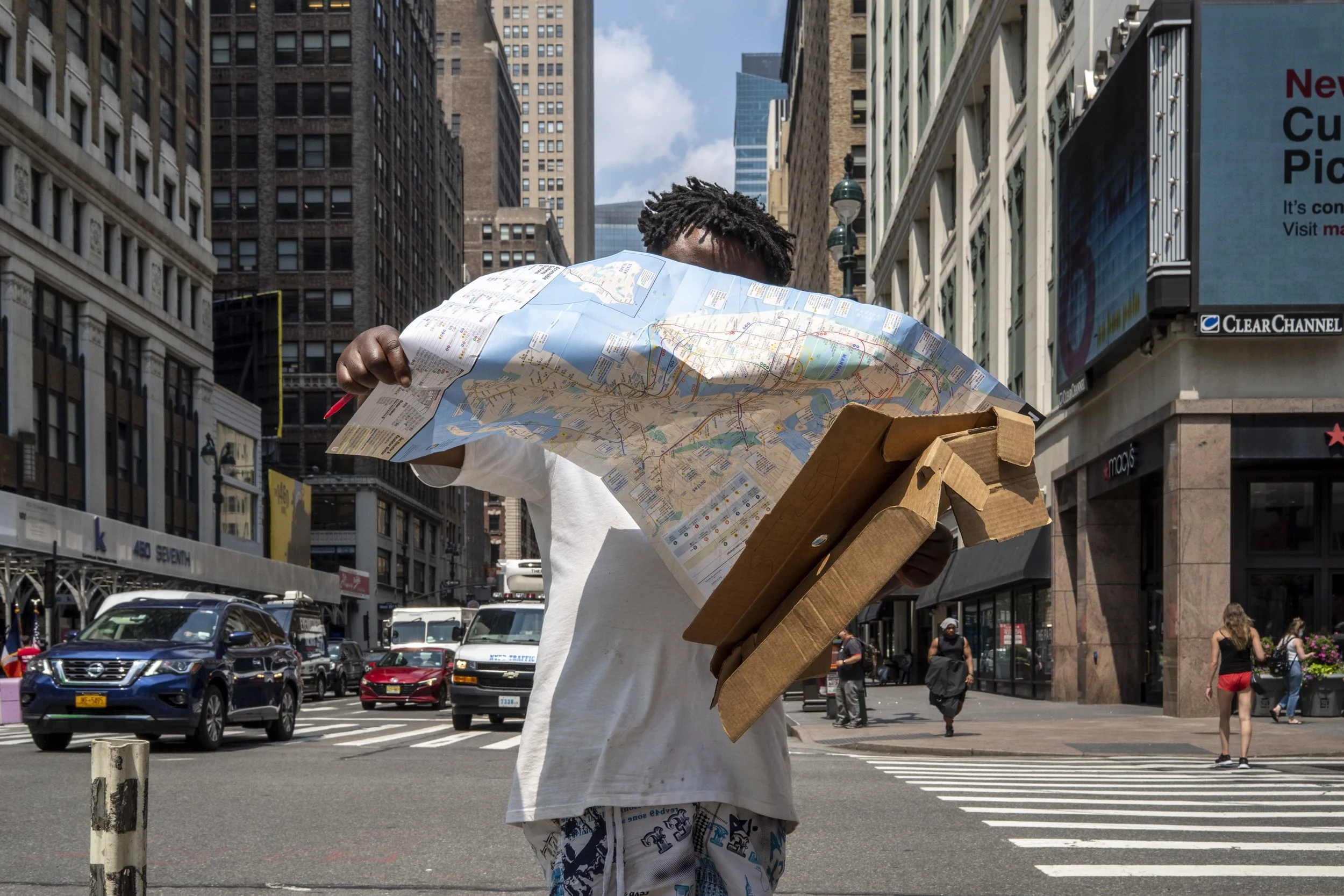
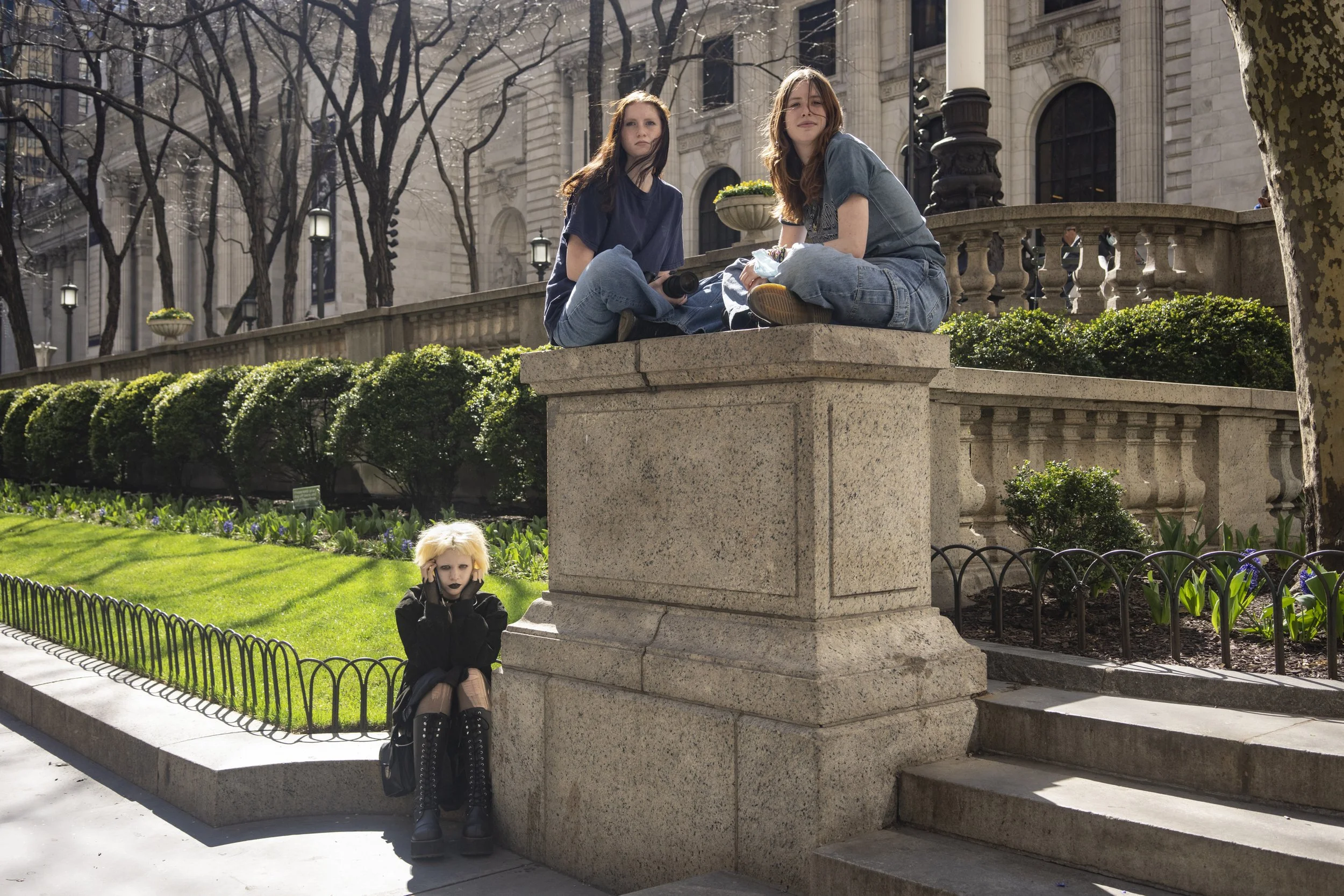
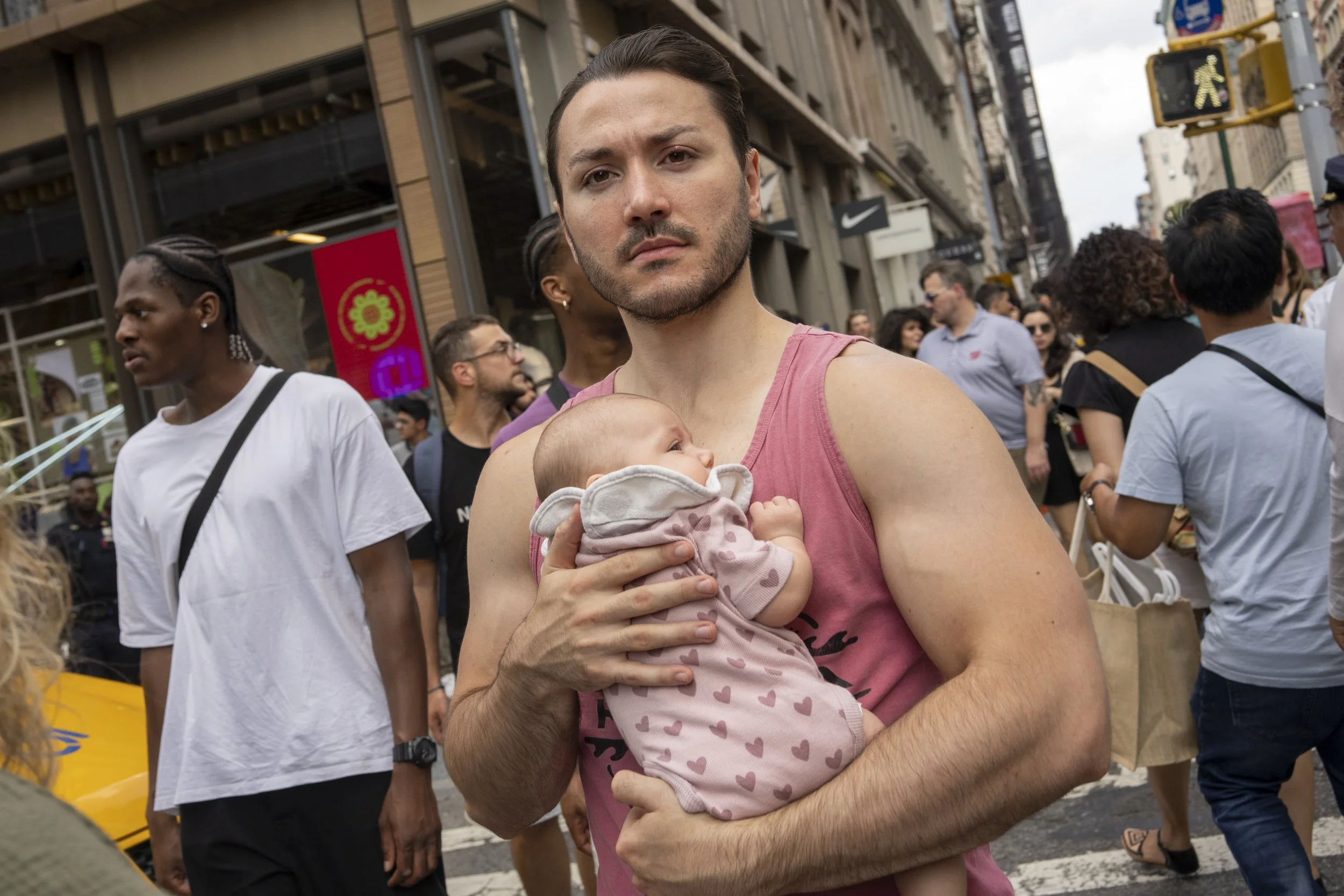
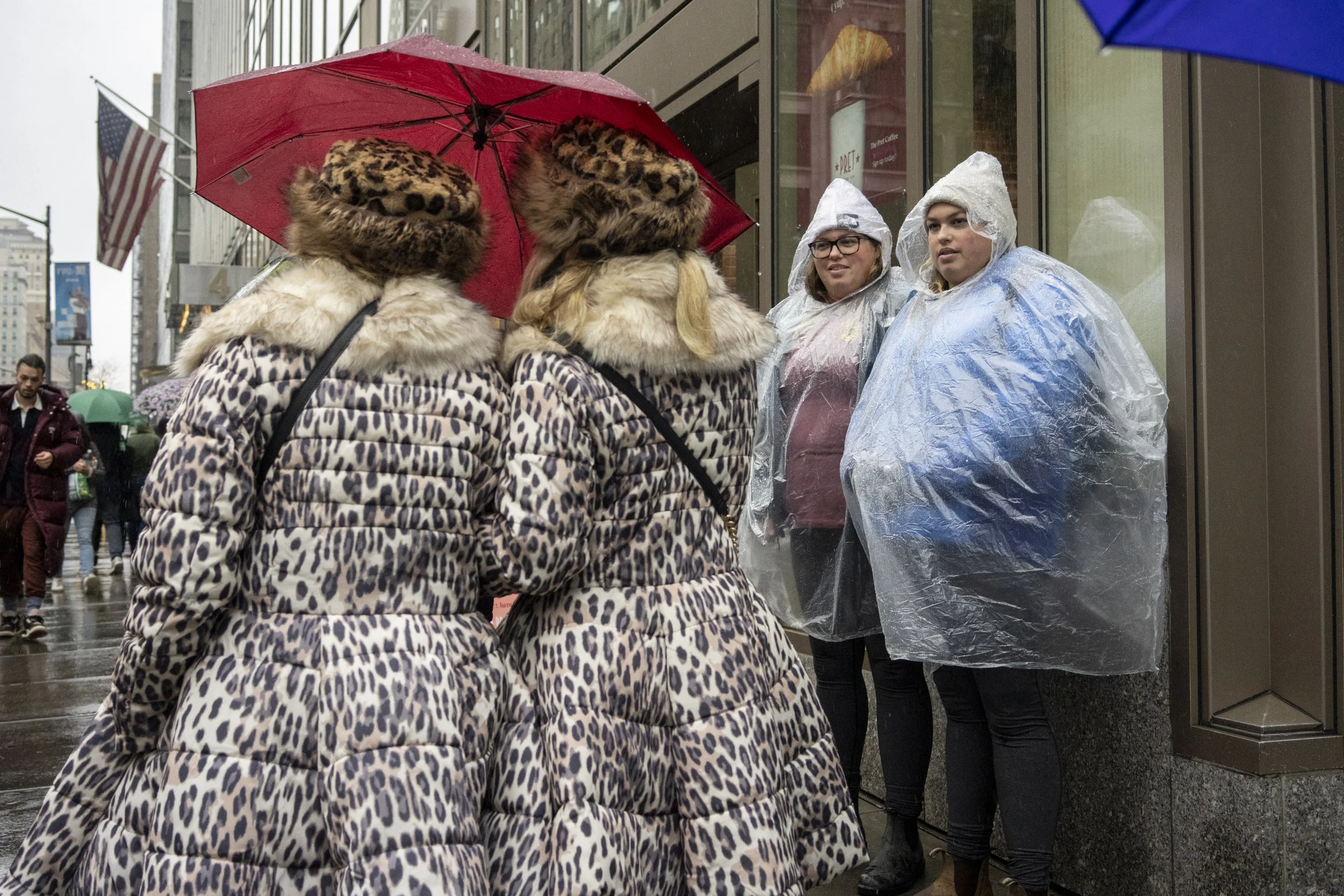
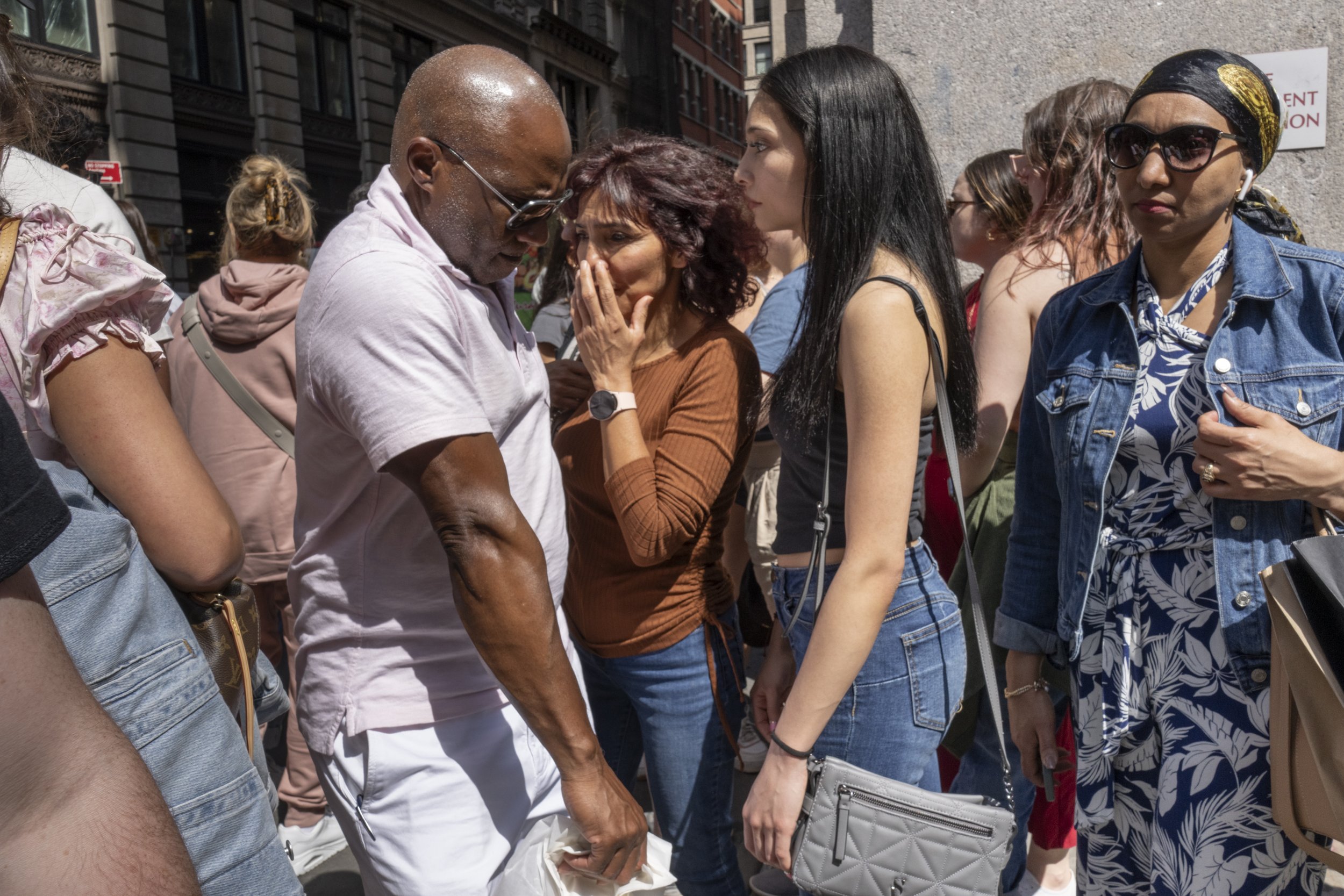
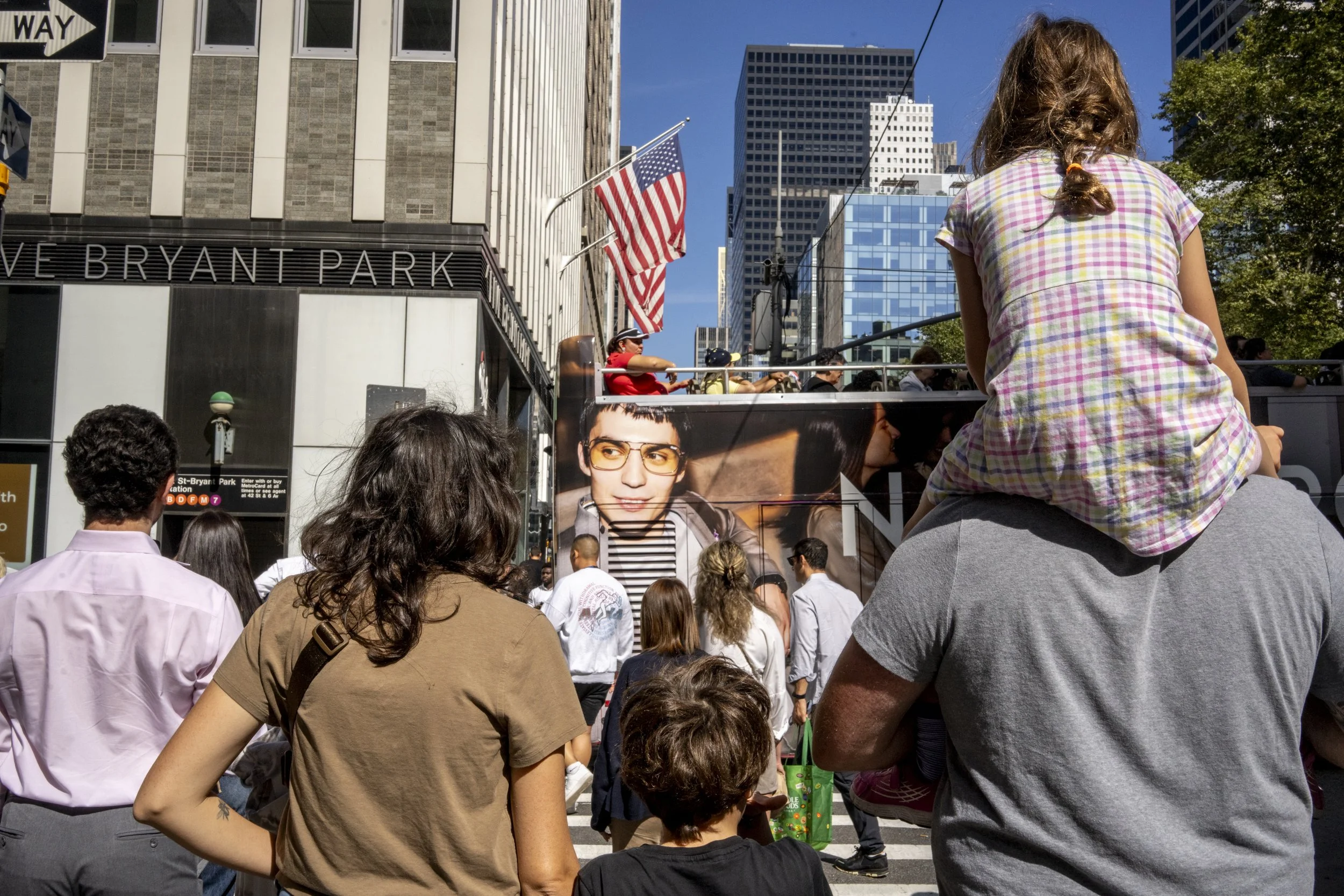
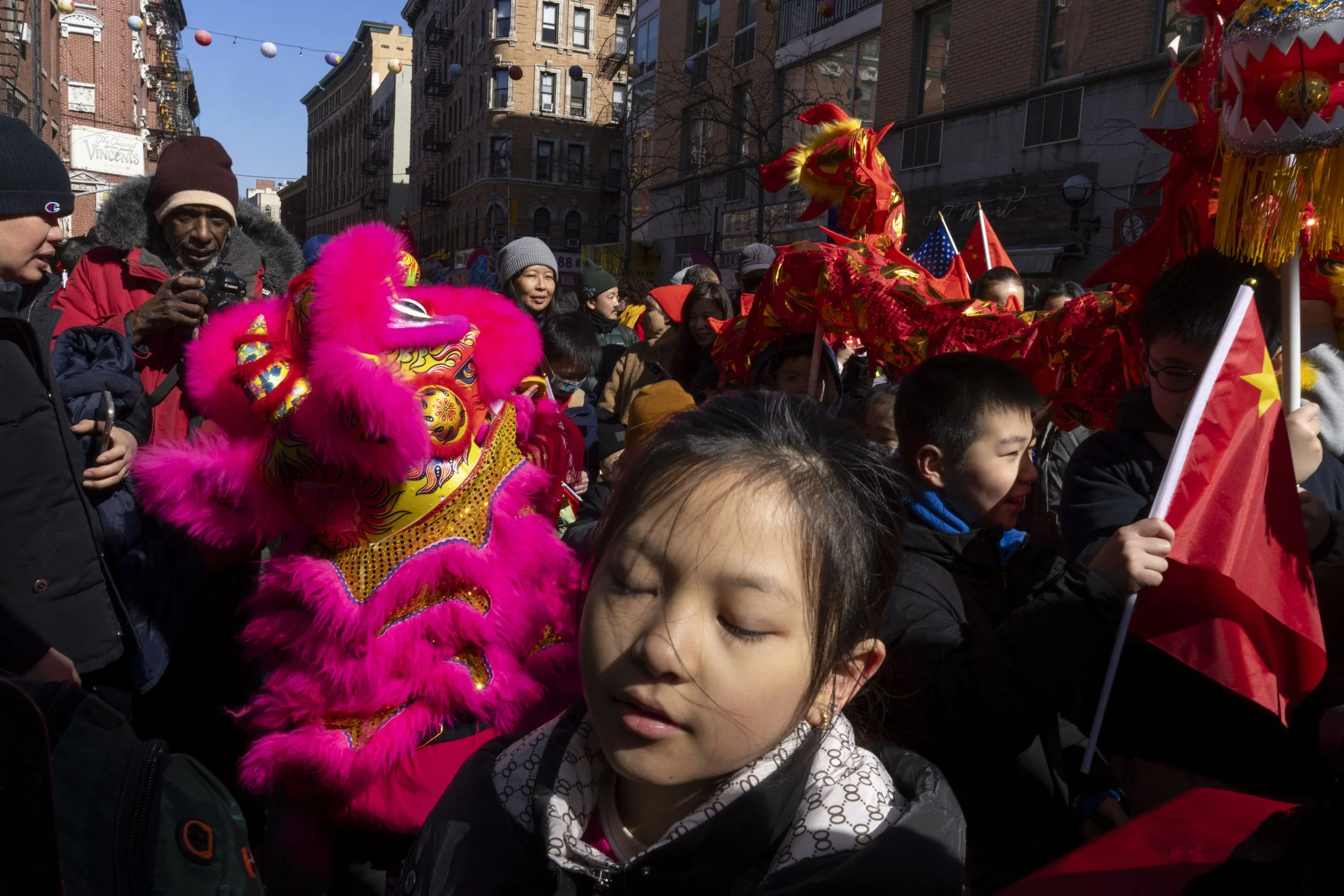
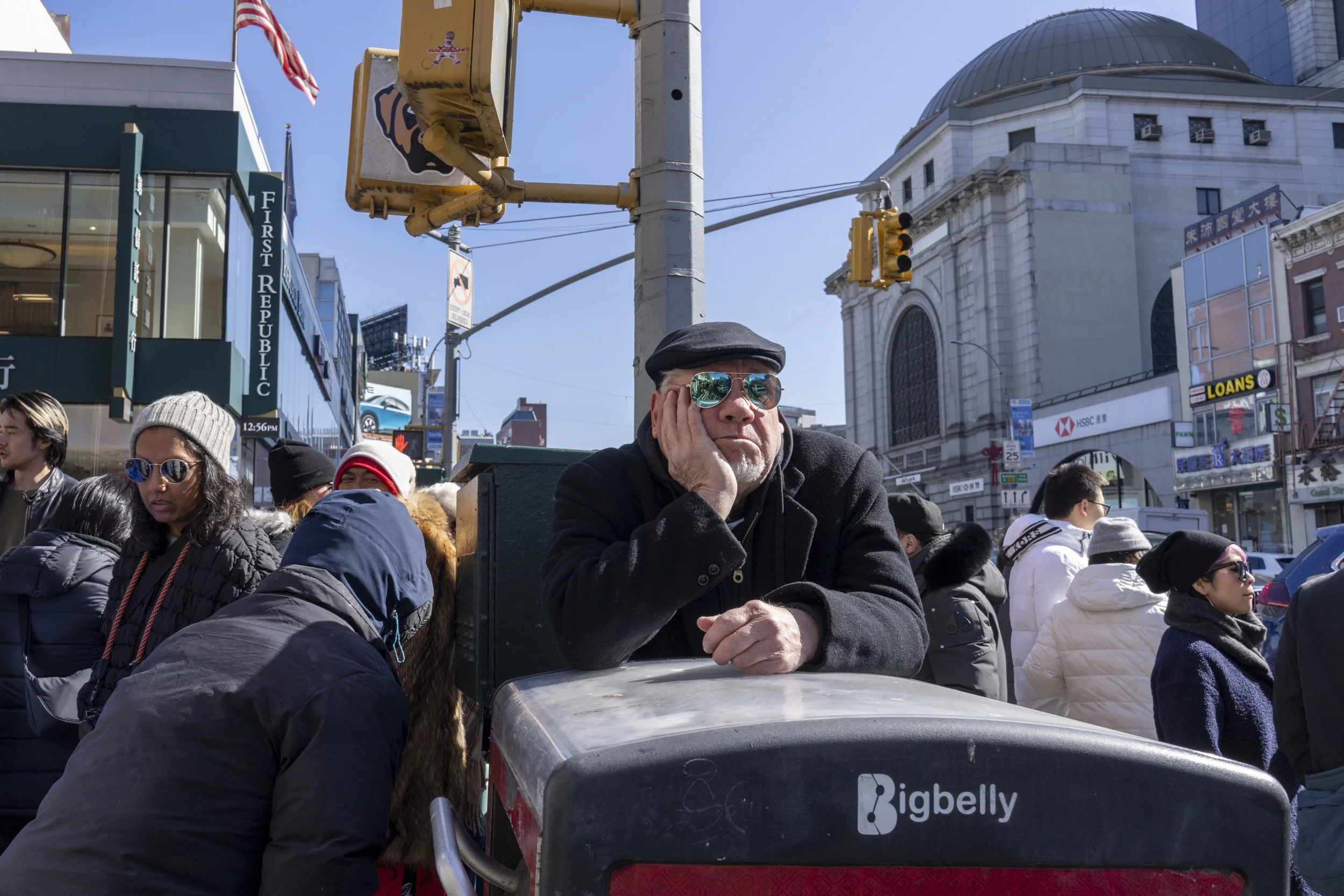
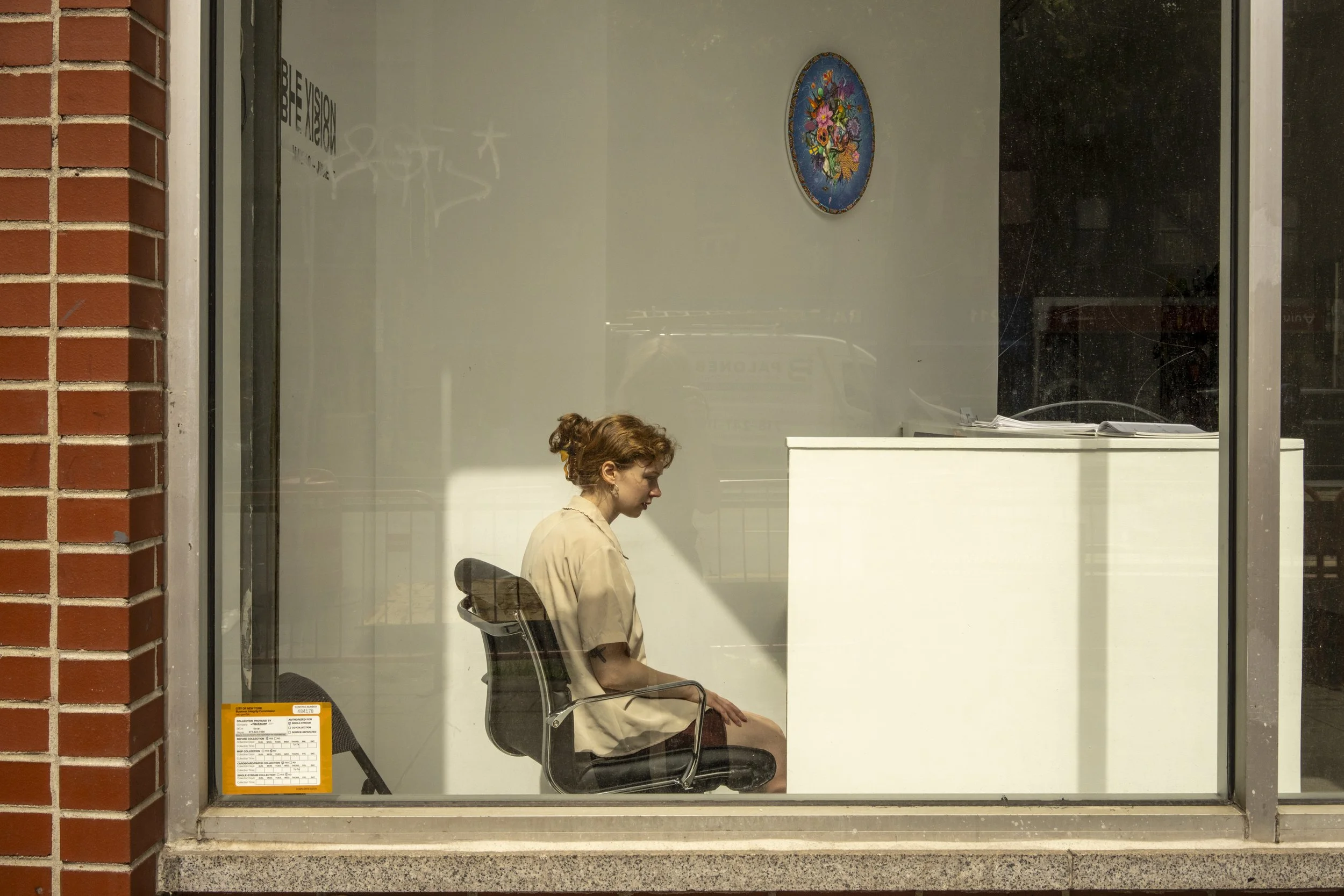
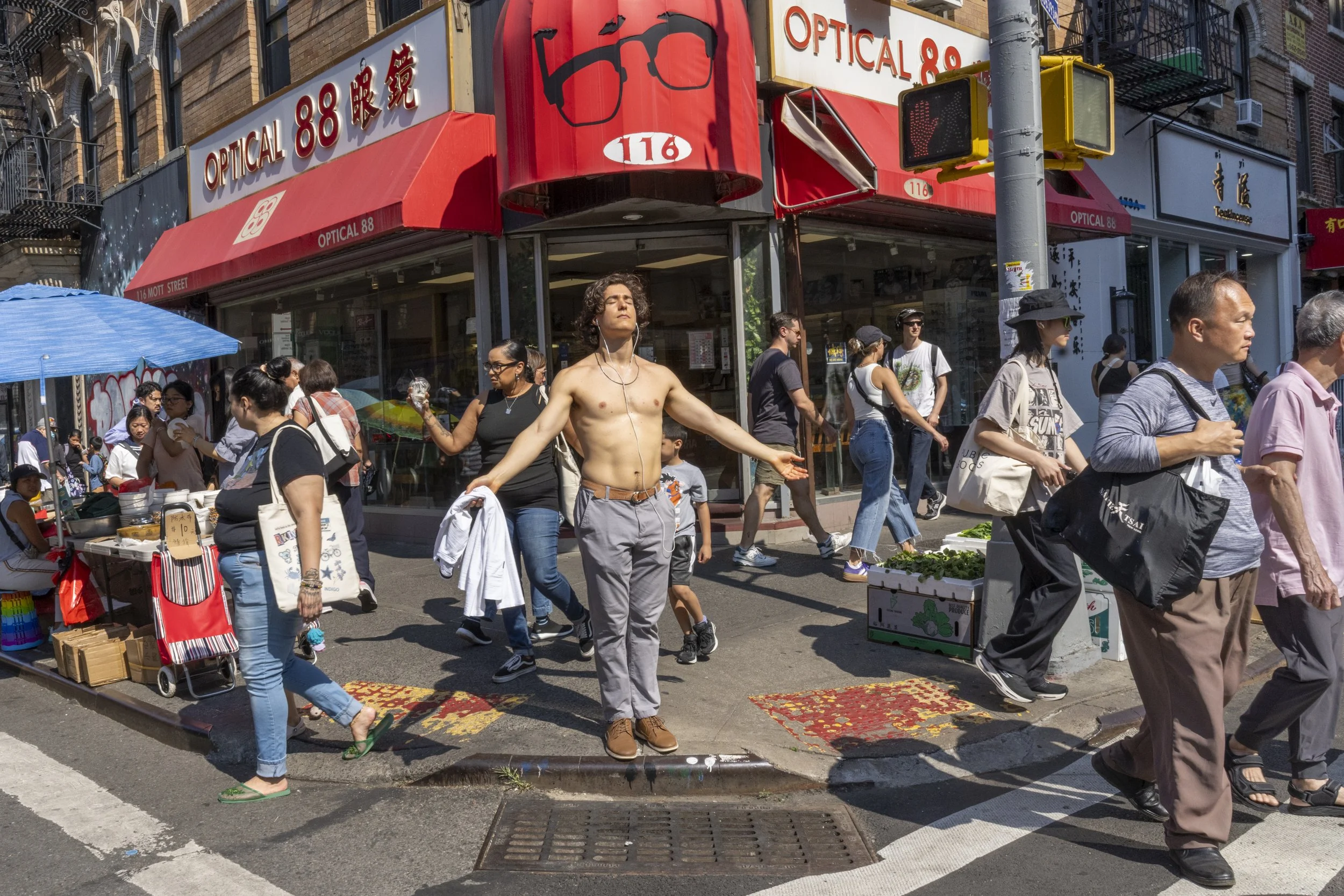
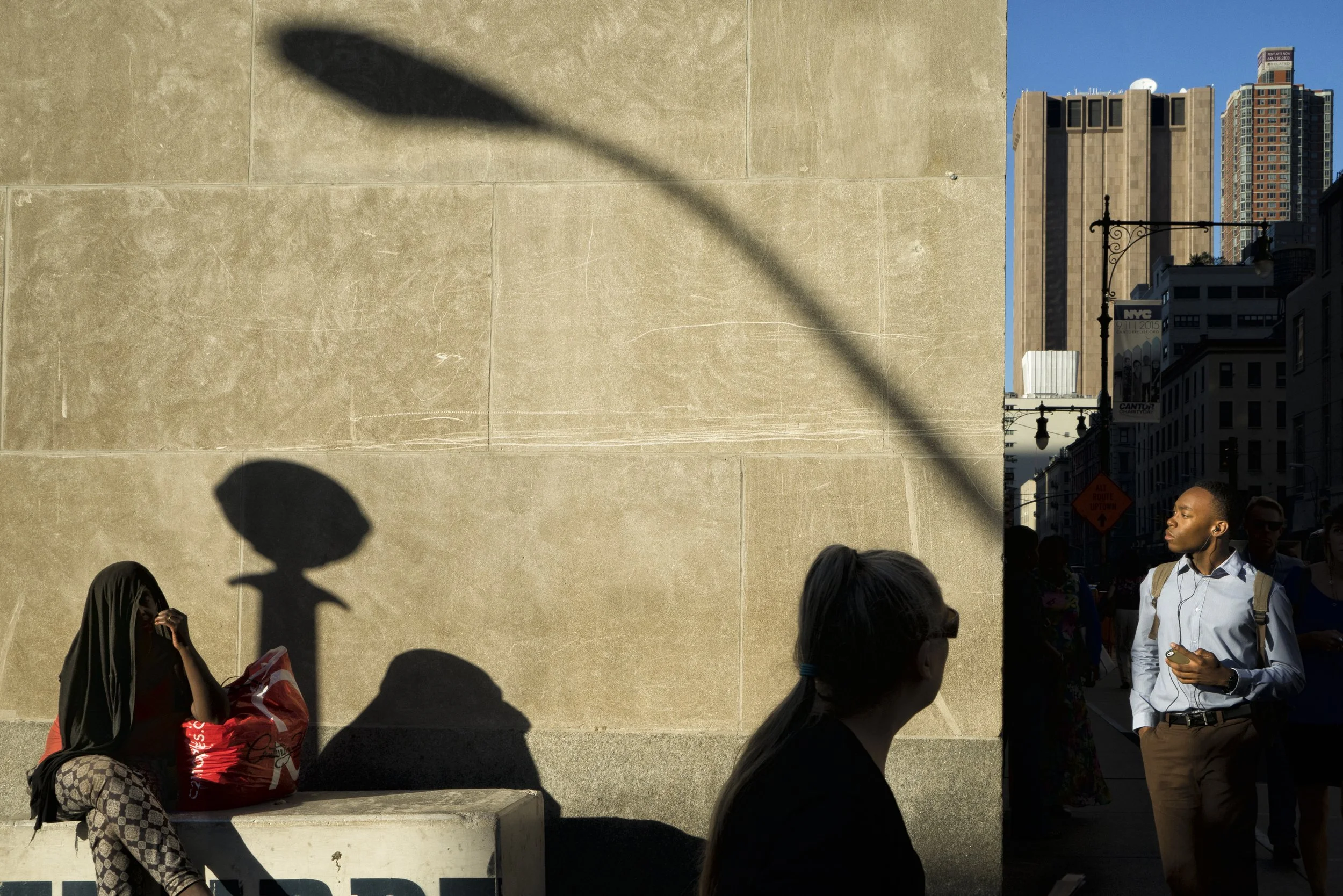
Perfect Strangers: New York City Street Photographs is Melissa O’Shaughnessy’s first monograph, published by Aperture. The book brings together 91 color photographs made over seven years of walking and observing the streets of New York City. With an introduction by Joel Meyerowitz, it presents fleeting encounters, layered scenes, and moments of quiet humanity that define her approach to street photography. Through these images, O’Shaughnessy builds a vivid portrait of urban life, where chaos, tenderness, humor, and solitude exist side by side. (Aperture, Amazon)
How did you first discover photography?
I came to photography relatively late in life. I’m a late bloomer for sure. About 20 years ago, my teenage son came home from a high school photography class, full of enthusiasm, and asked if we could set up a home darkroom. Knowing that my son’s passions were often short-lived, I figured I’d better learn about the darkroom process myself. I had just quit a very demanding job to spend more time with my children, so I enrolled in an introductory class in black and white photography at a nearby university.
It turned out I was right about my son. By the time we cobbled together a darkroom in the basement, he had lost interest, so it became mine. Early on, I was simply learning how to use a camera, how to develop film, and how to make prints. I quickly moved from a 35mm to a medium format camera, wanting more detailed information and a bigger negative to work with.
Back then, my work was completely different. I work in color now, digitally, out in the street. At the start, I focused on landscapes, still lifes, and portraits, little of which I do anymore. But the time in the darkroom solidified my love of the medium and the process.
What was it like when you first started shooting on the street?
When I began spending more time in New York City and started photographing on the street, I was stymied by what I perceived as the courage it required. Early on, I was incredibly shy about lifting the camera to my eye and taking pictures of strangers, which I think this is extremely common for anyone starting out. It feels a little rude, like you're intruding on people's space and privacy. Initially, that was really problematic for me.
It took me a while, but once I had made a handful of decent photographs my courage grew. I realized I was genuinely interested in people and life being lived out on the street. Through practice, I got better at figuring out ways to be unobtrusive and quick. All these things contributed to a growing confidence.
You took a workshop with Joel Meyerowitz around 2010. What impact did that have?
That workshop was pivotal. After working in the darkroom for several years, I saw that Joel was giving a workshop in Palm Springs. I greatly admired his work, and it took place during my children's spring break, so I could find the time to make the trip.
What Joel said about street photography in that workshop really stuck with me. He talked about how capturing a split second on the street, out in the world, is the camera's unique and perfect skill. Photographing landscapes or architecture or things that are fixed in place is a wonderful use of photography, for sure, but the idea that capturing a fleeting moment is something just for the photographer, not for a painter, not for a sculptor, is something that resonates with me still.
During the workshop, we did some work on the street, but photographed the landscape as well. But it was street photography that really intrigued me. At first, I thought that because I was a woman, because I was small and not aggressive, that somehow street photography was a man's game. Yet this made it all the more appealing to me. I asked myself, what might be my own take on the street? There are many marvelous women street photographers, both historically and currently. But the best-known street photographers in the past were all men.
I’m always intrigued when faced with something difficult. Anyone who knows me well knows that I don't give up easily. It’s only through dogged persistence that you can start to establish your own voice, style, and point of view.
You said your husband jokes that you'll do something if someone says you can't. When you learned that street photography was very hard and few women were known for it - did that push you to keep going?
For sure the difficulty makes it compelling to me. It's a tough way to make work. It takes a lot of energy, determination, and persistence. I'll go months without making a photograph that I think is any good. Street photography keeps you humble because it involves so much failure. I fail all the time, daily, hourly. It keeps you hungry. It certainly keeps me motivated.
Like everybody, I go through fallow periods. This time of year, it’s cold, the days are short, and the streets are pretty drab and sleepy, though the light can be astonishingly beautiful. I don’t shoot a lot in January or February, there's not that kinetic energy you start to feel in the spring or in the fall when the city feels revitalized after a hot summer. There's a rhythm to the street just as there is to the seasons in this part of the world.
You've mentioned using different focal lengths depending on how you're feeling. How does that work?
I usually start the day with a 35mm and will switch to a 28mm later in the day. There's a rhythm and energy for me with each focal length. As the day wears on, I start to realize maybe I'm missing things at the edges. Someone walks by and I miss the moment, and I know if the 28mm was on the camera, I would have caught them in the frame. I also think I become less shy after an hour or two of shooting, so that may play a part too.
When it's crowded, if there's a parade or an event, I always use a 28mm. This time of year, with fewer people around, I usually working with a 35mm. I tend to compose a little better with it. It aligns more naturally with the human field of vision. The 28mm is wide, there's more to tame, but it also lends great energy to a photograph.
You talk about "the gift" in street photography. What do you mean by that?
Any street photographer will tell you that you cannot take in everything in the frame in a 500th of a second. Your conscious brain cannot take in every detail in a split second.
The pictures of mine that I like most are often those where something showed up that I wasn't aware of when I was taking the shot. We all have triggers that make us lift the camera to our eye: things happening in the street, interactions between people. Even sound can be a trigger of something about to happen. But it's those details in the frame that you didn't register at the time you took the photo that feel like little gifts.
It also helps define what street photography is. The camera is just absorbing every detail, that we can’t possibly be cognizant of in a 500th of a second. It's slurping up everything in the frame from close at hand to far away, provided your f-stop is high enough.
That stopping of time and capturing everything in that moment is what makes street photography so interesting. When is that next wonderful detail going to show up? That's a gift. It becomes a way of holding onto time. I'm getting older…we’re all headed in the same direction. It feels very life-affirming to be capturing the world as we're living it, hanging onto this moment.
Are you consciously trying to capture more space around your subjects?
It depends. The more that's going on around a subject, or with a subject, or in the whole frame, the better the photo, typically. A good street photograph should merit more than a passing glance. You can have a central idea or a character driving your interest, but there needs to be more than that alone. I'm very interested in people, and they're essential to the work I'm making. The character is the driving force, but the scene, the location, the time of year, the details, the mess of the city interests me too. How we're moving through these chaotic spaces in such close proximity to each other. That's what I'm trying to get at, something compelling about the human condition and the space that we inhabit.
When you discover one of these gifts later, does it change how you shoot the next time?
So much of street shooting is simply practice. Given the high failure rate, it’s often little more than an exercise, like practicing a scale or an etude on piano. You’ve got to get out there, be aware, shoot a lot, then pay attention to what you're doing right and wrong in your own photographs.
I've been doing this more than 10 years now, and I hope I've gotten better and more aware of what to avoid and what to pay attention to, and what makes a photograph interesting. There's certainly not a formula, but on the street you have to welcome the chaos, and then try to tame it a bit.
When you look at old street photographs, there's so much to fascinate you. How the cars looked, how people dressed, even little things like what the signage and trash cans looked like. Design, human presence and the architecture of the city all play a role. The city, our world, urban life in New York and everywhere, is always shifting, sometimes slowly, sometimes quickly. It's interesting.
You have this philosophy: “shoot loose” and "shoot with your right brain, edit with your left." How do you actually turn off your critical mind while shooting?
The critical voice is loud and insistent and with me always. The only way I know to tackle that is to just get out and do the work. Every month or so you might get a photograph that sings. I don't know any other way. I've become more self-critical and often more frustrated the longer I've been doing this, I suppose because my standards have risen. The gratification comes rarely, but when it does, it's sweet.
In any undertaking, be it street photography, the arts, science, or business, applying yourself in a consistent fashion and working hard towards something you love or believe in or want to be good at is simply a question of putting in the time and effort. There's no shortcut.
You once said that sometimes your best work comes when you're in a bad mood. What's different about how you shoot on those days?
That was a bit of a throwaway comment, and maybe it was more relevant when I was shooting landscapes and simpler things, where a grumpy mood could somehow translate into something with feeling that on a happier day I might have missed. I suppose I’ve learned to be open to my moods on any given day. It can be difficult to focus if you head is full of worry. But I’ve also learned it can be a great way to turn down that whiny voice in your brain. When you focus on others, when you focus outside yourself, the very act becomes meditative and healing.
A friend of mine says he thinks about death a lot when he's out shooting, and after hearing that I realized that I do too. This brings me back to the idea that being out in the world and paying attention is very life-affirming. Maybe I do it with a camera because then I will have something to show for the attention I paid to the world and the people in it.
I always try to hold in my heart that everybody walking around has joys and sorrows and worries. Maybe there was a loss in the family, or they're worried about paying their rent, or their child has issues at school. There are so many things we all carry with us every day. It's hard to try to capture that, but it seems a worthy effort and a worthy mindset to be in when you're taking pictures of strangers. Some people consider this an inherently rude thing to do, but I try never to be aggressive or offensive. I try not to take advantage of people in difficult situations. We’re all walking around with hearts full of joy and worry. If we can try to make something of that in a picture, I think it’s effort well spent.
You seem drawn to photographing in crowds. What is it about those situations that works for you?
I feel both protected and energized when I’m in a crowded place. I usually go unnoticed because I bring my camera up pretty quickly. Crowded places feel safe to me, but they're also much more interesting because of all the interactions and energy. I feed on that. There's a palpable energy in a crowd. It can change over the course of a day or a year. I find that by being out and on the move, if there's an interesting energy around me, I tend to feel it and respond to it in a way that's hard to explain.
You have to be quick and agile when taking street photographs. There’s not a lot of time to plan a shot. I have a few strategies I use when I'm out. I'll see something coming and look for something else that might fit into the frame, or I'll change my trajectory a bit to get people to move into a better position. There's a physicality to the process.
What are those strategies? Do you have a preferred approach when you're out shooting?
I will stay at a few favorite corners for five minutes, 10 minutes, half an hour, depending. But if nothing's happening in the first five minutes, I move on. The pictures I take when I'm physically moving tend to be more interesting, to me at least. They're a little messier. I have a tendency to make things tidy, and I don't think that makes for a lively photograph. So forward motion is generally my strategy.
But you can't be on the go every second. I tend to walk 10 to 12 miles a day. By the late afternoon, my feet hurt, my legs are tired, even my eyes are tired. There are points when I catch myself seeing nothing, and know it's time to sit down and have a coffee or a bottle of water and take a break. It takes focused attention to make work like this.
Let's talk about Perfect Strangers. How did you approach putting together your first book?
The way I work is based on the accumulation of single photographs. I’m not going out with a plan to photograph this place, or this street, or this concept. I try to keep an open mind.
We started the edit for the book with five or six hundred photographs. Then we started making piles: some definite yeses, many maybes, a few quieter ones to weave into a story about my take on New York City.
I was very nervous about taking these individual pictures, these one-off moments, and shaping them into something that held together as a body of work. I suppose that came from having a lot of photographs to work with. A feeling started to develop as we began pairing things up and stringing sequences together; ideas and themes bubbled up. The process is very instructive: you start to understand your own motivation, your own perspective, in my case my delight in people. We purposely included a few little breadcrumb trails through the book. There are twins, confident women, wind.
I hope viewers find a gentle, humanist point of view. I do think I have a woman’s sensibility, though I don’t want to only be known as a female photographer. But I’m a mother and a grandmother and a wife, these experiences have undoubtedly shaped my instincts and interests.
How did working with your editor shape the final book?
It was a wonderful collaboration. It was my first book, and my editor had dozens, if not hundreds under her belt. Naturally I relied upon her experience to help guide me. But the whole endeavor is so subjective. My editor had her point of view. I had mine.
We worked together over many weeks, meeting once a week for a couple hours to plow through pictures, lay them out on long tables, and try to shape the work into a cohesive whole. There was a push and a pull between us, but it was never tense or contentious, we had fun! I tend to like my very busy and crowded pictures, but she thought it was important to bring in quieter photos, so the book didn’t become monotonous and exhausting. There were pictures I wanted in that she was less sure about. Up until the final moments, we were taking pictures out and putting pictures in.
We were also managing the flow of seasons, mood, and even color. We couldn't have someone sweating in the summer heat following someone in a hooded parka. We had a run we called the funny section, where pictures take a more lightheared turn. We tried to impose a loose narrative story on a pile of pictures that were taken at all times of year, at all times of day. How do you turn 90 photos taken over the span of six years into story about New York? And see my personal vision through it all?
I go back and look at the book and think it's holding up pretty well, and I’m delighted that Aperture has just reprinted it.
The title Perfect Strangers has that beautiful double meaning. How did you arrive at it?
My working title was Splendid Strangers, pulled from a G.K. Chesterton quote. I liked the sense of reverence that it implied. For me, it was a great working title because it helped fuel what I wanted the book to say about the city, its energy, and its people. But the editors at Aperture felt "splendid" was too British, since this was a New York book. They suggested Perfect Strangers, which I resisted a bit at first, since I loved that Chesterton quote. But it didn't take me long to realize that the new title was perfect, haha. Splendid Strangers uses an adjective to describe the strangers but substituting “perfect” introduced a double meaning. They're perfect strangers, and they're perfect strangers. I love that duality. I’m a little in love with every person who appears in the book. They’re perfect to me.

More photography books?
We'd love to read your comments below, sharing your thoughts and insights on the artist's work. Looking forward to welcoming you back for our next [book spotlight]. See you then!
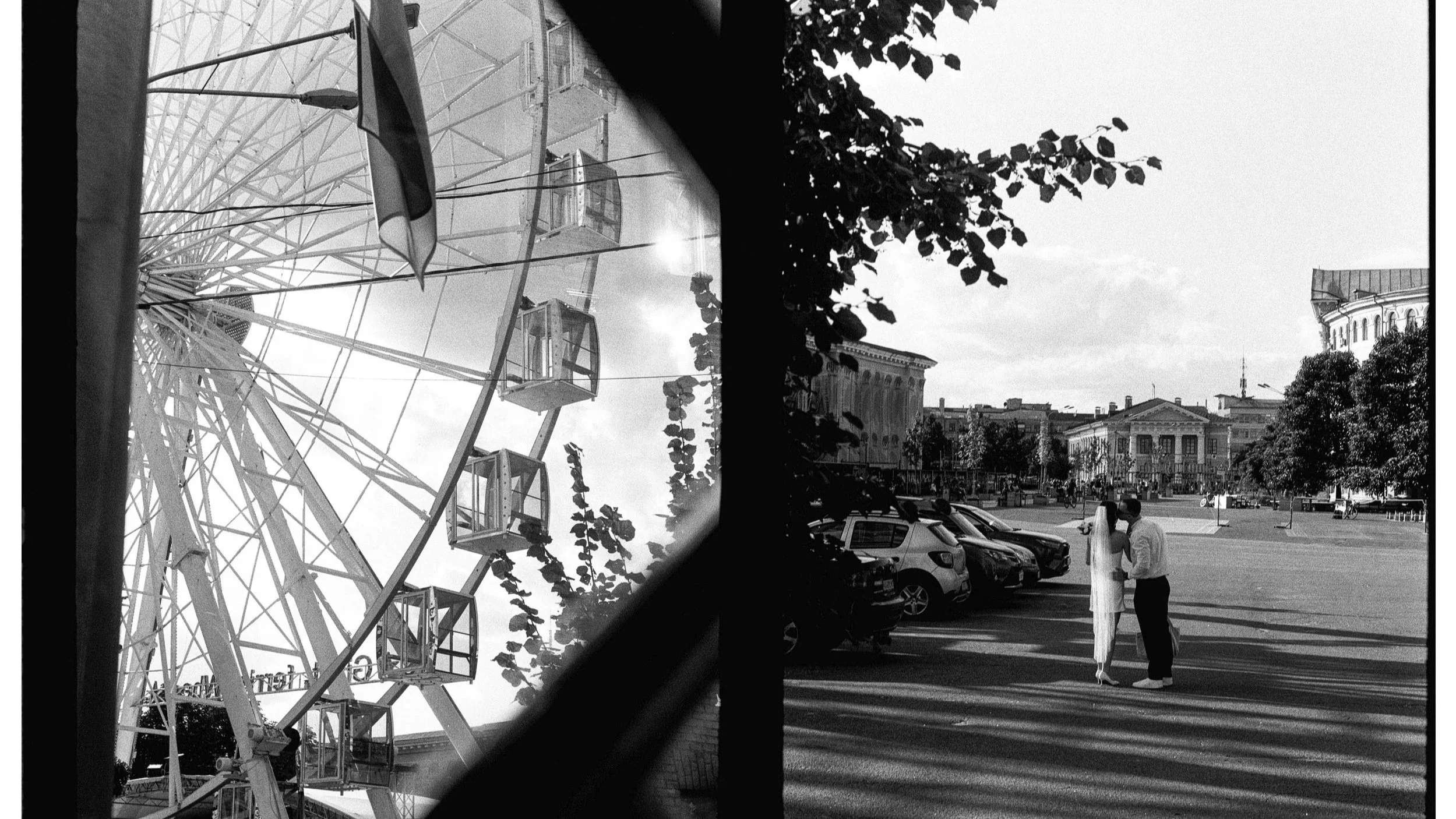
Color entered Janelle Lynch’s photographs through painting. In Another Way of Looking at Love, she photographed plants and trees on her property in the Catskills. Photography Book Spotlight