I Discard Most of My Images: Huntington Witherill on Failure, Discipline, and Photo Synthesis
Welcome to this edition of [book spotlight]. Today, we uncover the layers of 'Photo Synthesis,' by Huntington Witherill (self-publishing). We'd love to read your comments below about these insights and ideas behind the artist's work.
Experience doesn’t reduce failure. It increases it.
Huntington Witherill says this after more than fifty years in photography. The longer he worked, the more selective and critical he became. As his standards rose, more images failed to survive.
Failure became part of his daily practice, not a problem to avoid.
This interview is for photographers who feel stuck repeating themselves.
Witherill explains why discipline means letting go of images you like. While working on Photo Synthesis, he discarded most of what he made. Improvisation, doubt, and stopping at the right moment shaped the book. The conversation shows why progress often starts by throwing work away.
The Book
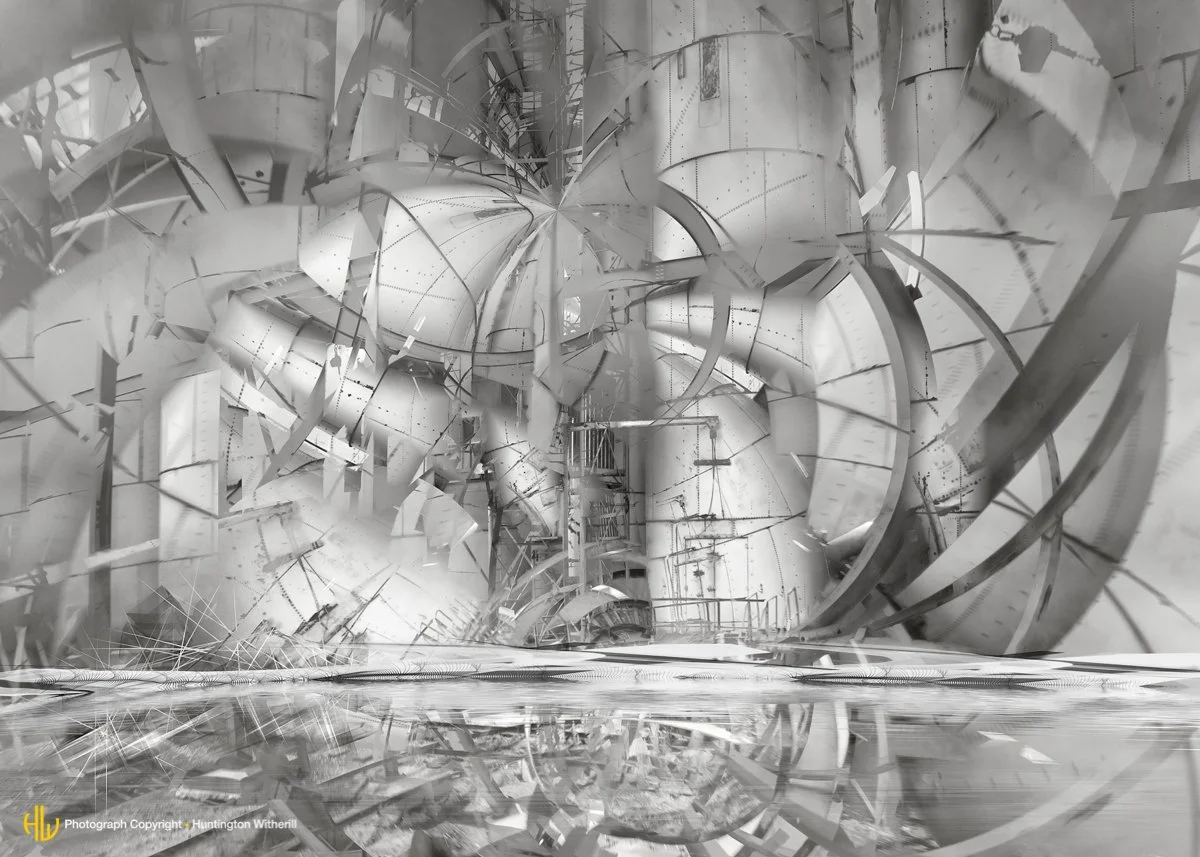
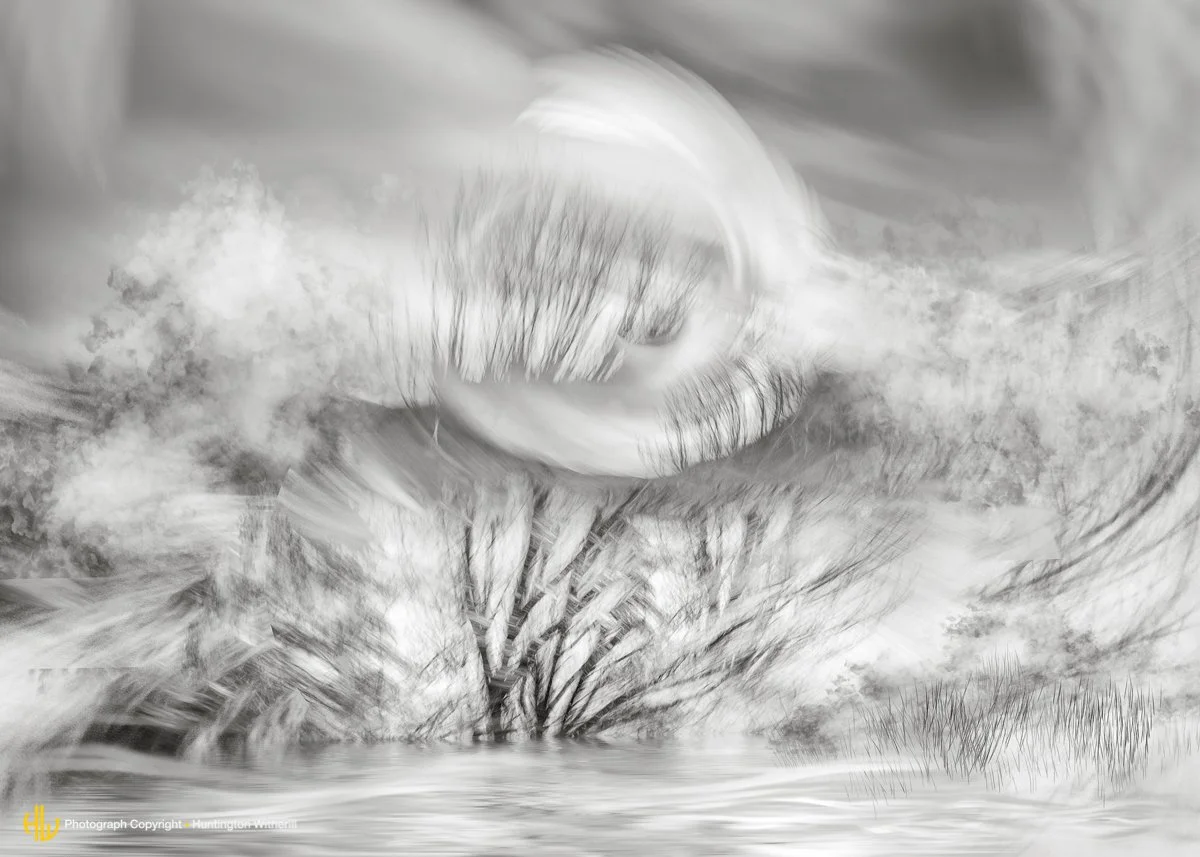
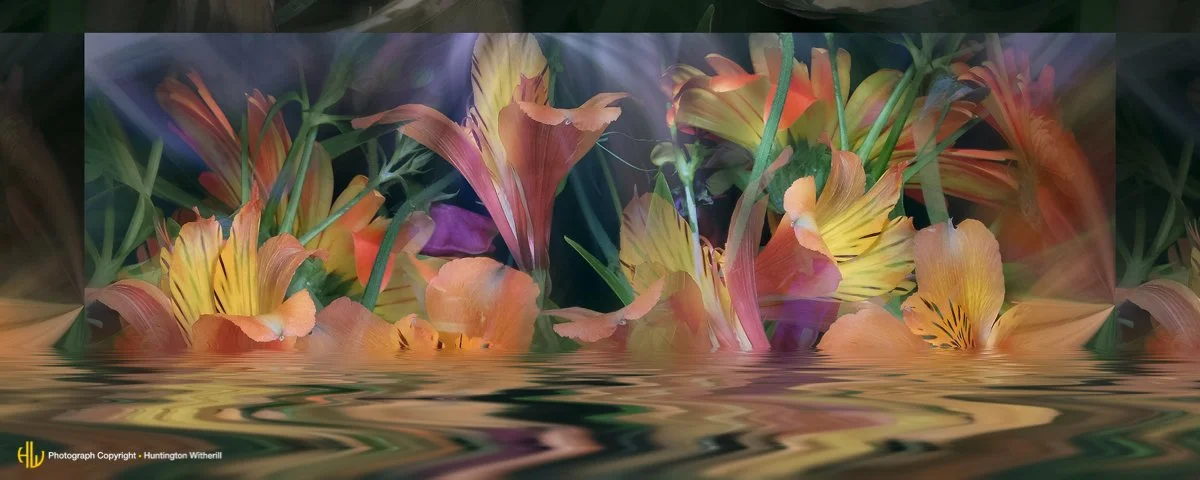
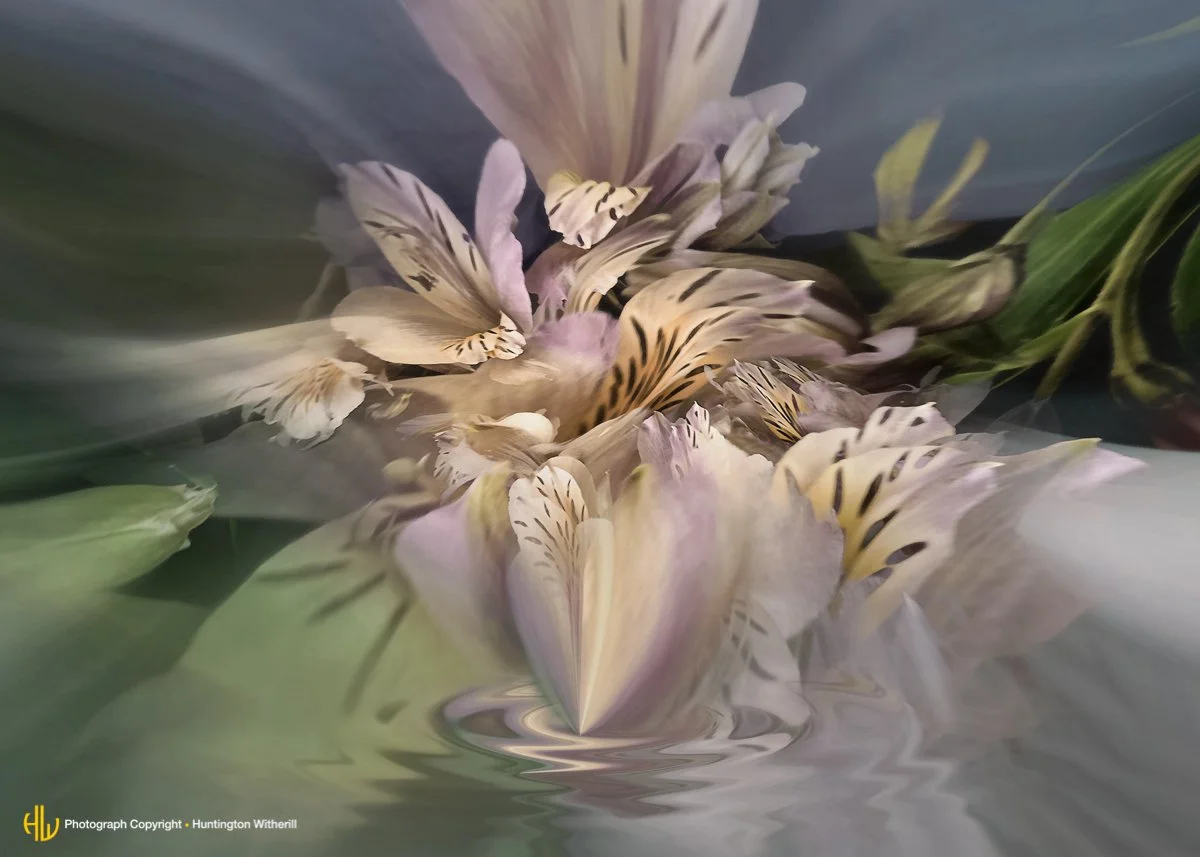
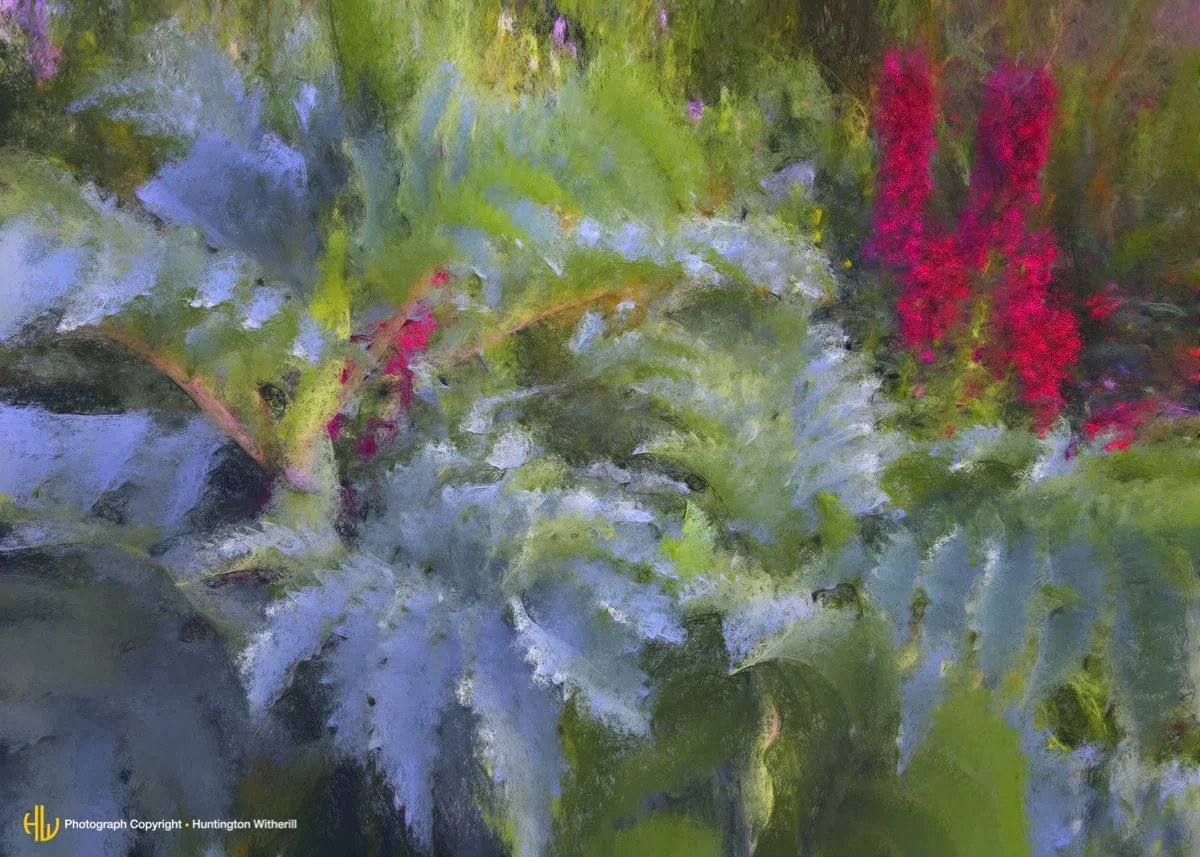
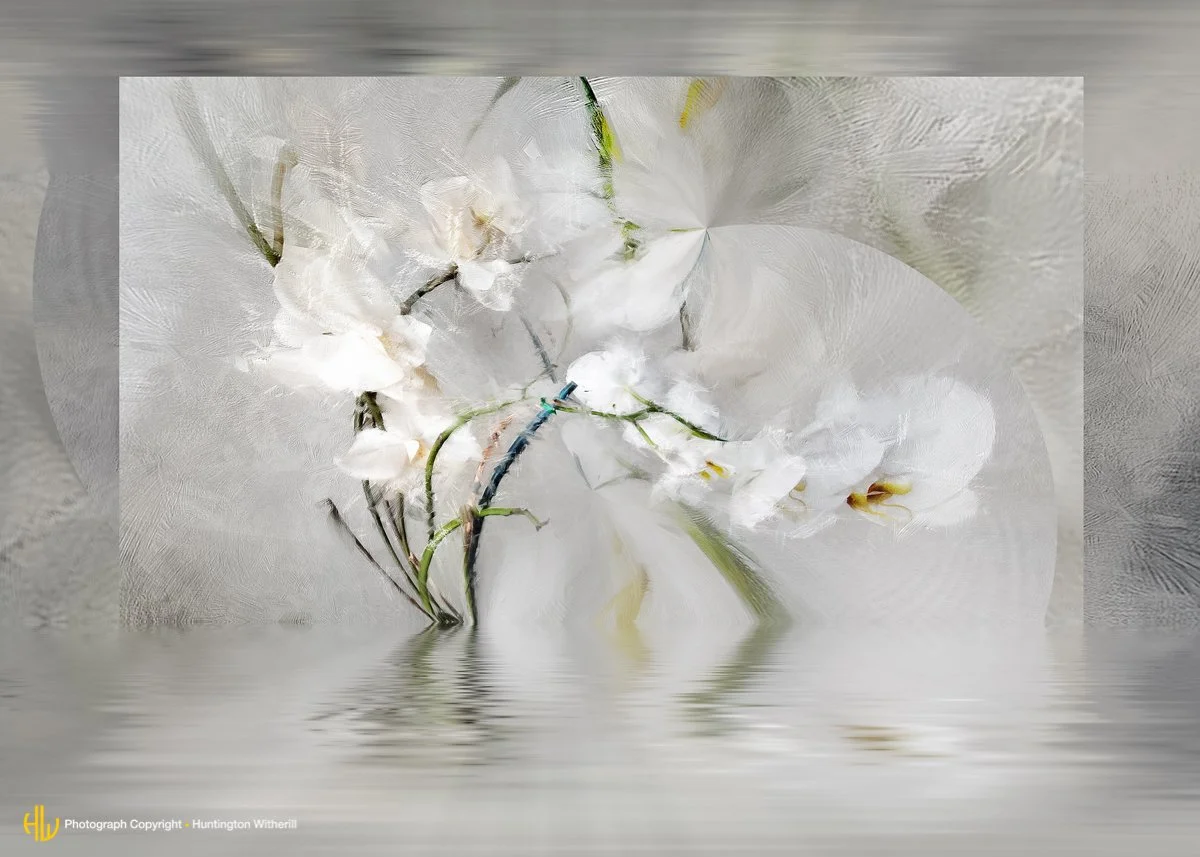
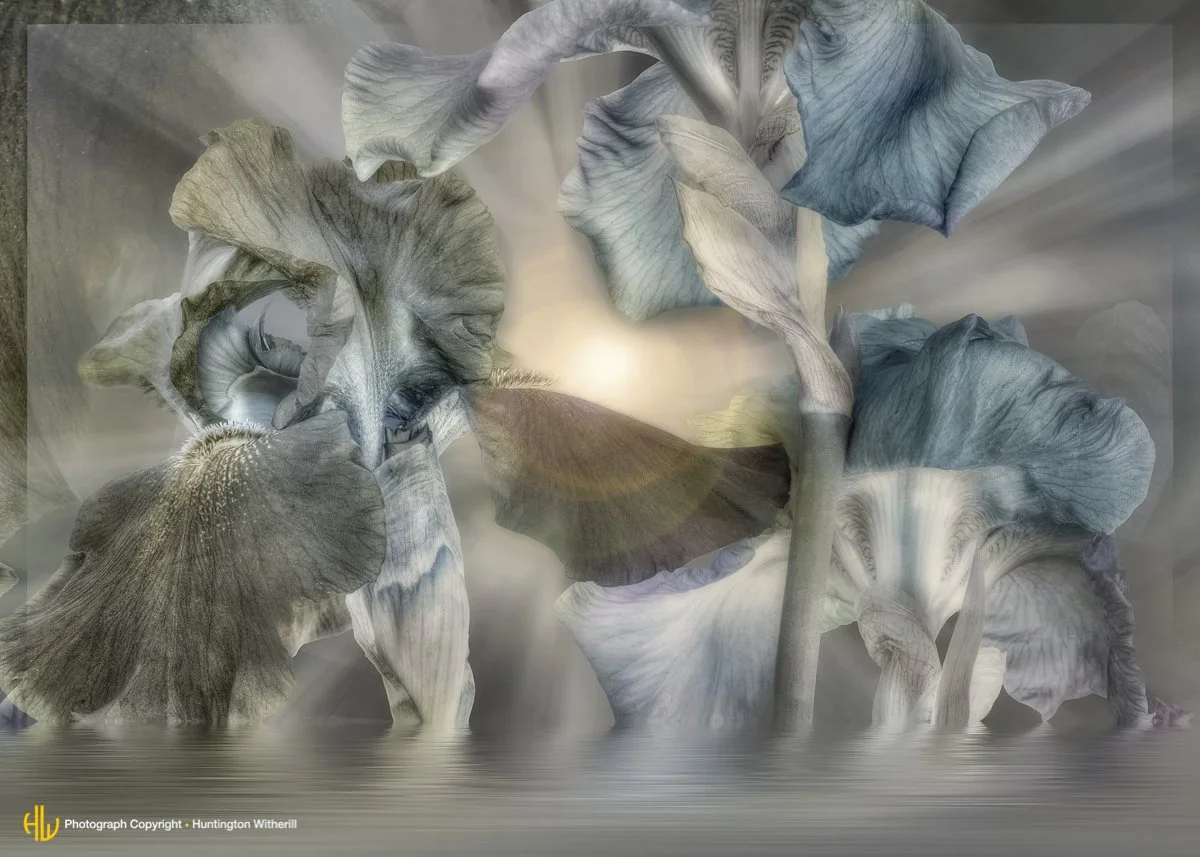
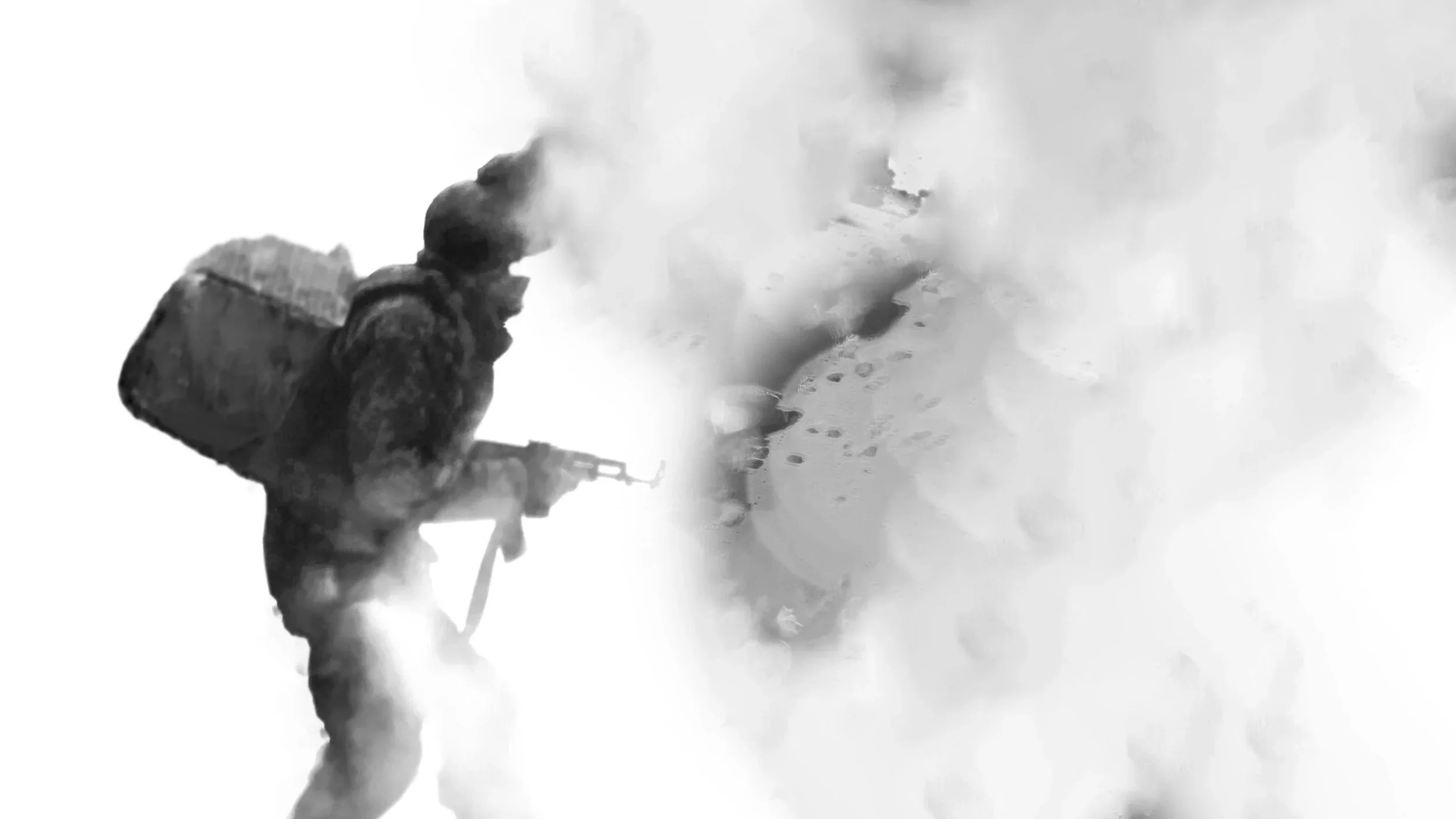
Photo Synthesis by Huntington Witherill is a body of work that moves photography away from fixed methods and clear outcomes. The project begins with photographs of flowers and botanical forms, which are then transformed through an intuitive digital process that has more in common with painting or jazz improvisation than traditional photography. There is no set formula, no repeatable sequence, and no final image imagined in advance. Each photograph evolves step by step, guided by visual decisions made in the moment, with many images ultimately discarded. Photo Synthesis is less about producing perfect pictures and more about process, risk, and learning when to stop. (Witherill Books)
Early Journey: You trained as a concert pianist before you became a photographer. How did your music training help you see and arrange elements in your photographs?
While I’m not sure that my musical training necessarily helped me (at least, directly) with the process of arranging compositional elements in my photographs, I can say that many aspects of my formative musical training did serve to encourage the kinds of behaviors, discipline, and practices that, over the years, have most assuredly aided in my overall pursuit of photography. As but one example, the idea of the “lone pursuit” being characteristic of the life of a photographer, is directly relatable and applicable (as a descriptor) to the pursuit of music. In practical terms, most artistic pursuits typically entail a tremendous amount of ongoing training and practice in order to initially achieve (and then subsequently maintain) any sort of performance proficiency. Such training and practice normally takes place in the background. Performing a piano recital in front of a live audience arguably constitutes the smallest percentage of time that any concert pianist is likely to accumulate during his/her lifetime. In short, having the temperament to spend the predominance of one’s time, on one’s own, most often in solitude, continually practicing their chosen craft, day-in, day-out, year after year, suffice it to say, that kind of focus and dedication is as applicable and beneficial to the practice of photography as it is to the practice of music.
Learning Foundations: In the early 1970s, you studied with famous photographers like Ansel Adams and Wynn Bullock. What important lessons from that time do you still use today in your work?
I think the most important lesson I consistently learned (in varying degrees) from nearly all of the various teachers and mentors I’ve been fortunate enough to interact with during my career, relates to the idea of maintaining the sheer amount of patience, passion, and persistence that is absolutely necessary in order to achieve the kinds of success that each of those mentors was able to achieve. I learned early on, and in a lasting way, that one simply can not expect to achieve any sort of enduring artistic success, absent a dedicated amount of patience, passion, and persistence.
Working Large Format: You use large format cameras throughout your career. You say setting up a view camera is like a zen practice. What do these big, slow cameras give you that smaller, faster cameras cannot?
Indeed, I have used a variety of view cameras in the past. And, I highly recommend them as being excellent working tools. However, I have not used a view camera for the past 30 years. I worked with a view camera from 1970 through about 1995. Since 1995 I’ve worked strictly digitally. Nevertheless, my experience with both approaches suggests that the chief advantage of a view camera is that it effectively slows the photographer down so that they are then forced to become more contemplative and deliberative in their overall approach and working methods. Working more deliberately and methodically, with any camera (particularly when one is first learning the craft) is, in my opinion, a good idea.
Evolution from Classical: Your work changed many times. You started with traditional landscape photography, then moved to high-key work, then to digital botanical images, and now to abstract collages. How do you know when it is time to try something new? What connects all these different periods of your work?
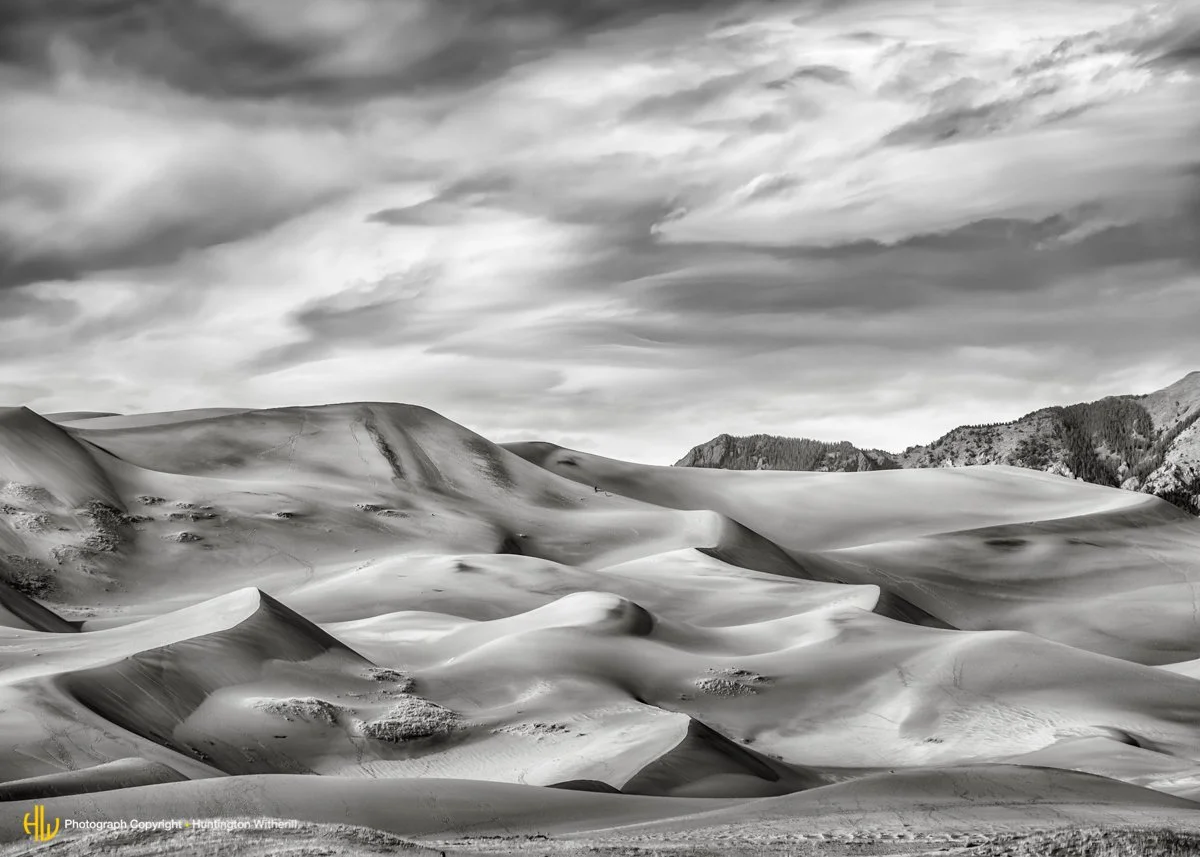
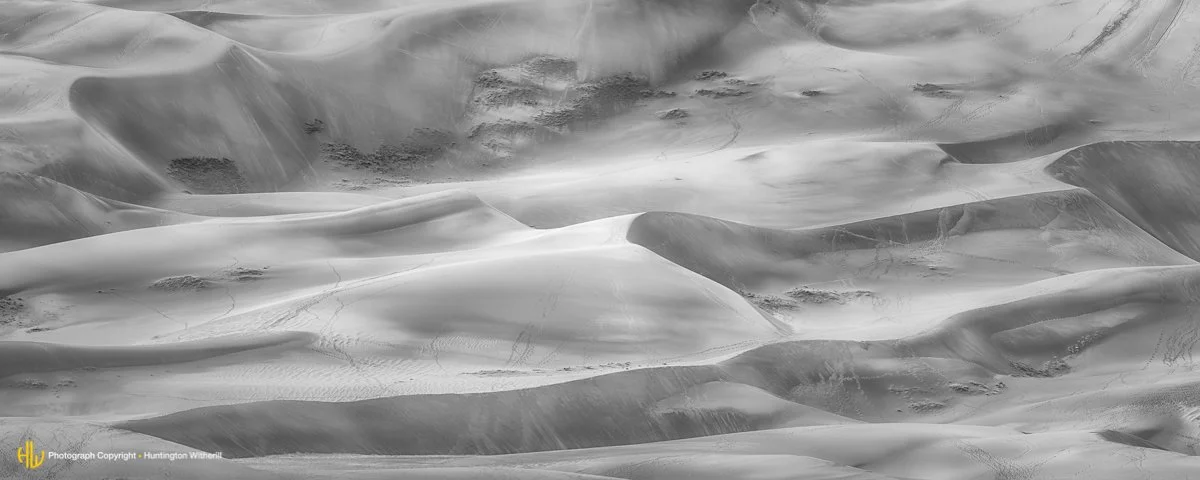
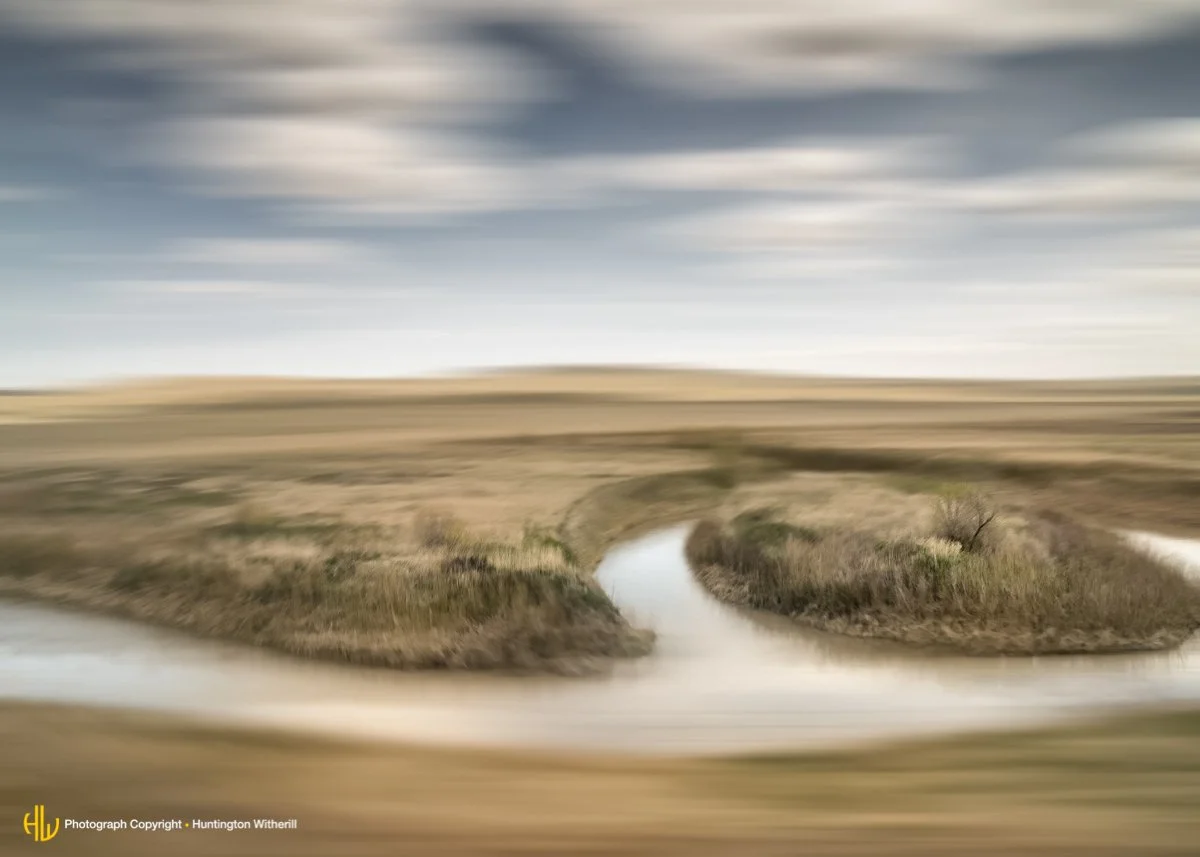
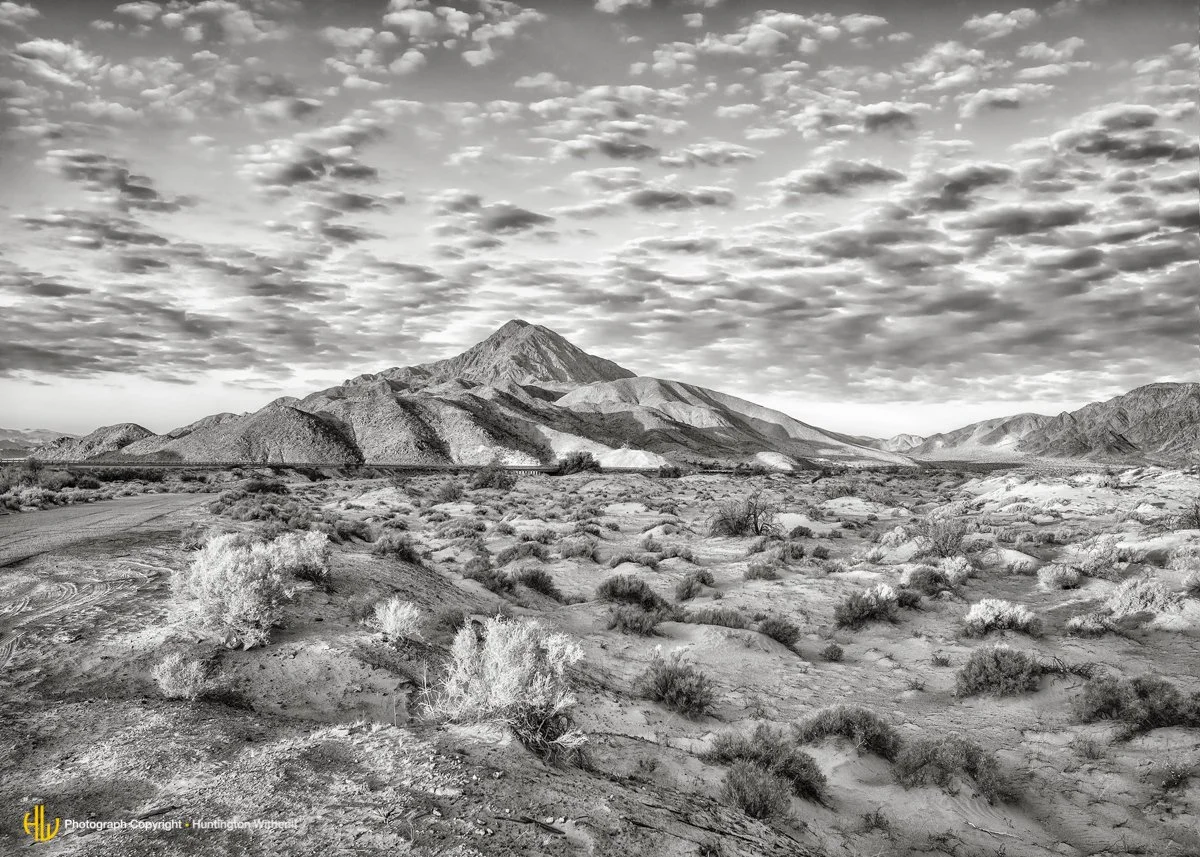
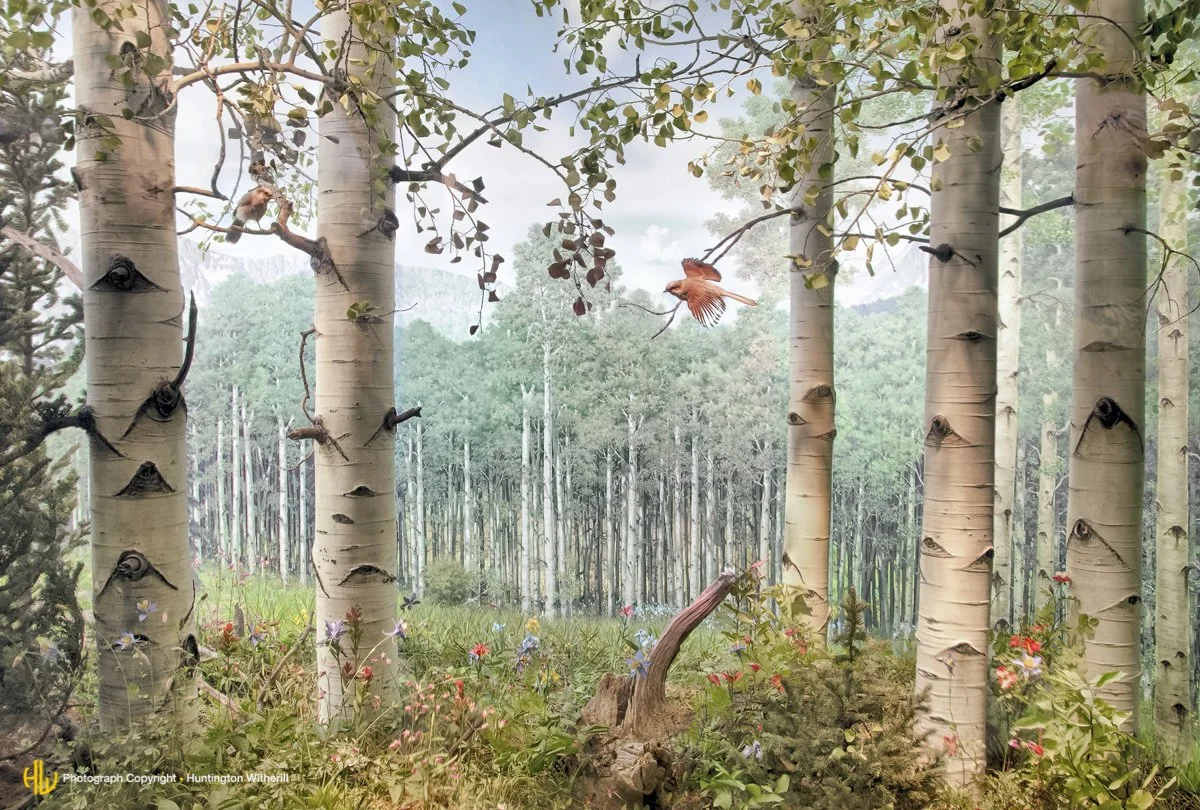
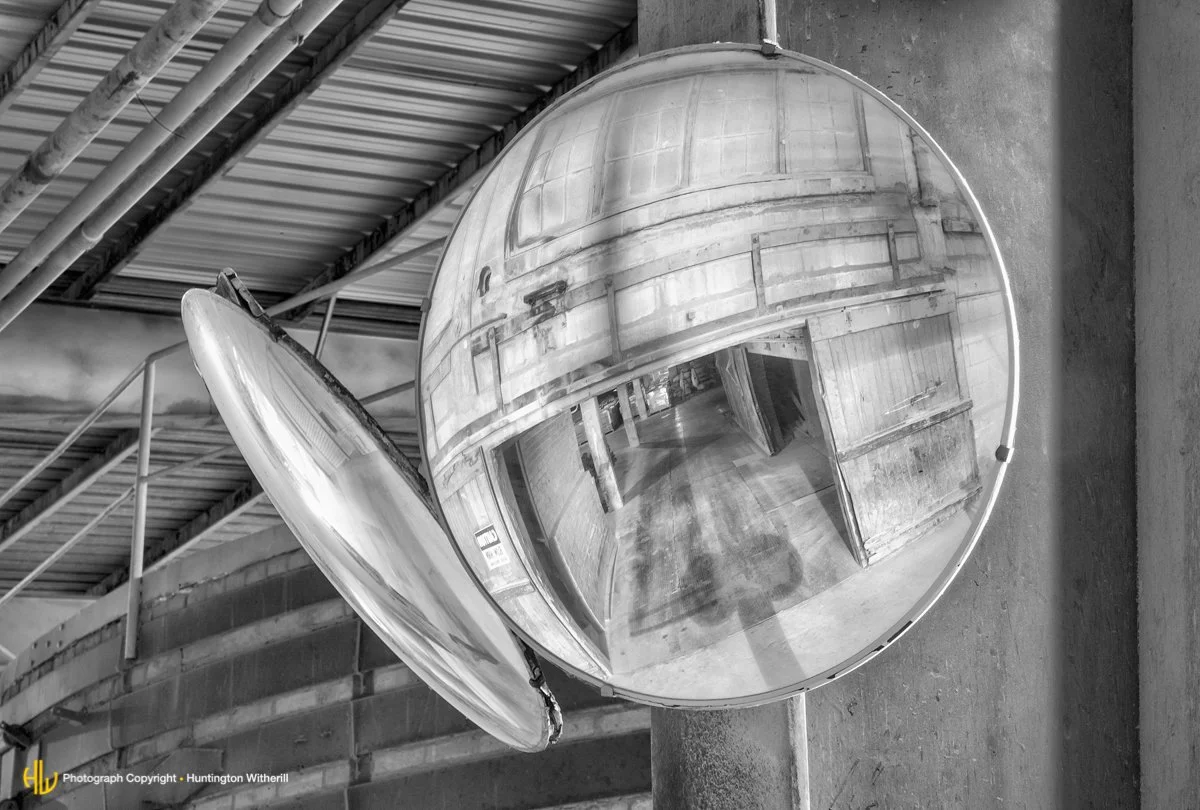
In terms of what connects all the different periods (series) of work that I’ve done – and hoping not to sound arrogant, here – the only real connection will be the fact that all those series were produced by the same photographer. One of the peripheral intents with each of the various series I’ve produced over the years is that each new series will, hopefully, be as far removed (visually, conceptually, and in any other way that I can possibly muster) from any of the previously produced efforts.
When I was in my teenage years (we’re talking mid-1960s, here) I was a big Beatles fan. One of the things that most impressed me about the Beatles music was their ability to transform the overall character and style of their ongoing musical output. With each new album, the music seemed to totally reinvent itself while remaining uniquely and consistently a product of their own making. Think of Revolver, or Rubber Soul, by comparison to Sgt. Pepper’s Lonely Hearts Club Band, and/or The White Album. The Beatles were big on experimentation and the idea of continually learning, growing, changing, and evolving as a group. Now of course, I would never compare myself to the Beatles. Yet I was, indeed, thoroughly inspired by their obvious focus on the idea of continually changing the way in which they approached their music. In my own limited way, I’ve tried to emulate that continually changing approach within the context of my own photography.
As to knowing when it’s time to try something new, I am usually fairly quick to recognize when I start to repeat myself (in terms of the content and character of my own photographs). Whenever I start to notice that I am repeating myself, I conclude that it’s time to try something new. My main mentor (Steve Crouch) once suggested; If you’re enamored with your own photographs, this year, you’re progressing as an artist. If you’re equally enamored with those same photographs, next year… you’re likely just spinning your wheels. At any rate, I hope that I’ve been able to take Steve’s advice to heart.
Your mentor Steve Crouch told you that if you still love the same photographs one year later, you are not growing as an artist. That sounds very strict. Does this mean when you look at your famous books like Photo Synthesis or Orchestrating Icons today, you would make them differently now?
I don’t disagree that Steve’s advice (in this case) could be appropriately characterized as being “very strict.” At the same time there are a couple of caveats that may also be applicable to the discussion. The first is that I firmly believe that one can never be too strict when it comes to being an effective critic of their own work. The stricter one is when judging the relative strength of their own photographs, the better their work will end up being in the aggregate. The second point has to do with the idea that wisdom and advice (regardless of its source) is often originally dispensed within a far narrower (perhaps more focused) context than is implied and/or assumed when that wisdom is repeated (second-hand) over the passage of time. In this case, I’m pretty sure that Steve was not attempting to suggest that one should necessarily reject their earlier work, outright, but that they should be more properly focused on the work they are doing currently, and into the future.
Photo Synthesis Process: In your Photo Synthesis series, you say you work like a painter or jazz musician, not following the same steps each time. Can you explain how you change a botanical photograph into one of these abstract images?
Well, because there is no set formula, nor any prescribed step-by-step process for each of the images produced in the Photo Synthesis Series, it is, admittedly, somewhat difficult to explain the process in any directly usable or translatable way. Nevertheless, allow me to offer the following suggestion: On my website there is a freely downloadable PDF file titled: Photo Synthesis Process Description. For those who might have interest, that PDF contains a practical explanation about how I achieved the images in the series: Photo Synthesis. Additionally (on that very same web page) there is also a downloadable PDF file containing “Before and After” visual examples taken from the Photo Synthesis Series which can, hopefully, help to explain the process from a visual standpoint.
Communication and Audience: In your Enigmata artist statement, you say photography communication is usually one way, not a real exchange. How does creating visual puzzles without specific meanings change the connection between you and the viewer?
Though I’m not sure that creating visual puzzles without specific meanings can actually change (in any concrete way) the connection one may or may not have with their viewer, the question remains a compelling one. One of the great things about all art is that its relative success or failure will normally be determined, individually, on an case-by-case basis. Therefore, what connects your audience to you (in one case) may not connect that same audience, at all, in another. Nevertheless, the idea with the Enigmata Series was not to suggest that other forms of communication (or even other types of photography) are “not a real exchange” but rather, through the Enigmata Series, the viewer is being invited to consider their own interpretation of each of the individual images as a means to (figuratively and potentially) broaden the scope of whatever communication may (or may not) exist between the artist and their respective audience. Now of course, in order to buy into that particular proposition, one must also buy into the idea that photography (like most all forms of art) is a form of communication. And of course, I do believe that photography is, indeed, a form of communication.
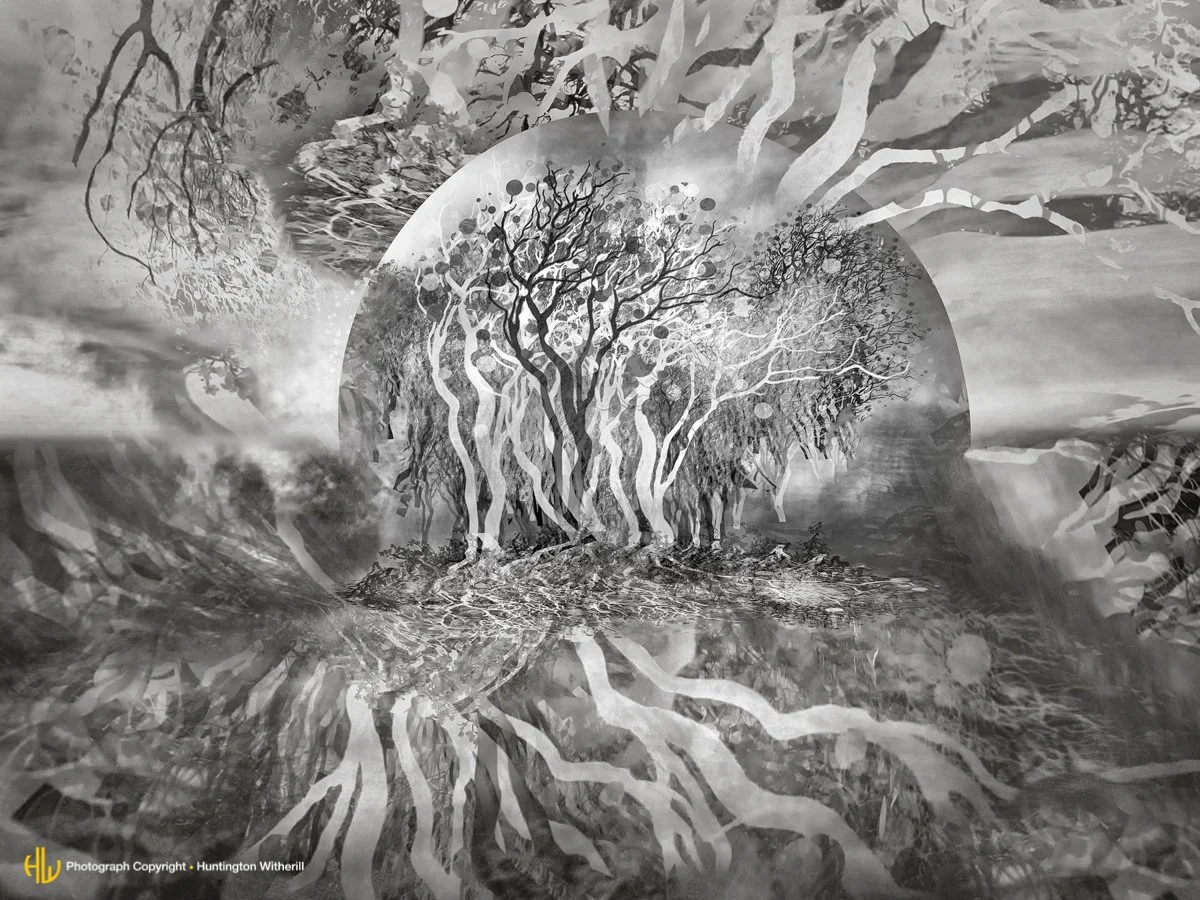
Enigmata Technique: The Enigmata series mixes photography with hand drawing on the computer. What tools do you use to create these abstract images? How do you know when an image is finished if you have no specific picture in mind?
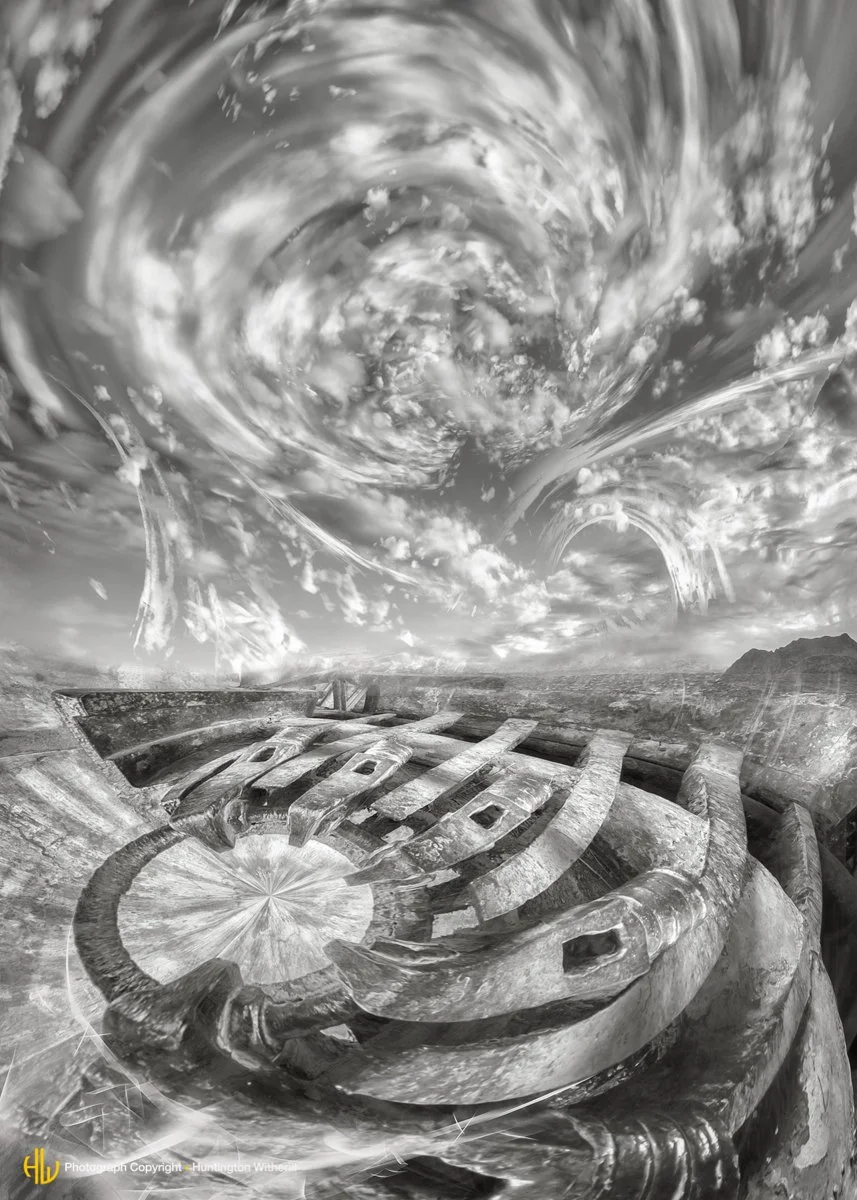
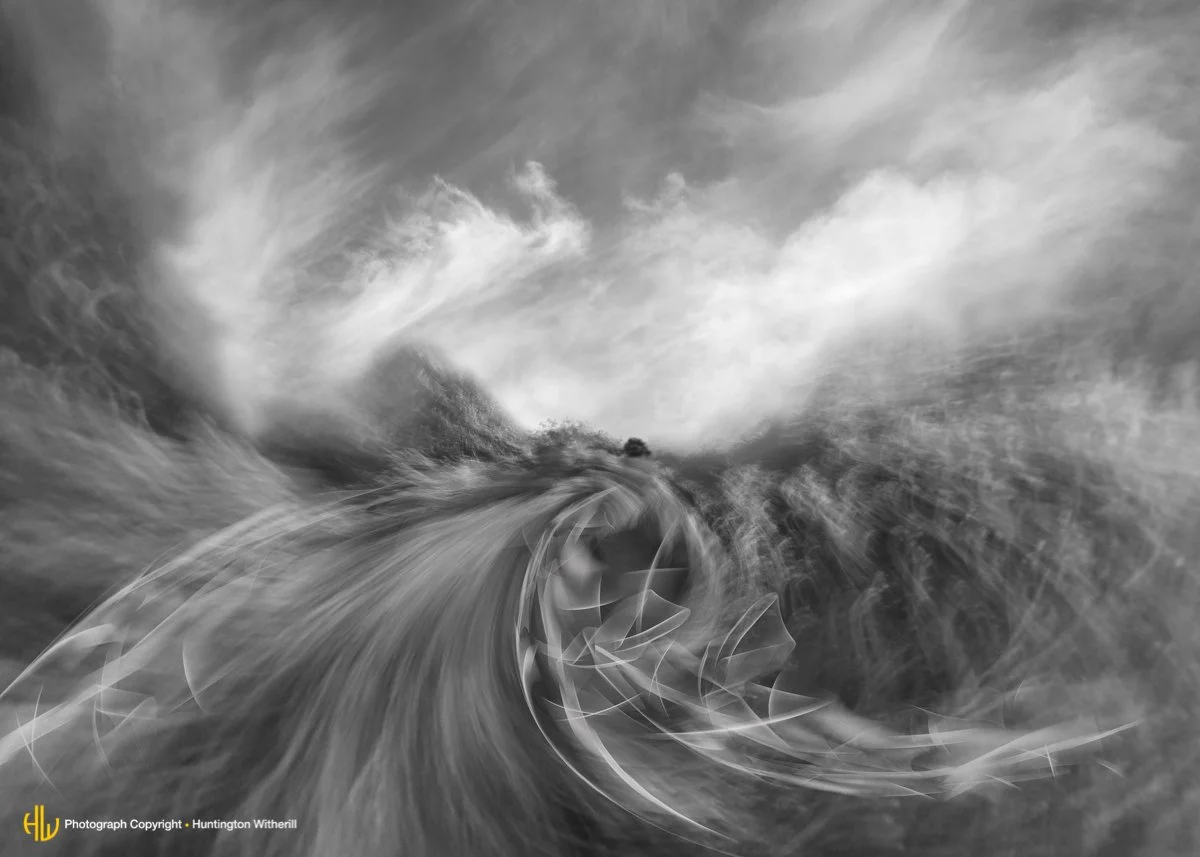
I use many of the same tools and techniques (for the Enigmata Series) that I use with all of the other series. However, with the Enigmata Series, I incorporate the addition of an Apple iPad Pro, together with a drawing and painting application called: Procreate. Using the Procreate app allows one to mimic the act of drawing and painting (in this case, using a stylus on a tablet screen) and then to save the resulting Procreate files as layered .psd files – which of course means that those same files can then be imported into Photoshop for additional processing. Those saved Procreate (.psd) files are then combined (through the use of layers and masks) with bits and pieces of other digital image files (photographs). The process used is probably best described as a collaging technique. As for knowing when a particular image from this series is finished, that is one of the age-old tricks to being a successful painter (which, by the way, I do not consider myself to be). At any rate, knowing when to stop is one of the keys. The digital approach does offer some leeway in terms of a computer’s ability to return to a limited number of previous steps along the way. However, I can say, without shame, that I have discarded the majority of images produced for the Enigmata series simply because I stopped working on so many of those images, far too long after I probably should have.
You said you throw away most of the images from the Enigmata series because you work on them too long. That is a lot of failed images for an experienced photographer. How do you know the moment when you should stop working on an image before you ruin it?
First and foremost, when it comes to whatever relative image failure rate one might envision to be appropriate for an “experienced” photographer, it seems to me that the more experience a photographer has, the more discerning (and therefore, the more critical) that photographer is likely to become in relation to judgements being made about the relative merits of their own ongoing work. In short, the more selective and discriminating you become with your own photographs, the higher relative percentage of photographs it is that will tend to be dismissed and discarded as failing to meet what, after all, is a continually increasing standard.
You ask: “How do you know the moment when you should stop working on an image before you ruin it?” Regrettably, the answer to that question (particularly as it applies to the Enigmata Series) is that I honestly don’t know the answer to that question. And of course, that is (at least in part) why a good number of the images from that series end up being discarded. When one is working in what might ostensibly be characterized as an improvisational manner (such as the Enigmata Series entails) it can often be quite difficult to recognize when the most opportune moment to stop working on a given image has actually arrived. Too often I might conclude; Oh, this is a great image but I could probably make it even better if I just work on it a little bit longer! That decision often (though obviously, not always) carries the potential to open the door to an overworked and ultimately compromised image.
Light Over Subject: You say lighting is more important than the subject in your photographs. You also photograph in unfamiliar lighting on purpose to avoid making the same images. How do you train yourself to see light this way? What advice can you give photographers who want to break their own habits?
I think the best way to describe how I train myself to see light in a certain way – or to do most anything else that might be new and unfamiliar to me – would be to say that I simply attempt to do whatever it is, repeatedly, until such time as that practice has had the opportunity to become, more or less, second-nature to me. In the case of photographing in unfamiliar lighting situations, I do just that. I repeatedly photograph under lighting conditions that (at the time) I’m fairly certain are not likely to produce a usable result. And of course, when I do that I tend (initially) to get a lot of predictably unusable results. However, if I repeat the exercise enough times, eventually, I will (despite my own preconceived notions) produce a result that is not only interesting, but also uniquely different and, ultimately, usable. And, when that happens, I then endeavor to pay specific attention to whatever it is (in this case, it is the specific quality of light) that has caused me to be attracted to whatever has produced that differing result, and I consciously try to consider how I might apply (meaning subsequently recognize and utilize) that same specific quality of light when it might occur in the future, in some other (completely different) photographic situation.
As for advice on breaking one’s undesired habits, I honestly know of no other way to do so than to simply stop doing whatever it is that you’re wanting to stop doing! When I first started photography, I initially developed what might best be described as a less than optimal habit of attempting to preconceive the results of my photographs, that is, prior to even arriving at whatever the designated location might have been. As a purely hypothetical example of this: I might be in the process of traveling to Yosemite Valley and would envision coming away with a majestic portrait of Half-Dome set beneath a rising Moon. (And don’t forget to throw in a few cumulus clouds to heighten the drama!) Of course, too often (most often!) my results would fail to match my preconceptions. And what’s worse, those presumptions too often served to insure that I would fail to recognize (and thus, pass by) countless other potentially meaningful photographic opportunities simply because they did not fit my preconceived notions. Paul Caponigro (who was not only a valued mentor, but also a great friend) suggested the following remedy (paraphrasing, here): Looking for photographs with any sort of preconceived notion is a fool’s errand. When you’re out looking for photographs, open up your mind. Be still with yourself. The photographs will find you. It’s an admonition that, while not always easy to implement, has always served me well.
Looking in the Rearview Mirror: You describe your creative process as driving and looking only in the rearview mirror. You let your past work guide you instead of planning ahead. How does this actually work when you decide what to photograph or create next?
As is hopefully suggested within my previous response, I try (as best I am able) not to plan ahead when it comes to what and/or how I might photograph in a given situation. When exercising my camera, I try to consider each new photographic opportunity as being an exercise in potential discovery and recognition that can – assuming the light, my overall attitude, and whatever modicum of intuition I might possess are each operating in, more or less, a mutually sympathetic manner – it is hoped that each opportunity can serve to teach me something new and different not only about the art of photography, but ultimately, about the world in which I live.
With respect to the rearview mirror analogy, I’ve found it to be figuratively applicable in my own case mostly because it is virtually impossible to accurately predict the future. Assuming that one has interest to speculate about where their photography might be headed, I’ve found that reviewing one’s past work can often serve as a reasonable guide to indicate where that work might be headed in the future.
You’ve worked in photography for over 50 years, mostly alone, with patience and persistence like your mentors taught you. When you look at all your work now, from your early landscape photographs to the Enigmata puzzles, what has photography taught you about yourself that you never expected?
Well, to begin with, photography has taught me that I have the ability to exercise considerably more patience than I initially thought I might ultimately be able to muster. As a pursuit, photography has turned out to be the perfect endeavor because, no matter how long I continue with it, it continues to fascinate me despite the fact that I will never completely figure it out. And as it turns out, it is that ongoing challenge and perpetual learning process that serve to sustain my overall passion for the pursuit, itself.
I also never expected that the ultimate reward for being a photographer would be so closely tied to the process of actually being a photographer, rather than being tied to what might variably be described as the less than predictable benefits associated with the results of being a photographer. What I mean by this is that the day-to-day process of being a photographer (things like actually being out in the field photographing, post-processing newly captured images, interacting with other artists and photographers, and generally living one’s life as a creative individual) – those activities have proven to be far more engaging, inspiring, and ultimately rewarding, than the less reliably attainable rewards that are often associated with the results of being a photographer – (things like exhibitions, book and magazine publishing offers, teaching opportunities, and those more mercurial fame and fortune issues that may have been initially, though naively, envisioned.
While a measure of those more publicly quantifiable results have indeed been collected along the way, it is arguably the overall process of actually living my life as a photographer that will continue to provide the most enduring and reliable personal reward. Ask any working artist and they will tell you… It’s all about the process!


More photography books?
We'd love to read your comments below, sharing your thoughts and insights on the artist's work. Looking forward to welcoming you back for our next [book spotlight]. See you then!
Robin de Puy could no longer make this project alone. She first photographed Randy in Ely, Nevada, during a 2015 road trip and kept returning to him for more than ten years. Interviews