From Crane Hooks To Abstract Art: How Jan Staller Discovered Beauty In What New Yorkers Ignore Every Day
Welcome to this edition of [book spotlight]. Today, we uncover the layers of 'Manhattan Project,' by Jan Staller (published by Five Continents Editions). We'd love to read your comments below about these insights and ideas behind the artist's work.
A photographer turned overlooked NYC construction sites into fine art.
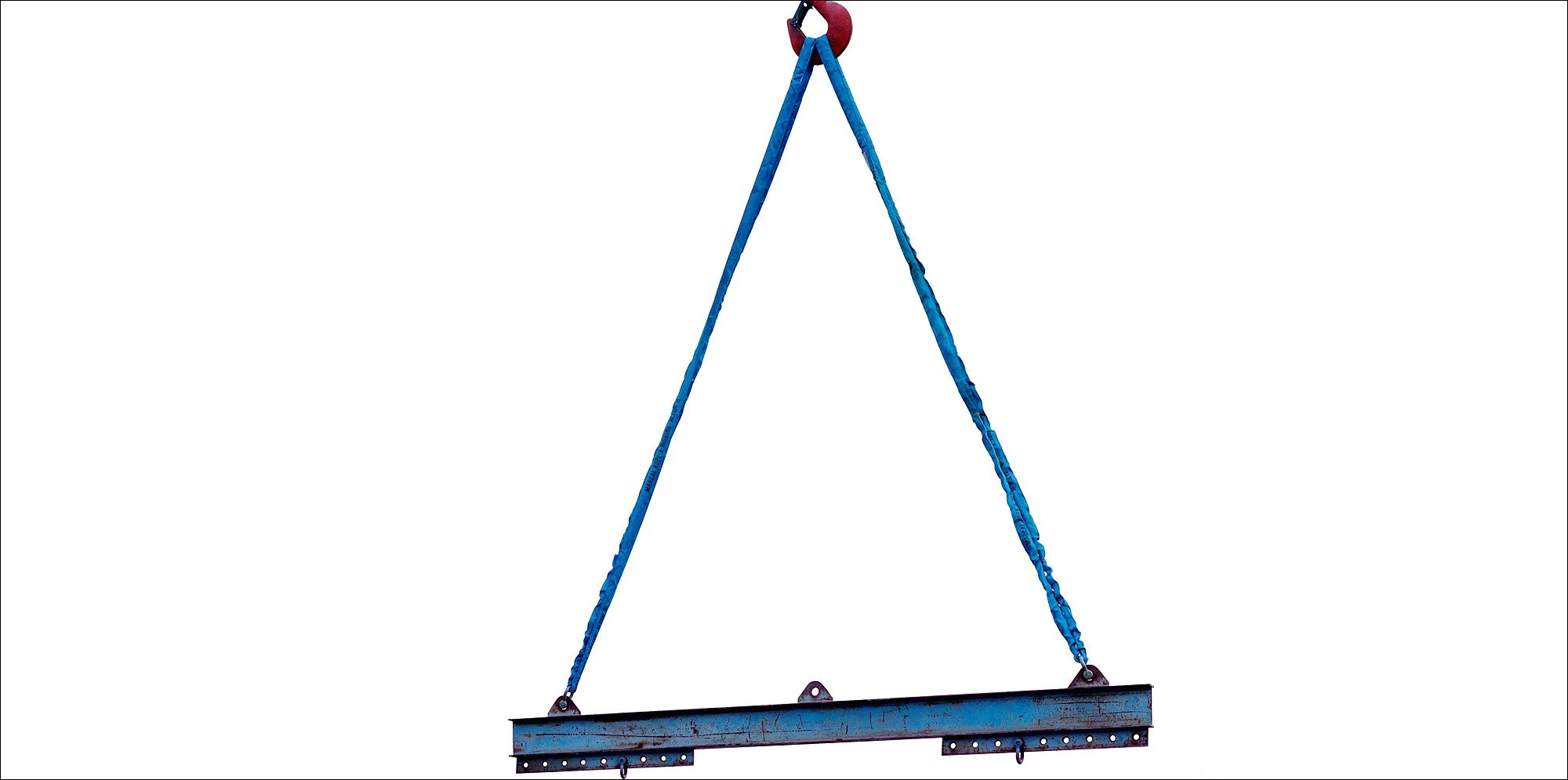
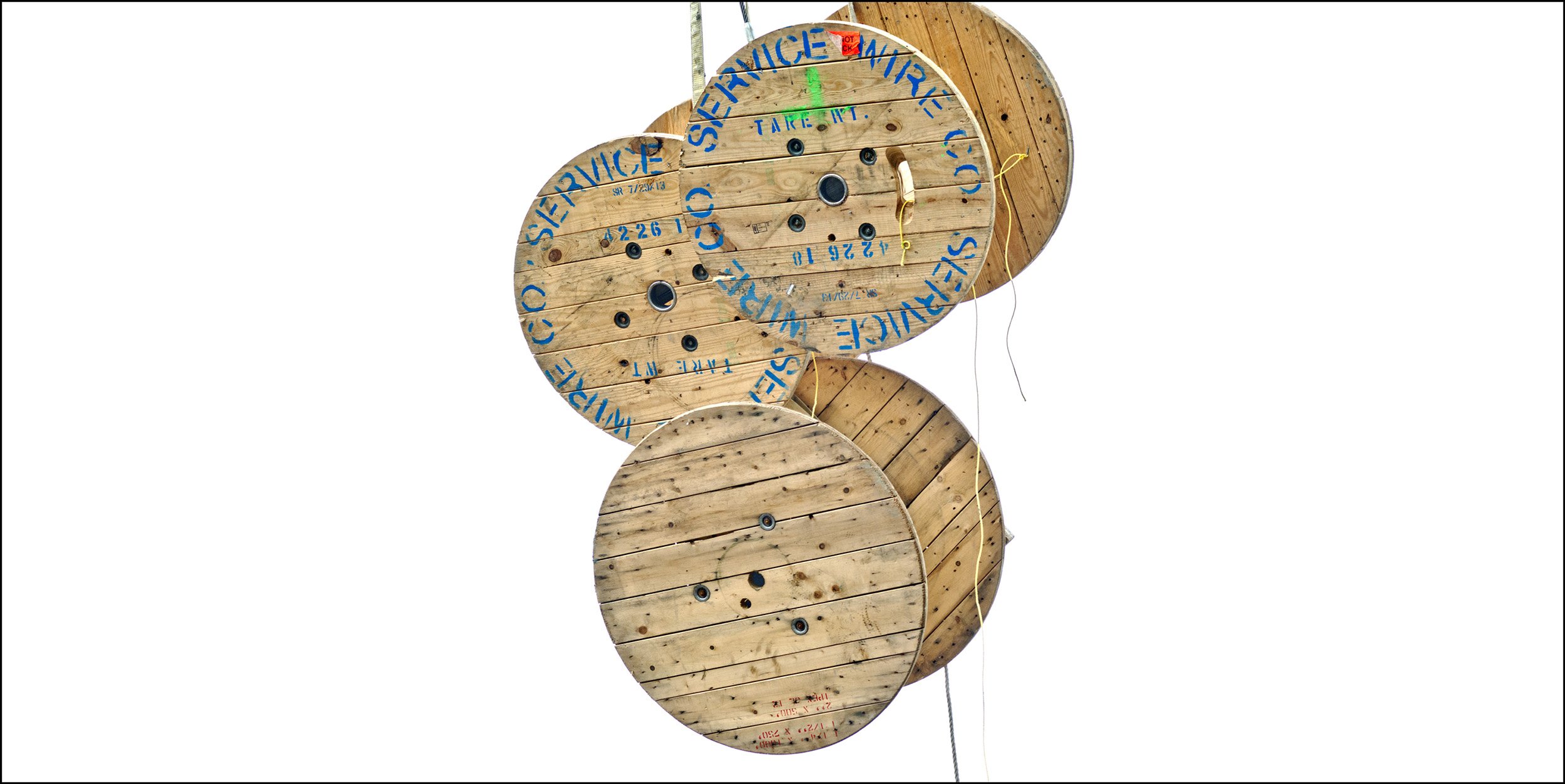
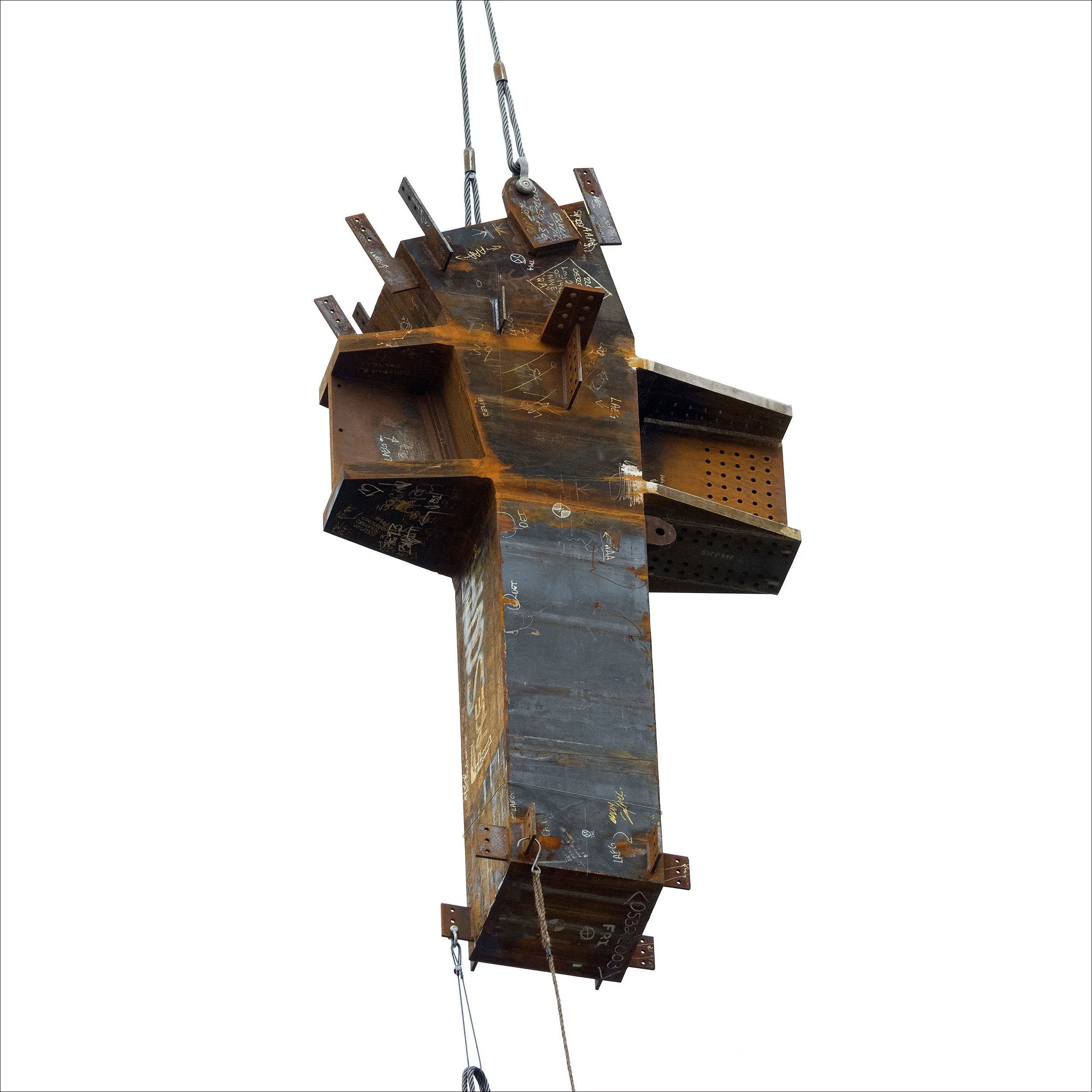
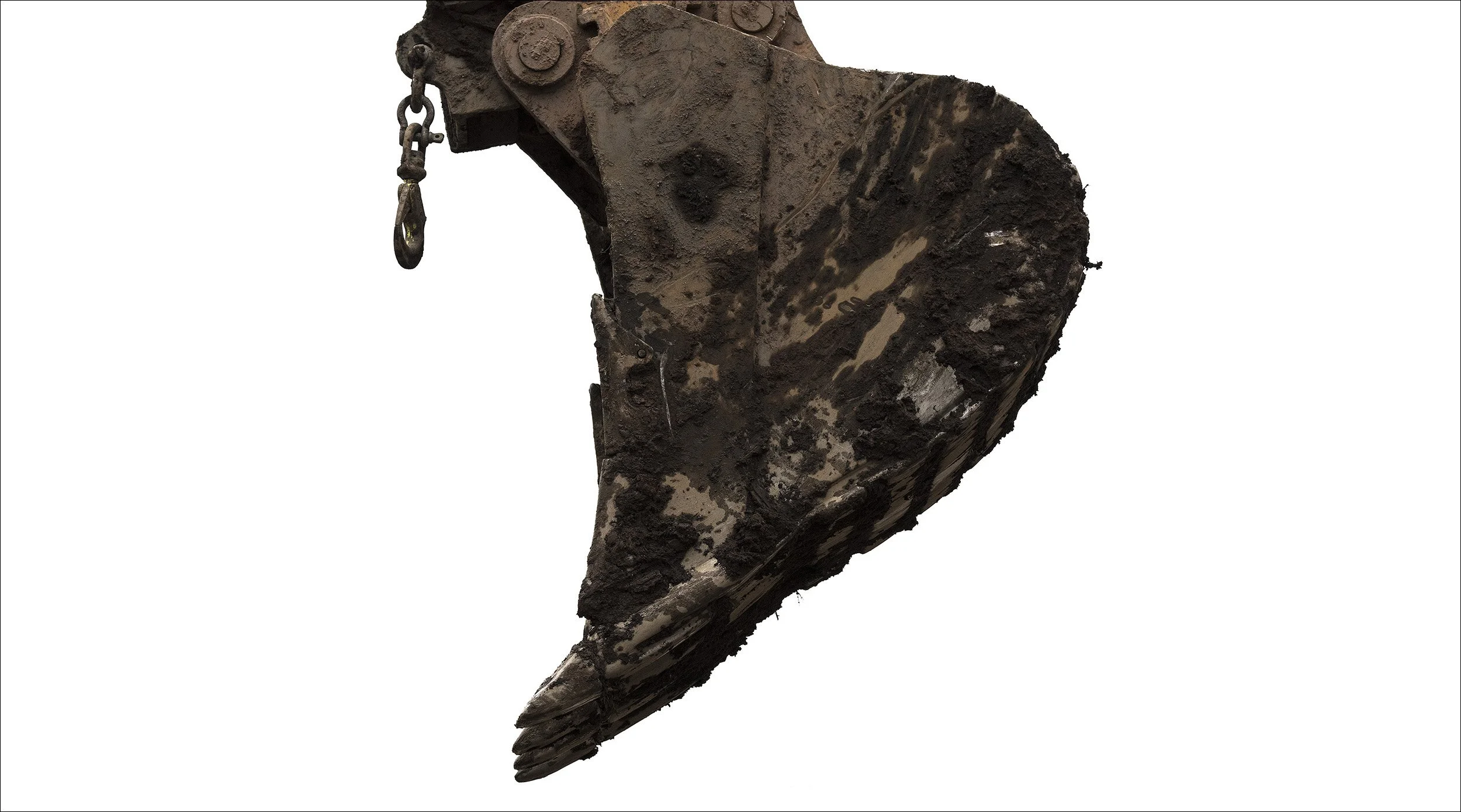
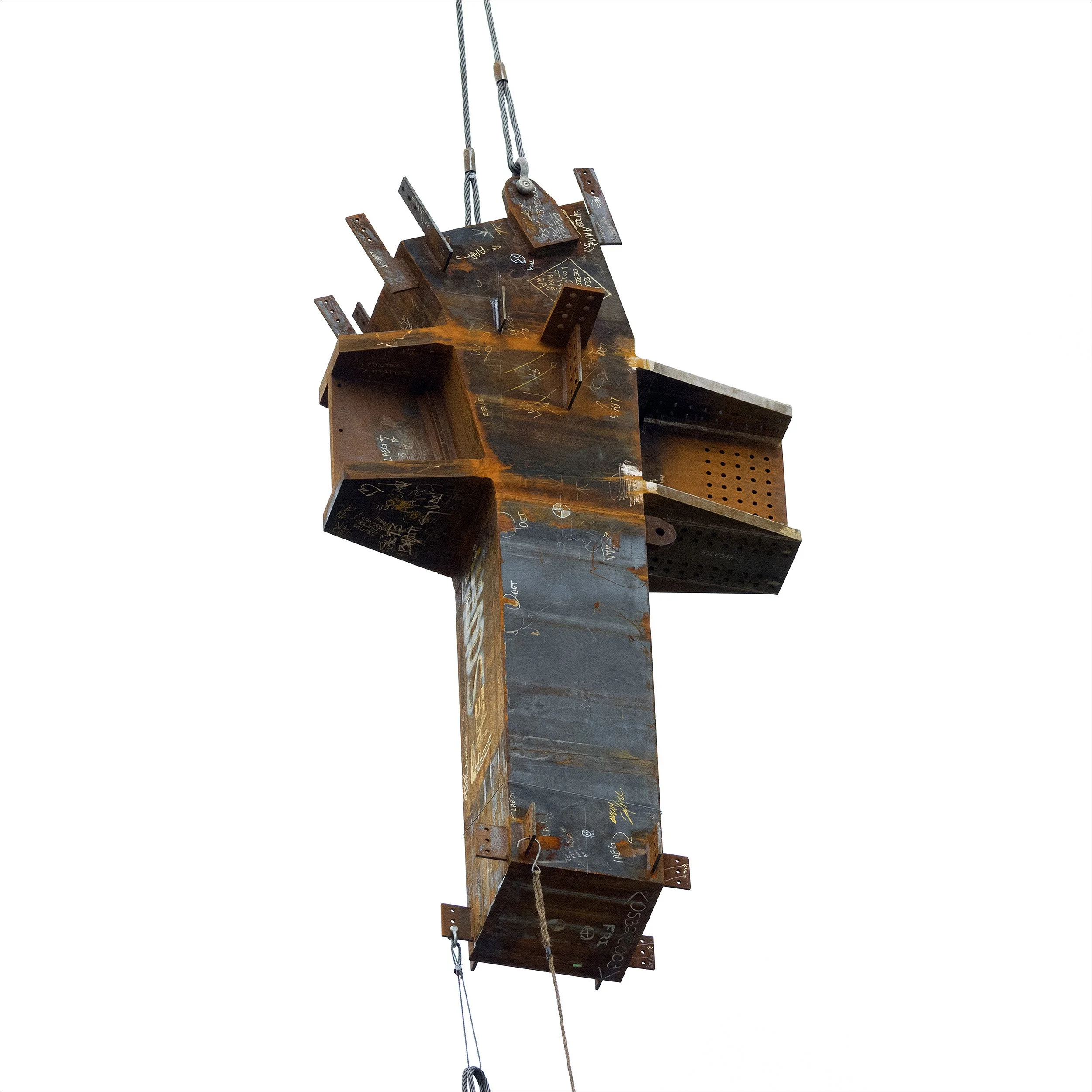
He did not plan big scenes or travel far for subjects. Most of his work came from walking the same streets again and again. Over time, he focused on simple objects like crane hooks and steel plates. These objects started to feel important, almost like sculptures in the sky.
He has been photographing the west side of Manhattan for decades.
Instead of looking for something new, he kept looking at the same place. Even after many years, he still finds images that feel fresh. This is not about rare moments, but about paying attention every day. The result is a body of work that feels quiet but very precise.
The Book
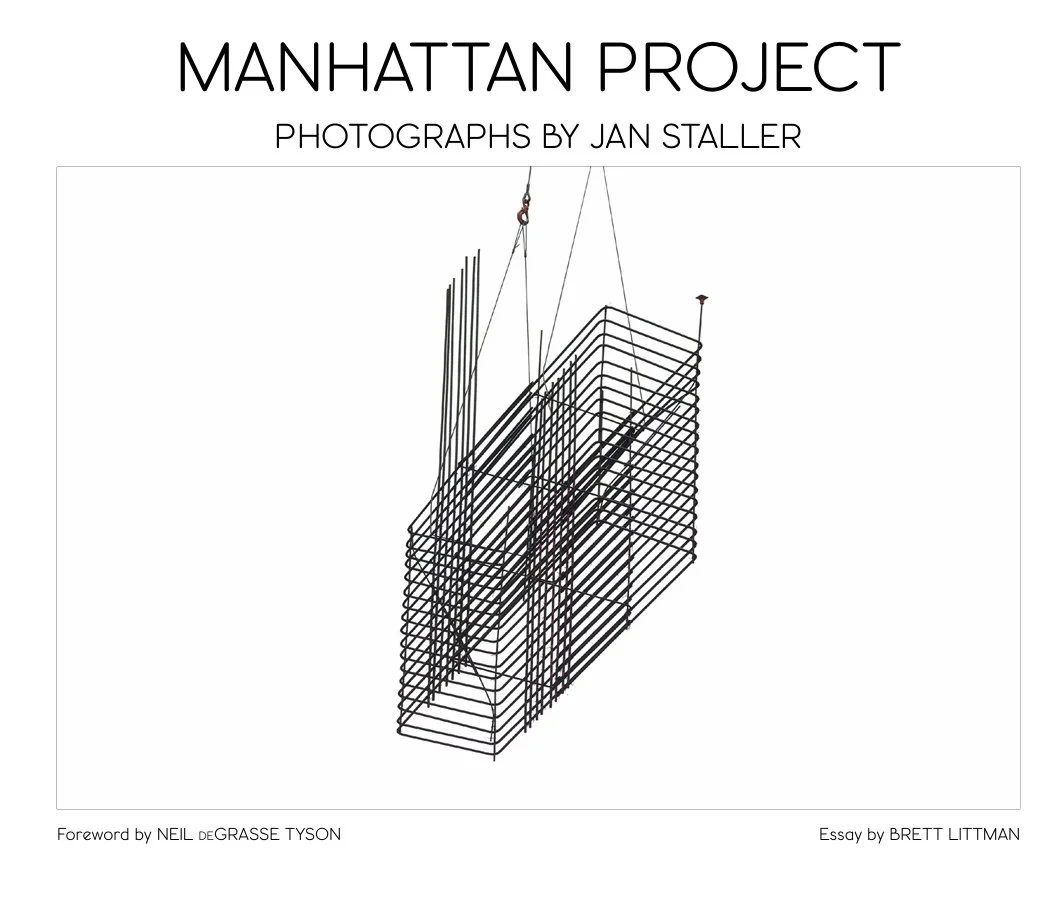
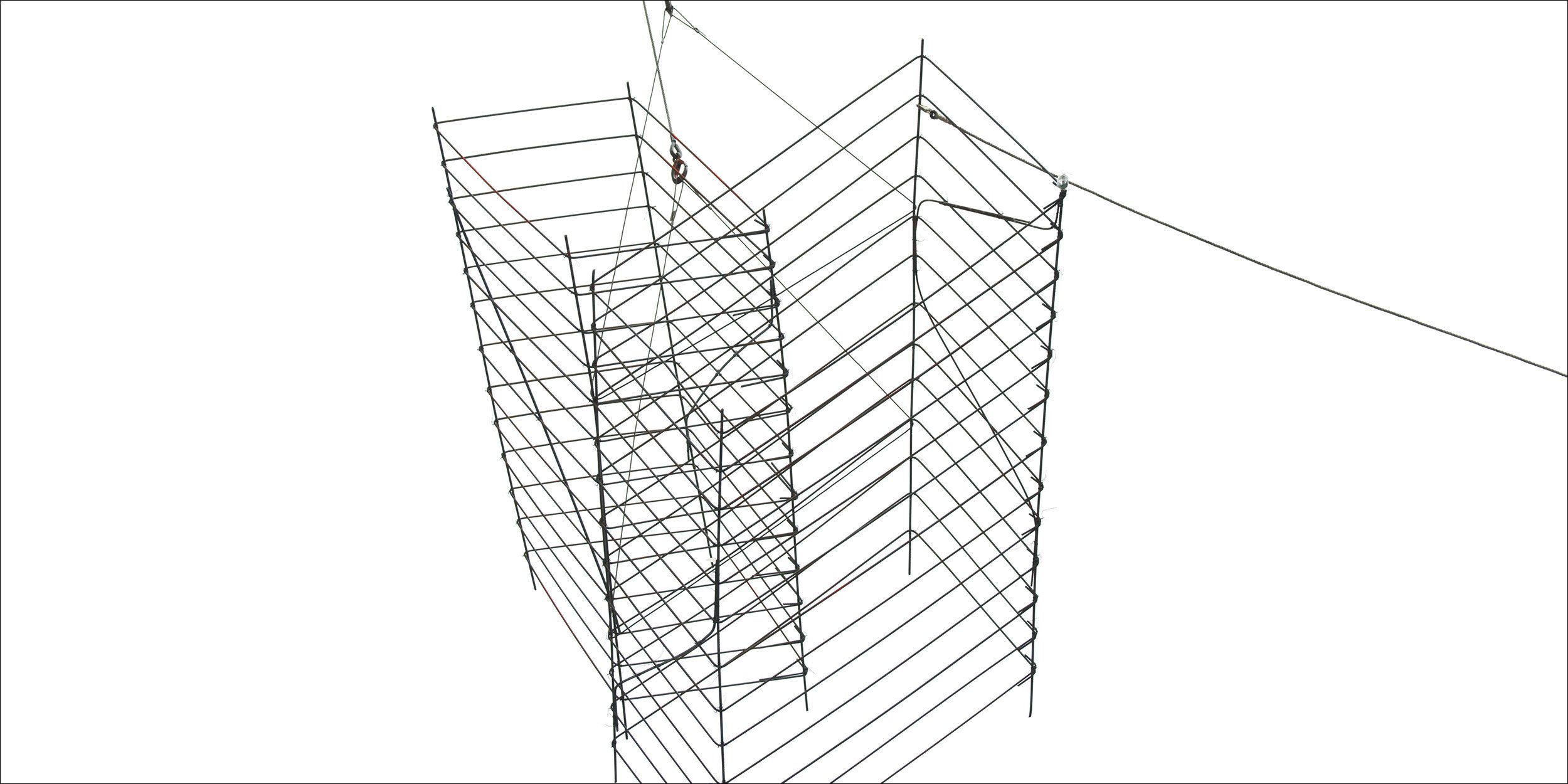
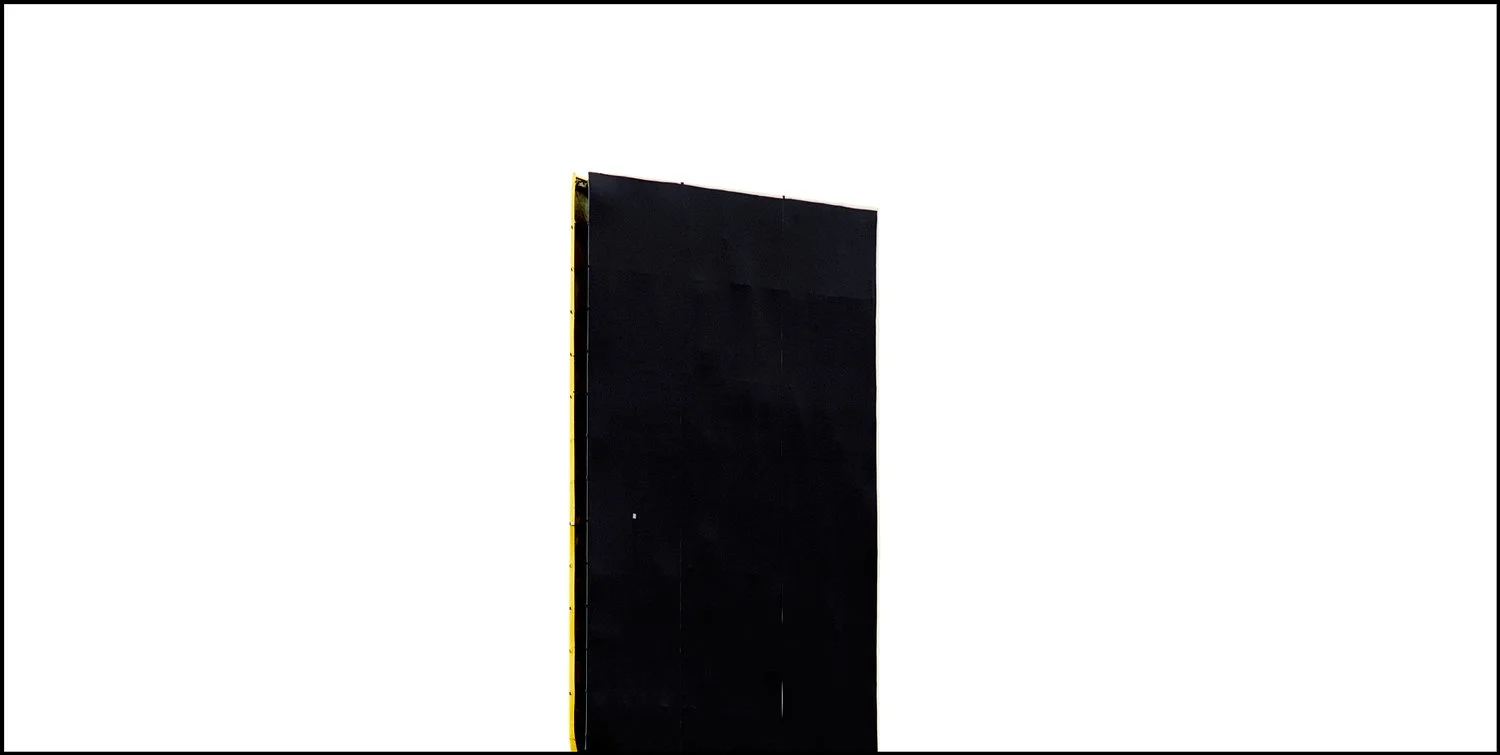
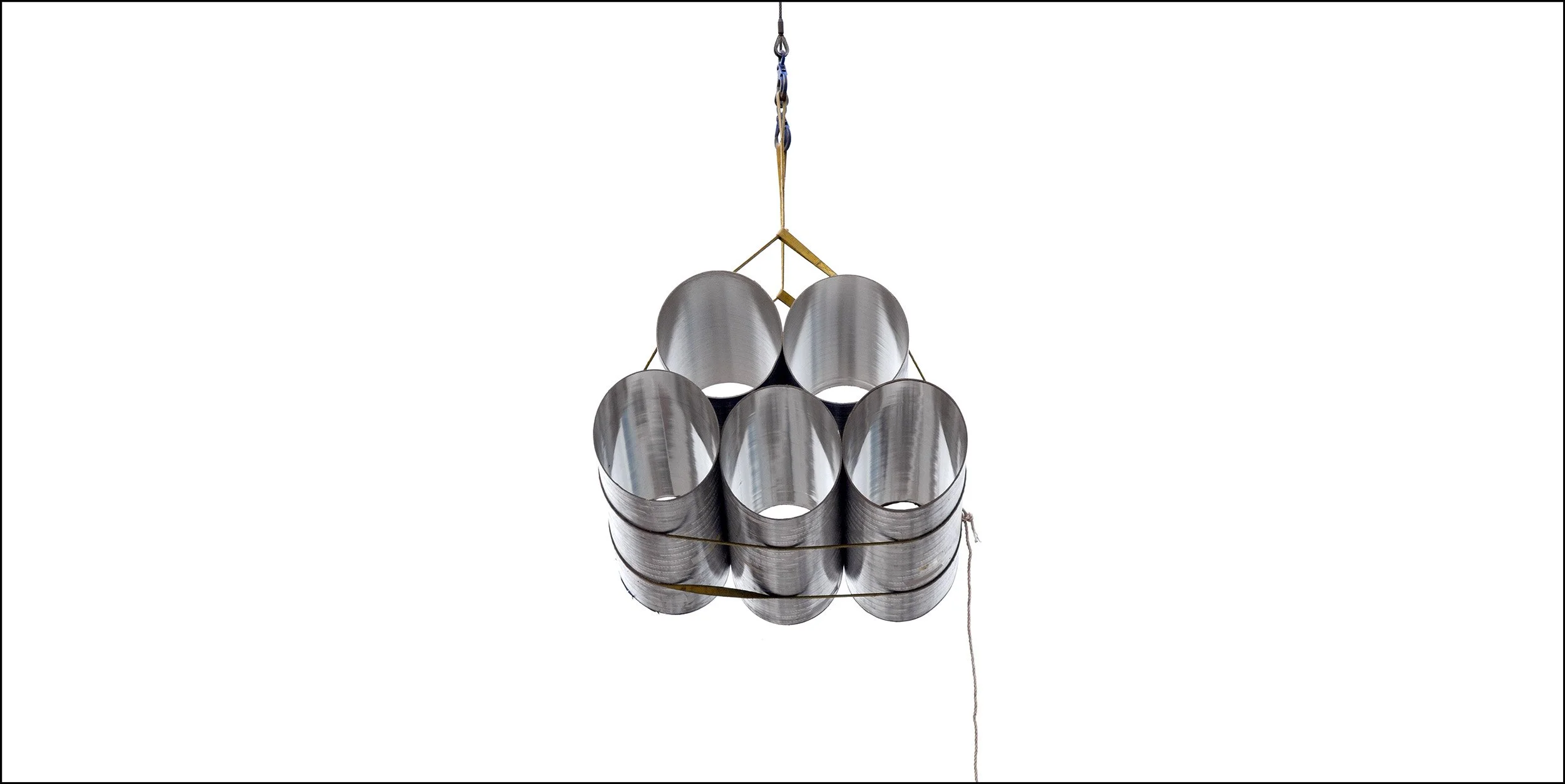
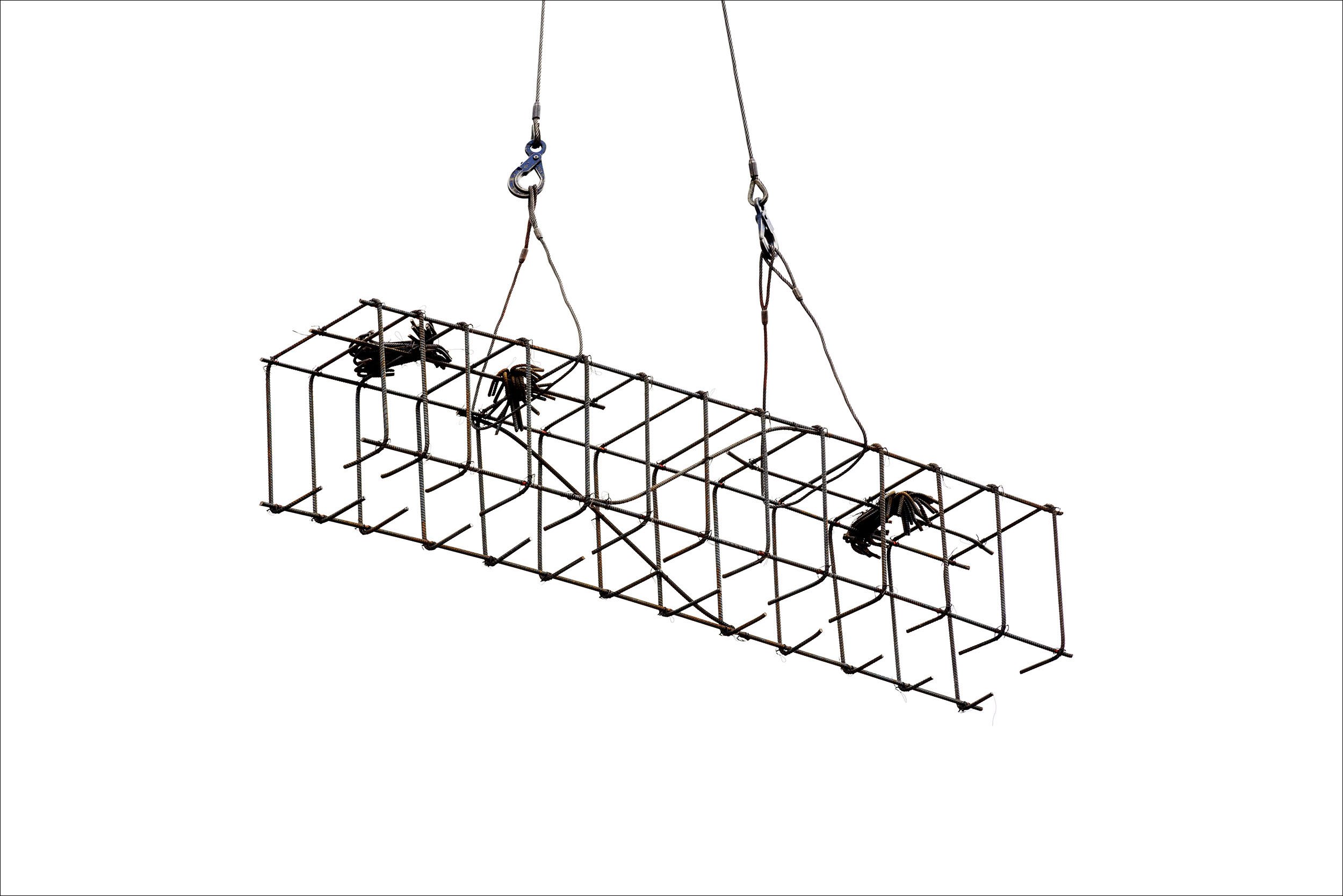
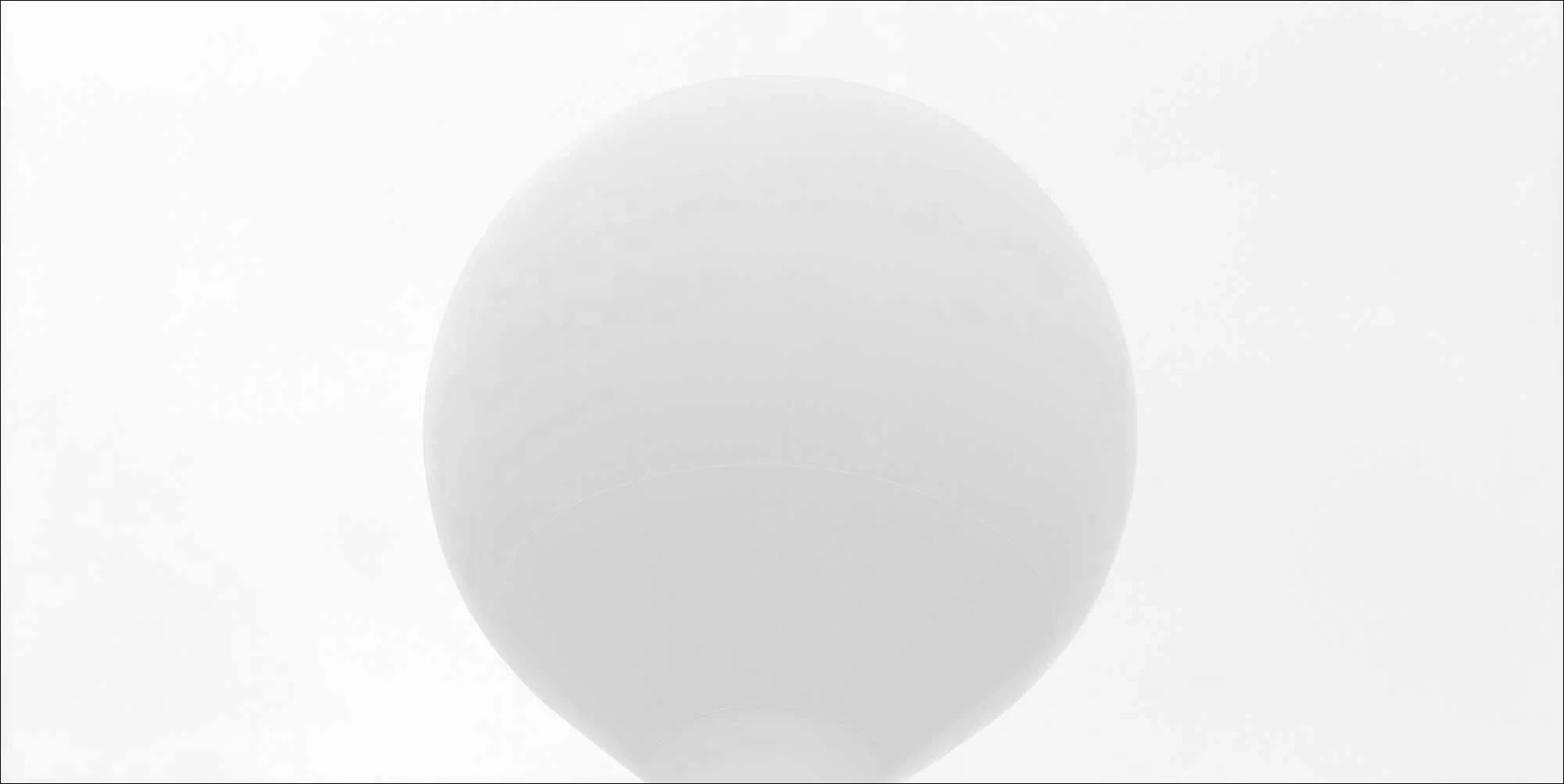
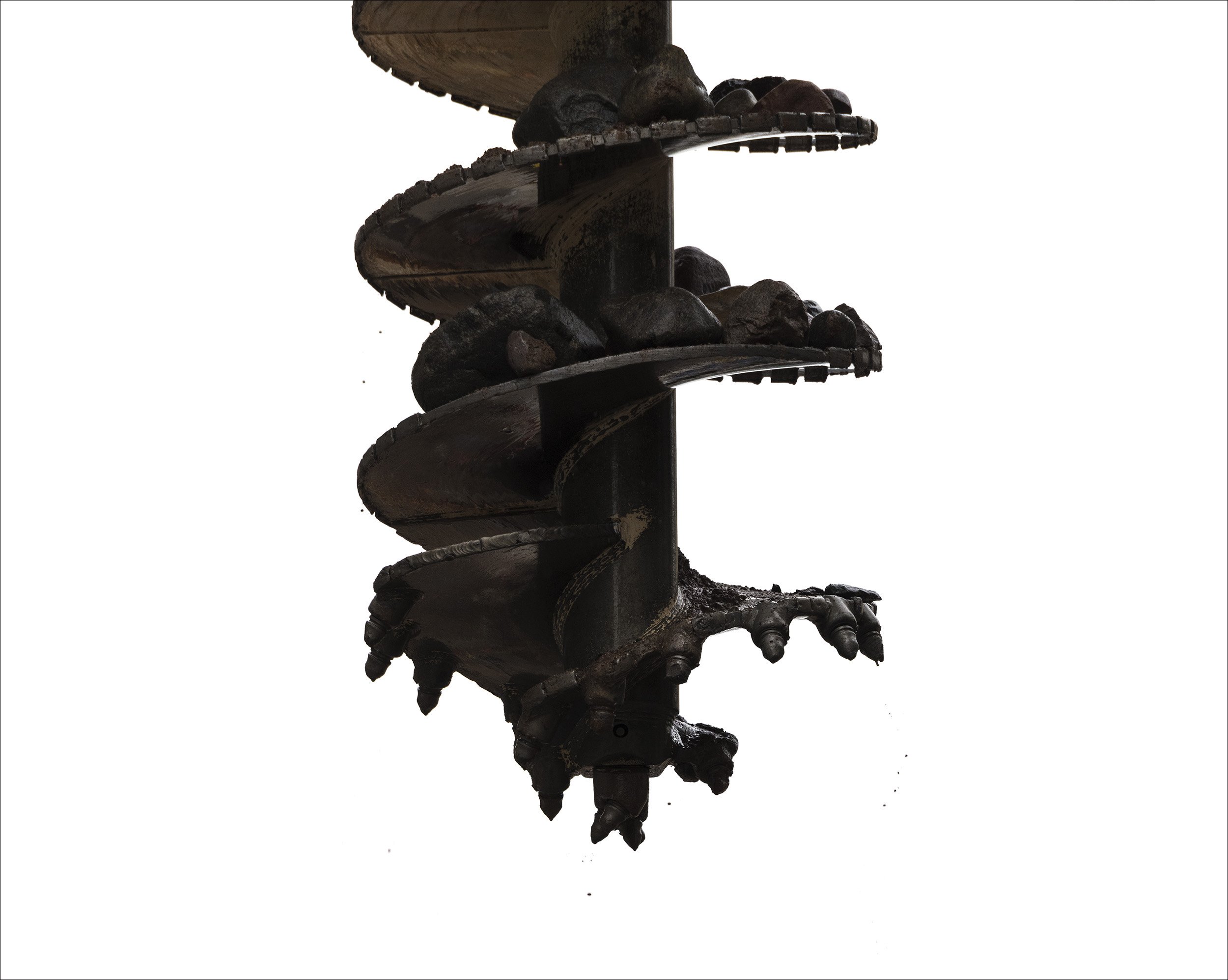
Manhattan Project is a photography book by Jan Staller about construction in New York City. It focuses on materials like steel, rebar, and machinery, usually seen during building work. Instead of showing full buildings, the images isolate single objects against the sky. This makes heavy industrial elements look light, abstract, and almost sculptural.
The project began in 2013 when construction started across from his home. From that moment, Staller started photographing objects being lifted by cranes from the street. Using a handheld camera and telephoto lens, he captured materials in motion. This approach allowed him to work faster and react to changing scenes.
The book is also part of a much longer practice. Staller has been photographing the west side of Manhattan for nearly fifty years. Over time, his work moved from wide city views to isolated forms. In this series, the context disappears and the object becomes the subject.
The result is a study of a city that is always changing. It shows what usually stays hidden during construction.
The images sit between documentation and abstraction. They turn everyday materials into something people stop and look at. (Five Continents Editions, Amazon)
Project genesis: The book started when a building went up across from your home on Charles Street in 2013. You walked over to the construction foreman at the corner deli and asked him to "pose" the crane hook. What made you think that was even possible to ask?
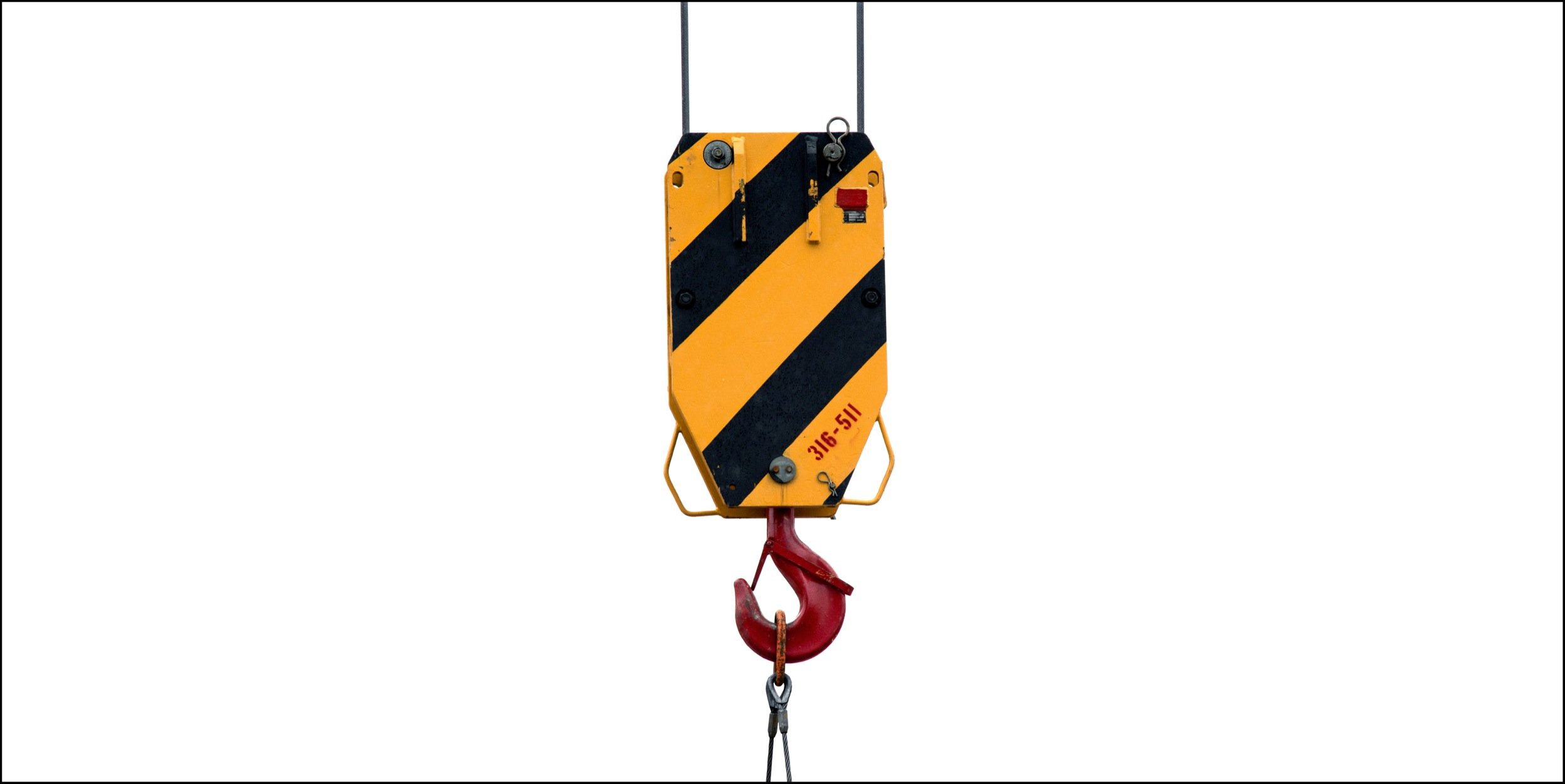
The foreman made his presence known within a few days of the demolition beginning. He was friendly, which I assumed was his way of ingratiating himself with the neighbors, since we would have to endure the noise, dust, and commotion of a 15-story tower rising in a neighborhood of small buildings. He always greeted me with a warm "good morning" whenever I ran into him at the corner bodega while buying The New York Times. On the first overcast day after the tower crane was installed, I asked him if he could do me the favor.
Pivot moment: When you saw the completed crane hook photograph, you said you immediately understood you could photograph construction materials from outside the fence. What exactly did you see in that image that told you this was the beginning of something larger, not just a single strong picture?
One of my earliest images of a crane-suspended object against the sky was a blue triangle photographed in New Jersey. Made with a telephoto lens, like several other images from that period, it marked a shift toward reductive abstraction.
The crane hook’s graphic simplicity, suggesting a painting on a gallery wall, inspired me. This was the last photograph last made with the Linhof Technika and telehoto lenses that worked so well for stationary subjects.After that, I began using a DSLR — its fast shutter speeds and autofocus lenses opening up new possibilities. The handheld camera, combined with autofocus lenses and large-format image quality, enabled me to clearly photograph objects that had long interested me — only now I could capture them literally on the fly.
Equipment shift: You had always used tripod-mounted cameras for still subjects, but cranes keep moving. How did switching to a handheld Nikon DSLR with a telephoto lens change the way you worked, and what did you have to learn fast?
I had only worked with tripod-mounted cameras, typically with wide-angle lenses, small apertures, and long exposures. I photographed objects I found in industrial landscapes and construction sites. Where my earlier photographs showed my subjects within the landscape, over time I began to see them as singular objects, and eliminating the surrounding context emphasized their formal qualities. To isolate these forms from the overall landscape, I began working with a Linhof Master Technika and a 500mm telephoto lens, in effect moving closer to subjects I could not photograph with a wider-angle lens. Using a DSLR was a dream come true. The higher shutter speeds and autofocus zoom lens enabled me to photograph fast-moving objects. With a handheld camera and autofocus telephoto lens, I could now make images of a quality comparable to medium- and large-format cameras. Being able to capture subjects of enduring interest in a wholly different way has opened up new possibilities for me.
Background: How do you think growing up around mid-century industrial design, with furniture by Eames and Nakashima in your home, shaped the way you look at construction materials that most people just walk past?
More than just the furniture, my home shaped many of my lifetime concerns. My father was interested in architecture, design, woodworking, and photography. He subscribed to magazines on photography, architecture, and design, and in addition to teaching me photography, he taught me how to use tools and make things. I have always had a sense of wonder about the world and a tendency to examine my surroundings closely. An interest in construction sites is not all that unusual. Boys are given building blocks, toy trucks, and cranes, and every construction site is surrounded by barriers punctuated by small windows where people press their noses to the plexiglass, as if at a peep show.
Isolation technique: Almost every image in the book shows a single object floating against a white or overcast sky, with no street, no context, no other buildings. When and why did you decide to strip away all background?
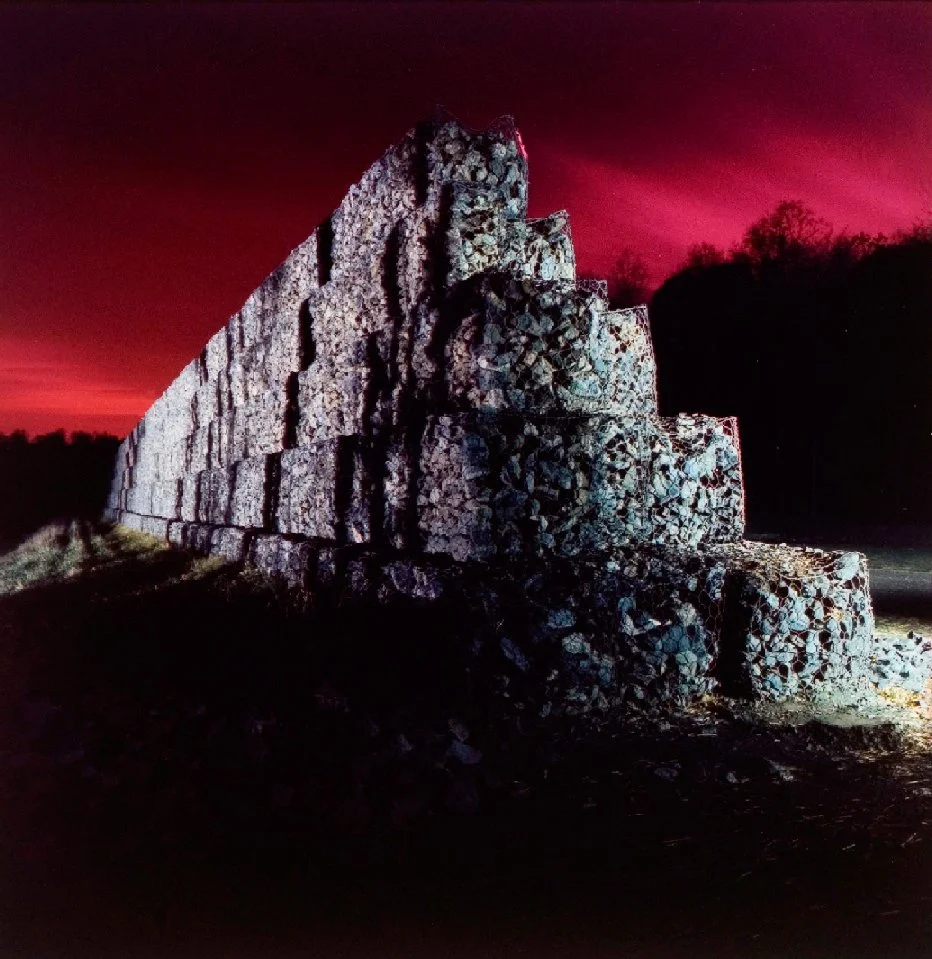
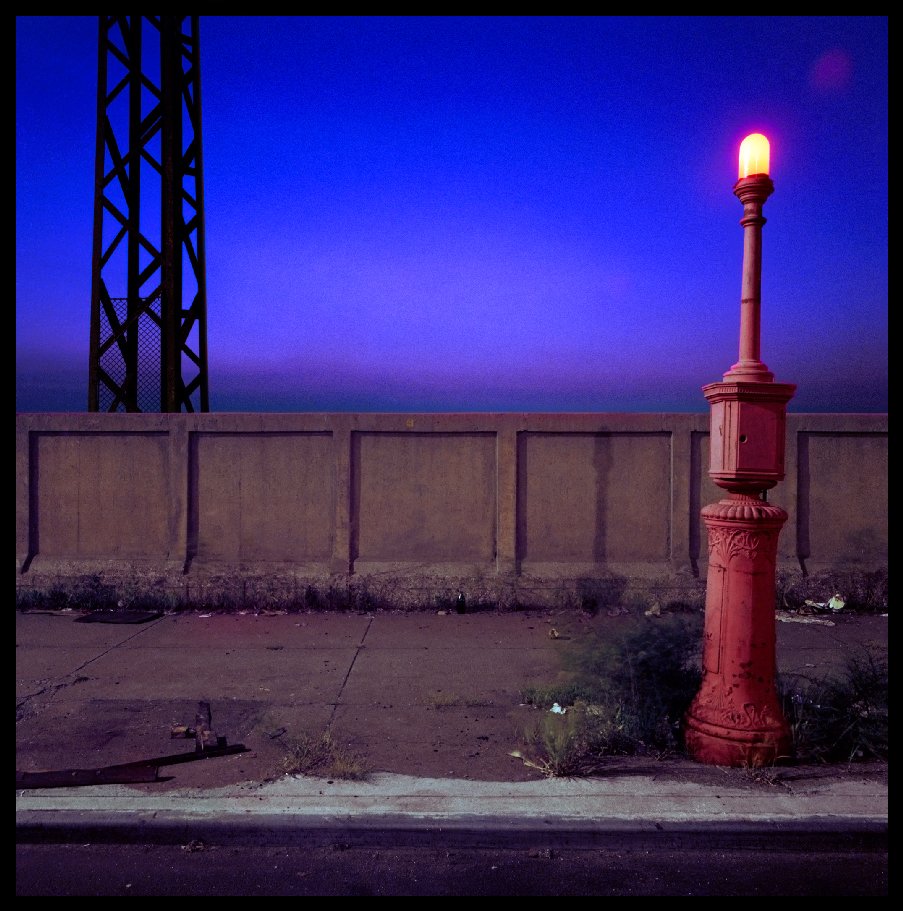
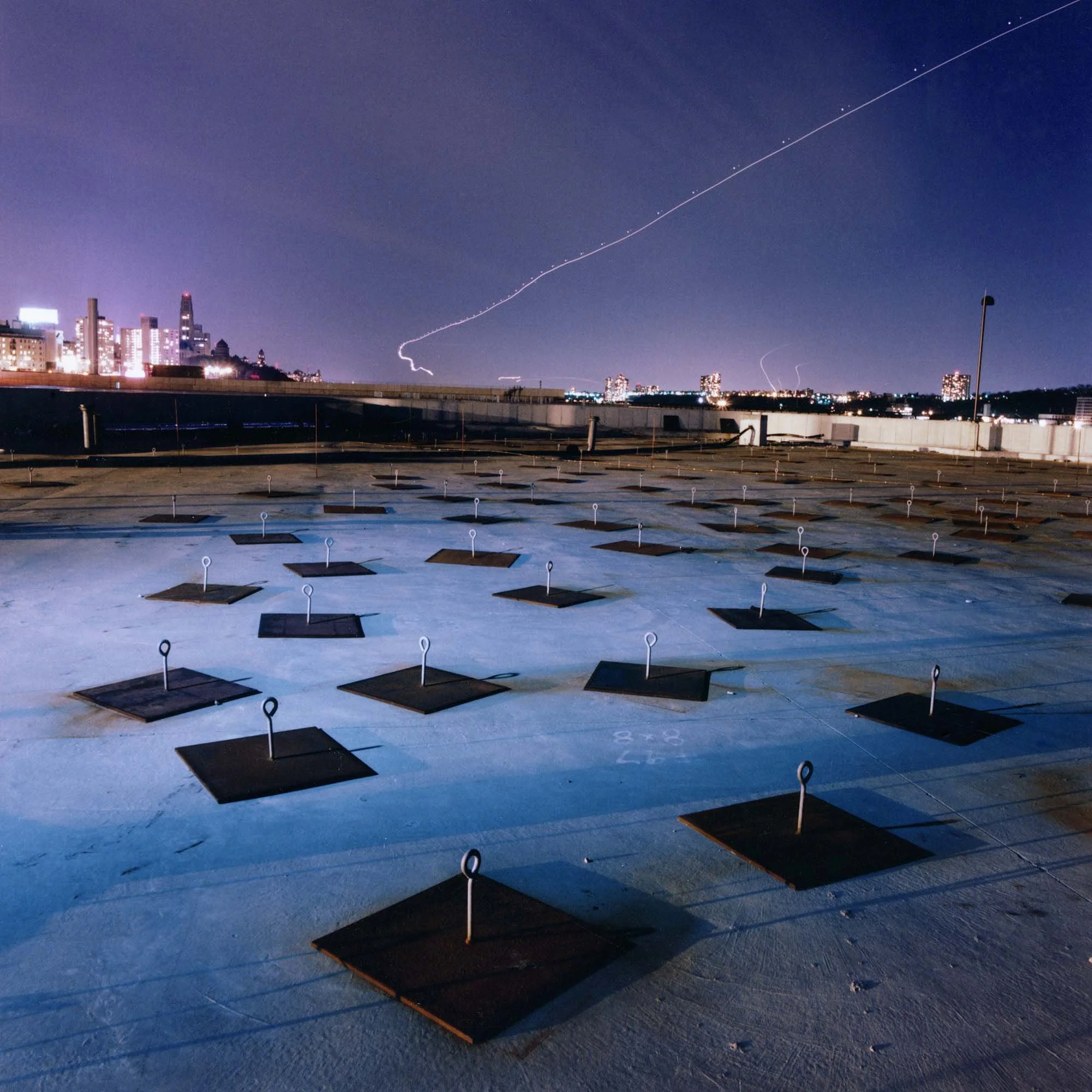
Eliminating the context was a gradual evolution; in my early photographs, the background was as important as the foreground. When I began photographing New York City, much of the west side of Manhattan was derelict and abandoned. Photographing the empty, twilit, depopulated streets with wide-angle lenses, I made uncanny images with cobalt blue skies that were often likened to paintings by Edward Hopper or Giorgio de Chirico, or to empty stage sets. In 1991, the demolition of the West Side Highway began what would become the continual conversion of the west side from manufacturing to residential and office high-rise buildings. Ever concerned with the changing landscape, I began to see objects of interest in construction sites. Seen through chain-link fences and among the clutter, I wanted to get inside and move closer to the subject. New York City construction sites typically offered no access, and by this time I had also begun photographing other construction sites after hours in the greater metropolitan region, particularly in New Jersey. On afternoon drives around the state, I photographed signs, billboards, and water tanks, using the overcast sky as a background. My first image of an object suspended by a crane against the sky was made in New Jersey with a telephoto lens. As soon as I saw my completed photograph of the black-and-yellow striped crane hook, made from across the street, I realized that I could photograph construction materials from outside the site. By 2013, the image quality of DSLRs made this work possible, leading to what became Manhattan Project.
Evolution of that process: You describe the elimination of background as something that took decades. Looking back, can you identify the single decision or image that most accelerated that process? What made you willing to let the context go?
Actually, this was more of a gradual process. My earlier photographs were more rooted in a sense of place: uncanny cityscapes made in Manhattan, followed by expansive roadside environments of industrial ruins and brownfields in New Jersey. Over time, I became increasingly interested in objects found within these sites, and, when necessary, I chose to eliminate incidental and distracting surroundings by moving closer to the subject and emphasizing a singular detail within a larger location. Eliminating context emphasized the formal and material qualities of the subjects, allowing them to transcend their original function and purpose.
But there were limitations to physically approaching objects of interest. At a certain point, I became interested in small details I couldn’t get close to, and I began using telephoto lenses to isolate the subject. Eventually I began using the overcast sky as a background, allowing the objects to exist singularly within a white space. At its most reductive, the subject became minimal: for example:VIZ A white water tank or empty black billboard: I thought of these photographs as a kind of found Malevich.
Seeing sculpture: The book's essay compares your rebar cages to Gego's wire sculptures and your black steel plates to Ellsworth Kelly paintings. Do you consciously see those connections while you are shooting, or do they only become clear later?
I have been looking at contemporary art in New York City since 1976. I can attribute my regard for industrial and construction materials to the work of sculptors and painters. While photographers are often influenced by other photographers, and I am no exception, looking at sculpture made with industrial materials and processes has sensitized me to the potential of workaday things, which, when removed from their intended functions, can become art.
Sculpture influence: You say that looking at sculpture made with industrial materials sensitized you to the potential of ordinary construction objects in a way that looking at photography did not. Can you name a specific work or artist where that shift happened, and describe what it changed about what you were willing to photograph?
I drew inspiration from an assortment of artists. The Littman text in the book references these figures and includes photographs of some of the artists' work that influenced my own.
Access: Construction sites are not easy places to photograph in. How did you build the relationships you needed to keep coming back, and did anything ever go wrong?
I have rarely been given permission to photograph at New York City construction sites. The usual answer was "no," a word I have never liked. I would always ask first, and if access was granted, I worked until I was satisfied. If not, I sometimes trespassed, which I often did outside Manhattan. That led to one arrest, several reprimands, and more than a few narrow escapes.
The title: "Manhattan Project" refers both to the place and to the atomic bomb program. What does that second meaning add to a book about buildings going up rather than things being destroyed?
I am not sure how the title first came to mind, but it felt more naturally connected to photographs of New York City construction sites than to the development of the bomb. Even so, that association is unavoidable, and I was drawn to the dual meaning and the sense of intrigue it creates.
Time: You have been photographing the West Side of Manhattan for almost fifty years. What does spending that long in one small area teach you that you could not learn any other way?
When I moved to Manhattan in 1976, galleries were showing color photographs made in distant locales, suggesting that travel was where one found compelling imagery. At the time, New York was new and fascinating to me, and I resolved to do a kind of travel at home. I mentioned earlier a childlike curiosity, and that remains, no matter where I am. I see that as an advantage over relying on the unfamiliar to generate interest in photographing a place. In a familiar place, finding something newly stimulating may be more difficult, but without being overwhelmed by the novelty that comes with travel, looking closely with curiosity can produce unexpected insights.
Knowing when to move on: You have now worked in a confined geography for nearly fifty years. How do you decide when a subject or approach is finished for you, and when it still has more to give? Is there a practical test you apply, or does it feel different?
When today's work looks too much like yesterday's work, it is time to look elsewhere. I am still fascinated by Manhattan's west side; I often quip that it is my Point Lobos. I have also extensively explored the greater metropolitan area. On the way to some place or another, to Newark or Kennedy airport for example, I would see something of interest out the window of a car, and very soon I would return to investigate the area. I have made many discoveries just by looking out the window. Construction sites have been an enduring interest since the 1980s, both in Manhattan and across the greater metropolitan area. Since 2013, when construction began on the building across the street, I have worked primarily at sites in New York City, where I can, to my great satisfaction, usually find something new on each visit. These days I am heading to 40th Street to photograph the construction of the new bus terminal. Sometimes the equipment and materials are the same and the results uninteresting, but I look forward to the next day when the weather is right. Last week I made at least half a dozen photographs that feel fresh.
Video: During the pandemic you filmed shadows of wooden pilings moving on the Hudson River. How does making video fit alongside your still photography, and did it change how you see anything when you returned to the camera?
If my early photographs present evanescent, at times uncanny views of the city, places people pass through without noticing, then these same familiar sites, seen over time with the meditative attention of the video camera, reveal unexpected and at times mesmerizing qualities. These days I am photographing again; my methodology remains the same, going out, curious and attentive, to see what I find.
To discover more about this intriguing body of work and how you can acquire your own copy, you can find and purchase the book here. (Five Continents Editions, Amazon)
More photography books?
We'd love to read your comments below, sharing your thoughts and insights on the artist's work. Looking forward to welcoming you back for our next [book spotlight]. See you then!
Ian Bates found his wildfire story after the fire. In 2014, he saw his first wildfire while visiting a friend in Eastern Washington. Photography Book Spotlight