How Massimo Lupidi Uses Aerial and Ground Photography to Capture the Cinque Terre Beyond the Postcard
Welcome to this edition of [book spotlight]. Today, we uncover the layers of 'Between Sky and Sea,' by Massimo Lupidi (published by Società Arti Grafiche e Pubblicità). We'd love to read your comments below about these insights and ideas behind the artist's work.
Massimo Lupidi captures the Cinque Terre most tourists never see.
This interview looks at how he approached one of the most photographed places in Italy in his own way.
He worked on this project for several years, using both aerial and ground photography to build a different view of the landscape. The result is not just images of a place, but a more personal interpretation shaped by his background in painting.
Cinque Terre is known for its colors, its villages, and its constant flow of visitors.
But behind that familiar image, there is a quieter and more complex reality. Lupidi worked through different seasons, including the pandemic years, when the area was almost empty. This gave him access to moments and perspectives that are usually impossible to see.
You will also start to notice what makes an image feel different.
Small choices like timing, position, and perspective can completely change what you see. And after reading, you may look at familiar places with a more careful eye.
The Book
Between Sky and Sea is a photographic journey through the Cinque Terre, seen through the eyes of Italian photographer Massimo Lupidi.
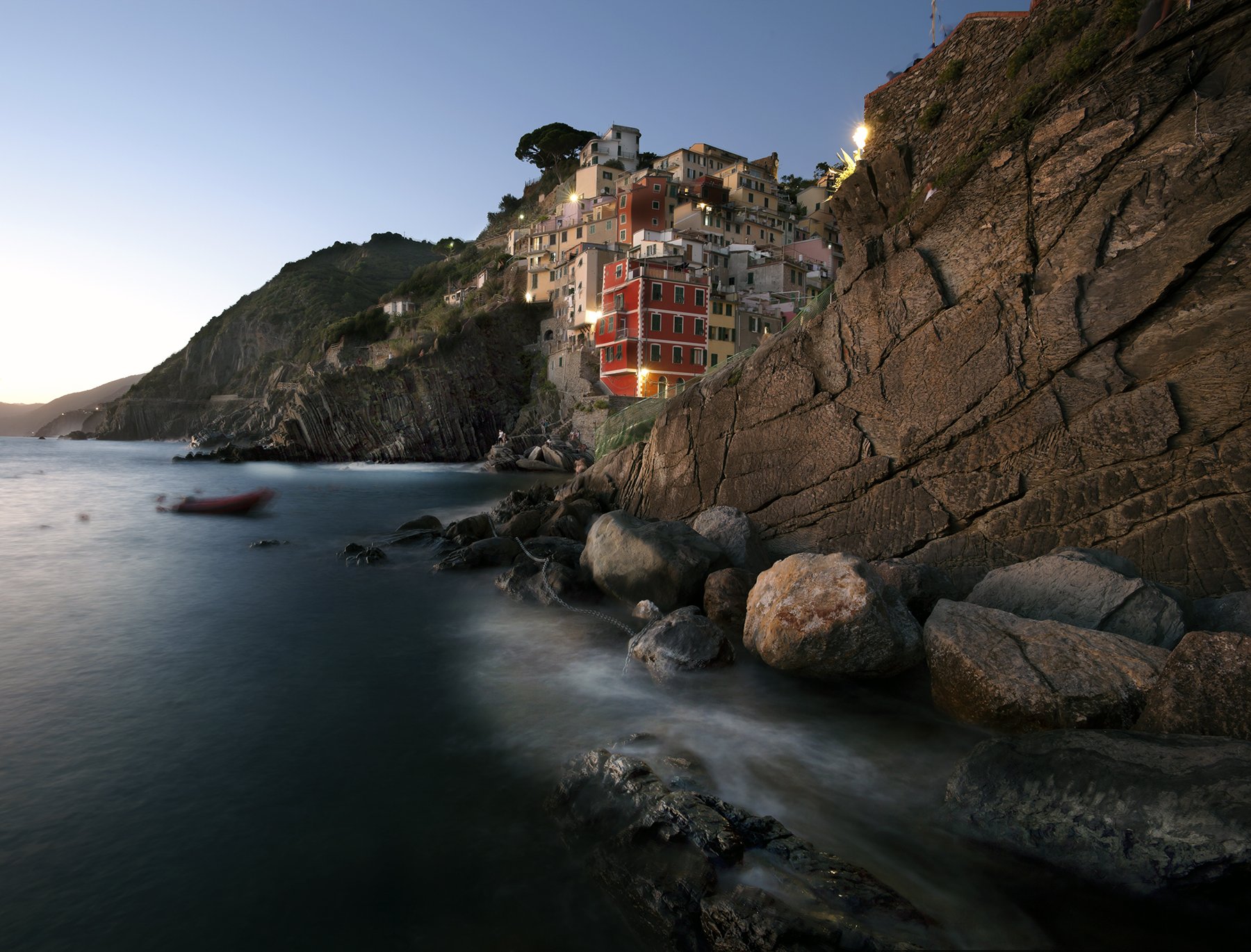
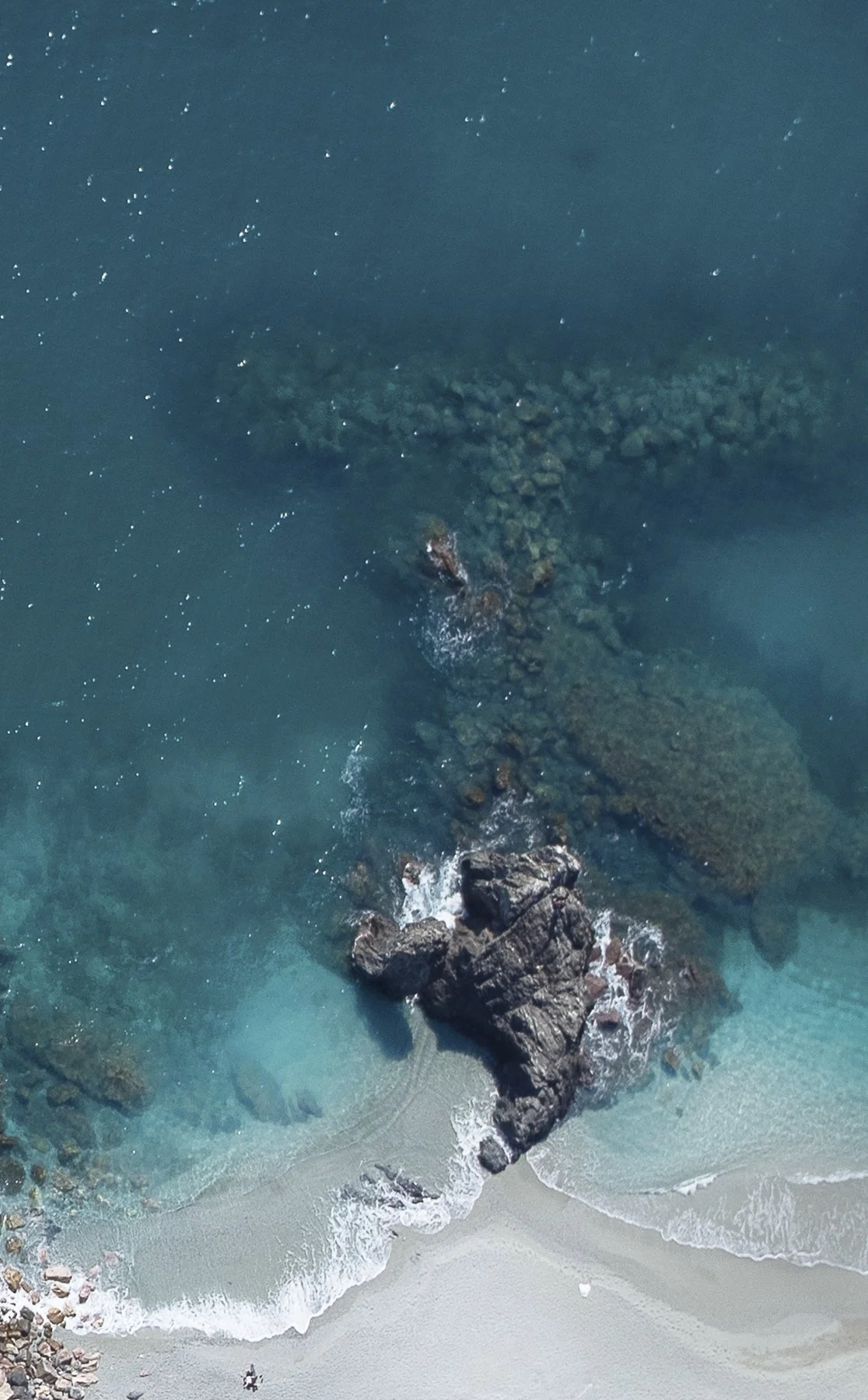
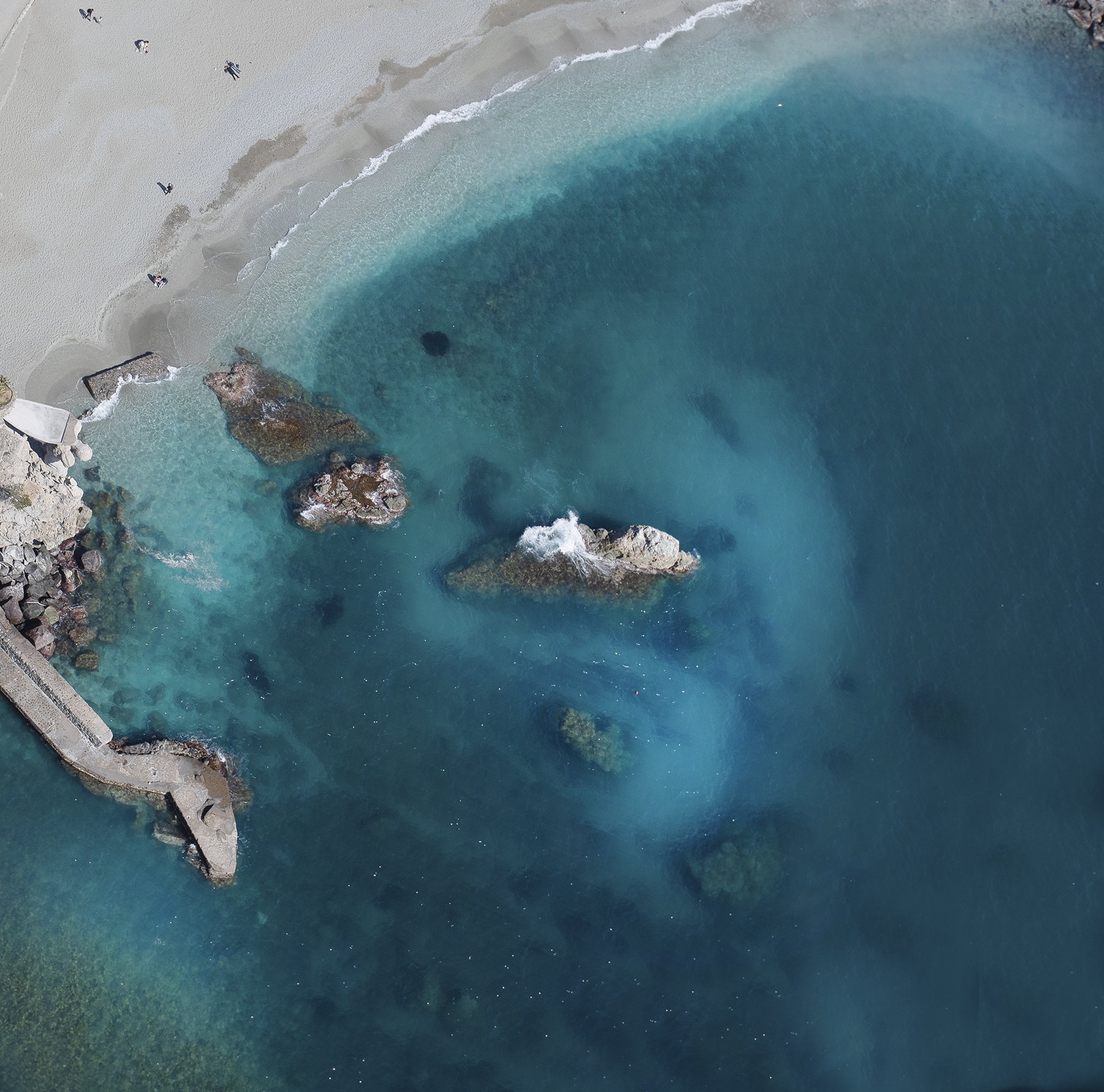
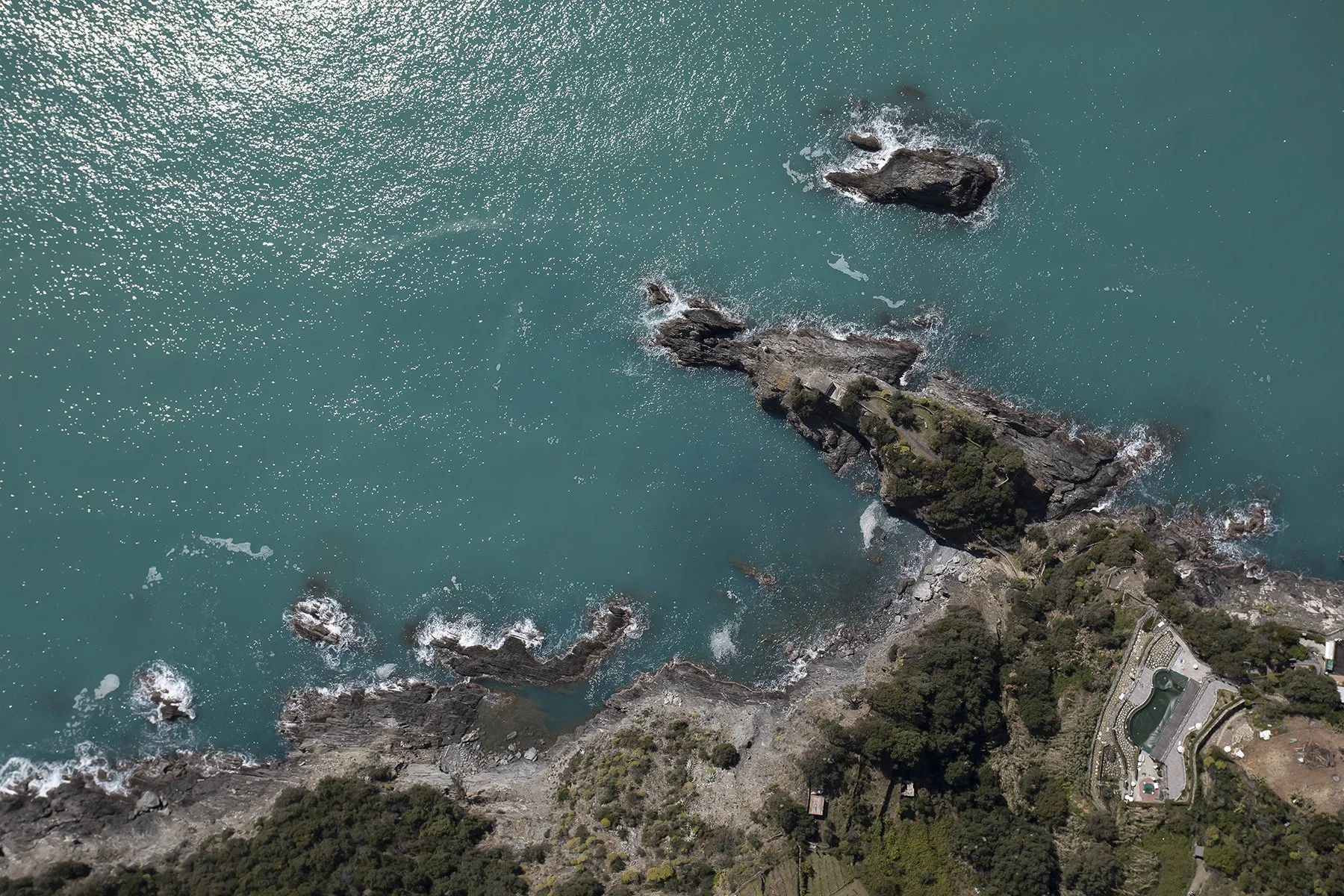
Over several years, Lupidi returned to this coastline to document it from both the ground and the air, combining perspectives that reveal more than the familiar postcard views. The five villages, with their pastel houses and steep landscapes, are shown not only as iconic destinations, but as places shaped by light, silence, and time.
The book is also in dialogue with the poetry of Eugenio Montale, whose connection to this region adds another layer of meaning. Rather than simply illustrating the landscape, the photographs aim to reflect the same emotional depth found in his work.
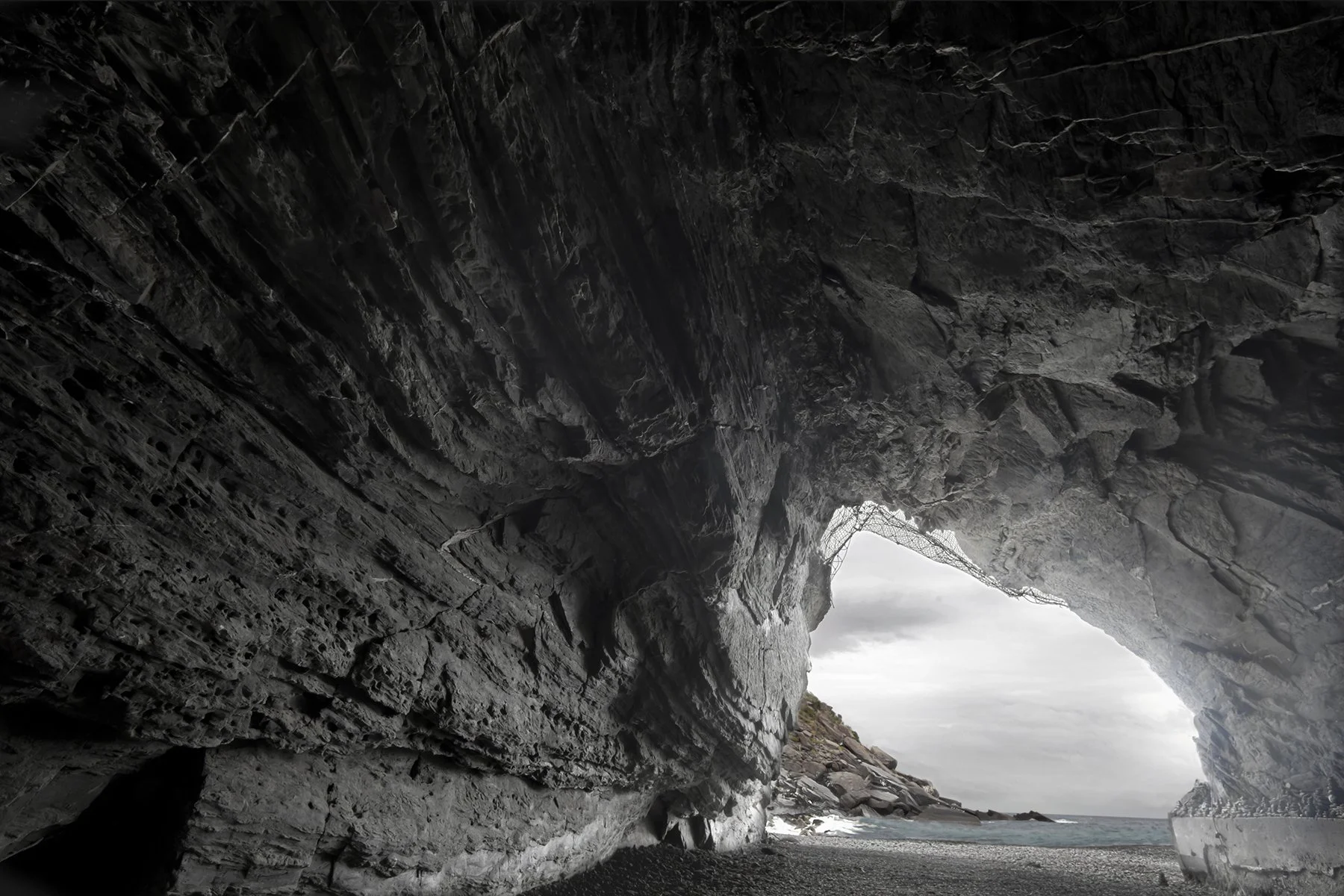
Moving between wide aerial compositions and intimate ground-level scenes, Between Sky and Sea offers a different way of seeing the Cinque Terre, one that feels more personal, more reflective, and less obvious.(Società Arti Grafiche Società Arti Grafiche e Pubblicitàe Pubblicità, Amazon)
Painter's eye: You were a painter before you became a photographer. Can you give an example of how that painting background shaped the way you composed a specific image in this book?
I have always had a passion for painting, and over time I carried that passion, creativity, and sensitivity into photography. My previous book, Iceland, is a good example of how painting and art can influence photography. Seeing from above is not the same as seeing from the ground. The photographic imagination is filtered through painting and its creative processes — concepts like spatial composition, aerial perspective, geometric framing, the blending of colours, light and shadow, and abstraction all take on real meaning. Every place has its own unique landscape and character, so when I returned to the Cinque Terre, I had to approach the work from a different perspective.
Two perspectives: The book combines ground-level and aerial photography of Cinque Terre. How did you decide, in the moment, which perspective would tell the story of a particular village or coastline better?
Five pastel-coloured villages perched on bare rock overlooking a crystal-clear sea — footage shot from the ground alone could only partially capture what makes this corner of Italy so unique. Each village has its own history, shaped by its rugged natural surroundings. Together, they offer a remarkable blend of towers, churches, shrines, castles, terraced vineyards, cliffs, and headlands overlooking the sea. I decided to photograph from both ground level and from the air, and then, when assembling the book alongside Montale's poems, I chose the layout that best served each image.
Aerial technique: Shooting from an ultralight or paraglider above dramatic cliffs and a busy coastline sounds very difficult. What was the biggest technical challenge you had to solve to get the shots you wanted?
Every project and every photograph requires careful planning. When working with aerial platforms, the involvement of a pilot or paraglider pilot is essential. The movement of an ultralight aircraft is very different from that of a paraglider, which depends entirely on atmospheric updrafts. Each requires a different approach, and both demand precise coordination between the photographer and the pilot.
Montale connection: Eugenio Montale's poetry is described as 'hermetic' and full of harsh, stark imagery. How did you translate that quality into a photograph, rather than just showing beautiful scenery?
I tried to create a harmony between image and poetry — to convey in a photograph the same feelings that a poem can stir in the reader. The goal was not simply to illustrate Montale's words, but to let the photographs carry a similar emotional weight: something direct, raw, and not easily explained.
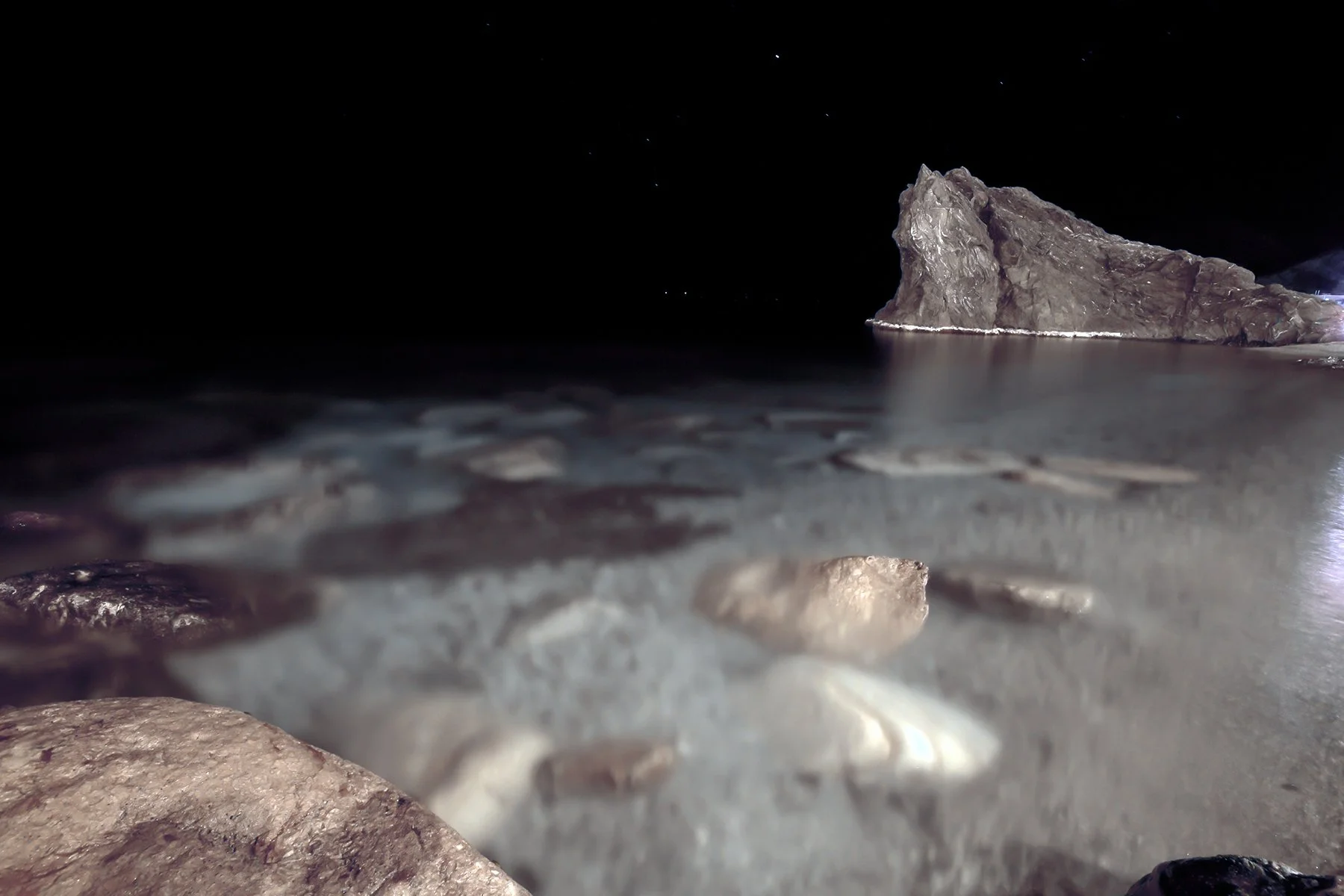
Specific location: You mention the beach of Fegina and the dry-stone walls as places central to Montale's world. Did photographing those specific spots feel different from shooting the more famous parts of Cinque Terre?
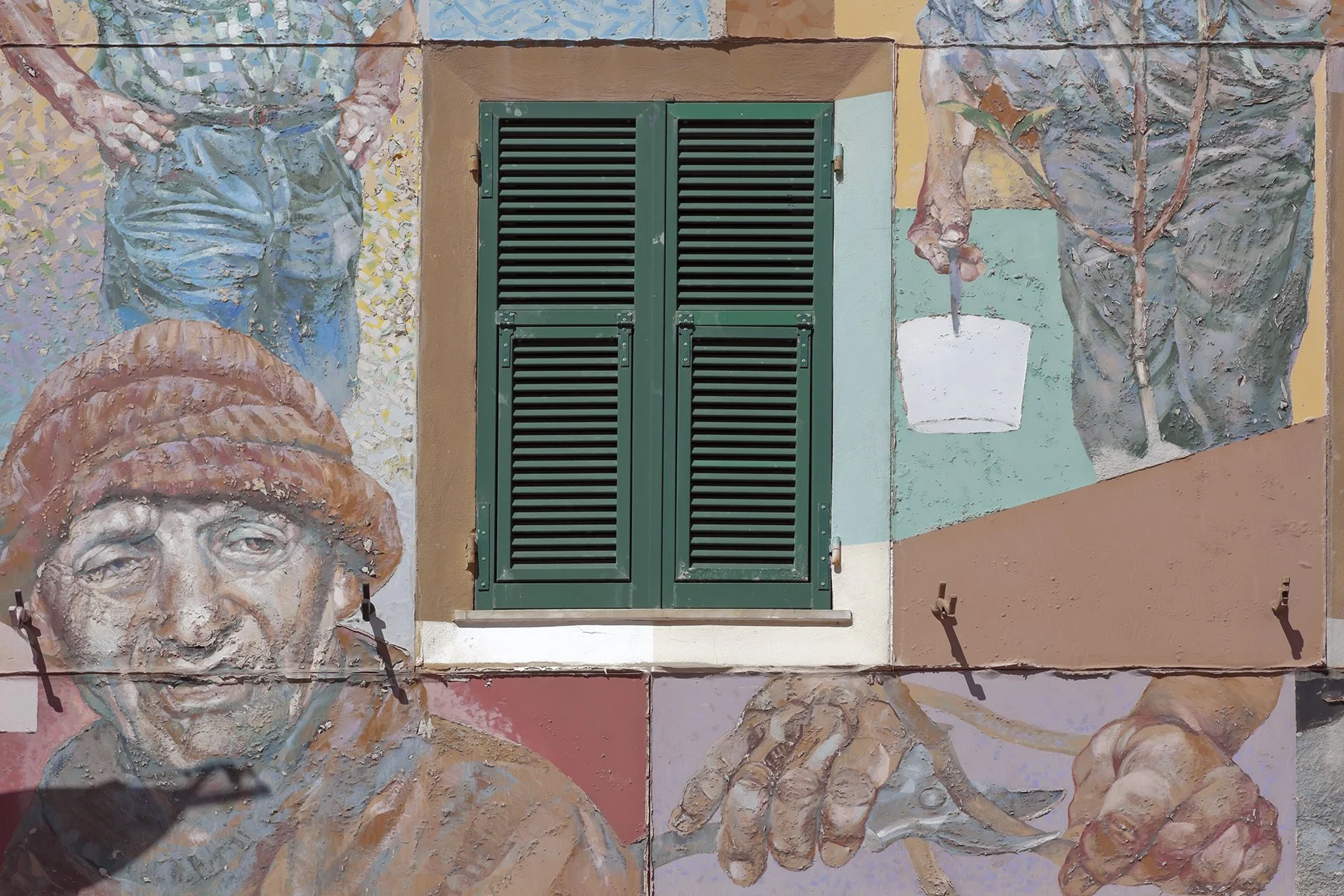
Every place evokes its own emotions and sensations, and each village in the Cinque Terre is distinct. Fegina, in Monterosso, is the only stretch along this coastline that can truly be called a beach, and a beach always carries a particular atmosphere — a sense of calm, harmony, and iconic light, especially at dusk. The dry-stone walls are different. Built along the steep paths connecting the villages to mark out vineyards, olive groves, and vegetable gardens, they convey a roughness and simplicity that connects directly to what Montale described in his poetry.
Covid years: The project ran from 2019 through 2025, which means part of it happened during the pandemic, when a place that normally sees three million visitors a year was suddenly empty. Did that change what you saw or how you shot?
During the pandemic, restrictions were in place throughout the area, which made filming difficult. Reaching these locations was not straightforward — train services were limited, restaurants and accommodation were often closed. But there were opportunities too. During the winter months, I was able to photograph without crowds and work undisturbed, even on the more demanding ground-level shots that would have been impossible in the high season.
Colour and light: Your earlier Iceland work uses very strong colour contrasts and abstract compositions. Did the warm Mediterranean light of Cinque Terre push you to work differently with colour?
Yes, it did. Iceland is a land of contrasts, and the northern light is quite different from the Mediterranean light. In the Cinque Terre, the most striking colours are found in the houses of the five villages themselves — those warm, layered hues of pastel facades rising from rocky outcrops above the sea.
Environmental awareness: You have been focused on environmental themes since the 1992 Earth Summit. A place as crowded as Cinque Terre faces real pressure from mass tourism. Did that tension find its way into any of the photographs?
Overtourism is a serious problem in the Cinque Terre. The area receives around three million visitors a year. To photograph it away from the crowds, you need to visit the villages at dawn or dusk, explore the higher trails, and choose the low season. I tried to avoid the busiest periods — partly out of choice, and partly because aerial photography by paraglider is simply not possible during the summer months.
State of heart: You talk about reaching a 'state of heart' before making an image. For a practical tip, what do you actually do, physically or mentally, to get yourself into that state before you press the shutter?
My creative vision — especially with landscapes — is my way of capturing what I see so that I can relive those moments, those sensations and feelings, again and again. A photograph is a medium, a language. It is also an invitation to recognise something in ourselves. The more emotional a shot is, the more it speaks to our senses, and the deeper the connection we feel to it. A good photograph should not need explanation. As the old saying goes, a picture is worth a thousand words.
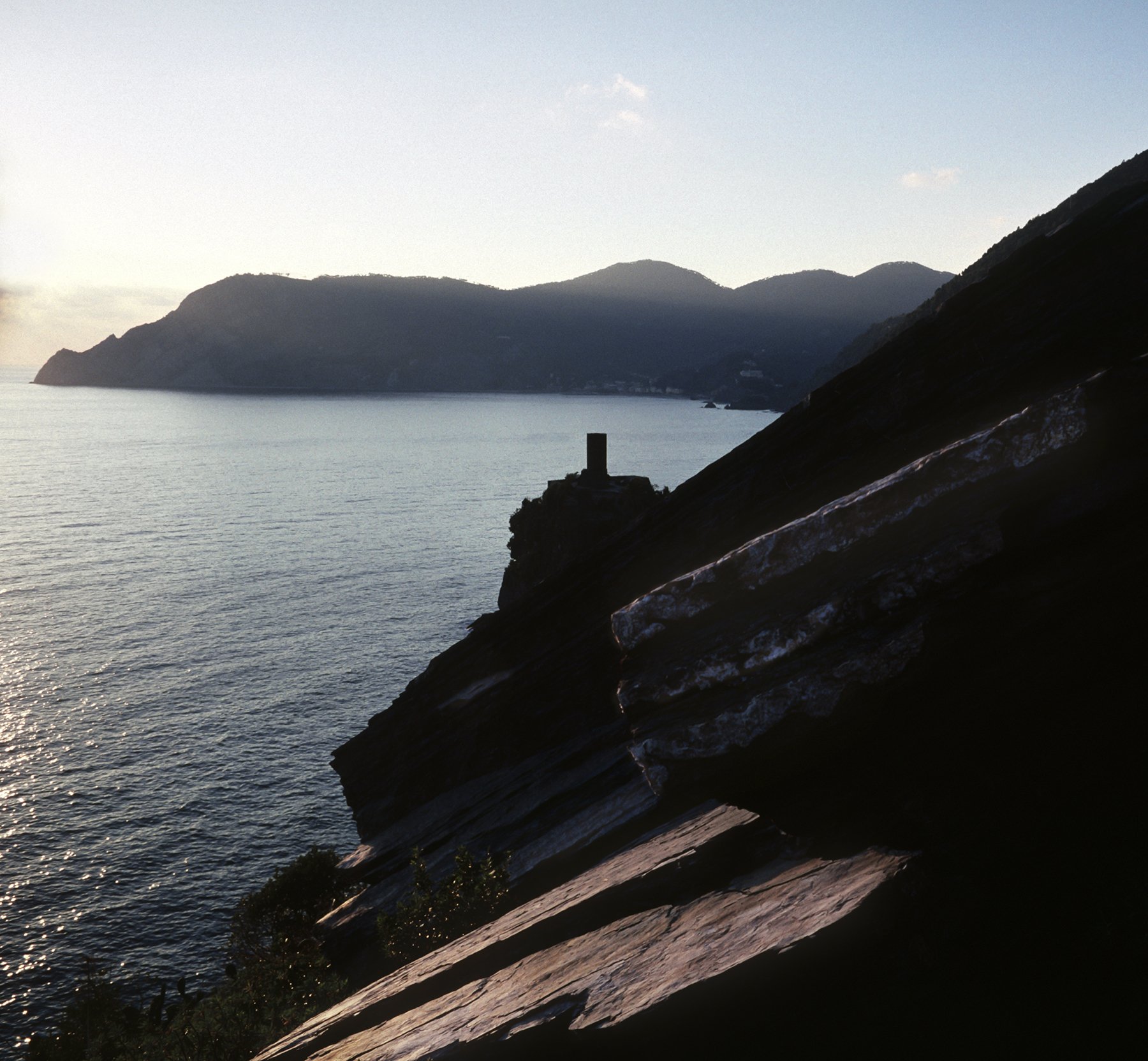
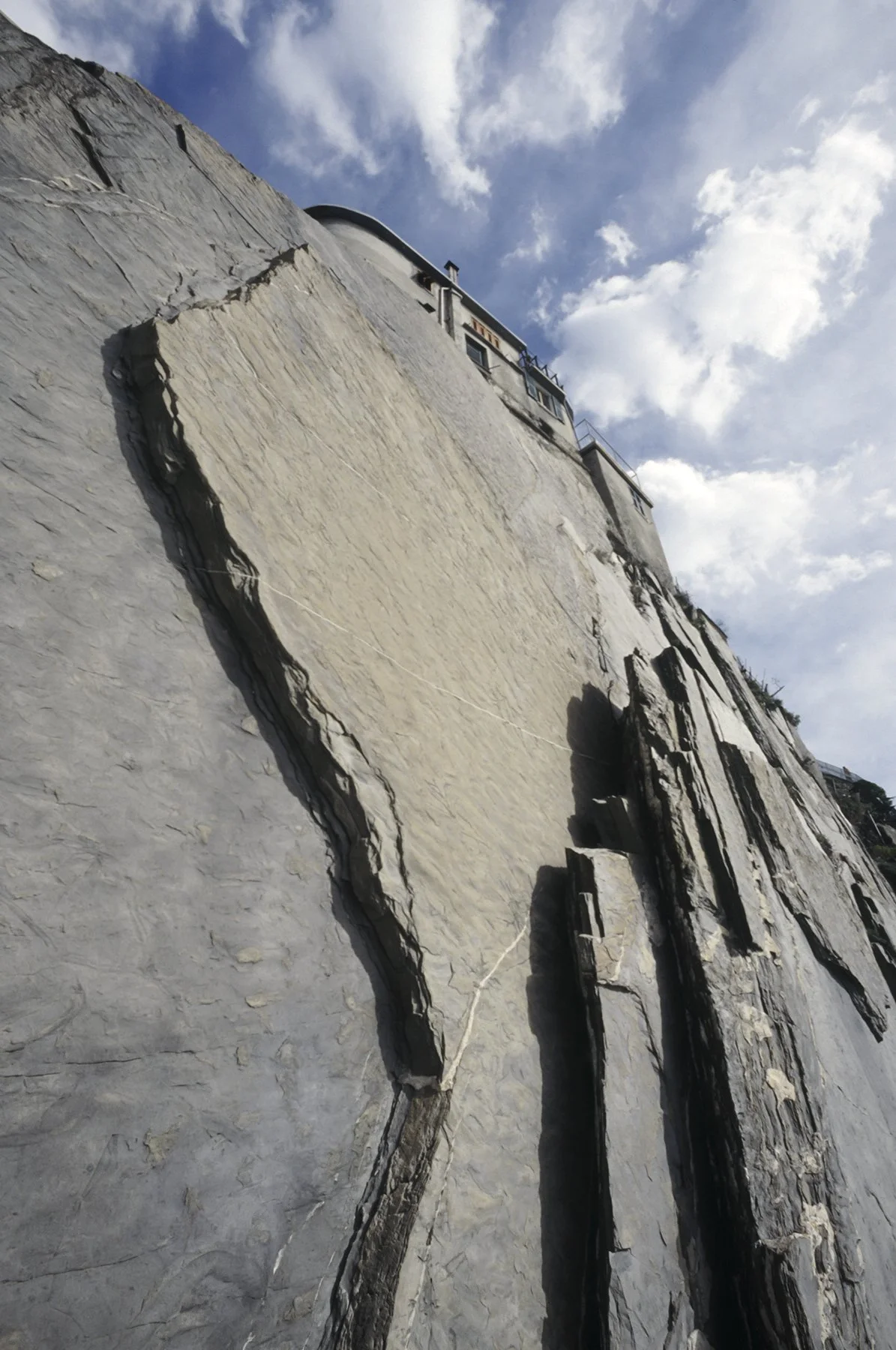
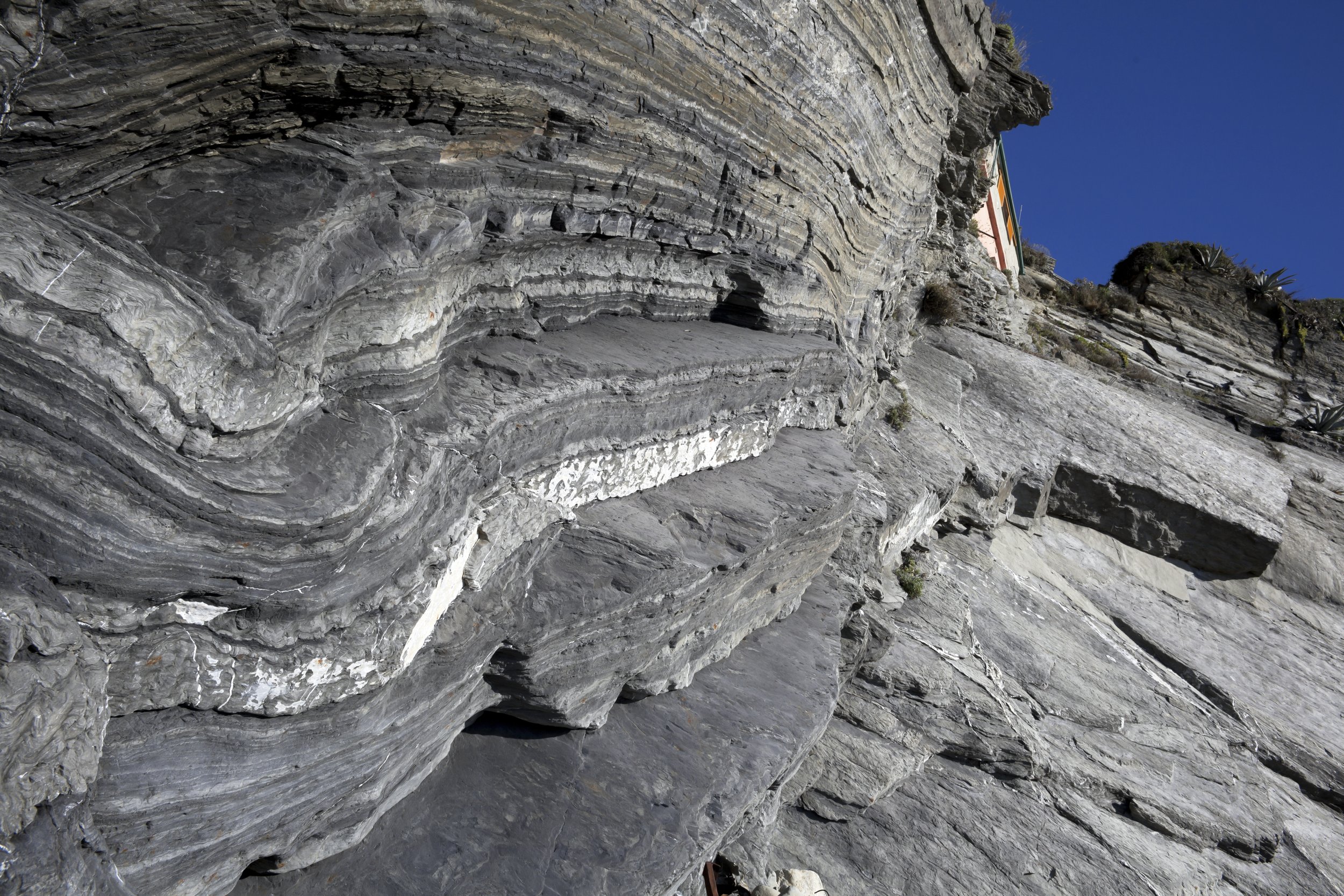
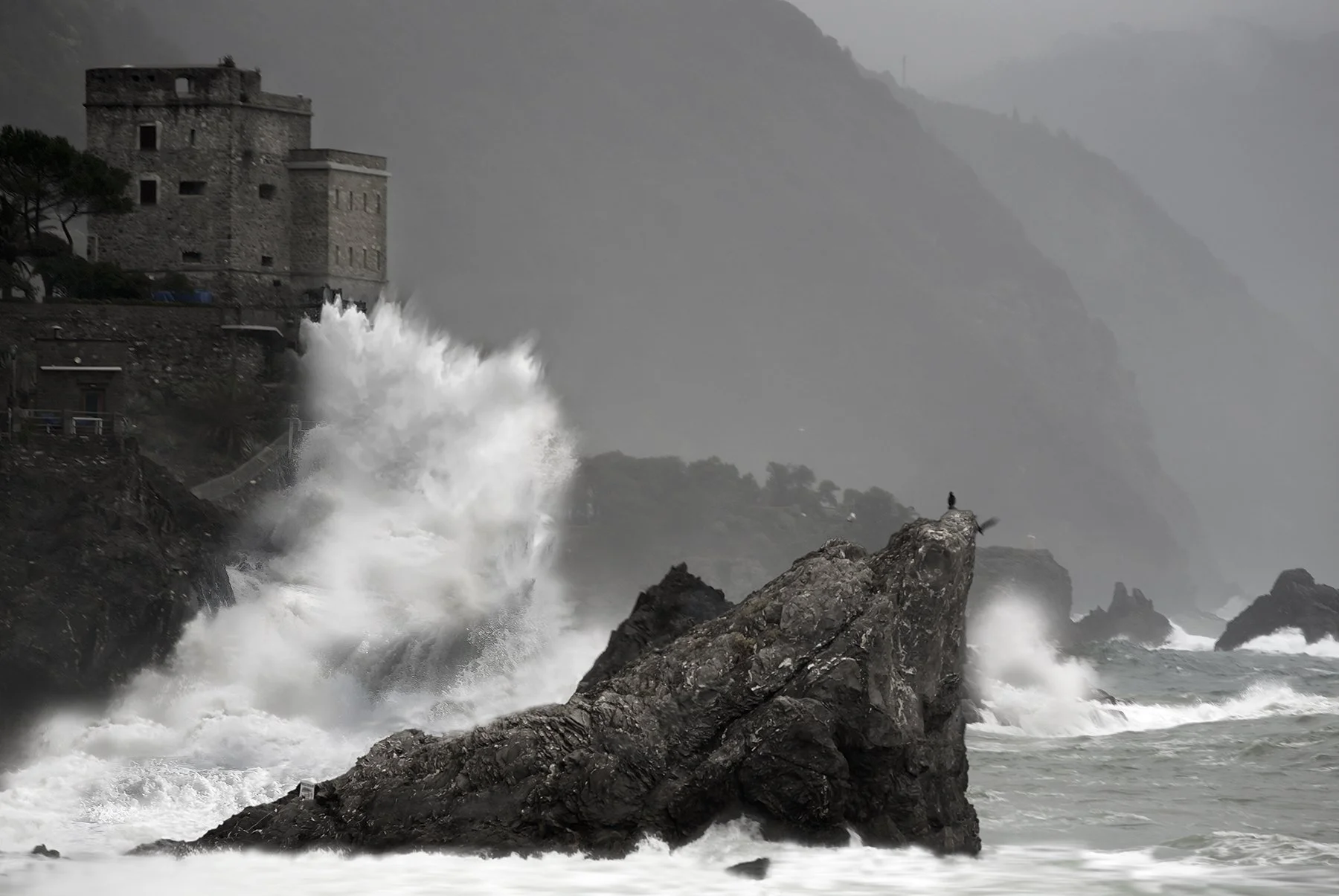
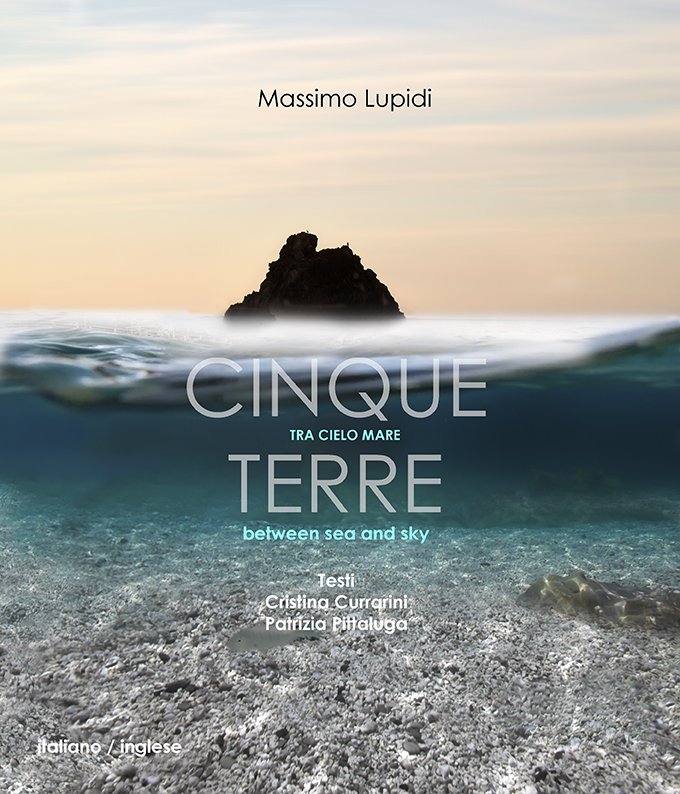
To discover more about this intriguing body of work and how you can acquire your own copy, you can find and purchase the book here. (Società Arti Grafiche Società Arti Grafiche e Pubblicitàe Pubblicità, Amazon)
More photography books?
We'd love to read your comments below, sharing your thoughts and insights on the artist's work. Looking forward to welcoming you back for our next [book spotlight]. See you then!
Lee Espinoza reminded Darren Vargas of his late grandfather. The photographer met the boxing coach in 2025, five years after his grandfather Esmael died. Photography Book Spotlight