Will Vogt Turned 140,000 Images Into One Story. Here’s The Way Great Photo Books Are Actually Built
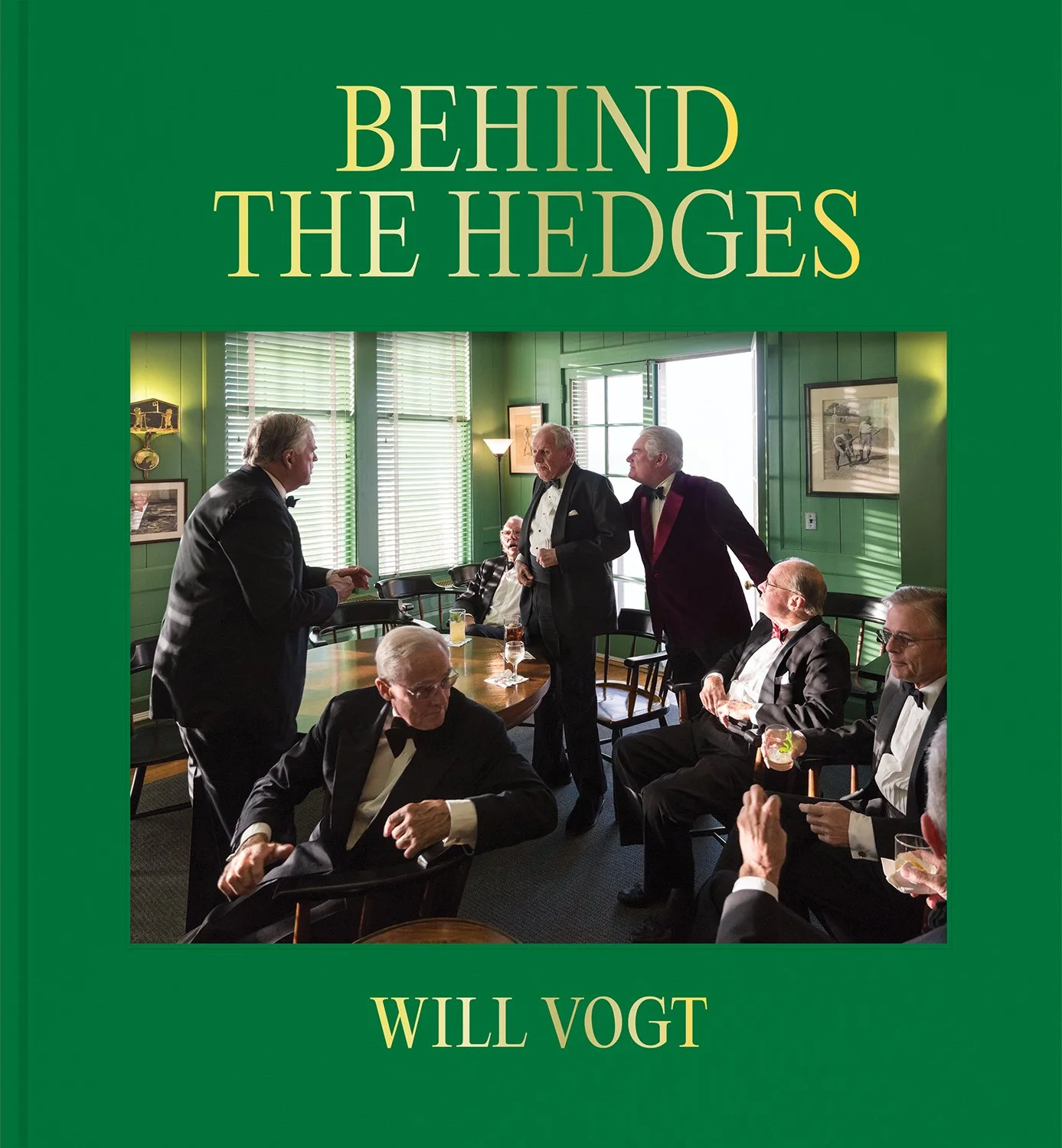
Welcome to this edition of [book spotlight]. Today, we uncover the layers of 'Behind the Hedges,' by Will Vogt (published by Schilt Publishing & Gallery). We'd love to read your comments below about these insights and ideas behind the artist's work.
After 140,000 photos, one truth about great photo books became unavoidable.
Most people think a photo book is a collection of strong images. But when you look closer, it is something else. In this interview, Will Vogt explains why a book is not built from your best photos, but from how they work together. After decades of photographing the same people and places, and building an archive that keeps growing, he started to see patterns that are not obvious at first.
But this work is also about attention.
When you photograph the same world again and again, it becomes easy to stop really seeing it. Vogt talks about how familiarity can hide details, and why you need to slow down to notice what is different each time. Small changes in light, gesture, and timing start to matter more than big moments.
At the same time, there is something practical here for anyone making work.
You will see why editing is often about removing images you like, not adding more. You will understand how sequencing changes meaning, and why some photos only work next to others. By the end, you get a clearer idea of how to turn many separate pieces into one complete story.
The Book
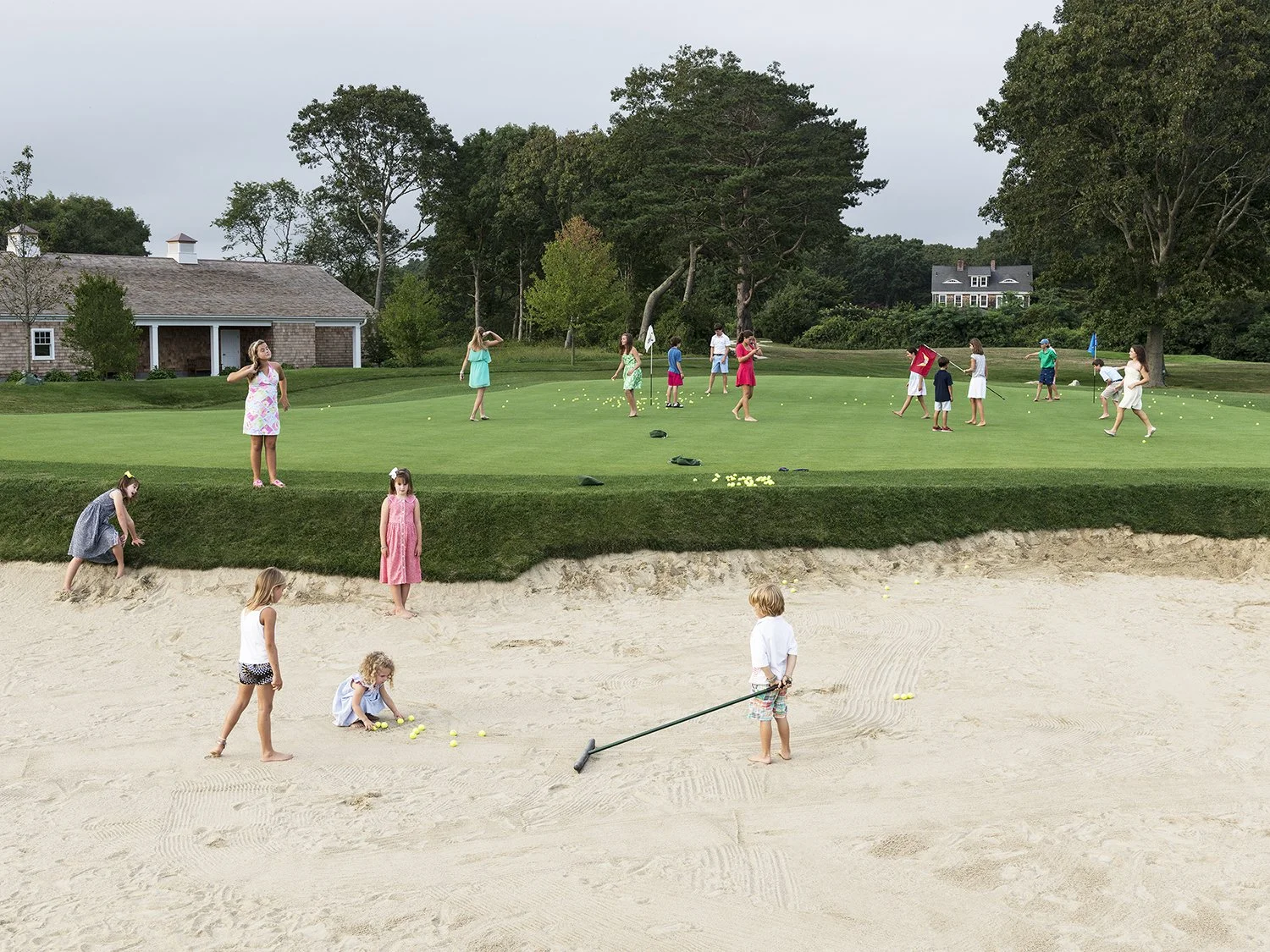
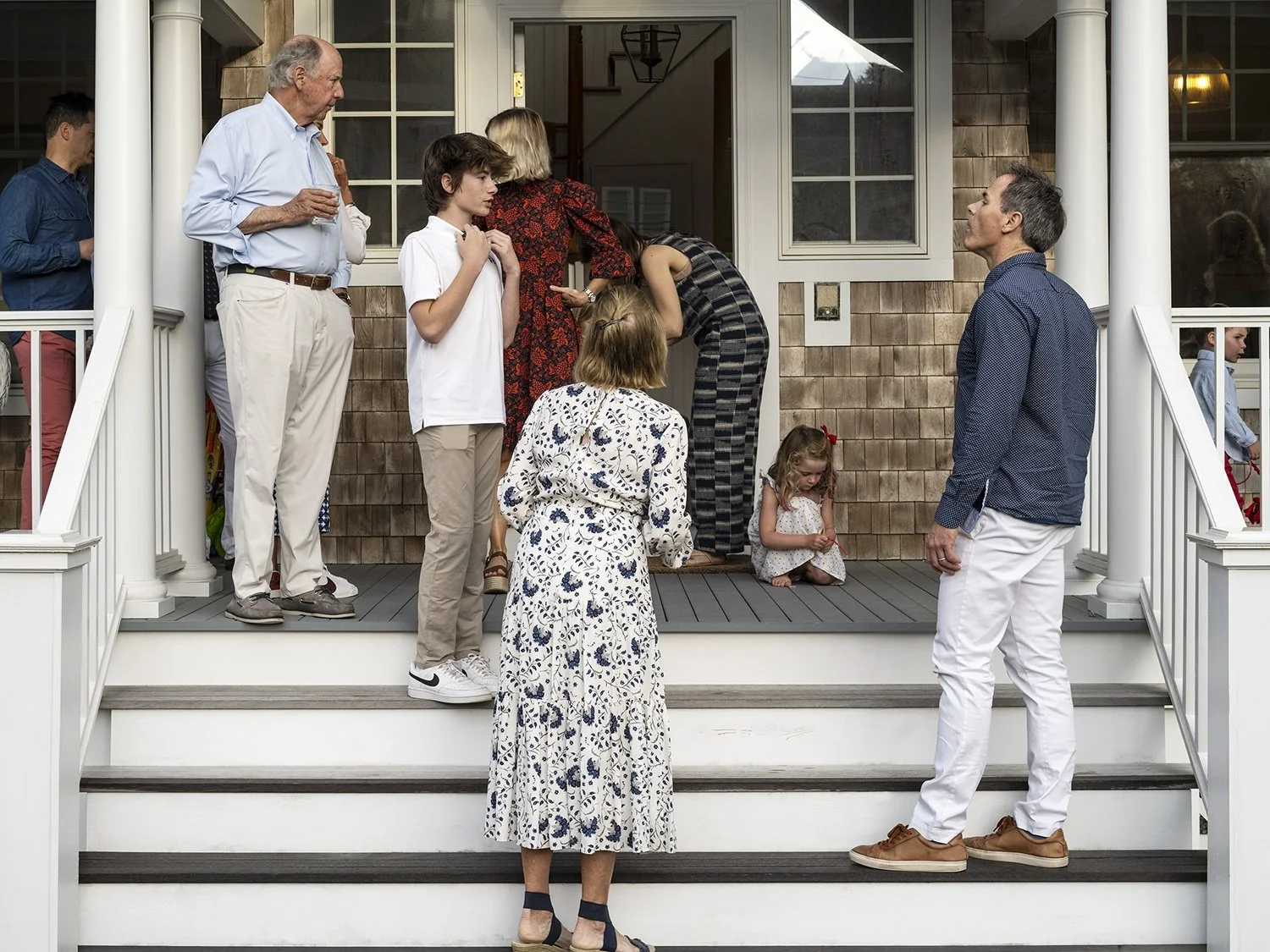
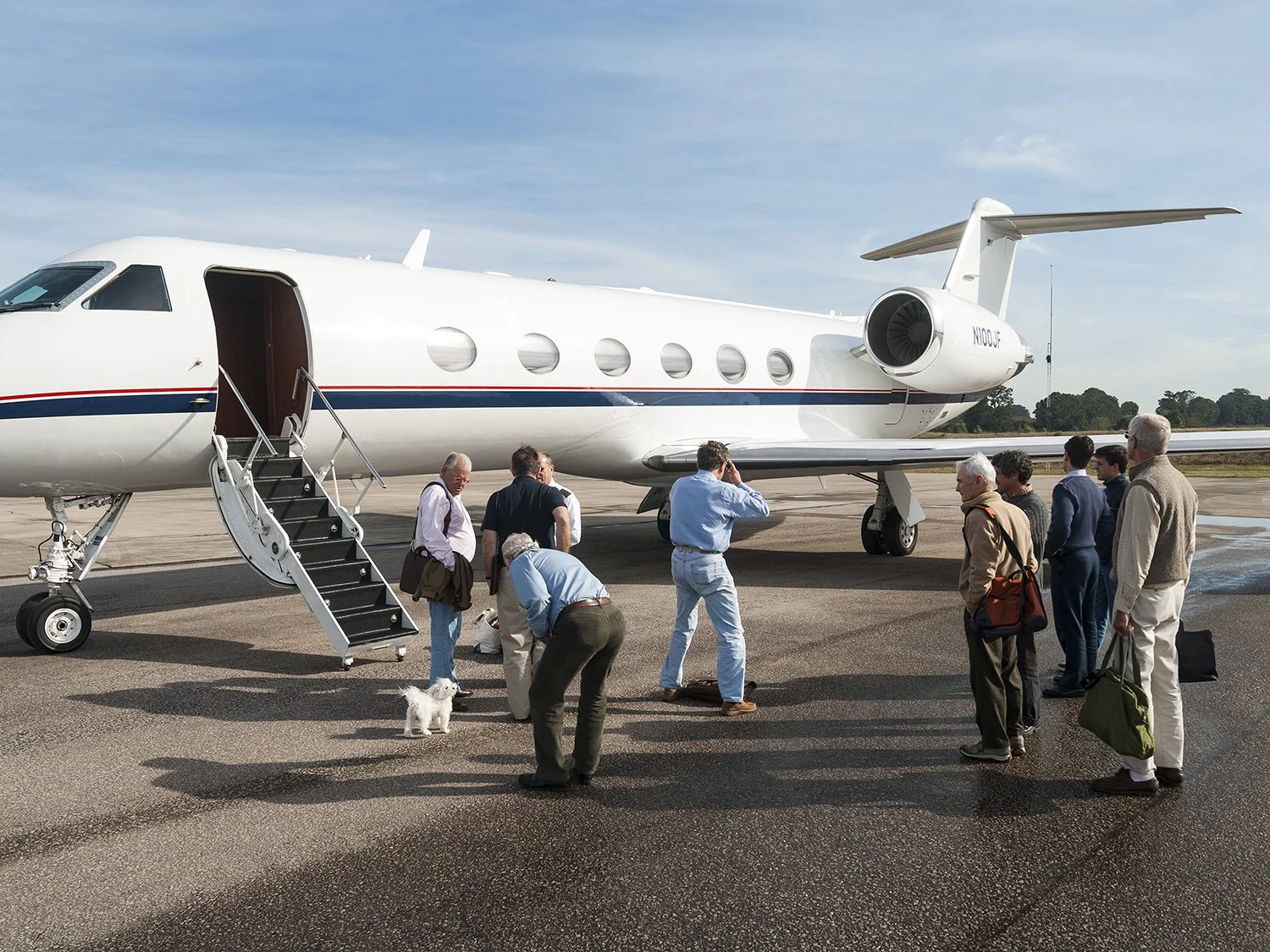
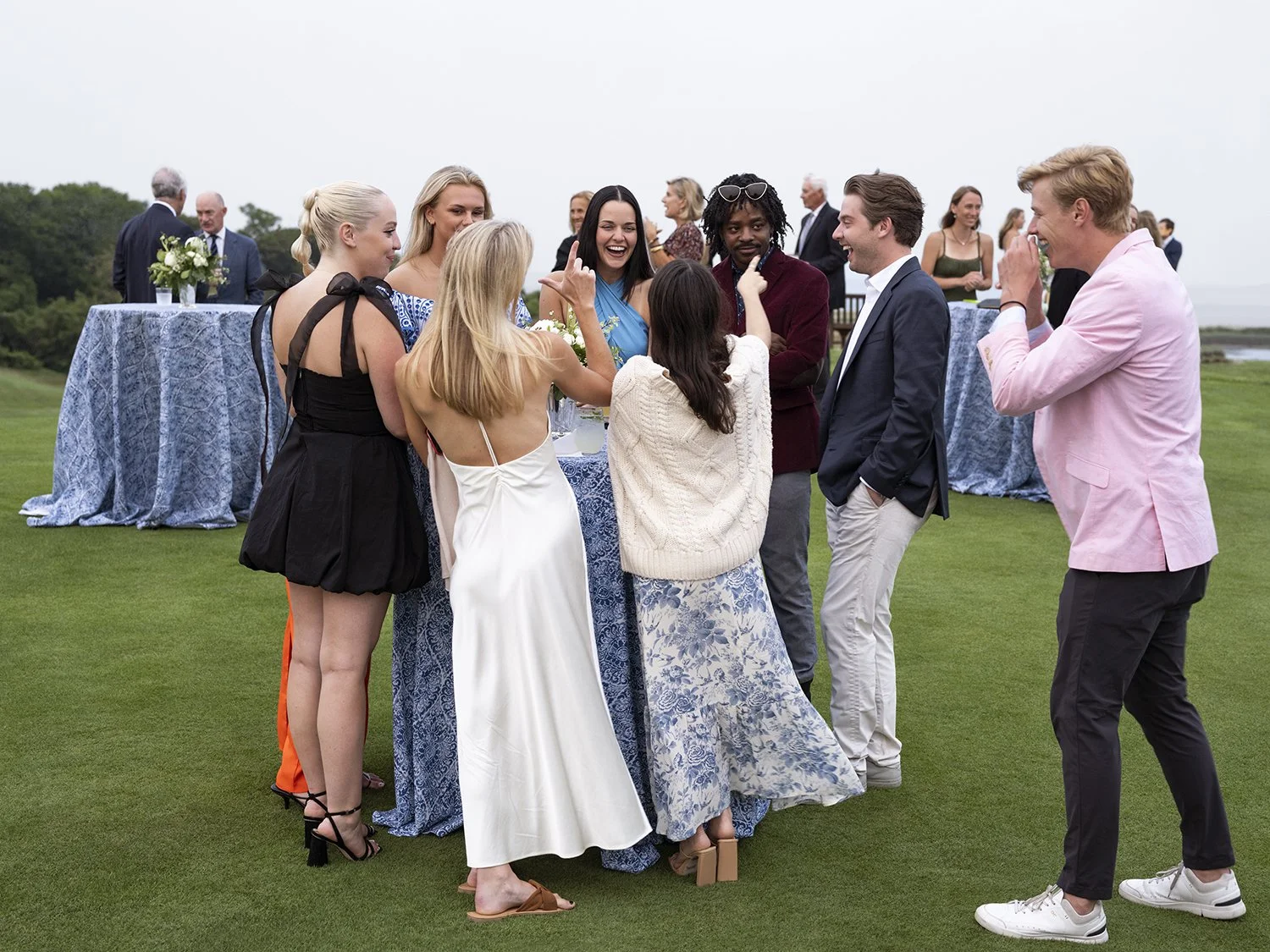
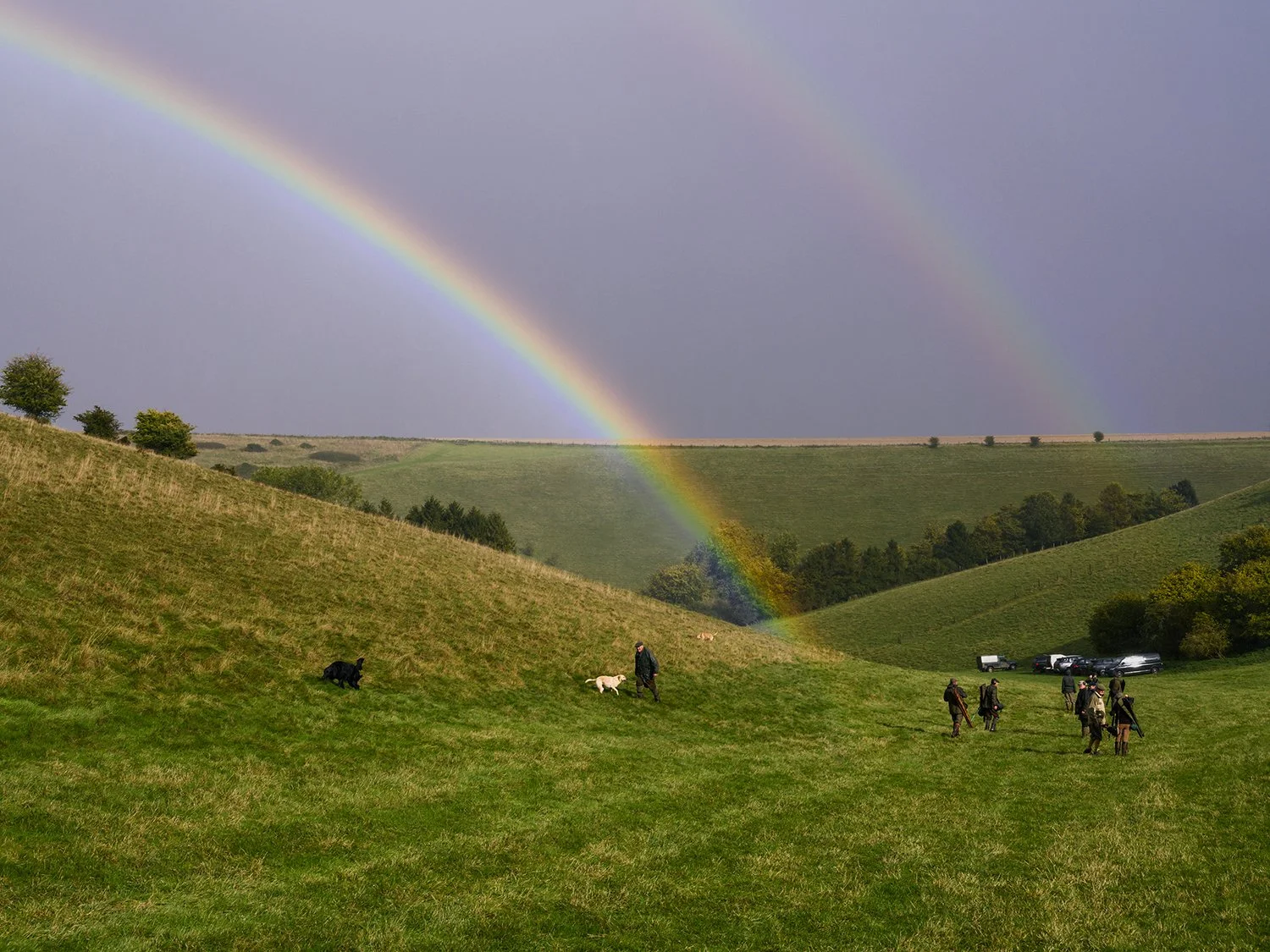
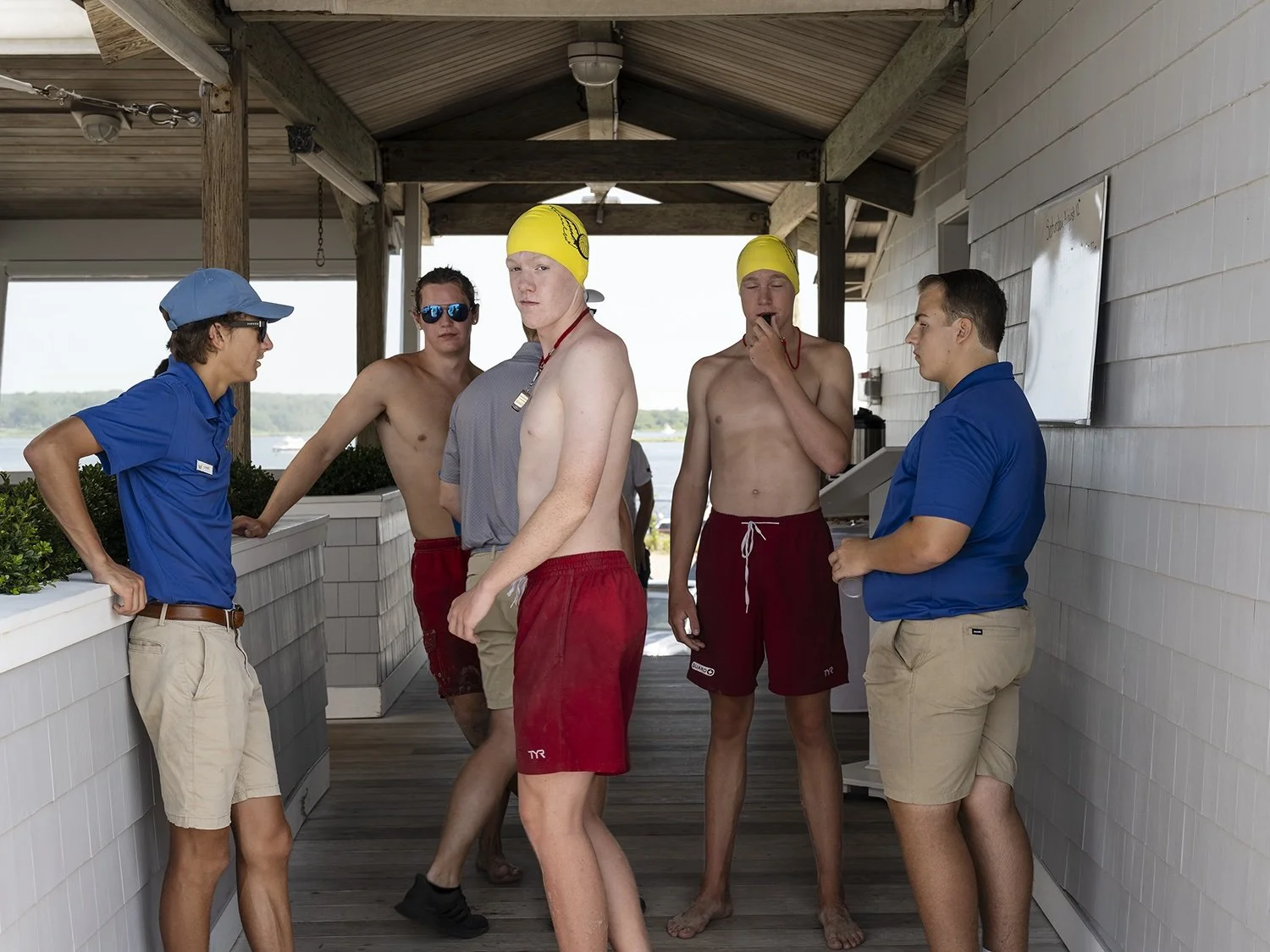
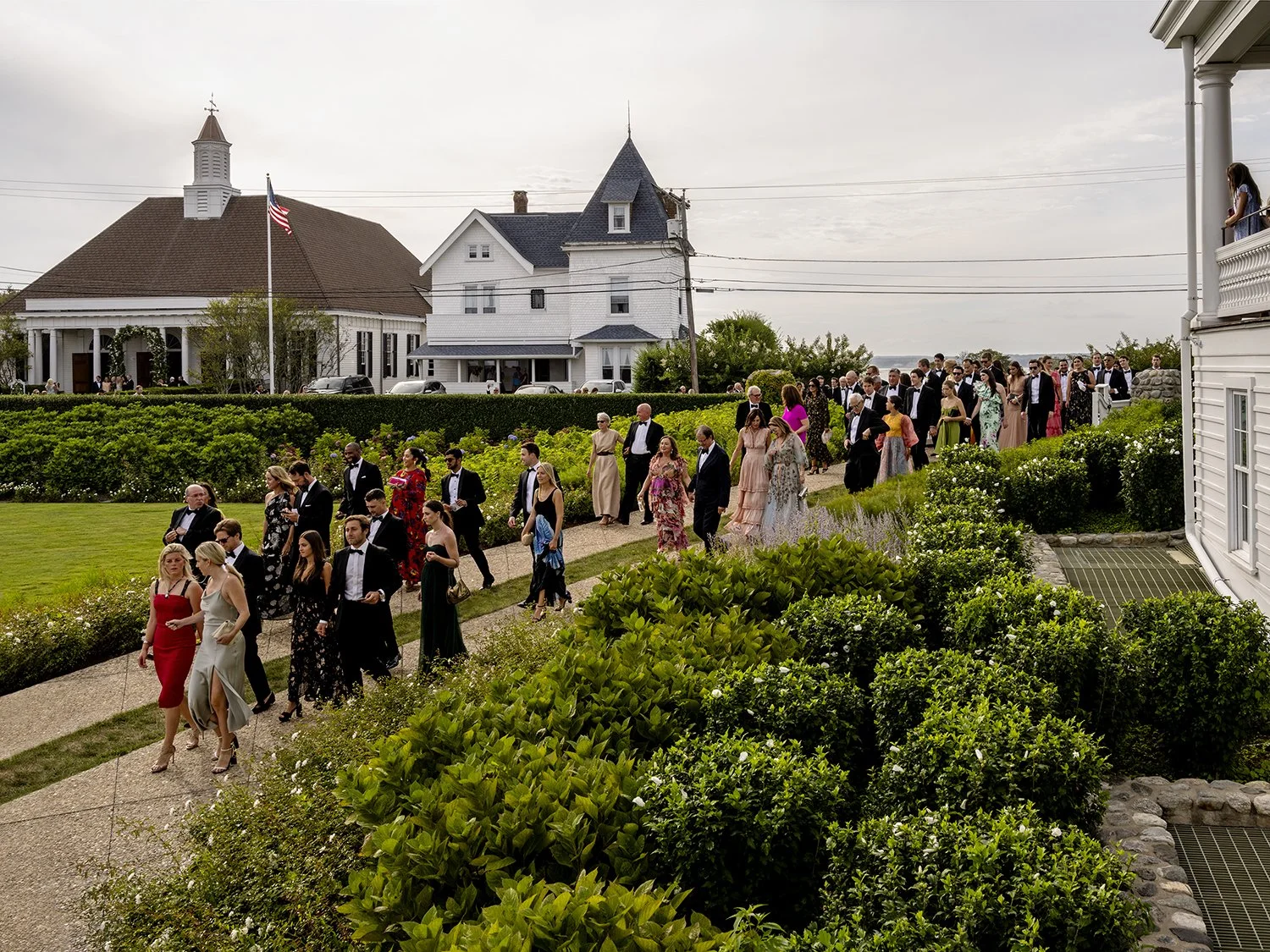
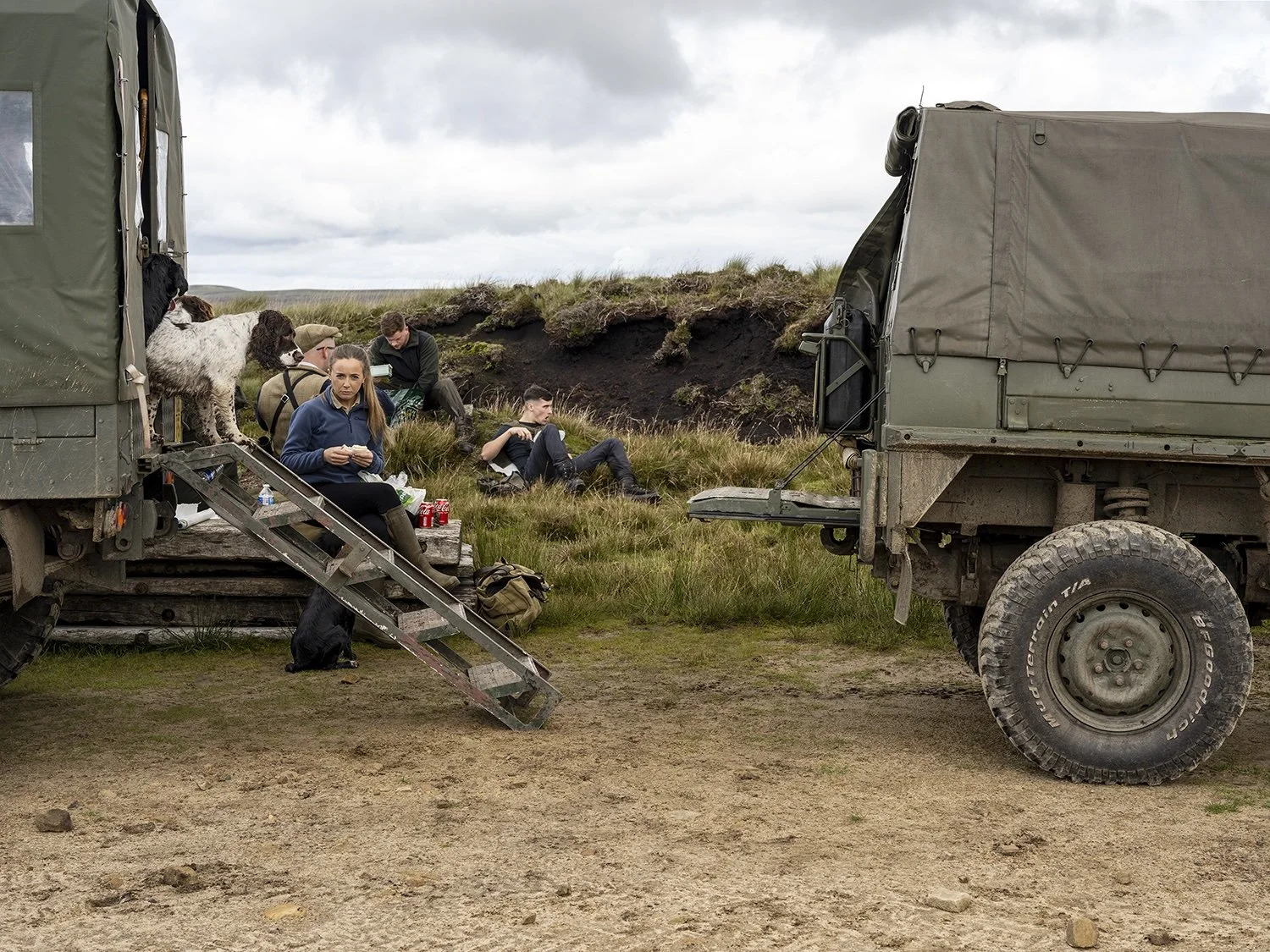
Behind the Hedges is a photography book by Will Vogt that looks closely at the rituals, traditions, and everyday lives of the American upper class. Drawn from a long-term archive built over decades, the book brings together 52 photographs that move through private worlds shaped by sport, inheritance, leisure, and social continuity. Rather than focusing on wealth as spectacle, Vogt uses the camera to observe patterns of behavior, family ties, and the quiet details that reveal how these environments sustain themselves over time. The result is a book about closeness, repetition, and the strange familiarity of a world rarely shown from within. (Schilt Publishing & Gallery, willvogt.com)
Project Genesis: What made you want to continue this story after "These Americans"?
When These Americans came together as a book, the photographs were drawn from my archive of over 70,000 images. I have continued taking photographs since then, mostly of the same people and places, and it became clear there was more to see in how those lives kept evolving. Behind the Hedges grew out of that, less about starting something new and more about continuing a story that was already in motion.
Access: You photograph your own friends and family. Does being part of this world make it easier to take honest pictures, or does it sometimes make things harder?
It probably does both. Being part of that world gives you a level of access and comfort that is hard to replicate from the outside. People are more at ease, and that allows for a certain kind of honesty in the photographs.
At the same time, there is an awareness that comes with familiarity. At large gatherings, you tend to know most of the people there. You have to be careful not to take things for granted or overlook what is right in front of you. In that sense, it can make things harder, because you have to keep reminding yourself to really see what you are looking at.
Tension: The book is described as showing a tension between being close to your subjects and staying distant. How do you find that balance when you point a camera at people you know?
I do not think of it as something I consciously manage in the moment. I have been taking these photos for my entire adult life, so it is just what I do. Long before cell phones turned everyone into a photographer, I was bringing a camera to events and recording what was happening.
That balance tends to take care of itself if you are paying attention. You are part of the scene, but you are also removed enough to document it.
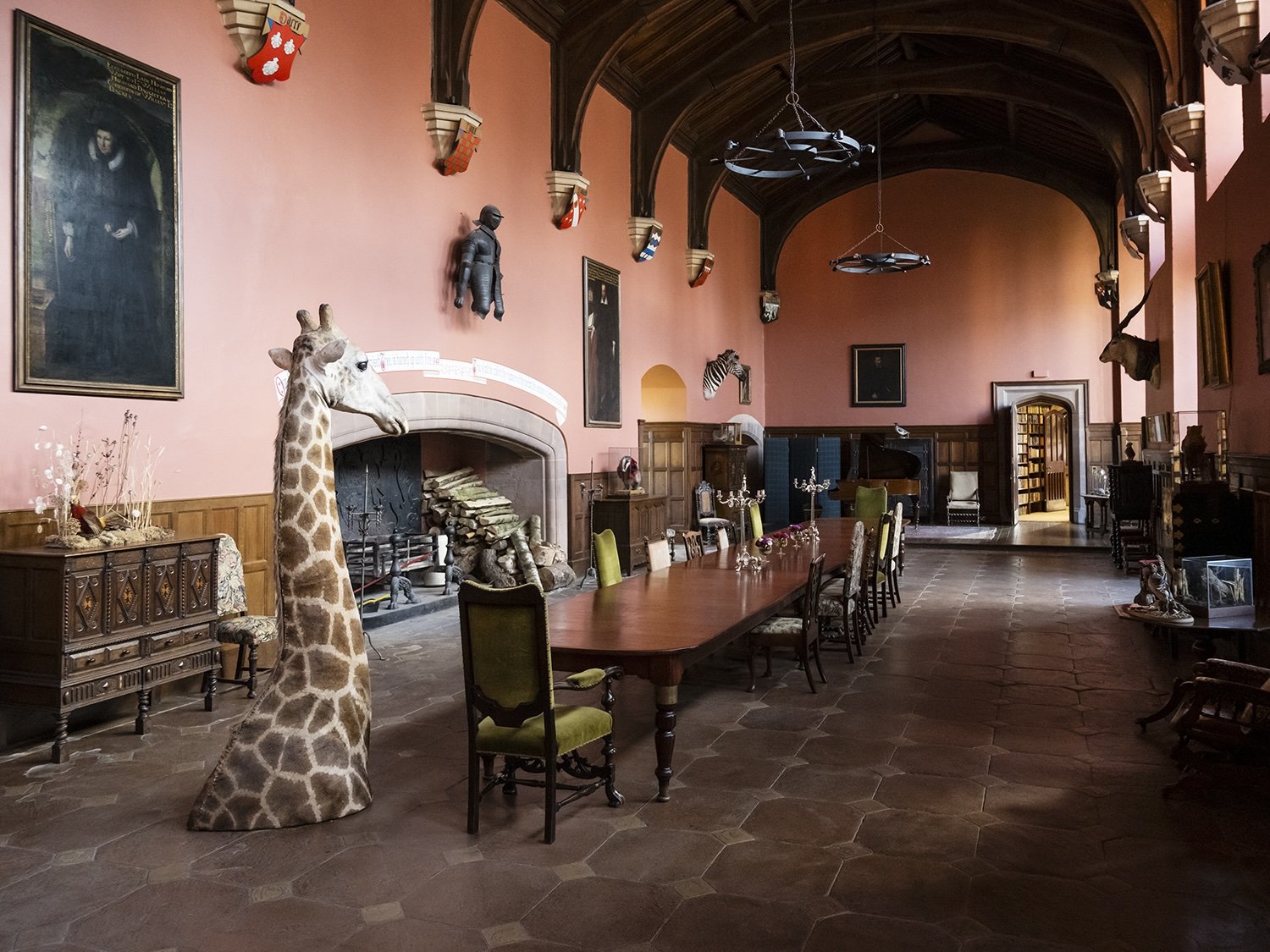
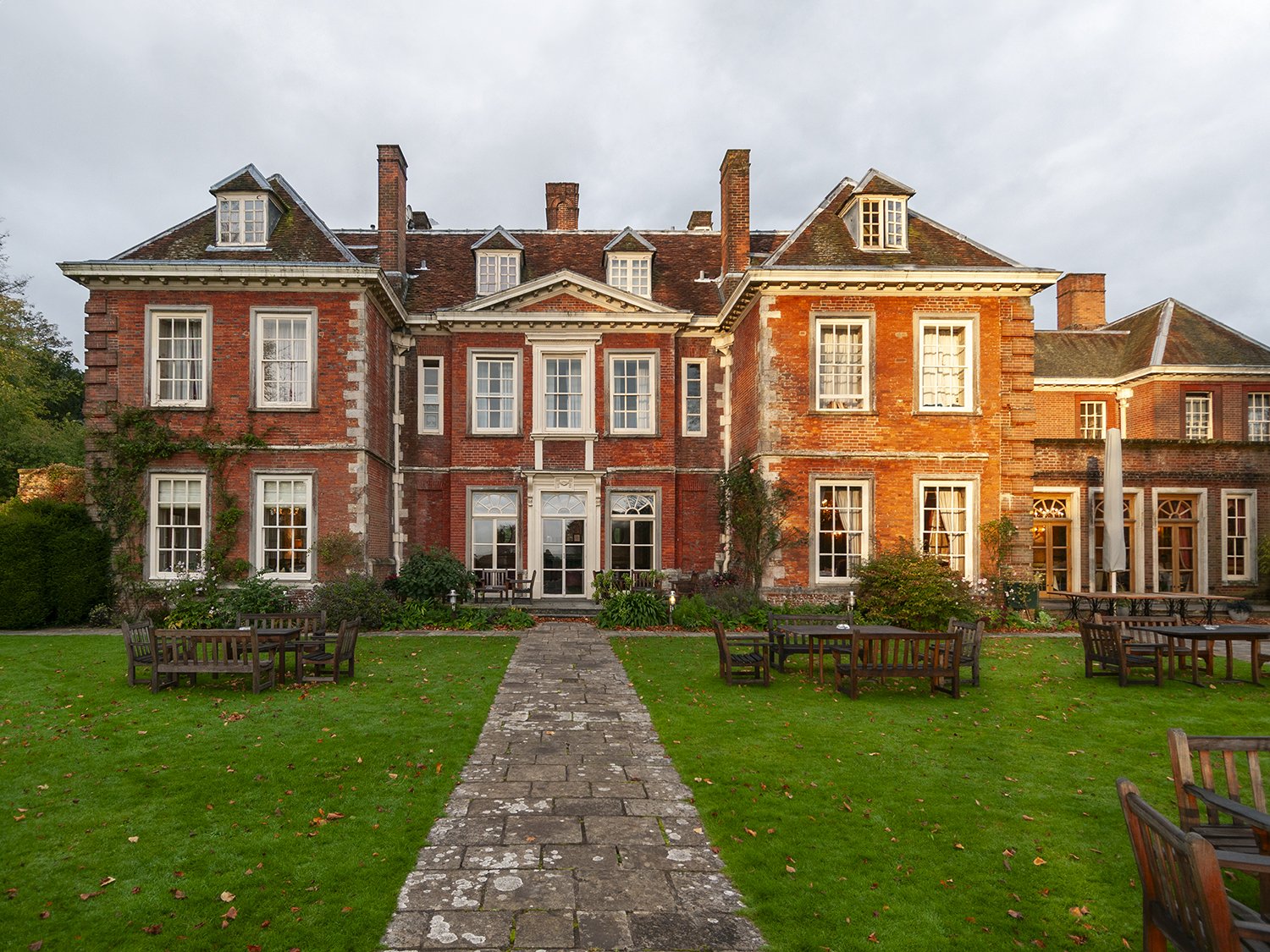
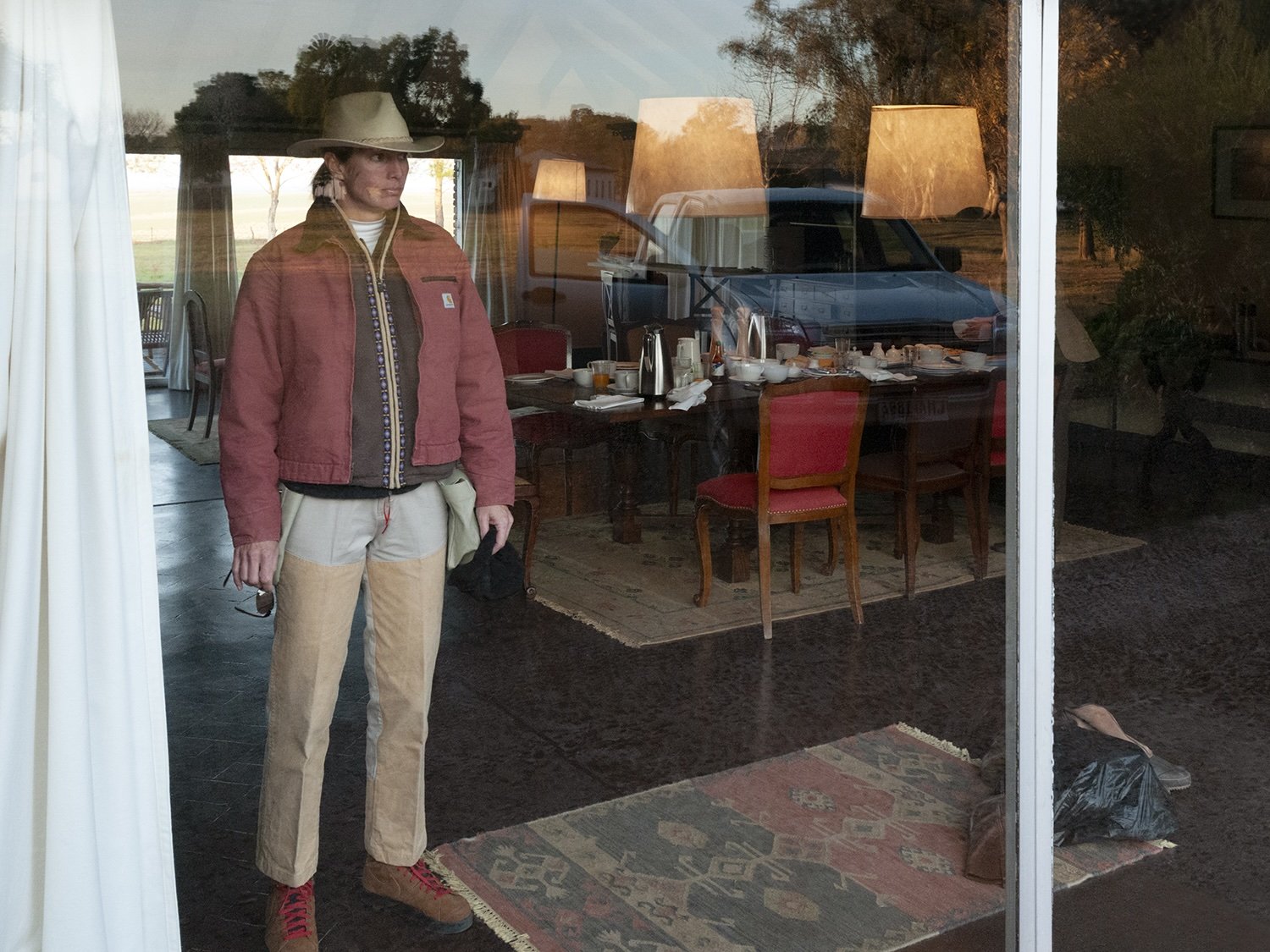
Tradition: The book shows traditions like hunts in England, golf, and ranch life in Texas. How do you photograph something that repeats every year and still make each image feel fresh?
The structure may repeat, but the details never do. The light is always different regardless of the venue, the people shift, and small moments unfold in ways you cannot predict. Nature and sport have a way of changing in a multitude of ways.
If you keep looking closely enough, you start to see those variations. It is less about trying to make something new and more about recognising what is different each time.
Attention: You photograph the same people and events year after year, and you said you have to keep reminding yourself to really see what is right in front of you. What does that actually look like in practice, and is there something specific you do to stay visually alert when you are in familiar territory?
It mostly comes down to slowing down and paying attention to small shifts. When you are in familiar territory, it is easy to assume you have already seen it. The challenge is to approach it as if you have not.
In practice, that means looking for what is slightly different, the way the light falls, a gesture or a moment that might not have been there the year before. I do not have a formula for it, but I do try to stay aware that things are always changing, even if they look the same at first glance.
Sequencing: You chose 52 photos from what must be a much larger archive. How did you decide which images belonged in the book and which ones did not?
There is a process of starting with a large group of images and slowly landing on the best ones for the sequence. It is not always your best photographs that make the book. There is the sequence to consider, which leads to the process that photographers refer to as "kill your darlings“, excluding some of your favourite shots that do not serve the narrative or the sequence.
Sometimes it is the quieter images that better serve the story. In the end, it is about how the images work together and how the rhythm of the sequence carries you through the book.
Collaboration: Jennifer Garza-Cuen edited the book and wrote the text. How did working with her change the way you see your own pictures?
Working with Jennifer has been invaluable. Not only is she a great editor and mentor, she is an incredible photographer in her own right. She looks at my work with a fresh set of eyes and sees connections and possibilities that I often miss. She has taught me a great deal about sequencing books.
As a photographer, you can get very close to your own images, sometimes too close. Having someone you trust step in and help shape the work gives it a clarity that is hard to achieve on your own.
Process: When you are editing down from a large group of images, what does a photograph actually have to do to earn its place in the sequence, and what makes you cut one you love? And can you point to one specific thing Jennifer showed you about sequencing that actually changed how you work?
When Jennifer won the Rauschenberg Fellowship in 2019 and had time to look at my entire archive, she proposed the book project that became These Americans. Before that, my entire photography experience had been taking photos and making prints. I owned many photo books, but was completely unaware of the process of producing one.
In early 2020, Jennifer gave me a list of 300 images that were the first candidates for These Americans. I was charged with finding the negatives for those images. My files were in pretty good shape, but this was still a daunting task since many of the negatives were over 30 years old. It turned into a great project for the pandemic year.
While I was focused on that search, Jennifer was selecting the strongest images from that group, along with others we discovered later, and beginning to shape the first sequence. I was not actively involved at that stage, which in hindsight was a good thing. An editor has the distance and perspective to see what belongs in the book.
That was when I began to understand that a book is not a greatest hits collection. It is a sequence of images working together and advancing a story. It is about creating a rhythm. There has to be movement, images that open things up, images that slow things down, and images that connect one place or moment to another.
As the book developed, I did have some involvement in the selection, but Jennifer also brought in another editor, Jordan Baumgarten, to help refine the sequence. They spent over a year getting it right. I have to admit I was initially a bit mystified by some of their choices, but over time their craft and judgement became clear to me. I love how the book turned out.
Light and place: Your images move between very different places, from Naworth Castle in England to South Texas ranches. How does the light or the setting change how you shoot?
Each place has its own character, and the light is a big part of that. England has a softness to it, often more muted. South Texas is much harsher, brighter, and more direct.
You do not really fight that, you respond to it. The setting and the light tend to guide how the photograph takes shape.
Purpose: You say wealth is not your real subject, but the backdrop. What do you actually want people to feel or think when they look at these photos?
I am not trying to direct people towards a specific conclusion. What I hope is that they spend enough time with the images to move past the surface. If they begin to notice the patterns, the rituals, the relationships, and the sense of continuity, then the photographs are doing what they are meant to do.
Looking forward: "Behind the Hedges" is part of a larger long-term project you call "A Sporting Life." Where does this project go from here?
It continues. That is the nature of it.
It really comes down to two things. One is continuing to draw from the archive, which is now reaching 140,000 images. There are many images in there that have not been seen. The other is for me to keep showing up with a camera. As long as I am able to do that, the work carries on.
A great friend of mine, Robert Earl Keen, once wrote, "the road goes on forever and the party never ends." There is a little of that in this work.
Archive: Your archive is now at 140,000 images built over your entire adult life. How do you actually work with that material, and has your understanding of what a photograph means ever changed years after you took it?
Before 2000, much of the archive existed as physical photographs organised into albums. Those albums held the most accessible images, but a great deal of material remained in boxes and bins. Fortunately, I made the decision to digitise the archive in 2001. That gave me much better access and allowed me to locate and reassess older work that I may not have fully appreciated at the time.
With Jennifer's help and her keen eye, we have identified many images from earlier years that now feel more meaningful and more representative of that time.
What is interesting is how much a photograph can change over time. An image that did not seem important when I took it can take on a different meaning years later, especially when it is seen in the context of other photographs. Time has a way of clarifying things. It creates distance, and that distance can be very useful.
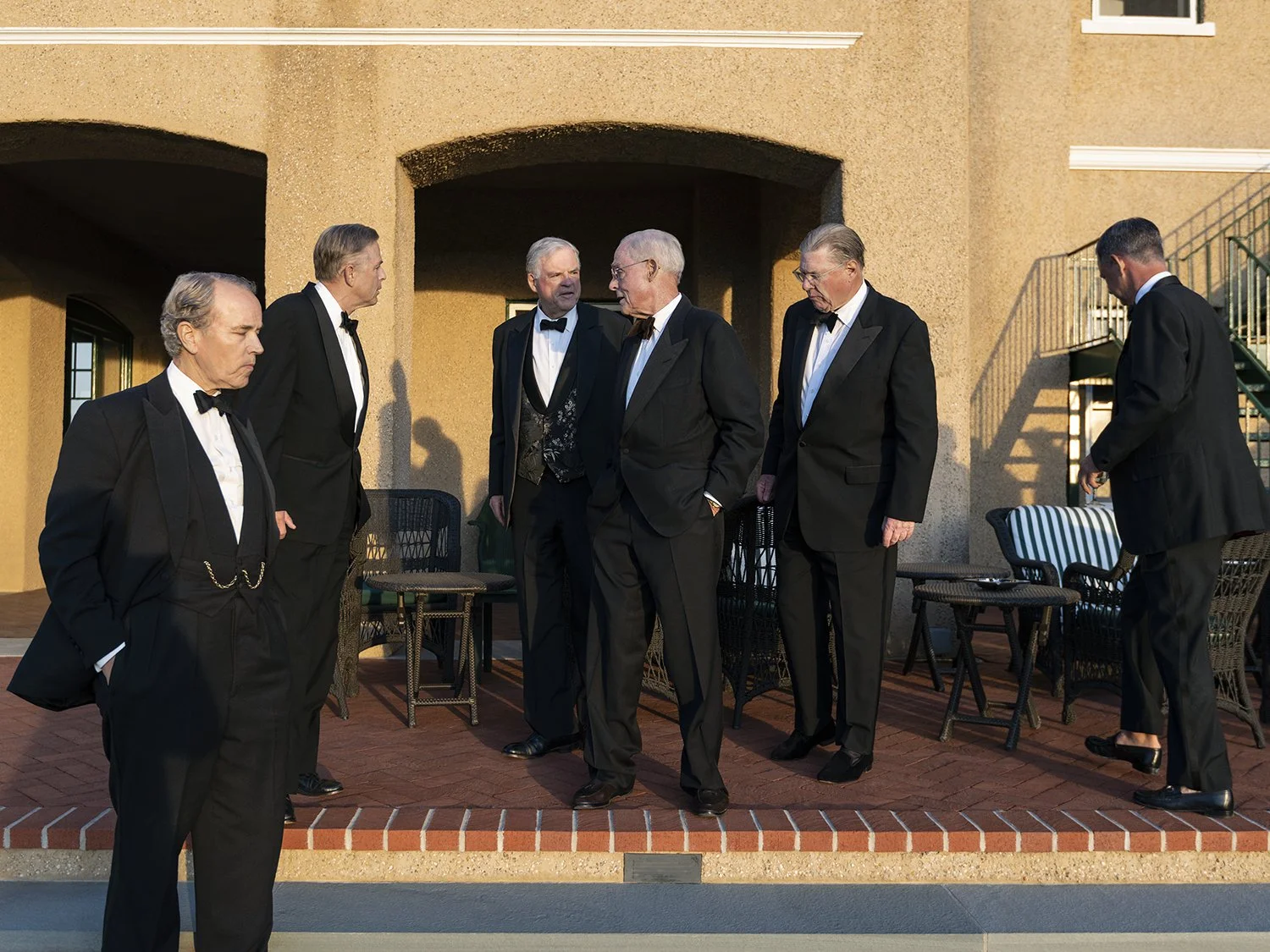
To discover more about this intriguing body of work and how you can acquire your own copy, you can find and purchase the book here. (Schilt Publishing & Gallery, https://www.willvogt.com/)
More photography books?
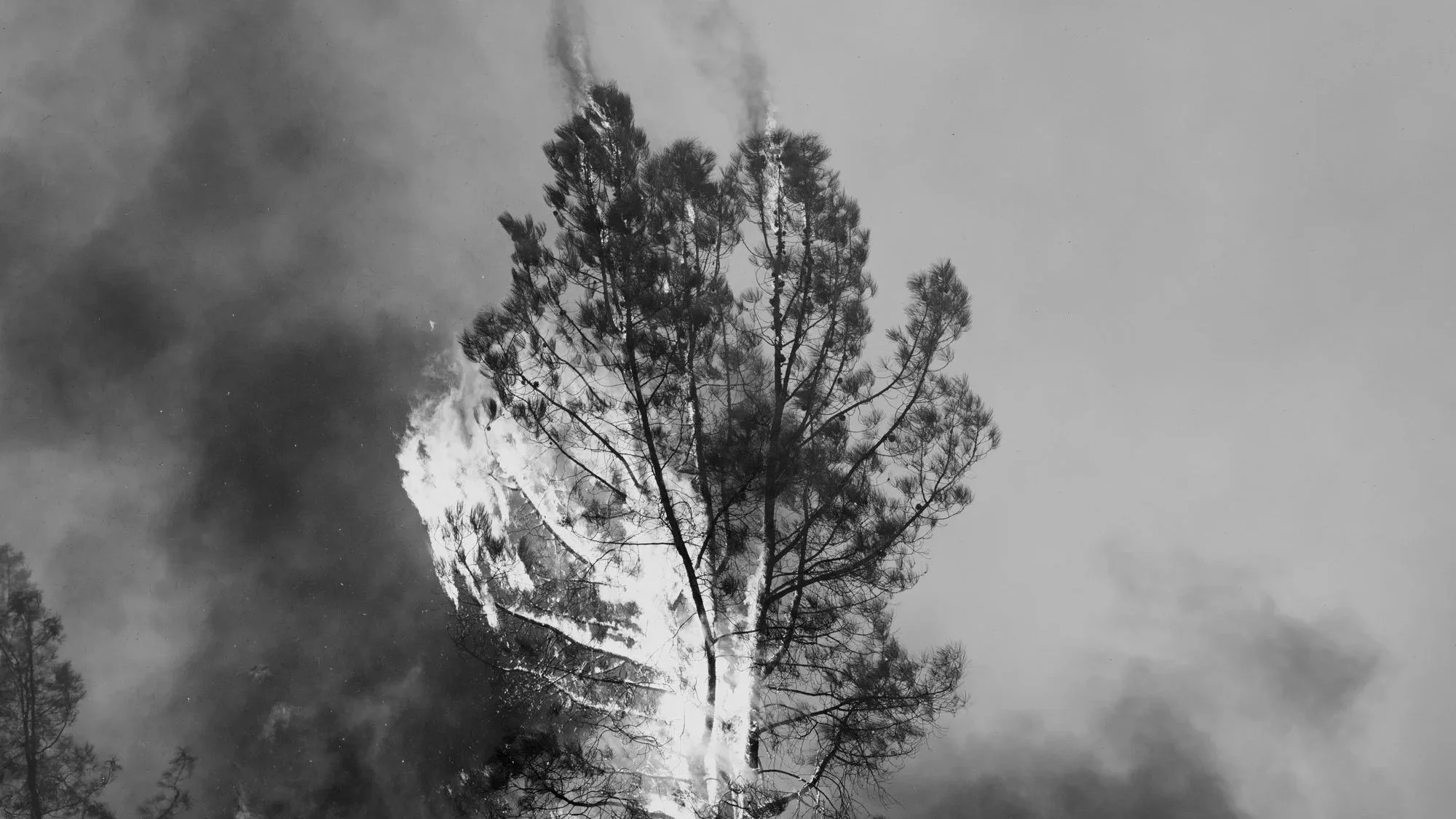
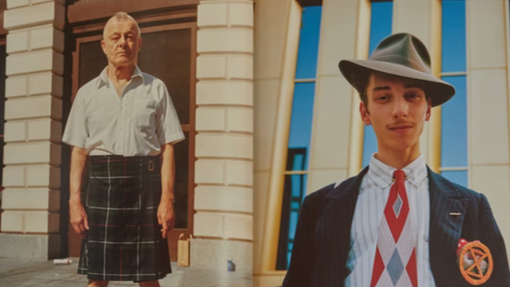
We'd love to read your comments below, sharing your thoughts and insights on the artist's work. Looking forward to welcoming you back for our next [book spotlight]. See you then!
The past became visible once Richards learned where to look. For The Inner Passage, Virginia McGee Richards spent fifteen years photographing a waterway in the South Carolina Lowcountry. Photography Book Spotlight