From Soviet Childhood To Suburban Horror: How Memory, Fear, And Art Collide In 5 Garfield Avenue
Welcome to this edition of [book spotlight]. Today, we uncover the layers of '5 Garfield Avenue,' by Alex Yudzon (self-publishing). We'd love to read your comments below about these insights and ideas behind the artist's work.
This project shows how memory turns space into horror.
It looks at how a normal house can slowly change through personal experience. Alex brings together childhood in Soviet Russia, American horror films, and life in suburban Connecticut. These different moments start to mix and lose clear boundaries. The result is a space that feels unstable, both familiar and strange.
The interview explores how this work came together over time.
It moves between photography, writing, and installation without clear separation. The artist speaks about fear, humor, and isolation as part of the same language. His approach becomes more personal compared to his earlier work. This makes the project feel more direct, but also more uncertain.
At the same time, the conversation gives something practical to hold onto.
It shows how memory can be used as material, shaped and reassembled in creative work. You start to see how your own past could change the way you look at space.
The Book
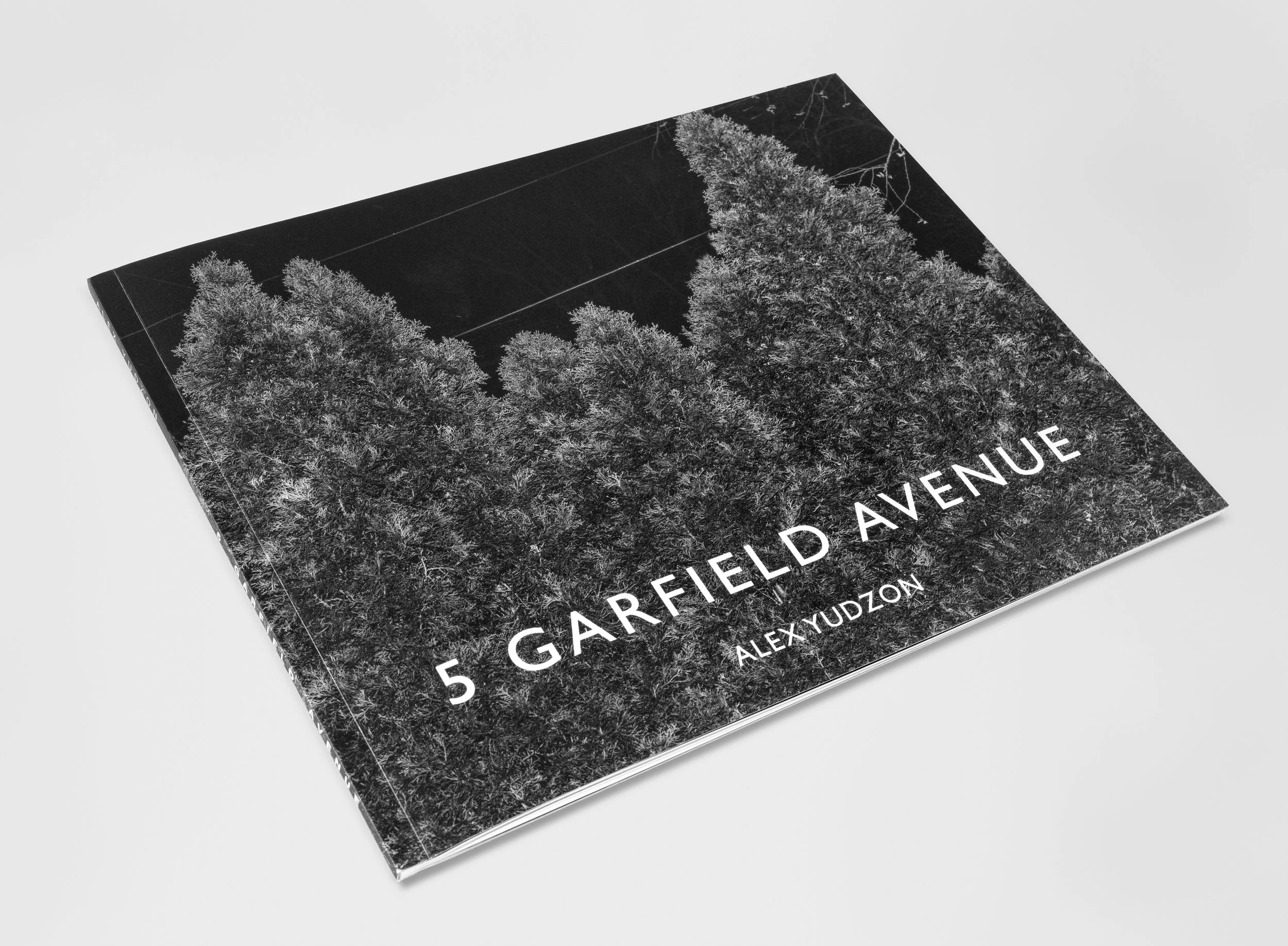
5 Garfield Avenue is a self-published artist book by Alex Yudzon that brings together photography and fiction to explore the unstable relationship between memory and domestic space.
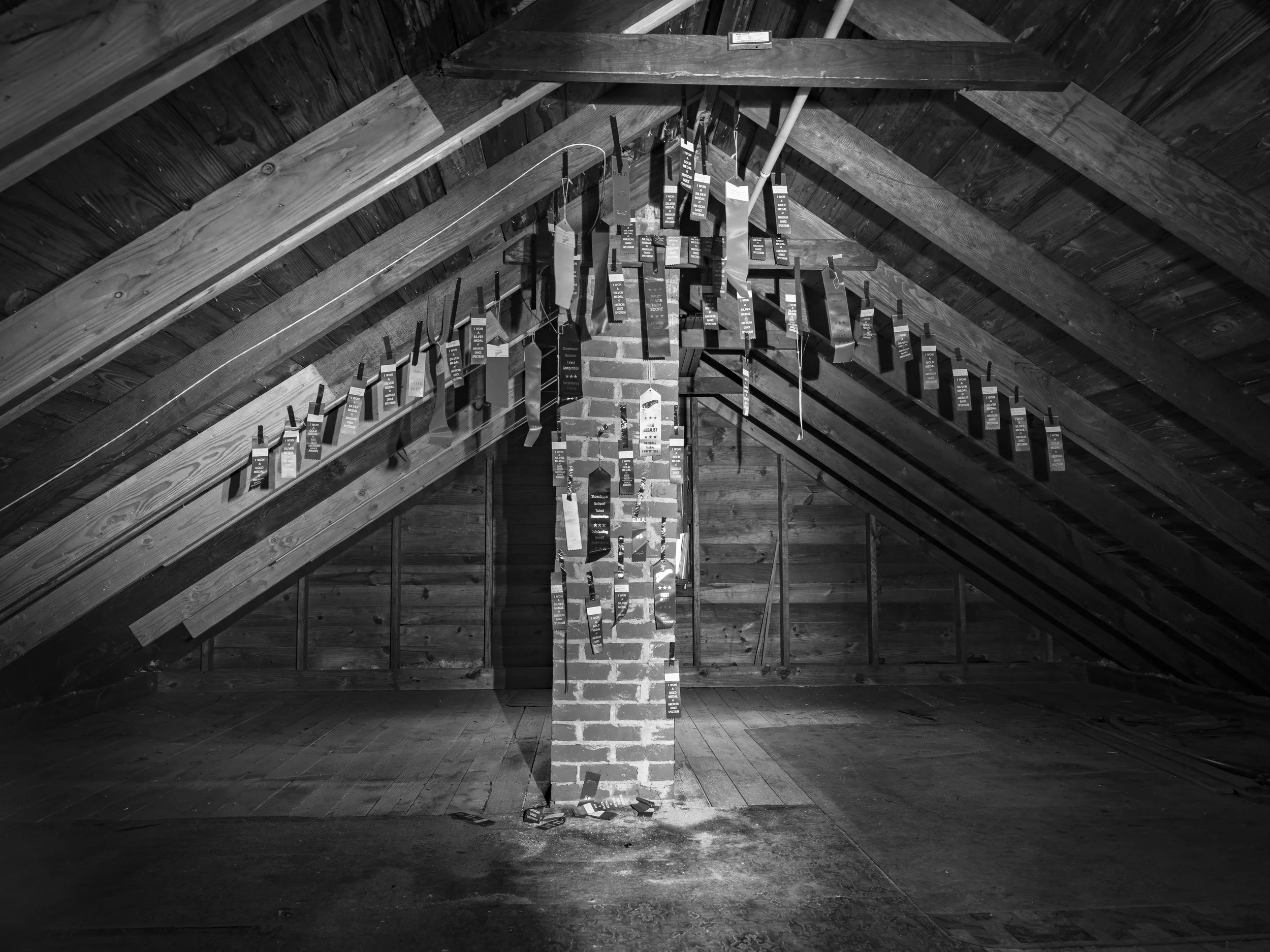
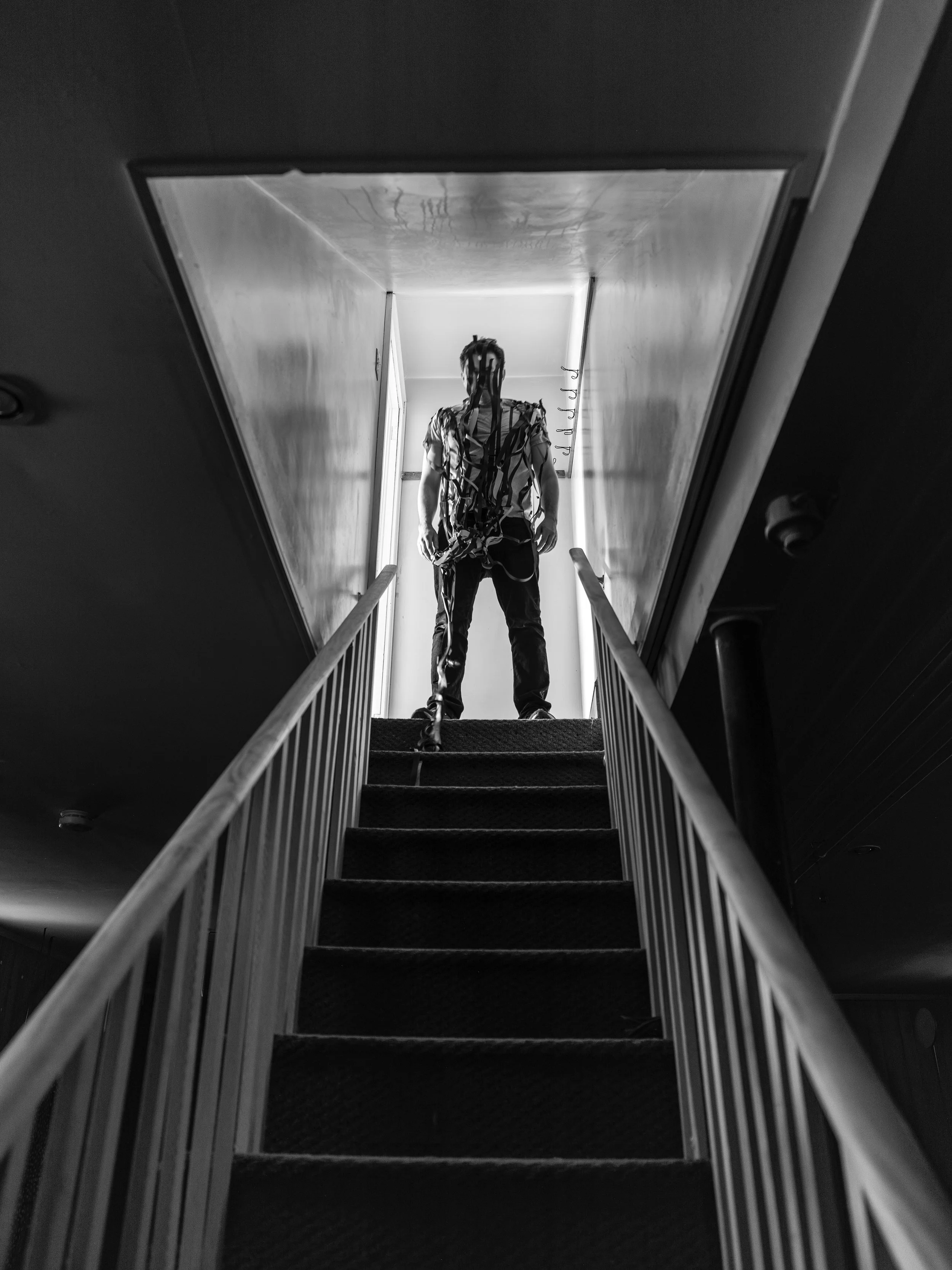
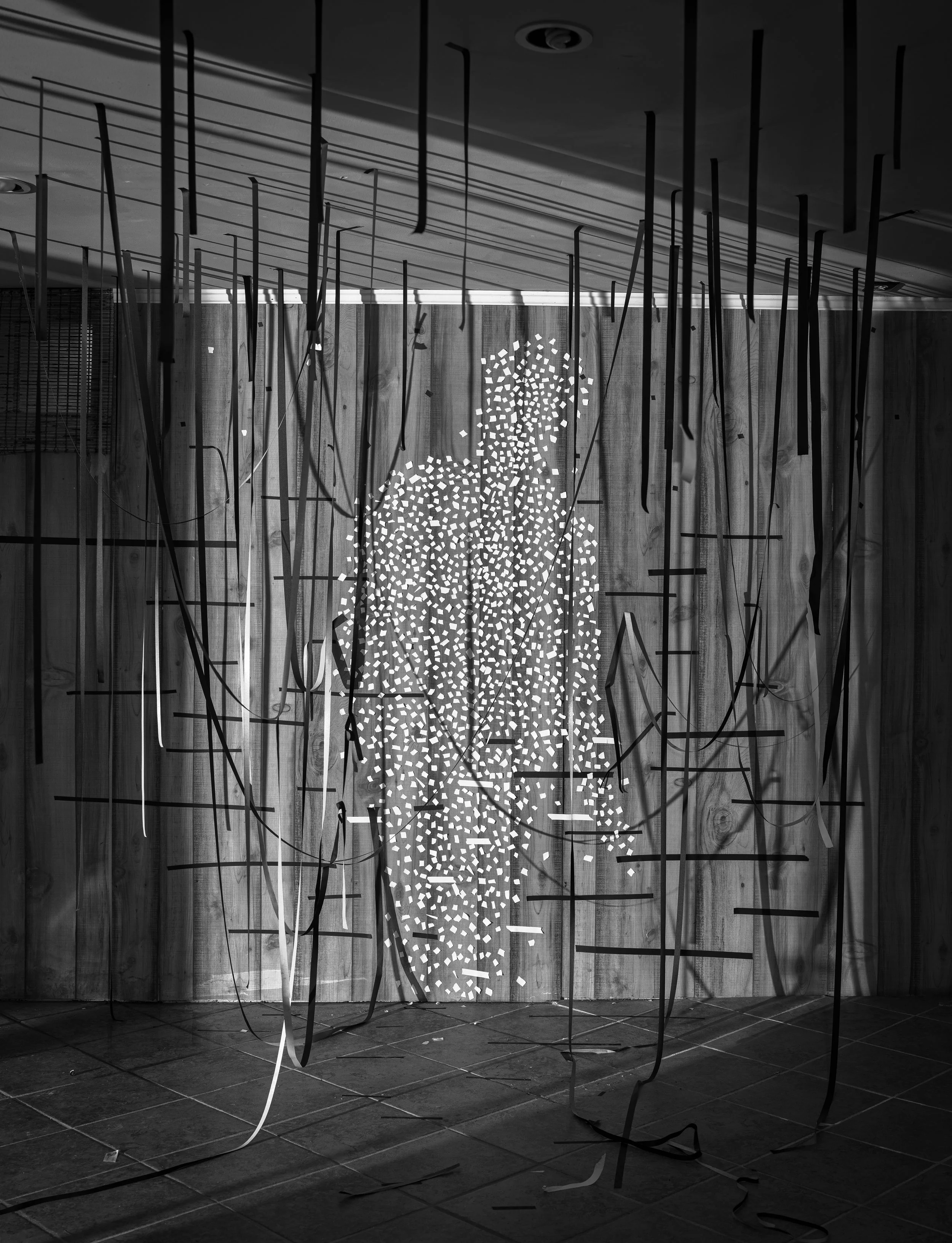
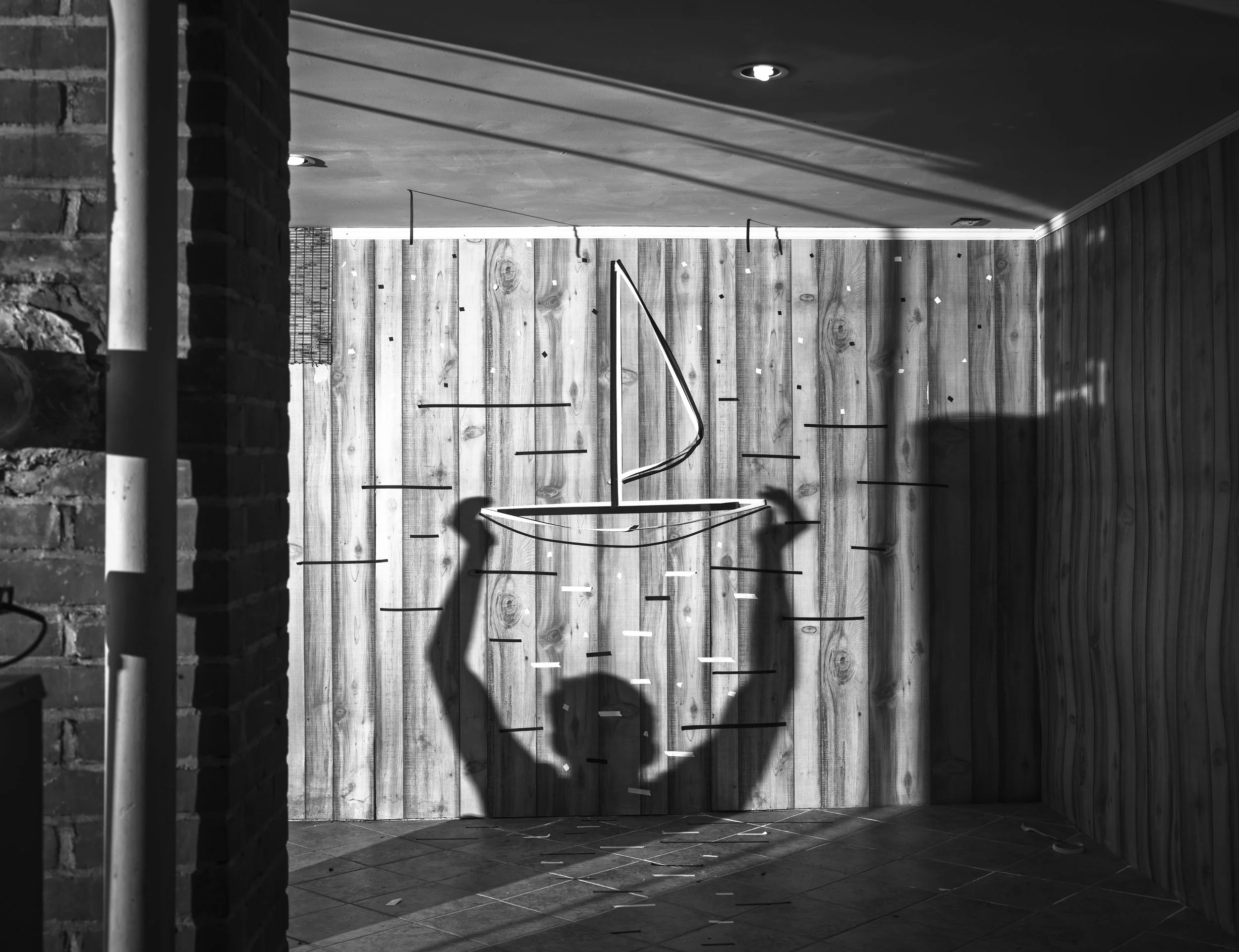
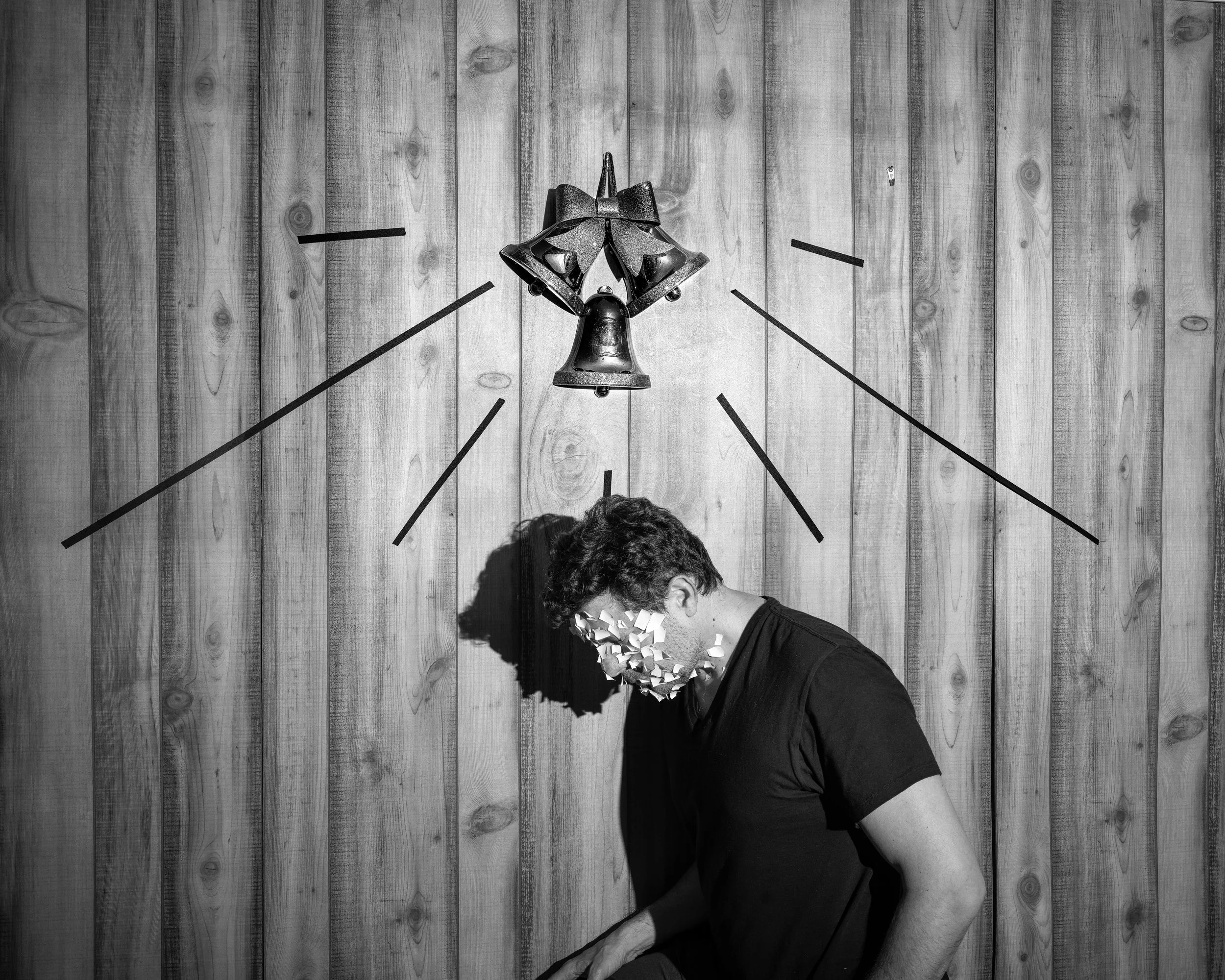
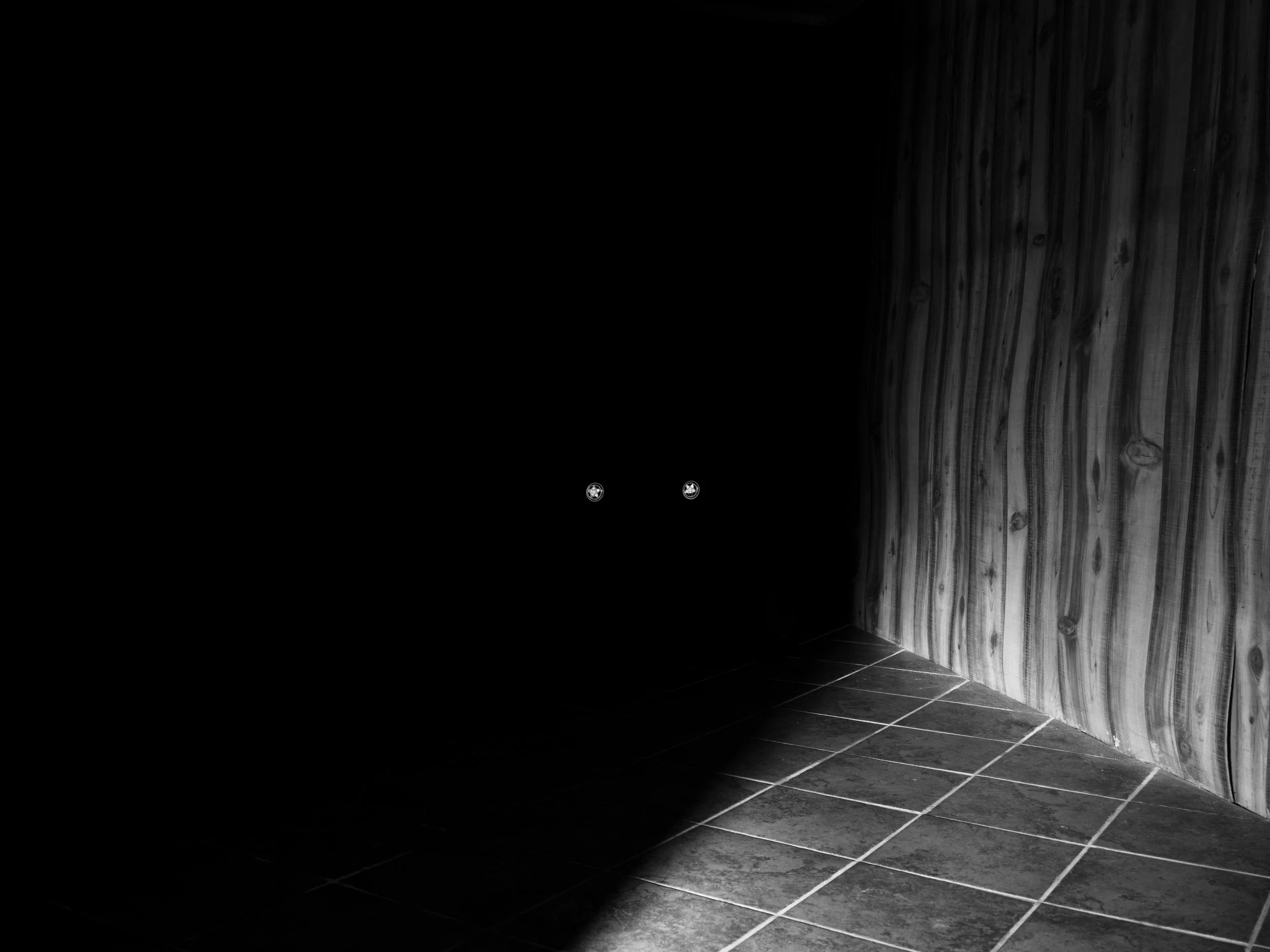
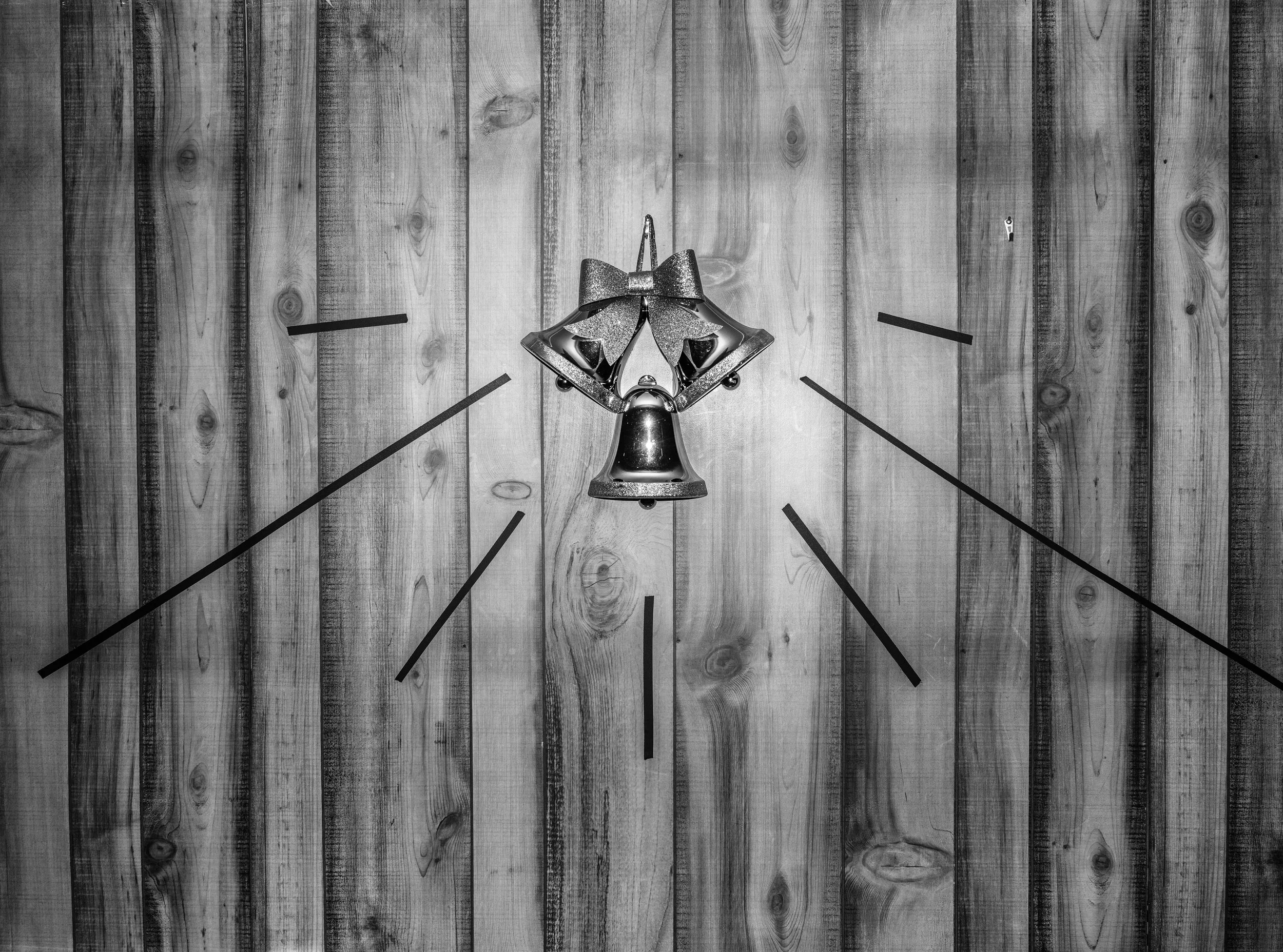
Set in a rented house in suburban Connecticut, the project draws from the artist’s childhood in Soviet Russia, his encounter with American horror films, and the emotional weight of immigration, loss, and displacement. What begins as a familiar home slowly transforms into a psychological environment shaped by fear, humor, and fragmented recollection.
Blurring the line between reality and imagination, 5 Garfield Avenue presents the house not as a passive setting, but as an active presence that reflects and distorts the inner life of its occupants. (Website, Amazon)
You moved from Moscow as a child and weren't allowed to watch horror movies there. How did discovering American horror films like Friday the 13th and A Nightmare on Elm Street when you arrived influence the way you saw your new Connecticut house at 5 Garfield Avenue?
The horror genre as such didn't exist in the Soviet Union of my youth. Discovering this kind of graphic violence on American television was a real shock. I was fascinated and perhaps even a bit traumatized, particularly because this moment of discovery intersected with so many other unsettling experiences from my childhood: immigrating from one country to another, living in a suburban house, my father's death, and the hostility of my schoolmates towards my Russian heritage. It was too much for a young child to process, so a lot of my feelings ended up being either buried or redirected towards activities like art. When my wife and I temporarily moved to a small town in Connecticut a few years ago, the house we rented reminded me of the houses from the horror films I saw as a child. This superficial similarity opened a door to all the memories from that part of my life. Things I hadn't thought about for many years began to come back to the surface.
In your previous work with hotel rooms, you explored feeling like an outsider through furniture installations. In this house project, how did having a young daughter change the way you photographed a space that reminded you of horror movie sets?
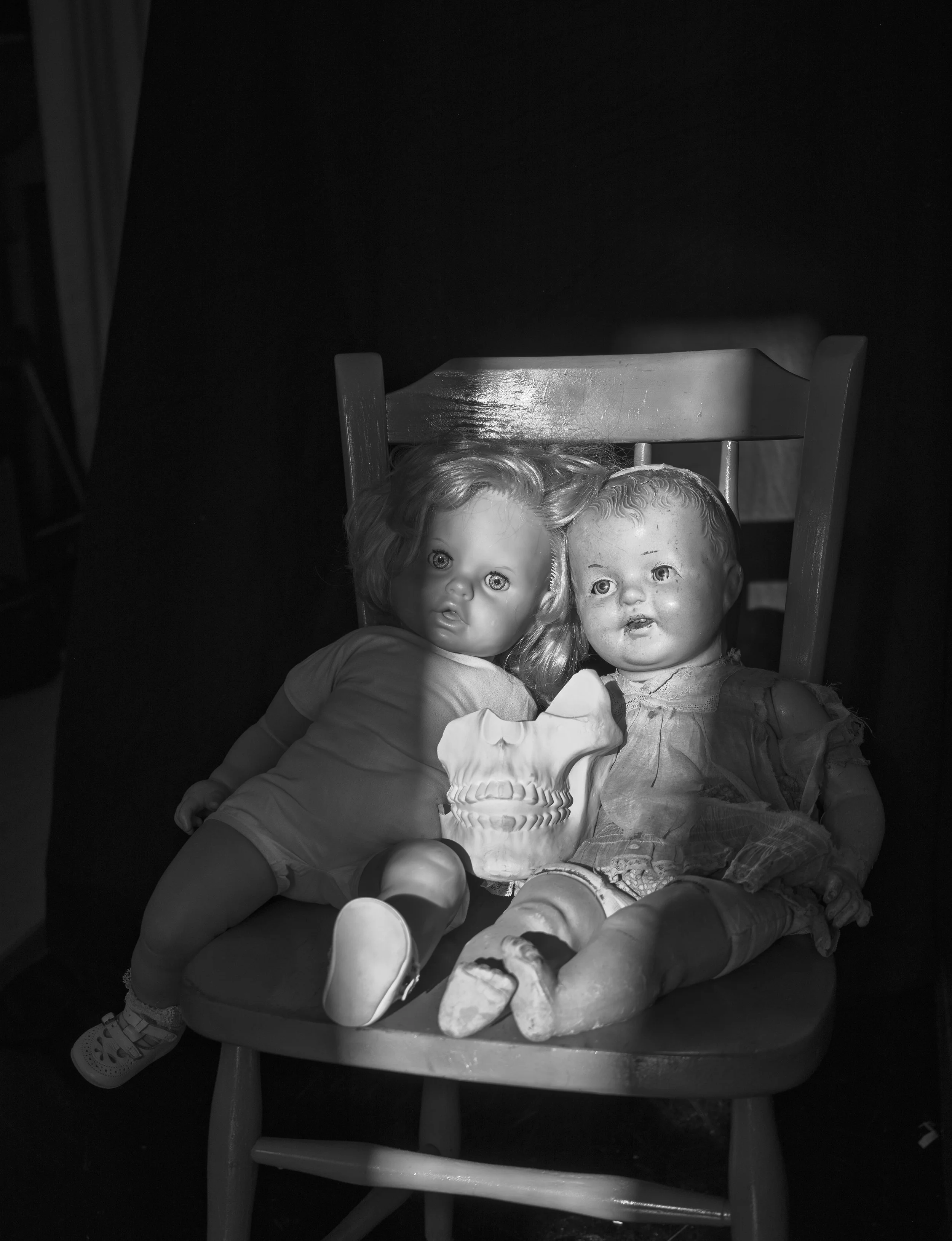
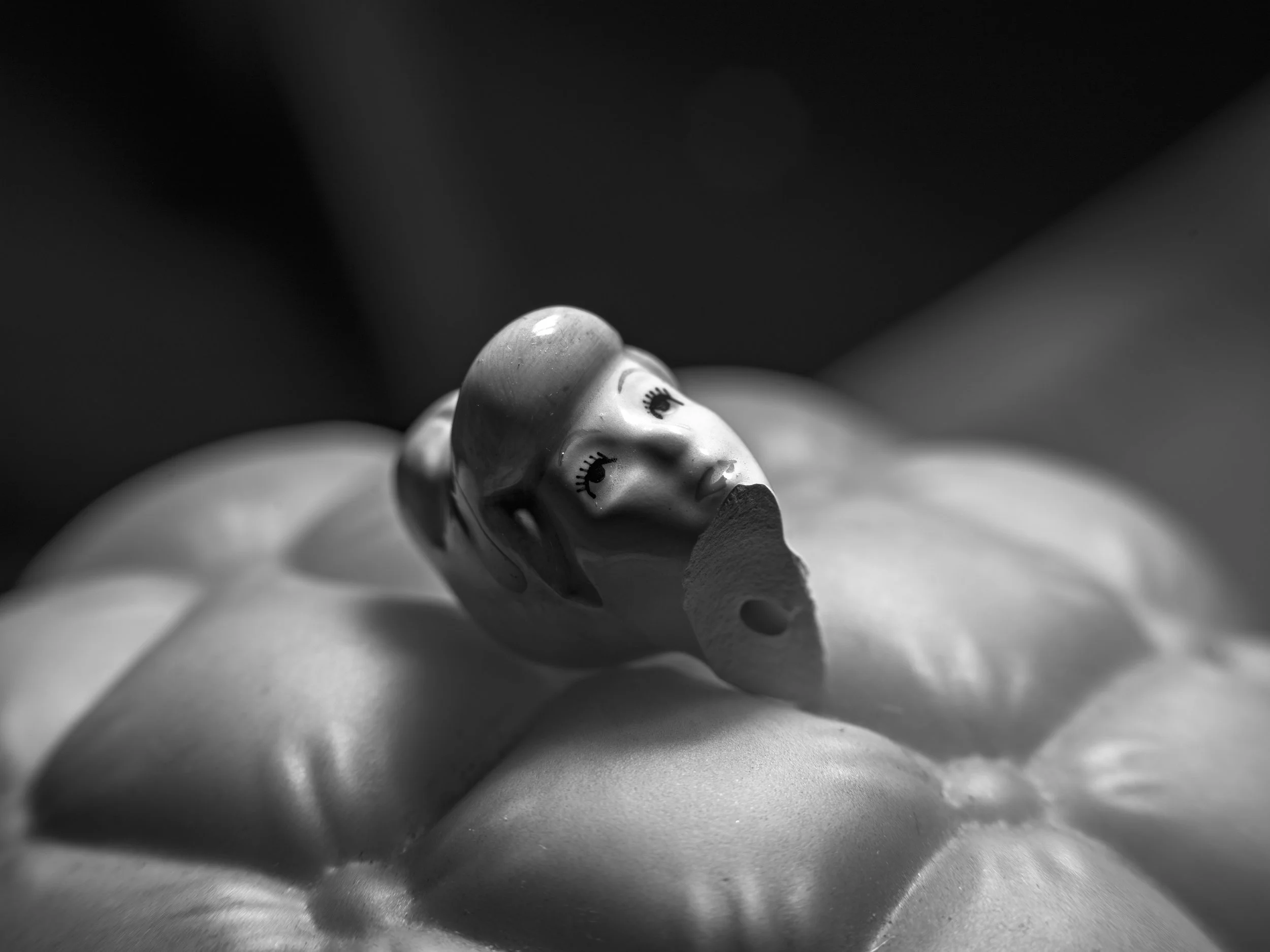
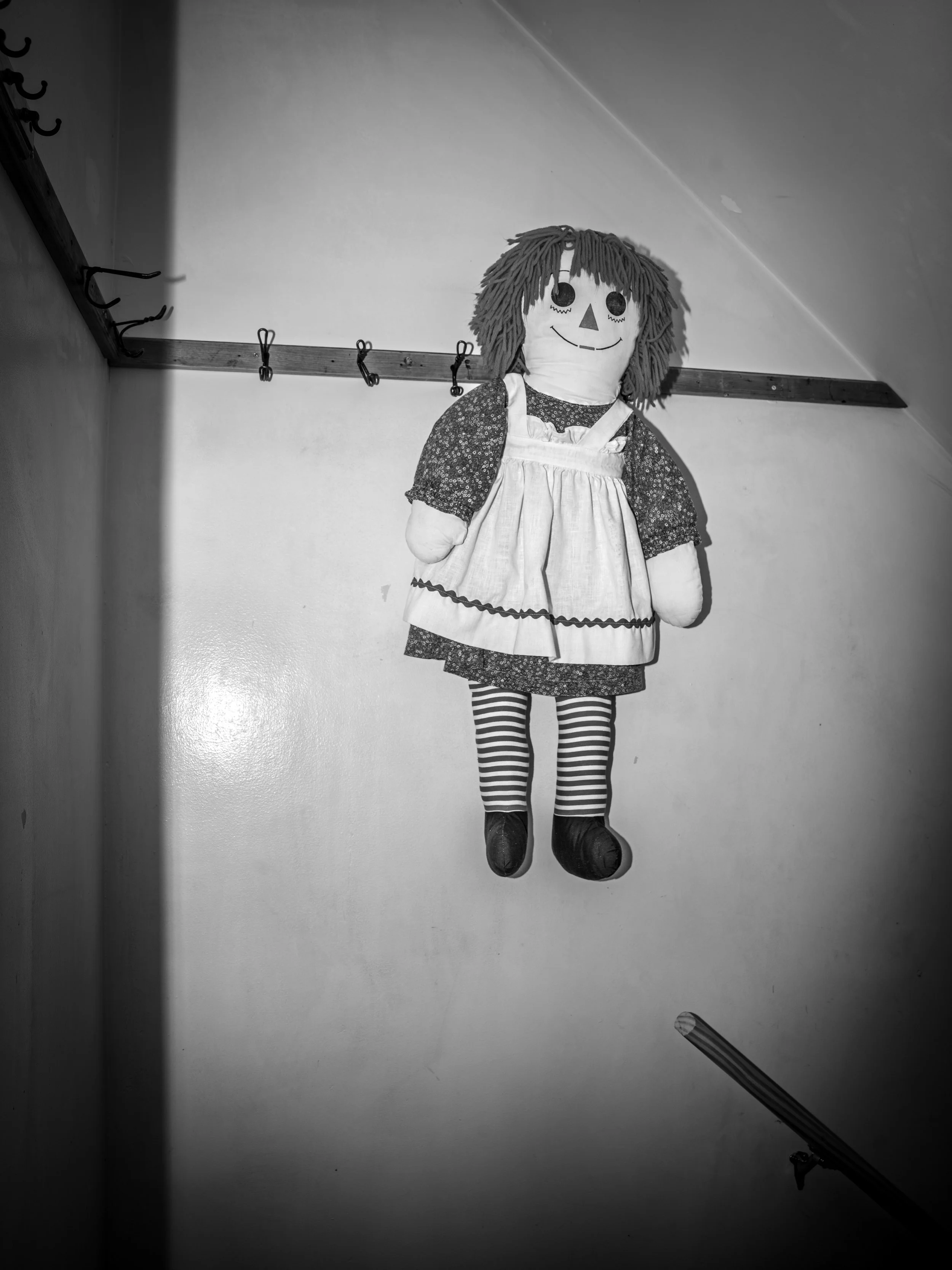
Being a parent responsible for the care and protection of a young child has altered the way I looked at my own upbringing. The sense of empathy, love, and care that fatherhood awakened has enabled me to view my own past with a renewed feeling of compassion. It has allowed me to have a more open and sensitive heart, as well as to shed the fear of working from a place of personal experience, which was something that, for a variety of reasons, I avoided in the past. I think all this is evident in the photographs, which are filled with references to childhood and the experience of wonder and dread that the discovery of the broader world creates.
You wrote that horror films mix real terror with dark humor. How did you use photography techniques to create that same mix of scary and funny feelings in your images of the Connecticut house?
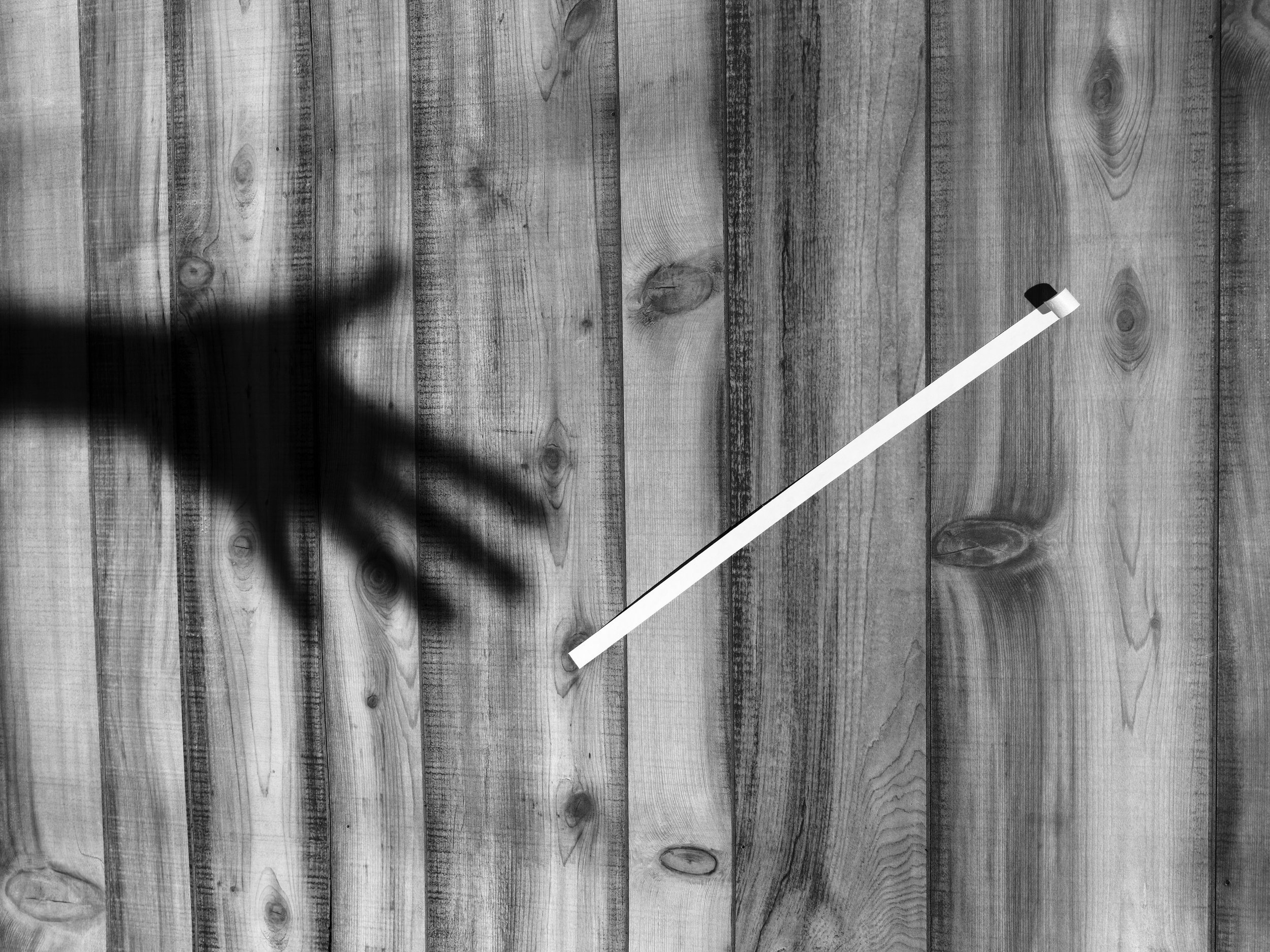
For eastern Europeans, gallows humor is part of our genetic heritage, and I am proud to say that my own sensibilities are well aligned with this broad characteristic. In Soviet Russia, humor was a coping mechanism, a survival technique, a social currency, and a coded way of criticizing the regime without fear of reprisal. When I was a child, I didn't understand the central role humor played, and continues to play, in the films I watched. One could argue that many of these movies are really dark comedies that use humor as a regulatory device almost identical to the way it was used by people living under communism. Without this element, the movies, and likewise my photographs, would be overly self-serious, melodramatic, and heavy-handed. Humor disarms authority and breaks the paralysis of fear. It's not just about making jokes; it's about creating critical self-awareness.
The book includes both photographs and a short story. Why did you decide to combine writing with pictures for this project instead of just showing photographs, as you did with the hotel rooms?
It wasn't until we moved back to New York and I began the process of reviewing the photographs that I realized the images I'd made formed a story. Not necessarily a linear one with a clear beginning, middle, and end, but one based on inference, suggestion, and atmosphere. I thought it made more sense to lean into the idea of storytelling by writing a short narrative fiction rather than an academic introductory essay. The story is a variant on the haunted house theme. In it, the narrators begin to identify with the house in ways that become increasingly more obsessive. It's not clear whether this obsession is self-directed or a form of possession, and this leads to a gradual detachment from reality. In this regard, a creative feedback loop is created and it is no longer clear whether they occupy the house or the house occupies them. These ideas are hinted at in the photographs without being explicit. The short story gave me an opportunity to continue the act of world-building begun in the photographs through the medium of language.
In this project you combined images, installations, and a short story into a feedback loop. At what point did you decide that the photographs alone were not enough, and what specific gap were you trying to fill by adding text?
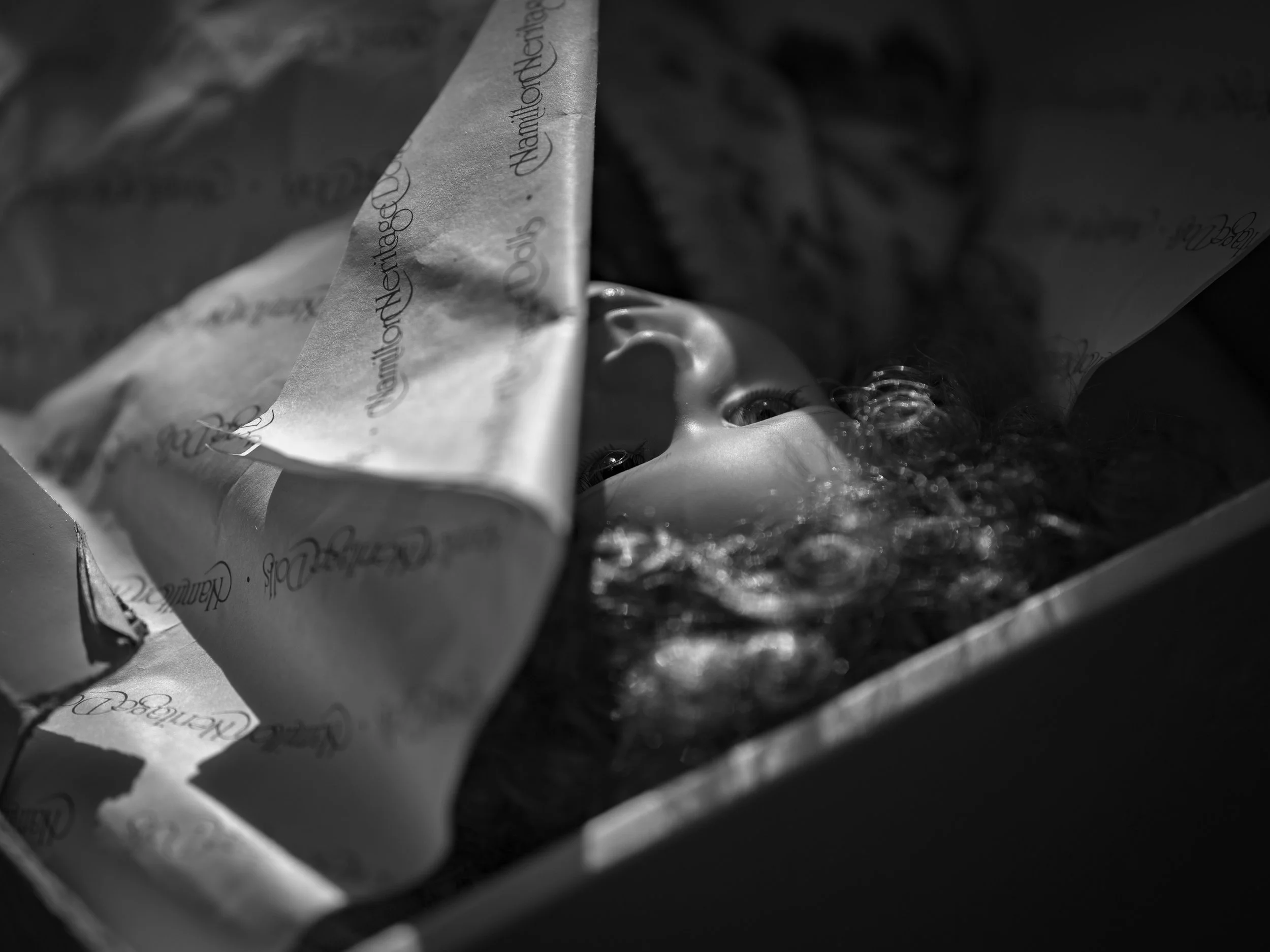
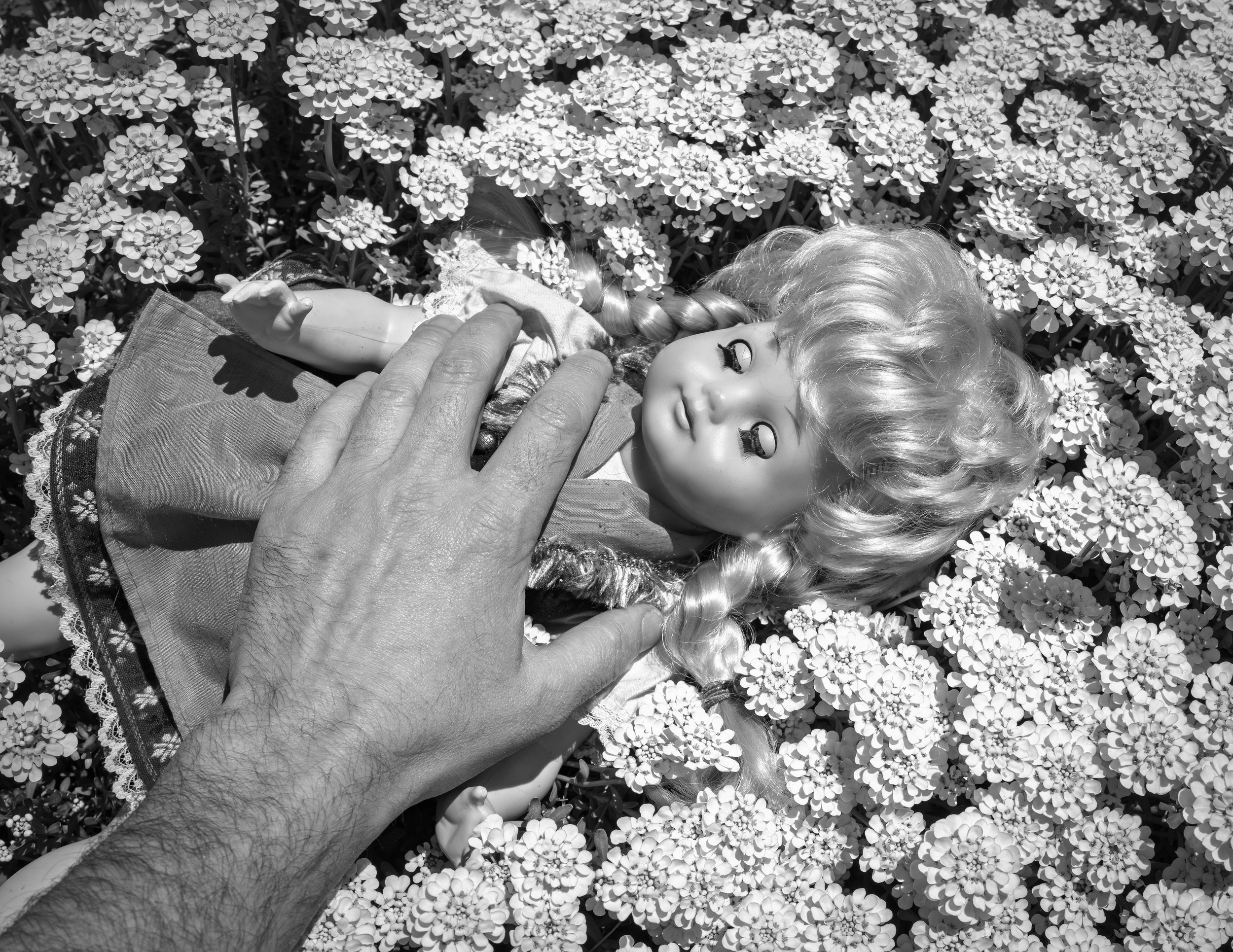
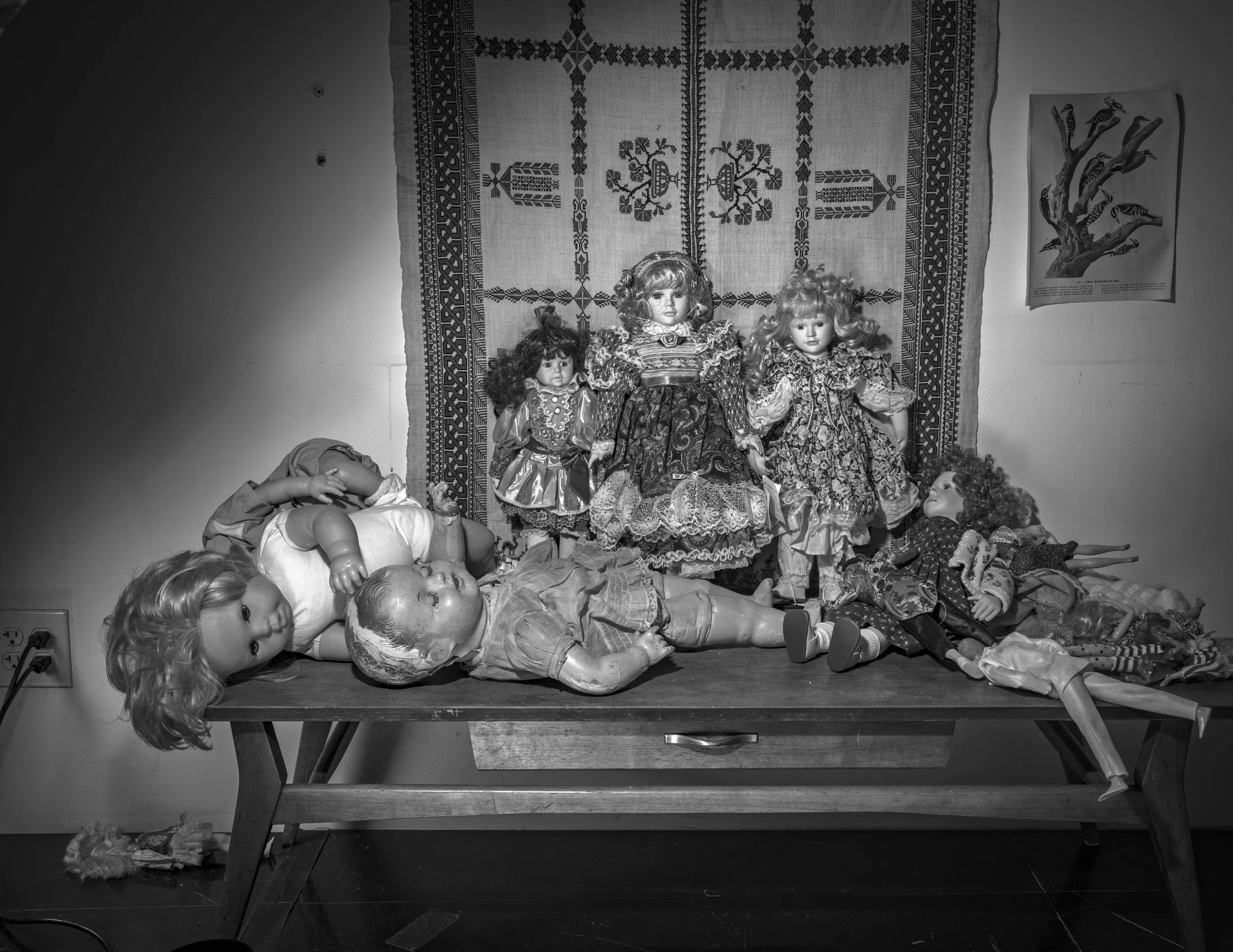
I'm not sure that I felt the photographs weren't enough so much as I thought that without context there was a real risk of the work being misread. I didn't want the references to horror, suspense, haunted houses, and possessed children's toys to be an end in themselves, but rather a metaphor for the way our relationship to domestic spaces, memory, and isolation can alter our sense of reality. The short story allowed me to prime the viewer in this direction without resorting to an academic introduction.
When you photograph hotel rooms, you secretly rearrange the furniture and then put it back. But this was your own rented house. Did working in a space where you actually lived change how you made the pictures or what you chose to photograph?
In a way, the work in 5 Garfield Avenue is the dark mirror of the work I make in hotels. Hotels are characterized by transience, whereas a home is defined by permanence. For an immigrant hailing from a country that no longer exists, these normally clear-cut categories are forever unsettled and confused. Working in a house where I could take my time without having to worry about checking out and hitting the road allowed me to unpack my feelings at a deeper level than I had previously achieved. In this respect, the work in 5 Garfield Avenue comes from a much more personal, emotionally present place than what I had attempted before.
You contrast hotel work, which is transient and controlled, with the house, which is permanent and open-ended. What did you stop doing in this project that you previously relied on in your hotel work, and how did that change the strength of the final images?
The hotels I stay in are completely bereft of personal content, and to a large measure my work in these spaces attempts to transform the generic into something meaningful and emotionally resonant. By contrast, the house at 5 Garfield Avenue was filled with our belongings, which meant that I was starting from a place that was already highly intimate and subjective. Essentially, the point of arrival for one body of work became the point of departure for the other. To some extent, I had to let go of my love for formalism and art-historical reference and instead think about the way images evoke fictional narratives. I began telling stories, and this gave the work a dark lyricism that has no precedent in my earlier body of work.
You connected your childhood memories of Soviet Russia, American horror movies, and living in rural Connecticut. How did you decide which parts of these different memories to include or leave out when making the photographs?
As an adult, I realized that one of the reasons I was so fascinated by horror films was that they became emotional proxies for the dark feelings of anger, confusion, and even rage I felt as a child. Feelings I had no way of expressing to myself or others. All of this began to inform the work, not in any systematic way, but gradually over the course of many months. The idea of a house haunted by memories of the past, a house that has its own form of consciousness and can impose its own supernatural will on its occupants, has always intrigued me. I like to think of memories as an art material like any other: they can be broken up, shaped, and reassembled in combination with the physical props at my disposal to create various arrangements. In this way, the final works are no longer specific to any one particular remembrance but a collage consisting of many different points in time.
You describe memory as a material that can be broken, shaped, and reassembled. When editing, what makes one image feel true to the work and another feel like it belongs to a different memory, or should be excluded?
There's a wonderful alchemy that occurs when images and memory are placed side by side. The resulting dialogue generates ideas that each alone is incapable of suggesting. The manner in which this works is very mysterious and ultimately relates to the nature of consciousness and the way perception and imagination work in tandem to shape our sense of reality. For me, the process is like those videos of people pushing powerful magnets together. At first nothing happens, then the magnets reach a tentative boundary where they become activated by the awareness of each other's force — they almost start to vibrate. All it takes is the slightest nudge and the magnets snap together in the blink of an eye. Working with memory and photographic images is very much like this. I'm cautiously pushing them towards one another and waiting for the snap.
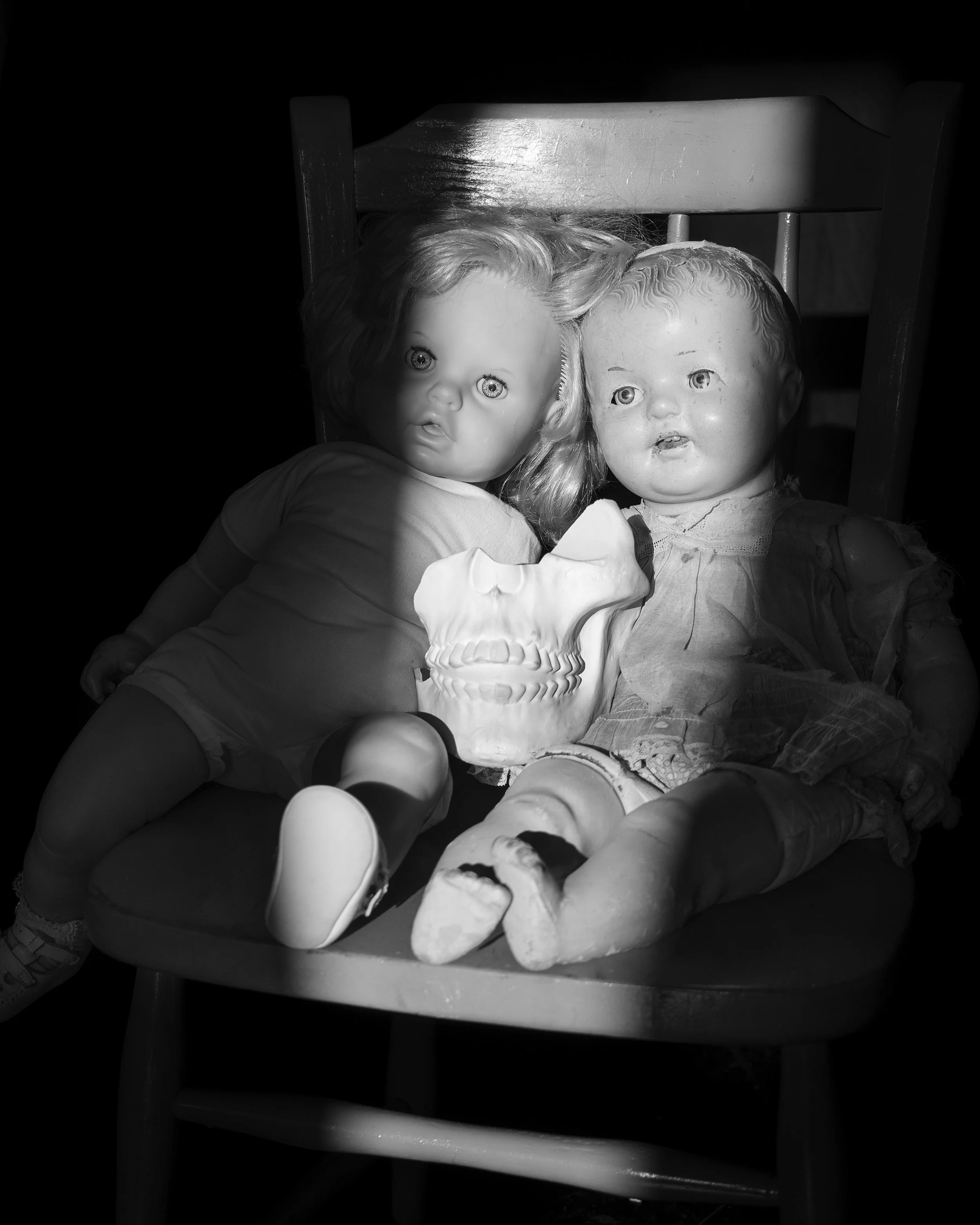
You felt like an outsider when you first came to America, and then felt displaced again moving to rural Connecticut. How did you show this feeling of not belonging in the visual style of your photographs?
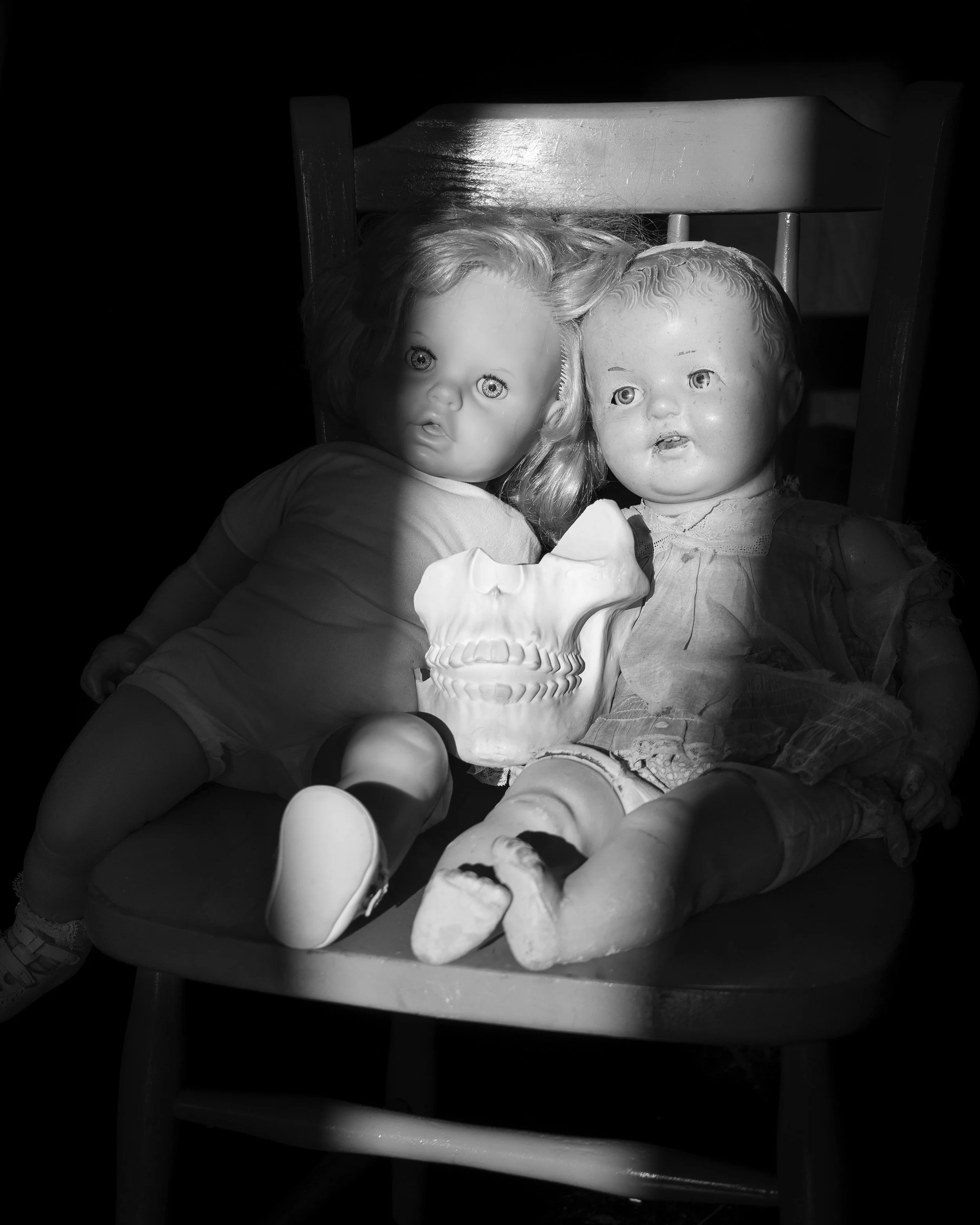
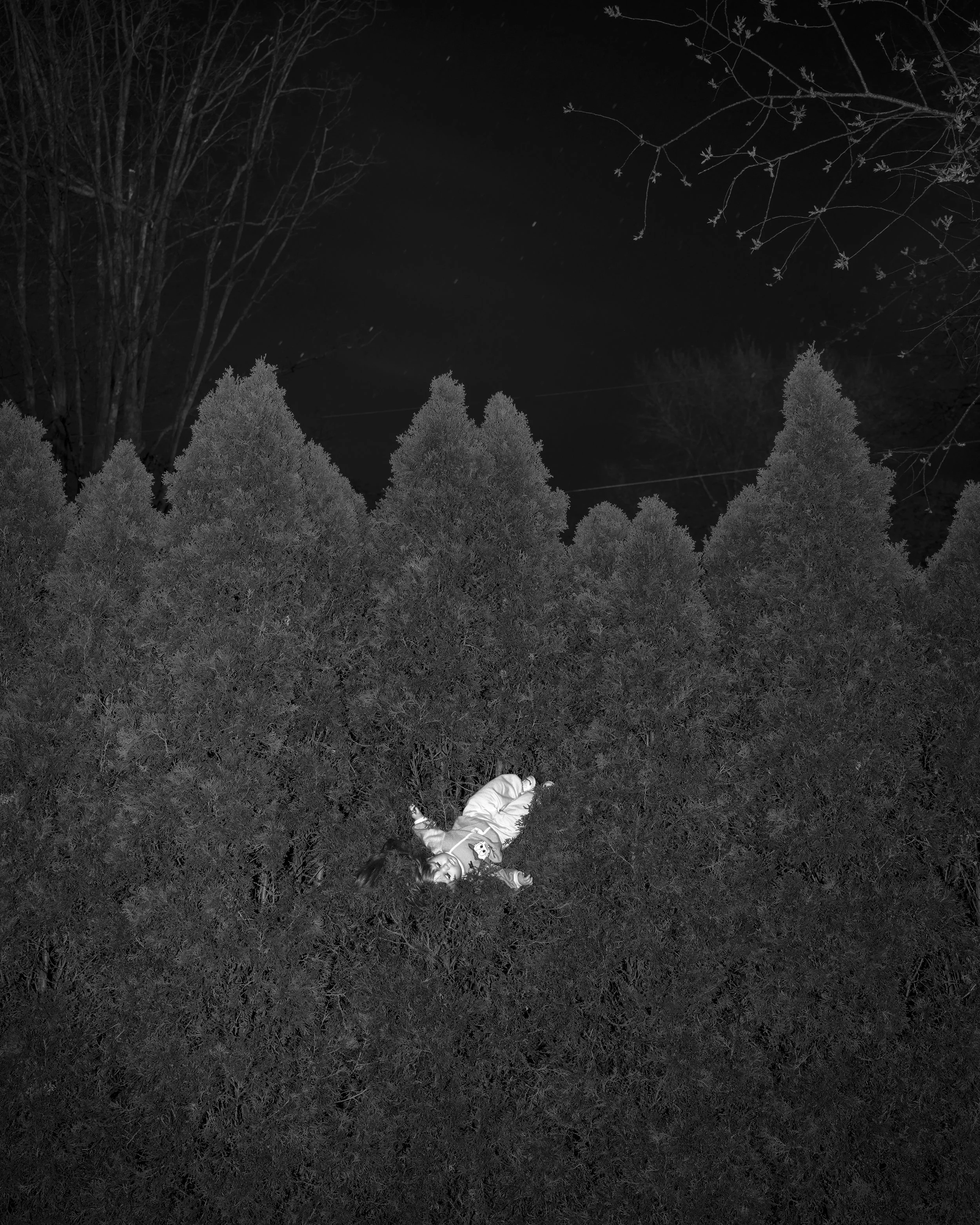
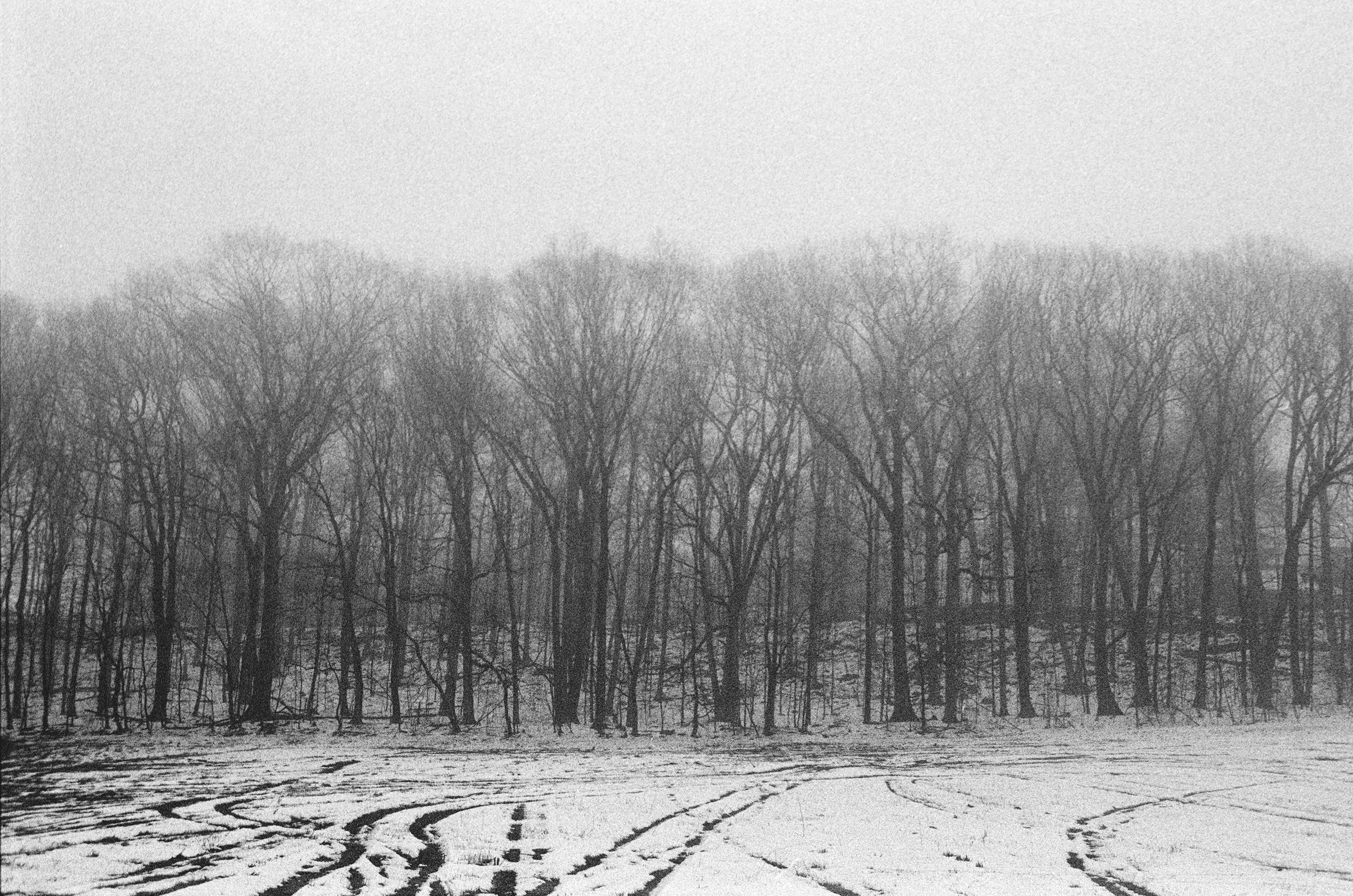
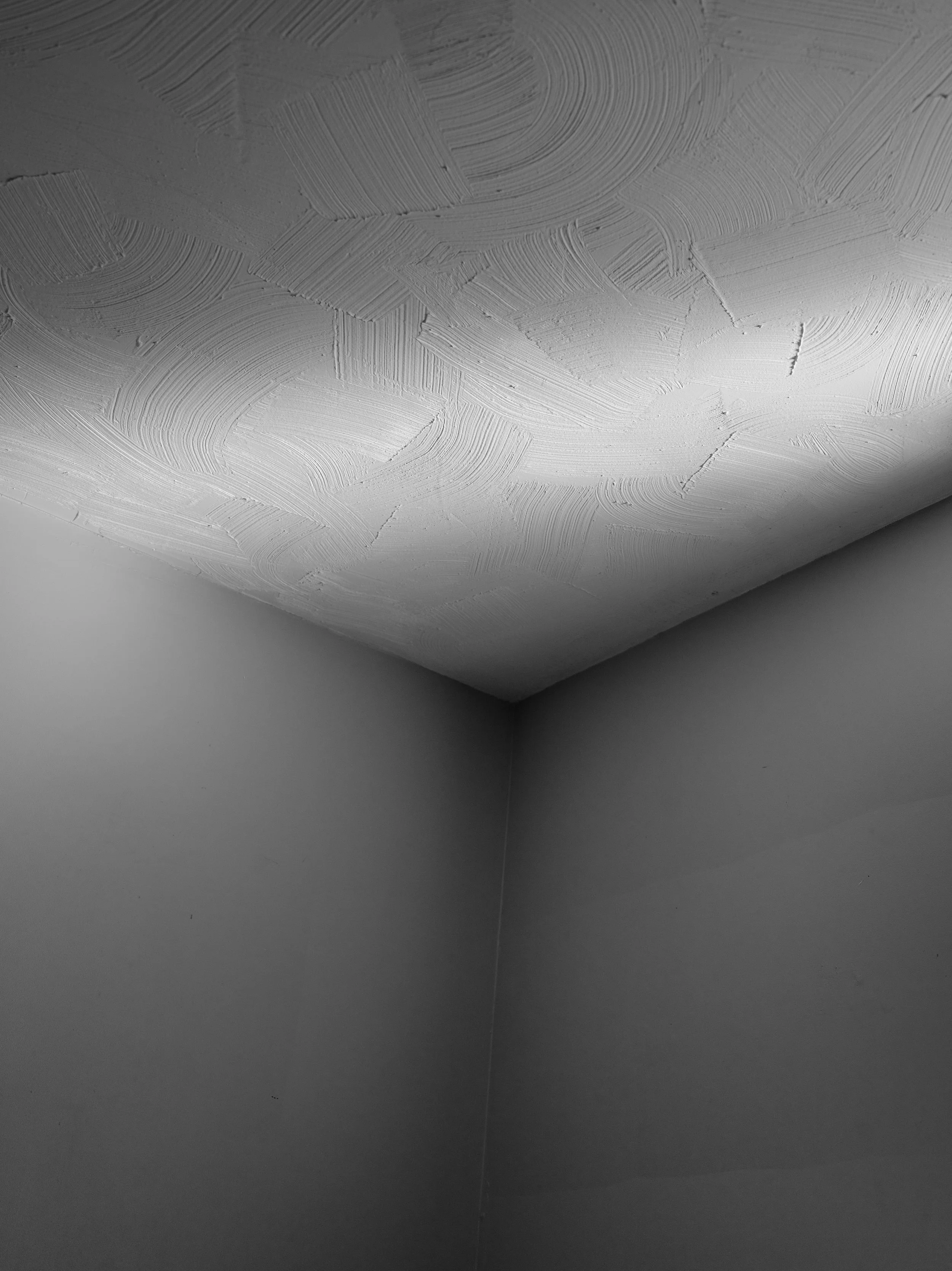
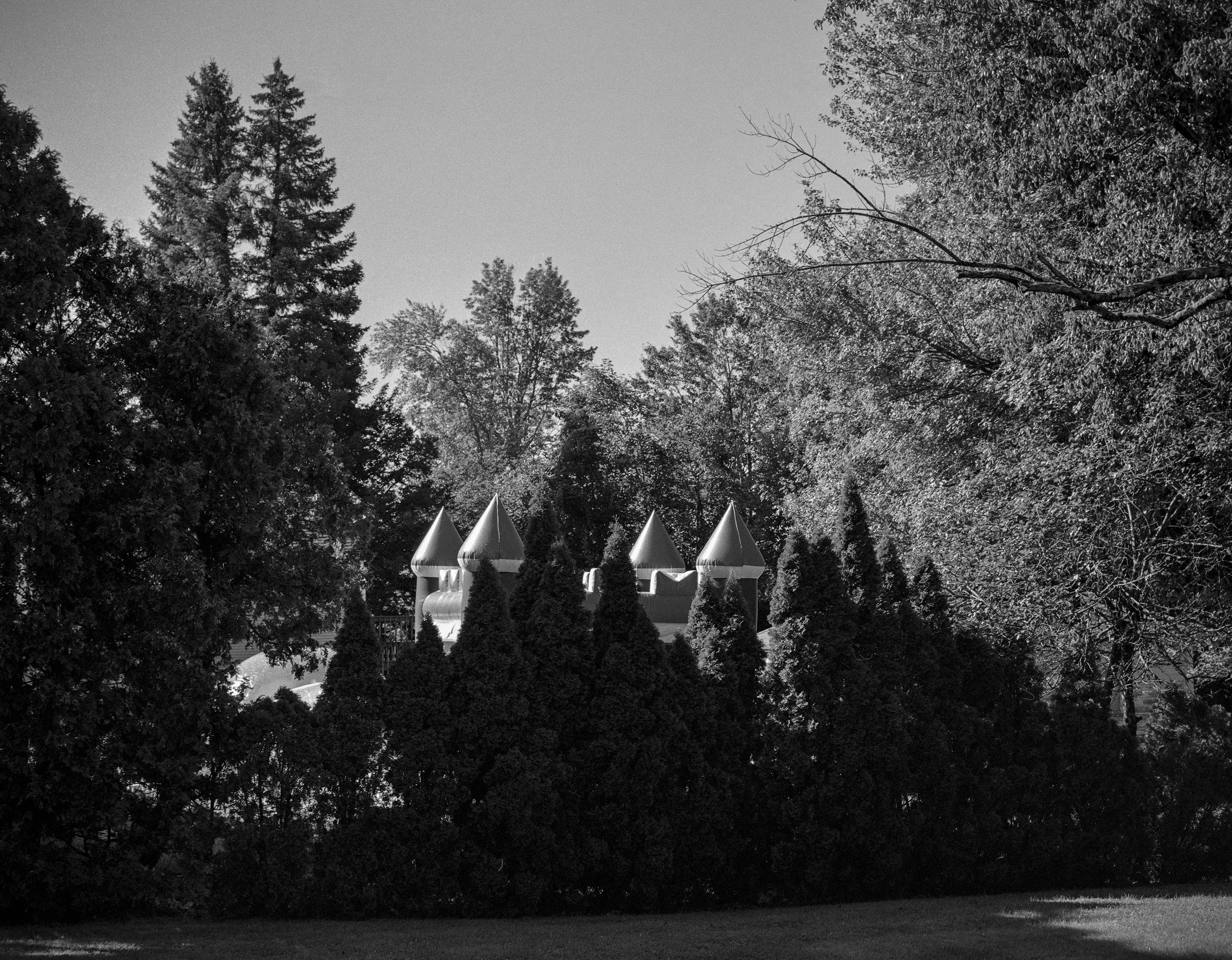
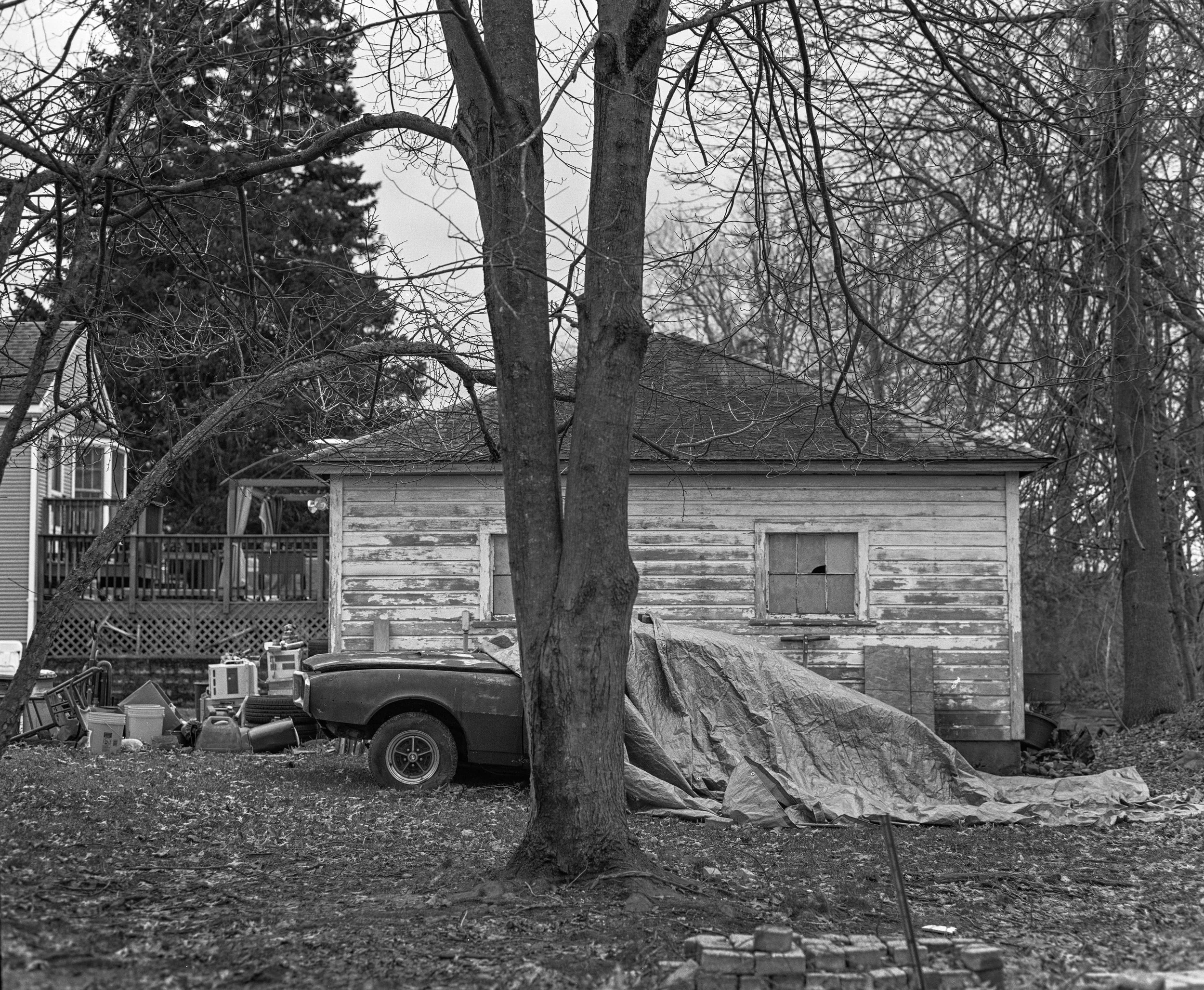
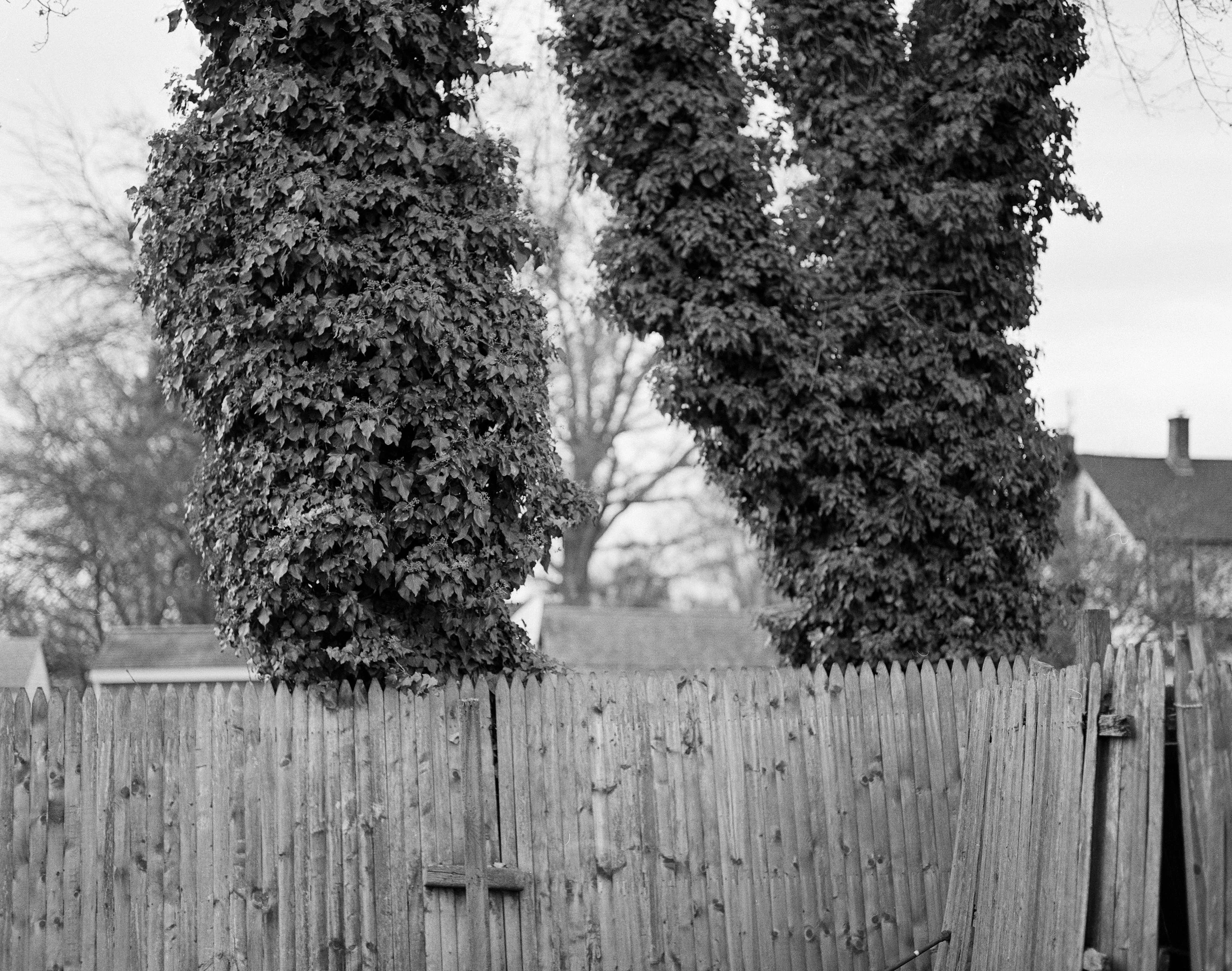
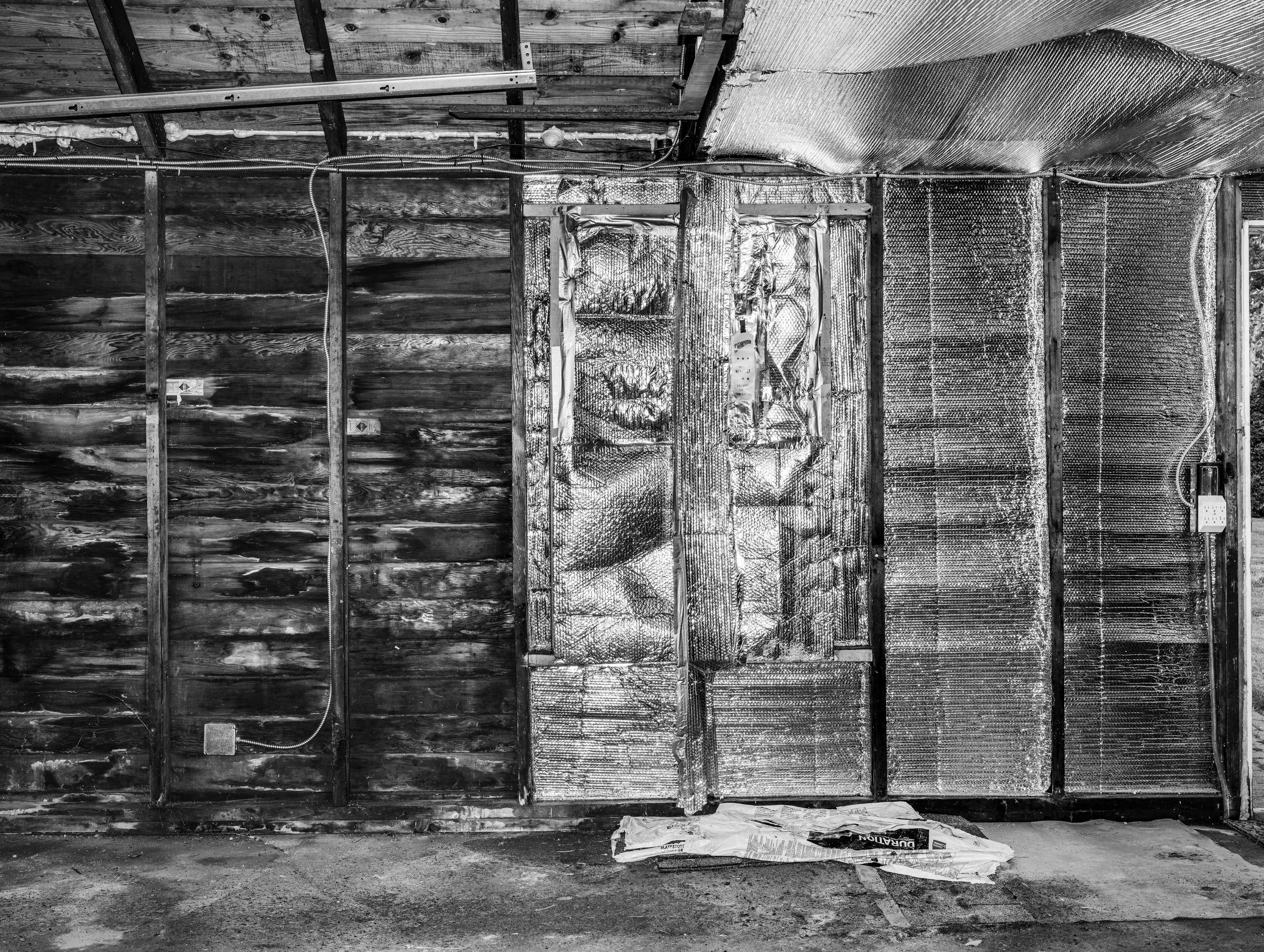
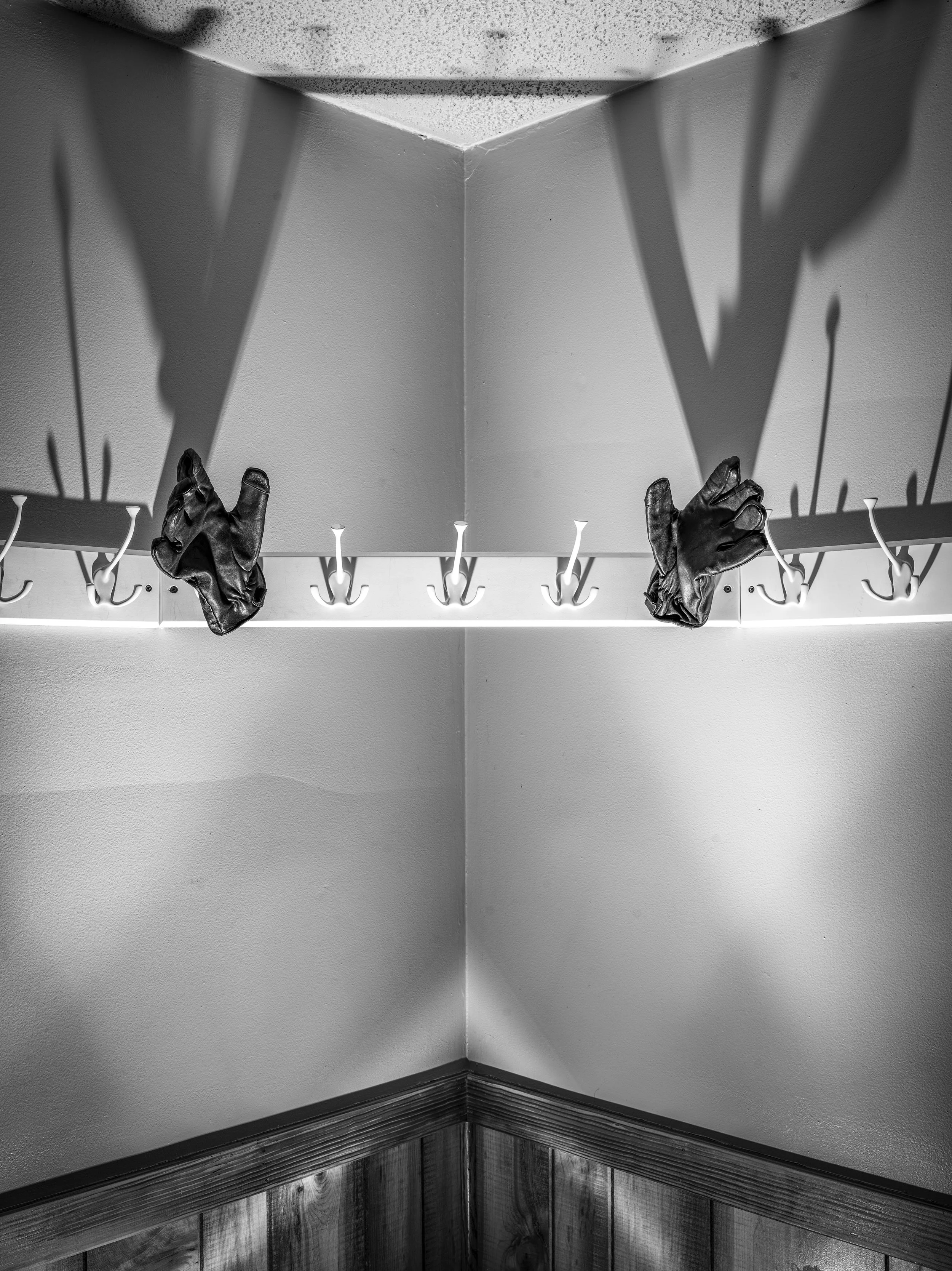
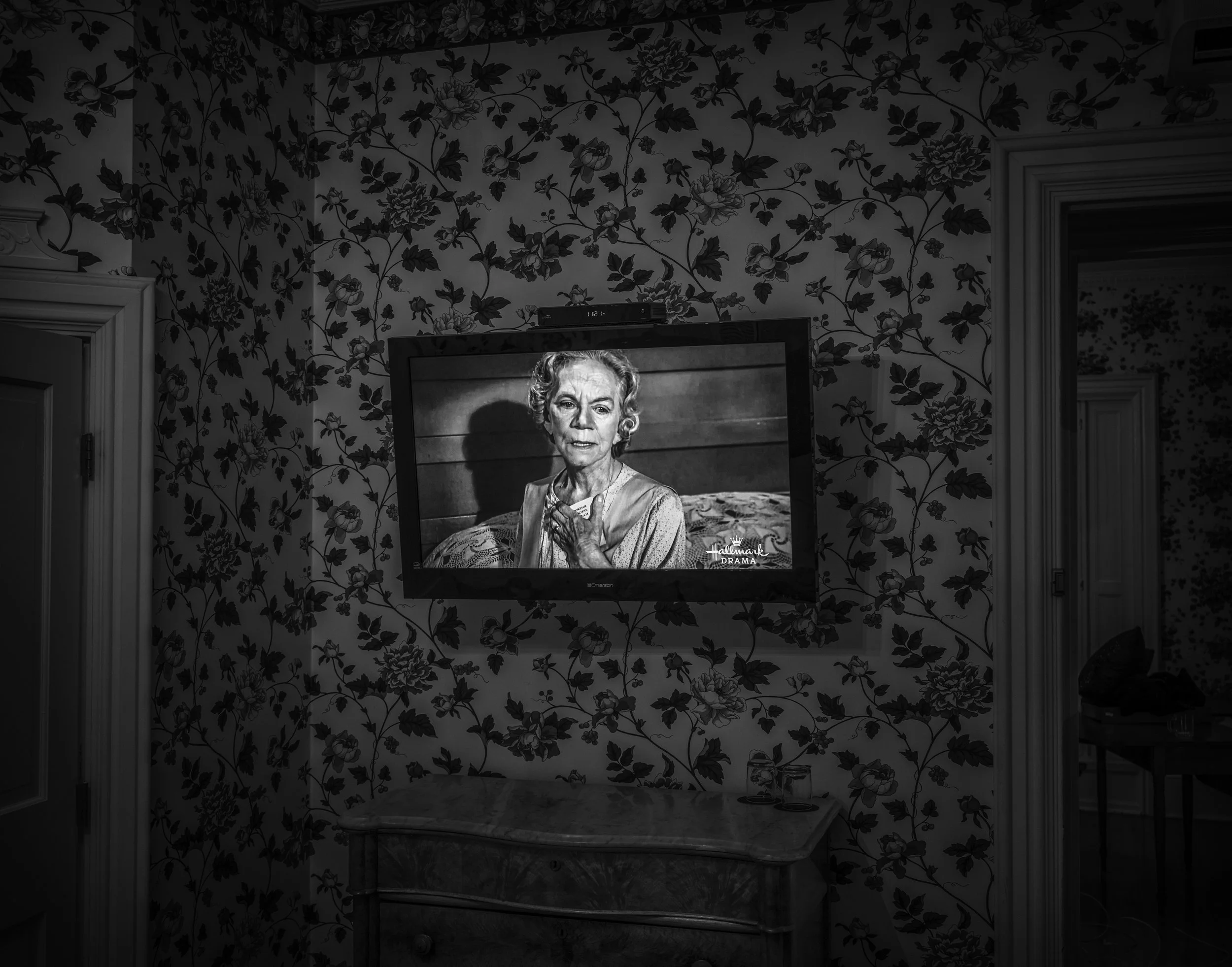
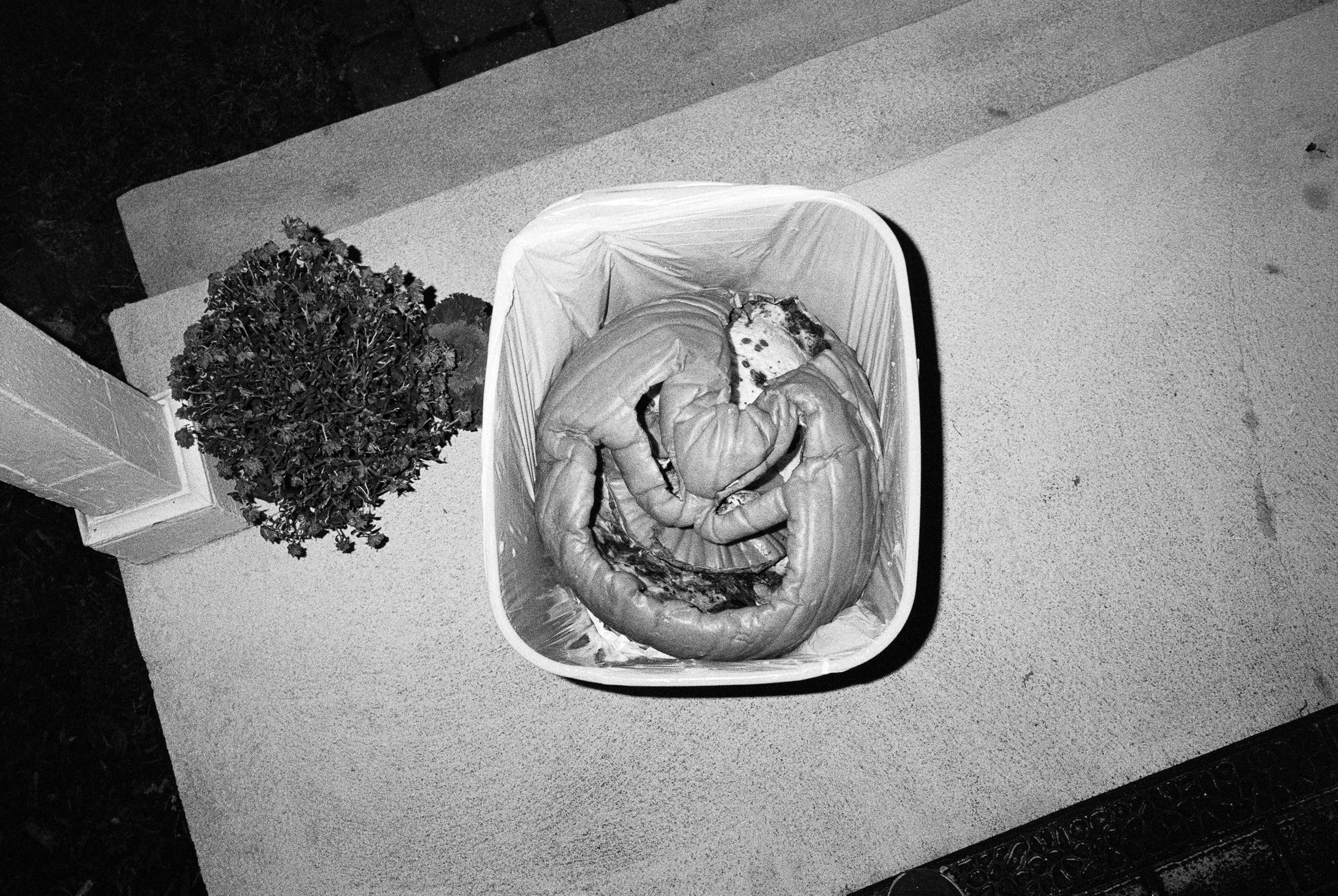
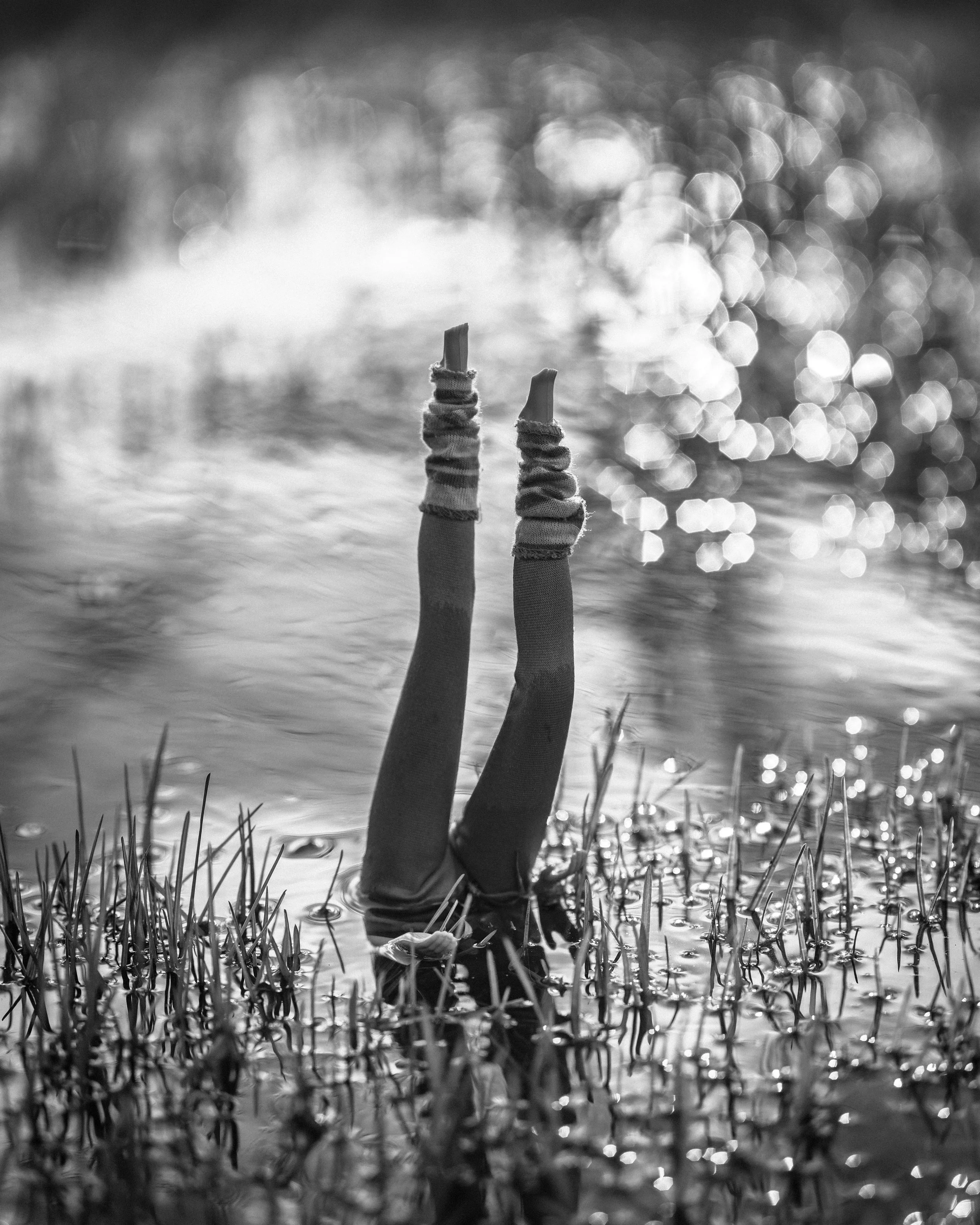
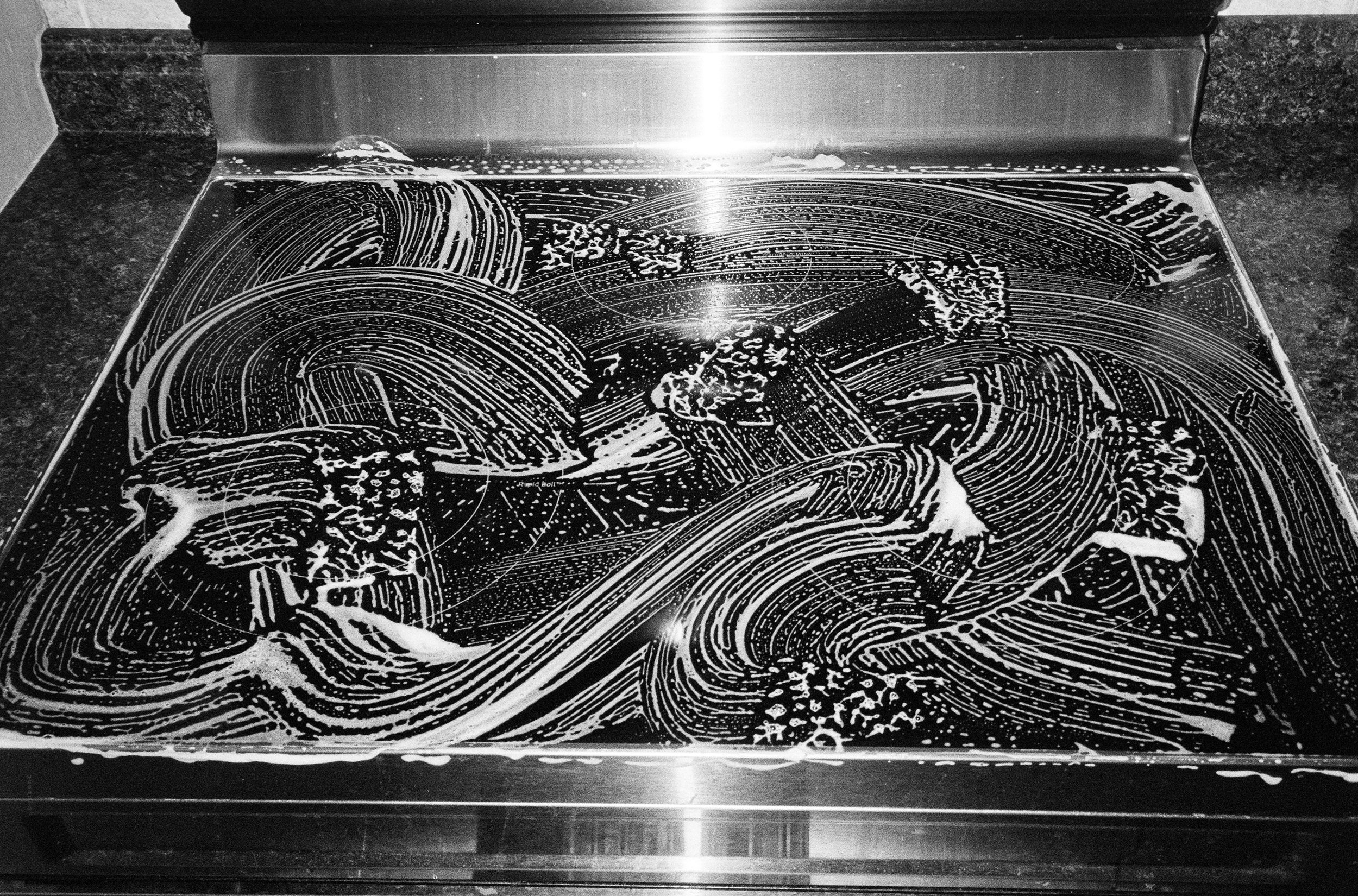
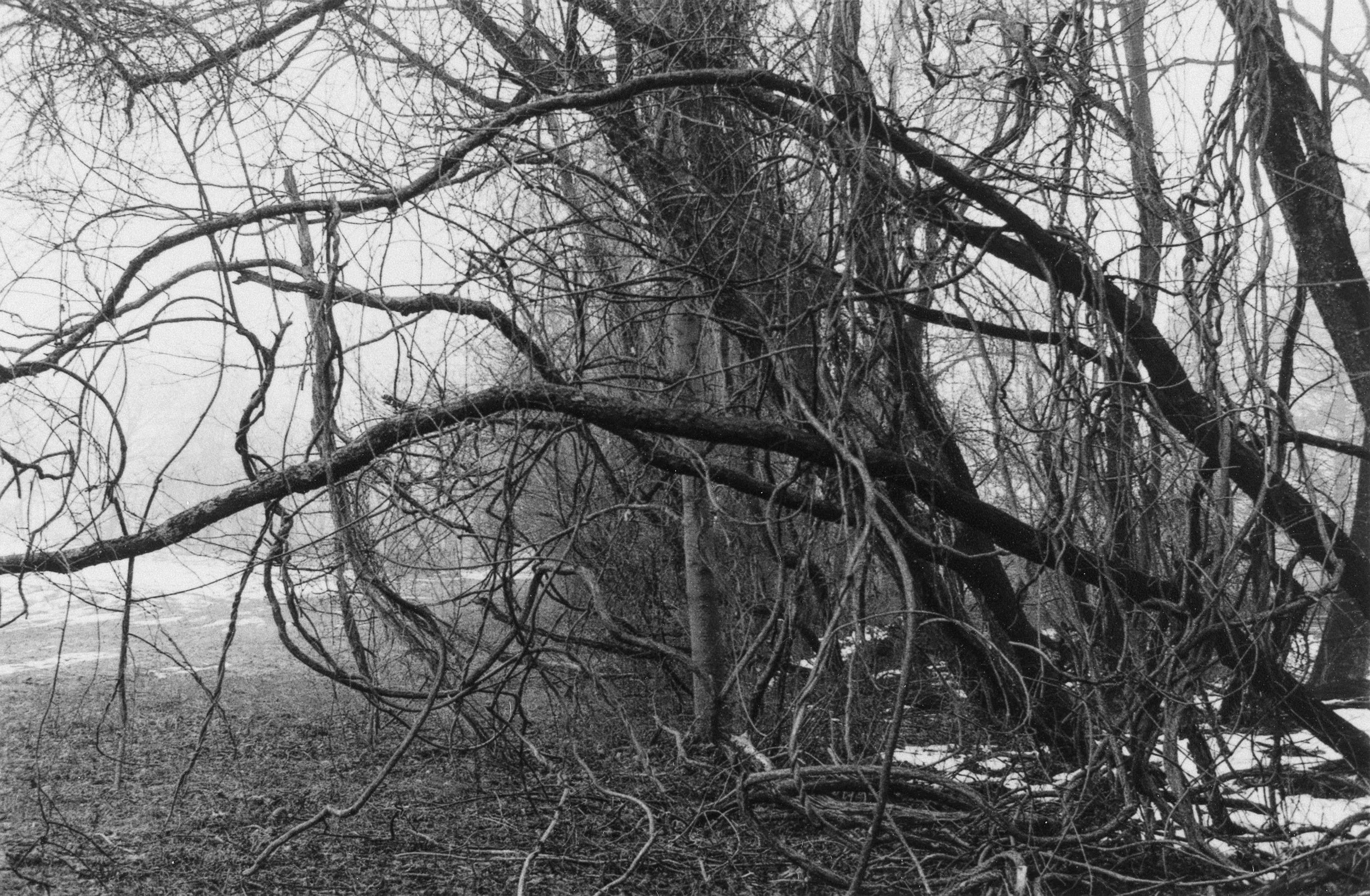
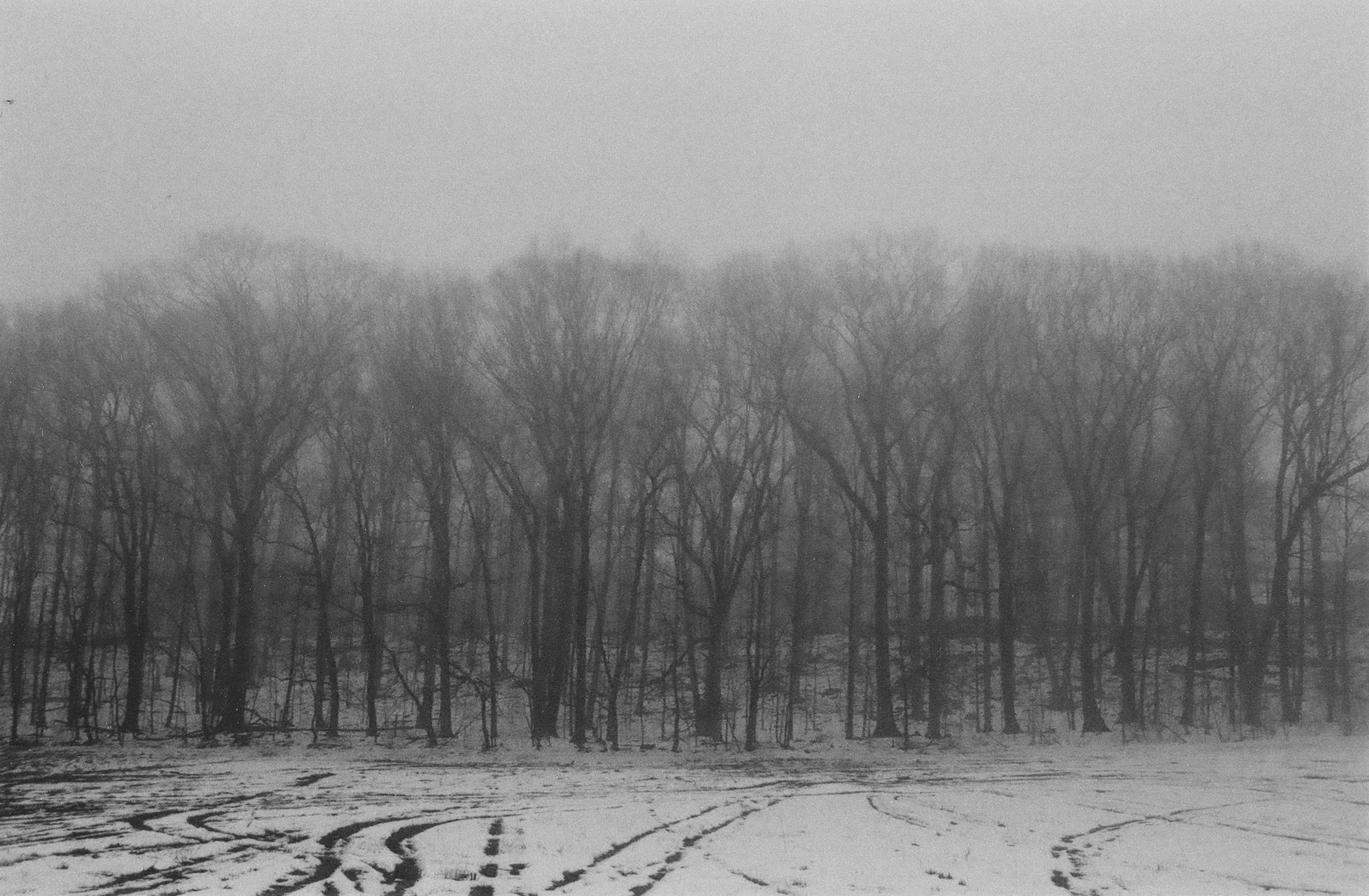
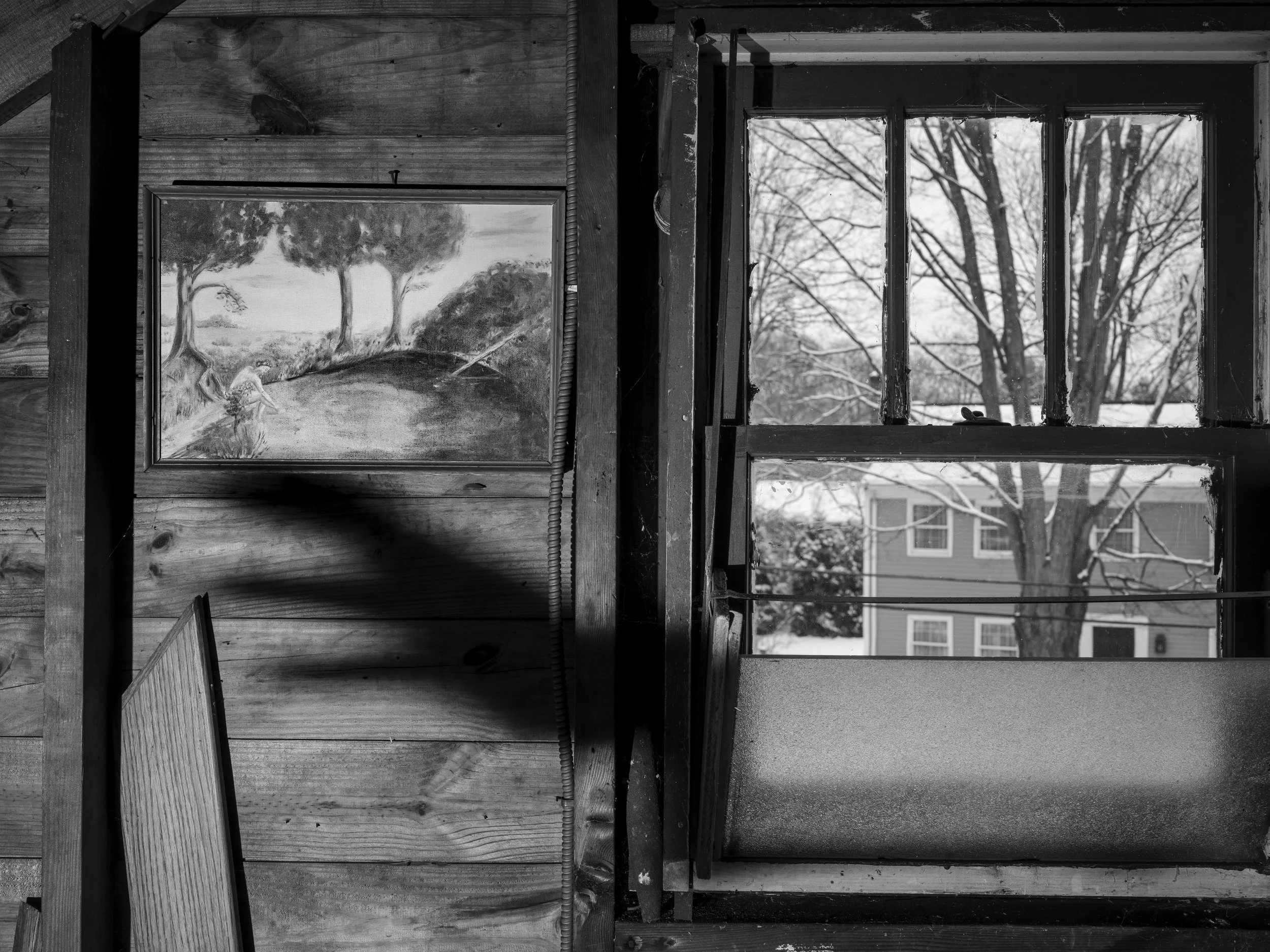
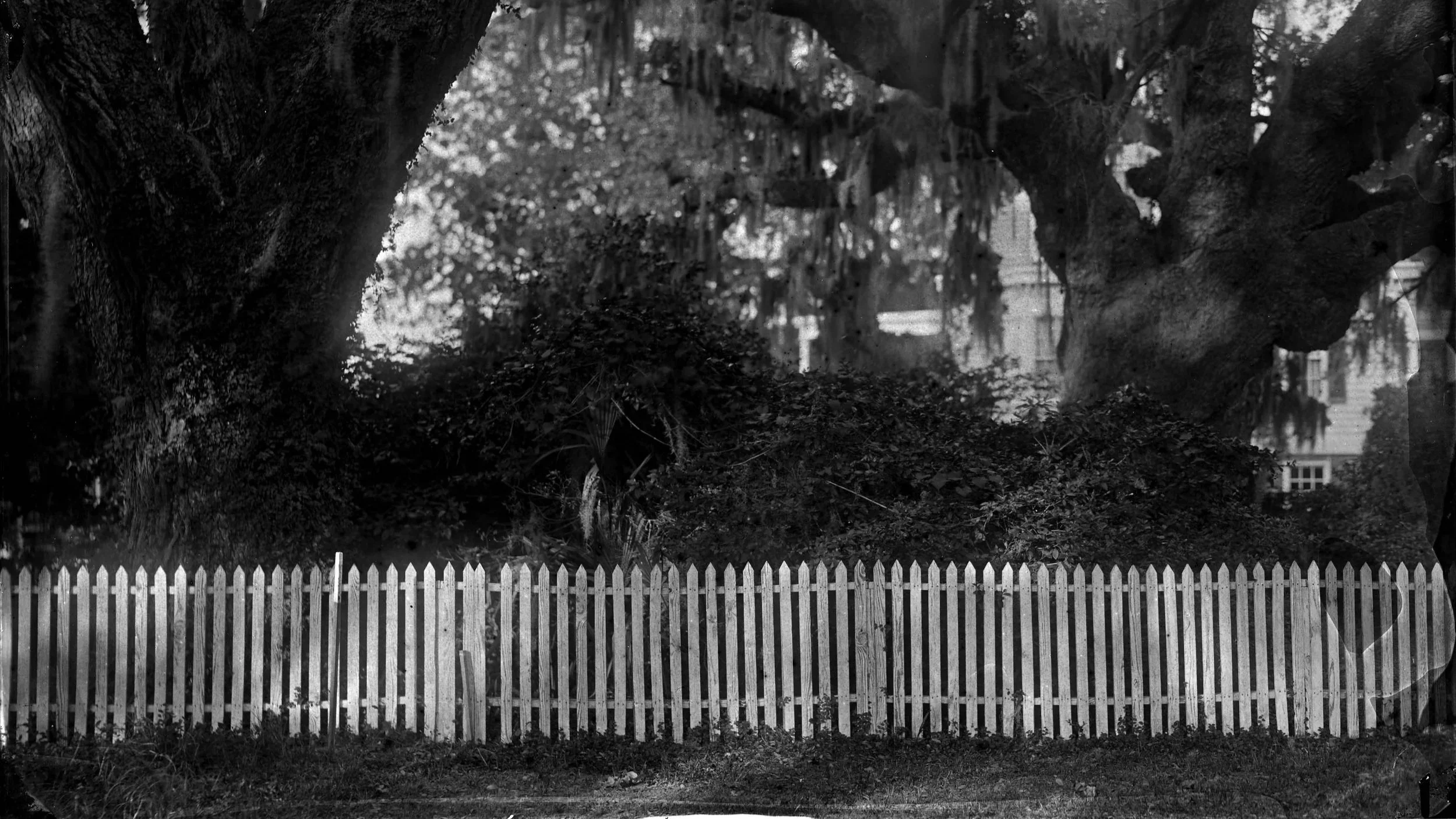
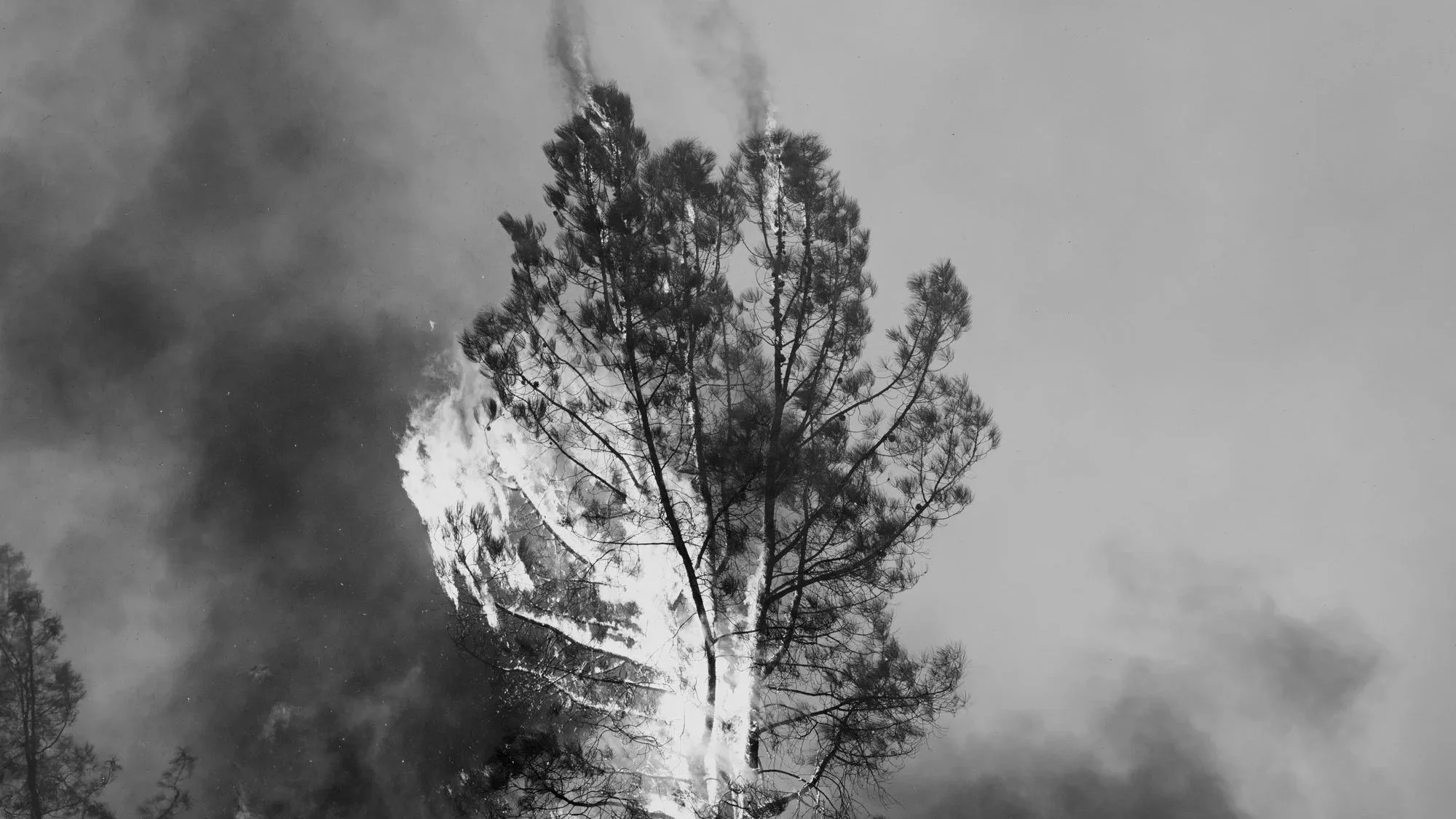
Several strategies evolved to accentuate the feeling of displacement and disorientation. One is that I never actually show the whole house; all of the interior images are closed off, as though they are their own self-contained worlds. The viewer is never sure of the true scope of the house, how many rooms it has, or what its architectural layout is. The interior photographs are taken with a digital camera and appear next to exterior images taken with film. This juxtaposition creates a visual tension since the quality of film grain, its level of detail and resolution, is so different from that of digital. This creates a sense of two different and opposing realities existing side by side: the reality inside the house — closed, claustrophobic, and man-made — and the world outside — atmospheric, depicting trees, fields, and patches of lawn. I used this approach to create a sense of placelessness so that the viewer never feels settled in either realm.
Looking back at the 5 Garfield Avenue project now, after years of making hotel room installations, what did this earlier work teach you about using photography to explore feelings of fear and being an outsider?
I process my experiences of life, my feelings and memories, by doing things with my hands: constructing installations, building furniture assemblages, taking pictures, and drawing. This kind of direct creative engagement allows me the freedom to play and experiment improvisationally as a reaction to my environment, rather than as the procedural execution of a predetermined plan. I frequently don't know what I'm tapping into at the moment, but I've learned to trust the process, and as that trust has grown the work has become more personal, more intuitive, and less bounded by purely formal considerations.
When you say you often don't know what you're tapping into while making the work, what is the moment when you recognize, 'this is the project'? What specifically are you looking for in the images or sequences that signals it is worth building into a body of work?
There are two factors that must be present. The first is the ability of the images to provoke a sustained level of interest. I have to feel that there is something hidden to discover, and I must be overcome with a sense of curiosity to search for it through the medium of the work. This is the essential spark. But in order for it to ignite a broader inquiry, it must be fueled by a compelling idea. This is the second factor. The idea provides a deeper reason to continue exploring through a sequence of works rather than a few one-off experiments. It's not always the case that both of these factors come together harmoniously, but when they do, it's a blessing and I feel like I'm off to the races.
More photography books?
We'd love to read your comments below, sharing your thoughts and insights on the artist's work. Looking forward to welcoming you back for our next [book spotlight]. See you then!
The street is boring until you learn what to notice. Most of the time, nothing special is happening. Photography Book Spotlight