After Losing 90% Of His Life’s Work, KAI Fusayoshi Had To Decide What Really Matters In Photography
Welcome to this edition of [book spotlight]. Today, we uncover the layers of 'Kyoto Laid Bare,' by KAI Fusayoshi 甲斐 扶佐義 (published by Getsuyosha). We'd love to read your comments below about these insights and ideas behind the artist's work.
He lost 2 million negatives overnight.
In 2015, a fire destroyed almost 90 percent of KAI Fusayoshi’s life’s work in Kyoto. For a photographer who had walked the same streets for 50 years, shooting almost every day, this was not just an accident but a collapse of memory. Most people would stop after such a loss and accept that their best years were gone. But he did not stop.
This interview is about what really survives when the archive is gone.
If you are working on a long term project, or documenting your own city, his experience will feel very close to you. KAI Fusayoshi has published more than 40 photobooks and spent decades photographing Kyoto in black and white, so his words come from a life fully committed to one place. In our conversation about Kyoto Laid Bare, he speaks openly about loss, discipline, intuition, and why he still takes around 100 photos a day. By the end, you may start to question what in your own work would still matter if everything physical disappeared.
The Book
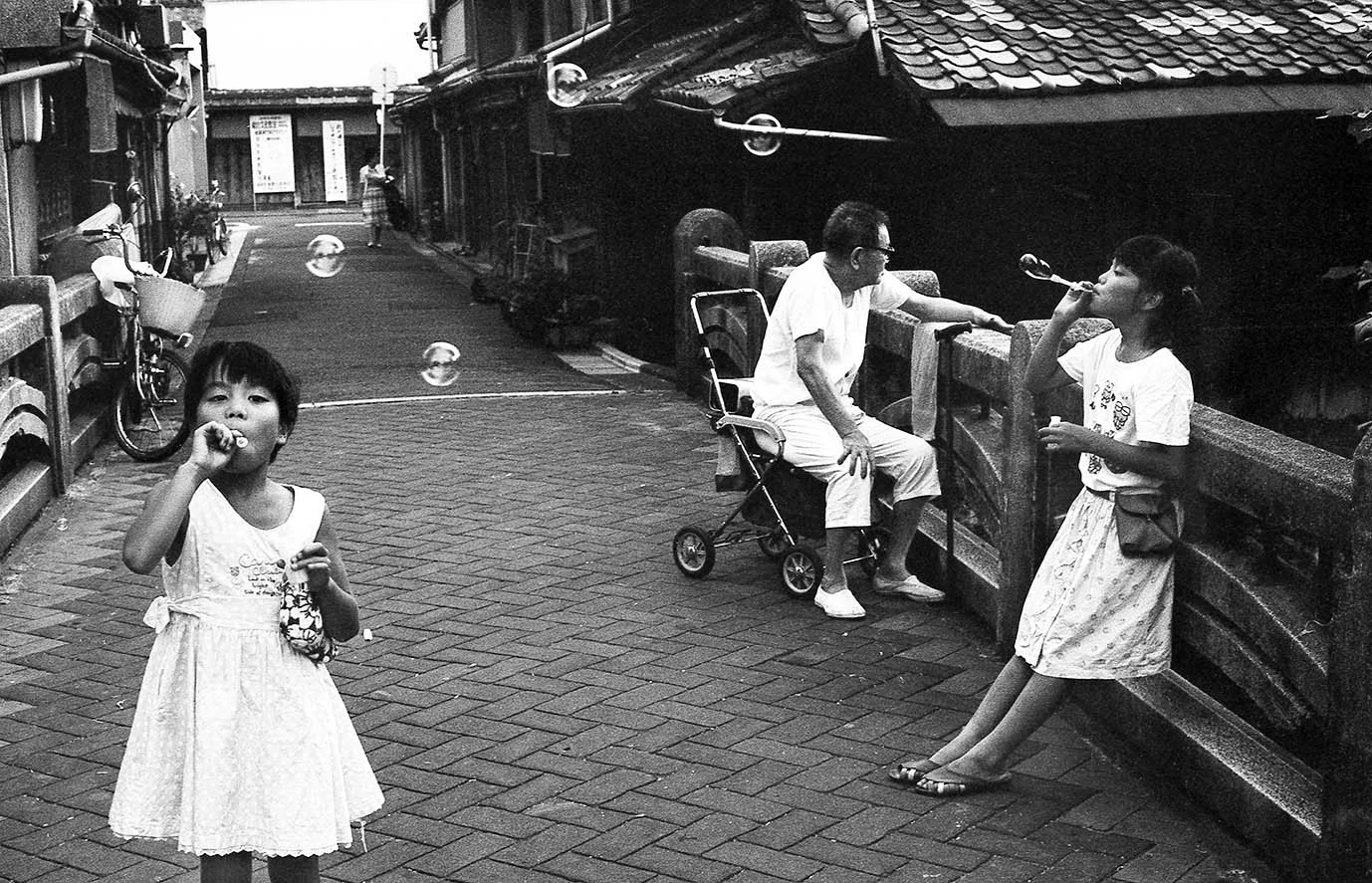
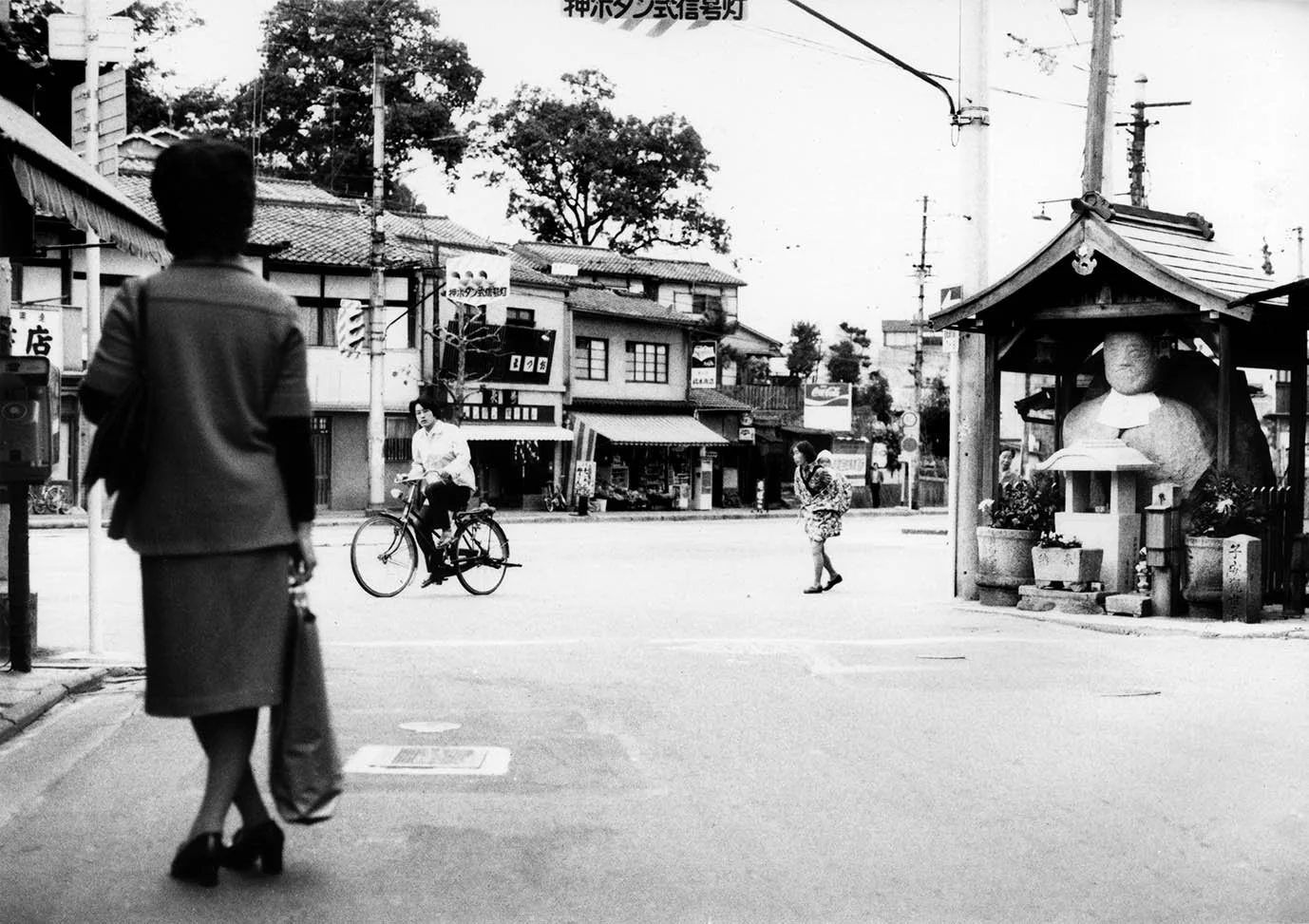
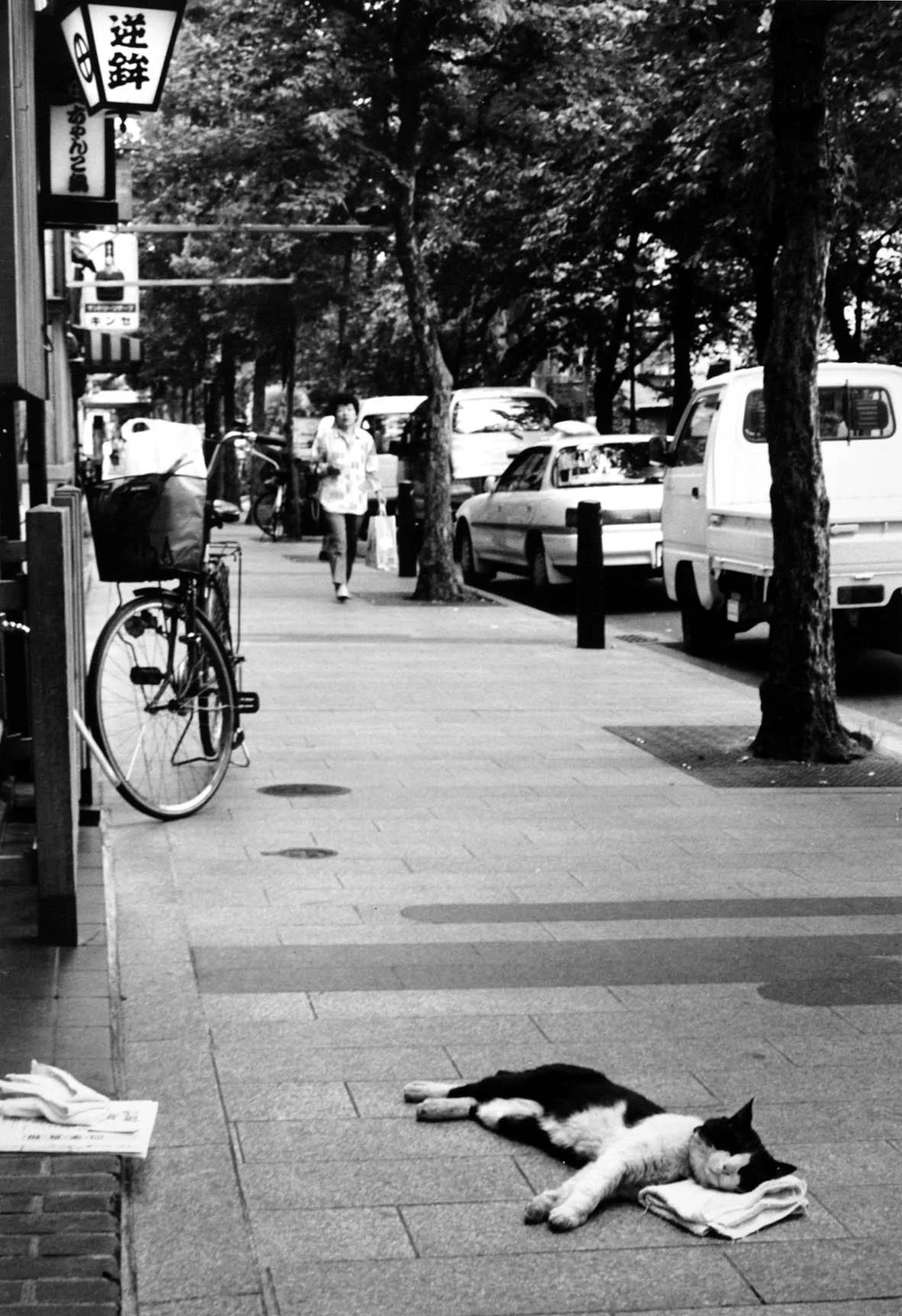
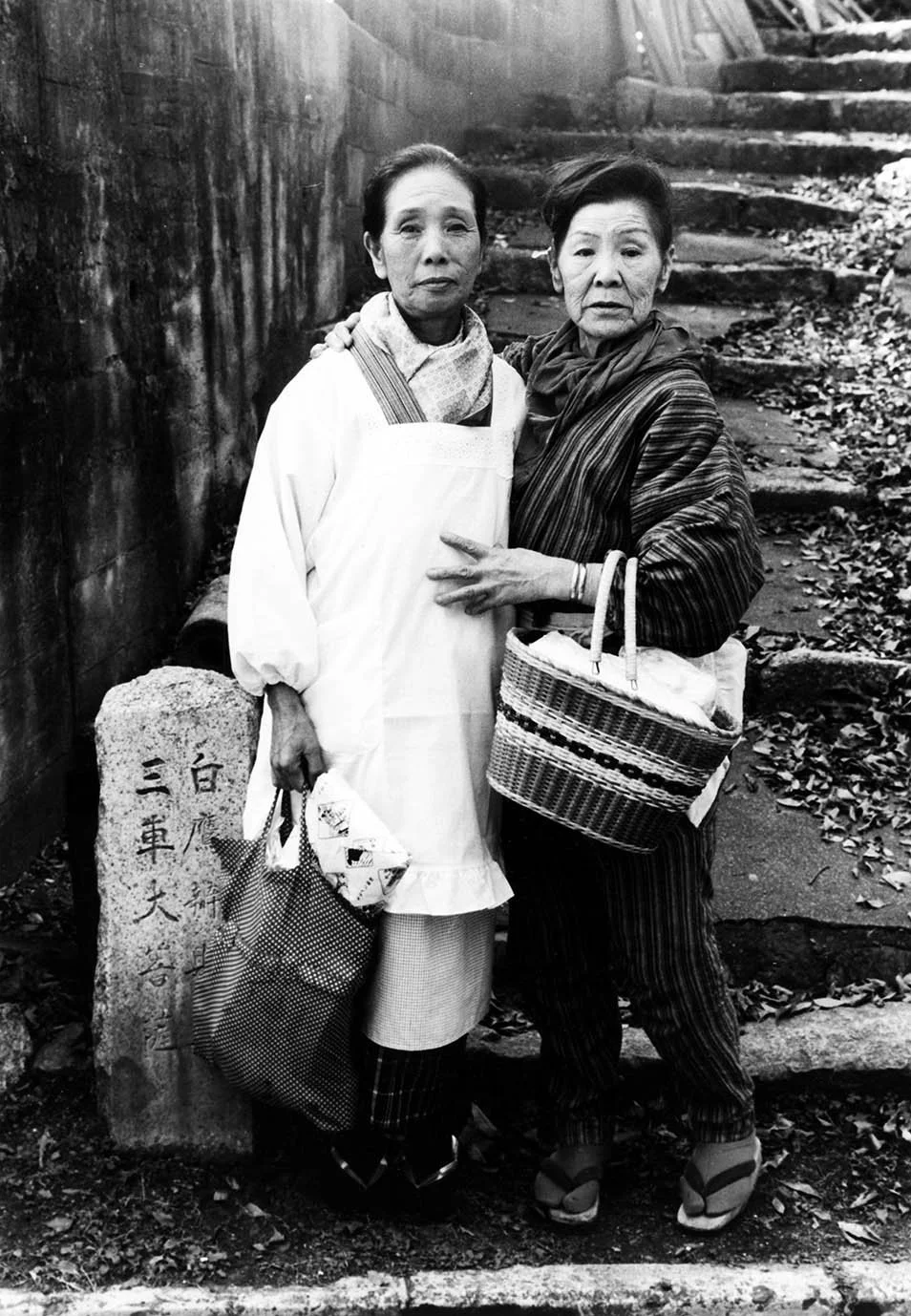
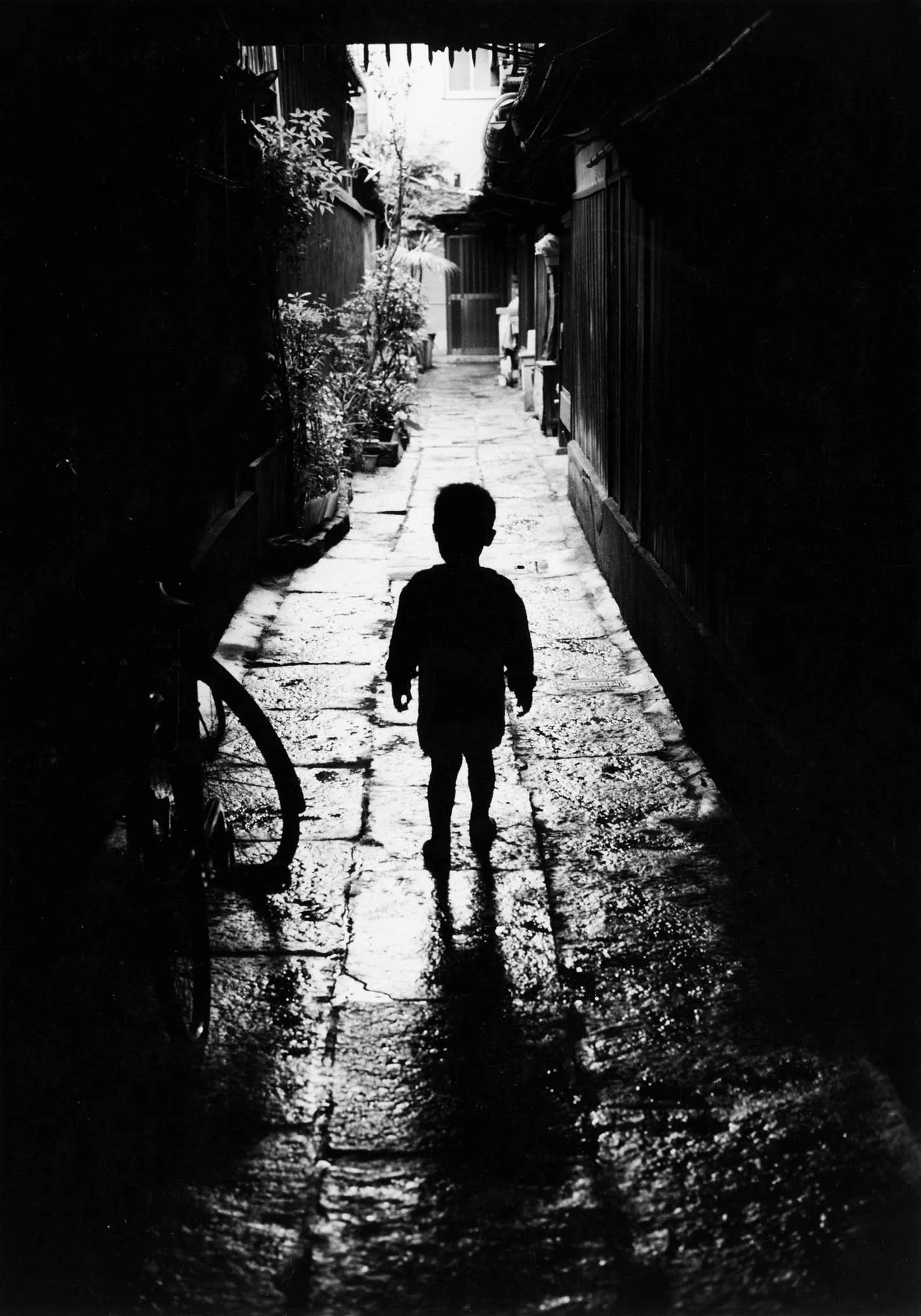
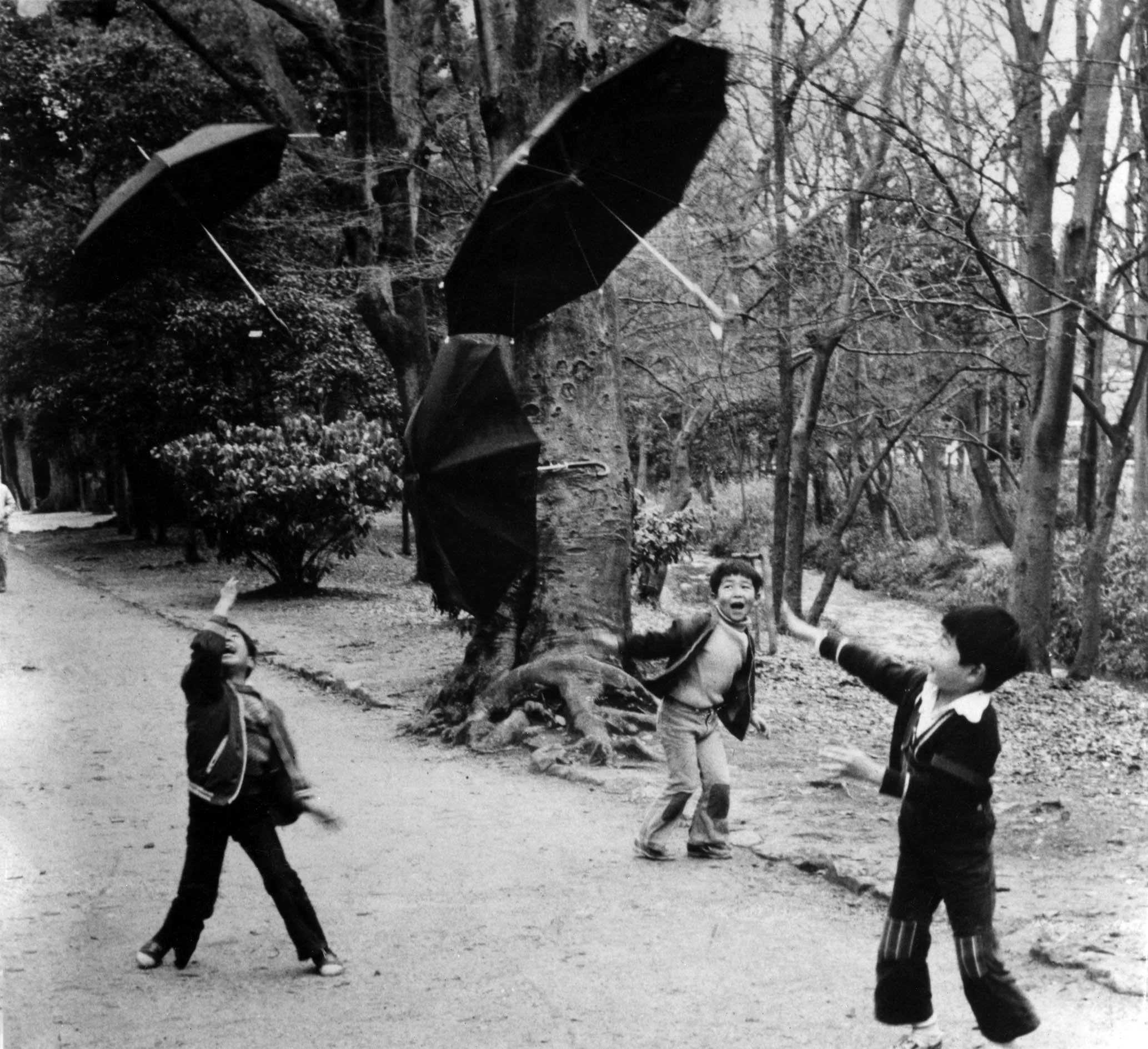
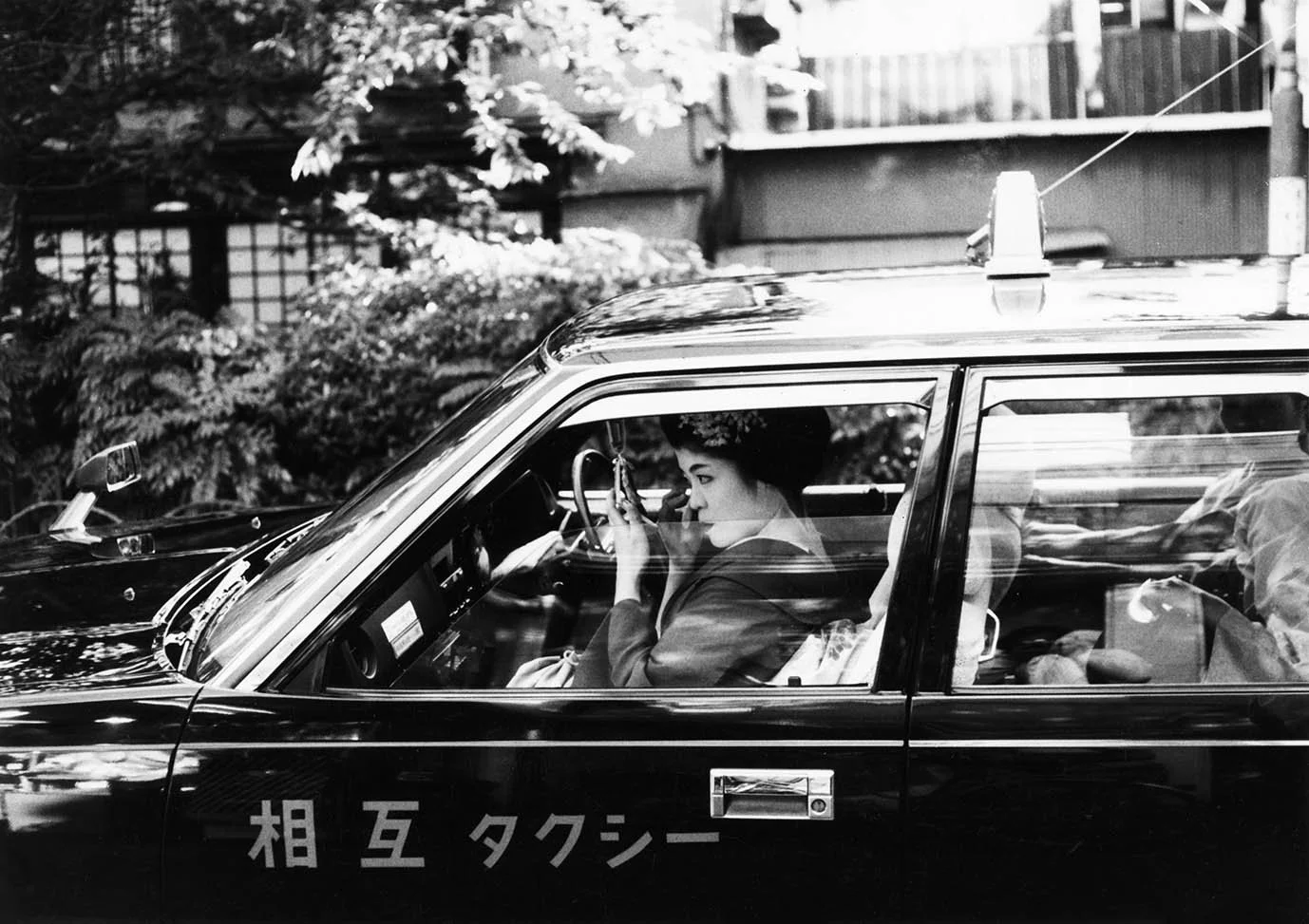
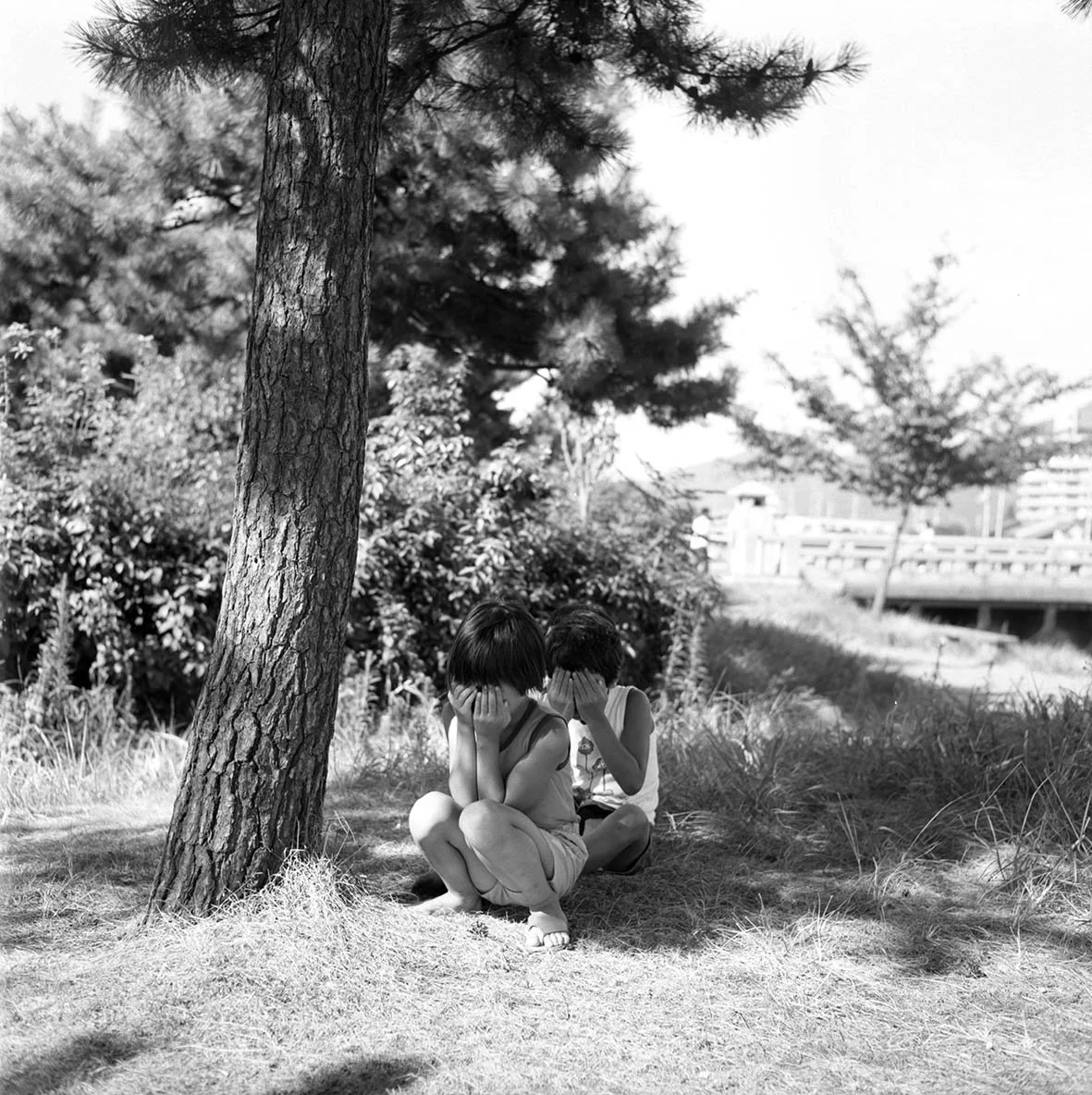
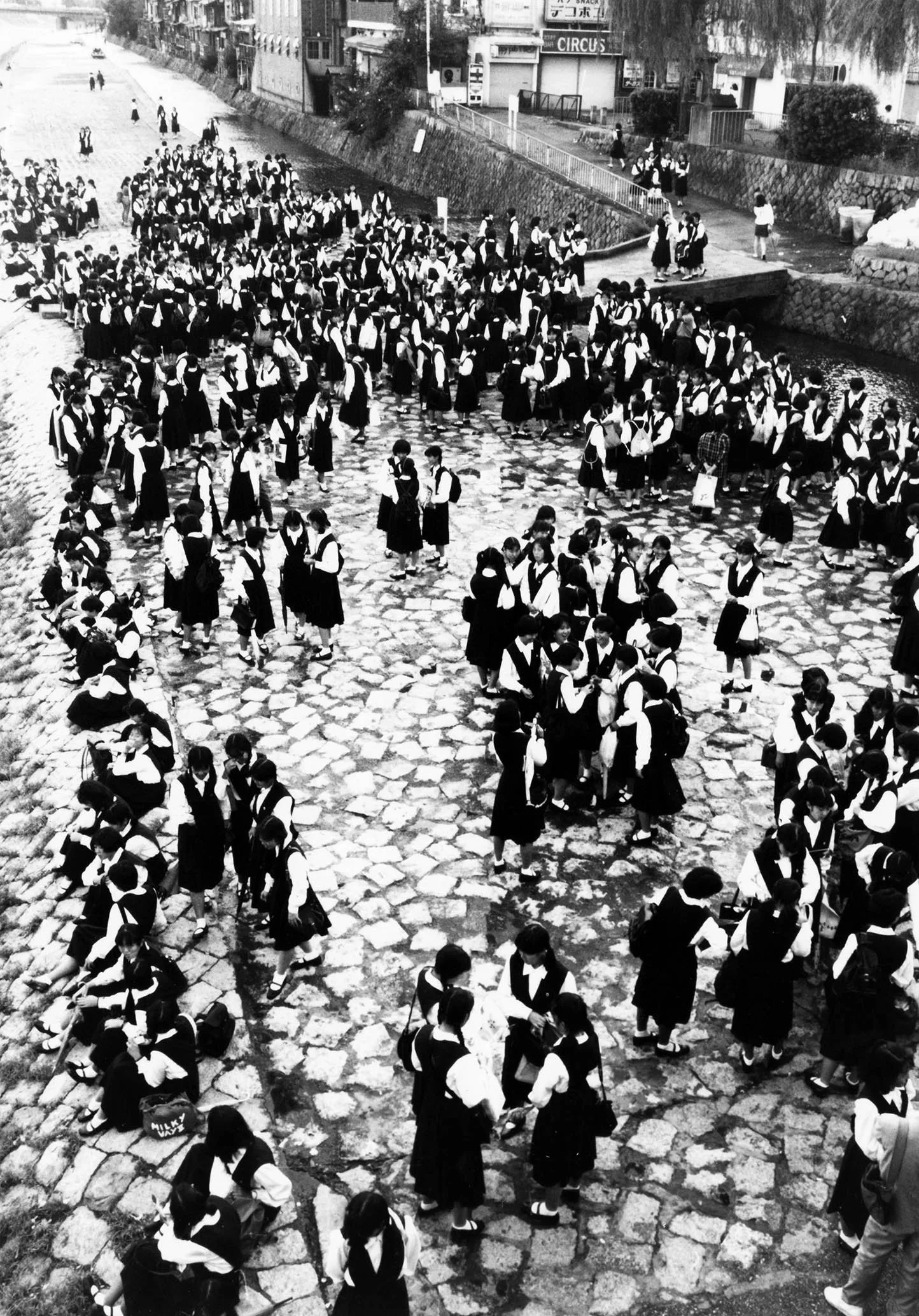
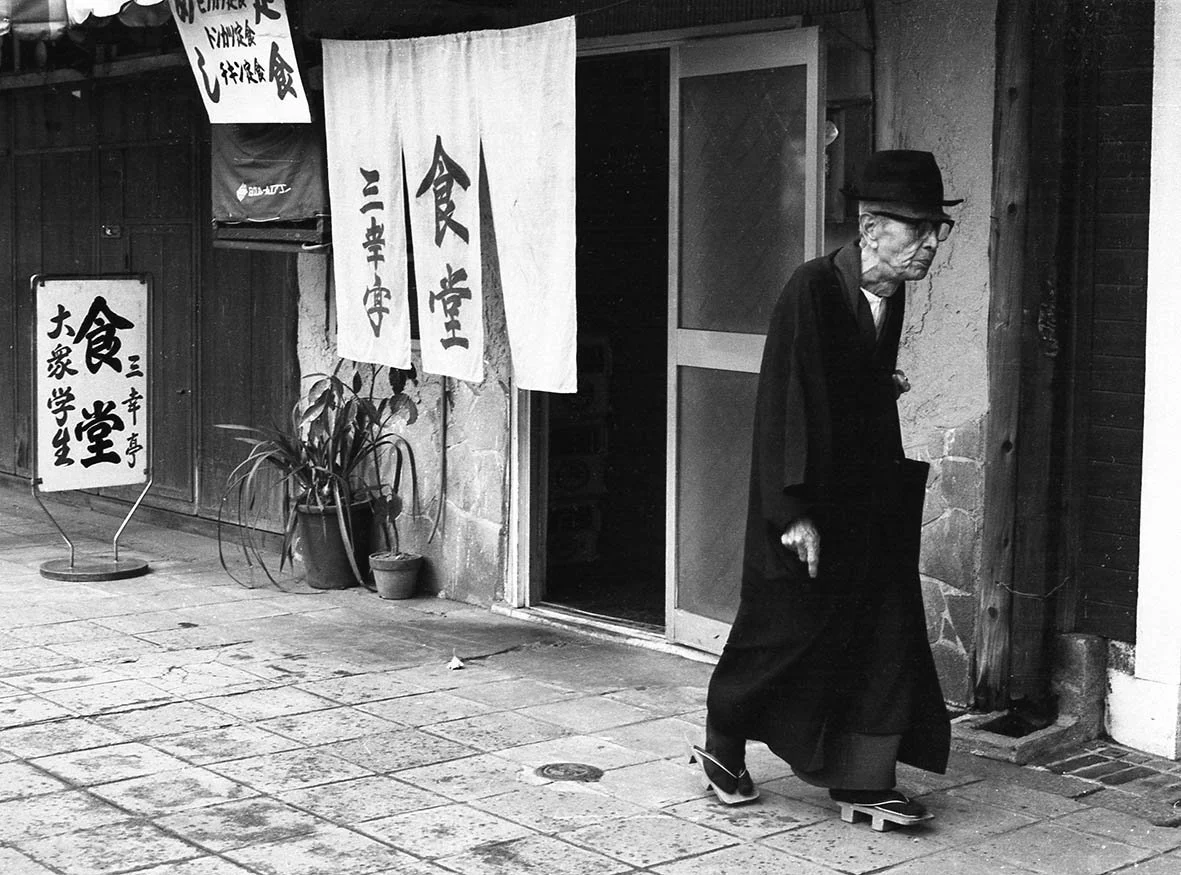
Kyoto Laid Bare (新版 地図のない京都) is a photobook by KAI Fusayoshi that gathers around 40 years of his street photography in Kyoto. The new edition is organised by 7 areas of the city where he regularly walks, so the book reads like a lived map of daily Kyoto rather than a tourist guide or a strict timeline. It focuses on ordinary life: people in the streets, workers, children, small encounters, and the city’s quiet routines.(Getsuyosha, Amazon JP)
Starting Photography: You started taking photos at age 11 with an Olympus Pen camera. What made you interested in photography as a child, and how did it shape the way you photograph Kyoto today?
Until the age of four, I could neither walk nor speak. Because of this, my parents judged that raising me in the same way as my siblings would not be appropriate. Rather than prioritising formal schooling or academic achievement, they chose a path that emphasised “acquiring practical skills.” Once I became physically able, they taught me how to take care of goats and chickens and how to work in the fields.
Since we lived in the mountains, keeping chickens attracted many wild animals, so I used an air rifle to drive them away. My sister, who is eight years older than I am, sensed something dangerous in my behaviour, took the gun away from me, and instead gave me a camera. With it, I photographed weasels, owls, martens, and cats, and on school excursions I photographed the girls in my class.
At the same time, my sister obtained the Iwanami Photographic Library (about 100 volumes in the series) from her former high school teacher and gave it to me. These were outstanding photographic books, and I was deeply drawn to them.
In short, without being overly shaped by elementary, junior high, or high school education, I learned how to proceed through life at my own pace.
The 2015 Fire: When Honyarado café burned down, you lost 2 million negatives, 90% of your life's work. How did this change your photography? What did you learn about which photos really matter?
The impact of the Honyarado (negative) fire?
Even before the fire, I was already in serious financial difficulty. Still, I had been gradually planning to entrust the management of Honyarado to others, stop active shooting, and spend my later years “looking backward”, immersing myself not in new photography but in the enormous archive of negatives I had accumulated.
As long as finances allowed, I intended to devote myself to producing many photobooks. That became impossible after the negatives were destroyed in the fire. However, I did not plan to stop photographing altogether; rather, I intended to revisit and review my past work.
By the time of the fire, I had already published more than ten volumes of Beauties of Hachimonjiya. I had also compiled a registry containing the addresses, contact information, and hometowns of some 20,000 women. Using this registry, I planned to wander throughout Japan, including their hometowns, visiting these women and their surroundings (including people who wished to be photographed but had not yet appeared in my books).
Separate from Matsuo Bashō’s The Narrow Road to the Deep North, I intended to walk my own personal “Oku no Hosomichi.” Since opening my shop in 1972, I had been tied almost constantly to it and had rarely travelled in any meaningful sense. I wanted to journey throughout Japan, and I thought that carrying the registry I had kept for fifteen years and undertaking a “nationwide pilgrimage of photographing beautiful women” might be an interesting way to do so.
The fire destroyed those notes. Afterward, my American friend and respected surrealist poet John Solt, as if perfectly tracing my inner state, urged me by saying, “Go to Asia!”
However, I was financially constrained, and the shock of the fire left me in a mild delirious state. On a rainy day, I fell from my bicycle and was injured. Flesh-eating bacteria entered through the wound, and I narrowly escaped having one of my legs amputated.
Fortunately, amputation was avoided, but my leg strength was severely weakened. Coming on top of the fire, this was a devastating blow.
Daily Shooting: You take about 100 photos every day in Kyoto. How do you stay excited about photographing the same streets for so many years? How do you find new things to photograph?
How have you sustained the energy and excitement to photograph the same city for fifty years as if it were a single day?
One answer is that running an alternative-style café provided constant stimulation and information from a wide variety of customers, which became a source of excitement.
New Book "Kyoto Laid Bare": Your new photobook shows 40 years of work organised by the seven areas where you walk in Kyoto. Why did you organise it by location instead of by subject or time? What does this show about your connection to the city?
The form of expression in the new edition of Kyoto Laid Bare. Why did you choose spatial connections rather than a chronological structure?
To be honest, I myself am not entirely satisfied with this choice, and I intend to produce another photobook arranged strictly in chronological order. In fact, I am already prepared to publish one or two such books and am waiting for the right publisher to emerge.
The basic structure of this book followed the wishes of the publisher (Getsuyōsha). In other words, it aimed to shed light on aspects of my photography other than the images of “beautiful women, cats, and children” for which my work is widely known. If you look closely, you should be able to see that there is, to a certain extent, an underlying chronological flow.
Generally, my photographs are taken within the spaces of my everyday life in Kyoto.
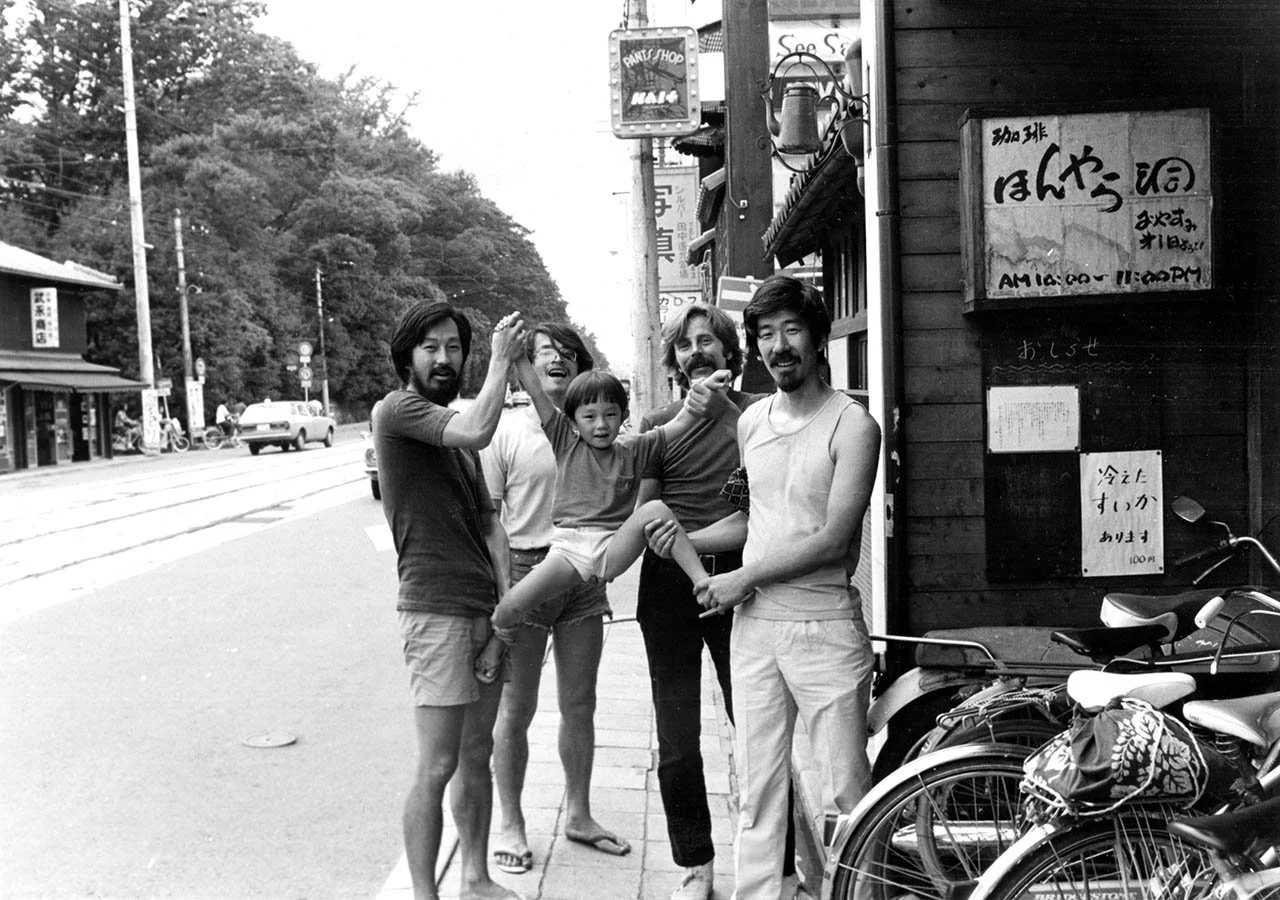
My starting point in Kyoto was primarily the area around Demachi, where I opened the café Honyarado with friends in May 1972, northeast of the Kyoto Imperial Palace. Maintaining the café was my top priority, and I could not afford to be absorbed in photography.
When I published the photobook Kyoto Demachi, I declared a “suspension of photographic presentation.”
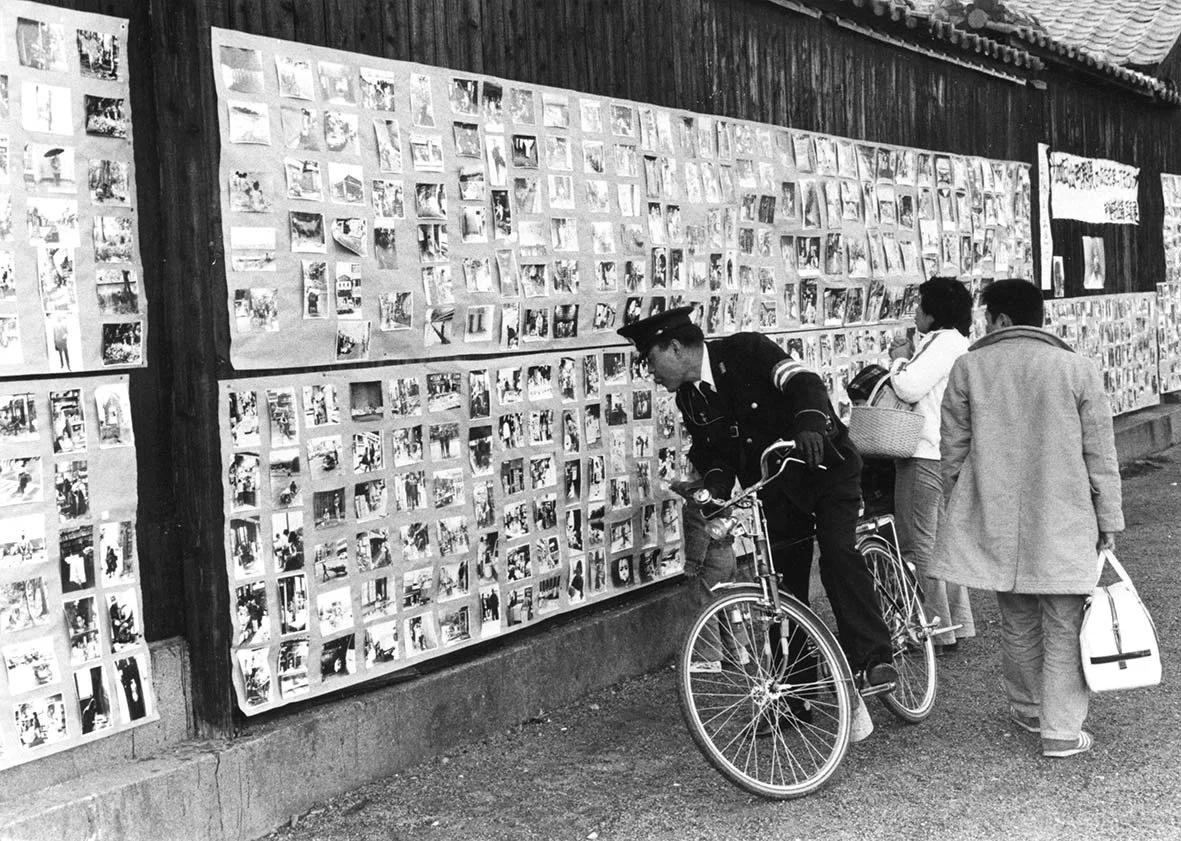
However, the book was well received, and when it was reported that exhibitions were held at American universities, elderly residents of Demachi asked, “We want to see it too.” Although I had declared a suspension, I ended up displaying almost all 18,000 cabinet-sized prints in open-air exhibitions along the Kamo River. Most of these exhibitions took place after that declaration.
As 1990 approached, photography around Kiyamachi Street, where I opened the Japonesian Café-Bar Hachimonjiya in 1985, and around my residence in Gion increased. It was during this period that photographs of beautiful women and children became particularly concentrated.
Although the order overlaps, in the 1980s my abilities as a photographer were recognised, and I was engaged in quasi-consulting work for the Kyoto City Economic Bureau’s Small Business Guidance Office. This involved walking and photographing throughout Kyoto, and some of those results are included in this book.
As for books arranged chronologically, the next original work I plan to publish, The Youth of Honyarado, will make extensive use of photographs that clearly follow a timeline. It is already about 80 percent complete.
Street Photography Method: When you photograph people on the street, do you get close to them? Do you ask permission first, or do you shoot without asking? What tips can you share for photographers who want to take natural street photos?
My street photography is candid. If people notice me photographing them, I bow my head; if they speak to me, I respond.
Basically, I photograph what I want to photograph, prioritising intuitive image-making. In street photography, I find it enjoyable to anticipate exposure, distance, and shutter speed for each constantly changing situation and location, so that I can respond immediately whenever and wherever I encounter a subject.
Outdoor Exhibitions: In the 1970s, you pasted prints on walls by the Kamo River and let people take them home for free if they found themselves in the photos. How did this change the way you photograph people?
The open-air photo exhibitions originally began as part of my decision to stop photography, so I ended up giving nearly 18,000 cabinet-sized prints to local residents. As a result, I became extremely busy maintaining relationships with former subjects, to the point that it interfered with daily life.
Although I had declared a suspension of photography, a new kind of photographic desire began to arise. At the same time, I became completely broke, and except for my quasi-consulting work, I hardly photographed at all. In order to rebuild my finances, I opened Bar Hachimonjiya.
At the same time, my reputation grew, and I began associating with the photographer Shōmei Tōmatsu, from whom I learned about his approach and methods of photographing.
Finding Beauty: Your photos show everyday life, children playing, people reading, workers at their jobs, not famous temples. What makes you decide a moment is worth photographing? How do you see beauty that tourists miss?
Why do you find beauty not in temples and shrines, but in everyday life and in the appearance of workers?
It comes down to affection. I love history and learned a great deal from the Annales School, especially Marc Bloch, whose work I deeply respect, and this naturally shaped my perspective. In terms of art theory, I should also confess my inclination towards Shunsuke Tsurumi’s theory of “limit art.” It is somewhat different from what is commonly called “marginal art.”
Black-and-White Film: You've always worked with black-and-white film. What can black-and-white show about Kyoto that colour photos cannot? Will you ever try digital photography?
I believe that black-and-white photography removes extraneous elements from information-rich colour images and stimulates the imagination. However, the cost of black-and-white film has risen sharply and is no longer easy to afford.
Digital cameras, on the other hand, are extremely useful for their immediacy when recording interactions with many foreigners, and they also help me keep records as a countermeasure against age-related memory decline. For these reasons, I have increasingly taken digital colour photographs.
That said, even though many negatives were lost in the fire, a large number of films remain. How to engage with these remaining materials is my greatest concern at present.
Running Your Bar: You've run Hachimonjiya bar since 1985 while also making photographs. How does talking with artists and writers at your bar affect your photography? Does it change what you choose to photograph?
Although my interactions with other artists and writers have increased, fortunately or unfortunately, I am not greatly influenced by them. Still, if possible, I would like to visit other artists’ studios, but I feel I may not have much time left.
Advice for Young Photographers: You've made over 40 photobooks in 50 years. What advice would you give young photographers who want to document their own cities? What's the most important thing you learned about making meaningful photos?
I am not really in a position to give advice to young photographers, but in any case, taking many photographs and repeatedly looking at the images you make is enjoyable. If you study the work of photographers you admire, almost to the point of imitation, you may find your own path opening up. That said, it is also necessary to be mindful of your financial situation.
If my health permits, I intend to produce many more photobooks, and I look forward to your continued interest and support.
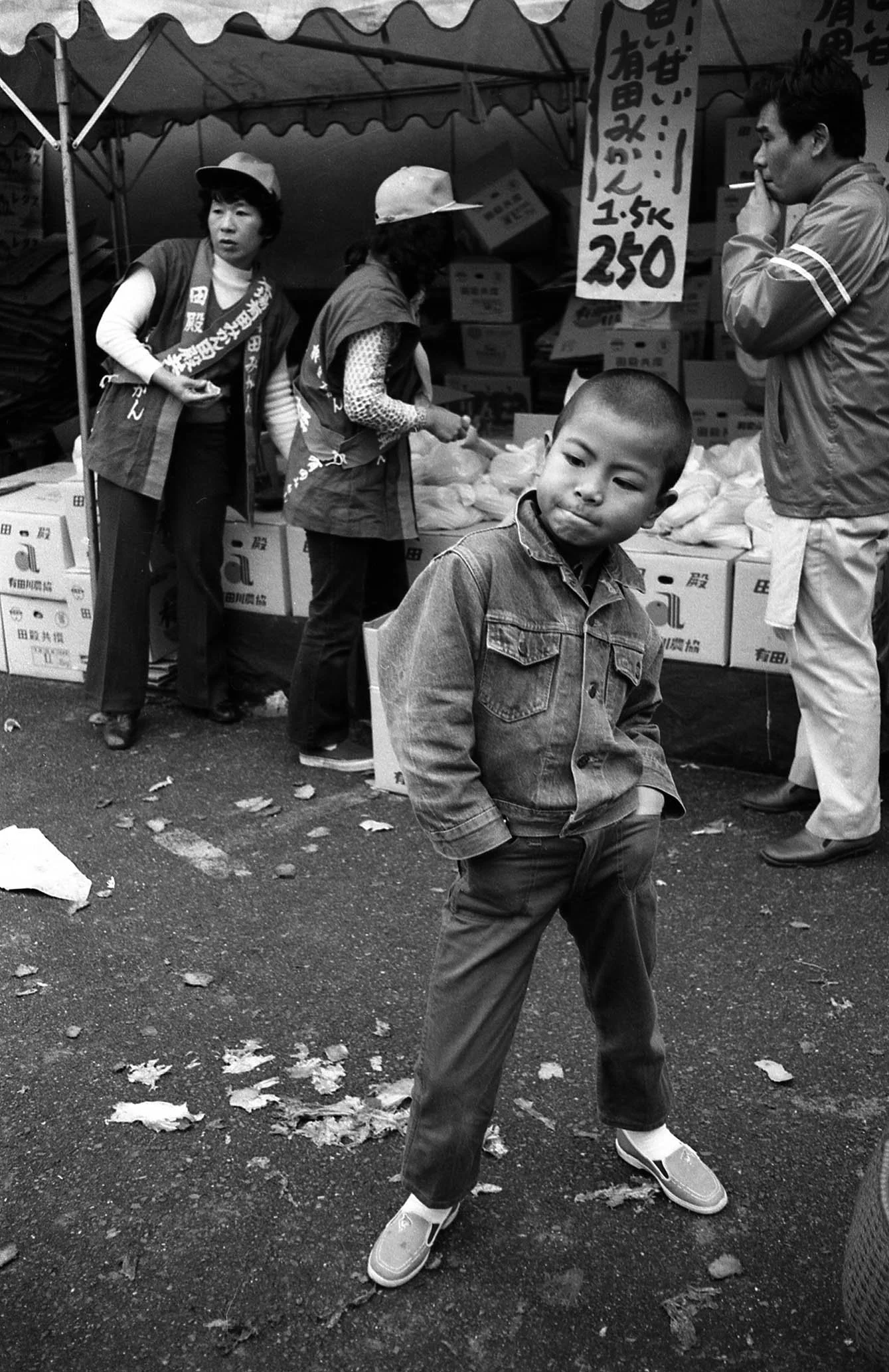
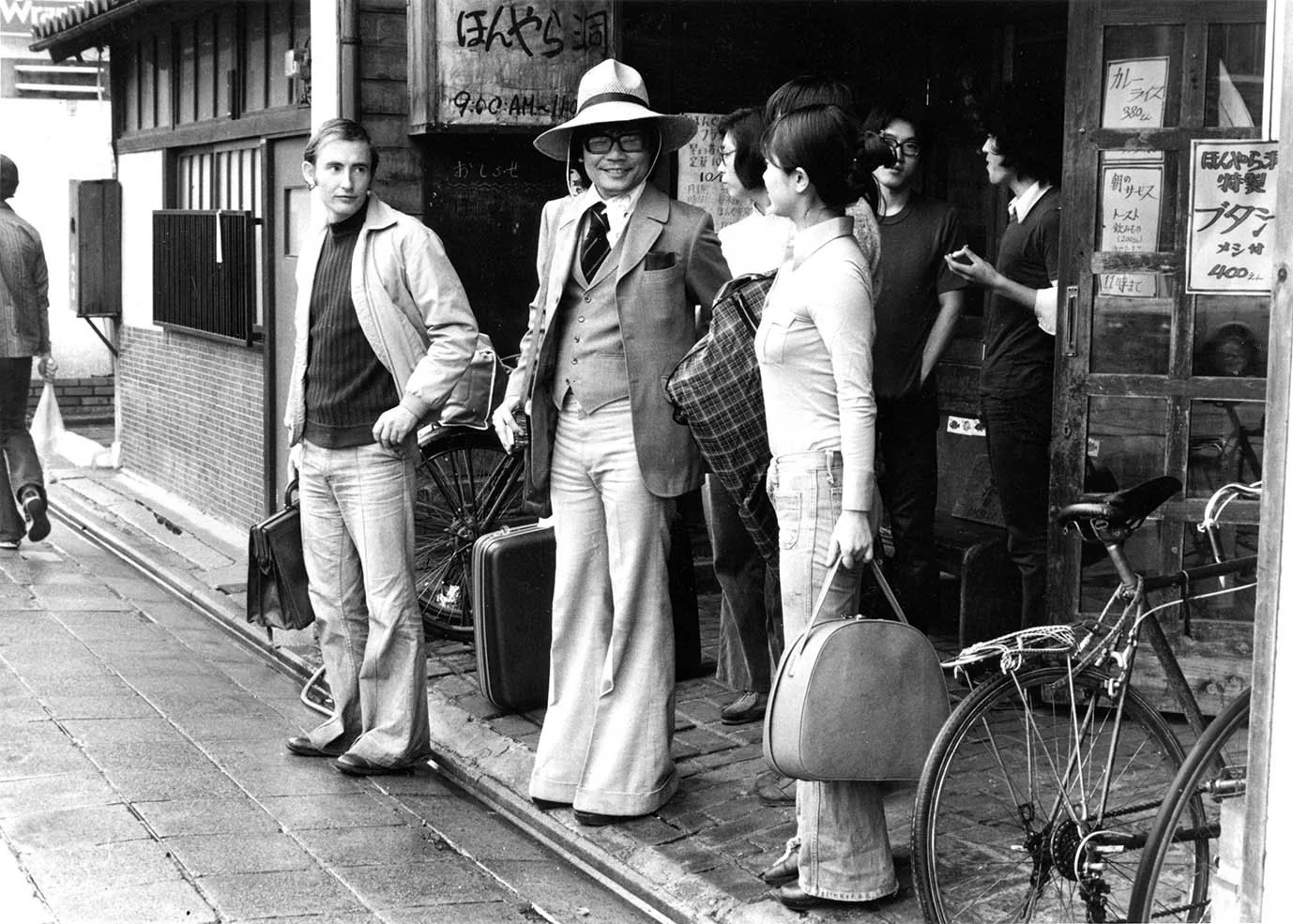
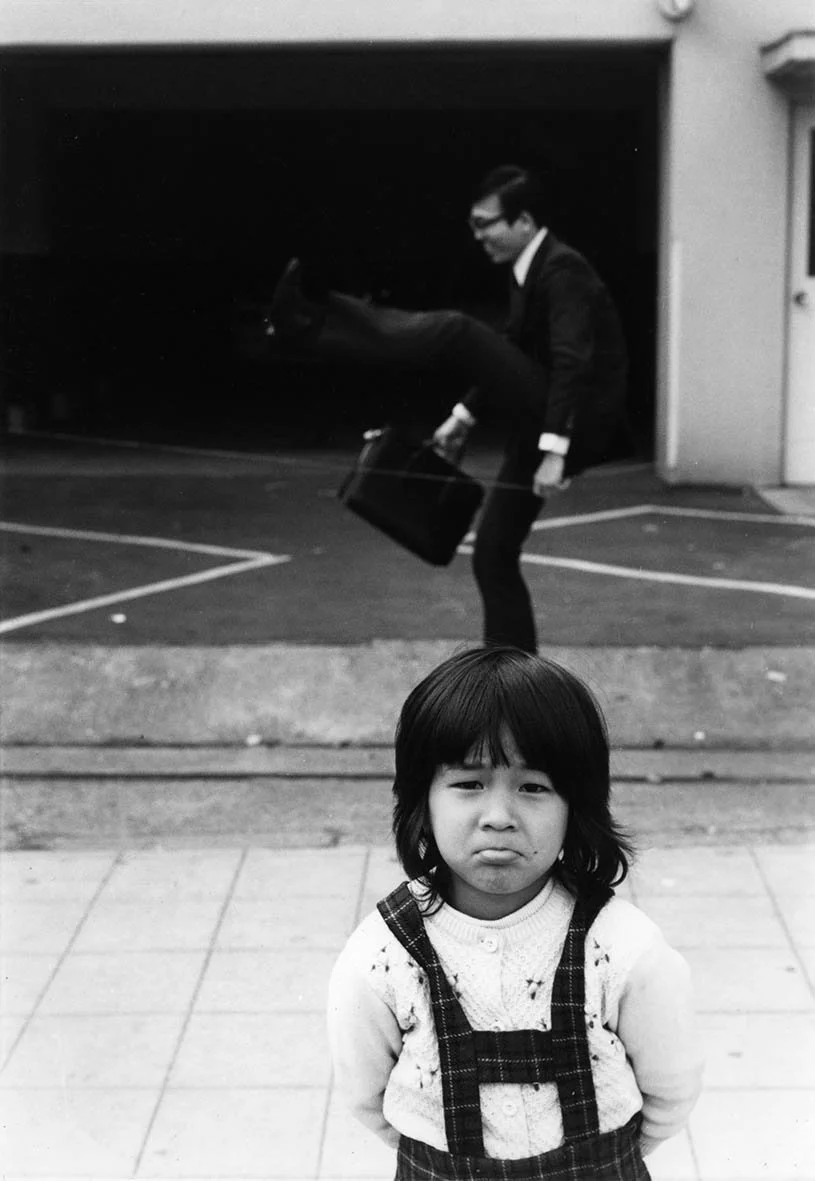
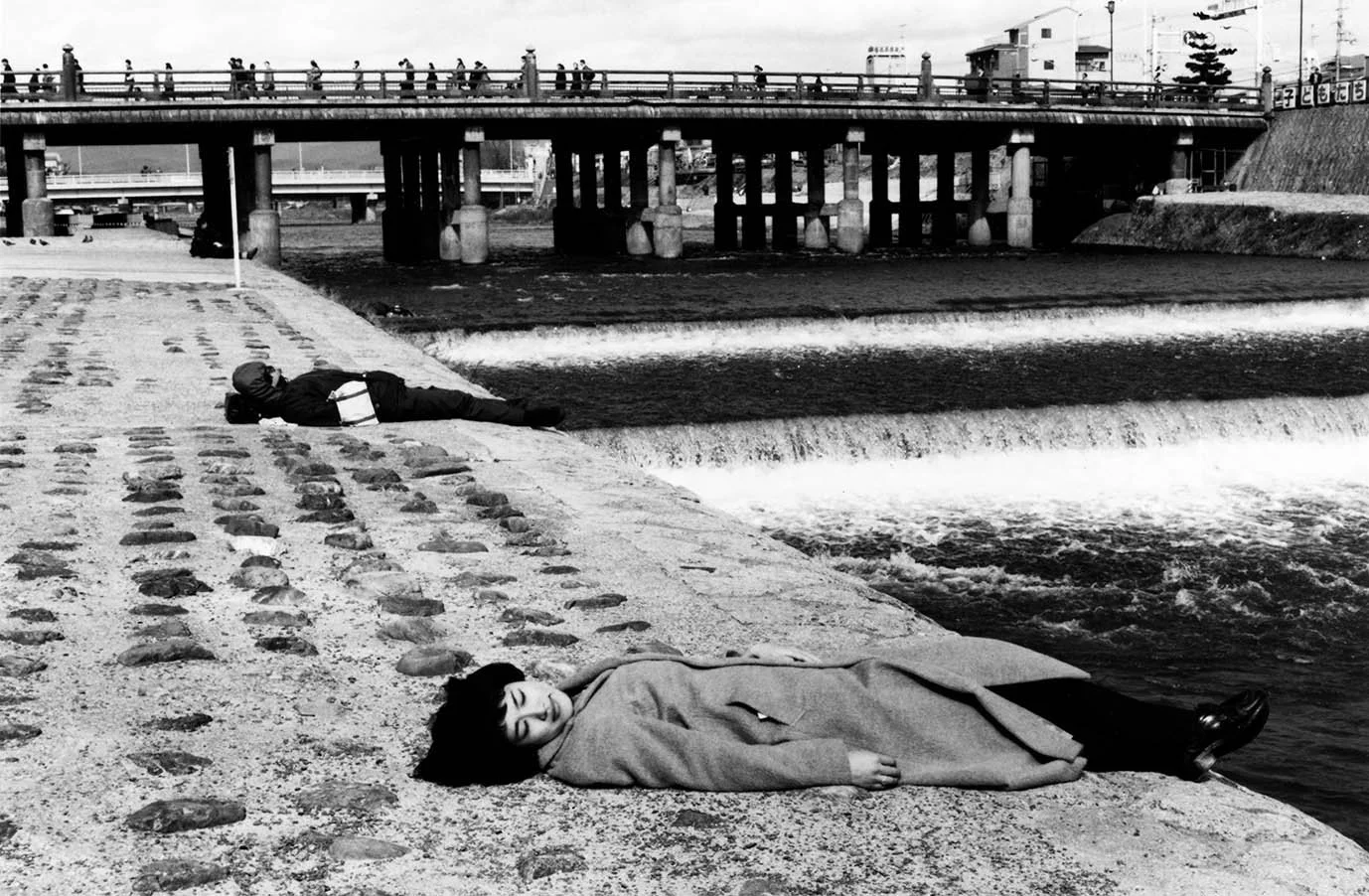

To discover more about this intriguing body of work and how you can acquire your own copy, you can find and purchase the book here. (Getsuyosha, Amazon JP)
More photography books?
We'd love to read your comments below, sharing your thoughts and insights on the artist's work. Looking forward to welcoming you back for our next [book spotlight]. See you then!
Ian Bates found his wildfire story after the fire. In 2014, he saw his first wildfire while visiting a friend in Eastern Washington. Photography Book Spotlight