Why Kentaro Kumon Believes Nothing Is Ordinary Once You Learn How to Look
Welcome to this edition of [book spotlight]. Today, we uncover the layers of 'Bara no hana-saku ie,' by Kentaro Kumon (published by Heibonsha (平凡社), sold by by shashasha). We'd love to read your comments below about these insights and ideas behind the artist's work.
Photography begins long before you press the shutter.
For Kentaro Kumon, photography starts with time, walking, and learning a place before taking pictures. In this interview, he explains why understanding a place matters more than finding interesting subjects. He talks about rural Japan, long stays, limits in equipment, and how words and ideas slowly appear through experience. This conversation is about how seeing develops, not how fast you take photographs.
Kentaro Kumon does not rush into making images.
He spends time meeting people, listening, and letting the place shape his way of seeing. Across his projects, from islands to rivers to houses, the same approach repeats again and again. His book Bara no hana-saku ie is one example, but the ideas behind it reach far beyond one place.
The Book
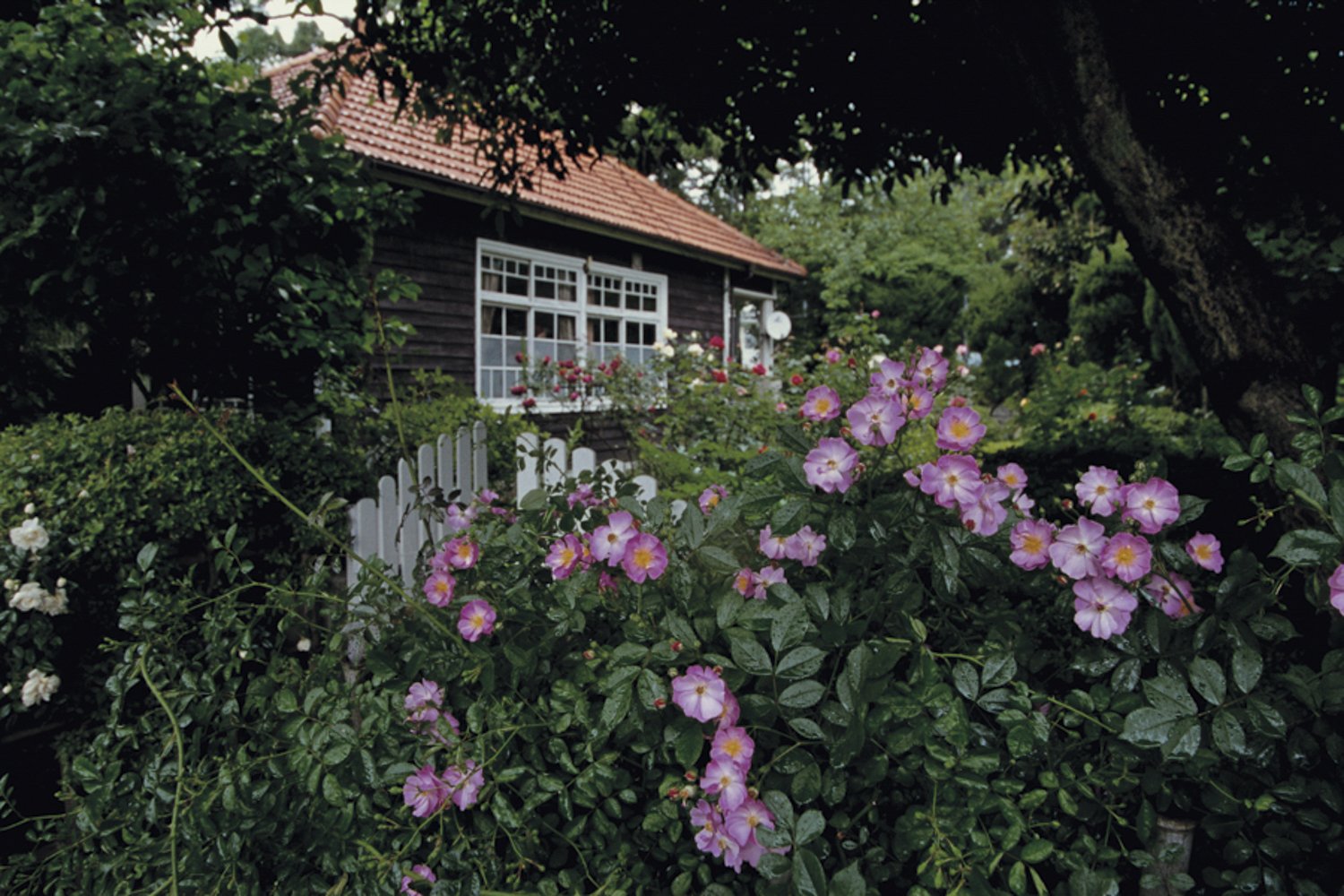
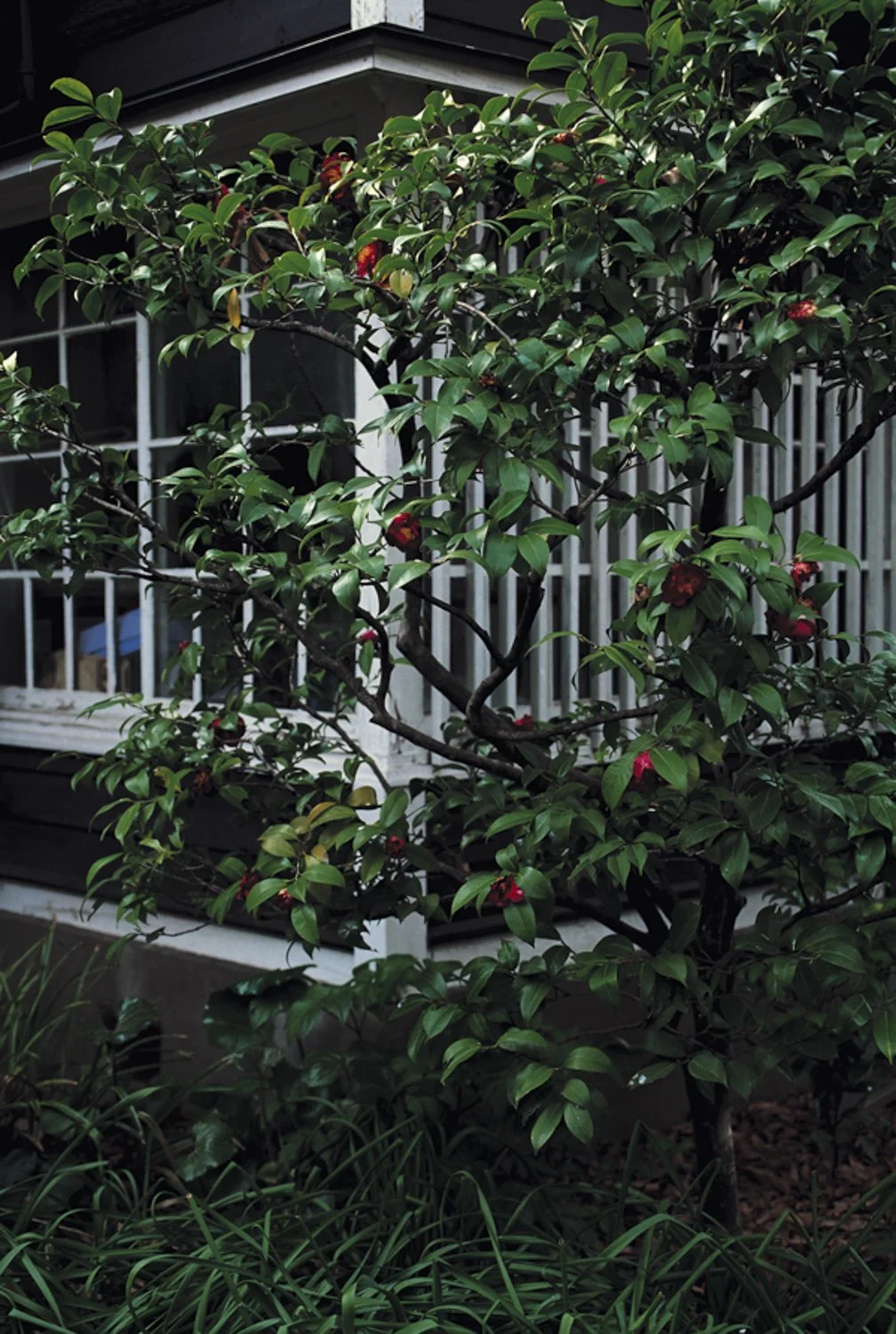
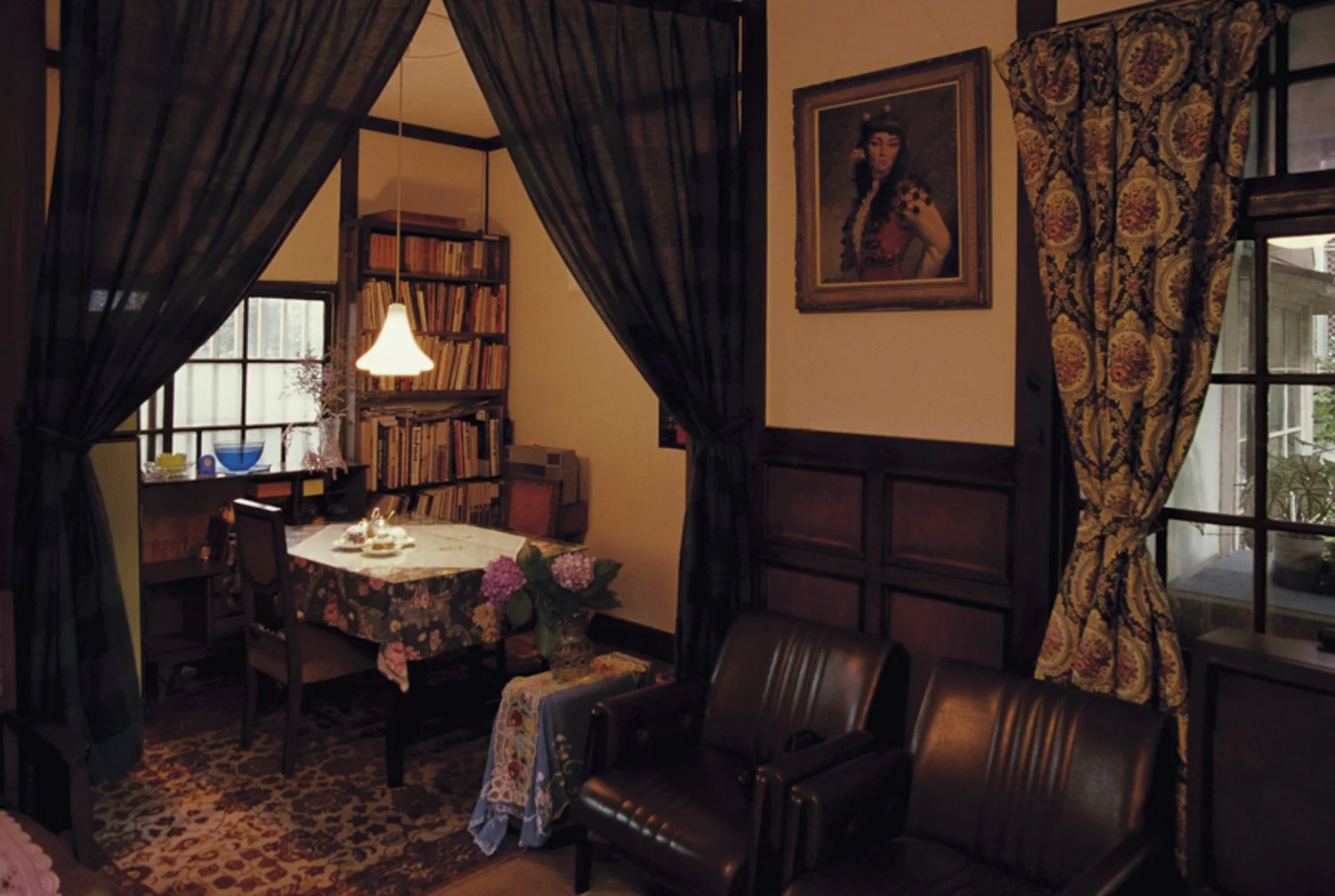
Bara no hana-saku ie (The House Where Roses Bloom) is a photography book by Kentaro Kumon that focuses on the former Kondo Residence in Tokyo’s Asagaya district. The house was built in 1924, designed with both Western and Japanese architectural styles, and surrounded by a rich garden of flowers and trees. Kumon photographed the building and its surroundings in 2007, capturing the changing light and atmosphere of the place over multiple visits. His images now serve as a record of a beloved cultural home that no longer exists, preserving its essence with care and clarity. (Heibonsha ,shashasha, Amazon)
You travel 300 days a year photographing places where people have changed the land. Why do these human-made landscapes interest you more than natural, untouched places?
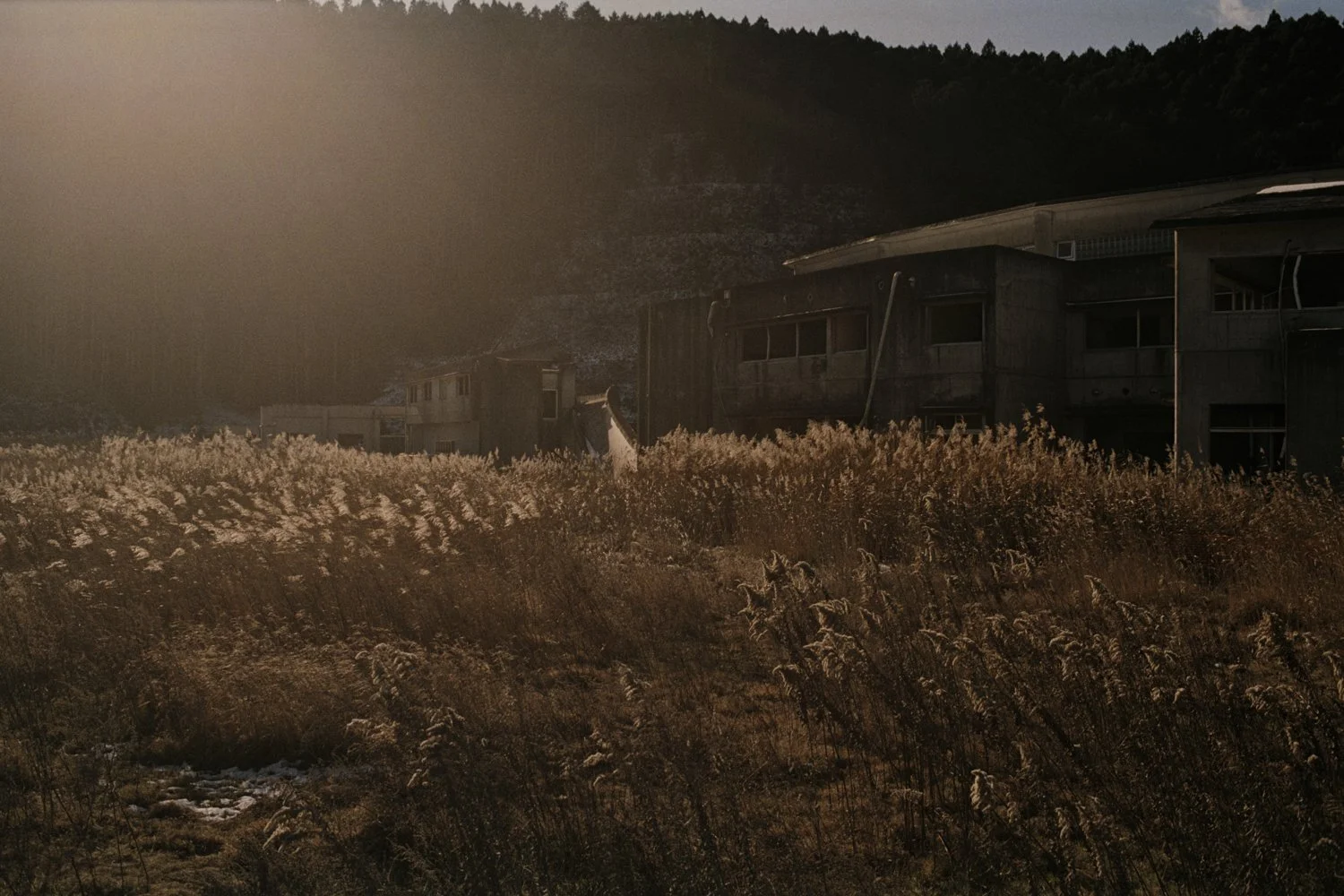
The turning point for me was the Great East Japan Earthquake in 2011. Before that, I was photographing only foreign countries. After the earthquake, I went to the disaster-stricken areas in Tohoku as part of a project, but I found that I could not take any photographs at all. When I asked myself why, I realized that I did not know what had been destroyed or swept away by the tsunami. I did not understand what kind of place Tohoku had been before the disaster, and without that understanding, I could not photograph it.
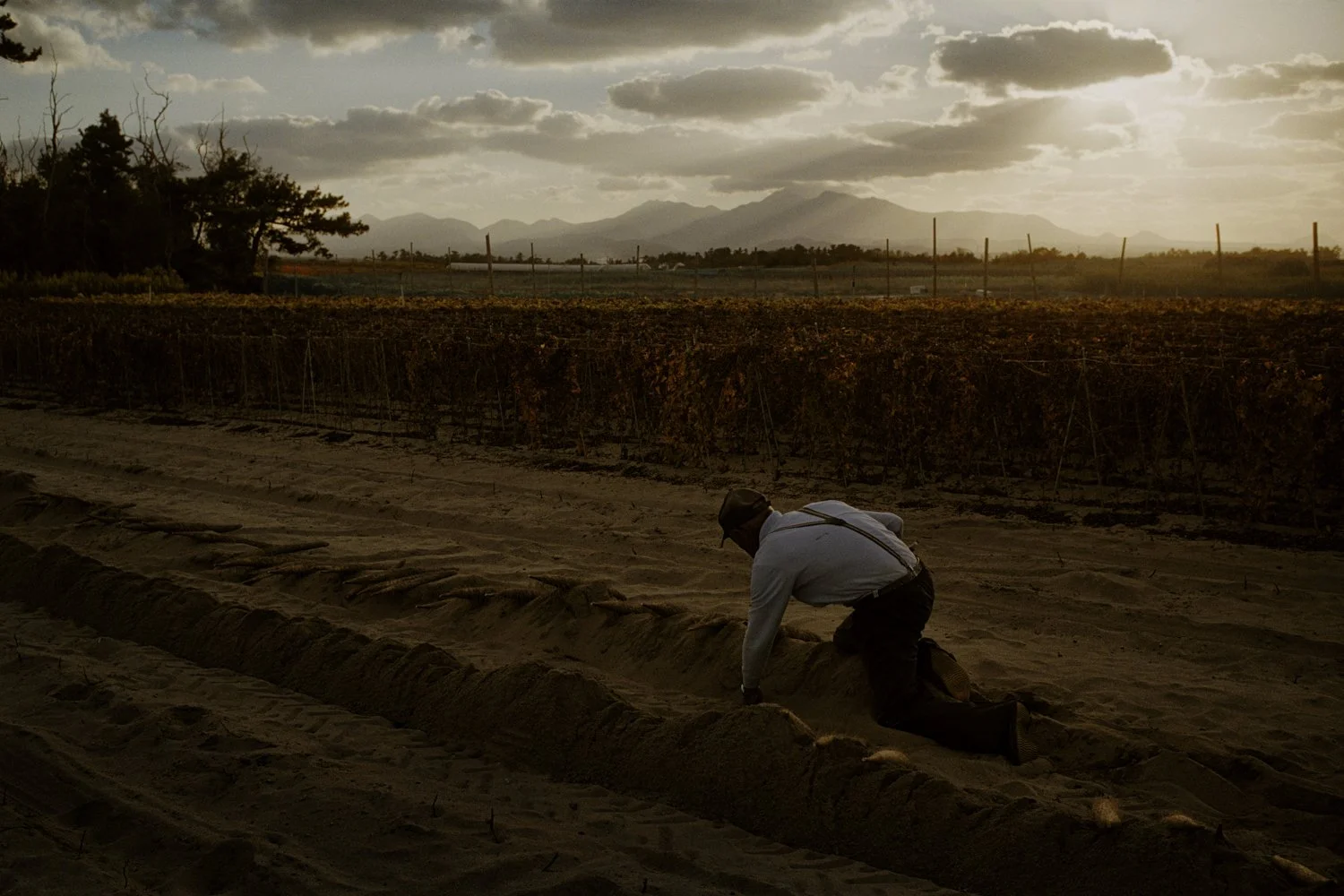
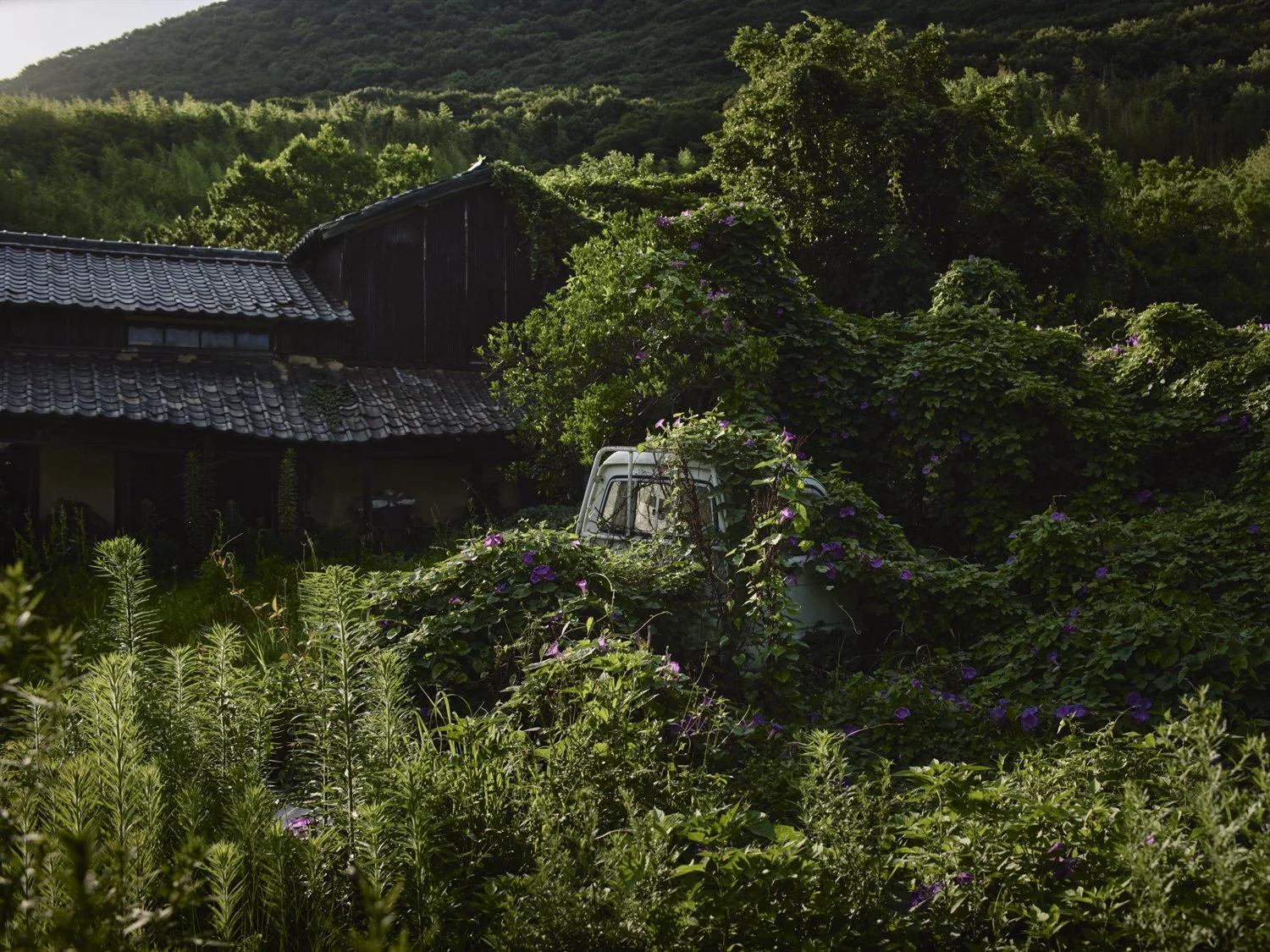
That experience made me realize that I needed, at the very least, to know the place where I live. In order to understand what Japan is, I began traveling through its rural regions. As I did, I found myself drawn to landscapes created by people. When I thought more deeply about what we call beautiful landscapes, I realized that many of them are shaped by human hands. Even the landscapes we think of as pure nature are, for the most part, landscapes shaped by human life.
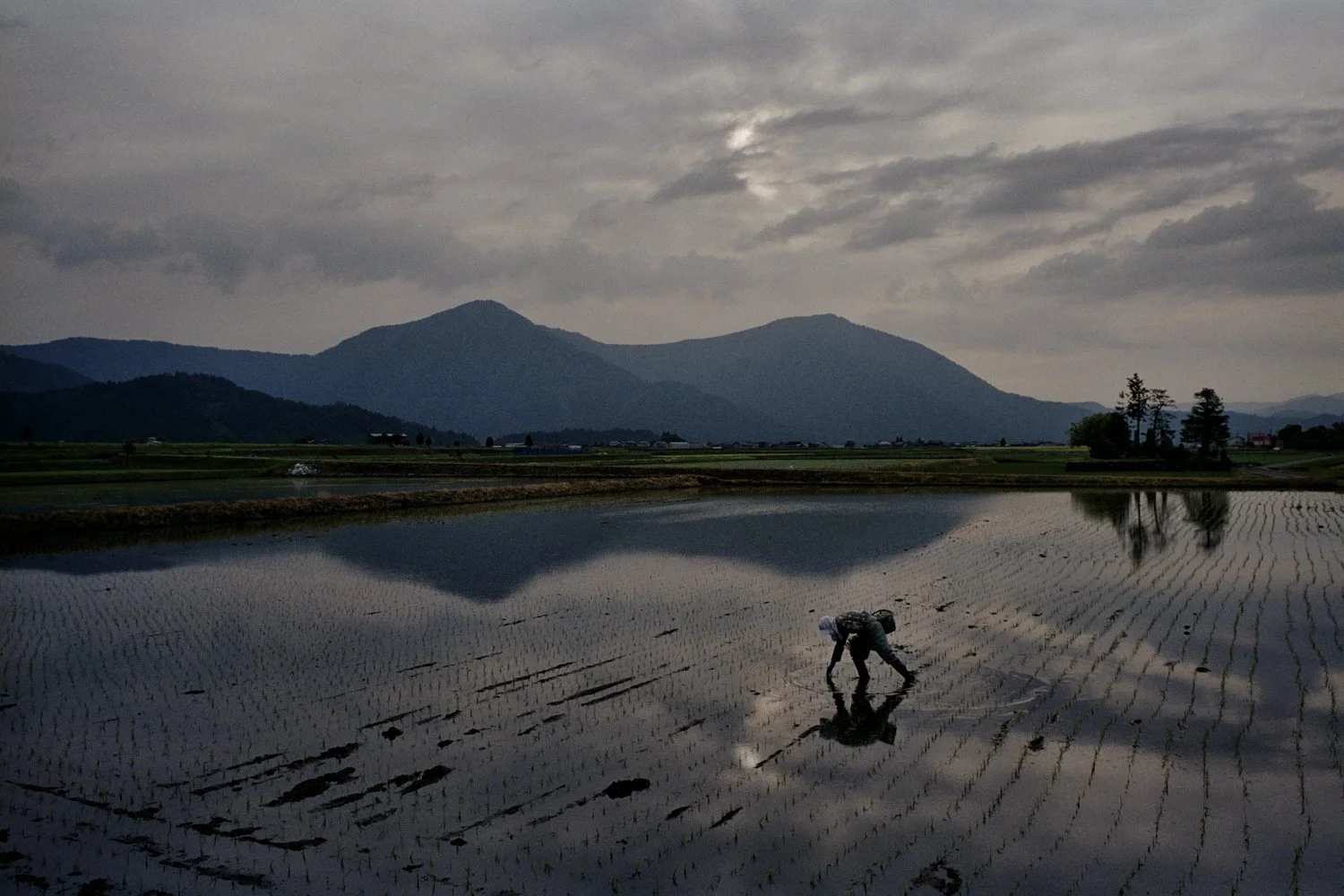
I was especially attracted to agricultural landscapes, many of which have been formed by farmers over long periods of time. By carefully observing and photographing these places, I felt that I could come closer to understanding the land I live on.
You prefer using a 35mm lens because its field of view is close to human vision. How does using this focal length help you photograph people and places more naturally?
This is just my personal way of thinking, but I feel that a 50mm lens clearly declares, “This is how I see the world.” A 35mm lens, on the other hand, feels more like saying, “I thought it was like this, but these other things also entered the frame.”
As I travel through rural Japan, I am often an outsider to the places I visit. When I stand in a location and look at it, I pay close attention to what enters the lens. While I am gradually shaping my own way of seeing, what feels most important to me is the landscape that naturally comes into the frame. I sense that the landscape expands beyond my initial intention, revealing more than what I consciously set out to capture.
Many of your projects take months or years in one place. What can you learn from spending this much time that a quick visit would miss?
By spending long periods in one place and repeatedly engaging with local people, I am able to learn about the accumulated time, history, and culture of that place. Another important part of my process is searching for keywords. For me, photography is not only about taking pictures but also about editing and weaving images together, and words play a crucial role in that process.
Sometimes these words come directly from conversations with people, and sometimes they come to me unexpectedly while I am walking. Either way, I spend a great deal of time encountering and absorbing these words.
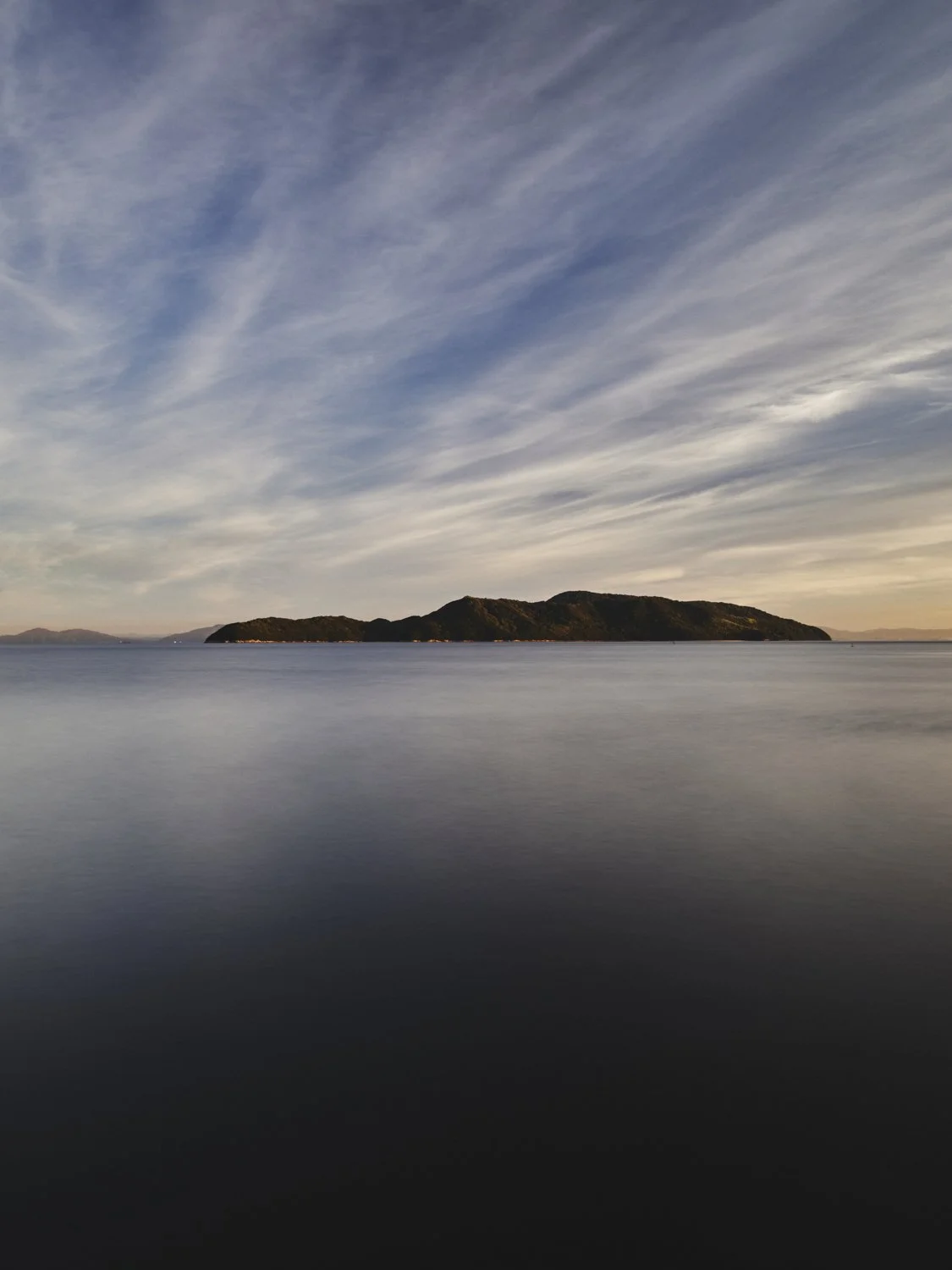
This may be difficult to explain, so I can give you an example. I published an English-language photobook called Nemurushima (The Sleeping Island). For this project, I stayed on the island for many days. The book depicts a small island in Japan’s Seto inland sea where only about ten people still live. It is a depopulated place, almost without people. (EDITOR: Teshima is one of the 28 islands of the Shiwaku Islands in Japan.)
As I photographed the island, I asked myself how I should approach the absence of people. Rather than portraying it as something sad, I spent time talking with the island’s residents, walking around, and listening to its sounds. At some point, a phrase suddenly came to me: Sleeping Island. The island was not dying because of depopulation. It was falling asleep.
Sleeping is beautiful. And if you can photograph something beautifully while it sleeps, you can also suggest that it may wake up again one day. Once I reached that understanding, the way I should photograph the island became clear. Instead of photographing it as lonely or tragic, I photographed it as something quietly and beautifully asleep. That idea guided my lens choice, my use of color, and the overall direction of the work. I use time to arrive at words like this.
You photograph a lot of rural Japan: empty islands, farm villages, quiet places. What do these places show about Japan that big cities do not?
I can explain this through another series of my work, in which I photographed Japan’s peninsulas. If you look at the definition of the word “peninsula,” it simply means land surrounded by the sea on three sides. Beyond that, it does not describe any specific characteristics. Japan, however, has many peninsulas, and if you connect them, they form the overall shape of the country.
Today, peninsulas in Japan are often described as remote or dead-end places. But if you think about ancient times, these areas played a very different role. Because they extended into the sea, culture from abroad arrived there first. Abundant food could be harvested, and these resources were then carried to urban areas, allowing culture to flourish. In that sense, the peninsulas and rural regions were once the cultural centers of Japan.
Today, we tend to talk about Japan through cities like Tokyo and Osaka. But I believe it is the rural regions that truly form the foundation of the country. As I mentioned earlier, I wanted to understand the place where I live. To do that, I felt I had to understand rural Japan. That is why, across my projects, I continue to photograph what I see as the essential parts of Japan, which are found not in the cities, but in its rural regions.
In your recent book, you used your father’s old camera and noticed your photographs began to resemble his. Do you think cameras teach us how to see, or do we learn that way of seeing from the people who give us cameras?
I believe that the kind of camera you use has a strong influence on the photographer. It is not only about focal length or format, but also about the story the camera carries. That history can shape how we photograph in a very deep way.
The first camera my father gave me was a half-frame camera that does not produce especially clean images. My relationship with my father is complex, and he is now sick in the hospital. Photographing with his camera, while holding those thoughts, is completely different from using, for example, the Leica that my mentor passed on to me.
When I use my father’s camera, I feel as if I want to show him something. I photograph my everyday life. When I use my mentor’s camera, I want to carefully observe landscapes that I hope to leave behind as an artist for the future. It is a camera that makes me stand a little straighter.
When you start a new project in a place, do you photograph right away, or do you spend time watching and meeting people first?
I usually take my time. I place great value on the time before pressing the shutter. First, I immerse myself in the place and build relationships with people. Then, what becomes important is stepping back. Rather than deciding, “Now I will take photographs,” I create a small distance and press the shutter from there. This way of working is very important to me, and it is something I feel I am good at.
You do not use zoom lenses. How does this limitation help you make better photographs?
I think photography exists within limitations. It cannot express time in the same way video does, it cannot capture an infinite field of view, and it must always work within a rectangular frame. Even something as simple as photographing in low light requires sacrificing something else. These kinds of constraints are essential to photographic expression.
Zoom lenses are a way to remove one of those limitations, but for me, that creates hesitation. I do not want to worry about how I see the world. I want that part to be decided already.
How do you know when a place or idea is big enough to become a whole book instead of just a few photographs?
For me, the connections between photographs are extremely important. With the photobook Nemurushima: The Sleeping Island, I had a very meaningful experience during the editing process. The book was edited by Dutch editor Marc Prüst, and working with him gave me an opportunity to think deeply about my approach.
The first question he asked me was very simple: Do you want to see the island from the outside, or do you want to enter it? As I mentioned earlier, my answer was that I wanted to enter the place, engage with people, and photograph what becomes visible from the inside.
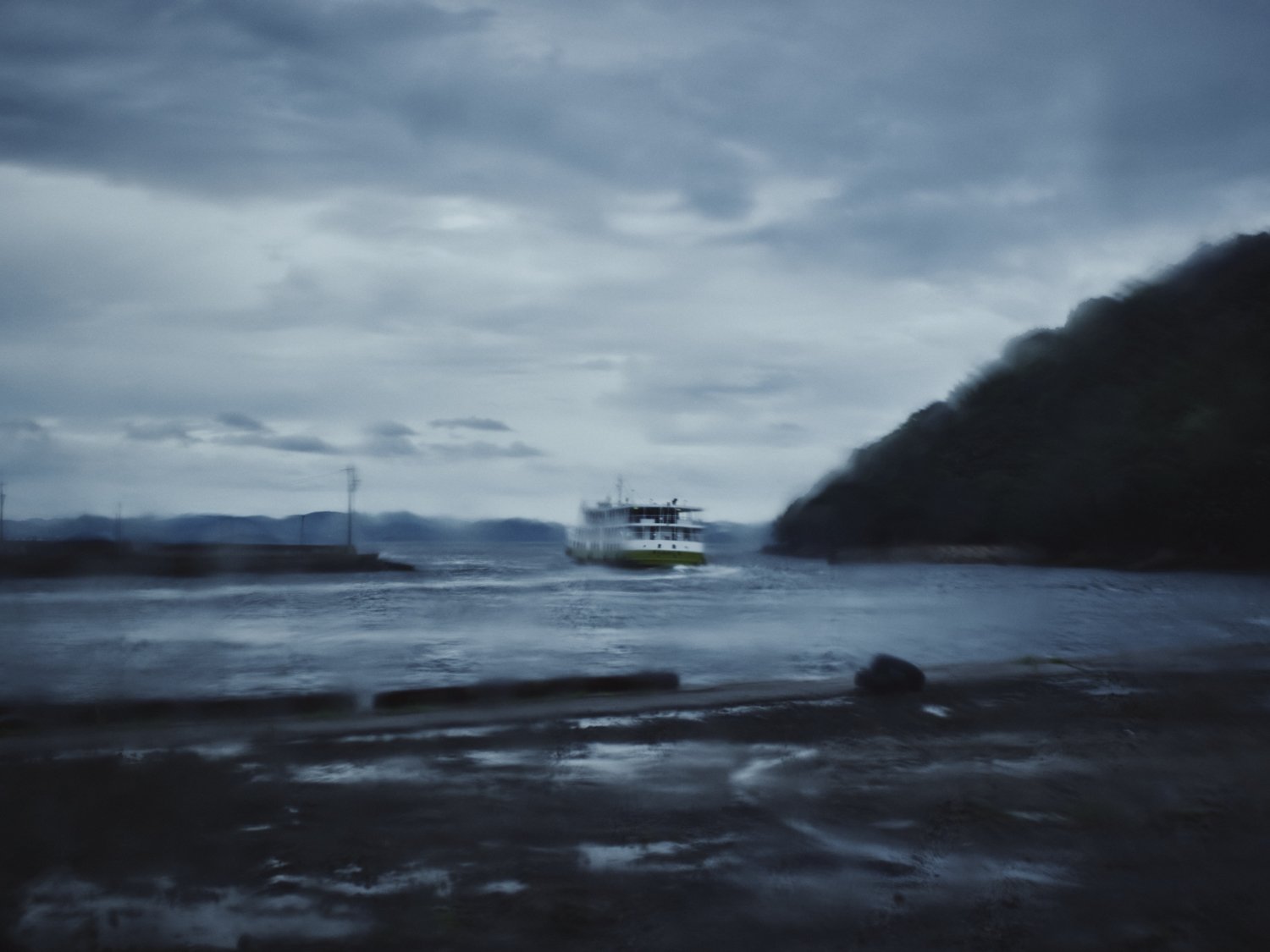
That decision shaped the structure of the book. The cover shows the island from the outside, while the very first photograph depicts the moment when I am left behind on the boat as it arrives at the island. From there, the sequence moves through the island, and in the end, I leave again. The departing boat becomes a recurring motif.
During my time there, I took many photographs of the sea, since the island is surrounded by water. However, none of those images appear in the book. When I asked why, the answer was that including the sea would allow the island’s dense atmosphere to escape outward. By shaping the work into a book, my intentions became clearer and more concentrated.
You photograph many ordinary things: daily work, simple buildings, quiet moments. What makes you stop and photograph one ordinary moment instead of another?
There are words like “ordinary,” “daily,” “simple,” and “quiet,” but I do not believe that anything is truly ordinary. Every single thing has a story behind it. For me, it is more meaningful to turn my attention to these things than to search for something that appears special.
If you look back at the history of photography, there was a time when it was important to seek out and photograph things people had never seen before. Today, however, I think the focus has shifted toward finding a perspective that only you can have. In that sense, I do not believe there are ordinary things in the world. There are only special ones.
Looking at all your books together, farms, rivers, islands. What connects them all? What are you really trying to show in every project?
Each project is based on something very concrete: a single river, one island, or a particular aspect of agriculture. But what I really want to show is what lies beneath those visible subjects.
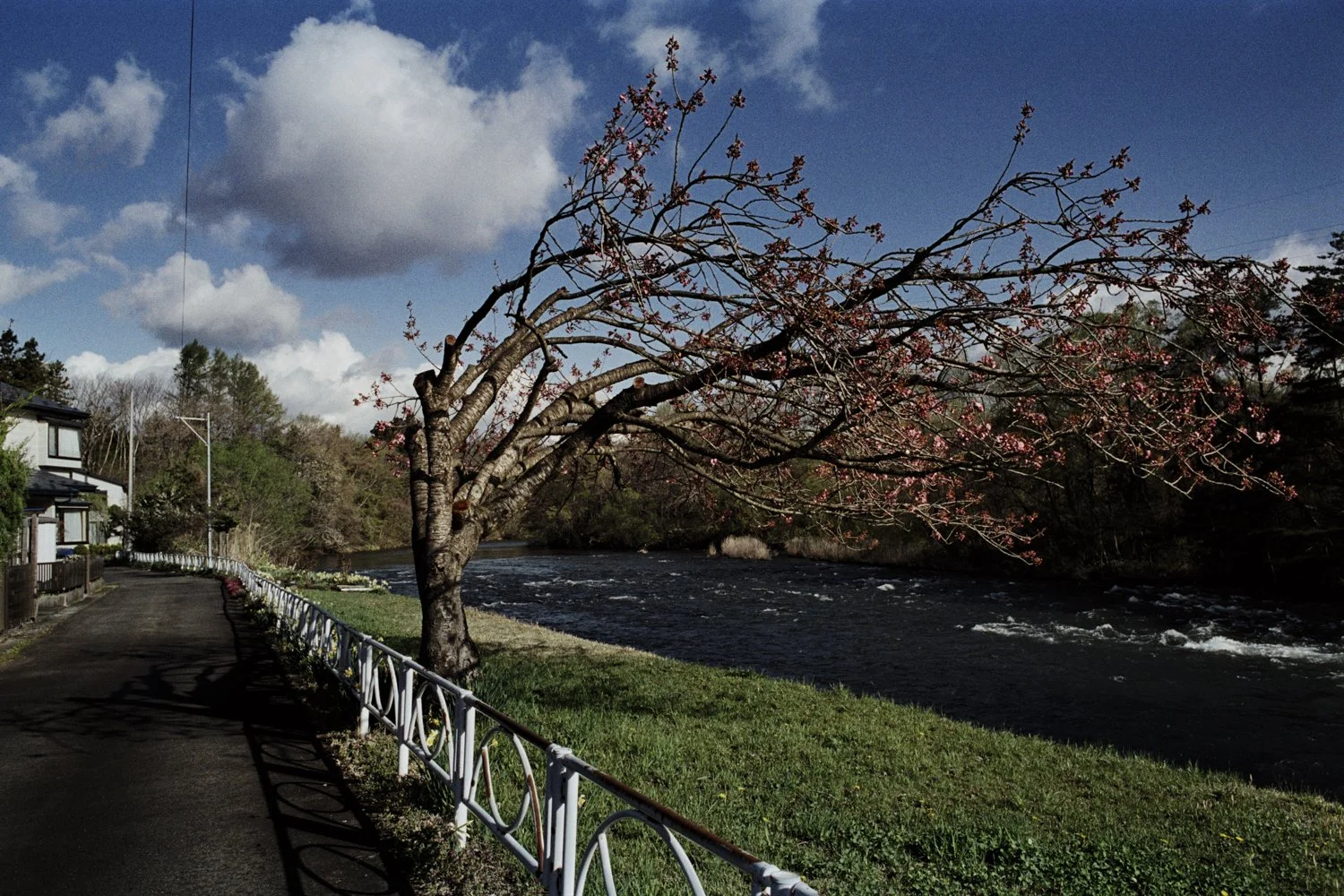
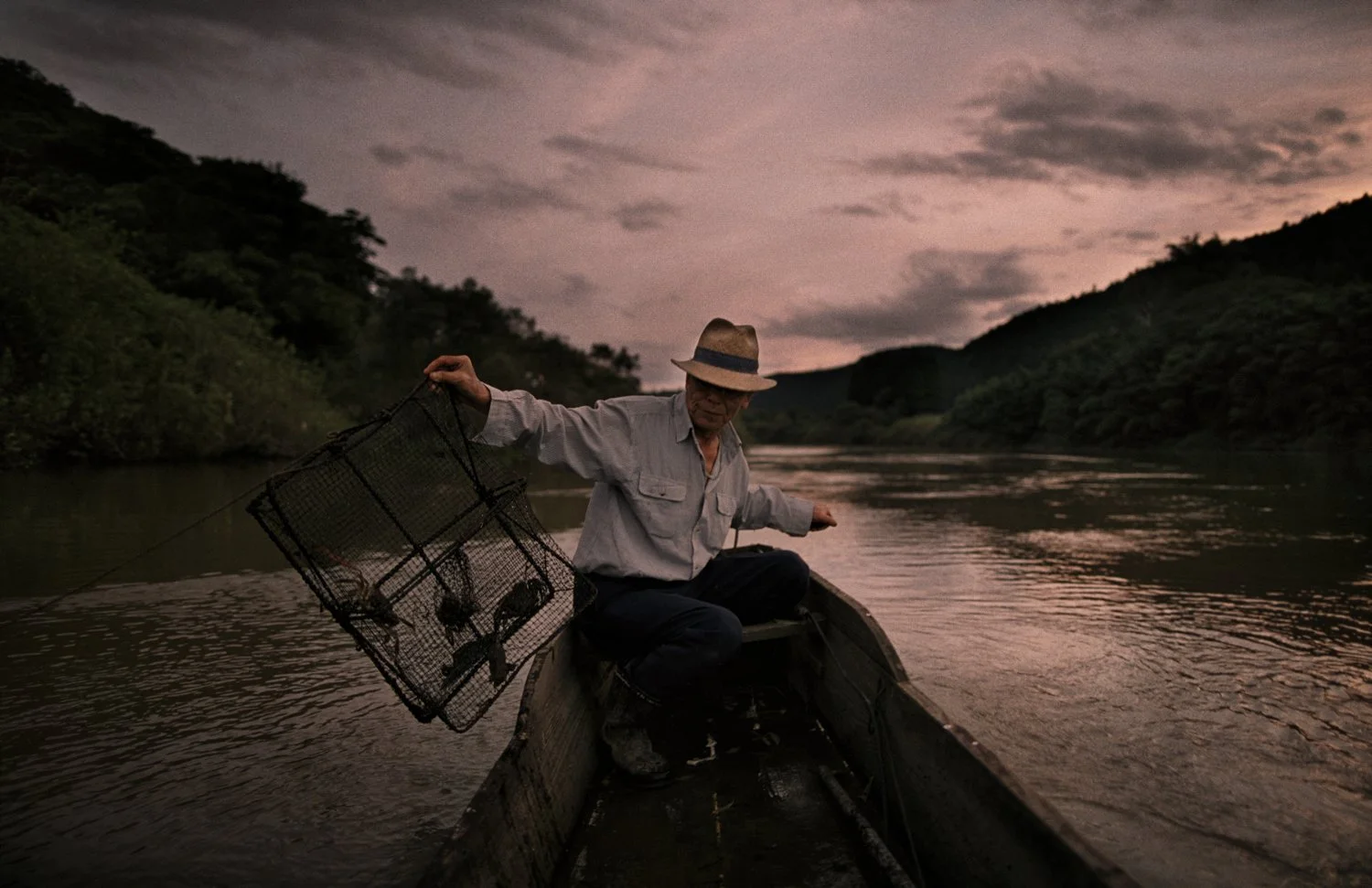
To give another example, one of my works is titled Koyomi River. The word “koyomi” means “seasons.” Although the title sounds like the name of a river, the photographs are actually of the Kitakami River in Tohoku. I deliberately created a fictional river name because I do not want to tell the story of only one specific river. I want to suggest that there are many rivers throughout Japan and around the world, and that they all carry similar stories. In this book, things born in the upper reaches of the river flow downstream and eventually reach the sea. At that sea, the tsunami from the 2011 Great East Japan Earthquake occurred. When I think about what was swept away by the tsunami, it includes things that began upstream and took a long time to form before finally being washed away. This is not something unique to Japan. It could happen to any river, in any country. That is what I want to communicate.
You photographed the Kondo Residence in 2007, early in your career. How did you discover this house, and what made you want to photograph it?
These photographs were taken when I was still training under my mentor. The work became a photobook this year, and when I look back at images from a time when my technique was still immature, I feel a little embarrassed. They are that old.
Even so, this photobook holds deep importance for me. It began with a personal connection: the editor and designer of my early photobooks were close friends with an old woman who lived in the house that would become the subject of my work. It was the designer who first told me about this very special house and asked if I wanted to see it. That was how I was introduced to the place.
At the time, I did not yet have a clear understanding of what I could do with photography. What I wanted to photograph, and why, was still vague.
The house combined Western and Japanese architecture and was surrounded by a rose garden. How do you photograph a building in a way that shows both its architectural beauty and the feeling of the place?
Even though my technique was still immature at the time, what mattered most to me was trying to become one of the guests visiting the garden. This house was deeply loved by the local community. People would stop and look inside while walking past, admiring the flowers in the garden, and the owner would often invite guests in. It was that kind of place.
As I continued to visit the house, I tried to share the same feelings as the people who loved it. If you look at the cover photograph, it shows the building from outside the gate, before entering. That moment is very important to me. It represents the experience of walking down the road, suddenly discovering a beautiful house and garden. From there, you enter, move through the garden, and encounter different details. That sequence reflects how I approached photographing the place.
You visited the house multiple times across different seasons. Why was it important to see how it change throughout the year instead of photographing it just once?
I visited the house across different seasons because it carries a long and layered history. It was one of the early buildings in Japan constructed during the adoption of modern Western culture, and it was a place where people once lived very rich lives. I wanted to photograph the long passage of time that those lives had shaped, but of course, I cannot return to the past. I can only photograph the present moment.
When I thought about how to express that long history, I realized that the only way was to carefully observe and photograph how the place changes over short periods of time.
Hayao Miyazaki featured this house in his book The House Where Totoro Lives. Did knowing about this? Did this connection affect how you saw or photographed the building?
To be honest, Hayao Miyazaki did not influence my approach at all. Of course, everyone in Japan knows who he is, and My Neighbor Totoro is a very famous film, but I did not photograph the house because of that connection. It was completely unrelated.
That said, I do think many Japanese people share a similar feeling at heart. What makes Miyazaki remarkable is his ability to capture a sense of nostalgia and the things people want to cherish. Those feelings are widely shared. In that sense, the fact that Miyazaki loved this house suggests that many Japanese people felt affection for it. I am one of them as well.
The house was destroyed by fire in 2009, just two years after you photographed it. How does it feel knowing that your photographs are now the only way people can see this place?
I never imagined that something like this would happen. These photographs were taken when I was still inexperienced, during my training period. They existed simply as photographs, but when the house burned down and disappeared, their meaning changed dramatically.
Of course, the loss of the house is something to mourn. At the same time, this experience showed me what photography can do. It had a profound influence on my later work. Neither people’s lives nor specific places last forever, and I think that is something very important to reflect on in photography. Knowing that everything is moving toward an end may be what allows photography to become something deeper and more meaningful.
Now that you have been photographing for many years, when you look back at your younger self, what advice would you give in terms of photography?
I think that with photography, you simply have to keep shooting. It is not something you solve by thinking too much. What you photograph teaches you far more than what you imagine in your head. Photography is not created through ideas alone. It is learned by responding to what is in front of you, and for us, that means continuing to take photographs.
When you do not know what to do, I think the only answer is to walk and photograph. I still do that now.
More photography books?
We'd love to read your comments below, sharing your thoughts and insights on the artist's work. Looking forward to welcoming you back for our next [book spotlight]. See you then!
Robin de Puy could no longer make this project alone. She first photographed Randy in Ely, Nevada, during a 2015 road trip and kept returning to him for more than ten years. Interviews