AT A GLANCE
- Known for
- Her photographs of September 11, 2001, street photography in New York and Bashkortostan, and founding Women Street Photographers
- Works in
- Street, documentary and fine art photography
- Camera
- A small Leica for street photography, with a 28mm and later a 35mm lens
- Also
- Associated Press darkroom printer and photo editor · curator of more than 30 exhibitions
- Awards
- World Press Photo, first prize, People in the News singles (2002)
- Start with
- Women Street Photographers (Prestel, 2021)
- Links
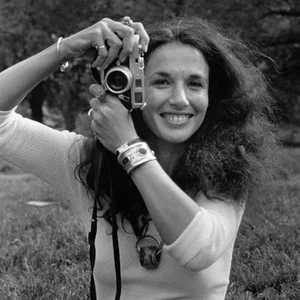
Gulnara Lyabib Samoilova (born 1964) is a Tatar-born American photographer who lives in New York. She grew up in Ufa, Bashkortostan. As an Associated Press employee, she photographed September 11, 2001, and one of her pictures won first prize at World Press Photo. Today she makes street and fine art photographs, and she runs Women Street Photographers, a community she founded in 2017.
The story
Gulnara Samoilova was fifteen when she first stood in a darkroom in Ufa. Under the red light, a teacher exposed a print and put it into the developer. A picture slowly appeared. To her, it was pure magic. She decided right there that she wanted to be a photographer.
It was not an easy start. She grew up in Bashkortostan, then part of the Soviet Union, with little support at home. “Photography became a way for me to escape the confines of an extremely patriarchal society,” she later said. After high school she worked as a black and white printer. A year later she became a portrait photographer, and then she taught photography at a youth arts center.
In 1992 she helped organize a cruise on the Volga River for about 200 international photographers. That same year she was one of 14 young Russian photographers chosen for a traveling exhibition in the United States. She flew to New York for the opening and stayed. She studied full time at the International Center of Photography and graduated in 1994.
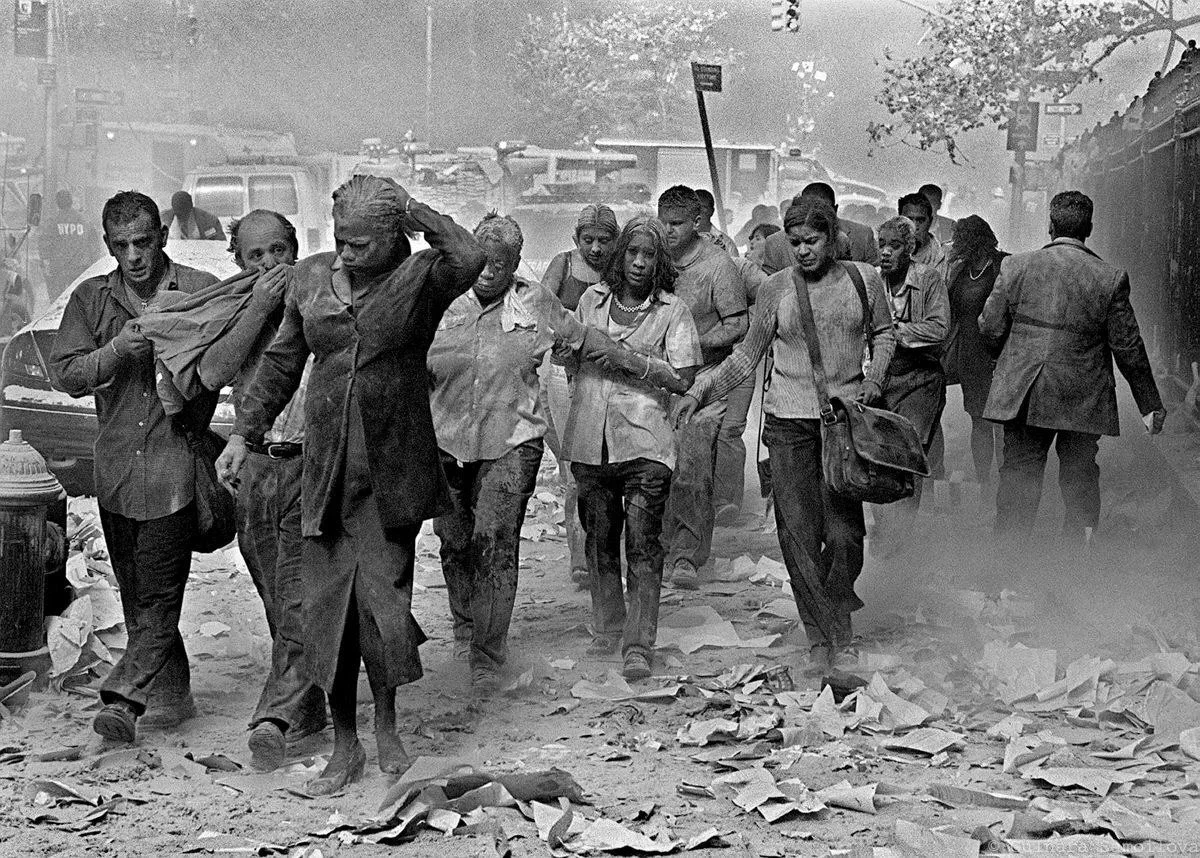
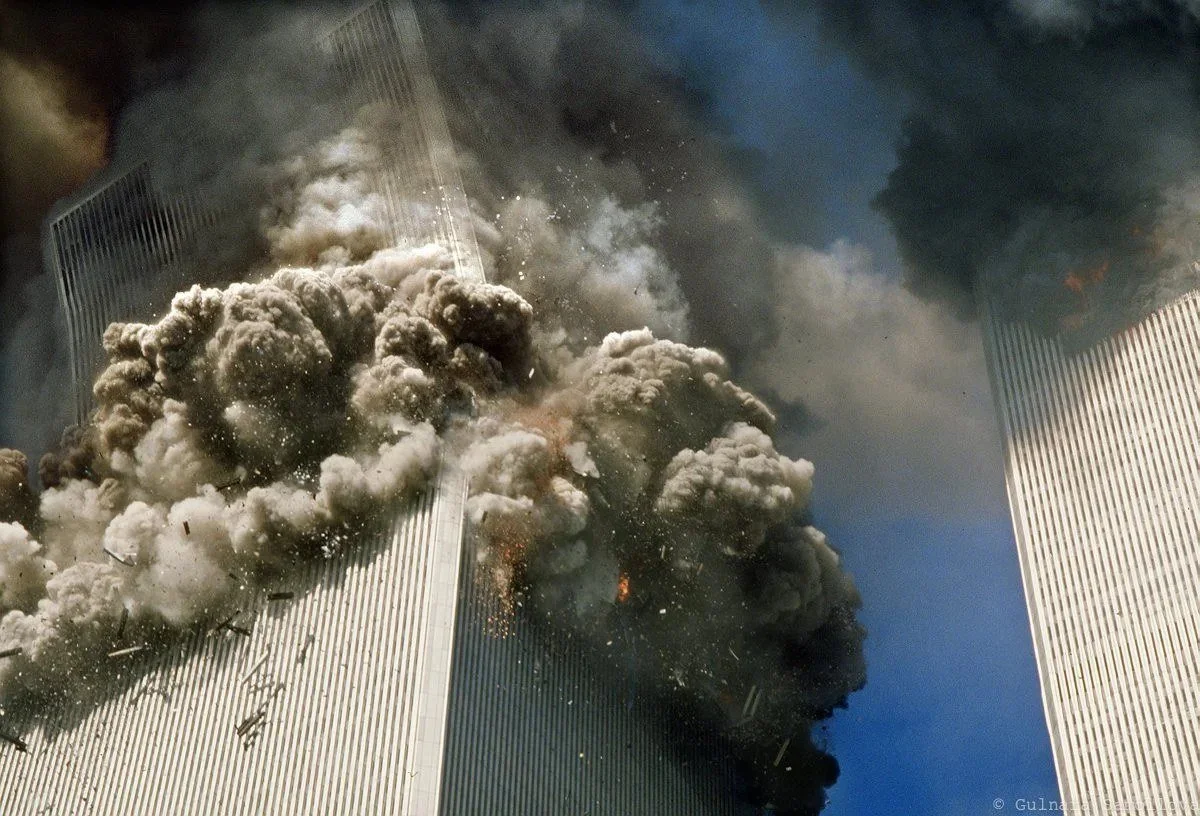
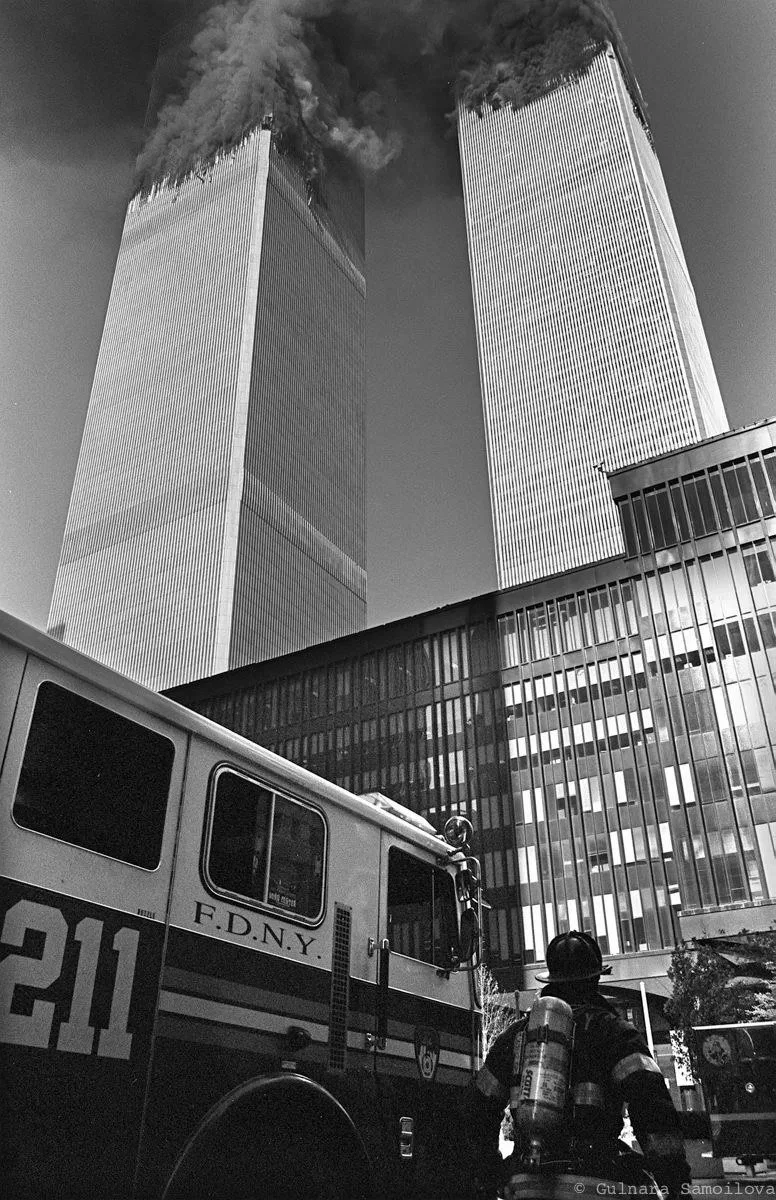
After school she found work at the Associated Press. She printed photographs in the darkroom, then worked as a retoucher and as a photo editor on special projects. On the morning of September 11, 2001, she was not on assignment. She lived a few blocks from the World Trade Center, took her camera and ran there. One of her pictures from that day, of survivors walking through the dust, won first prize in the People in the News singles category at World Press Photo in 2002. The AP nominated her photographs for the Pulitzer Prize.
About a year later she turned down an offer to become a staff photographer and left the AP. For years she ran her own wedding photography business. But in 2012 a trip to China brought back something she had lost. “It made me realize how much I missed shooting for myself,” she said. After a week of street photography in Cuba in 2013, she stopped commercial work.
Since then she has looked for one thing in every frame. “I am looking for a story and an emotional connection to a photograph. A good photograph has one of these. A great photograph has both.”
The work
Her September 11 photographs are held by the Museum of the City of New York, The New York Public Library, the New York Historical Society and the Museum of Fine Arts, Houston.
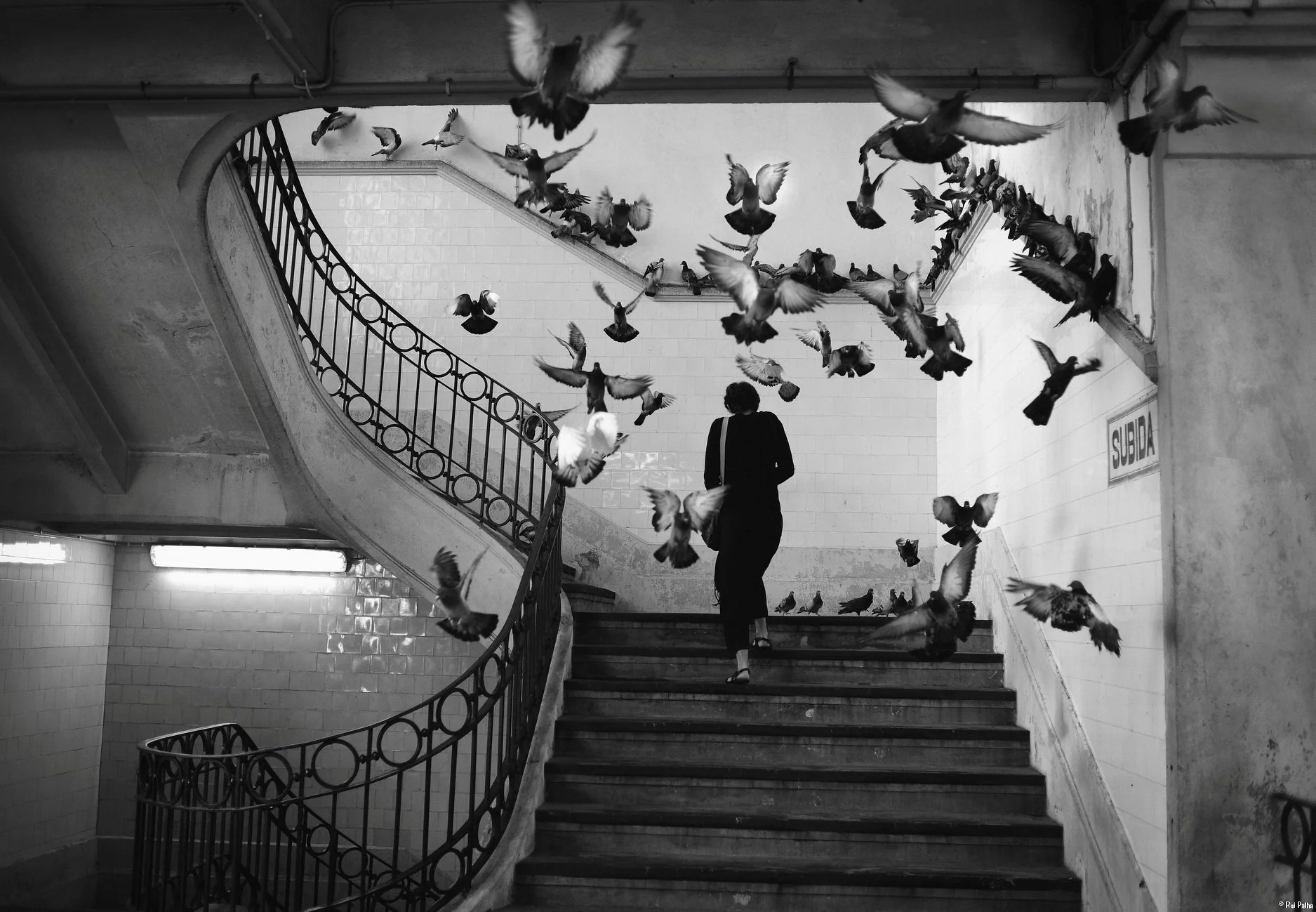
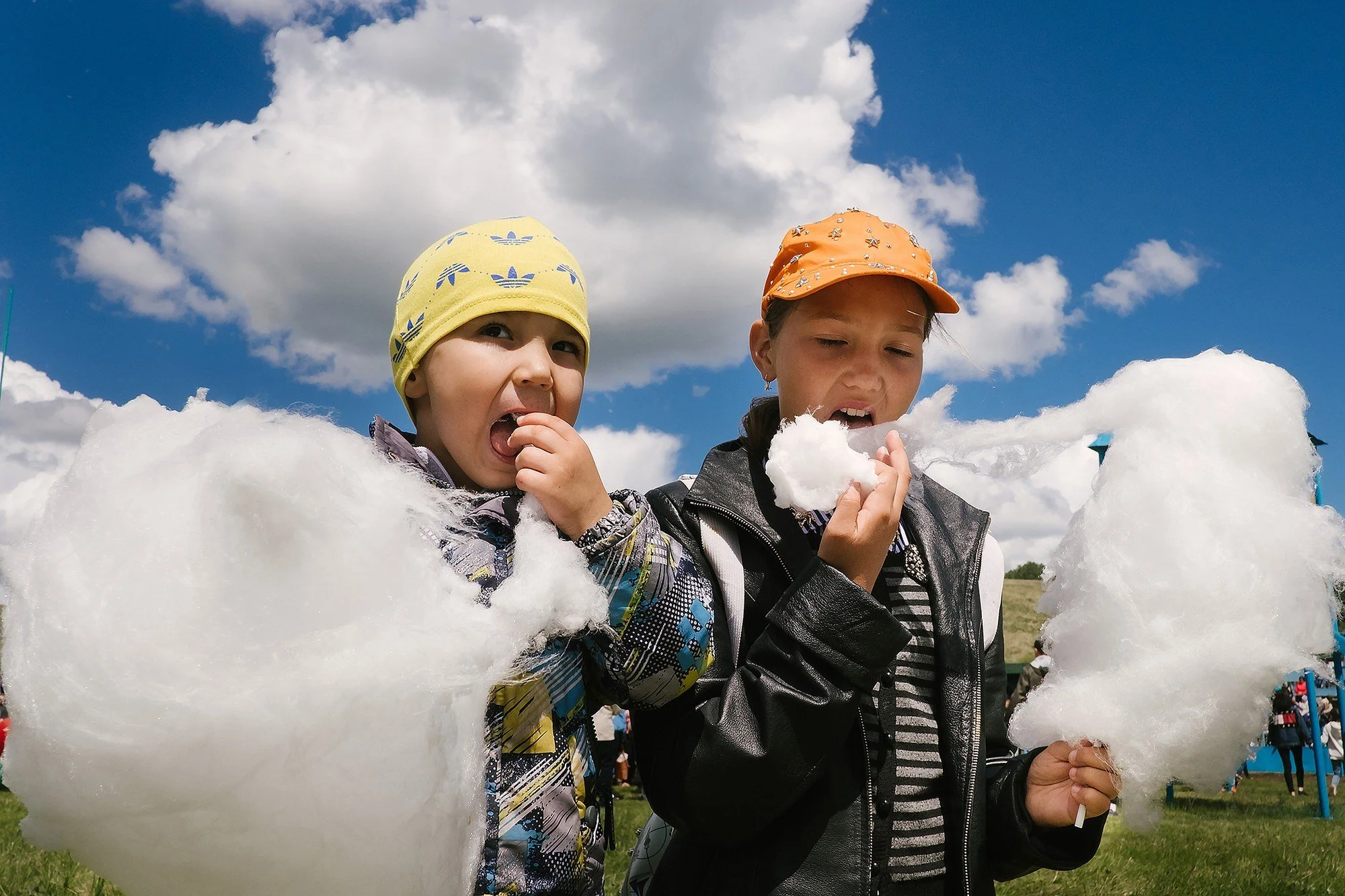
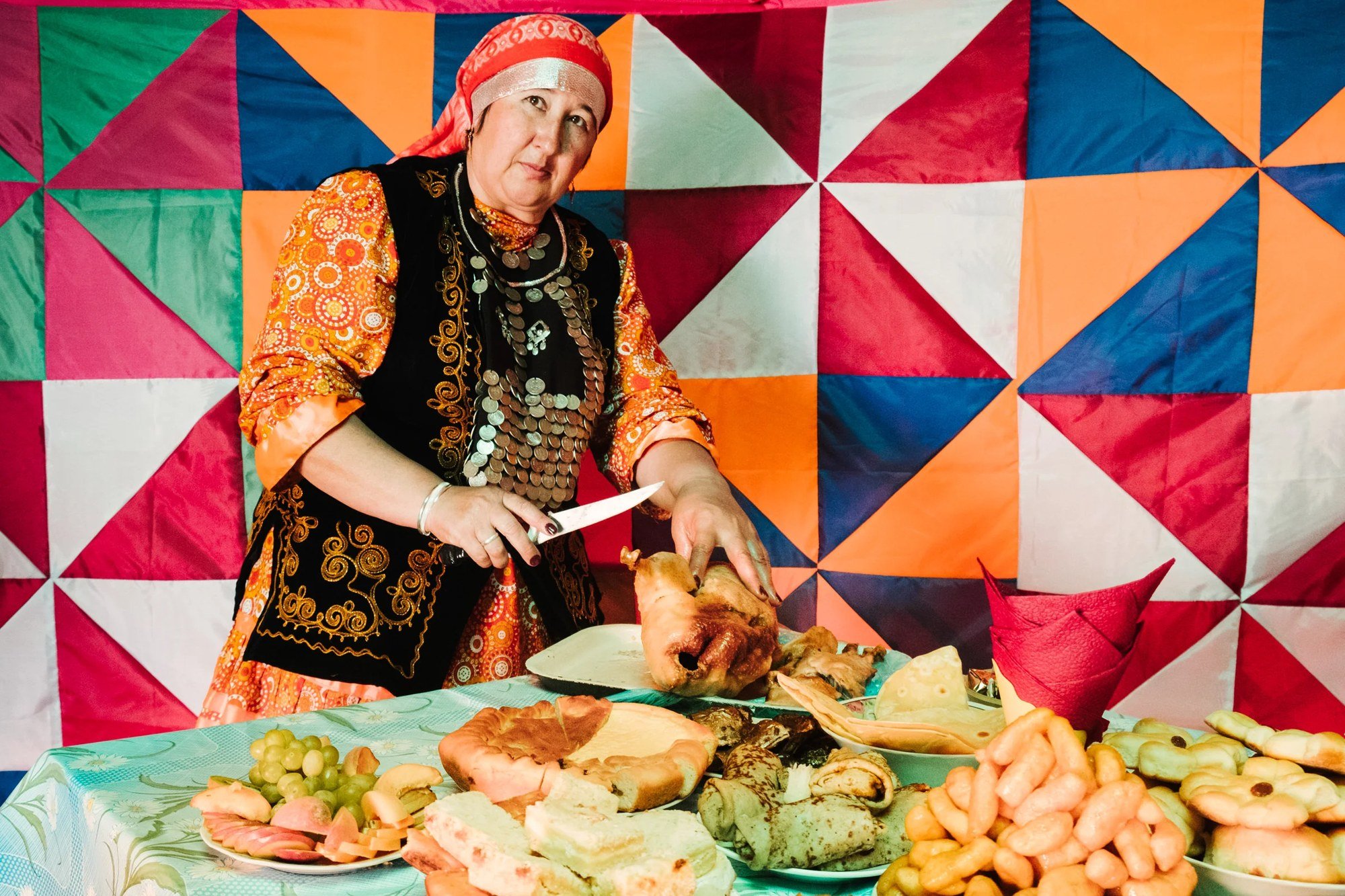
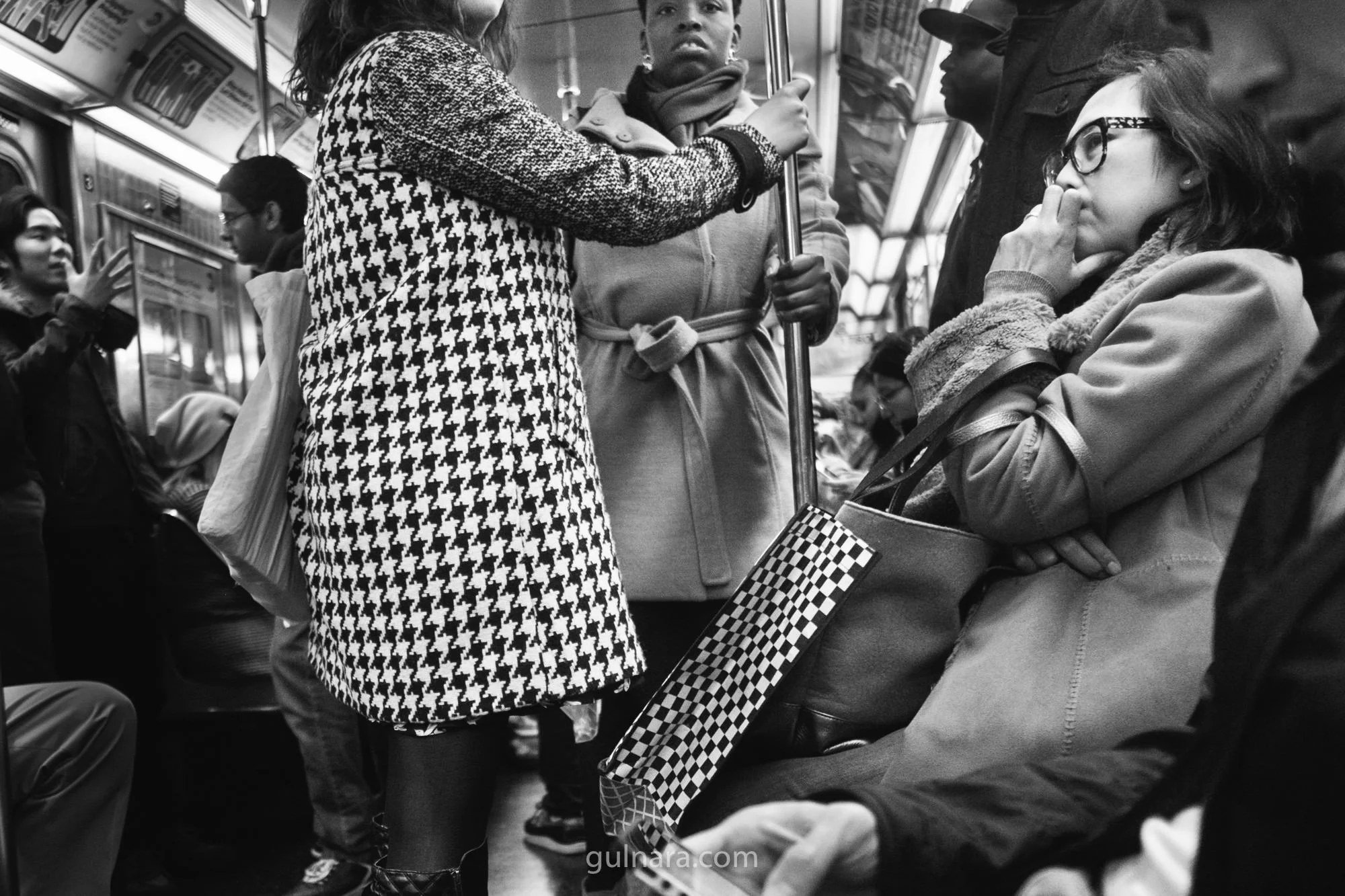
Most of her street work is made in New York and in Bashkortostan. In 2016 she went back to Bashkortostan for the first time in 15 years, and she has returned every year since. There she made Cloud Eaters (2018), two children holding cotton candy against a sky full of clouds. Her fine art series Lost Family mixes her own family pictures with photographs from Ufa made decades later.
In 2017 she founded Women Street Photographers. It began as an Instagram feed and grew into a website, a traveling exhibition, an artist residency, a film series and an annual festival in New York. The first exhibition opened in New York in December 2018 with 75 photographers.
Our interview
- 1964Born in Ufa, Bashkortostan, then part of the Soviet Union
- 1992Comes to New York with a traveling exhibition of young Russian photographers and stays
- 1994Graduates from the International Center of Photography
- 2001Photographs September 11 near the World Trade Center
- 2002Wins first prize at World Press Photo, People in the News singles
- 2013Leaves commercial work for street photography after a week in Cuba
- 2017Founds Women Street Photographers
- 2021Prestel publishes Women Street Photographers, with work by 100 photographers
In her words
“Photography became a way for me to escape the confines of an extremely patriarchal society”
“Slow down and build a relationship with your own way of seeing.”
Gear
Samoilova keeps her street kit small. This is what she has said in interviews.
Small Leica camera: she started street photography in 2012 with a point-and-shoot Leica.
35mm lens: she used a 28mm lens for several years, then moved to a 35mm during the pandemic because the 28mm felt too far away.
Books
Women Street Photographers (Prestel, 2021). Samoilova edited this book, which grew out of her Instagram feed and exhibitions. It shows work by 100 women photographers from 31 countries, each picture with a short statement by the photographer. It has a foreword by Ami Vitale and an essay by Melissa Breyer on women in photography, on 224 pages. A good book for anyone who wants to discover new street photographers.