AT A GLANCE
- Known for
- Photographs of the American Civil War and of the American West, made on two government surveys
- Works in
- Black and white prints from glass negatives, large views and stereographs
- Worked with
- Mathew Brady, Alexander Gardner, Clarence King and George M. Wheeler
- Surveys
- Fortieth Parallel survey under King (from 1867) · Wheeler survey west of the 100th meridian (1871 to 1874)
- Start with
- Framing the West: The Survey Photographs of Timothy H. O'Sullivan (Yale University Press, 2010)
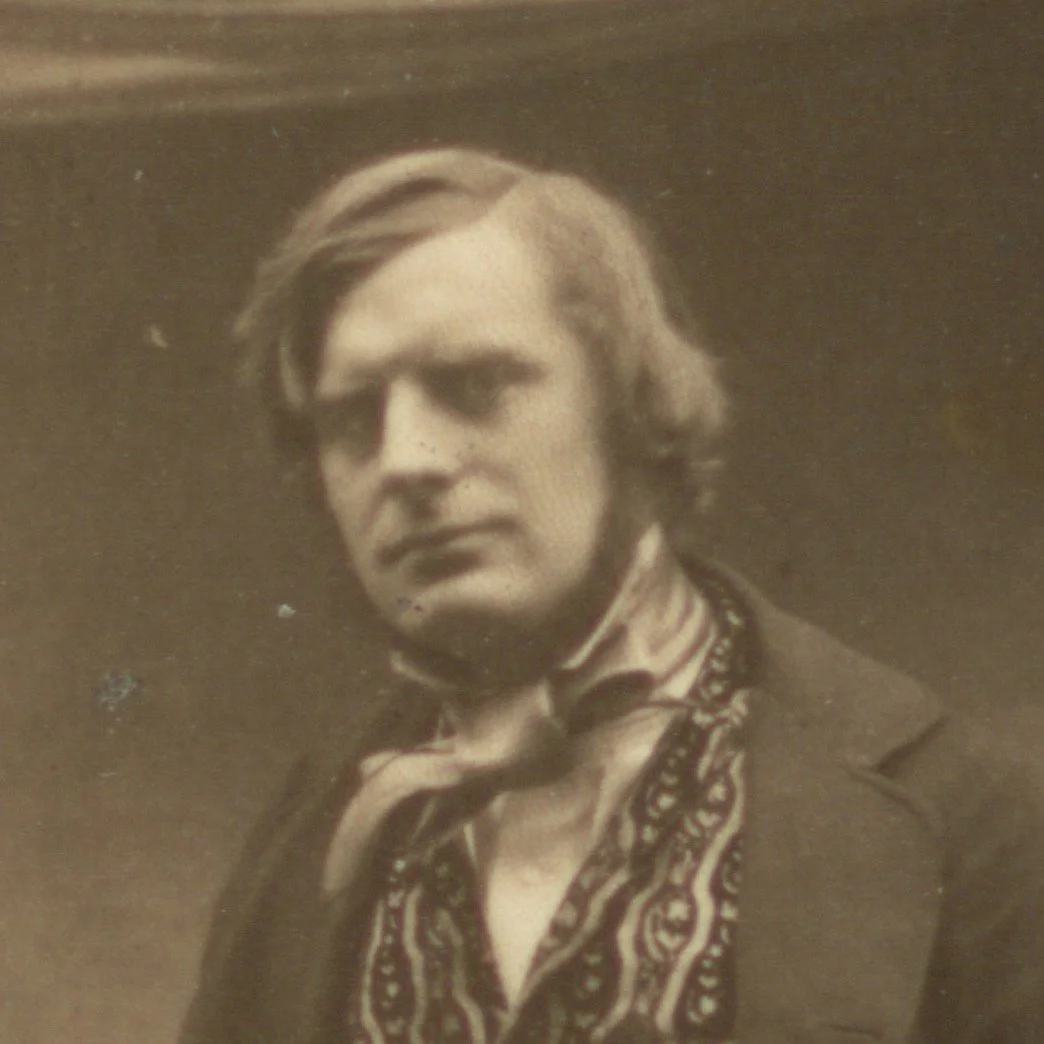
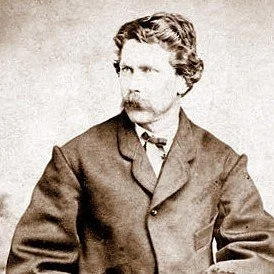
Timothy H. O'Sullivan (about 1840 to 1882) was an American photographer. He made some of the best known pictures of the Civil War. After the war he joined two government surveys of the American West. His quiet, clear views of deserts, canyons, rivers and ruins are among the finest of the nineteenth century.
The story
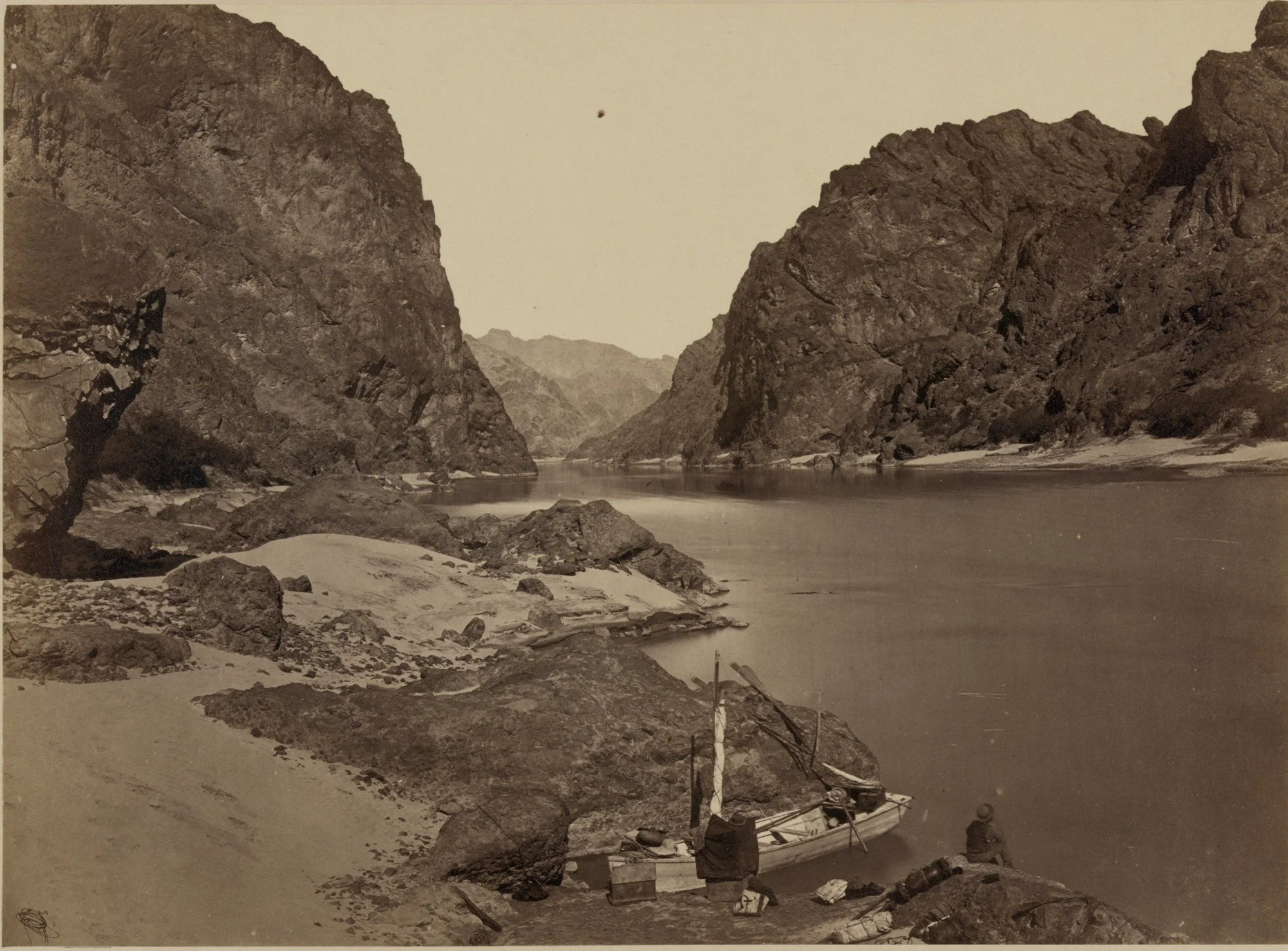
In 1871, a small group of flat-bottomed boats went up the Colorado River. Timothy O'Sullivan was in charge of one of them. He gave it a name: The Picture.
He was the photographer of a survey led by Lieutenant George M. Wheeler of the U.S. Army Corps of Engineers. The river and its canyons were hard to travel. Many of O'Sullivan's glass negatives were lost on the way back. But the pictures that came through, such as the view of Black Cañon, are among his finest.
He had learned the work step by step. As a teenager he was an apprentice in Mathew Brady's gallery in New York. At about twenty-one he joined Brady's team of Civil War photographers. Later he went with Alexander Gardner, who had left Brady, and he worked for Gardner until the war ended. Several of his pictures were printed in Gardner's Photographic Sketch Book of the War.
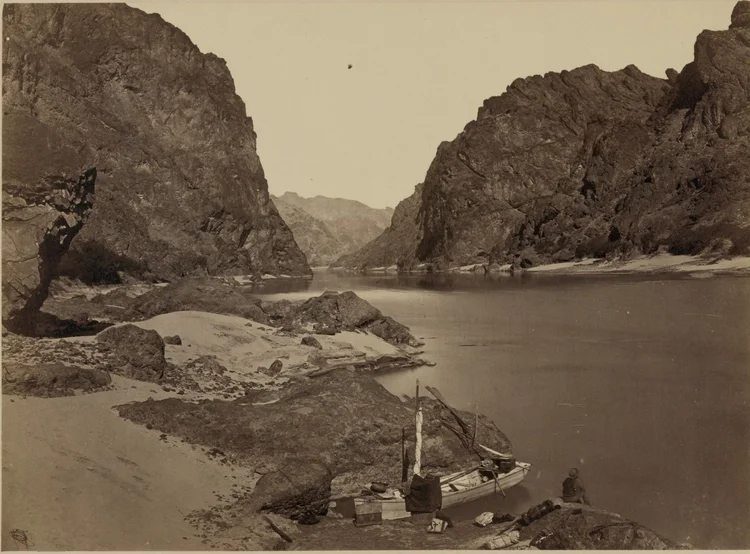
Peace did not end his travels. In 1867 he joined Clarence King's survey of the fortieth parallel. It was the first federal expedition in the West after the Civil War. King was a geologist who also cared about art, and O'Sullivan's pictures for the survey work in two ways. They record the land as facts. They also show how strange and beautiful it was.
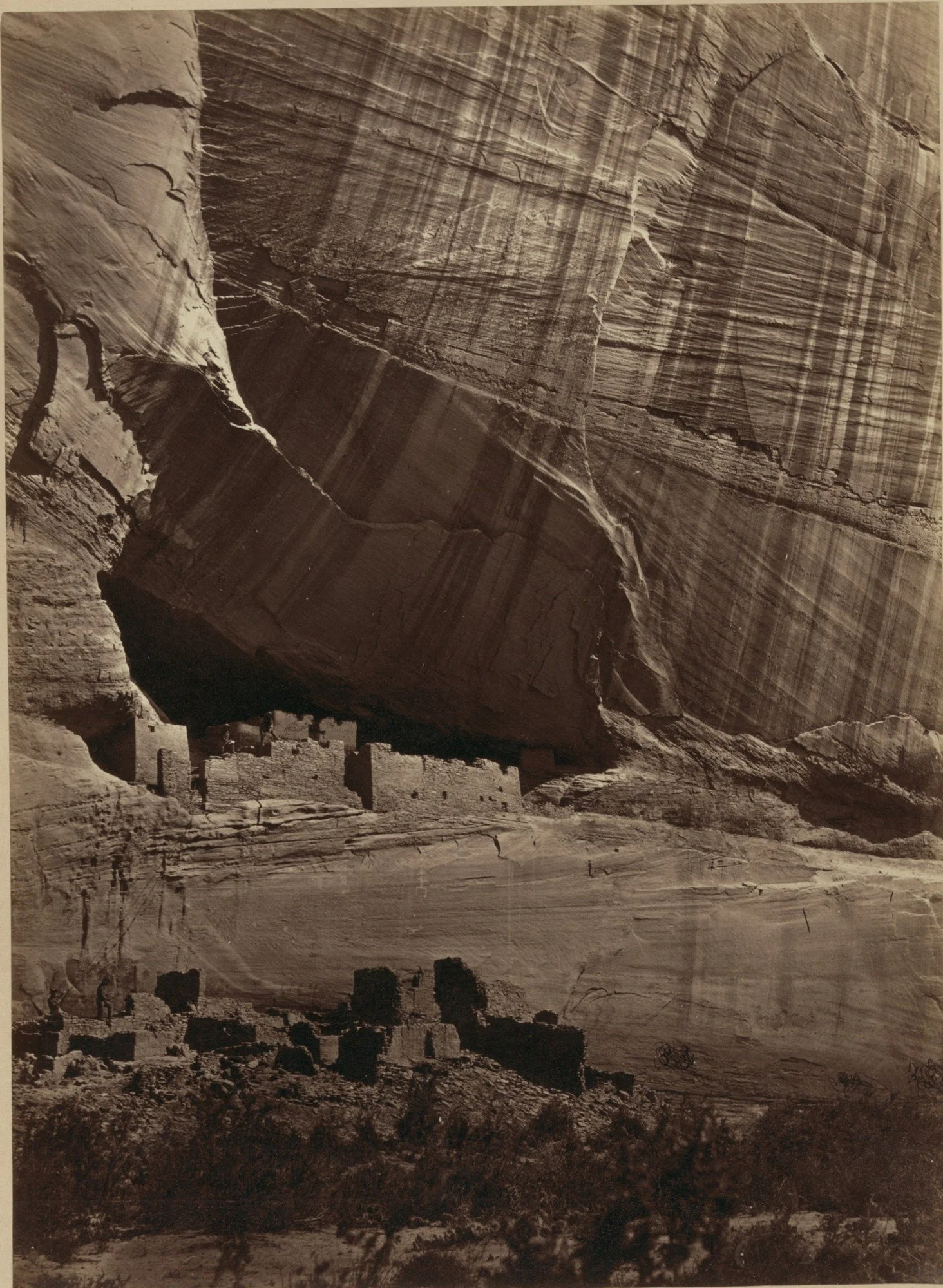
Therefore the later Wheeler survey could use his work in its own way. Wheeler wanted a practical survey, useful for roads, railways and settlers. His captions gave geological facts and also showed the West as a place where people could live. In 1873 O'Sullivan led a separate expedition for Wheeler. It took him to the Zuni pueblo and to Canyon de Chelly, with its old cliff dwellings.
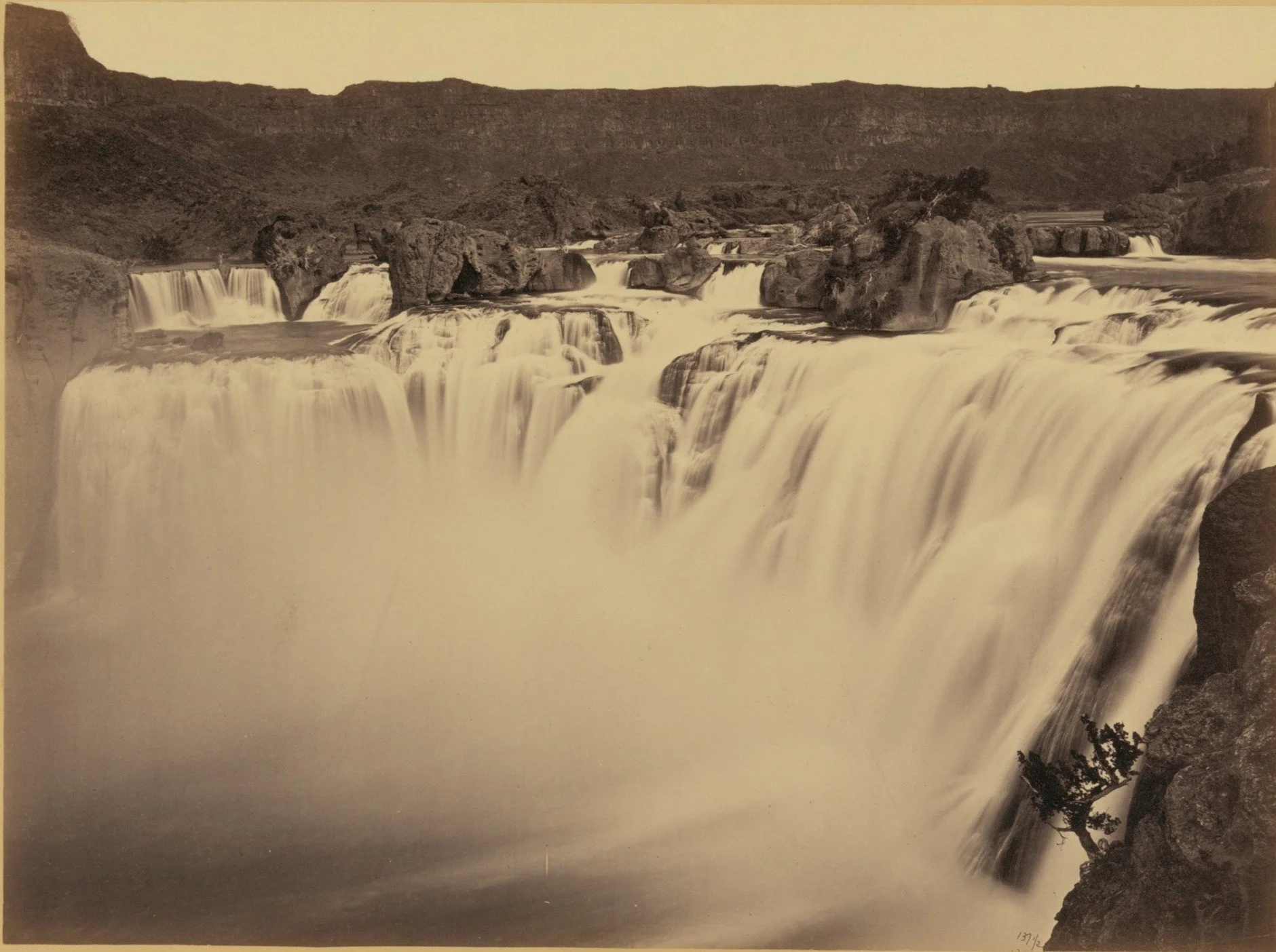
Shoshone Falls in Idaho was the only place he photographed twice on the surveys, in 1868 and again in 1874. The 1874 pictures were his last photographs of the West. O'Sullivan left very few words of his own, so the pictures have to speak for him.
The work
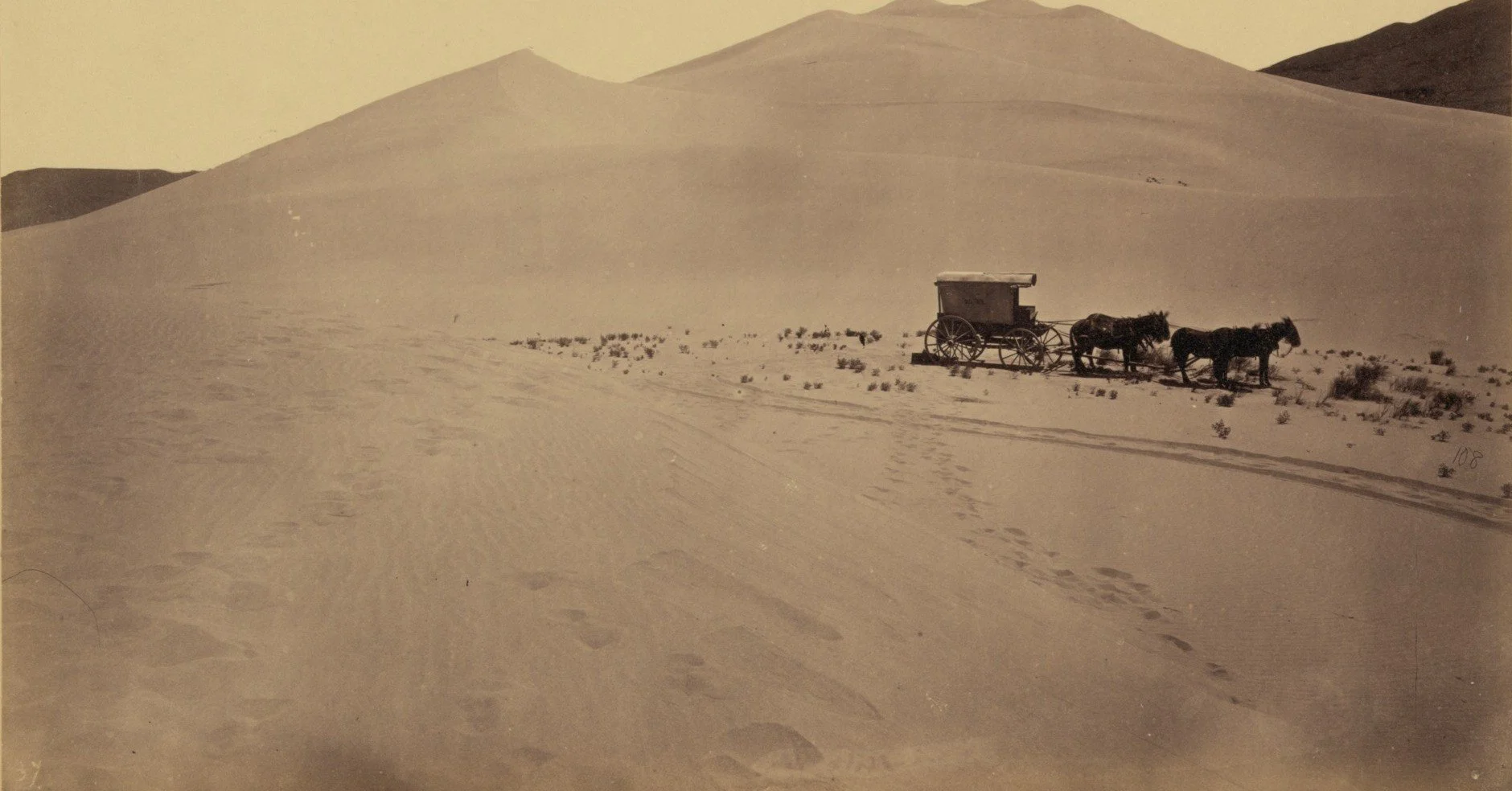
O'Sullivan's survey pictures often show a very small human figure in a very large place. In Sand dunes Carson Desert Nevada (1867), made for the King survey, the sand fills the frame. The Shoshone Falls views of 1868 show the water from far away and from close to the edge. At Canyon de Chelly in 1873 he photographed the ancient ruins set in a niche high in the cliff wall, with the survey camp visible below.
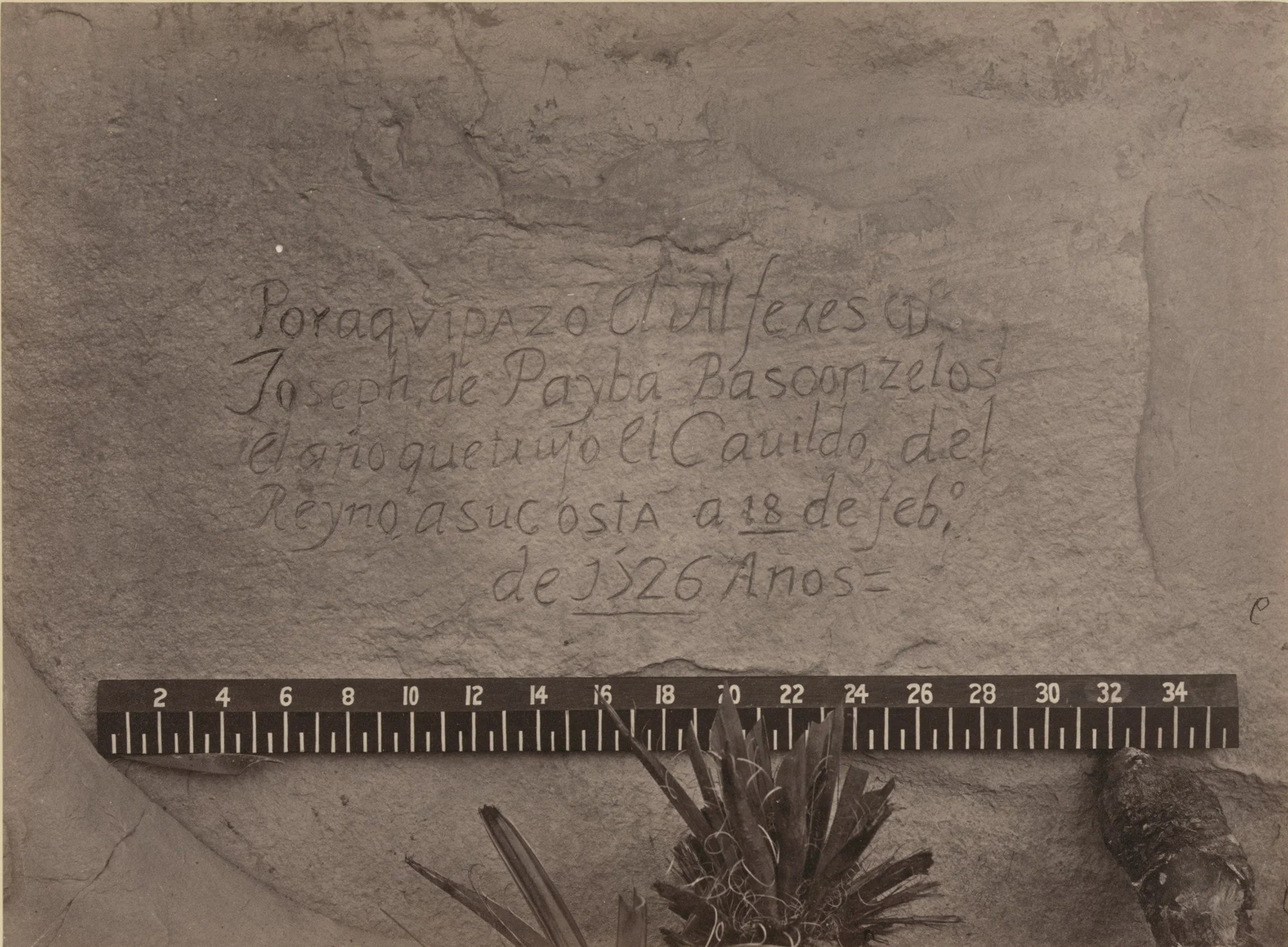
On the Wheeler survey he also photographed Historic Spanish record of the Conquest at Inscription Rock in New Mexico (1873) and the canyons of the Colorado River in 1871. The Smithsonian American Art Museum notes that his 1873 pictures of Apache scouts are among the few unromanticized pictures of the western Indian of that time.
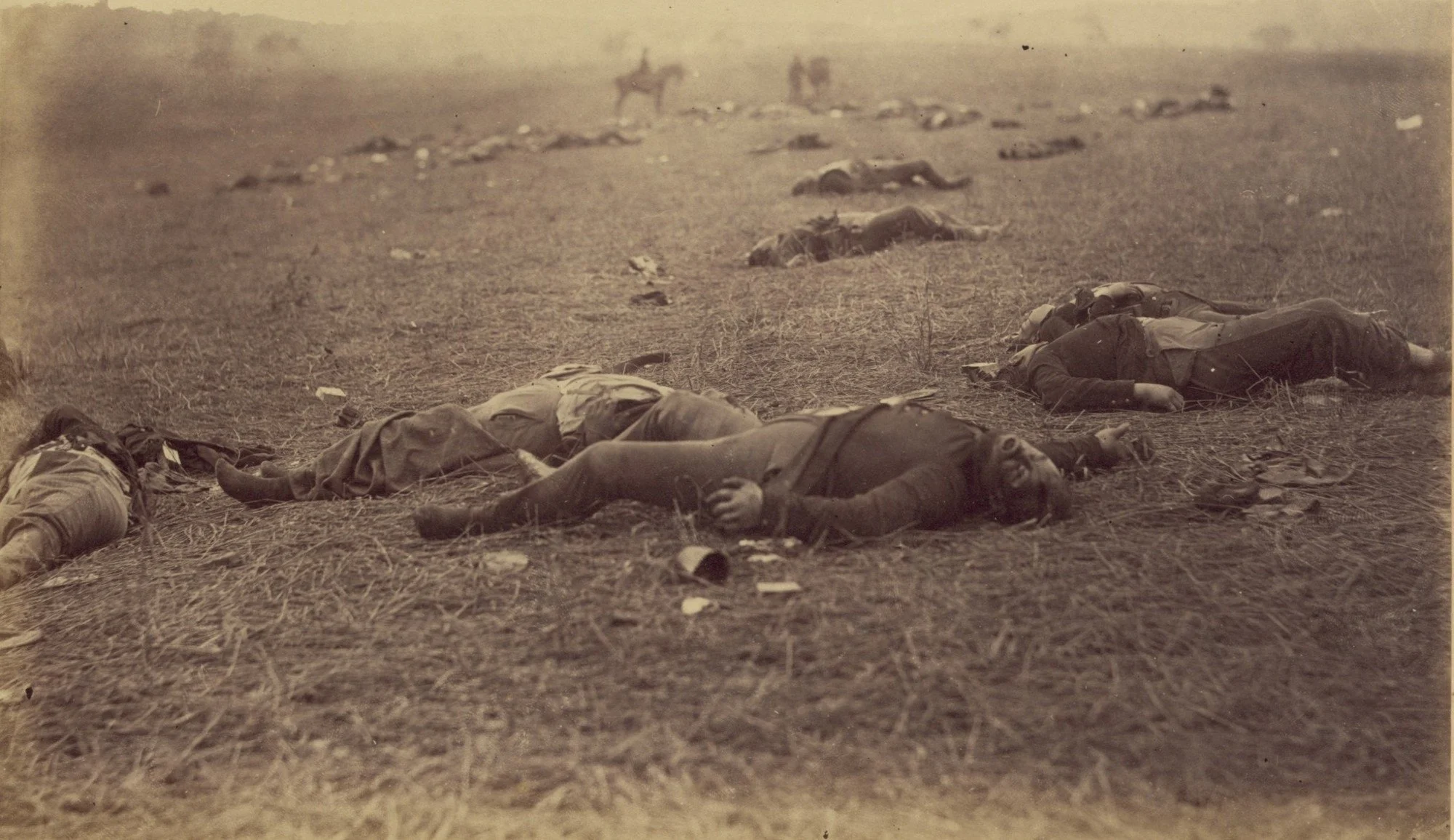
His Civil War work is known above all through A Harvest of Death (1863), made at Gettysburg, Pennsylvania, in July 1863. It shows dead soldiers on the battlefield, so please note that it is a graphic image. The Library of Congress credits the negative to O'Sullivan and the positive print to Alexander Gardner. Gardner published it in Gardner's Photographic Sketch Book of the War (Philp & Solomons, 1865 to 1866) and held the copyright. In books of that time, the publisher's name often stood on the print. O'Sullivan is credited as the maker of the negative.
- 1840Born, about this year, in Ireland or in New York (sources differ)
- 1856Works as an apprentice in Mathew Brady's gallery in New York, at about sixteen
- 1861Joins Brady's team of Civil War photographers at about twenty-one
- 1863Photographs the battlefield at Gettysburg in July
- 1867Joins Clarence King's survey of the fortieth parallel
- 1871Joins the Wheeler survey and commands a boat called The Picture on the Colorado River
- 1873Leads a separate expedition for Wheeler to Zuni and Canyon de Chelly
- 1874Photographs Shoshone Falls a second time, his last pictures of the West
- 1882Dies of tuberculosis on Staten Island, New York
Lessons
Add a person for scale. In several survey views a small figure stands in a huge place. The viewer feels the size of the land at once.
Go back to a place. Shoshone Falls was the only site O'Sullivan photographed twice on the surveys. The 1874 view is bolder than the 1868 ones.
Let the picture carry the facts. His survey photographs were made as records. Yet they also show the strange beauty of the land. Both things can be true in one frame.
Try this: Choose one landscape near you. Photograph it three ways: from far away with a small figure in it, from the edge, and from low down. Put the three side by side and see which one tells you most about the size of the place.
Gear
O'Sullivan's tools are not well documented in the sources I could check twice. This is what they say.
Large views and stereographs: His King survey work was published as large plates and also as smaller stereographs, which gave a three dimensional view when seen through a viewer. The Library of Congress holds both kinds of his work.
Books
Framing the West: The Survey Photographs of Timothy H. O'Sullivan (Yale University Press, 2010). Published by Yale University Press with the Library of Congress and the Smithsonian American Art Museum for the 2010 exhibition. The authors are Toby Jurovics, Carol M. Johnson, Glenn Willumson and William F. Stapp. It covers his work on both the King and Wheeler surveys. It is a good first book for anyone who wants to see the western pictures in depth.
Timothy H. O'Sullivan: The King Survey Photographs (Nelson-Atkins Museum of Art / Yale University Press, 2011). Text by Keith F. Davis and Jane L. Aspinwall. The book focuses on the work he made on King's survey of 1867 to 1872. It places his best known images in the context of the whole survey, and it includes a catalogue of his King survey photographs. It suits readers who want detail and careful research.
Double Exposure: Resurveying the West with Timothy O'Sullivan, America's Most Mysterious War Photographer (Farrar, Straus and Giroux, 2024). Written by the journalist Robert Sullivan, who visited the sites of some of O'Sullivan's best known pictures. It mixes biography, history and personal travel notes, and it tells the story of the expeditions. It is for general readers who like a story more than a catalogue.