The People of Leimert Park Started Calling Him “Picture Man.” Here’s How Ave Pildas Earned Their Trust
Welcome to this edition of [book spotlight]. Today, we uncover the layers of 'Africatown,' by Ave Pildas (self-publishing). We'd love to read your comments below about these insights and ideas behind the artist's work.
One Sunday visit became a two-year photographic relationship.
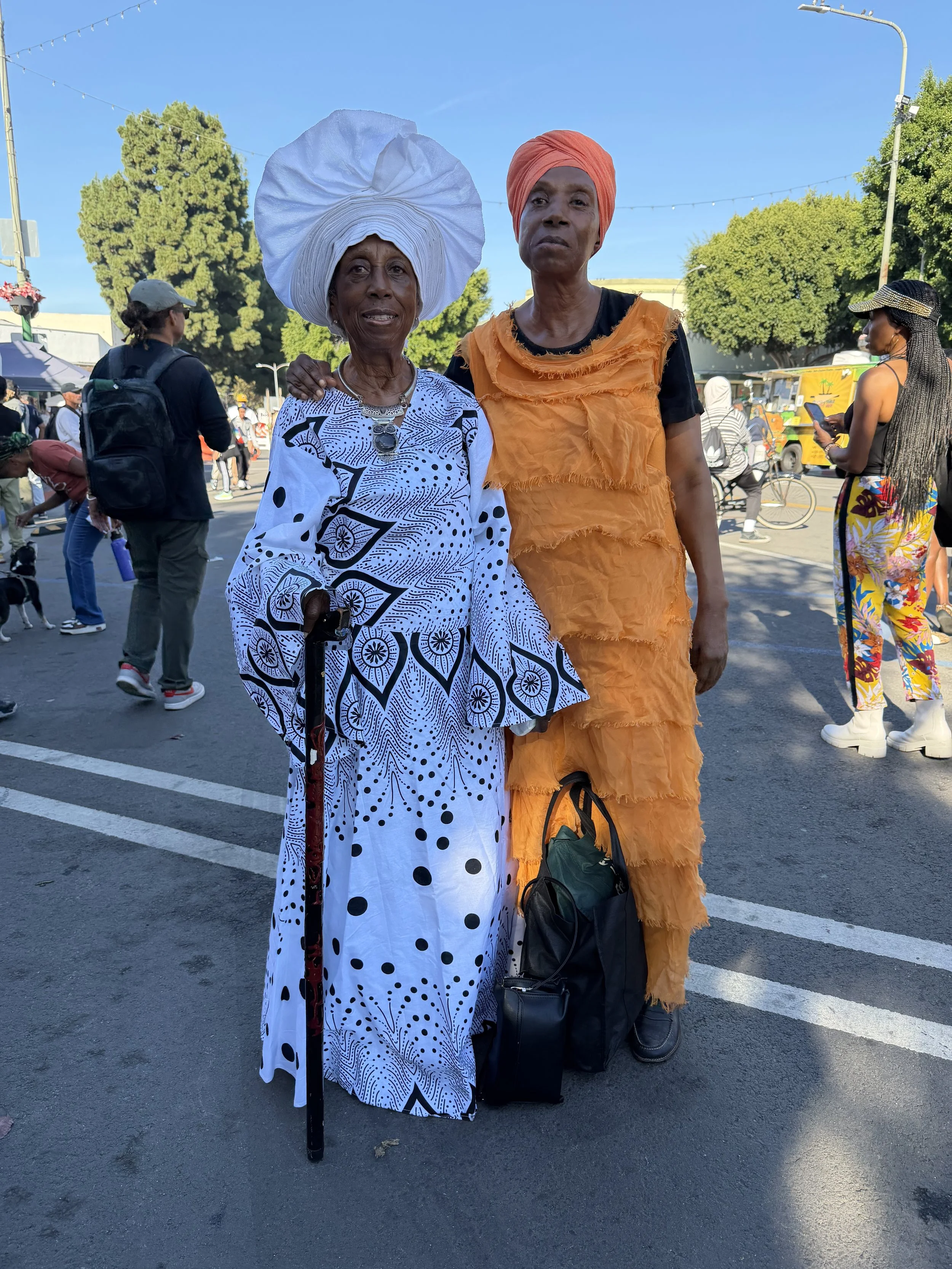
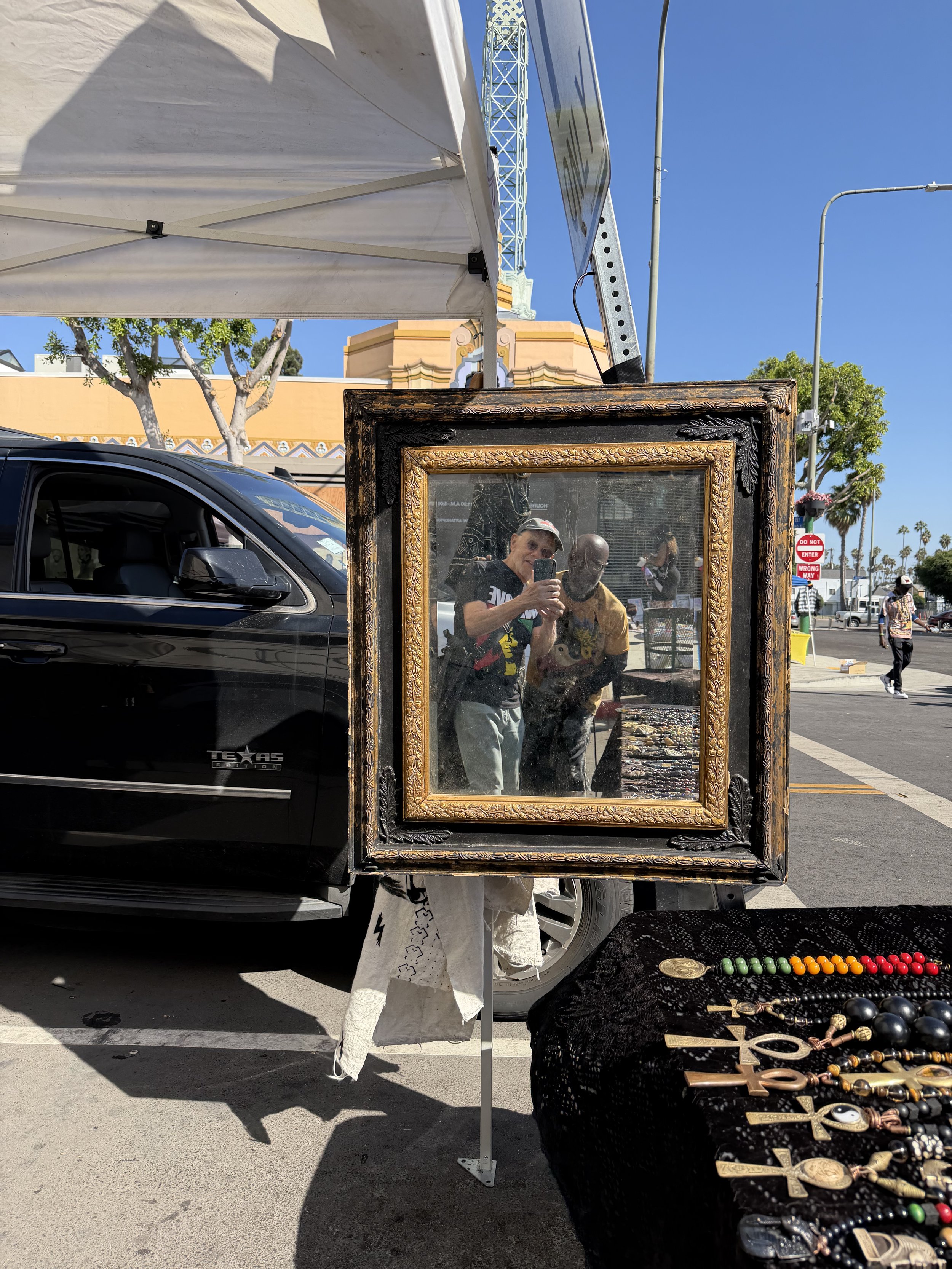
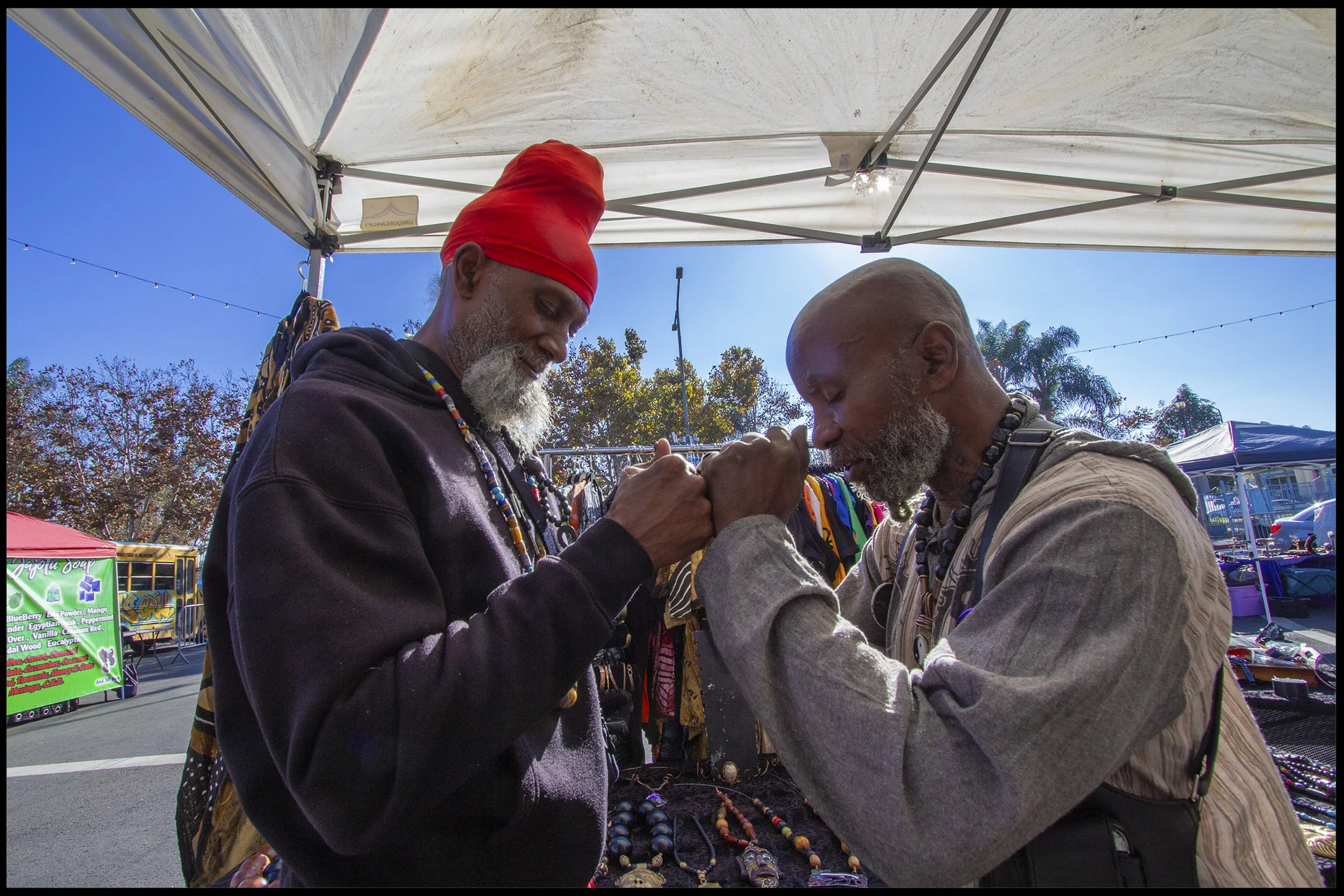
Ave Pildas first came to the Sunday African Market in Leimert Park after a jazz concert and decided to return with his camera the following week. At first, some people were suspicious of why he wanted to photograph them, but Pildas kept returning, bringing printed portraits and giving them back to the people he photographed. Over time, those small exchanges became friendships, and people at the market started calling him “Picture Man.”
It has never been only about getting the picture.
He often spends more time talking with people than photographing them, and Africatown shows what can happen when those conversations continue for months and years. By the time he was making many of the portraits in the book, the people in front of his camera were no longer strangers but friends who felt comfortable being photographed.
In this interview, Pildas talks about earning that trust, returning with prints every Sunday, editing two years of photographs into Africatown, and what the project taught him about building relationships before making pictures.
The Book
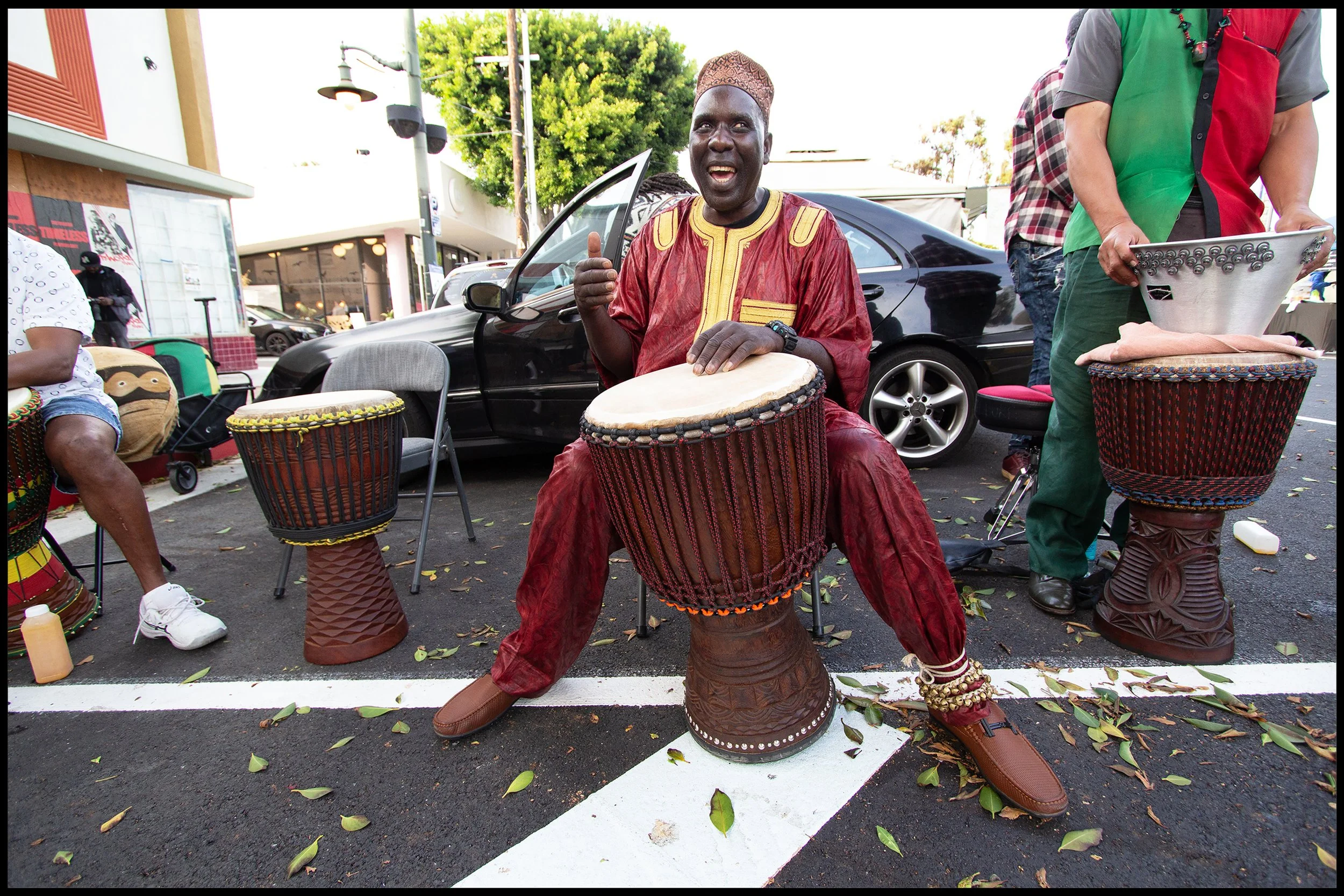
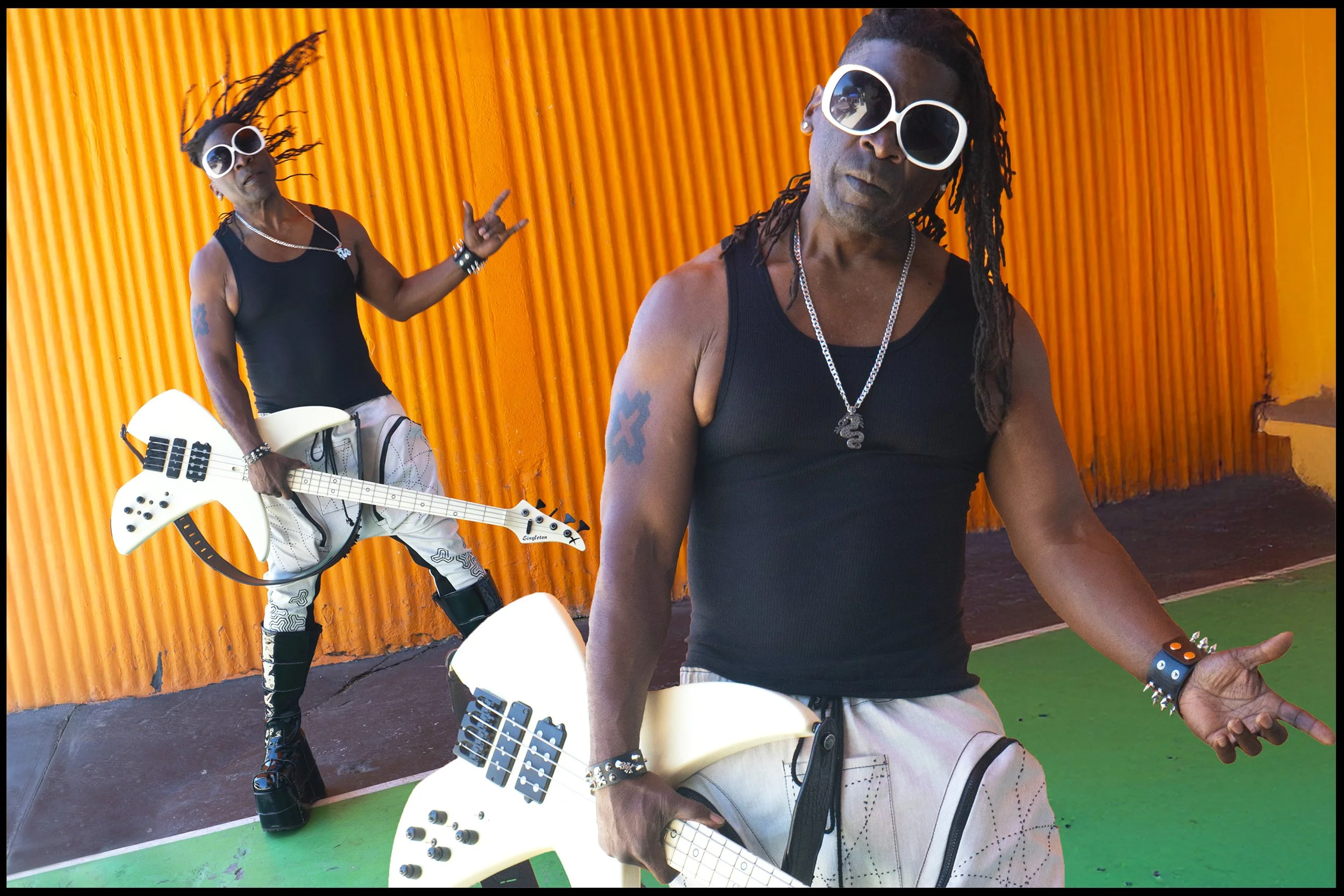
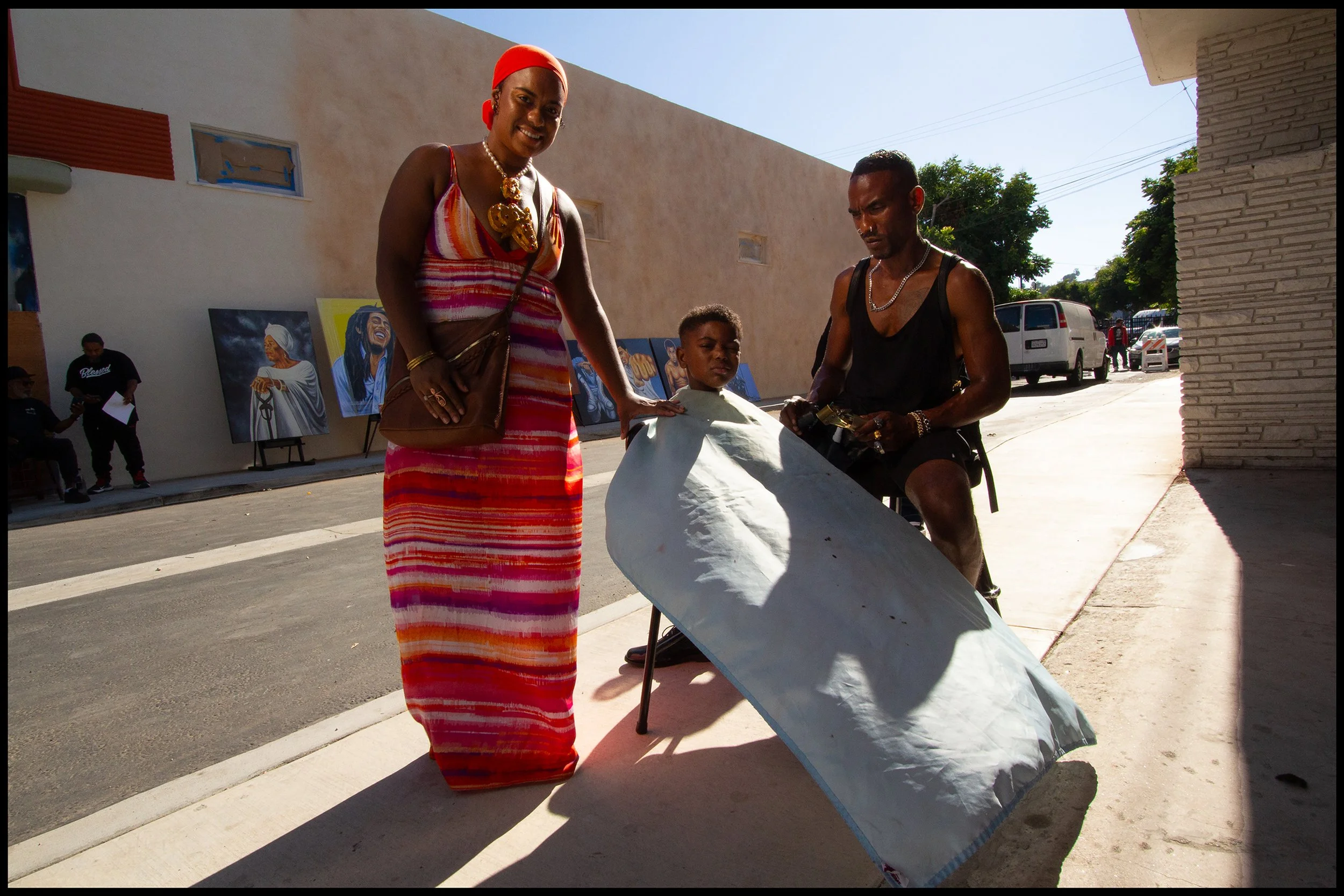
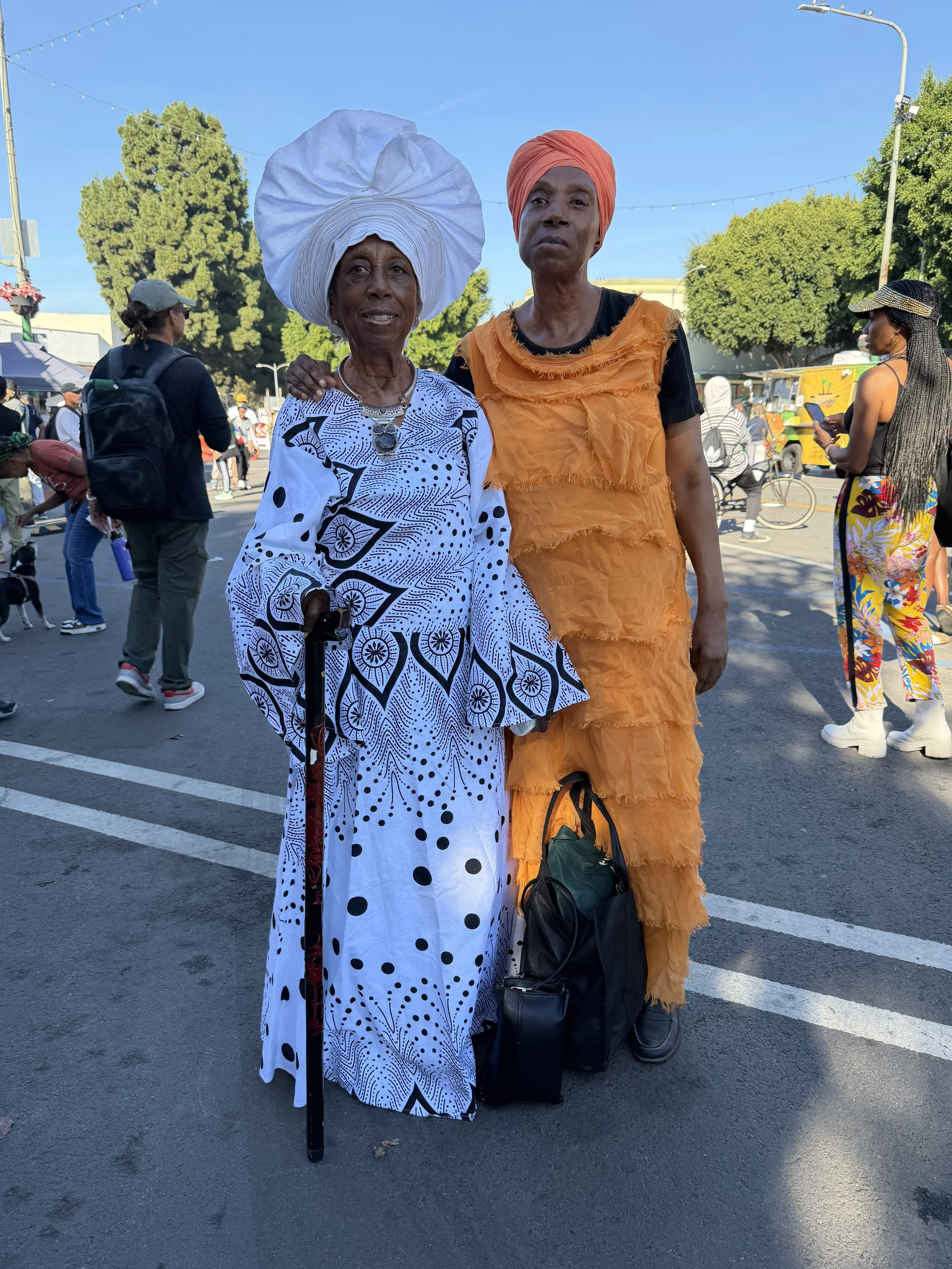
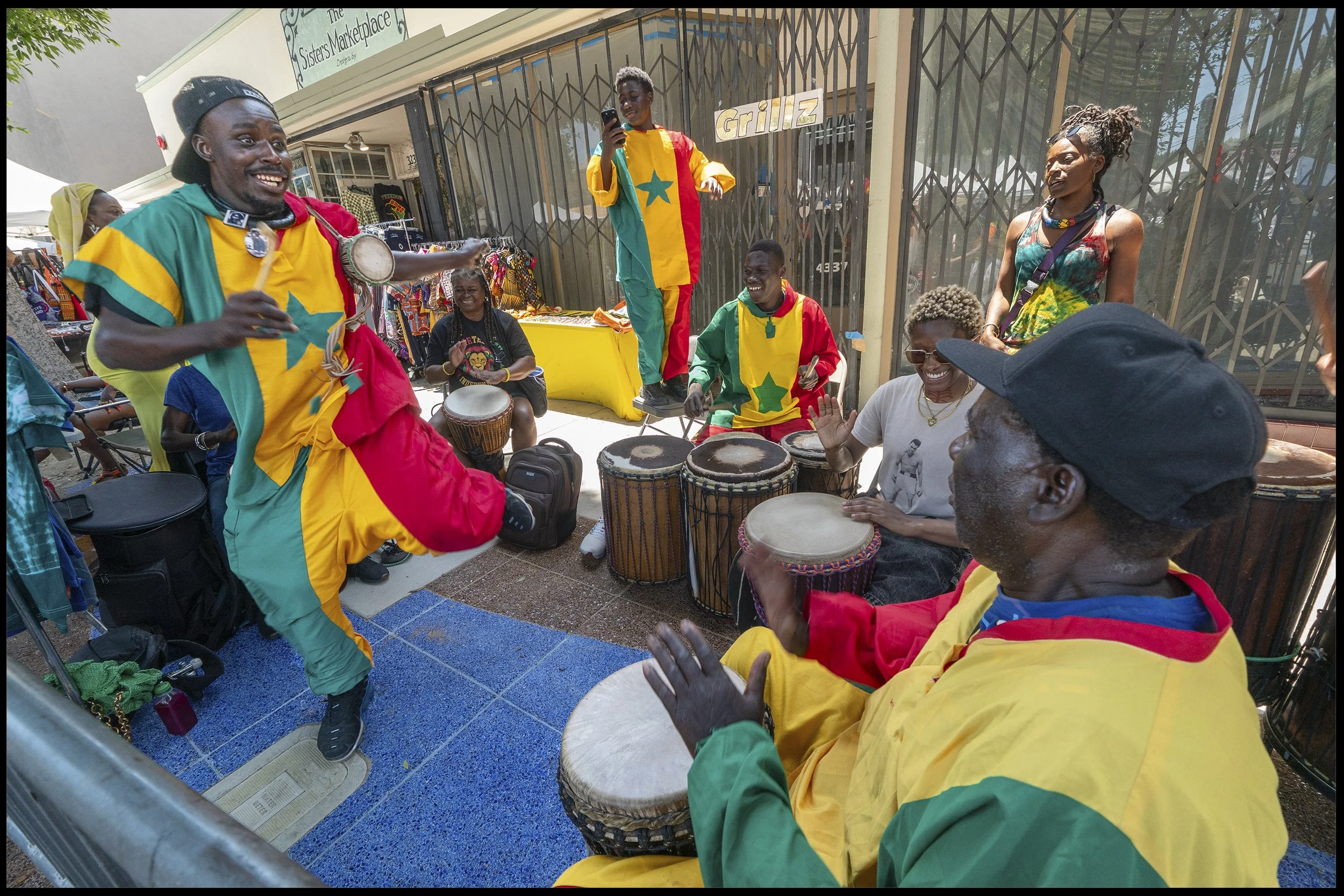
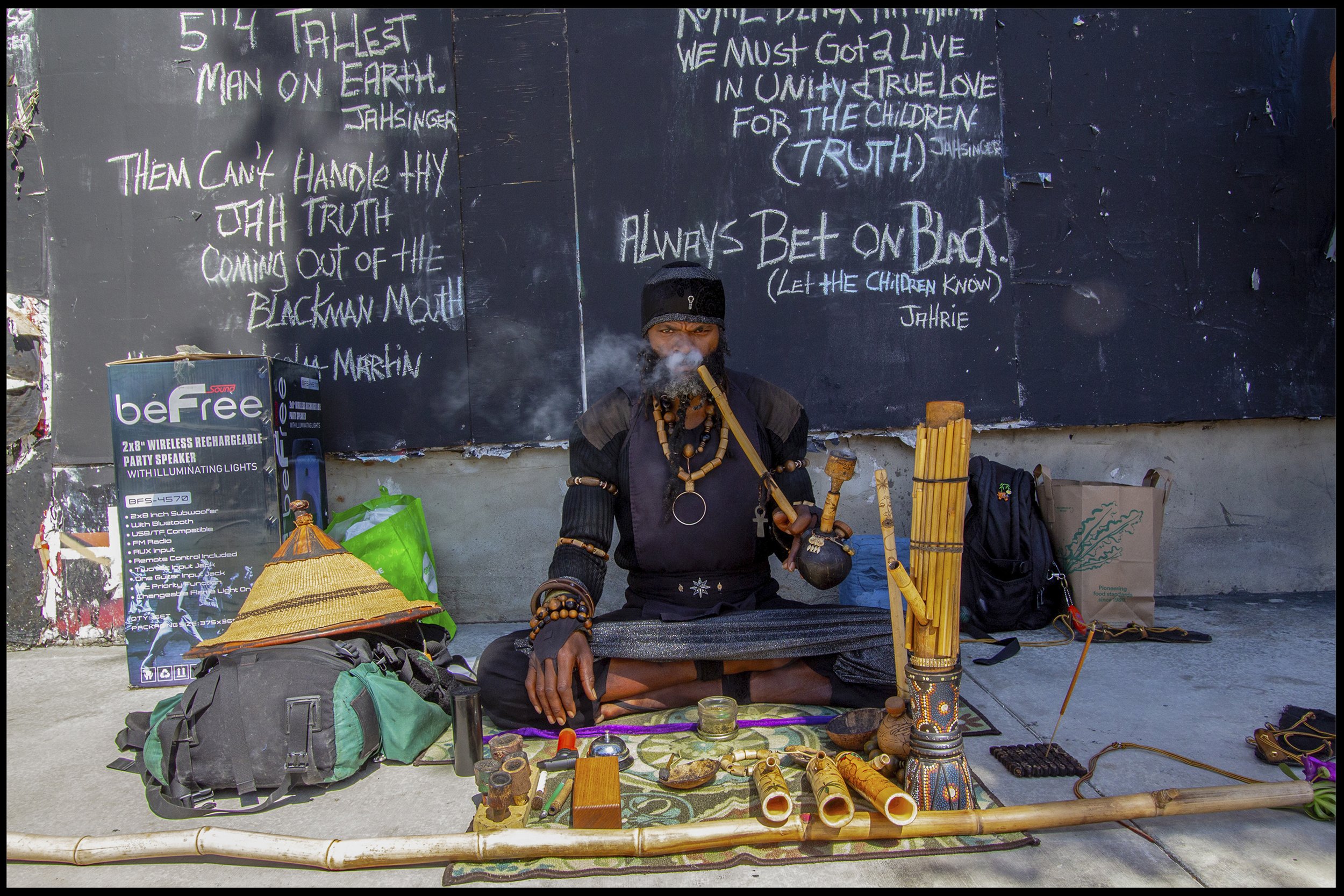
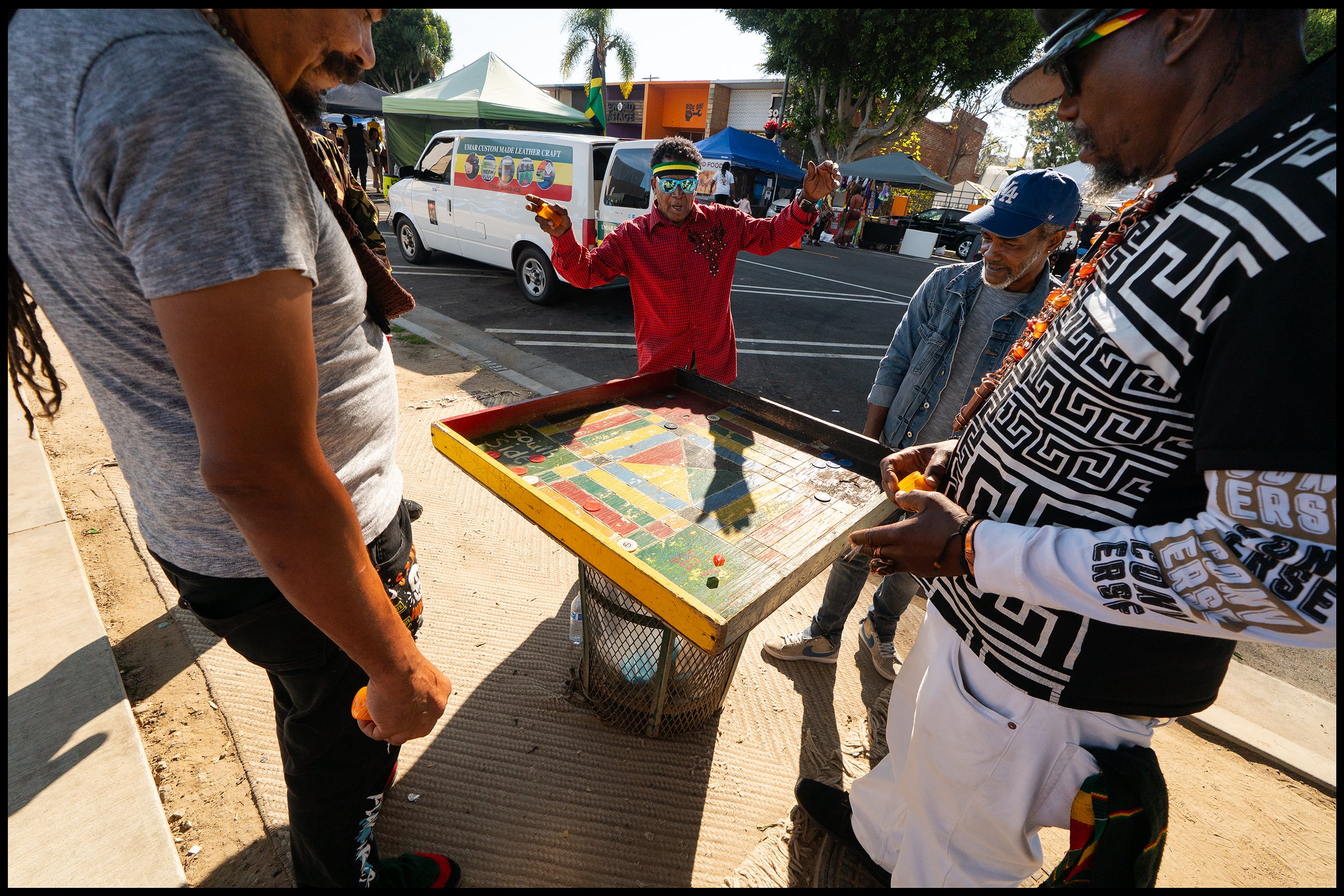
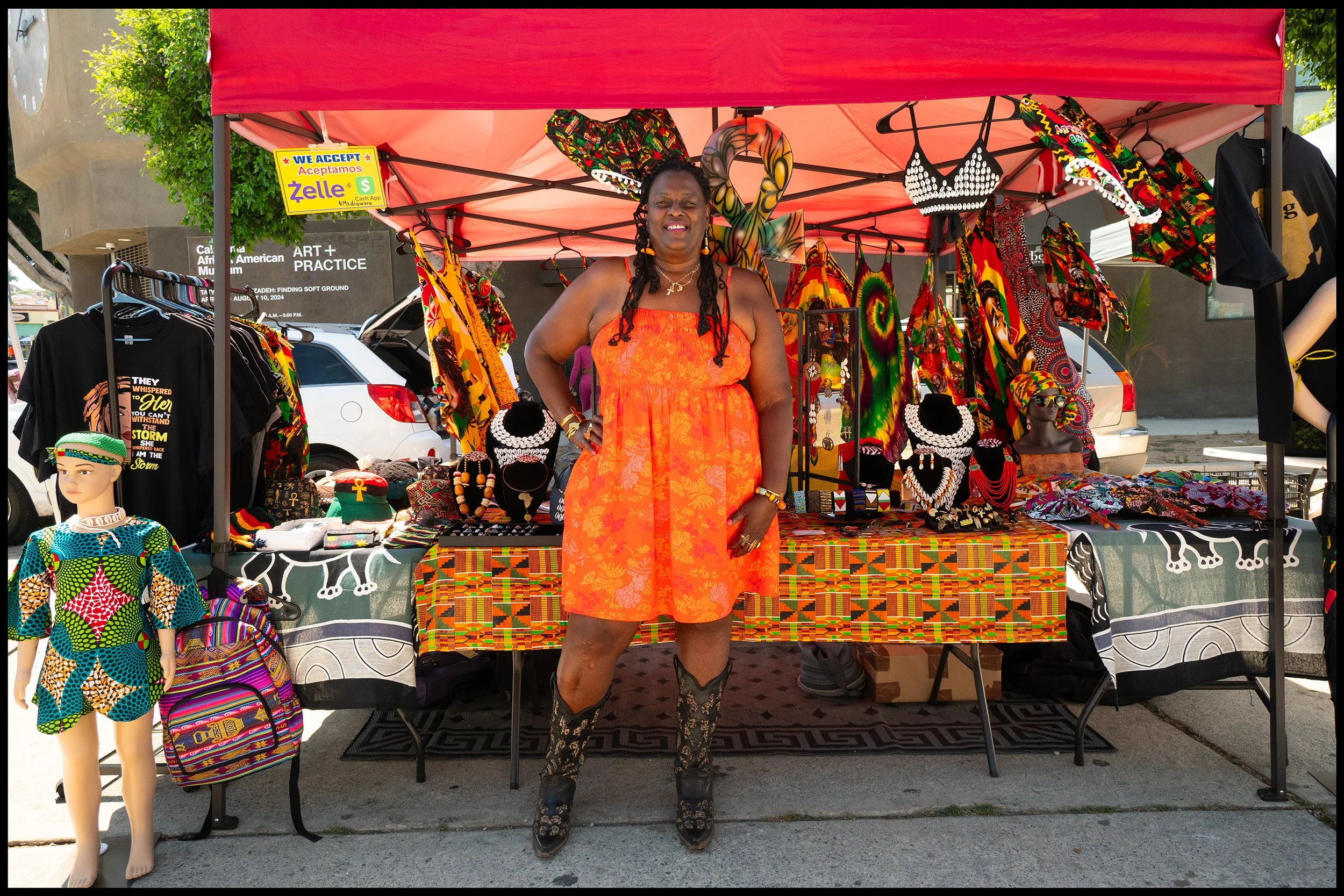
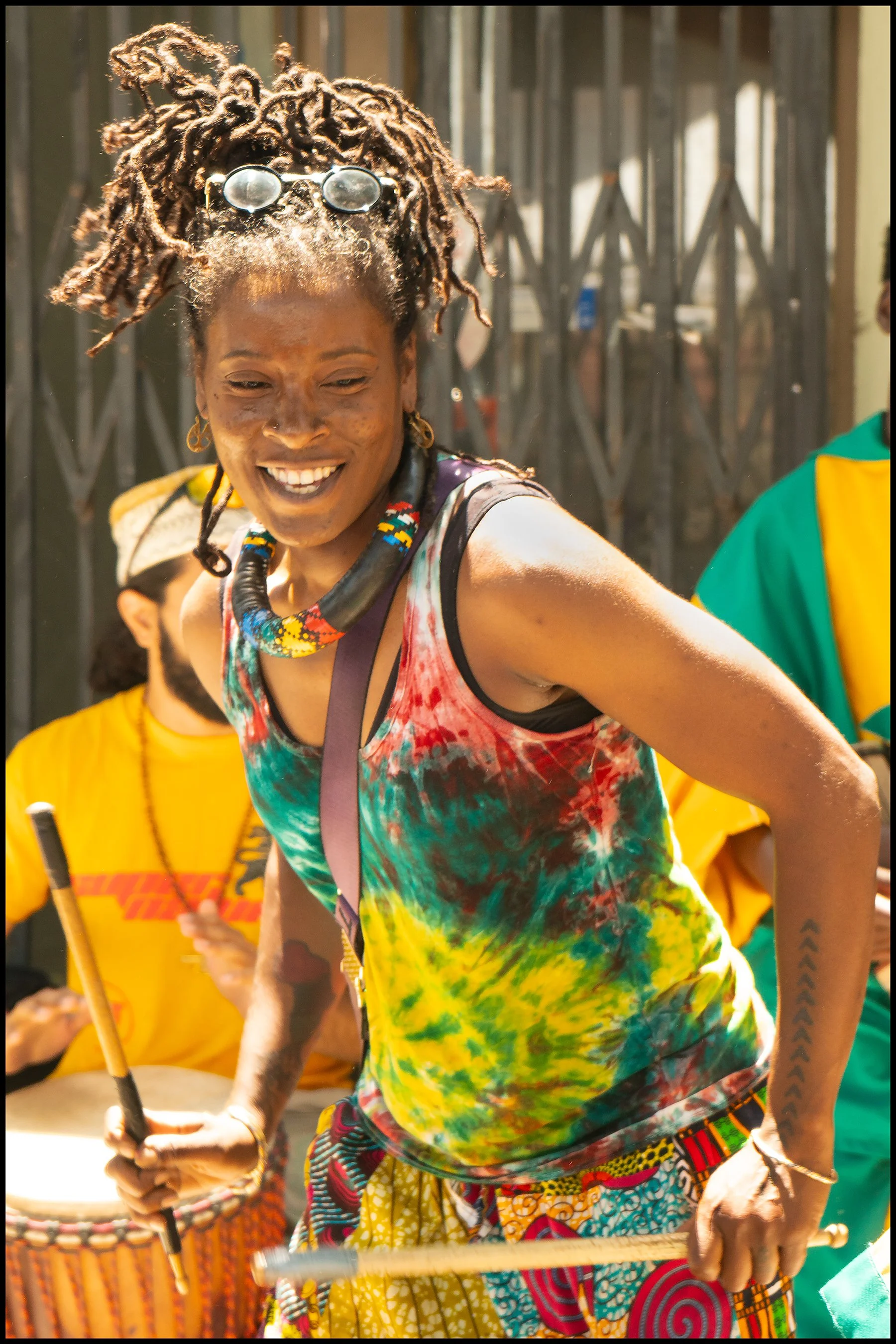
Africatown by Ave Pildas, published by the Pildas / Green Foundation, brings together photographs made over two and a half years at the Sunday African Market in Leimert Park, Los Angeles. What began as a chance visit slowly became a regular part of Pildas’s life, as he returned each week, photographed vendors and visitors, and brought printed portraits back to them. Many of the people he met became friends, turning the project into something built as much around relationships as photography. The book documents the people, energy, and cultural life of Leimert Park, while preserving a specific moment in a community with a long African American history. (Website, Amazon)
When you look back now, what first pulled you toward photographing people instead of simply photographing places?
It was a natural evolution, really. I think many photographers start out shy, or they don't want to invade people's space, or they simply don't know how to ask if they can take someone's picture. In my case, I was always taking pictures of things that weren't animate: architecture, or a scene in the countryside, though not really landscapes in the traditional sense. Then I realized that people enhanced the content of a photograph, so I started photographing people fairly early on. What I found was that I liked interacting with people. I ended up spending more time talking to them than actually photographing them.
You've photographed many different communities over the years. At what point did you realize that relationships, not individual photographs, had become the center of your work?
That happened almost by accident. Instead of taking the picture and walking away, or pretending I hadn't taken it, I got into the habit, especially once I started carrying an iPhone alongside my other camera, of showing people the picture and asking if they liked it. Back in the seventies, when I worked with a camera on a tripod and a static background, I would watch people coming down the street before they even entered the frame. By the time they reached the camera, I often knew more about them than they knew about me. If someone looked interesting, or had a dog with them, or was dressed unusually, I could talk to them about their clothes, or ask where they went shopping, or what kind of dog they had. If I recognized the breed, I'd mention that I had one too, and that was always an icebreaker. Once people started talking, they became animated, and I would be on a long cable release, just clicking away. I wouldn't say we became fast friends in that moment, but they realized I wasn't dangerous, and I knew they weren't either. That made everything easier. It wasn't a snapshot, though I do take snapshots too, sometimes without people knowing I'm photographing them. Mostly, though, I found that I became genuinely interested in the people I was photographing, even if I never saw them again. Something happened, a moment I captured, and I was part of it even if I wasn't in the picture myself.
I remember in our previous conversation you spoke about architecture influencing your sense of composition. Has your understanding of people changed your photography even more than architecture did?
I think it has changed, though I still use architecture in the background. What's not in the picture is just as important as what is in it. That touches on a bigger question of what's true in a photograph and what isn't, but when you're composing, it helps to know where your subject is going to be and how that relates to everything else in the frame. Some planning before you take the picture matters. But after doing this for years, even when I have to shoot quickly, almost on the fly, I find myself falling into position automatically, and the other elements in the frame end up in the right place simply because I know how to move the camera. It becomes a question of imprinting into your instincts what belongs in the picture.
So would you say your understanding of people changed your photography?
I think it has. It's certainly slowed me down, in a good way, to interact with people before taking the picture. Digital and film are different in that sense too. Digital lets me take far more photographs than I ever could with film. But I do spend a lot of time interacting with my subjects, and I like that.
Africatown began with what sounds like a chance visit after a jazz concert. What happened during that first afternoon that made you come back the following Sunday?
I knew the jazz musician. He had been to my studio, I had photographed him, and I liked his music. When he told me there was a free concert happening that afternoon, just outside where he had performed the week before, I told him I'd see him there. When I arrived, I saw how much activity there was in that market, in a neighborhood that has traditionally been an African American community but is also a magnet for the diaspora of people from other African countries who come to Los Angeles and find a space there to participate and enjoy themselves. I looked around and thought, this is such a vibrant place. Everyone was happy, having a good time. I decided I would come back the following week and take some pictures.
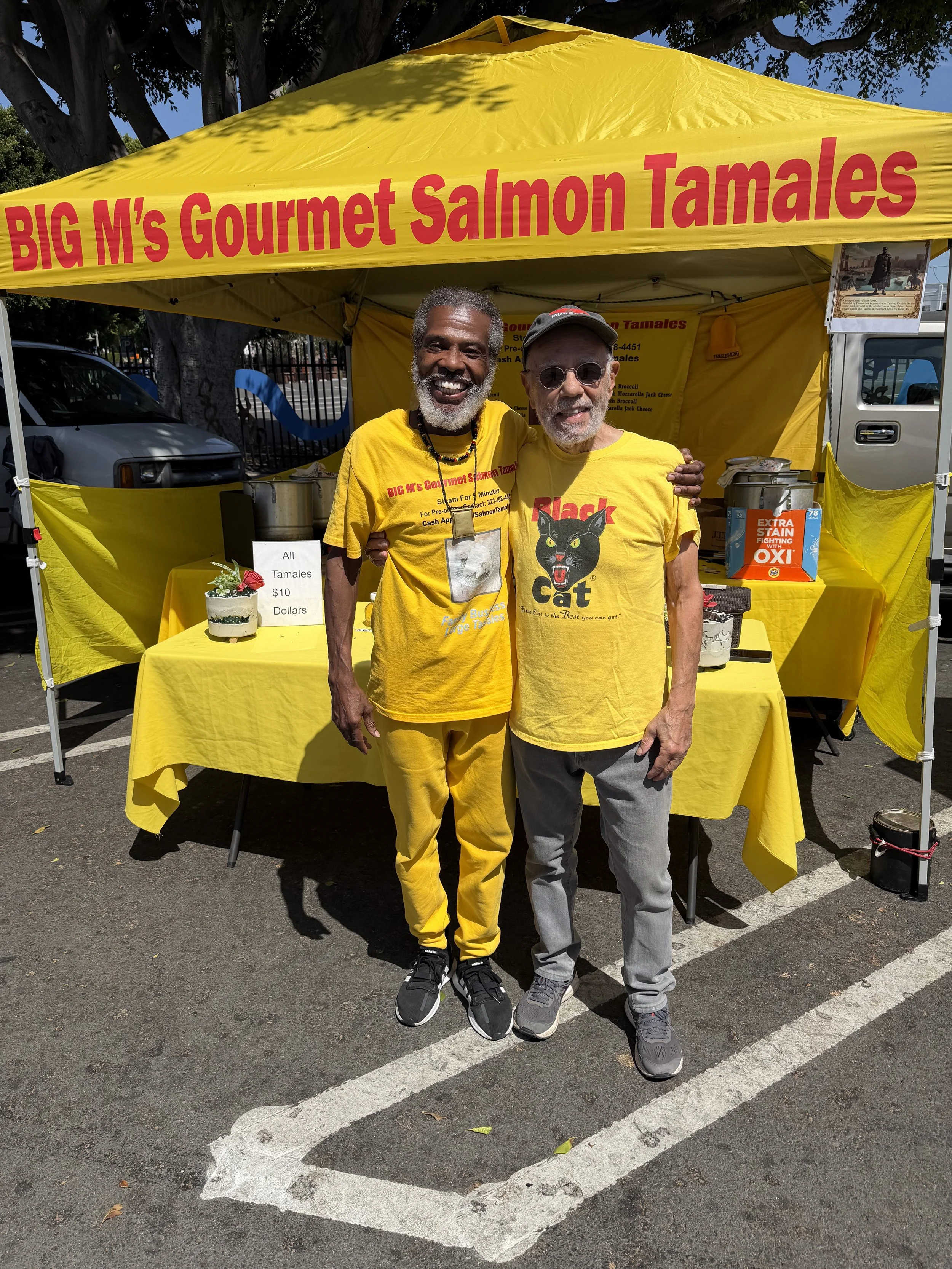
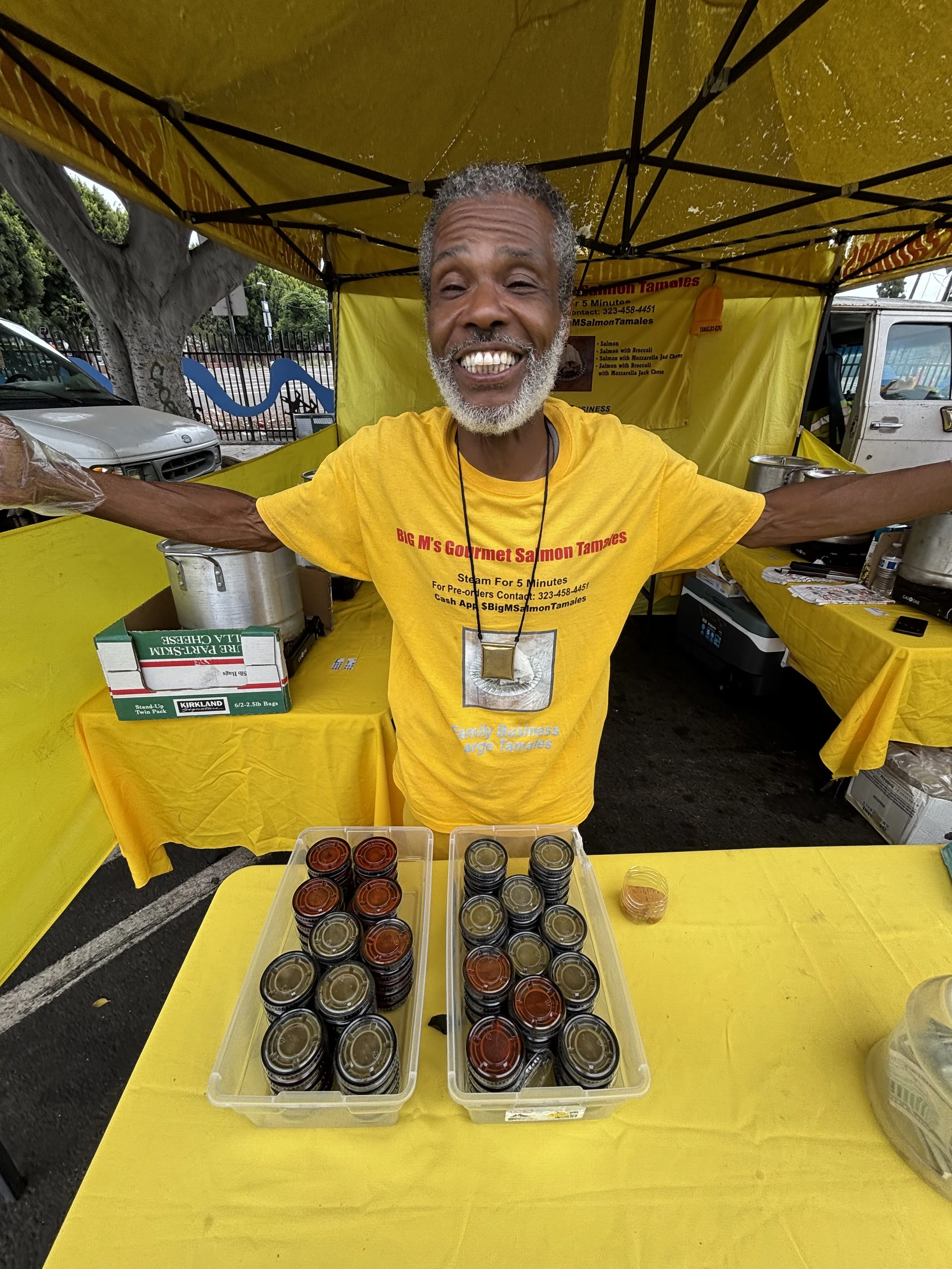
When I first started photographing there, people were suspicious of me. Why do you want a picture of me? What are you going to do with it? Because I had some experience on the street talking to people, I had learned that humor breaks the ice. So when someone asked what I was going to do with their photograph, I would say I was going to take it to the cop shop, meaning the police station. They would look at me, realize it was a joke, and say, you don't need to do that, they already have my picture there. That would start a conversation. I would take a picture with my Canon, my Sony, or my iPhone, show it to them on the phone, and ask if they would be there again the following week. When I said I would bring them a print, most people didn't believe me. I think a lot of photographers say that and never follow through. But when I showed up the next week with a stack of prints and started handing out color prints, it became personal and interactive. The first thing people usually asked was how much they owed me. I would tell them they couldn't pay me, that I didn't do this for money and didn't need it, but that I wasn't trying to disrespect them either. I would say, I appreciate you asking, but let's trade. What do you have? And they would offer me a t-shirt, a bar of soap, or a tamale. That way they felt they were giving me something in return, and it became an exchange that formed a bond, a friendship. After that, every time I saw them I would say hello, and they would tell me they had hung the picture on their wall, or given it to a girlfriend, or ask if I could take another one. It became a continuous interaction. About three months in, people started recognizing me as I arrived and calling out, Picture Man, come take my picture. Picture Man, how are you? It has been a wonderful experience, and it still is.
So was it at that point that the market stopped feeling like somewhere you photographed and started feeling like somewhere you belonged?
Absolutely. Many of those people have become close friends of mine. They ask about my health, what they can do for me. I think that community has a real respect for age. If I'm photographing in Beverly Hills, nobody asks how old I am or comments that I'm getting around just fine. But in this community, people ask my age, and when I tell them I'm eighty-six, they don't believe me until I show them my driver's license. After that, they're genuinely impressed that I'm eighty-six and still out there taking pictures. It's a different kind of respect between me and that community.
This project is built around returning every week with printed portraits. When did you decide that giving the photographs away was just as important as making them? Was it right from the start?
Right from the start. It was simply a way to connect.
Did giving photographs change the pictures you made the following week?
Often, after I gave someone a photograph, I would take another one if something interesting caught my eye, or because people change their hairstyles, their clothing, or what they're selling. I might not photograph the same person the following week, but a month later I would notice they had a different haircut and ask to take their picture again. The book Africatown has just under a hundred photographs, but that's probably less than ten percent of everything I shot. There are plenty of pictures that didn't make the book that were worthy of being in it; they just didn't fit the flow. When I run into people whose pictures aren't in the book, they're disappointed, and I feel bad about it too.
At a book signing at the bookstore in Leimert Park, the same place where the market happens, I was talking about feeling bad that some of my friends weren't in the book, and what I could do to continue this. Out of that conversation came the idea to keep taking pictures under the name Africatown Speaks. It wouldn't be about me. I would bring a videographer along and ask vendors how long they had been coming to the market or selling there, and it would turn into a series of interviews about the people, their stories. It might become a short documentary, but the credit would go to the people interviewed and to the videographer. I would just be acting as a kind of man on the street, asking questions. It wouldn't be a book, but since it would go up on YouTube and other places, more people would probably see it than would ever see the book. It's a completely different kind of venue. I like holding a book in my hands; there's something precious about that. But I think video matters in a different way too. It's just another medium.
You describe these portraits as collaborative rather than observational. Was there a particular encounter that completely changed the way you photographed people there?
It's more that because these people had become my friends, they felt relaxed in front of the camera, and that's very different from stopping a stranger on the street for a single picture with no history between us. The interaction at the Sunday market is different from shooting on the street where I don't know anyone. It's a slower process.
After two years of photographing the market, were there kinds of photographs that were only possible because people knew you so well?
Yes, absolutely. On any given Sunday there could be half a dozen other people photographing at the market, and they had a very different approach than I did.
When you began editing the book, were you looking for your strongest individual photographs, or were you trying to tell the story of relationships?
Both, really. I was looking for strong individual photographs. Some of the people are wonderfully unusual, dressed strangely or seemingly in their own world, and others just look like everyday people. But I was also trying to tell the story of the market. If I photograph someone in front of their taco stand or a Nigerian jerk chicken stand, it matters that what they're selling is in the picture along with them. Most of the time they're centered, or slightly off center, but often you can also see something else happening around them, so you get a sense of both the market and the person. I was telling a story about a place where everyone was happy. Until recently, nobody there was upset.
There was an incident, where a small group of people I hadn't even photographed came up to me and said I had taken pictures without consent. That wasn't true. Everyone in my photographs had consented; they were looking at the camera, and none of the pictures were embarrassing to anyone. It turned out this group believed I was going to make money from the book and wanted a share of it. I had to explain that there was no profit, no money to speak of. The only people making money were the bookstore. It got out of hand, a couple of people were shouting at me, and eventually I just walked away. It was unnerving, because for me this book is a celebration, of the market, the community, and the people in it. It isn't meant to carry any bad feeling. I'm curious whether that same group will confront me again and threaten to sue. If they do, my response will be to tell them to get an attorney and sue me. You can't please everyone all the time. There's always somebody who wants a fight. I think my fighting days are over. I can't really protect myself anymore.
Looking back, what surprised you most about yourself during the making of this project?
I'm surprised that I keep working. I can see myself slowing down, but I don't really think of myself that way, because my mind still feels sharp, knock on wood. I still look at things and ask myself what I can do with them, how I can experiment. I'm still very much involved in pushing photography forward, not just with the pictures from Africatown, but also with sequence photography, studio work, still lifes, and combining photography with other things. It's all part of the same creative process. I don't think of these as separate categories so much as different sizes of brush a painter might use, working on several canvases at once, each with its own idea. The camera is simply my tool of choice now.
If another photographer wanted to begin a long-term community project tomorrow, what is the first mistake you would encourage them not to make?
That's a very good question. I would say the biggest mistake is not thinking about the end of the project before you start. I had no idea I was going to make a book. I thought it would be nice to take the pictures and maybe put on a small show at a gallery in the neighborhood, with the community coming to see the photographs. It wasn't until I had been going for about two years that someone told me I had enough pictures to make a book, and that's when it clicked for me. A book is a big project. It takes as much work as taking the photographs themselves. You have to prepare all the files, choose the paper, choose the size, find a printer, make sure you don't make mistakes, and then you end up with five hundred copies and have to figure out what to do with them all. It becomes an extension of taking the pictures, but a much bigger undertaking, even though the pictures remain the subject at the heart of it. Still, being able to hold a book in your hands is far more intimate than anything else. That's really the history of photography books: people experience photographs by opening the book and turning the pages. It's a different kind of experience.
Years from now, when people remember Africatown, what do you hope they remember? Not about the photographs, but about the people inside them.
I think it's a wonderful record of that part of town. Leimert Park has traditionally been an African American community, and this book captures two and a half years of that history. It will show what was happening in 2026, which, by the way, has been a chaotic year around the world. Despite the war, the famine, the climate problems, the floods, the earthquakes, the inflation, there are still pockets of places that stand apart from all that turmoil. I hope this book serves as a kind of beacon of hope, a reminder that things aren't all bad.
More photography books?
We'd love to read your comments below, sharing your thoughts and insights on the artist's work. Looking forward to welcoming you back for our next [book spotlight]. See you then!
Robin de Puy could no longer make this project alone. She first photographed Randy in Ely, Nevada, during a 2015 road trip and kept returning to him for more than ten years. Interviews