Tsubasa Kawaguchi Found a Broken Camera. Its Magenta Photographs Became His First Photobook
Welcome to this edition of [book spotlight]. Today, we uncover the layers of 'Breathless,' by Tsubasa Kawaguchi (published by Fugensha, sold by by shashasha). We'd love to read your comments below about these insights and ideas behind the artist's work.
Tsubasa Kawaguchi found beauty in a camera’s failure.
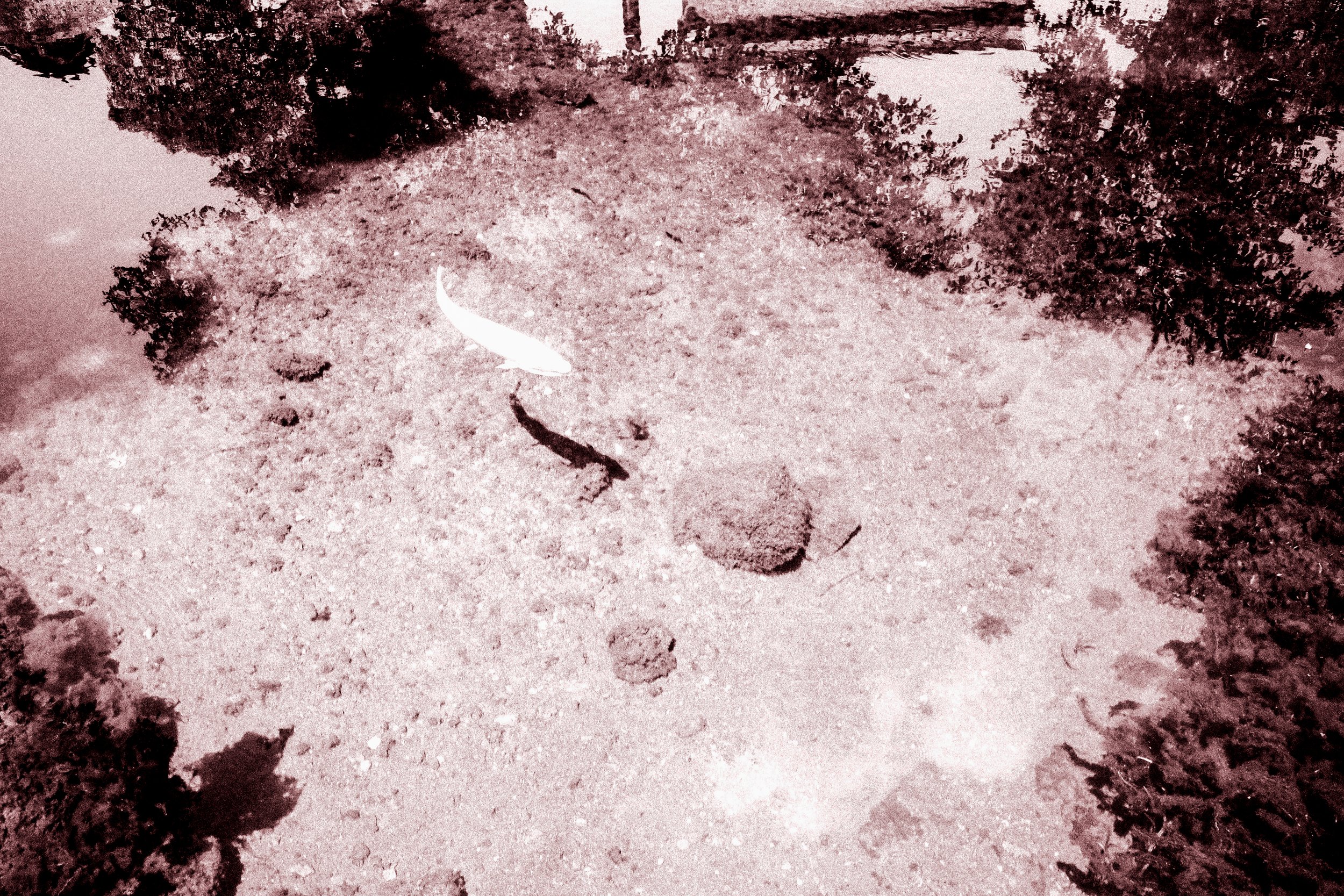
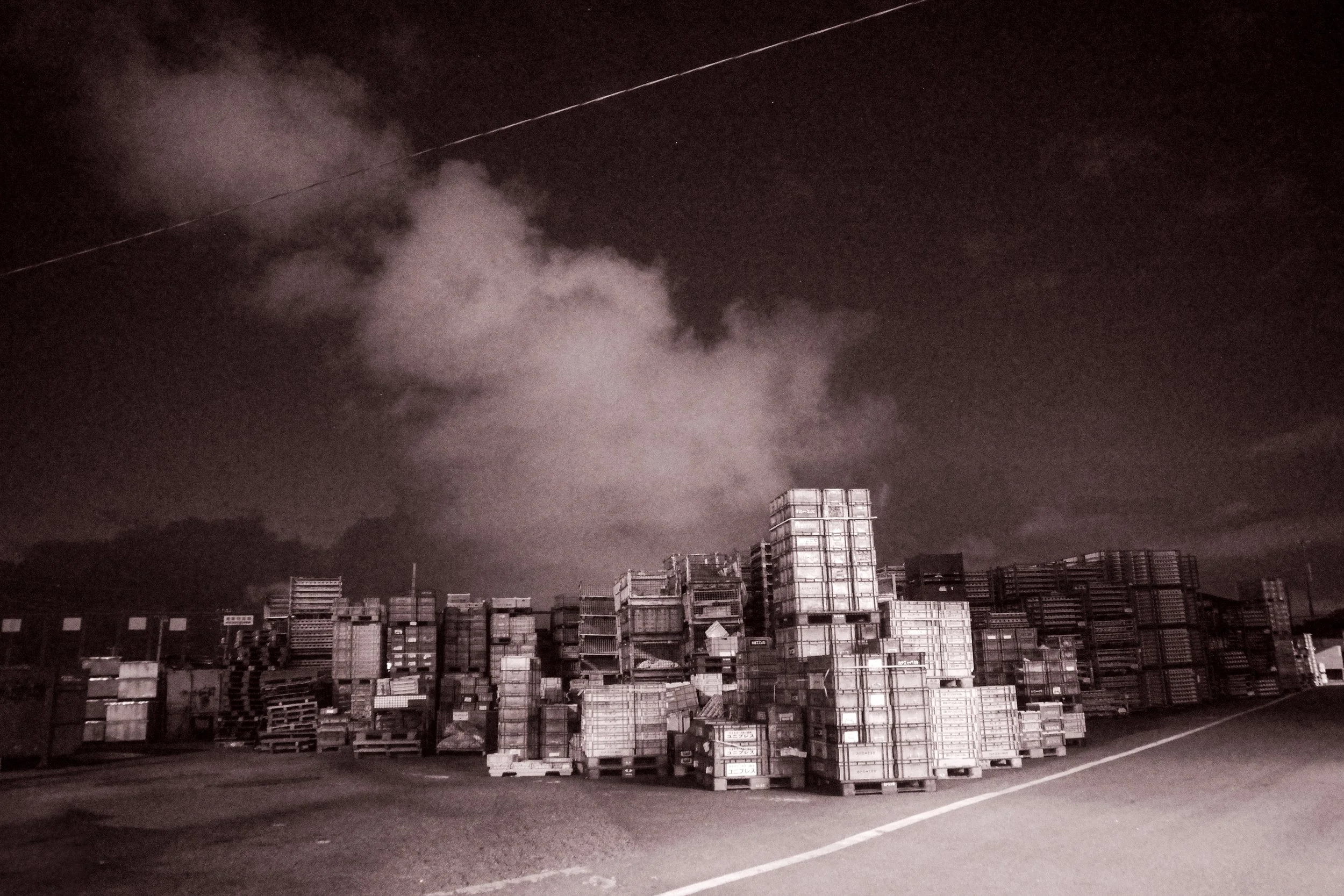
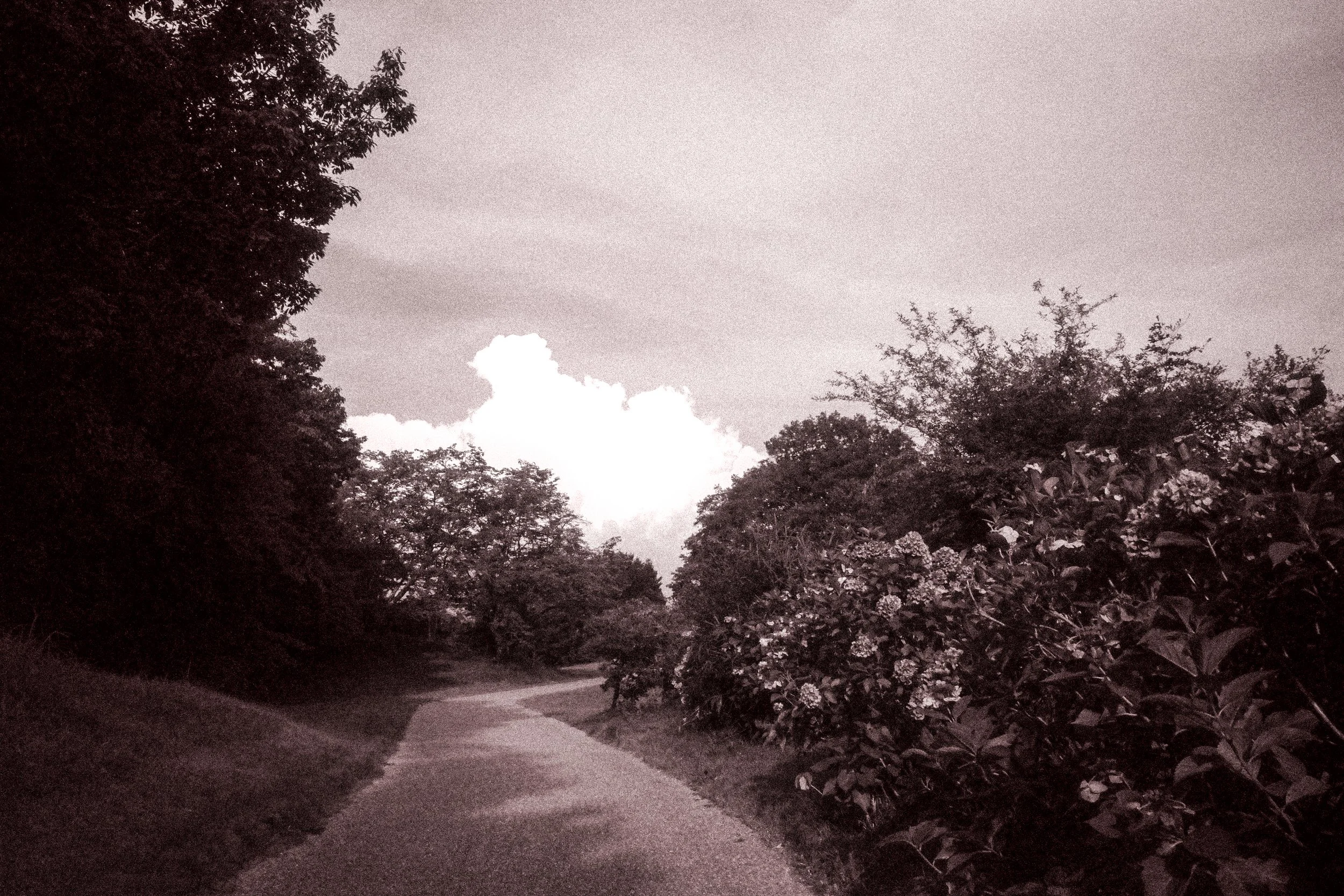
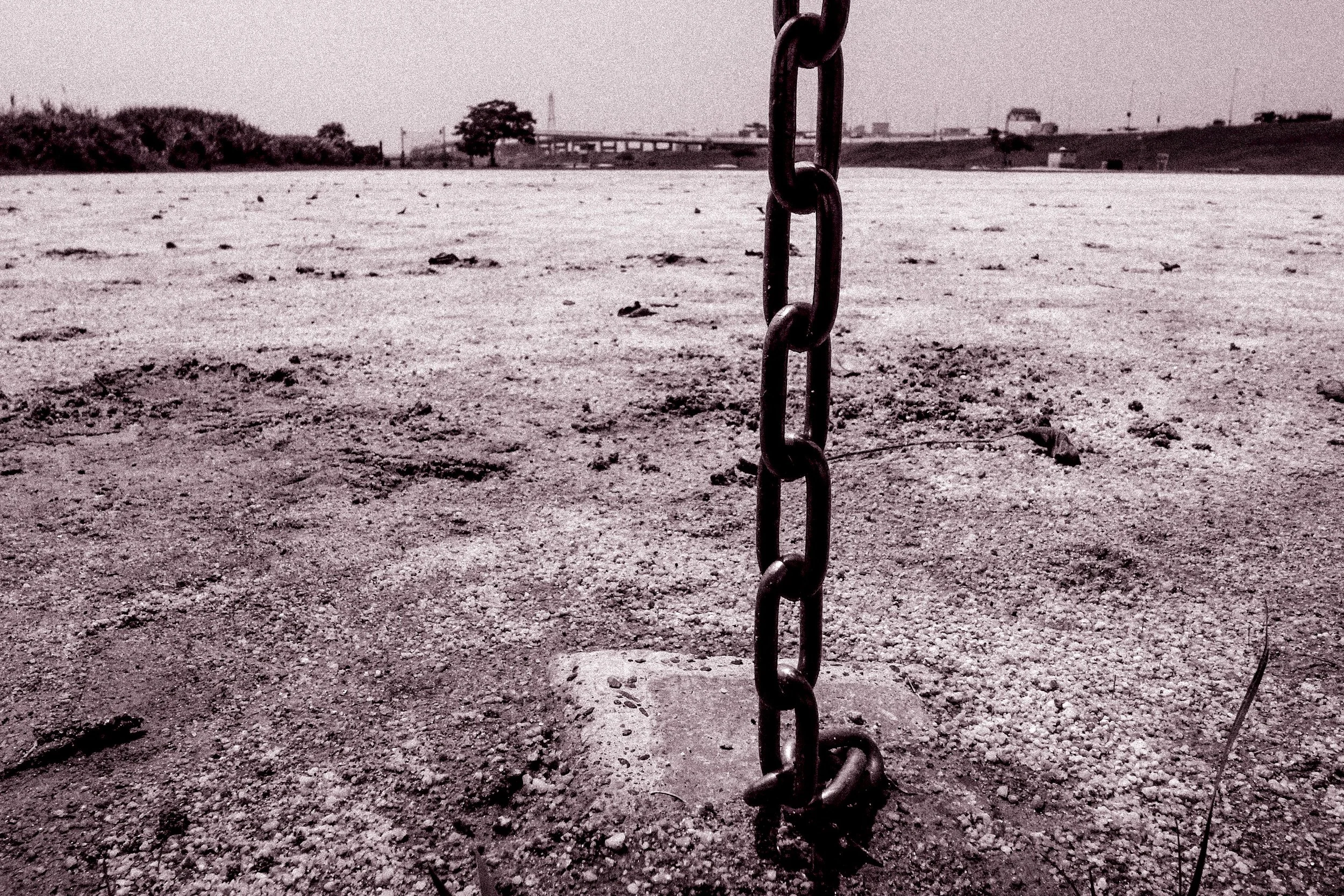
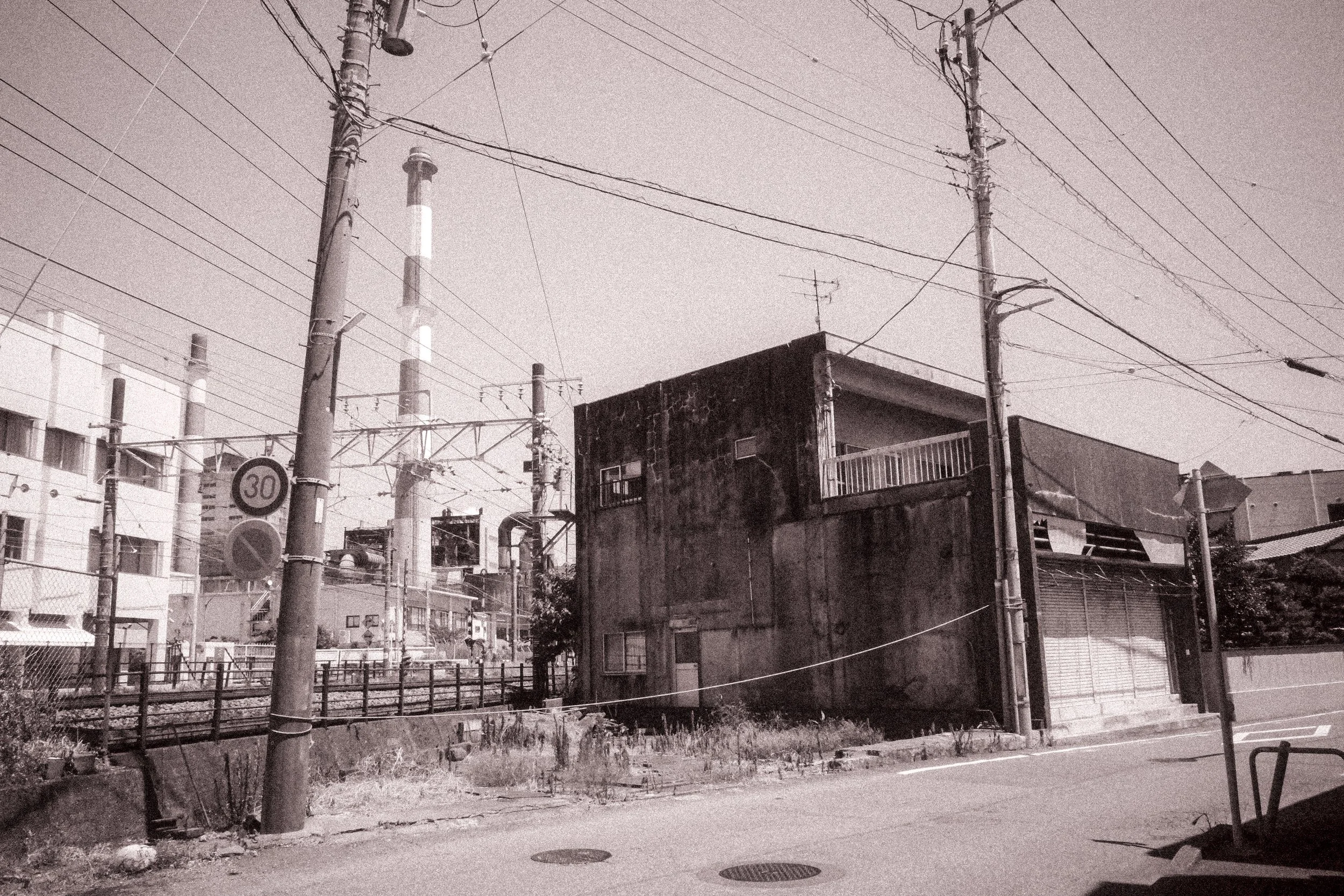
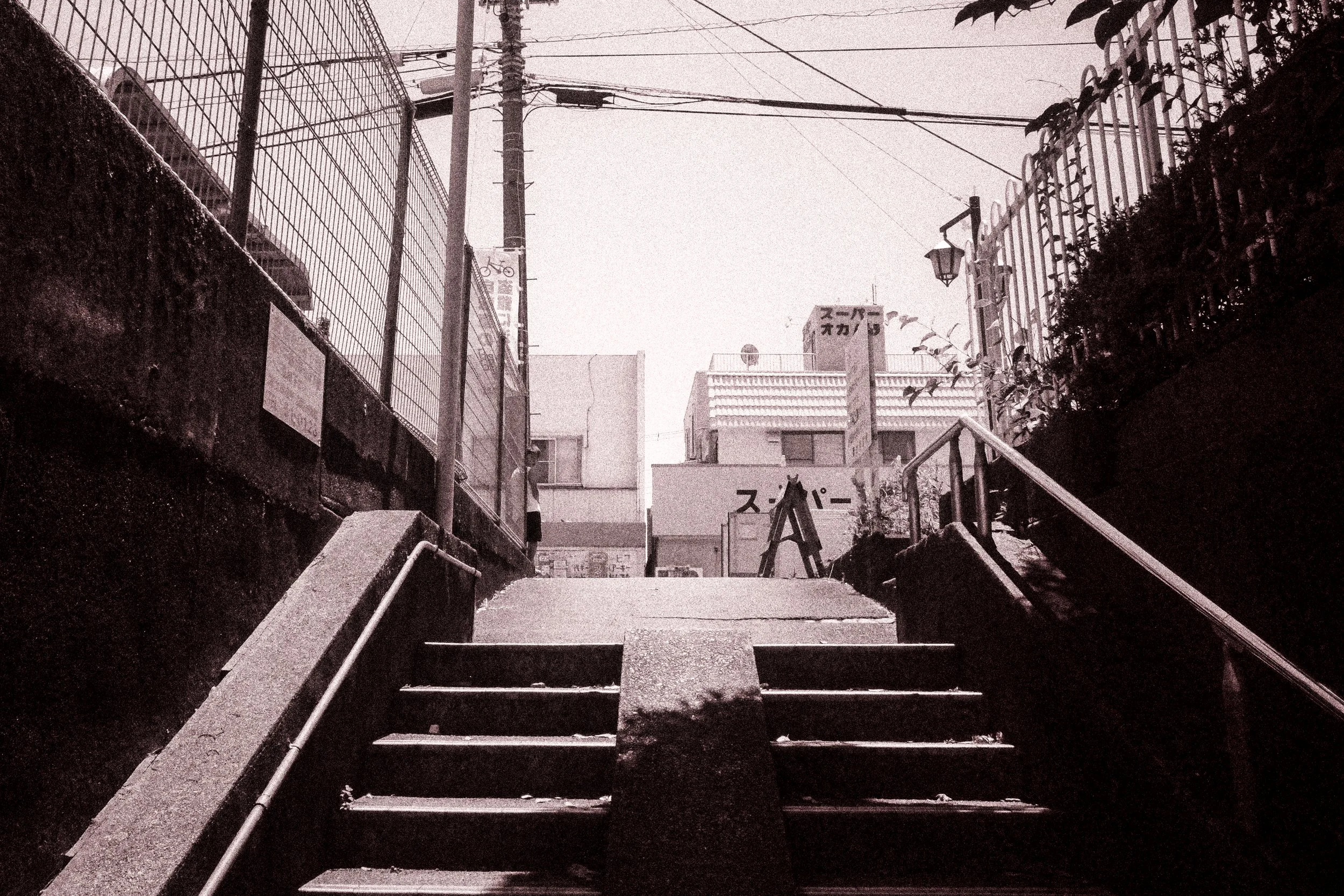
The old camera could not focus properly, its shutter often failed, and its colors shifted toward magenta. Kawaguchi recognized something of himself in these defects and began photographing the uneasy mix of heat, loneliness, and memory that he connected with Japanese summer. Those images became the starting point of his first photobook, Breathless.
The book moves between two summers and two directions of time.
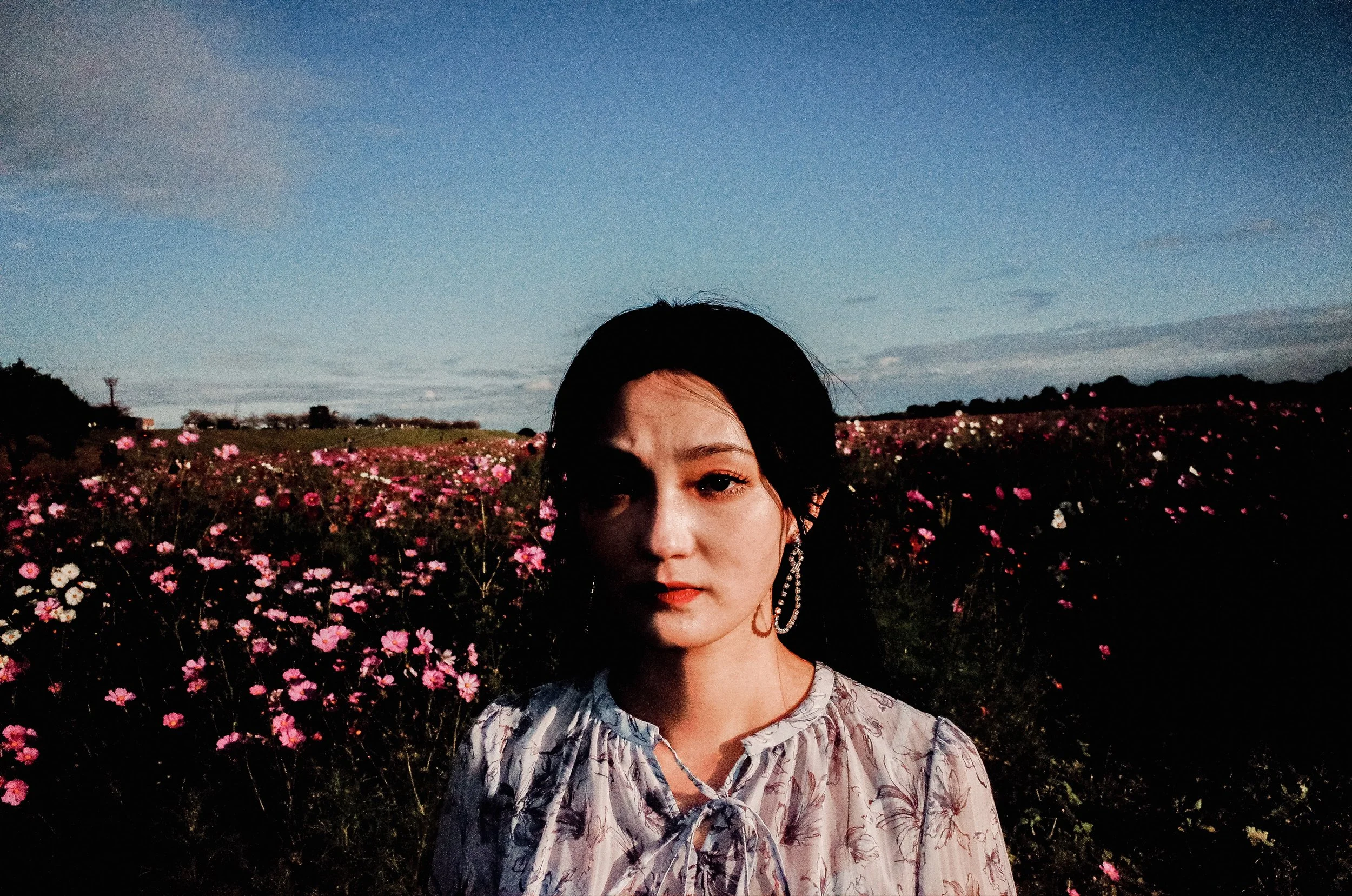
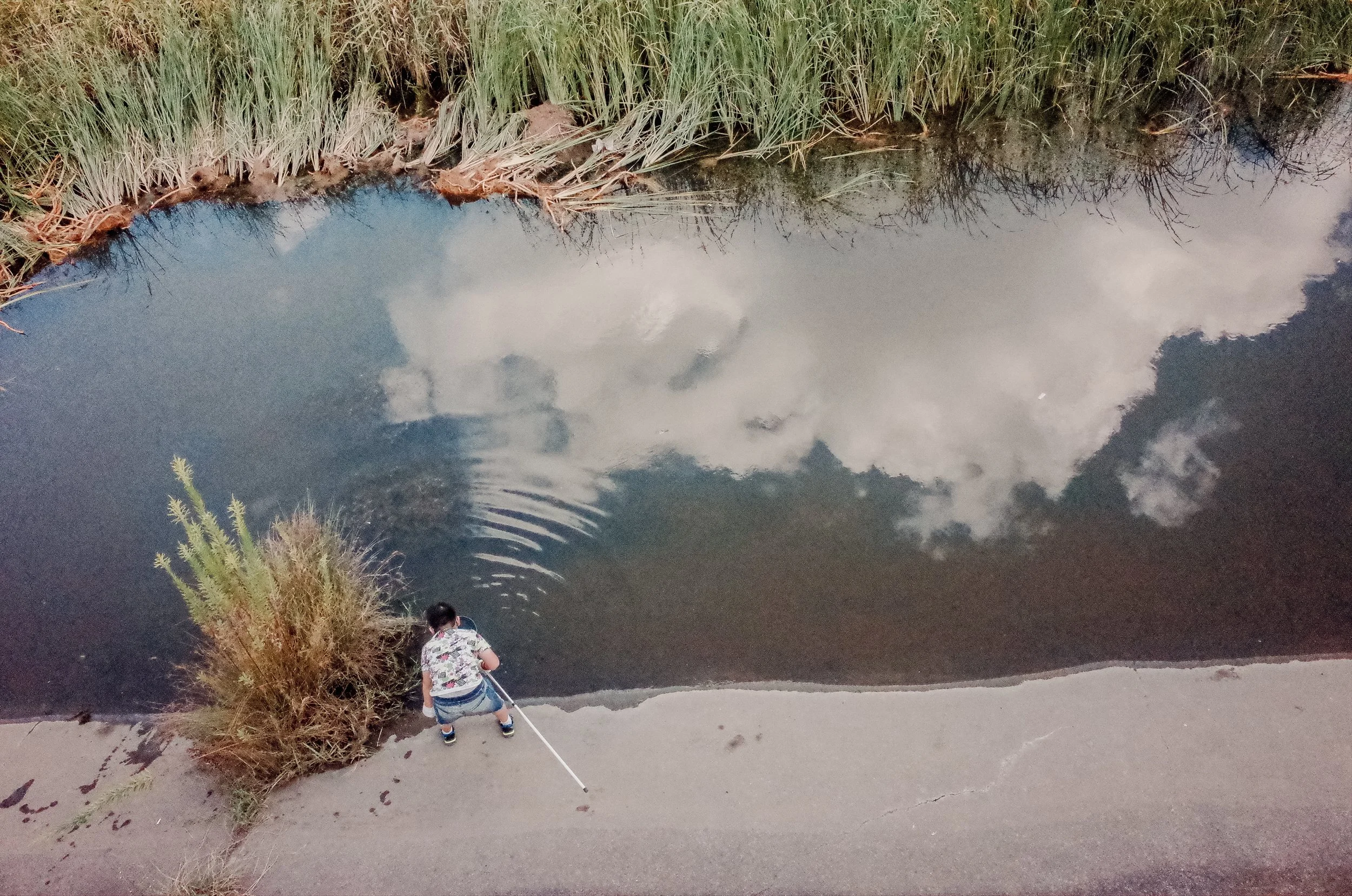
The magenta photographs look back toward childhood and a half-remembered past, while the later color images record the present for the future. Together, they show how photography can hold several timelines at once and turn private memories into something that feels strangely familiar to other people.
He explains how he selected ordinary summer symbols, separated the two visual threads, and worked with designer Satoshi Machiguchi to give the book its physical rhythm. For photographers, it offers a practical look at how accidents, editing, sequencing, and collaboration can shape a project without forcing the images to explain themselves.
The Book
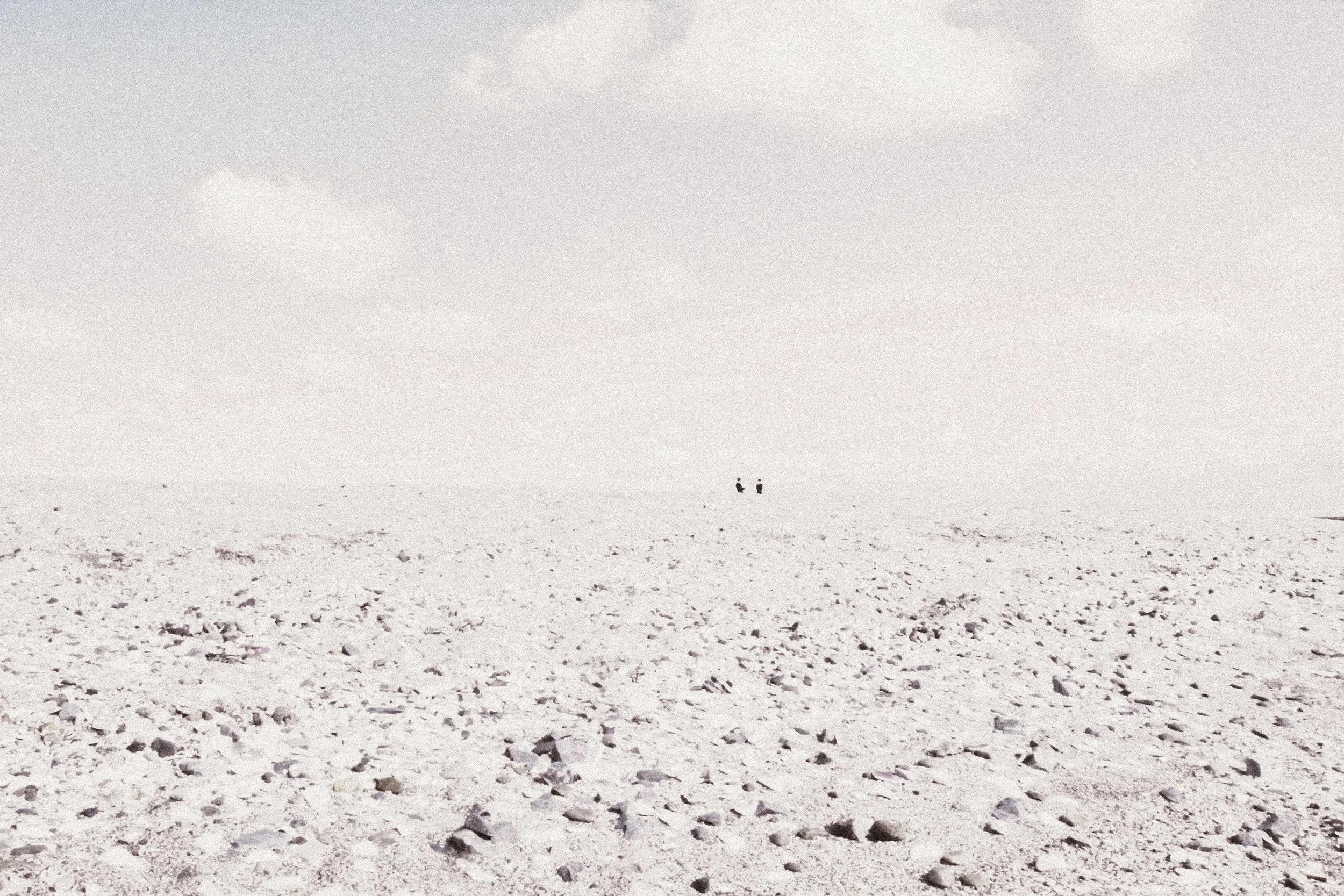
Breathless is the first photobook by Japanese photographer Tsubasa Kawaguchi, published by Fugensha. Created over two summers, the book combines magenta-toned images made with a half-broken camera and later photographs taken with a new one.
The first summer looks toward childhood, memory, and a past that can no longer be clearly separated from imagination. The second records the present for the future. By bringing these two periods together, Kawaguchi explores how photography can connect different moments in time and turn personal memories into something more universal.
Designed by Satoshi Machiguchi, the book uses its physical structure to extend the meaning of the photographs. An air gap in the binding gives the object a subtle pulse, reflecting the heat, restlessness, anxiety, and emotion suggested by its Japanese title, Shinzo, meaning heart. (Fugensha, shashasha, Amazon)
Genesis: You said a broken camera changed everything for you. What happened when you first saw the photos it made?
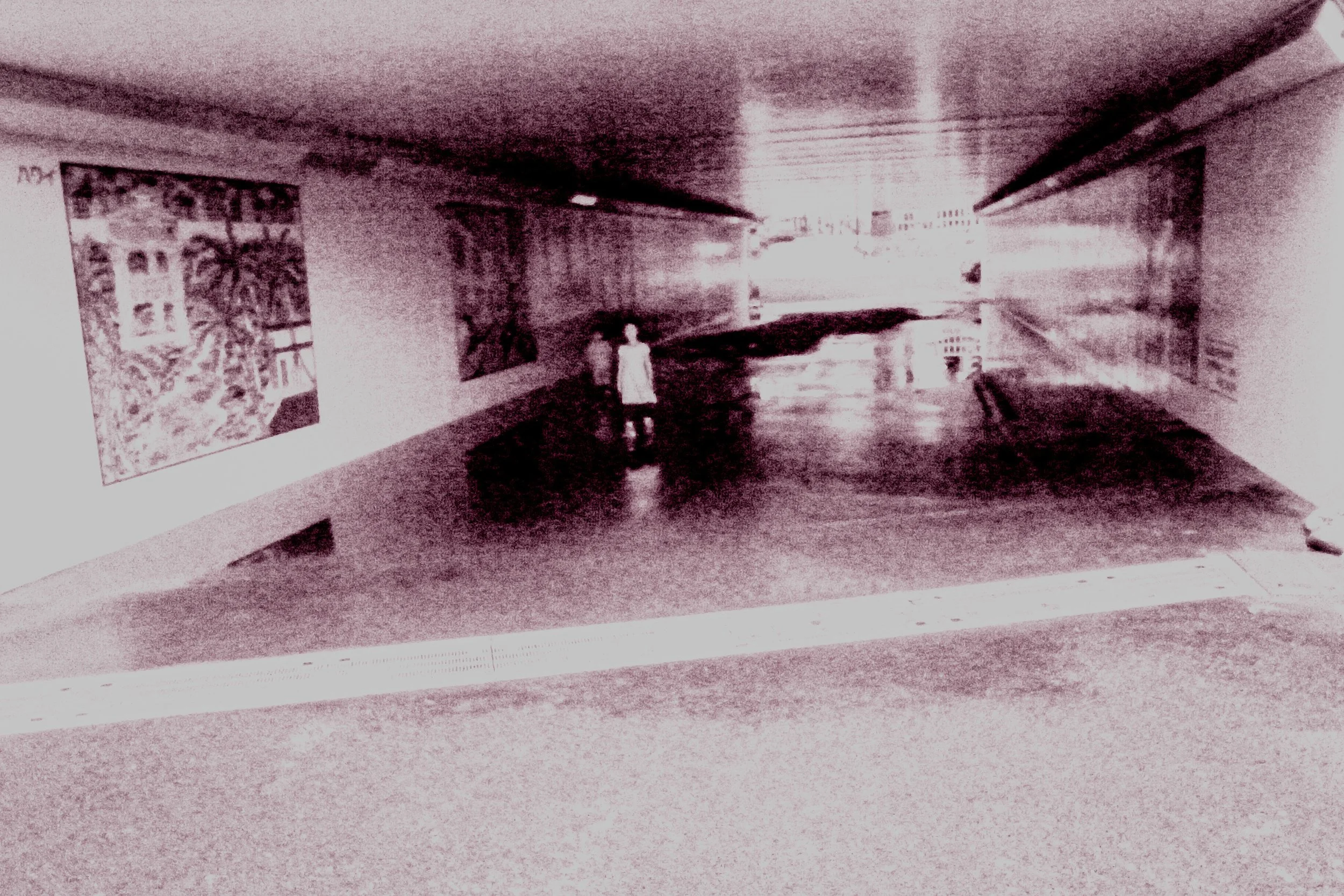
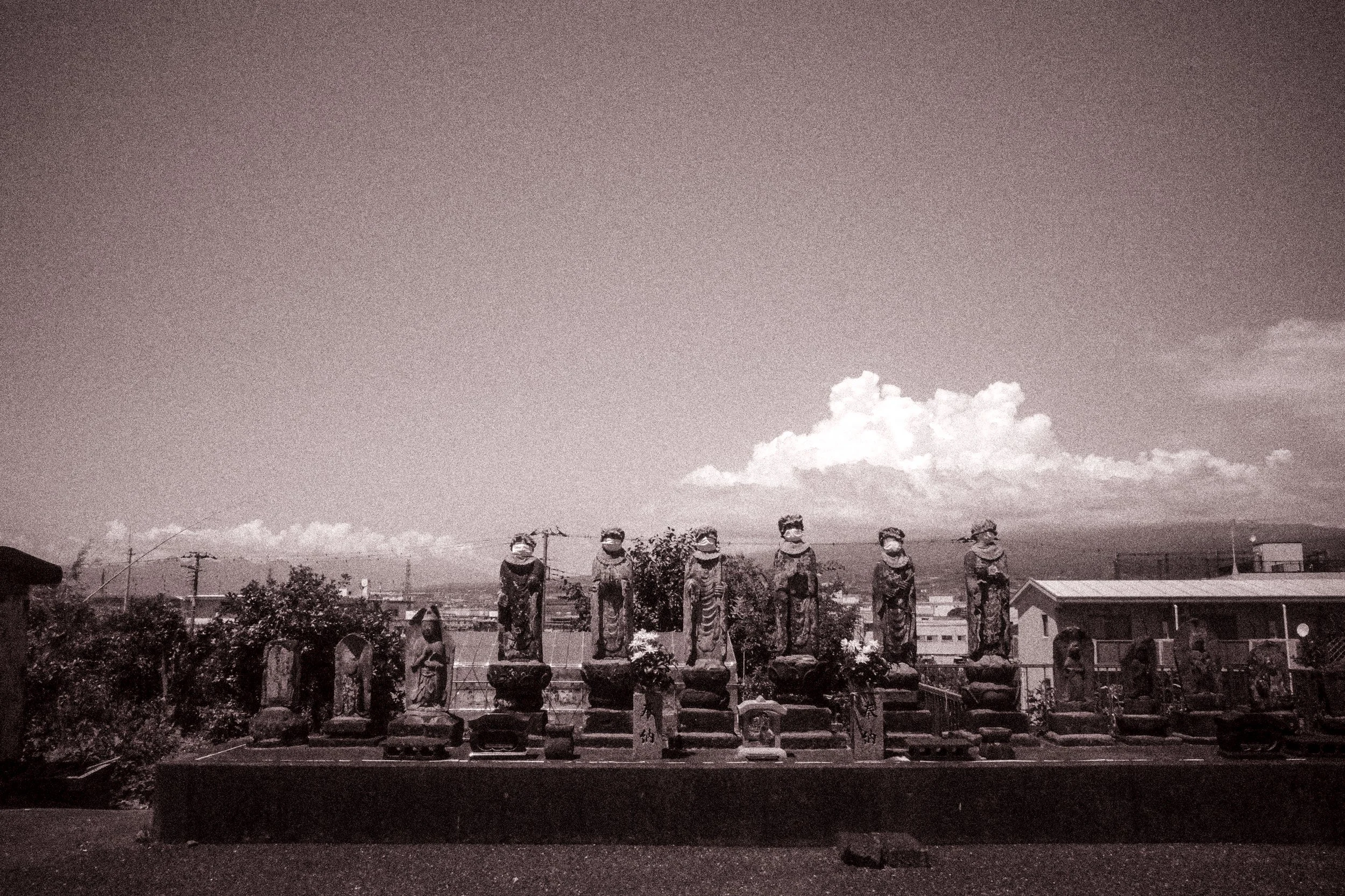
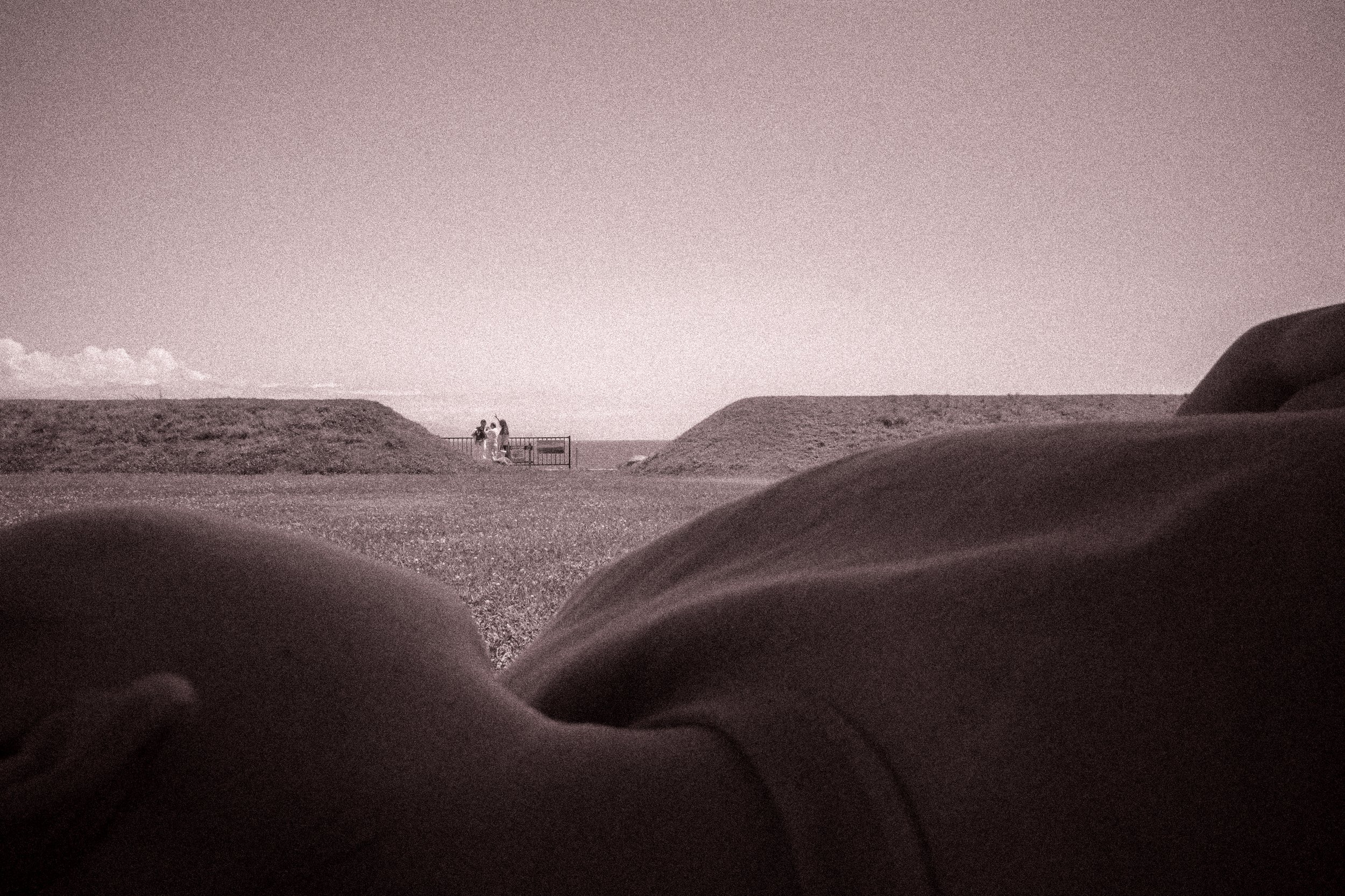
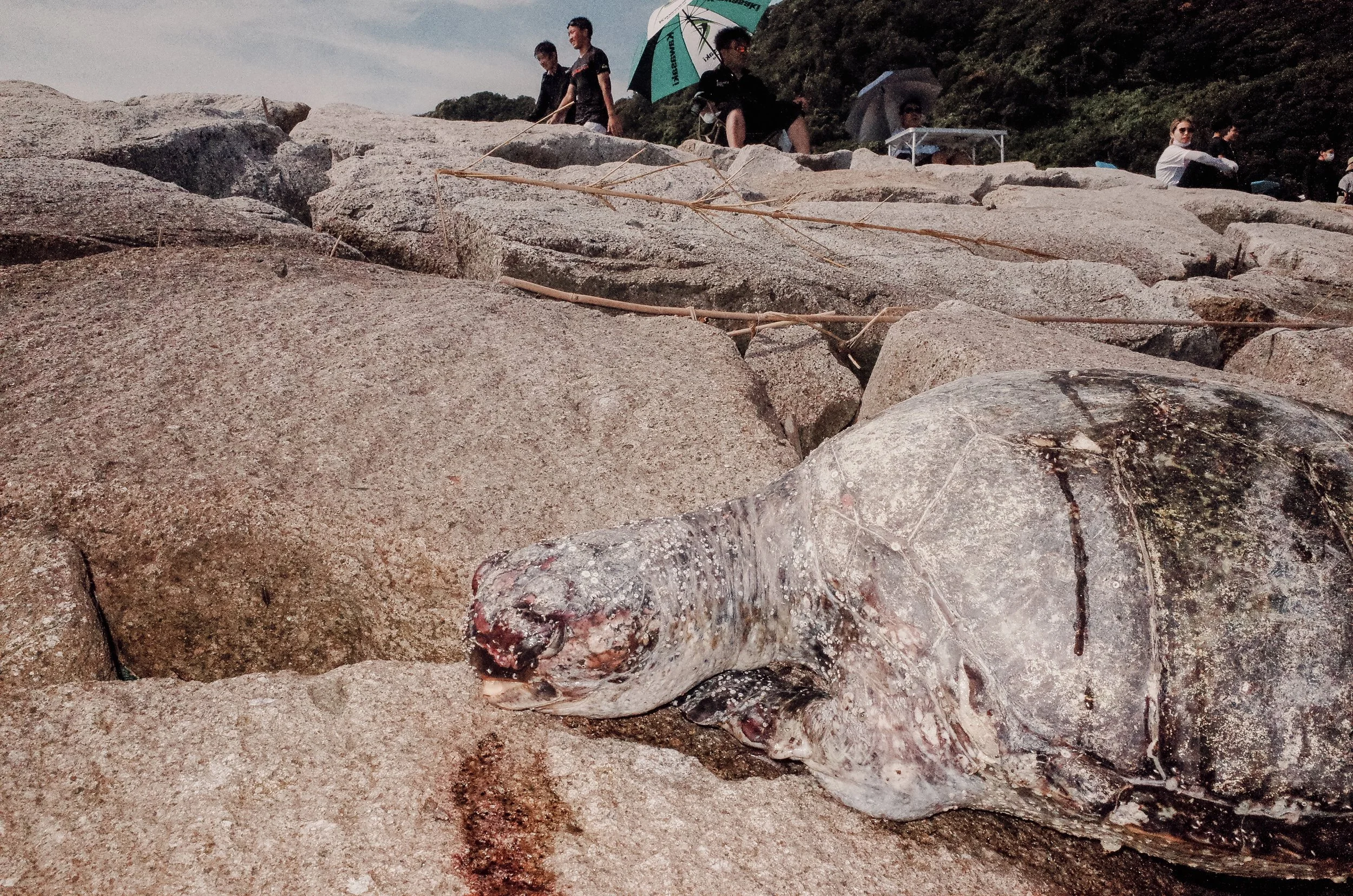
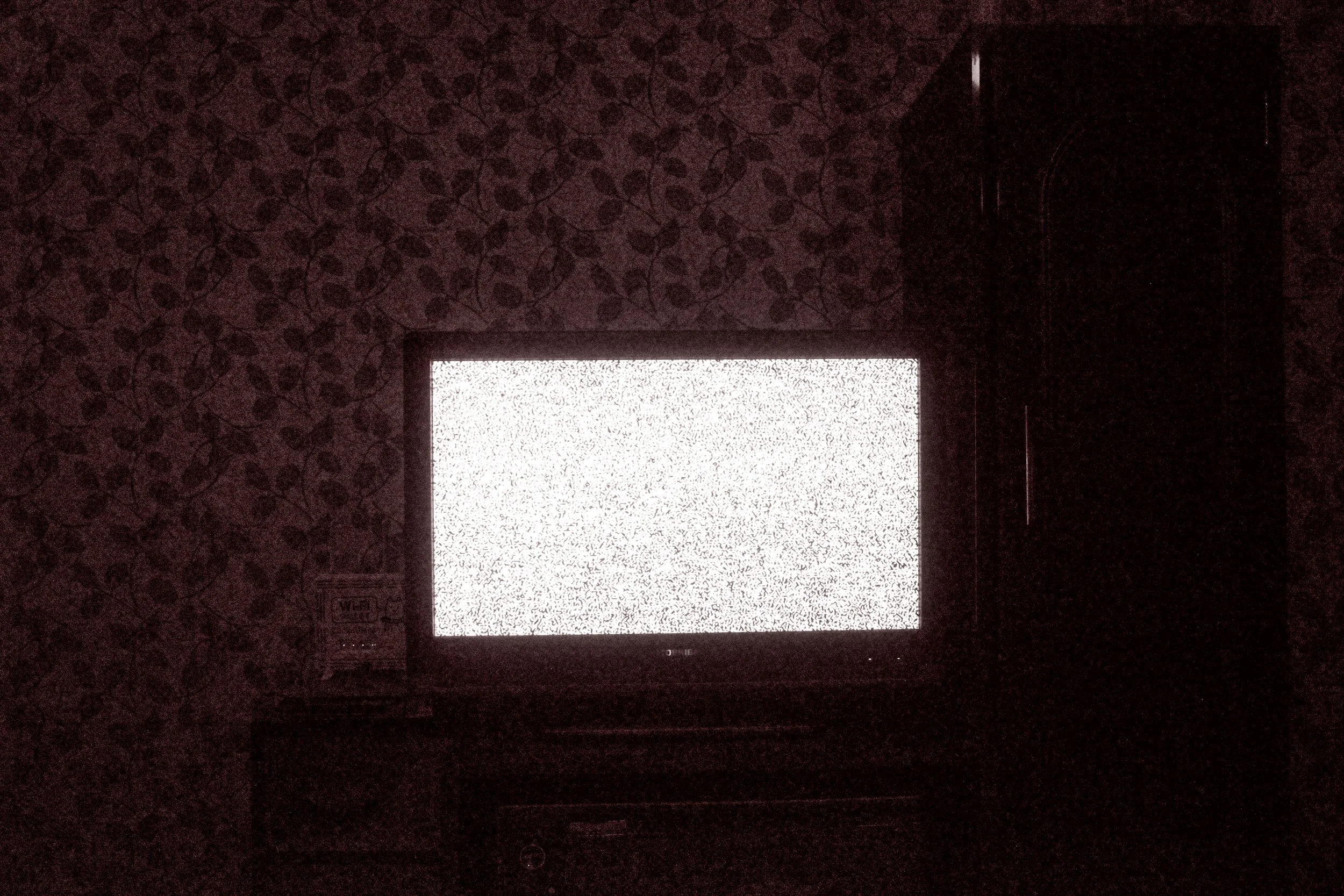
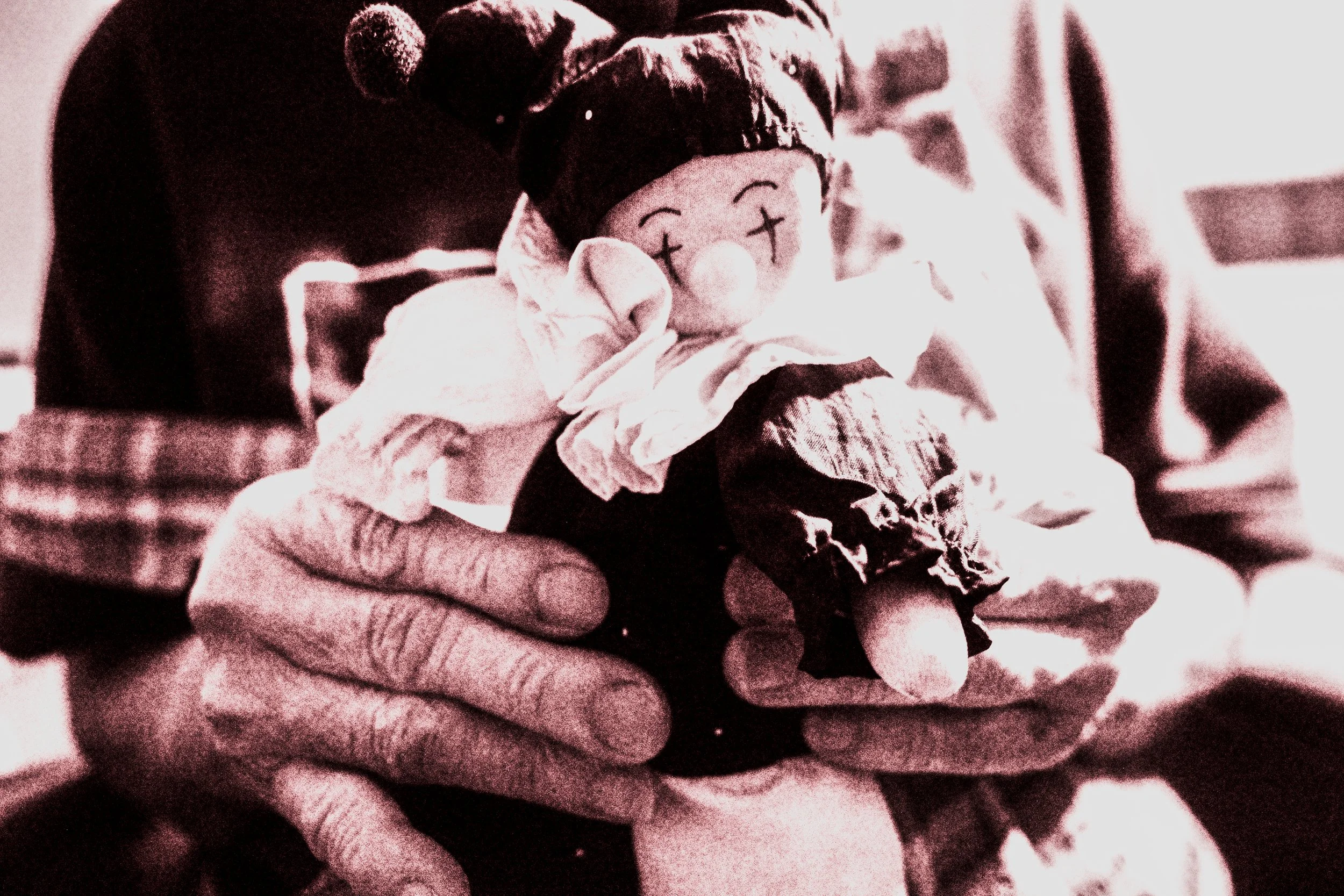
That camera felt like myself at the time. The shutter would sometimes fail to open, it couldn't focus properly, and it never captured the world's true colors: the result wasn't quite sepia, but skewed toward magenta, almost like a piece of junk. That camera was me. I had no money, wasn't really working, and never seriously thought about the future or my life. I was a twisted young man who did nothing but wander around taking photos with his girlfriend. And then, out of nowhere, I'd catch myself lost in thought, drifting back to memories from long ago. In other words, I wanted to escape a present and a reality in which I could see nothing. An indefinable loneliness kept turning my thoughts toward the past.
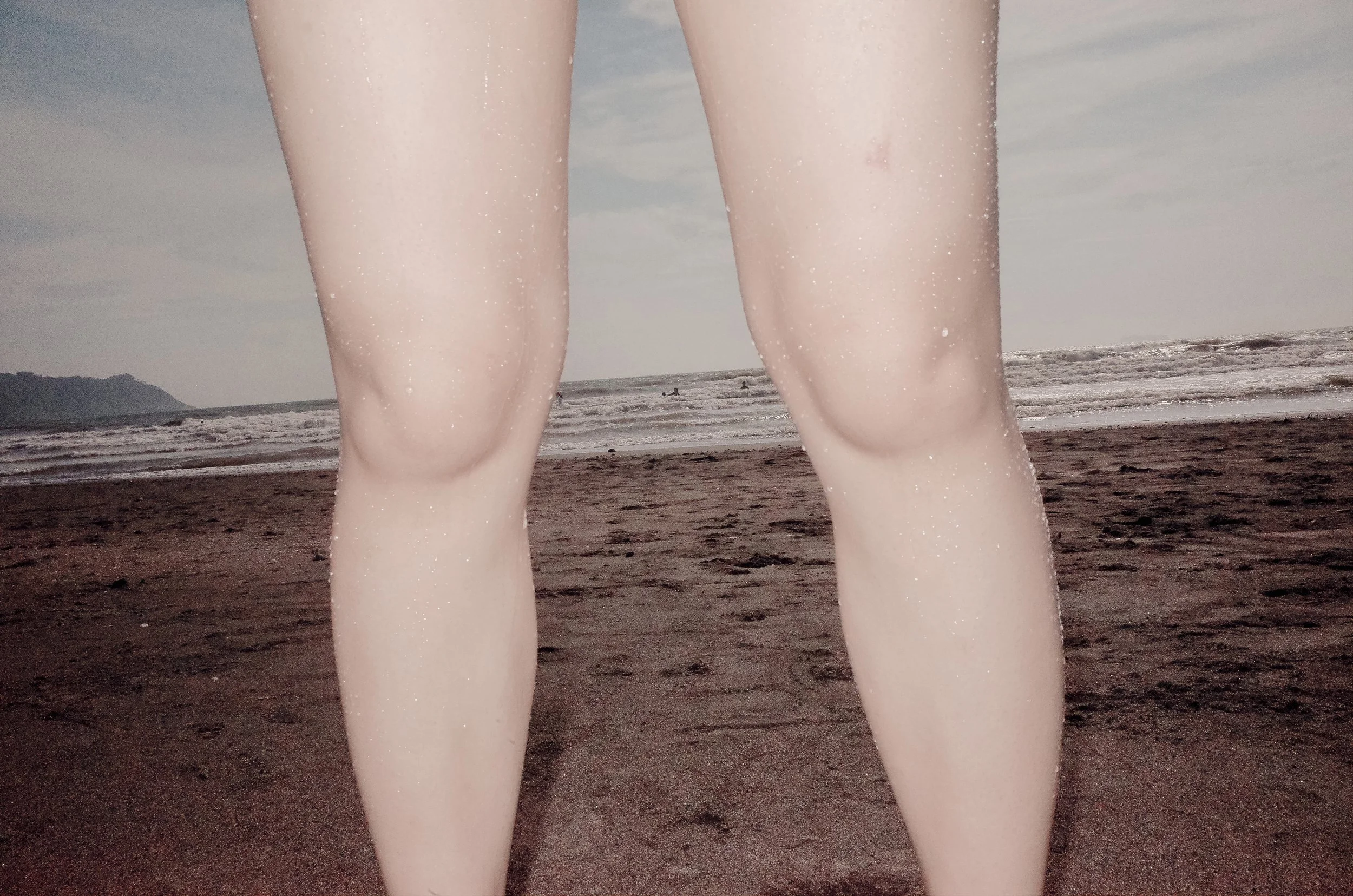
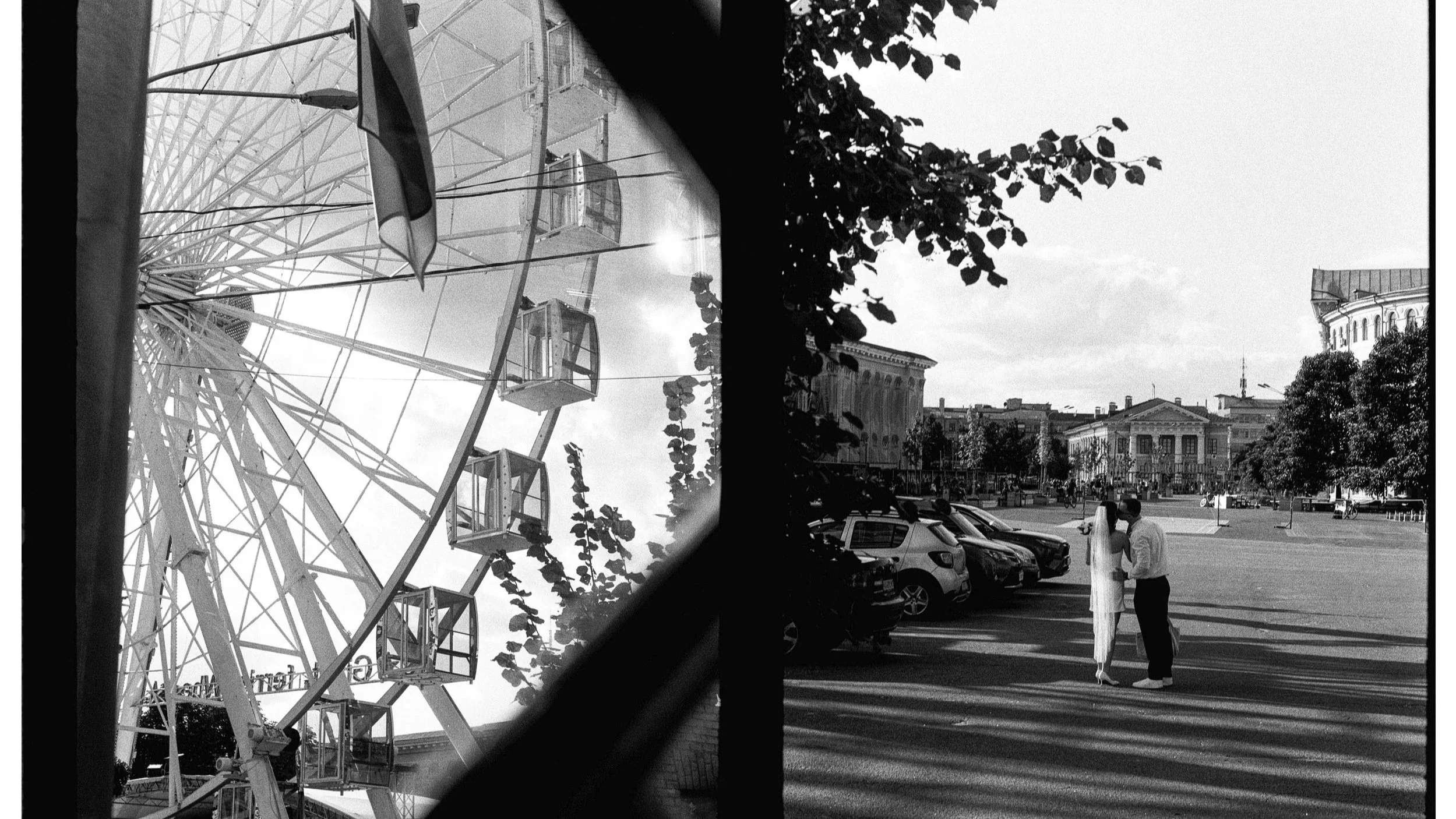
And the season was just about to turn to summer. In Japan, summer and memory are deeply intertwined. I think many of our memories as Japanese people belong to that season. The countless extraordinary experiences of childhood summer vacations settle into a kind of shared, unconscious common ground. Even scenery I never actually experienced feels strangely familiar, as if remembered. The magenta-toned photographs from that half-broken camera seemed to whisper, insistently, urging me to return to the past with them.
Color: The camera adds a light magenta tone to your images. How did this small accident shape the whole color feel of Breathless?
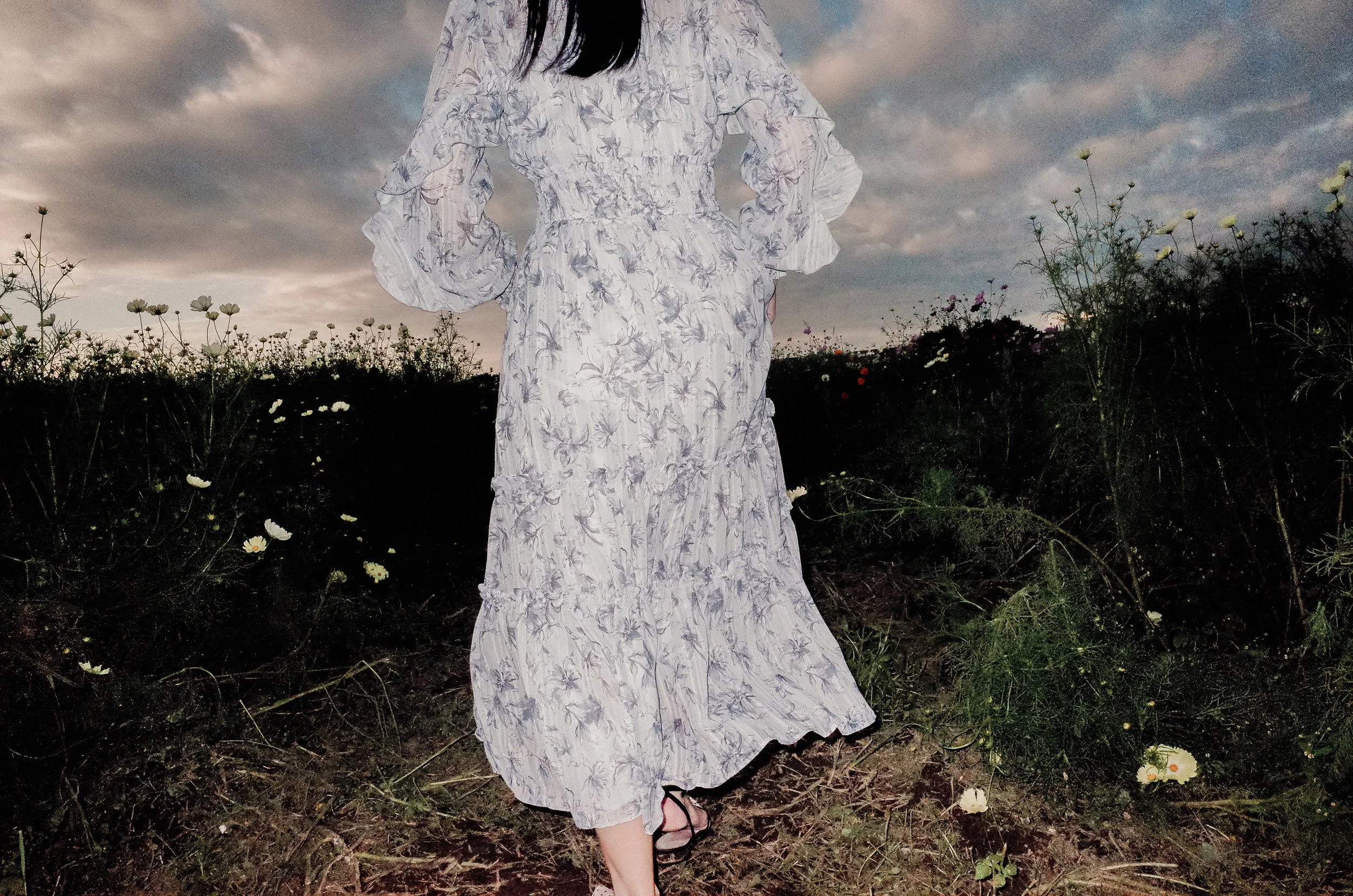
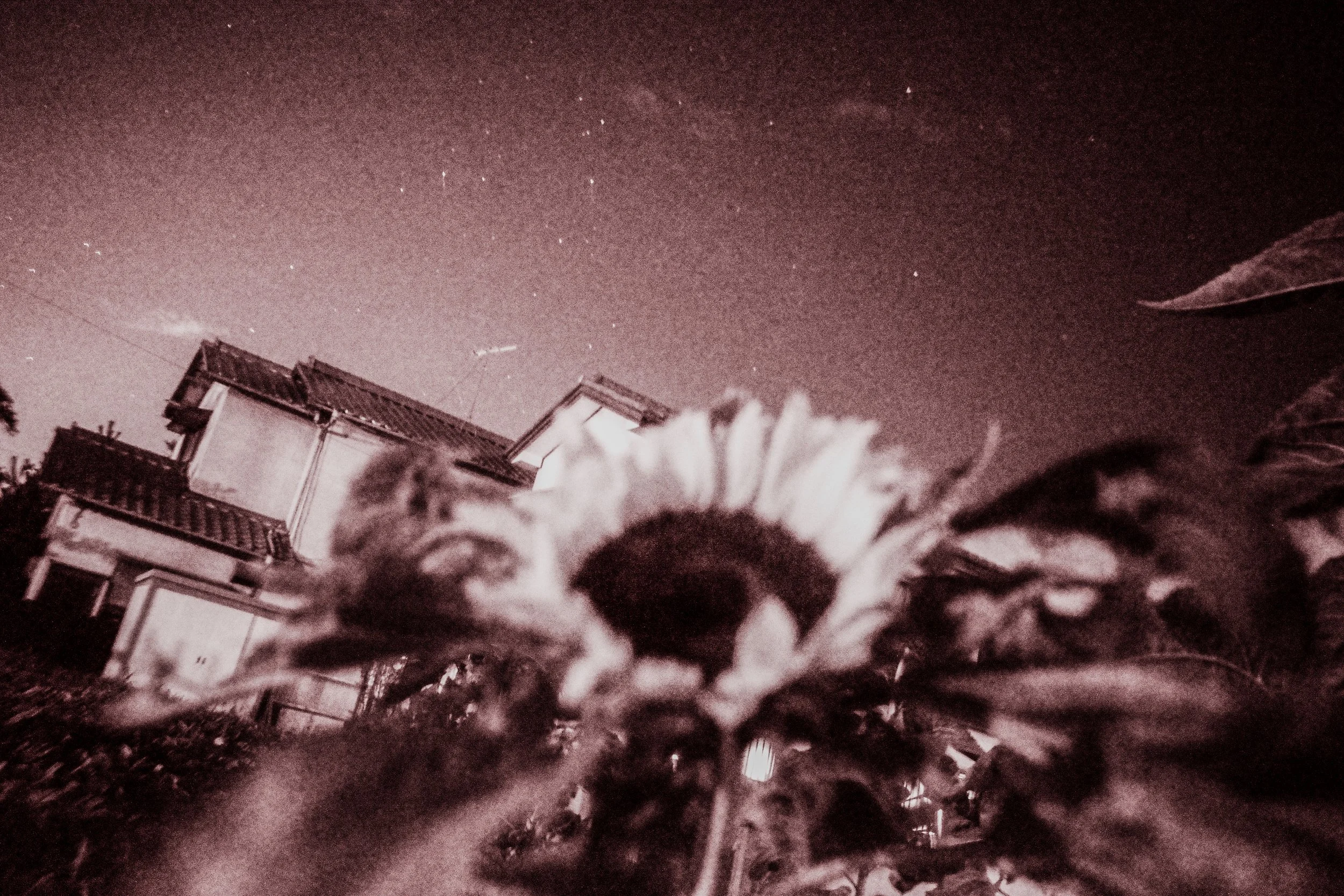
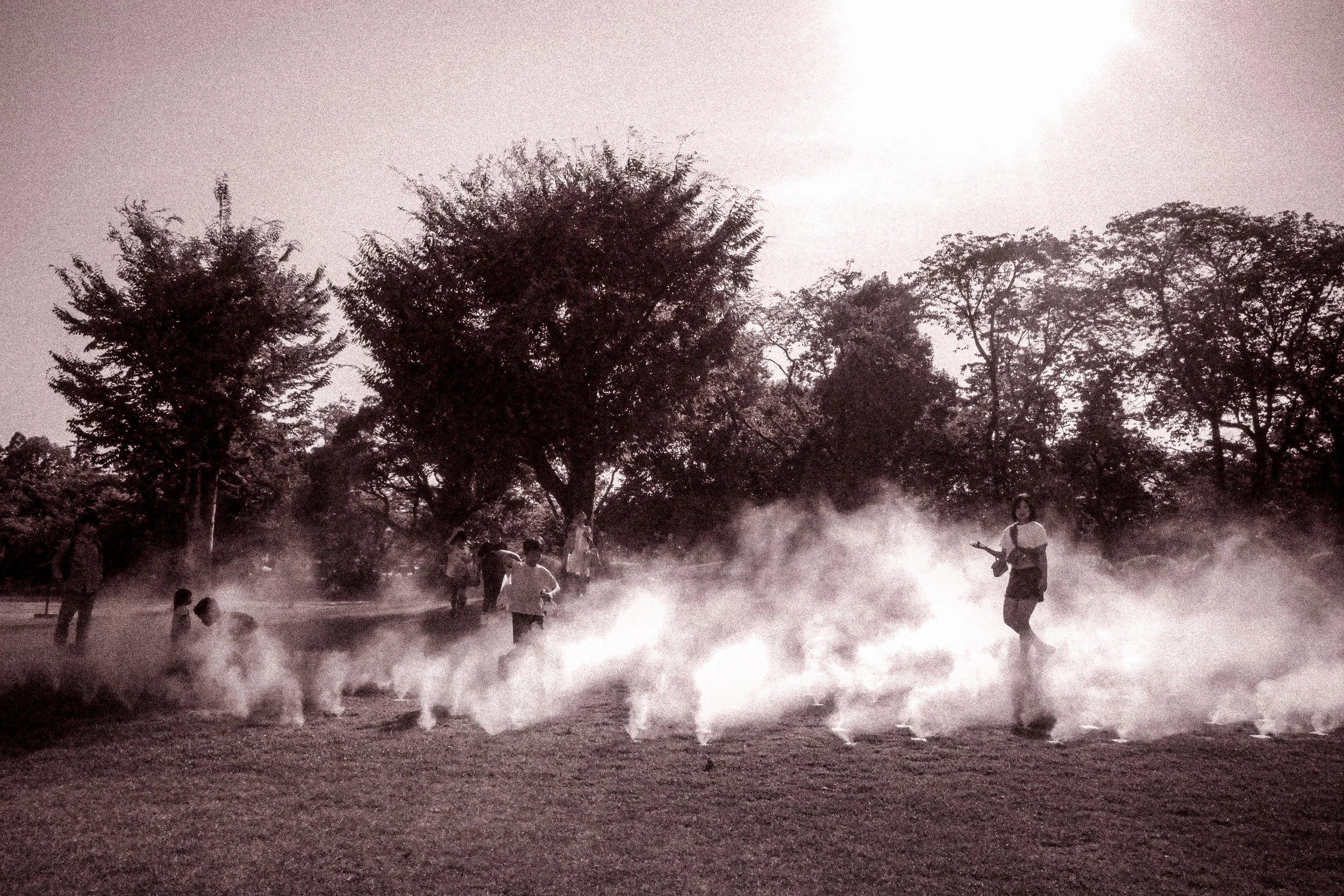
It revealed an unconscious, primal landscape: something that had always lingered at the edge of memory but whose color I could never quite recall. As it happened, the tint fell into the red family, which brought in physiological associations like "blood," along with a sense of heat, while a touch of sepia added a feeling of nostalgia and loneliness. I think that "slightly broken" color also gave the evening sun a sense of setsuyō, a fading, declining light. (Setsuyō, literally "the slanting sun," is the title of Dazai Osamu's famous novel, and it symbolizes the decline that inevitably follows all prosperity.)
Memory: You describe "enclaves of memory" that appear each summer. What does that feeling look like when you are actually out shooting?
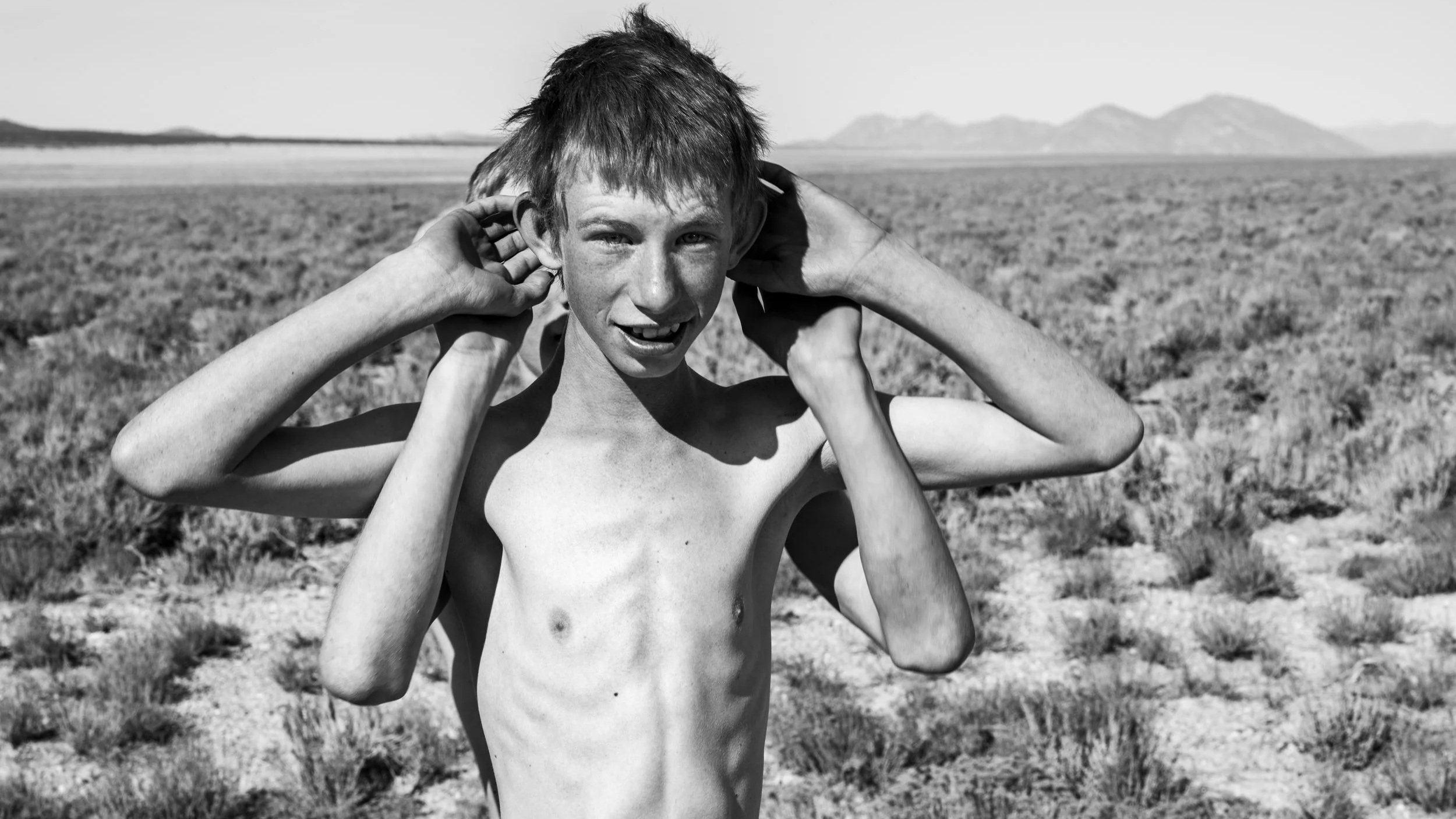
I believe photography is made up of "light and shadow" and "time and place." In this body of work, the "enclaves of memory" are scenes where that time and place don't align with their actual circumstances; they feel confused, out of joint. In everyday terms, you might call it déjà vu, though an unusually vivid kind. It's as if the third party in the photograph could be some past version of myself, as though someone else's memory and my own become intermingled at the moment of shooting. I think this comes from my own skepticism that memory is ever truly private.
Time: The book mixes "that summer" from your childhood with "this summer" in the present. How did you decide which photos belong to which one?
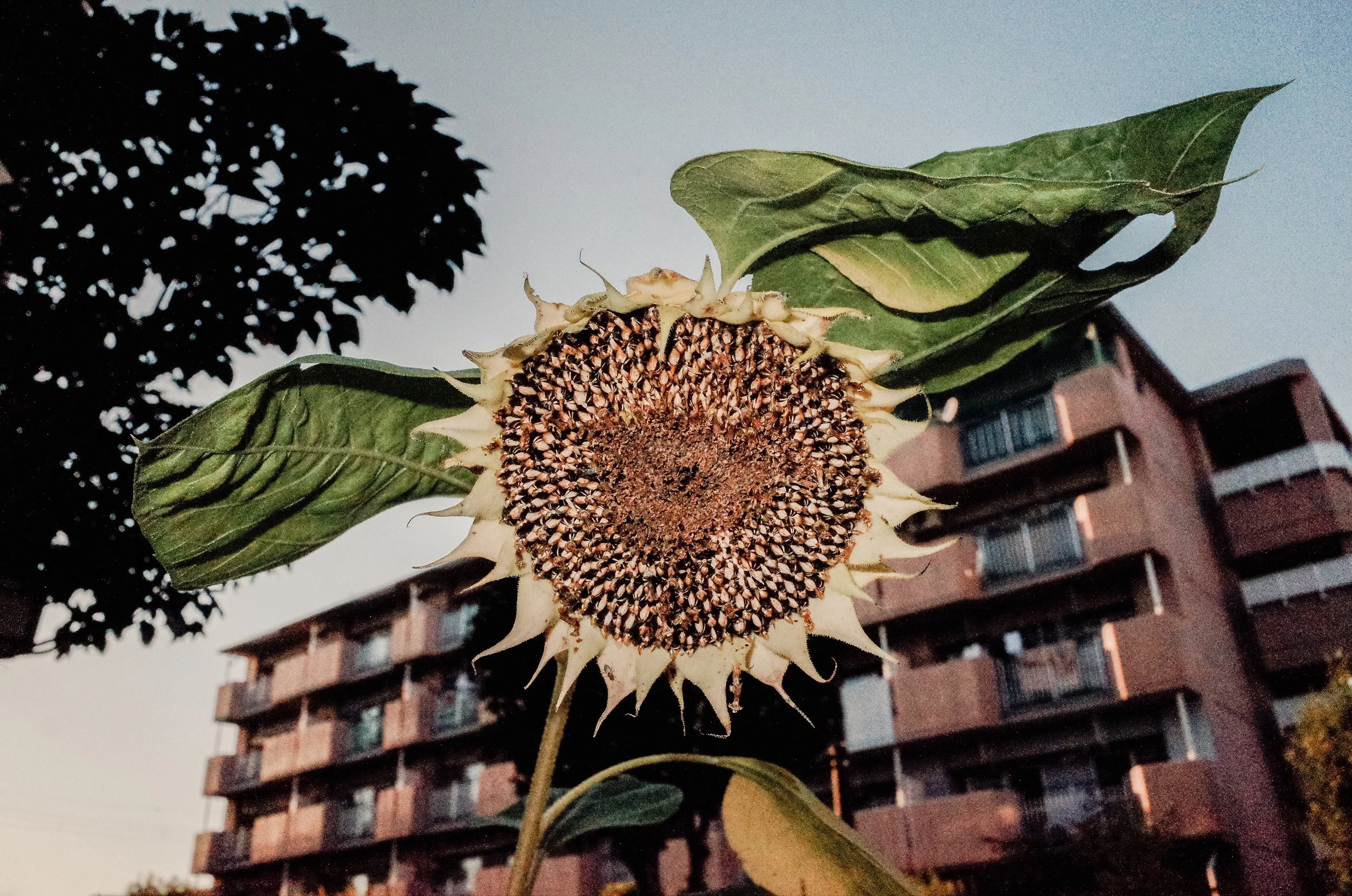
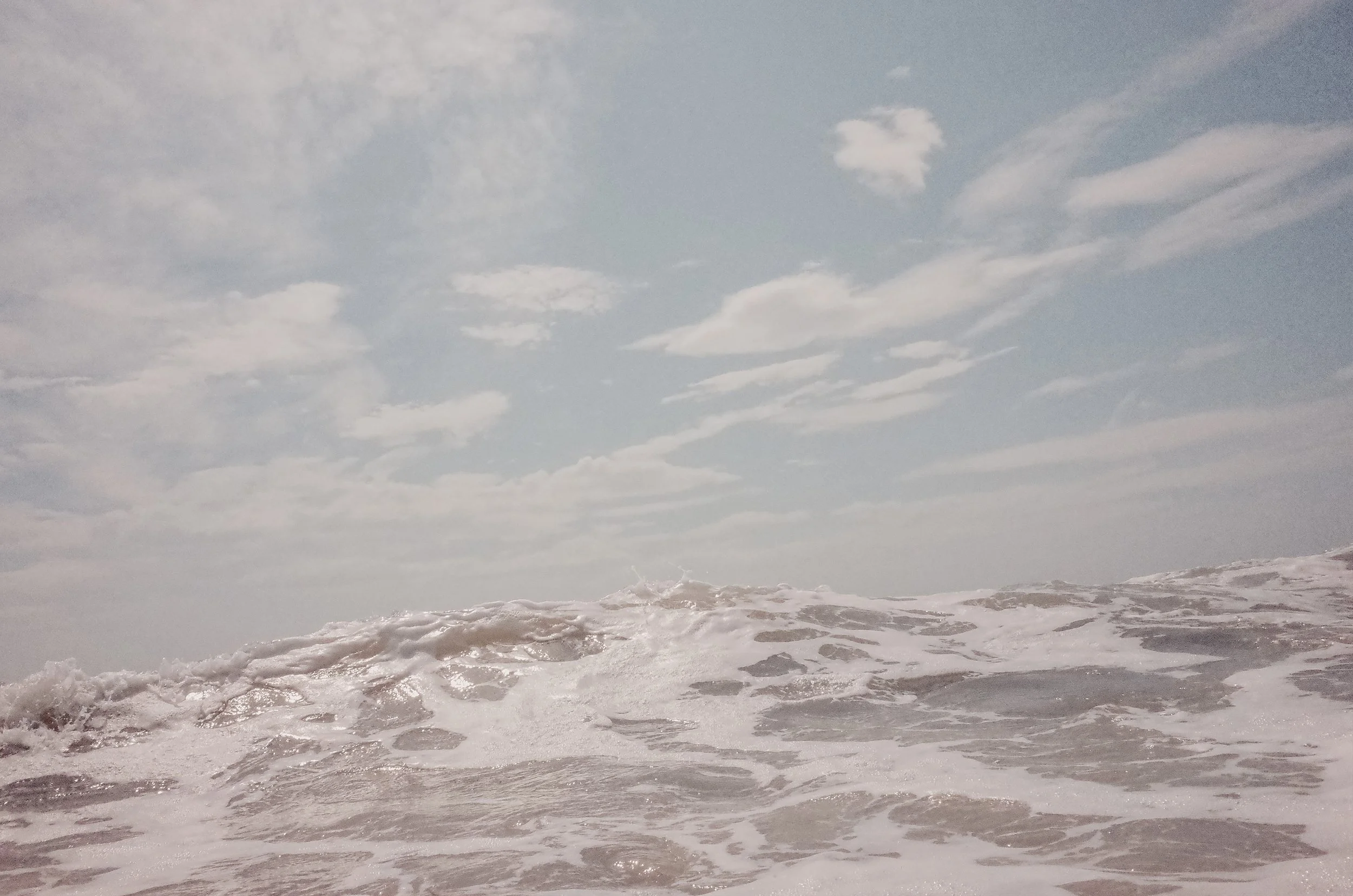
By the year they were taken. The work was shot over two summers. The magenta-toned photographs from the half-broken camera, which recalled "that summer," became one thread; the color photographs taken the following summer with a brand-new camera, in a completely different spirit (recording the present for the sake of the future, the opposite direction of the previous year's nostalgic summer), became "this summer." Something impossible for us as humans (existing across mixed tenses, standing in multiple timelines at once) felt possible through photography.
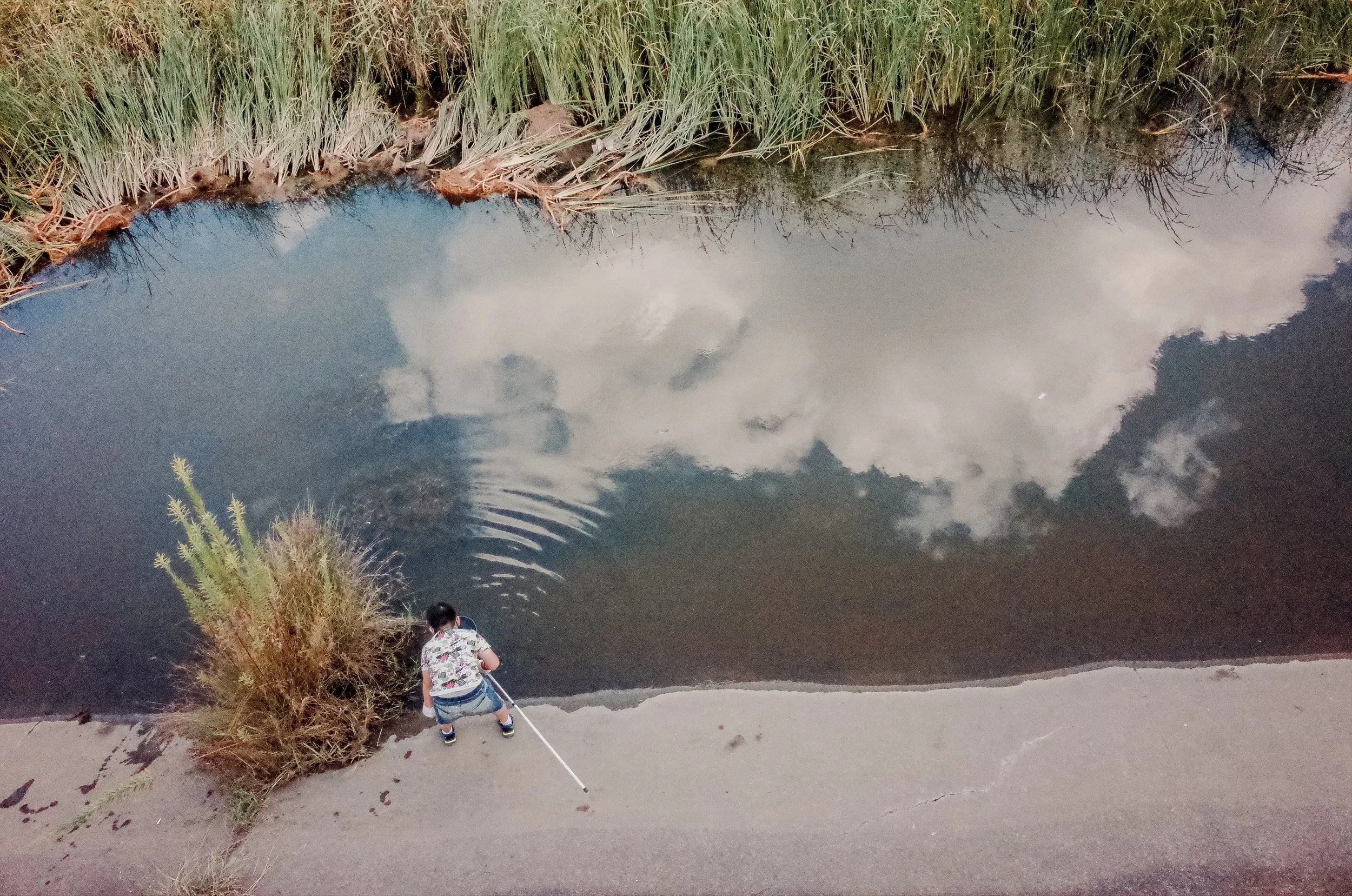
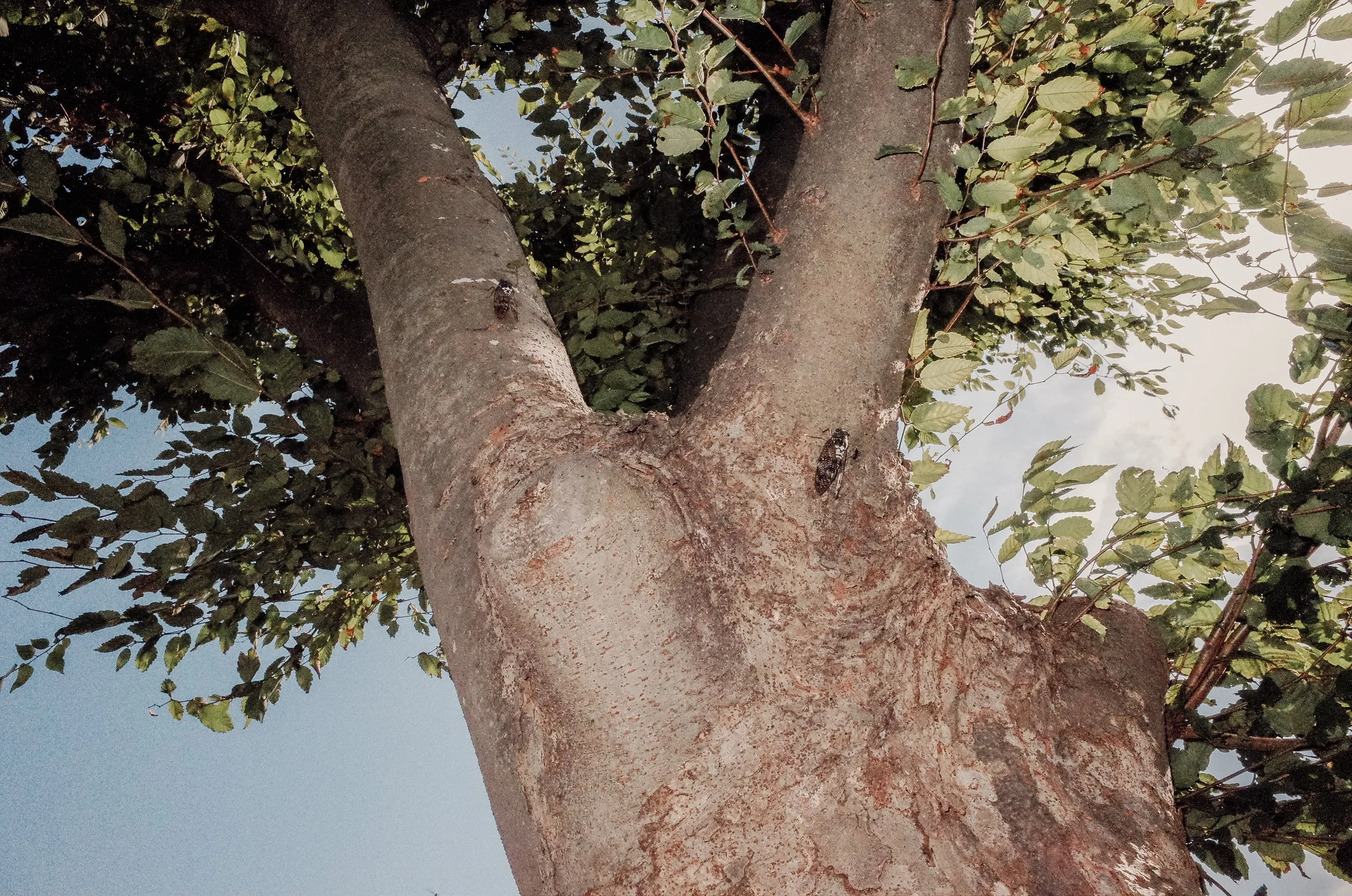
Subjects: Cicadas, sunflowers, riverbanks, schoolyards. How did you choose which small pieces of summer to point your camera at?
In my everyday shooting I tend to wander without any destination, but for this project I was trying to reach the "heart of summer." That wasn't a physical place; it meant setting aside any borrowed images of summer I'd seen elsewhere, and simply walking until I could genuinely feel, through the time of day, the date in August, memory, the light, the sweat building up as I walked, and my own discomfort with the heat, that I was truly standing in the middle of summer. Along the way (it's hard to put into words) I pointed my camera at almost anything I intuitively responded to.
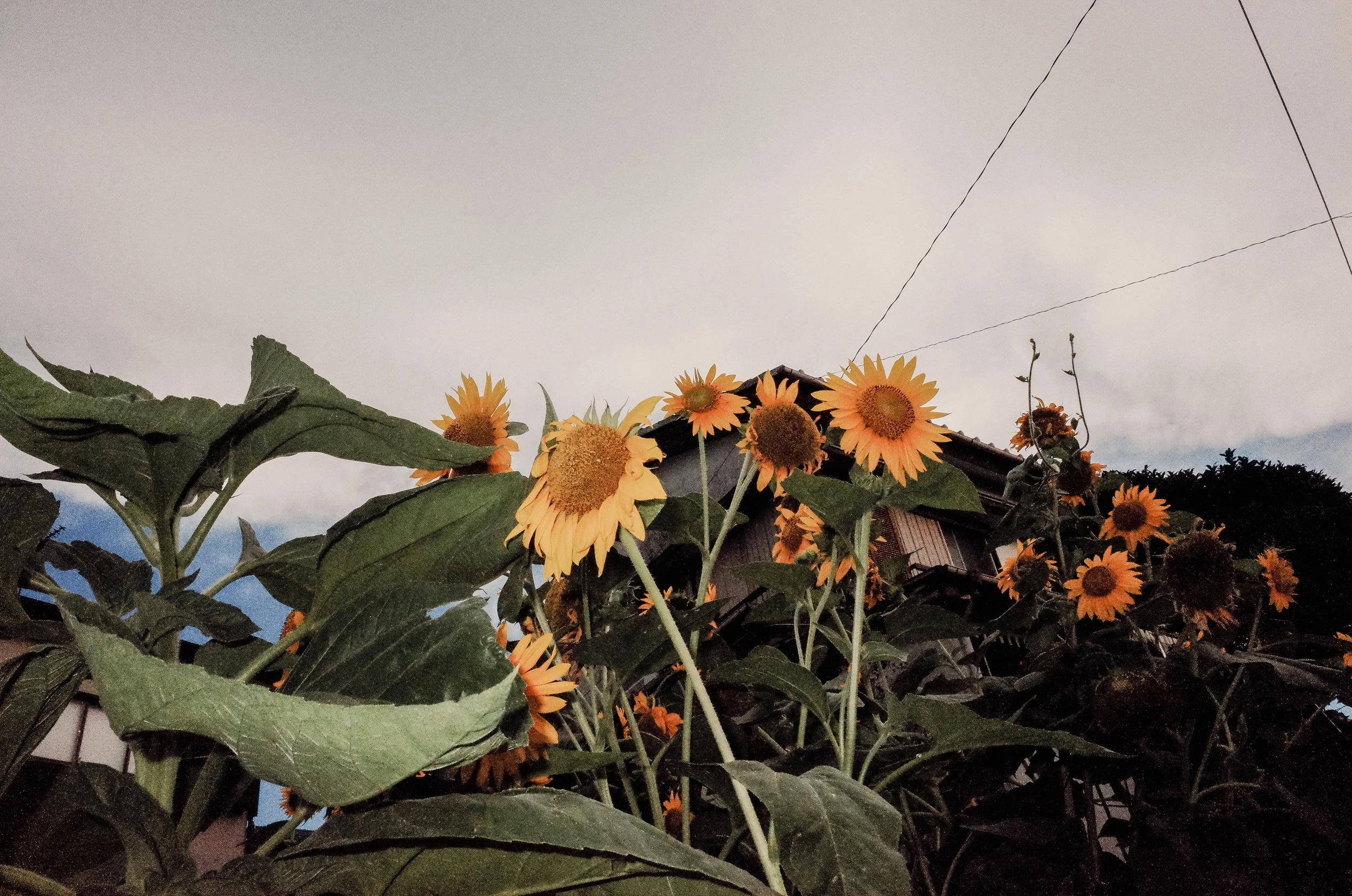
Later, during editing, I selected images the way you might trace a constellation called "summer" out of a vast field of stars. There's a well-known saying that a photographer releases the shutter twice: once at the moment of shooting, and again during selection. So most of it comes down to one intuitive decision after another. That said, I was also searching for summer motifs that felt as universal as possible, ones imprinted deep in many people's unconscious. Cicadas and sunflowers are prime examples.
Philosophy: You said you want a photo to stay pure and "refuse all description." What does that rule mean for you when you are shooting?
I still don't know what a photograph truly is, and I think about it every day. But every so often it occurs to me that a photograph's identity is simply this: from the start, a photograph is a photograph, and nothing else. It's a very simple idea, and at the same time a complicated one. In the afterword to this book, I wrote that I wanted photography to begin as a photograph, transform into a photograph, refuse all description without ever explaining itself, and end as a photograph.
Part of that statement was youthful arrogance, honestly. I was simply irritated by a lot of other photographers' work at the time, and some of that frustration turned into words. I can't deny that. But even now, having become a father and, I hope, a little more grown-up, I still feel much the same way. Thinking about the essence of photography is undeniably important. But more than that, I felt that the act of taking photographs, in itself, was the more important mission for me.
There's a phrase from my photography teacher that has stayed with me: "A photographer is not something you become, but something you are." I still don't fully grasp the true meaning of those words, but I sense it, in some way, in my body. So the rule I hold myself to while shooting isn't about "communicating through photography" or "expressing through photography," that is, transmitting some meaning or message. It's about, above all, "being a photograph," or even more, "being intensely a photograph." Rather than attaching meaning to a photograph myself, I aim for each image to already hold its meaning within itself the moment it's taken. What I ultimately want to reach the viewer isn't my intentions or worldview as the author, but the essence of the photograph itself.
Title: The Japanese title means heart, but the English title is Breathless. Why two such different words for the same book?
One of the photographers I admire most is Suzuki Kiyoshi. His first photobook was titled Nagare no Uta ("Song of the Flow"), and its English title was soul and soul. That's an influence here from the start. The phrase "the heart of summer," which I mentioned earlier, is actually the title of a chapter in that book, another quiet nod of respect to him.
As for the meaning behind this work, the title Shinzo doesn't simply refer to the heart as an organ. The word carries a sense of racing emotion, pulse, heat, something coursing through the entire body, and those sensations matched the restlessness, exhilaration, anxiety, and sense of loss I experienced while making these photographs. I hoped that feeling would also reach the viewer's unconscious. So rather than translating "Shinzo" literally, I chose an English title that conveyed that same image and feeling without straying too far from the original meaning: Breathless.
Design: The book has an air gap that makes it pulse like a heartbeat. How was it working with designer Satoshi Machiguchi to turn that idea into a real object?
It was a shock. I already knew of Machiguchi-san's work; in fact, the first photobook I ever read after enrolling in photography school was Dazai, by Moriyama Daido and Machiguchi Satoru. When we began working on this project together, the first thing he said to me was, "Who do you think you are?"
Up until then, I had done everything myself: shooting, selecting, laying out, even hand-binding the books. What that meant was that I'd been imagining the final form so intensely, from the very moment of shooting, that I could no longer honestly face the photographs themselves, or the act of taking them. So he told me: "Who are you? Are you even a photographer? I'll handle the form. You just face the photographs."
Whether or not he was right, it struck right at the core of something for me at the time. It was a shock, but also, in a way, an enormous relief, as if a fog had lifted. He didn't listen to my words; instead, he took whatever it was my photographs carried (something that couldn't be put into language, something that only existed as photographs) and gave it back to me in the form of a book. He looked at my photographs more than he listened to my words, and that made me happy.
So we barely discussed anything verbally. I would hand him the photographs I had faced, chosen, and sequenced, and he would return them designed and bound. That process led to the final form the book took: not simply a book containing photographs, but an object in which the meaning of the photographs themselves and the meaning of the binding became one. I don't know if he was entirely serious about everything he said, but working with him taught me that when two people collide with their true selves in a collaboration, something genuinely new can be born.
Challenge: This was your first photobook, made while working full time at a bookbinding company. What was the hardest part of getting it finished?
Honestly, nothing in particular stands out. I think that's largely thanks to the tremendous support from everyone involved in making the book, starting with the publisher, Fugensha. People often say that working full-time leaves no time to create, but at least in my case, I don't really feel that.
In terms of shooting, I honestly don't remember exactly when I take most of my photographs; I just notice, at some point, that a great many have accumulated. I think it's because I always carry a camera with me, so whenever the moment arrives, whatever the hour, something in my brain switches into photographer mode. Of course, depending on my work schedule, there are periods when I can be more or less active, so when I notice that, I make a conscious effort to go out and shoot.
Times have also changed. In this day and age, it's nearly impossible to live by photography alone. To survive, and to support a family, you inevitably need some other kind of work. I don't want to see that as a constraint on my creative life, or run from it. If anything, I think confronting the times and the society we live in, day by day, while continuing to create, is what a new kind of artist looks like.
There's a Somerset Maugham novel, The Moon and Sixpence, in which he argues that love and art cannot coexist. I love that novel, but the times are different now. And besides, that's a line meant to be hurled at someone from the outside, not something an artist should say about themselves. I believe the universal core of art lies somewhere else entirely. When I create, I want my opponent to always be the era I live in, so I don't want to decide my own creative constraints for myself. Though honestly, I'm not sure what I truly feel deep down. Maybe this is just my reason, or a bit of a parent's conscience, talking. This tension between creative work and everyday life in the modern world has, in fact, become the underlying theme of the series I'm currently working on.
Beyond the questions: Is there anything else you'd like to add?
The theme that underlies everything I do in photography, including Shinzo and the series I'm currently working on, is "the unconscious" and "the collective unconscious." Put another way, it's about arriving at an overwhelming universality starting from deeply private scenery. I believe photography is the medium in which the unconscious world reveals itself most clearly.
What sets photography apart most from painting, fiction, and other forms of expression is the simplicity of its initial act (pressing the shutter) and its plainness in capturing reality, meaning light, directly and as it is. Photography is an art of selection. Whatever you do, selection carries decisive meaning: when to release the shutter, what to frame, what to choose. Photographic expression is built on an unbroken chain of choices. And I believe selection is the act in which human consciousness and unconsciousness reveal themselves most clearly.
The theme running through my photography is the transmission and arrival of that unconscious into myself, and further, into as many other people as possible. That, to me, is the meaning of why I make photographs.


More photography books?
We'd love to read your comments below, sharing your thoughts and insights on the artist's work. Looking forward to welcoming you back for our next [book spotlight]. See you then!
Color entered Janelle Lynch’s photographs through painting. In Another Way of Looking at Love, she photographed plants and trees on her property in the Catskills. Photography Book Spotlight