Welcome to this edition of [book spotlight]. Today, we uncover the layers of 'Chrysalis,' by Sherrie Nickol (published by Hirmer Verlag). We'd love to read your comments below about these insights and ideas behind the artist's work.
Sherrie Nickol found her photographic voice fifty years later.
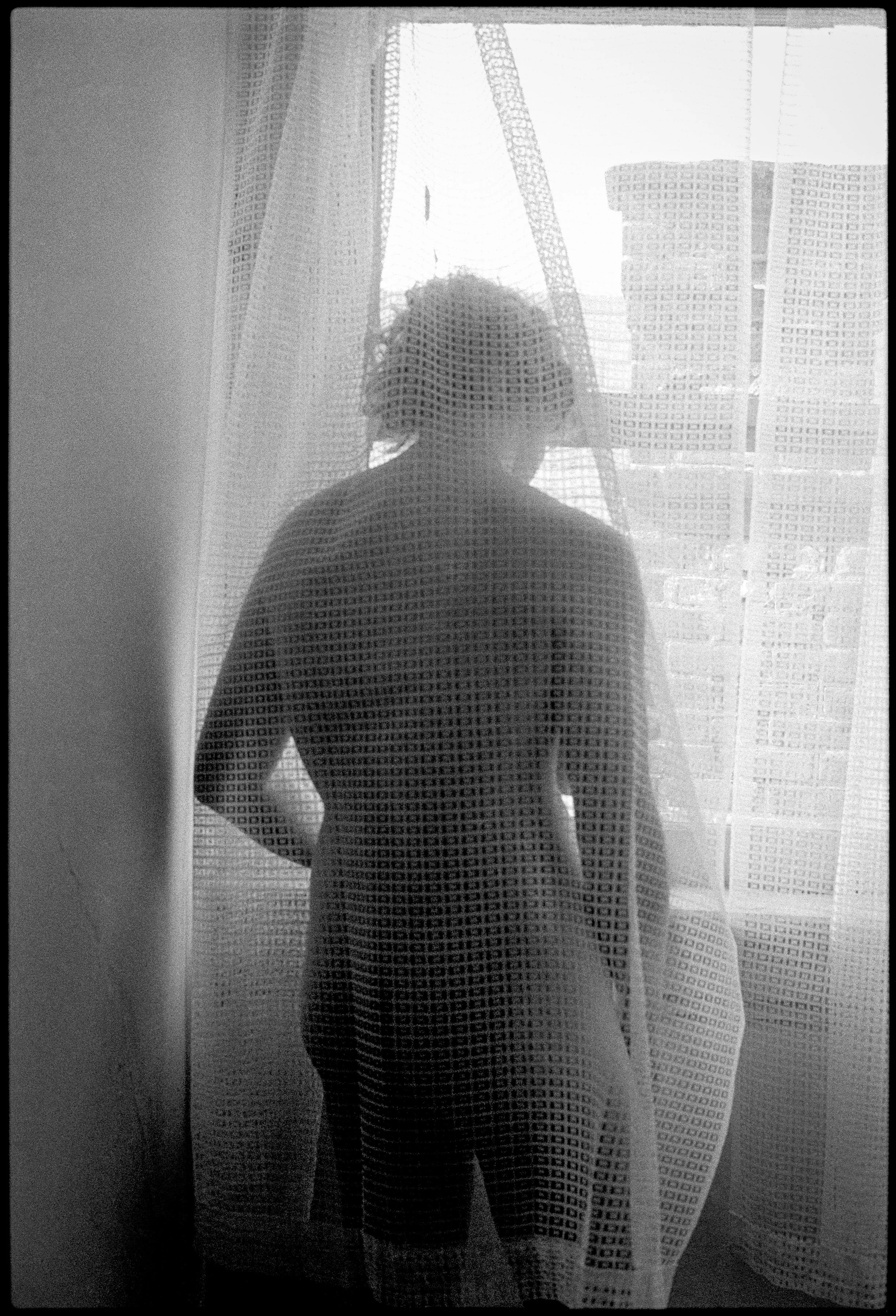
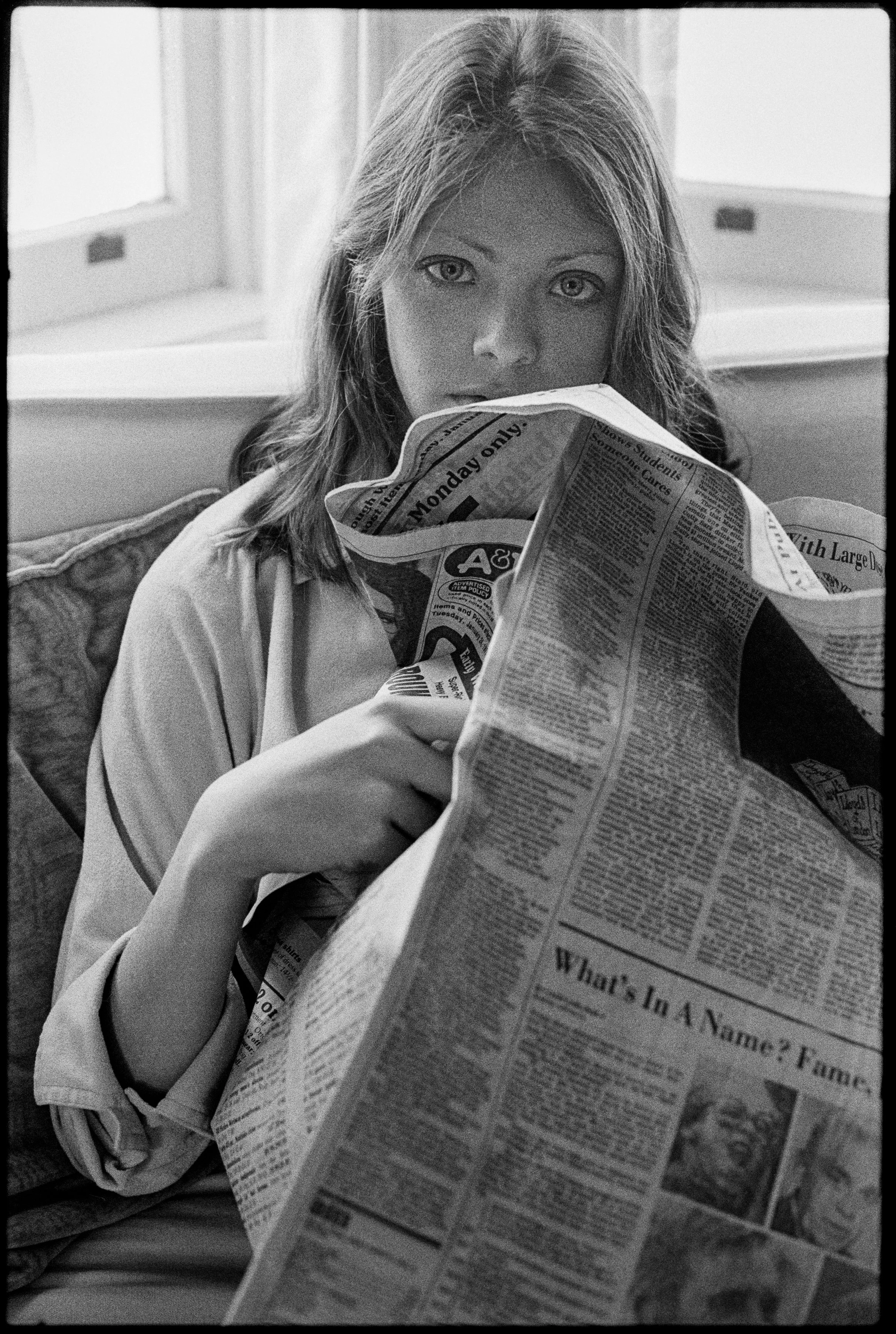
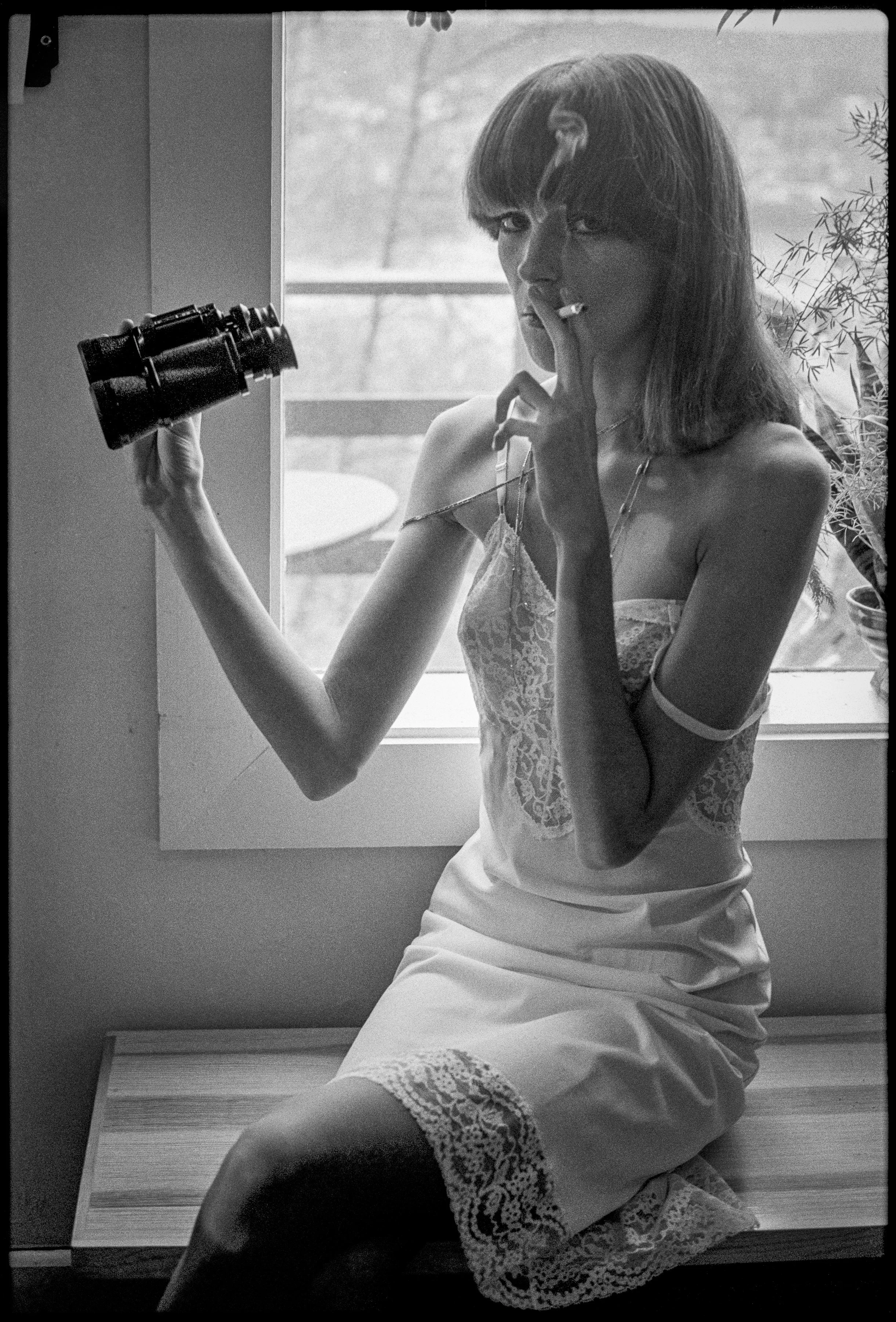
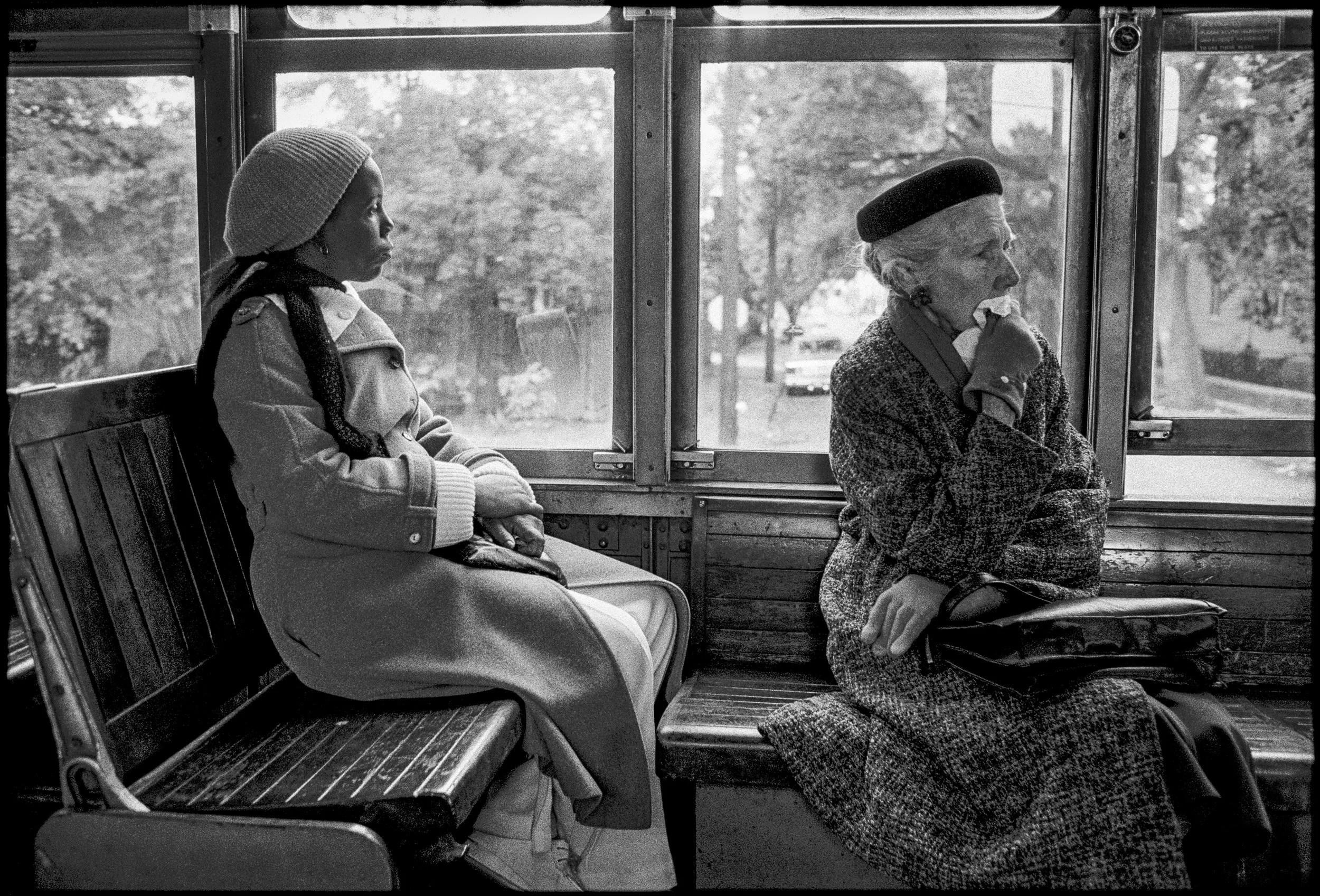
When she returned to her archive from the late 1970s, she discovered more than 300 photographs that had almost never been seen. Looking at them again, she recognized an intuitive way of working that had remained with her throughout her career. Those images became Chrysalis, a book combining portraits of young women with photographs made across the American South. Together, they show a photographer at the beginning of discovering what interested her and how she wanted to photograph it.
Chrysalis looks back at a photographer still becoming herself.
In our interview, Nickol talks about returning to photographs she had not considered for decades, working closely with the women she photographed, and trusting the instincts she had when she was only beginning. She also explains how two seemingly different groups of photographs came together in one book and why the full black borders remain important to the way the work is presented. Nearly fifty years separate the making of these photographs from their publication, but Nickol sees the same intuitive approach running through both periods of her work.
Nickol’s experience shows why an old archive can be worth revisiting without trying to force it into a new project. Sometimes distance makes it easier to see connections, recurring instincts, and ideas that were already present before you had words for them. Chrysalis offers a good example of how looking carefully at your earliest work can help you understand what has stayed consistent in the way you photograph.
The Book
Chrysalis by Sherrie Nickol, published by Hirmer, brings together photographs made during her first years as a photographer in the late 1970s. Rediscovered after nearly fifty years, the work combines intimate portraits of young women with documentary photographs made in the American South, including Nickol’s hometown of Osceola, Arkansas. Drawn from an archive of hundreds of previously unseen images, the book looks at youth, place, intimacy, and the early development of a photographer’s way of seeing. (Hirmer Verlag)
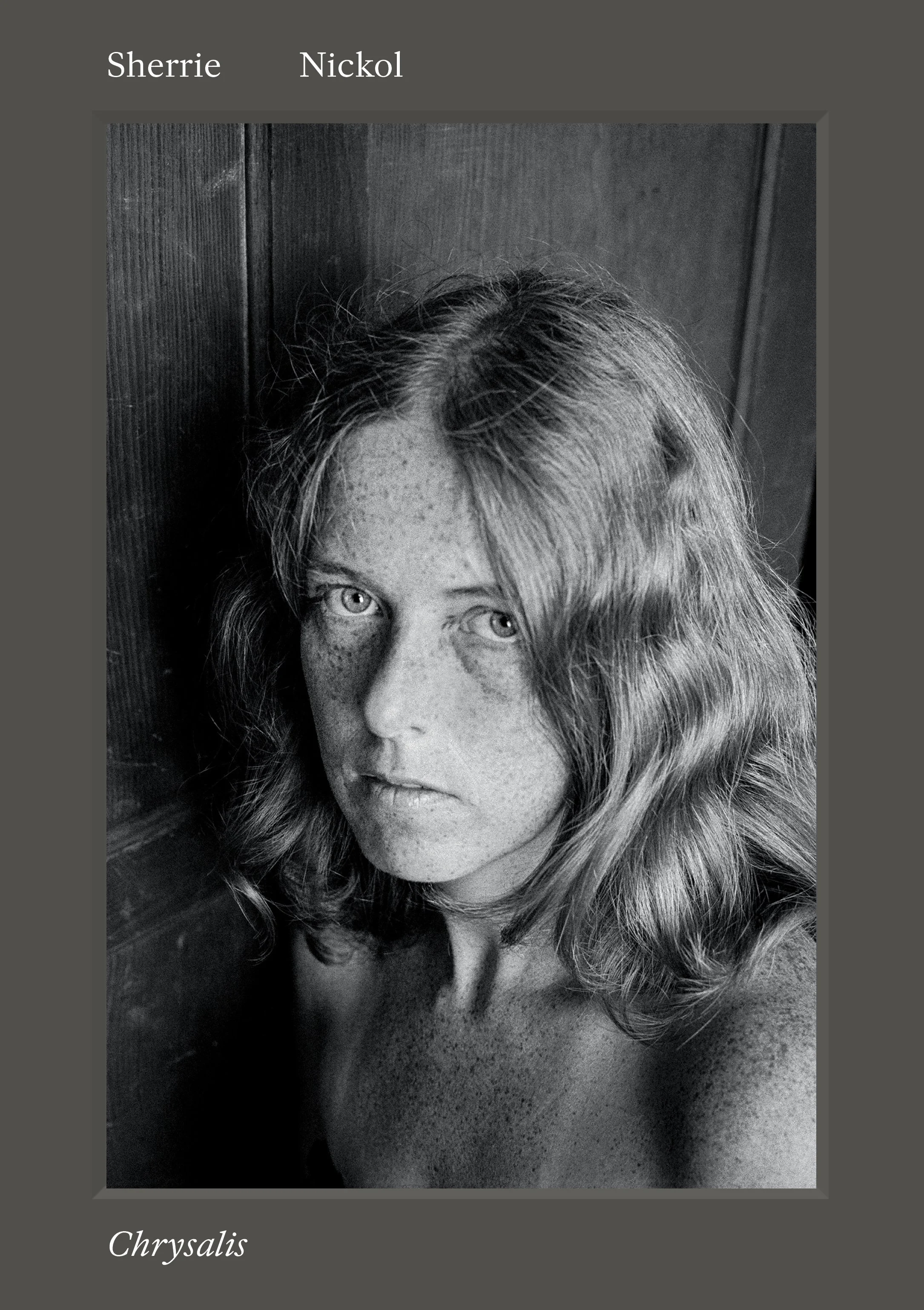
Project genesis: You picked up a camera for the first time at 20 and immediately changed your whole course of study. What made photography feel different from everything else you had tried?
After two years at university I purchased a 35mm Canon single-lens reflex camera to take on a trip during my summer break. My first experiences using the camera were exhilarating, so upon my return I signed up for a course in basic photography for the fall semester. I found that through the act of photography I could combine my deep interests in history, creative writing, and political science, and create visual stories about the people around me.
Archive: Chrysalis gathers work from the late 1970s that you had not looked at for decades. What was it like to return to those images, and what made you decide the time was right to publish them now?
For my previous book SHERRIE NICKOL (Hirmer 2024) I had included a selection of images from this time period. But until last year I had never gone back through all of my archives from then. What happened during this discovery process was amazing. I uncovered over 300 images that had virtually not been seen in nearly 50 years.
I found this body of work had a timeless quality, where the subjects were still relevant today, and upon reflection thought that these photographs could stand on their own as a new book project.
Selection: The book draws from two very different bodies of work, portraits of young women in domestic spaces, and documentary photographs of the American South. How did you decide which images belonged in the book and which did not?
I work with the graphic design team at Shiffman & Kohnke, Tracey Shiffman and James Ihira. The process, once a theme is decided on for the book, is to share with them a large edit of my work — in this case about 400 images from this time period. At first I thought that it would be a challenge for them to combine the two overarching themes of young women and the rural South, where I grew up. But when they presented the first layouts, where the two themes were combined, I was thrilled with the outcome.
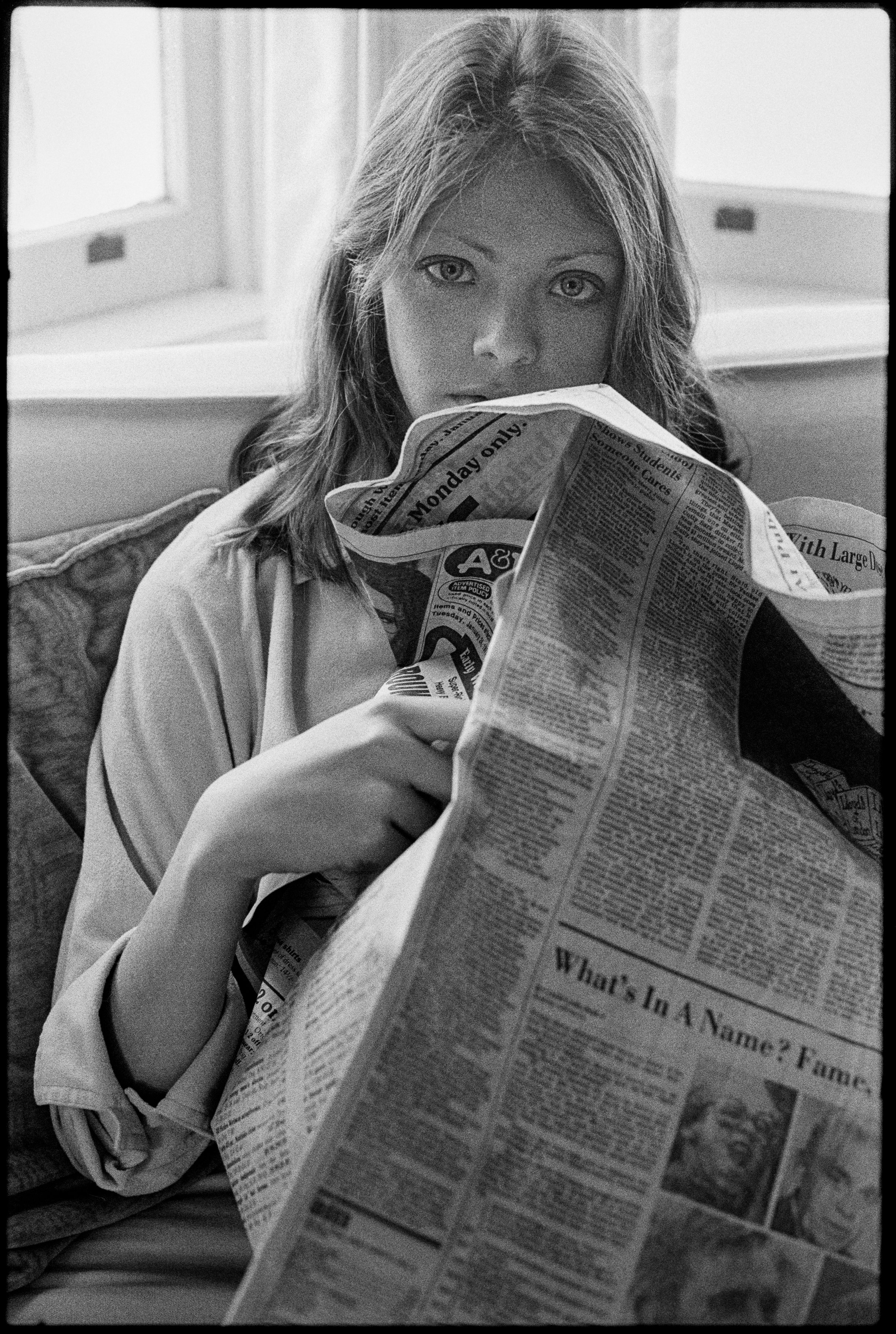
Designers: What did Tracey Shiffman and James Ihira see in the archive that you had not yet recognised yourself?
After I discussed with them the concept of the book project — which was to tell a story drawing on photographs from my first years of photography — I was delighted that they were able to combine the two main themes of young women and growing up in the South in such a thoughtful way.
Trust: Your portraits have an unguarded quality that is rare. How did you get people, especially young women, to feel relaxed enough to be photographed so openly?
I have always taken an interest in the lives of others, so when I began to photograph young women while at university I included them in the process. They felt that they were not just models, but participants in the stories we would create together.
Technique: All the photographs in Chrysalis were shot on film in natural light and printed with full black borders. Why were those choices important to you, and how did they change the way you worked?
When I first began printing my work in the darkroom — first while at university, and then when I moved to New York City — I always printed the images full frame with a natural black border. When this newly discovered body of work was scanned last year, we made an effort to always include the natural black borders. I was always aware of the challenges of composing in-camera full frame, and am happy that this process can be showcased in the book.
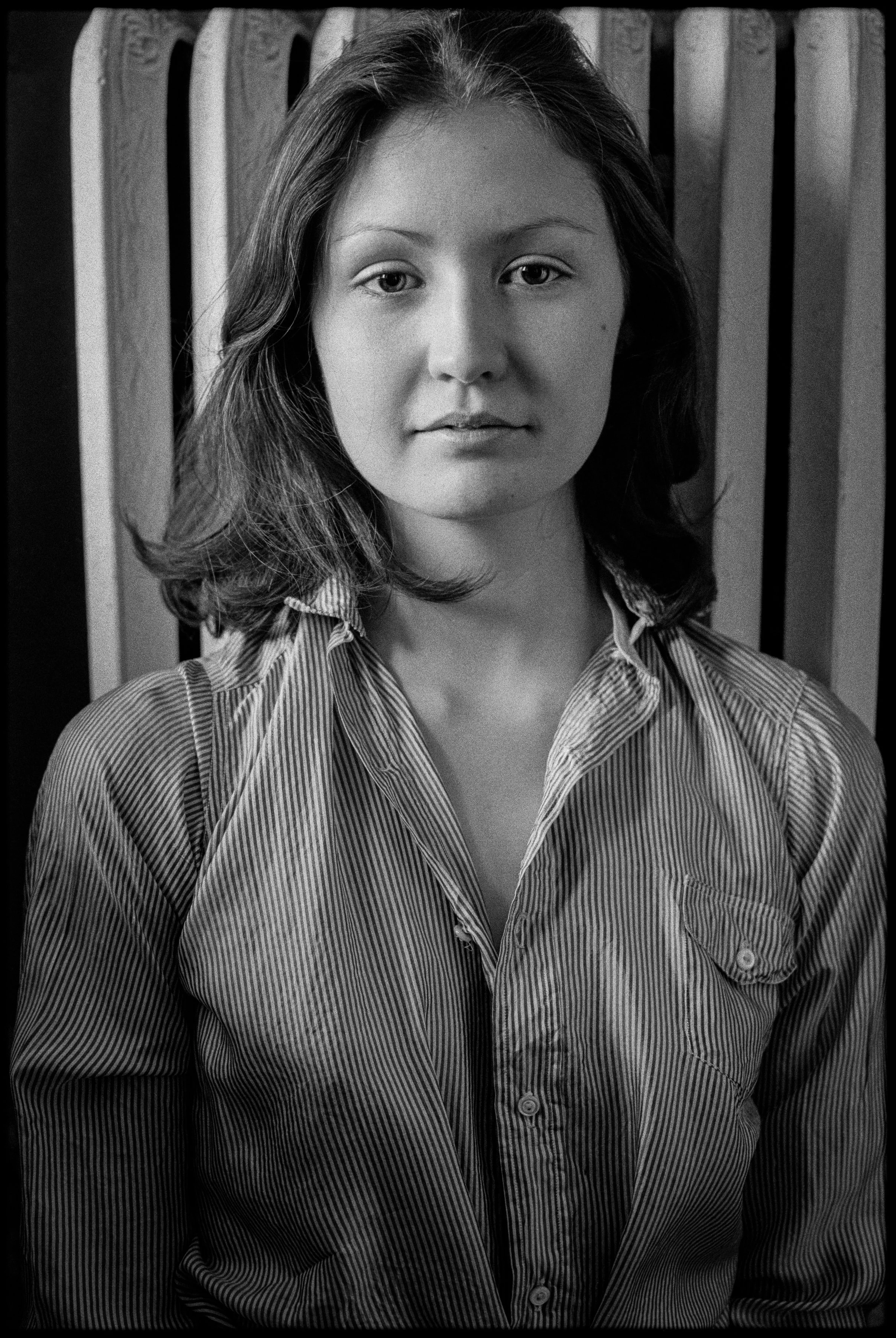
Place: Some of the documentary photographs were made in Osceola, Arkansas, where you grew up. How does photographing a place you know deeply feel different from photographing somewhere new?
Because I was young and photographing in a familiar setting, I had an inherent understanding of this special world around me. I think that I subconsciously took those skills with me when I travelled to different places like New Orleans and rural Mississippi.
Cohesion: How did you know the two bodies of work were enriching each other rather than competing inside the same book?
At first I was unsure whether the two series from the same time period would work together in one book, but once the first round of layouts was presented to me by the designers I was thrilled by the results.
Meaning of the title: The word Chrysalis suggests transformation and becoming. Do you think that idea applies only to your subjects, or also to you as a photographer at that stage of your life?
To answer this question I want to share a paragraph from an essay in the book by Andrea Meislin:
“Chrysalis, the title of this book, feels especially apt. The photographs capture a period of becoming. Looking at them today, nearly fifty years later, one can see not only the people before the camera, but also the emergence of a photographer’s way of seeing.”
Looking back: Seeing your earliest work now, after many years of practice, what do you think you understood intuitively as a young photographer that took you a long time to learn consciously?
I think that my intuitive approach to photography at this early stage in my career continues to this present day. As one matures in one’s craft, one gains a better understanding of technique, but I think that I have been fortunate to have maintained the intuitive spark that set me on my path as a photographer many years ago as a young woman excited about the world around her.
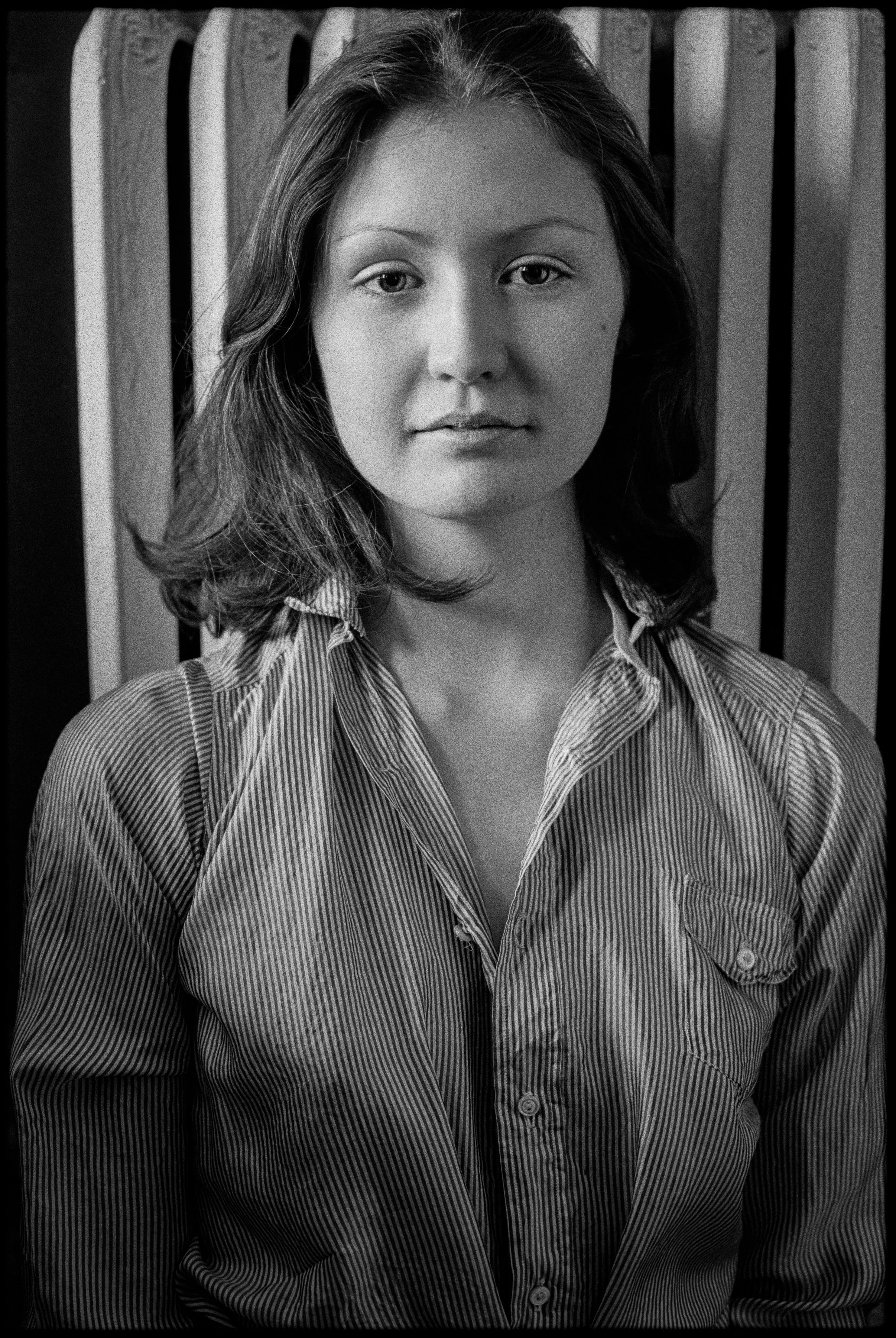
To discover more about this intriguing body of work and how you can acquire your own copy, you can find and purchase the book here. (Hirmer Verlag)
More photography books?
We'd love to read your comments below, sharing your thoughts and insights on the artist's work. Looking forward to welcoming you back for our next [book spotlight]. See you then!
Catherine DeLattre’s photographs begin with something worth stopping for. Driving through Wayne County, Pennsylvania, she notices isolated houses, trees, and open fields. Photography Book Spotlight