Welcome to this edition of [book spotlight]. Today, we uncover the layers of 'Coirón,' by Pie Aerts (published by GOST Books). We'd love to read your comments below about these insights and ideas behind the artist's work.
Silence changed how Pie Aerts understood his own fear.
For most of his life, he was afraid of being alone. Then he spent six years photographing puesteros who live and work in isolation across the Chilean region of Magallanes. Their lives are shaped by distance, physical labour, silence, and a way of life that is slowly disappearing.
Coirón became both a portrait of these men and a personal confrontation with solitude.
The project looks beyond the romantic image of the strong and silent gaucho. Aerts wanted to show vulnerability beside resilience, while also questioning his own relationship with fear, stillness, and isolation.
In this interview, Aerts explains why trust took years to build, how writing helped him turn emotions into visual ideas, and why most of the strongest photographs came only near the end. For photographers, it offers a practical look at patience, access, observation, and the difficult process of reducing a large body of work into a focused book.
The Book
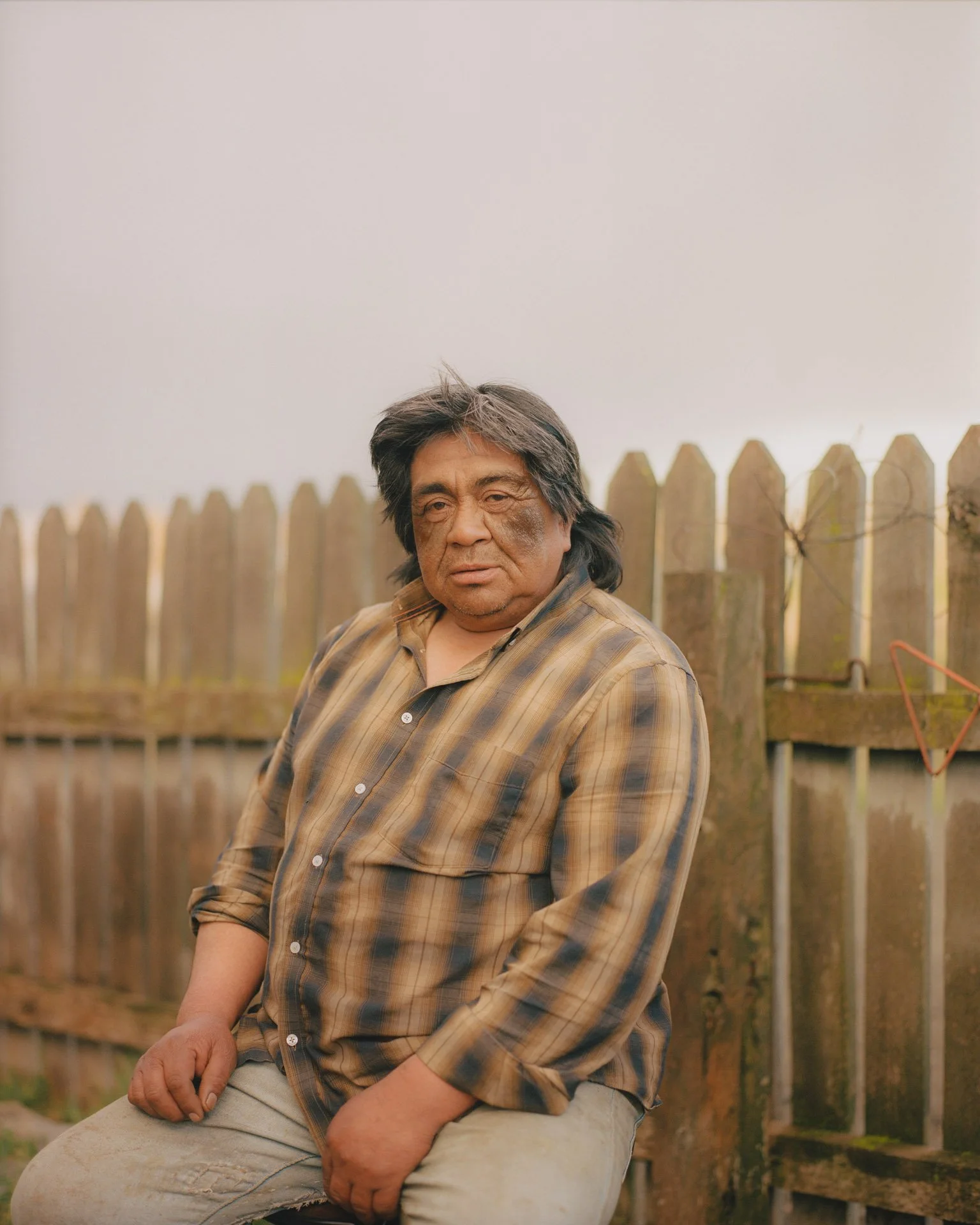
Coirón by Pie Aerts, published by GOST Books, is a long-term documentary project photographed over six years in the Chilean region of Magallanes. The book follows aging puesteros who live and work alone for months across vast private ranches. Their lives are shaped by physical labour, distance, silence, and the uncertainty of what will happen when their bodies can no longer continue.
Rather than romanticising the traditional image of the strong and silent gaucho, Aerts presents vulnerability beside endurance. The project also reflects on a rural culture facing rapid social and economic change, as fewer young people choose to continue this way of life. The title refers to the tough Patagonian grass that survives wind, frost, drought, and poor soil, becoming a metaphor for the resilience of the men in the book.(GOST Books, Amazon)
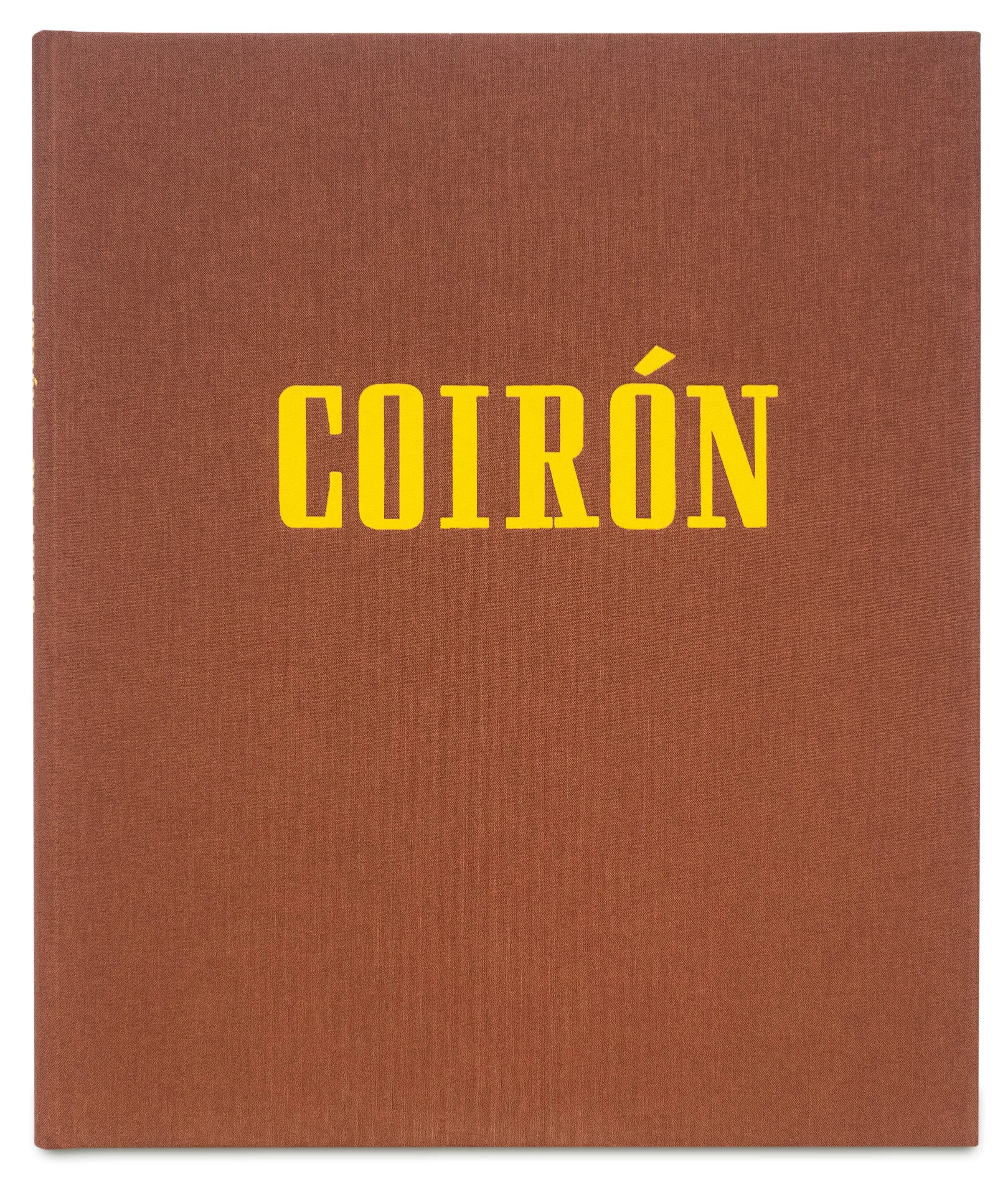
Project origin: What first brought you to Magallanes and made you want to spend six years photographing the puesteros?
Ever since I was a child I've been fascinated by remote places. Growing up in the Netherlands, one of the most densely populated countries in the world, probably sparked that curiosity, perhaps some sort of intrinsic drive to know what kind of life unfolds surrounded by complete emptiness. Following that curiosity, I set off on an eight month journey following the entire length of Patagonia, arriving in this region in the south of Chile in April 2019.
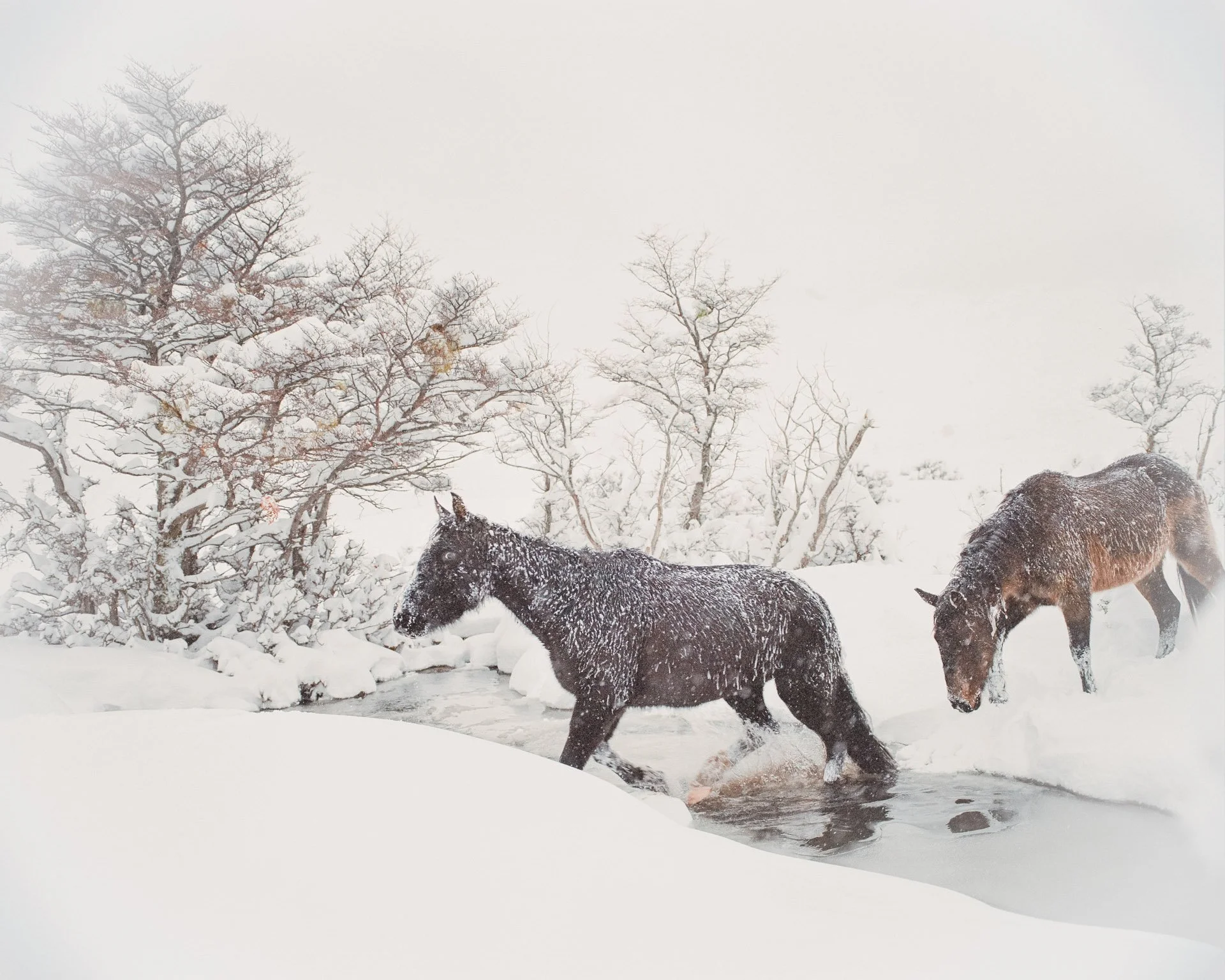
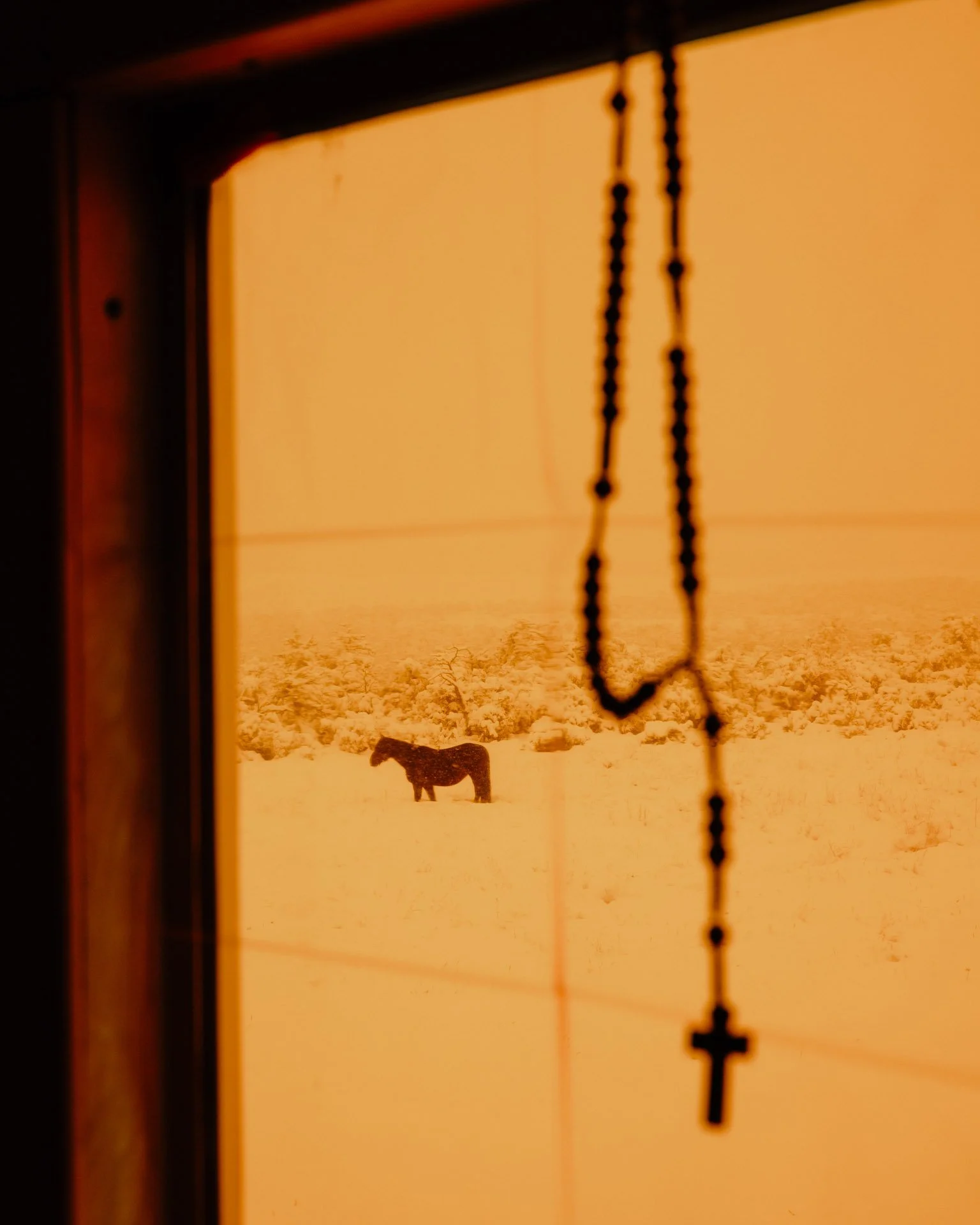
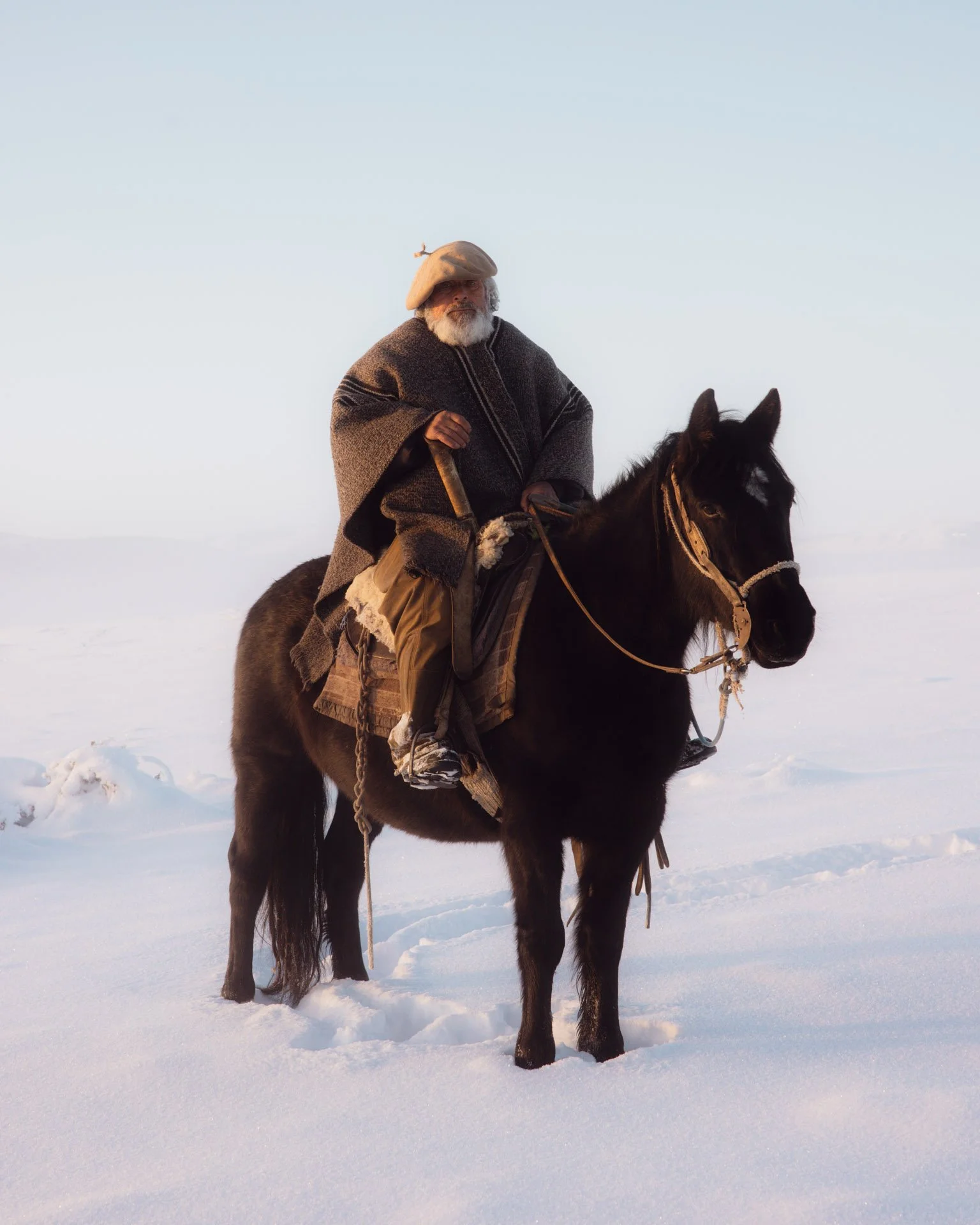
What struck me on that first trip, and still strikes me seven years later, is the occasional figure on horseback emerging silently from the distance, like a solitary silhouette, alone or with cattle. As you approach, they disappear back into the landscape, almost as if they'd never existed. Some people call them gauchos, others campesinos, or puesteros, there are many names for it, but it intrigued me deeply from that very first trip, and they sparked return after return, on a quest to understand who they are. They seem almost like mythical beings, a living embodiment of a life shaped by isolation.
Book title: The word coirón is a tough grass that survives in harsh land. Why did you pick this word as the title of your book?
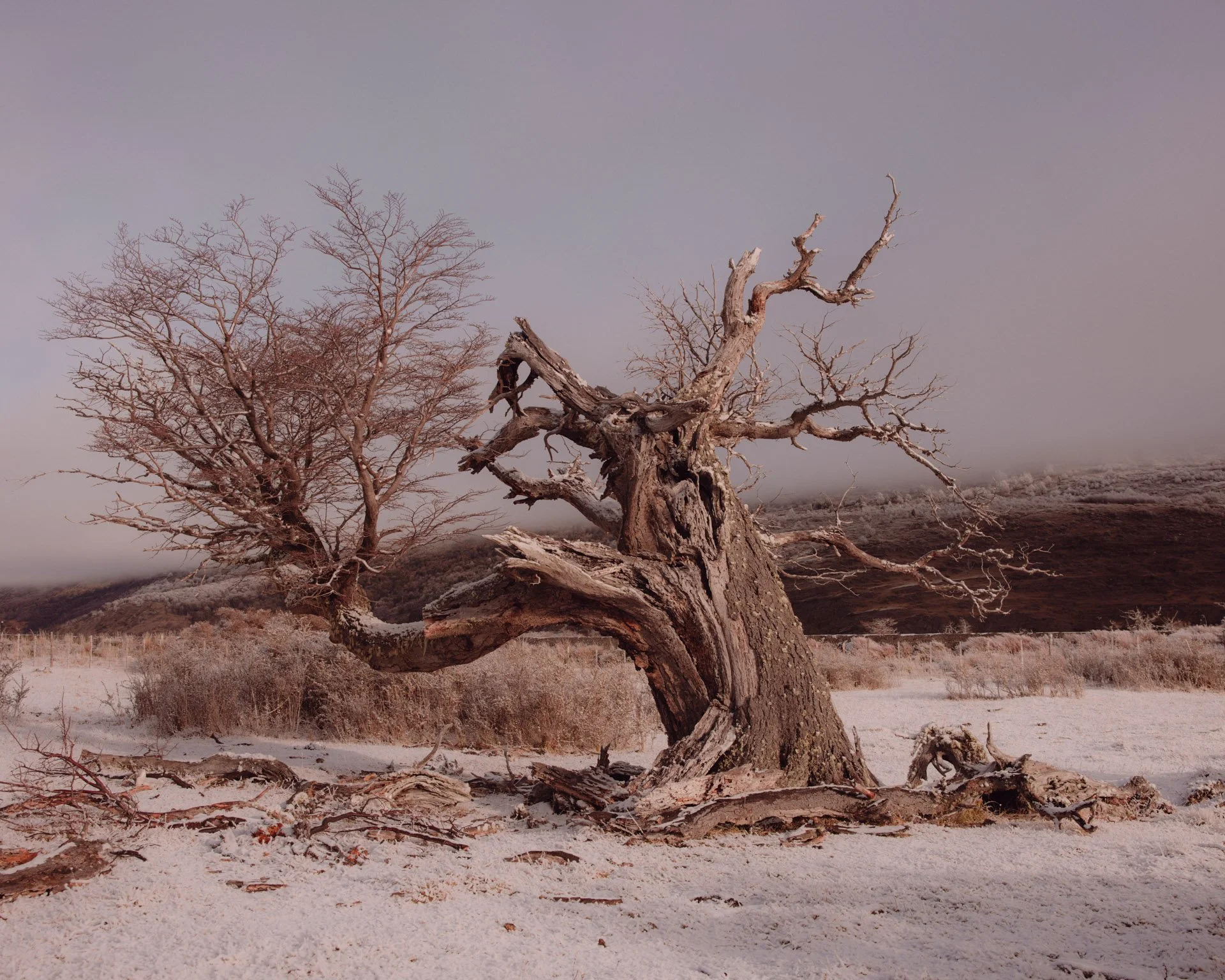
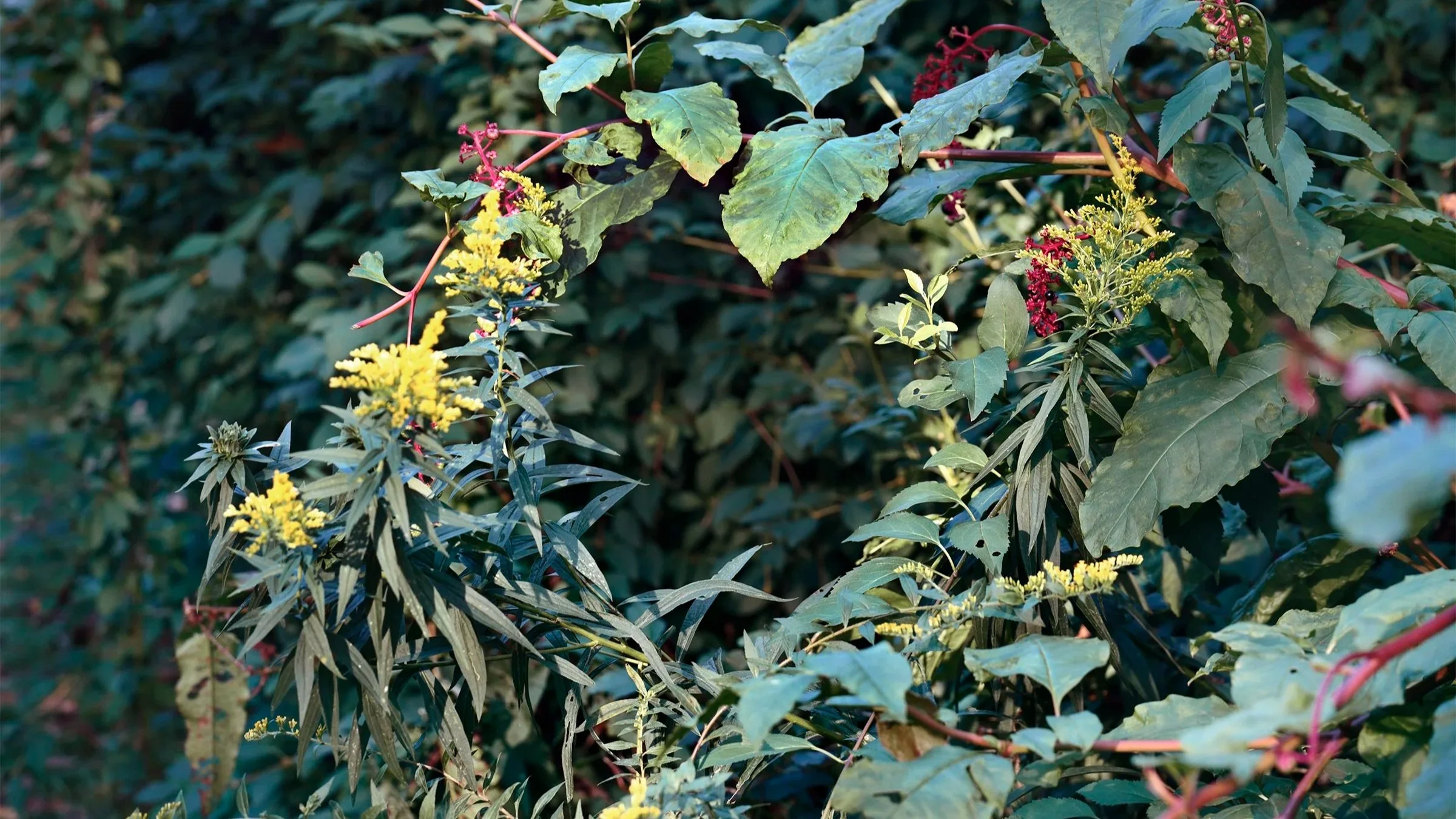
Coirón is the tough, wind-beaten grass that dominates the Patagonian pampa. It's dense, resistant, it always springs back. People say any footprint in it is fragile and temporary. They call it survival grass, because it survives wind, frost, drought, poor soil, even skin cuts and torn clothes. What I remember vividly is many puesteros referring to it as “the goddamn coirón”.
While doing research, I came across the poetry of Iván Rojel Figueroa, a poet from the region. One of his books is called Rastros en el Coirón, ‘traces in the coirón’. In it he describes rural, isolated men moving through the vast land, their stories at risk of disappearing, like fading traces in the grass.
That idea, coirón as something beyond just grass, started to grow on me as a metaphor for the resilient spirit of the men in the book. Years later, when I met Alberto Harambour, who ended up writing the book's essay, he too mentioned the frost-coated coirón. And over time, it started to grow on me, as a symbol for these men: small human stories etched briefly into an immense, indifferent landscape.
Building trust: How did you get these solitary men to open up and let you photograph their daily life and hard moments?
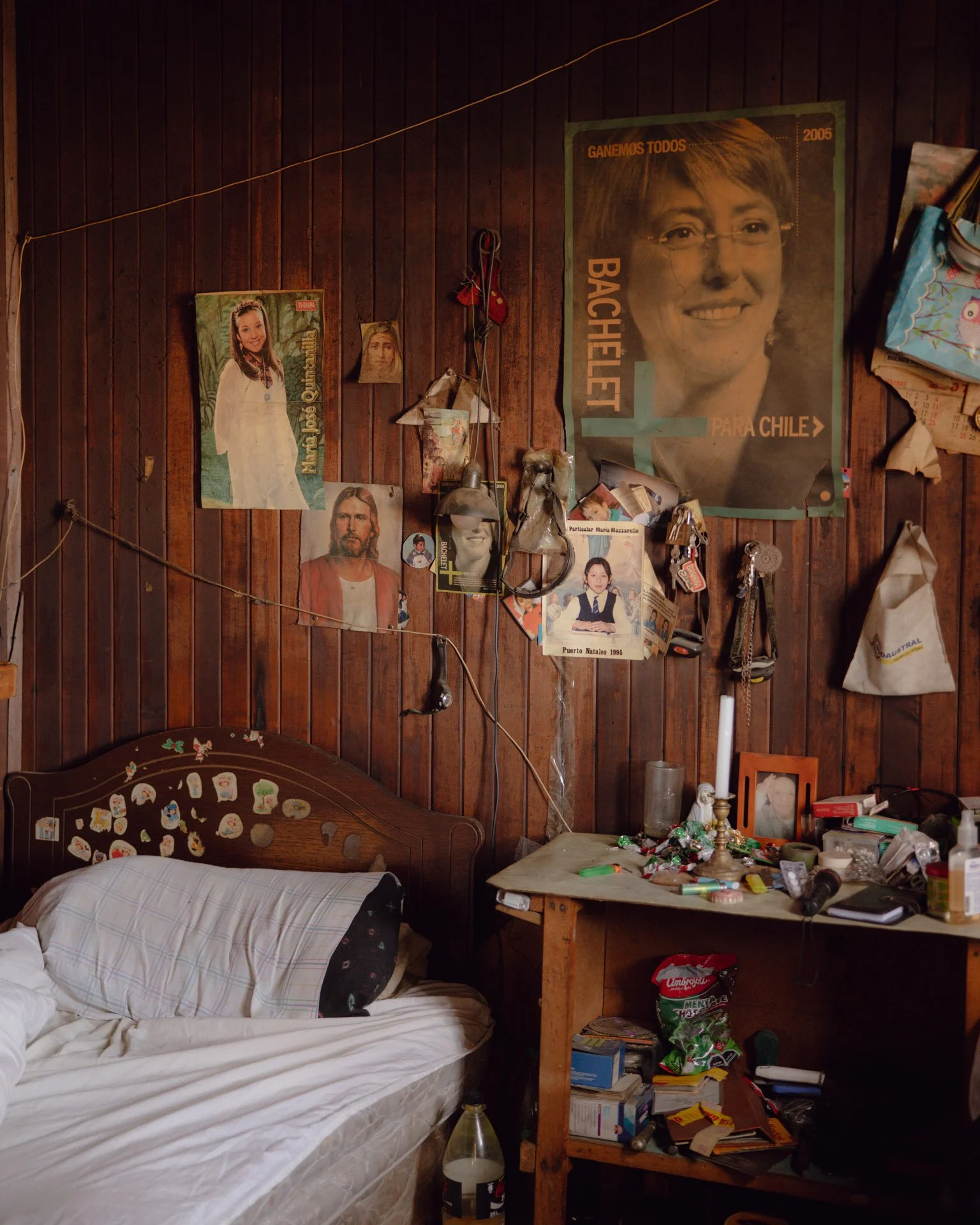
Many of the puesteros featured in this book had never shared their stories with anyone before, let alone in front of a camera. At the same time, books and films about gaucho or campesino culture often romanticise the image of the stoic, resilient man. From the start, I wanted to do something different, to offer a more human perspective, one that places vulnerability alongside strength and looks beyond traditional ideas of fortitude and masculinity. A perspective that acknowledges both the hardships and the beauty inherent in this way of life.
It took us two or three years to fully understand that this kind of work requires time. Consequently, around 80 per cent of the photographs in the book were made during the final three years of the project. To me, that is proof that gaining access to a community, a place or someone’s home is not enough. Before the real work can begin, there needs to be acceptance. The first years were largely spent building a foundation of trust, familiarity and mutual respect between these men.
Time and access: Working on a story for six years is rare today. How did staying that long change what you were able to capture?
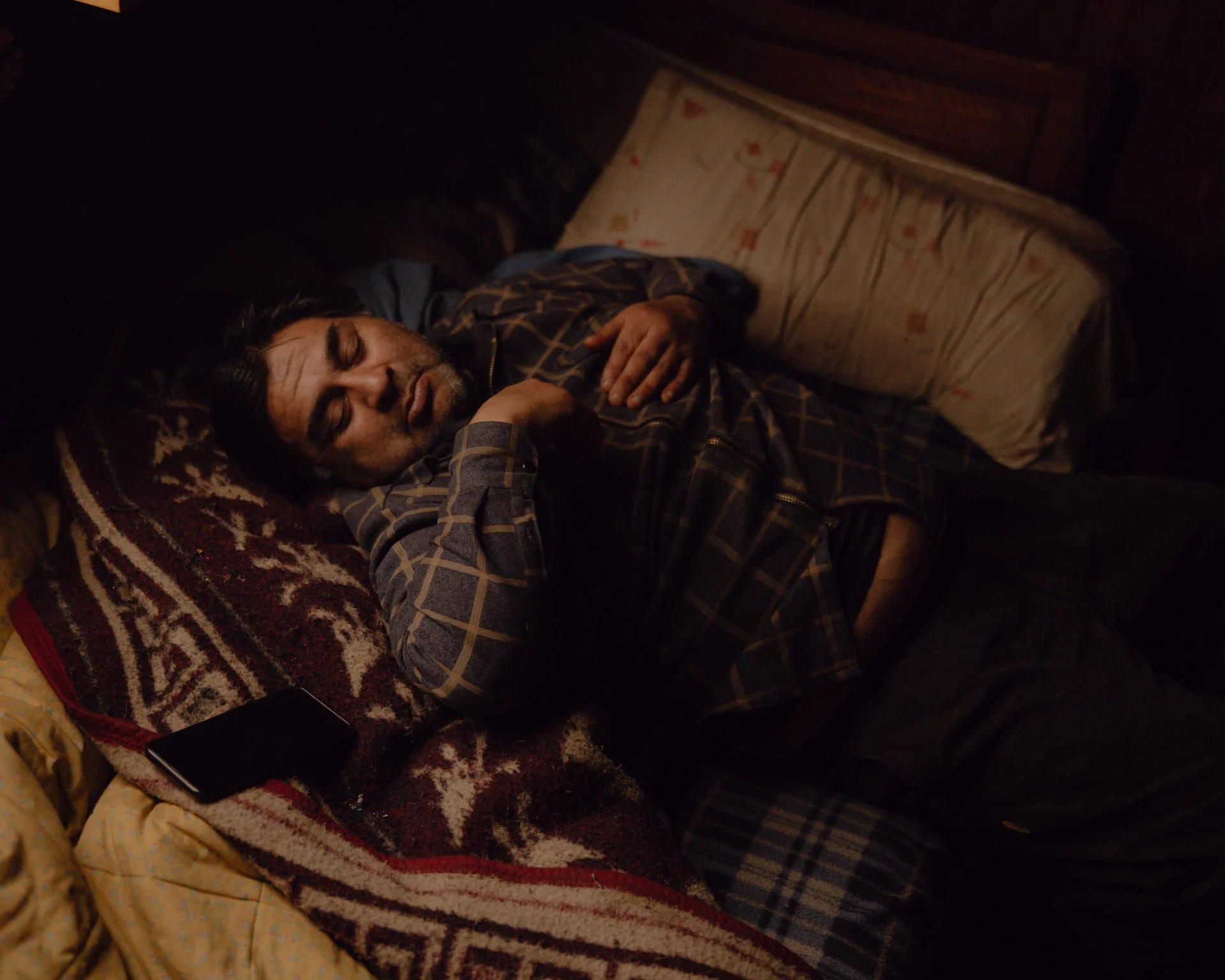
A real turning point in the making of this work came when these men began to understand that our interest in their lives was sincere. Over time, we found a natural balance between long, intimate sit-down interviews and simply spending time together, sharing meals, getting drunk, exchanging stories, and participating in daily life without a camera or any hidden agenda. I will never forget the first time one of them said, “You’ve been coming here so often. Why don’t you just stay instead of driving all those hours back and forth to town?” It was a simple invitation, but it caused a remarkable shift.
Looking back, that was the turning point. One invitation led to another, and soon we were sleeping in their homes, playing cards late into the night, rounding up sheep in the hills early morning and sometimes staying for weeks at a time. Slowly, friendship became the foundation of the story we were trying to tell, and in that way, this body of work slowly became a story about a group of men I deeply care about.
Framing choices: One photo shows just a hand gripping a barbed wire fence instead of the whole scene. How do you decide when to zoom into a small detail like that?
The whole story was shot on a tripod, on medium format analog film, alongside a 90-minute feature documentary we were filming at the same time. So there were always two camera viewpoints in every situation: the film camera rolling on interviews and scenes, and my analog camera on its tripod. To give way to the film, I'd pull back into the corner of the room and just observe, sitting through hours-long interviews, watching what was happening in the room, outside, the small details, the bigger narrative.
Having hours to observe meant that by the time conversations end, I had a clear sense of the one, two, or three images I wanted from that encounter. My way of working became very intentional and observational over time, a methodology that shaped the final quality of the work. Sometimes I'd be drawn intuitively to a small detail, and a minute later to a wide open scene. It's always come down to instinct and feeling. Working with this set-up therefore has always been a choice led by methodology, rather than aesthetics.
Personal connection: You said this project changed how you see your own fear of being alone. How did that personal shift affect the way you shot the story?
I have a long history with anxiety. For as long as I can remember I've feared being alone, not just physically, but in a deeper, existential sense, a fear of being alone in the universe, that no one or nothing anchors your existence. Being on the ground in Chile, in the presence of these men, watching them live through silence, hardship, and endurance, I started to see silence from a different angle than the one that had always triggered my anxiety. Being around them became a kind of mirror. I started to embrace the idea that some of my fears have shaped who I am more than I ever realized.
There's a beautiful line from Peter Matthiessen. “The great stillness in these landscapes that once made me restless seeps into me day by day, and with it the unreasonable feeling that I I have found what I was searching for without ever having discovered what it was”. Without romanticizing the hardship, that is exactly how being with these men, working on this story, felt to me. Overtime, I became mesmerized by their ability to simply exist within silence. A quality I feel is almost gone in the world I come from
Working alone: These men often work for months without talking to anyone. How did you capture silence and isolation using only images?
While working on a project, I write a lot, trying to put into words what I feel in certain moments, the good and the bad, the precious and the anxious. Reading and reworking those words over and over gave me a way to contextualize and visualize certain scenes, and to sketch ideas in the field.
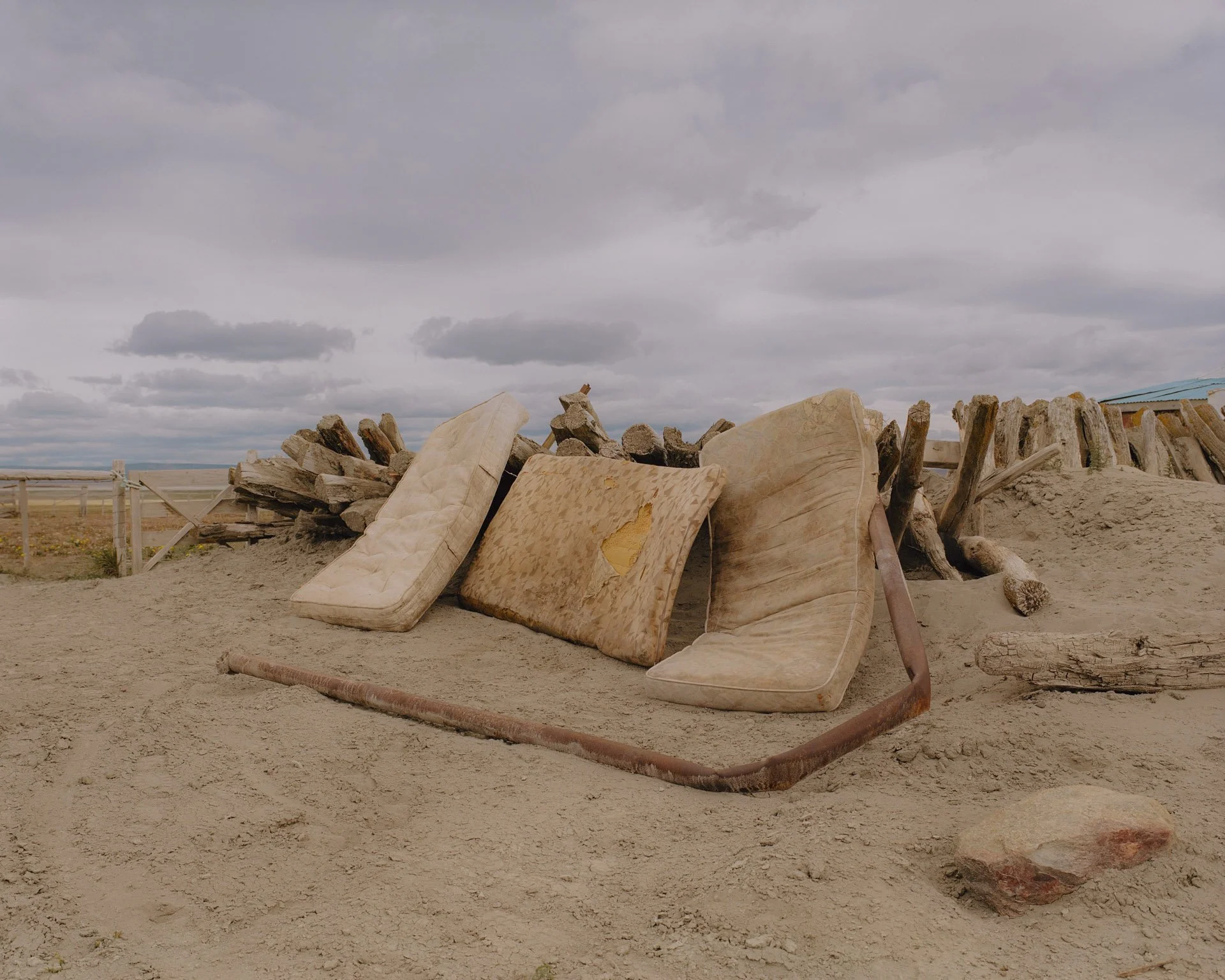
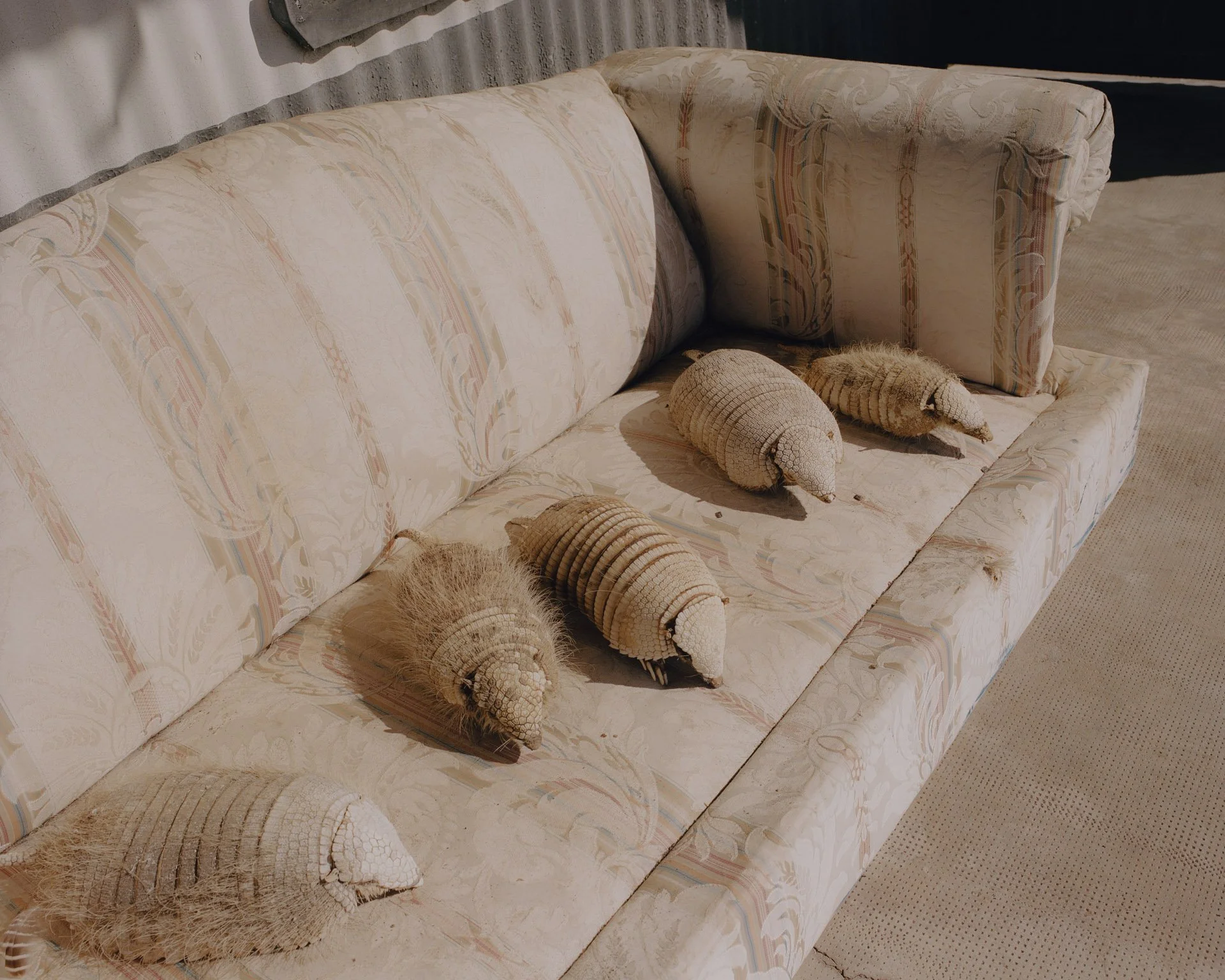
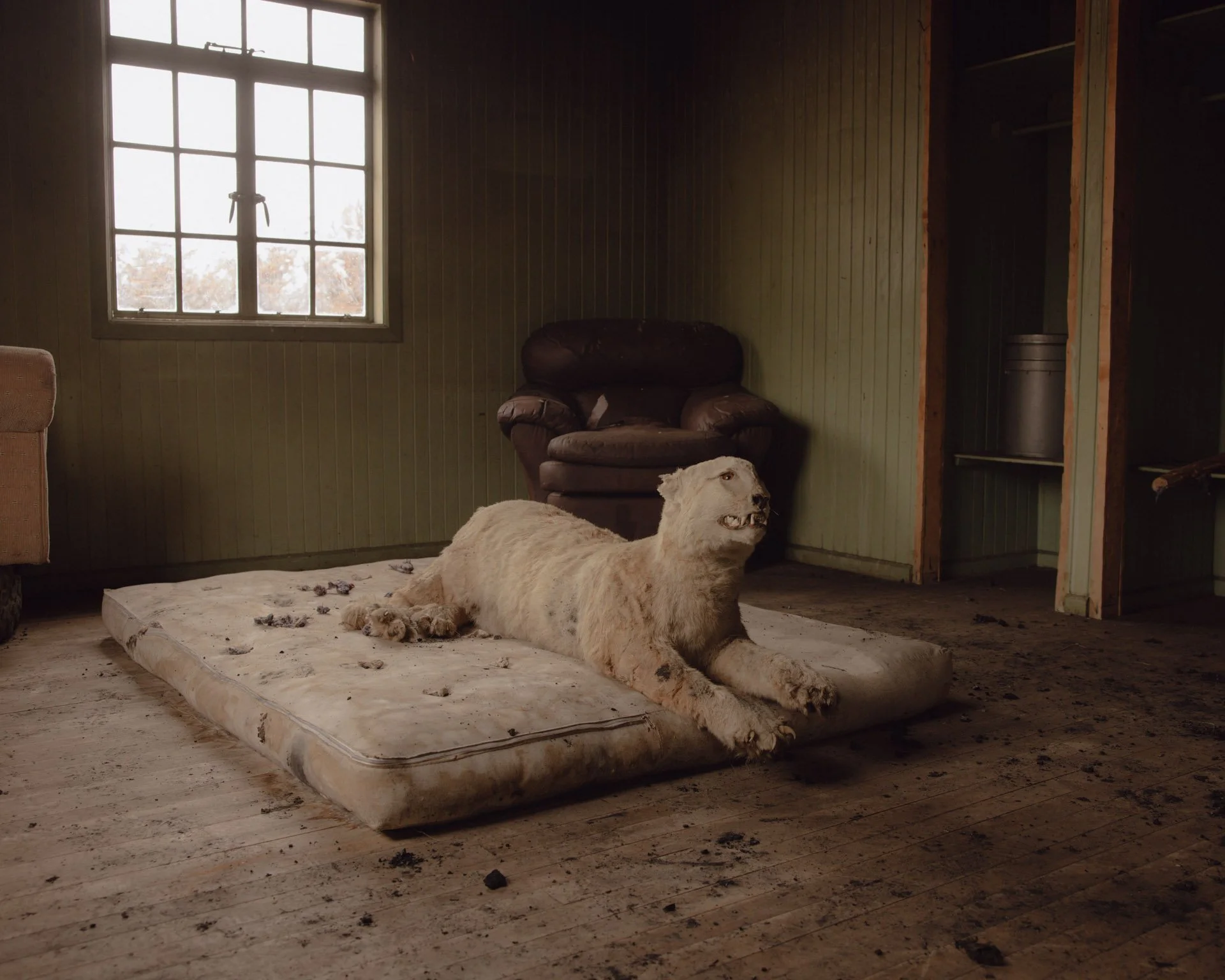
One example: how do you photograph the fear of an aging human body through a still life, or a tree? I ran through exercises like that again and again, and over time they built the visual foundation I used to search for the actual photographs.
Collaboration: The book also has a poem and an essay from other writers. How did you decide to bring other voices into your visual story?
While making this work, and reading more into the history of Patagonia, especially the Magallanes and Tierra del Fuego region, it's impossible to ignore the impact of a violently colonial history. At the same time, the region has drawn writers, cartographers, historians, and photographers for centuries, despite being a place essentially unsuited to human life. That paradox was hard for me to grasp on my own, so I started talking with writers from the region.
Alberto Harambour, a historian and professor at a local university with roughly forty years of study on Patagonia's history, ended up writing an essay that contextualizes that history, and the images, drawing on his own lifetime in the region. It became an honest, moving piece of writing. On the poetry side, I read widely while making this work, but kept returning to Iván Rojel Figueroa, who writes from within a puestero background himself and captures the essence of this region in words like no one else. I'm grateful both of them wanted to contribute, and I'm glad people will finally see it all come together.
Book design: With 59 images spread over 116 large pages, how did you and your publisher decide on the pace and order of the photos in the book?
That was its own year-and-a-half journey. I still remember sitting in Stuart Smith's living room, the founder of GOST Books, a close friend and a brilliant sequencer and editor. When I told him I imagined the book somewhere between 120 and 200 images, he told me to go home and cut that number, then cut it again. All I could do was laugh, I couldn't imagine a finished book with only 59 images. It took him about a year to convince me. Now, here we are.
Honestly, the strength of this final sequence owes a great deal to his editing, to being talked out of certain images, even whole strings of images, and being surprised, again and again, by pairings and small miniseries I hadn't seen myself. Putting this book together has been an incredible lesson in the real power of sequencing.
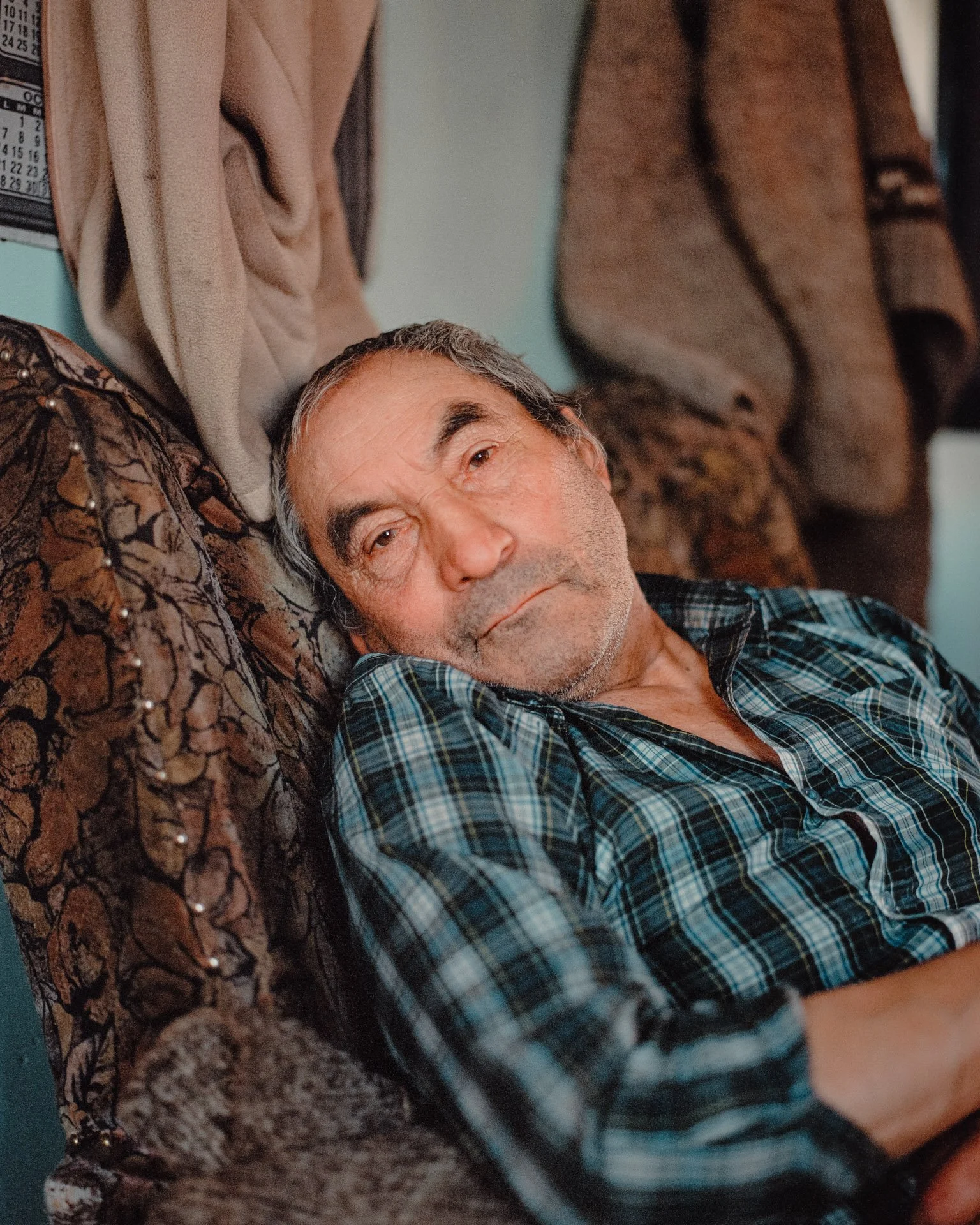
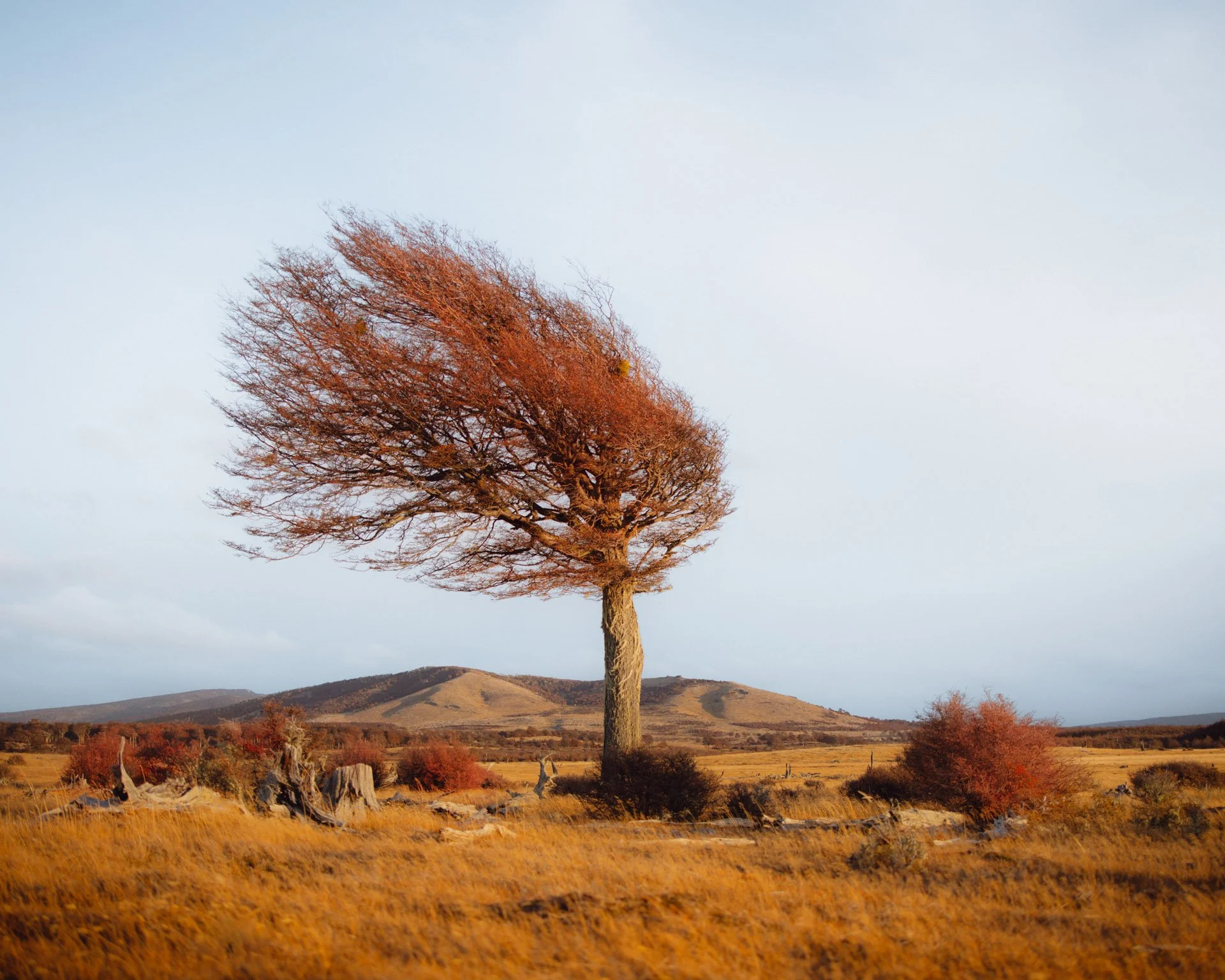
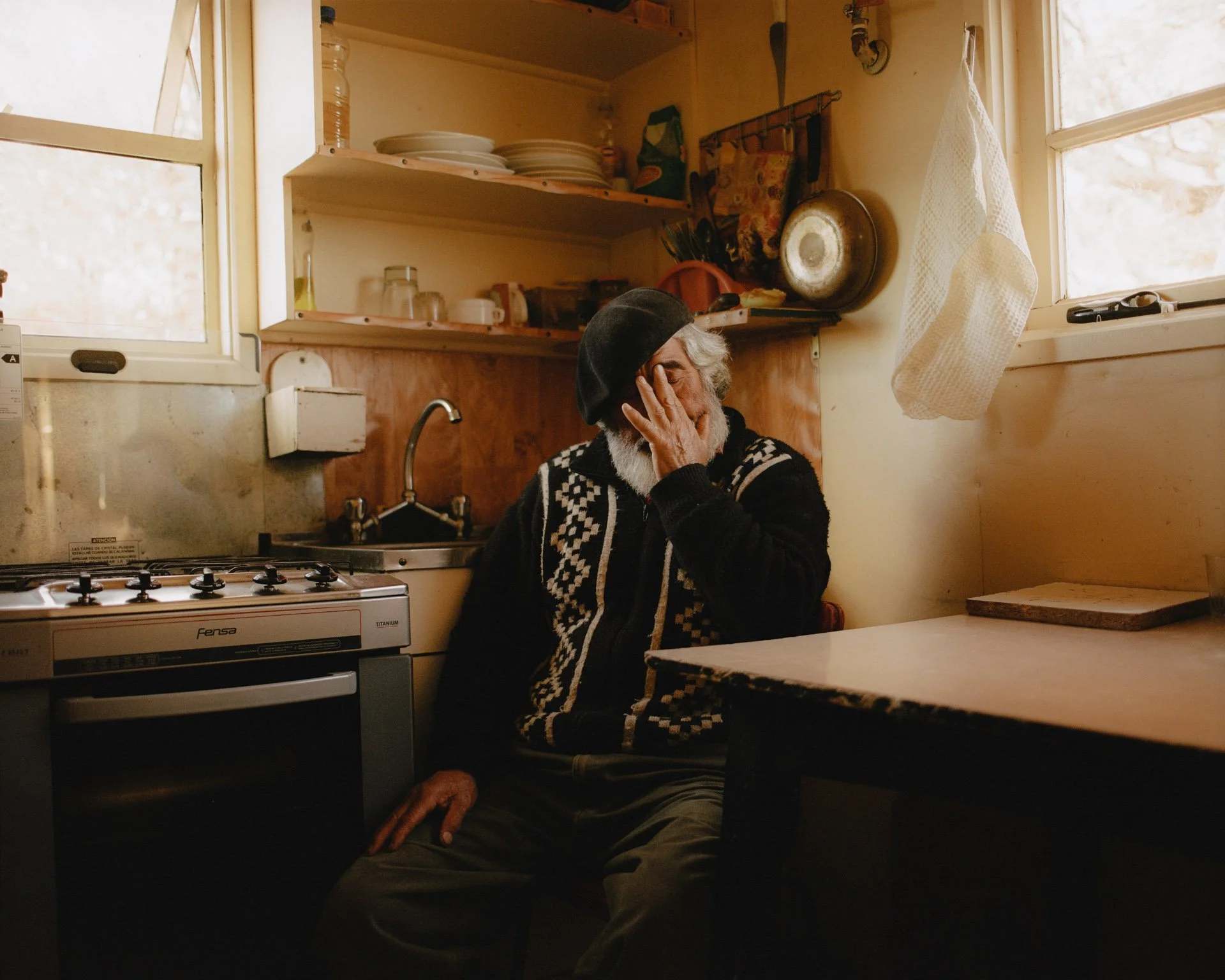
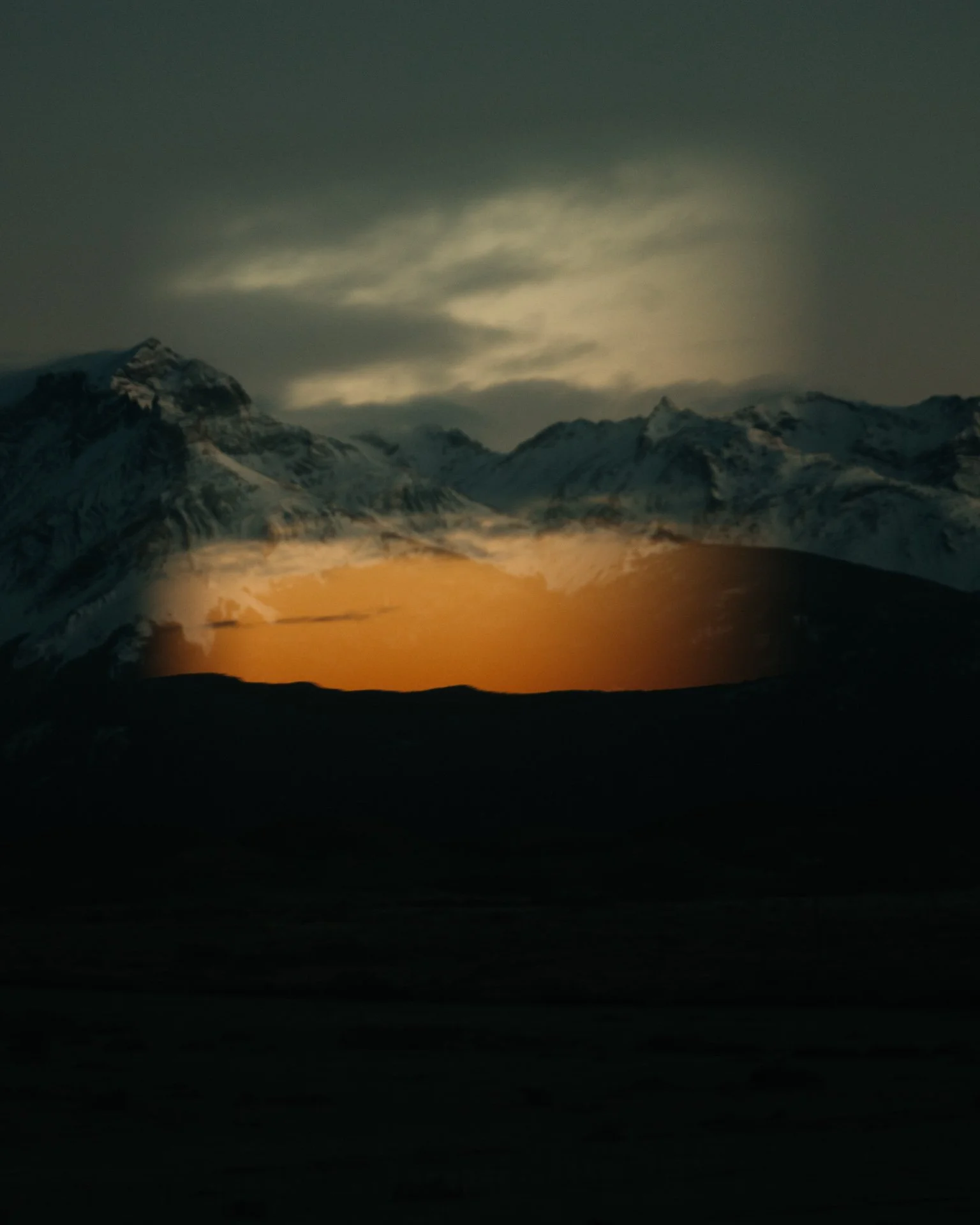
To discover more about this intriguing body of work and how you can acquire your own copy, you can find and purchase the book here. (GOST Books, Amazon)
More photography books?
We'd love to read your comments below, sharing your thoughts and insights on the artist's work. Looking forward to welcoming you back for our next [book spotlight]. See you then!
Catherine DeLattre’s photographs begin with something worth stopping for. Driving through Wayne County, Pennsylvania, she notices isolated houses, trees, and open fields. Photography Book Spotlight