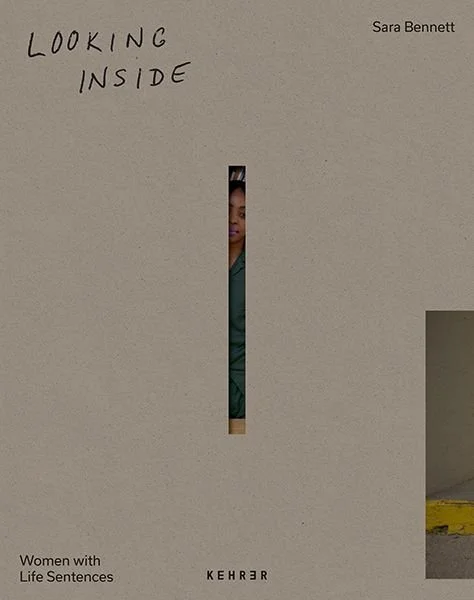
Welcome to this edition of [book spotlight]. Today, we uncover the layers of 'Looking Inside,' by Sara Bennett (published by Kehrer Verlag). We'd love to read your comments below about these insights and ideas behind the artist's work.
A prison sentence tells only part of a life.
Sara Bennett has spent more than a decade photographing women convicted of homicide and sentenced to life in New York State. A former public defender, she first used photography in 2012 while trying to help her client Judith Clark gain clemency. The reaction to those portraits made Bennett realise how little many people knew about women in prison and what happened to them after decades inside. What began as an advocacy booklet slowly developed into Looking Inside: Women with Life Sentences.
The project grew without a fixed plan.
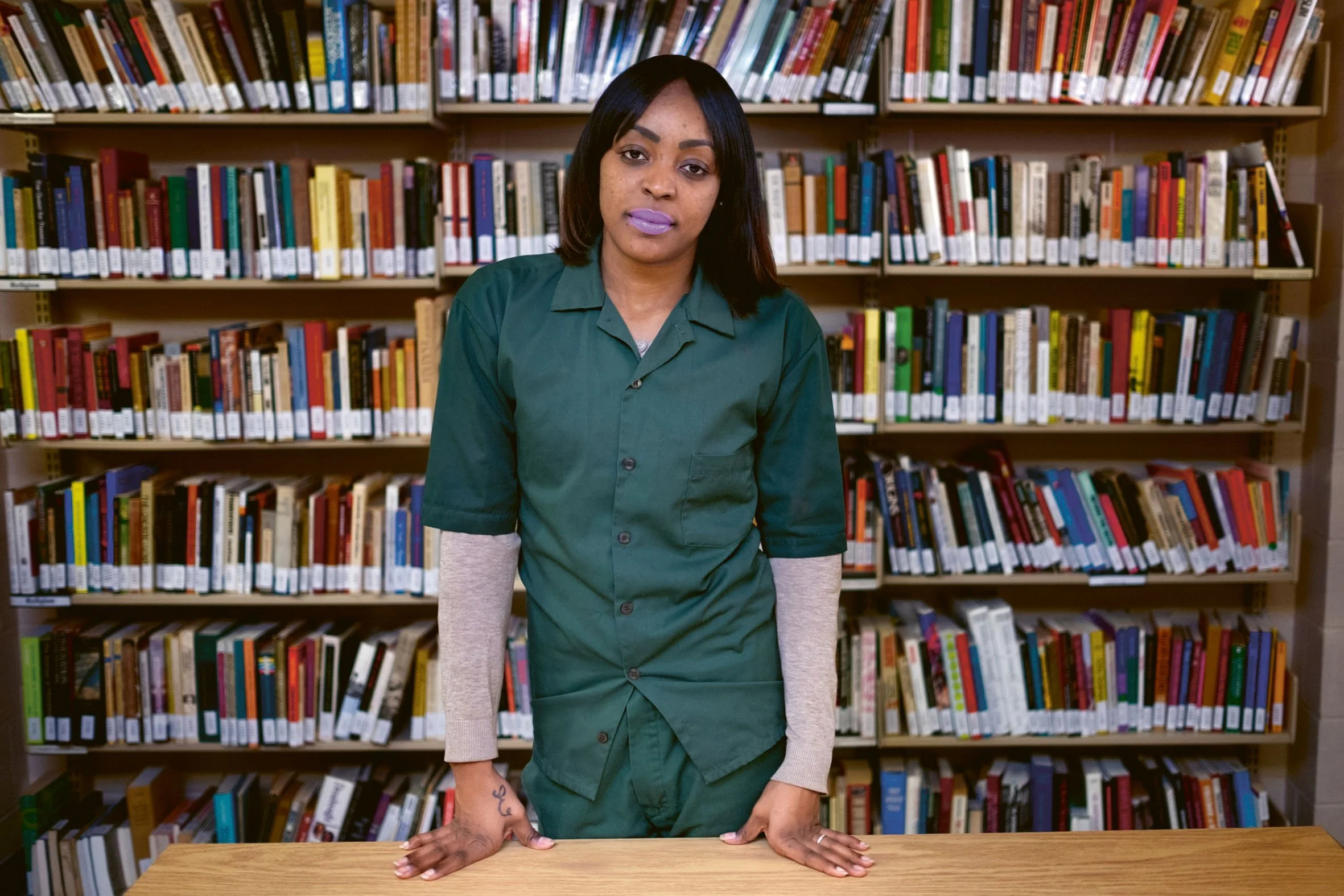
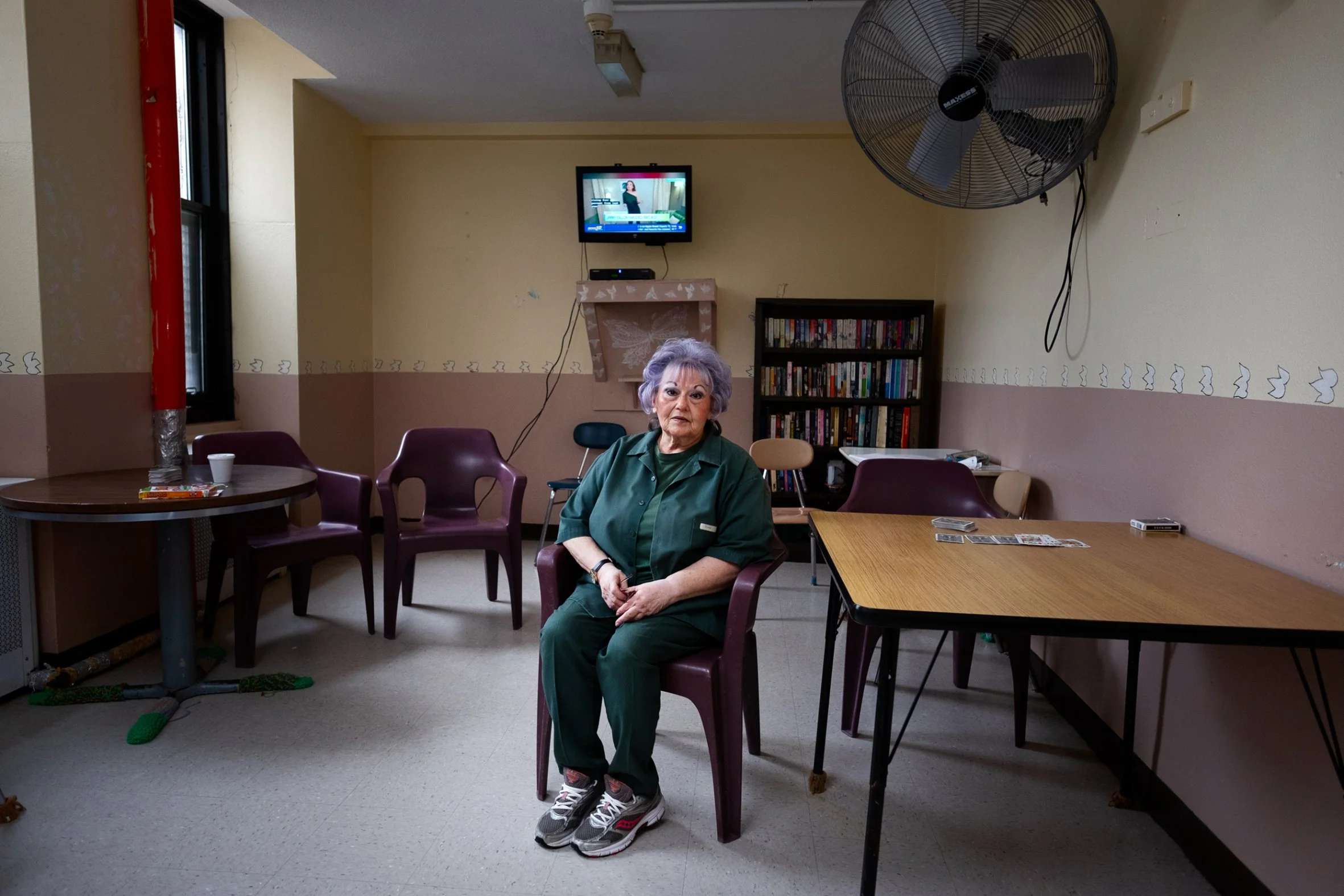
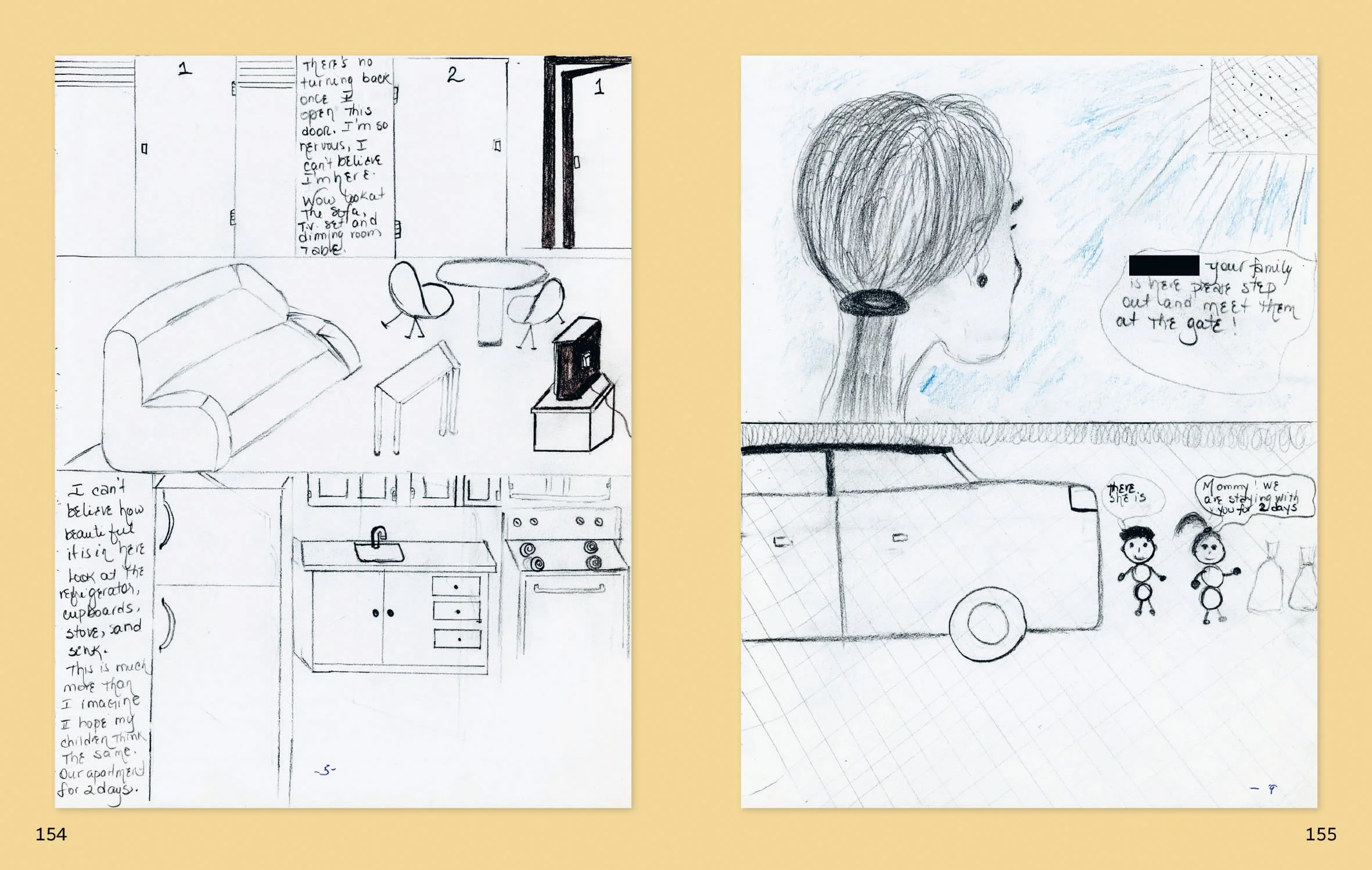
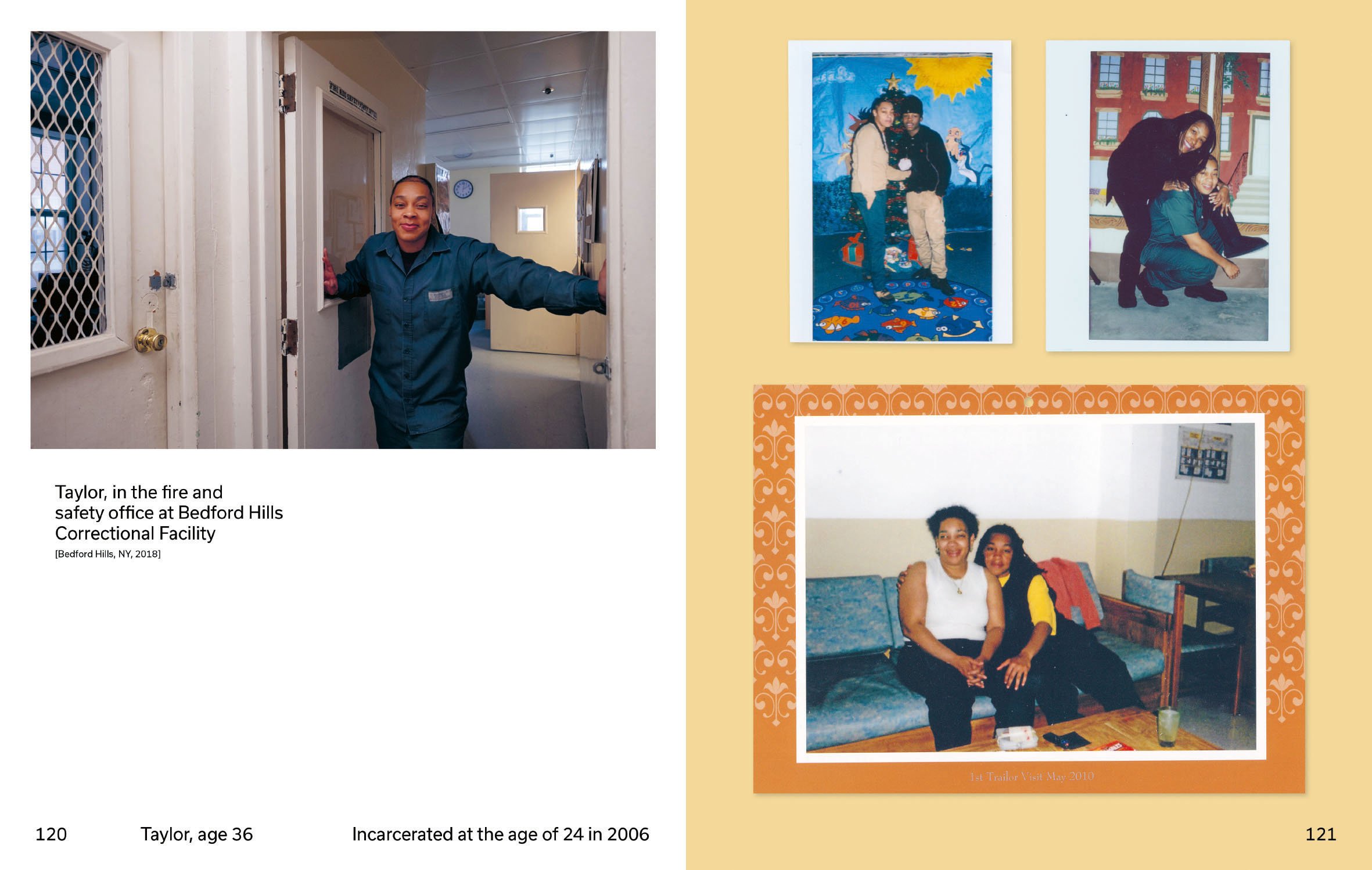
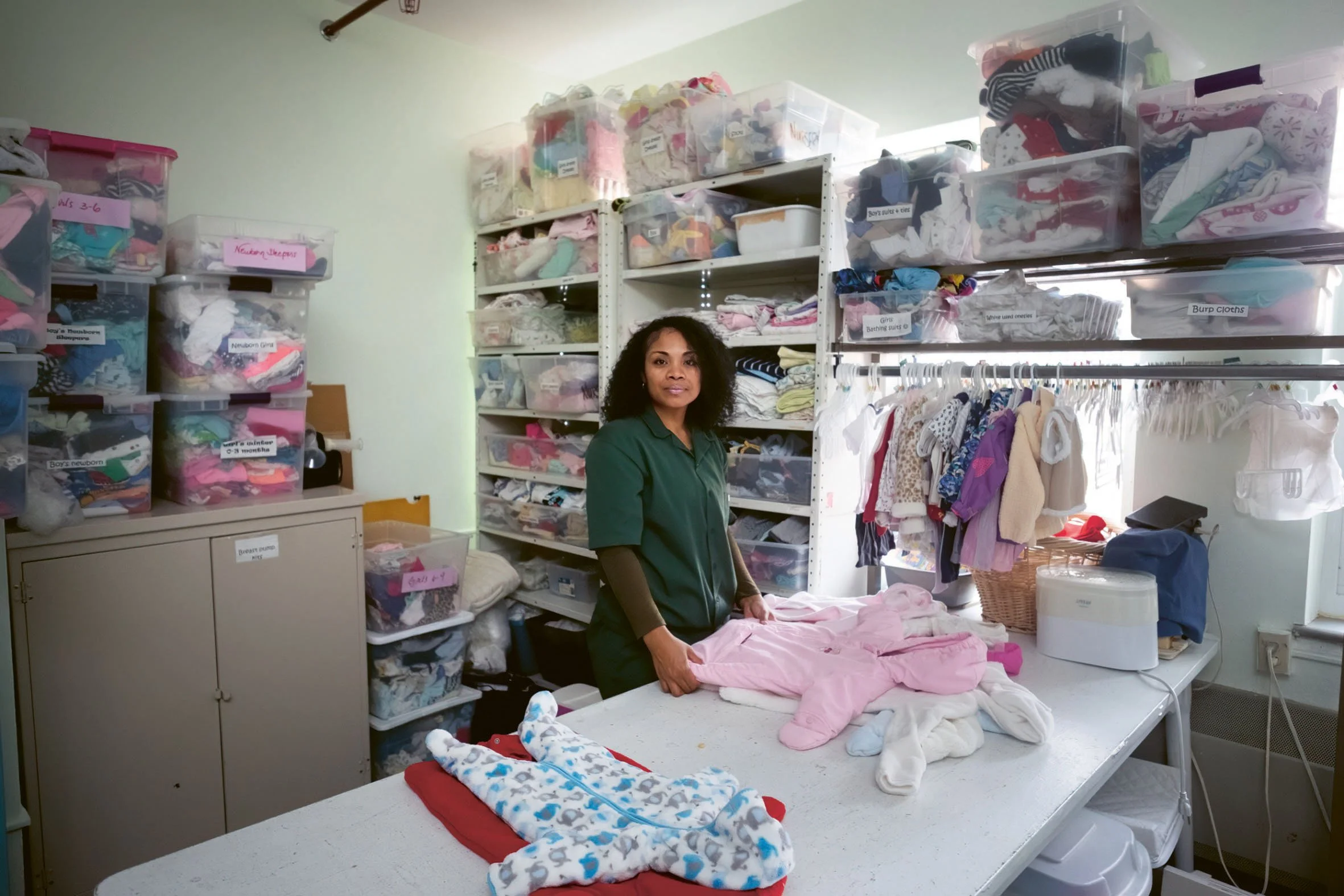
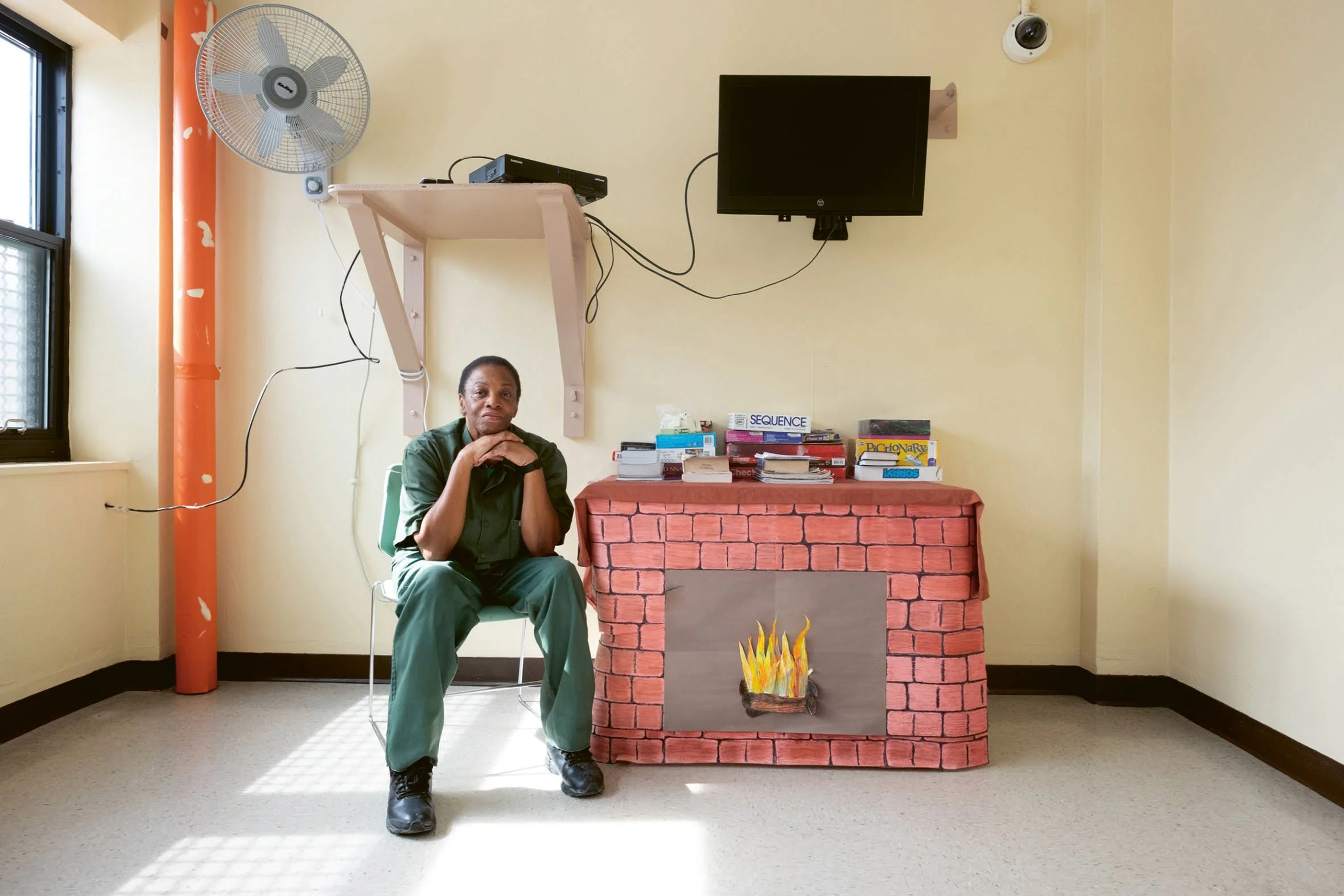
Bennett first photographed women after they came home from prison, later gained permission to photograph inside, and then returned to some of the same women after their release. The book brings these different periods together with portraits, prison Polaroids, letters, drawings, and handwritten statements. Some women appear behind prison walls and then again years later in bedrooms of their own, allowing different parts of the same life to sit next to each other.
Bennett explains why giving people space to speak in their own words can change a project, why access can shape the work in unexpected ways, and why photographers need to understand a subject well enough to recognise when an image or a piece of text could actually cause harm. Her thirteen-year project shows how a body of work can grow when the photographer keeps listening, learning, and allowing the story to change direction.
The Book
Looking Inside: Women with Life Sentences is a long-term photographic study of women sentenced to life in New York State. The book moves between prison interiors, post-release bedrooms, family photographs, letters, drawings, and handwritten statements, building a picture of lives shaped by incarceration but not defined by it.
Designed by Teun van der Heijden and published by Kehrer Verlag, the book brings several of Bennett’s related projects into one sequence. Women reappear across different years and settings, sometimes first inside prison and later in freedom, creating a layered record of time, change, memory, and return. Find out more about the book launch - Brooklyn Public Library. (You can buy the book here - Kehrer Verlag, Amazon)
Origin: How did you decide to turn Spirit on the Inside, a pamphlet you made to help free Judith Clark, into a thirteen-year photography project?
In 2012, I created Spirit on the Inside: Reflections on Doing Time With Judith Clark, a photography booklet that sought to humanise my client through portraits of women who had been incarcerated with her, accompanied by their writings about how she had influenced their lives. I sent it to the then-newly formed Commission on Re-Entry, as well as state legislators, the governor, and others with political sway. Several people wrote back saying they found the work compelling. Others who saw the book were surprised by the seeming "ordinariness" of the formerly incarcerated women and curious about their life stories. That reaction made me realise not only how little the general public knew or thought about people behind bars, but also the power of photography as an advocacy tool.
So I set out to photograph women who had just come home from prison. I never imagined it would become a thirteen-year project, evolve into several different series that I would eventually bring together, or attract any interest from the photography world. At that point I wasn't a photographer; I was someone using a camera to show what I thought should have been self-evident: that people behind bars are human beings.
Central idea: Why did you choose to photograph only women convicted of homicide, since you say they are "the most hidden and forgotten of all"?
Thirteen years ago, mass incarceration was not on most people's radar. The little discourse there was focused only on those convicted of low-level drug offences. President Obama was starting to talk about giving clemency to people convicted of minor crimes, and I was worried that those serving life sentences would be left out of the conversation altogether.
When I was an attorney, almost all of my clients were serving life sentences for homicide, and they never seemed able to get out of prison, even after they'd served their minimum sentences. I wanted to draw attention to all the problems with the criminal system, and I wanted to photograph women because most people don't even think about women in prison, let alone that many have children, that families are broken up, and that their needs are different from men's. Also, as an attorney, I had specialised in representing women who had killed their abusers, so focusing on women was natural to me. That being said, only some of the women in my series were convicted of killing their abusers.
Finding subjects: How did you decide who to keep photographing over the years, once some of the twenty women were freed and others stayed inside?
I started out by following nine women who had been recently released from prison after serving decades and quickly whittled that down to four, the ones who gave me the most access. About a year later, I started photographing women in their bedrooms. By the time I created The Bedroom Project and began exhibiting it in 2018, I thought I might be finished. But then I got permission to photograph inside prison, something I had always wanted to do but that wasn't easy to get, and I created my next series, Looking Inside. After I photographed twenty women inside, I was sure I was finished. But then some of the women started coming home, so I added them to my Bedroom Series. Nothing was planned; it was all just very natural.
Creative decision: Why did you choose to pair your portraits with the women's own handwriting instead of writing captions yourself?
I saw an exhibition where the captions were handwritten, and I found that so powerful that I knew I wanted to do the same. Handwriting is very personal, almost another art object, and I thought viewers would be more inclined to read the captions if they were handwritten. When I exhibit, the handwriting appears underneath the image on the actual print. I've watched viewers move back and forth between the image and the text. I think if I had displayed the caption on the side, there wouldn't be that same compulsion to read.
That's also why the notes in the back of my book are in my handwriting. I thought that if they were simply presented as FAQs, no one would read them. But by pairing my handwriting with photographs and referring back to the women in the book, I think there's a good chance readers will engage with them—and, in the process, learn a lot about the system.
Sequencing: How did you decide where to place each woman's story in the book, since the same person can appear behind bars, in a bedroom, and back on the outside?
I have to credit all the sequencing to my amazing designer, Teun van der Heijden. That was not an easy task. There are forty women in the book: some only inside prison, some only outside prison, some inside and outside prison, and some with fuller stories told in black and white. The book is designed for the reader to move back and forth through it, having moments when they realise they're seeing the same person again—only now in freedom.
Failure or discovery: At what point did you realise a five- or thirty-minute prison visit was not enough, and what did you change after that?
I had no control over how long I would have to take a photo inside prison. Sometimes it was just a few minutes, sometimes around twenty minutes, and sometimes I was given as long as I wanted. It depended on the officer who was accompanying me. Sometimes the officer would never let me out of their sight; other times the officer would give me some privacy.
Technical choice: Why did the book need laser-cut, shortened pages instead of a simple layout, and what does that choice add to the story?
Again, those elements were suggested by Teun, and I love them. There is transparency to some of the pages, which, to me, fits perfectly with the theme of "looking inside.”
Lesson: What did watching fourteen of the twenty women walk free teach you that you did not expect when you started this project in 2009?
When I started photographing in 2013, so much about the system was different. Almost no one was getting parole after serving a minimum sentence, meaning that if someone had a sentence of twenty-five years to life, they would appear before a Parole Board after twenty-five years. The Parole Board would deny parole and tell them to come back again in two years. That happened so often that many of the women I photographed between 2014 and 2020 had been denied parole for ten years, serving thirty-five years instead of twenty-five. Nowadays, most people get parole on their first or second try, in large part because of successful advocacy efforts and a sea change.
In addition, in 2019, the Domestic Violence Survivors Justice Act was passed, again because of decades of advocacy by previously incarcerated women and their supporters. It allowed judges to consider the role of domestic violence in crimes and to allow for resentencing where warranted. Many of the women I photographed have come home because of that change in the law.
Transferable insight: What did you learn about letting your subjects write their own words that you would tell another photographer to try in their next project?
It is much more powerful to have people speak for themselves. Their writing should be short, under 200 words.
What I also think is really important in documenting people with little or no power is to know as much as possible about the topic. I’d suggest that a photographer new to a subject get a mentor who is an expert in the field. Because I was a criminal attorney, I know when something that seems innocuous can actually harm someone.
For example, one of the women wrote about her innocence in her draft statement. I knew that could come back to haunt her; the Parole Board almost always denies parole to someone who says they are innocent because the Board assumes the person is failing to take responsibility and express remorse. Someone without expert knowledge would have ruined her chances at parole had they published that statement.
Stacy, 30, Served 12 years (from Spirit on the Inside 2012). “If they said to me, ‘Judy can come out if you’ll do a certain amount of time for her,’ I’d do it. I wouldn’t do it for anyone else, but I’d do it for her…. I was a very lost soul. She helped me find myself."
To discover more about this intriguing body of work and how you can acquire your own copy, you can find and purchase the book here. (Kehrer Verlag, Amazon)
More photography books?
We'd love to read your comments below, sharing your thoughts and insights on the artist's work. Looking forward to welcoming you back for our next [book spotlight]. See you then!
Color entered Janelle Lynch’s photographs through painting. In Another Way of Looking at Love, she photographed plants and trees on her property in the Catskills. Photography Book Spotlight