Welcome to this edition of [book spotlight]. Today, we look at Tender Weather, by Kelly Conlin. We'd love to read your comments below about these insights and ideas behind the artist's work.
Kelly Conlin made Tender Weather inside Havana homes.
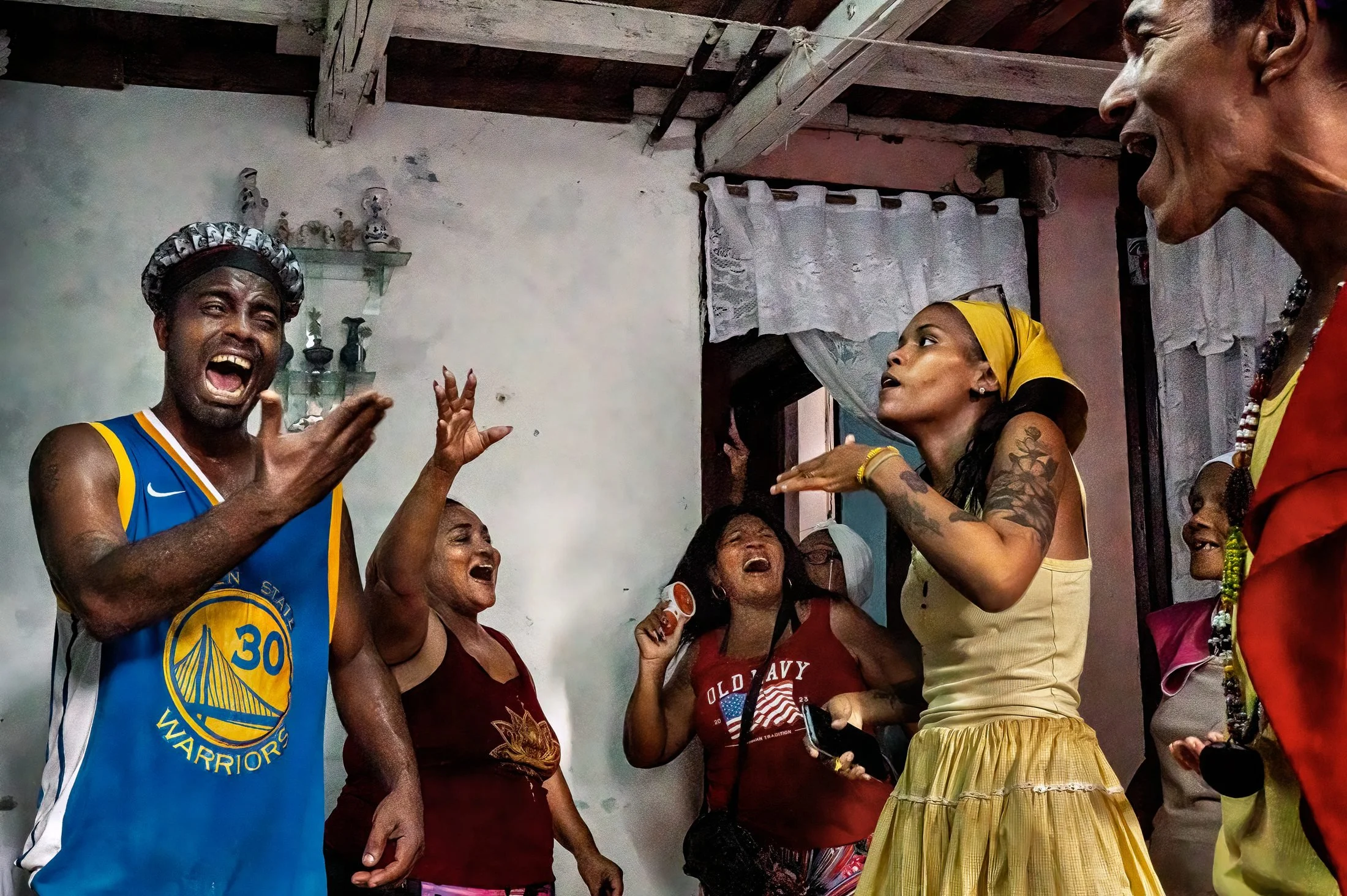
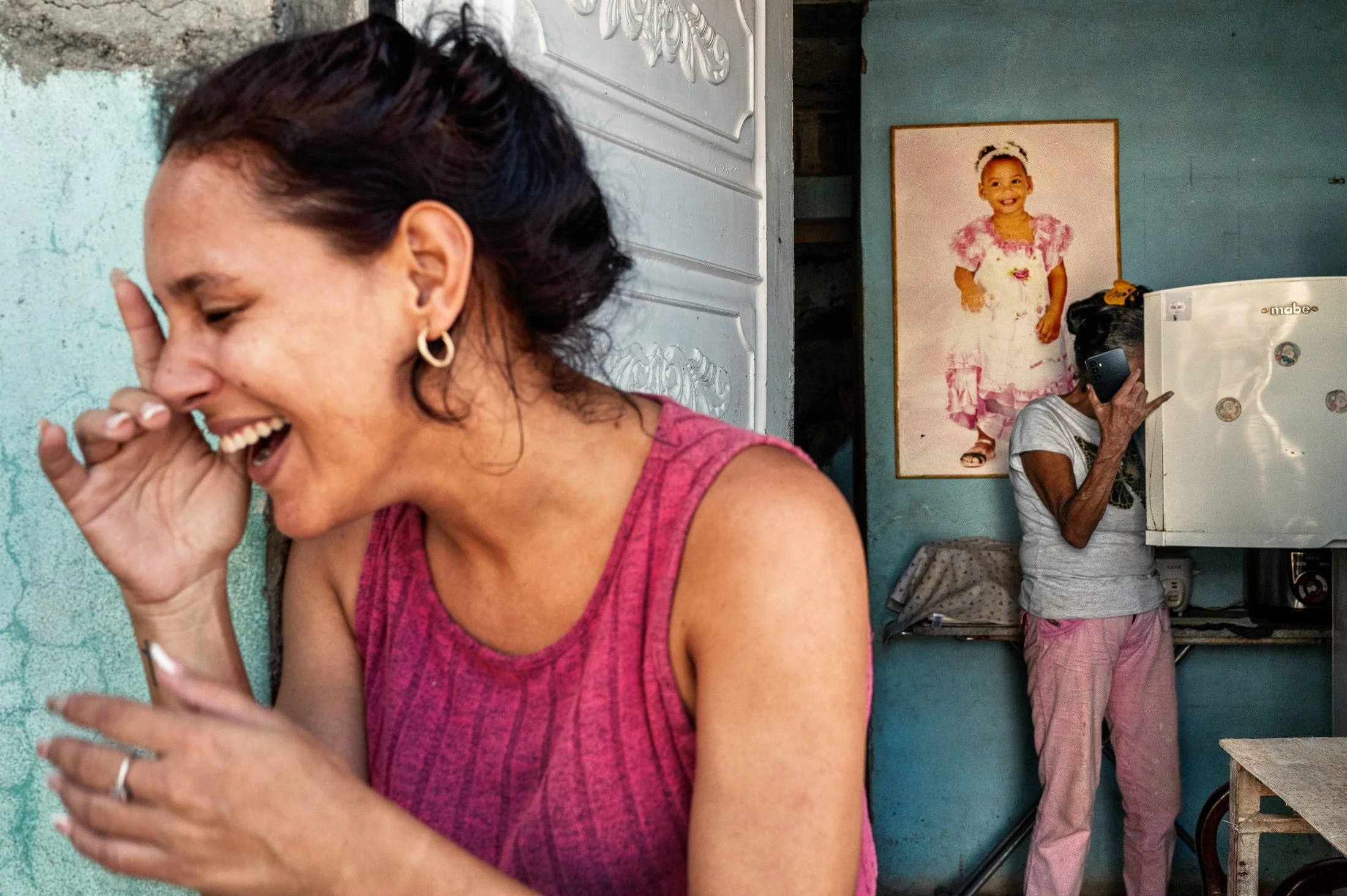
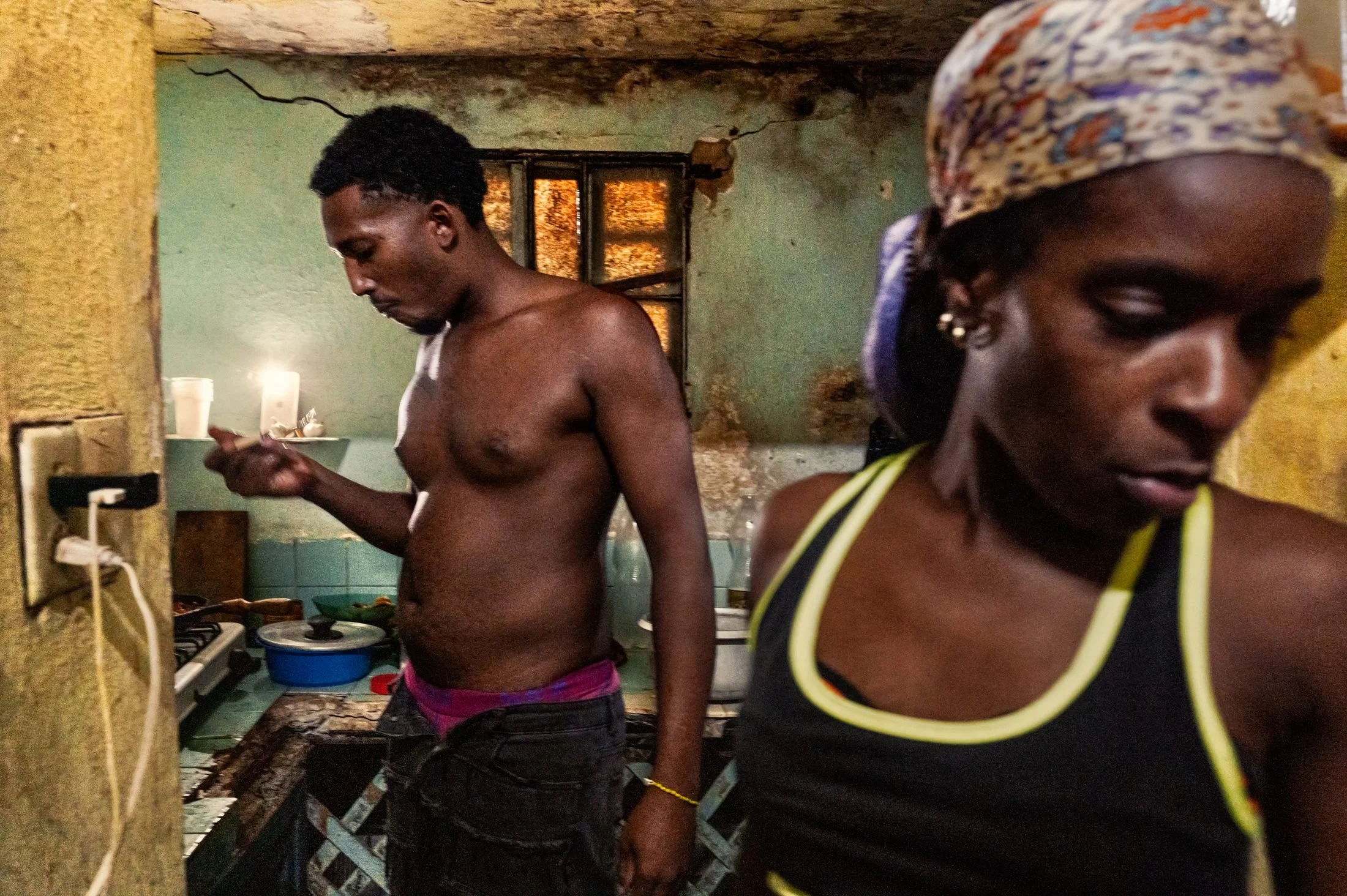
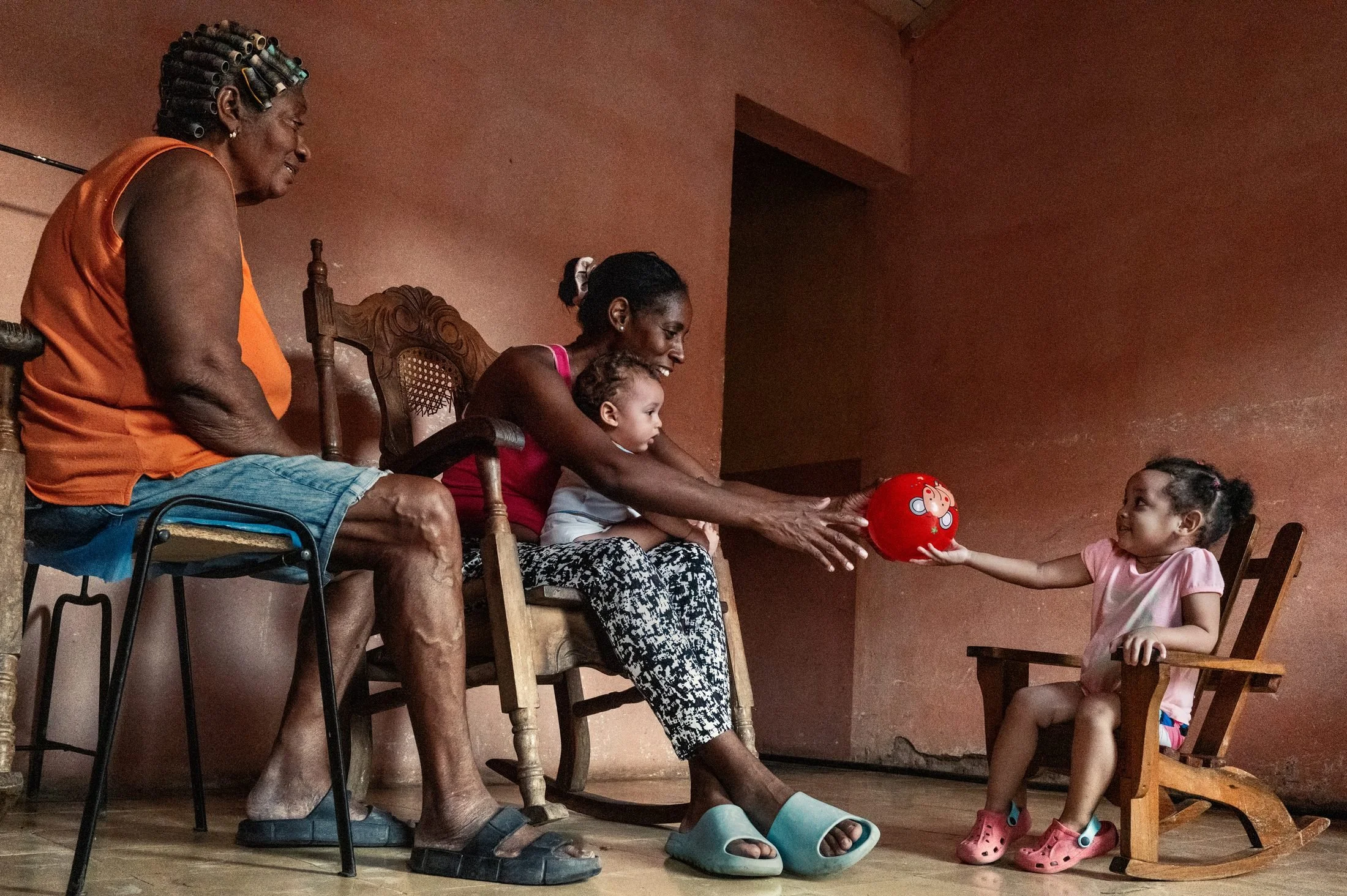
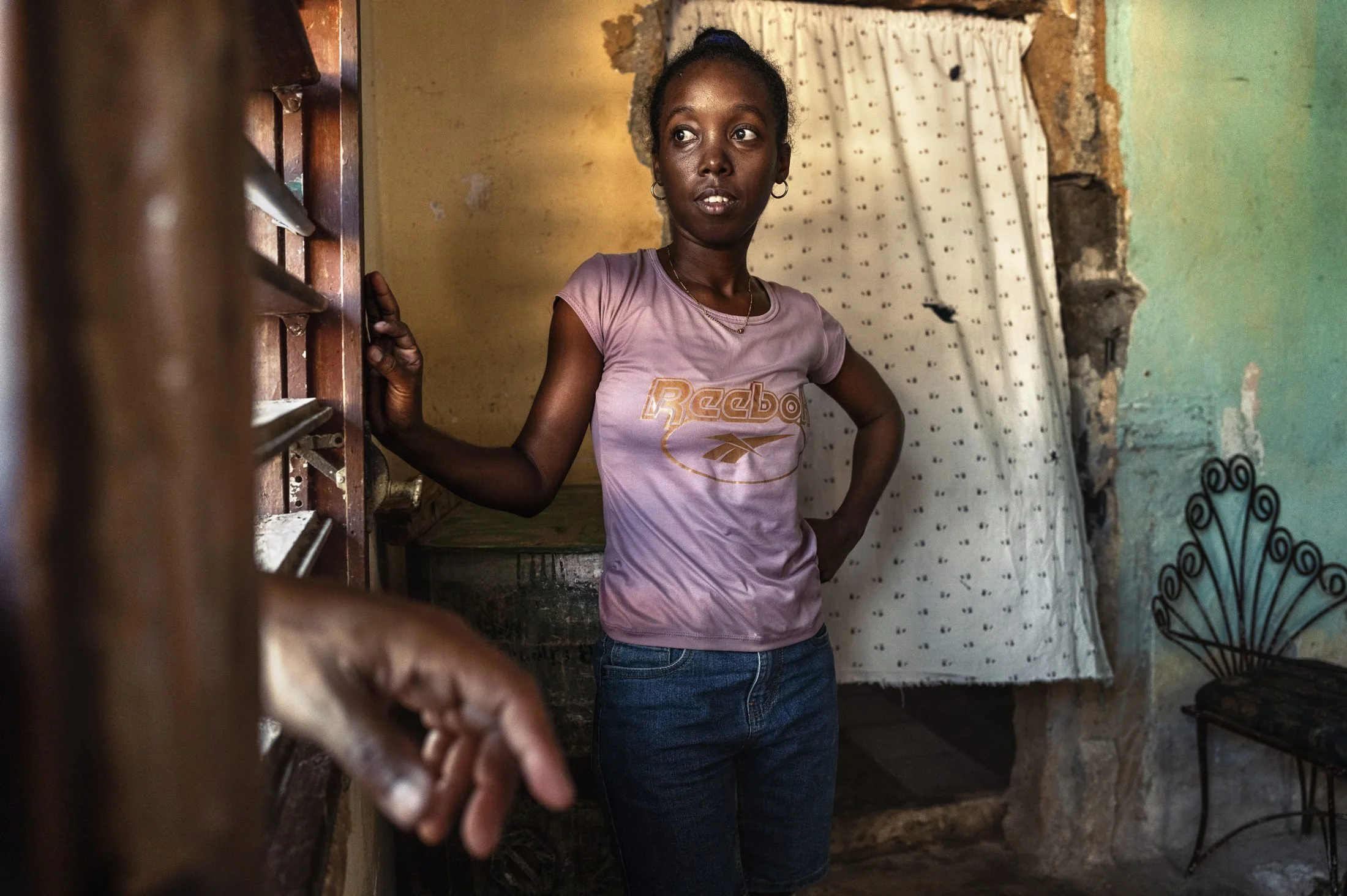
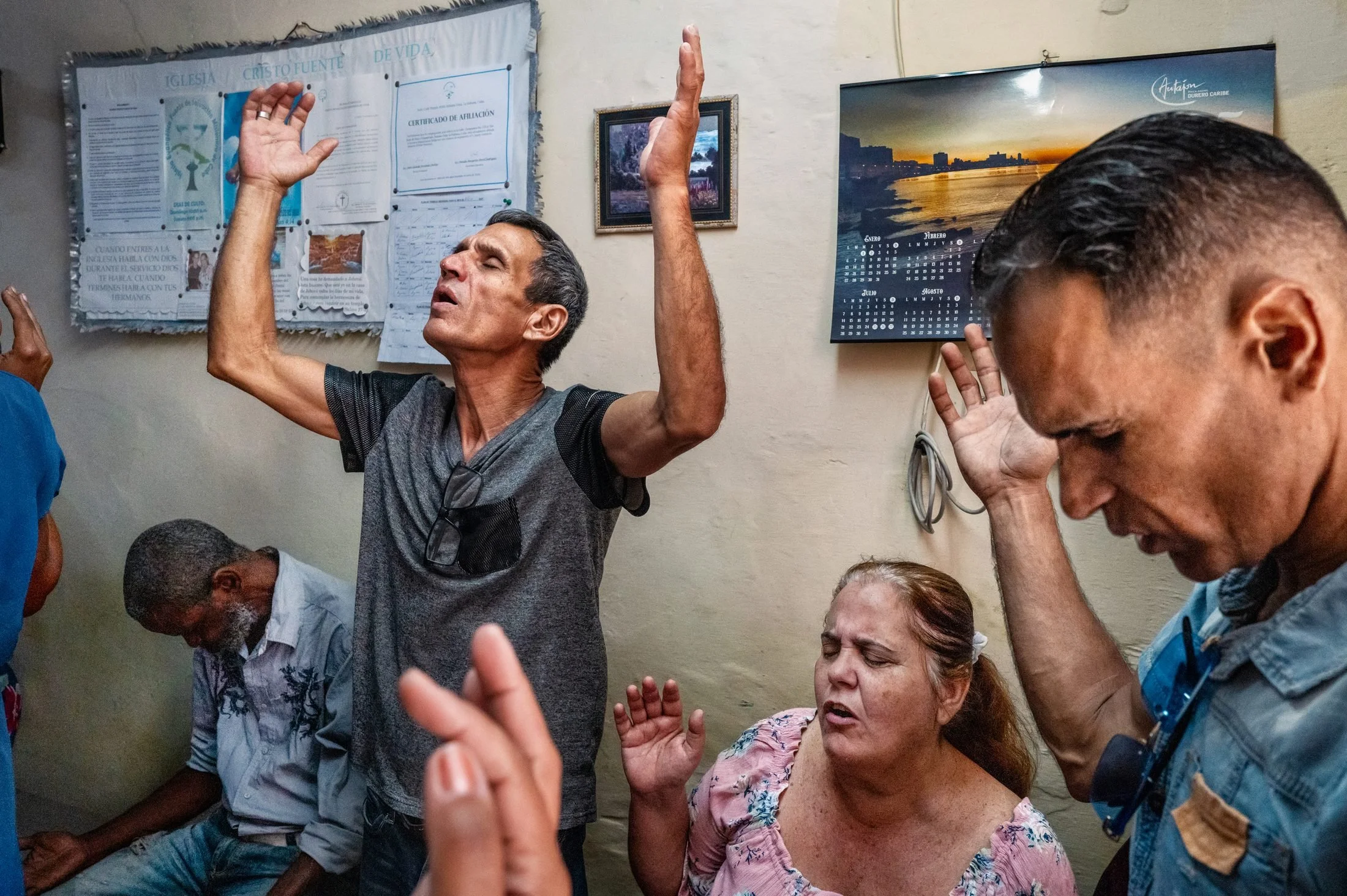
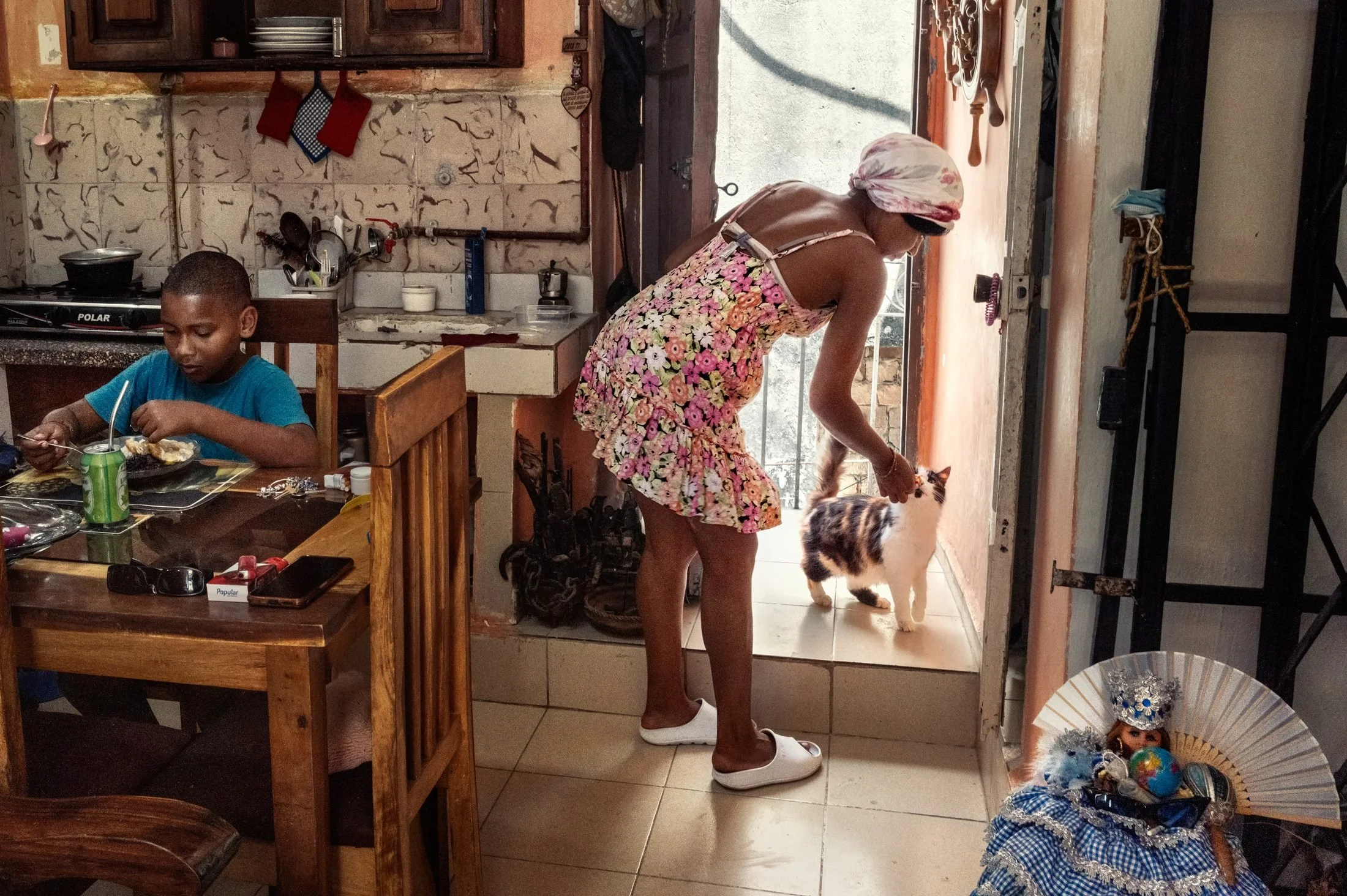
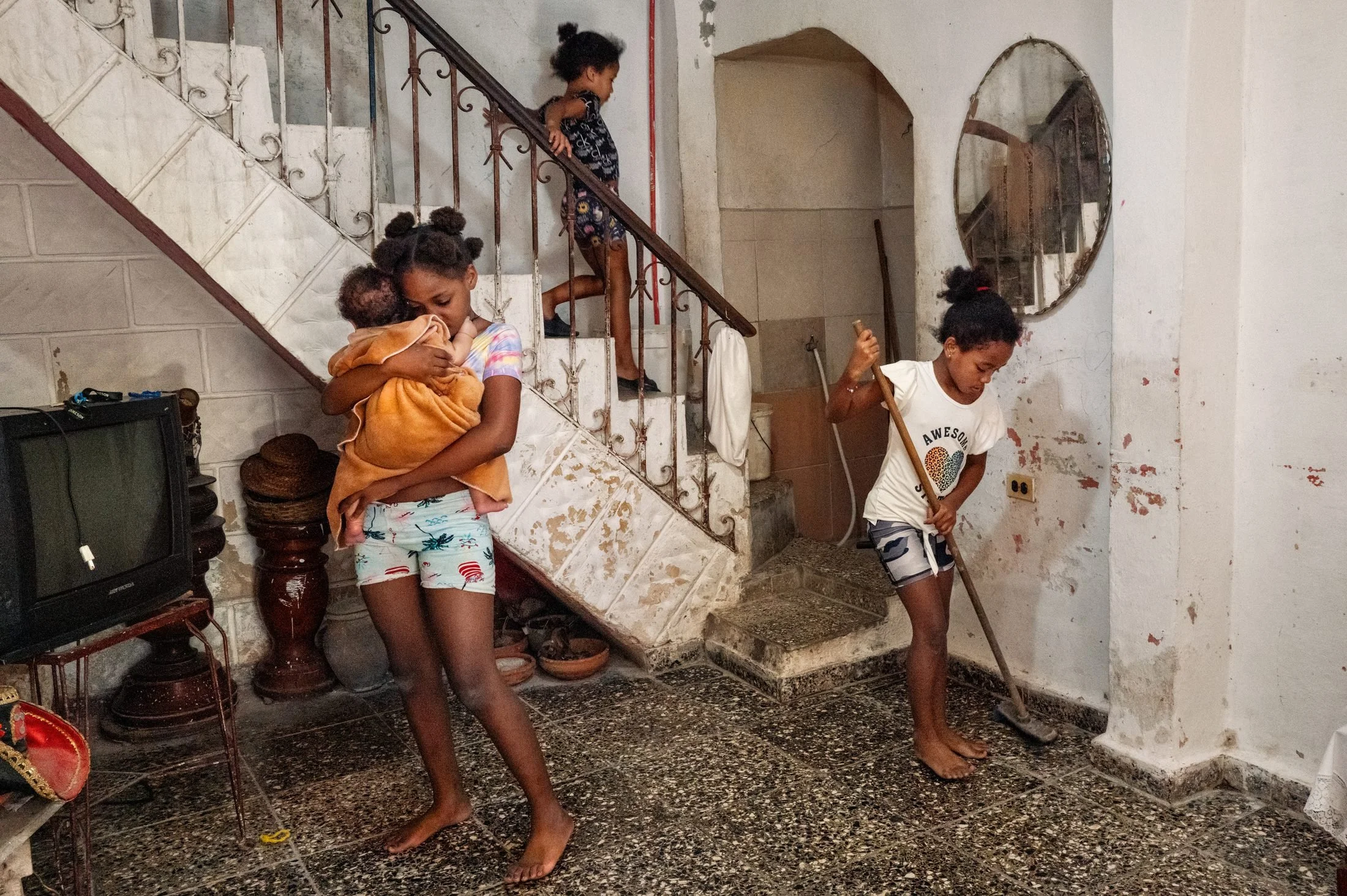
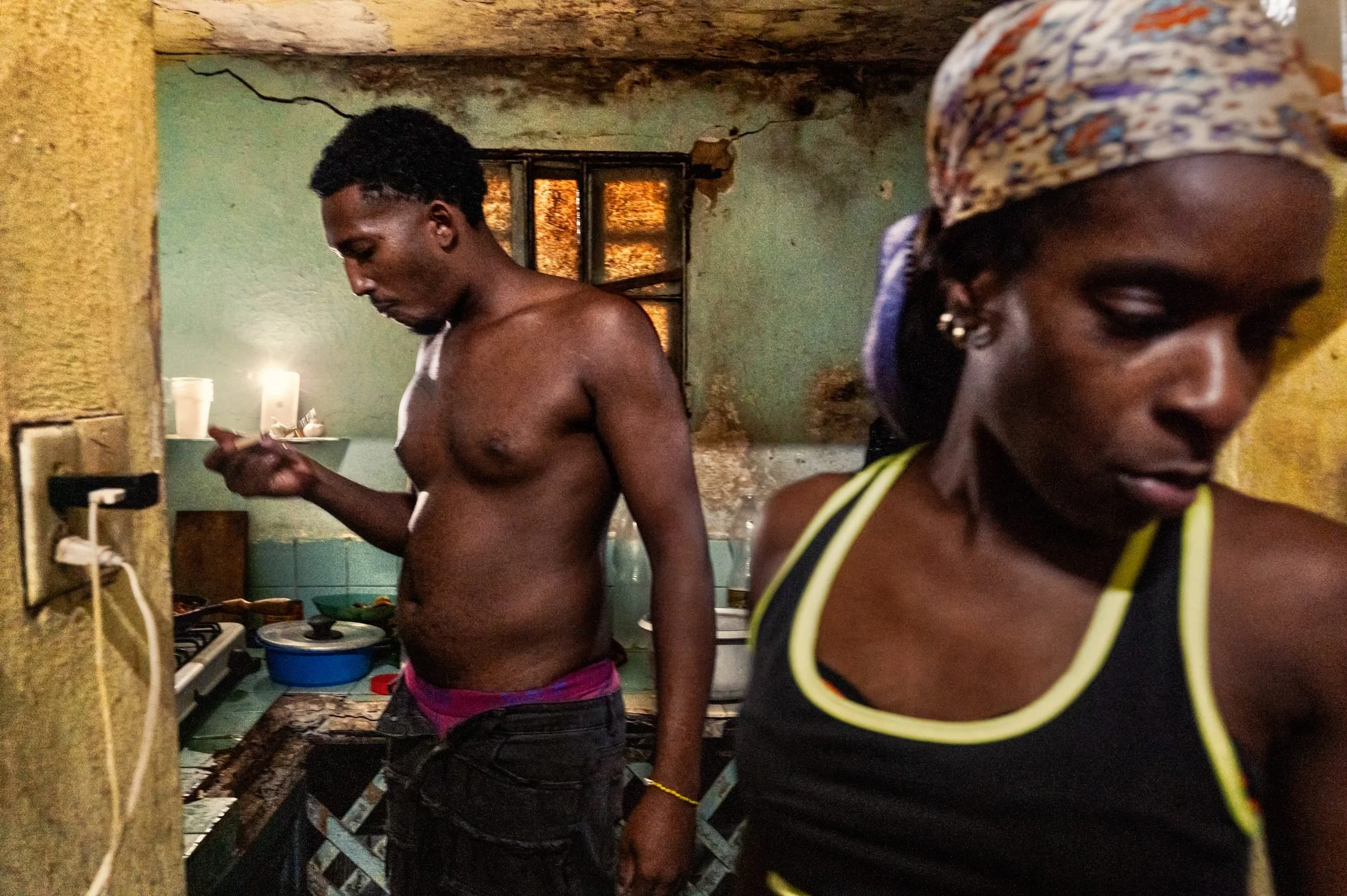
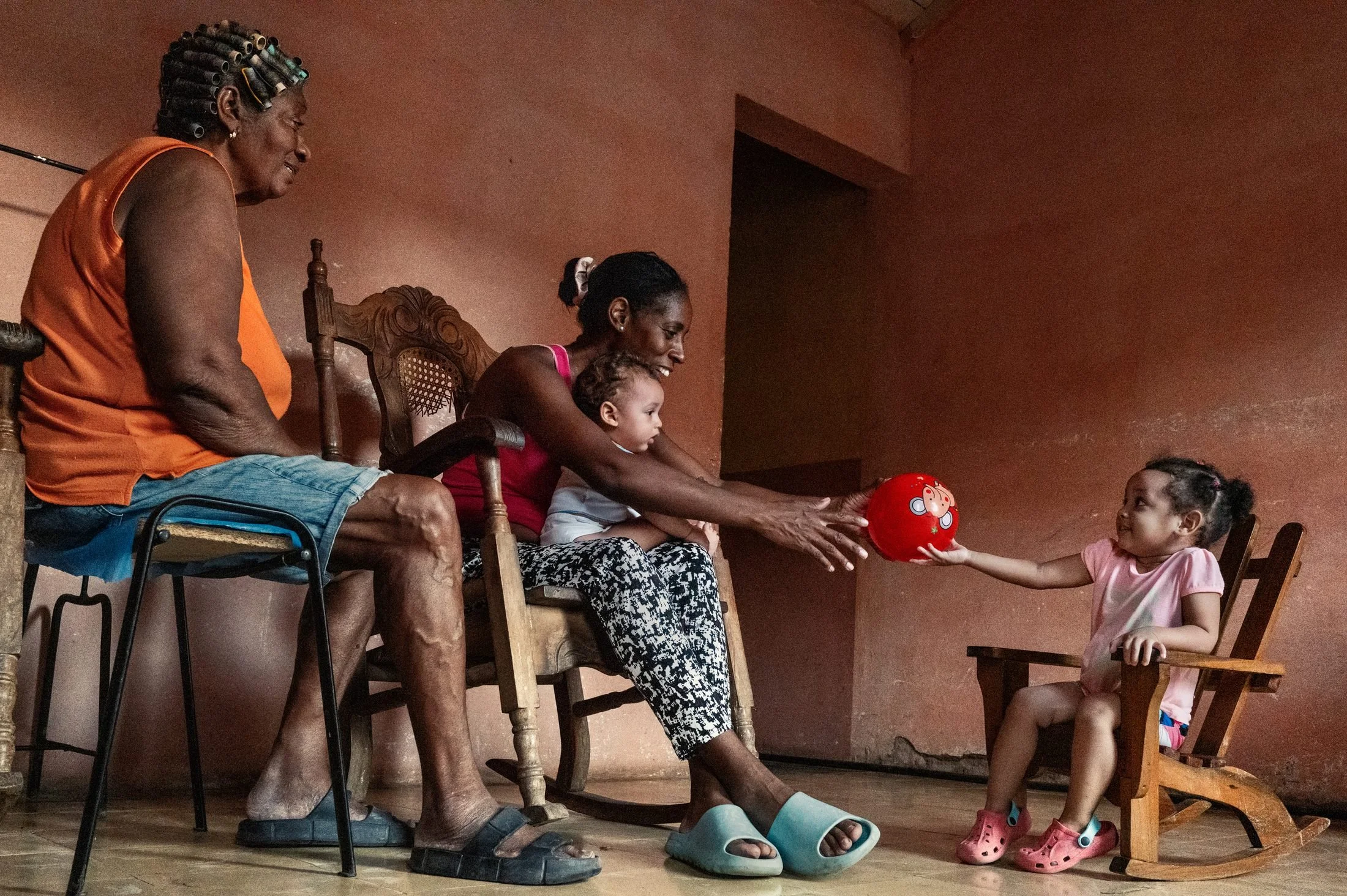
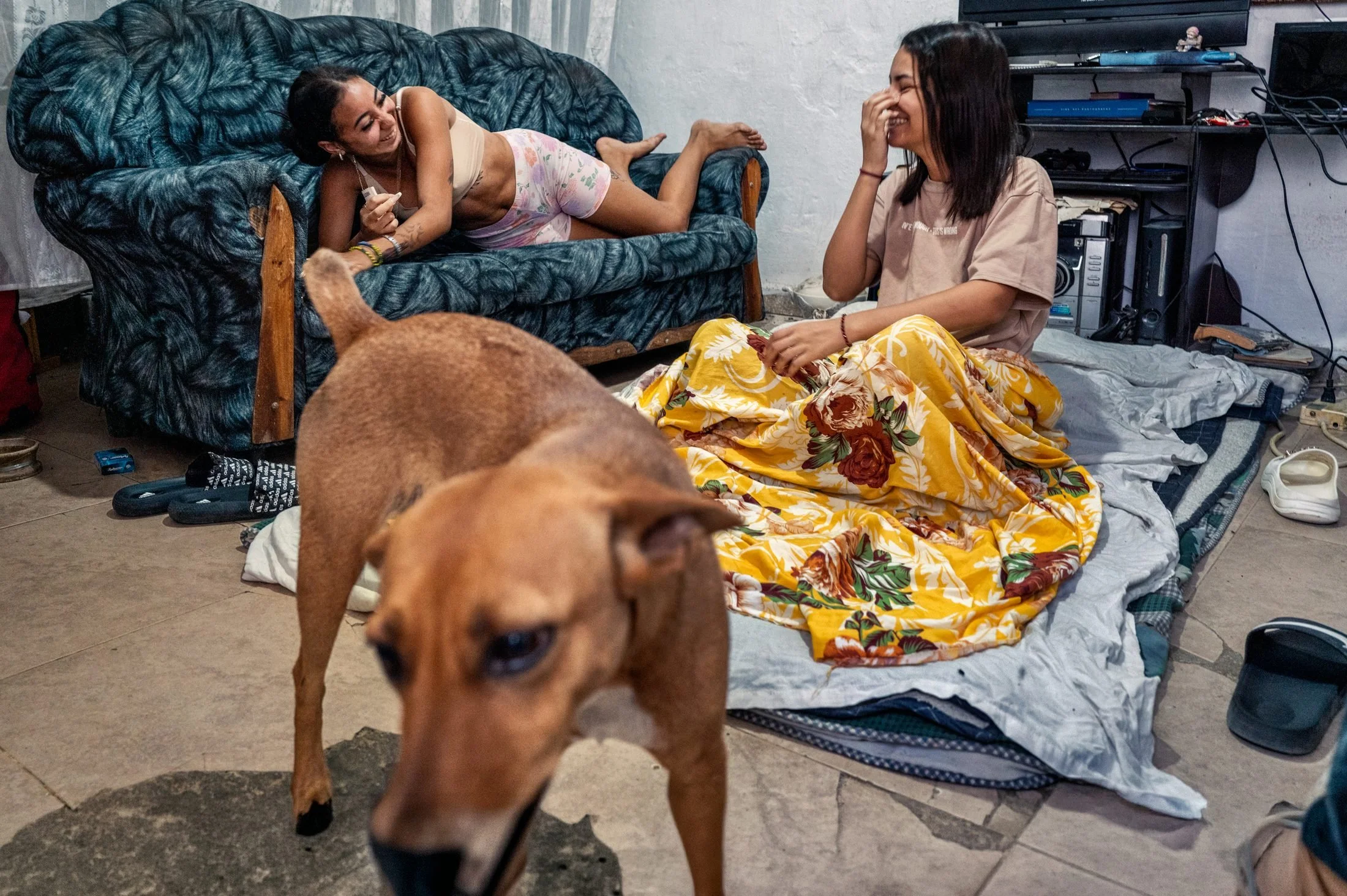
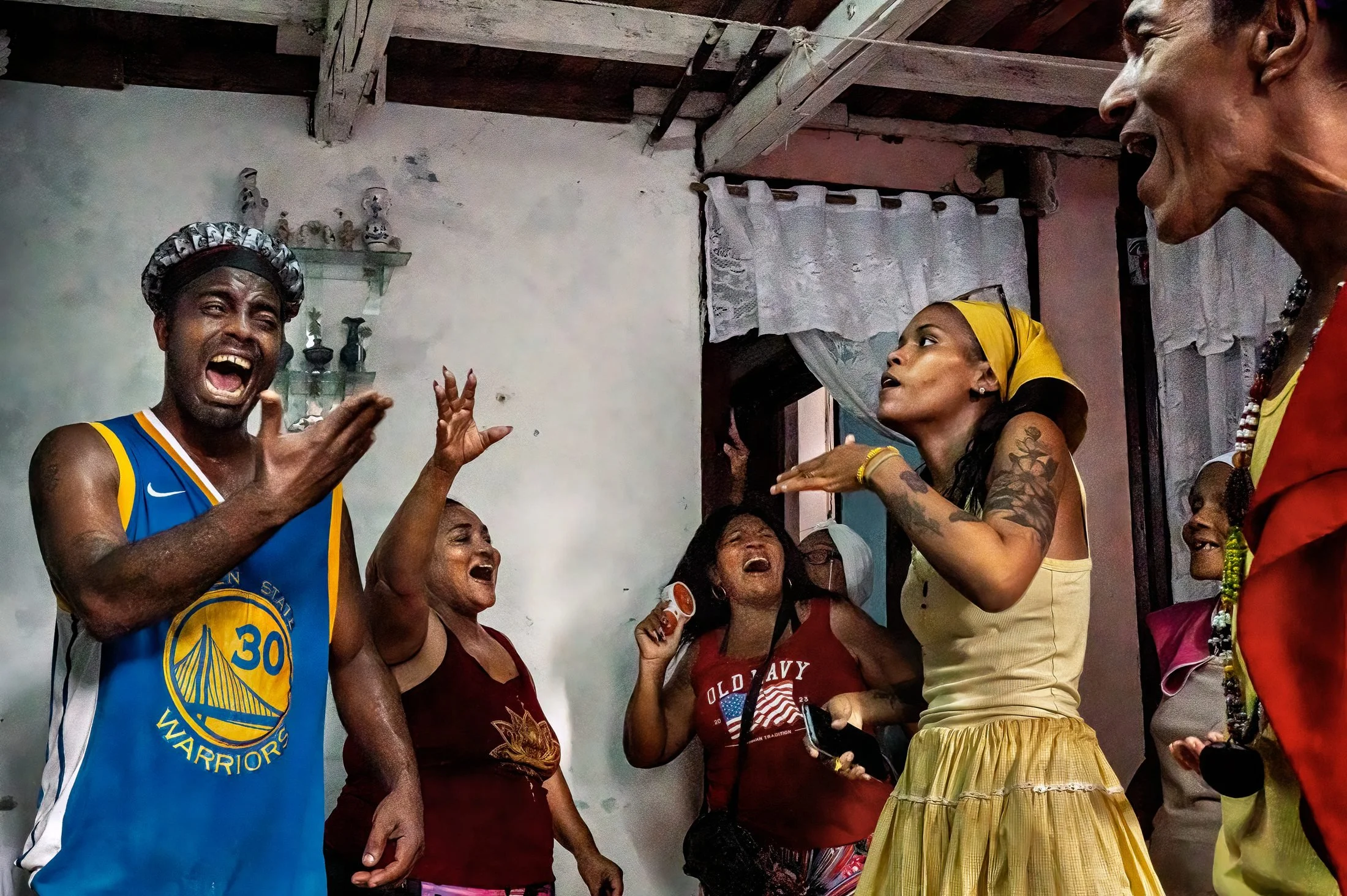
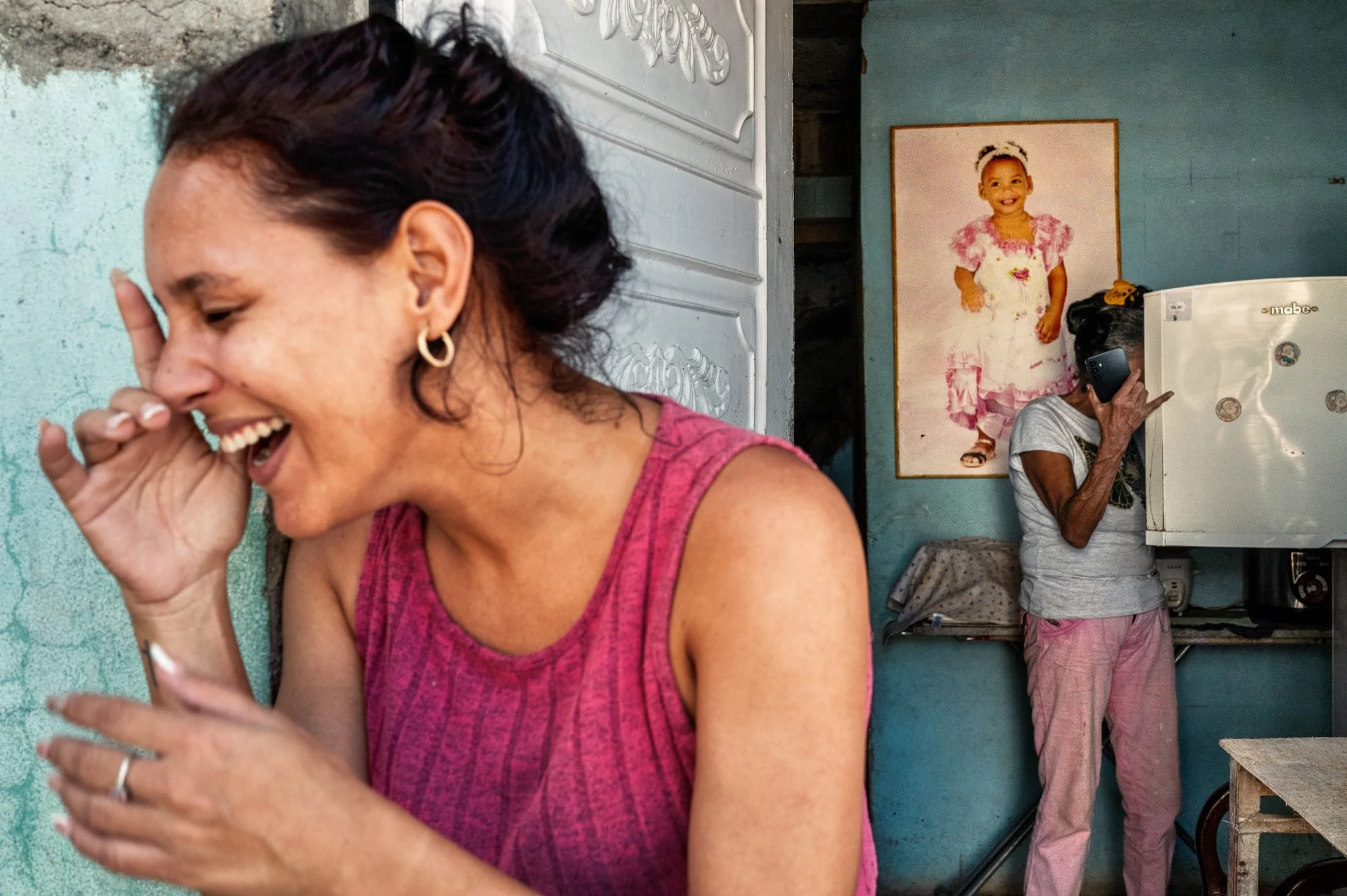
The self-published photobook holds 33 color photographs of family life inside people’s homes. Conlin made them over several visits between late 2025 and early 2026, while fuel shortages and daily blackouts shaped life in Cuba. The crisis is there in the candlelight and in the crowded rooms, but the pictures stay with the people: cooking, talking, praying and looking after one another.
Half of the price of every copy buys medicine and supplies that Conlin carries back to Havana himself.
Conlin does not speak Spanish, and he thinks that helped.
He worked on just a few blocks and returned day after day until he became, as he puts it, “the guy tagging along.” In each new home he waited until people stopped watching him and went back to what they were doing. Working that close, he also began to notice hands, and the way people touch one another became a recurring theme in the book.
If you photograph people up close, his answers are practical: how he moved from the street into homes, what he watches in a small room before he presses the shutter, why he left out his pictures of food queues and dark streets, and what his editor saw in the sequence that he could not.
The Book
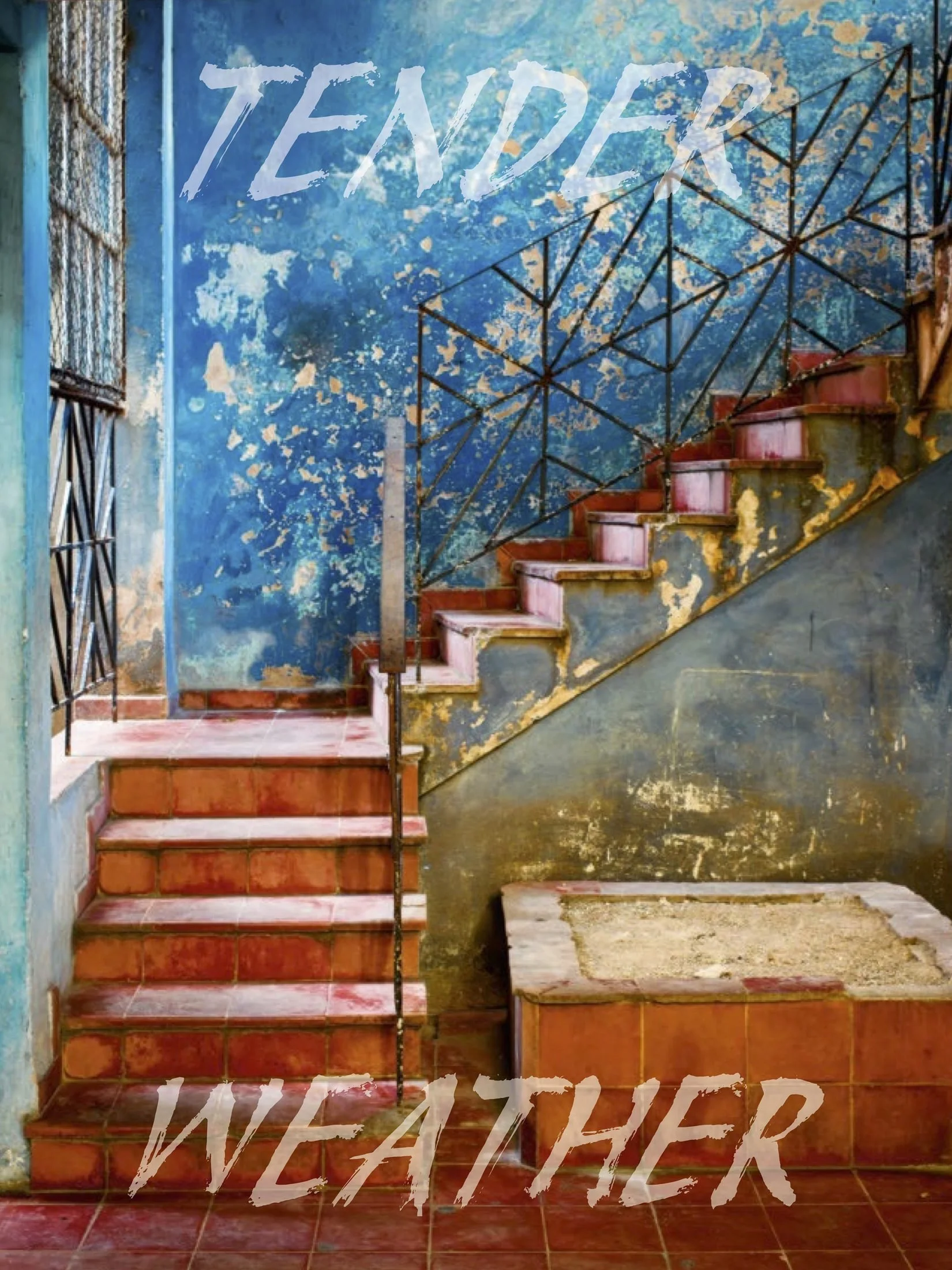
Tender Weather
Self-published · 2026 · 56 pages
Tender Weather is Kelly Conlin’s first photobook. It contains 33 color photographs, edited, sequenced and designed by Alejandra Martínez Moreno. The pictures were made in living rooms, kitchens, bedrooms and improvised living spaces in Havana.
The book measures 22.5 by 30 cm (9 by 12 inches). It has a sewn binding and was printed in offset in Italy by Grafiche Antiga, on Munken Pure paper. The work was selected for Photolucida’s 2026 Critical Mass Top 50 and was a Jury Top 5 selection at the IPA Documentary Photobook Awards.
Project Genesis: Tender Weather began while you were photographing Havana’s streets. Can you take us back to the moment you first photographed inside someone’s home? When did you realize that what was happening inside might be the real subject of the work?
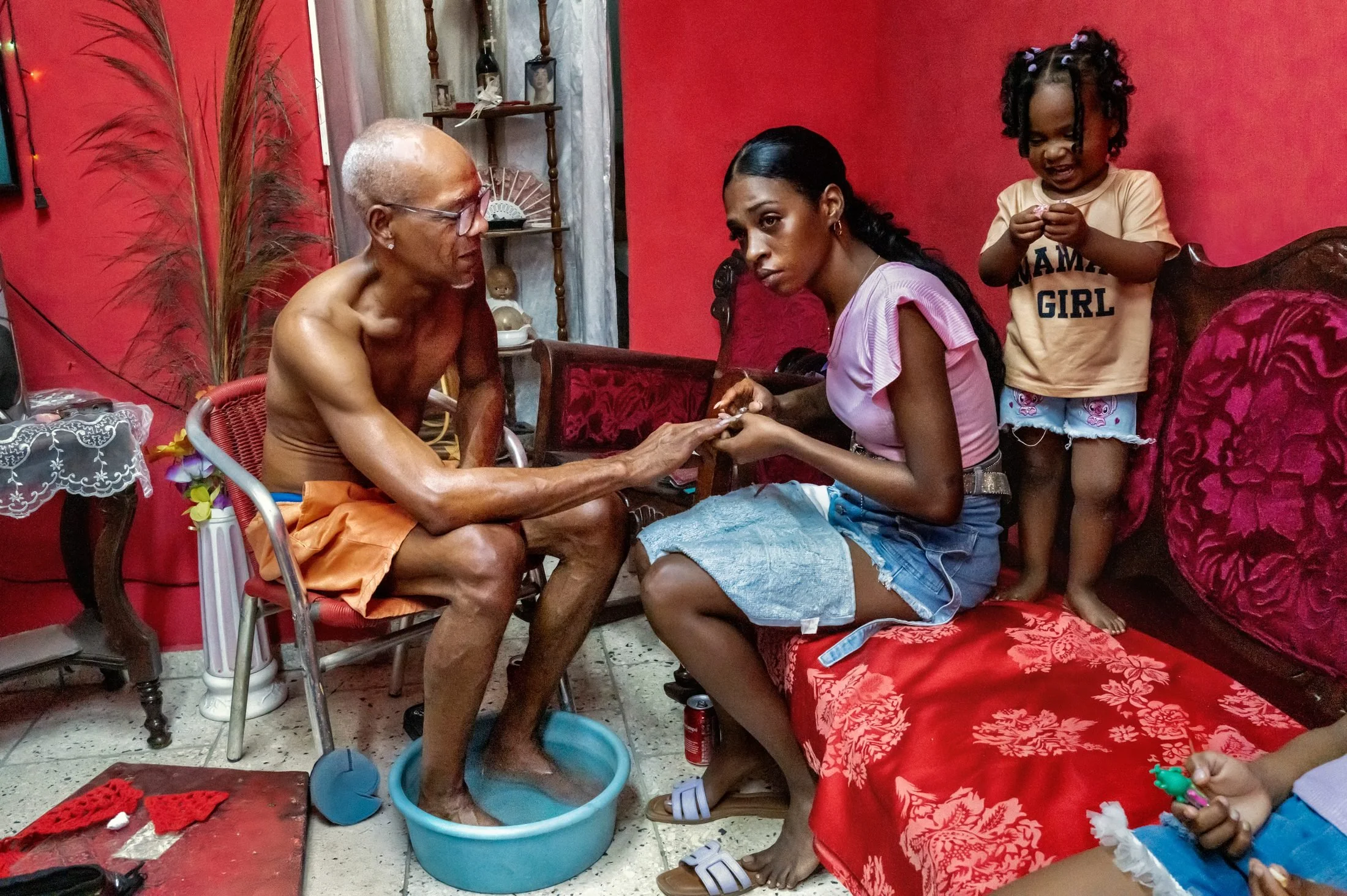
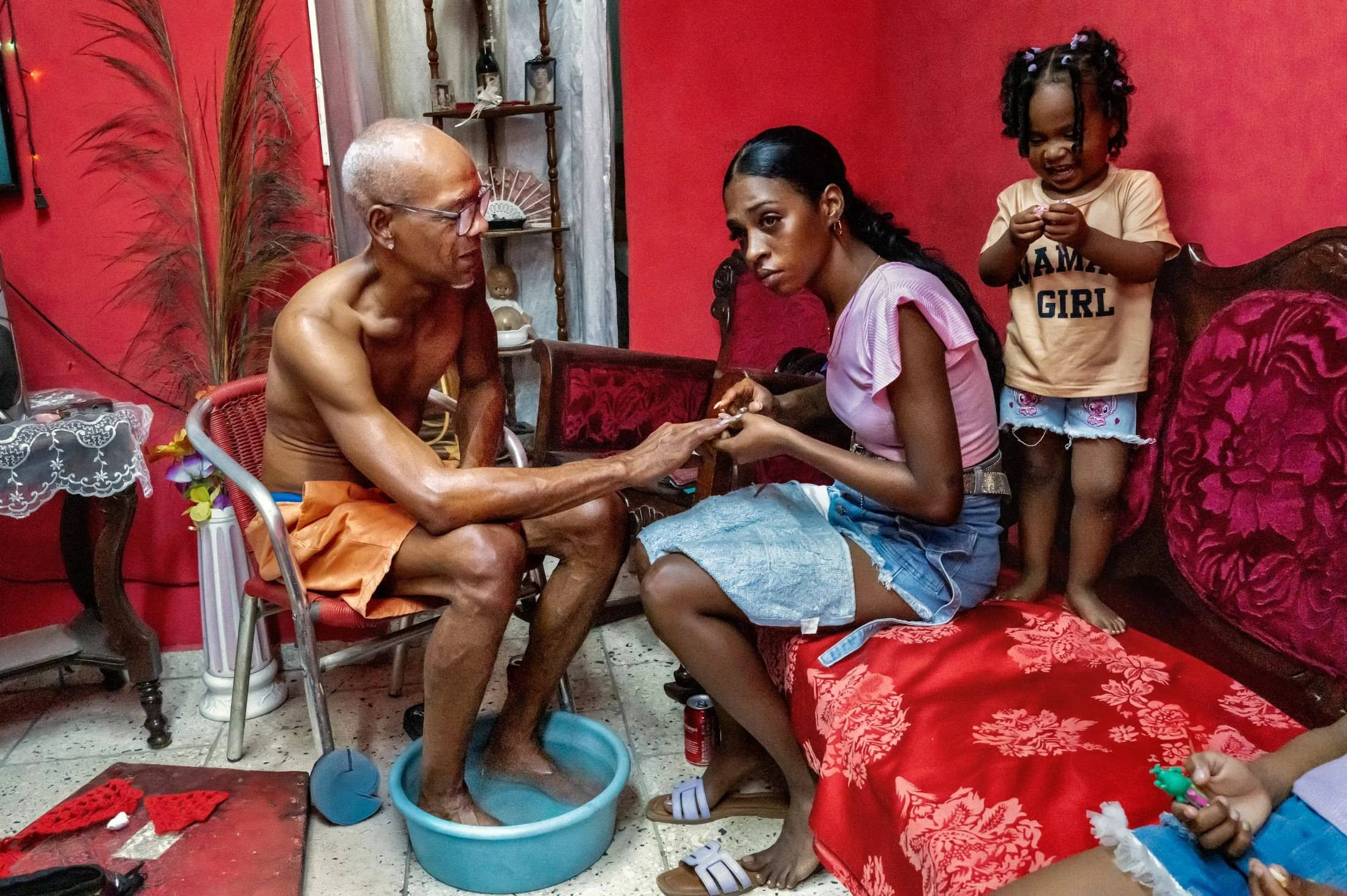
In late 2025, I was photographing someone on a stoop in Central Havana when I caught a glimpse over their shoulder into a bright red room. Inside, four generations of a family were gathered. I caught the grandfather’s eye, and he gave me a smile and a quick wink. Taking that as permission of sorts, I stepped inside. On one side of the room, a granddaughter was giving her grandfather a pedicure; on the other, her grandmother was sewing an outfit for her. I found the scene incredibly poignant, and it made me want to find more moments like that. I didn’t realize it then, but that was probably the seed of the project.
A few months later, as Cuba’s economic crisis intensified and blackouts became a daily reality, I thought about that family and others I had met. I wanted to see how life would unfold under such demanding circumstances, how families who had already lived through so much would continue to adapt. I was less interested in photographing the crisis itself than in the moments that helped people live through it.
From Access to Trust: The photographs are all taken inside people’s homes. How did you gain access, and then build the trust that allowed you to make these photographs?
The boundary between the street and the home in Havana, especially Central Havana, feels more porous than in most urban settings, certainly more so than in the United States. Stoops are occupied, windows and doors are open, and at times the street can feel like one big neighborhood living room. So moving off the street into people's homes, essentially doing street photography indoors, felt like a natural progression.
To build trust, I focused on just a few blocks, where I would return day after day until I became a familiar face. A few residents were particularly friendly, and I started there. I would spend time with them as they went about their routines, which often led to encounters with neighbors and other family members. Eventually, I became the guy tagging along.
Whenever I entered a new home, there was always an initial period where I was the most interesting thing in the room. After all, a stranger had just walked in holding a camera. I would wait until the novelty of my presence wore off and people went back to whatever they had been doing. Those were the moments I wanted to photograph.
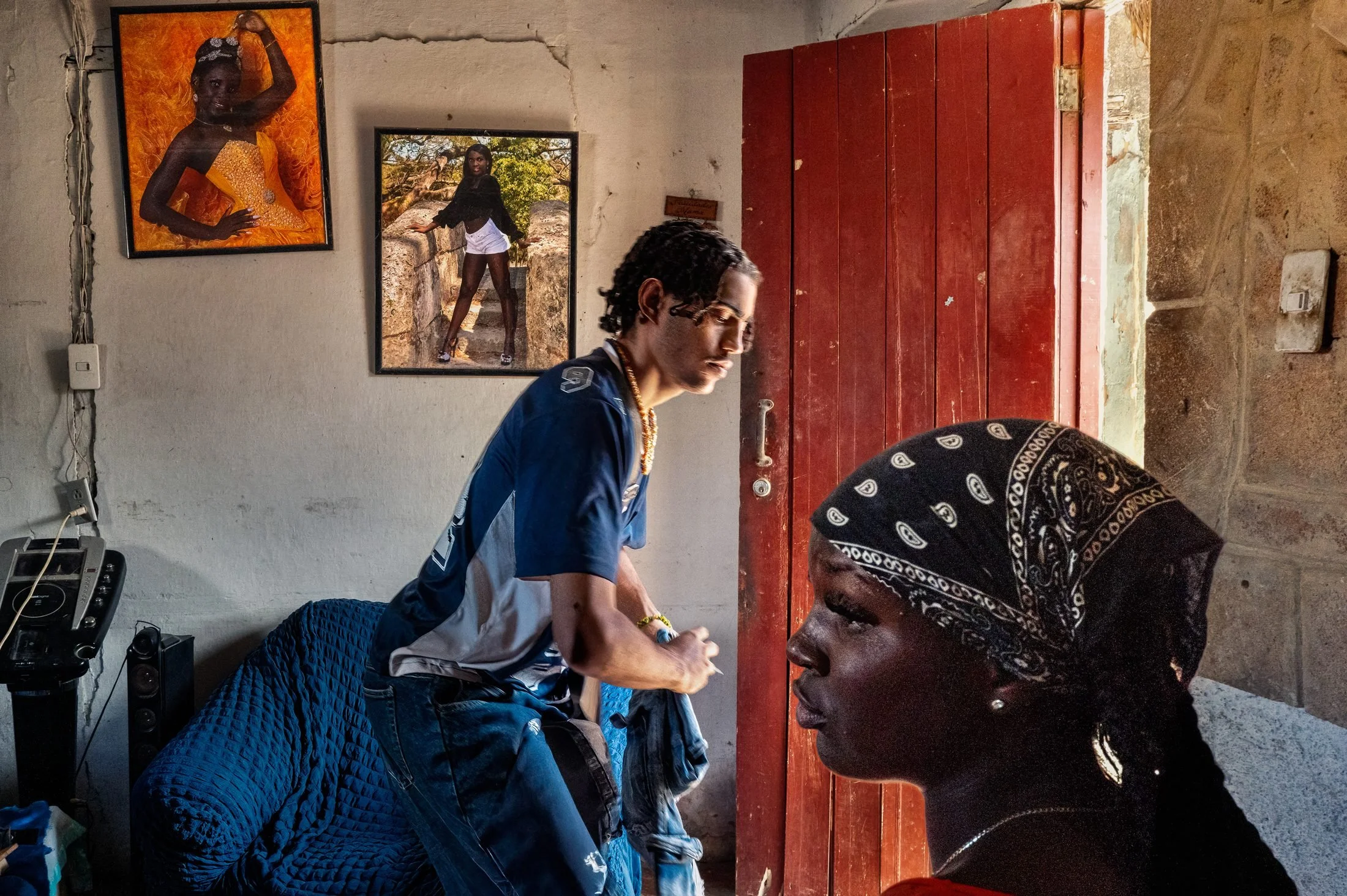
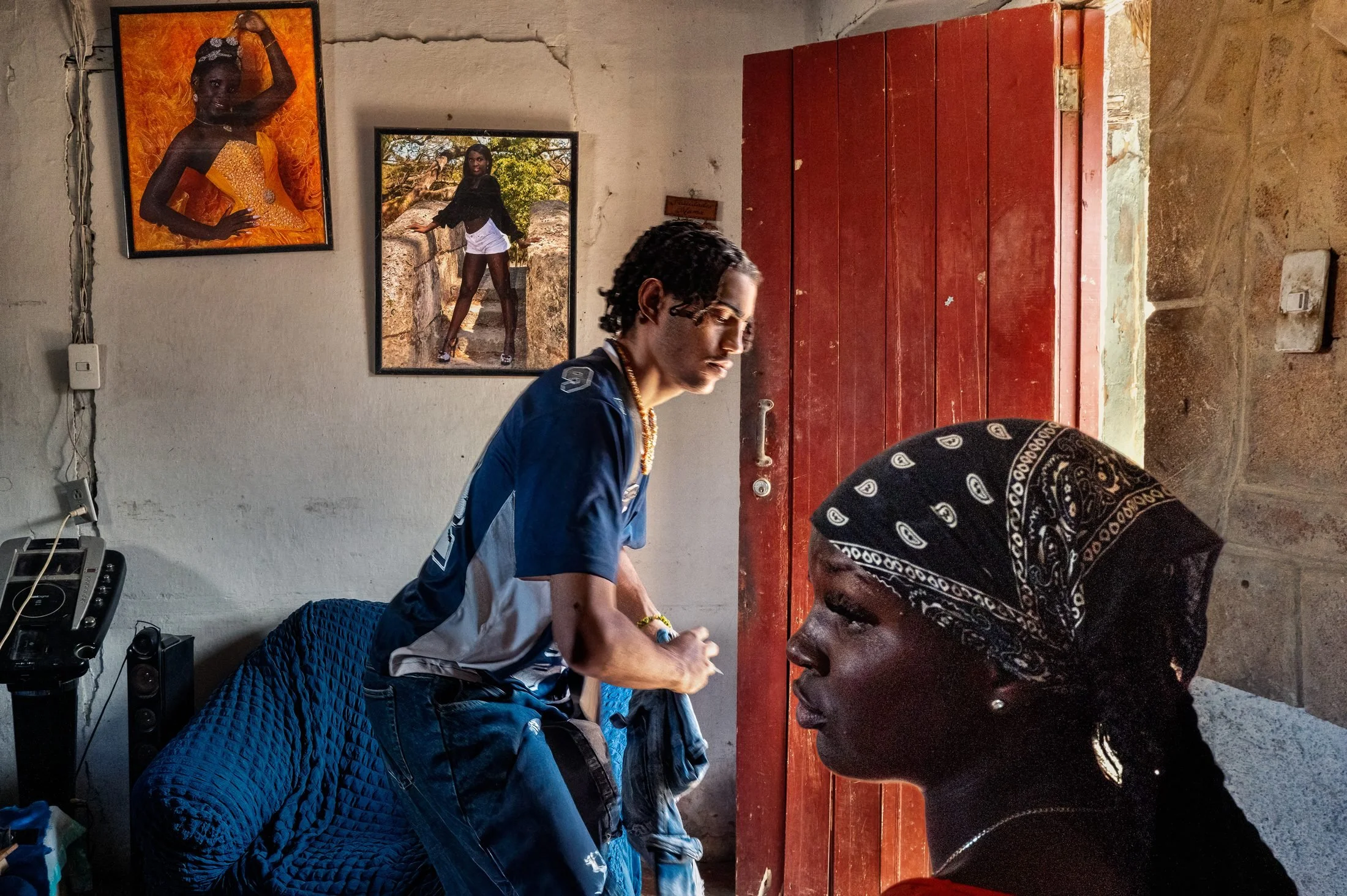
The first time I visited the room with the red door and the large photos on the wall, for example, everyone sat on the couch rather stiffly. On my second visit, they were busy cooking and trying to fix an electric fan. Nobody was waiting for me to take a picture anymore. Then one of them moved across the room to leave, and that’s when I made the photograph.
Reading a Room Before You Shoot: Many of these photographs were made in small domestic spaces. What are you looking for in the people, the light, and the relationships inside the room before deciding to press the shutter?
In such compact rooms, making myself invisible wasn’t an option. I was invariably quite close to people. I don’t speak Spanish, and oddly enough I think that helped. I relied instead on eye contact, gestures and body language. Once people realized I didn’t expect small talk or entertainment, they simply went on with their lives. They had things to do!
As people moved around, I watched the geometry and light of the room and tried to anticipate where an activity might take them and how people would line up in relation to one another. It was really all the normal business of building a frame on the street, just in much tighter conditions.
Working that close also made me notice subtle physical expressions. Over time, I realized how much emotional weight was carried by hands. The way people touched one another and used their hands became a recurring theme in the book.
What You Chose to Leave Out: You chose not to illustrate the blackouts and shortages directly, even though they shaped the lives you were photographing. Were there photographs that showed the crisis more explicitly that you ultimately decided to exclude?
I did take those pictures: the piles of uncollected garbage, long queues for food, dark streets during blackouts. If my goal had been a traditional documentary project about the crisis, those images would have been essential.
However, those photographs depict the visible symptoms of hardship. I became interested in something less visible: what life felt like inside it. How people continued to cook, talk, pray, care for one another and simply get through the day.
I wanted the crisis to be present in the photographs without necessarily making it the subject of every photograph. You see candlelight because the electricity is out. You see people gathered closely in small rooms. Scarcity is there. But the photographs are ultimately about the lives taking place within those circumstances.
Returning Something: You were able to leave Havana after each visit while the people you photographed remained. Did that imbalance affect how you thought about your responsibility to the people who let you into their homes?
I was always very conscious of that imbalance. Whatever inconvenience or difficulty I experienced as a visitor was temporary. I could leave.
I travel under the U.S. category called “Support for the Cuban People,” and I took that seriously. Before each trip, I asked people I knew there what they needed most that I could bring with me. The woman who ran the casa where I stayed told me once that she could no longer find a particular antifungal cream, so I brought some. Other people asked for solar-powered flashlights or fans. Those things are obviously small against the scale of the hardships people are living with, but they were things I could do.
On my most recent trip, I brought prints of photographs I had made of them on earlier trips. We take photographs of our families for granted, but physical prints aren’t easy to come by there. Watching people pass them around and react to pictures of their families was one of the more gratifying parts of making the project. I'm also using 50 percent of the purchase price of each book to buy medicine and other essential supplies to bring on future trips. It's another small way of returning something to the people who made the work possible.
Learning to See the Book: This was your first photobook, and Alejandra Martínez Moreno edited, sequenced and designed it. What did she see in the photographs, or in the relationships between photographs, that you hadn’t seen yourself?
To be frank, I had no idea how to develop a sequence for a book. I was emotionally attached to almost every image, while Alejandra could step back and see the relationships between them much more clearly. As she assembled and reassembled the sequence, I began to understand how she was building the story from the photographs we had.
I also learned what an enormous difference seemingly small decisions can make. I found some typography I thought was just perfect, and then a few days later Alejandra came back with something much better. The same thing happened with the cover. I had another idea entirely; she proposed using the stairway as an entry point to the book. She was right.
The Title: How did you decide on the title “Tender Weather” and did finding the title change the way you understood the photographs?
The title came fairly late. I kept thinking about the distinction between the conditions people were living under and the atmosphere I was finding inside their homes. They couldn’t control whether the electricity would go out, whether food would be available or what would happen to the economy. But within those circumstances, people were still making choices about how they treated one another.
Weather seemed like the right metaphor because it is something you live inside but don’t control. And “tender” described what kept appearing in the photographs: care, touch, humor, faith, people looking after one another.
Once I had the title, I understood the work more clearly. The photographs weren’t really trying to explain what was happening in Cuba. They were about what I kept finding inside these homes and the ways people were living through it.
What Carries Forward: You worked in journalism and international magazine publishing before returning seriously to photography in 2023. What is one habit or way of thinking from that earlier career that helped you make Tender Weather, and one that you discovered you had to unlearn?
My earlier career took me to a lot of countries where I worked with people from very different cultures. I learned not to assume that other people see a situation the way I do, or value the same things I do. I think that has been useful in street and documentary photography. I’m comfortable entering places where I’m an outsider, where I don’t completely understand what’s going on.
My time as a journalist also influenced my sense that the work should be published now, while these events are still unfolding. I wanted the book to be a document of this particular moment.
What I had to leave behind was almost the opposite. Business is about planning, measurement and results. You define the target before you start and then measure whether you hit it. That’s not particularly useful when you’re wandering around Havana with a camera! I had to get much more comfortable with unpredictability, with not knowing what was going to happen.
In a Havana home with a red door, Kelly Conlin waited until he stopped being the most interesting thing in the room. On his first visit, everyone sat stiffly on the couch. On his second, they were cooking and trying to fix a fan, and that is when he made the photograph. People go back to their own lives once your camera is no longer news.
“Nobody was waiting for me to take a picture anymore.”Kelly Conlin
We'd love to read your comments below, sharing your thoughts and insights on the artist's work. Looking forward to welcoming you back for our next [book spotlight]. See you then!