Welcome to this edition of Photography Stories. Today, we look at the story behind the photograph by Louis Daguerre, Boulevard du Temple, made in Paris in 1838. We’d love to read your comments below.
(This is the story behind the photograph.)
At eight in the morning, a man in Paris stopped to have his boots cleaned.
He could not know that a camera was pointed at him from a window above the street. Louis Daguerre was testing his new process on the Boulevard du Temple, a busy street full of people and carriages. The exposure took several minutes, and everything that moved left no trace on the plate. The man and the bootblack stayed still long enough to remain.
Their picture is widely seen as the oldest surviving photograph of people.
It almost did not survive.
Daguerre gave the plate to the King of Bavaria, and over the next century it was badly damaged. Almost every copy we see today comes from one photograph of the plate, made in the 1930s. In October 2026, Paris finally marked the spot where the two people stood.
This story looks at how the picture was made, what the first viewers noticed in it, and how it was nearly lost.
A street that looked empty
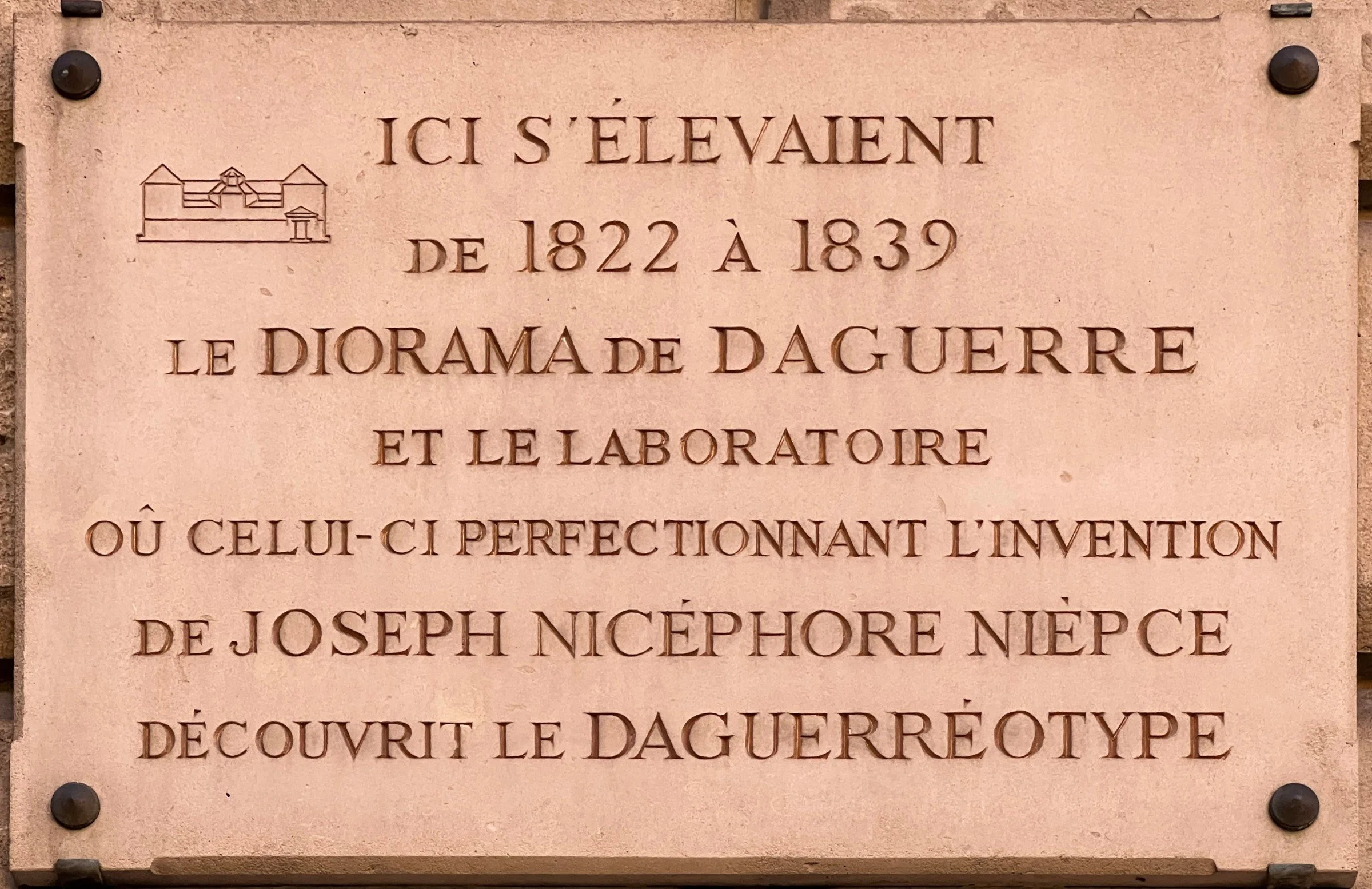
Daguerre was best known in Paris as the creator of the Diorama, a theatre of huge painted scenes that changed with the light. From 1829 he worked with Nicéphore Niépce, who had made the oldest surviving photograph a few years earlier. After Niépce died in 1833, Daguerre kept working, and by 1837 he could fix the image of a camera on a silver-coated copper plate. His process became known as the daguerreotype.
In the spring of 1838, sometime between 24 April and 4 May, he set up his camera in an upper window of his home at 5 rue des Marais, behind the Diorama. It looked down on the Boulevard du Temple. He made three plates that day: in the morning, at midday and in the evening. The morning plate is labelled "huit heures du matin", eight o'clock in the morning.
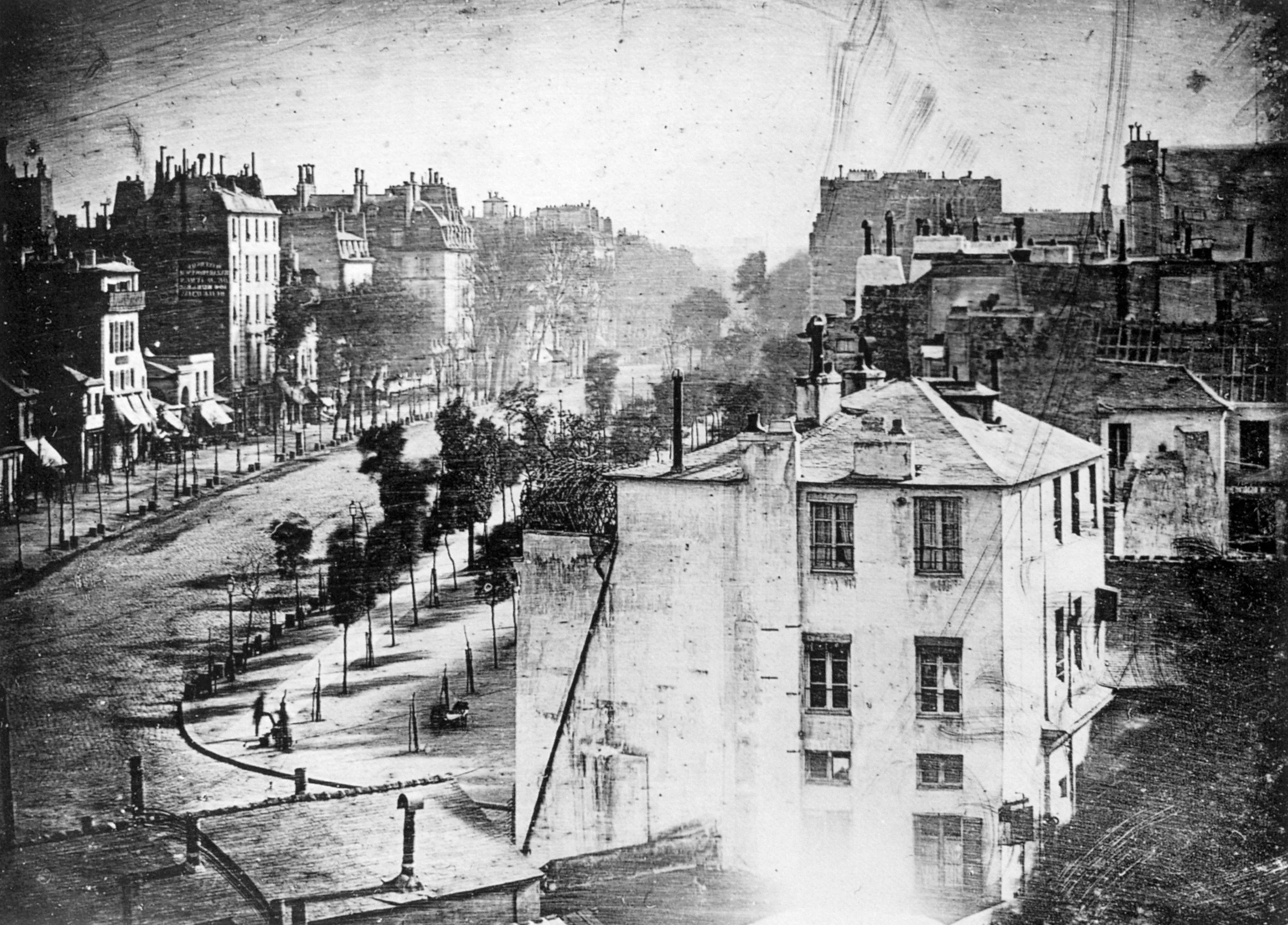
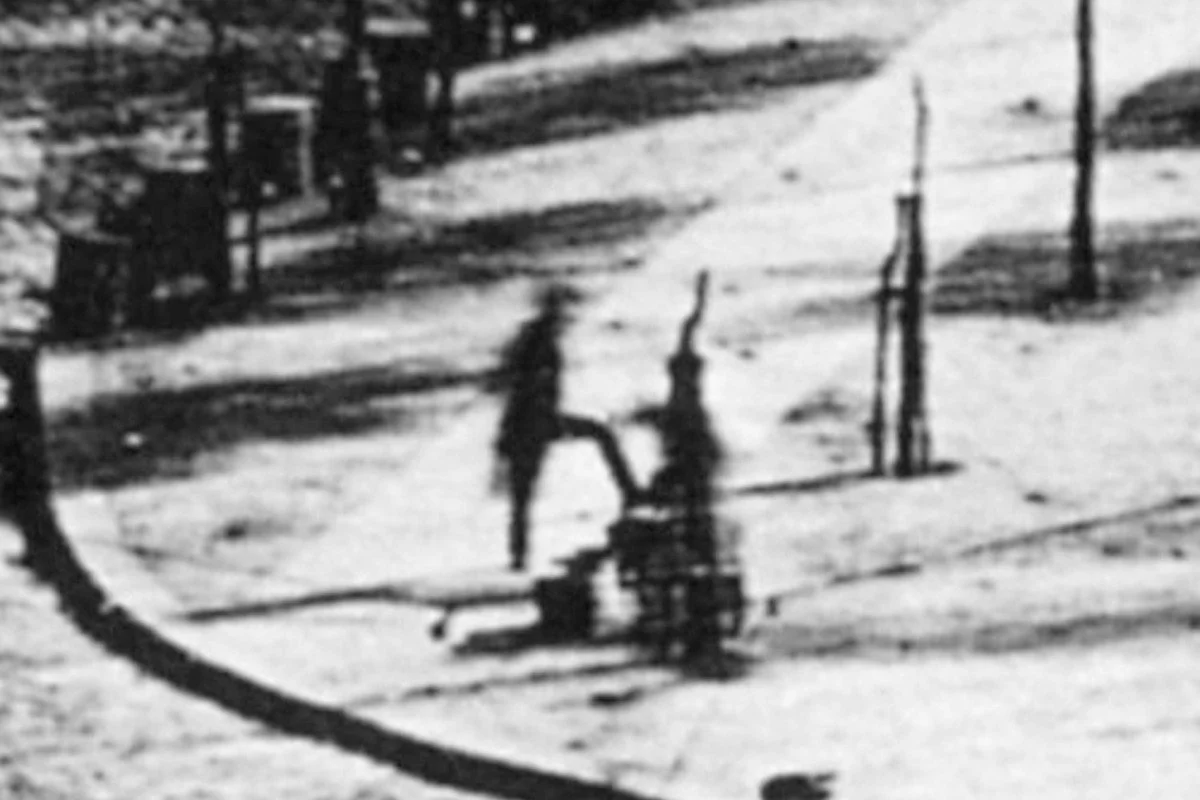
The boulevard was full of people, horses and carriages. But the exposure lasted several minutes, so anything that kept moving left no mark. What remains are trees, roofs and, at a corner of the pavement, a man with one foot raised and the bootblack working at his feet.
What Samuel Morse saw
In March 1839, the American painter and inventor Samuel Morse visited Daguerre and looked at the plate through a magnifying glass. In a letter published in New York in April 1839, he described it: "The Boulevard, so constantly filled with a moving throng of pedestrians and carriages, was perfectly solitary, except an individual who was having his boots brushed." He noticed that the man's boots and legs were sharp, but his body and head were not, because they had moved.
Nobody knows who the two people were. It is possible that Daguerre asked or paid them to keep still, but nothing records it.
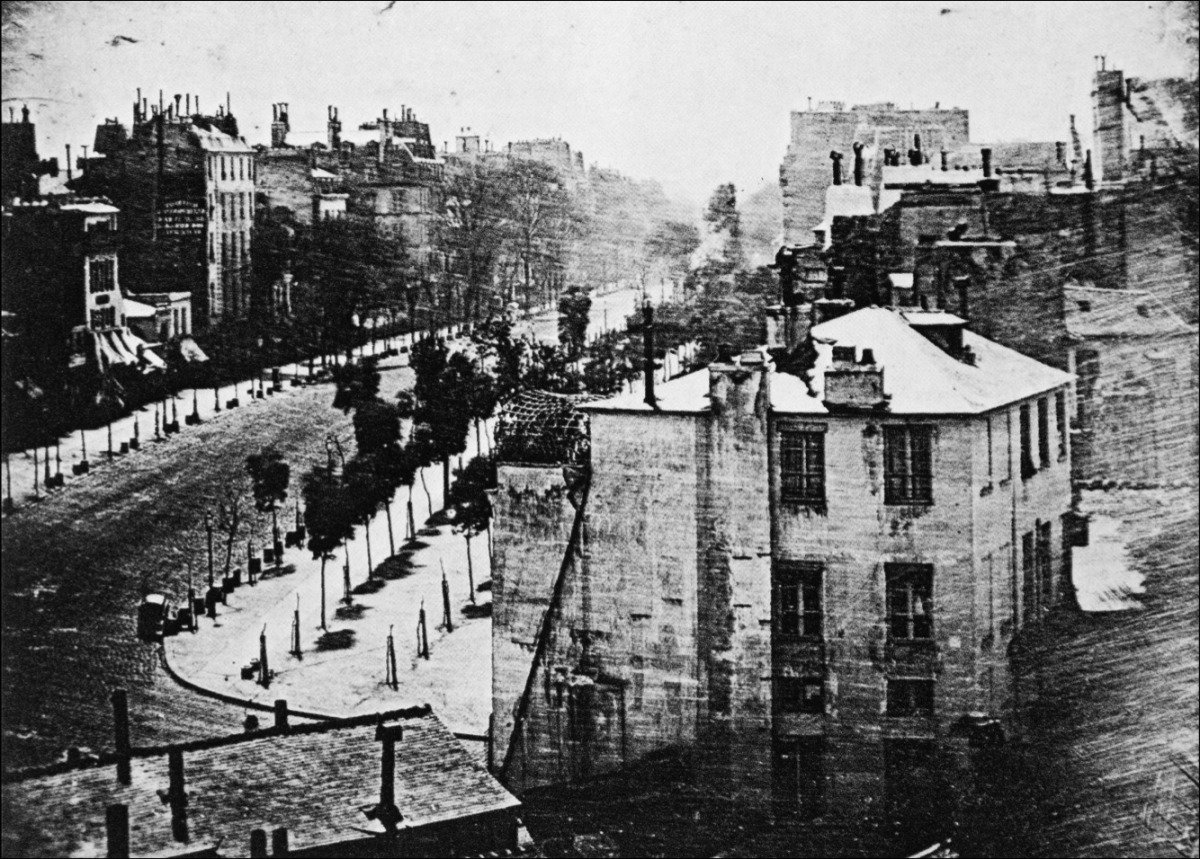
The midday plate shows the same street a few hours later. It survives too. The evening plate is lost.
A plate that almost disappeared
In October 1839, Daguerre sent King Ludwig I of Bavaria a frame with three of his pictures. The morning view of the boulevard was one of them, next to the very similar view made at midday. They were shown in Munich and later kept in the Bavarian National Museum.
The plate suffered during the Second World War, and a later attempt to clean or restore it almost erased the image. Sources give different dates for that attempt, around 1960 or 1970. Luckily, in 1936 or 1937 the American historian Beaumont Newhall had a good copy negative made of the plate for an exhibition at the Museum of Modern Art in New York. Almost every reproduction of the picture comes from that negative.
An unexpected detail
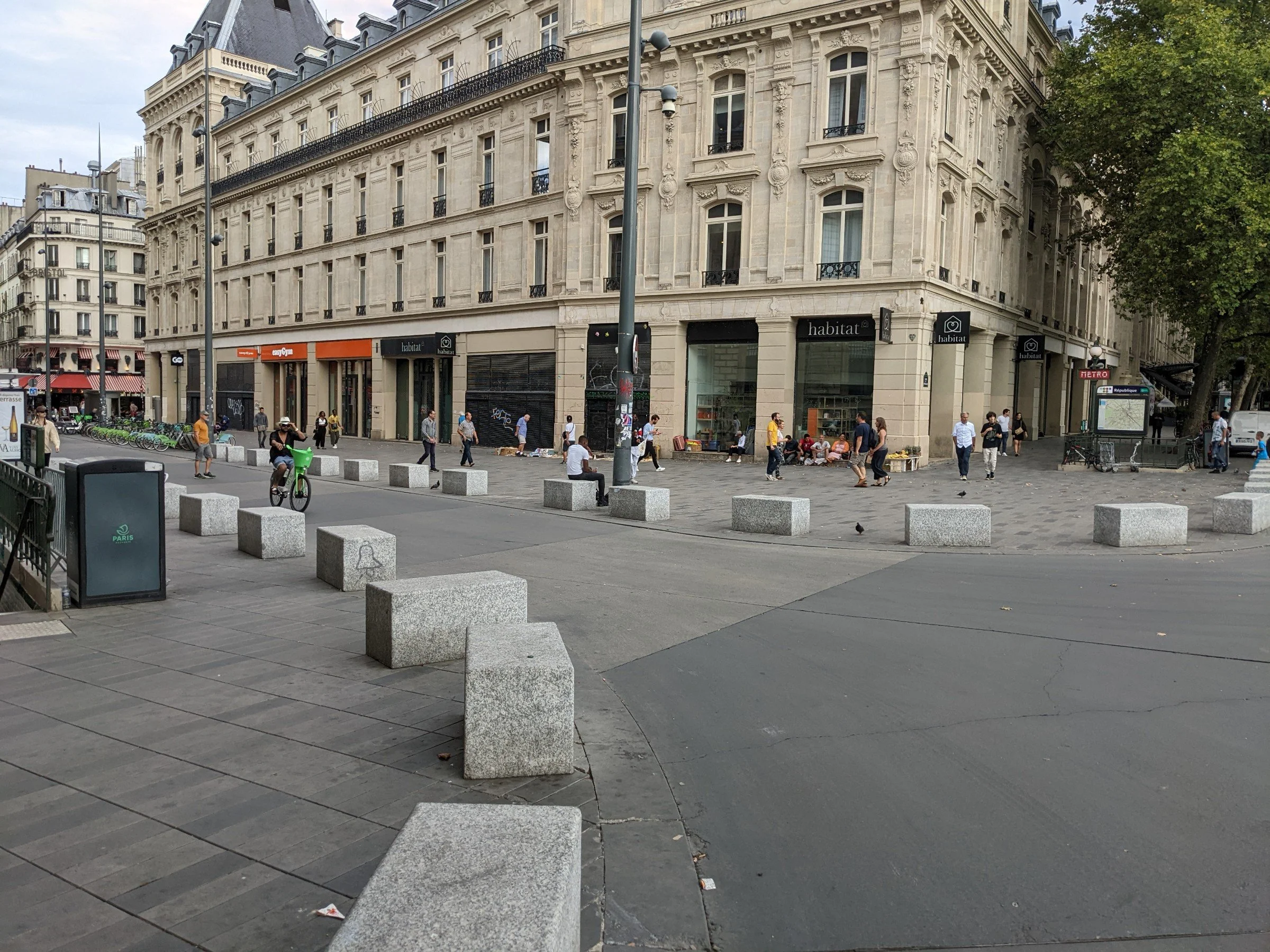
Like every daguerreotype, the plate shows the street reversed, as in a mirror. Researchers had to allow for this when they looked for the place where the two people stood. In 2026, the filmmakers Maximilien Van Aertryck, Axel Danielson and Kalle Boman finished two years of detective work. The spot is not near the Filles du Calvaire Métro station, where earlier guesses had put it, but in today's Place de la République, a square that did not yet exist in 1838.
On 15 October 2026, a bronze plaque was set into the pavement there. Its title is Un détail imprévu, "An unexpected detail."
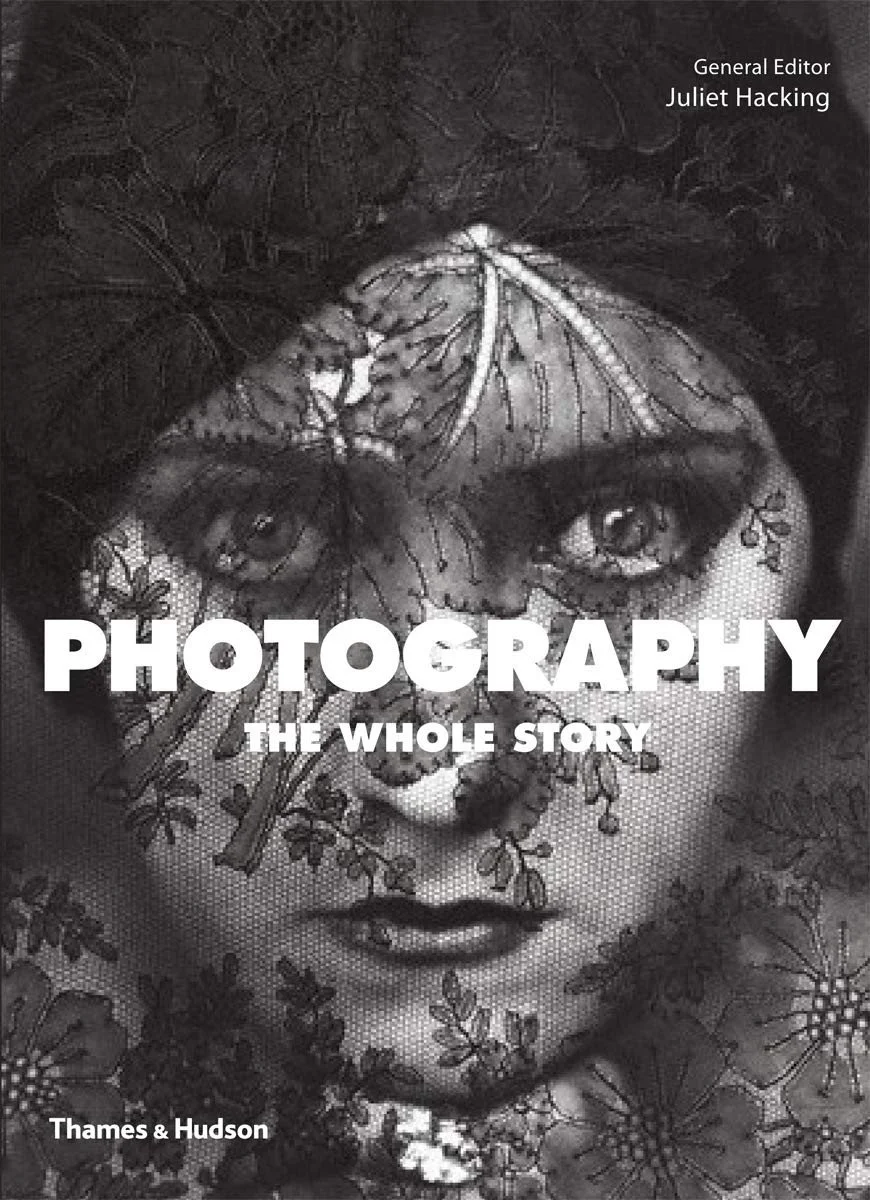
This story was partly inspired by Photography: The Whole Story, edited by Juliet Hacking, Thames & Hudson.
The Book
Photography: The Whole Story
Thames & Hudson · 2012 · 576 pages · Edited by Juliet Hacking · Foreword by David Campany
Photography: The Whole Story tells the history of photography in time order, from the first photographs of the 1820s to the present day. Short spreads explain key photographs, movements and ideas, written by a team of experts.
Juliet Hacking edited the book, and David Campany wrote the foreword.
More stories:
At eight in the morning, a man in Paris stopped to have his boots cleaned. He could not know that a camera was pointed at him from a window above the street.