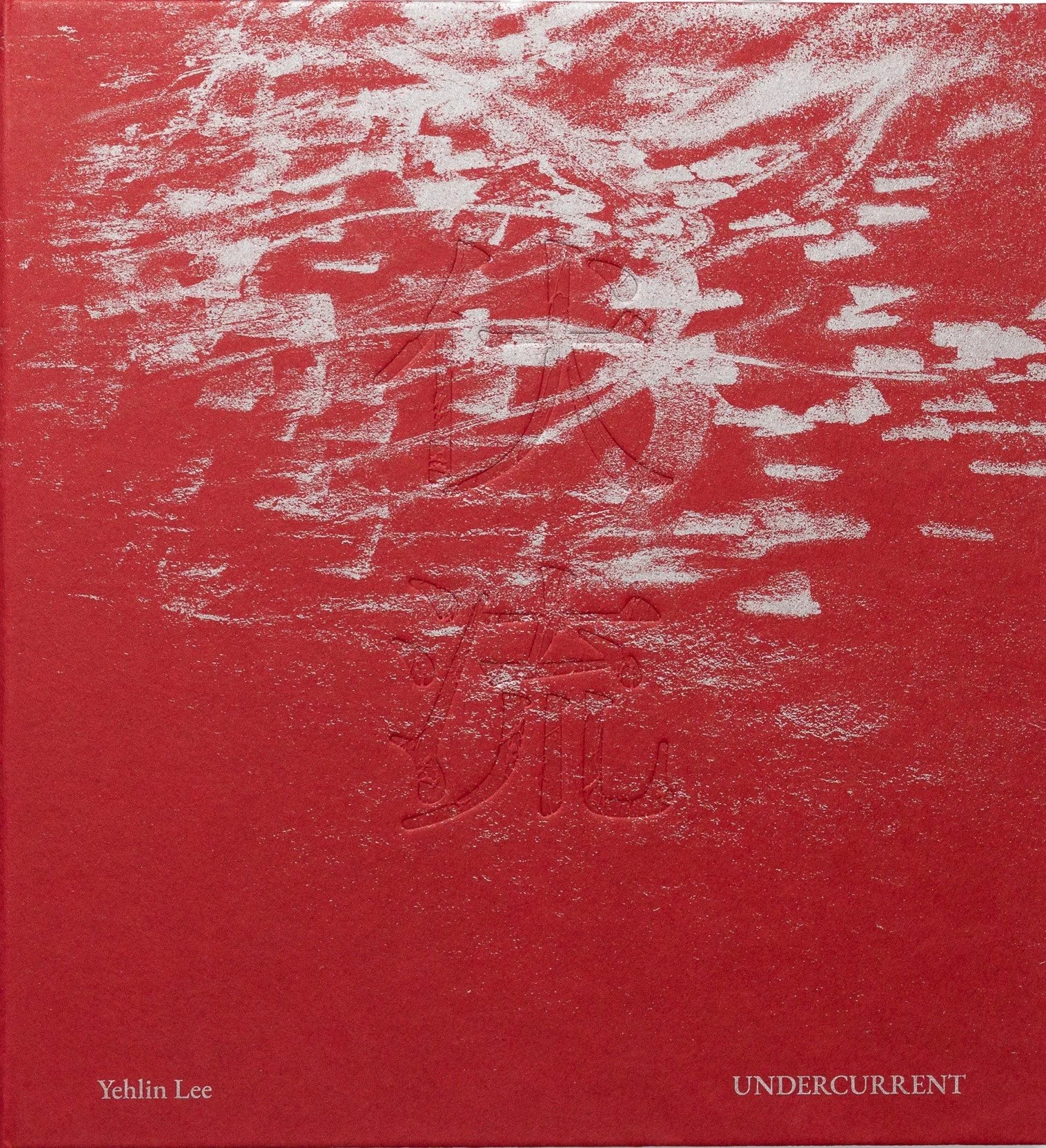
Welcome to this edition of [book spotlight]. Today, we look at 'Undercurrent,' by Yehlin Lee (published by AKAAKA). We'd love to read your comments below about these insights and ideas behind the artist's work.
Taiwan has more temples than convenience stores.
Most people know Taiwan as the island that makes advanced chips. But Yehlin Lee says traditional belief is still very close to everyday life there. There are village temples shared by a whole community, and family altars in people's living rooms. In Undercurrent, published by AKAAKA, he photographs what this belief leaves behind.
The project started as a commission for the 2022 Mattauw Earth Triennial.
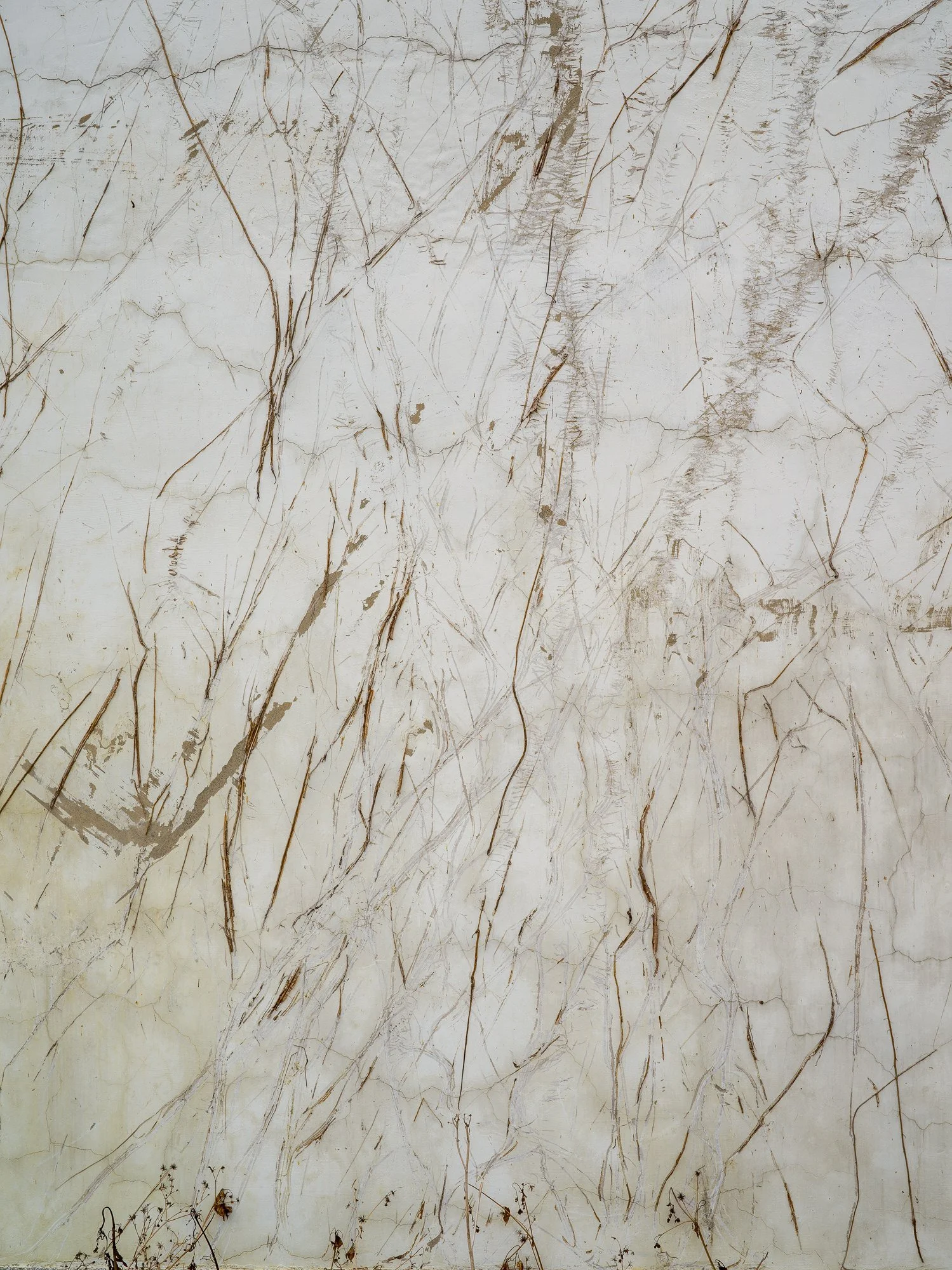
Lee was asked to photograph temple festivals along the Zengwen River in southern Taiwan. The pictures were lively, but he knew they were not his own. Then he saw a red cloth hanging on a mango tree in Madou, and he followed that feeling across the Chianan Plain. Near the end of the project, a temple wall with marks like a healing wound showed him what he had been photographing all along.
In this interview, Yehlin Lee talks about spirit mediums, why he does yoga before he goes out to photograph, and how an accordion-fold dummy split his book into two parts.
The Book
Undercurrent
AKAAKA · 2026 · 88 pages
Undercurrent follows the Zengwen River basin in southern Taiwan, where old folk beliefs are still part of everyday life. Yehlin Lee photographed temples, rituals, spirit mediums and quiet village corners across the Chianan Plain. In the past, the river often changed its course and flooded fields and villages. Lee looks at how people use rituals to live with that shared memory.
The hardcover trade edition has 43 colour plates and texts in Japanese, English and Chinese. There is also a handmade accordion-fold artist's edition, limited to 10 signed and numbered copies.
From a commission to a red cloth
Beginnings: The curator Shen Chao-liang first asked you to photograph "the modernity of temple festivals," but you felt those pictures were not your own. At what point did you realize that a red cloth hanging on a mango tree in Madou was the real start of Undercurrent?
The project began as a commission for the 2022 Mattauw Earth Triennial, curated by Shen Chao-liang, which asked photographers to respond to the Zengwen River basin. At first, I followed the curator's brief and photographed temple festivals for a while. The pictures were lively, with a clear subject. You understood them at a glance, and then they stopped there. Everything in them was inside the frame. I knew they weren't my photographs, but I didn't yet know what I really wanted to photograph.
The red cloth picture came early in the project, on one of my first trips to Madou, a small town in Tainan, southern Taiwan. I had just finished my yoga practice and was walking along the Zengwen River without any particular aim. It must have been February. The mango trees were in bloom and the sun was about to set. I saw a red cloth hanging on a tree. Together with the mango blossoms, it made a complete composition. But beyond that, there was something I couldn't put into words. Only later did I learn that local people hang red cloths like this on trees as a kind of protective boundary, to keep bad things out.
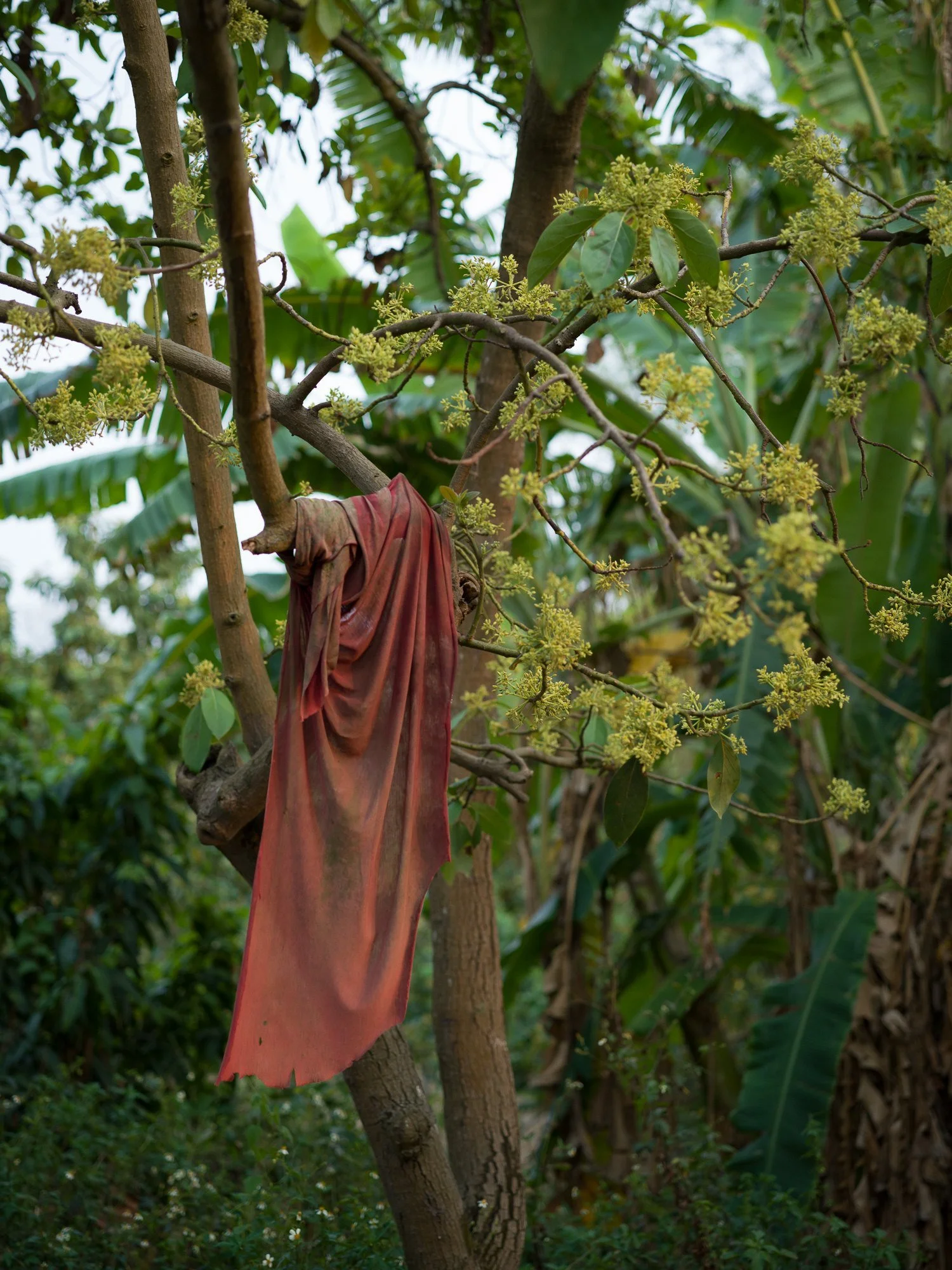
Then I realized that the photograph showed exactly that: a line drawn between the visible and the invisible. For a long time, what I had wanted to capture was not only what lies inside the frame, but the "something" behind it. It had to go beyond what I could imagine, like a prime number that cannot be broken down any further into parts that language can explain. From then on, I followed that unnamed feeling across the Chianan Plain, looking for the traces that belief has left in the everyday lives of Taiwanese people. I'm also grateful to the curator for his trust. Even though my direction wasn't clear at first, he encouraged me to keep going.
Belief as scar tissue
Central idea: Your statement says the photographs became a record of "the collective scar tissue of the Taiwanese people." What made you see the tâng-ki rituals as shared pain carried across generations, and not only as local religion?
Most people around the world think of Taiwan as an island that makes advanced chips. But the relationship between Taiwanese people and traditional belief is still very close. In Taiwan, there are even more temples than convenience stores. They aren't concentrated and clearly defined like churches. They are scattered through daily life: village temples shared by a whole community, and family altars set up in someone's living room. Even today, when many Taiwanese people face difficulties, they still go to a temple to ask the gods for guidance.
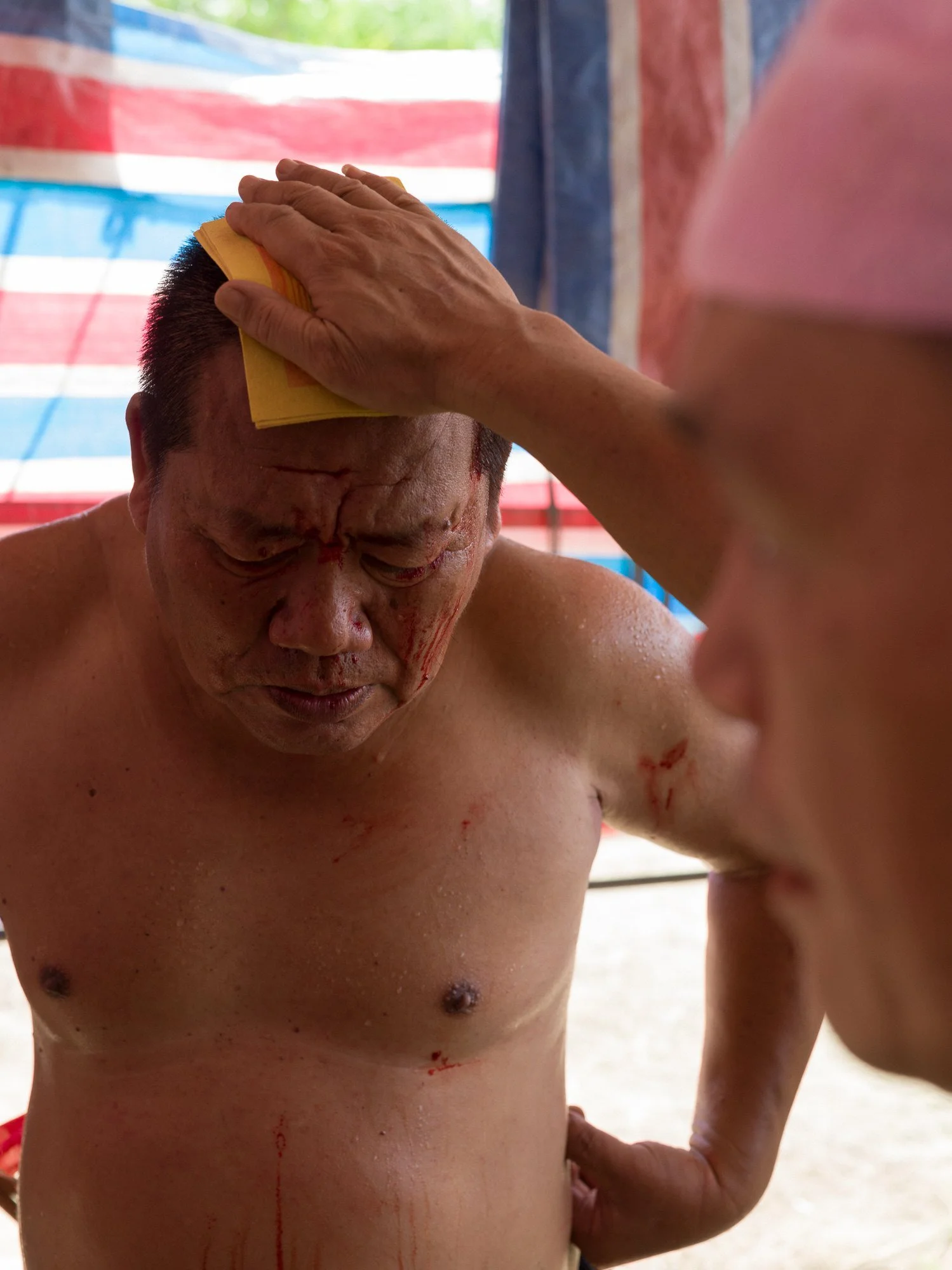
Four hundred years ago, the Zengwen River basin, where I made Undercurrent, was still an inland sea. The river used to be called the "Blind Serpent," because whenever a typhoon came, it would change course and flood fields and villages. Settlers who crossed the Taiwan Strait from the southeastern coast of the Asian continent relied on their village temples to bind them together, to face natural disasters and protect their homes. In the rituals, the tâng-ki, or spirit mediums, strike themselves with ritual weapons and let their blood flow, summoning invisible soldiers to guard the village. To me, it looked like one person's body taking on the pain for the whole village.
But what really made me see this was a wall. In a village called Tiexianqiao, the wall of the village temple had once been covered with plants. After they were all cleared away at once, a dense web of root marks remained, like a wound forming a scab. Standing in front of that wall, I thought of the times my own life had changed course, and the quiet ache each one had left behind. Only then did I realize that what I had been photographing all along was a kind of layered scar tissue: the pain of generations turned into faith. Scar tissue is what grows after a wound has healed. Belief works the same way. It brings people back together, but the pain underneath is still there.
Personal history: In your statement you write that while photographing, you recalled the times your own life changed course, and you felt a subtle pain in your body and mind. Which photograph in the book holds this personal feeling most for you? Did this change the way you photographed the rituals?
This has to do with my own life history. As a child I had little say over my own path. In an East Asian family, education means passing one exam after another, getting into the next school, and becoming an engineer who earns a good living. I was clever enough to stay near the top of my class, but all the way through graduate school I was deeply unhappy. Technology kept advancing, and it would keep accelerating with or without me. I couldn’t see what meaning my work had.
Then I encountered sound art, and I decided to leave everything behind and make art. But I was a perfectionist, and I constantly compared myself with others. Whatever I made seemed so far from the masters I admired. I turned against myself and went through a long dark period. Eventually I stopped making work altogether.
It was yoga that slowly brought me back. Through it I began to feel the relationship between body and mind, to let go of what I had been holding onto, and to forgive myself. I picked up a camera simply because it was fun, and I have kept photographing ever since.
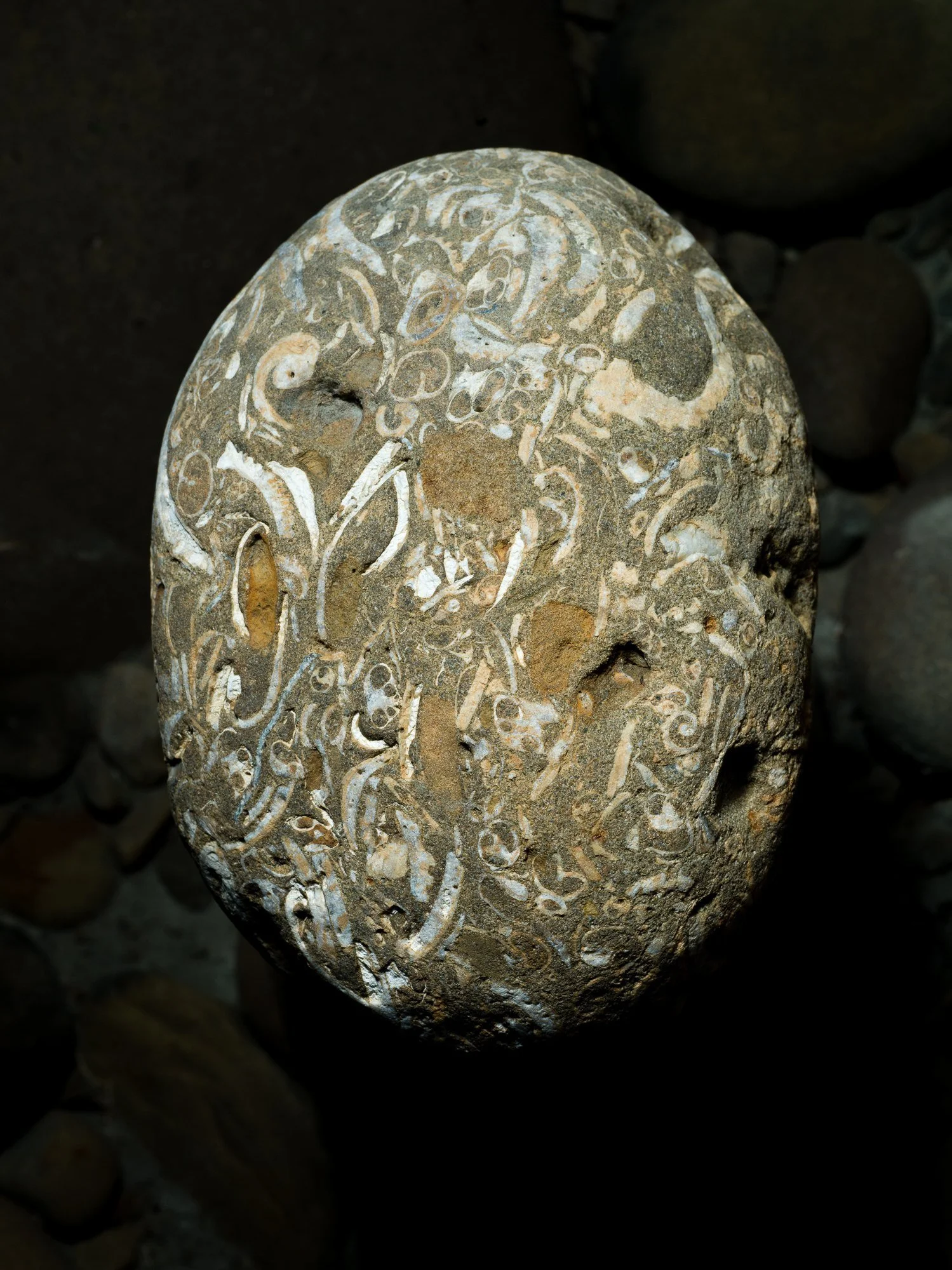
Looking back now, I think of it as a kind of personal archaeology: digging down layer by layer, I find that every one of those experiences fed me. It is like the fossil from the upper Zengwen River in the book. Isn’t Taiwan the same? Millions of years ago this land was sea. It was pushed up by the collision of tectonic plates and shaped by everything that washed over it until it became what it is now.
So I wouldn’t say this changed the way I photographed the rituals. Rather, my whole way of photographing grew out of that history. It isn’t held in a single photograph. It is in all of them.
Waiting in quiet villages
Finding pictures: You have said that if you put words on a picture, the whole picture dies. How did you decide what to photograph on the many days when the villages were quiet and nothing seemed to happen?
While I was making Undercurrent, most days had nothing in them at all. On weekdays you barely see anyone in the villages. I drove back and forth between roads, fields, and temples, and often spent a whole day not knowing what I could photograph. First, I had to learn to live with that disappointment.
Later I came to think of it less as searching and more as listening. Once you have something in mind that you want to find, that's all you can see. There's a well-known psychology experiment “Monkey Business Illusion” where people are asked to count how many times players in a video pass a ball. Most of them completely miss a gorilla walking through the middle of the scene.
I'd go even further: what draws us in, and what we're able to see, has already been decided by our memories, emotions, and bodies long before we press the shutter. So for me, photography is a practice of perception, and of noticing how I notice. It isn't hunting. It's paying attention to why something moves me, and asking whether there might be other possibilities beyond what I already know as a "good photograph."
The idea of listening comes from my early years in sound art. Back then I learned a way of listening where you don't ask where a sound comes from or what it means. You just feel its texture. Later I applied the same approach to my eyes. Naming what's in front of you is a kind of recognition, and what I want is the moment before recognition happens. That's why I say that if you put words on a picture, it dies.
So before going out, I practice yoga to reset my expectations, and I stop worrying about whether I'll bring any photographs home that day. In that loose state, I watch for just two signals. One is outside: in the corner of my eye, I sense some kind of visual relationship. The other is inside: a quiet thought, "this is different." When they appear, I press the shutter without asking why.
There's a photograph in the book taken in the Guanyin hall of a temple in Madou. Out of the corner of my eye, I noticed the shadow of a guardian king statue on the curved wall, layered over itself again and again. I couldn't say what it was. It just felt like a soul leaving the body.
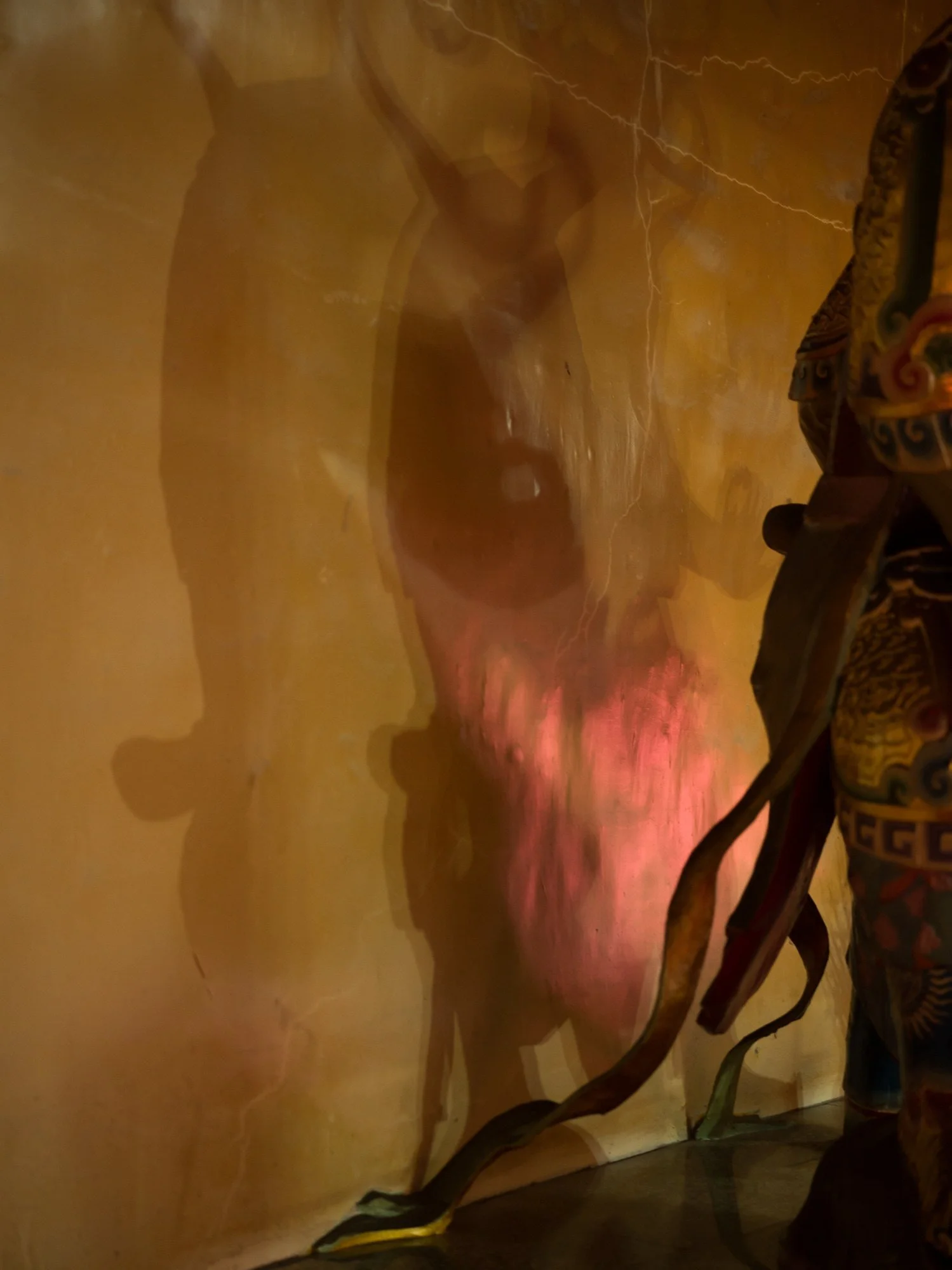
So I rarely decide what to photograph. All I can do is prepare myself, so that when it appears, I can recognize it.
Creative decisions: You studied the history of the Zengwen River and its changing course, the "Blind Serpent," but you chose not to show this research directly in the pictures. Why did you choose to keep the facts out of the frame?
Actually, it's there. It's just not obvious.
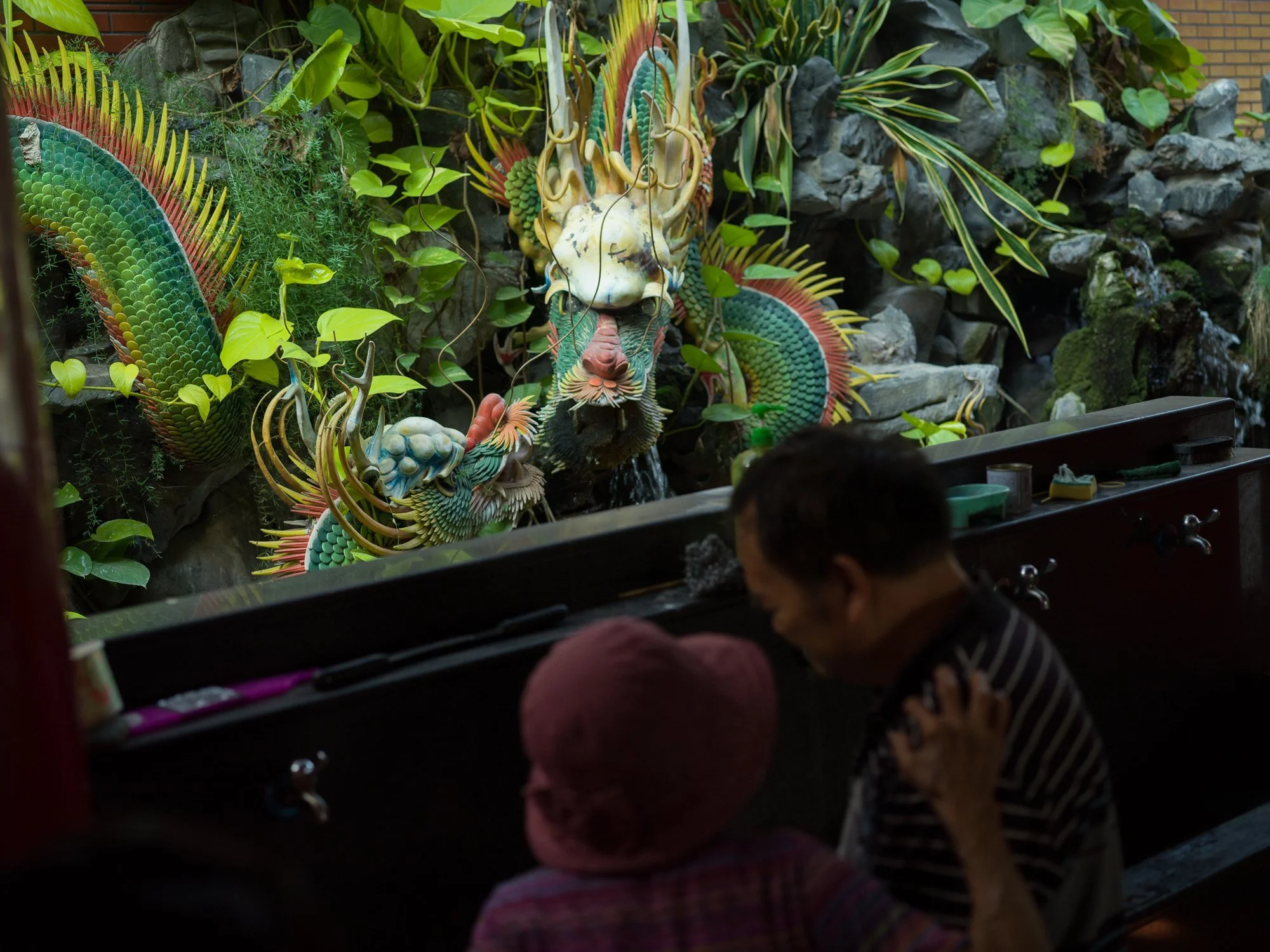
There's a photograph in the book taken in a temple under renovation. White safety netting hangs down from the scaffolding, and in front of it are the dark silhouettes of an incense burner and two dragons. When I pressed the shutter, I only felt that the netting, the silhouettes, and the colors behind them made a strong structure. When I enlarged the image at home, I discovered that the mural in the background showed the Chianan Plain as it was four hundred years ago: two inland seas that no longer exist, and the Zengwen River winding down from the upper right corner. The Blind Serpent. I didn't set out to photograph history. History walked into the frame on its own.
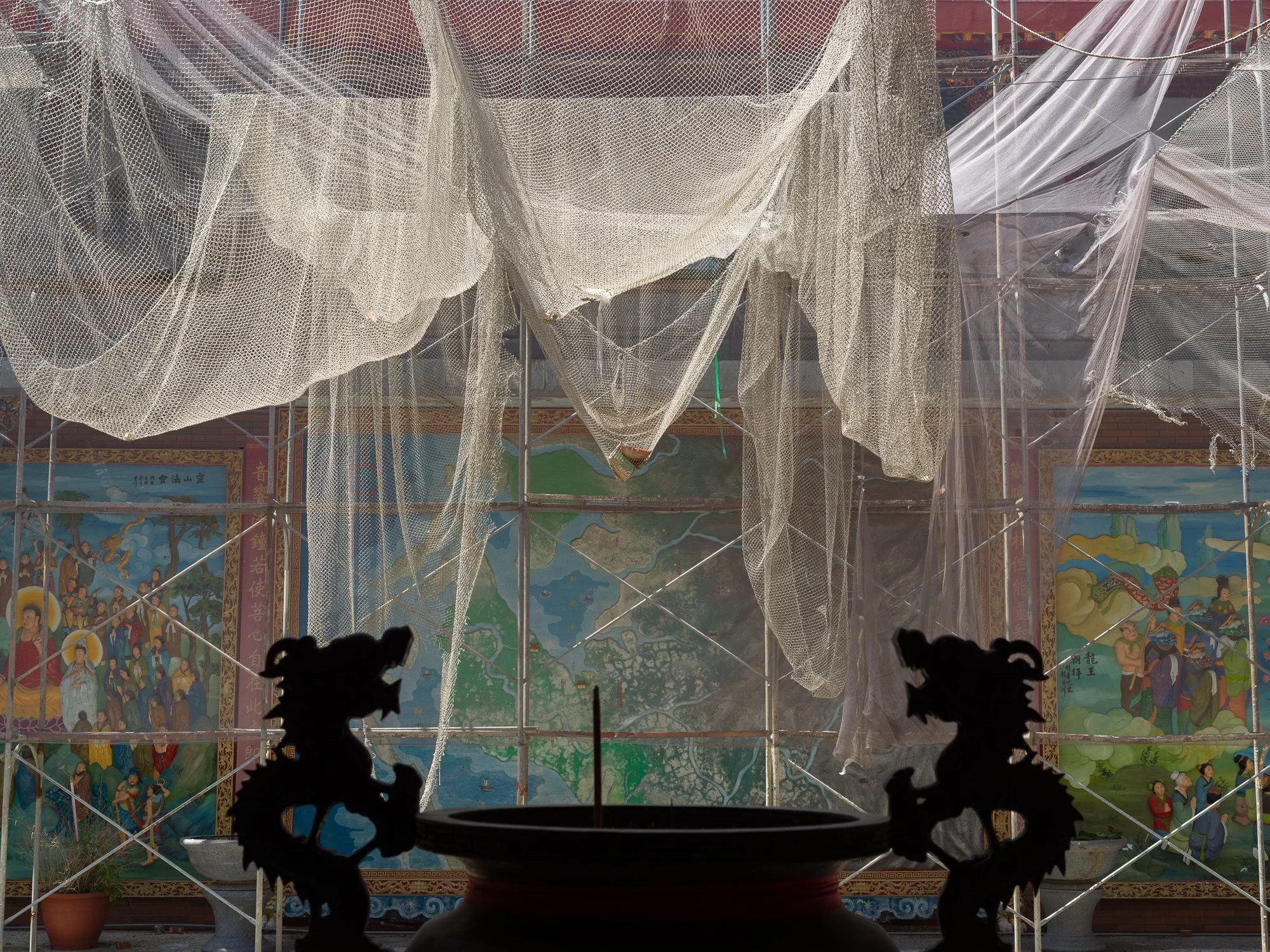
I did read a great deal: about the river's changing course, the village temples, the origins of the rituals. That research told me I was entering a place with history and memory. But in the field, I don't carry that research around looking for pictures. If I did, the photographs would only become illustrations of the research.
I believe suggestion is more powerful than explanation, because it leaves room for the reader's imagination. Each photograph is like a shadow cast by something invisible. A single shadow may not tell you much. But when the shadows come together, like stars forming a constellation, readers might begin to sense the thing that can't be photographed directly: an undercurrent of belief flowing beneath the lives of Taiwanese people.
Working with people: The book has portraits of believers and of spirit mediums in trance. How did you decide how close to come at these ceremonies, and what made people accept your camera there?
Temple festivals in Taiwan are usually public, and unless there's a special situation, temples generally welcome photographers. If you explain sincerely why you're there, people rarely say no. What I have to do is understand and respect the flow of the ritual: not get in anyone's way, and not interrupt what's happening. If someone tells me a place is off-limits, I put the camera down.
Trust comes from staying in touch after you meet people, and coming back again and again. The side portrait of a person possessed by a deity, for example, was taken among a group of young people preparing to open their own temple. They were practicing letting the gods enter their bodies.
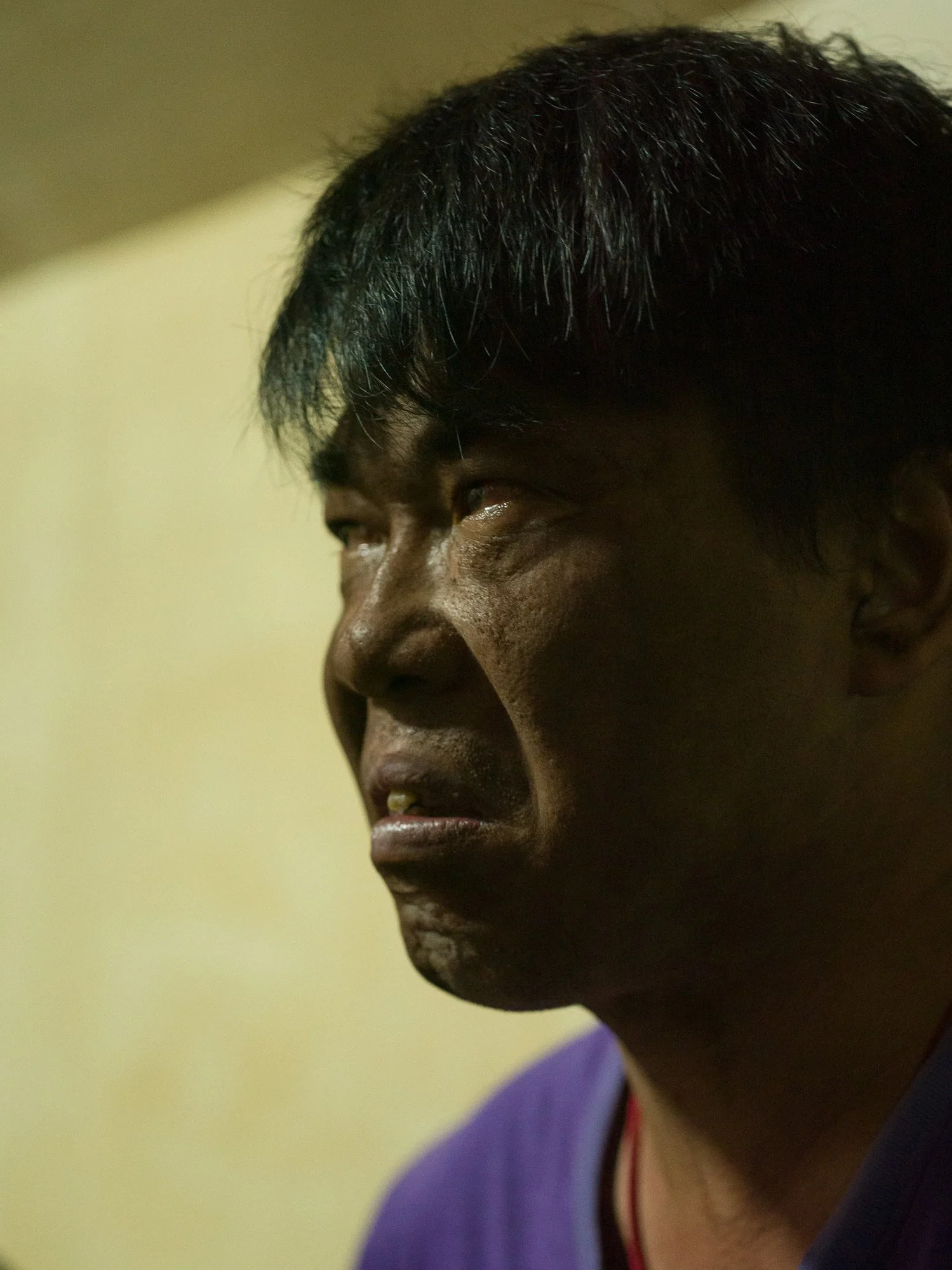
But I've also had the opposite experience. Once in a temple I saw someone go into trance, and I photographed him without asking first. After the deity had left him, his wife came over, asked me for the photographs, and thanked me. That was when I realized a photograph can also be a record people want to keep.
The wall at the end
Accidents and failures: You have said you only understood the "scar tissue" meaning of one temple wall near the end of the project. What did that late discovery change in how you saw your earlier photographs?
I photographed the wall I mentioned earlier quite early on, but its meaning only surfaced when the project was nearly finished.
I once took a workshop with Alex Webb and Rebecca Norris Webb, and they said something I've never forgotten: "The photograph is smarter than you." At the moment you press the shutter, the photograph has already seen something. Your understanding just hasn't caught up yet.
These understandings rarely come from sitting at a desk and thinking. Often they come during yoga. My body is focused on breathing, my mind relaxes, and suddenly one photograph connects with another.
Once the idea of scar tissue appeared, I looked back at my earlier photographs and many of them changed. On a temple altar, the lines a tâng-ki had drawn in incense ash with a small hand palanquin. Beneath the altar, reflections and light on the floor. The blood on a tâng-ki's back. They had belonged to different places and different rituals, but now they looked like the same kind of trace. The blood flowing from the medium's body was no longer just part of a ritual. It had become a scar on the body.
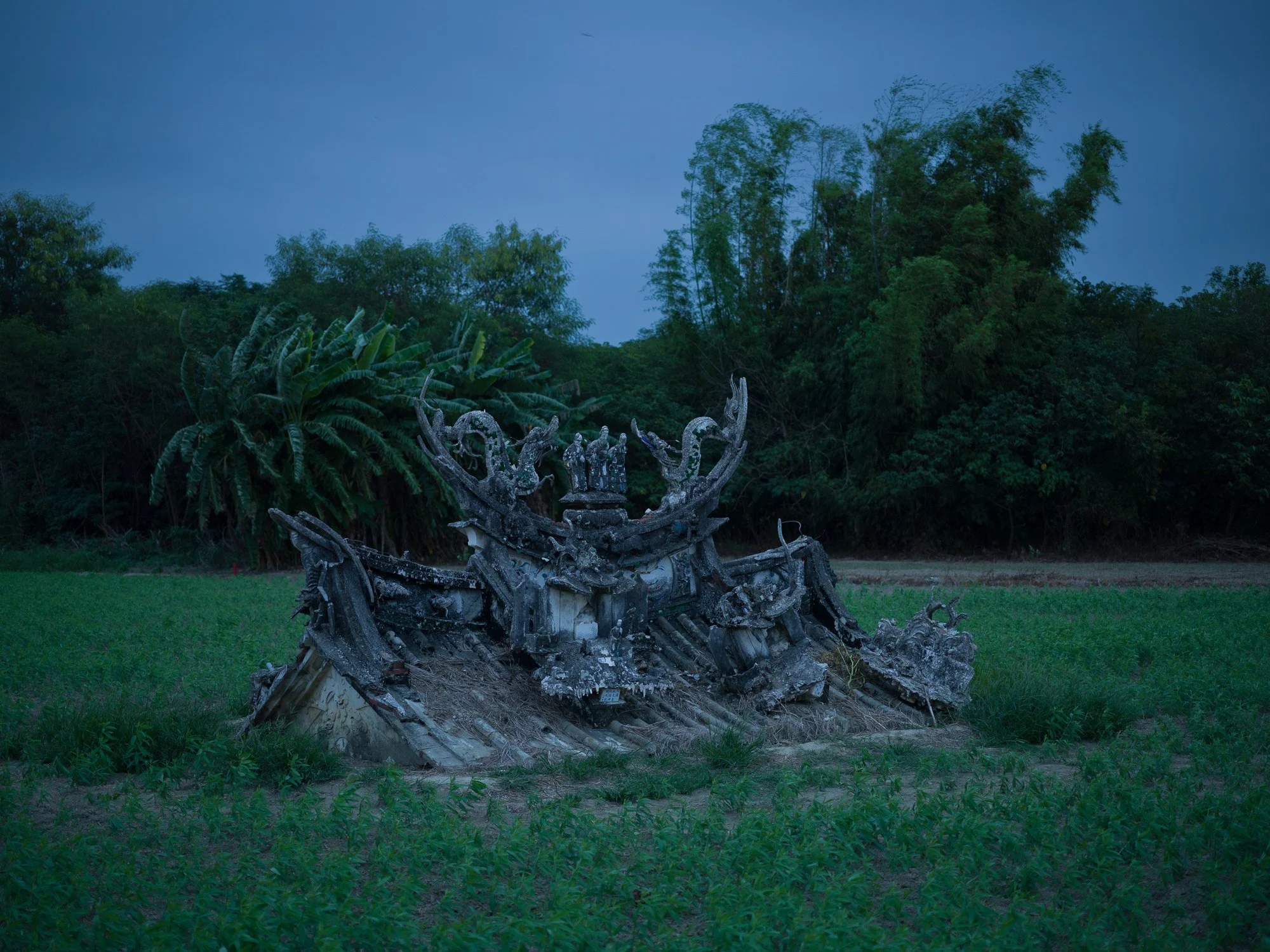
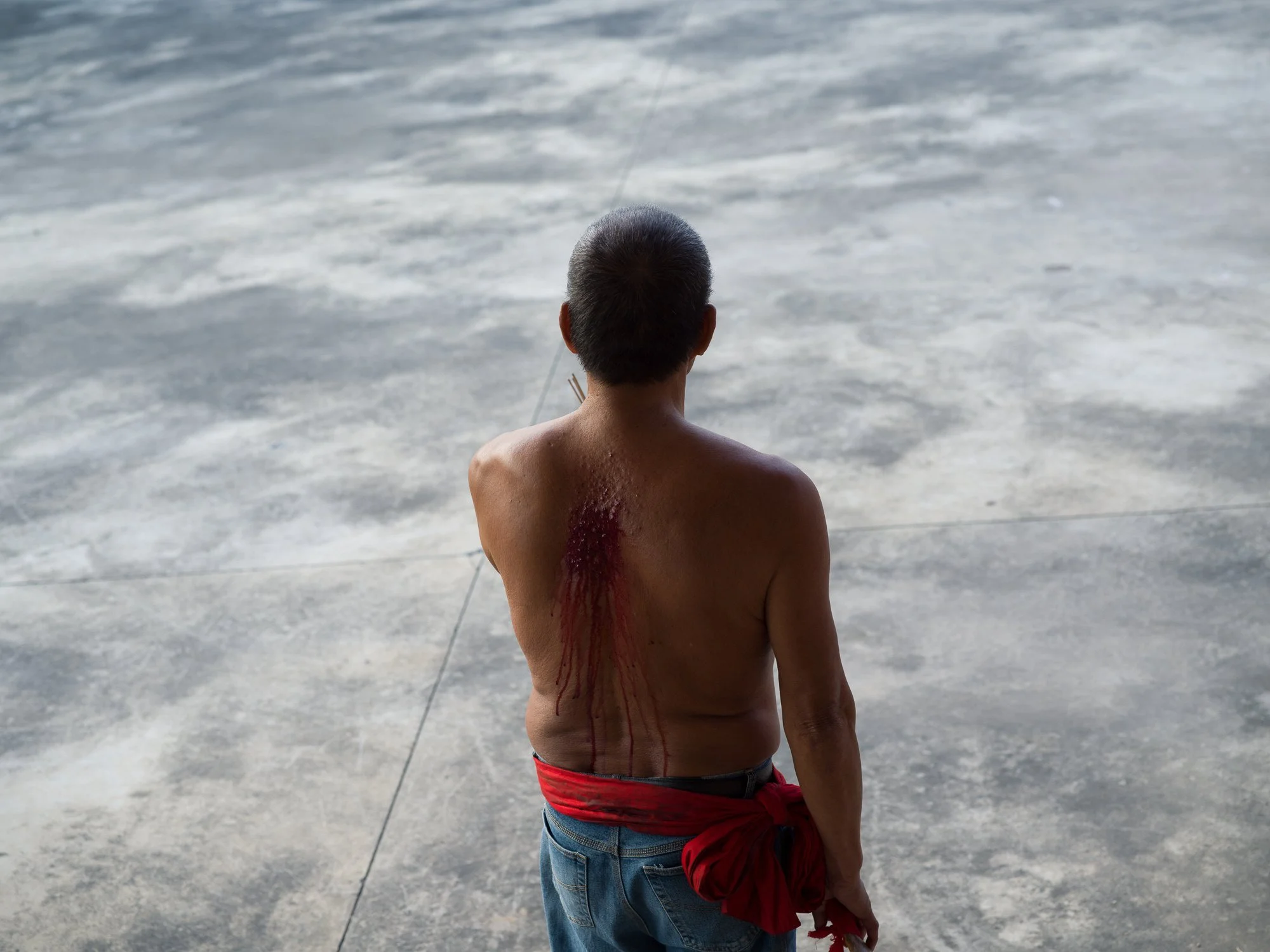
So now my way of working is this: photograph first, then slowly learn to read what I've photographed.
Editing the book alone
Editing: For Raw Soul you edited through long talks with AKAAKA's editor and the designer, but you did the main sequence of Undercurrent yourself. Why did you choose to work alone this time, and how did you decide to cut strong photos that felt too much like documentation of rituals?
When I made my first book, Raw Soul, my editing and sequencing skills really weren't good enough yet. I put together a sequence myself, but it was too flat, too conventional. The designer, Hisaki Matsumoto, wanted the sequence to have rises and falls, and the editor-in-chief, Kimi Himeno, asked me to "make every photograph come alive." Those long conversations were how I learned to edit.
This time, while working on Undercurrent, every few trips I would print the possible photographs small and pin them to the wall, swapping and moving them around again and again. Then I'd leave them for a while, until I'd forgotten how I felt the last time, and look again as if for the first time. Once I had finished the main structure, I also got suggestions from Ms. Himeno and made a few additions, so the narrative could have more dimensions.
Cutting photographs wasn't easy. Some ritual photographs were excellent on their own and fit everything people expect from temple festival photography. But inside Undercurrent, they said things too directly. If a photograph is only visually strong, or only explains an event, it's hard for it to form new relationships with the other photographs, and it doesn't hold up to a second look.
For me, authorship means "only you could have taken this photograph." What I kept were the photographs that echo each other and let readers make their own associations. If a photograph couldn't do that, I had to let it go, at least for now.
The wall: You wrote that every few trips you printed the possible photographs small, pinned them to the wall, and left them until you had forgotten how you felt, then looked again as if for the first time. How did you know when you had waited long enough? And when you looked again, what did you check first, and what made you move a photograph or take it off the wall?
I can’t point to a moment when I knew I had waited long enough. What I can describe is what I look for when I return to the wall.
Think about listening to music. If it repeats too much, you get bored. If it jumps around too much, you stop paying attention. The pleasure sits in a sweet spot: you are guessing what the next phrase will be, and the phrase that actually arrives goes beyond what you expected, but not so far that you can’t follow.
Editing and sequencing work like composing. Each photograph is raw material. Each has its own strength or weakness, its own length of looking time, its own associations to chew on. Through colour, shape, direction, atmosphere and content, photographs can be joined so that one plus one becomes more than two.
So when I look at the whole sequence, I first look for the opening four and the closing four photographs, because they set the direction of the entire book. Then, each time I rearrange and look again, I ask: What is the overall form, the way a piece of music has a form? Where does the emotion rise and fall, and where does the sequence breathe? Where should the most important photographs sit? And when I add a new photograph, what kind of image is it: a portrait, a landscape, a trace, a detail? Does it add something to the whole, or does it only repeat?
Saying too much: You said some ritual photographs were excellent on their own but "said things too directly" inside Undercurrent. Could you choose one of them and describe it? What relationship with the other photographs was missing, and how do you test whether a photograph will echo with the others?
One example is a photograph I took in 東嶽殿, Tainan. A man stands in the foreground with his palms pressed together in prayer, while behind him a man strikes a gong, and the gong hangs exactly in front of his face. It is a good photograph, but I felt it showed off too much. The coincidence is so precise that it draws attention to the photographer’s skill rather than to what is happening. You see the trick at once, and then it is finished. Inside the sequence it made everything stop, like a showy solo in the middle of a piece of music. It left no lingering resonance.
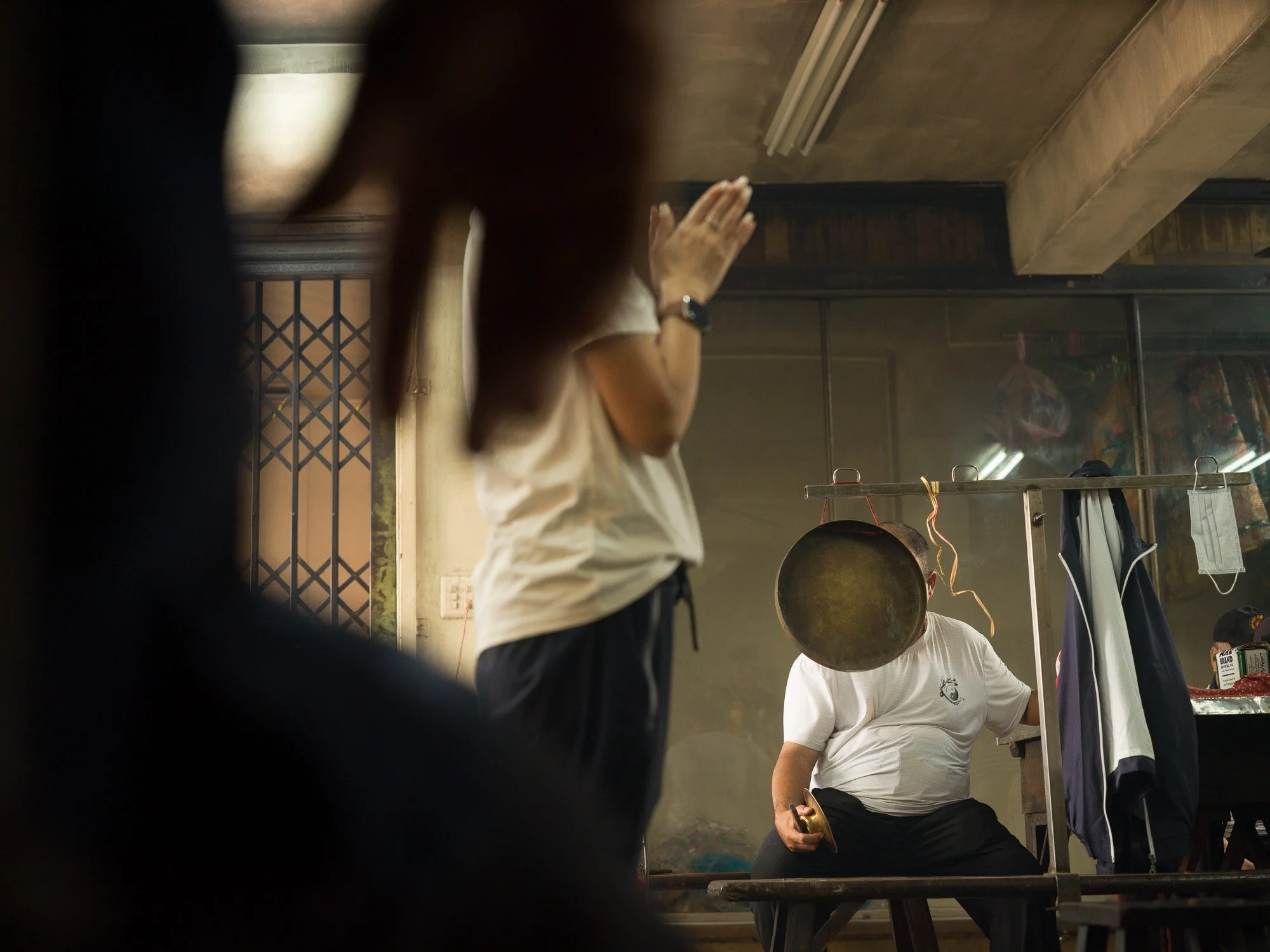
To test whether a photograph echoes with the others, I place it in the sequence and look at the photographs on either side of it. If they become richer, it belongs. If they are drowned out, or if the photograph says everything by itself, it doesn’t.
Above and below the surface
Sequencing: You moved "Pray for Water" from late in the book to the center, so the book turns from bright everyday belief to darker, more abstract images. At what point did you realize the book needed an "above the surface" part and a "below the surface" part?
The ritual is called chhiáⁿ-chúi, which is closer to "Inviting the Water" than "Praying for Water." It invites the spirits beneath the water to become water soldiers and water generals, and to guard the village on the people's behalf. So the point of that photograph isn't only the villagers and the ritual by the river. It's also what can't be seen beneath the surface.
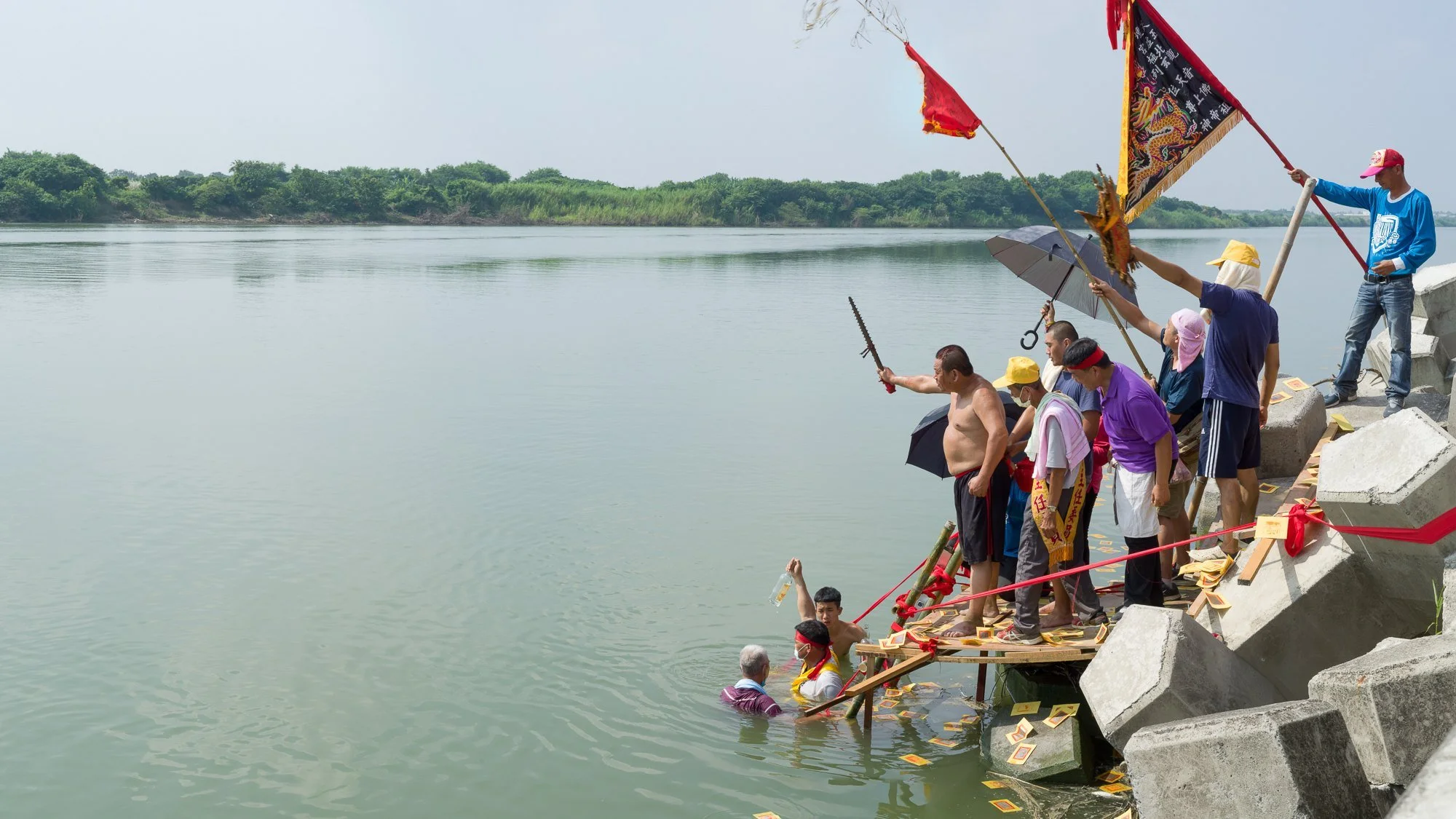
While sequencing, I kept naturally moving the heavier photographs toward the back. The first half gradually became the traces that village belief has left in everyday life, and it was brighter. The second half became darker, more abstract, and heavier. But what made that division truly clear was a form.
About two-thirds of the way through the project, I was preparing to bring the work to the portfolio reviews at Les Rencontres d'Arles, so I made the seventh version of the dummy. Since the title and the content both revolve around a river, I wanted to make it as an accordion-fold book: one long strip of paper folded back and forth, which unfolds like a river.
The original design was one-sided, four long strips joined into a single river. But the night before I started making it, I suddenly thought I could glue them back to back: the first strip to the fourth, the second to the third. I took apart a smaller maquette to test it, and by removing just one page, everything fit perfectly. Now, when readers reach the end of the front side and turn the whole strip over, the first page on the back is Inviting the Water.
That was the moment I became sure that the book had always had an "above the surface" and a "below the surface." Looking back, the form seems to have grown out of the photographs themselves.
Unfortunately, the accordion fold was too expensive to produce at scale, so it could only be made as a limited artist's edition. But in the trade edition, I used white space, spreads, and the rhythm of turning pages to keep the same turn: once you pass Inviting the Water, you go beneath the surface.
What a slow project teaches
Lessons: Raw Soul came from fast reactions in the city, but Undercurrent needed long waiting in quiet villages. What did this slower way of working teach you that another photographer could use in their own long project?
This project helped me understand what I had been doing all along. In Taiwan, documentary photography is called jìshí photography (紀實攝影), literally “recording the real.” I changed a single character, replacing 實 (shí, “real”) with 虛 (xū, “void”), and call my approach jìxū photography (紀虛攝影): “recording the void.” It means using documentary methods to record what cannot be seen. It works in two directions: seeing before language, and language after the image.
Later I realized that the photograph in the book of incense ash on a temple altar shows exactly how I work. When Taiwanese people come to a temple to ask the gods for guidance, a tâng-ki, or spirit medium, invites a deity into his body. The deity doesn’t speak. In trance, the medium holds a small hand palanquin and draws marks in the incense ash spread across the altar. Beside him stands another person, called the toh-thâu, whose role is to read those marks, character by character. As I wandered the Chianan Plain, whenever a person, a place, or an object struck me as slightly strange, I pressed the shutter. The meaning came later, during editing, when I slowly read it from the connections between one photograph and another.
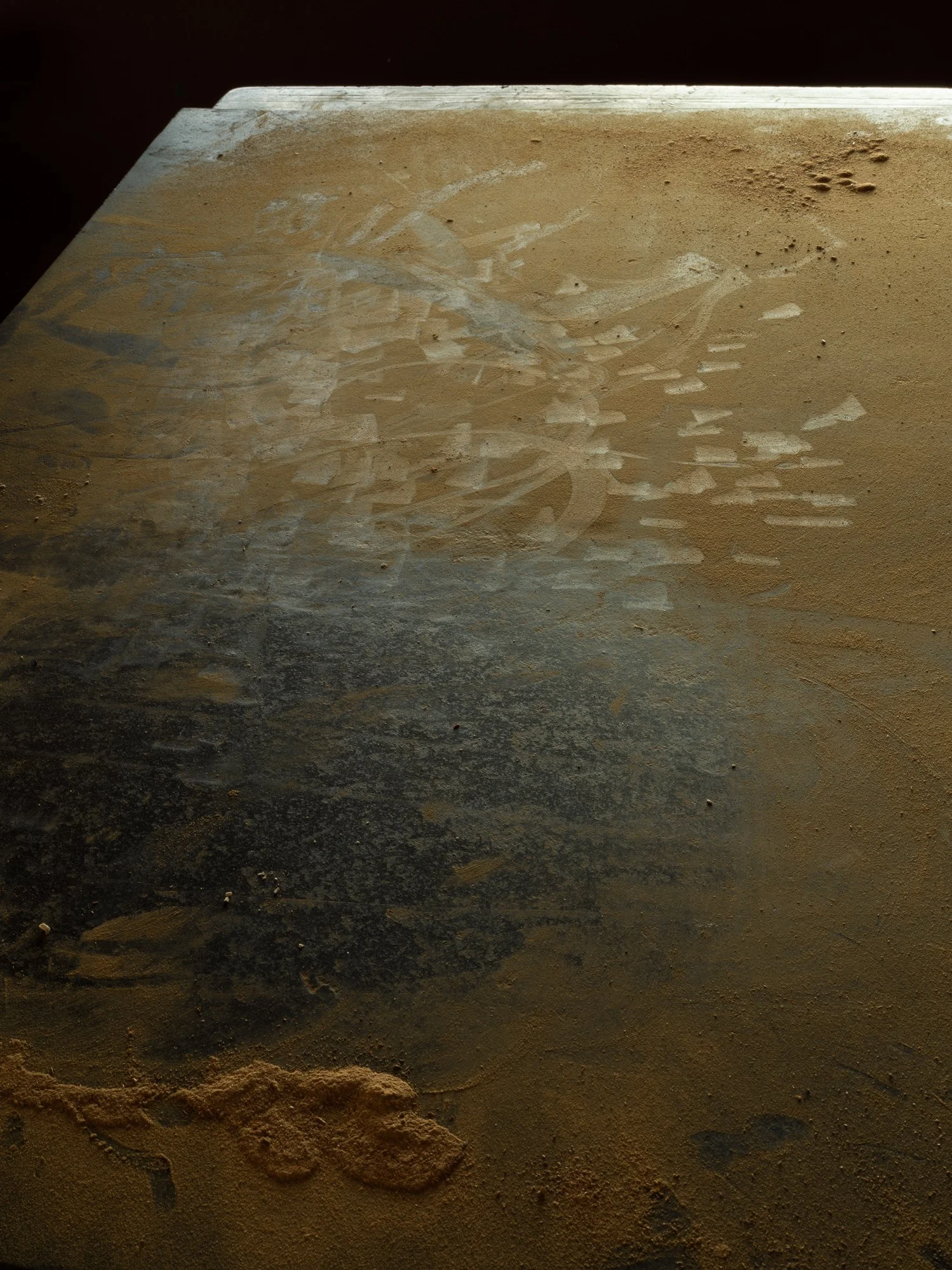
I was trained as an engineer, and I used to look for the right answer. I always wanted to find the correct framework before I started. This time I learned to let go: to let the question sink, and let it flow on its own beneath the surface. Psychologists call this incubation. A shutter pressed almost by accident after yoga, or the idea that came to me that night with the accordion book, were both the result of years of it.
So if I were to give other photographers some advice: don’t pin down your subject and what you want to photograph too early. Accept the days when you come home empty-handed, but always keep going back. Make dummies early, and make many versions, because the form is often discovered while you’re making it. And finally, when you find that even your best new photographs no longer fit, that may be the sign your project is finished.
Meaning is created through doing.
Knowing it was finished: You advise that when even your best new photographs no longer fit, that may be the sign your project is finished. When did this happen in Undercurrent? What was the last photograph you tried to add, and how did you decide that it did not fit?
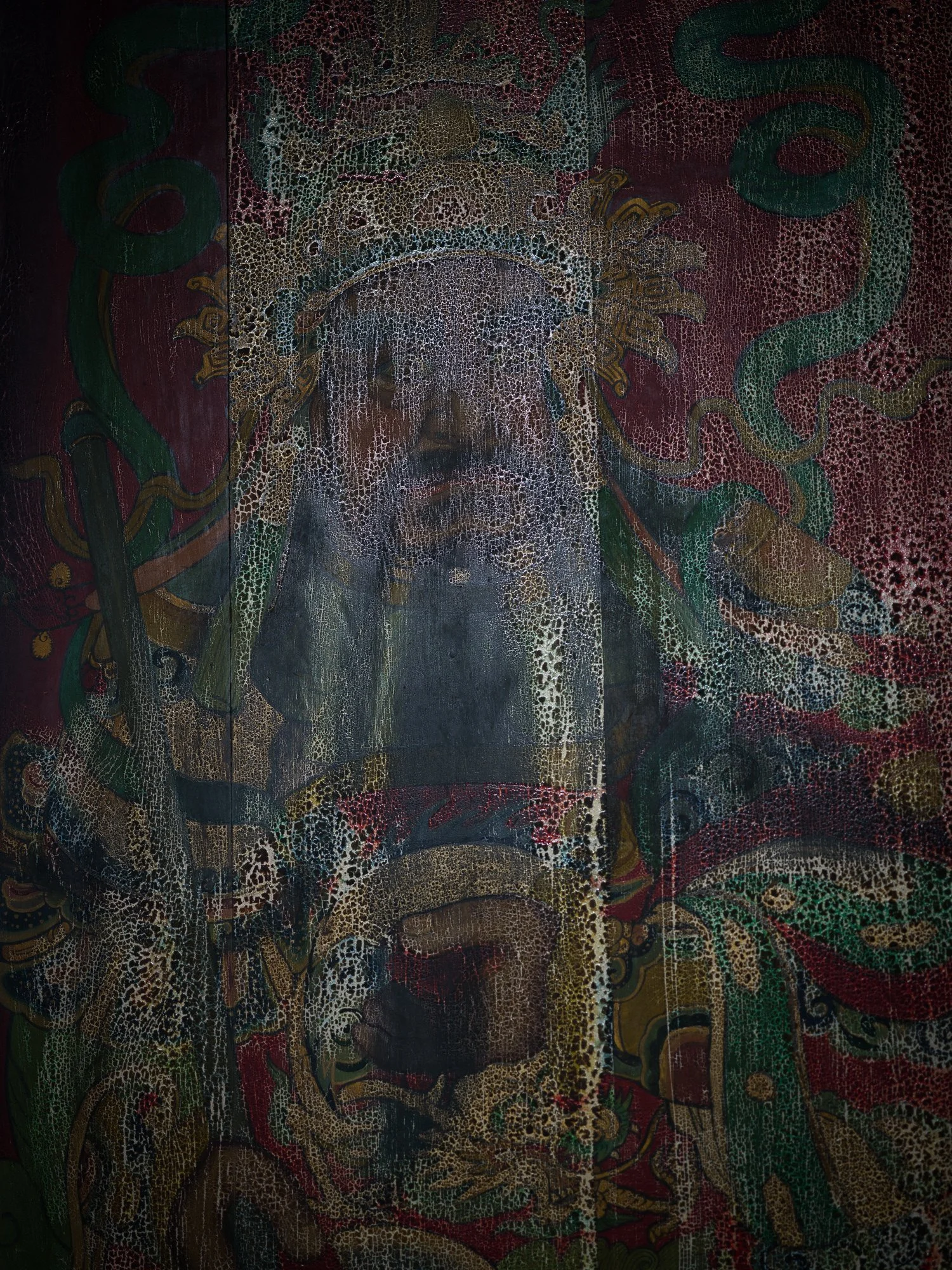
The signal came on the last two or three trips, around 2024. The last photograph I took that made it into the book was the door gods. After that, nothing I photographed even entered the editing stage. It was all the same kind of picture as what I already had, and none of it could surpass the photographs already in the sequence. That was when I knew the book was finished.
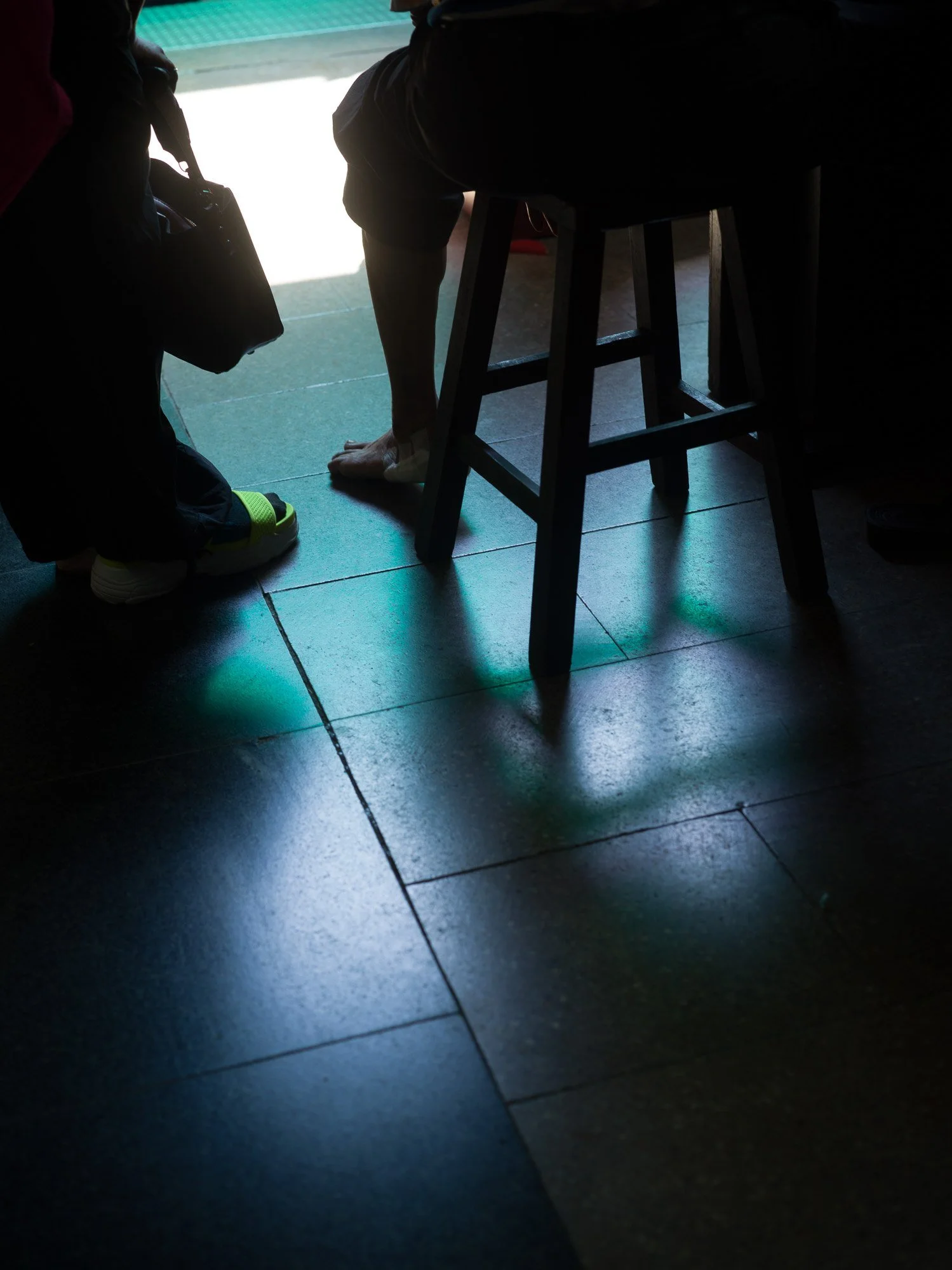
There was also a photograph that stayed in the edit until the very end. It shows light on a temple floor: the shadow of a wooden stool stretched across the tiles in a pale green glow, beside the bare feet of someone sitting and the sandals of someone standing. On its own, it has a quiet beauty. But I already had photographs taken from a similar angle that carried more meaning, and wherever I placed it in the sequence, it never flowed. In the final stage, I let it go.
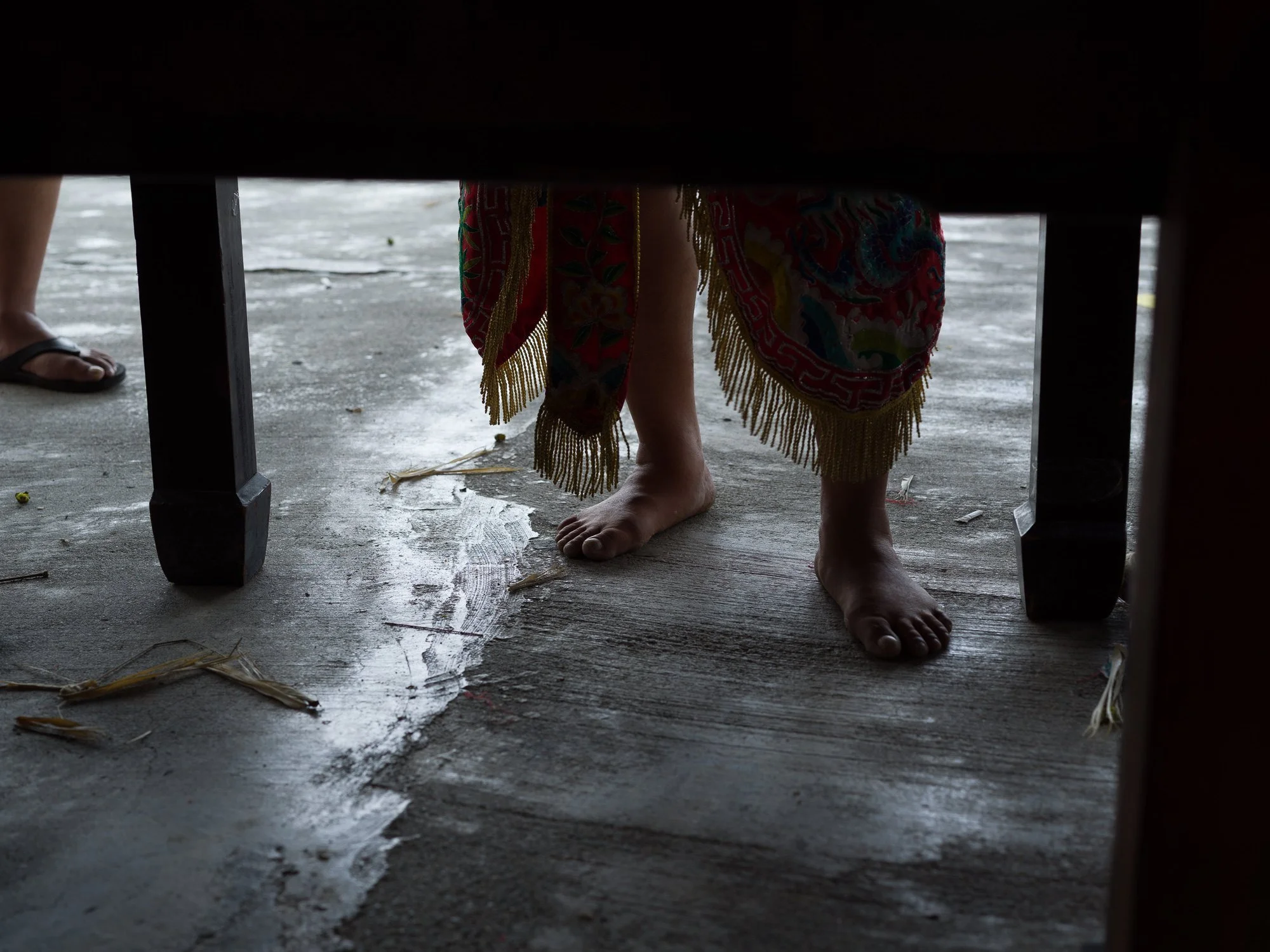
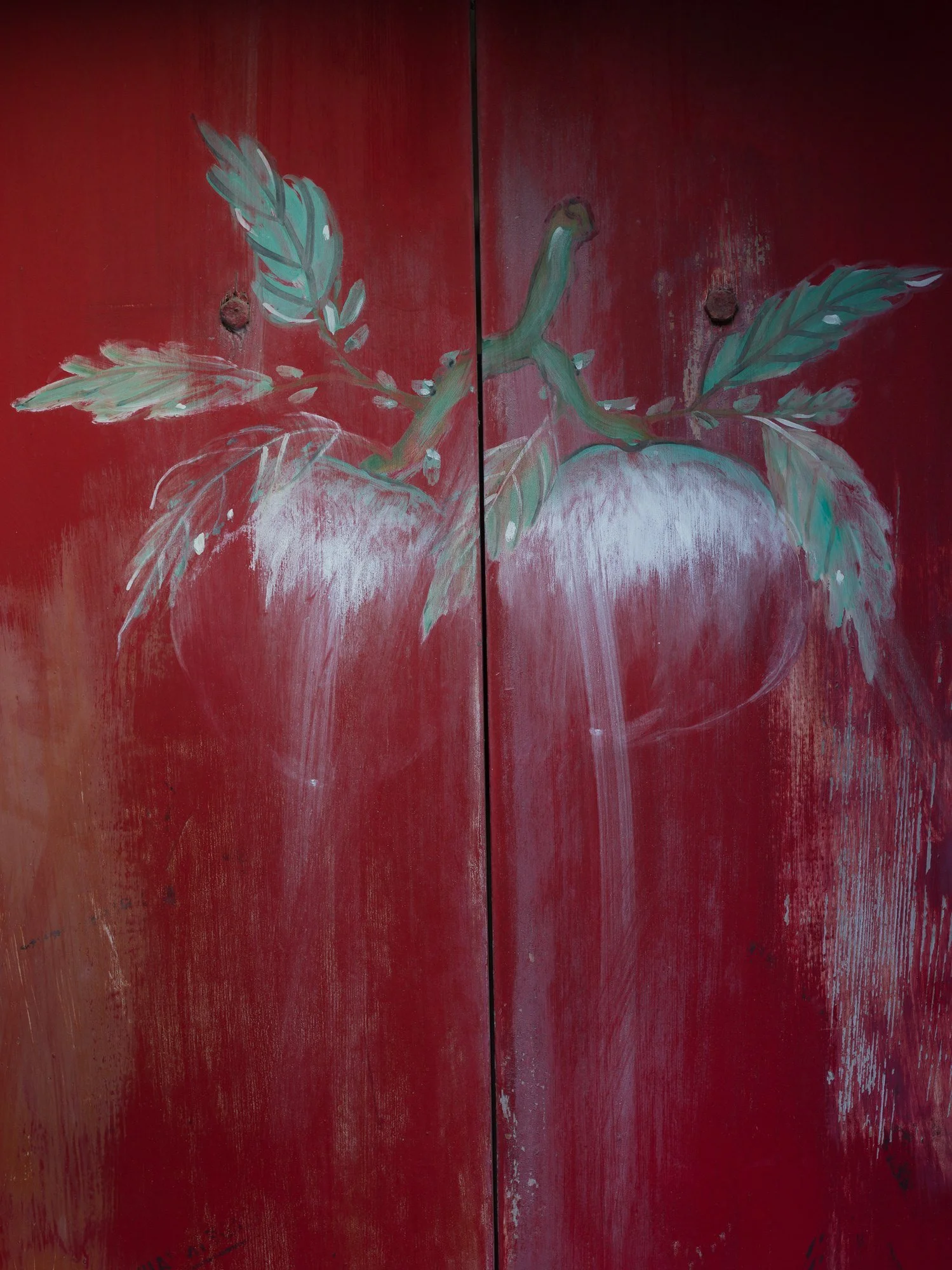
More photographs from Undercurrent.
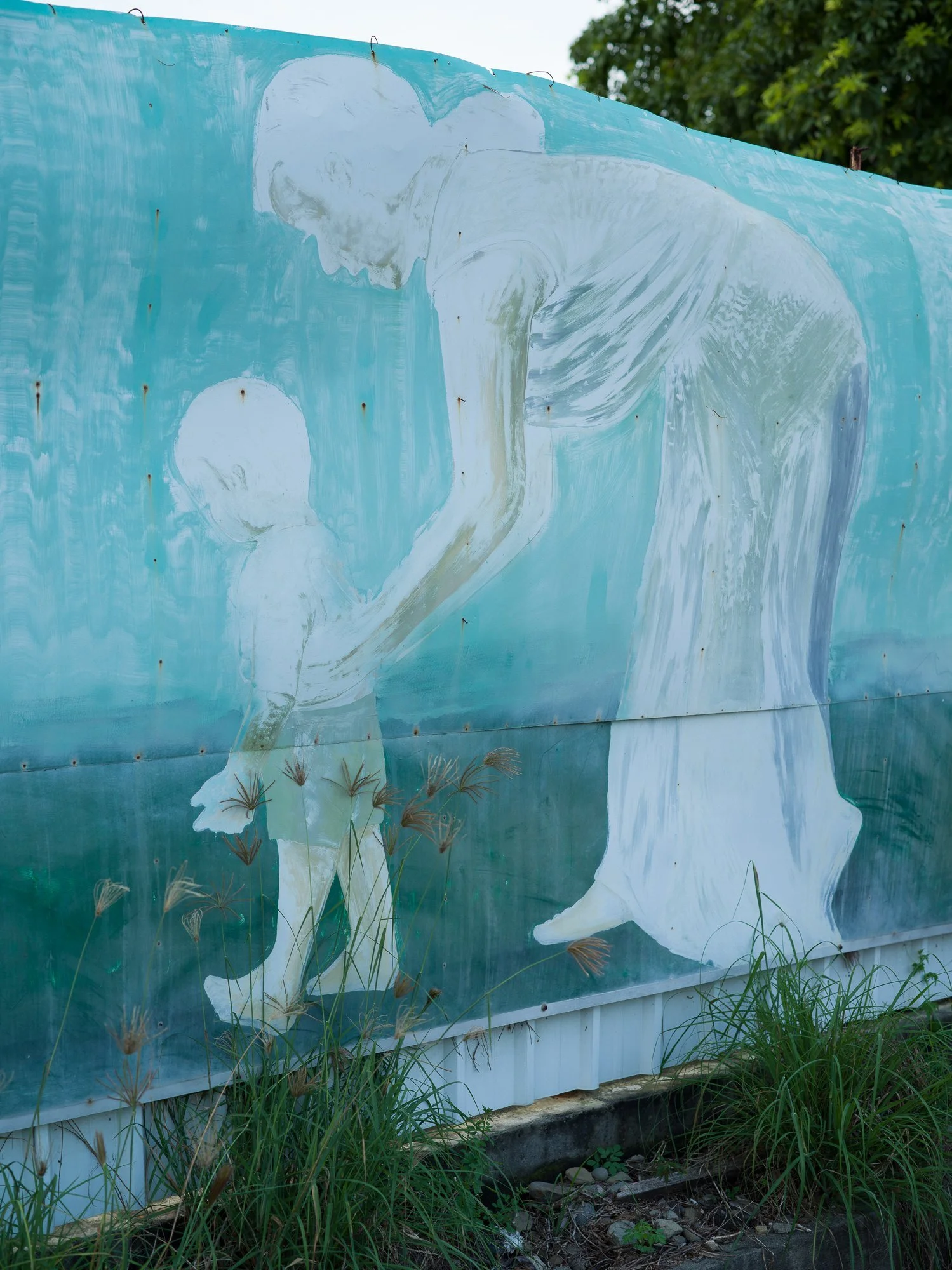
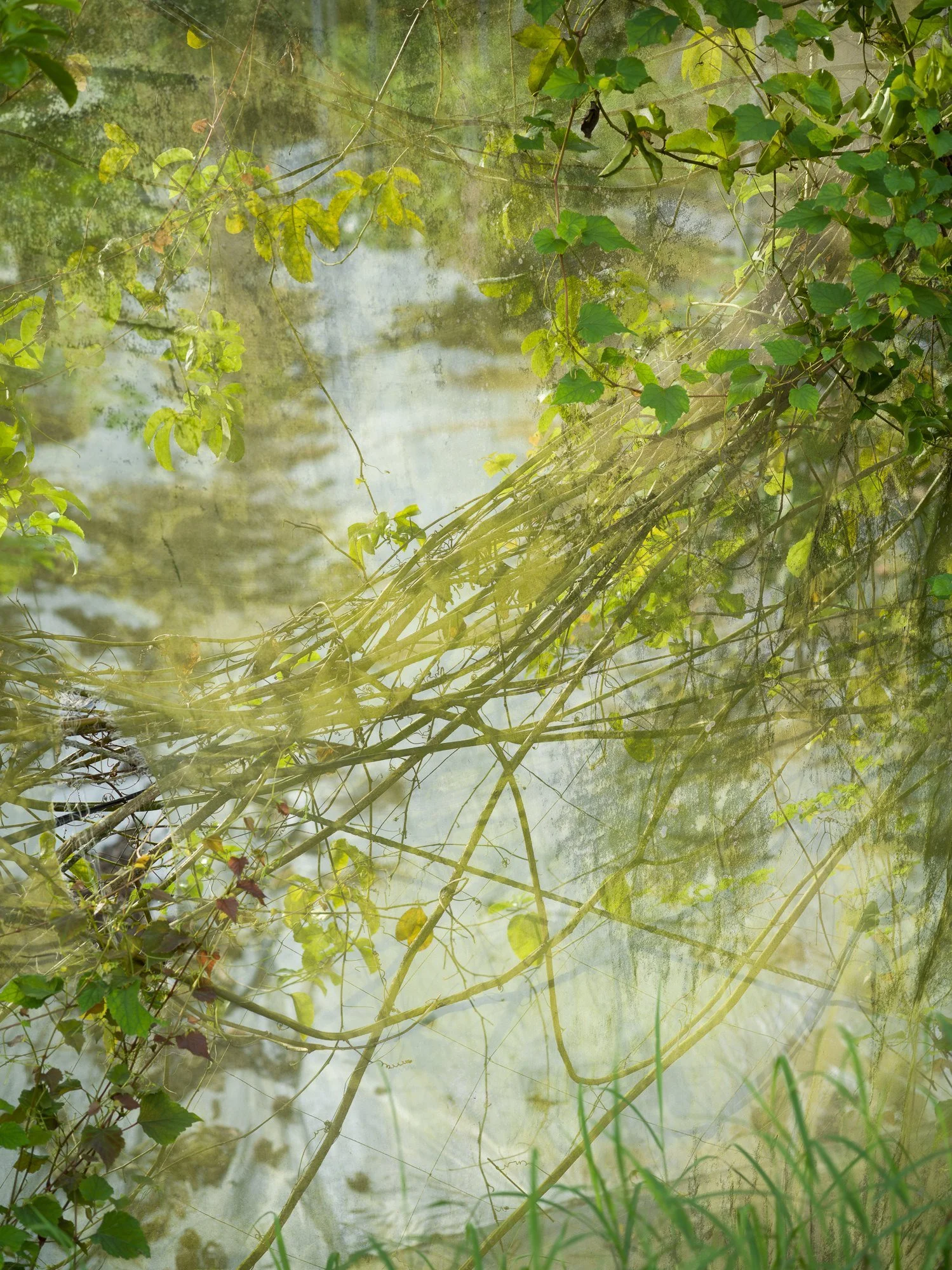
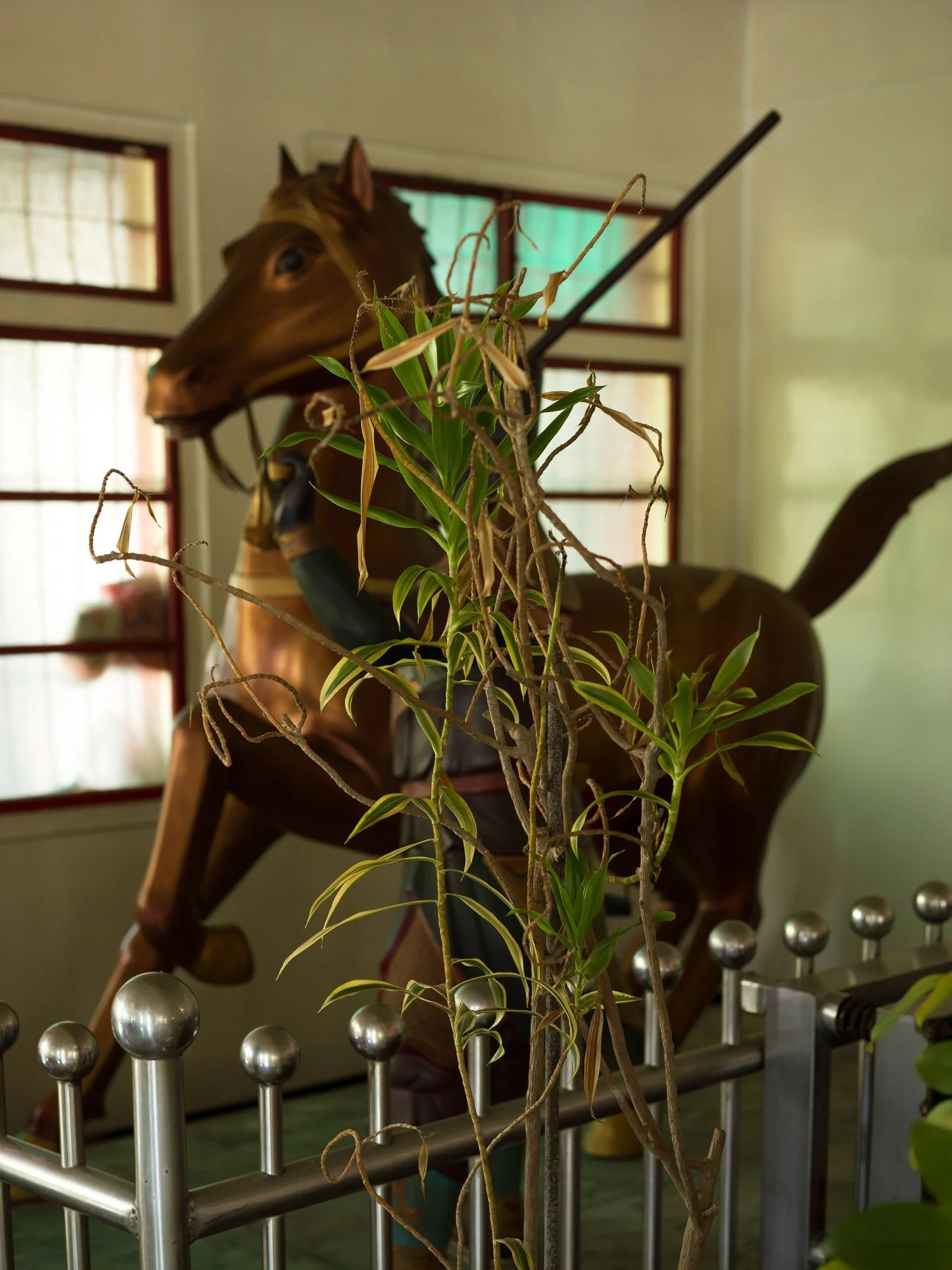
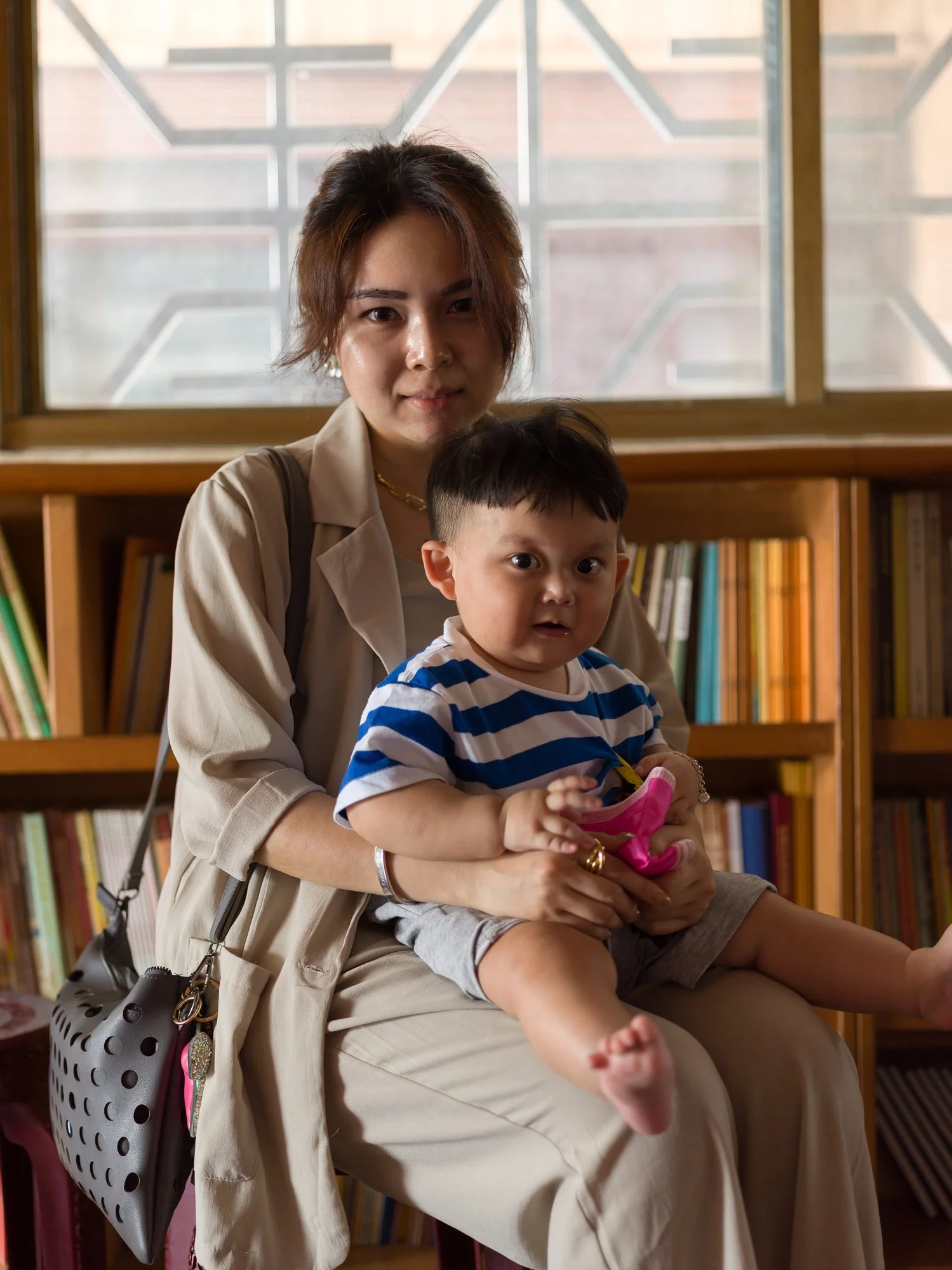
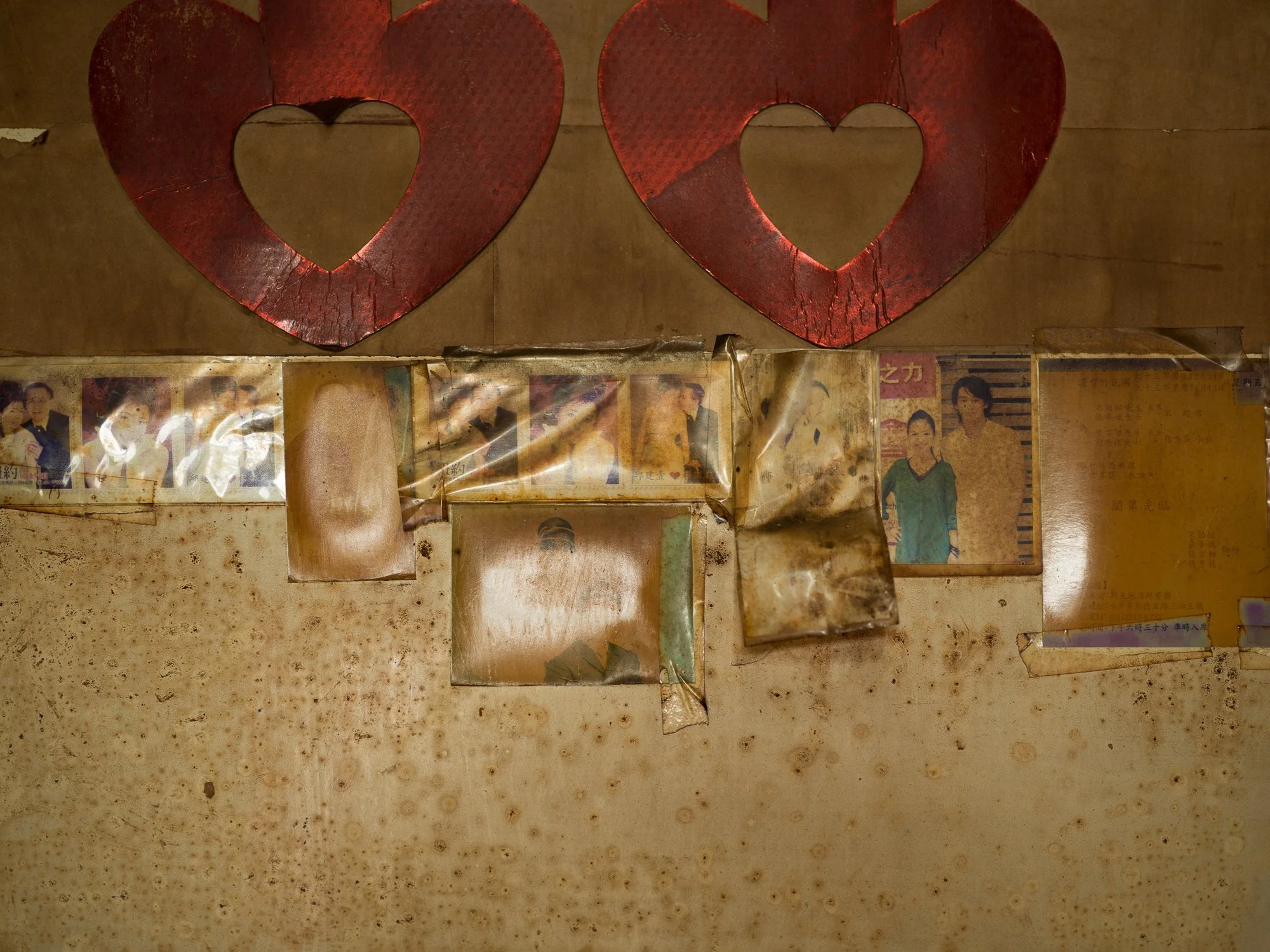
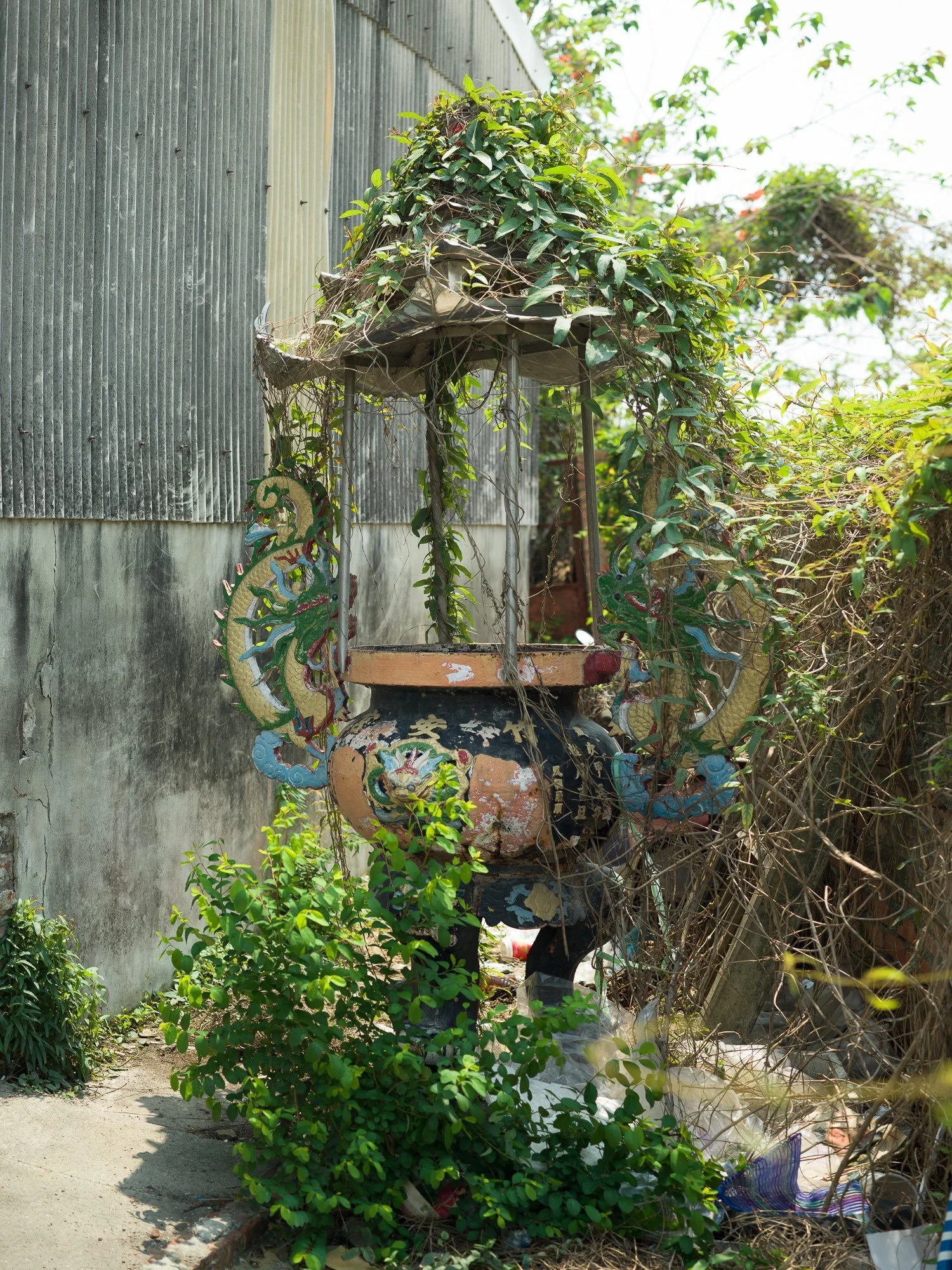
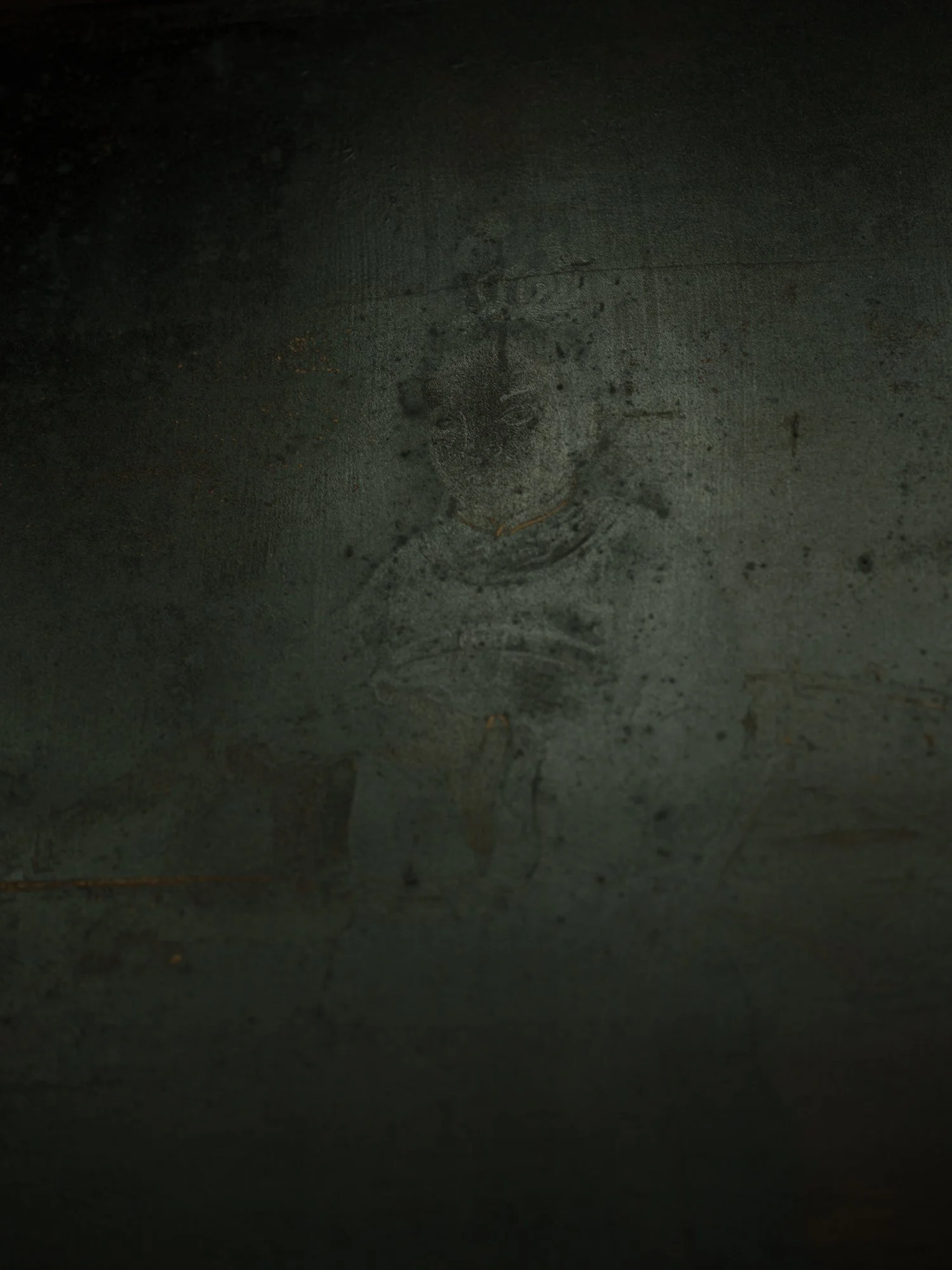
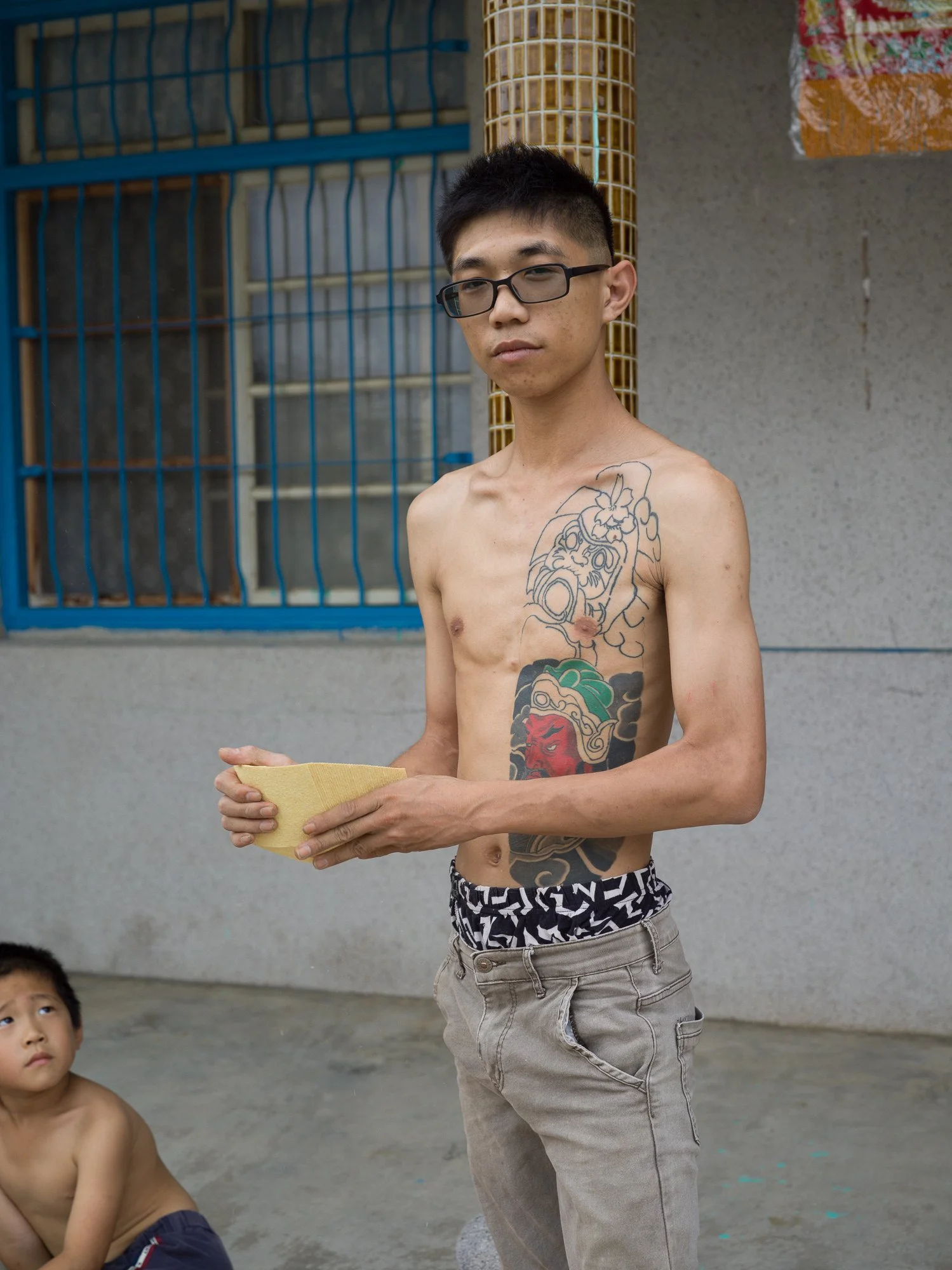
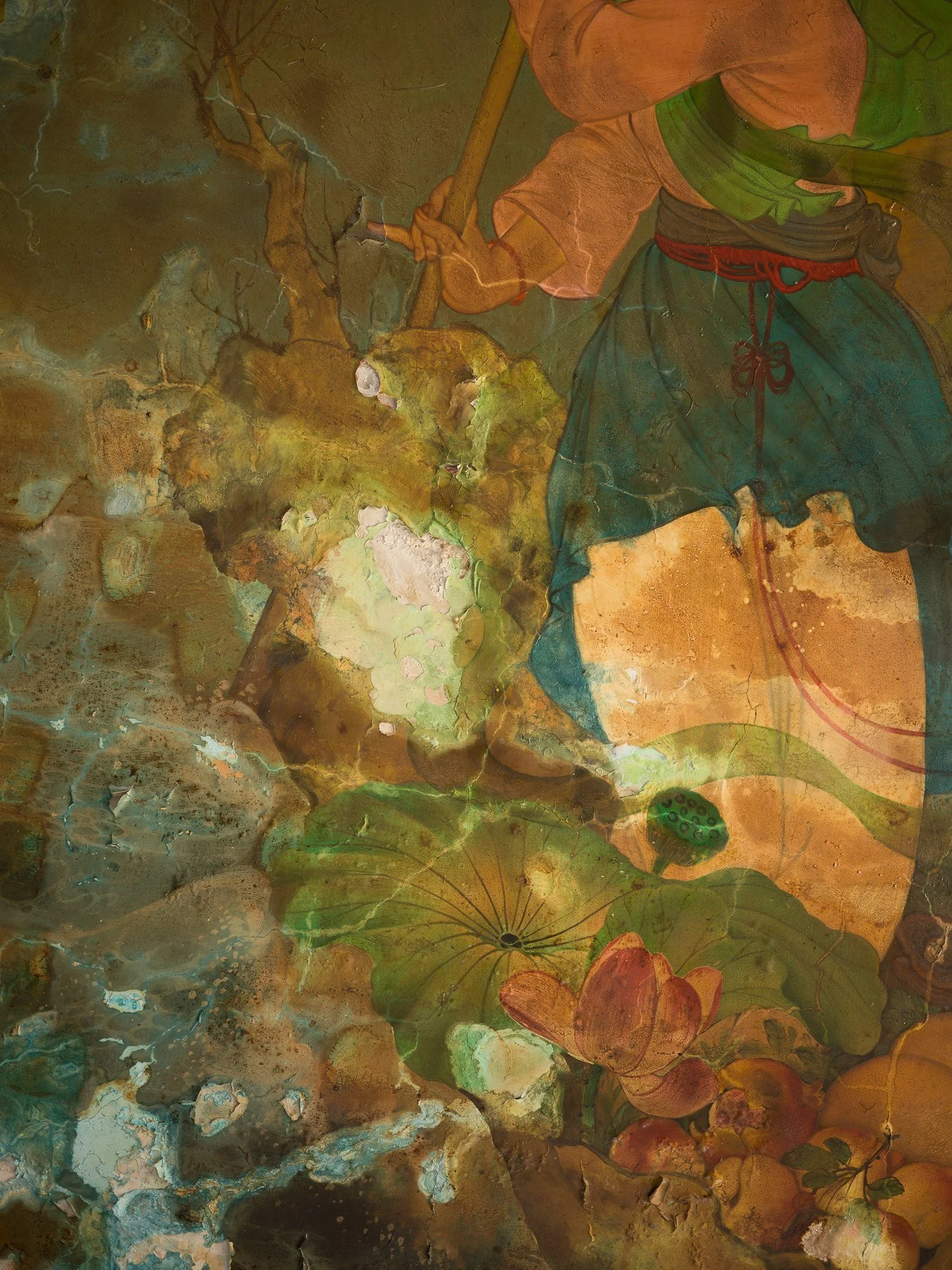
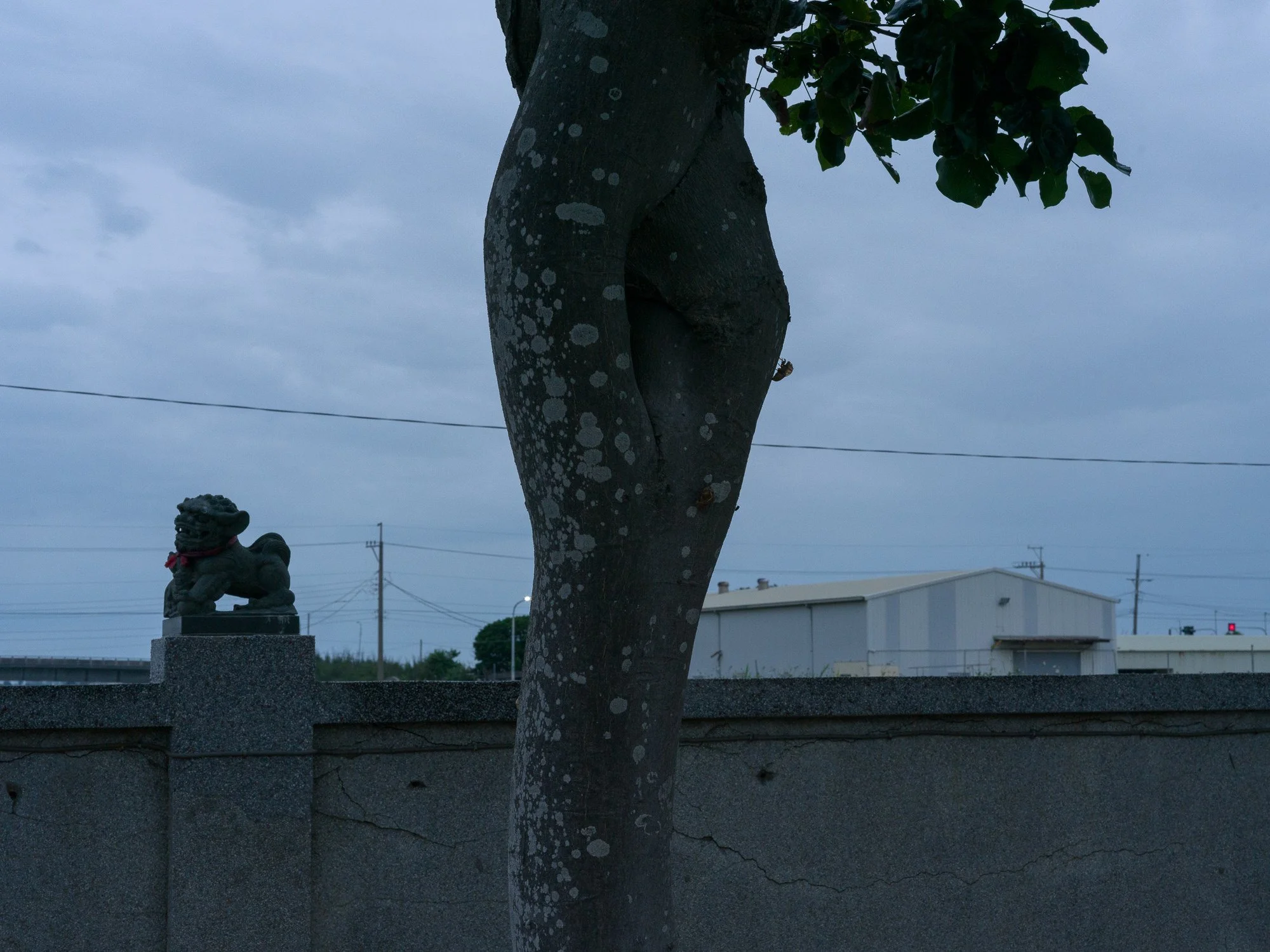
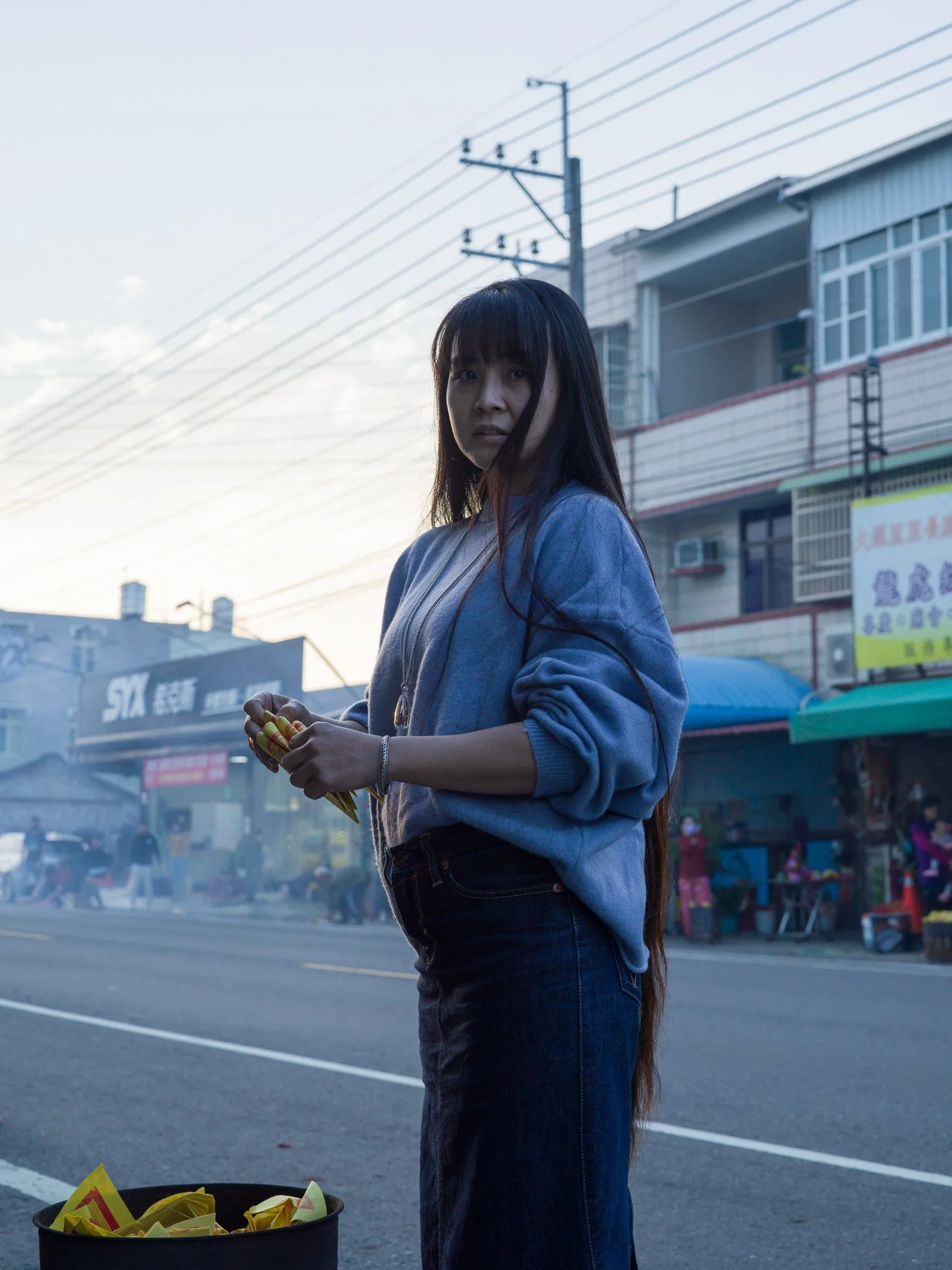
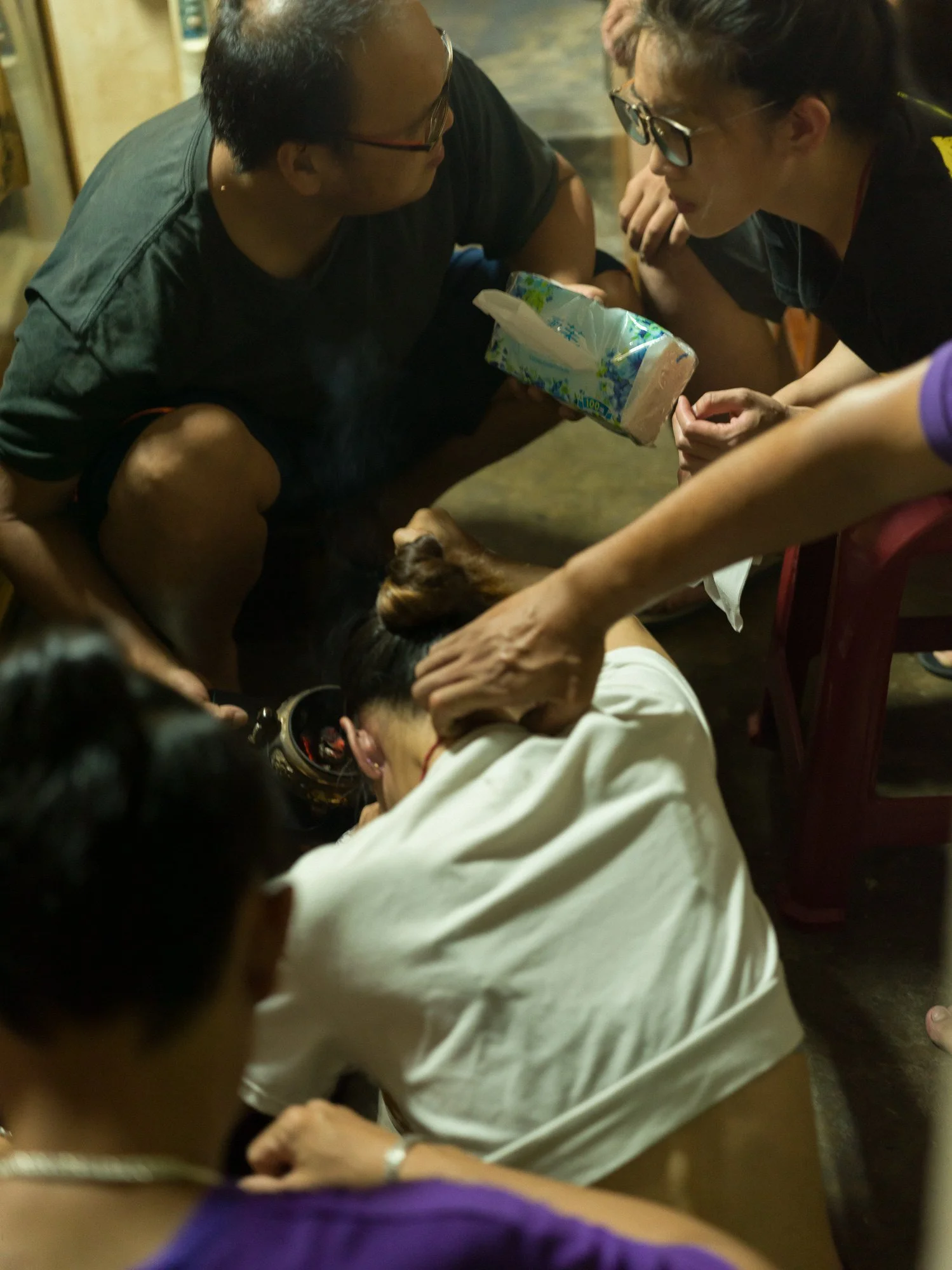
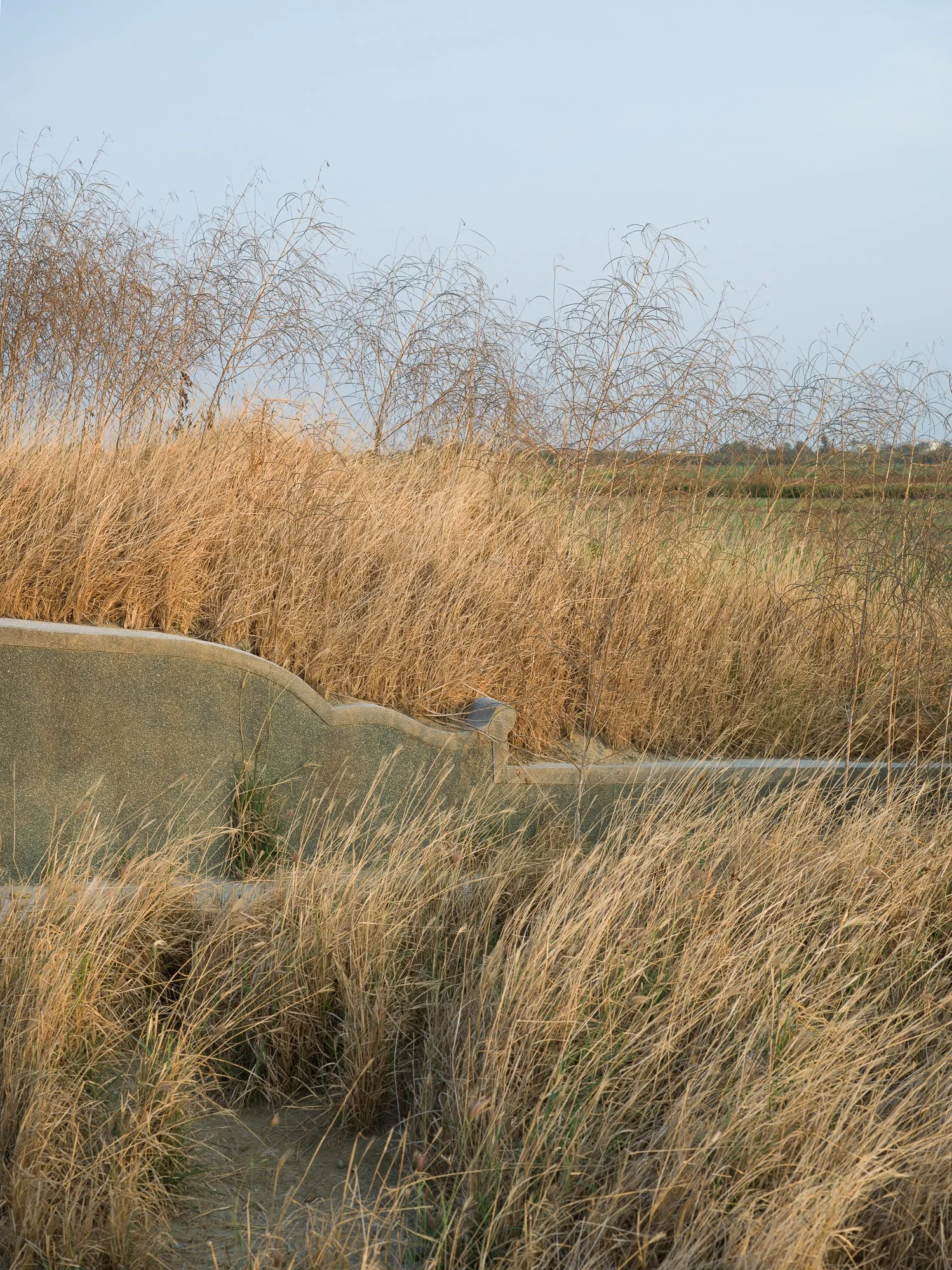
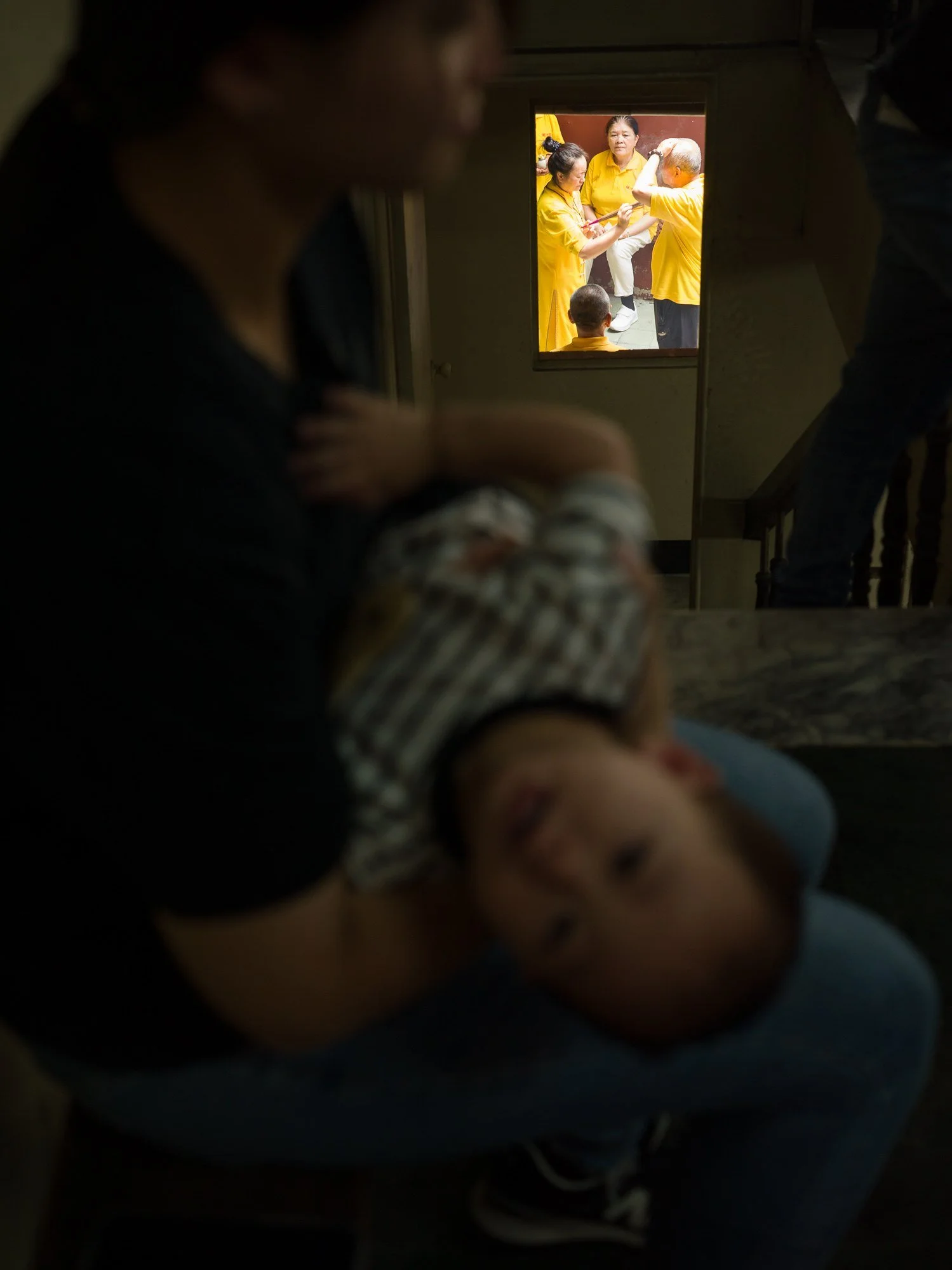
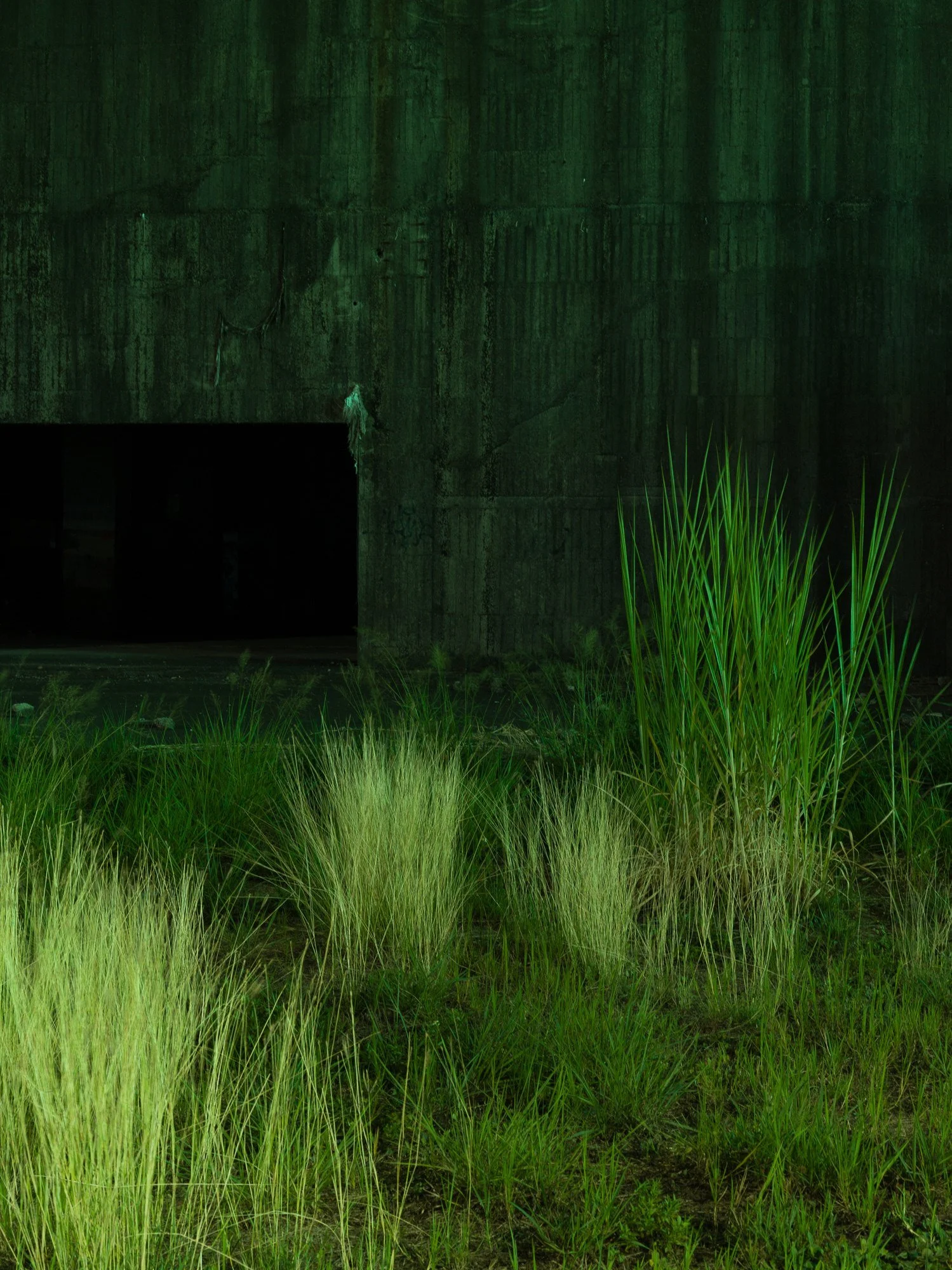
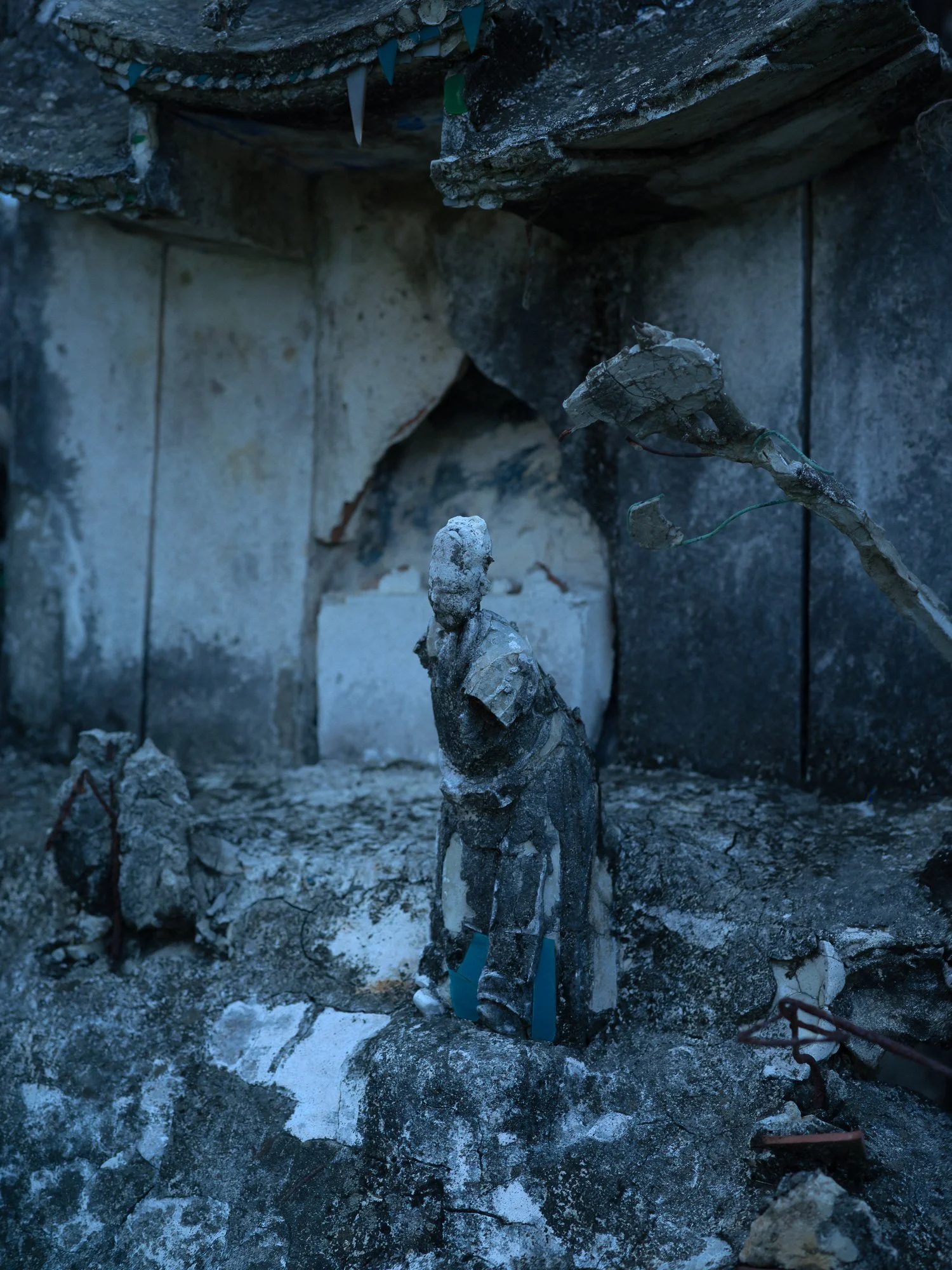
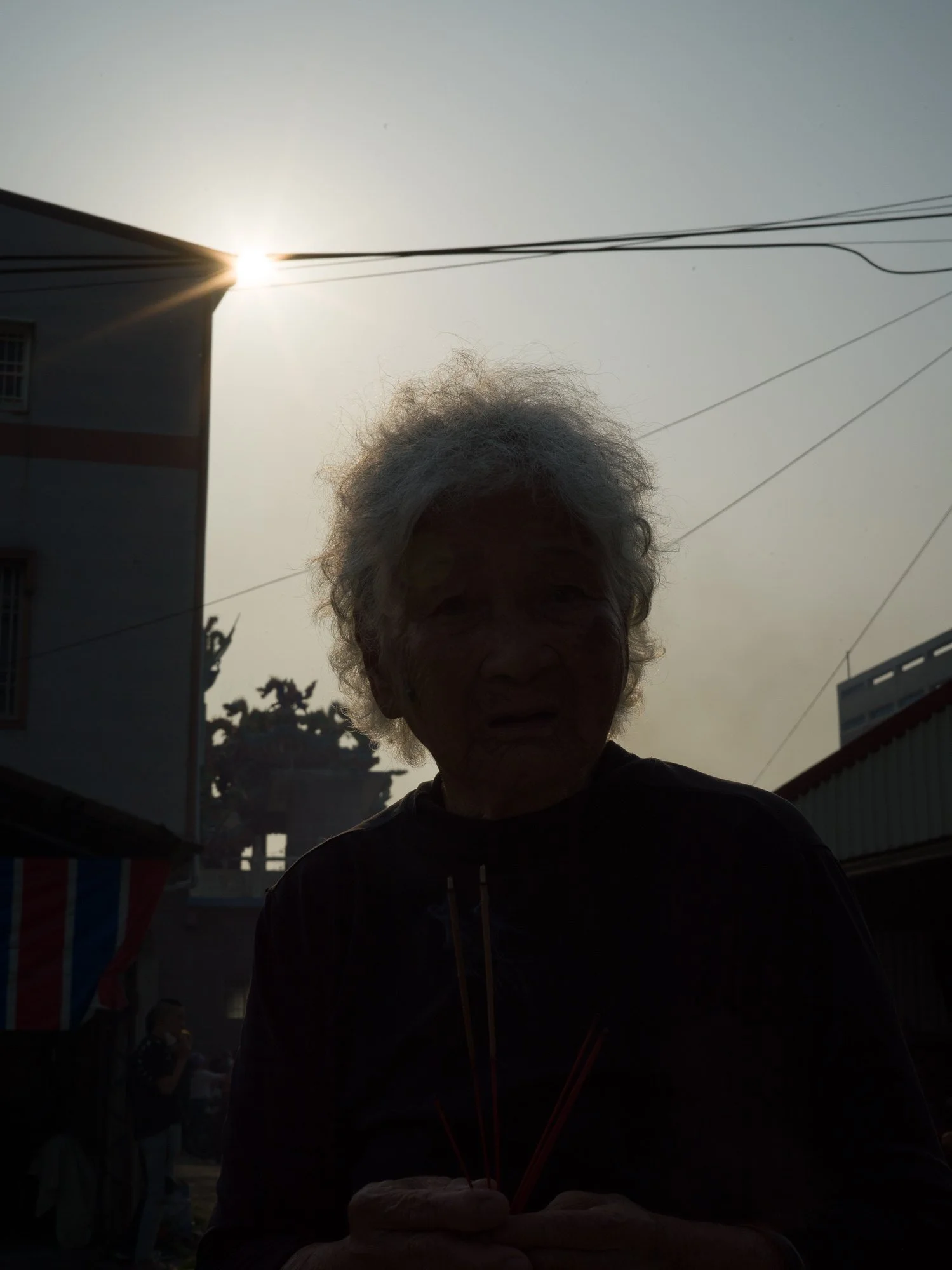
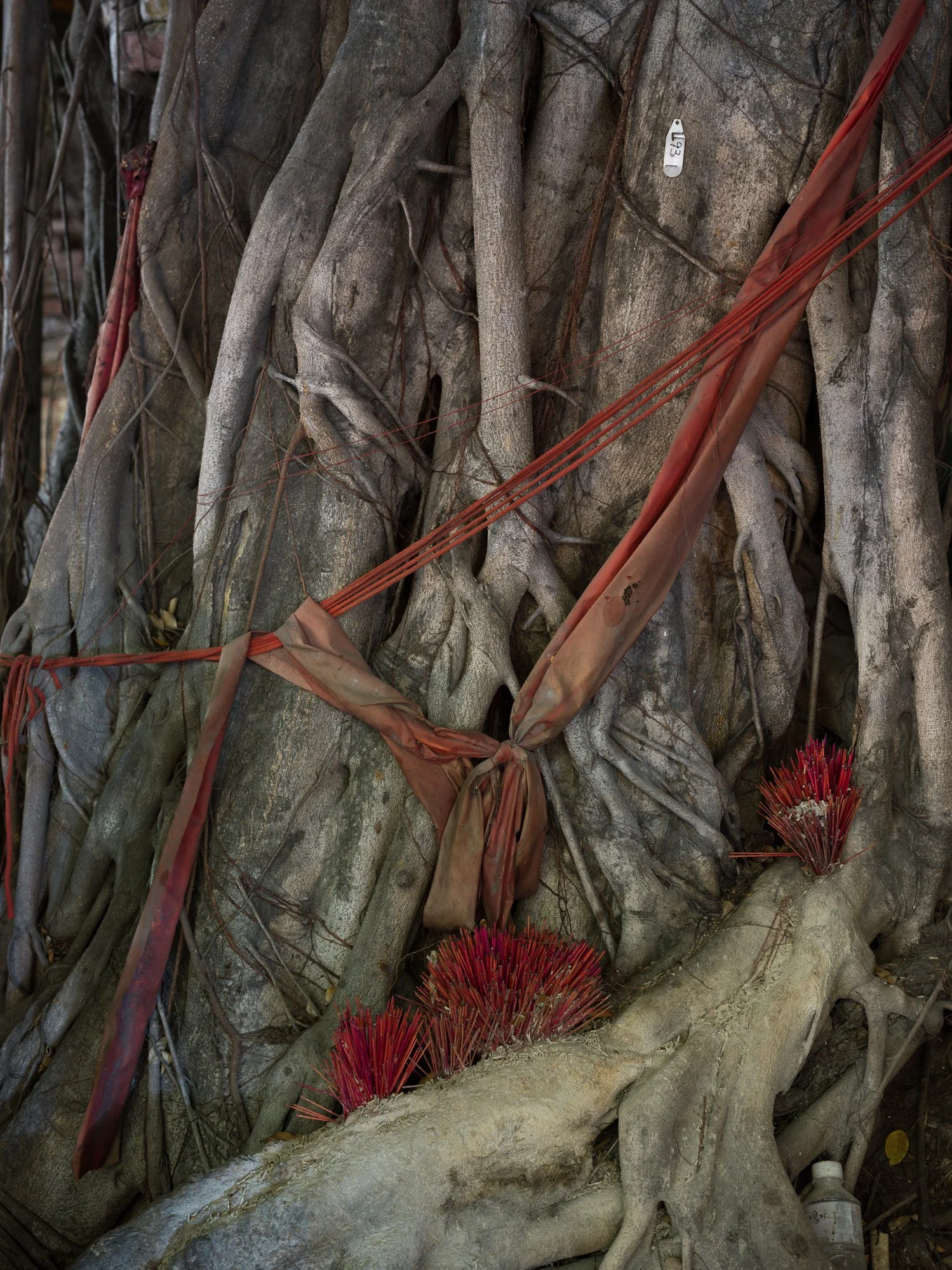
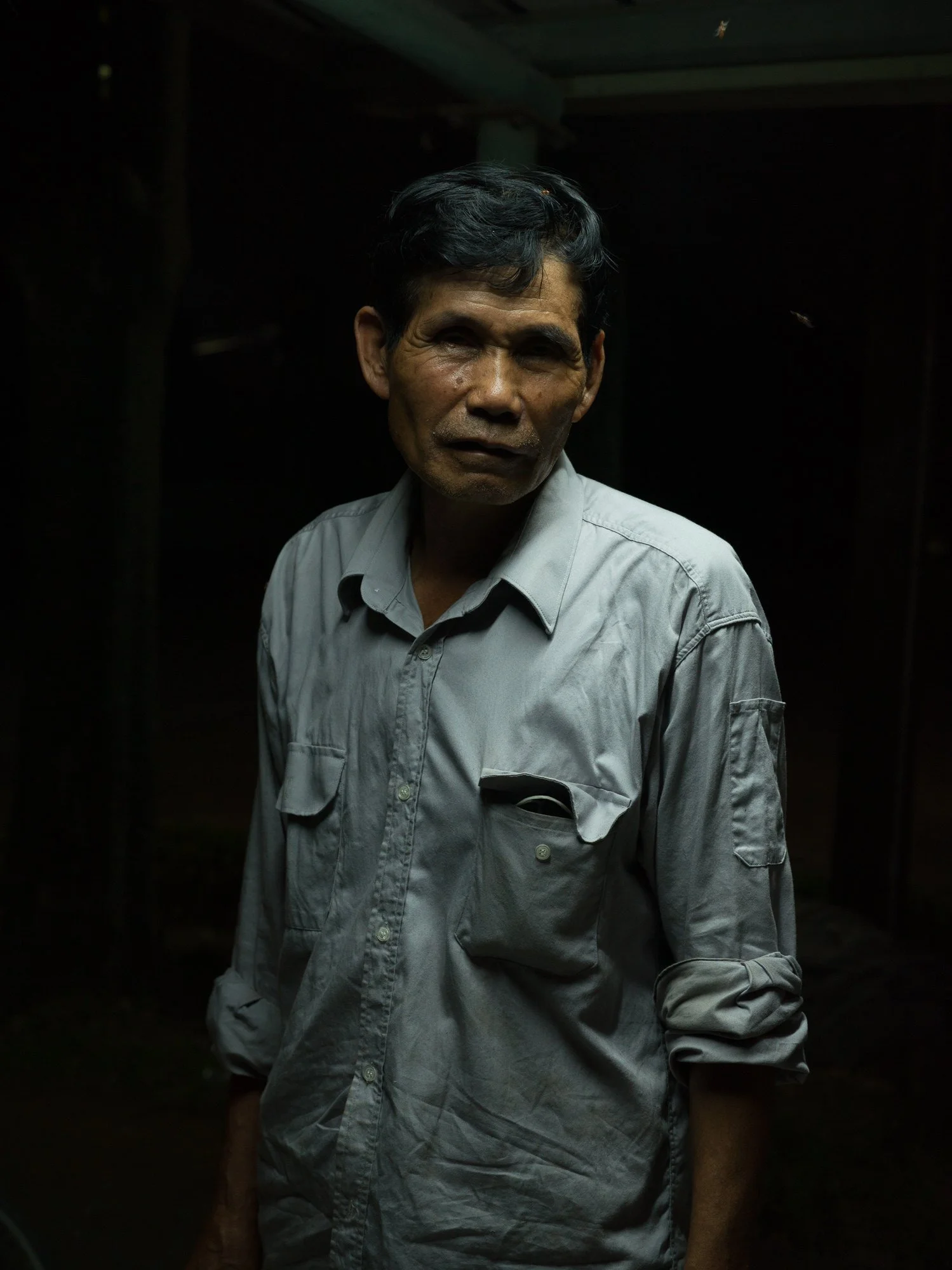
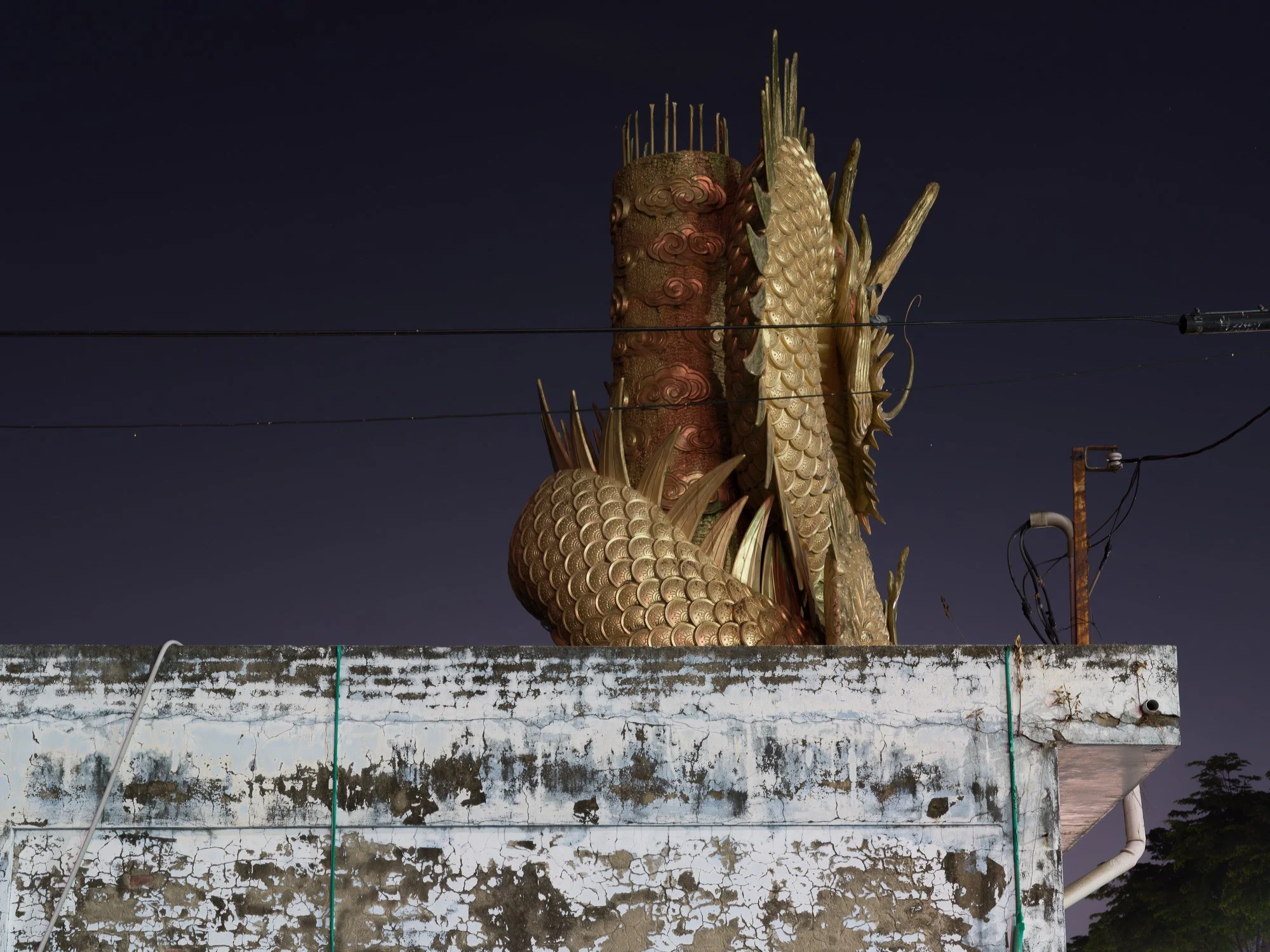
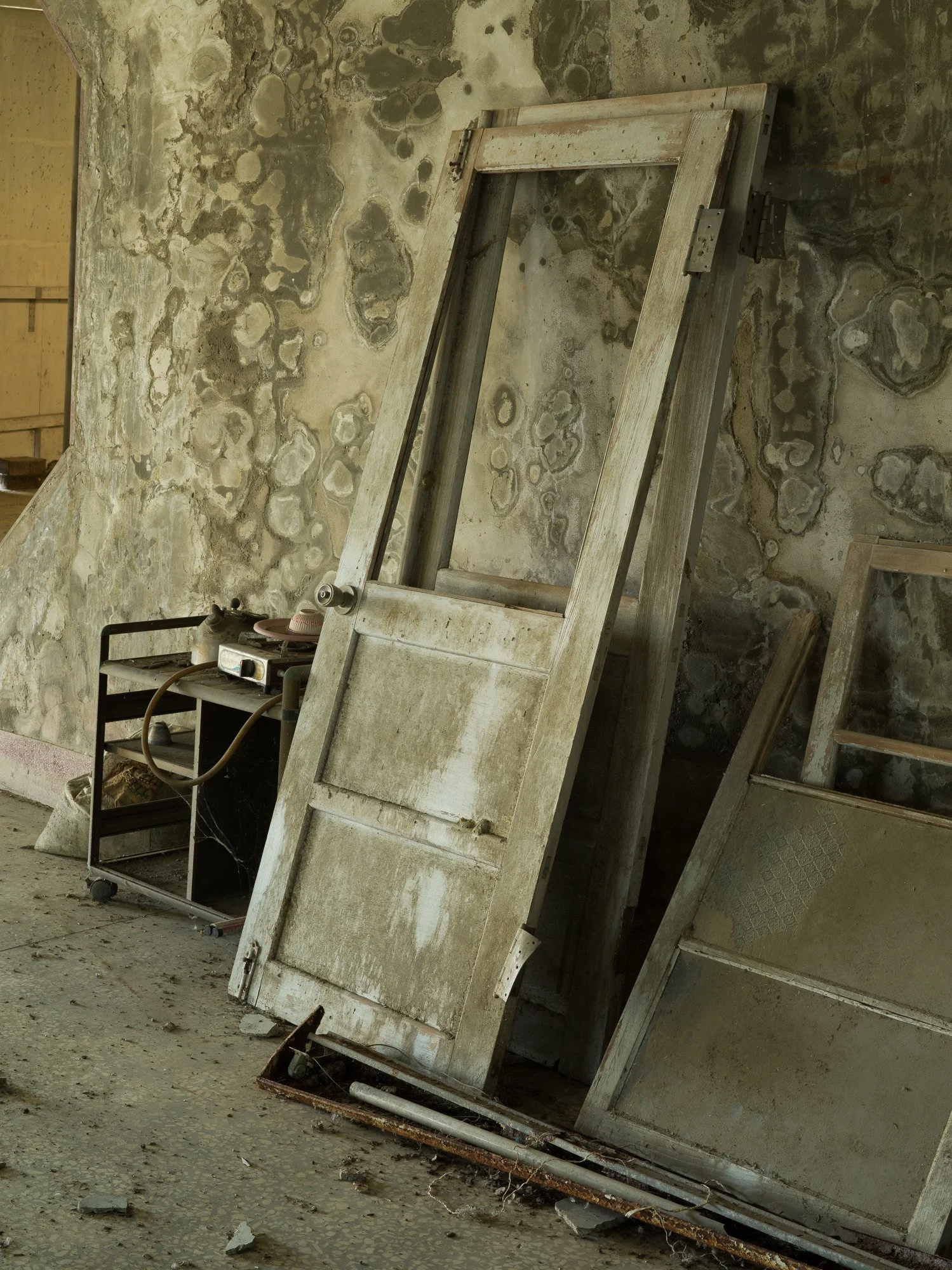
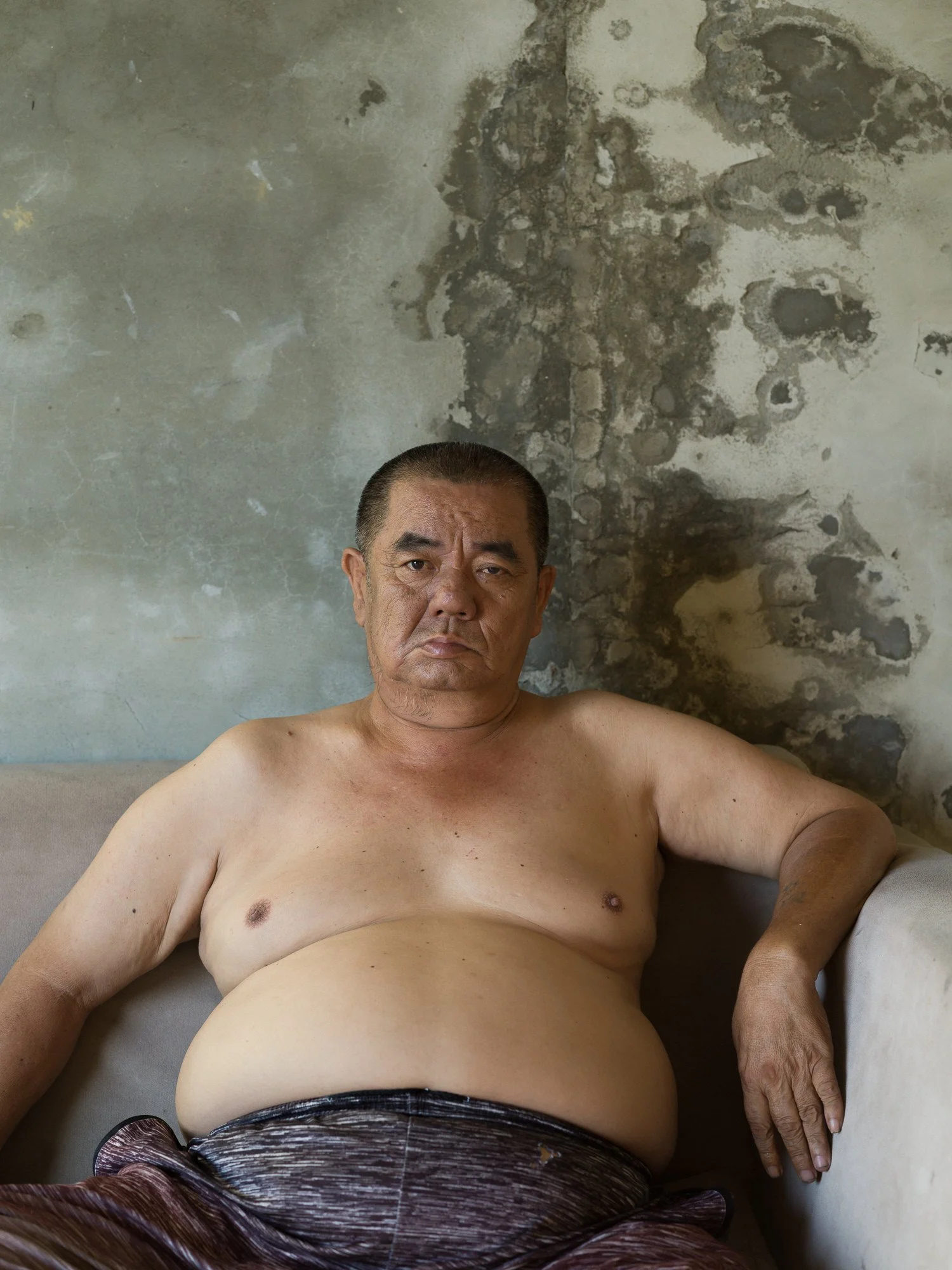
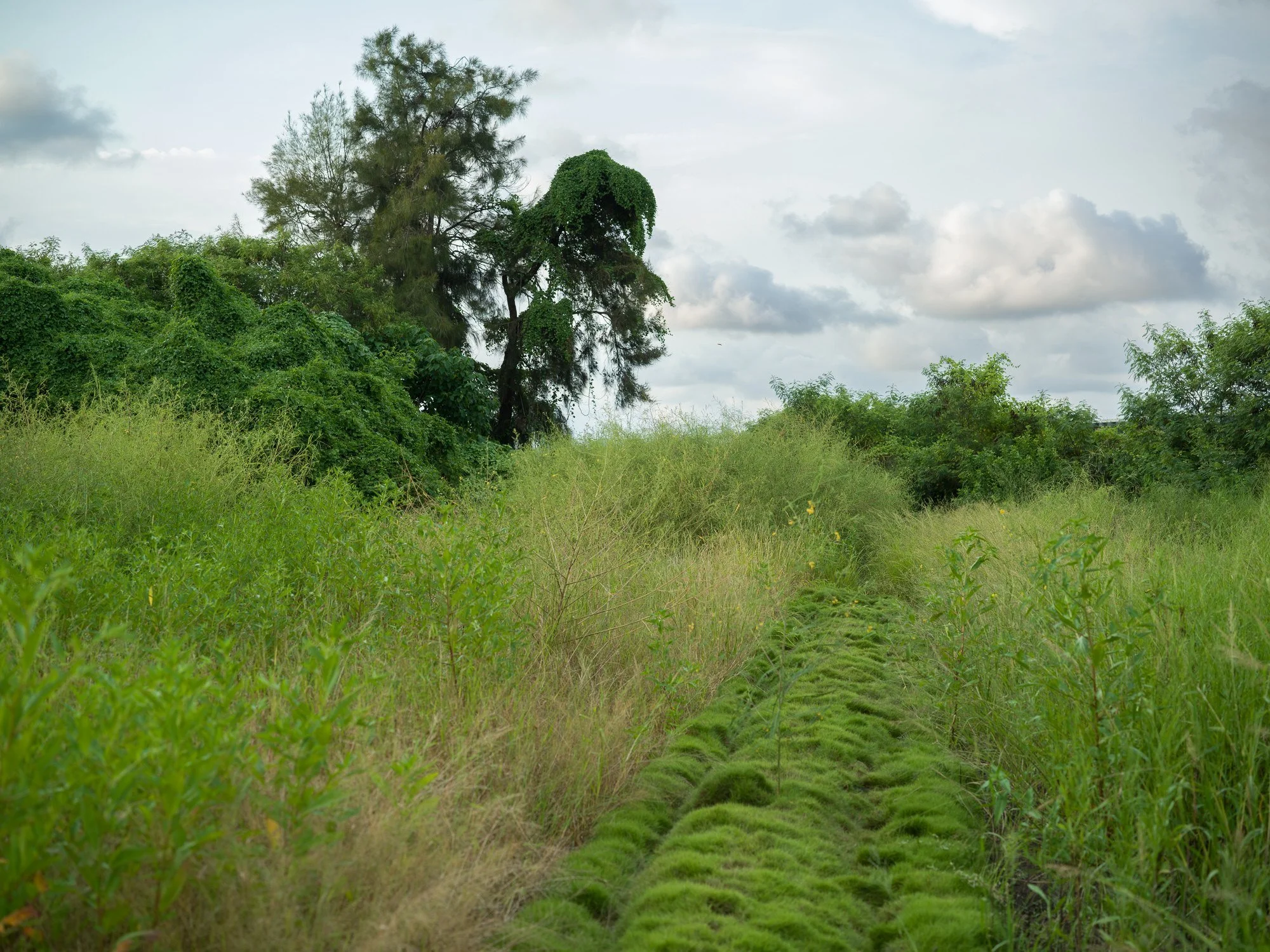
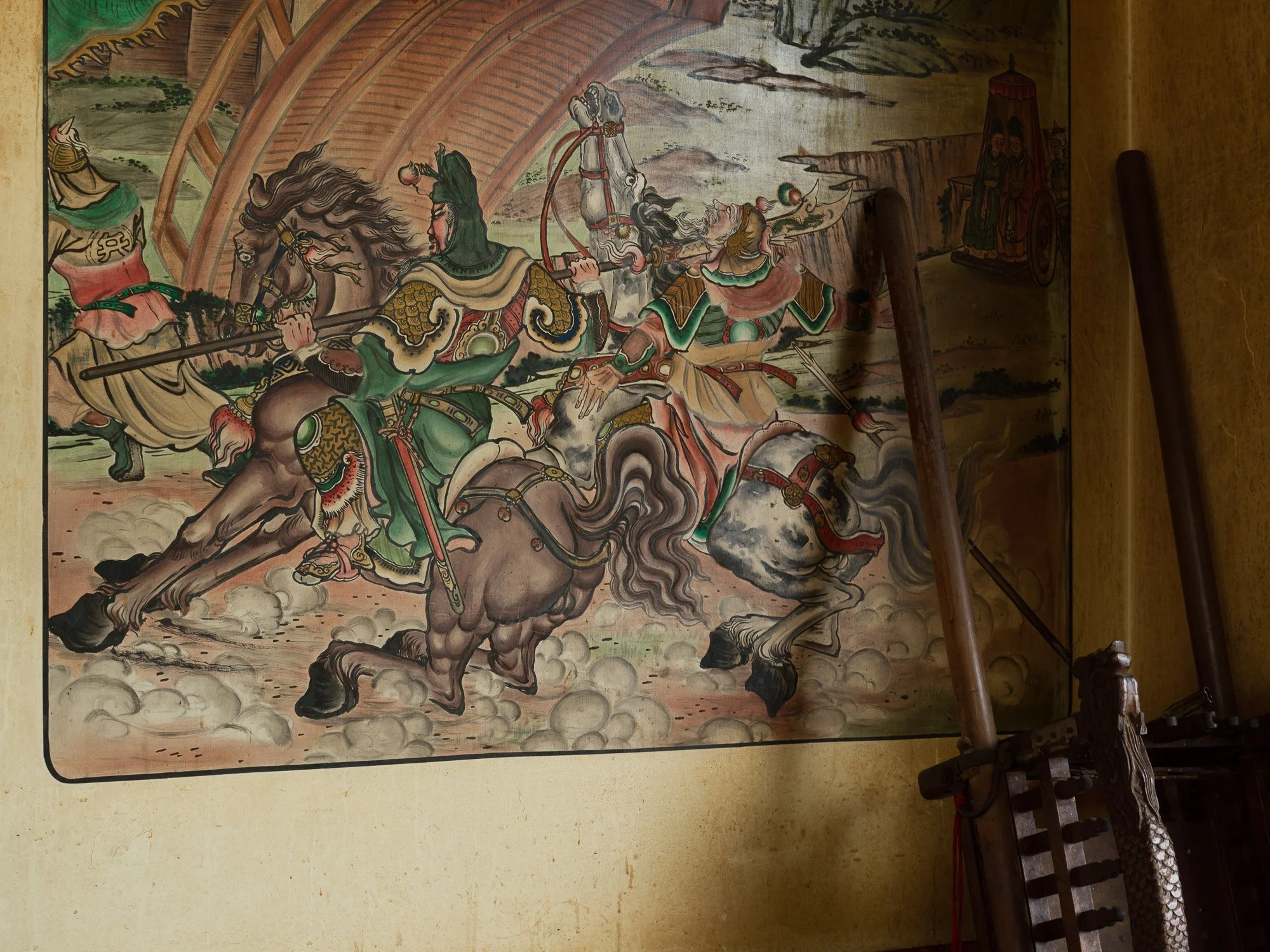
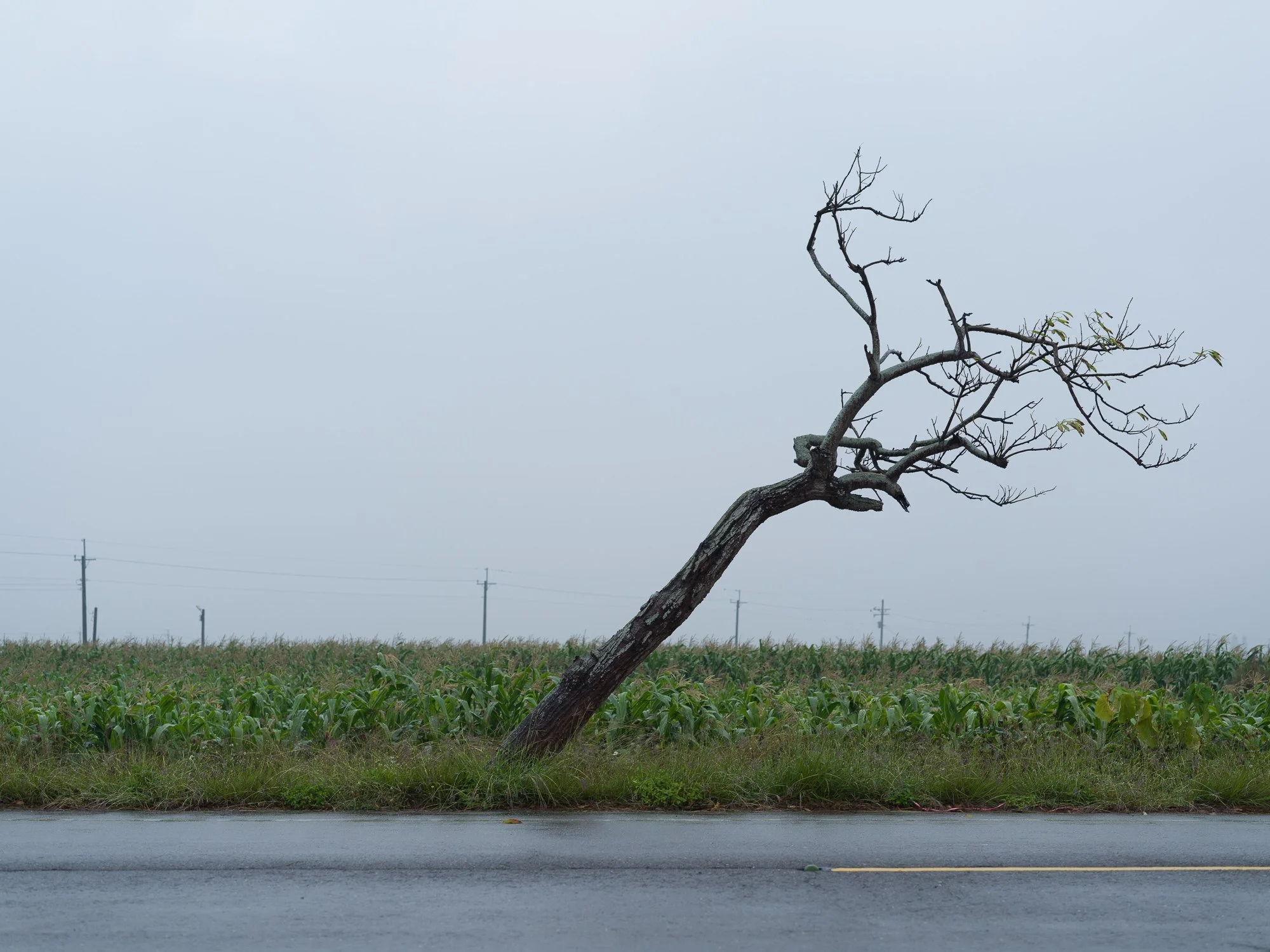
Yehlin Lee kept going back for Undercurrent. The last photograph that made it into the book was the door gods. On his last two or three trips, around 2024, nothing he photographed even entered the editing stage. Taking new pictures is not always the same as adding to a project.
“It was all the same kind of picture as what I already had, and none of it could surpass the photographs already in the sequence. That was when I knew the book was finished.”Yehlin Lee
We'd love to read your comments below, sharing your thoughts and insights on the artist's work. Looking forward to welcoming you back for our next [book spotlight]. See you then!
