AT A GLANCE
- Known for
- Quiet, lyrical color books that mix photographs and short texts: South Dakota, Cuba, Brooklyn and her father's rural Indiana
- Works in
- Color photography, chromogenic prints, short poetic texts
- Camera
- Not documented; she began with a small camera bought after college
- Also
- Poet; books with her husband Alex Webb; teaches workshops with him
- Awards
- National Endowment for the Arts grant (2019)
- Start with
- My Dakota (Radius Books, 2012)
- Links
Rebecca Norris Webb (born 1956) is an American photographer and poet. She makes quiet color pictures and pairs them with short texts. Her best known book, My Dakota, is an elegy for her brother, set in the open land of South Dakota. With her husband, Alex Webb, she has made books about Cuba, Rochester and Brooklyn.
The story
One day in the late 1990s, Rebecca Norris Webb walked into the Coney Island Aquarium in Brooklyn. A white beluga whale was swimming high above the heads of the visitors. Their faces were reflected in the glass. For the next years she would photograph animals in cities, and the people looking at them.
She did not start as a photographer. Born in the farming town of Rushville, Indiana, she moved to Hot Springs, South Dakota, at sixteen. At the University of South Dakota she studied English and wrote poems. But after graduate school her poetry dried up. So she bought a small camera and travelled for a year, hoping the pictures would bring the poems back. Instead, she fell in love with photography: “I realized that the eye focusing on those images in my poetry was the same eye looking through the lens.”
The aquarium visit grew into six years of work in zoos, aquariums and natural history museums, in some 25 cities. Often she shot through glass, so the window also became a mirror. The book, The Glass Between Us, came out in 2006. In the same month she had her first solo show in New York, at Ricco/Maresca Gallery.
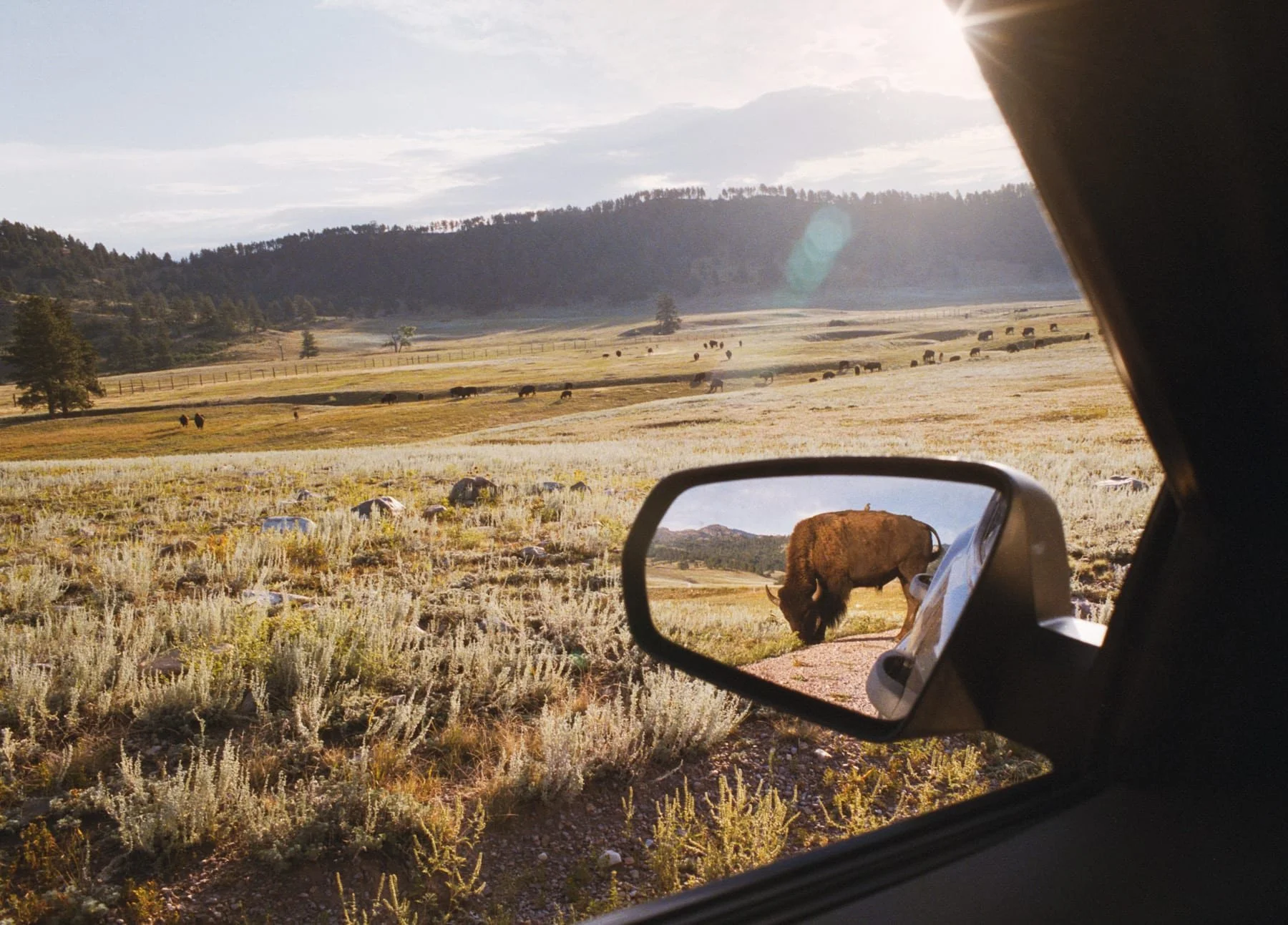
In 2005 she headed back West with her camera to photograph South Dakota, her home state. But in 2006 one of her older brothers died unexpectedly of heart failure. Her pictures changed. The colors became softer and more autumnal. In Rearview Mirror (2009), a bison stands in the side mirror of a car, while a herd grazes on the prairie behind it.
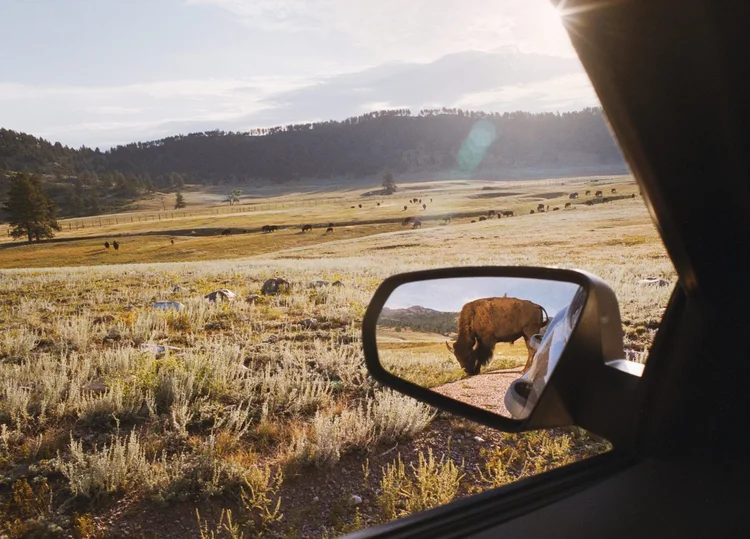
The South Dakota pictures became My Dakota (Radius Books, 2012), an elegy for her brother. She wrote that “for months, one of the few things that eased my unsettled heart was the landscape of South Dakota.” In 2015 the Cleveland Museum of Art gave the series a solo exhibition.
Years before, as a student at the International Center of Photography in New York, she had seen W. Eugene Smith's famous Life essay Country Doctor (1948). Smith's doctor was only a few years older than her own father, a country doctor in Rush County, Indiana. She wondered how a woman would tell that story, especially the doctor's daughter. After My Dakota, she finally had the space to try.
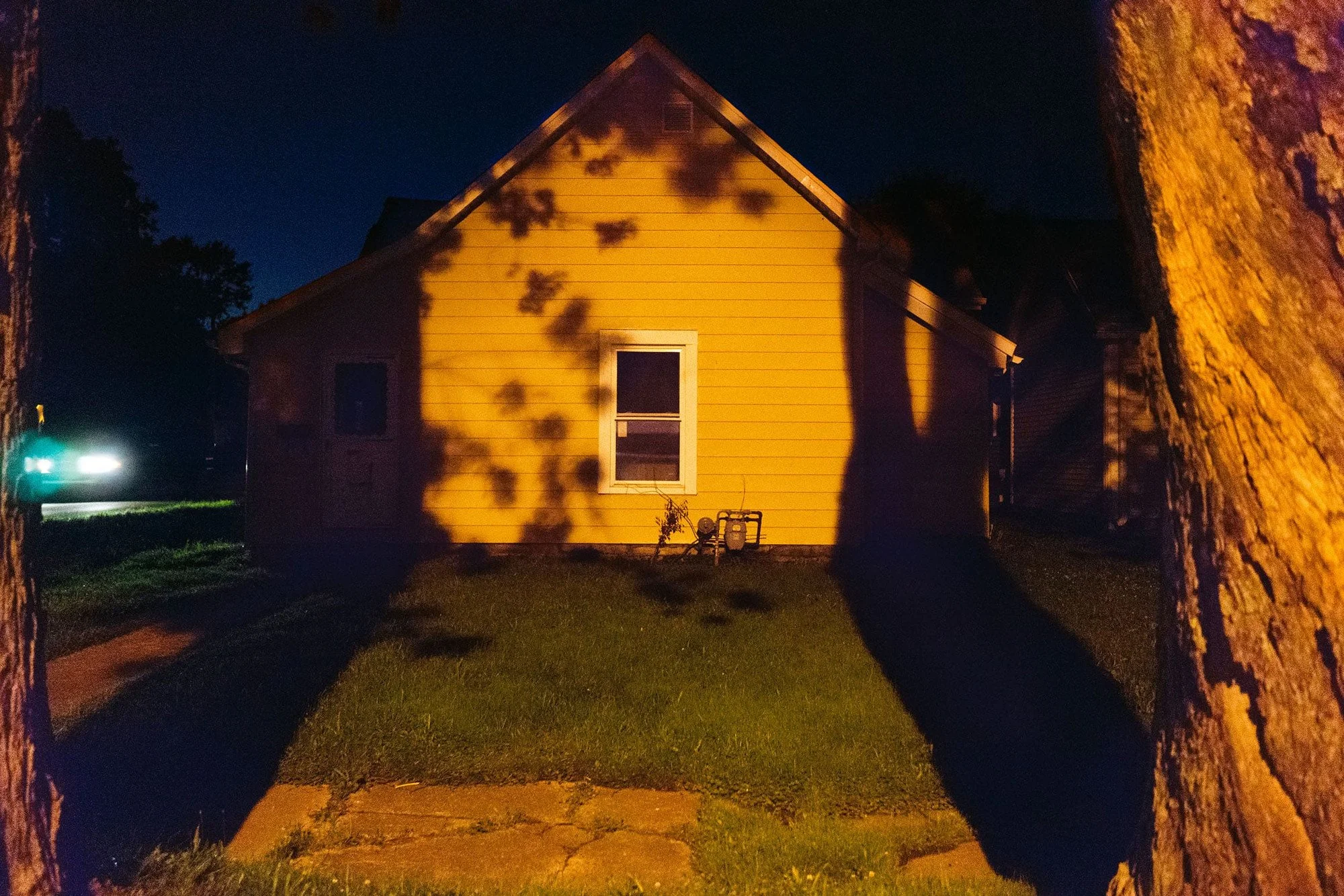
For six years she followed the routes of her father's house calls through the county where they were both born. On her third trip, everything shifted. She began to photograph mostly at night and in the early morning, the hours when many people come into the world and many leave it. Her father delivered some one thousand babies. Pictures like House Call (2014) came from those hours. The book Night Calls appeared in 2020.
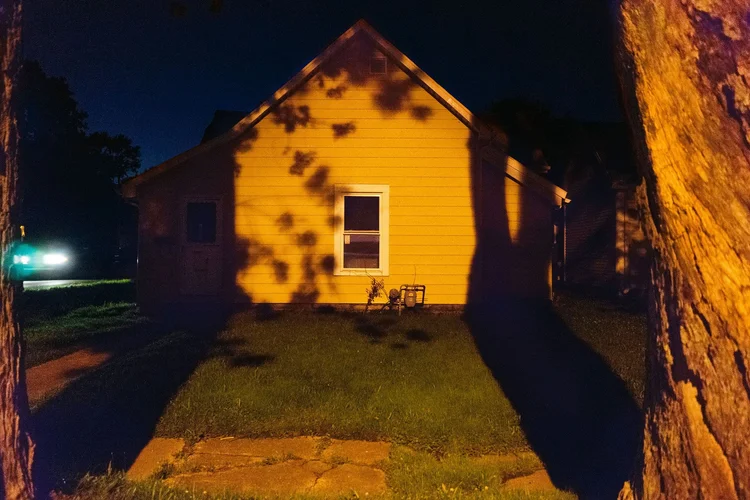
Often the words arrived on foggy morning walks along Blue River Road, where her Quaker family had lived for a hundred years. She remembers: “It was as if I could hear what I saw.”
The work
Norris Webb works in color and thinks like a poet. Her books are built from photographs and short texts, set side by side. Images usually come first and the words later. Her prints are chromogenic color prints.
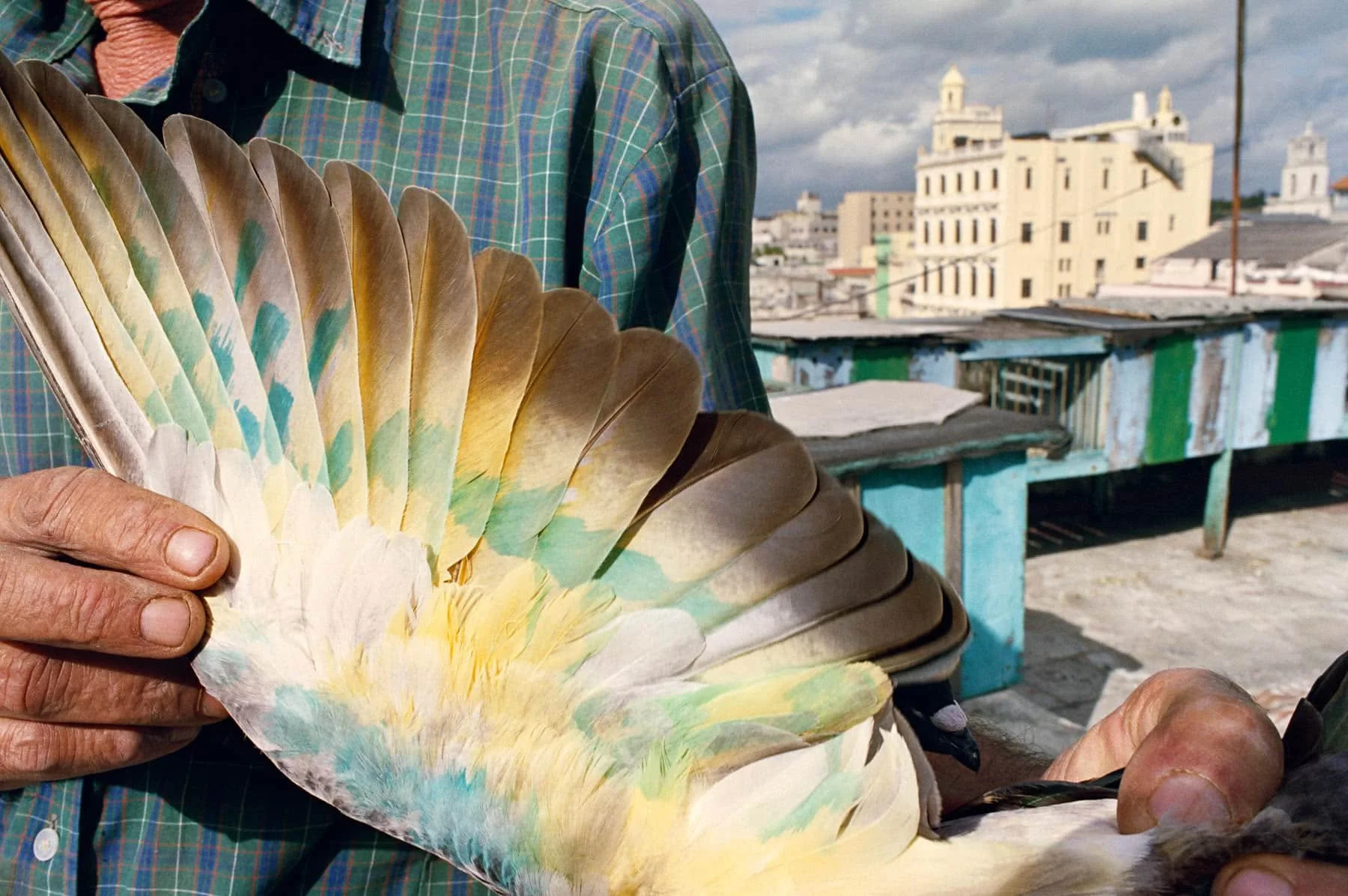
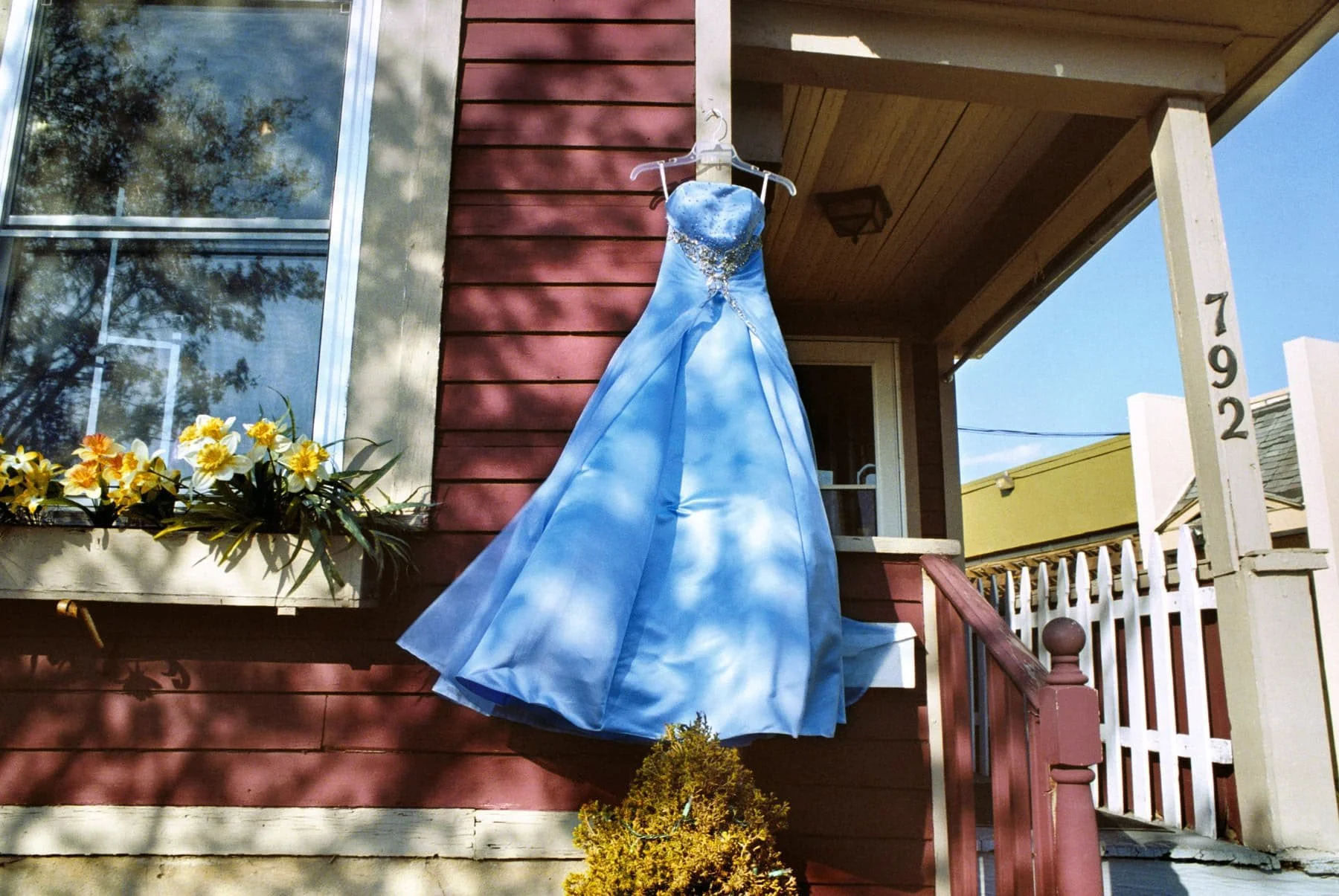
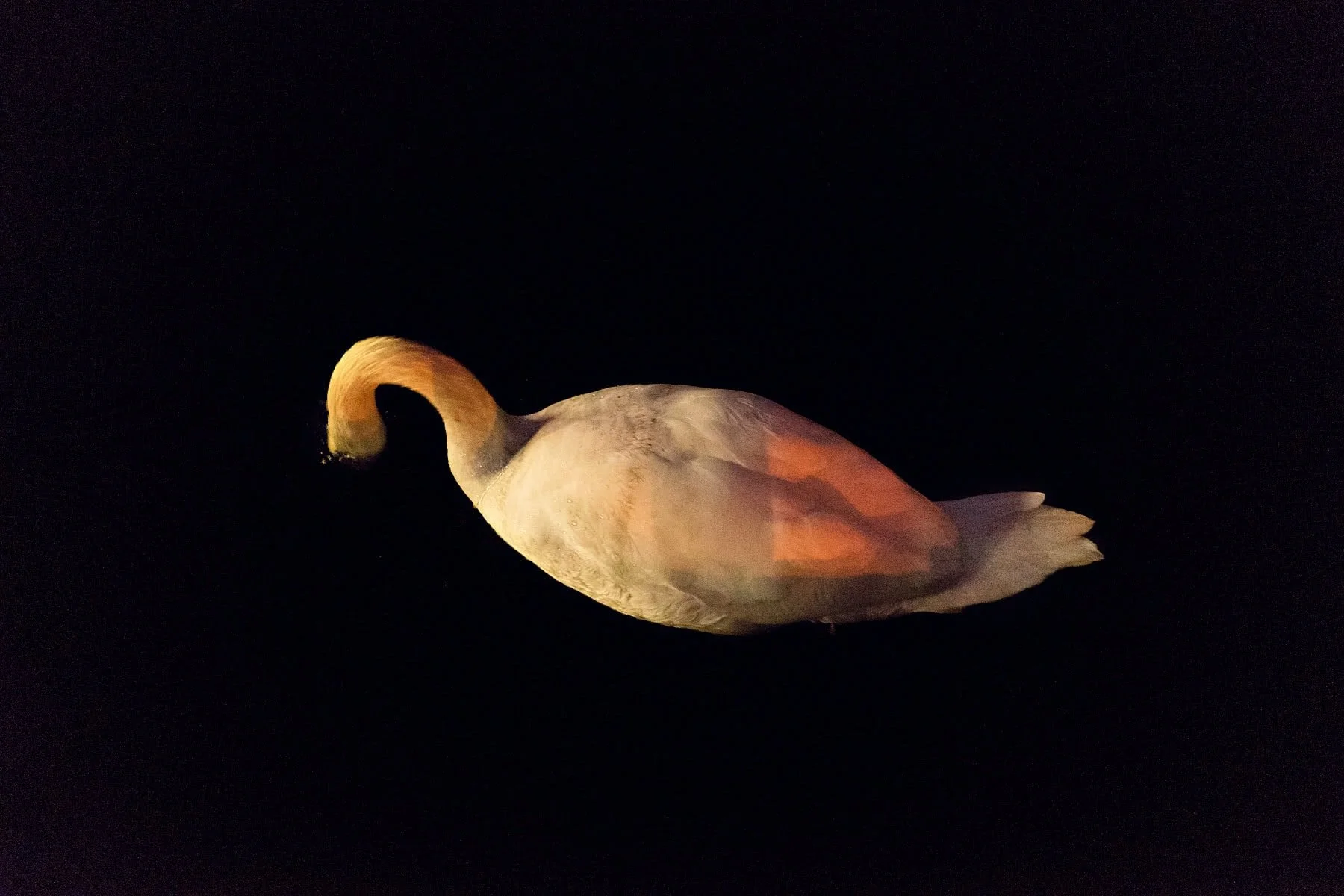
Many projects she shares with her husband, the photographer Alex Webb. In Violet Isle (Radius Books, 2009) his street pictures of Cuba meet her pictures of tiny zoos, pigeon societies and hand-painted natural history displays, as in Havana, Cuba (2008). Memory City (2014) looks at Rochester, New York, with pictures like Blue Secondhand Prom Dress, South Wedge (2012). Brooklyn: The City Within (Aperture, 2019) took about seven years. It shows the borough's many cultures and its green spaces, as in Mute Swan, Prospect Park, N.Y. (2016).
Her photographs have appeared in The New Yorker, The New York Times Magazine and Le Monde. They are in the collections of the Museum of Fine Arts, Boston, the Cleveland Museum of Art and the George Eastman Museum. In 2024 she published A Difficulty Is a Light, her first hybrid collection of poems and photographs, about what the publisher calls the geography of loss. She and Alex Webb also teach workshops together.
- 1956Born in Rushville, Indiana
- 1989Graduates from Columbia University's Graduate School of Journalism
- 2006Publishes her first book, The Glass Between Us, and has her first New York solo show
- 2009Publishes Violet Isle, about Cuba, with Alex Webb
- 2012Publishes My Dakota, an elegy for her brother
- 2015Solo exhibition of My Dakota at the Cleveland Museum of Art
- 2019Brooklyn: The City Within with Alex Webb; receives an NEA grant
- 2020Publishes Night Calls, about her father's house calls
- 2024Publishes A Difficulty Is a Light, poems and photographs
Lessons
Go back to your first landscape. Norris Webb made two of her strongest books in places she knew as a child and teenager: South Dakota and Rush County, Indiana.
Let pictures come first, words later. She says the photographs tend to come first and the words later. Text is added slowly, after the images have had time to speak.
Change the rhythm, not only the place. Night Calls opened up when she began to shoot at night and at dawn, the hours of her father's work. A new time of day gave her a new way of seeing.
Try this: pick a place you knew as a child. Visit it three times, each time at a different hour: dawn, midday and night. Make ten pictures each time. A week later, choose three and write one short line for each one.
Gear
Norris Webb has not made her tools a topic. What the sources say is short.
Small compact camera: after college she bought a small camera and travelled for a year. That is how she turned from poetry to photography. Her later work is in color, and her exhibition prints are chromogenic prints. No source names her current camera.
Books
My Dakota (Radius Books, 2012). Her best known book. Photographs and text are by Norris Webb, edited with Alex Webb and Darius Himes. It is a compact, personal book about South Dakota's land and weather and an elegy for her brother. Good for anyone who wants to see how a landscape can carry grief.
Night Calls (Radius Books, 2020). She retraces her father's house calls as a country doctor in Rush County, Indiana. Night and dawn landscapes sit next to portraits of his former patients. Her own handwritten letter-texts to her father run through the book, and pages from his old patient logs are used as endpapers. For readers who like quiet, personal documentary.
Violet Isle: A Duet of Photographs from Cuba (Radius Books, 2009). A joint book with Alex Webb, with an essay by Pico Iyer. His street photographs of Cuba sit beside her pictures of tiny zoos, pigeon societies and hand-painted natural history displays. A good book to see two very different eyes in one place. A second edition is available from Radius.
Alex Webb and Rebecca Norris Webb on Street Photography and the Poetic Image (Aperture, 2014). Part of Aperture's Photography Workshop Series. The Webbs use their own pictures and words, and the work of others, to talk about seeing, moving with a camera and building a body of work. The writer Teju Cole, a former student of theirs, wrote the introduction. Very useful for photographers who want practical advice.
In her words
“I realized that the eye focusing on those images in my poetry was the same eye looking through the lens.”
“For months, one of the few things that eased my unsettled heart was the landscape of South Dakota.”
“No one gives you a road map for how to grieve.”
“I work intuitively while selecting and sequencing the images of a book.”
“It was as if I could hear what I saw.”