AT A GLANCE
- Known for
- Photographs and videos in which strangers and Wearing herself act out public and private lives, from Signs that say what you want them to say (1992 to 1993) to the family masks of Album (2003)
- Works in
- Photography, video, sculpture and painting
- Camera
- Not documented in the sources. Her tools are volunteers, masks, costumes and role play
- Also
- Turner Prize winner 1997 · statue of Millicent Fawcett in Parliament Square (2018) · counted among the Young British Artists
- Agency
- Maureen Paley, London · Tanya Bonakdar Gallery, New York and Los Angeles · Regen Projects, Los Angeles
- Awards
- Turner Prize 1997 · OBE 2011 · CBE 2019
- Start with
- Gillian Wearing: Wearing Masks (Guggenheim Museum, 2021)
- Links
Gillian Wearing (born 1963 in Birmingham) is a British artist who lives and works in London. She uses photography, video and sculpture to look at the line between public and private life. She asks strangers to speak for themselves, and she also turns the camera on herself, often in masks that copy her family or the artists she admires. She won the Turner Prize in 1997.
The story
One weekend, Gillian Wearing went to the Royal Festival Hall in London. A jazz band was playing. A woman was dancing very wildly, out of step with the music. Wearing remembered that it was “almost as if she was in her own world.” The woman did not seem to be with anyone.
“I was totally transfixed,” Wearing said. She wanted to ask the woman to be in one of her works. She did not know what kind of work it would be. But she could not find the courage. Later she thought that was probably a good thing. You cannot easily stop someone from dancing and start talking to them. And she did not know what she would ask.
Still, she was annoyed with herself for two weeks. She says she was incredibly shy then. Then an idea came. The dancer had to be her. Wearing would dance somewhere, out of step with everything around her.
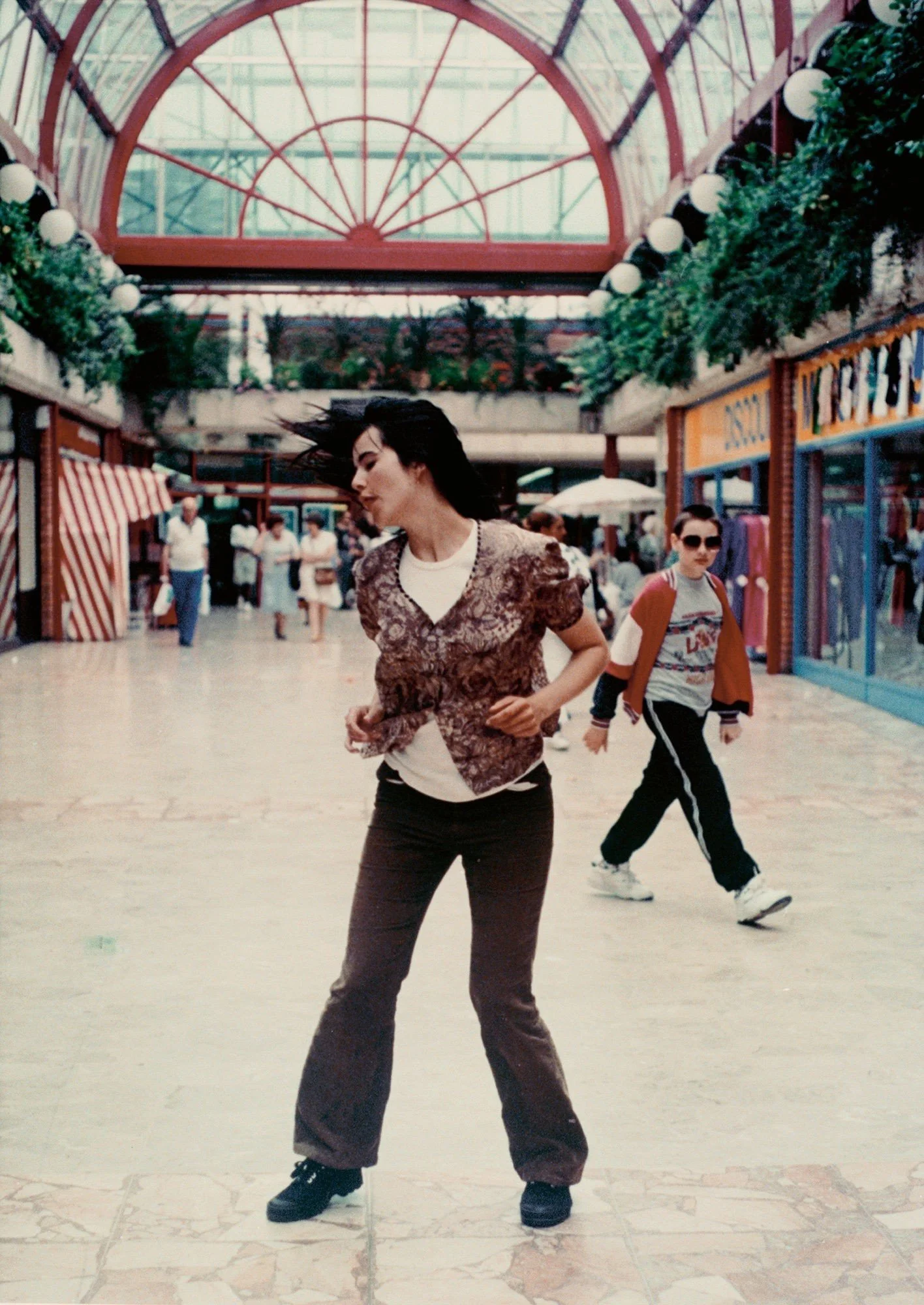
So she made a tape of her favourite music and practised it in her head. She did not want to wear a Walkman. She thought she would last about five minutes. She danced for 25 minutes in a shopping centre in South London. “It was quite embarrassing,” she said. The video is called Dancing in Peckham, and it dates from 1994.
But dancing was not her first work with strangers. Wearing was born in Birmingham in 1963 and studied art at Chelsea School of Art and then at Goldsmiths in London. Soon after she graduated, she began to approach people on London streets.
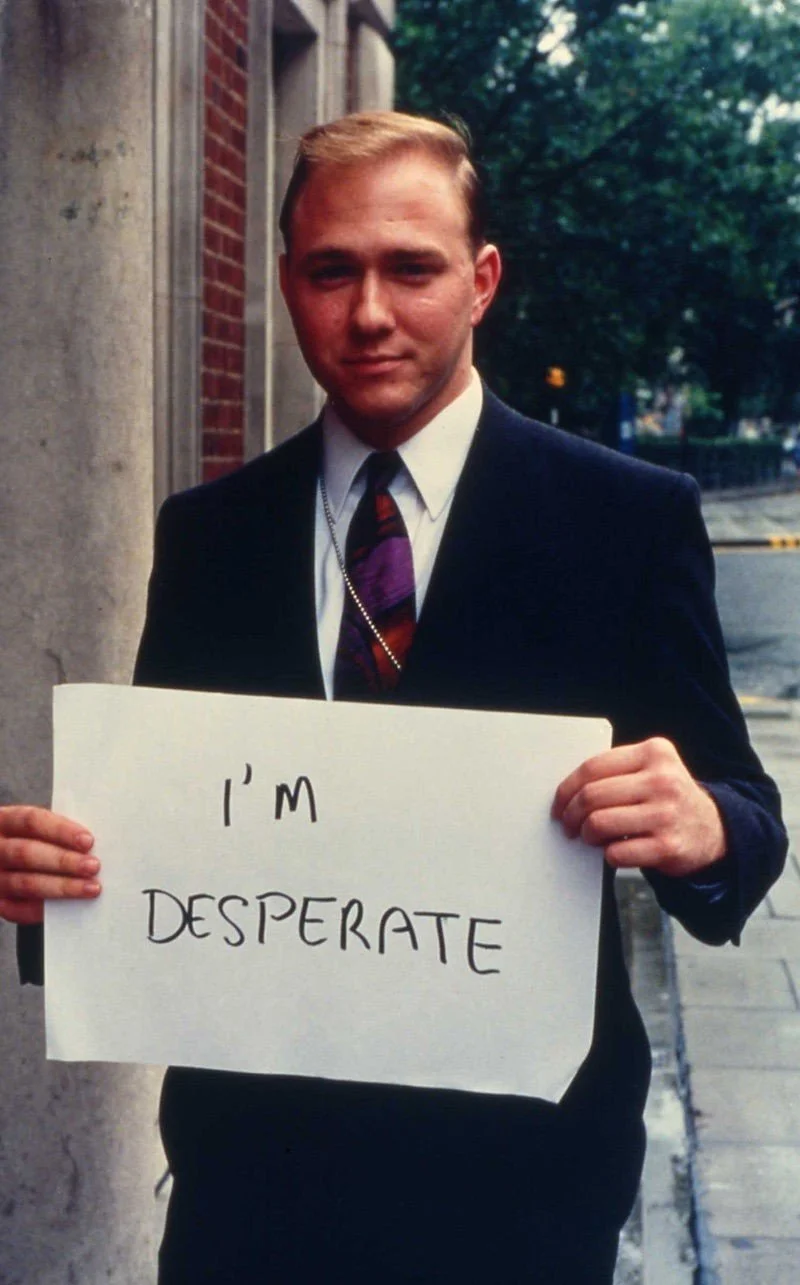
She asked each person to write something on a card. Then she photographed them holding it. The series is called Signs that say what you want them to say and not Signs that say what someone else wants you to say. Tate dates it to 1992 to 1993. In one picture, a young businessman holds a sign that reads "I'm Desperate." Wearing says the viewer has to fill in the blanks as to why. She also says she was surprised by the response: “I found people to be incredibly open.”
At first she did not think of galleries. In 1992 she showed about thirty slides to The Face magazine, which gave her two pages. She had left her original slides there and kept no copies. In 1993 she had her first solo show at City Racing, a small former bookmaker's shop in London. She says that on a weekend you could expect about 20 visitors. A collector from New York saw "I'm Desperate" in an advertisement in Frieze magazine and phoned the gallery. Wearing remembers the price as 250 pounds. It was her first sale. Four years later she won the Turner Prize.
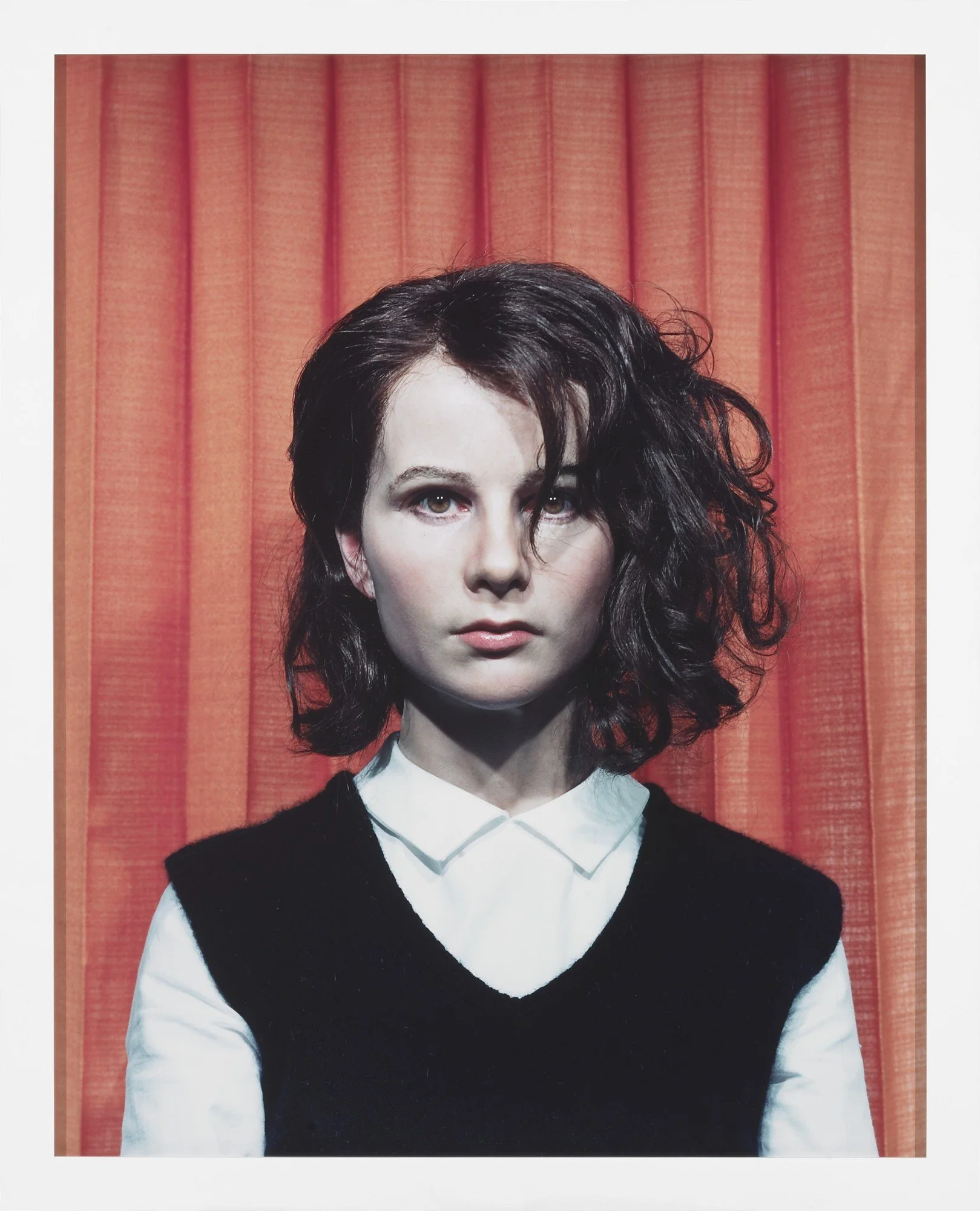
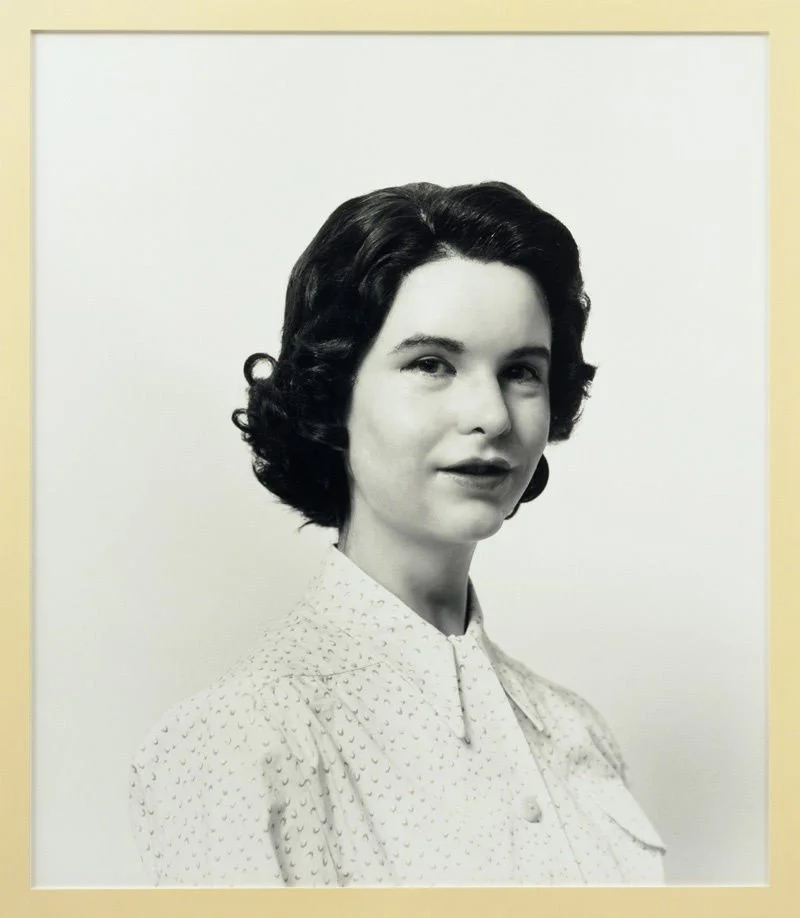
Next, Wearing used masks. In her confession videos from 1994, people told secrets in disguise, and the masks protected them. Then she put on masks herself. In Album, which she began in 2003, she rebuilt old family snapshots. A team helped her make clay models and silicone masks from the photographs. Wearing wore the mask and was photographed inside it. One picture is Self Portrait at 17 years old. Another is Self Portrait as My Mother Jean Gregory. The Guggenheim Bilbao points out that her eyes are the sign that she is inside the mask.
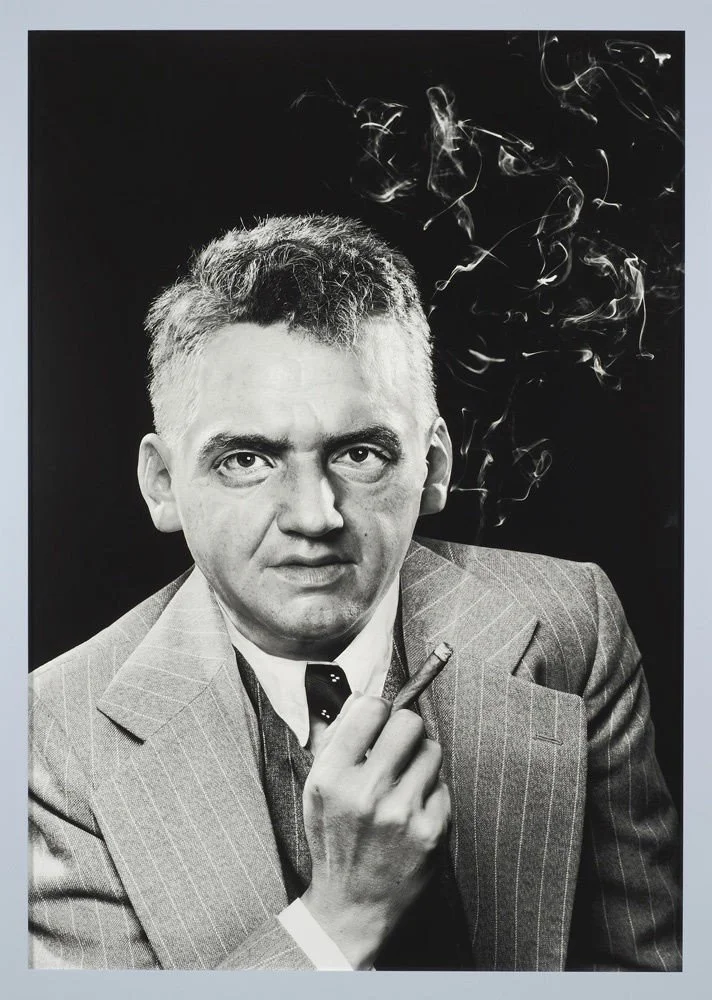
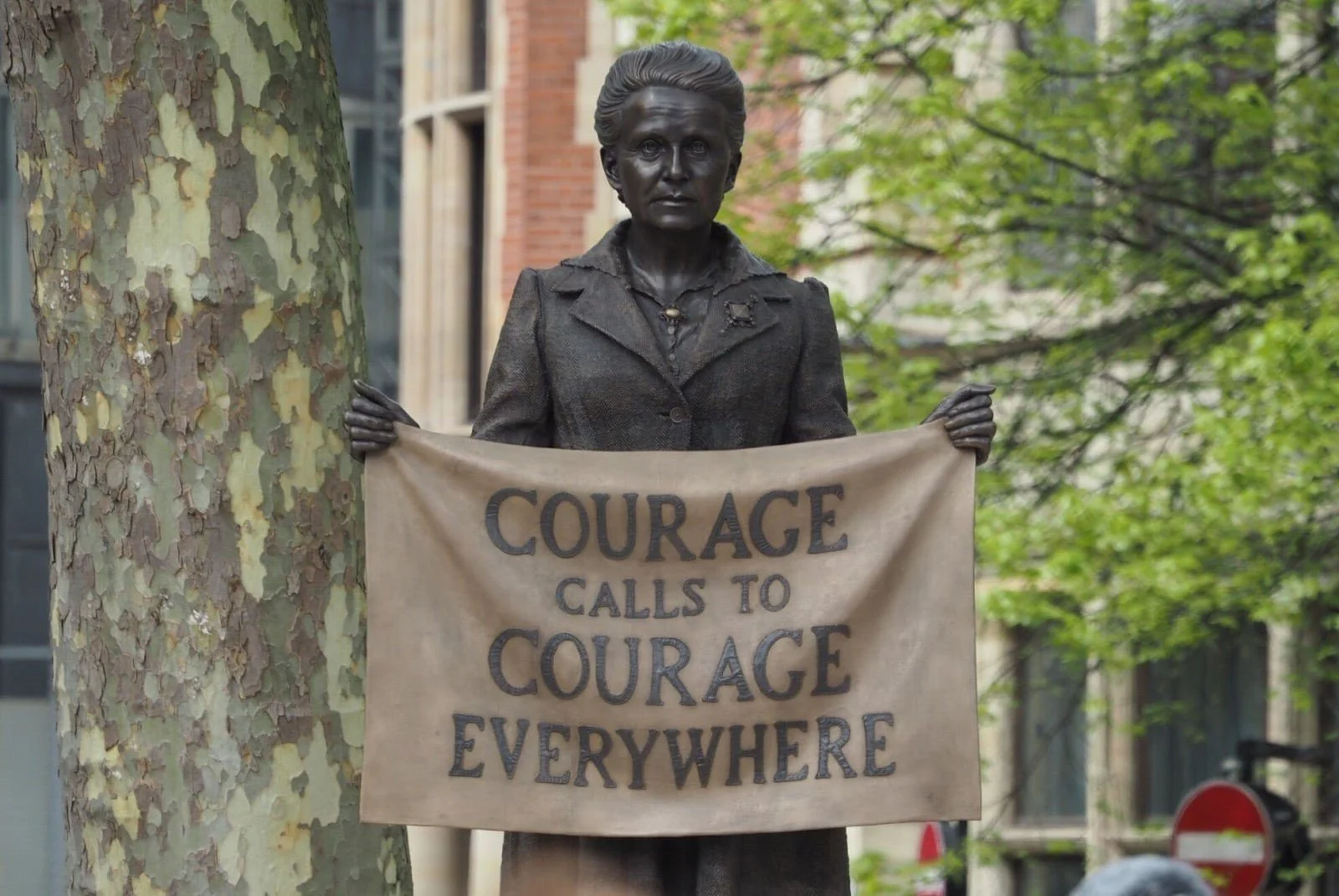
The same idea grew into the series Spiritual Family, made between 2008 and 2013. In 14 photographs she dresses as artists who shaped her work, among them Diane Arbus, Andy Warhol, Robert Mapplethorpe and Claude Cahun. In 2018 her bronze statue of the suffragist Millicent Fawcett was unveiled in Parliament Square, the first statue of a woman there. Four of the Spiritual Family works are on show at the National Portrait Gallery in London in 2026.
Looking back in 2012, Wearing said that people had become more open since her first signs. She thought that was a good thing: “I think being heard is an important thing for everyone.”
The work
Wearing describes her way of working with the words "editing life" (Tate). She often invites volunteers to show a side of themselves that is usually hidden. Signs that say what you want them to say and not Signs that say what someone else wants you to say (1992 to 1993) is a landmark of this kind. In Dancing in Peckham (1994) she becomes the subject herself. The Guggenheim says her Signs changed the terms of documentary street photography and performance art by giving a voice to the people in front of the camera.
Masks run through her later work. In Album (2003) she appears as her mother, her father, her uncle, her sister, her brother and herself at 17. Self Portrait as My Mother Jean Gregory (2003) and Self Portrait at 17 years old (2003) are two of them. In Spiritual Family she takes on the look of artists such as Weegee, as in Me As Weegee (2013). She also works in public sculpture: Millicent Fawcett in Parliament Square, and A Real Birmingham Family (2014), commissioned by Ikon Gallery for Centenary Square at the Library of Birmingham.
Wearing has named several influences. Tate says she cited English fly-on-the-wall documentaries such as Michael Apted's 7 Up. She is also interested in the sociologist Erving Goffman, who wrote about the front stage where we wear our social masks. At Goldsmiths she saw Diane Arbus's picture of twin girls in a lecture. She says Arbus's sense of the psychological interests her, but that she has taken a different path.
- 1963Born in Birmingham
- 1987Begins her fine art degree at Goldsmiths' College, London (finished 1990)
- 1992Begins to photograph strangers holding signs they wrote themselves
- 1993First solo show at City Racing, London, and her first sale
- 1994Dances for 25 minutes in a South London shopping centre for Dancing in Peckham
- 1997Wins the Turner Prize
- 2003Makes Album, self portraits in masks that copy her family and her younger self
- 2018Her statue of Millicent Fawcett is unveiled in Parliament Square
- 2021First North American retrospective, Gillian Wearing: Wearing Masks, at the Guggenheim Museum in New York
Lessons
Let people speak for themselves. In Signs, Wearing did not write the messages. She asked strangers to write what was in their heads. The pictures work because the words are theirs.
Turn a missed chance into a plan. Wearing was too shy to ask the dancer at the Royal Festival Hall. She decided to dance herself. A moment of regret became a new work.
A disguise can help honesty. Wearing says masks protect people and also make them feel empowered, because they feel free of themselves for a while. Sometimes a little distance makes it easier to tell the truth.
Try this: ask three people to write one short sentence on a card. It can be anything that is in their head. Tell them they can say no. Photograph each person holding their card, in the place where you met them. Print the pictures at the size of the card, as Wearing did when she printed the Signs at A3. Look at the faces and the words together.
Gear
Sources do not describe the cameras Wearing uses. What they do describe is her method: volunteers, masks, costumes and teams who help build them.
Photo and video cameras: Which cameras, lenses or film Wearing uses is not documented in two sources, so none is named here. The Guggenheim Bilbao teachers' guide says her Album masks are built with a team that casts, sculpts and paints them, from a clay model made from an old photograph.
Books
Gillian Wearing: Wearing Masks (Guggenheim Museum, 2021). This is the catalogue of her first North American retrospective. It is edited with texts by the curators Jennifer Blessing and Nat Trotman, and it includes text by Wearing. The 192-page hardcover follows her work from the earliest Polaroids and videos to Lockdown and public sculpture. It is for readers who want the whole career in one place. The publisher lists it as out of stock, so look for second-hand copies.
Gillian Wearing (Phaidon, 1999). This 160-page book is part of the Contemporary Artists series. Russell Ferguson places her work next to painting, photography and video history. Donna De Salvo talks with the artist about how she works with her subjects. John Slyce writes about the video 10-16. It is for readers who want to see her early work, Signs included, as it first appeared.
Gillian Wearing: Family Stories (Hatje Cantz, 2017). This 96-page book has texts by Mikkel Bogh, Jacob Fabricius and Marianne Torp. It follows her project A Real Danish Family and looks at family and identity in her photographs, videos and sculpture, including the masks of her siblings, parents and grandparents. It is for readers who want to understand Album and its later chapters.
In her words
“I'm always trying to find ways of discovering new things about people, and in the process discover more about myself.”
“We are all performers and actors.”
“I think being heard is an important thing for everyone.”
“I classify them all as my spiritual family.”
“It’s good to have that spiritual family there as a sort of backbone, but you don’t want to emulate anyone”