AT A GLANCE
- Known for
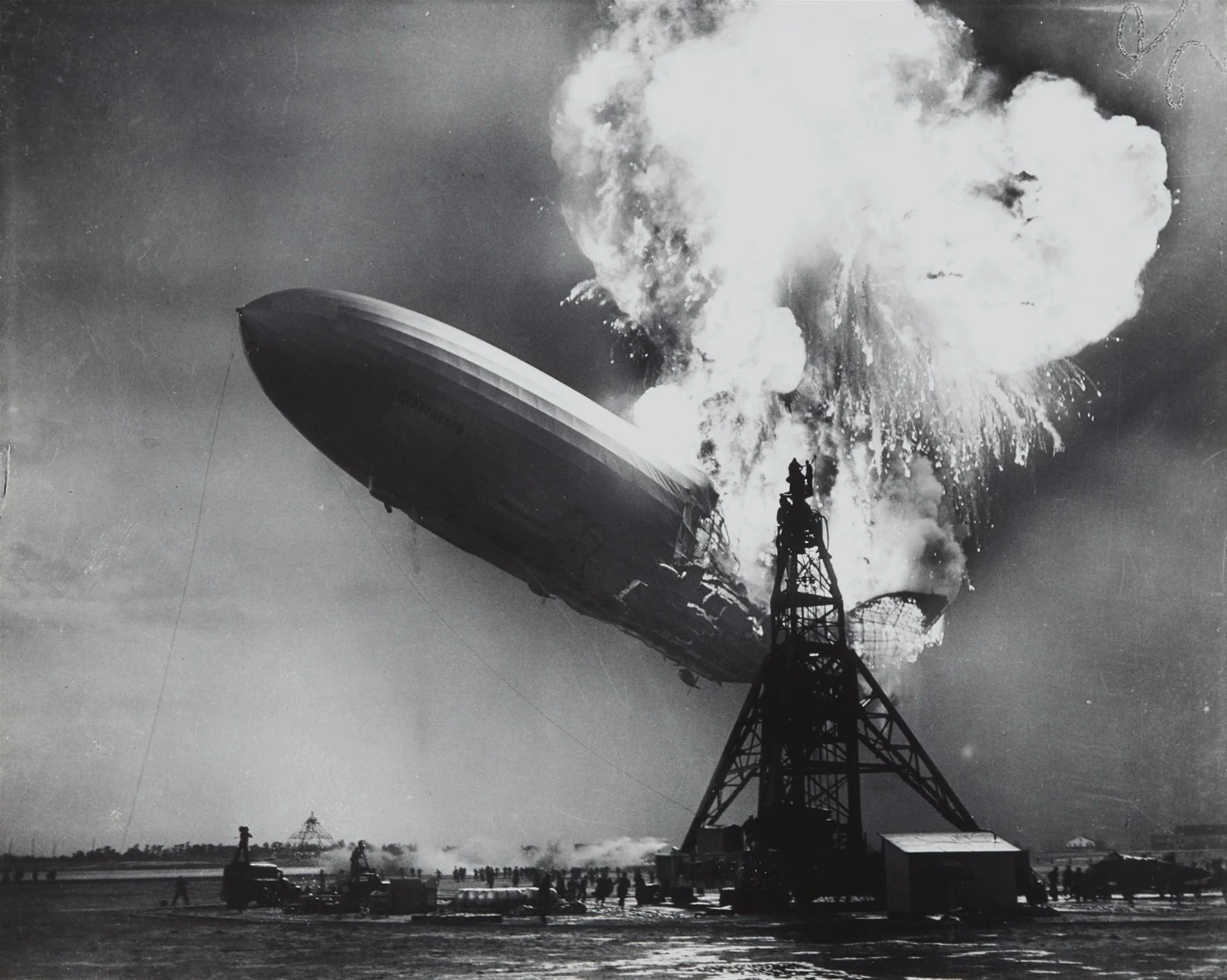
- The photograph of the burning airship Hindenburg at Lakehurst, New Jersey, on 6 May 1937
- Works in
- Black and white news pictures, first for International News Photos and later also for LIFE
- Camera
- A 4 by 5 inch Speed Graphic press camera, which he names himself for the Hindenburg picture
- Agency
- International News Photos (part of the Hearst company) · LIFE magazine
- Awards
- Editor and Publisher Award for the best news picture of 1937
- Also
- Ship's photographer on the S.S. Leviathan · brother of the Hollywood photographer Joe Shere
- Start with
- The Great LIFE Photographers (Bulfinch Press, 2004)
Sam Shere (born about 1904, died 1982) was a press photographer who worked for International News Photos and later for LIFE. He is known for one picture, the Hindenburg airship burning at Lakehurst, New Jersey, on 6 May 1937. His career was longer and wider than that one frame. He photographed ships, courts, prisons, politicians and the war. Many photographers shot the Hindenburg that evening, and sources agree that the pictures look almost the same. Shere himself spoke about the moment with modesty.
The story
Sam Shere did not want this job. On 6 May 1937 his editor at International News Photos sent him to Lakehurst, New Jersey, to get "society type" pictures of celebrities leaving the German airship Hindenburg. Shere thought of himself as a hard news photographer. He later said he “sort of resented the assignment.”
He waited for more than three hours in a drizzling rain. The airship was late. About 22 still and newsreel cameramen stood on the field with him, according to the writer Bill Jay.
Then the airship came out of the evening murk. It had flown from Frankfurt with passengers and a crew, 97 people in all. The landing looked routine, but only for a moment.
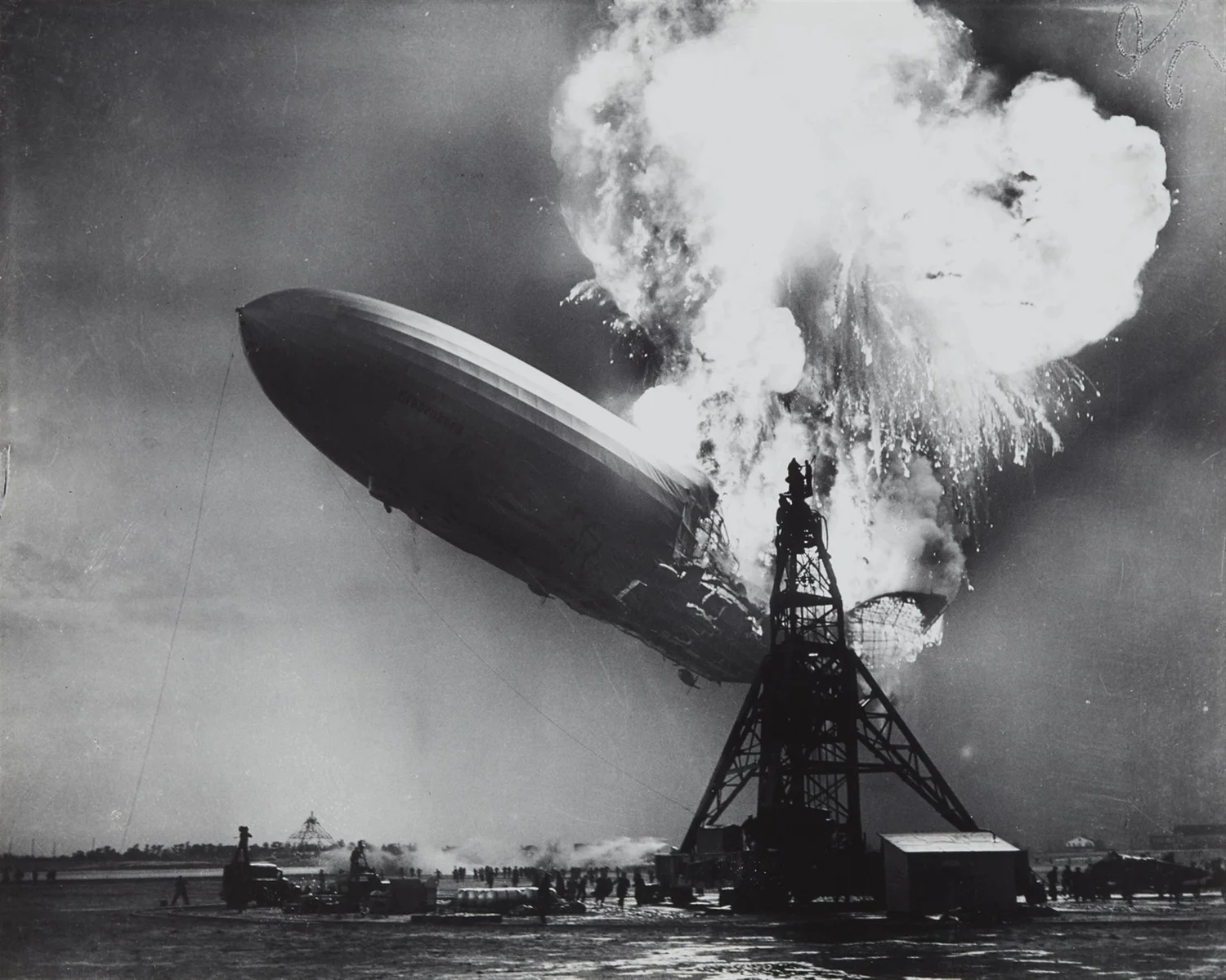
The airship caught fire. Shere had two shots left in the Speed Graphic, and he had no time to bring it up to his eye. “I literally ‘shot’ from the hip,” he said.
His picture shows the Hindenburg at a steep angle beside its mooring mast. A huge ball of fire and smoke rises from its back end. Small figures stand on the field below. Thirty-six of the 97 people on board died, according to Jay and History.com. The picture shows the airship, and no faces or bodies can be seen in it.
The picture ran in the next morning's newspapers. It won the Editor and Publisher Award for the best news picture of 1937.
It is also fair to say that Shere was not alone. Jay names Charles Hoff of the New York Daily News, Murray Becker of the Associated Press and others, and writes that their pictures look almost the same. The Metropolitan Museum of Art lists its print as attributed to Shere and possibly by Hoff. The International Center of Photography credits the picture to Shere.
Shere took this in his own way. “Many photographers got similar shots. I guess I was just lucky to be in the right place at the right time.”
The work
Shere was born in Minsk and grew up on the Lower East Side of New York. His first job was carrying a tripod for Pathe News cameramen. His father later bought him a Speed Graphic, and Shere sold his first picture to a New York paper. Then he went to sea. From 1926 he was ship's photographer on the S.S. Leviathan, where he sold pictures to passengers and made portraits and views of icebergs and storms. Jay counts 126 Atlantic crossings. While in Europe he began to work for International News Photos, and in 1934 he took a full-time job there.
News work followed. Jay lists the first court appearance of Bruno Richard Hauptmann in 1934, a story from inside Sing Sing prison in 1935, the return of the pilot Douglas "Wrong Way" Corrigan in 1938 and the Duke of Windsor in the Bahamas in 1940. The ICP adds the invasion of Sicily. From 1943 he worked for LIFE. LIFE says he was a war correspondent for the magazine in World War II and later made pictures of American life, especially crowds in New York.
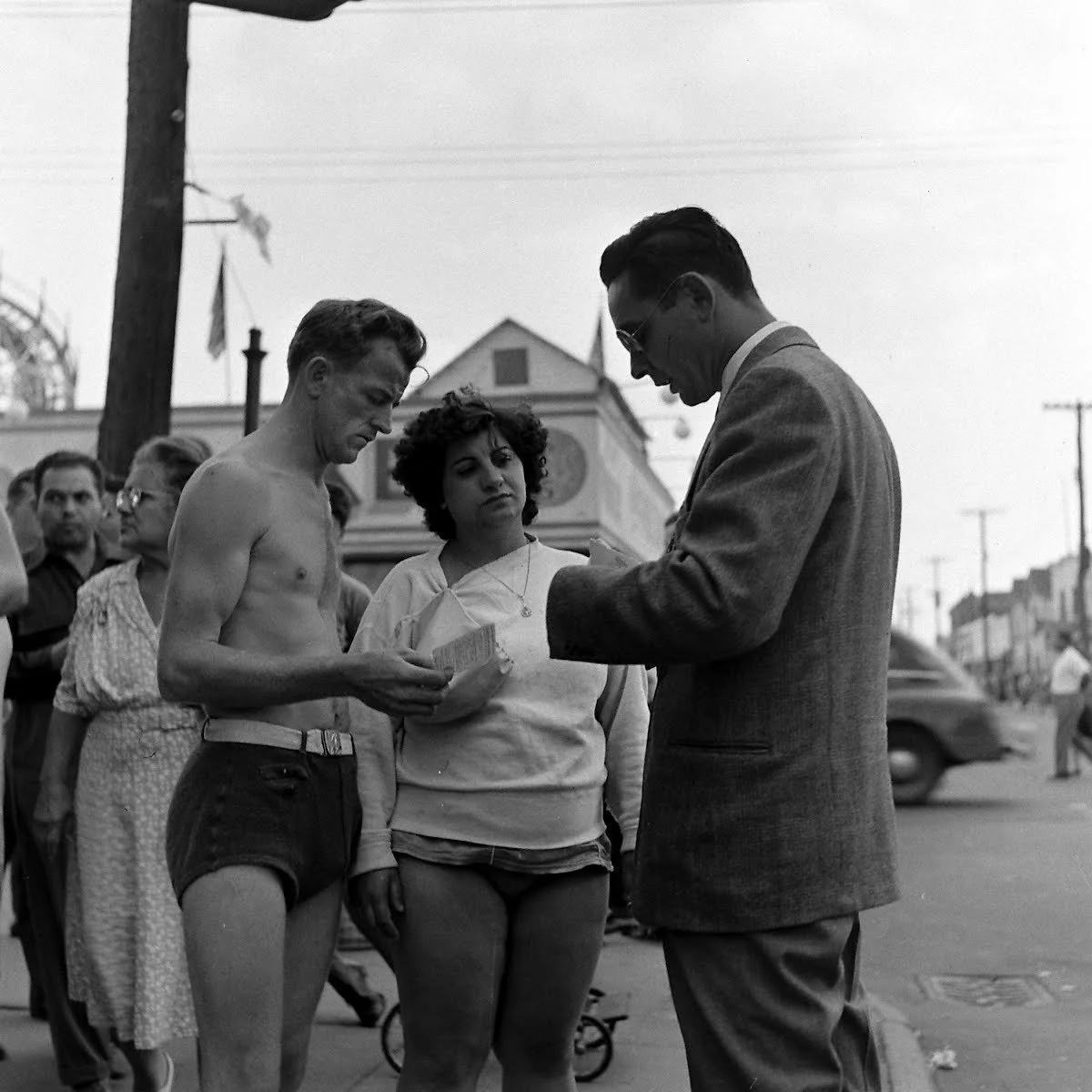
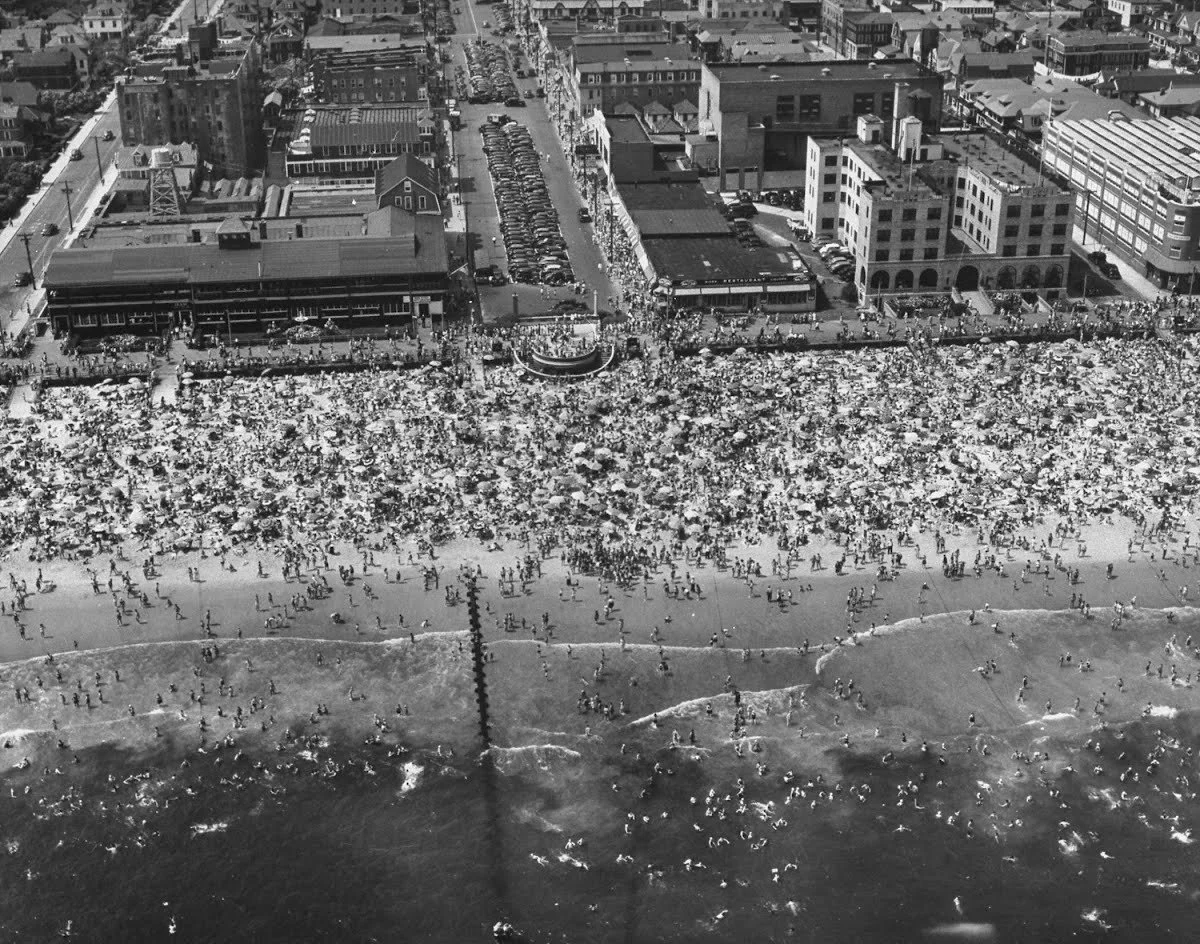
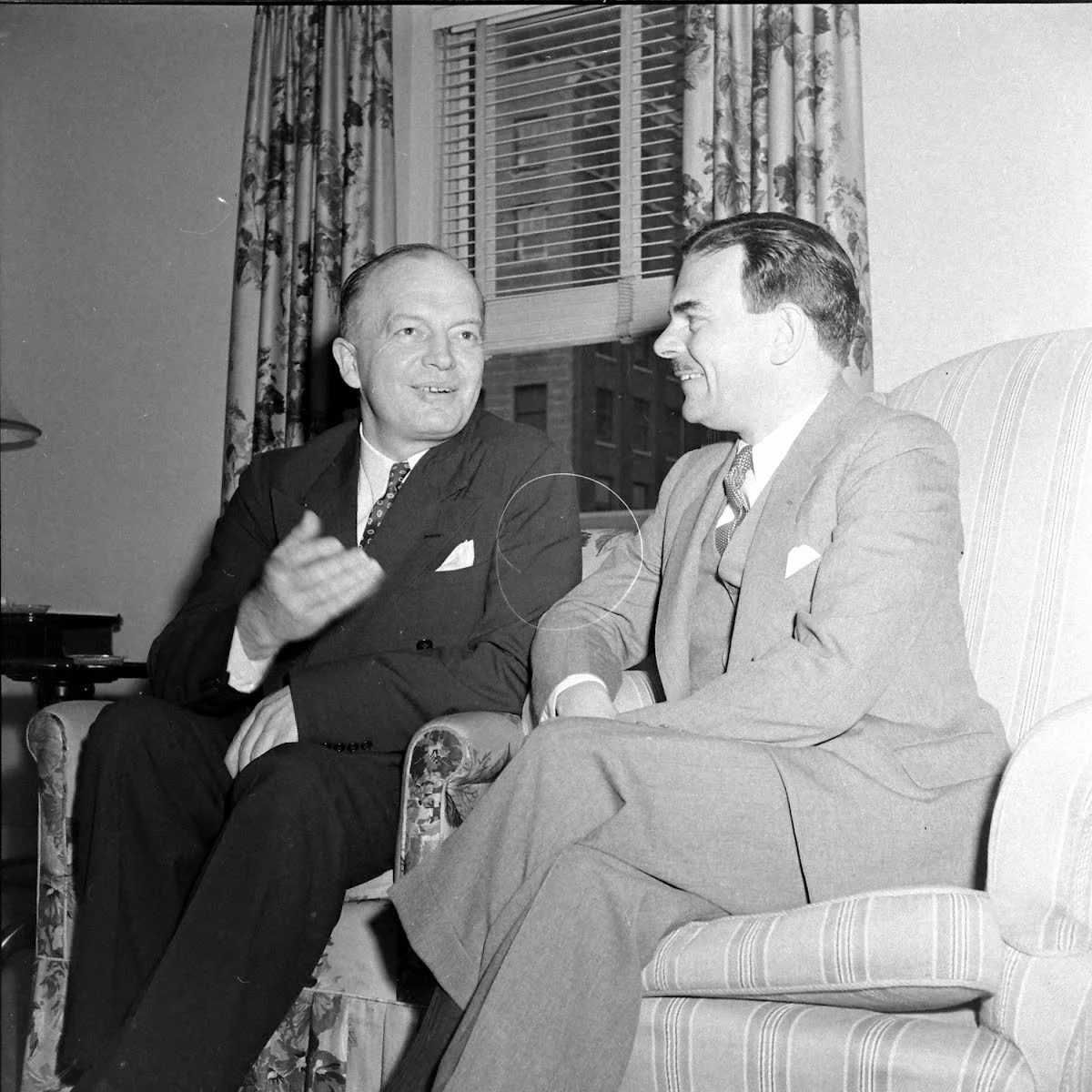
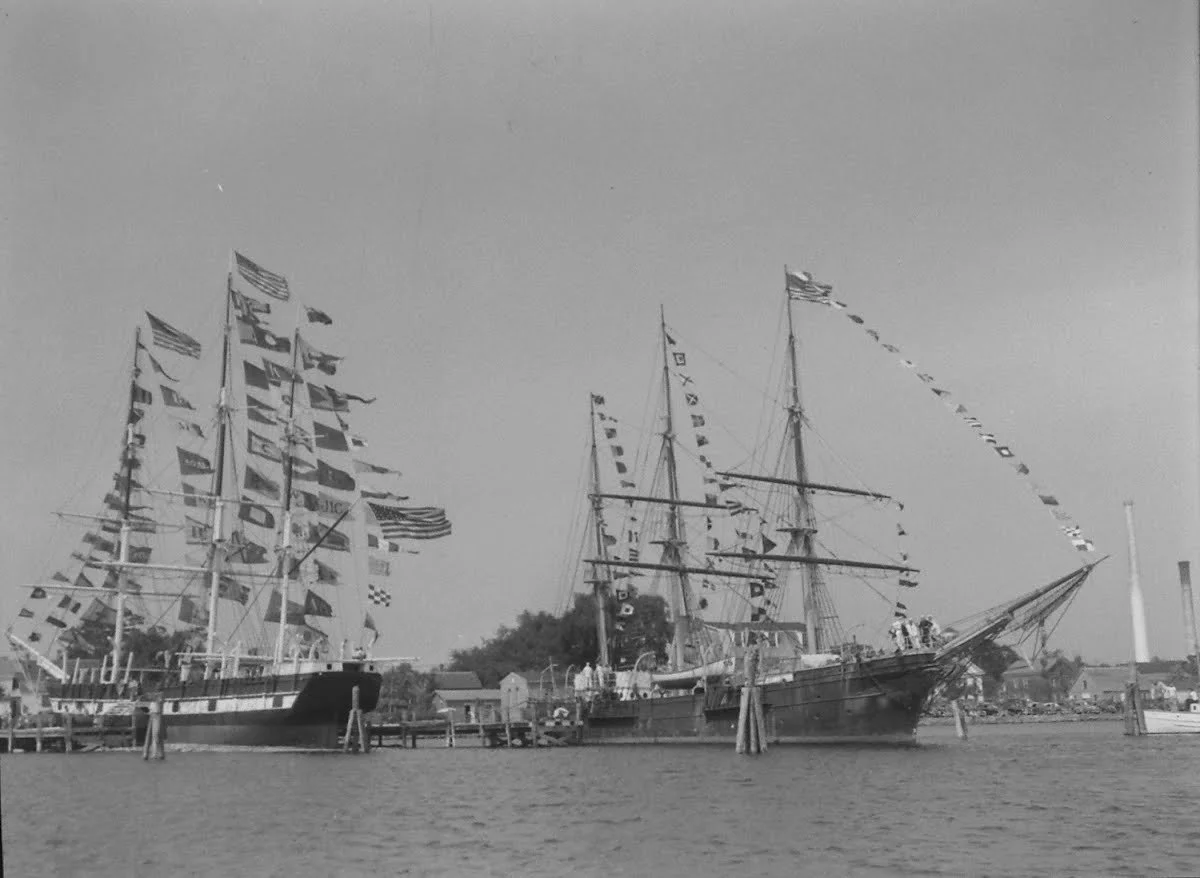
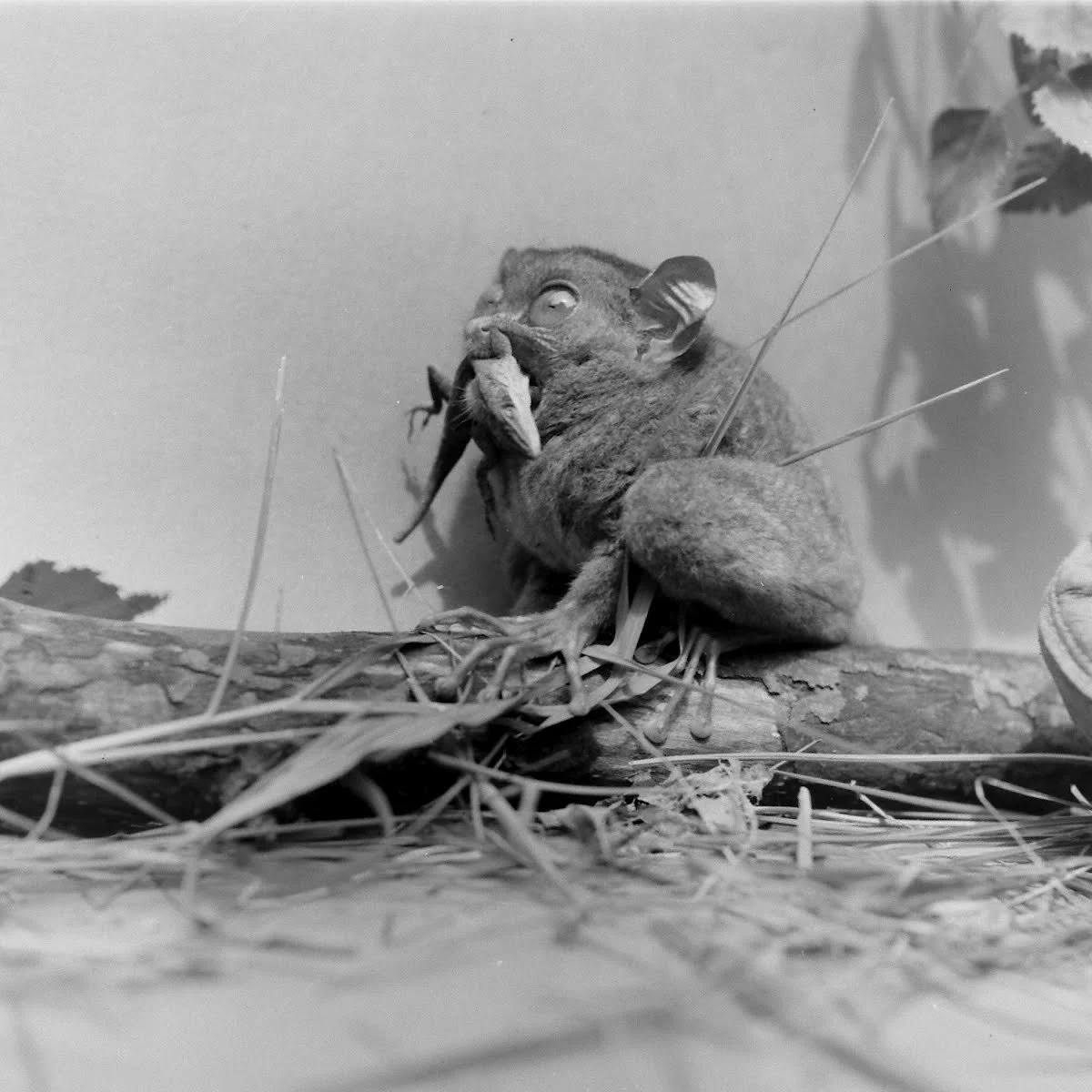
The LIFE collection shows this later side. Indecent Exposure, Rockaway Beach (1946) is a street scene from August 1946, from the LIFE collection. Independence Day At The Beach (1946) is an aerial view of crowds on a hot Fourth of July at Rockaway. Dewey And Stassen In Nyc (1947) shows two politicians in conversation. Sailing Ship, Joseph Conrad (1947) and Tarsier (1947) show how wide his assignments were, from a flag-covered sailing ship to a small animal from Southeast Asia that eats a lizard.
His brother Joe Shere also became a photographer. He worked for International News Photos and later in Hollywood, where he made the well known picture of Jayne Mansfield and Sophia Loren.
- 1904Born in Minsk, then part of the Russian Empire, now in Belarus
- 1926Becomes ship's photographer on the S.S. Leviathan
- 1934Leaves the sea for a full-time job with International News Photos
- 1937Photographs the burning Hindenburg at Lakehurst, New Jersey
- 1940Photographs the Duke of Windsor in the Bahamas
- 1943Starts the work for LIFE that Jay says lasted more than ten years
- 1978The Museum of Fine Arts, St. Petersburg, Florida, issues On Assignment: Photographs by Sam Shere
- 1982Dies in New Smyrna Beach, Florida
Lessons
Show up for the dull job. Shere did not like his Lakehurst assignment. He still stood in the rain for over three hours with a camera ready. The great picture came during a routine job.
Know your camera well enough not to look at it. With no time to raise his Speed Graphic, Shere shot from the hip. Jay writes that by 1937 Shere had paid his dues in news work and was ready for any situation.
Give credit to the others. Shere said that many photographers got similar shots. Saying so does not make the picture smaller. It makes the story more honest.
Try this: go to a busy place and put your camera at hip height. Take twenty frames without looking through the viewfinder. Then pick the three best and look at what you got right and wrong. Do the same again at eye level and compare. Learn which pictures need speed and which need a careful frame.
Gear
Shere named one camera himself. Other gear is mentioned in only one source, so it is left out here.
Speed Graphic: Shere said he had two shots left in his big Speed Graphic when the Hindenburg burned. Jay writes that the 4 by 5 inch Speed Graphic was standard equipment for a newspaper photographer in his early years.
Books
The Great LIFE Photographers (Bulfinch Press, 2004). The editors of LIFE made this large book of 608 pages with an introduction by John Loengard and a reminiscence by Gordon Parks. It has a section for each LIFE photographer, and Sam Shere is listed in its contents. The LIFE site adapts its Shere text from this book. It is for readers who want to see how Shere's pictures sat next to those of his colleagues.
100 Photographs: The Most Influential Images of All Time (Time Books, 2015). This book from TIME presents 100 pictures and the stories behind them. TIME's online version of the project has a page for Shere's Hindenburg picture. It is a good start for readers who want to see his image among other famous news pictures.
On Assignment: Photographs by Sam Shere (Museum of Fine Arts, St. Petersburg, Florida, 1978). Bill Jay cites this publication for an extensive chronology of Shere's career. It is the only book found that is about Shere alone. It may be hard to find, so a library or second hand search is the best way to look for it. It is for readers who want the full list of his assignments.
In his words
“I had two shots in my big Speed Graphic but I didn't even have time to get it up to my eye.”
“I literally 'shot' from the hip”
“I had come to think of myself as a "hard news" photographer, and sort of resented the assignment.”
“Many photographers got similar shots. I guess I was just lucky to be in the right place at the right time.”