AT A GLANCE
- Known for
- Bold pictures of steel mills, dams and skyscrapers, the first LIFE cover (1936), and photo essays from the Depression, World War II, India and South Africa
- Works in
- Black and white photo essays for Fortune and LIFE; gelatin silver prints; photobooks
- Camera
- A used Ica Reflex with a cracked lens at the start; a view camera on the Chrysler Building (1934)
- Also
- One of the four original LIFE photographers · books with Erskine Caldwell · memoir Portrait of Myself (1963)
- Firsts
- First staff photographer of Fortune (1929) · first Western photographer allowed into the Soviet Union (1930) · first woman accredited as a war correspondent (1942)
- Start with
- Portrait of Myself (Simon and Schuster, 1963)
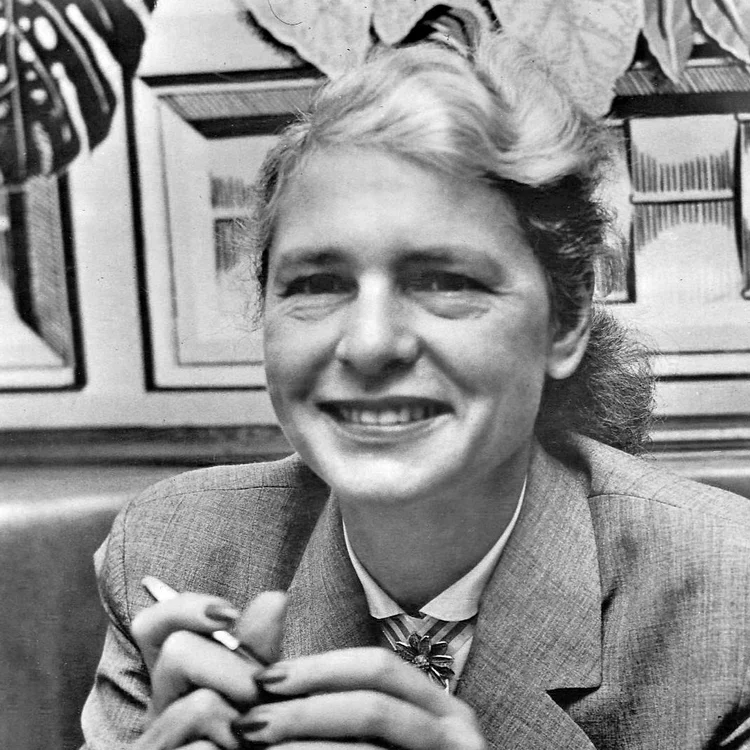
Margaret Bourke-White (1904–1971) was an American photographer and photojournalist. She began with steel mills and buildings in Cleveland. Then she became the first staff photographer of Fortune and one of the four original photographers of LIFE. Her picture of Fort Peck Dam was on the very first LIFE cover. For about thirty years she photographed the Great Depression, World War II, India, South Africa and the Korean War.
The story
In the late 1920s, a young photographer in Cleveland wanted to get inside a steel mill. Margaret Bourke-White asked Elroy J. Kulas, the head of the Otis Steel Company, for permission. He said yes. But inside, her camera could not handle the red and orange light of the hot steel. So she brought in magnesium flares. Their bright white light lit the furnaces and the men, and the pictures came out full of contrast. Kulas printed them in a booklet for his stockholders, The Story of Steel.
Steel had pulled at her since childhood. She was born in the Bronx, New York, in 1904, and grew up in New Jersey. Her father was an engineer and an amateur photographer. Once he took her to a foundry. In her memoir she wrote that it was “so vivid and alive that it shaped the whole course of my career.” At Columbia she took a photography course with Clarence H. White. She first wanted to study reptiles and insects. But after her father died, she switched her focus to photography. She graduated from Cornell in 1927 and opened a studio in Cleveland. She called the industrial Flats “a photographic paradise.”
The steel pictures reached Henry Luce in New York. In 1929 he hired her as the first staff photographer of his new magazine, Fortune. Therefore she moved to New York, and in 1930 into the new Chrysler Building. That year Fortune also sent her to Germany. From there she went on to the Soviet Union, the first Western photographer allowed in to photograph its industry. In 1936 Luce started a new picture magazine, LIFE. She was one of its four original photographers. Her picture of Fort Peck Dam in Montana was on the cover of the very first issue.
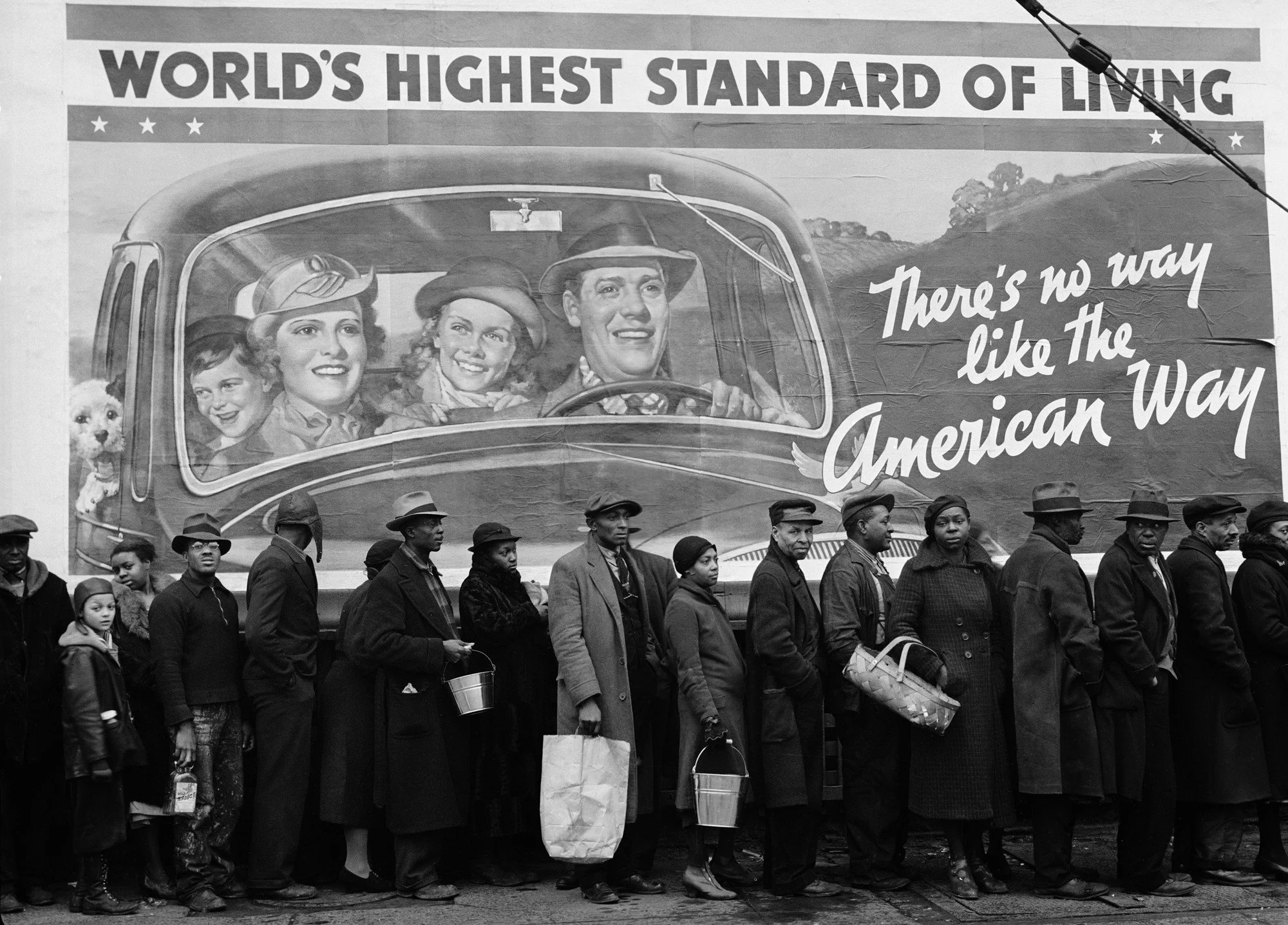
Her eye now turned from machines to people. In 1936 she travelled through the American South with the writer Erskine Caldwell. Their book about poor tenant farmers, You Have Seen Their Faces, came out in 1937. The same year the Ohio River flooded Louisville, Kentucky. She photographed a line of Black residents waiting for food and clothes at a relief station. Above them, a huge billboard shows a smiling white family in a car and the words World’s Highest Standard of Living. She married Caldwell in 1939 and bought a house in Darien, Connecticut. The marriage lasted three years. Darien stayed her home for three decades.
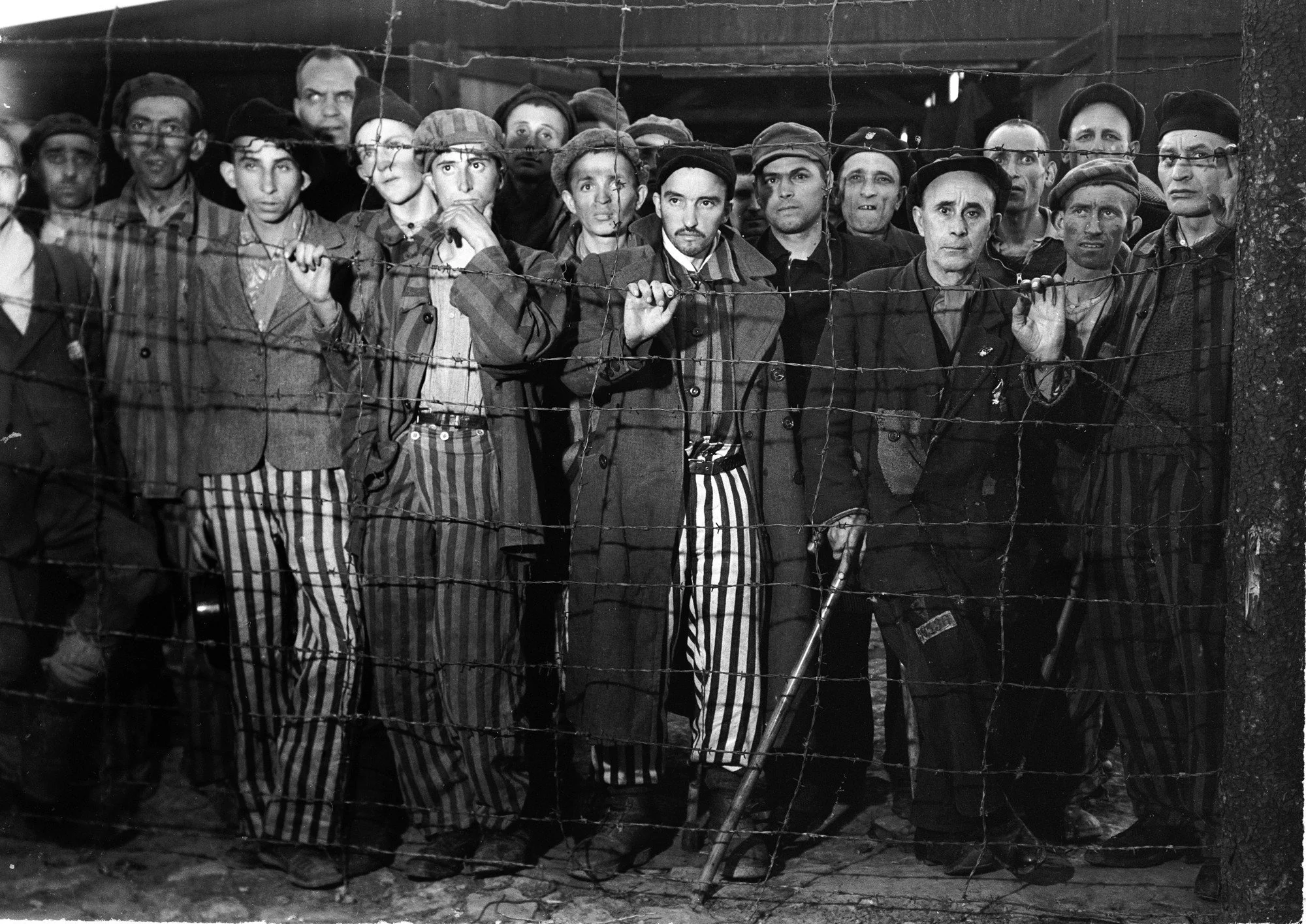
Then came the war. In 1941 she was the only foreign photographer in Moscow when German planes bombed the city. In 1942 she became the first woman accredited as a war correspondent. On the way to North Africa her ship was torpedoed and sank, but she survived. In 1945 she crossed into Germany with General Patton’s Third Army and photographed the prisoners of Buchenwald. Later she said: “I have to work with a veil over my mind. I hardly knew what I had taken until I saw prints of my own photographs.”
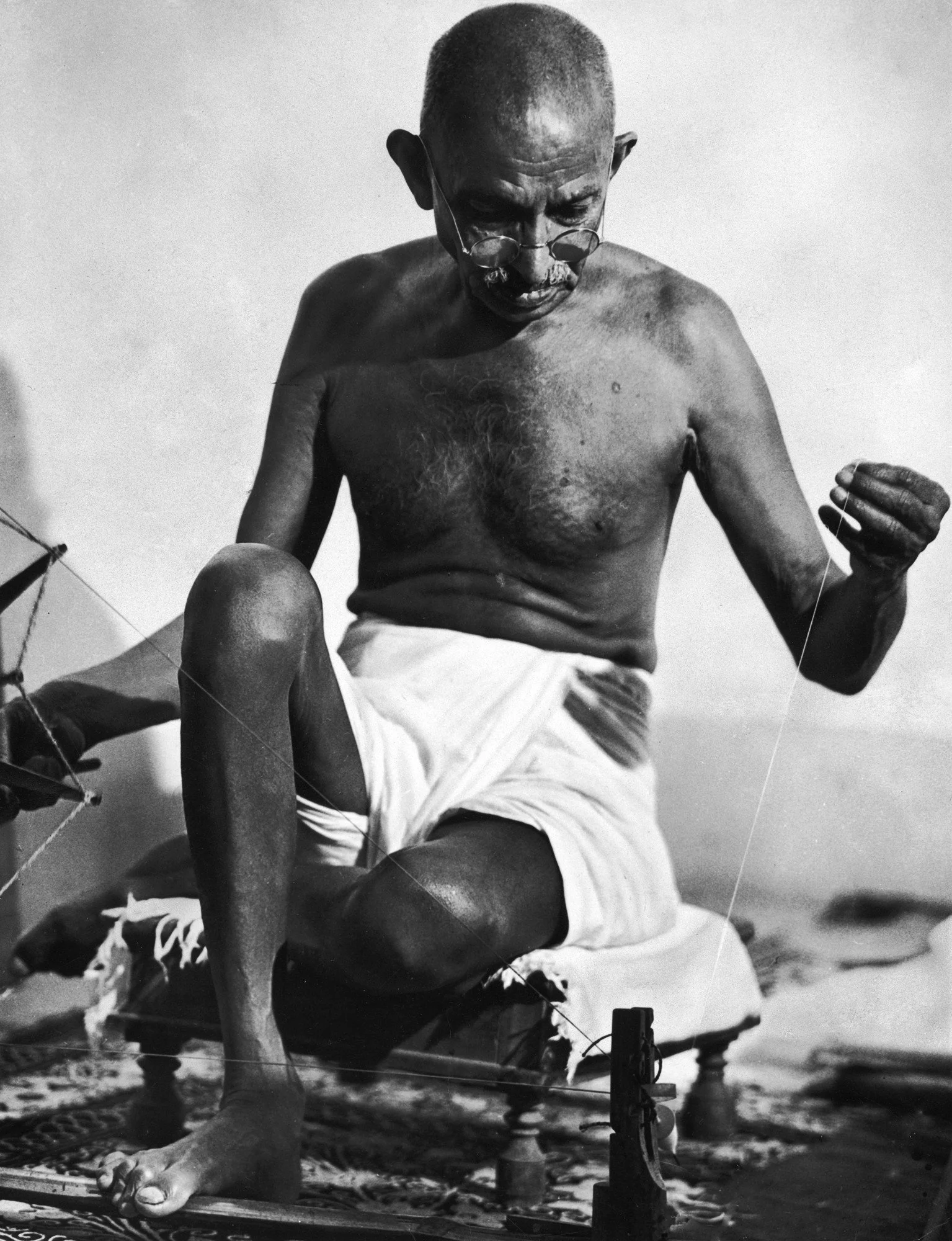
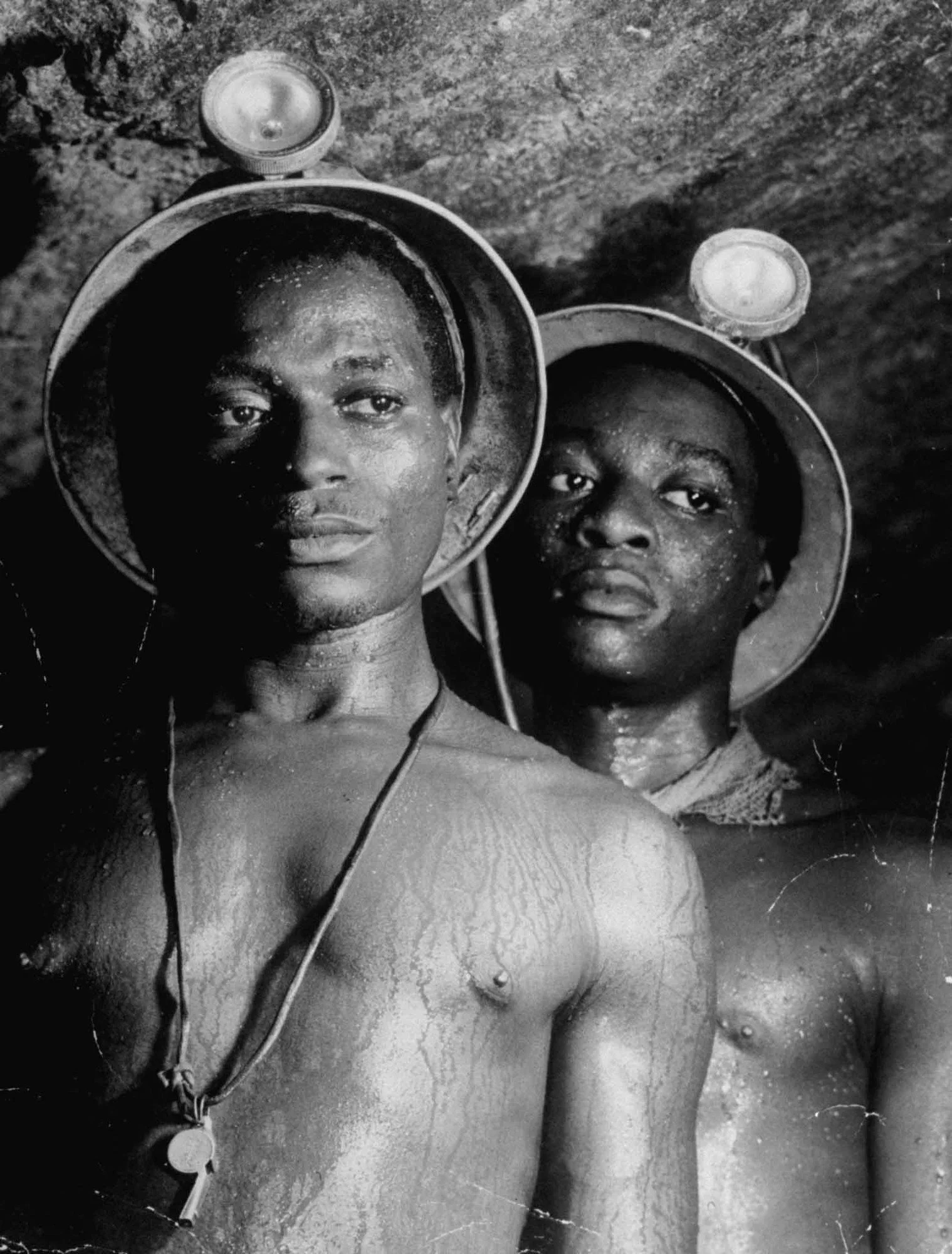
After the war she went to India. In 1946 she photographed Gandhi at his spinning wheel. In 1948 she spoke with him only hours before he was killed. In 1950 she photographed gold miners in Johannesburg, and later she covered the Korean War. In the early 1950s she learned she had Parkinson’s disease. She kept it secret for years. Her last photo essay for LIFE, Megalopolis, appeared in 1957. Her memoir Portrait of Myself became a best seller in 1963. She died at Stamford Hospital in Connecticut in 1971. Her advice to photographers was simple: “Saturate yourself with your subject and the camera will all but take you by the hand.”
The work
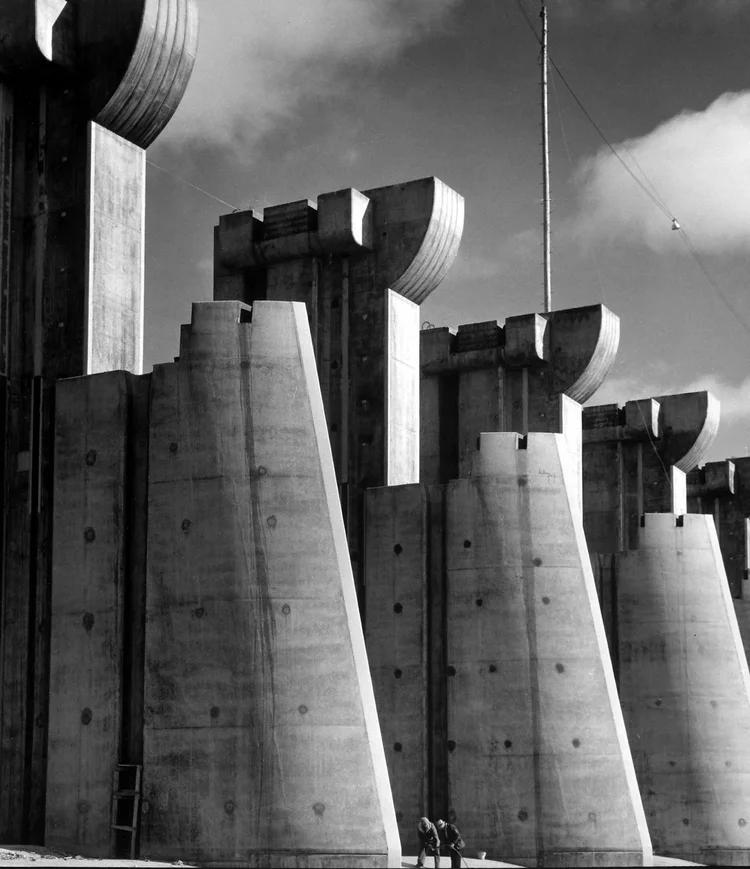
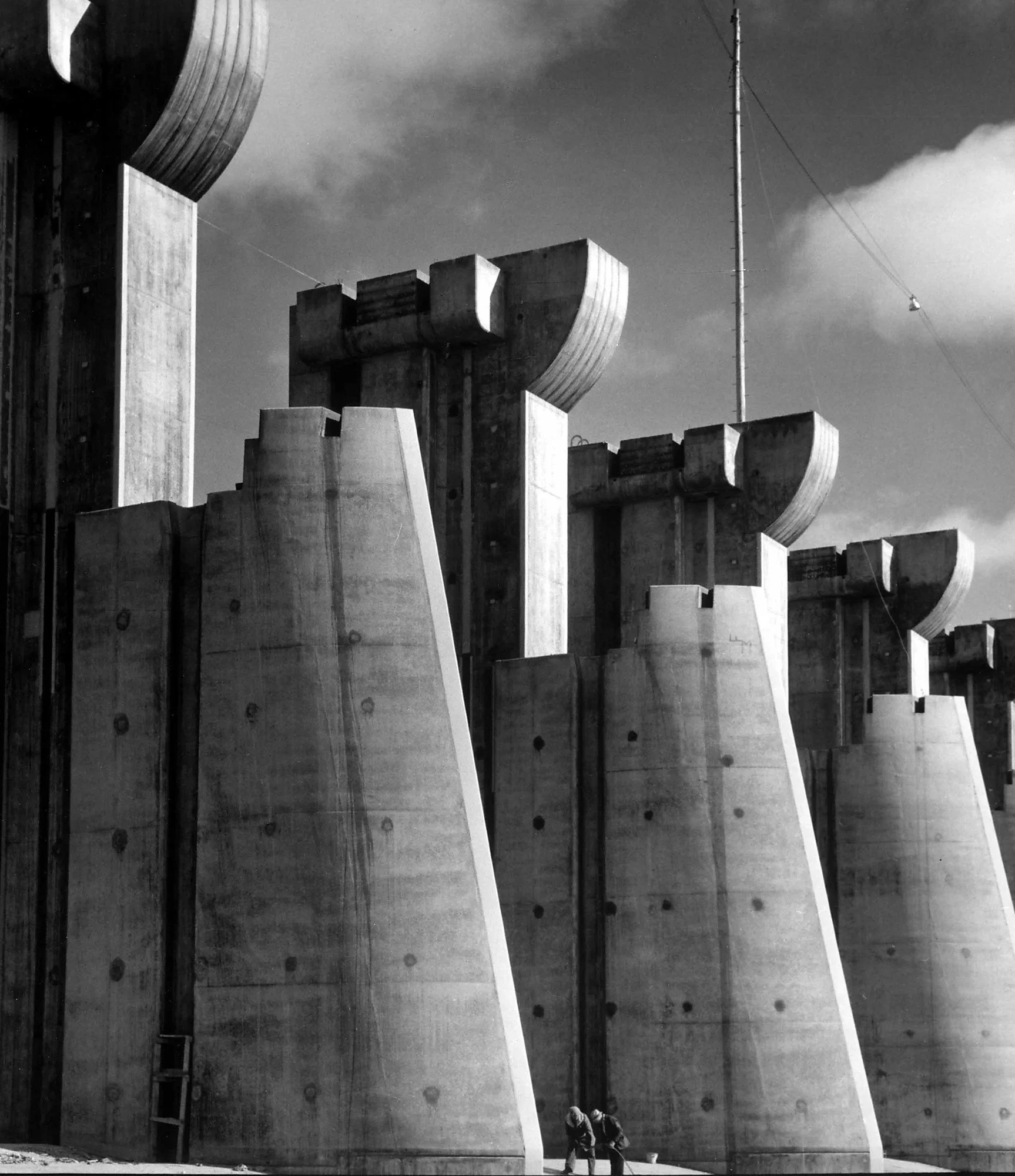
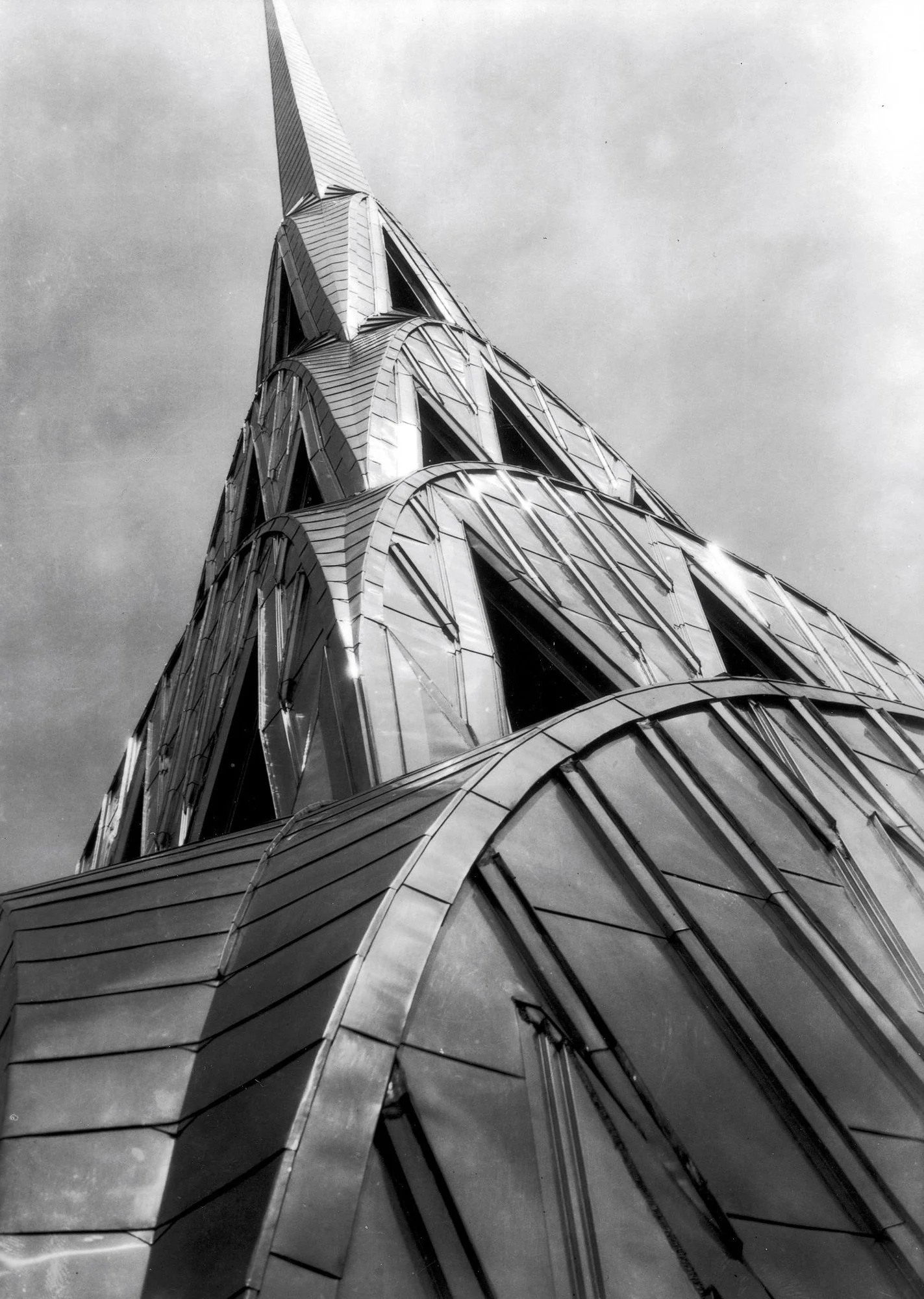
Bourke-White first loved structure: steel, concrete and repeated shapes. Chrysler Building, New York City (1931) looks up at the steel crown of the tower, with its arches and pointed spire against a pale sky. In Fort Peck Dam, Fort Peck, MT (1936), huge concrete forms stand in a row like giant towers. LIFE put this picture on its first cover.
From 1936 her pictures also tell stories about people. At the time of the Louisville Flood (1937) works through contrast. The happy family in the car on the billboard rides above a real line of people with buckets and baskets. Buchenwald Prisoners, Germany (1945) shows a crowd of men in striped clothes behind barbed wire, looking straight at the camera.
Her later portraits are close and direct. In Gandhi using his spinning wheel at home (1946), Gandhi sits low by the wheel and works the thread. Her notes to LIFE said spinning was “raised to the heights almost of a religion with Gandhi and his followers.” Gold Miners, Johannesburg (1950) shows two young miners in helmets with lamps, their skin wet with sweat, deep under the ground.
- 1904Born in the Bronx, New York, on 14 June
- 1927Graduates from Cornell and opens a studio in Cleveland
- 1929Becomes the first staff photographer of Fortune
- 1930First Western photographer allowed to photograph Soviet industry
- 1936Joins LIFE as one of its first four photographers; her Fort Peck Dam is on the first cover
- 1942First woman accredited as a war correspondent
- 1945Photographs Buchenwald with General Patton’s Third Army
- 1963Publishes her memoir, Portrait of Myself
- 1971Dies in Stamford, Connecticut
Lessons
Ask to get in. The steel pictures that started her career exist because she asked the head of Otis Steel for permission to work inside his mill.
Solve the light problem. When her camera could not cope with the light of hot steel, she did not give up. She brought magnesium flares and made the light she needed.
Find a different point of view. In a crowd of press photographers she pushed low and close. She said she always liked “the caterpillar view.”
Try this: find one big structure near you: a bridge, a factory, a tower or a parking garage. Photograph it ten times, each time from a different height or angle. Go very low at least once. Then add one picture with a person in it, small, to show the scale.
Gear
Bourke-White used many cameras over thirty years. The sources say only a little about them.
Ica Reflex: her career began with a used Ica Reflex camera, a cracked lens and glass plates.
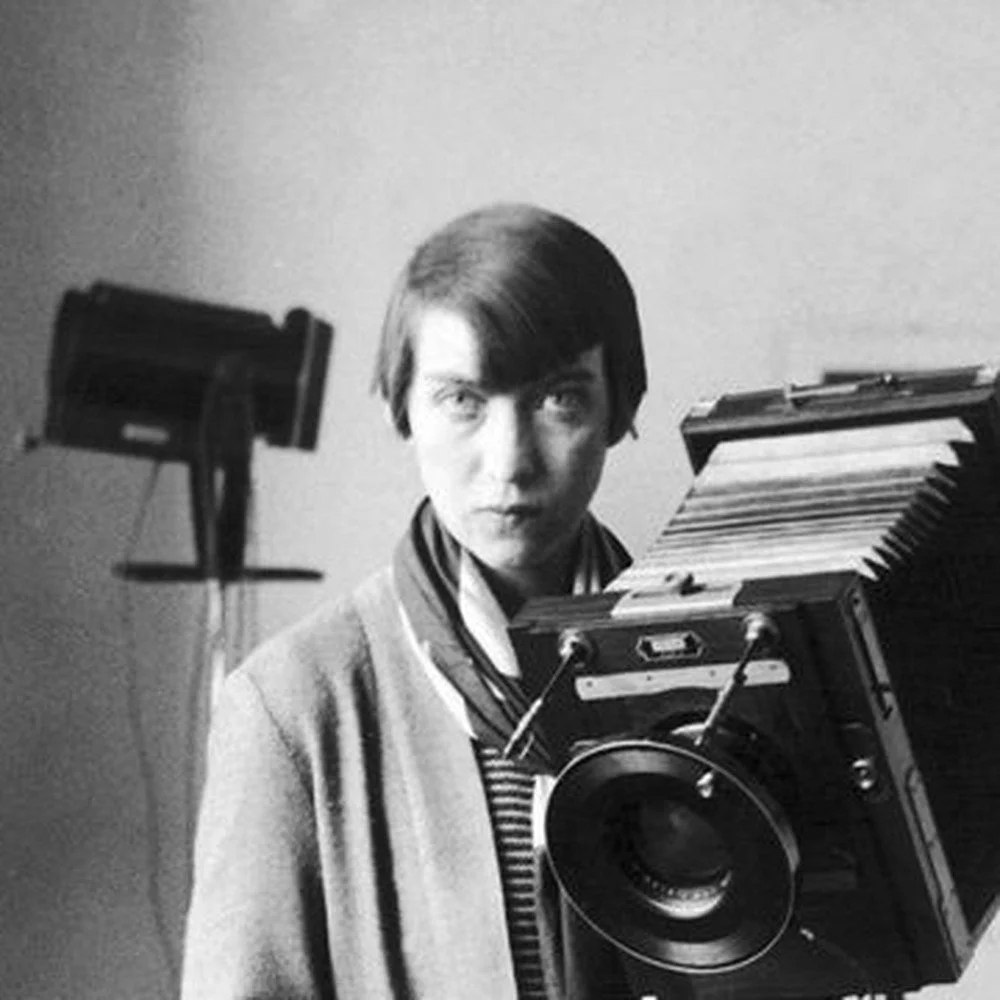
View camera: Oscar Graubner’s 1934 photograph shows her with a view camera on a gargoyle of the Chrysler Building, 61 stories above the street.
Magnesium flares: she used them to light the dark, hot interiors of the Otis Steel mill in Cleveland.
Books
Portrait of Myself (Simon and Schuster, 1963). Her own story, written by Bourke-White herself. She tells about her start in steel mills, her years on the staff of LIFE during World War II, and her fight with Parkinson’s disease. It became a best seller. A good first book for anyone who wants to hear her voice.
You Have Seen Their Faces (University of Georgia Press, 1995). First published in 1937, made together with the writer Erskine Caldwell. Her photographs of tenant farmers, their homes, fields and churches sit next to Caldwell’s text and the farmers’ own words. It shows life in the Deep South during the Great Depression. For readers interested in documentary books and the 1930s.
Margaret Bourke-White: Moments in History (La Fábrica, 2014). The catalogue of a large touring exhibition, edited by Oliva María Rubio, Sean M. Quimby and Ev Bermejo. The show travelled to Berlin, Horten, The Hague and Syracuse University, which holds her archive. It brings together her work from the 1930s and the war years. For readers who want a broad look at her pictures.
In her words
“The camera is a remarkable instrument. Saturate yourself with your subject and the camera will all but take you by the hand.”
“Photography is a very subtle thing. You must let the camera take you by the hand, as it were, and lead you into your subject.”
“I have to work with a veil over my mind. I hardly knew what I had taken until I saw prints of my own photographs.”
“Usually I was the only woman photographer, and the technique I followed was to literally crawl between the legs of my competitors and pop my head and camera up for part of a second before the competition slapped me down again.”