AT A GLANCE
- Known for
- Photobooks that work like stories: The Pond, There and Gone, Berlin in the Time of the Wall
- Works in
- Black and white gelatin silver prints; color books since 2010
- Camera
- In 2017 he tested a Hasselblad X1D with a 45mm lens
- Also
- His own imprint, Loosestrife Editions · photobook workshop at Aperture (2015) · learned Telecaster guitar from Roy Buchanan and Danny Gatton
- Awards
- Guggenheim Fellowship (2012)
- Start with
- The Pond (Aperture, 2010)
- Links
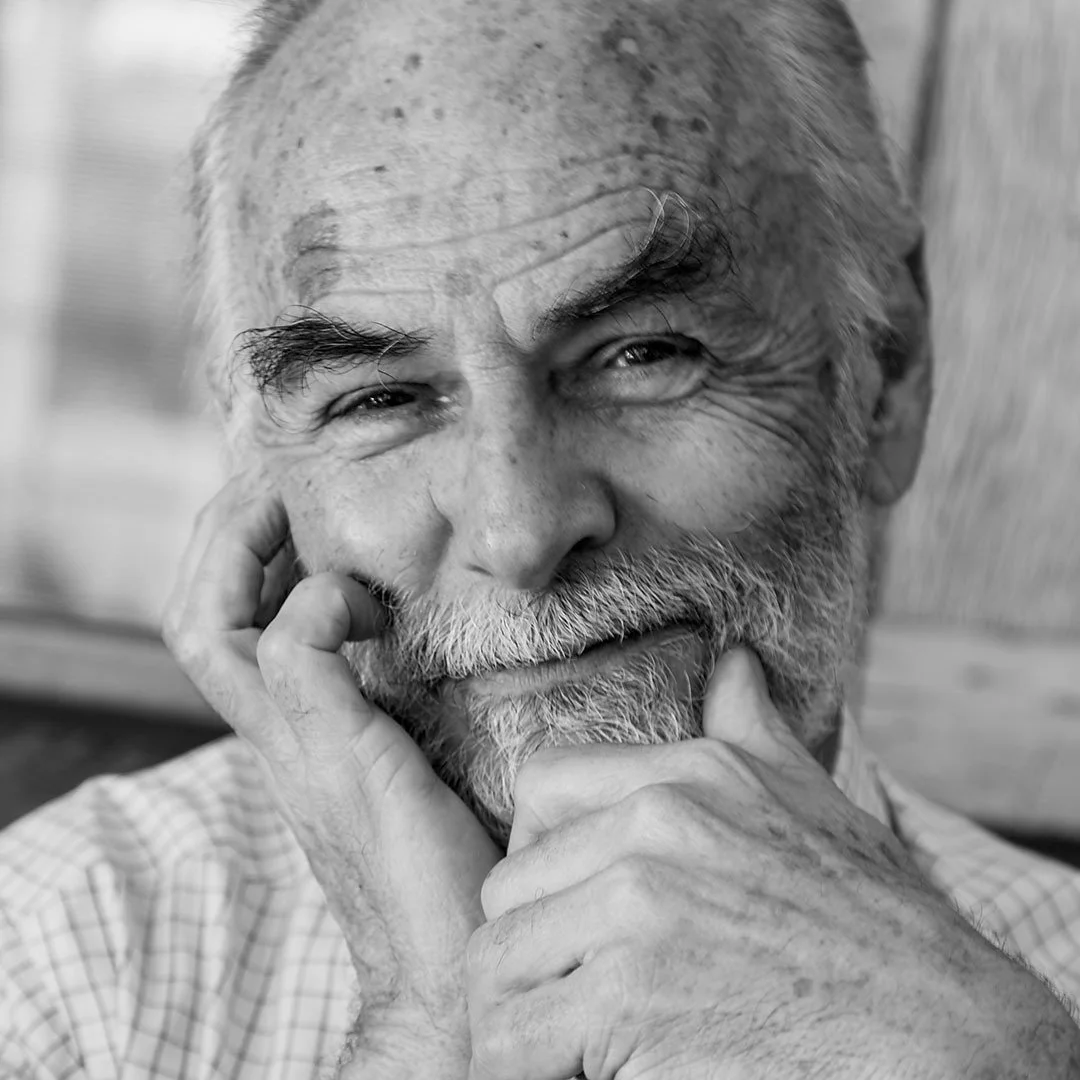
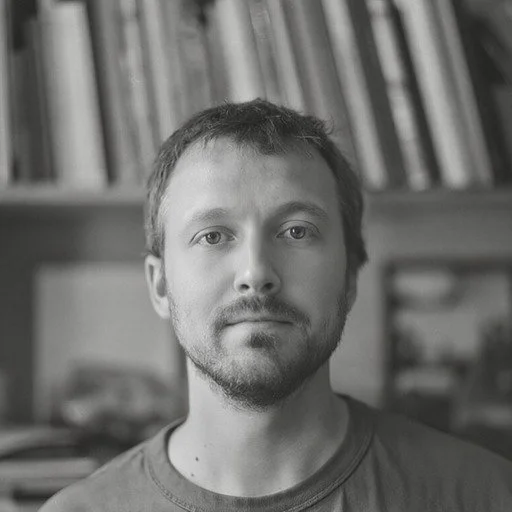
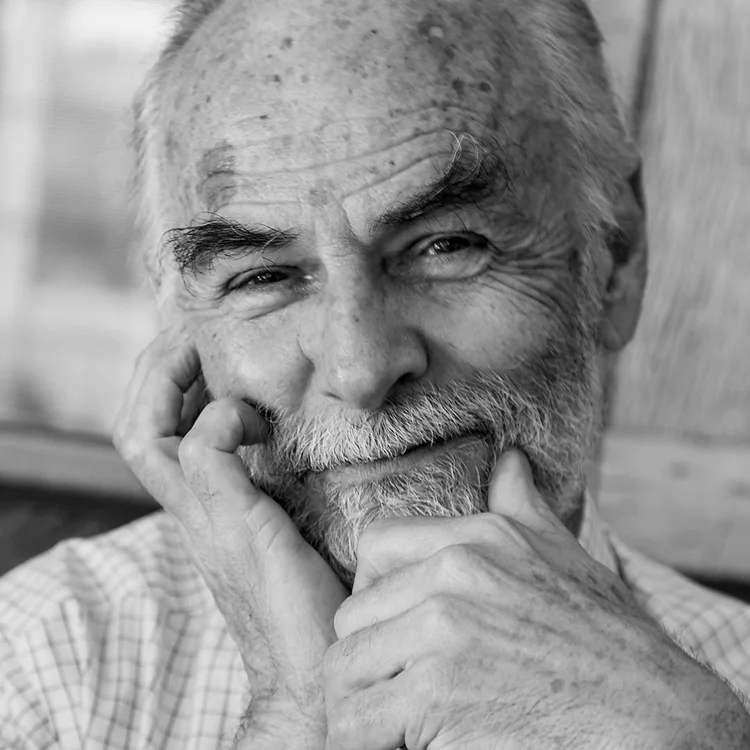
John Gossage (born 1946) is an American photographer, best known for his photobooks. He was born in New York and is based in Washington, D.C. His pictures show the plain, overlooked edges of places: an untidy pond in Maryland, the strip of land along the Berlin Wall, quiet streets where powerful people live. Since 1990 he has worked almost only on books, and he has made more than thirty of them.
The story
The boy who came to Lisette Model's photography class was too young for it. Model had a minimum age for her students. She looked at John Gossage and asked how old he was. When he told her, she smiled and said, as he remembers it, “that will do.” Now he was learning from one of the sharpest teachers in New York.
He studied with Model and with the designer Alexey Brodovitch in 1960 and 1961. He also spent time at the Magnum office, where he became a kind of mascot. When a dull job came in that nobody wanted, the photographers said, “give it to the kid.” The money bought him cameras. At about the same time, W. Eugene Smith taught him to print. Gossage paid Smith ten dollars for a one hour lesson, and the lesson often lasted four hours.
But photography was not his only love. In the late 1960s he learned to play the Telecaster guitar from Roy Buchanan and Danny Gatton. In 1973 he left professional music and went back to photography. A year later he showed his pictures at Leo Castelli Gallery in New York.
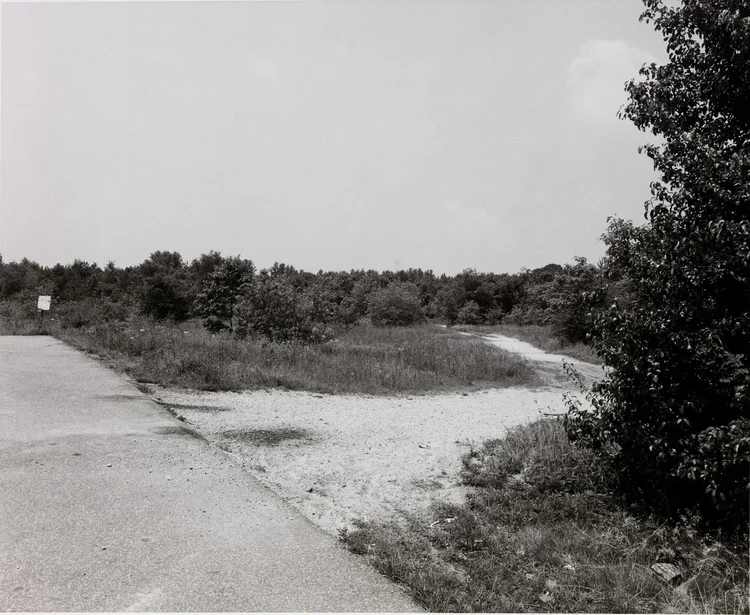
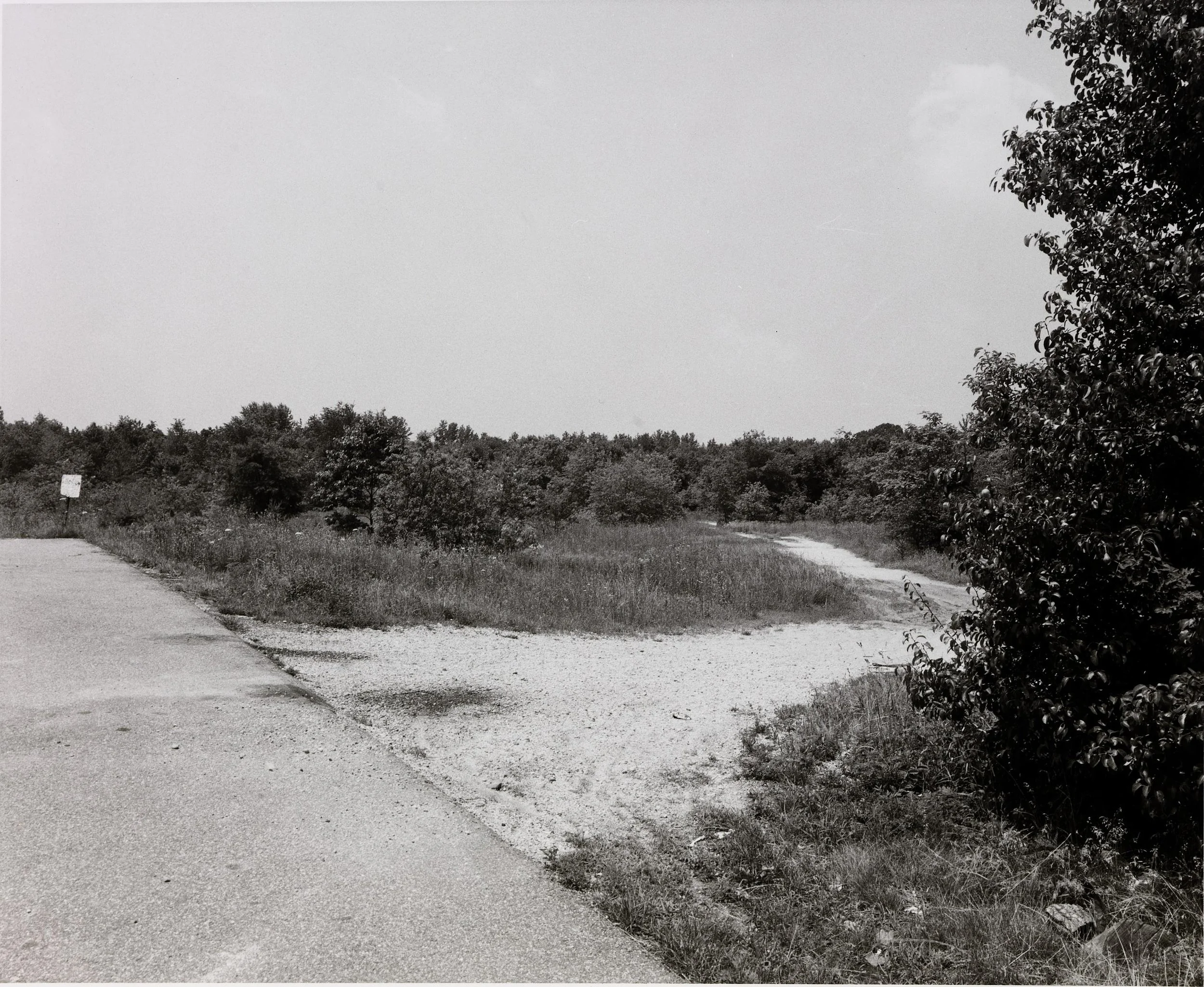
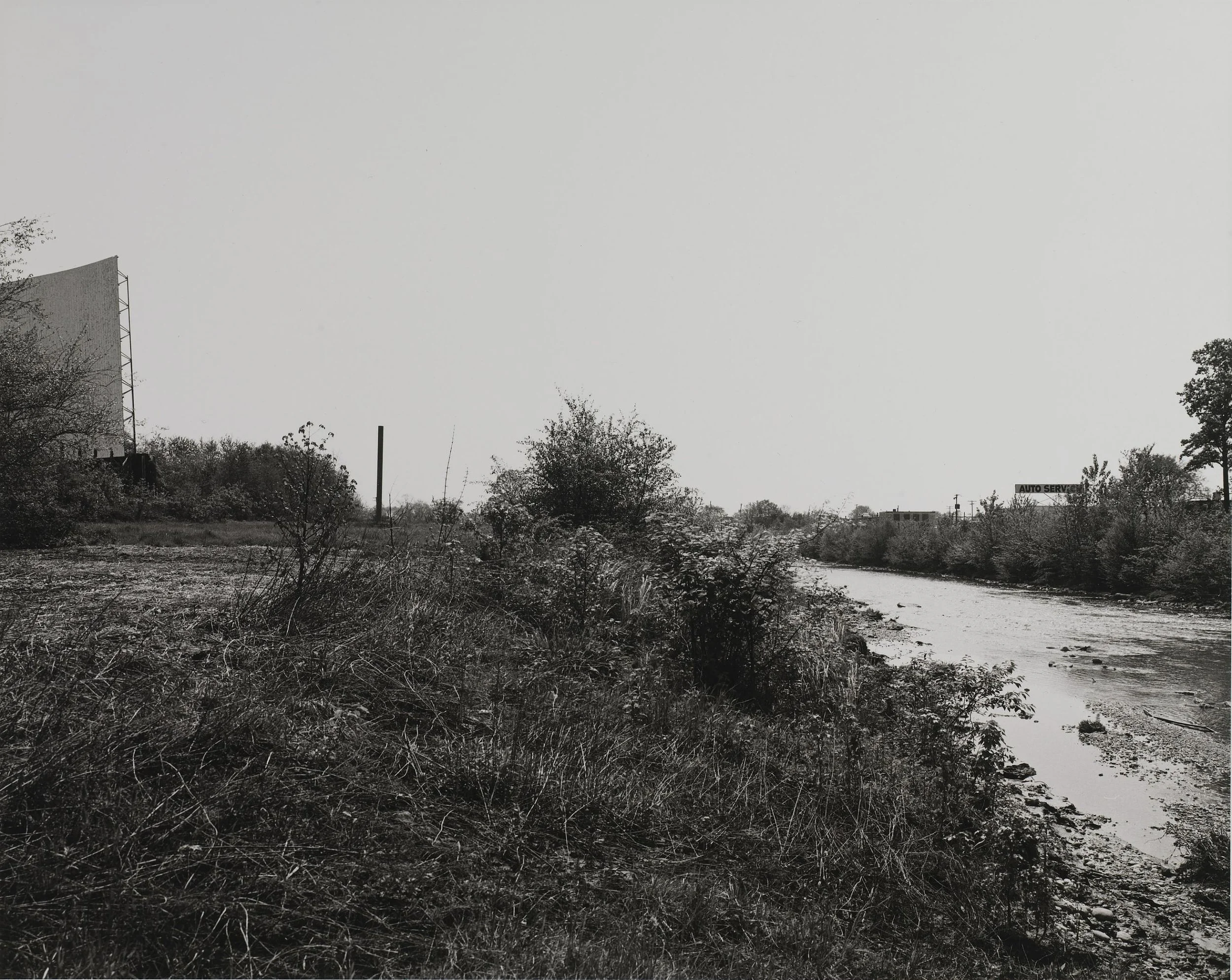
From 1981 to 1985 Gossage kept going back to a small pond with no name, somewhere between Washington, D.C. and Queenstown, Maryland. Many of his pictures there look wild and uncared for. Still, he found moments of grace in this plain place. The title of the book points to Henry David Thoreau's Walden, but this pond sits at the messy edge of the city.
He wanted to build a landscape that tells a story. Then he saw something that freed him. “The turning point came when I realized that photographs in a sequence is a myth, a fiction.” So the story of the pond did not have to be literal. He could even use a few pictures he had made in Berlin to finish it. He made the first edition of The Pond with two friends in 1985, and Aperture distributed it. The book became one of the most influential photobooks of its time. In 2010 Aperture reissued it, and the Smithsonian American Art Museum showed all 52 prints for the first time.
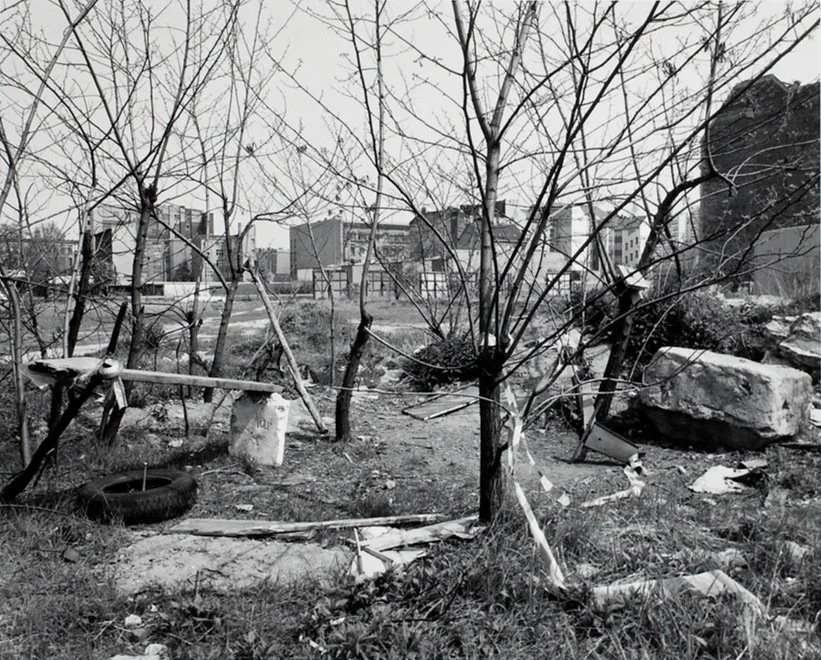
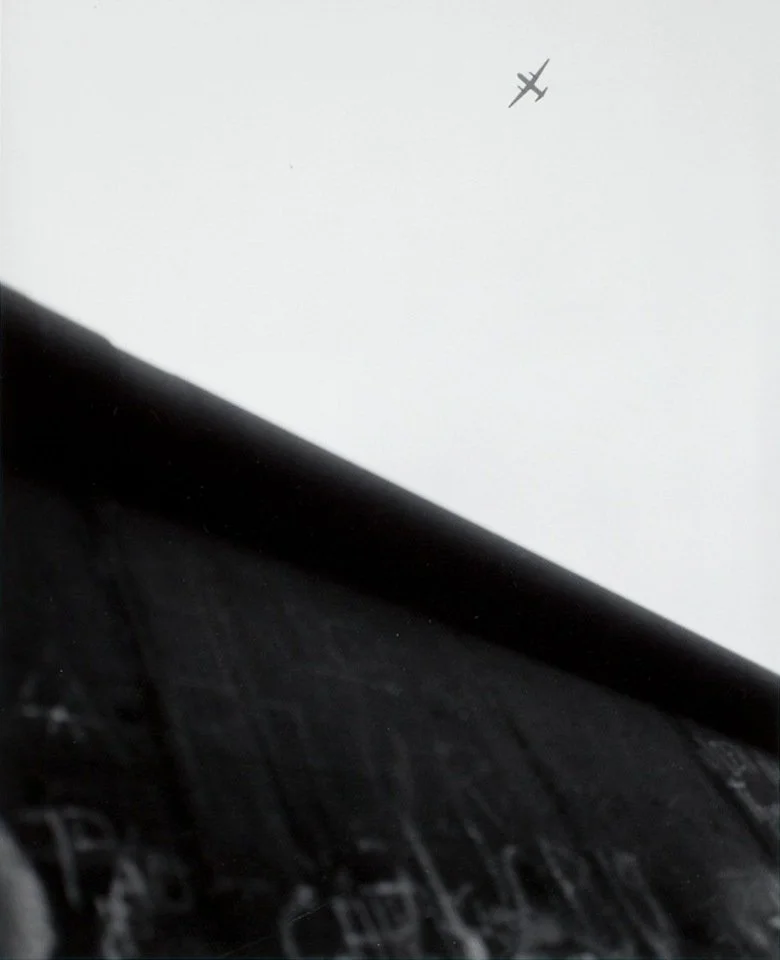
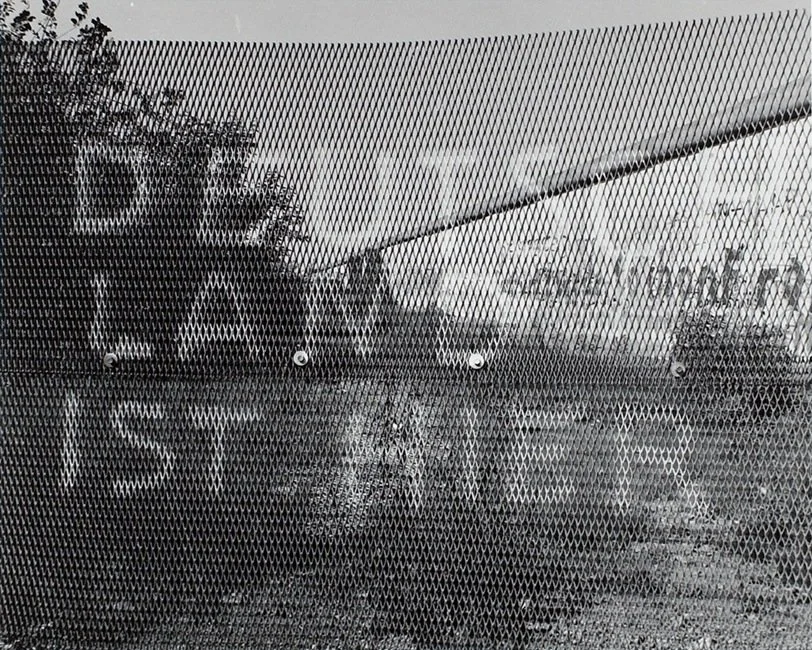
Berlin stayed with him too. On 25 April 1982 he made his first pictures in the city, at Kochstraße and Wilhelmstraße. He kept photographing there until 1993. In 2004 he published Berlin in the Time of the Wall, a book of more than 460 pages. For Gossage, a book always starts with the single picture. He says it simply: “The photographs are the most important aspect of a book.”
The work
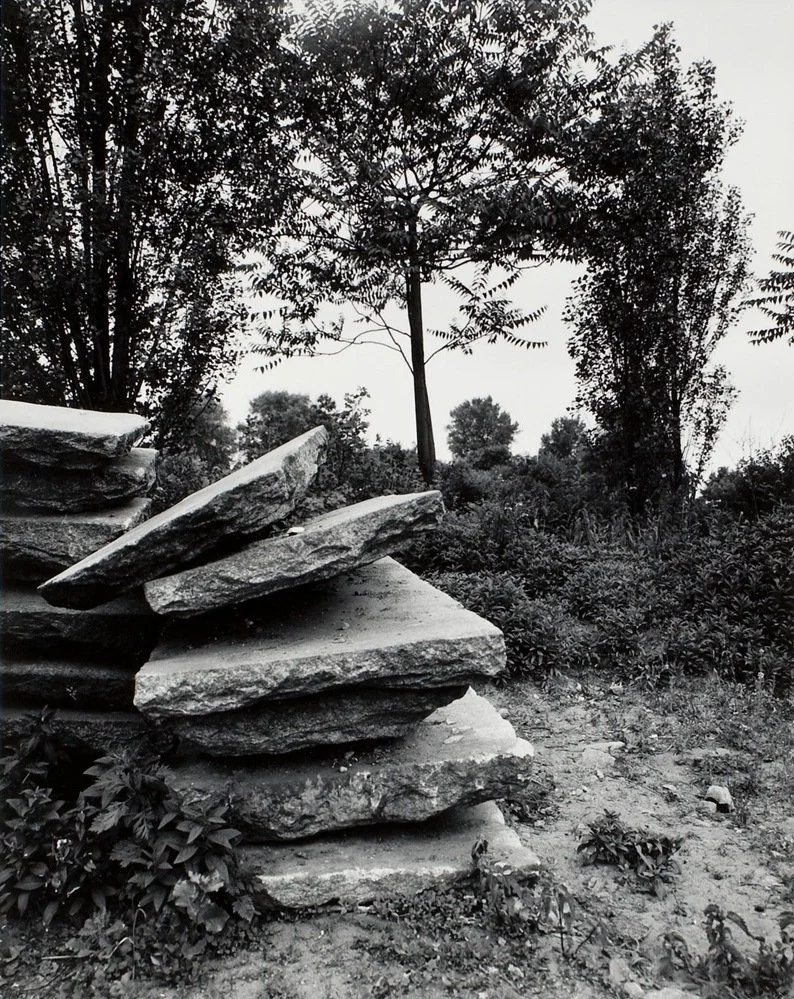
Gossage photographs what most people walk past: the less perfect spaces at the edges of cities and suburbs. He works mostly in black and white. Writer Alexis Desgagnés describes his style as shallow focus, soft backgrounds and framing that suggests more than it describes. The pictures often feel private, yet they also show politics, money and history.
His real art form is the book. For There and Gone (1997) he photographed people on the beach of Tijuana from the American side, about a quarter of a mile away. To build the book, he printed small pictures on paper of the page size and moved them around. He calls this “like sentence structure, about scale, about which pictures inform other pictures.”
In 2010 he made his first books in color, The Thirty-Two Inch Ruler and Map of Babylon. The first shows his own neighborhood in Washington, full of embassies and homes of powerful people. He began it when Secretary of Defense Donald Rumsfeld moved in nearby. He has also made books with other photographers: Obvious and Ordinary (2007) with Martin Parr, and The Auckland Project (2011) with Alec Soth. In June 2026 Steidl published his newest book, An Abridged Dictionary of Sculpture.
- 1946Born in New York City (Staten Island)
- 1960Studies with Lisette Model and Alexey Brodovitch
- 1973Leaves professional music and returns to photography
- 1974First show at Leo Castelli Gallery in New York
- 1982Makes his first pictures in Berlin on 25 April
- 1985Publishes The Pond, his landmark photobook
- 2004Publishes Berlin in the Time of the Wall
- 2010First books in color, The Thirty-Two Inch Ruler and Map of Babylon
- 2012Receives a Guggenheim Fellowship
Lessons
Make each picture strong on its own. Gossage says the photographs matter most in a book. A clever design will not save weak pictures.
Order is a story you invent. His turning point with The Pond was seeing that a sequence is a fiction. That freedom let him finish the book.
Let a title guide the book. For There and Gone, the title told him what belonged in the book: one chapter for there, one for the move, one for gone.
Try this: print 20 of your photos small, all on paper of the same size. Lay them on a table and build a short sequence of 8 pictures. Change one picture, then look again at how the others change.
Gear
Gossage rarely talks about his tools. The sources say only a little.
Hasselblad X1D: in 2017 he was testing this mirrorless medium format camera with the XCD 45mm f/3.5 lens. He said a normal lens is his favorite focal length.
Books
The Pond (Aperture, 2010). The first edition appeared in 1985, distributed by Aperture. This 25th anniversary reissue has an introduction by curator Toby Jurovics and an essay by Gerry Badger. It follows a walk around a small, untidy pond in Maryland, photographed from 1981 to 1985. It is the best start for anyone who wants to see how a photobook can tell a quiet story.
Berlin in the Time of the Wall (Loosestrife, 2004). A huge book of more than 460 pages from his own imprint, with a text by Gerry Badger, in an edition of 2,000 copies. It gathers his pictures of Berlin from the years of the Wall, starting in 1982. Badger calls Berlin the place where photography became both easy and difficult for him. It is for readers who like history told through small details.
There and Gone (Nazraeli Press, 1997). A book of 124 photographs in three chapters. It starts on the beach of Tijuana, photographed from across the border, then follows a path north, then shows places of interest with texts from Mexican loteria cards. Gossage explained the book in a 2000 lecture at Ryerson University. It is good for anyone who wants to learn how a book can be built from chapters.
The Thirty-Two Inch Ruler / Map of Babylon (Steidl, 2010). Two companion books, and his first in color. The Thirty-Two Inch Ruler shows his own neighborhood in Washington, full of embassies and homes of powerful people. Map of Babylon was made in the same year, digitally, in Washington, Germany, China and places in between. It is for readers who already know his black and white work and want to see a new side.
In his words
“The turning point came when I realized that photographs in a sequence is a myth, a fiction.”
“Mostly what we encounter in our lives are strangers and how you relate to strangers is actually more telling about you than how you relate to friends.”
“The photographs are the most important aspect of a book, thus make the work (photographs) that can stand as singular images.”
“Don’t expect a great book design to save the photographs.”
“One of the things that helps me with doing a book is getting a title at some point that lets me understand its content.”