Welcome to this edition of [book spotlight]. Today, we uncover the layers of 'Ensnaring the Moment: On the intersection of poetry and photography,' by Leah Ollman (published by Saint Lucy Books). We'd love to read your comments below about these insights and ideas behind the artist's work.
A photograph freezes time. A poem gives it meaning.
For years, Leah Ollman noticed how often people used the word “poetic” to describe photographs, and she wanted to understand why. She began collecting poems that mentioned photos and discovered a deep, surprising connection between the two art forms. Her new book, Ensnaring the Moment, brings together 112 poems from the past hundred years, all dealing with photography in some way. It’s not a typical photobook, but a thoughtful collection that explores how we remember, feel, and see.
Can reading a poem actually change how you understand an image?
This question is at the heart of Ollman’s work, and the answer is yes. The poems stand alone, but next to cropped, anonymous photos from private collections, they open up new ways of looking and thinking. Some moments feel personal, others universal, but all point to the mystery behind both language and images. This interview explores how the book came to life and what it reveals about the shared power of poetry and photography.
About the Book
Ensnaring the Moment: On the Intersection of Poetry and Photography is a one-of-a-kind anthology edited by Leah Ollman and published by Saint Lucy Books in 2025. The book brings together 112 poems written over the past century, each engaging with photography or the photographic experience in some way. Rather than illustrating the poems directly, the book pairs them with cropped, decontextualised photographs from private family archives. These visual fragments offer subtle texture and atmosphere, inviting readers to reflect on memory, time, and perception. With contributions from acclaimed poets such as Elizabeth Bishop, Ocean Vuong, Adrienne Rich, and Terrance Hayes, Ensnaring the Moment offers a compelling meditation on how we see, what we remember, and why certain images stay with us. (Saint Lucy Books)
© The Book Photographer
Overview of the project: What inspired you to bring together poets and photographs in Ensnaring the Moment, and how did you envision their interplay shaping the reader's experience?
I've been writing about art, including a lot about photography, for a long time, and at a certain point, more than ten years ago, I realised I was frequently using the word "poetic" to describe photographs. I needed to look at that habit and figure out if it was lazy shorthand or if there was something more to it.
I've always been a recreational user of poetry, and as I was considering what "poetic" meant in regard to photography, I kept coming across poems that made reference to photographs or photography. I started to gather the poems and became fascinated by the rich and expansive ways poets were writing about seeing photographs or recalling them.
Those were the twin origins of the book. I followed those threads and the project ultimately took shape as an anthology of poems responding to photography or aspects of the photographic. There are 112 poems in the book, spanning over a hundred years. Among the poets included are Elizabeth Bishop, Victoria Chang, Forrest Gander, Terrance Hayes, W. S. Merwin, Sharon Olds, Adrienne Rich, James Tate, Ocean Vuong, and Jenny Xie. To my knowledge, no such compilation had yet been produced.
My hope is that readers will be nourished by the astute and tender voices within this array of poems and come away with new ways of considering the deep and broad impact of photography on our collective consciousness.
© The Book Photographer
Conceptual foundations: What do you think poetry and photography can offer each other as art forms? Why are they so often drawn together?
Long ago, poetry and painting were declared to be sister arts. I think photography and poetry have their own distinct connection, as something like soulmates or conceptual kin. They share so many impulses, having to do with concision and fragmentation, the compression of time and the distillation of experience. Both are fundamentally preoccupied with time and memory. The terrain where poetry and photography intersect is vast and surprising. In the book's introductory essay, I begin to chart that ground, exploring affinities and resonances between the two media.
Curating relationships: The photographs in the book aren't literal illustrations of the poems. How did you approach pairing these elements to create a conversation rather than a direct narrative?
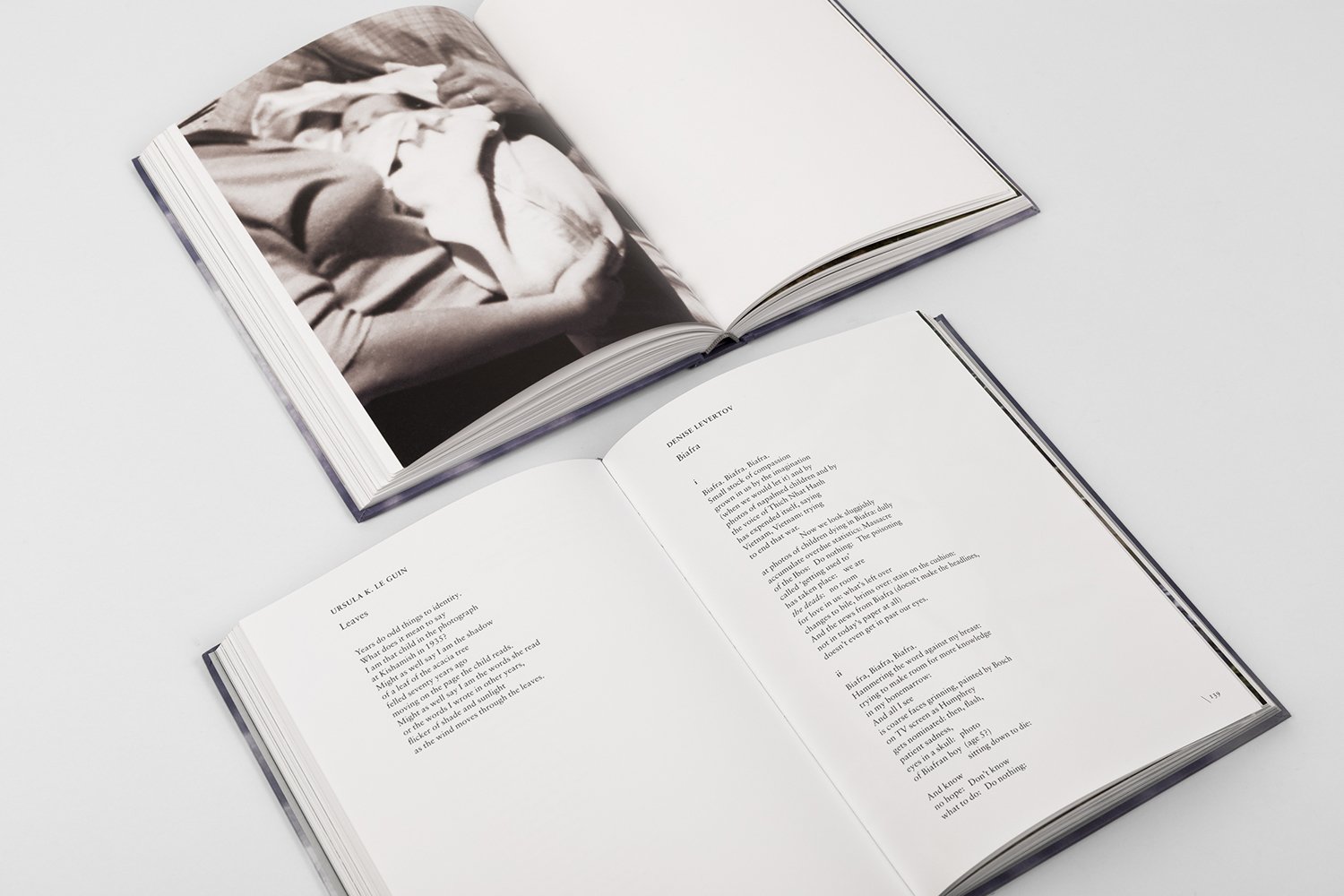
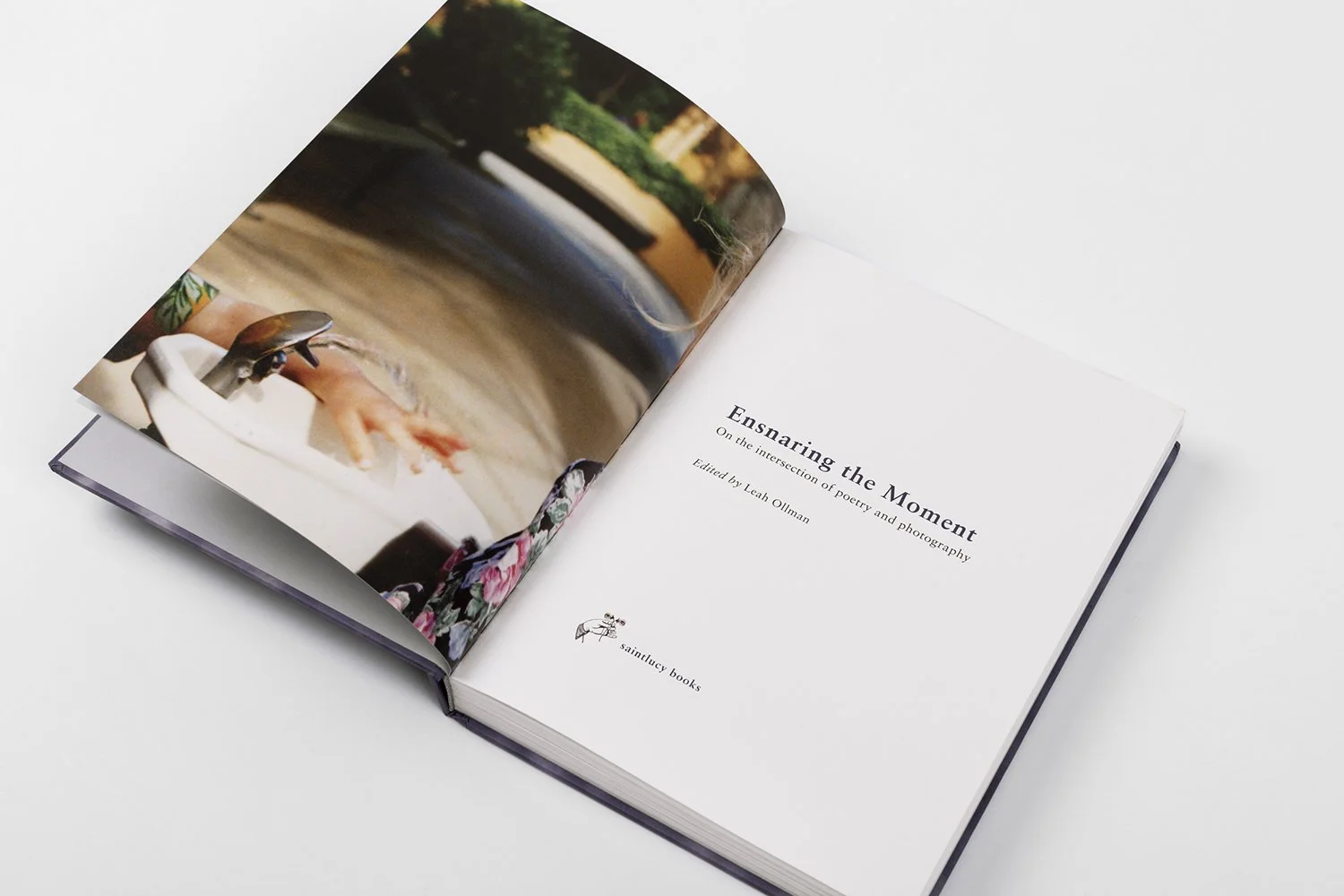
The poems in the book are complete in themselves. Even if a poem makes direct reference to a specific photograph, the experience of the poem derives from the text. The poems are very much about visuality and the encounter with or memory of something visual, and those encounters or memories are articulated through language. The poems evoke imagery and conjure all sorts of memories and associations, but all of that happens internally, not through the existence of accompanying reproductions.
Mark Alice Durant, publisher of Saint Lucy Books, understood the self-sufficiency of the poems immediately when we spoke about making this book together. He got that this would be a book about photography and the photographic, consisting entirely of text. But being so brilliant at creating books that are full sensory experiences, he proposed that we include fragments of photographs as atmosphere, as suggestion. The images are specific, as all photographs are, but in this context, they read as general and familiar: the old family picture, the found picture. The photographs activate associations we all have with photography. I think they act subtly to enrich the process of absorbing the poems; they heighten our receptivity. But the presence of the photographs doesn't compromise the integrity of the poems, which stand alone, in their own dedicated space.
Visual editing as poetic form: Since the photos are often cropped and decontextualised, did you see the editing process as a kind of visual poetry in itself?
Poetry and photography both involve a good deal of paring down, framing or articulating a part isolated from the whole, from its larger context. Poetry and photography both deal in fragments and incompleteness. I credit Mark, as well as designer Guenet Abraham, with the visual poetry of the incorporation of photographs in the book.
Emotion and ambiguity: Both poetry and photography often thrive on suggestion and emotion rather than explicit meaning. How do you think this shared quality affects the way we engage with the works in this book?
Even photographs and poems with a clear "subject" are always records of response, exquisitely subjective. Many of the poems in the book address the variability of a photograph's meaning, how a single image can be read differently — and will, inevitably, be read differently —depending on who is looking, and when. The same goes for what and how a poem means. I think that shared quality will be palpable to readers.
Advice for photographers drawn to poetry: What advice would you give photographers who feel drawn to incorporate poetry into their work, or vice versa?
Read a lot, look a lot, discover what resonates, and try to make something out of that resonance. Aim for synergy rather than equivalence.
Advice for collaborative projects: What would you suggest to photographers and writers looking to embark on a collaborative book project that blends images and text?
Again, one starting point would be to look at what has been done before in combining images and text and determine what does and doesn't work for you. What do you want to create from the combination of words and images that transcends what each medium can make happen on its own? How can you make something that is more than the sum of its parts?
At an early phase of research for Ensnaring the Moment, I was looking at photo/poetry collaborations across time. That work is exciting and wide-ranging, and constitutes a genre in itself. I decided I wanted the book to focus solely on poetry that referenced photographs rather than explicitly partnered with them.
What remains unsaid. After editing this collection, what questions or ideas still feel unresolved to you about the relationship between image and language?
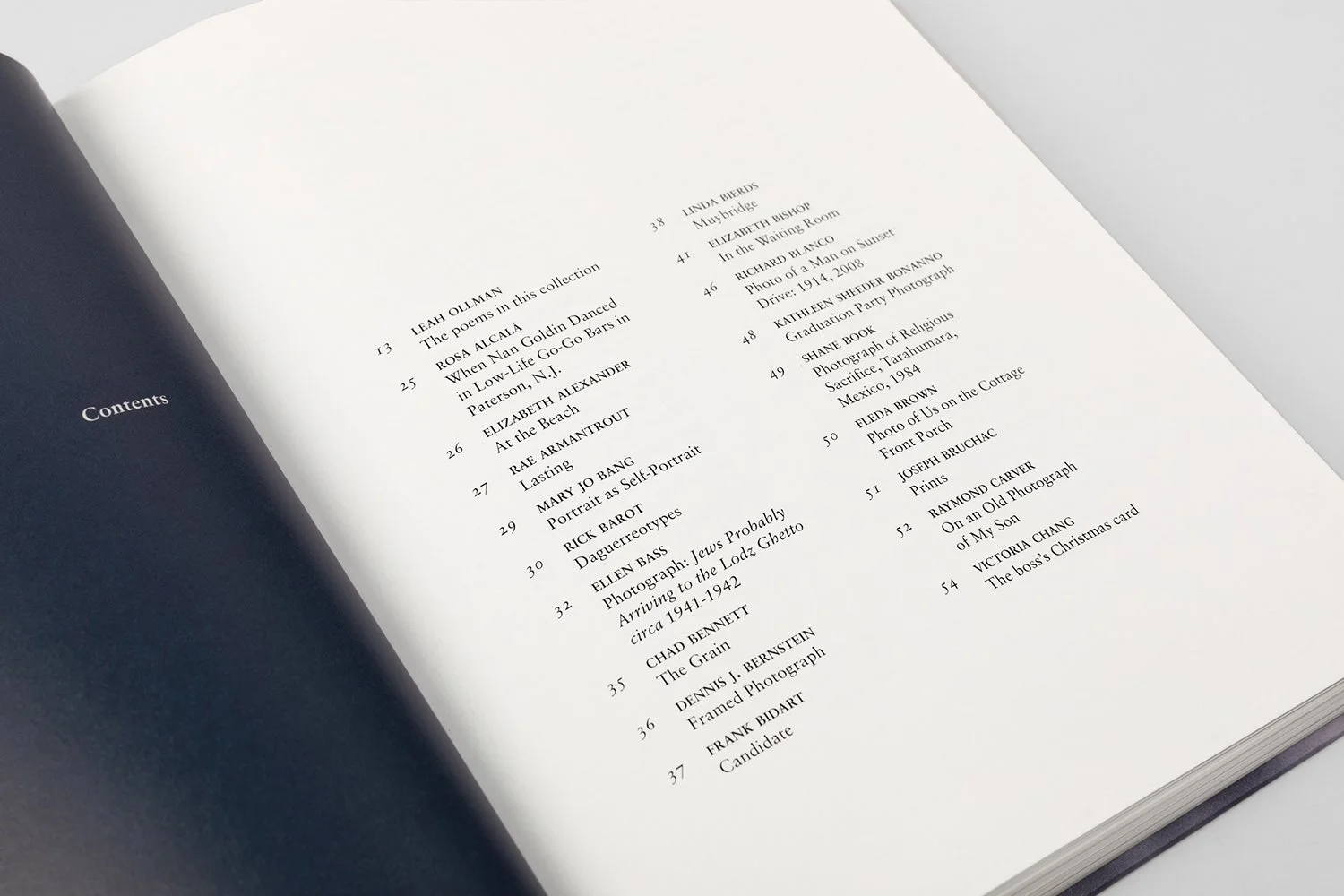
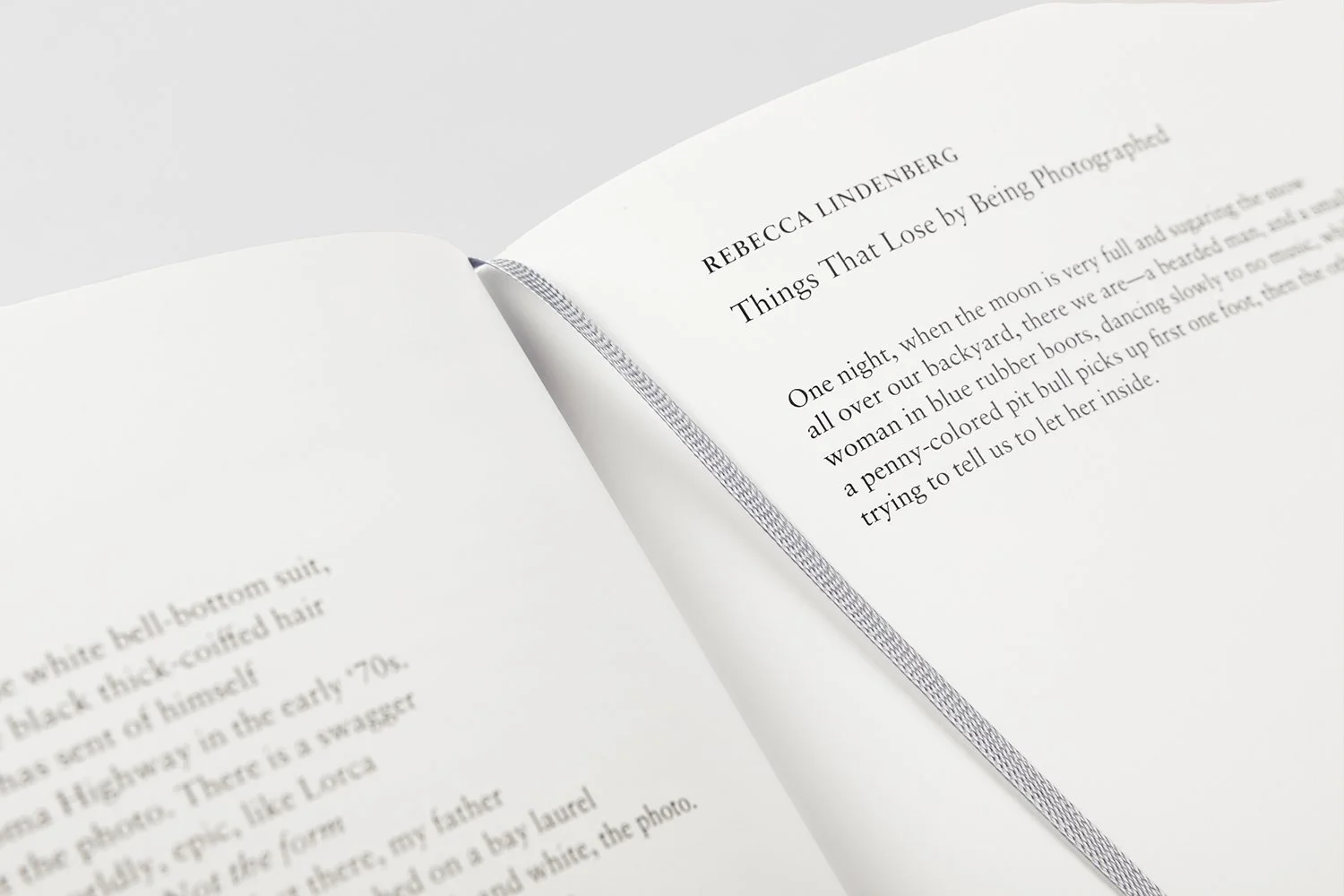
I came away from this project with more respect than ever for the unknowability of both poems and photographs. Poetry and photography both feel more elusive, more of a fertile mystery to me, than when I began. In the end, that elusiveness is what most appeals to me about each medium individually and their intersection. I wanted the book to honour that open-endedness, and to steer clear of conclusive, definitive correlations and pronouncements. That unknowability is inexhaustibly compelling to me, and I hope that comes through in the book.
To discover more about this intriguing body of work and how you can acquire your own copy, you can find and purchase the book here. (Saint Lucy Books)
More photography books?
We'd love to read your comments below, sharing your thoughts and insights on the artist's work. Looking forward to welcoming you back for our next [book spotlight]. See you then!
Catherine DeLattre’s photographs begin with something worth stopping for. Driving through Wayne County, Pennsylvania, she notices isolated houses, trees, and open fields. Photography Book Spotlight