She Lived Near This River for 15 Years. Then She Accidentally Discovered a 600-Year-Old Fishing Tradition Hidden in Plain Sight
Welcome to another captivating photo essay, this time by Anette Nordskog. We'd love to hear your thoughts. Feel free to comment below and, if you're interested, share your photo essay with us. Your perspectives add valuable dimensions to our collective exploration.
A photographer accidentally uncovered a 600-year-old fishing tradition.
It happened close to her home, in a place she thought she already knew. The tradition is still alive today, practiced only on one river in Norway. Very few people outside the area even know it exists. This article is about how that discovery became a long-term photo essay.
Lågen is Anette Nordskog’s ongoing photo essay.
It documents a rare form of raft fishing found only on this river. Only 25 to 30 rafts are still allowed to operate under strict rules. The work focuses on waiting, routine, and life shaped by the river. This essay explains why this quiet tradition matters, and why photographing it takes time.
The Project: Lågen (2023-ongoing)
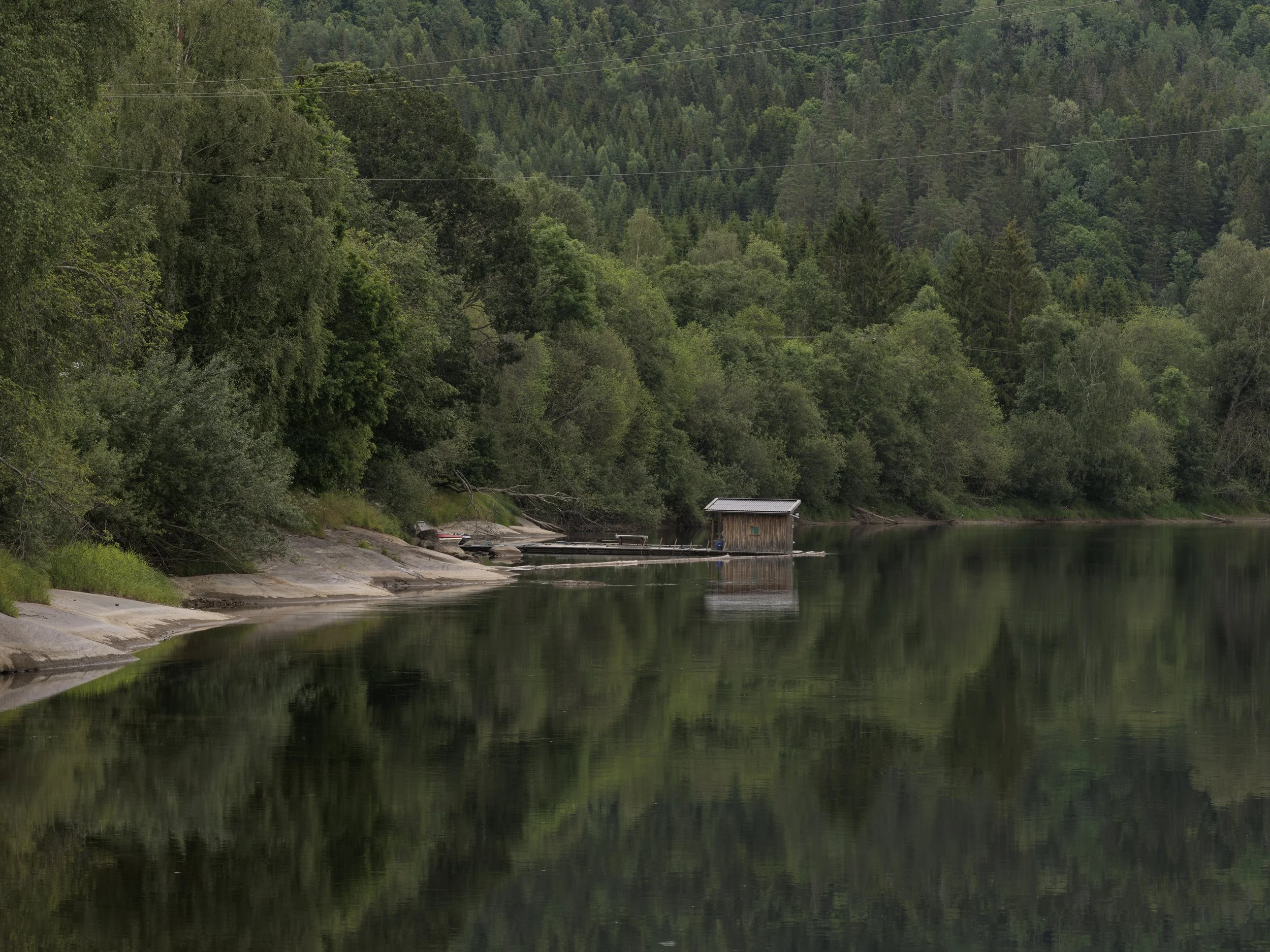
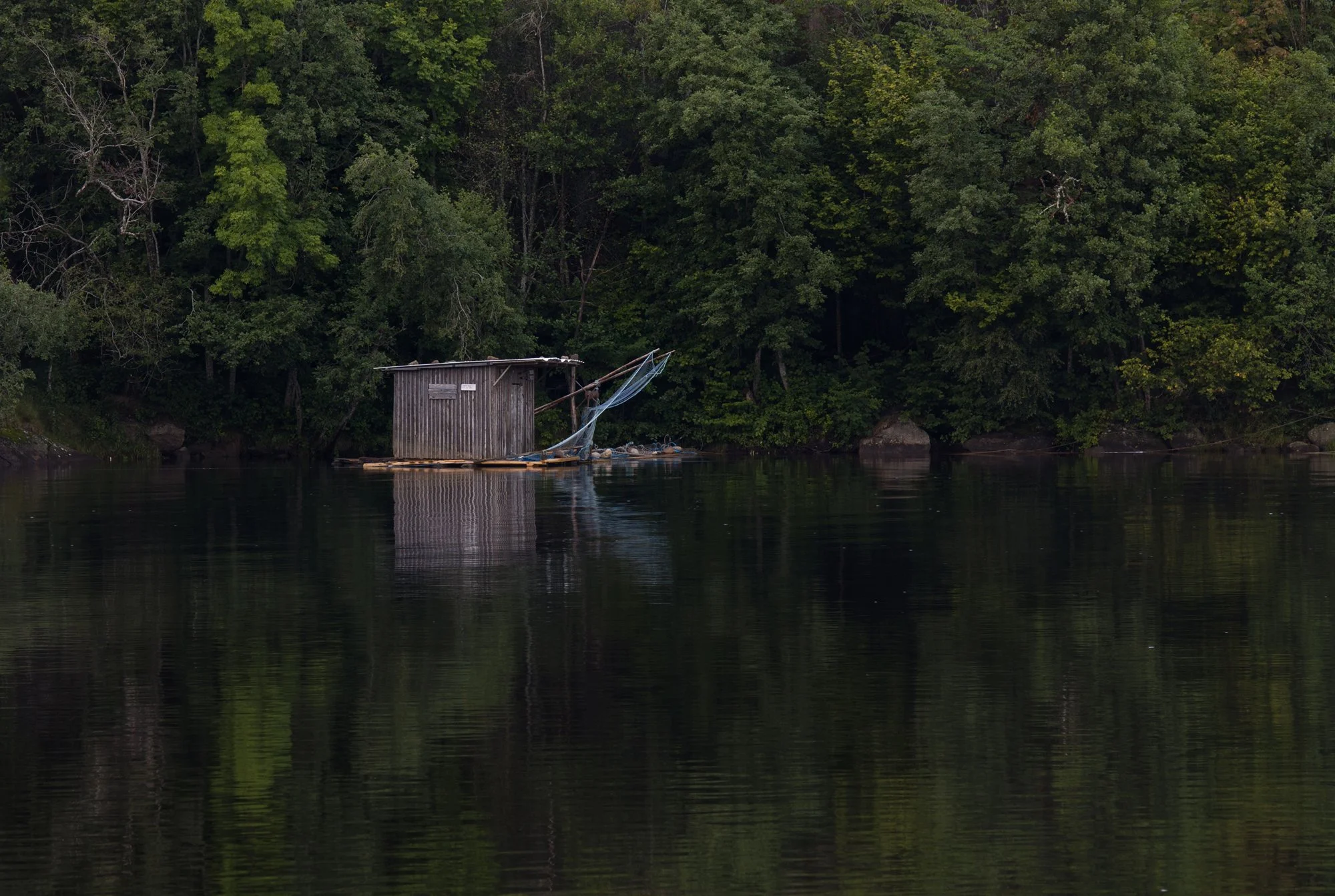
Lågen, the local name for the lower part of Numedalslågen, one of Norway’s longest and largest salmon rivers, is the only place in the world where wild salmon is fished using a unique, traditional method; raft fishing. The raft fishing is limited to a relatively small stretch of the river between the villages Hvarnes and Kvelde and the mouth of the river in Larvik.
Despite the long tradition of raft fishing in Lågen, it is not well known outside of the lower Lågen valley. After living in the area for around 15 years, I discovered the rafts by accident in 2023, and was immediately fascinated by a lifestyle connected with the spending of summer days and nights on the river while waiting for salmon. The discovery initiated this project, where I aim to portray the unique style of raft fishing, including the rafts and the fishermen, as well as the long waiting and the beauty of the river during summer.
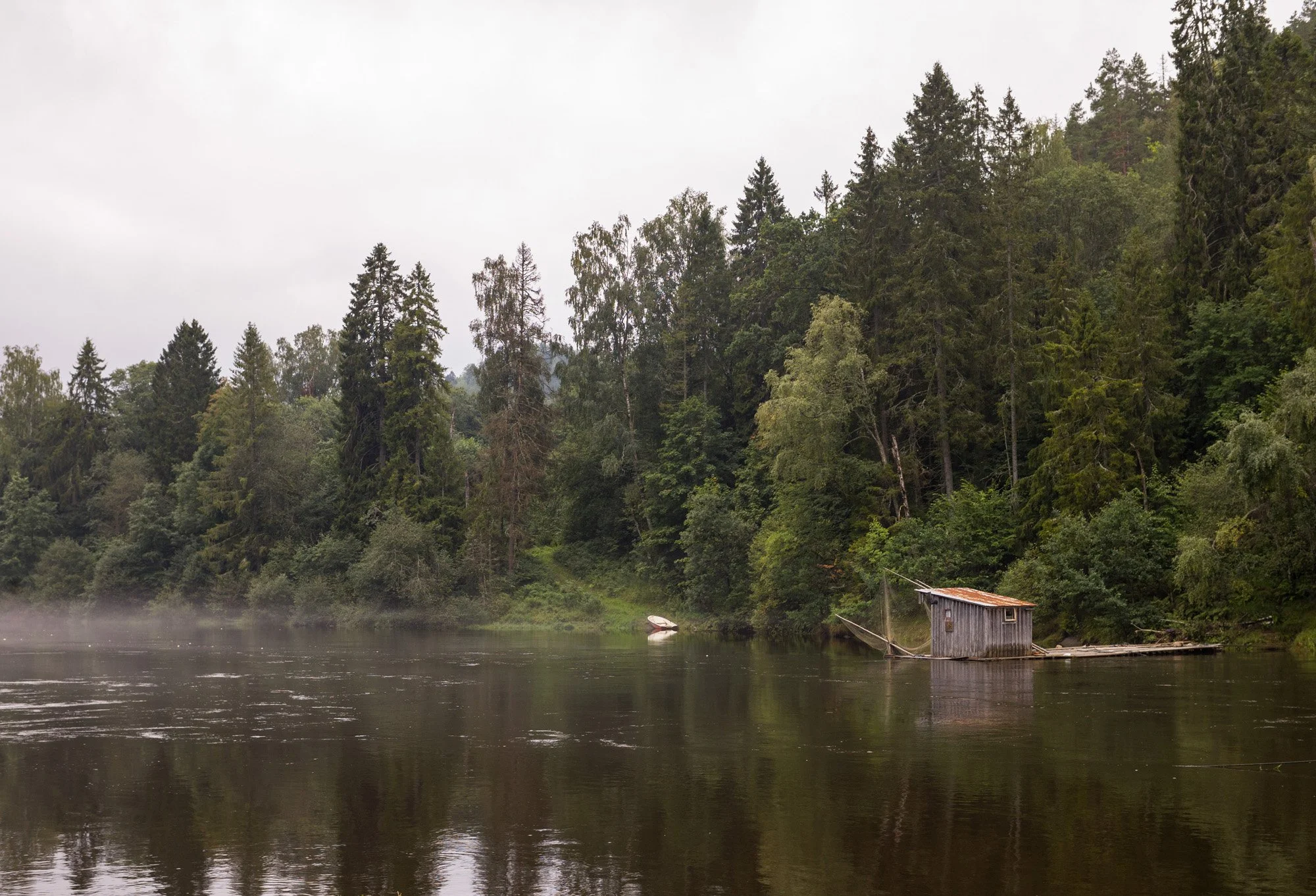
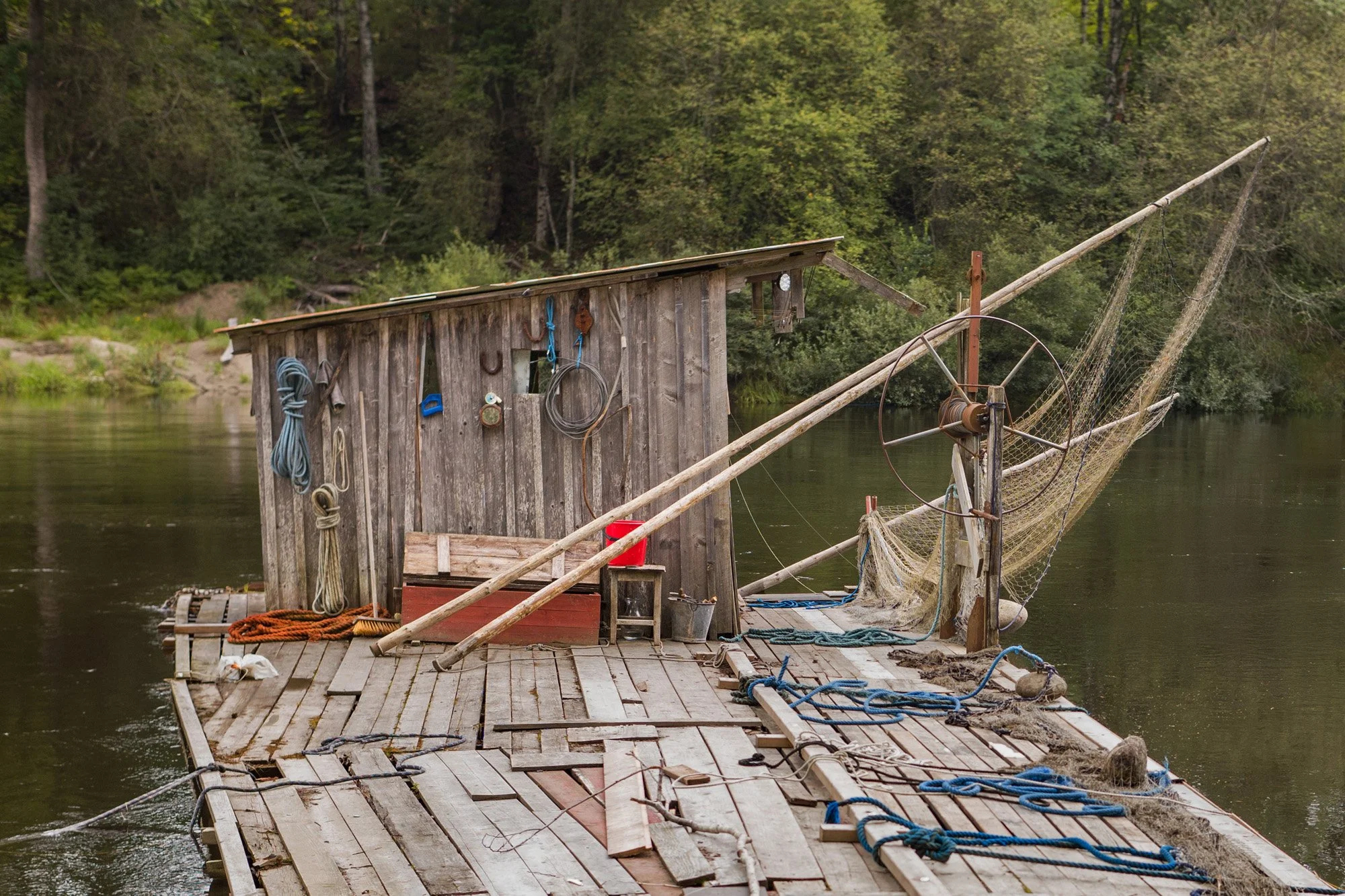
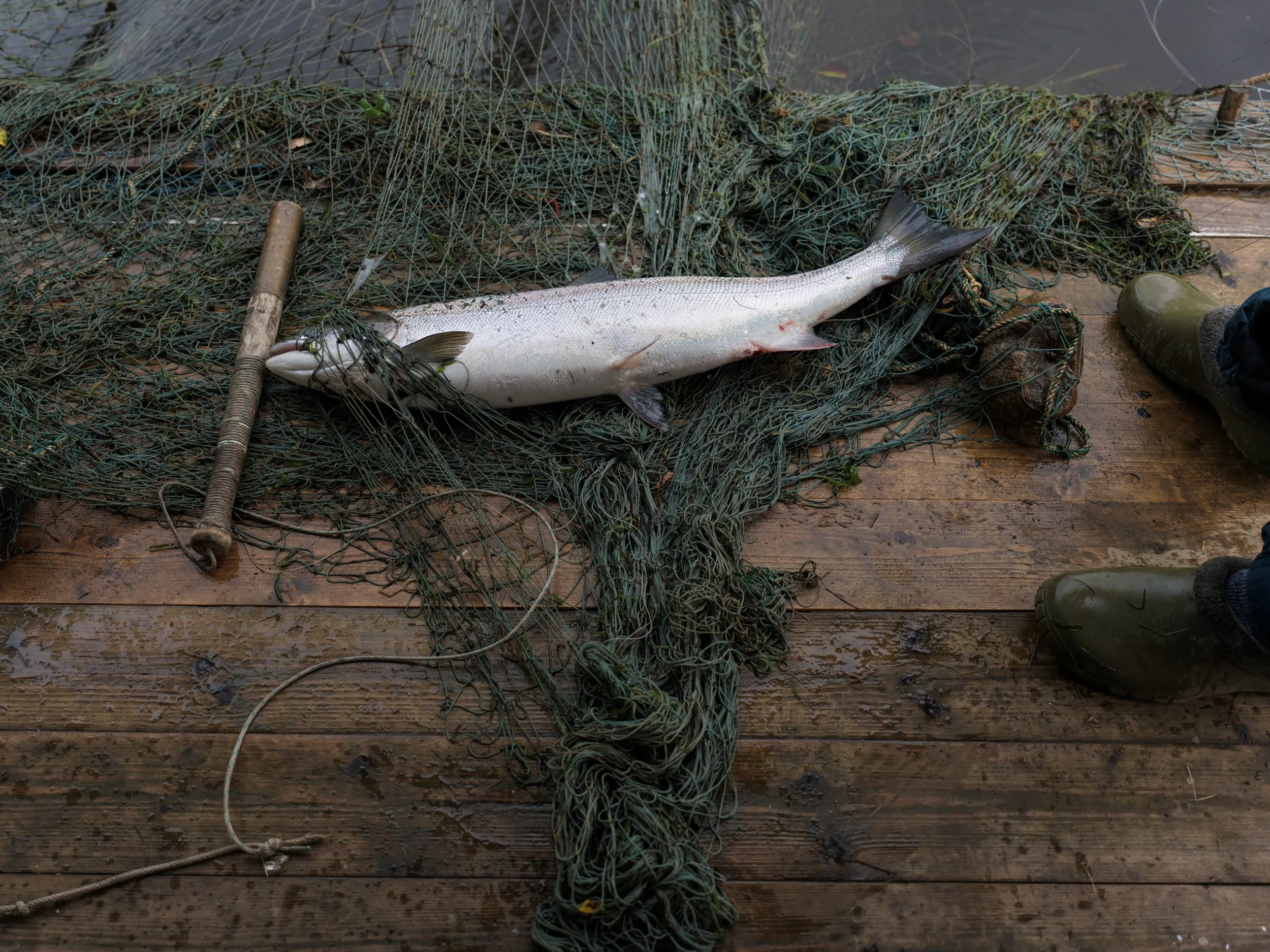
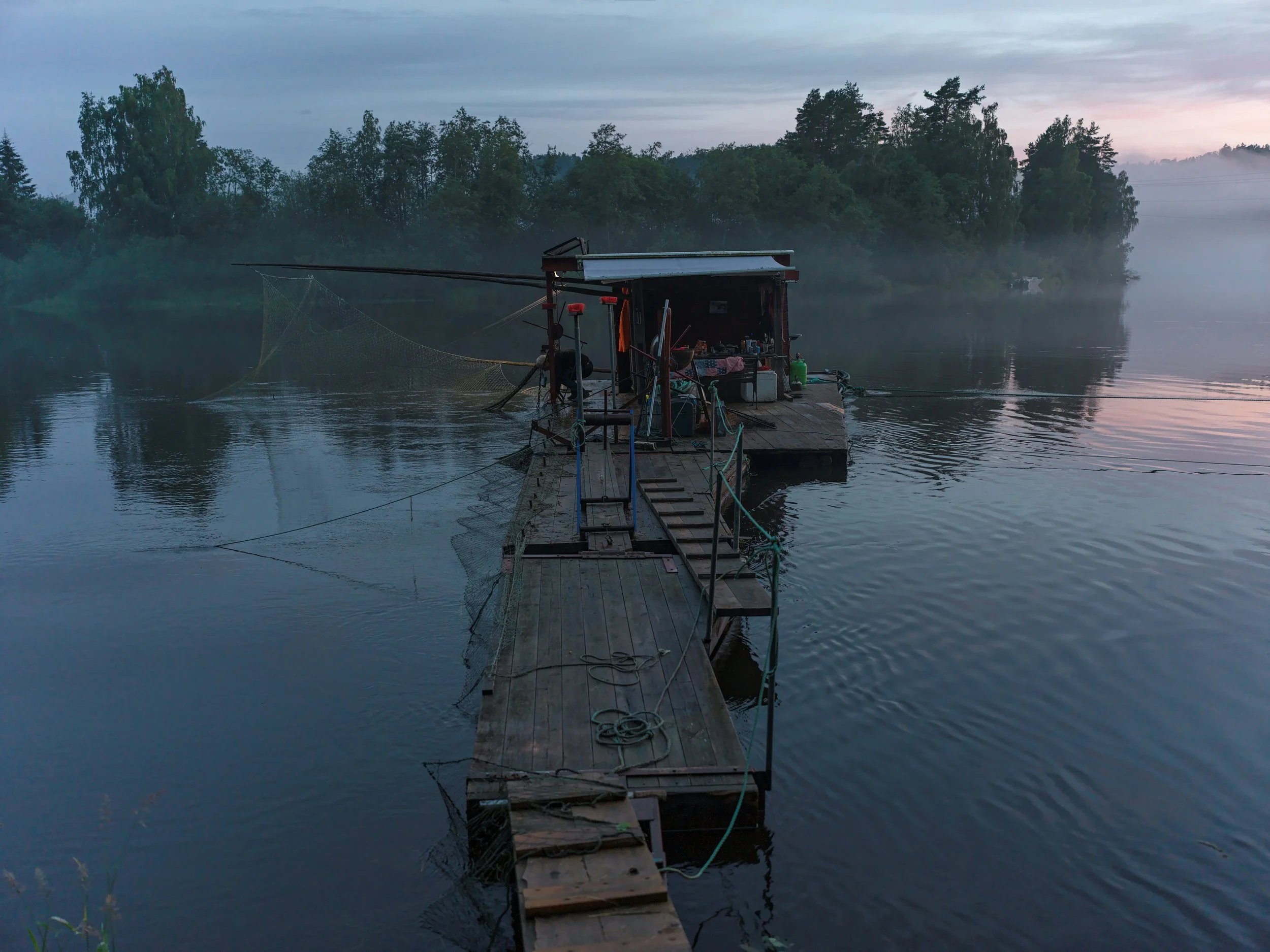
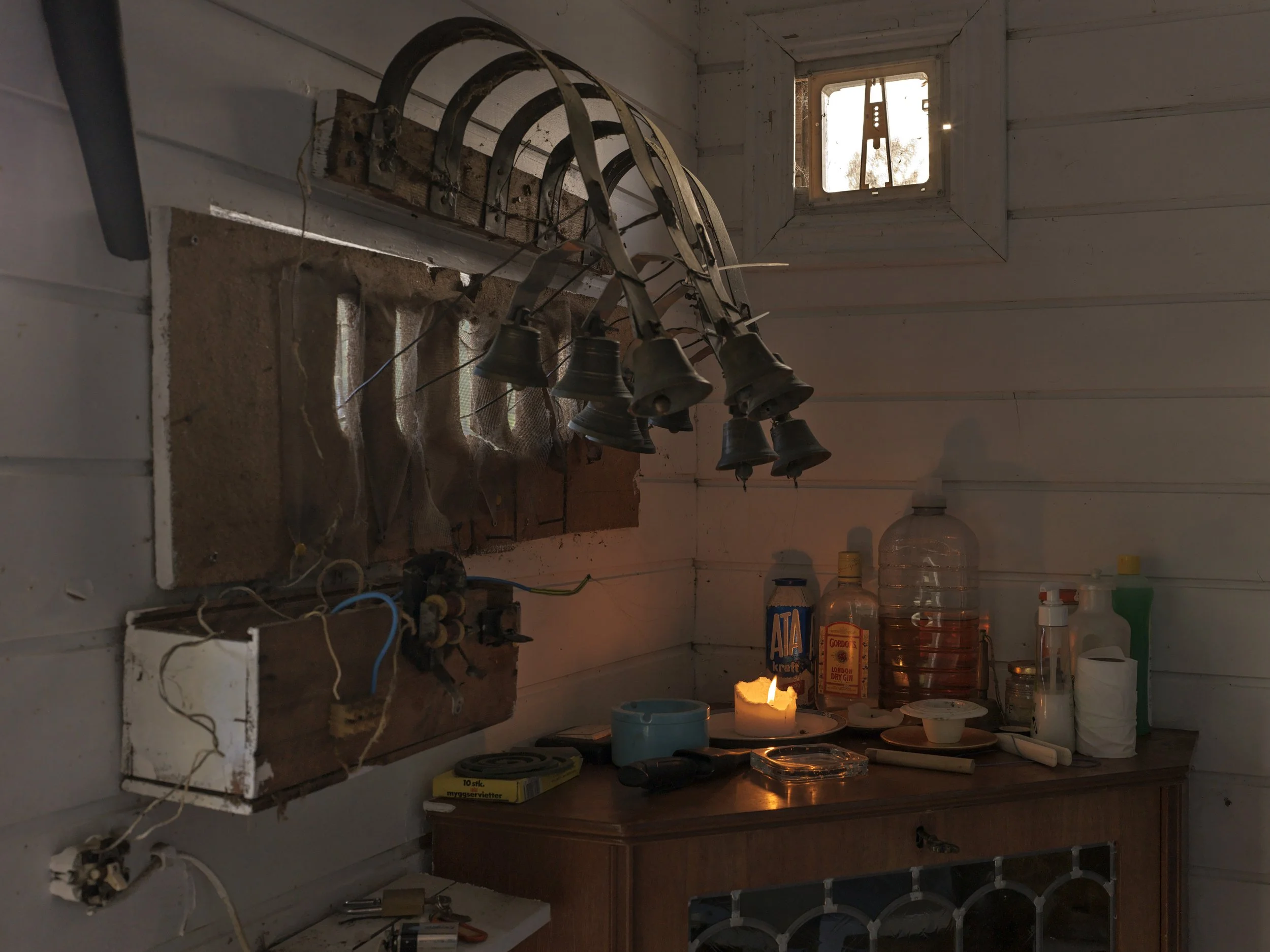
Traditionally, the farmers and landowners along the river Lågen used raft fishing along their own stretch of the river because this was the most efficient way to harvest the gold of the river. This tradition goes back at least to the 14th century, probably even longer. The raft is equipped with a net along the side of the raft, facing downstream, and ending in a net bag at the outer end. Salmon swimming up the river will meet the net and bend to the side to avoid it, thereby swimming into the net trap. The net bag is equipped with strings connected to a set of bells inside the raft hut, which will ring when the salmon touches the net bag. The fishermen, and women, who also spend the nights in the hut, will then close the bag entrance and start retrieving the salmon by lifting the net bag out of the water.
While waiting, the fishers keep a tense eye on the bells. Sometimes the salmon will only cause a slight movement of the strings, and they have to react fast to retrieve the salmon before it escapes. During the night, they use candles to be able to see the bells at every glimpse of the eyes.
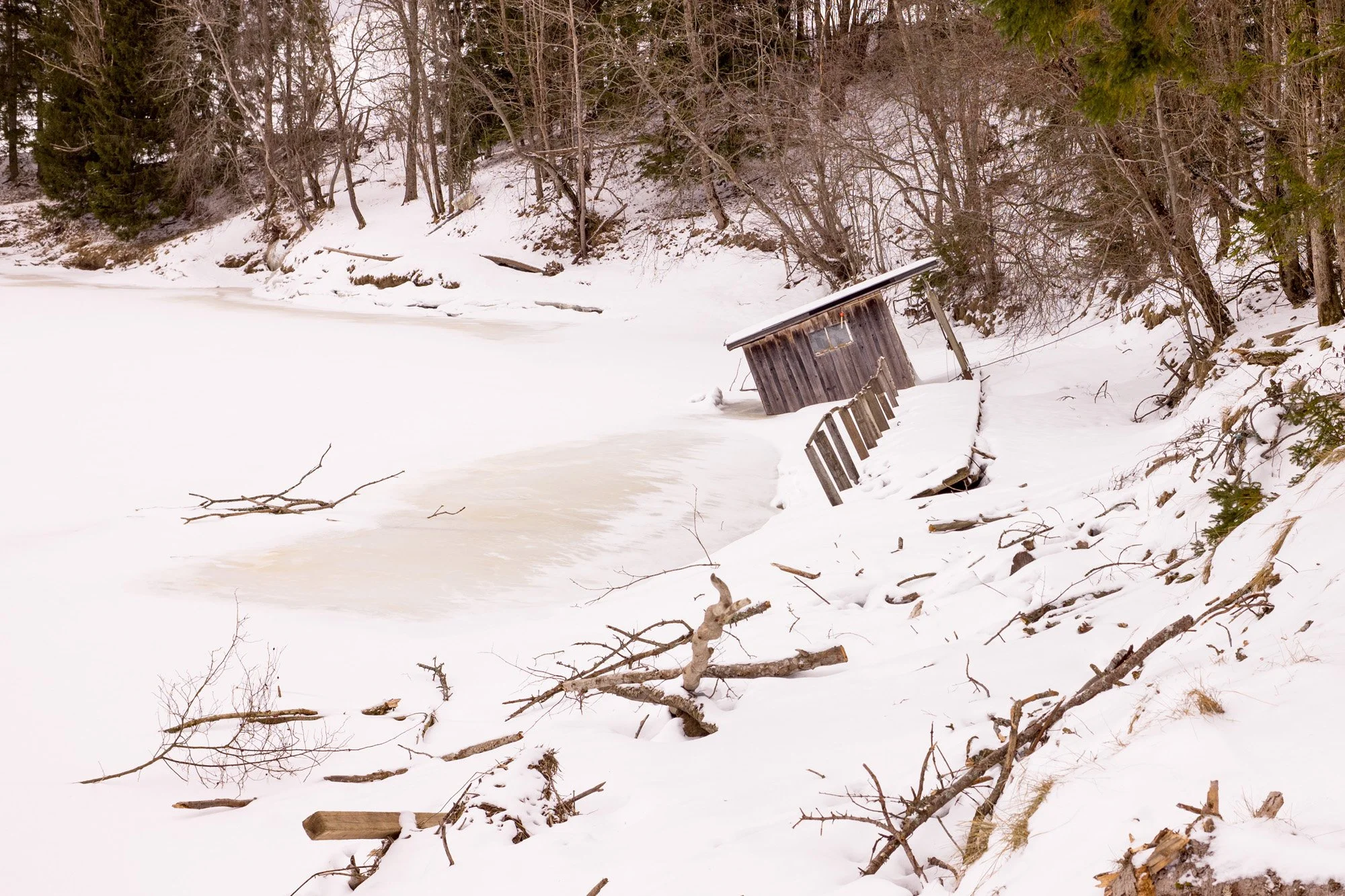
Today, the tradition is still upheld by the landowners along the river, although the salmon fishing in the river is now strictly regulated. The raft season is restricted to three days, and nights, a week, for six weeks only, starting the week after midsummer. Depending on the amount of fish in the river halfway through the period, this can be restricted even more if considered necessary. Only 25-30 rafts are still licensed and operating today, and no more licences are likely to be given in the future.
You mention discovering the rafts "by accident" after living in the area for 15 years. What was that moment like? What did you see or hear that first caught your attention and made you realise you had found something special?
The village Kvelde is only 20 km from where I live, but in 15 years, I never came through it once. In 2023, I drove to Kvelde to photograph something else, a flour mill, I think it was, and I stopped because I saw an interesting car, which I also wanted to photograph. When stopping for the car, I saw some fishing equipment down below a bridge, so I went there, and from there I saw the raft. I didn't understand what it was, and the river was flooded at the time, so I couldn't get near it. I thought it was just a hut, to enjoy being not just near, but actually on the river. When I came home, I Googled and soon discovered what it was. I got absolutely obsessed with my discovery and wanted to photograph each of the rafts, to make a kind of typology of the rafts. This was just after the season had ended, in August, and all the rafts were abandoned. I found 24 rafts within the next two weeks, which I photographed, more or less successfully, due to the flooded river. While looking at the pictures later on, I realised that something was missing, and that I wanted to make a more complete story about it.
You describe the bells inside the hut that ring when salmon touch the net. Can you walk us through what it feels like to wait and listen for those bells? How does the atmosphere change between day and night on the raft?
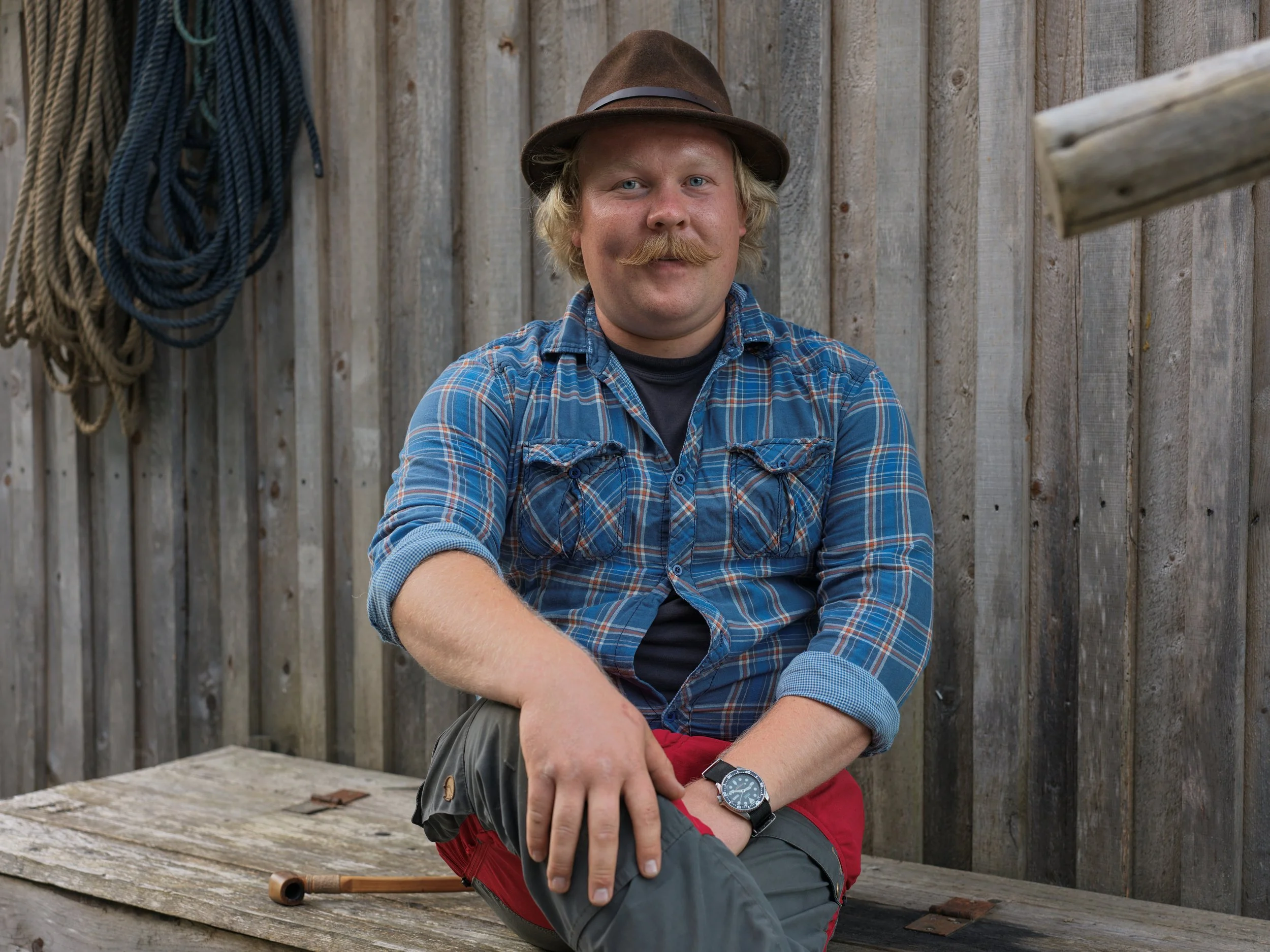
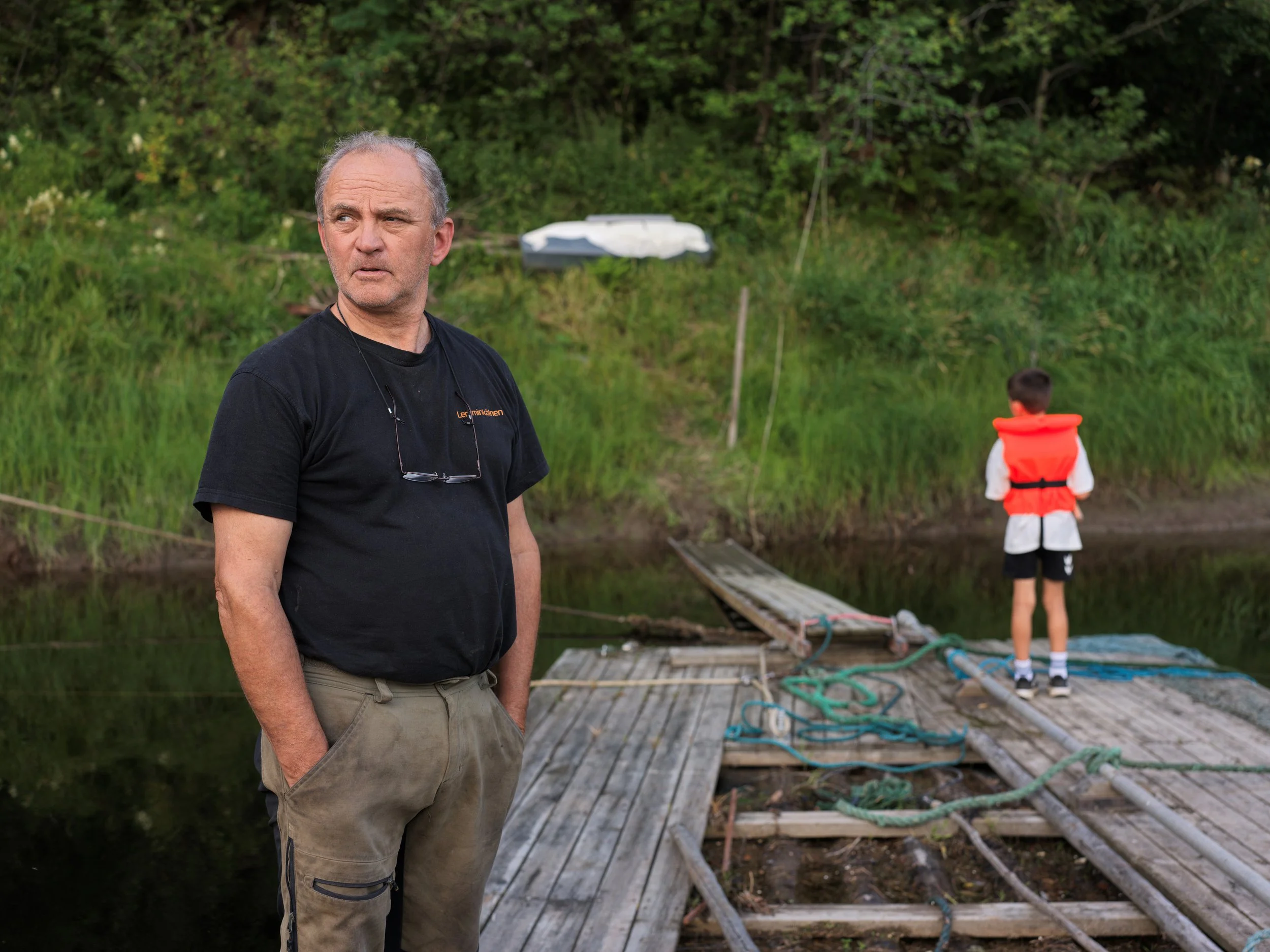
The fishermen have trained their eyes to discover every little movement in the strings. The strings dance slightly all the time due to the current in the river, but they recognise the movements in the strings, or the very tiny sound of the ring, which means that a salmon is in the net. Their habit of watching the bells, and not just listening, is so strong that they sometimes even keep watching after the net has been taken out of the water. They laugh about that themselves. Often in the evenings, they have family and other visitors on the raft, the raft also being a social meeting place during the summer. When the bell rings, even if ever so slightly, they all rise and run to action within milliseconds. They start operating the wheels to get the net out of the water, and the raft is suddenly very chaotic and busy. When the salmon comes to the surface, it splashes the water very quickly, too quick to photograph actually. Salmon are very strong and resist capture quite vehemently. During daytime or evening, friends and family often visit the raft, as I mentioned, but when the night comes, usually only one person stays behind in the hut. They are not allowed to keep the nets in the water when nobody is there. The river, the air, the light, everything becomes more quiet in the night. I have not stayed overnight myself, only late in the evening, but I imagine it must be beautiful, although they often report that they sleep badly. The salmon often comes more often during the night, and every time the bell rings, they wake up. Sometimes it is a false alarm, but a full night’s sleep is not that common, I think.
The tradition goes back to at least the 14th century, but only 25-30 rafts still operate today with strict regulations. How do the fishermen you've met feel about these changes? What drives them to continue this tradition despite the restrictions?
The restrictions are older than any of the now-living fishermen. They understand the need to regulate the salmon fishing, to keep the population alive, as it is now threatened by global warming and by the large amount of farmed salmon near the Norwegian coast. They are all very proud to keep up the tradition, many of them having been on the rafts since they were small, with their grandparents. It is in their all-interest to keep the river alive and contribute to sustainable salmon fishing tradition. In the old days, before they came up with the great idea of the bells, the senior farmers tended the rafts, and as the farmer needed his sleep, it was the farmer’s wife’s job to watch the nets during the night, which she did by tying the strings to her fingers and sitting up all night, waiting for one of the strings to indicate a salmon in the net. Salmon was valuable food and part of the farmer’s income. Now, it is mainly lifestyle and passion. I am quite surprised myself that they all keep the tradition up, taken into consideration how expensive it is to build and maintain such a raft, and the short amount of time they are allowed to use it. But that balance (or lack of balance) is one of the fascinating aspects of this, which intrigued me to pursue it in the first place.
You photograph both the rafts and the people, as well as "the long waiting and the beauty of the river." How do you balance capturing the action of fishing with the quieter moments of waiting? What are you looking for when you're on the river with your camera?
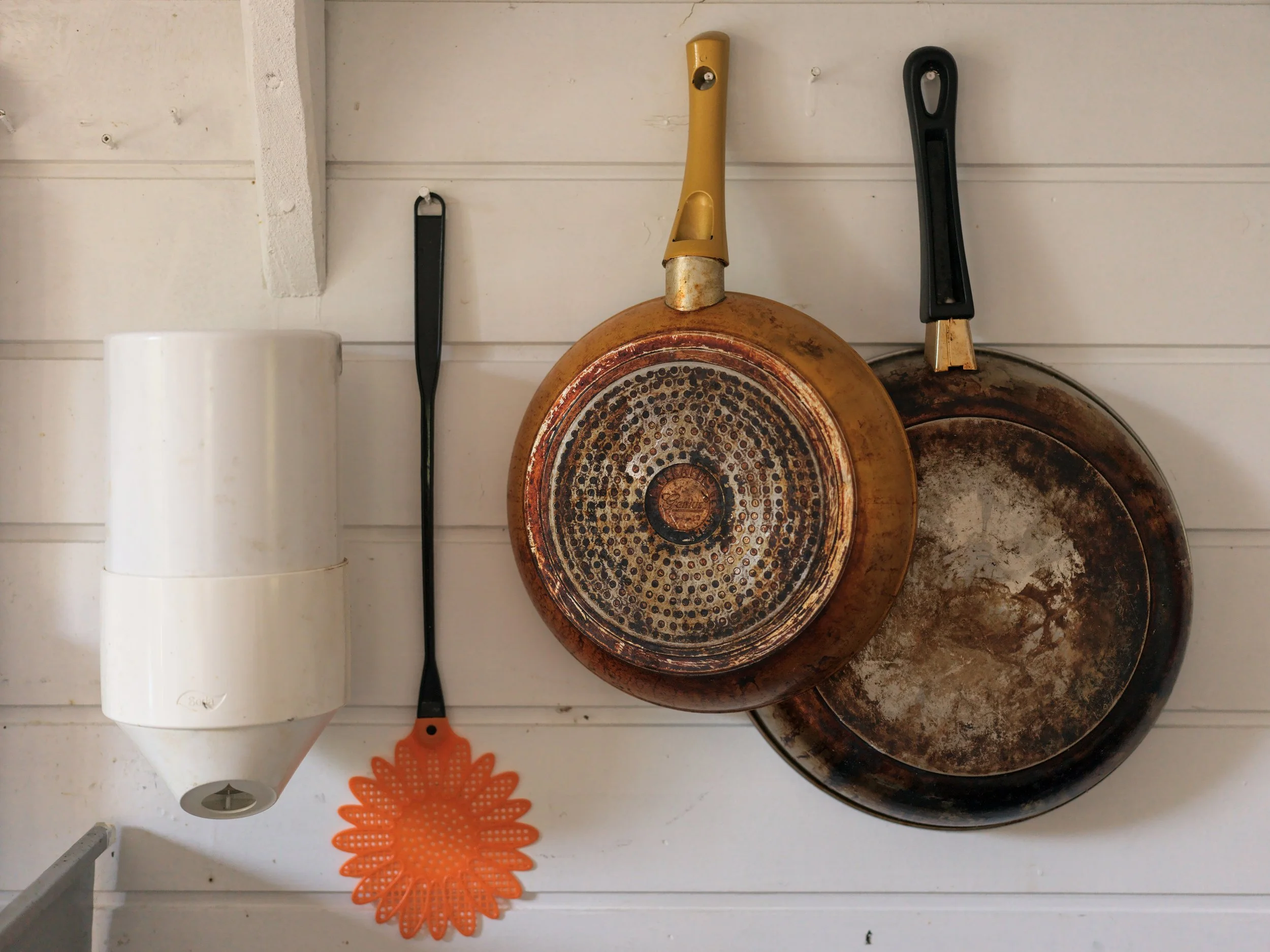
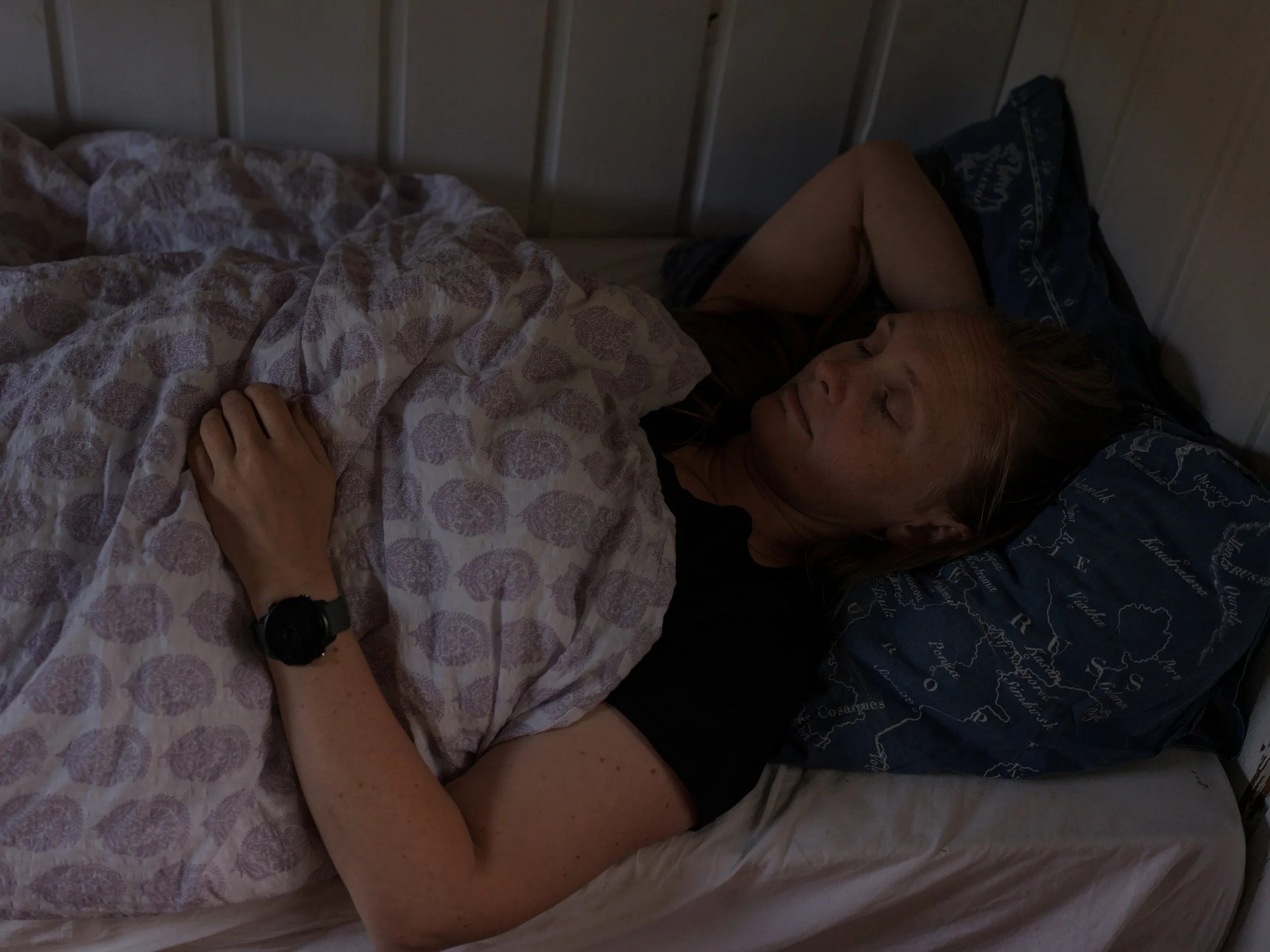
I try to find spots and moments where I can photograph single rafts in the landscape, to show their lonely location and the atmosphere of the surroundings. I find that this works best in the evenings, when the light is most beautiful. It does not work well in the daytime, when the light is more flat and the river not as quiet. When on the raft, the space is quite limited. I try to make some single portraits showing how they wait, and how they spend their time looking out over the river. I also wanted to show that they stay overnight, so I asked to photograph a few of them while sleeping. Additionally, I wanted to show the atmosphere of the hut, in some details and interior shots. Unfortunately, I haven't seen too much salmon so far, since the last two seasons were very bad in that regard, but I hope to continue the project next summer, and hope to get a few more shots of salmon before I complete the project.
You say raft fishing is "not well known outside of the lower Lågen valley" despite its long history. Now that you're documenting it, what do you hope people will understand or feel when they see your photographs of this tradition?
I hope to be able to show and share the atmosphere of this lifestyle, and the fascination it has with me, with a larger audience. I hope to be able to use my tool, which is photography, to communicate something that interests and fascinates me to a wider audience. The raft fishers would like to have some more publicity about it, they would like more people to know about it, and "demystify" it a little bit. The rafts are not open to tourism, so they do not want to make it known to attract visitors, but they have often been in conflict with other salmon fishers, because the rod fishers have often complained that the raft fishers take too much salmon out of the river and that there is nothing left for them. So there has been some conflict every now and then. I plan to make a small booklet to give them something back after I have finished the project, and to help them get a bit more publicity by showing the project, if I can.

Michael Behlen photographed water that would not stay still. For three years, he returned to Millerton Lake in California’s Central Valley, making all the photographs during storms, when the reservoir became harder to read. Picture Story