Can Family Photography Become Real Art? Eri Morita’s Moon Rainbow Explores What to Keep, What to Lose, and Why It Matters
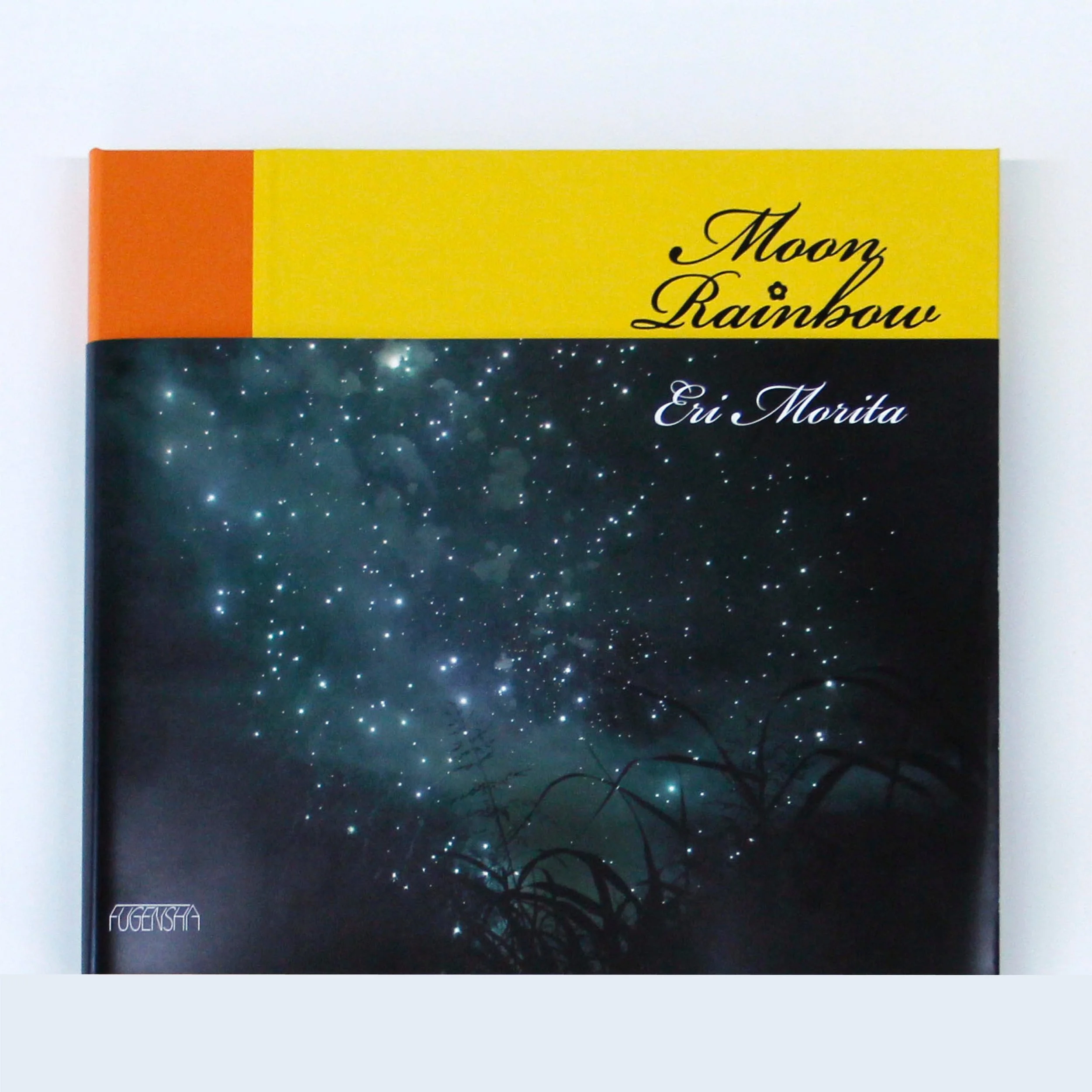
Welcome to this edition of [book spotlight]. Today, we uncover the layers of 'Moon Rainbow,' by Eri Morita (published by Fugensha, sold by by shashasha). We'd love to read your comments below about these insights and ideas behind the artist's work.
Can family photos become meaningful art beyond memory?
Most of them stay personal and never go further. They matter deeply to the people inside them, but not to anyone else. Making them speak beyond your own life is rare and difficult. This is where many photographers get stuck without realizing it.
Eri Morita spent 18 years photographing her own family.
Her book Moon Rainbow is built from thousands of moments across places and time. Through years of editing, she learned how to separate memory from meaning. What remains is not just a record, but a story that others can feel.
If you photograph your own life, this will change how you look at your images.
You will start to see what belongs only to you and what can reach others. And you may begin to understand what you are really trying to say. This conversation shows how that transformation happened.
The Book
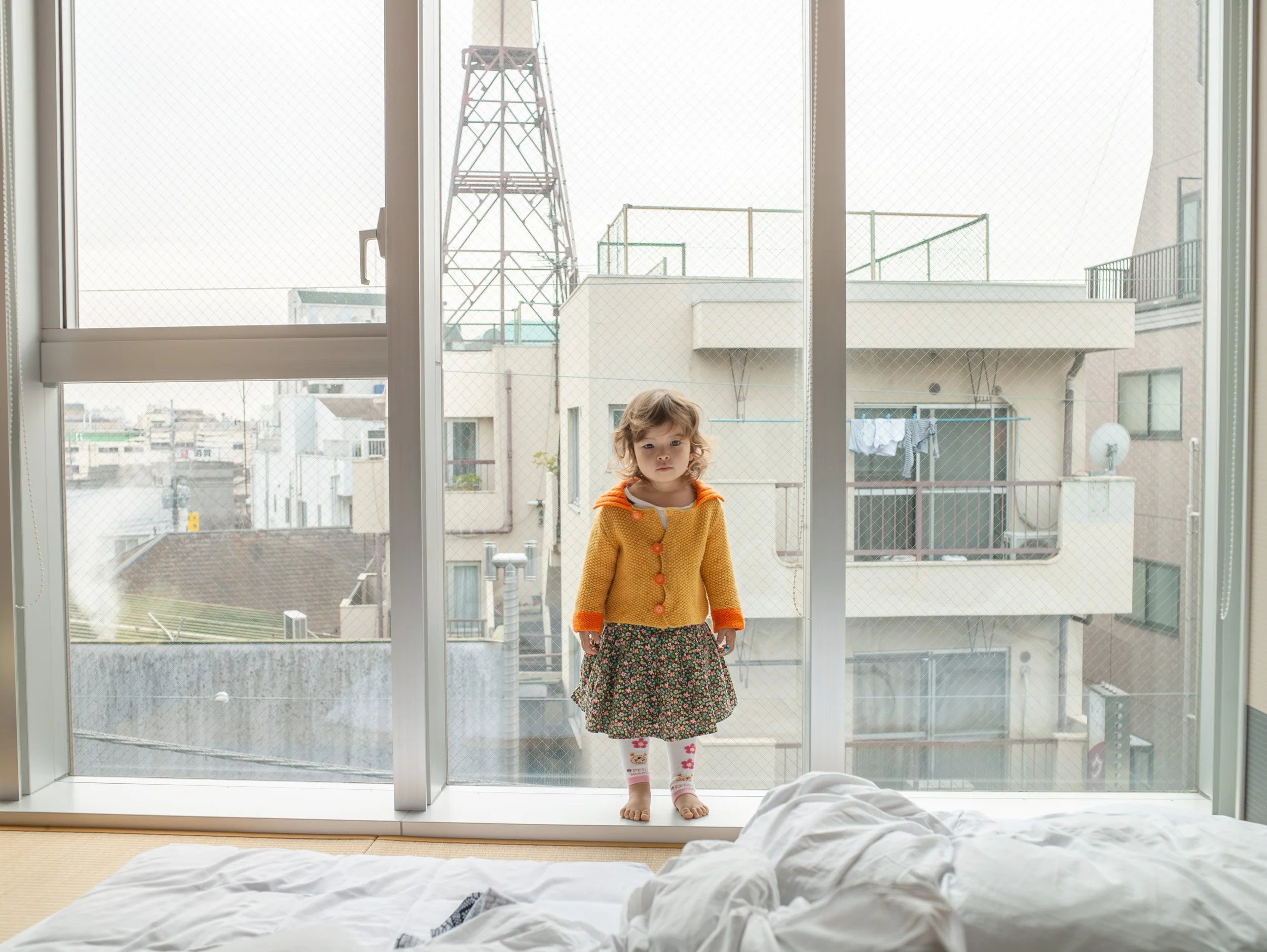
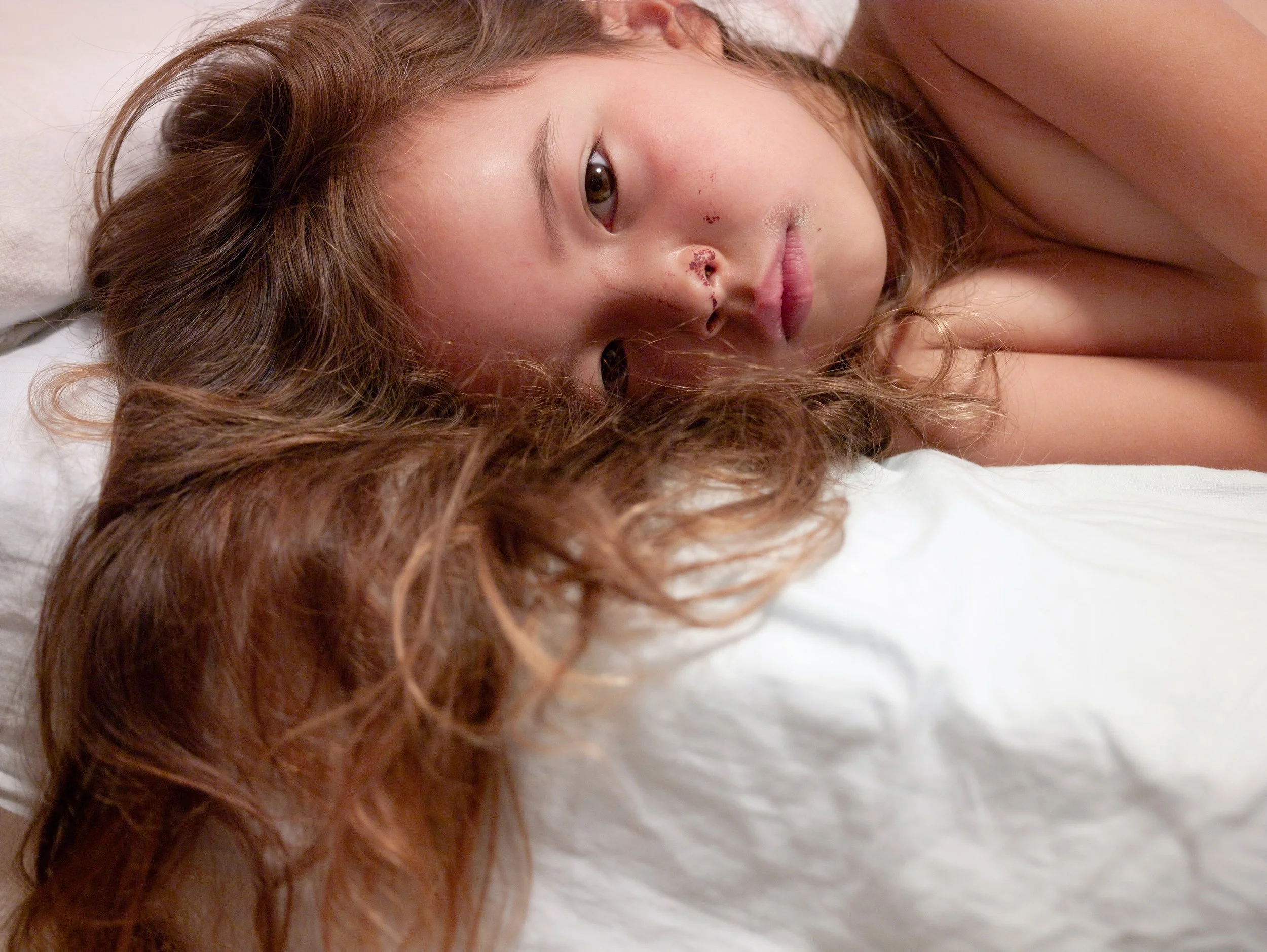
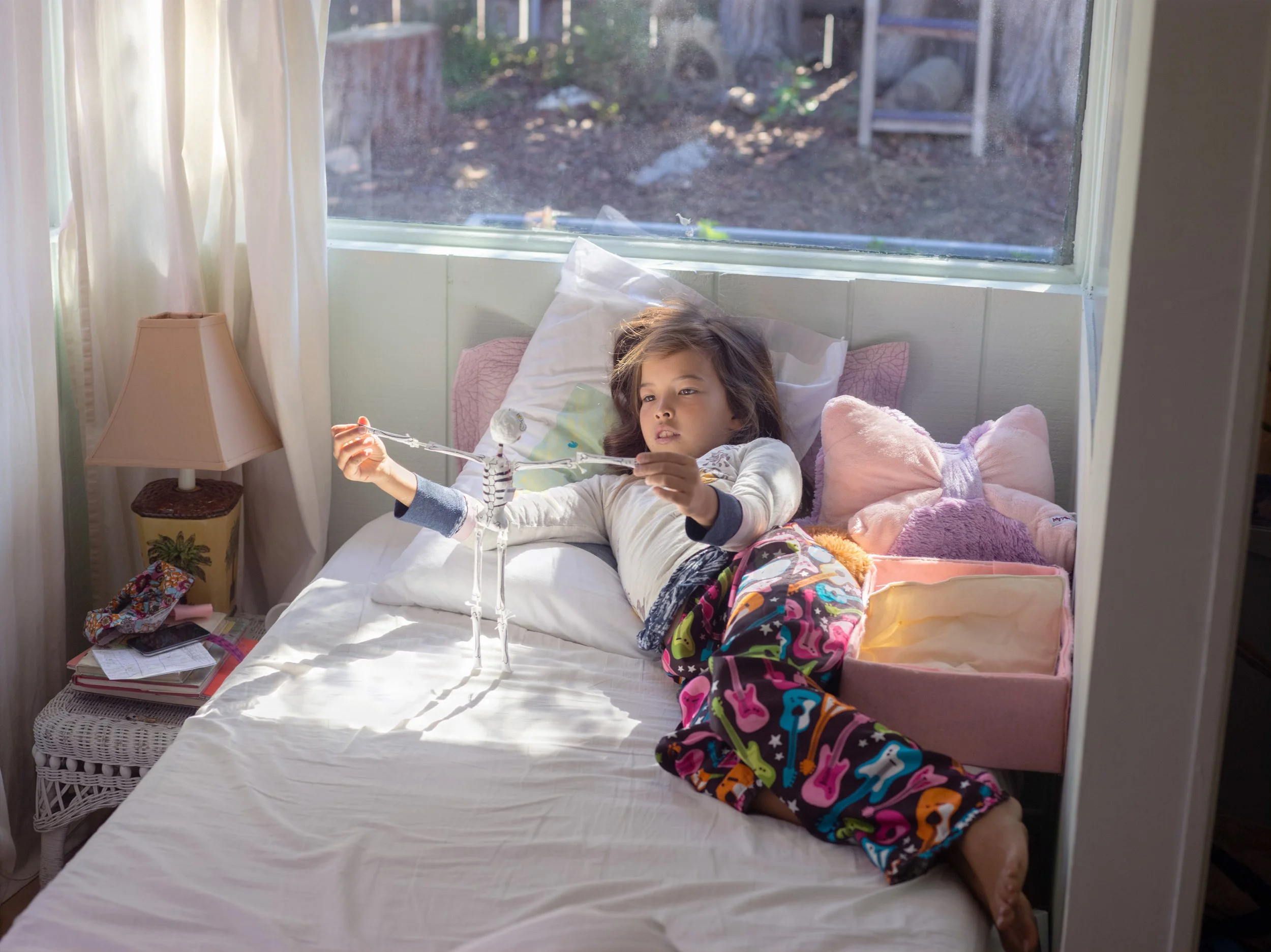
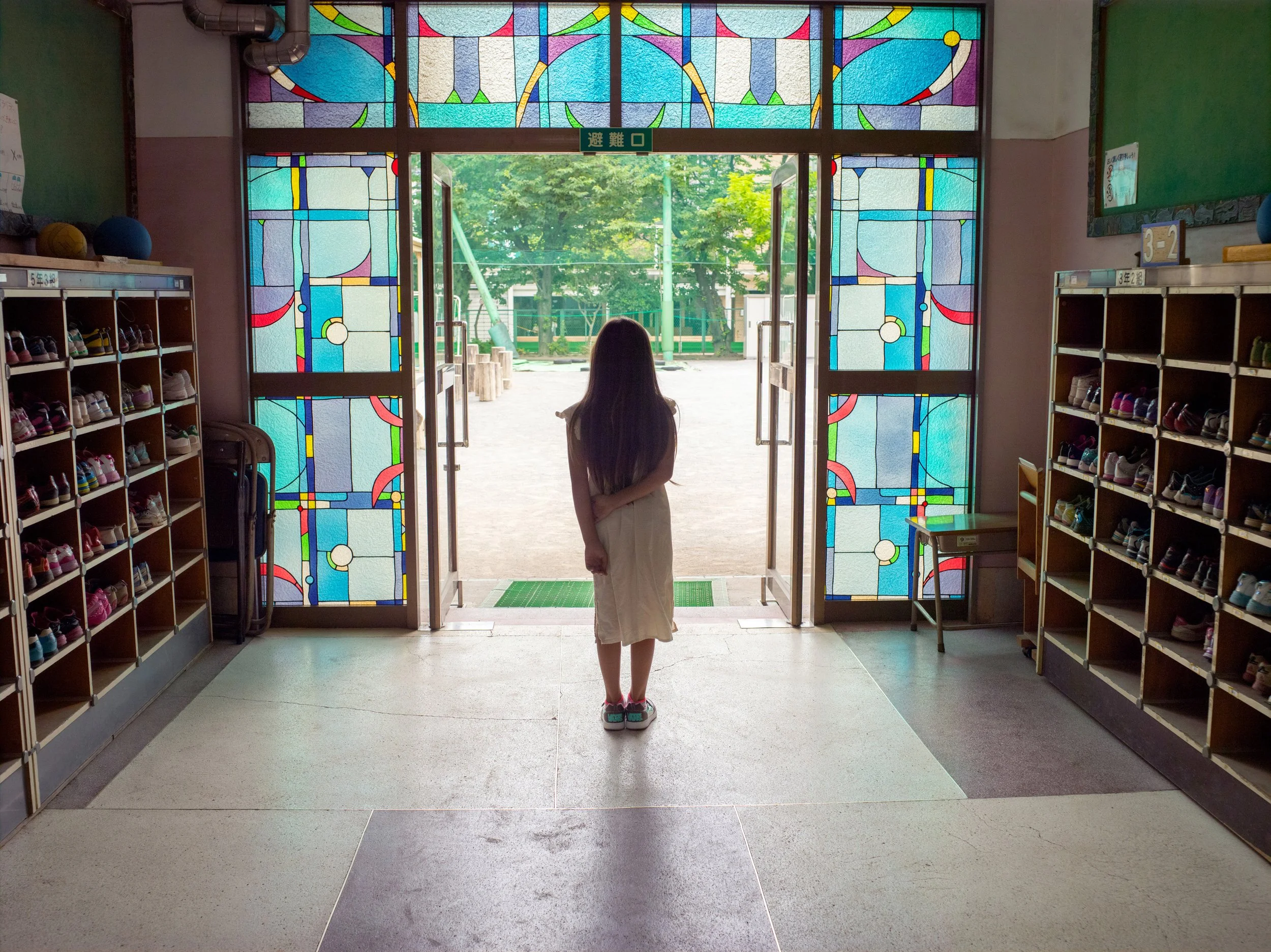
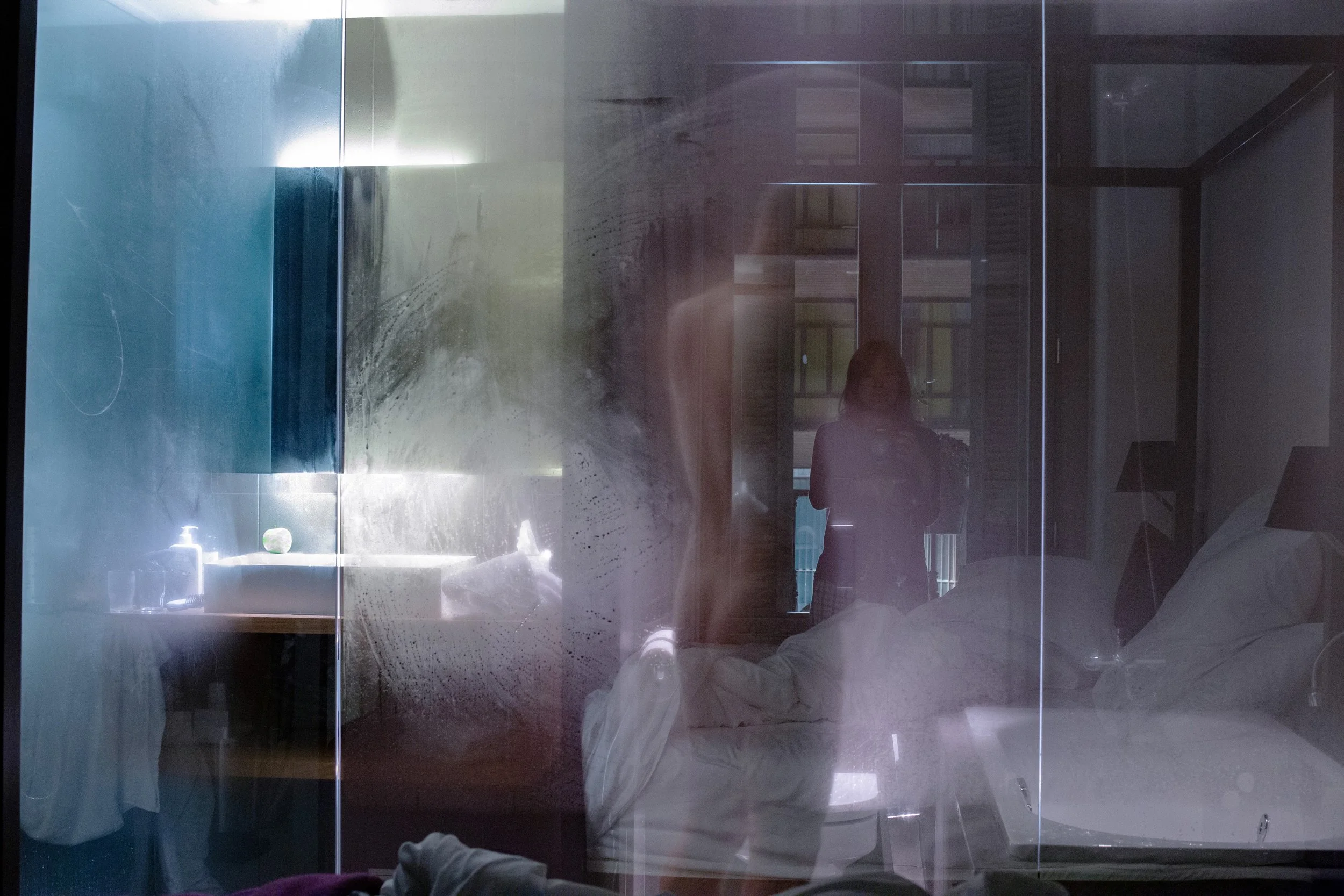
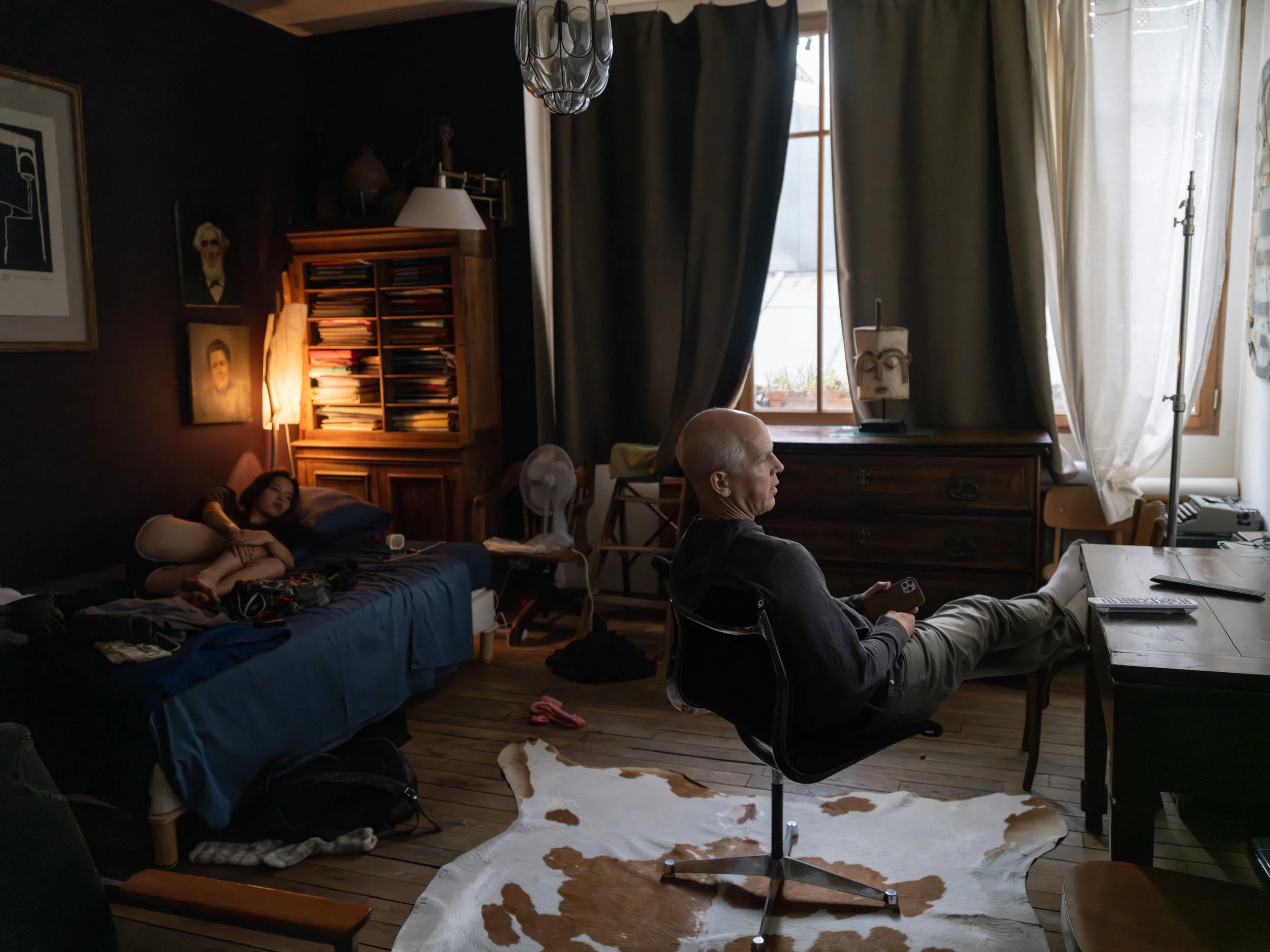
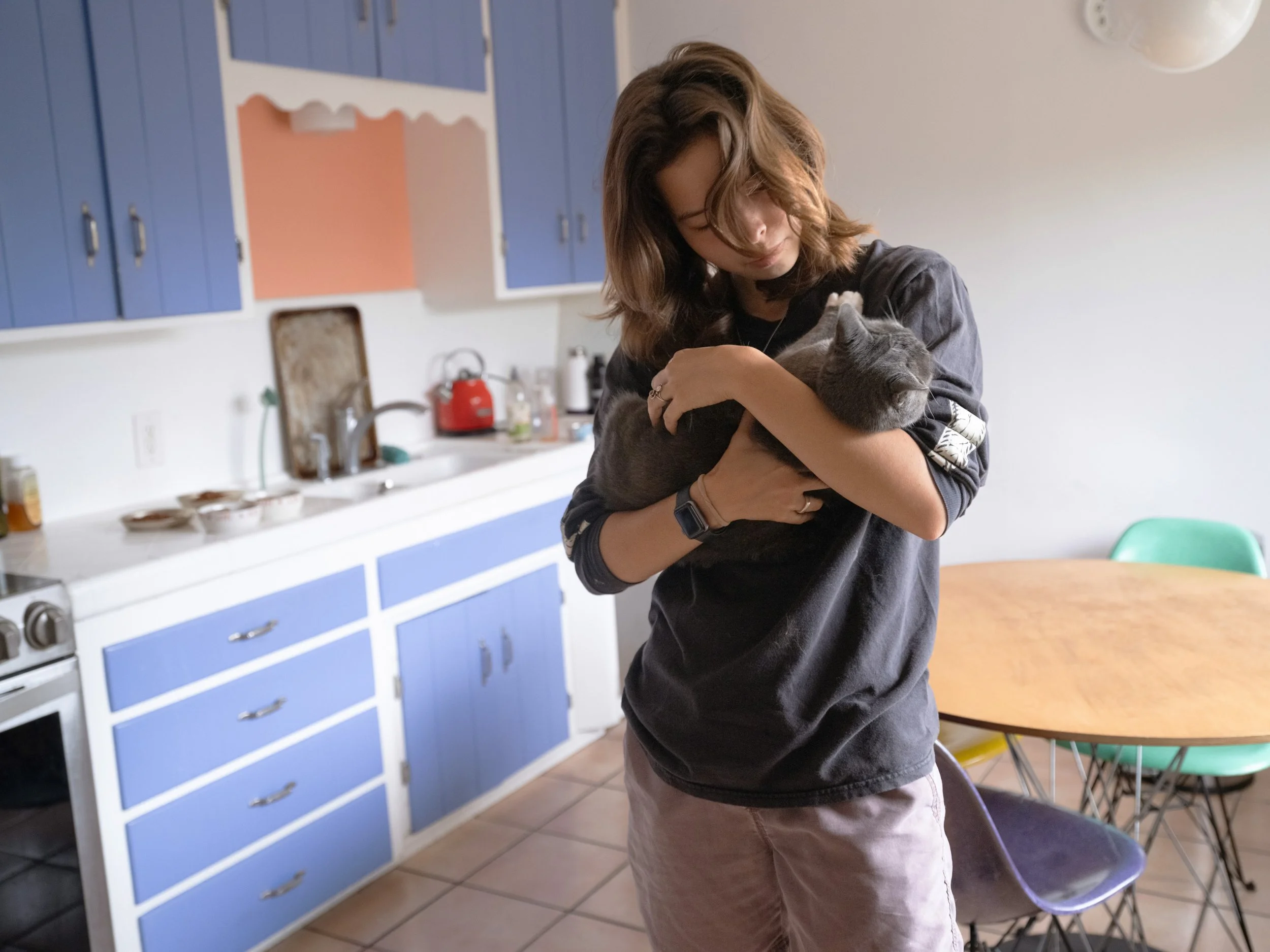
Moon Rainbow by Eri Morita and published by FUGENSHA is a deeply personal photobook that traces 18 years of family life across countries, cultures, and emotional states. Moving between places like the United States, Japan, and China, the work follows Morita’s daughter growing up while quietly observing how relationships shift over time. The photographs move between closeness and distance, joy and loss, showing family not as something fixed, but as something constantly changing.
Rather than functioning as a traditional family album, the book is shaped through careful editing that separates private memory from images that can stand on their own. Moments of everyday life sit alongside more difficult experiences, including grief, creating a layered narrative that feels both intimate and open. What emerges is a body of work that reflects not only one family’s history, but a broader experience of time, connection, and the fragile nature of being together. (Fugensha, Amazon)
Project Genesis: Moon Rainbow spans 18 years of family life across many countries. When did you realise these photographs were becoming a book, not just personal memories?
Even before my daughter was born in 2005, I would occasionally photograph my husband and make self-portraits, so it felt very natural to keep taking pictures after she was born. But at the beginning, I wasn’t thinking about it as something that would become such a long-term project, or as a photobook made only from photographs of our family.
We were just living our daily lives, and every now and then there would be these suddenly luminous moments that made me reach for the camera. Those moments disappear so quickly, so over time it became an accumulation of times when I made it in time and times when I missed it.
My previous book, Home Drama, which focused on my family and friends in Japan, was published in 2005. I kept photographing the same families over time, almost like a kind of ongoing observation, and our family was just one of those families. In fact, when I had a solo exhibition at Nikon Salon in Tokyo in 2015, I showed several photographs that were later included in Moon Rainbow as part of that continuation of Home Drama.
As the years passed and I kept editing, the number of photographs grew, and little by little I started to feel that it was becoming a story about our family. After my daughter entered high school, and then after we went through the pandemic, I decided I wanted to bring it to a close when she graduated from high school, and I kept photographing and editing with that in mind.
The pictures that belong in a personal family album are different from the ones that can become part of the work. That’s something you have to separate very carefully through editing. I love looking at other photographers’ family pictures, and sometimes an image can instantly take me across time and place, almost like my heart gets pulled through it. The more personal the image is, the more that kind of portal seems to open up. It’s hard to explain in words. It doesn’t quite happen to me in the same way when I read a book. I think it’s something that happens because photography is the medium.
The Unphotographed Moment: You saw a moon rainbow on Maui but chose to watch it with your family instead of photographing it. How did that decision shape how you think about what to capture and what to simply experience?
When something beautiful appears in front of you, or when you’re suddenly moved by a moment, there are times when you have to decide very quickly whether to let go of your child’s hand and go get the camera, or just stay there together.
I don’t think one choice is always better than the other. I’ve had to answer that question differently each time. Sometimes I may have gotten the photograph, but made my daughter feel left out. Other times I protected that time with her, but missed a picture that might have become an important work. Whatever I chose, there was always some regret. But if you turn it around, that probably also means that both choices were meaningful.
There may have been times when my daughter felt that photography was more important to me than spending time with her. At the same time, it’s also true that as a mother, I still have this urge to record things. Wanting to take pictures, and to understand life and the world through photography, is also part of who I am. So in each moment, I just made the choice that felt most right at that time.
Distance and Intimacy: Critics say you photograph your own family with “clear gaze and distance.” How do you find that emotional balance when your subjects are the people closest to you?
Ever since I was little, I think I’ve had this tendency to look at the inside of the home almost as an outsider. I would wonder how families get formed, why certain people end up living together, and why we can’t choose our family. Just because you’re family doesn’t automatically mean you’re emotionally close.
Even within a family, there are people who feel close and people who feel far away, and that distance is never fixed. One day you feel close, and the next day you feel distant. It’s something very organic.
I think I’ve spent all these years photographing while trying to feel out those distances. Even in a family, other people do unexpected things and have feelings you can never fully know. That’s why family is an intriguing subject for me.
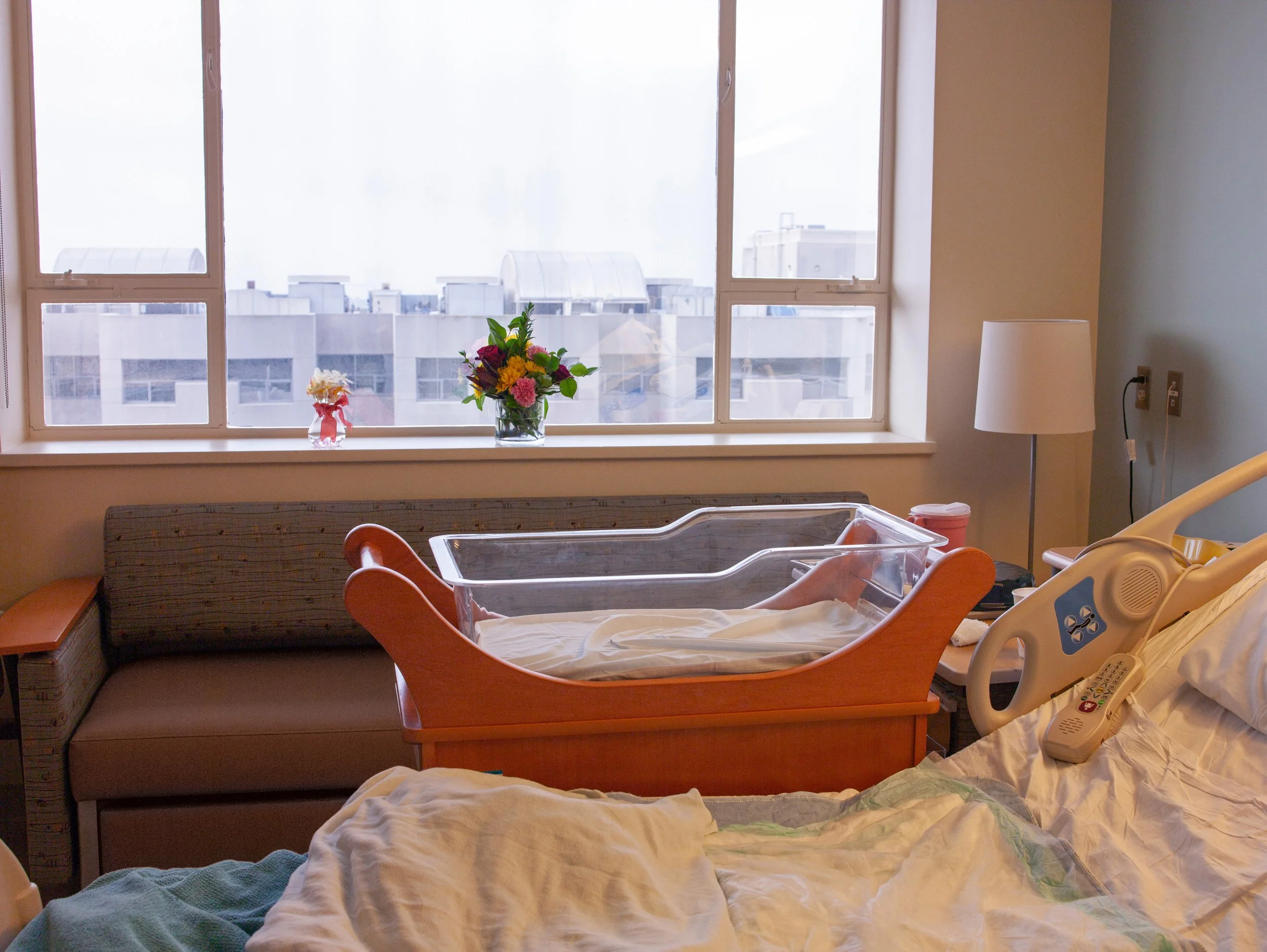
Photographing Loss: The book includes difficult moments, like “The Empty Crib.” Can you share how photography helped you process grief, and what advice you would give to photographers facing similar situations?
When you live long enough, heartbreaking things happen that you never saw coming. For me, turning those experiences into photographs and words was a way of trying to understand them, and over time, it helped me heal. I think everyone has their own way of doing that.
That night, in the middle of confusion and despair, I felt very strongly that I had to record it. I felt it was something I needed to record in order to keep living with what had happened.
Even so, after I took it, I couldn’t look at that image for years. Little by little, I became more able to face the reality of what had happened, and I came to understand that although it was deeply sad, my daughter was tiny and beautiful, and that the time we had with her, even though it was short, was irreplaceable.
When I showed Saya’s Little Feet in a solo exhibition, one woman who came to see it told me that she had gone through something similar herself. We had never met before, but I still remember feeling an immediate sense of connection, almost like we were comrades.
Now, by sharing this work, I hope I can say that we don’t have to hide the many kinds of pain we go through in life, and that it’s okay to speak about them. Life includes all kinds of things. This is also part of our family’s precious history.
Living Across Cultures: Your family moved from New York to Maui to Tokyo to Shanghai to California. How did each place change the way you saw your family, and does that show in the photographs?
Moving from place to place, I found it interesting to imagine what kind of person my daughter might become if she grew up in each of those environments, and what kind of life our family would have there.
When it was time for her to start kindergarten, we decided to settle in a beach town in San Diego, California. Every summer we would go back to Japan for an extended stay, and for about three weeks each year she attended a local public elementary school. That had a huge impact on how her identity was formed. She grew up mainly in the U.S., but going to Japan gave her an awareness that there were other values and other ways of living beyond the world she knew every day. I think the photographs reflect the curiosity she felt in Japan, her anxiety towards the unknown, and those moments of wondering who she really was.
On the other hand, for me, as someone who was raised in Japan, raising a child in America was full of things I didn’t know. I also think they show our trial and error as parents, and as a couple.
Time as Material: The book shows your daughter growing up across 18 years. What did you learn about selecting images that show change over such a long period?
Out of the thousands of pictures I took over those eighteen years, editing was by far the hardest part. Every time I edited the work, it became a slightly different story. Since all of the images are personal to me, I tried to keep only the ones that could still move someone who had no connection to my life at all.
To be honest, I wasn’t especially trying to show change in any deliberate way. The changes were simply there, and they seemed to find their way into the photographs on their own. I was also living inside that family as one of the three of us, so I was often surprised by those changes myself as they were happening. I kept taking photographs, and through them, I kept thinking about how the relationships within our family were changing over time.
The editing took three or four years. What I was most careful about was that even though these are photographs of our family, what comes through them should feel like a universal and timeless family story.
From Home Drama to Moon Rainbow: Your first book Home Drama was described as “pastel-pop” and playful. How has your photographic approach changed over 20 years of documenting family life?
In Home Drama, I was looking at family from the outside. Through my younger sister’s and my friends’ marriages and childbirths, I documented the process of family taking shape, almost as an observer. I mixed documentary photographs and staged images together seamlessly.
They were very young couples, still growing up themselves, and becoming a family inside these pastel-toned Japanese rooms and streets that felt almost toy-like. It was almost as if they were dolls placed inside a miniature world. I wanted those pastel-toned photographs to bring out their vulnerability, a little humour, a pop quality, and a certain poignancy.
I was drawn to the question of how a family is made, and that was what led me to make Home Drama. In the end, I still didn’t really have an answer, but I came away feeling that it was something worth trying for ourselves too.
Later, our daughter was born. And once she was born, I found myself photographing family from the inside. My own family turned out to be much more unpredictable than I had imagined.
In Home Drama, there were times when I set up specific days to photograph my sister and friends, and they were very cooperative. But for my daughter and my husband, the place where they simply live their lives is also being opened up to the outside world. And being recorded while you are just living can sometimes feel intrusive. So I was always very conscious of protecting their dignity.
Contradiction in Family: You write that joy and loneliness exist in the same place at the same time. How do you photograph such mixed emotions in a single frame?
I often think about the difference between loneliness and solitude. Real loneliness, I think, is not something I feel that strongly when I’m alone. It’s because there is joy in being with someone you love that loneliness is also there underneath it. There is someone right in front of you that you want to connect with, someone you want to be understood by, and yet somehow you can’t fully reach each other. I think that’s when loneliness is strongest.
Even inside the unit of a family, each person remains an individual. We are not the same person, so of course we can’t completely understand each other. Family is the first place where we’re confronted with that fact, and it’s also the place where we practice how to live with that distance. Once you leave the family and step into society, it’s like entering a wilderness. So I think the family is the place where each person learns how to protect themselves and how to find the right distance from others.
With that in mind, it’s not that I’m always deliberately looking for scenes that express those ideas. But I think those thoughts are always somewhere in the back of my mind. If you think deeply enough about something, it can appear in the photograph even when you’re not consciously aware of it at the moment you take it. And then later, through editing, you choose the images where it has surfaced.
There’s no concrete formula for it, no exact way to pose someone, or light them, or choose a setting. Just as writers develop their thinking through writing, I think photographers think through photographs, and keep developing their thoughts through making them.
Advice for Family Photographers: After nearly two decades of this project, what would you tell photographers who want to document their own families in a deeper, more honest way?
Every family has a different story, so I can’t say there’s one answer for everyone. But in the end, I think the only thing is to keep going. Keep taking pictures, printing them, and laying them out. By repeating that process, maybe you begin to understand what the real subject actually is. Just photographing your family doesn’t automatically become a work. Through your family, what is it that you want to see? What is it that you want to show?
I think it’s important to stay aware of the necessity of making the pictures. Why do you need to photograph your family? You may not be able to explain it in words, but photographs inevitably reveal the photographer’s missing piece, and I think over time that becomes clearer.
A family allows a photographer to make pictures of private life inside the home. I think that is also an expression of love from the family. Because you are opening up the home, a place that should be safe and private, to the outside world, it takes a real sense of commitment. Above all, trust and mutual understanding are essential. I always feel that gratitude has to be part of it too.






More photography books?
We'd love to read your comments below, sharing your thoughts and insights on the artist's work. Looking forward to welcoming you back for our next [book spotlight]. See you then!
The past became visible once Richards learned where to look. For The Inner Passage, Virginia McGee Richards spent fifteen years photographing a waterway in the South Carolina Lowcountry. Photography Book Spotlight