How Yolanda del Amo Spent 10 Years Staging Photographs That Reveal Why Relationships Feel Close Yet Distant
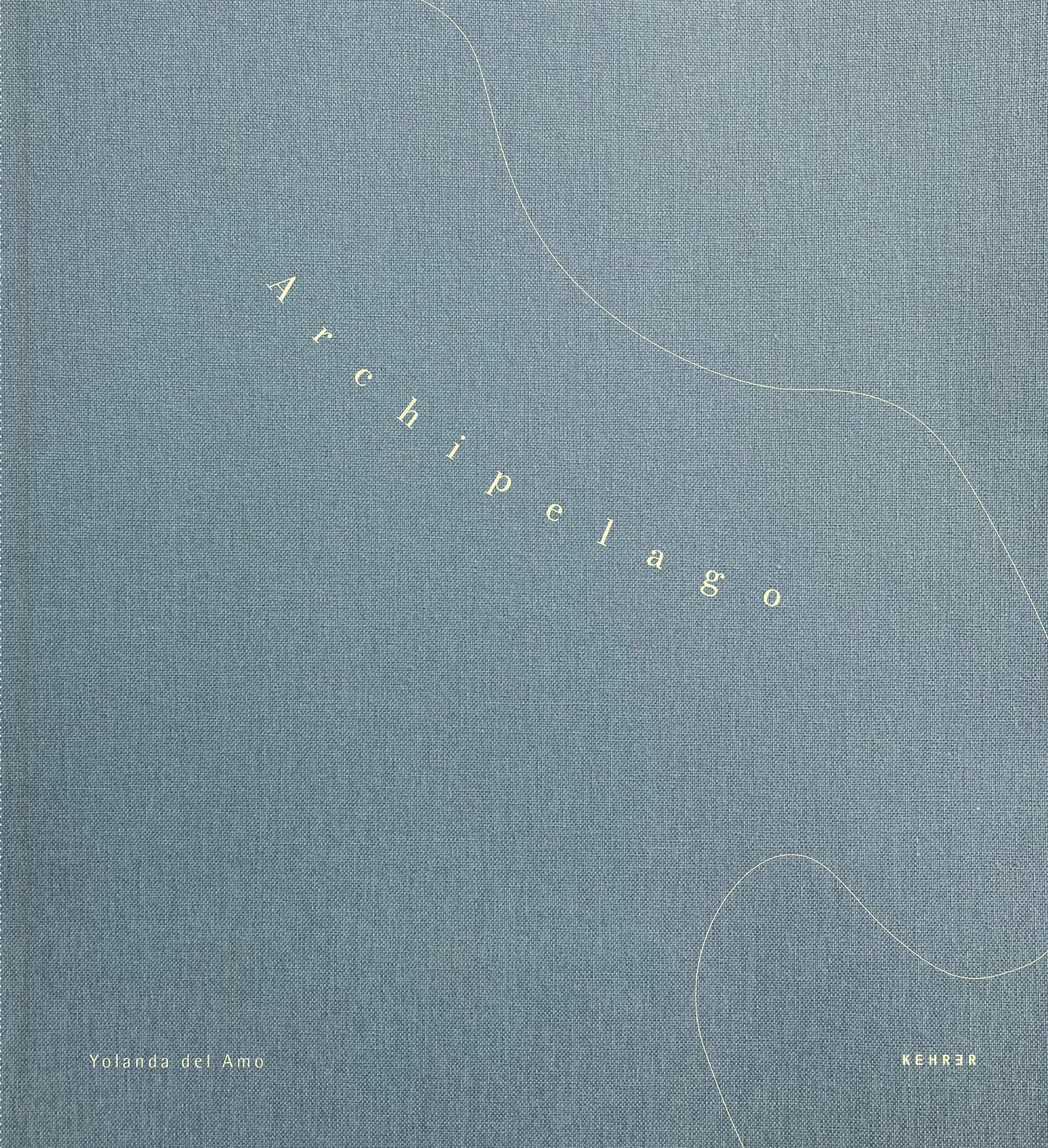
Welcome to this edition of [book spotlight]. Today, we uncover the layers of 'Archipelago,' by Yolanda del Amo (published by Kehrer Verlag). We'd love to read your comments below about these insights and ideas behind the artist's work.
Most relationship photographs lie about what closeness feels like.
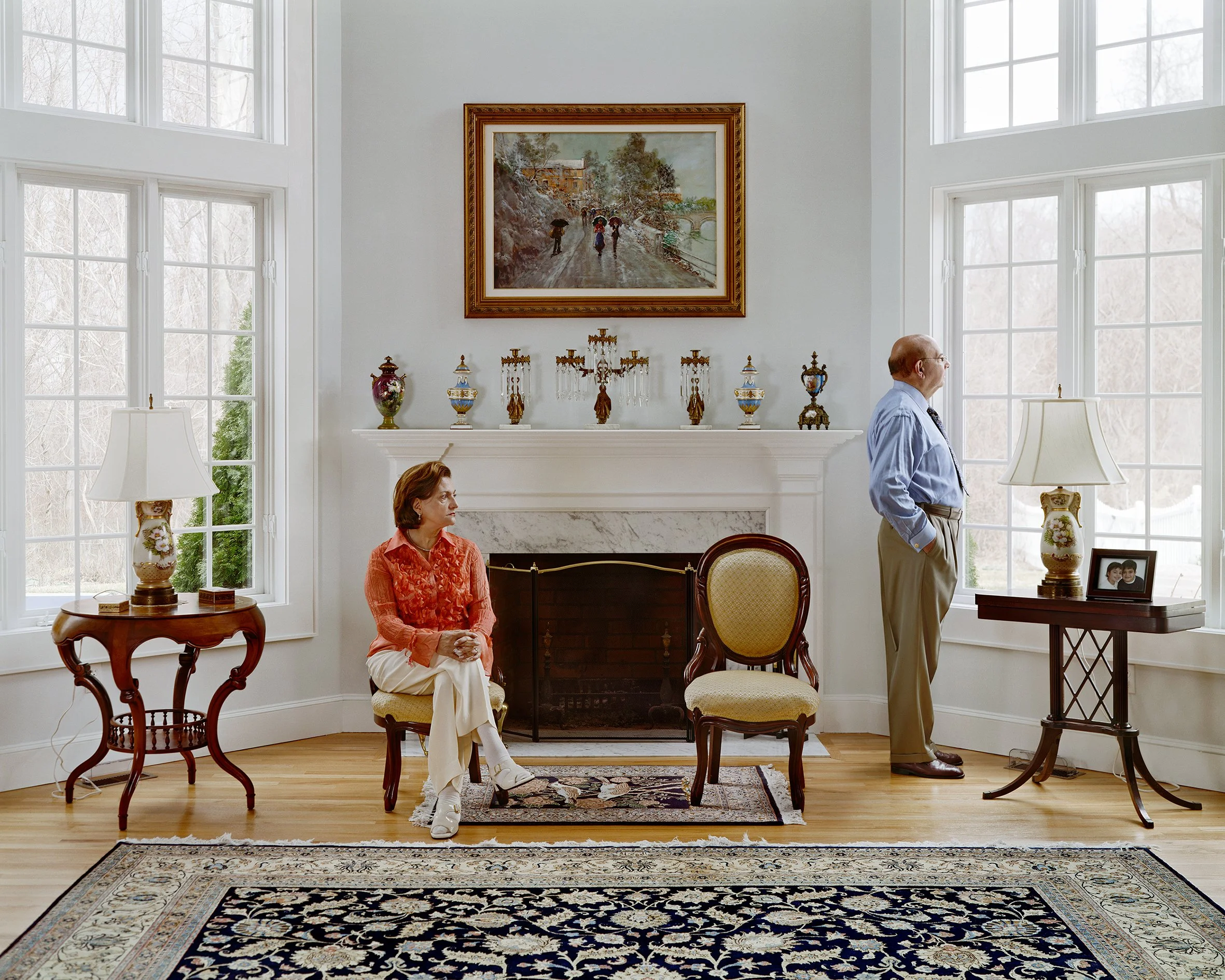
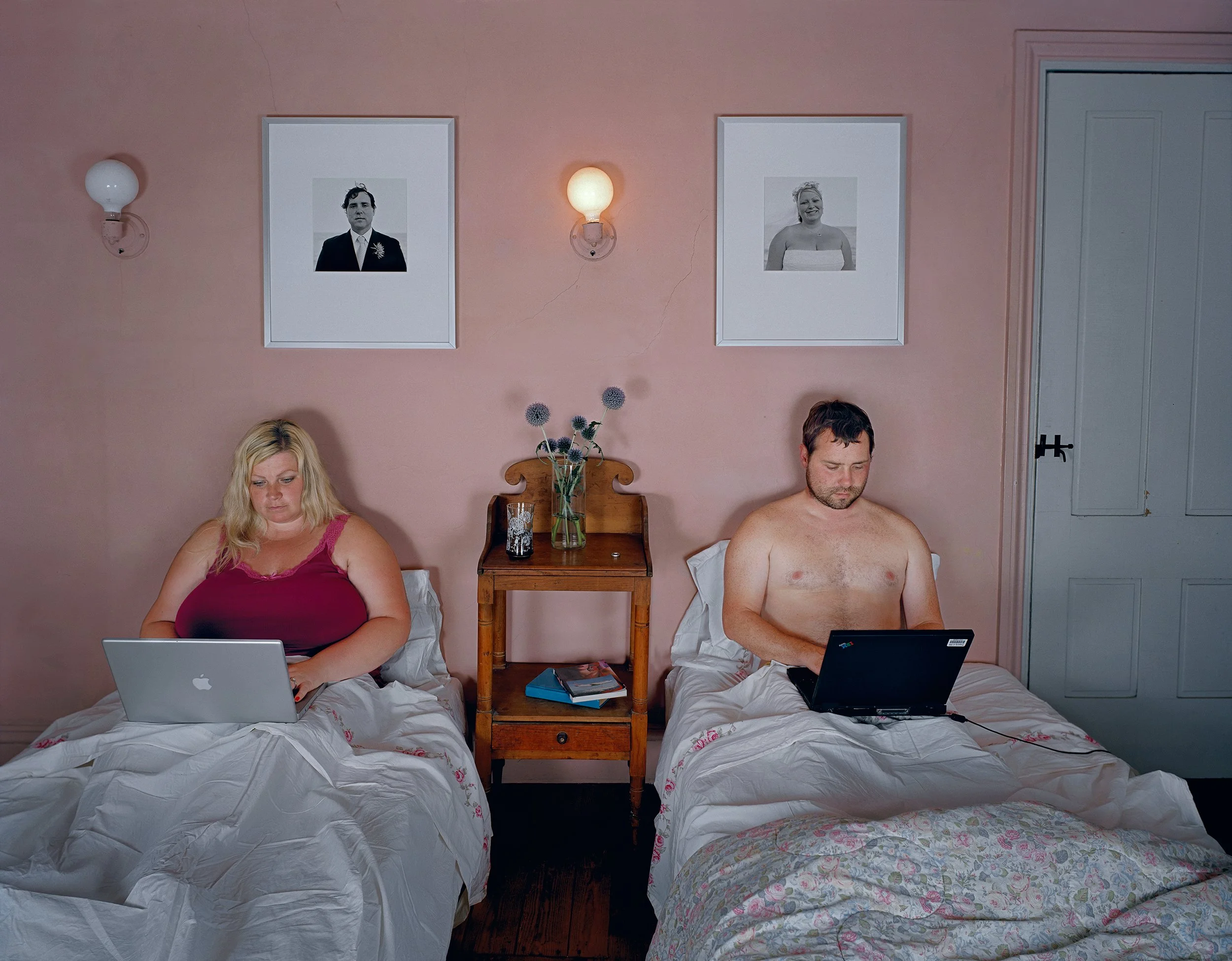
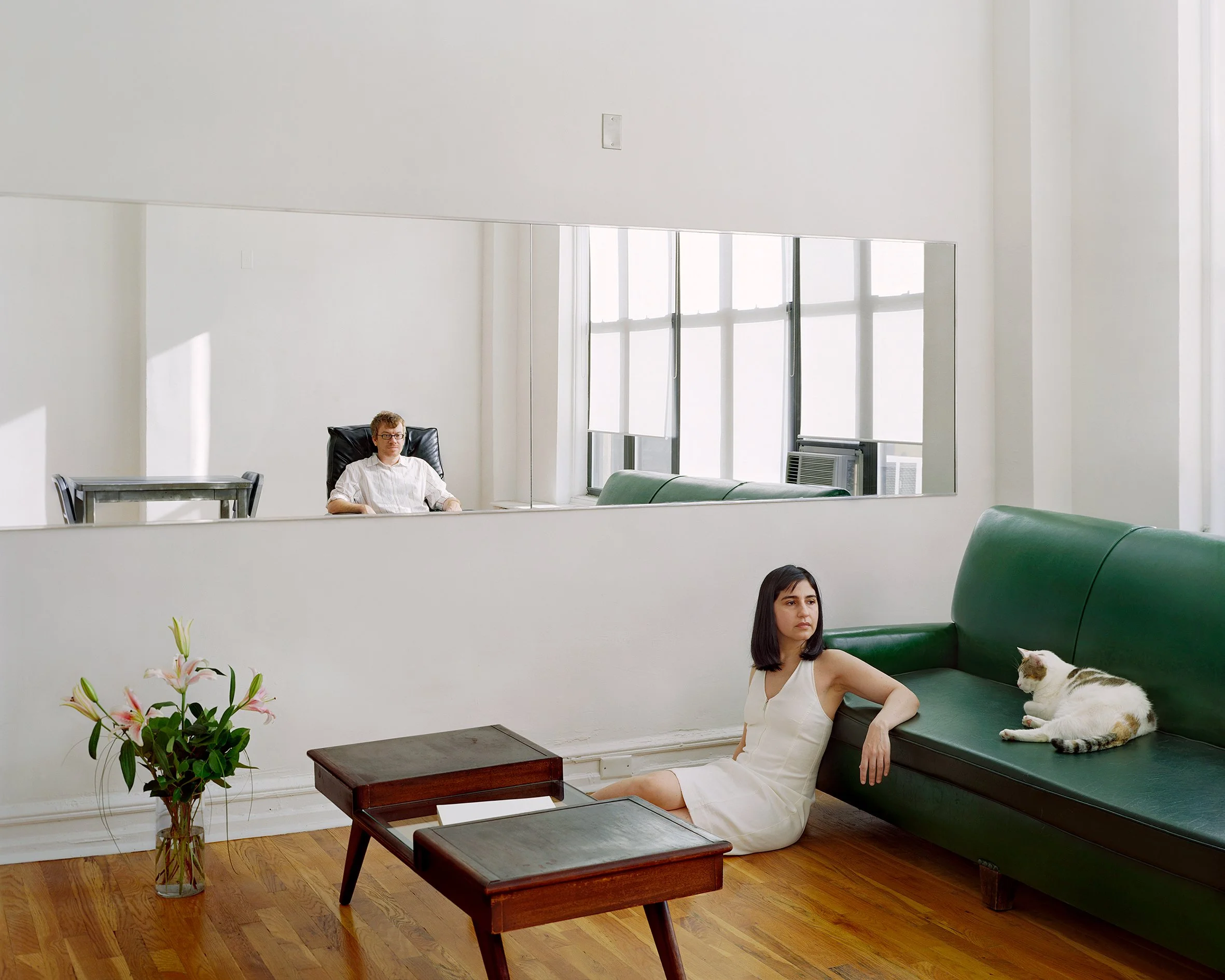
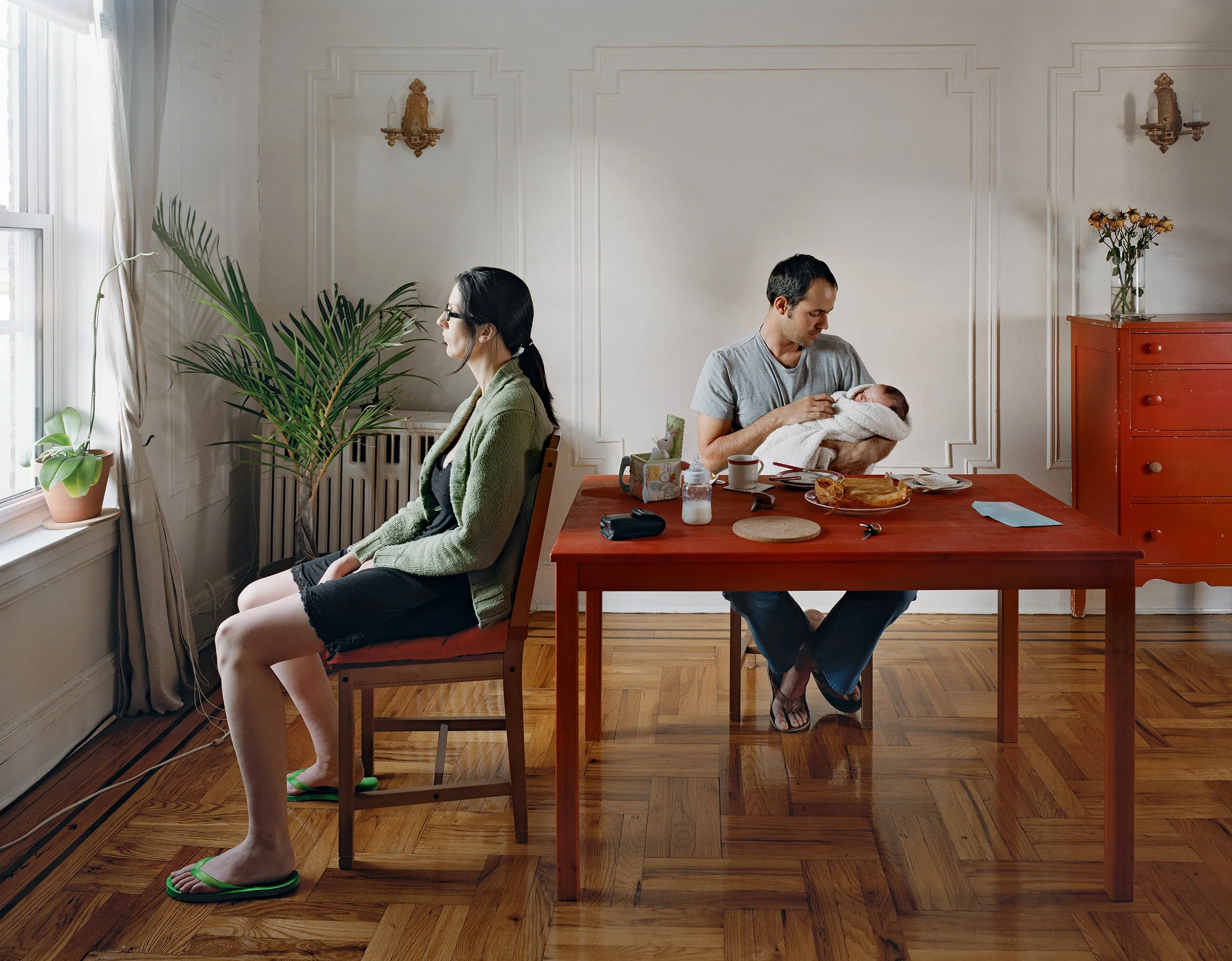
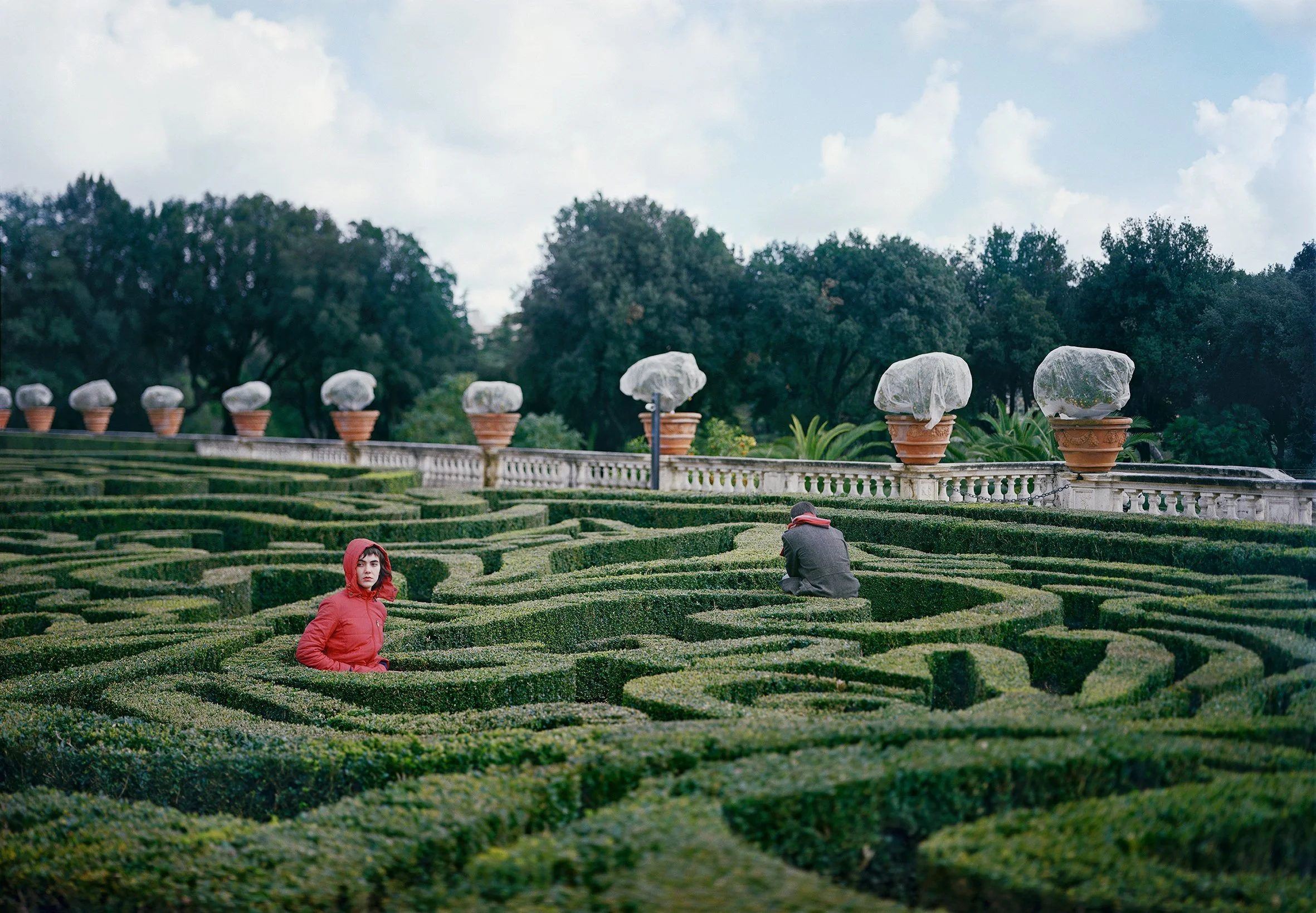
They show people together, but they do not show the distance inside the frame. In Archipelago, Yolanda del Amo spent 10 years building images where that tension is visible. Each scene is slow, precise, and carefully arranged, yet it feels very real. This work focuses on the gap between how relationships appear and how they are experienced.
But the project is also about control and construction.
Del Amo does not wait for moments to happen, she creates them step by step. She works with friends and family, directs their bodies, adjusts the space, and shapes every detail. What looks natural is actually built with intention and time. This is what gives the photographs their strange and quiet tension.
If you look closely, you start to notice what creates that feeling.
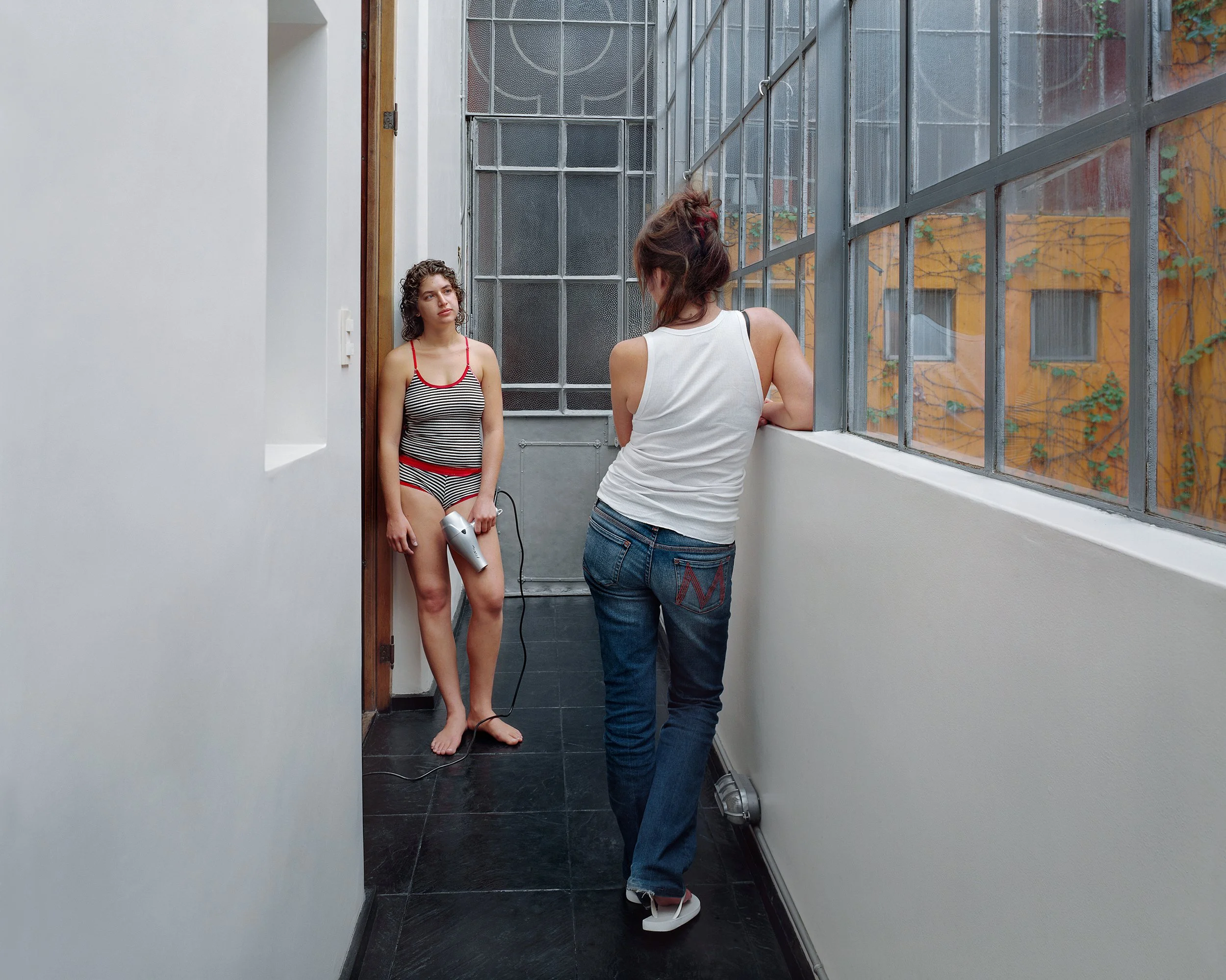
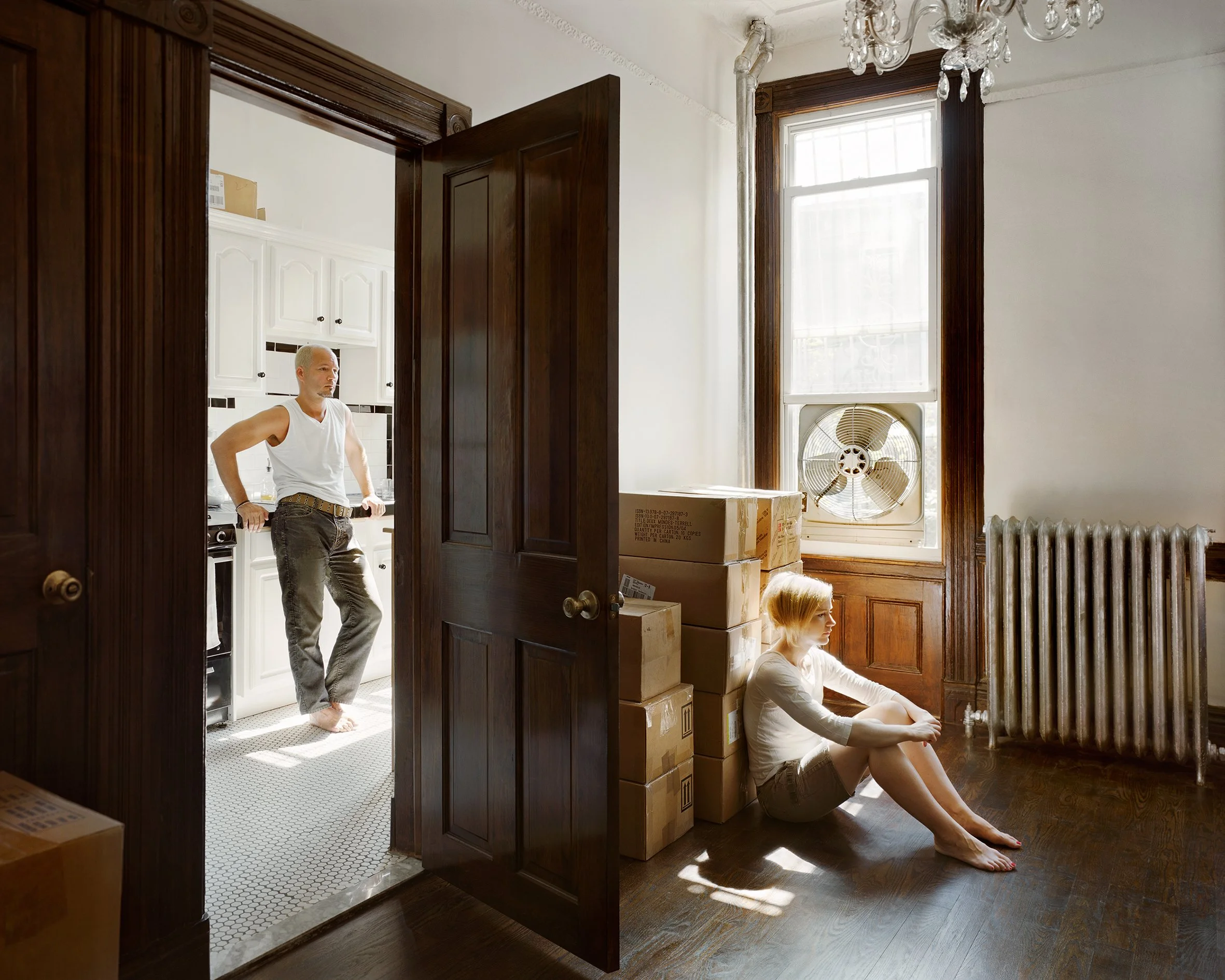
Small shifts in body language, the space between people, and the way color holds the scene together. You can begin to see how distance is built inside the frame, not just captured.
The Book
Archipelago by Yolanda del Amo, published by Kehrer Verlag, is a photographic series exploring the tension between connection and distance in human relationships.
Created over ten years, the work brings together carefully staged scenes where friends and family become part of quiet, emotionally charged compositions. Each image is built with precise attention to gesture, color, and space, creating a sense of intimacy that never fully resolves.
Blending real environments with subtle construction, del Amo turns interiors and landscapes into extensions of the figures, shaping how relationships are seen and felt. The series presents people as connected yet separate, revealing the silent tension that often exists beneath closeness. (Kehrer Verlag, Amazon)
Project Genesis: You worked on Archipelago for ten years, from 2004 to 2014. What made you keep returning to photograph relationships over such a long time?
Archipelago grew slowly over time because each photograph required a great deal of preparation, beginning with a conversation with my sitters and multiple visits to the location to check the light at different times of the day. I shot with a large format camera, a process that requires a very slow way of working. The shooting itself took multiple hours, and after each photo shoot, the negatives needed to be scanned and worked on in post-production.
Traveling was an important part of the project because the photographs were shot across multiple countries where I had lived or spent substantial time. I wanted the pictures to be connected by a universal psychological dimension rather than a geographical one. On average, I completed between five and seven images per year. But most importantly, I felt there was something worth exploring, and that kept me going.
Working with Friends and Family: You had to explain to your subjects that you were not showing their specific relationships, but something more general about relationships today. How did these conversations go?
These conversations were indeed very important. Prior to the photo shoots, I discussed with my collaborators that I did not intend to make a portrait that reflected who they were. Most people have this very deep-rooted belief that a photograph represents truth, but once they understood what I was going for, they were open to participating. For most of them, it was liberating and even fun to inhabit a fictional version of themselves.
Of course, it was important for me that the sitters felt at ease in the process, so I never pushed them beyond their comfort zone. And as the collection of images of Archipelago grew, the conversations became easier because I had completed pictures to show as a reference.
Dance and Direction: Vicki Goldberg mentions you took many dance lessons, which helped you be exact about poses and gestures. How does thinking about the body through dance help you direct people?
When one works with people, the correct posture of the models is crucial to a successful photograph because the viewer will immediately go to the figures in the frame. My models were not professional actors but friends and family, and the dynamic naturally changes when a camera is introduced, one becomes self-aware. As the portrait photographer Richard Avedon said, "Each sitter puts on a performance before the camera in order to get across his conception of himself."
When a photograph features figures, they convey emotion through body language and gesture, as in dance. I have taken dance lessons for decades and have grown very attuned to the expressive qualities of the body. I pay attention to certain details: For instance, is the left shoulder relaxed enough? Or, what is a good way to hold the hands that looks natural? Just as a choreographer tries different moves in the dance studio, I tried different poses and gestures with my models until it felt right. They always offered their input, and it was truly a collaborative process. During the long shooting sessions, it is inevitable that people will tense up a bit, so I incorporated simple exercises and breaks.
Pina Bausch Influence: You say Pina Bausch strongly influenced your work. What did you learn from her dance theatre about showing feelings in photographs?
There are certain artists who inspire you, and then there are very few artists who touch you on a profound level. Pina Bausch was that for me, and I was lucky to have seen many of her dance theatre pieces during my formative years in Germany before she became a global phenomenon. I was strongly drawn to the contradictions in her works: the settings were beautiful, the dancers were charismatic and their outfits glamorous, but the performers conveyed complicated feelings of frustration, desperation, dependency, and neglect. They cried and screamed and laughed on stage, showcasing what she famously said: "I am not interested in how people move, but what moves them." It made the viewers uncomfortable as it defied their expectations of dance, and that made her work so controversial early on. I saw the audience at the theatre in Wuppertal, primarily those who had season tickets, leave mid-performance. They did not know what to make of it.
I also loved how, in her process, she worked with the dancers. She asked them questions about their lives and experiences, and all that became material for her work. In that sense, she also played with reality and fiction.
Colour as Emotion: Jean Dykstra talks about your use of colour, like the lemon-yellow bedroom or bright blue swimming pool. How do you use colour to show emotional distance between people?
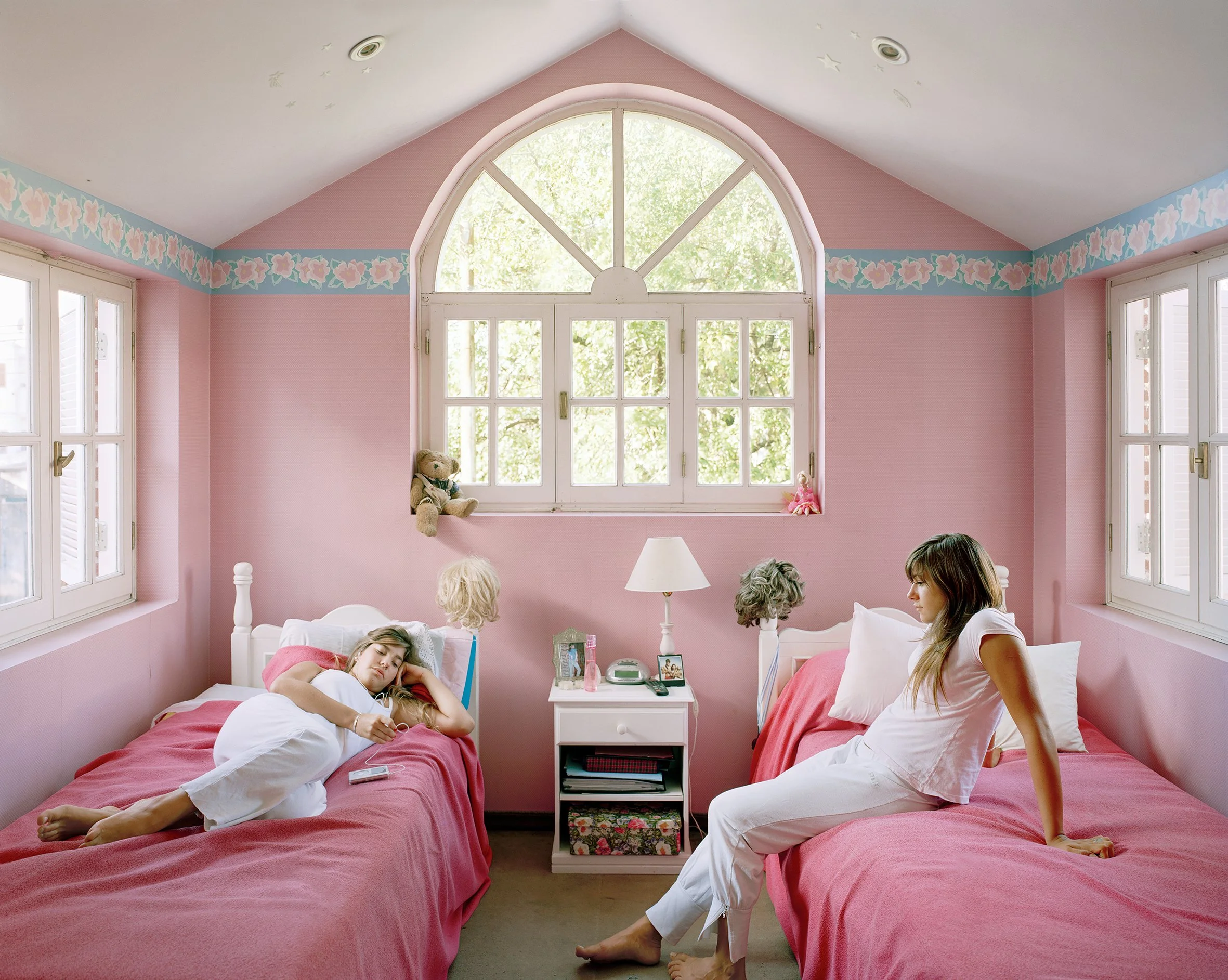
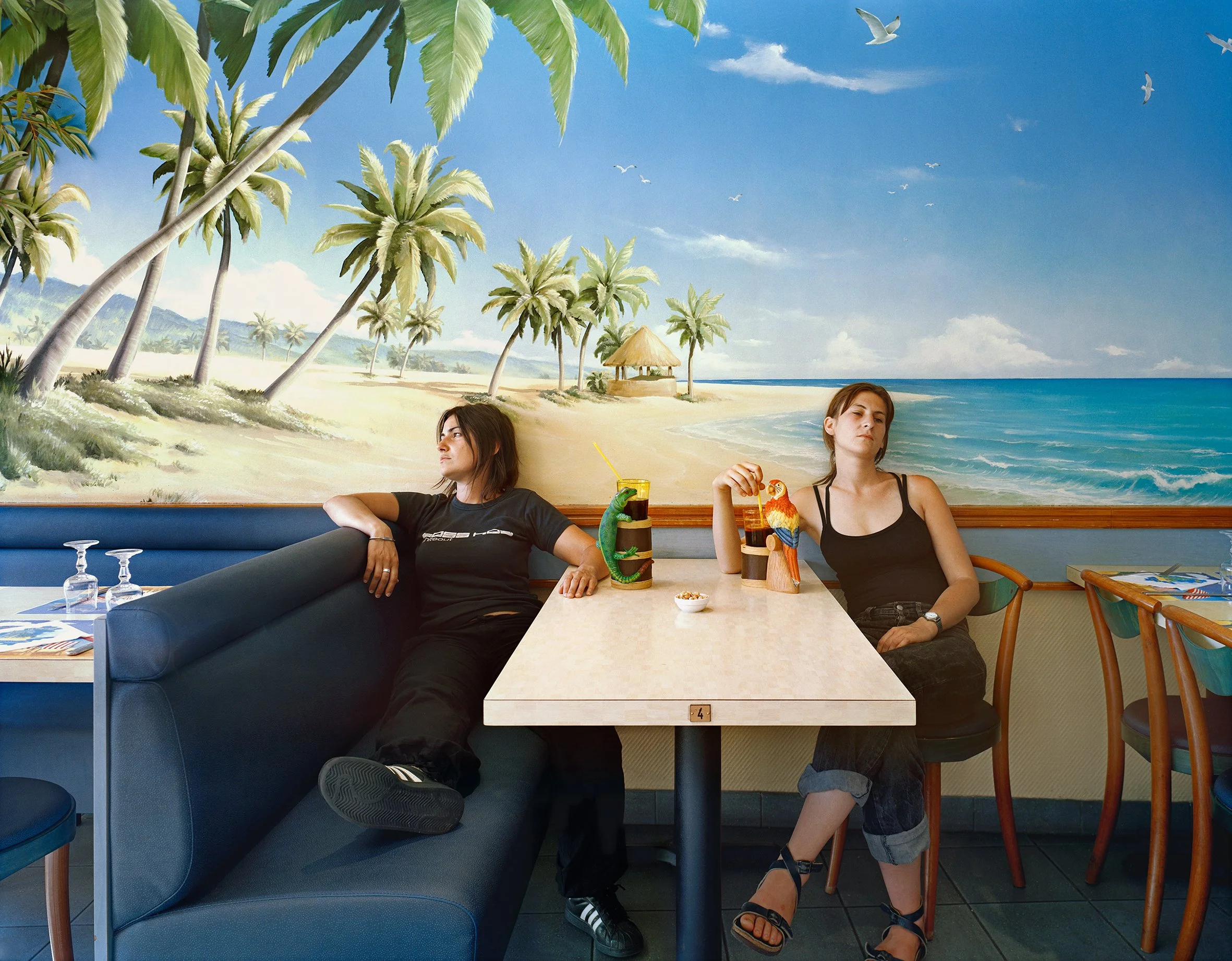
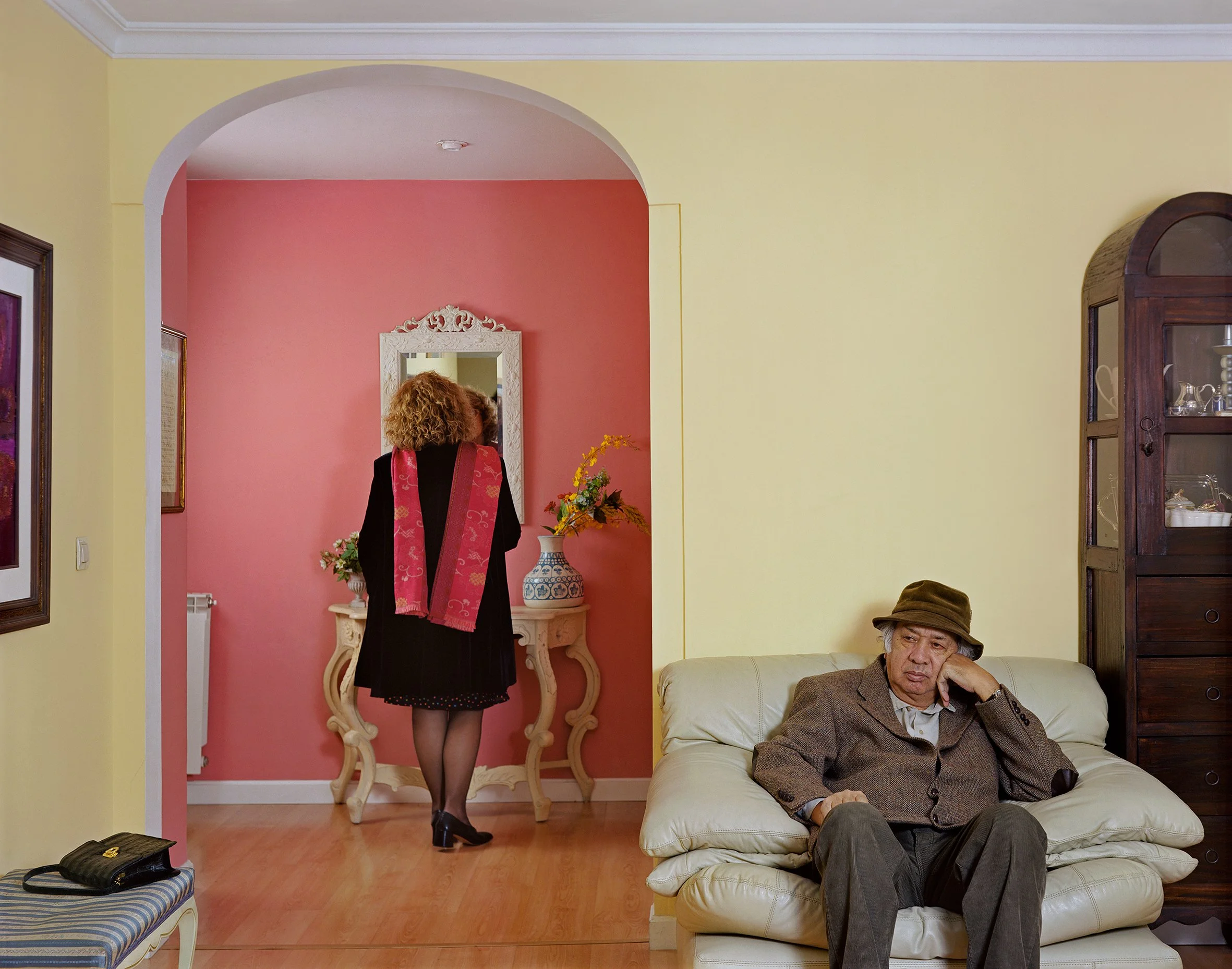
I have developed a sense of how colour translates to an image. I am seeking a balance between the environment and the figures, and I am trying to ensure they don't compete with one another. When I work in a space that has large areas of the same colour, I know that those colours will set the tone of the photograph, and I won’t need to add much extra colour. In some settings, however, I have to bring in colour through props and outfits. And then, of course, I have some colour preferences: for example, red accents appear throughout the collection. When colour is clearly deliberate in a photograph, in addition to all the other compositional elements, it reinforces the sense that you're looking at a carefully constructed mise en scène.
Arranging the Space: You removed or moved objects in rooms and sometimes rearranged furniture. How do you decide what to keep and what to take away?
Photography compresses a three-dimensional space into a two-dimensional plane, and new relationships emerge between different elements when they are photographed. I started every image by positioning the figures in the frame and then considered everything else around them. Sometimes I removed things, sometimes I simply moved them to a different position because, due to the optics of a camera lens, things appear smaller in a photograph when they are further away. I look at the balance of elements and the relationship of shapes, colours and volumes, considering both how they work formally and whether each element supports or distracts from the overall composition.
Fiction and Reality: You combine real observations with fictional elements to create something "slightly stranger than reality." Where do you find the line between what is real and what you invent?
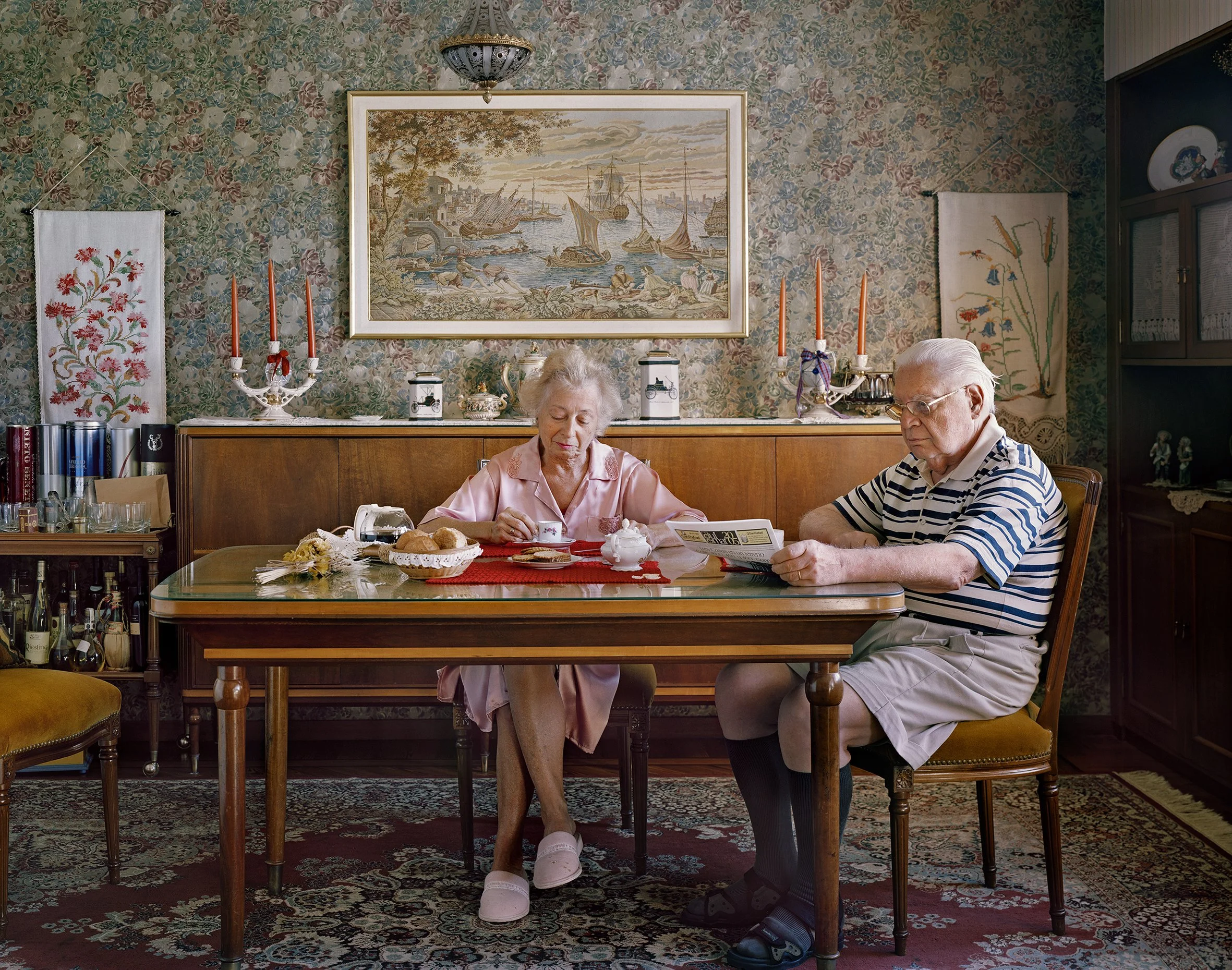
I shoot in real spaces, I don't construct sets or work in film studios. For Archipelago, I wanted these spaces to look a little too perfect and clean, almost like a set or an impeccable furniture showroom. I was also deliberate with the clothing, occasionally bringing additional outfits to coordinate colours and textures between the figures. It was a delicate balance to make the spaces feel intentionally composed but not so artificial that they lose their connection to reality. Some of those decisions happened prior to the photo shoot, some during the process of shooting.
This way of working makes it clear that the photographer did not stumble upon the scene but was intentional about every detail. I draw on Brecht's “alienation effect” as well: the constructed nature of the scenes encourages viewers to step back and ask questions, for example about intimacy and connection.
Silence in the Frame: Both essayists mention silence as a strong presence in your work. What techniques do you use to create this feeling of silence in a photograph?
Yes, it is unusual to speak about sound (or lack of) in photographs! There is a feeling of stasis in the work, of people being absorbed in their own worlds for a really long time. Viewers are left to imagine: what are the characters thinking, and what is going on in their heads? This sense of silence is created by the narrative, the body language of the figures, and their position in the space. I was interested in exploring different qualities of silence: it can be tense, but silence can also be comfortable—when we share space with somebody and feel at ease, we don't have to speak.
Islands Within Islands: You describe each person as "an island within the island" of the photograph. How do you compose the image to show both connection and separation at the same time?
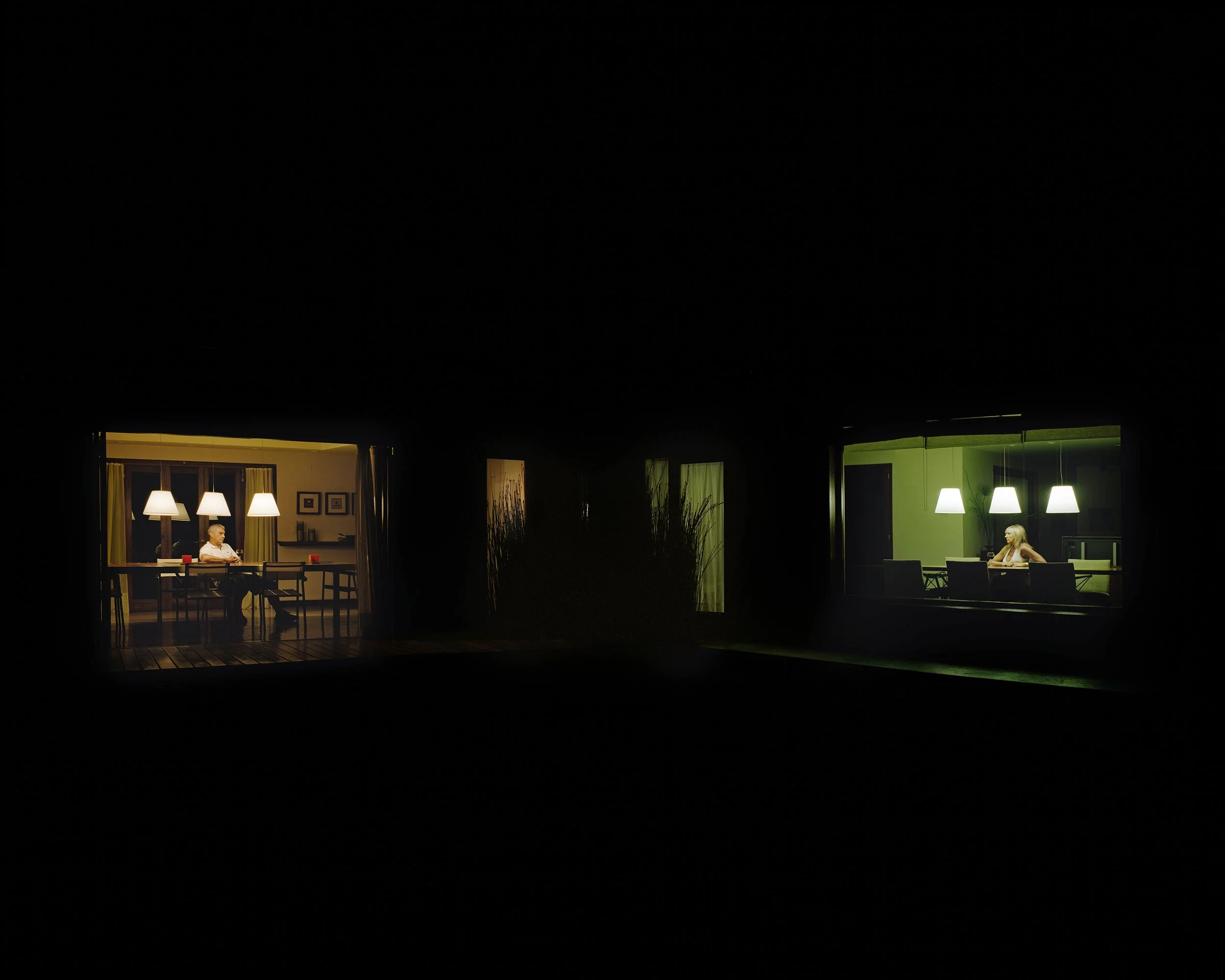
The title Archipelago refers to a collection of photographs that are metaphorical “islands,” separated by the loneliness of each one and linked by the intimate bond of belonging to the same world. Within each one of those "islands," I position figures in the same frame—they are bound together by the space they share, yet their body language and placement suggest emotional distance. This tension reflects the contradiction between our longing for connection and our desire for individuality.
I work as much with the negative space—the empty areas around and between figures—as with the figures themselves. This negative space often carries the emotional tension in the image. I started the project working with a 4 x 5 inch (10 x 12 cm) camera and switched to a 5 x 7 inch (13 x 18 cm) format because it gave me the opportunity to work with more space between subjects. The 5 x 7 inch format is more elongated and references the cinematic format, making it more suitable for narrative photography.
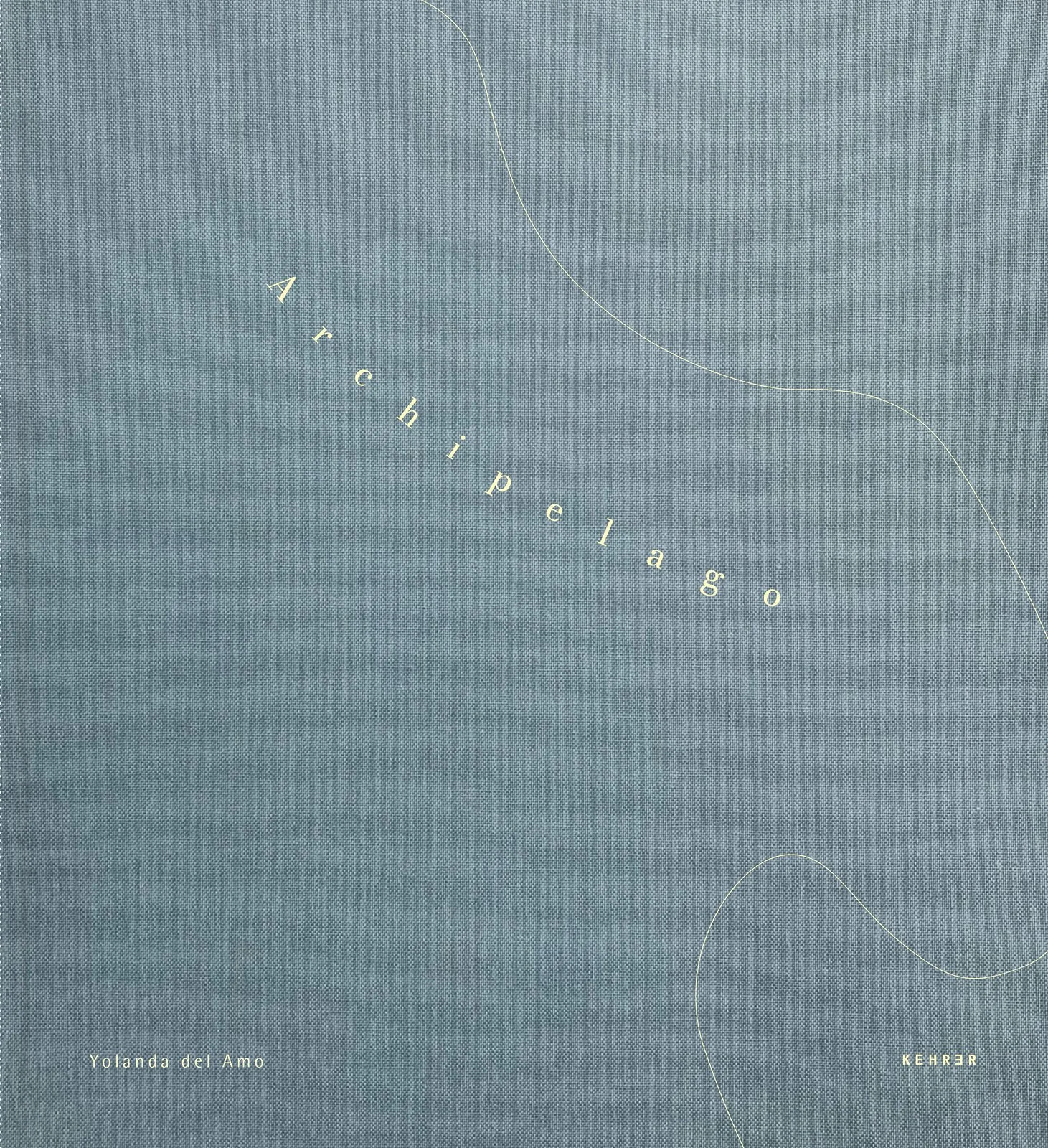
To discover more about this intriguing body of work and how you can acquire your own copy, you can find and purchase the book here. (Kehrer Verlag, Amazon)
More photography books?
We'd love to read your comments below, sharing your thoughts and insights on the artist's work. Looking forward to welcoming you back for our next [book spotlight]. See you then!
Lee Espinoza reminded Darren Vargas of his late grandfather. The photographer met the boxing coach in 2025, five years after his grandfather Esmael died. Photography Book Spotlight