Welcome to this edition of [book spotlight]. Today, we uncover the layers of 'And So We Moved to Petaca,' by Lynn Adler (published by University of New Mexico Press). We'd love to read your comments below about these insights and ideas behind the artist's work.
Lynn Adler documented a vanishing New Mexico community few ever saw.
This interview is about how she spent time in a small village called Petaca and photographed everyday life before it changed. It is for people who are interested in real stories, photography, and how communities live over time. She was not sent there for a job and did not follow a strict plan. She returned many times, built relationships, and slowly became accepted. Because of this, her images show moments that most outsiders would never notice.
But the story is also about how we look at places we do not understand.
Many people see a place like Petaca and think it is simple or poor, but Adler started to see something deeper after spending more time there. She noticed routines, connections, and small details that only appear when you stay longer.
This interview shows how her perspective changed and how her work became more honest because of that. It also raises a bigger question about what we miss when we judge too quickly.
The Book
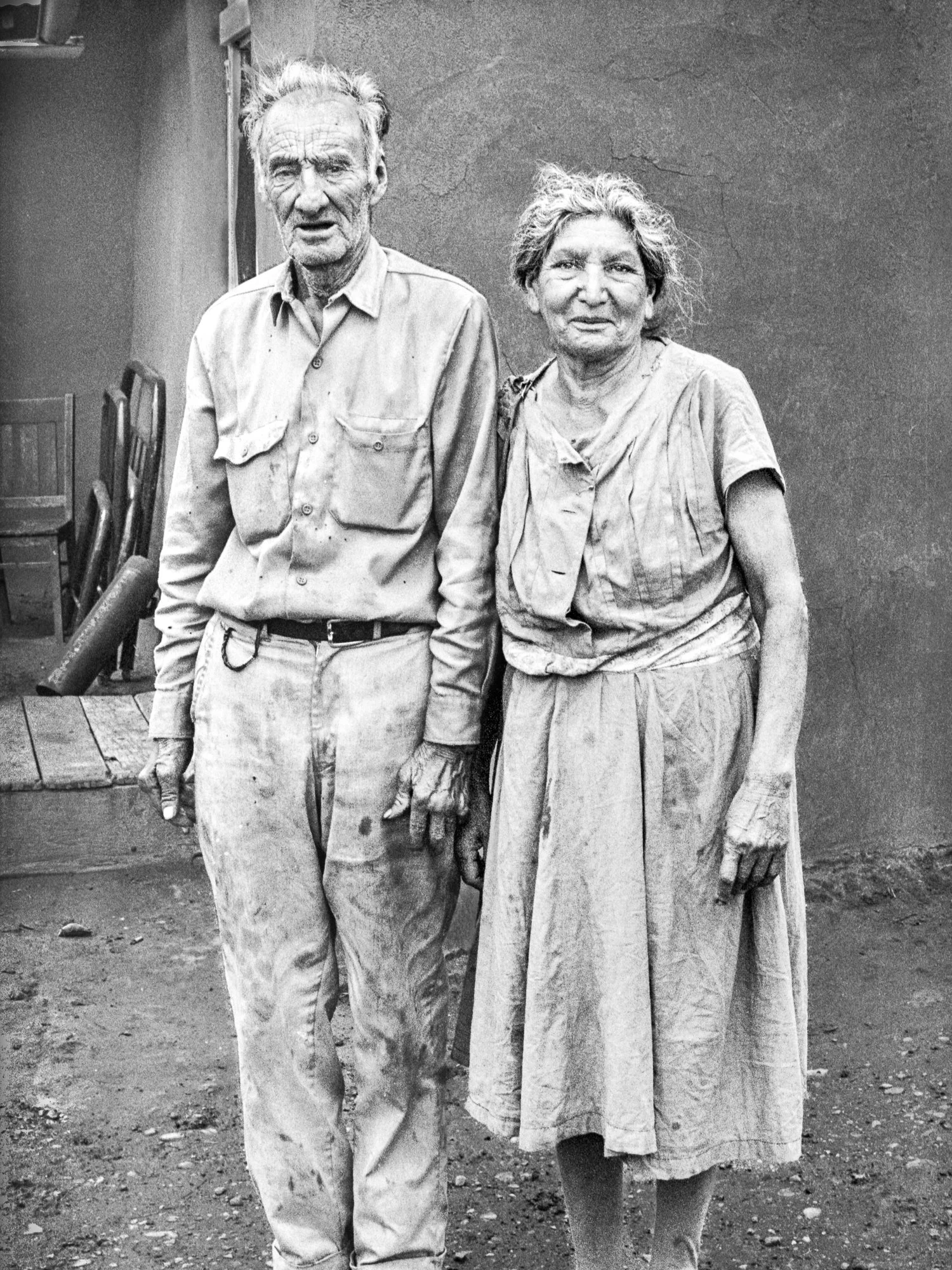
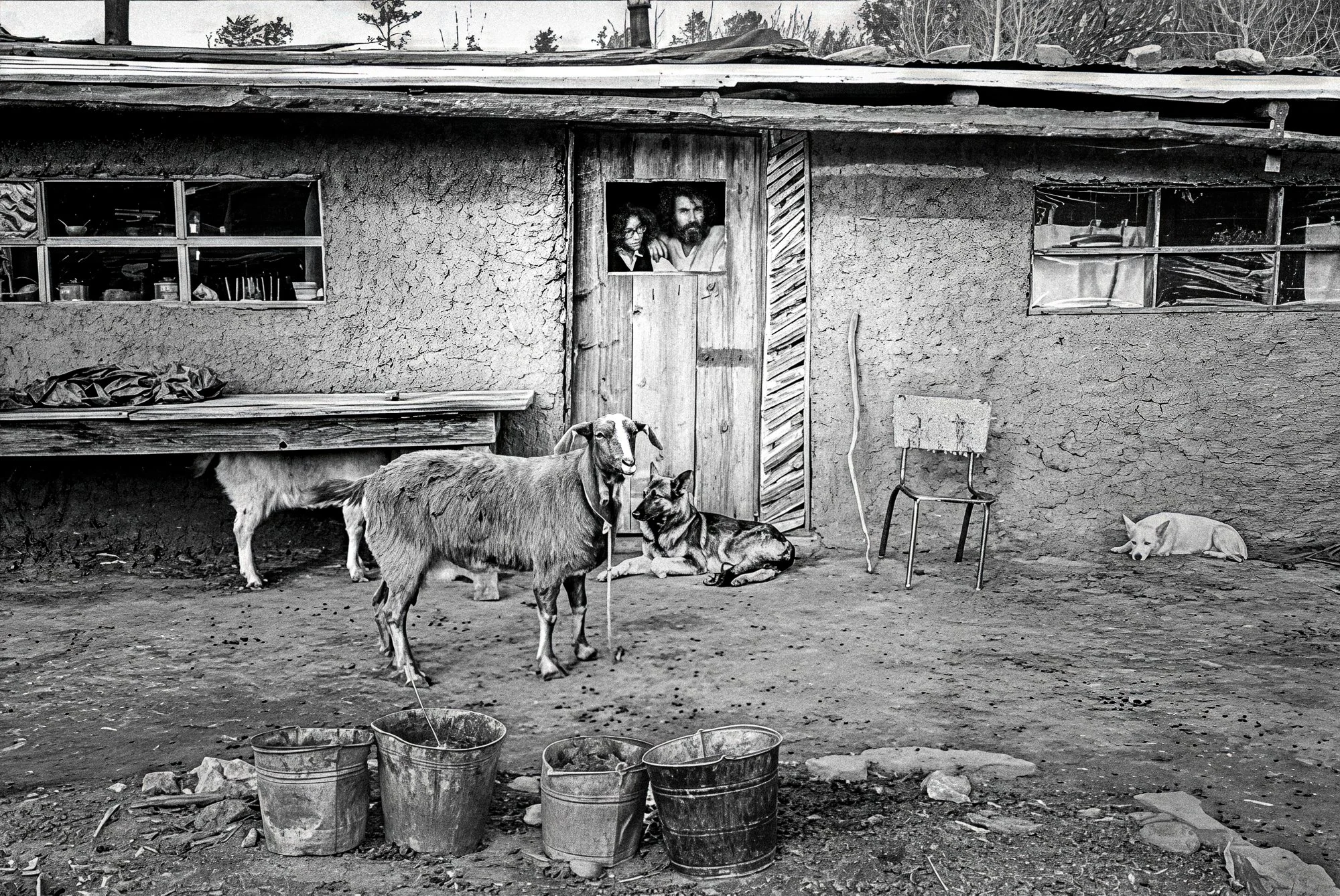
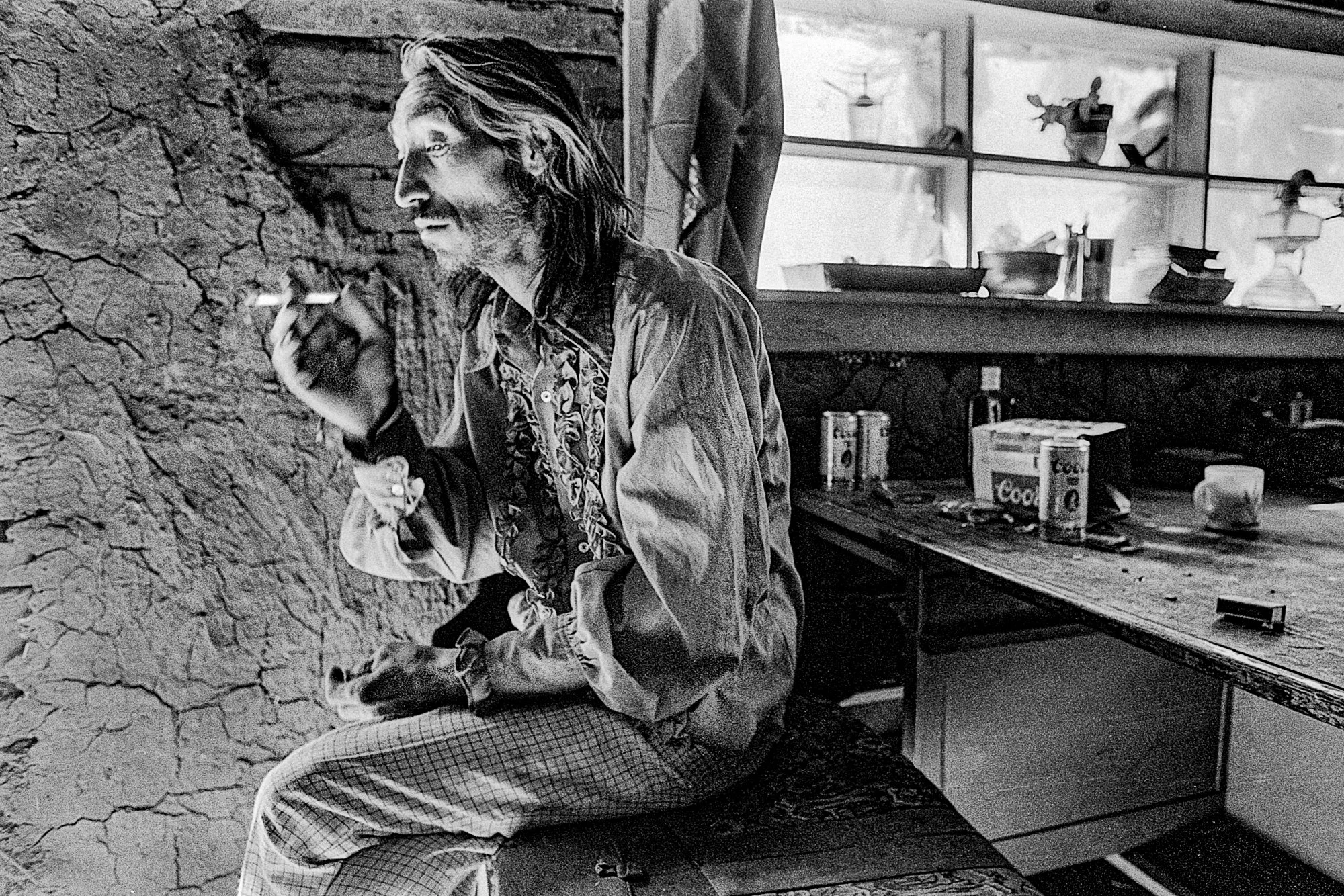
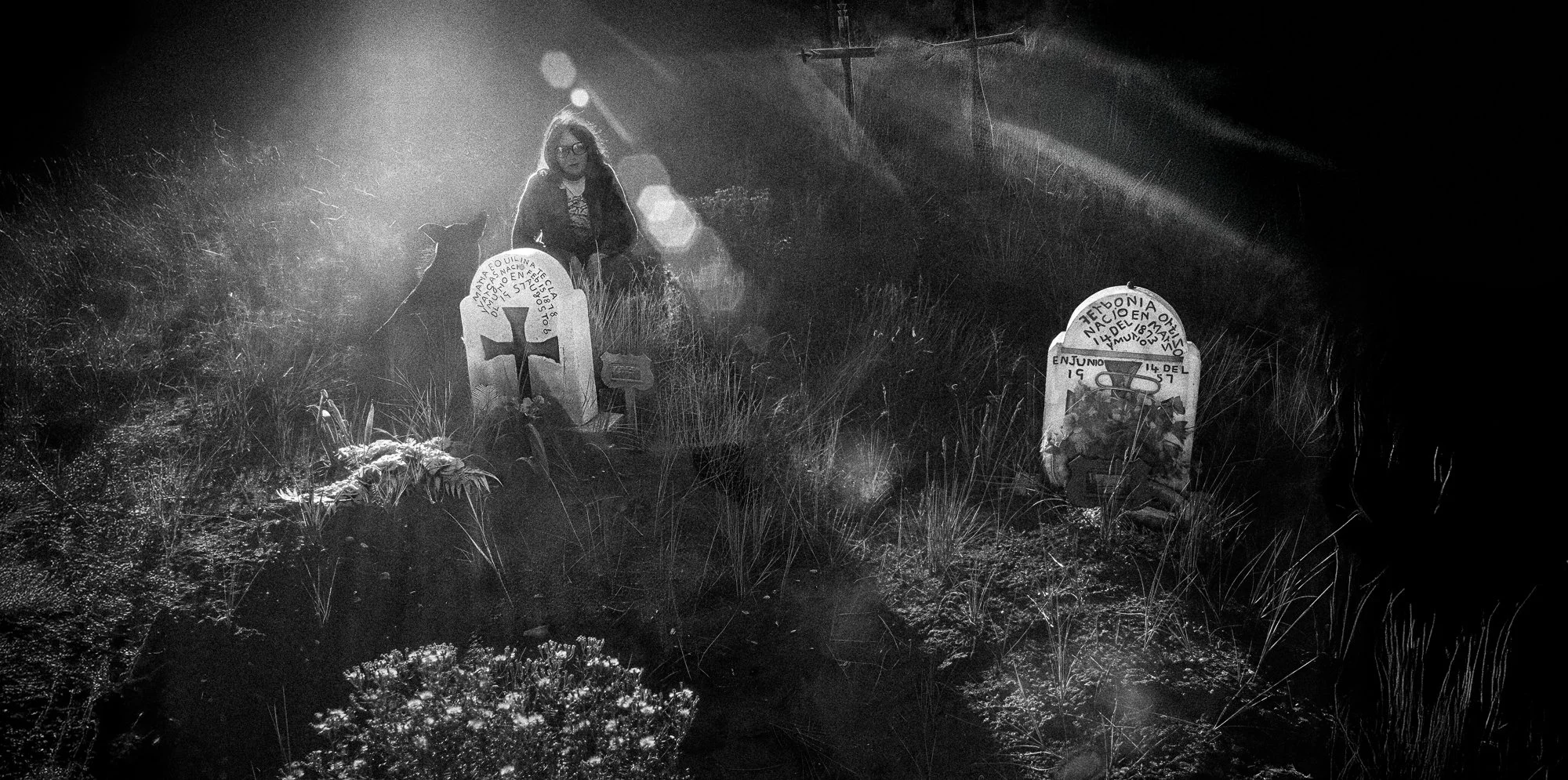
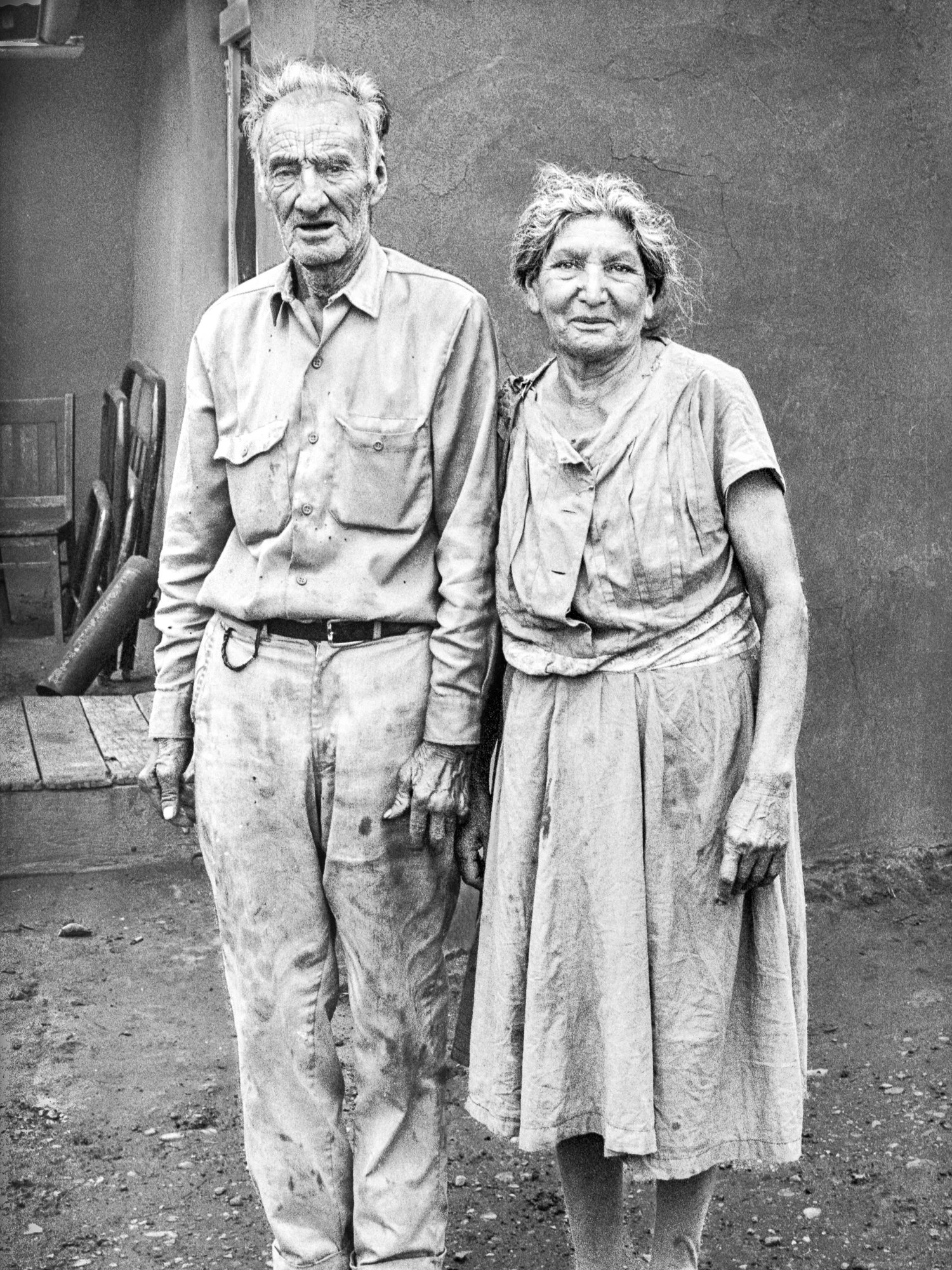
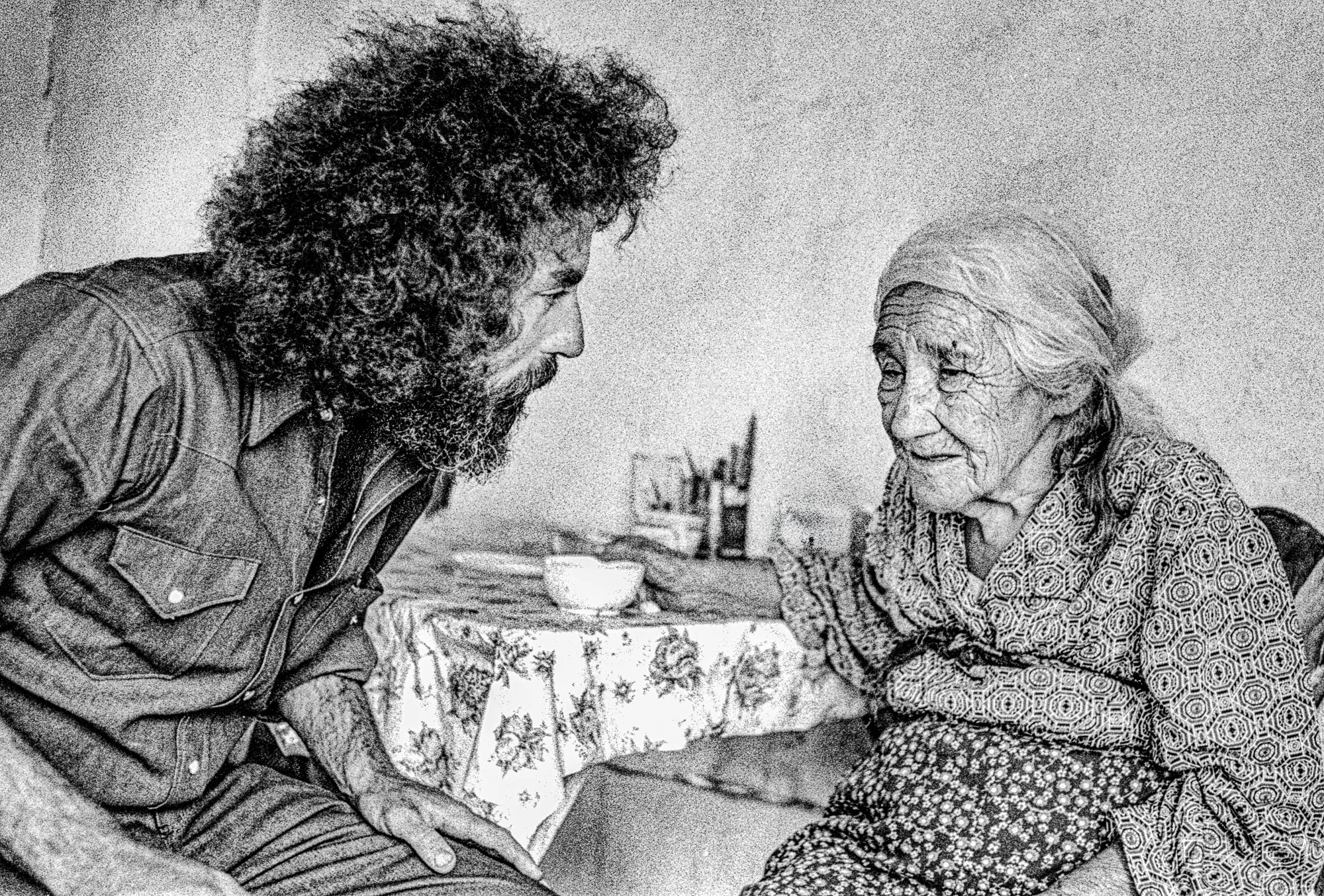
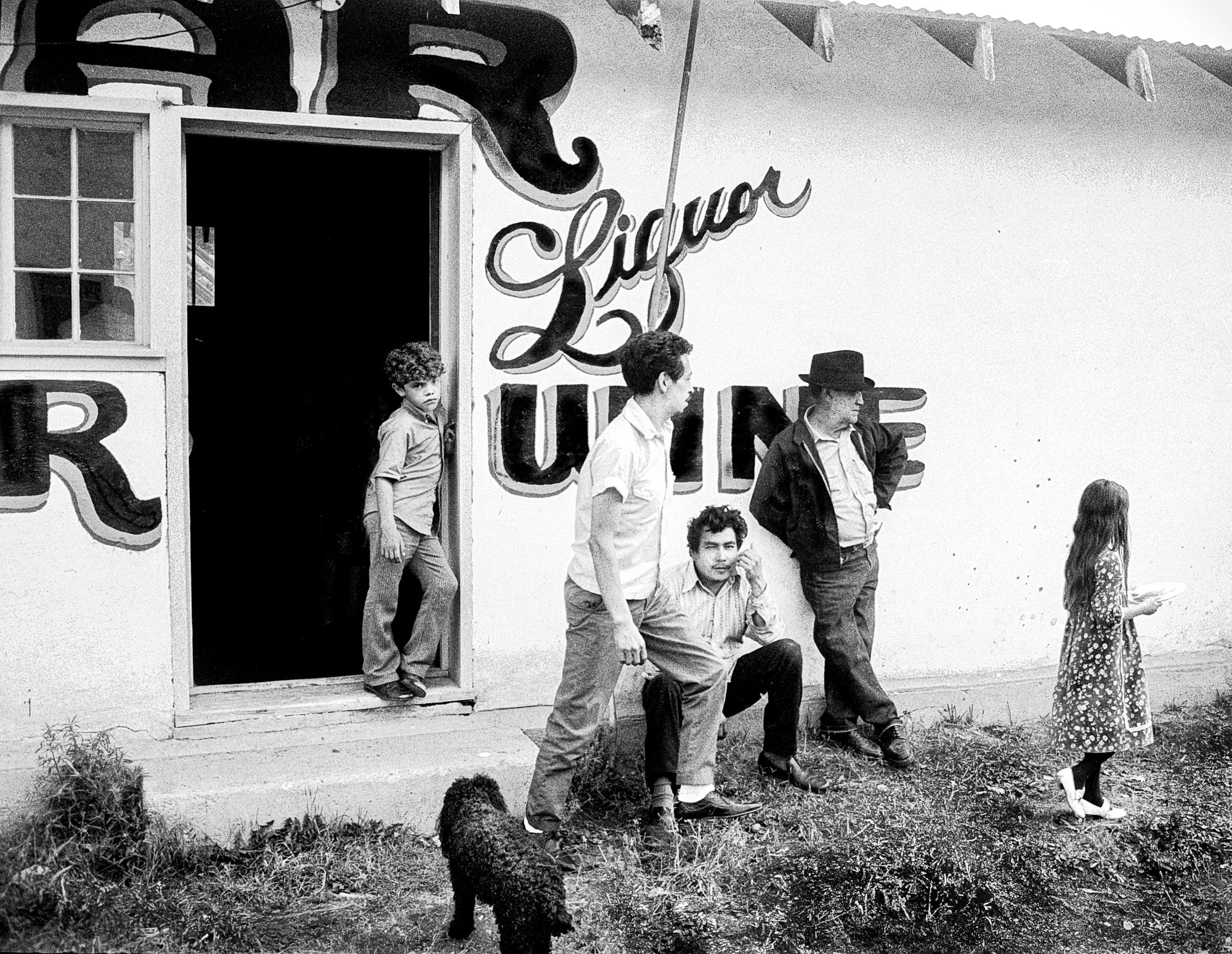
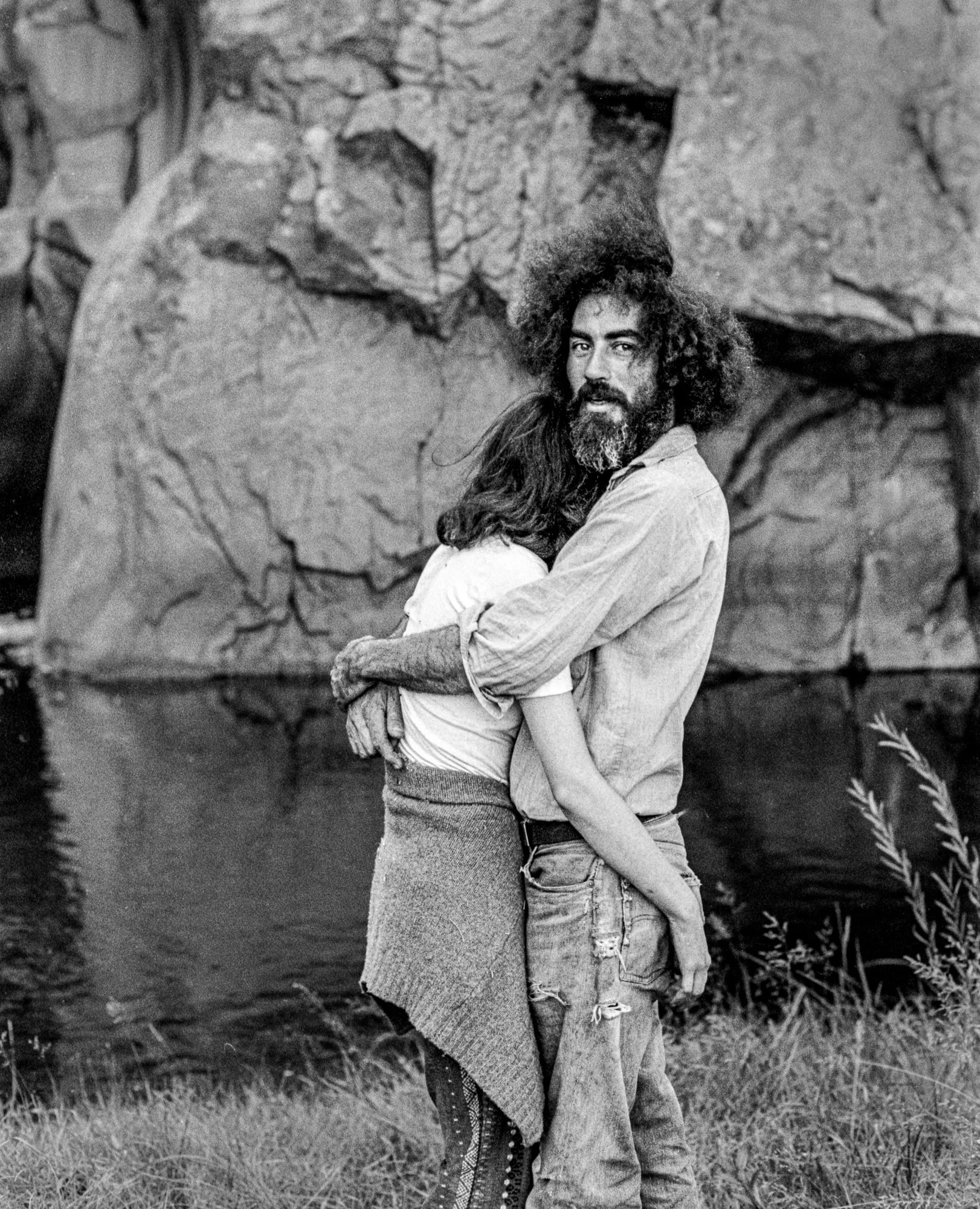
And So We Moved to Petaca is a photography book by Lynn Adler that documents life in a small, remote village in northern New Mexico during the early 1970s. Over several years, Adler returned to Petaca, building relationships with local Hispano families and quietly photographing their daily routines, traditions, and environment.
The book brings together 96 black and white images that show a community shaped by history, land, and strong social ties. Alongside these images, the work also captures a moment of change, as counterculture newcomers began settling in the area and interacting with long-established residents. The photographs reflect both separation and connection between these two worlds.
Created from negatives revisited decades later, the book serves as a visual record of a place that has largely disappeared in its original form. It offers a close and respectful look at everyday life, focusing on people, relationships, and the rhythm of a community rarely seen from the inside. (University of New Mexico Press, Amazon)
Project genesis: You first picked up your mother's old Olympus camera after her sudden death in 1968, and just a couple of years later you were in Petaca. What first drew you to that tiny village, and why did you feel it was a story worth documenting?
In 1965, I was deeply involved in the civil rights movement and, after college, joined the organising staff of Martin Luther King's organisation — first in Greensboro, Alabama, registering voters, then in Chicago organising tenant unions and confronting housing discrimination. Dr. King often spoke to the staff of his vision to unite representatives of poor communities nationwide to petition government agencies in Washington, D.C., a project he called the Poor People's Campaign.
After King's assassination in 1968, thousands travelled to Washington to honour his memory. We built "Resurrection City," a settlement of 3,000 wooden tents on the Mall, and camped there for forty-two days. Braving rain, mud, and heat, we made daily pilgrimages to federal agencies demanding economic justice.
At Resurrection City, I met Marty Greenhut, a community organiser from New York, who introduced me to members of the Alianza from Tierra Amarilla, New Mexico, one of the many organisations who were part of the Poor People's Campaign. They sought to reclaim land grants lost by Hispanic families after the Treaty of Guadalupe Hidalgo and also were launching a newspaper, El Grito del Norte. They were seeking volunteers to gather villagers' opinions, and since I had community organising experience and was pretty fluent in Spanish, I was eager to help.
A small group of us travelled through Rio Arriba County, New Mexico, collecting input from people in these small communities. Tragically, three days later, I learned my mother had suffered a stroke. I flew back to Philadelphia, but she had already passed.
That night I dreamt of a darkroom she had built that I had never seen. In the dream, I opened a cabinet drawer and found a camera. When I woke up, I had to see her darkroom. I raced back to her house. Entering the darkroom, I realised that the layout was very similar to my dream and recognised the cabinet with drawers. I opened one and, just like the dream, there was her camera. I am not extremely spiritual, but this was a truly mind-blowing experience. Holding her camera changed my life.
I became obsessed with photography, forming Optic Nerve, a media collective in San Francisco documenting social and political movements. In the fall of 1970, Marty contacted me because he had decided to return to New Mexico, connect with local people, and explore off-grid living. At the same time, two close friends and single mothers, Claudia King and Sherie Land, who had worked with me as part of the organising staff of Dr. King's organisation, decided to leave San Francisco and head to New Mexico. They also ended up in Petaca, and in the fall of 1970, I began visiting them.
Being present: You were visiting friends who had made the move to Petaca, not an outsider hired to photograph it. How did living inside the story rather than arriving as a stranger change the way you worked?
Marty and Gloria had connected with some of the most influential members of the Petaca community. And when Claudia and Sherie arrived, they also formed friendships with families and the many kids in the town. As their friend, I was therefore met with openness and trust, not as an outsider. Many of the older people could not understand why I would be interested in taking their pictures, and were very amused when I told them that I loved their faces. Of course, the kids wanted pictures of themselves all the time!
There was historical tension in this area of New Mexico because of the land grants. Many Hispanos had lost over 80% of their community land grants after the 1848 Treaty of Guadalupe Hidalgo through a combination of complex U.S. legal proceedings, fraudulent claims, high taxes, and linguistic and cultural barriers. Common lands were often declared public domain and taken by the Forest Service, while others were lost through partition suits and extortionate legal fees paid to lawyers. Though this started years ago, there is still a high level of distrust, and any gringo who moved into any of these communities faced this tension. But in Petaca, it was not openly expressed for several years.
Trust and access: The traditional Hispano families of Petaca had roots going back over a hundred years, and Spanish was nearly everyone's first language. How did you earn the trust of people whose world was so different from your own?
I never lived in Petaca full-time, but visited over a four-year period, sometimes for a week and sometimes for a month. Since my friends had established good relations with the locals, it wasn't difficult for me. Most of the Hispanos were also fluent in English, and my Spanish was good, so language was not a barrier.
Over the course of my documentary film career, I have been in many worlds different from my own, and have learned that the best way to earn trust is to show a genuine interest in the lives of others and a respect for our differences. One other thing that really helped: often when I returned to San Francisco after a New Mexico trip, I would make prints of the people I had met and then send them to my Anglo friends to distribute. Many loved seeing the images and welcomed my camera.
Self-taught approach: You taught yourself photography and were working with a simple 35mm camera at a time when very few women were doing ethnographic work with a camera. Did your technical limits ever force you to make creative choices that turned out to be the right ones?
Quite frankly, because I am not a very technical person, I had to rely on my instincts. I am sure I missed many shots, but I just kept on and figured out workarounds when I could. Many of my New Mexico negatives were damaged because I was doing my own developing and printing and made many errors along the way!
Revisiting these images fifty years later, I also had the benefit of current technologies. After scanning negatives and putting them into Lightroom, I had many more opportunities for creative editing and was able to really salvage some of the negatives that I never would have been able to deal with in my darkroom. Some images that didn't look worthy on a contact sheet ended up being some of my favourites after editing them in Lightroom.
Two worlds in one frame: Some of your images show the two communities side by side, subsistence farmers next to counterculture homesteaders. What did you look for in the viewfinder when you wanted a single photograph to hold that cultural tension?
I was searching for those moments when there was interaction between the two communities — and honestly I often missed them because they often happened when I wasn't there. For example, during the period where Marty and Gloria were building their adobe home, many of the locals came and helped them with the mudding and putting up the vigas, and I heard great stories, but my camera missed it.
There were moments that I did capture, where Jesusita shares some of her wisdom as a curandera with Marty. Or at the dance after Santiago and Maria's 50th wedding anniversary, where both the Anglo and the Hispano residents partied together in the old dance hall.
Black and white: The book contains 96 black and white photographs. Was that a practical decision, an aesthetic one, or both, and what does black and white give a documentary project that colour cannot?
I have always been drawn to black and white. Of course, in the 1970s there were no digital cameras and I shot with a 35mm camera using Tri-X film. To this day, I am still drawn to black and white and usually convert my digital images accordingly. I can't give you a detailed rationale, but I like the emotional depth and mood, the tonal ranges.
When I first started using a camera, I was deeply influenced by Eugene Smith, whose use of lighting, composition, and drama had a real impact on me.
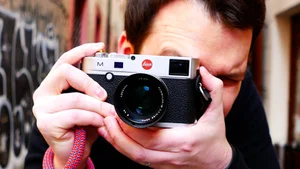
When I was in Petaca, I was shooting with a Leica M4 and used Tri-X film. Currently, especially given my MS and scoliosis, I often need a lighter camera and use my iPhone 16, shooting raw. After transferring the images into Lightroom, I can make the choice of black and white or colour. It really depends on the subject, lighting, and mood I want to create, but I do find myself often choosing black and white. For some reason, it seems to be how I see the world, at least the human world.
Knowing when to shoot: Documentary photographers often talk about the moment you decide not to raise the camera. Were there times in Petaca when you held back, and what guided that instinct?
Yes, there were times. Petaca was a financially poor community, and lack of work and general frustration led to serious drinking, especially among the men in the community. I would not take pictures of men who were obviously drunk. I also chose not to document family disputes that might make for dramatic moments but that I felt would be disrespectful. Of course, the presence of a camera always changes reality, but I make a real effort not to be noticed.
Was that a rule you arrived at before you started in Petaca, or something you worked out as you went? And how did you know in the moment which situations crossed the line?
Over our years of working on documentary films, we would become very close to some of our subjects. What this sometimes meant is that they did not hide excessive drinking or family arguments. During the editing process, if we determined that including these elements was a distraction and didn't add any clarity to the story, we didn't include them.
This was never a formal rule, but my interest in both films and still images was to show the strength and beauty of the people I was documenting. In both my film work and my photography, whether we were focusing on inmates at a county jail, long-haul owner-operator truck drivers, beauty pageant participants, rodeo cowboys, or communities dealing with housing speculation and eviction, we made every effort to focus on the complexities of the story.
Time and memory: It has been roughly fifty years since you last photographed Petaca, and the book is only coming out now. How did returning to those negatives after so long change how you saw the work you made as a young photographer?
I have spent most of my working life as a documentary filmmaker, though I always loved using a still camera. During the pandemic, I decided to start digitising much of my early work, including the Petaca images. I had no clear agenda but was excited by what I saw, and I started posting a few of them on my Instagram page. I noticed that a particular person, Bill Shapiro, kept liking my Petaca shots, so of course I Googled him — and almost fell off my chair when I read that he had been the editor-in-chief of Life magazine. In my childhood, I had eagerly waited for Life to arrive at our house every week so I could devour it before my parents.
I was stunned, but eventually got up my nerve to contact him. One thing led to another, and I am now having a photography book, And So We Moved to Petaca, published by the University of New Mexico Press, with Bill as my editor, and a gallery showing in Santa Fe at the Obscura Gallery, curated by Bill, at the end of May. Bill's appreciation of my work made me realise that I had a real skill, but back in the day, I just didn't recognise it. And I was so busy creating long-form documentaries for television and independent distribution with my partners at Ideas in Motion that I really submerged my passion for the still image.
Selection logic: When you were going through the Petaca negatives in Lightroom after fifty years, what were the specific things you looked for when deciding which images were worth saving? Was it a feeling, a quality of light, a relationship between the people in the frame, something else?
The process of scanning the old negatives gave me a much clearer view of the images. I saw elements in the frame that I had never noticed before. I first gravitated to people I remembered and focused on finding the most compelling shots of them. The scanning process happened before I had any interaction with Bill, so I was not thinking about telling a story. I was relying most on the feelings that the images communicated to me.
Of course, images that showed any connection between the Anglo and Hispanic communities were important, as well as trying to capture the rhythm of daily life in Petaca.
Archive and editorial judgement: You posted the Petaca images on Instagram during the pandemic with no clear plan, and that led directly to Bill Shapiro reaching out and eventually to the book. Looking back, were the images that got the strongest response from followers the same ones that ended up in the book, or did Shapiro see something different in the work than your audience did?
Once Bill and I started working together, he asked me to send him all the Petaca images, not just the ones I thought were the best. And as it turned out, that was a really important lesson for me, because once we started crafting the story, there were images that didn't stand out on their own but were really essential as transitional elements.
There are definitely images in the book that I never posted on Instagram. Once we decided on the story, we started looking at how to sequence them. Some images that were not strong on their own became essential to the flow of the story.
Film versus stills: You spent most of your career making long-form documentaries, where you had co-directors, editors, and a team shaping the final work. With the Petaca book, you were building a sequence of still images mostly alone, at least at first. What did working in film teach you about how to structure a body of photographs, and what did you have to unlearn?
Documentary film work is very much a team undertaking. We were a small company and did much of the filming, sound recording, and editing ourselves, but often hired consultants and additional sound and editing people. So in these situations, we benefitted from having many visions of what direction would work best. Of course, it was up to our core group to make final decisions.
Shooting with a still camera is a much more solitary undertaking. I was dependent on myself to work out problems in the field, but my film experiences taught me that it was important to experiment with different ways to sequence my still images and to avoid being rigid. I am not sure I had to unlearn anything. With my still photography, I was confident that I had a unique way of seeing but not always the technical skills needed to achieve my vision. So I guess I had to unlearn a reliance on others and work out my own approach.
The bigger lesson: Your career with Optic Nerve was built on the idea that observation, without a heavy editorial hand, can tell the truest story. Looking back at Petaca, what does that approach teach photographers today about how to document a community they care about?
It is important to be open to surprises and embrace the unexpected. I know that often in my documentary film work, we would pre-interview people and think we had found the best spokespersons. Then on location, right before an interview, sometimes our ideal candidates would go missing. Instead of giving up, we would spread a wide net and often end up with even better storytellers.
I really had no agenda when I visited Petaca. I was just curious how my urban friends would survive with no skills for off-grid living. And I was also wondering how the Hispanos in Petaca would relate to these young, naive gringos who had suddenly appeared in their little community. I would just follow people around, hang out with them, and keep my eyes wide open. Showing sincere interest in their lives and concerns is the key to connecting.
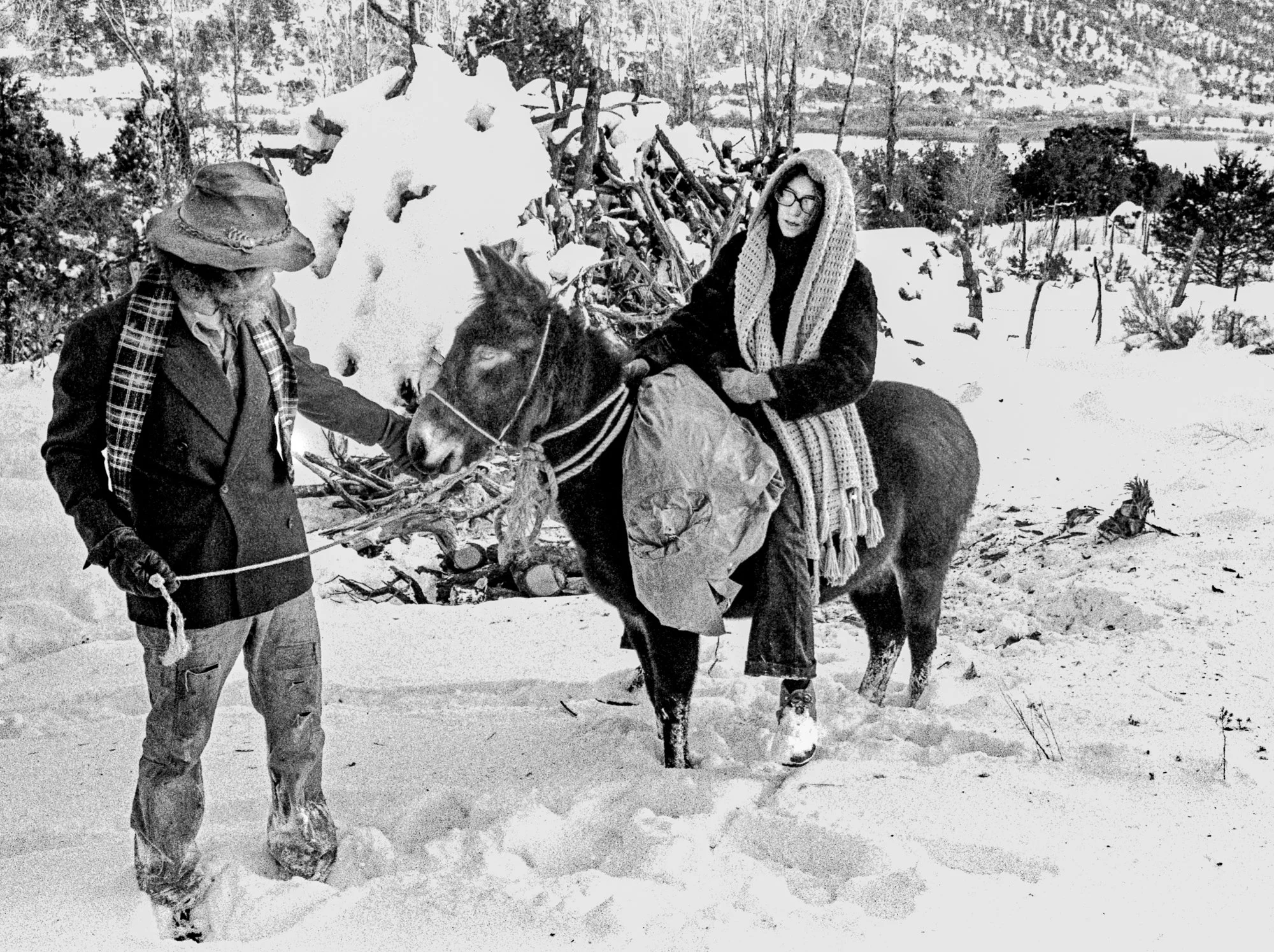
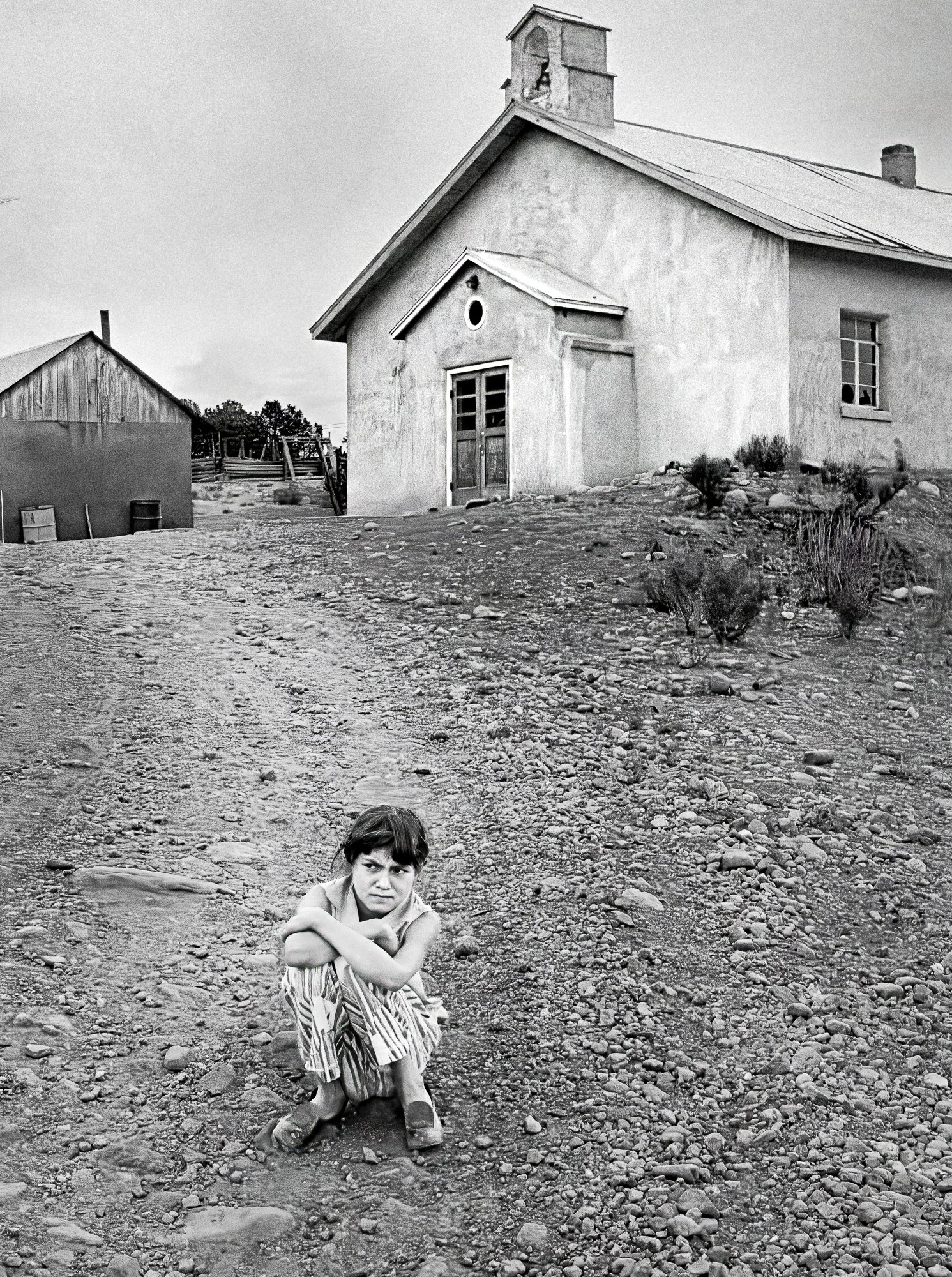
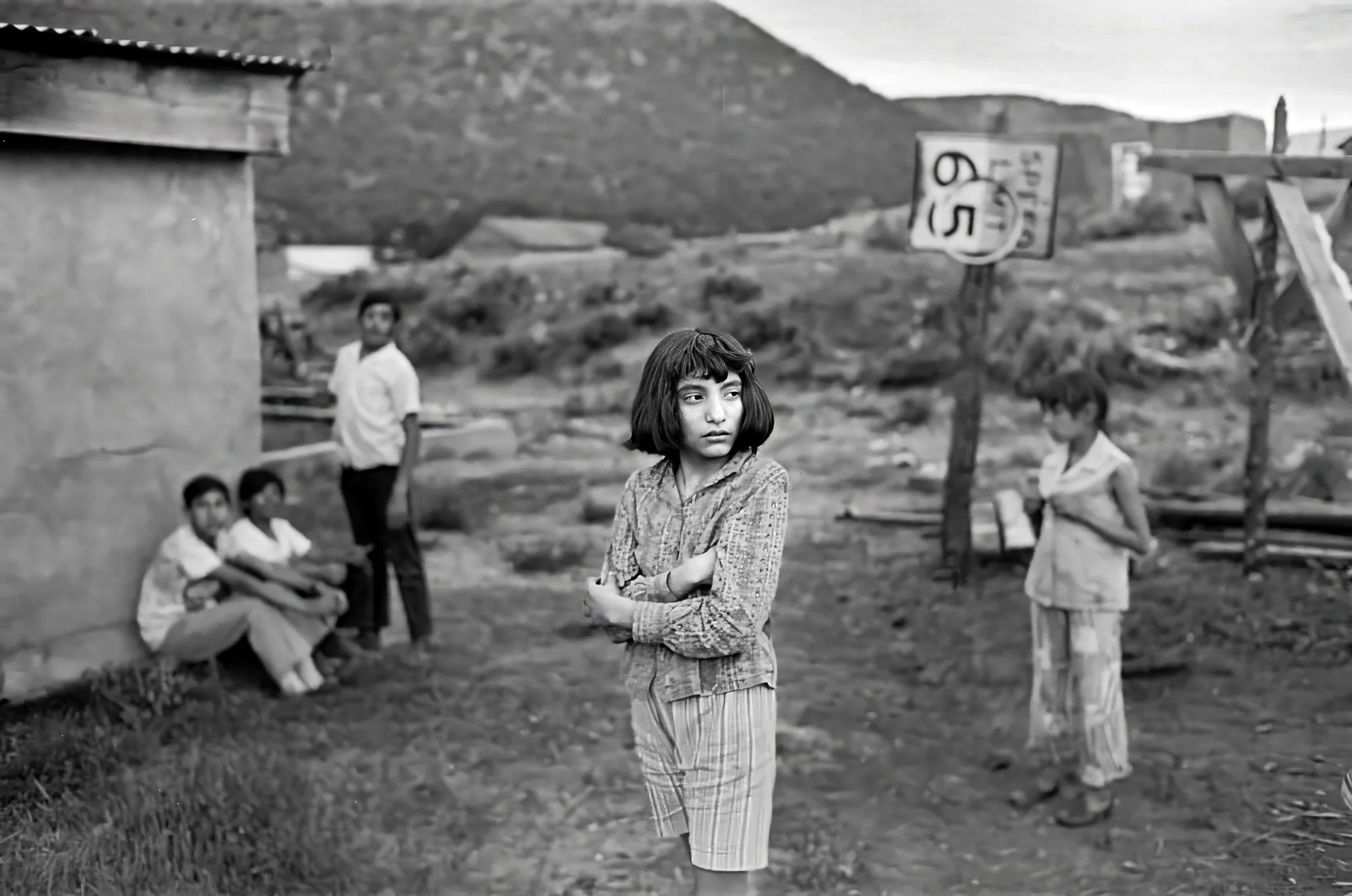
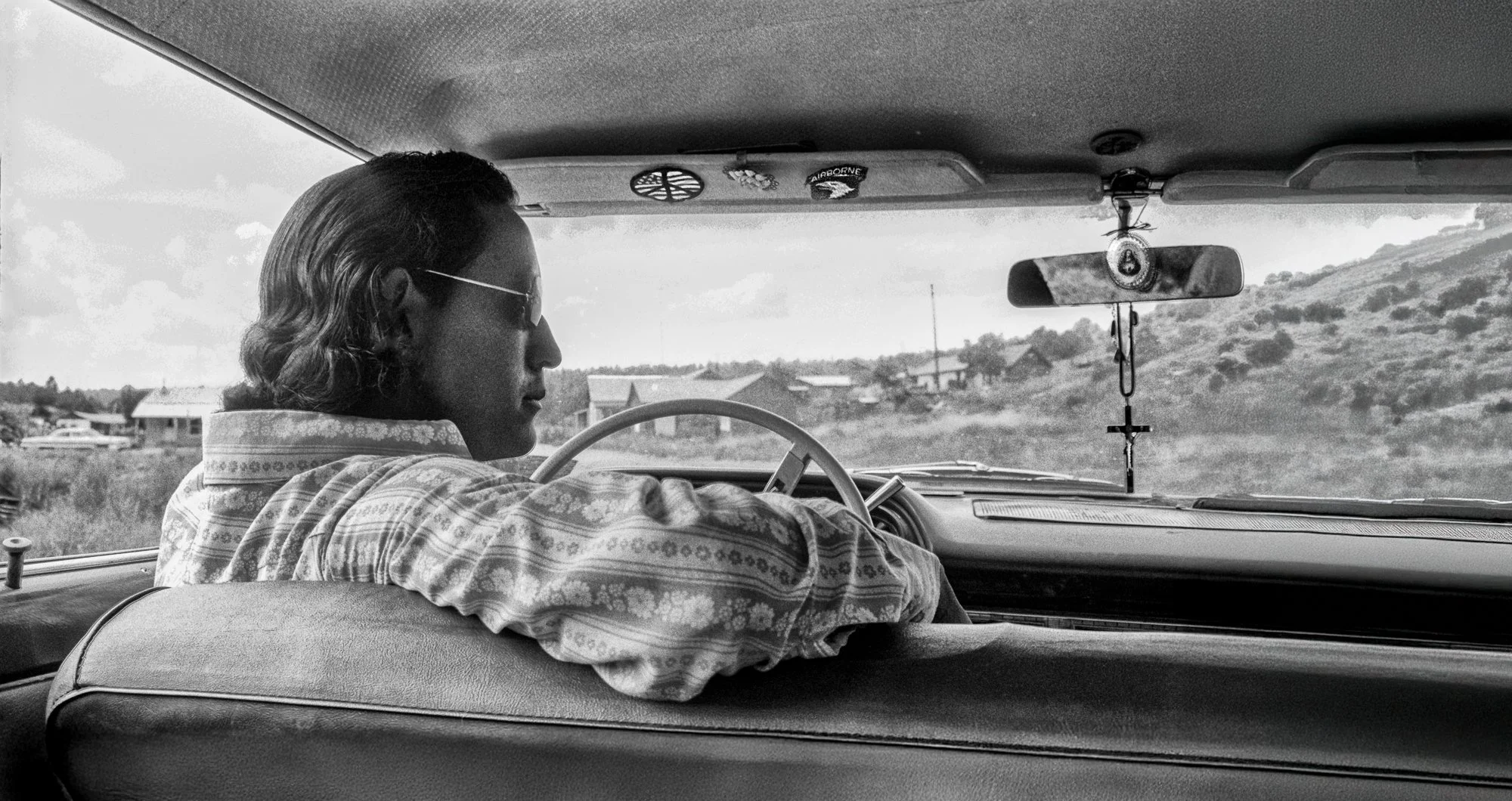
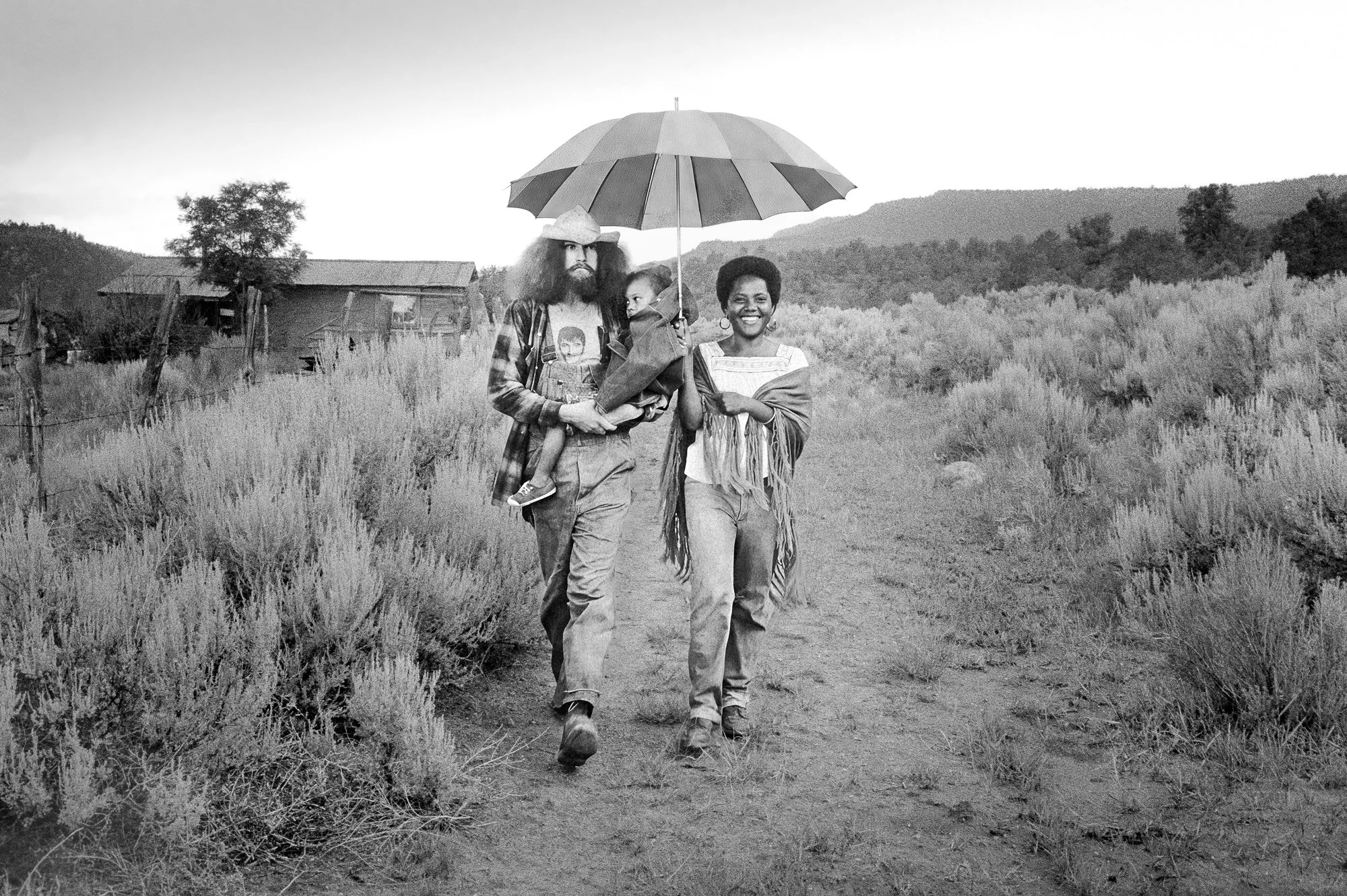
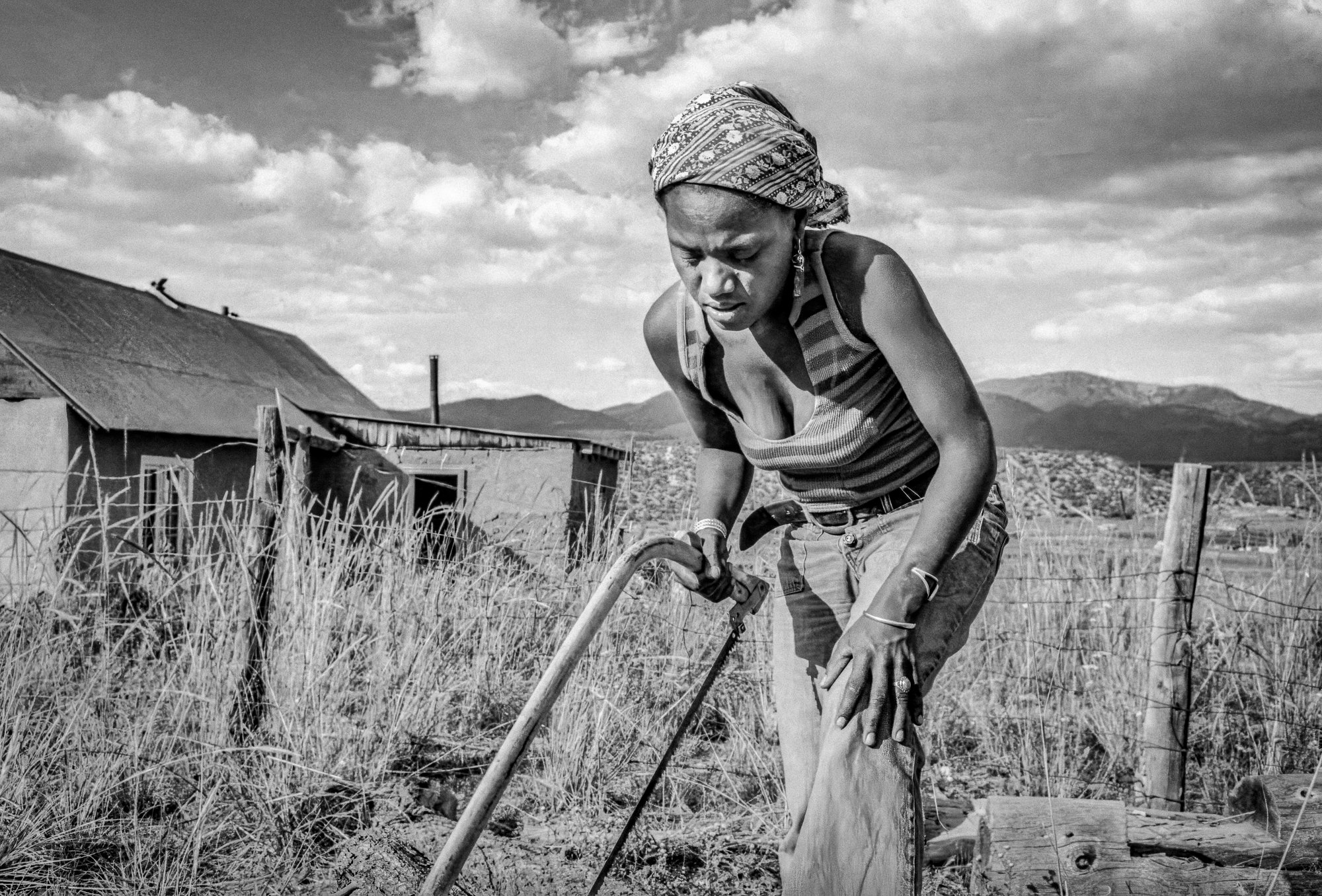
To discover more about this intriguing body of work and how you can acquire your own copy, you can find and purchase the book here. (University of New Mexico Press, Amazon)
More photography books?
We'd love to read your comments below, sharing your thoughts and insights on the artist's work. Looking forward to welcoming you back for our next [book spotlight]. See you then!
Color entered Janelle Lynch’s photographs through painting. In Another Way of Looking at Love, she photographed plants and trees on her property in the Catskills. Photography Book Spotlight