8 Years, 62 Photos, 1 Square: How David Salcedo Turned Everyday Chaos Into A Powerful Visual Story About Modern Cities
Welcome to another captivating photo essay, this time by David Salcedo We'd love to hear your thoughts. Feel free to comment below and, if you're interested, share your photo essay with us. Your perspectives add valuable dimensions to our collective exploration.
David spent 8 years watching one public square.
What he found changes how we understand places we think we know. During this time, he returned again and again, building a body of 62 photographs. The square did not become more important, but his way of seeing became deeper.
At first, the square looks like a place people just cross.
But with time, small patterns start to appear in how people move and behave. Tourists, locals, pigeons, shadows, all repeat actions in different ways. The space stays almost the same, but the meaning of it slowly shifts. This conversation explores how long observation changes what we notice.
If you look at the same place many times, you start to see more.
Not bigger moments, but smaller details that repeat and connect. This work is about attention, repetition, and what appears when nothing “special” is happening.
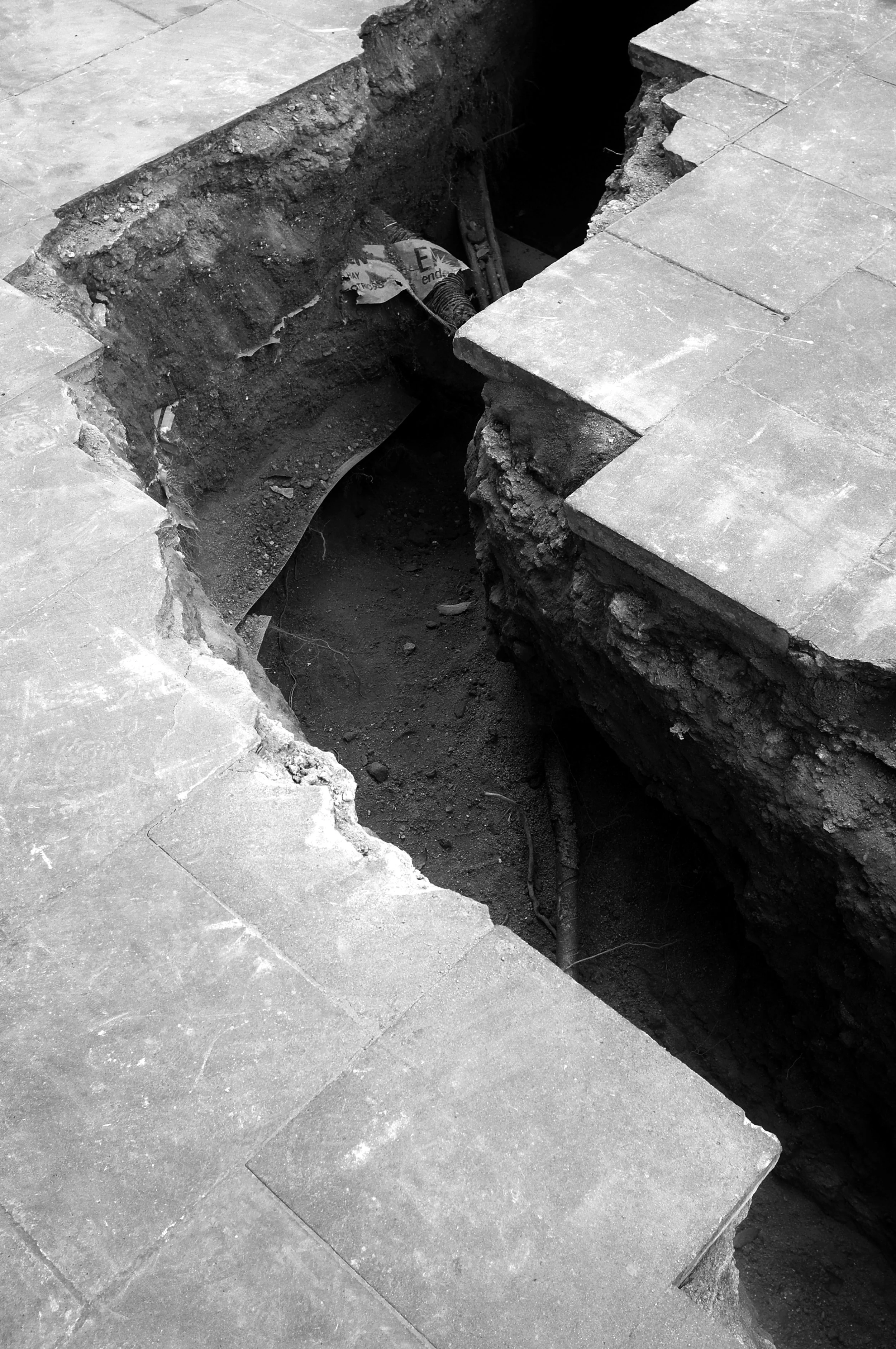
The Essay - David Salcedo - Eight points
I
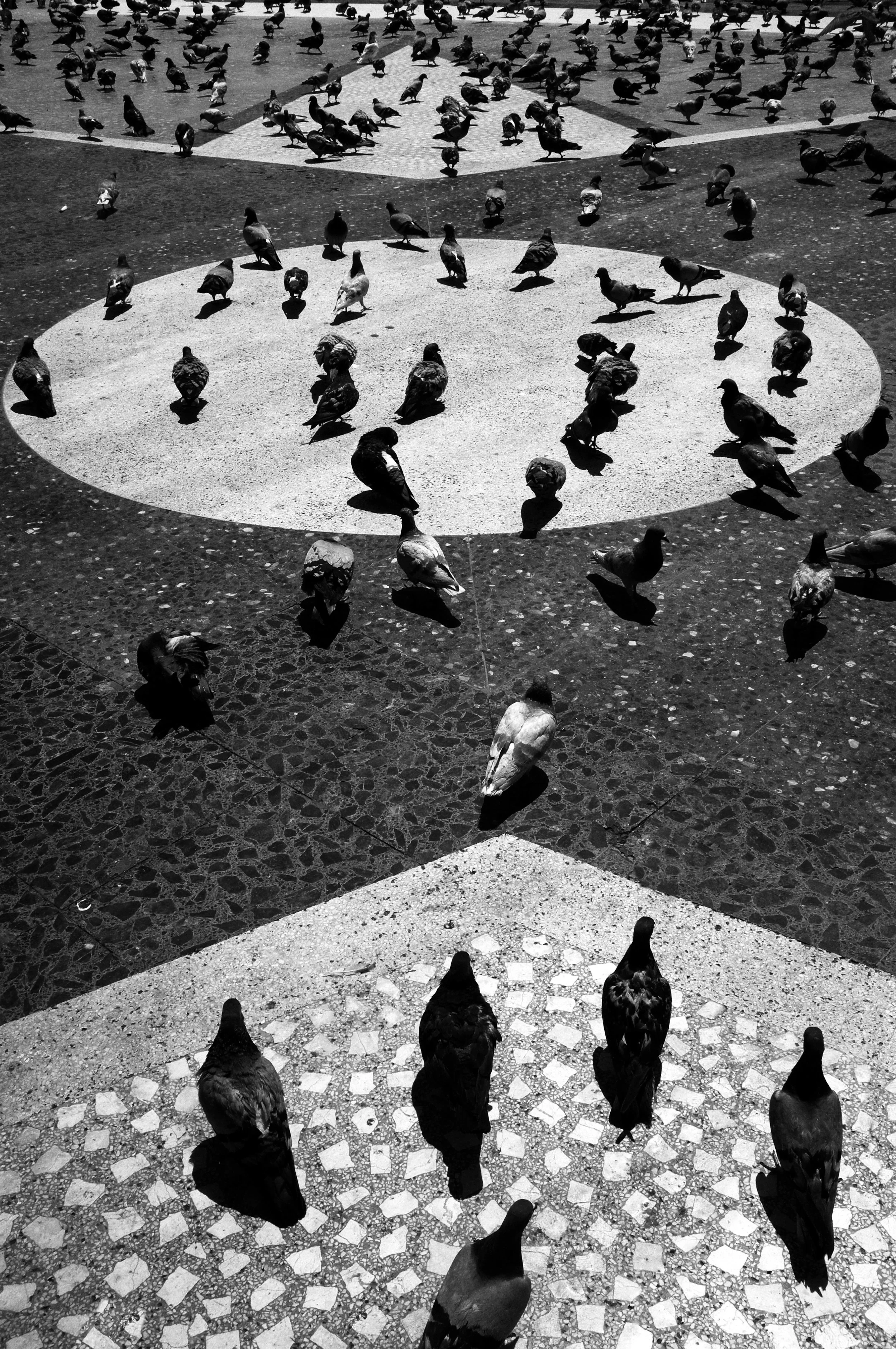
It is difficult to define it as a place, because it is only a set of routes without a clear origin or destination. People do not live there; they travel through it when they are forced to and have the strength to endure its hardness and roughness. Going through it has always had something of an adventure, and any event that occurs there serves to feed the desire to stay there as little as possible. Every city has a corner like this in the depths of its soul. In this case, it is a square whose centre is guarded by an army of pigeons and crowned by an eight-pointed star.
II
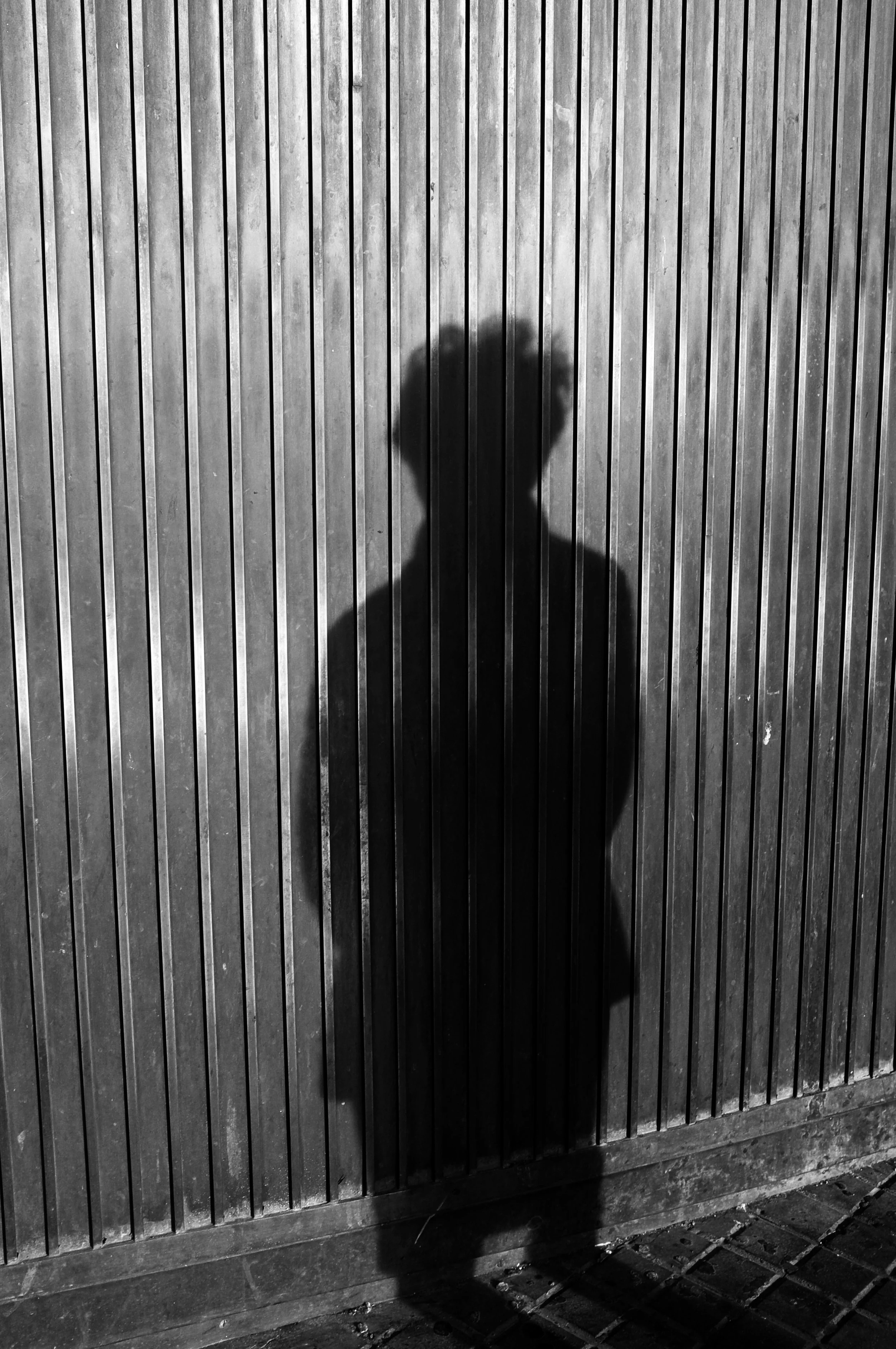
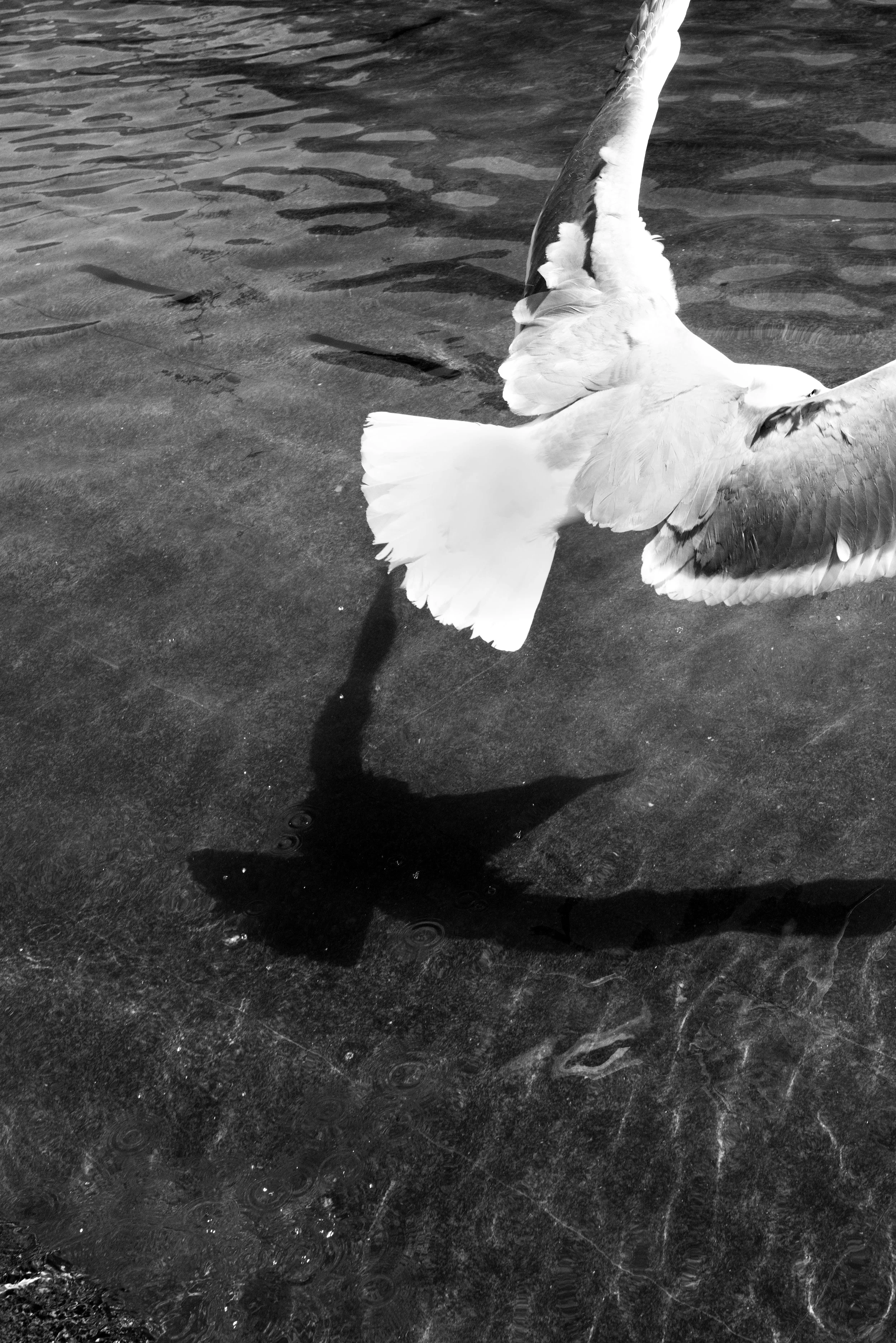
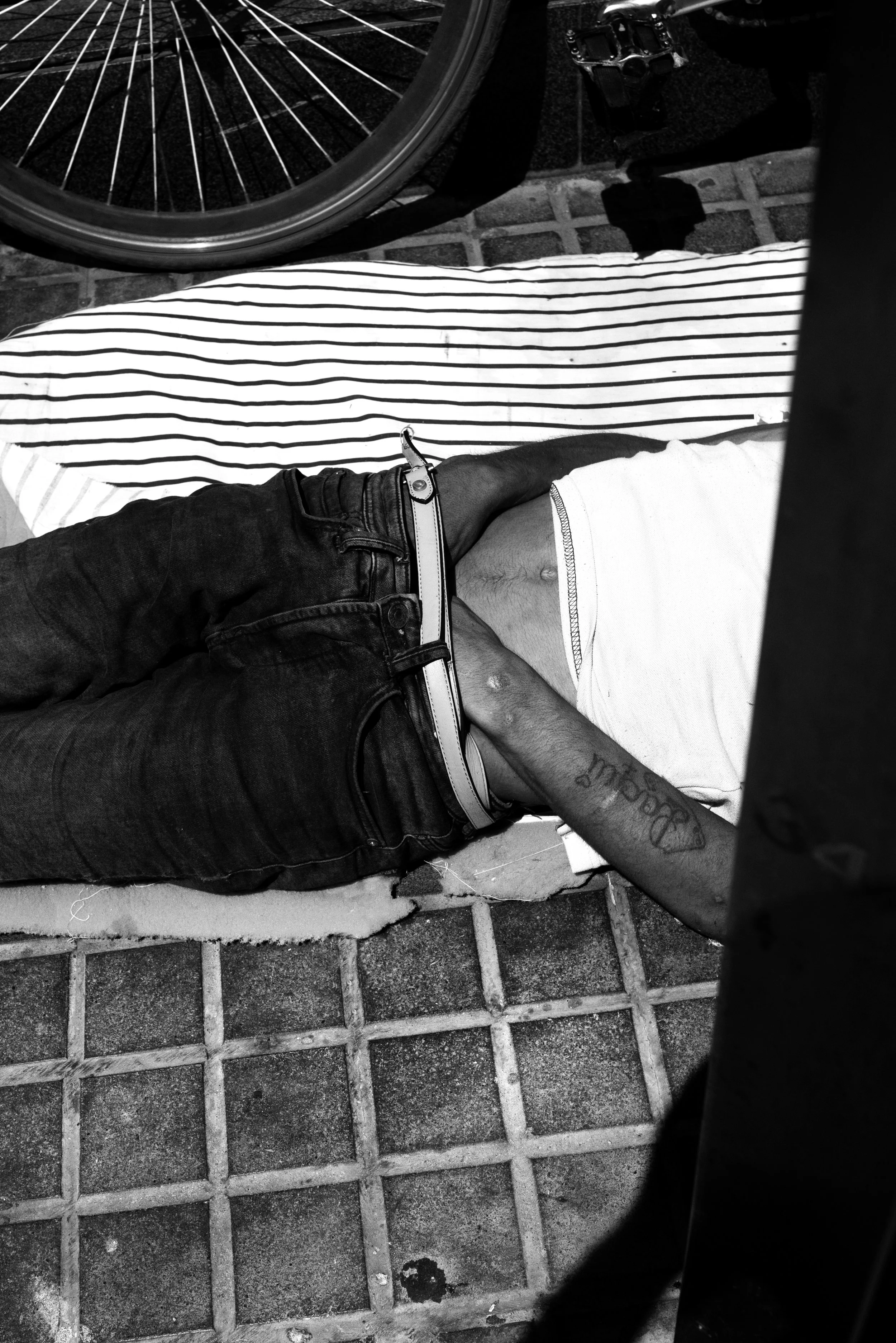
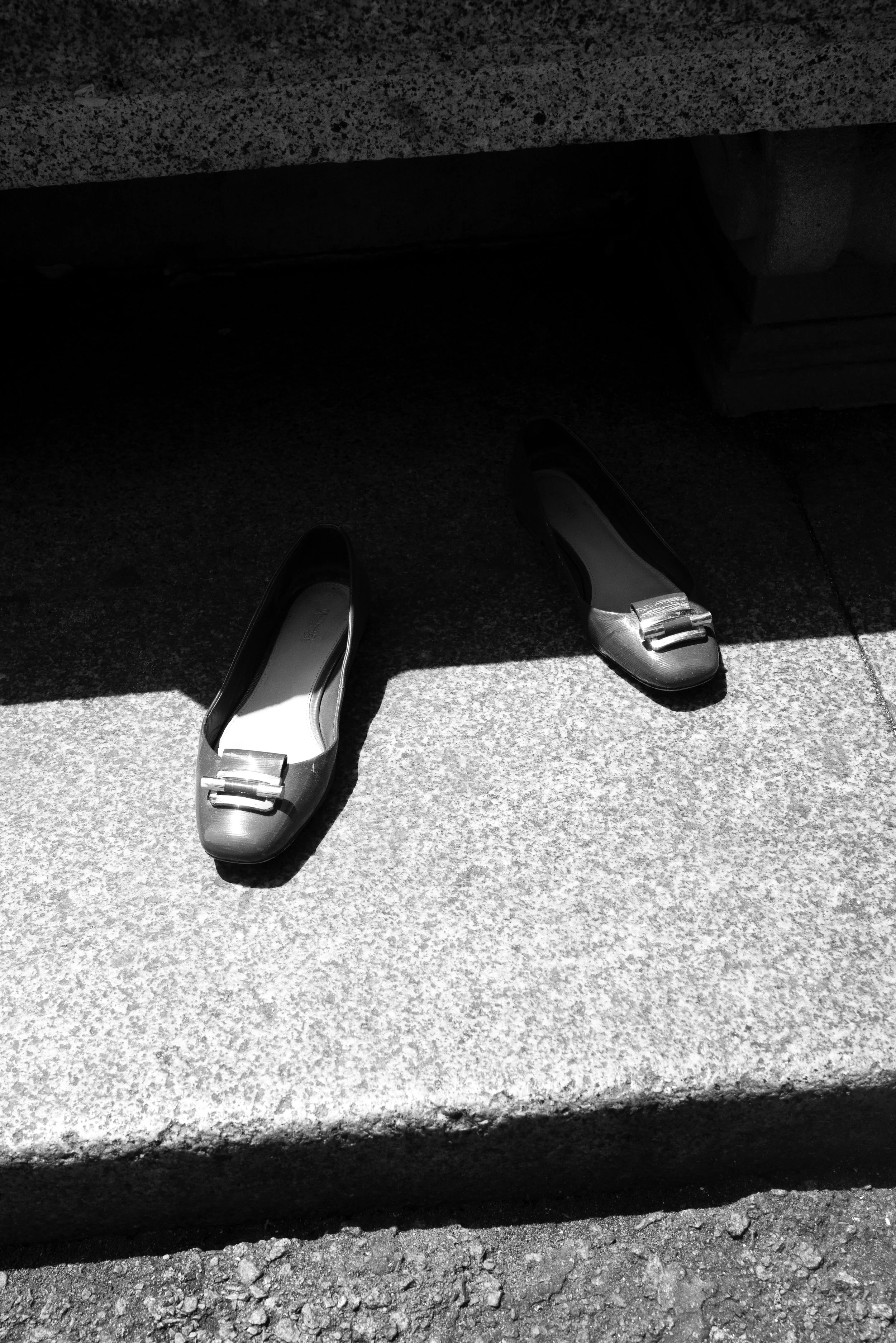
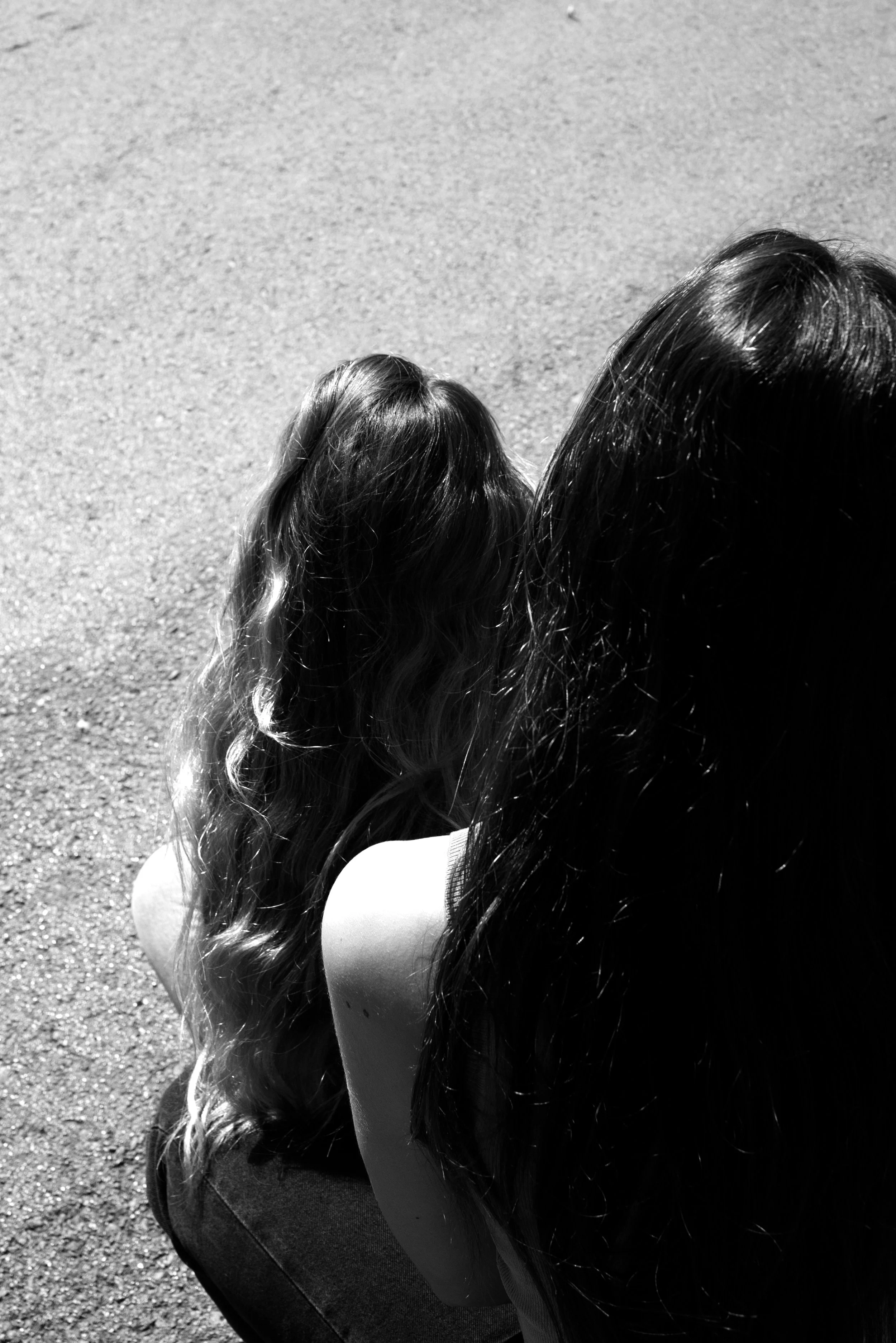
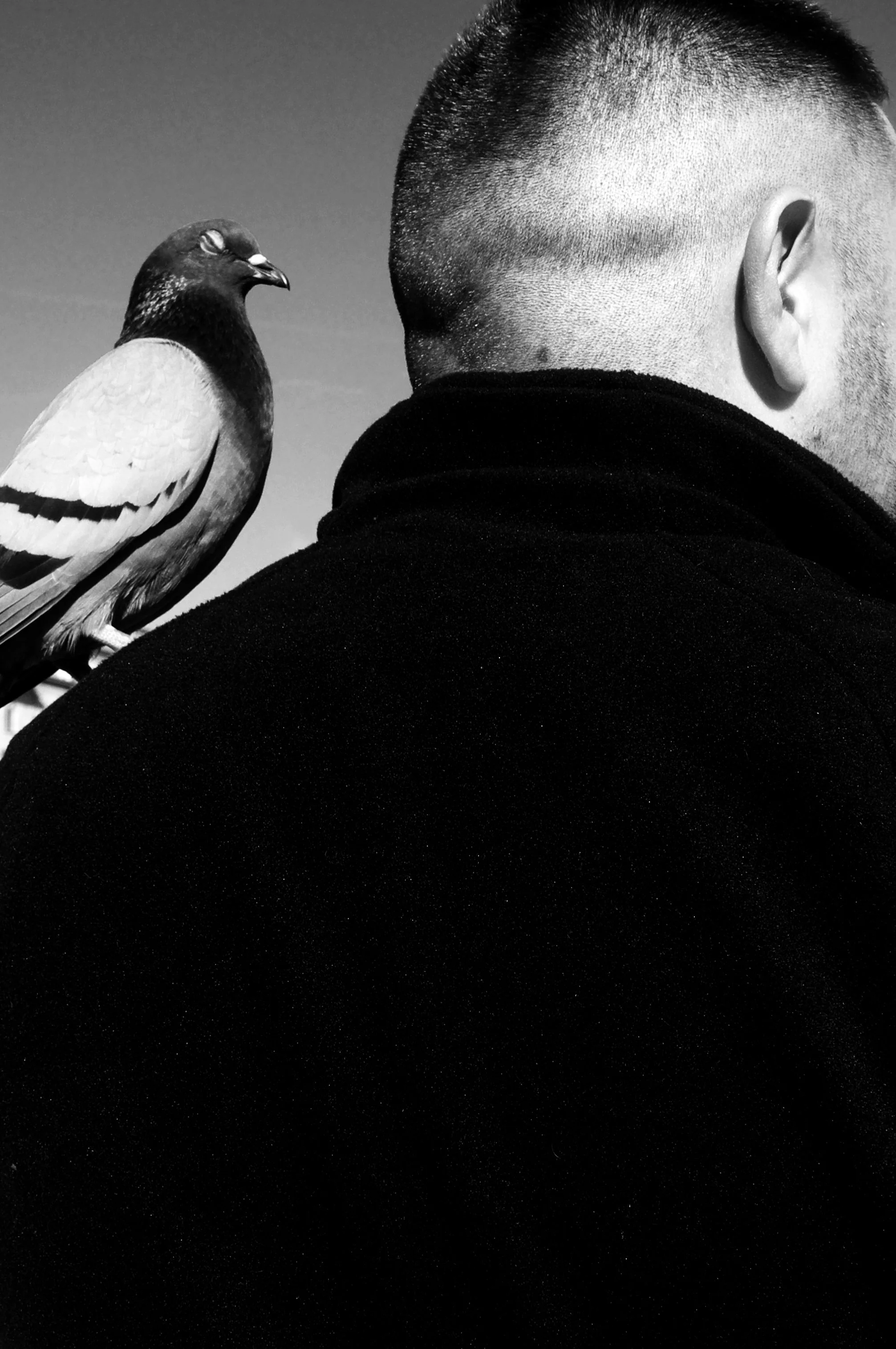
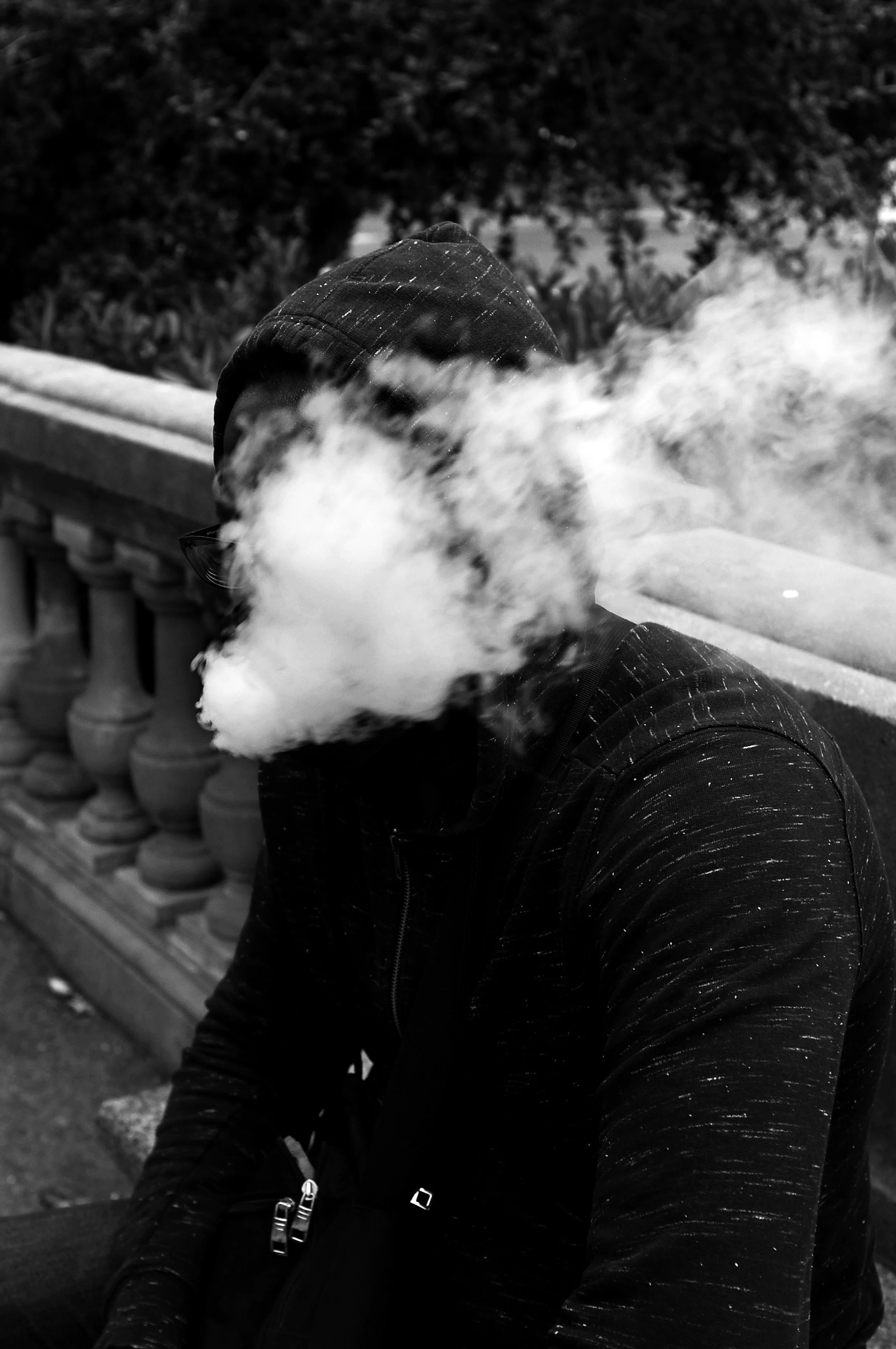
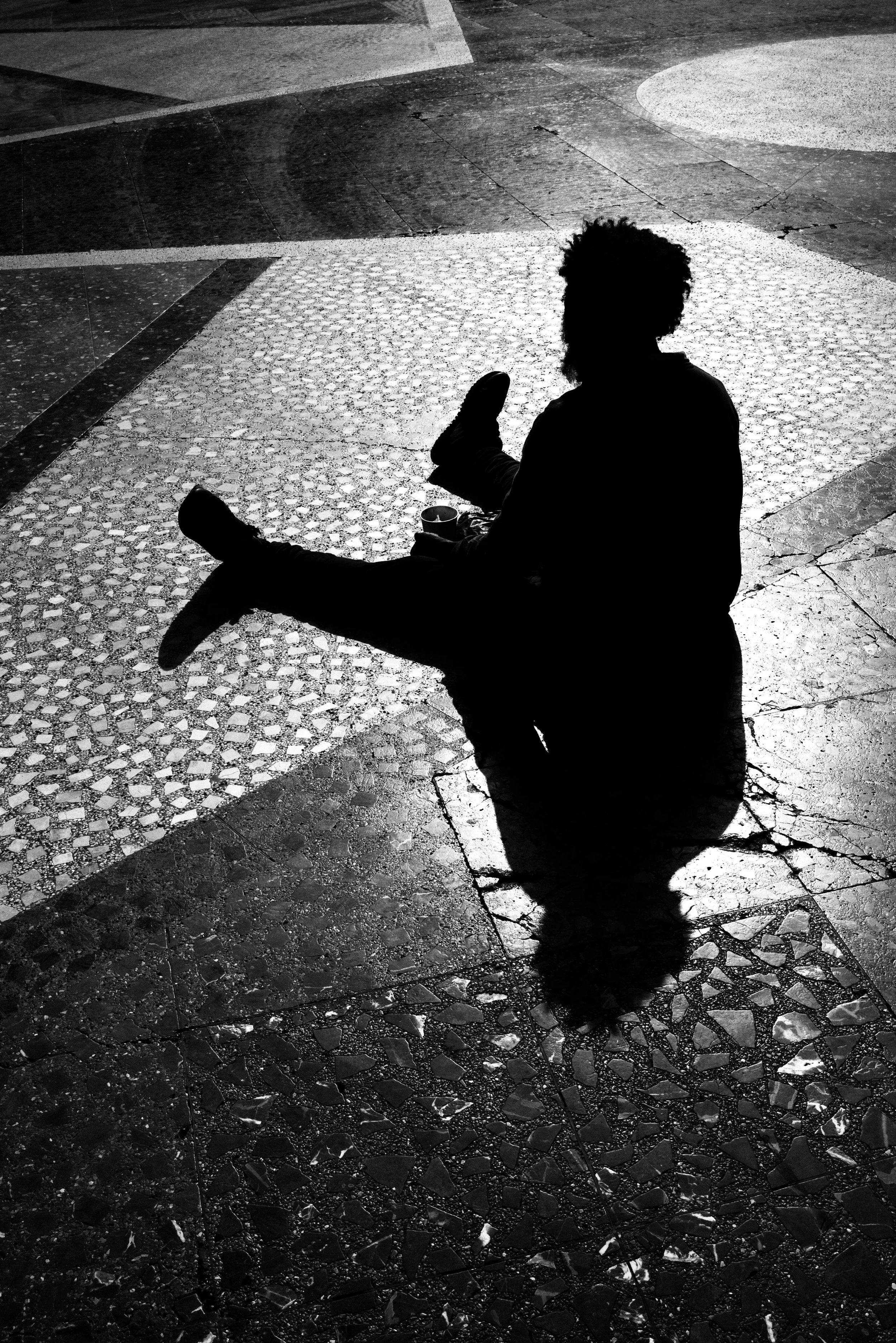
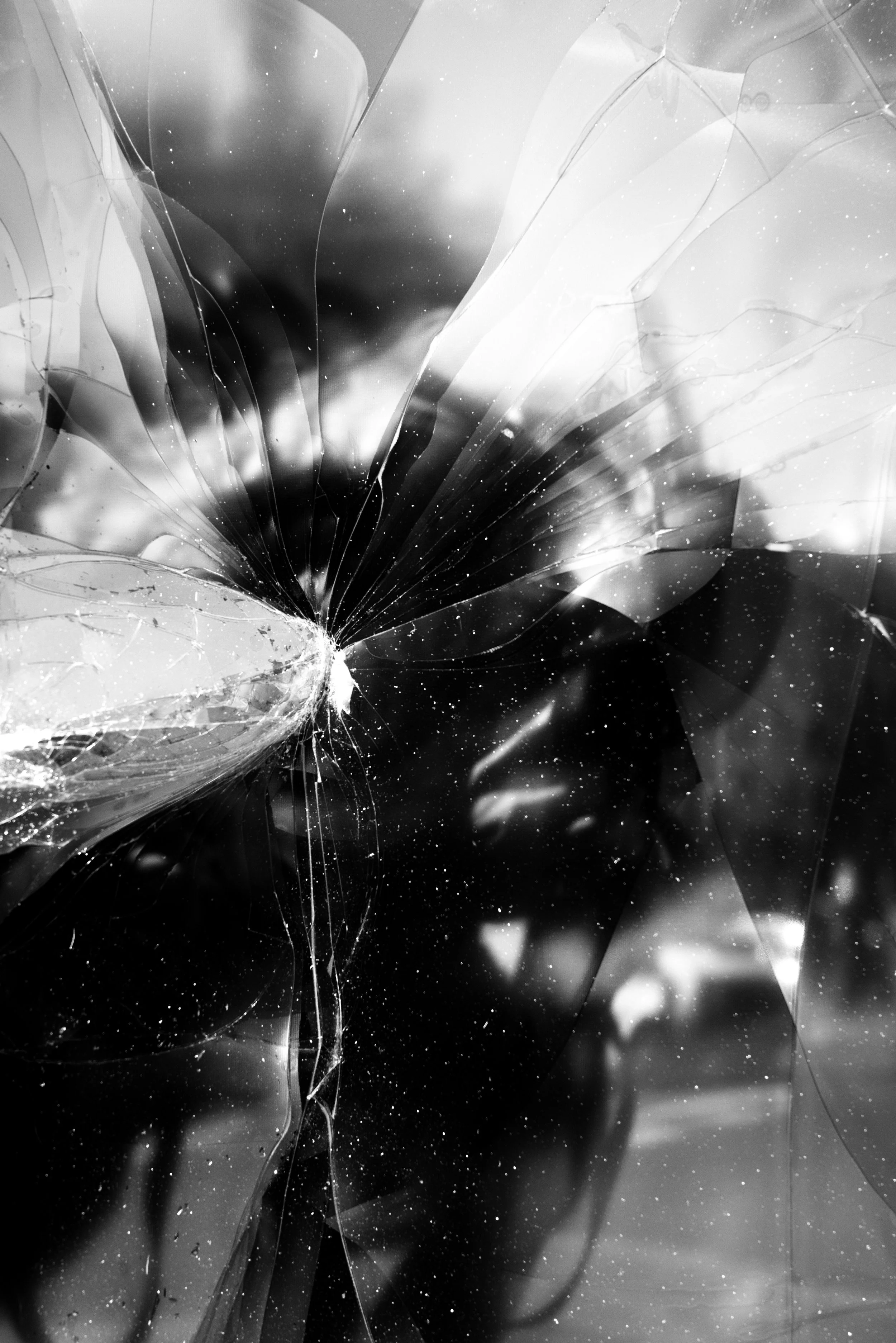
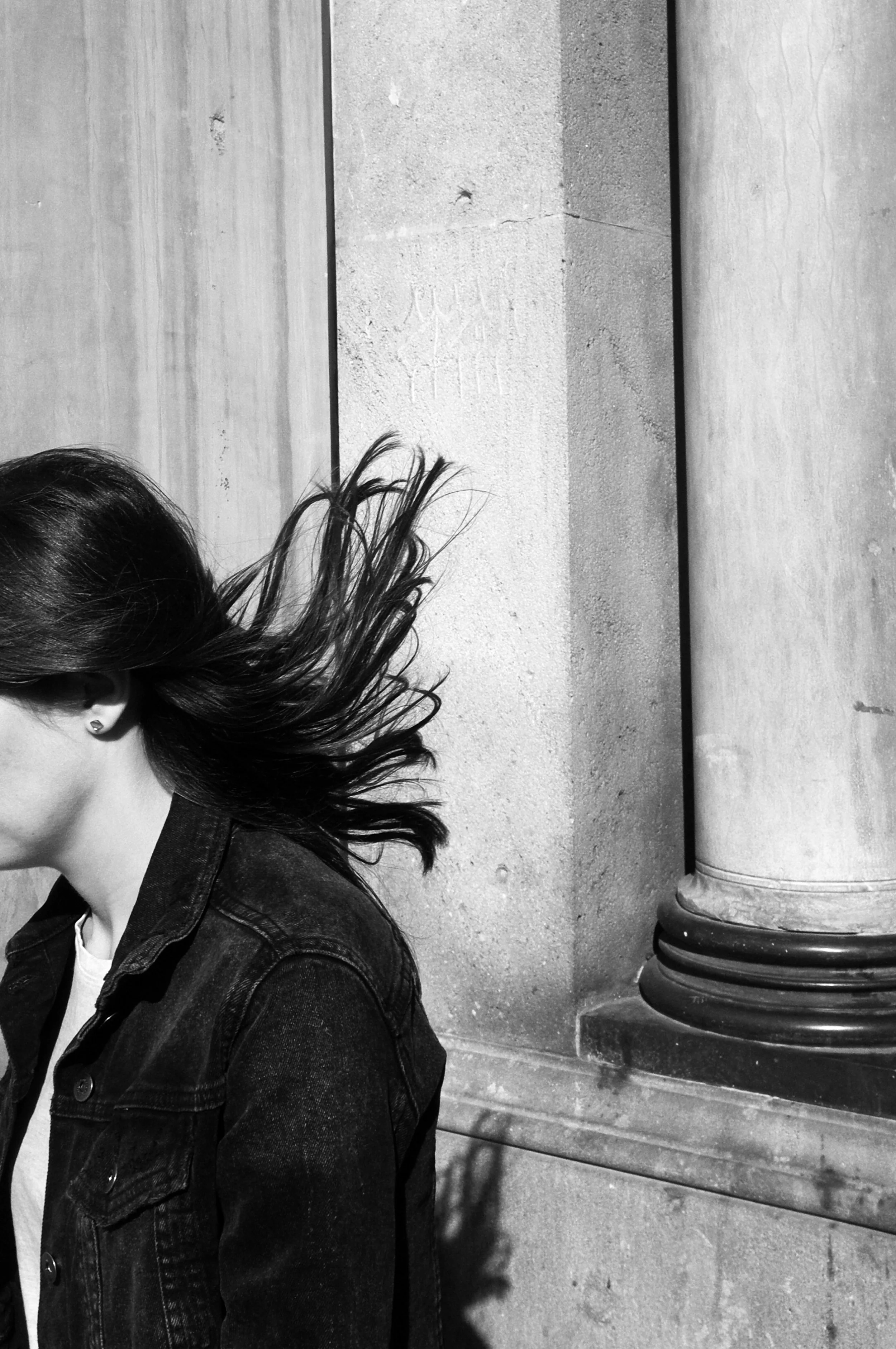
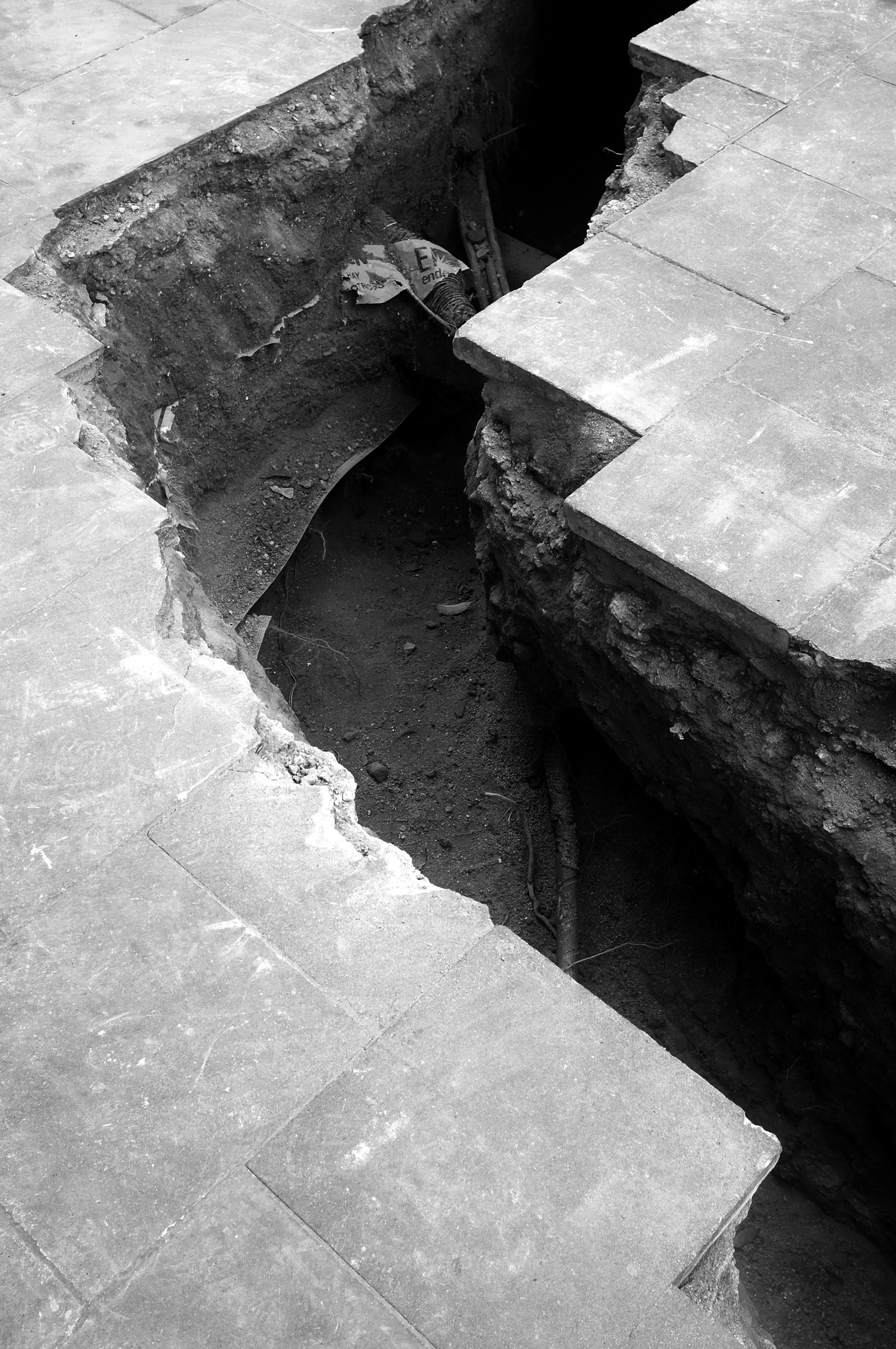
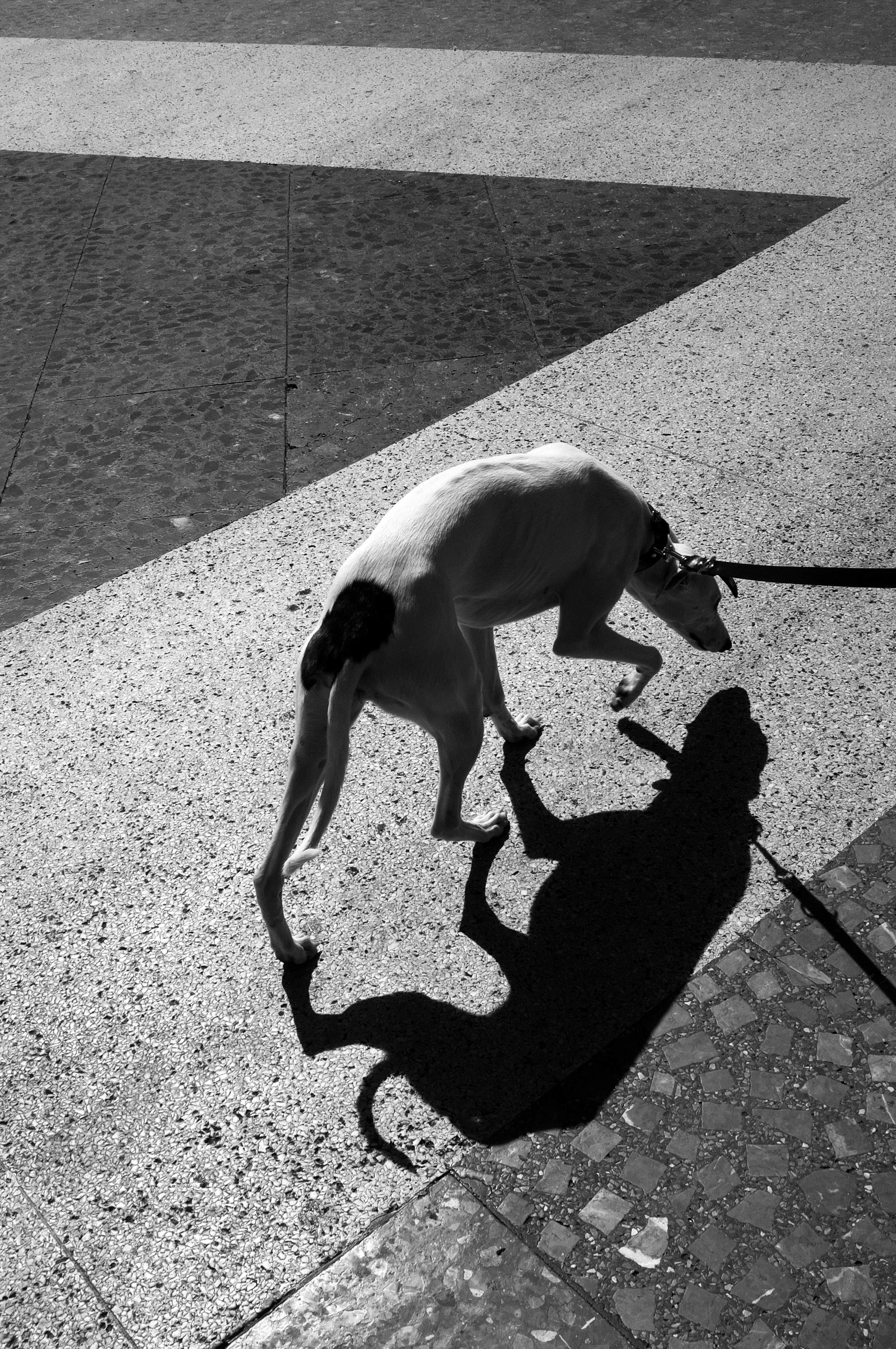
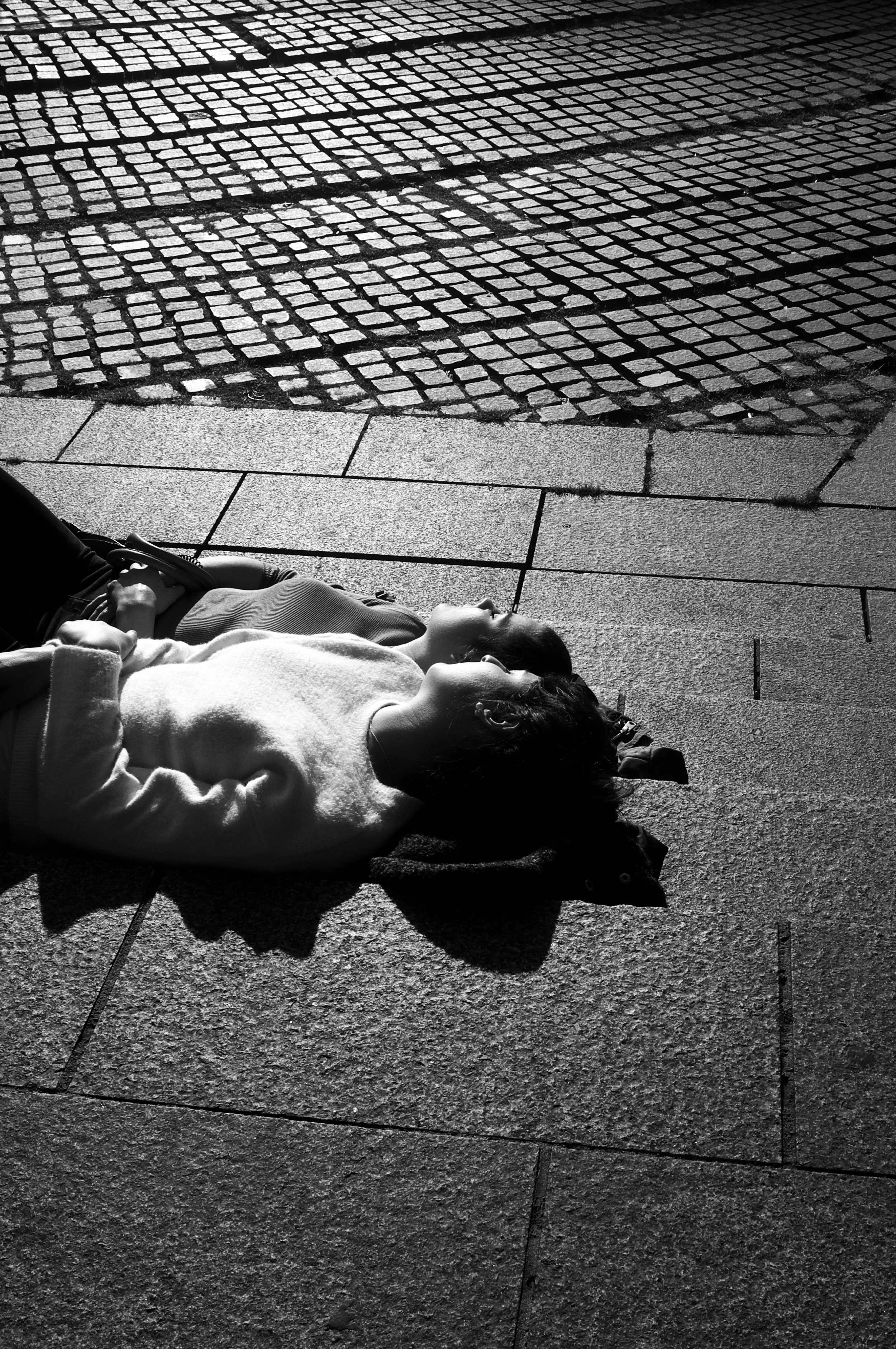
Eight Points unfolds a poetic and demanding perspective on Plaça Catalunya in Barcelona. An untamed space where paths without a clear destination, like those found in all major cities, converge beneath an eight-pointed star. The uninterrupted sequence of 62 black and white photographs, the result of eight years of observation, reveals a city inhabited more through the body and memory than through a map. Pigeons, shadows, and everyday movement become symbols of an urban ritual that reveals both rawness and beauty. This work invites us to read the city as a narrative and as a profound lived experience.
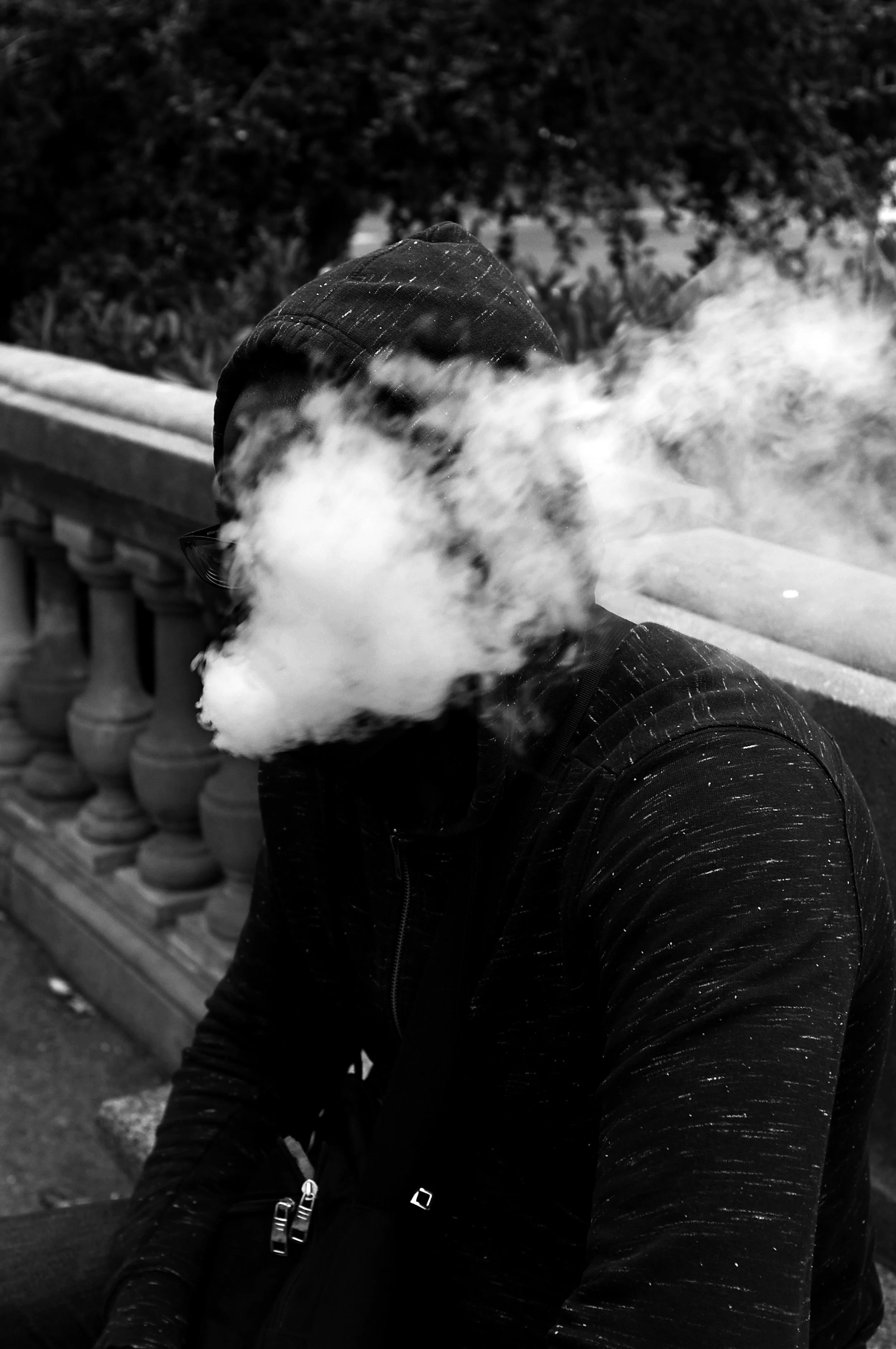
You spent eight years photographing the same place. Did the square change over time, or did you change the way you looked at it?
When you work on a project over such a long period in such a specific place, the changes do not affect only the photographer. The physical space changes as well.
In the case of Plaça Catalunya, there have definitely been changes, especially in the behavior of the people who use the square or pass through it. But the deeper sociocultural background of those actions remains much the same. If one kind of urban tribe gathered there before, now it is simply a more contemporary urban tribe doing so.
What I find especially interesting is the behavior of tourists since the rise of social media. In the past, the space itself was the protagonist. Now, what matters is that they are seen within that space. Architecturally, the buildings have not changed, but their functions and the businesses inside them have.
I think I have changed more than the square, and that has changed the way I look at it. Not only because of the natural changes that come with life, but also because my wider cultural interests, especially history, mythology, and mystery, have helped me understand the space more deeply over time.
You chose to work only in black and white. What do you think would be lost if the photos were in color?
At first, I began taking photographs for the project without any fixed plan. Little by little, as I came to understand the work more clearly, I made the decisions needed to express it in the clearest possible way.
I chose to work in black and white when I realized that the gray tone of the asphalt dominates the square, and that this approach helped me describe it more effectively, both physically and emotionally.
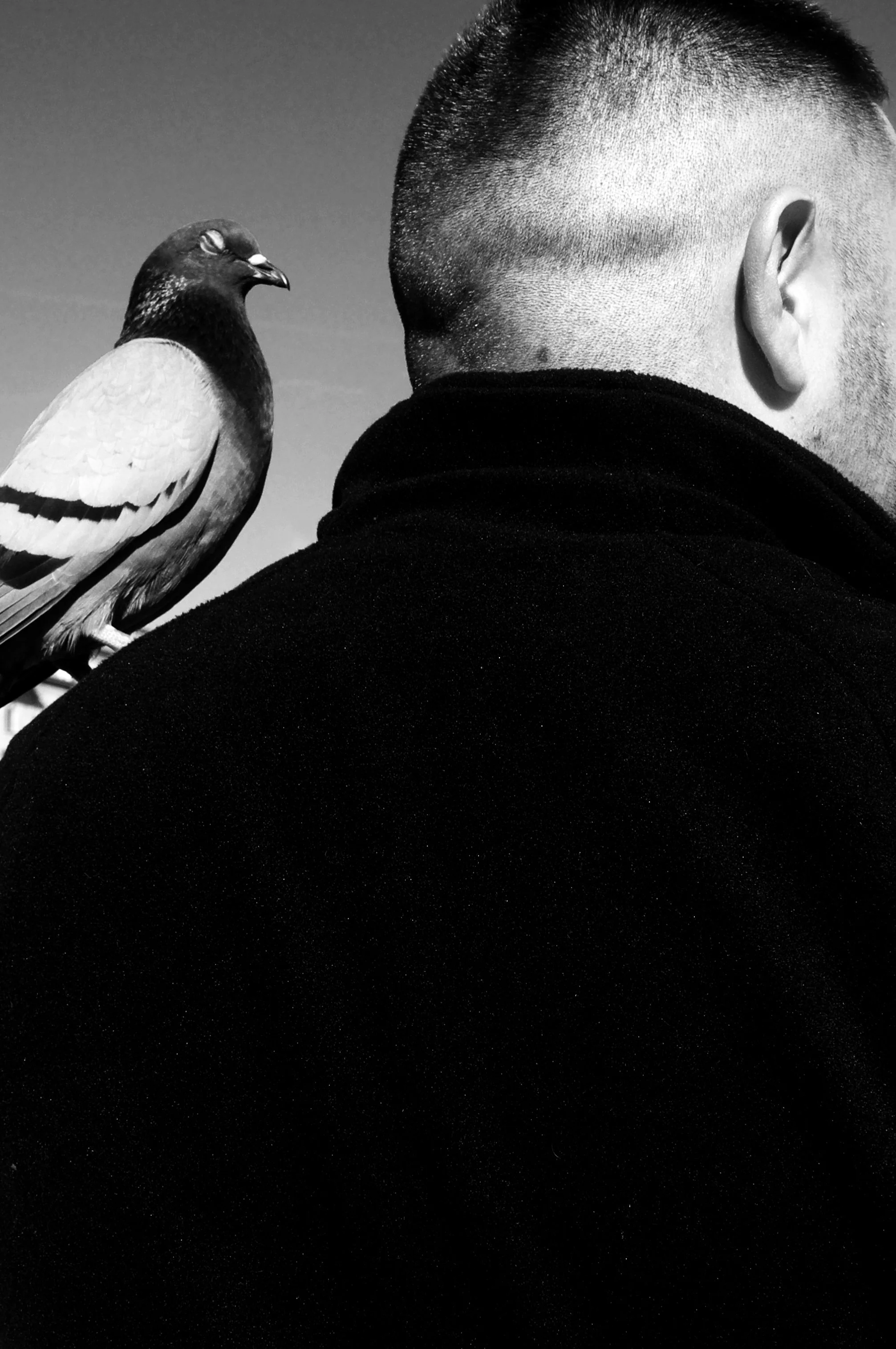
The pigeons appear as a kind of army guarding the square. Did you plan to make them such an important part of the story, or did that happen naturally?
It happened naturally because of the sheer number of pigeons living in the square. In fact, my first memory of the place, from childhood, is of the pigeons. I should also mention something important: my family has always had an open dovecote at home, and we have raised pigeons freely for more than 100 years. They are birds I feel very close to, so I think it was only natural that I paid special attention to them.
You say people pass through this place but never really stay. Did you ever feel like an outsider while photographing there, or did the square start to feel like home after so many years?
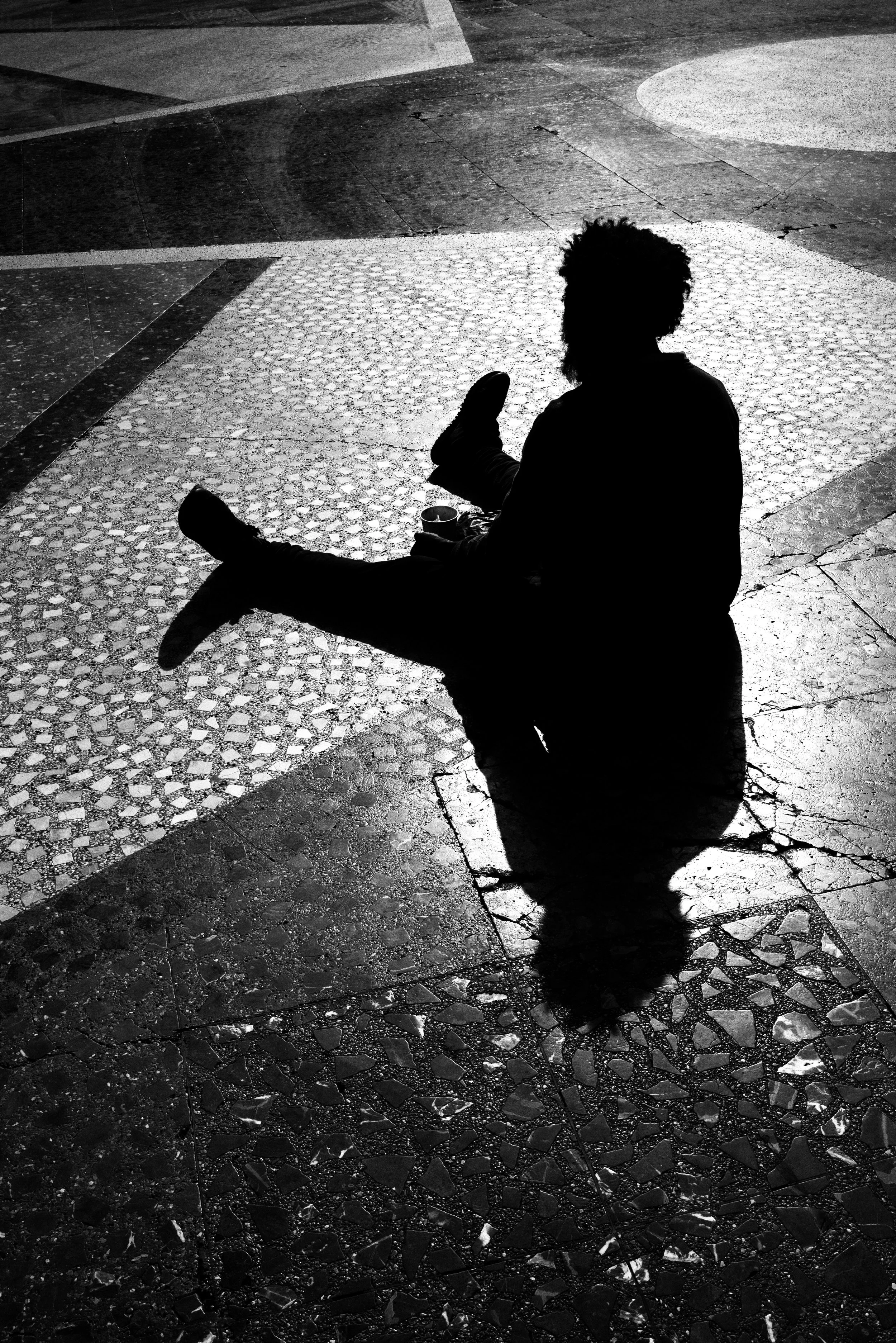
The project developed over eight years, but I was not photographing the square continuously during that whole time. In fact, I spent two of those eight years living in southern Spain, in my family’s hometown, and during that period I was only able to photograph the square for about fifteen days. Later, when I moved back to Catalonia, I went to Barcelona about twice a week, and each time I tried to dedicate around two hours to photography. In 2023, I began to take the project much more seriously and went there every Tuesday, photographing all day without ever leaving the square. At first, it felt strange, but little by little I became just another part of the square, like the mimes, the pigeons, and the homeless people who slept among the bushes at night. Now it has become an important place in my personal story.
The project became a sequence of 62 photographs. How did you know which photos to keep and which to leave out, and was there a photo you loved but had to remove because it didn’t fit?
I am very strict when it comes to editing. From the moment I take the first photographs, I observe carefully what I am doing so I can better understand the work and where it is leading me. Over time, I have come to feel that I am not the one controlling the work, but rather one element within it, allowing it to shape itself. From that point of view, I can say that many photographs I considered perfect had to be left out, because what matters most is the story that emerges and needs to be told. As an aside, the first version of the book included 111 photographs, then 86, then 69, and finally 62 in the finished version.

Michael Behlen photographed water that would not stay still. For three years, he returned to Millerton Lake in California’s Central Valley, making all the photographs during storms, when the reservoir became harder to read. Picture Story