“I Carry Home on My Back”: Baharan Eghbalzadeh on Illness, Displacement, and Photographing the Body Up Close
Welcome to another captivating photo essay, this time by Baharan Eghbalzadeh We'd love to hear your thoughts. Feel free to comment below and, if you're interested, share your photo essay with us. Your perspectives add valuable dimensions to our collective exploration.
Disclaimer: This article discusses chronic illness, pain, medical procedures, and the emotional impact of displacement. Some parts may be difficult to read. Please take care while reading, and pause if you need to.
What happens when your body stops feeling like home?
For Baharan Eghbalzadeh, that question became real during illness and displacement. In this interview, she explains how her photo essay Body-sick grew from daily symptoms, fear, and the need to keep proof. If you have ever felt out of place in your own skin, this is for you. You will leave with a clear look at how she turns a private crisis into a structured photographic project.
What happens when “home” is something you carry on your back?
Baharan talks about moving from Iran to Berlin, and how the body can start speaking in pain when life changes fast. She breaks down the choices behind Body-sick, what she photographs, what she avoids, and why small details matter. This is not just about illness, it is about identity when the body does not cooperate. By the end, you will understand what Body-sick is really doing, and why her way of working can help other photographers make honest personal work.
The Project: Body-sick
Epigraph
“I am a turtle, wherever I go I carry ‘home’ on my back.”
Gloria Anzadula
“Dorothy in The Wizard of Oz is doubly homesick. First, she's sick of home, her rage surrealistically embodied in the whirling tornado that transports her away from Kansas. Then, she's sick for home, pining for the Kansas homestead intensified with each fantastical scene on the journey to Oz. She longs for home - but only after she fulfills her wish to leave it.”
Bodies on the move - Susan Friedman
1. The beginning
When I was a child, maybe around six or seven years old, I became estranged from my left hand. I really hated it. The other people I knew were right-handed, which seemed normal. They would sit at school desks without bumping elbows with the person next to them while writing, and they never had trouble finding a chair with a right-handed armrest. Usually, because of those collisions and awkward bumps of my elbow, I was forced to sit on one of those chairs with a right-handed armrest, absurdly designed to be entirely unusable for me.
I felt like an alien just because I had this functional left hand. I pretended it didn’t exist, ignored it, hoping it would get tired of this game, feel humiliated, and leave us - me and my beloved right hand - alone. Sometimes, in punishment, I’d punch my left hand with my right because I couldn’t reconcile with its existence. My left hand would ache from the blows, and then I’d start to cry, blaming it for taking revenge by hurting me.
The second phase of my resistance against my left hand began with training my right hand separately. I wrote, I drew, I threw things, but it was different. My left hand was stronger than both my right hand and me combined, and no punch, no drawing, could change that fact.
This was my first confrontation, my first conflict with my body. A body I thought should be under my command, but wasn’t. It felt as if the “I” that I knew was hidden somewhere beyond my skin, flesh, and bones, but had lost the ability to control itself within the confines of my blood-bound body.
2. The blister
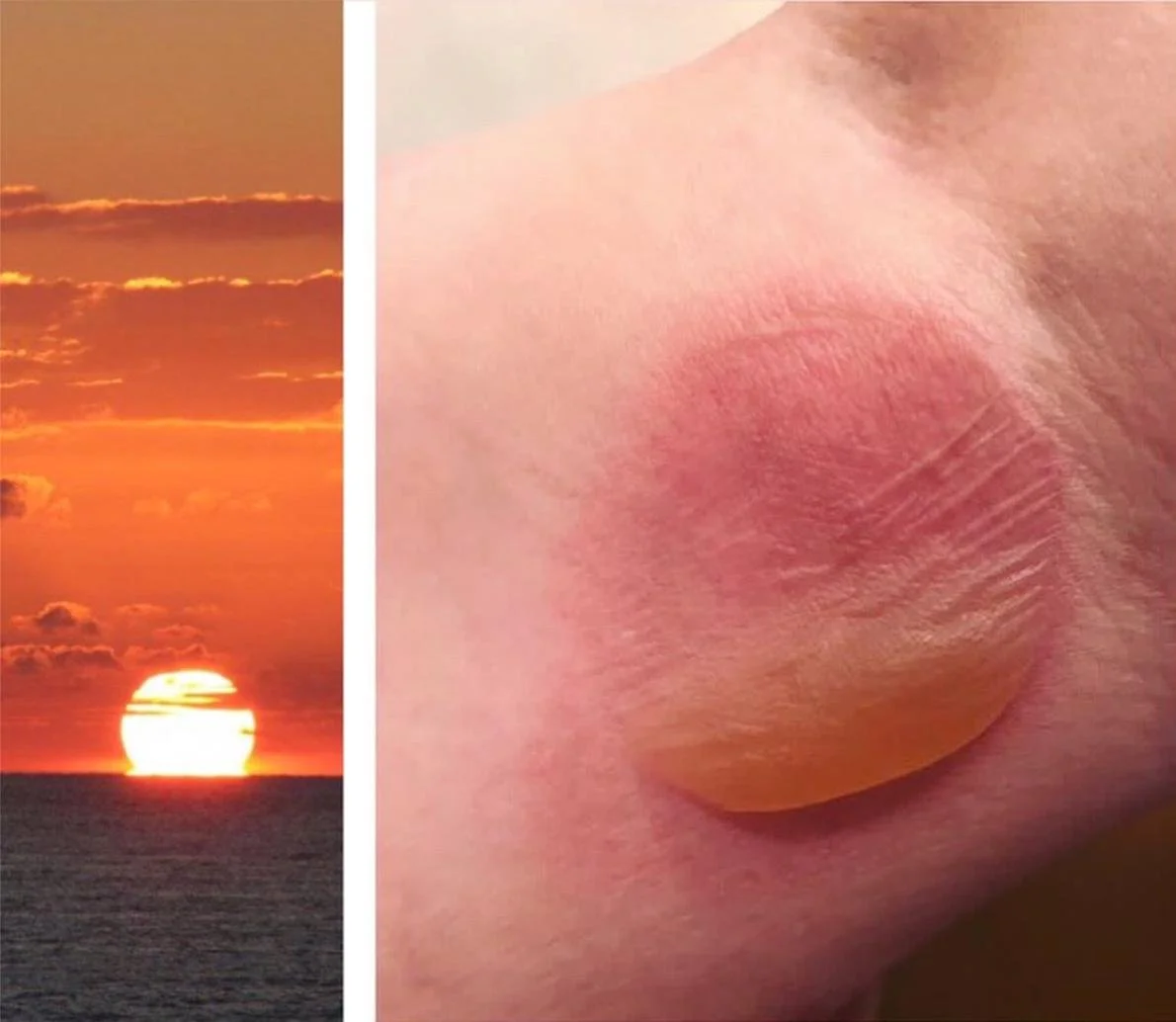
A few days before I left Iran, one of my artist friends, Nasim Goli, gave me a postcard featuring one of her works. It was a photograph of a large blister alongside a beautiful image of a sunset. It was an untitled piece, captioned: “The sun rises from my mother’s hand.” The blister hung heavily, like a sun sinking into the sea. I looked at the postcard and thought to myself, how painful. And how beautiful. It didn’t have any personal meaning for me.
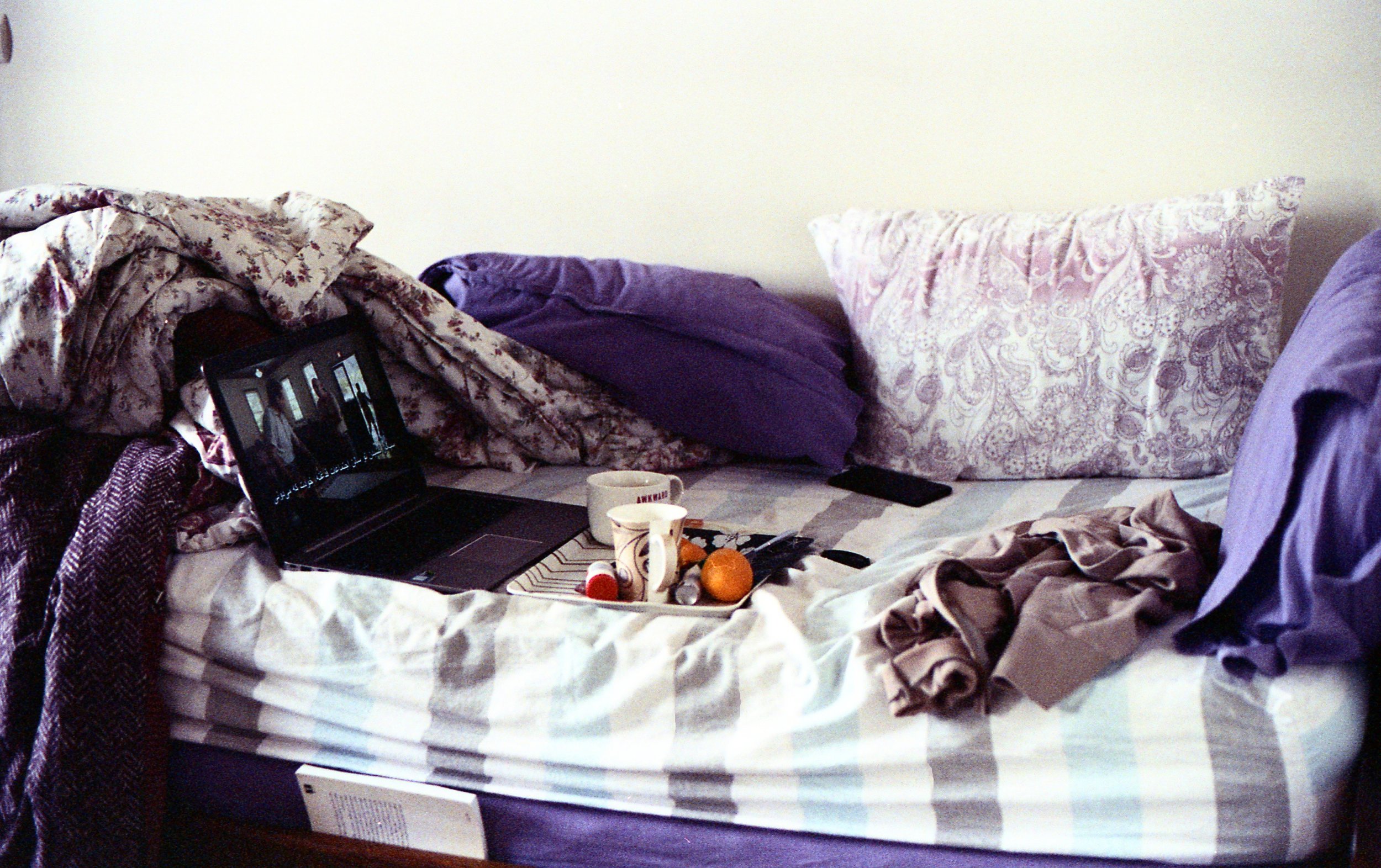
The whole process of getting to the airport and boarding the plane felt like a foggy dream. I got into the car with my friend Shima, and we were almost silent the entire drive to the airport. My parents were in another car, carrying my suitcases. Shima had been overtaken with stomach pain for days. Her body, like mine, was undergoing changes we were unaware of. In the coming months, we discovered that these were symptoms of an autoimmune disease. I handed her some Buscopan, and I probably took one or two myself.
In those final days, I didn’t know what I was doing. There was almost nothing I did out of my own conscious will or decision. My body was propelling itself forward, and I was just trying to shut off my brain. With pills. With substances. With obsessive thoughts about relationships I was building and nurturing in my head.
At the airport, I hugged my mum, dad, and Shima tightly and kept joking with all of them. No one felt like laughing, but we still forced ourselves to laugh. I didn’t let my tears fall down. Not even when I boarded the plane. I thought I was the CEO of my body, and I wouldn’t let it collapse.
During the layover, I kept bumping into walls and strangers. I left my carry-on in the restroom and at the airport café. I lost my way to the exit, and for a few minutes, or maybe longer, I sat on the filthy airport floor, among the footprints of people from all over the world, trying to ground myself and my body.
When I arrived, I tried to act “normal.” I didn’t want to behave like a tourist. I didn’t want to be stunned or in awe of this so-called new universe. I didn’t want to be one of those immigrants who moves abroad, becomes disconnected from their surroundings, and sinks into depression, burning with longing for “home.” I wanted everything to begin in the middle of the migration process, not at the start.
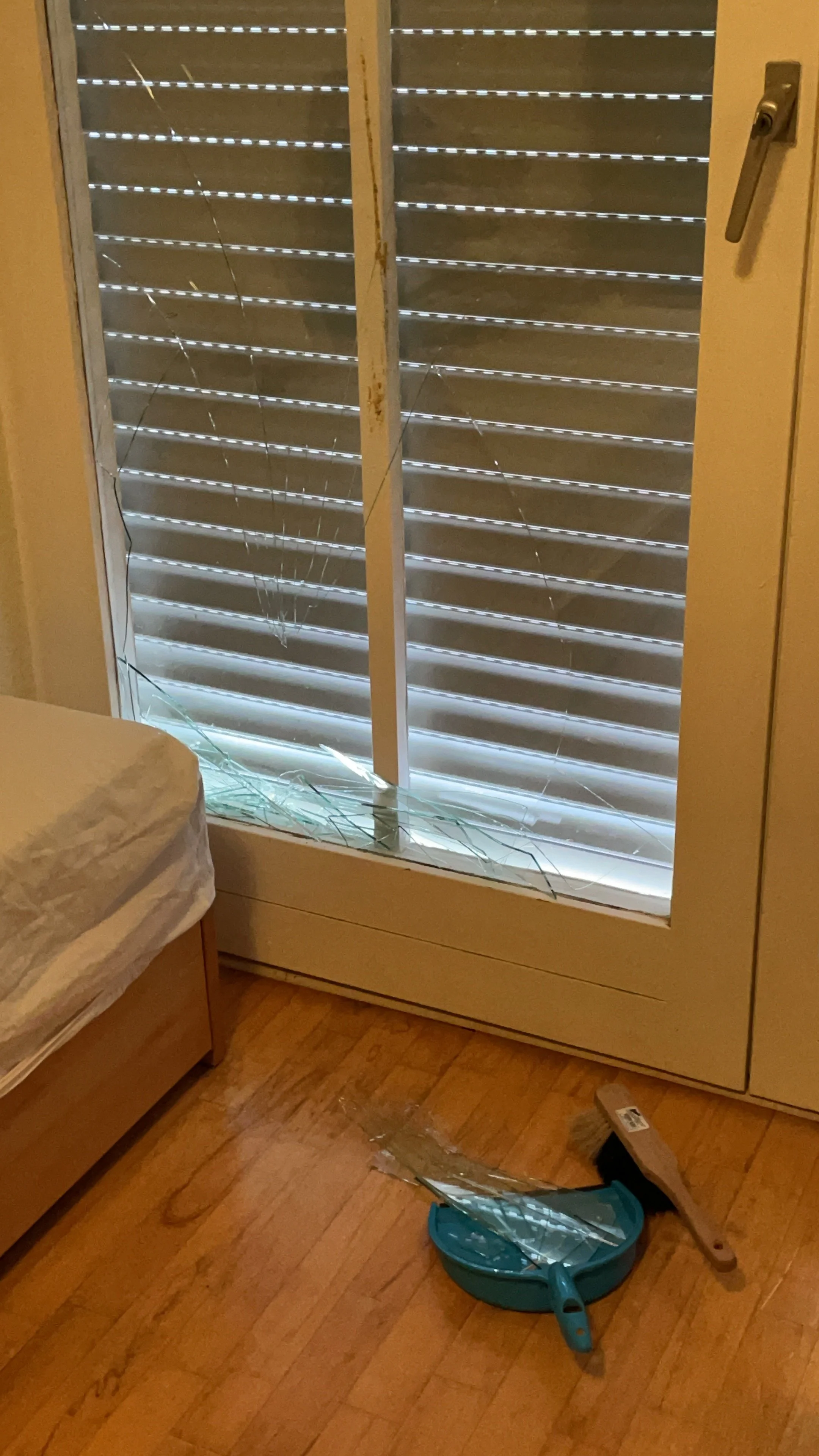
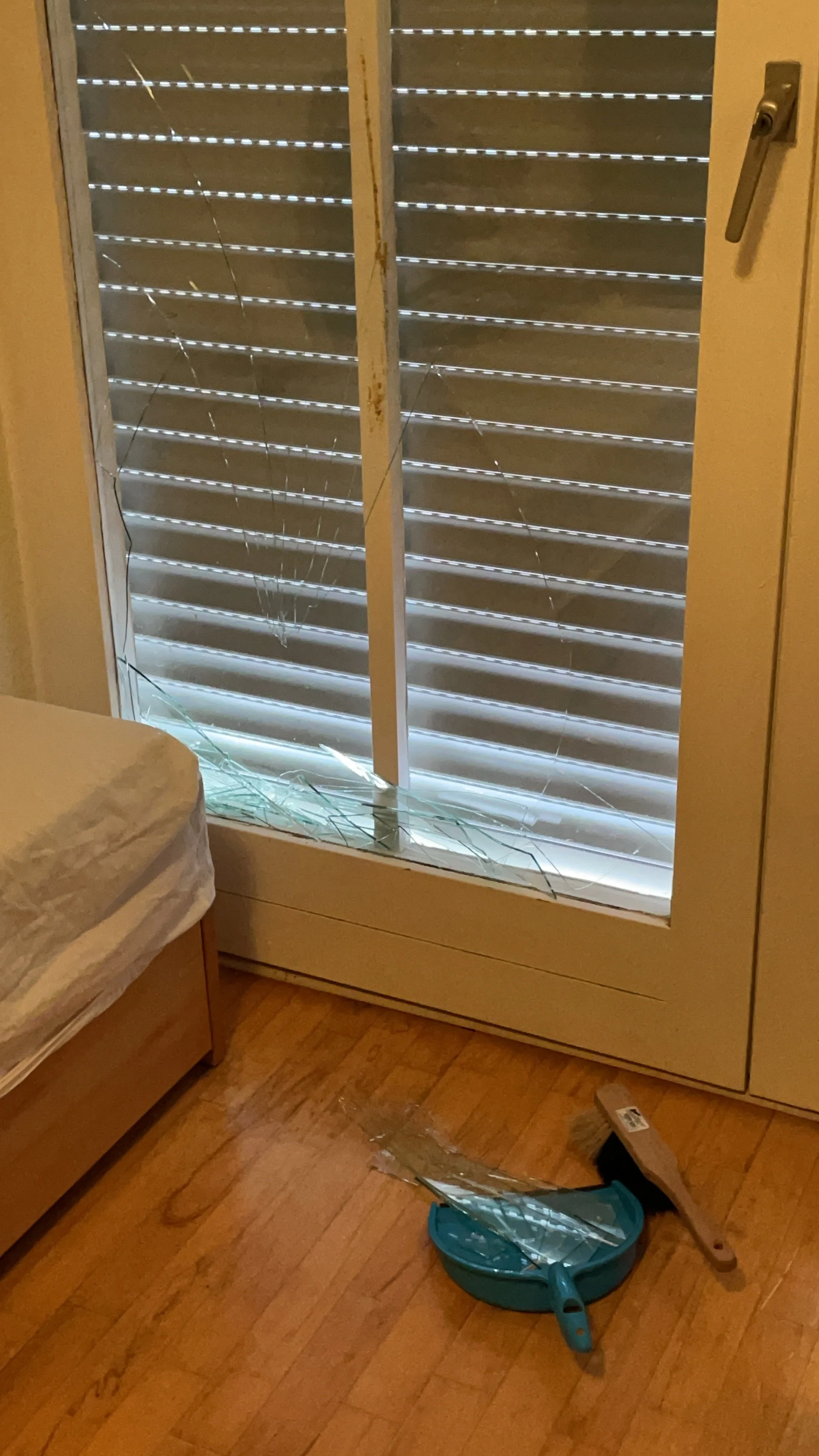
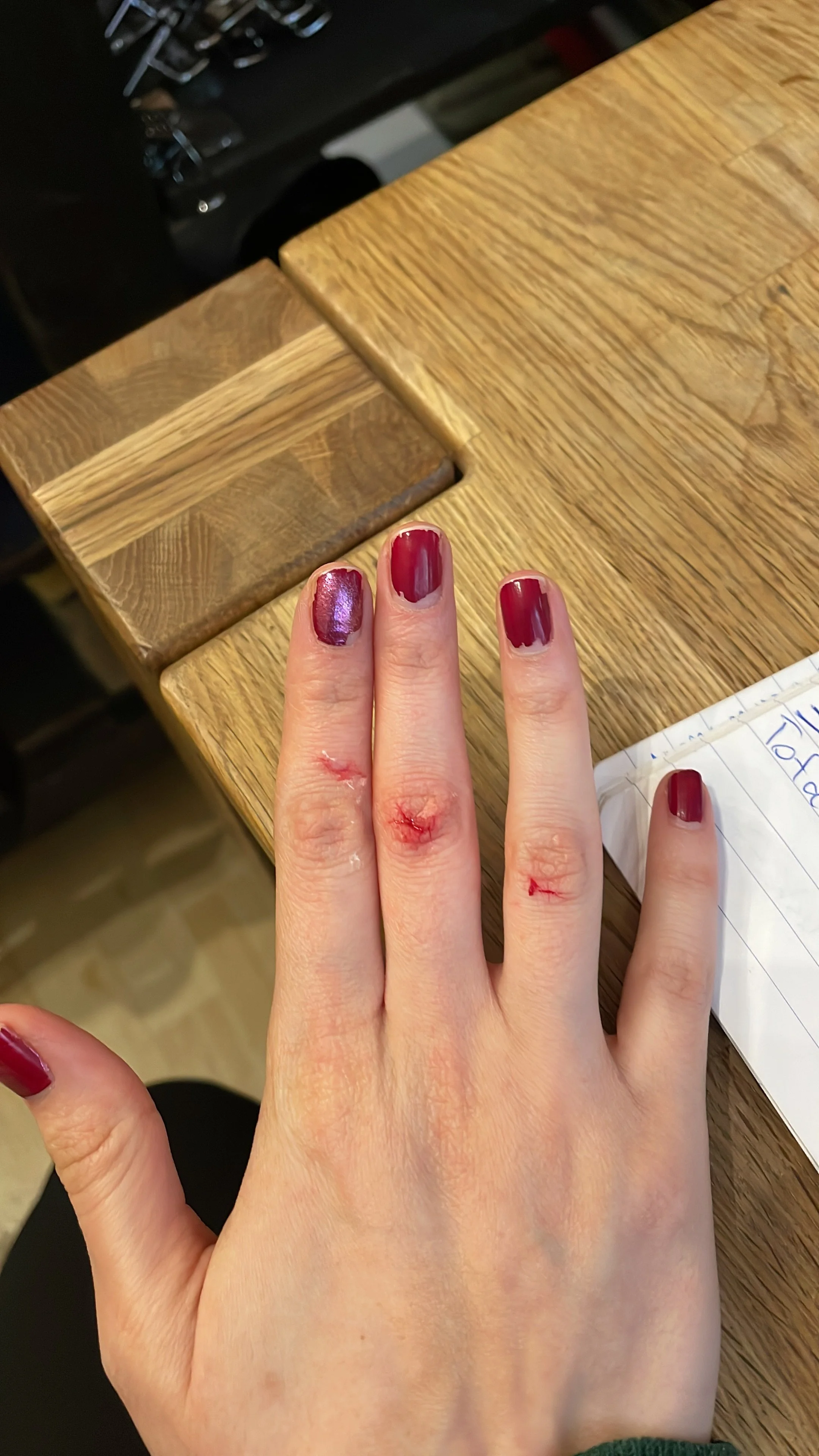
It was the middle of the pandemic, and I had to quarantine at home for two weeks. During those two weeks, while I was practising being normal, I kept dropping things and constantly bumping into things. One night, in the dark, I tripped over my suitcase and fell against the glass door leading to the balcony, and the glass shattered all over me and my suitcase, cutting my hands and feet.
I was shocked at how little control I had over things, even over my own body. I felt like a helpless infant, abandoned to fend for itself. I felt like I was crawling and writhing on the ground like a worm, in a place where I should be running, dancing, or swimming. I had forgotten how to walk, how to move.
3. The shattering
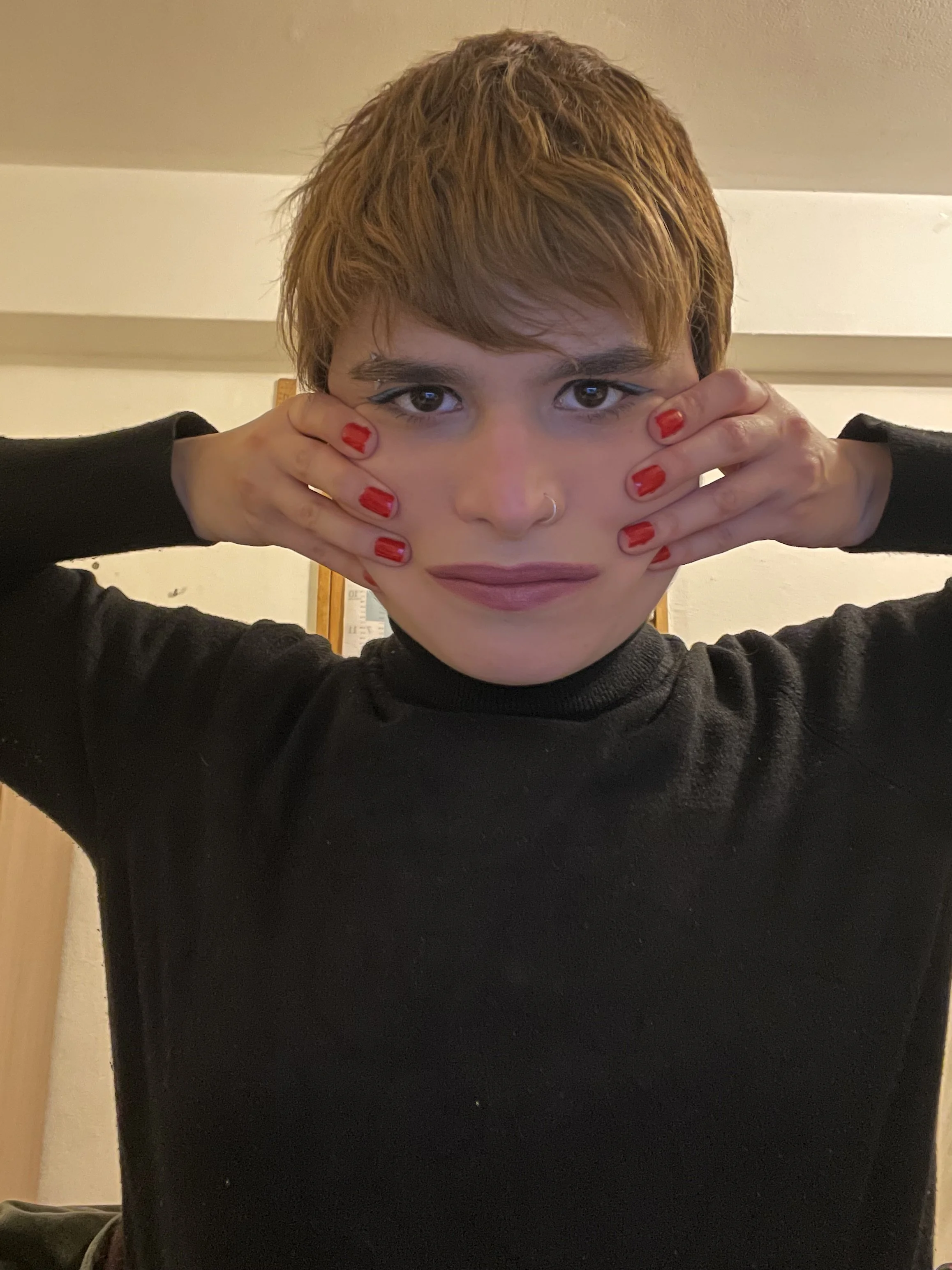
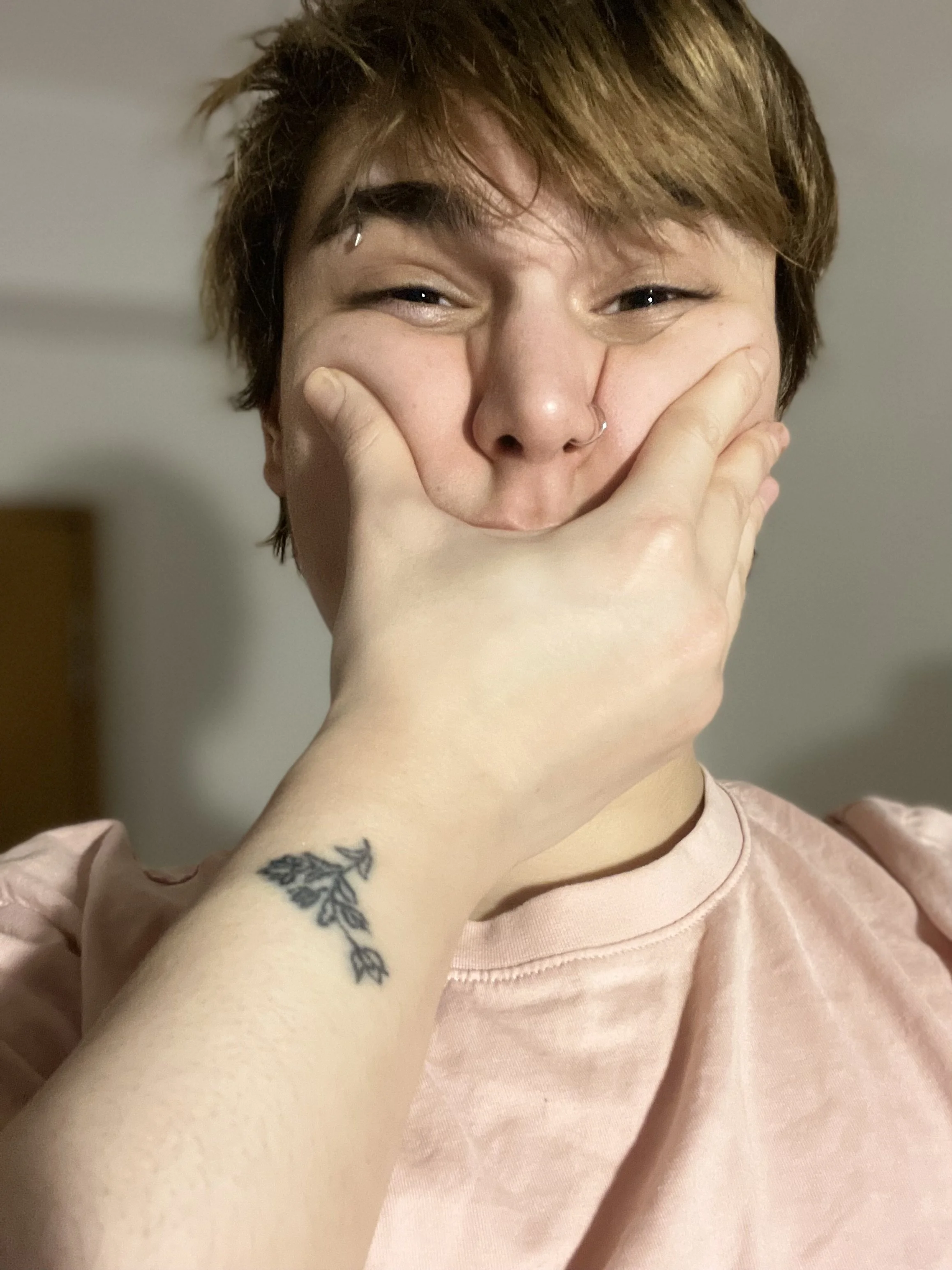
This displacement has turned me into someone I no longer recognise. I look at photos and videos of the person I used to be, and I don’t recognise her. Her eyes, her accent, her body, her thoughts - they’re all foreign to me. I recently realised that my Farsi accent has changed. I watch videos from a few years ago where my voice was deeper, my tone slow and drawn-out. A Tehrani accent with a touch of swagger. Even my voice has changed.
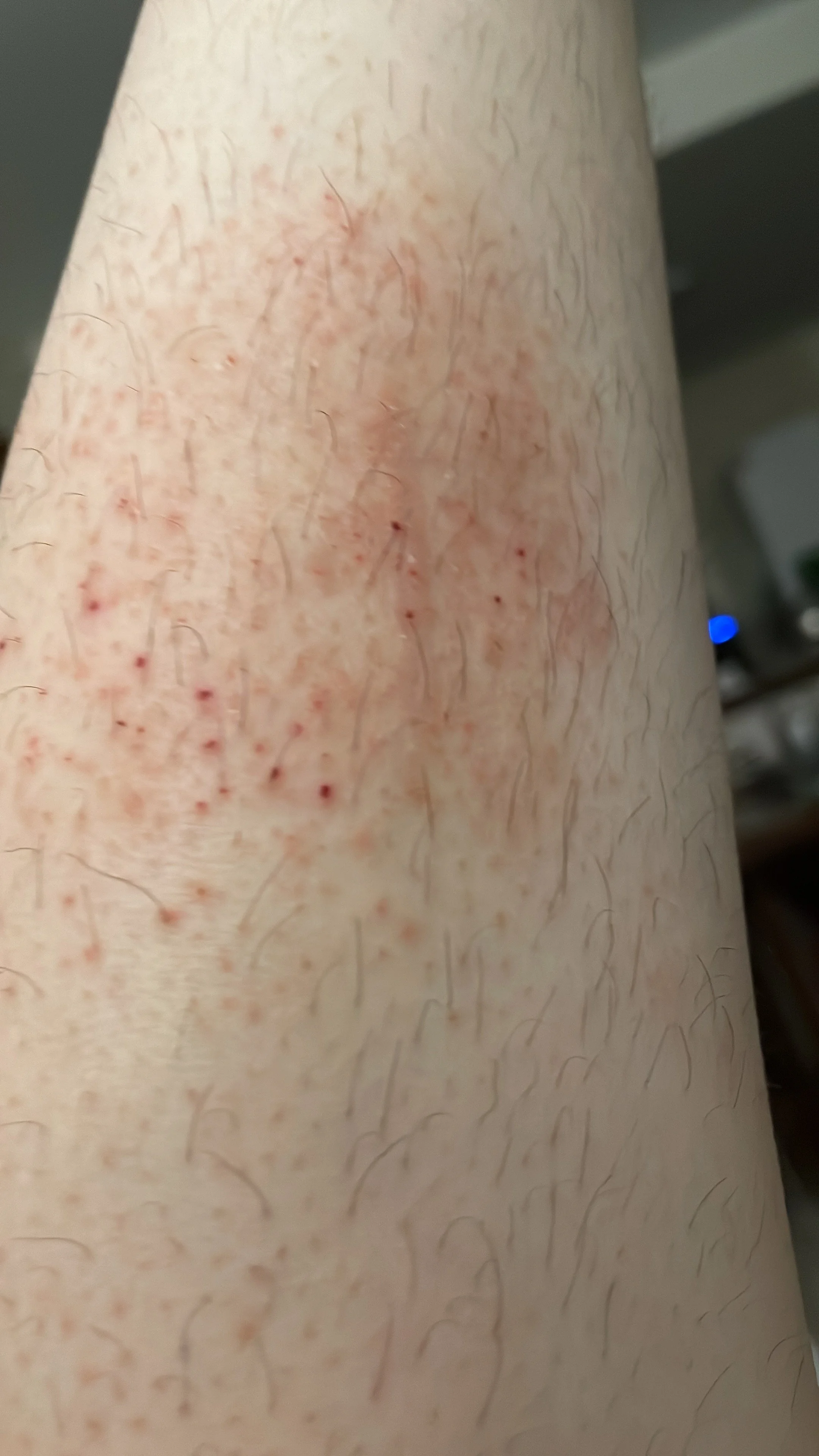
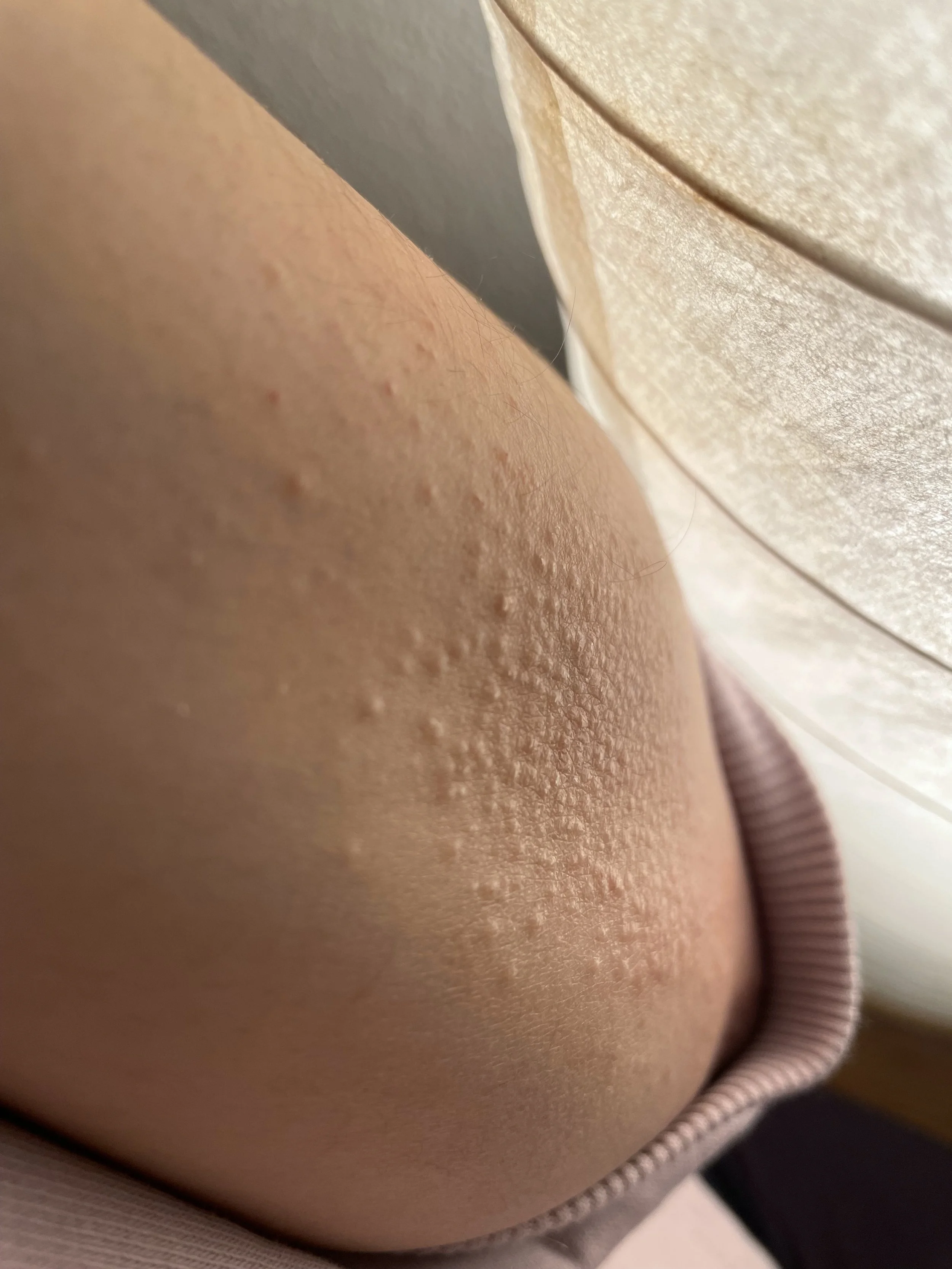
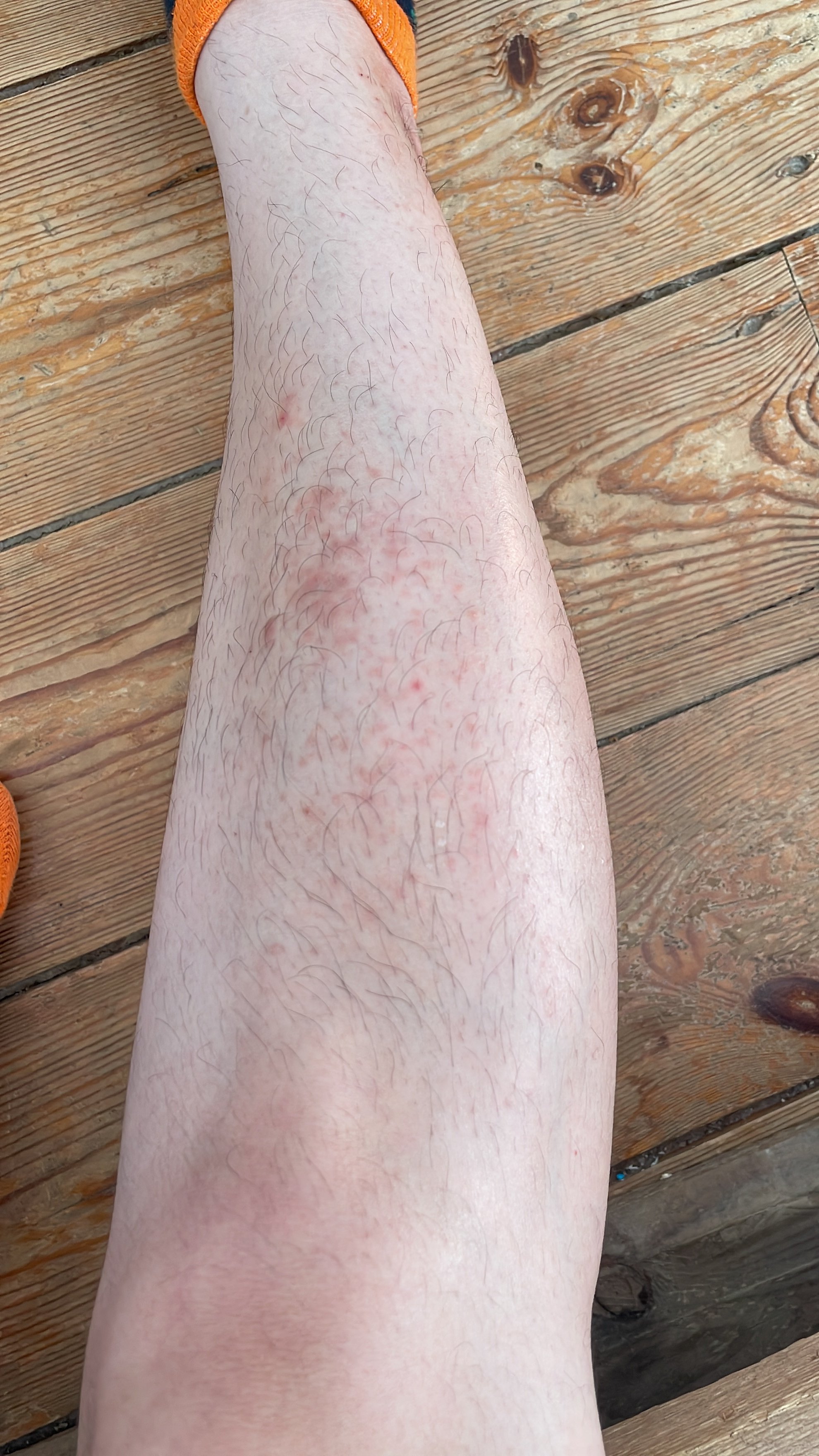
Since migration, my autoimmune condition has manifested differently. My skin started peeling off in layers, thickening like the skin of a reptile. Migration had possessed me, rapidly transforming me. I itched and burned. I contracted and stretched. I loathed this transformation and its dizzying speed. Like an adolescent shifting into an adult, I wanted to cling to the self I once knew and somehow, with any thread I could find, attach it back to my body.
That big, swollen, watery, heavy blister was a symbol of the sunset, the end of a season that terrified me. I would mourn the past, my country, the home I belonged to, and at the same time, tell myself that everything was just as it had been, and if I went back tomorrow, I would return to being the person I once was, knowing the same things I once did.
But I, and the people I knew, I and the home in the country I belonged to, were all transforming in parallel, in distant and separated geographies. The cancerous tumours were spreading in my mother’s body, Shima’s immune system was slowly destroying her digestive system, and I was swelling, shedding my skin like a snake. Piling one autoimmune on top of the one before. Like acid, my immune system would shred all tissues it touched.
Nothing of our former selves or who we once were was recoverable. It had all been washed away by the wings of the airplane, by the torrential rains of Berlin, and the polluted, dusty, smoke-filled winds of Tehran.
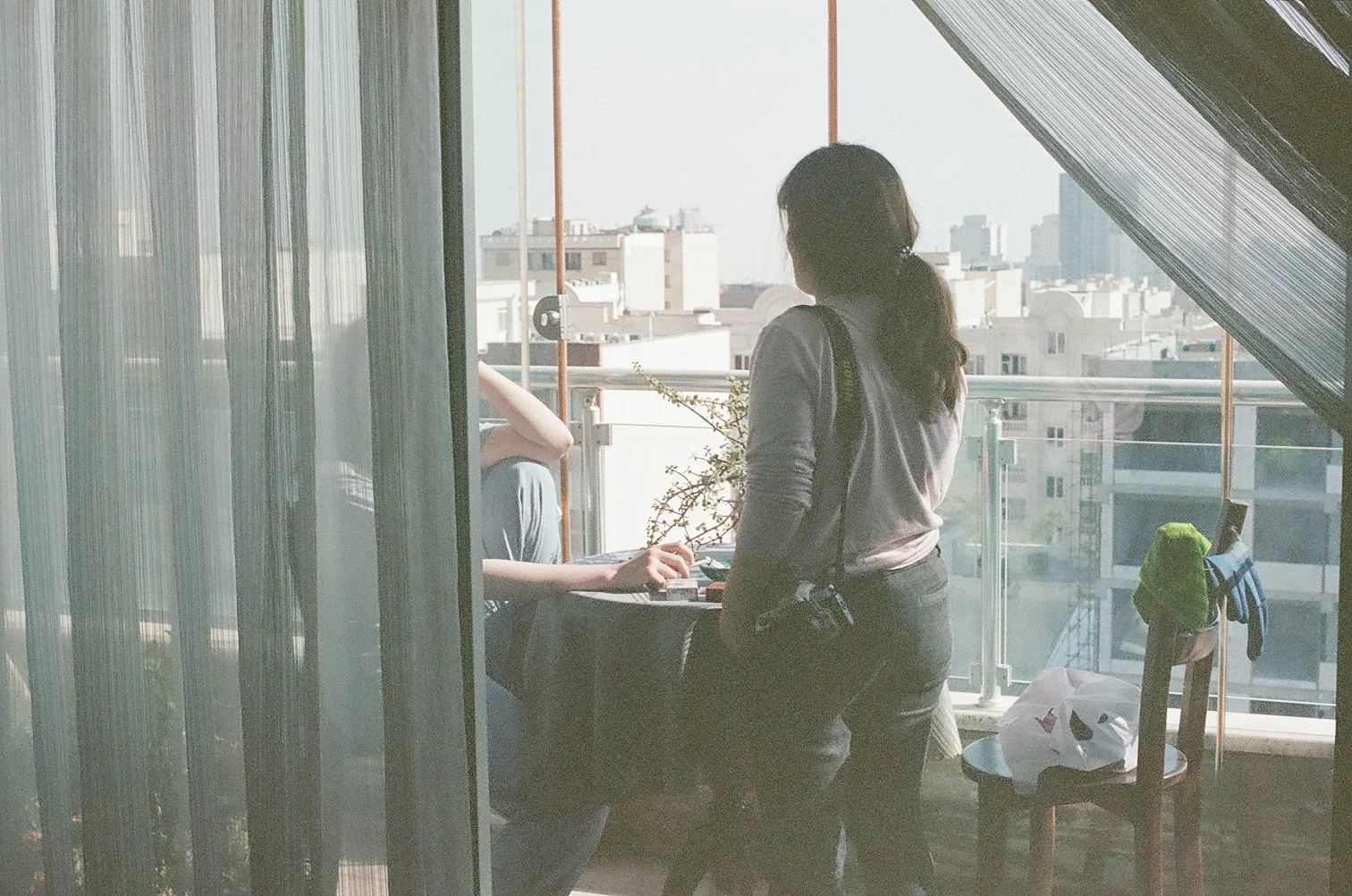
But we - or rather I - still carry home within us. Or a part of it. Home is the skin we live beneath. The body, like time, has its own sequences and will. Beneath this skin, beneath this shell, whatever form it takes, whatever happens, is a part of me. Just as my left hand was always mine, no matter how many punches it took, it would still be wholly, and eternally mine.
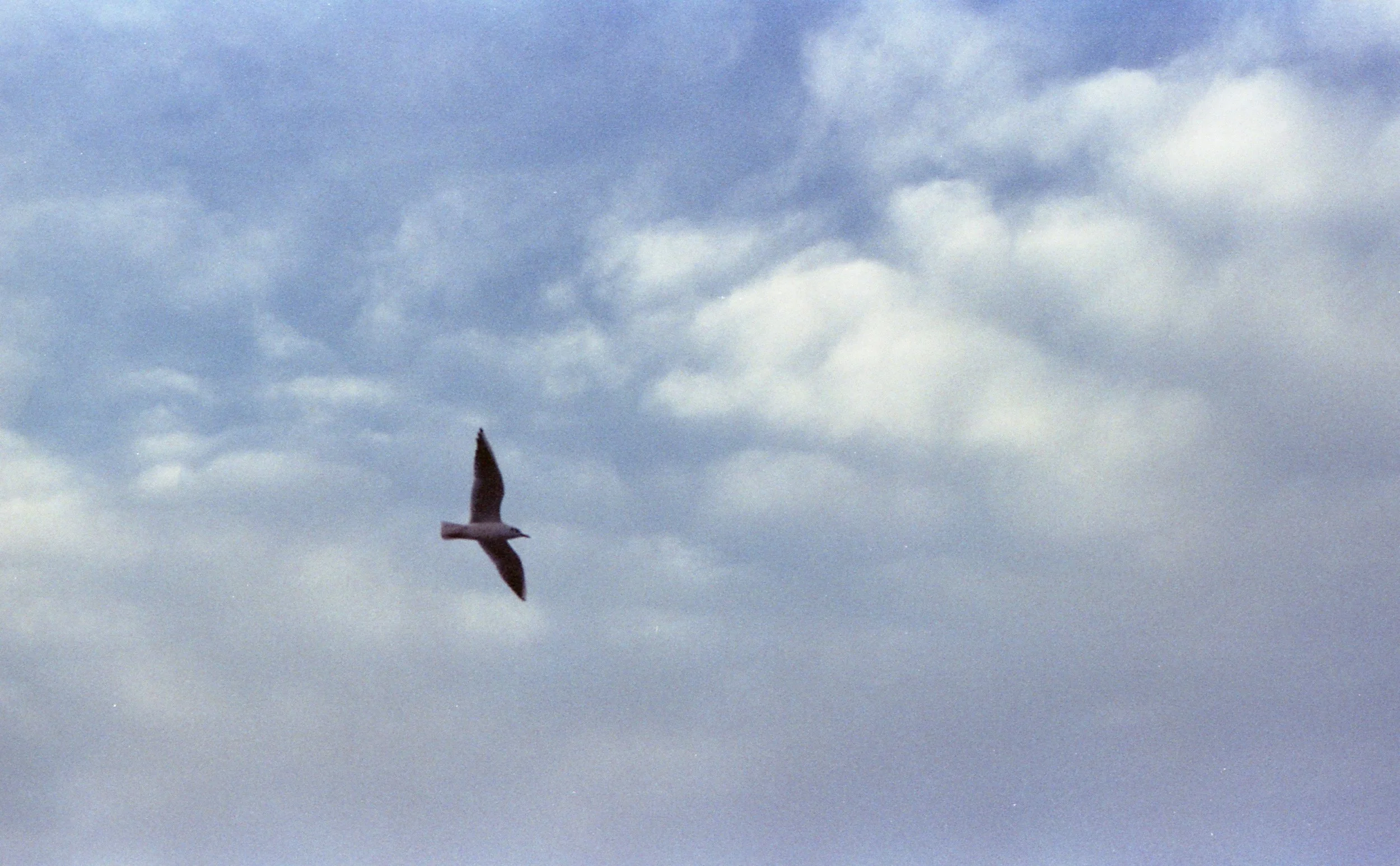
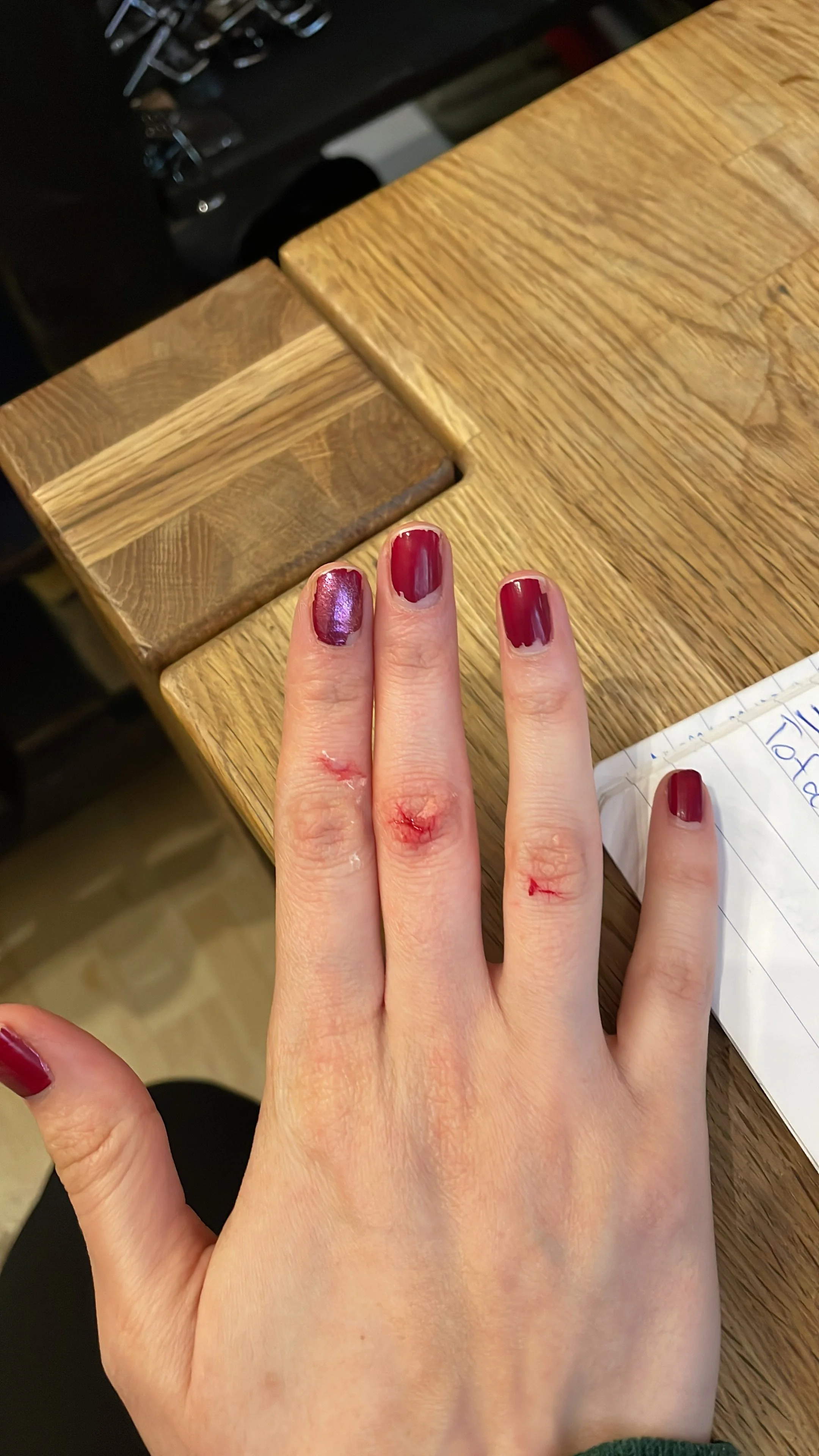
Many of your images show close-ups of your skin with bruises, rashes, and cuts. When you are in pain or your body is changing, what makes you reach for the camera? Is photographing these moments a way to understand what is happening to you?
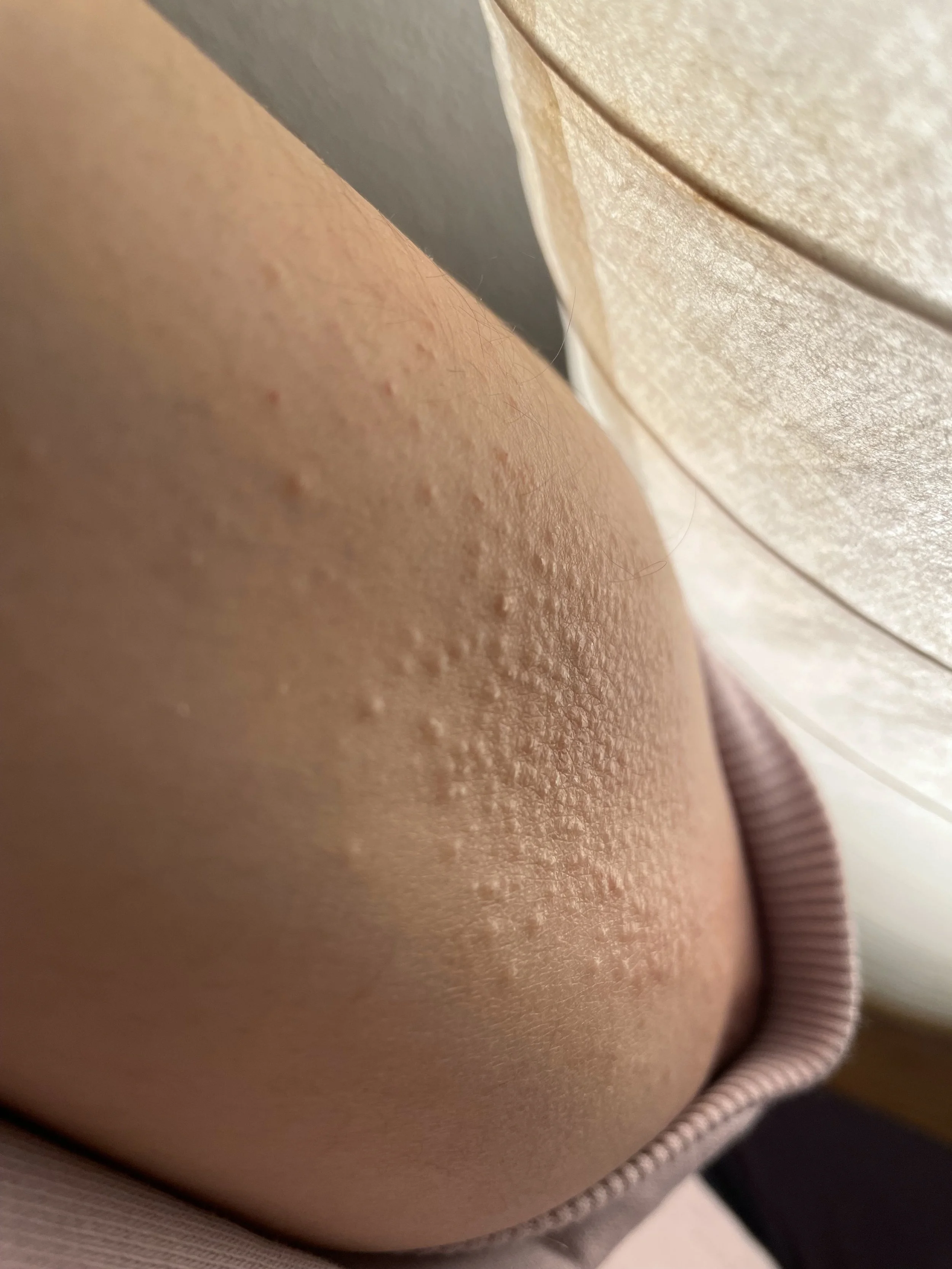
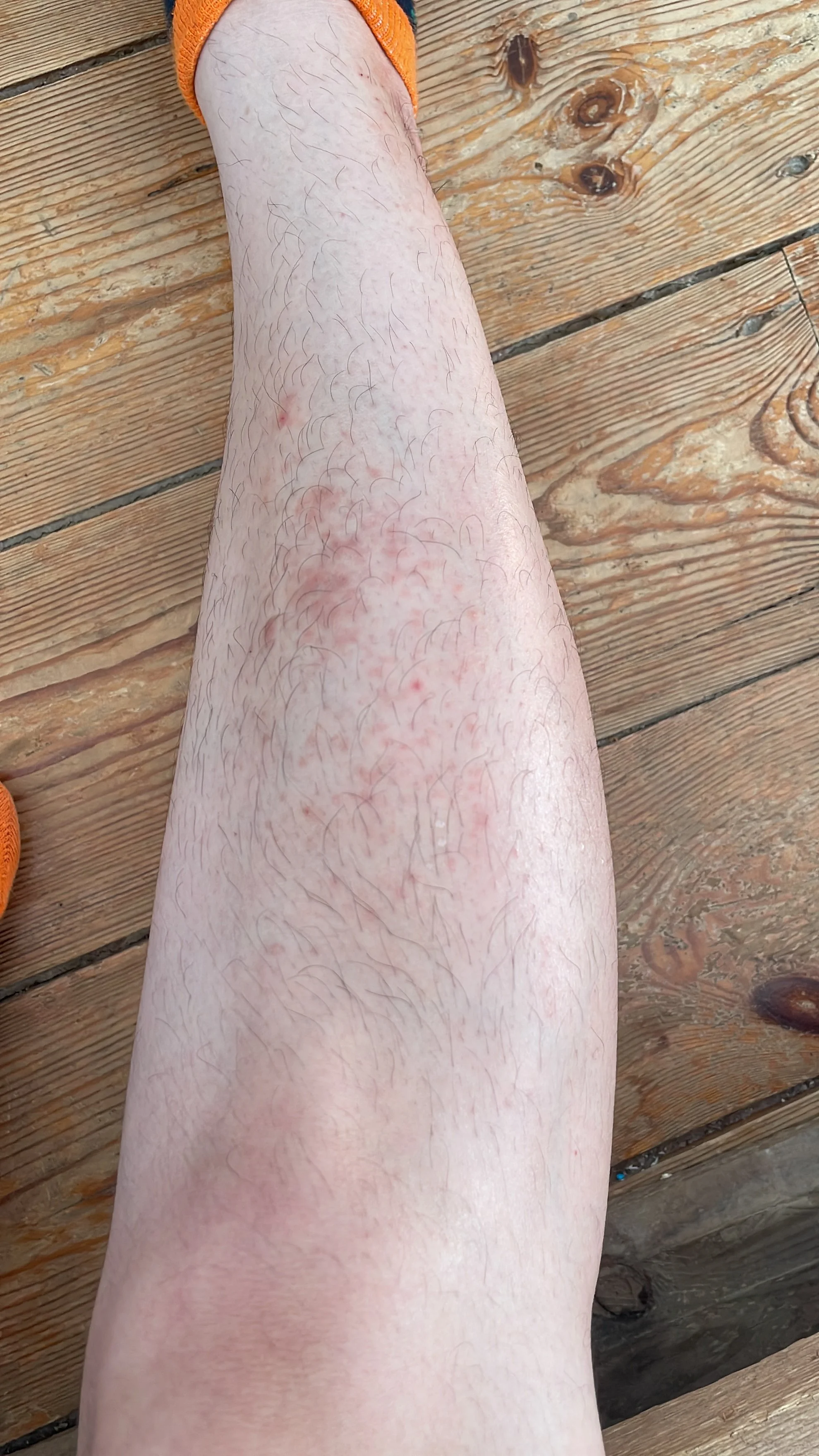
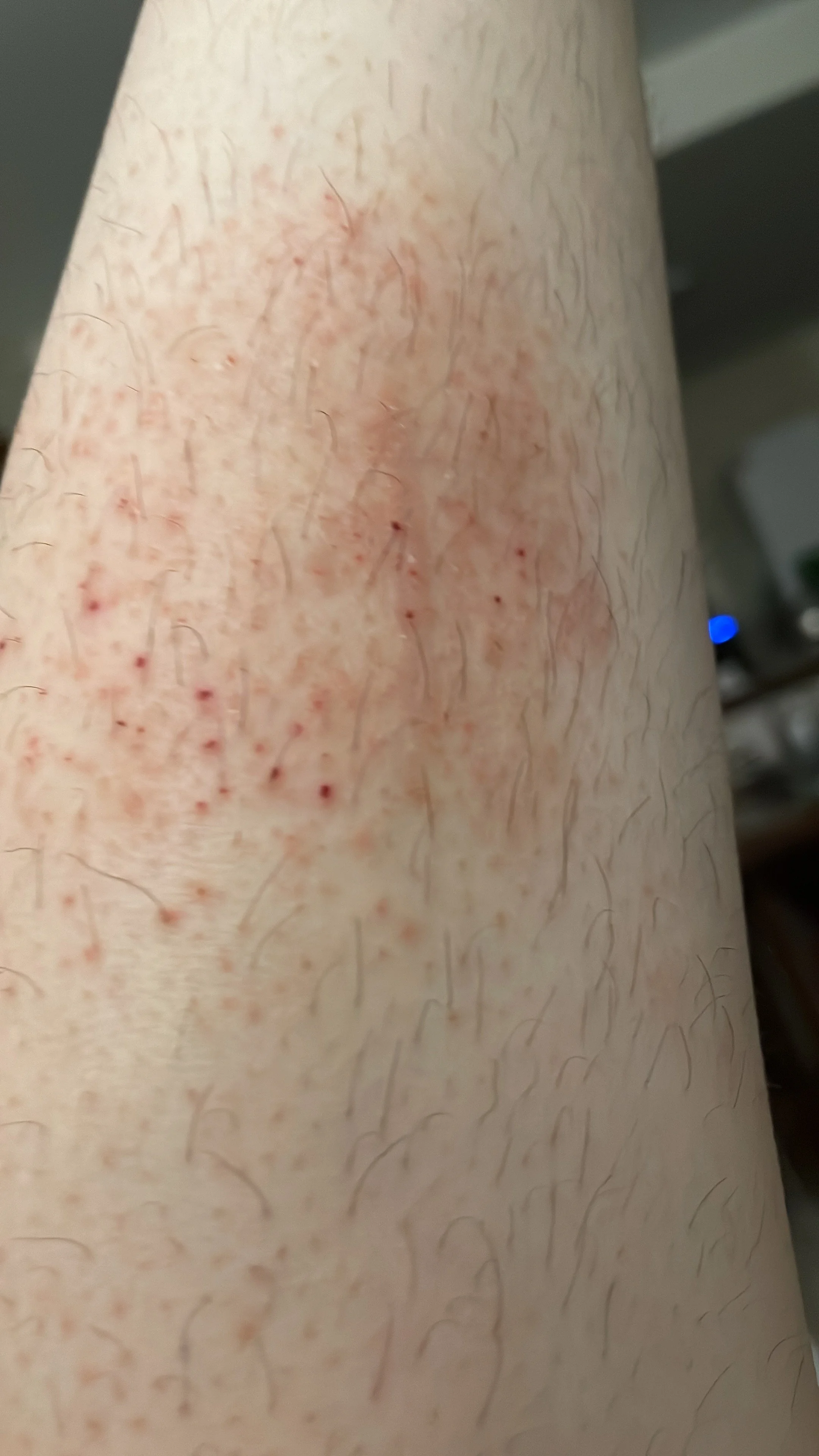
I would not say I am actively reaching for the camera, or at least it is not a deliberate decision, but rather a reflex. Because it is one thing to feel the changes that are happening inside your body, and something else to be able to observe them. They usually appear quite different in the images than how I see them, but I also think the way I feel about the scars and the rashes and the psoriasis symptoms affects the way I see them on my body. So I try to photograph and document them as a way to see how they might seem to others, and how they are different from the way I feel they look.
I also sometimes like to track changes in the autoimmune symptoms and see when they get better and when they get worse, how much they have developed or shrunk through time.
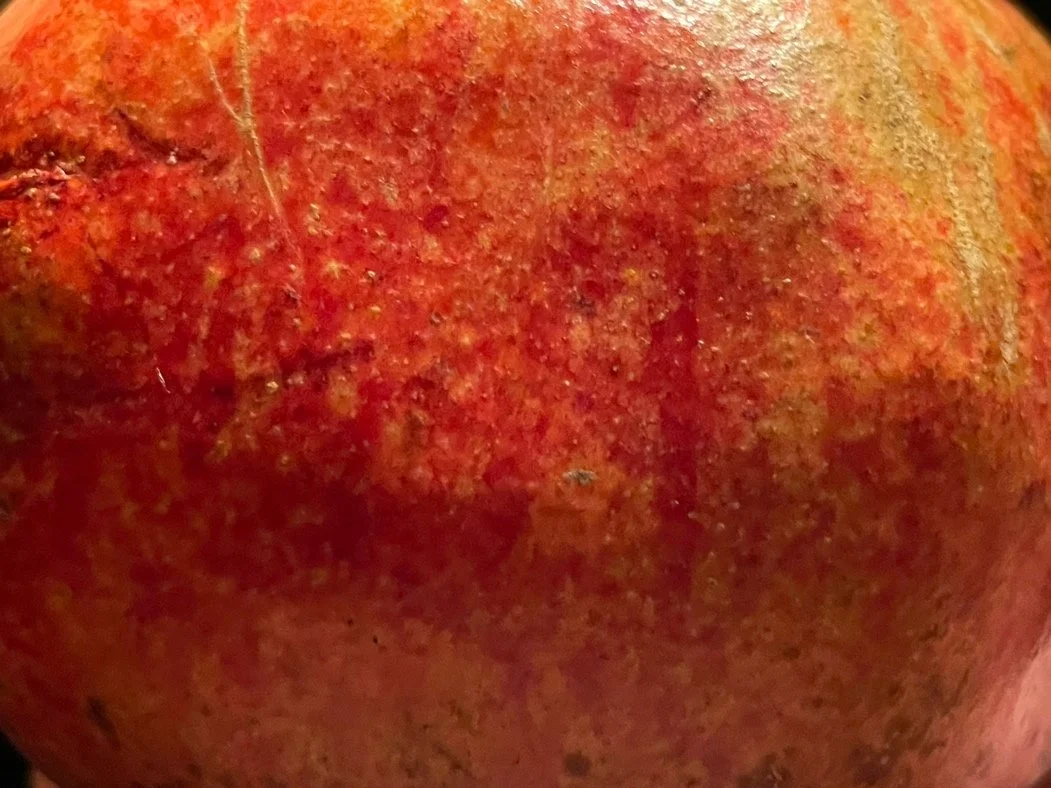
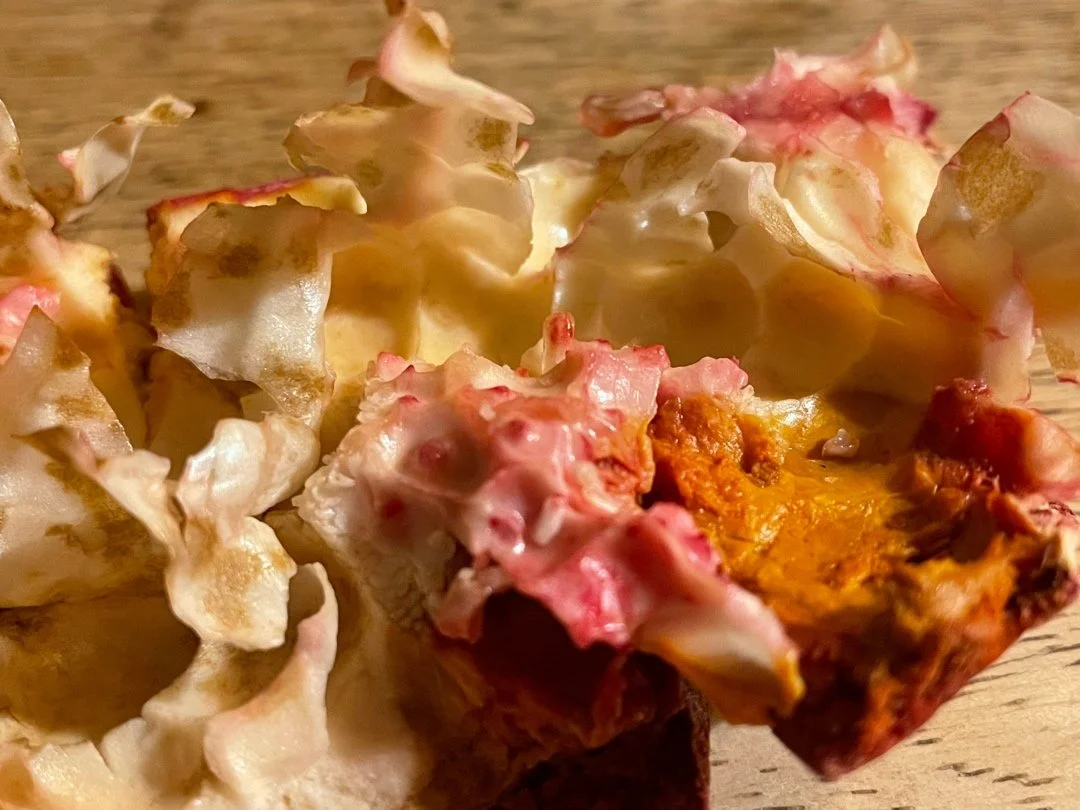
You pair the inside and outside of a pomegranate with your story about fighting your left hand. How do you choose objects or scenes to photograph alongside images of your body? Do you plan these connections, or do you notice them later?
What caught my attention, or usually does when I see things, was the texture and the form. The connection was made later, after I wrote the text about the changes in my body and after revisiting the photos I had taken in different periods of time. I realised that if I look close enough, and if I forget that this is my body, the texture is the part that stands out and the way it has shifted, because the skin is usually smooth and soft, but then turns bumpy, swollen, and sometimes unrecognisable.
That is also why I thought the pomegranate could work as a good metaphor. Because it has a smooth and hardened sphere that protects what is inside, and the inside looks like a mess, especially if you take out the essence, which here is the seed. And that is also how I feel about what happened to my sense of self since the beginning of immigration. I feel I have turned inside out, and also emptied from what I used to recognise myself with or as.
Your friend Nasim's photograph of the blister and sunset appears in your essay. Her image became important to your story even though it shows someone else's body. How did including another artist's work change how you think about your own photographs?
For me, these series of her works, Show me your wound, were specifically very inspiring and interesting because she was working on the concept of wound and was gathering images of scars, wounds, bruises, and any marks on the skin that were made through violence or a painful procedure.
I am also very interested in the abject theory by Julia Kristeva and body horror. How she defines that many things that originally come from our body, once they are detached or misplaced, become repulsive, disgusting, scary, and nauseating. Such as fallen hair, shed skin, feces, vomit, especially in women’s bodies and in giving birth. That is also why women play an important role in horror movies.
So as I was seeing all these transformations in my body, such as wounds, scars, rashes, blisters, skin shed, and blood, even by gaining weight since moving to Berlin, I started paying more attention to the body and the aesthetics of abnormalities.
Some of the photos were taken in Iran before you left, and some in Berlin after. When you look at the images now, can you see a difference between the two places in how you photograph? Did moving change the way you look at your own body through the camera?
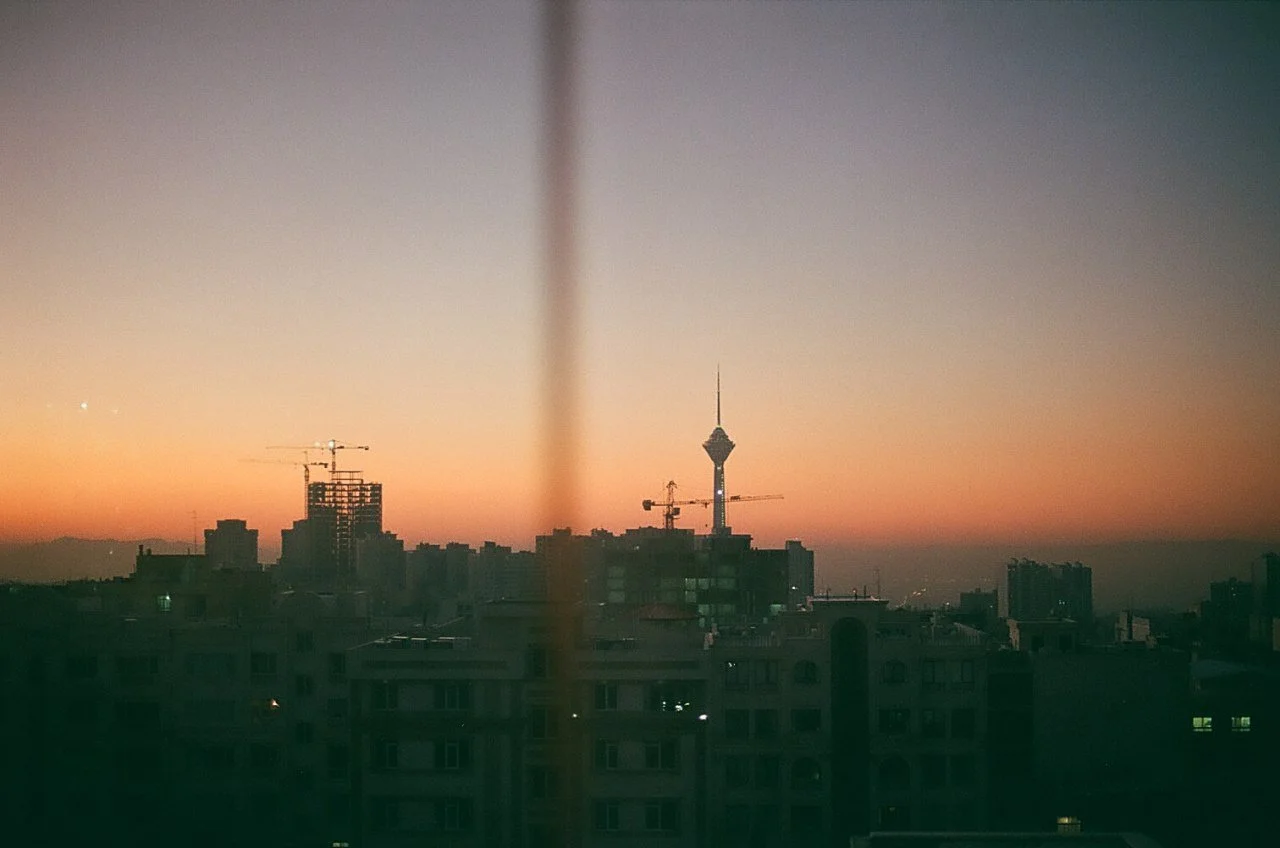
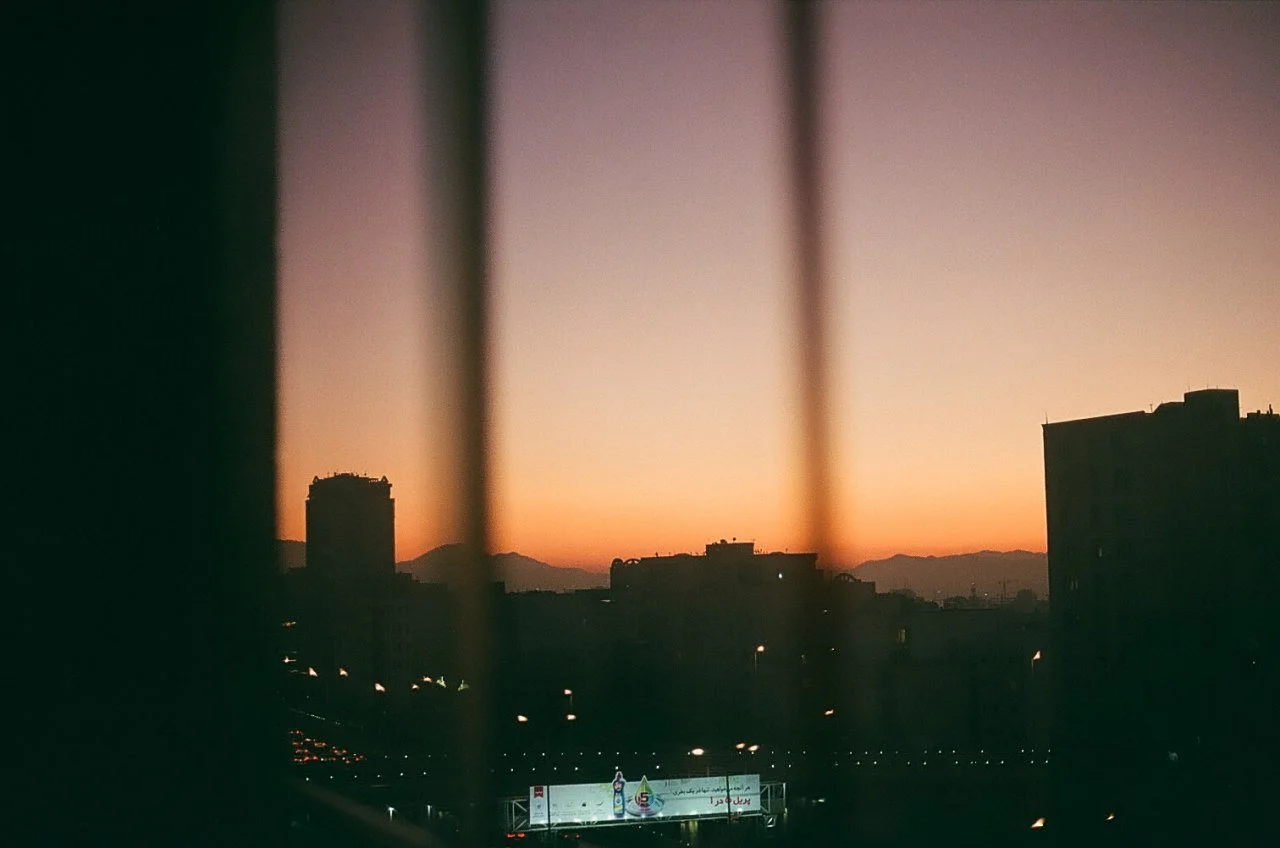
Oh, I can absolutely see that. Looking at photos from then and now, especially digital photos versus film, I see a great deal of change. In Iran, my photos were mostly spatial, situated in specific places, and urban architecture or nature was the focus, but in my more recent photos, it seems like unknowingly my gaze has shifted inwards, to details, fragments, and pieces.
If someone is going through something similar, maybe dealing with illness or leaving their home country, and they want to start photographing their experience, what would you tell them? Is there something you wish you had known when you started documenting your own body and journey?
I believe this passage, be it illness, immigration, or any form of transition between states of being, is deeply personal, and each person experiences it differently. I also believe that there are instances where our experiences might overlap, but acceptance of change and the willingness to witness it might differ in each individual.
The only thing I can dare to suggest, and wish I had done differently, is to document the pain, regardless of how difficult that documentation is. For the first couple of years of my immigration, I stopped writing and journaling, and I tried to block all the outlets of emotion and change because I simply could not accept it. So there are huge gaps in the process and in the transformation that I now wish were there.
Because the pain and how you look back at it eventually change, and it turns into symptoms of growth rather than destruction. It just takes patience and courage to hold it at the time it is happening, but later it becomes the engraved resistance of remaining, regardless of the sufferings and regardless of the change.
Michael Behlen photographed water that would not stay still. For three years, he returned to Millerton Lake in California’s Central Valley, making all the photographs during storms, when the reservoir became harder to read. Picture Story