Why Tommy Kelly Chose to Photograph Suburbia—and Found What Most Photographers Miss
Welcome to another captivating photo essay, this time by Tommy Kelly We'd love to hear your thoughts. Feel free to comment below and, if you're interested, share your photo essay with us. Your perspectives add valuable dimensions to our collective exploration.
One day, Tommy Kelly started photographing outside his window.
He was not searching for something special, just watching people move through an ordinary neighbourhood. Over time, this quiet routine became a long-term record of life that most people would normally ignore. The same streets, the same view, but always changing with seasons, light, and people. What seems simple at first slowly reveals something much more layered.
Suburbia is rarely seen as a place for photography.
Most images come from big cities, where everything feels more dramatic and visible. Kelly chose to stay in one place and look deeper instead of moving faster. By doing this, he began to notice small moments that usually pass without attention. The project becomes less about location and more about how you choose to look.
This interview shows how patience, repetition, and attention can turn the most familiar space into something worth photographing.
The Essay
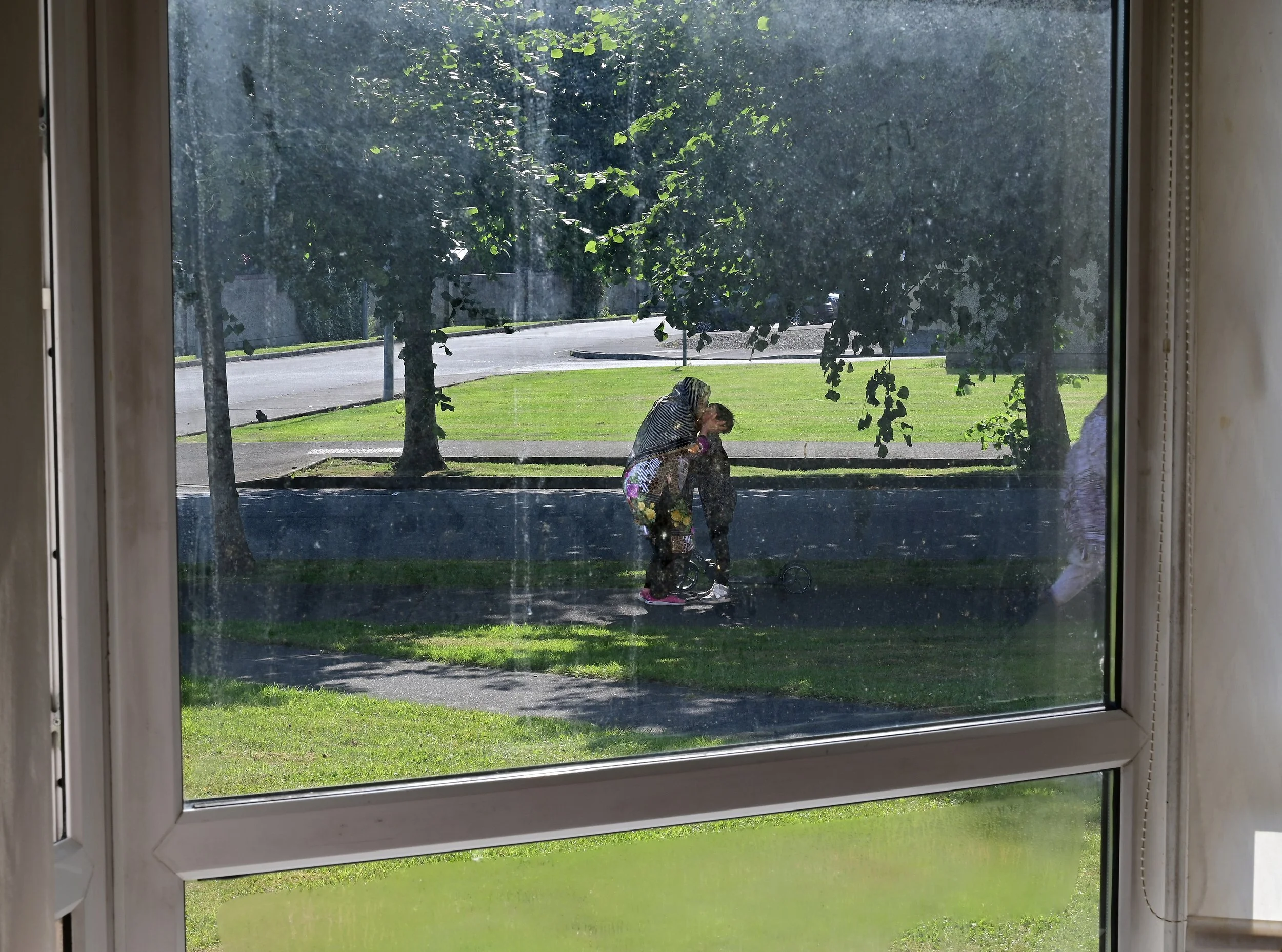
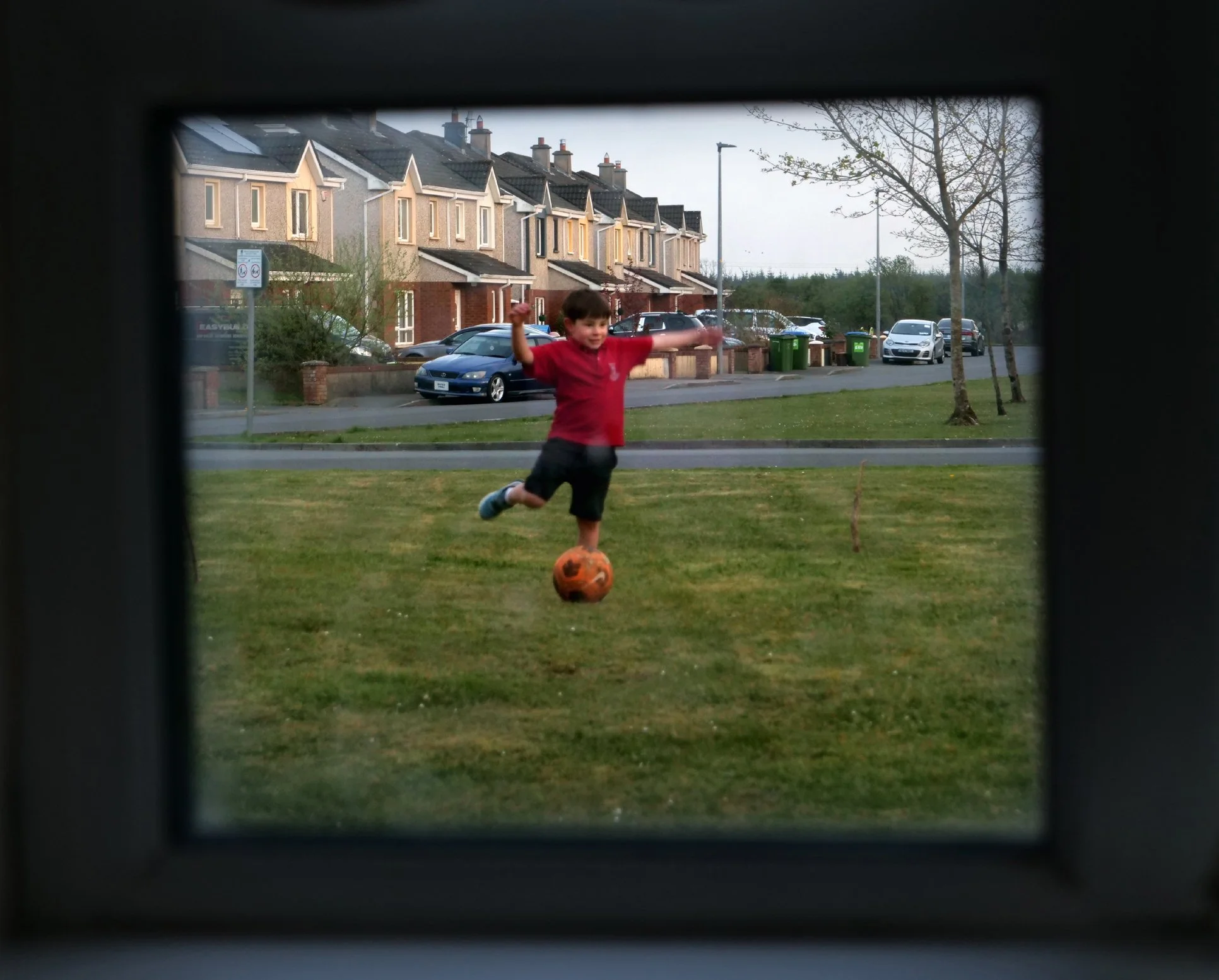
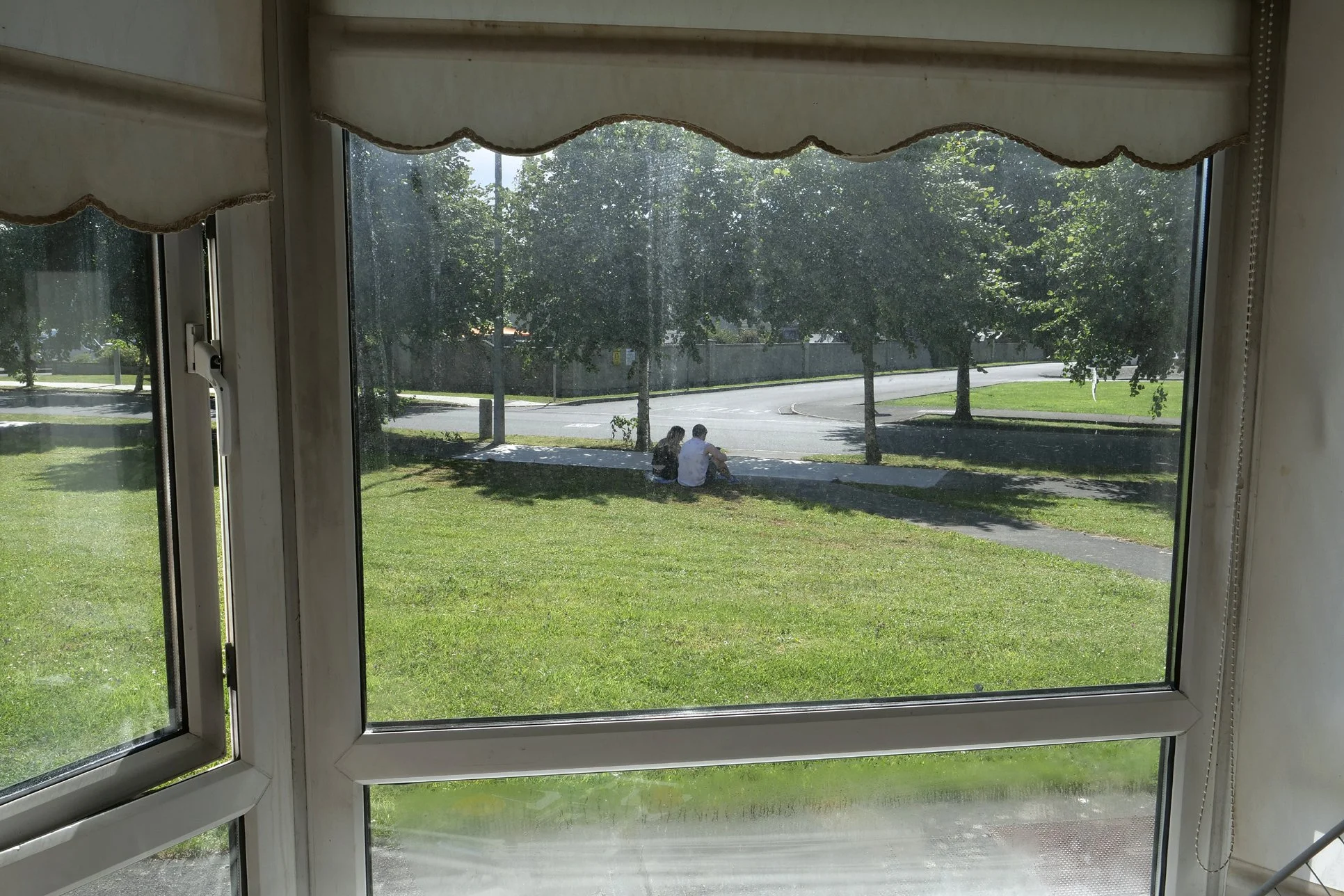
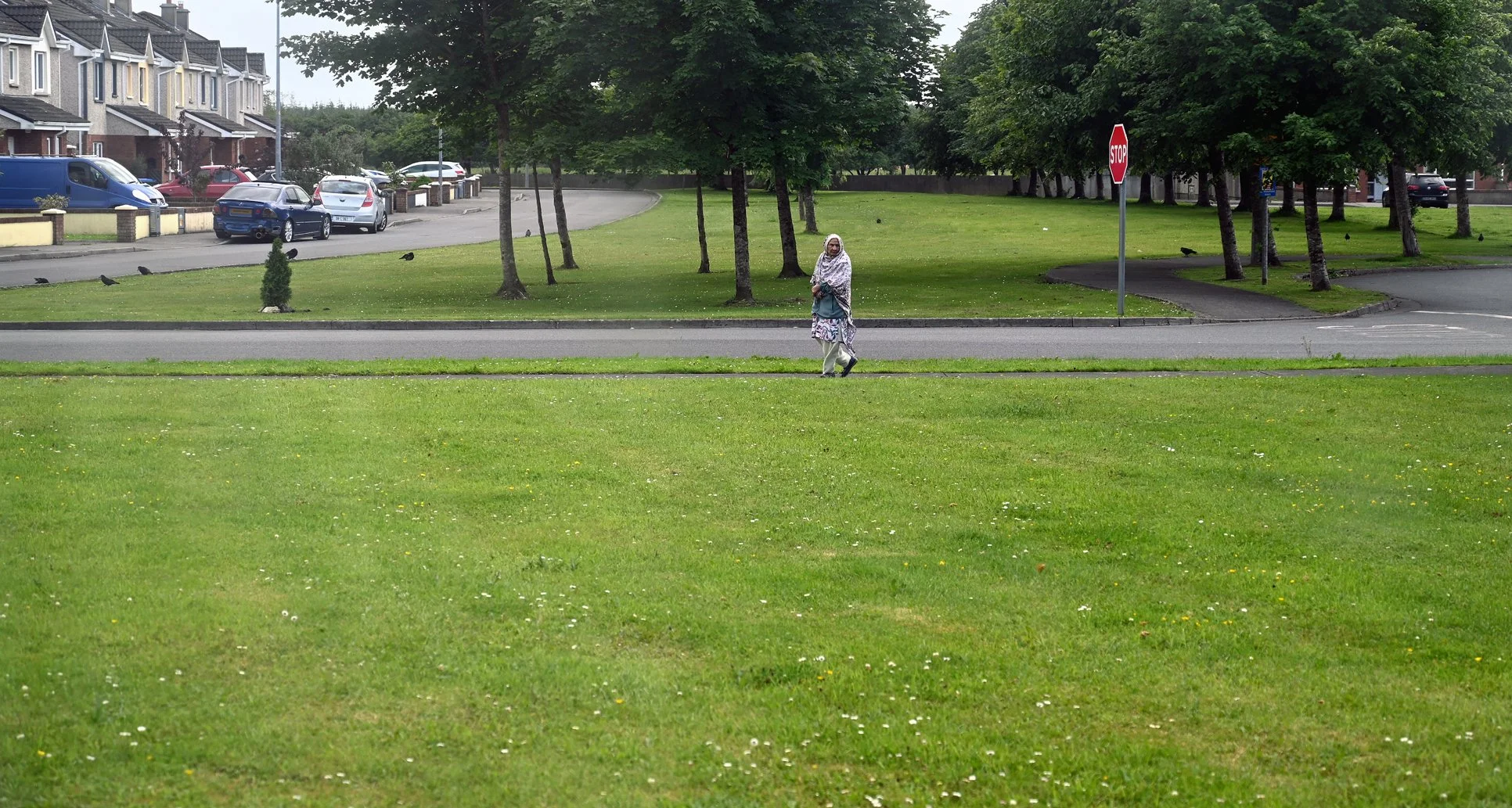
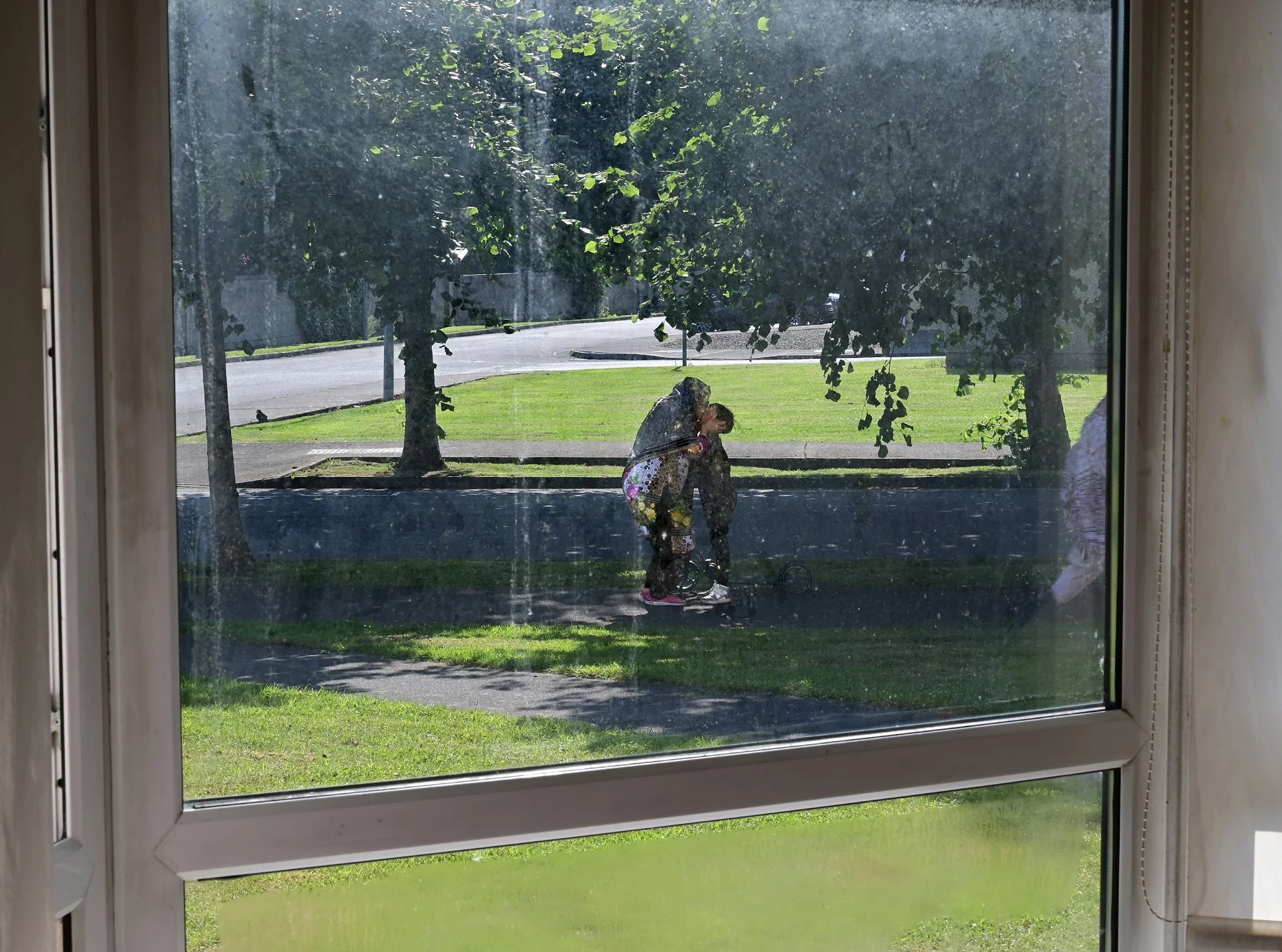
I spend a lot of time at home, as we all do… One day, I had an idea to take photographs of people as they go about their day, passing through the neighbourhood… I am looking onto a couple of roads, paths, and a large green area… I haven’t seen many shots of suburbia in photography; it seems neglected to me. I would be making a body of work from the same vantage point, and I would essentially become an invisible photographer… This allowed me to get shots of people as they truly are, no inhibitions, no self-consciousness… The shots were taken over a number of years; all ages and all seasons are included… Most of the people live in the estate, some came to work, some came and went… You get a sense of time passing, a visual narrative of everyday life.
You say you became an "invisible photographer" by shooting from your living room window. Did any of your neighbours ever find out they were being photographed, and how did they react?
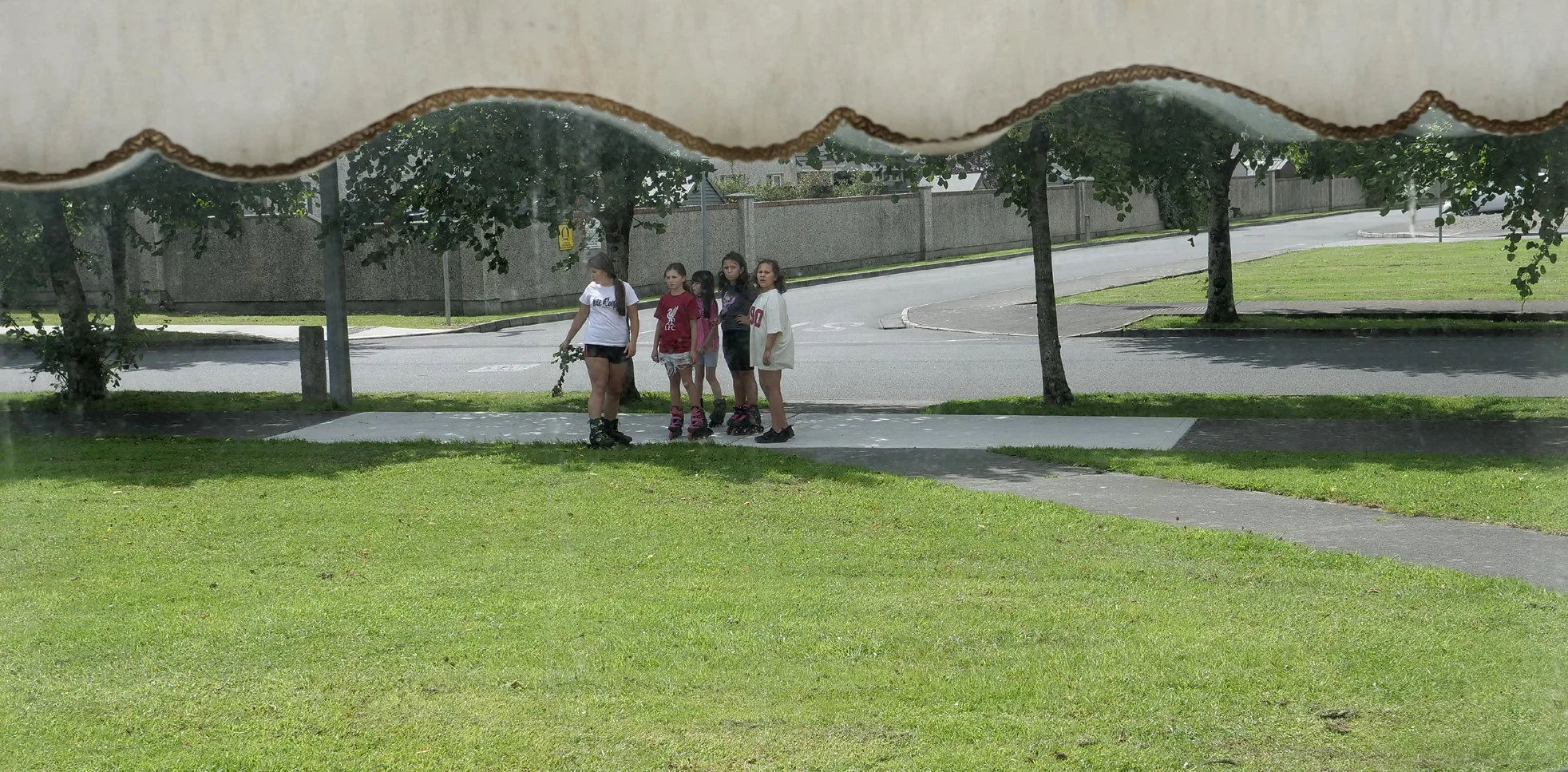
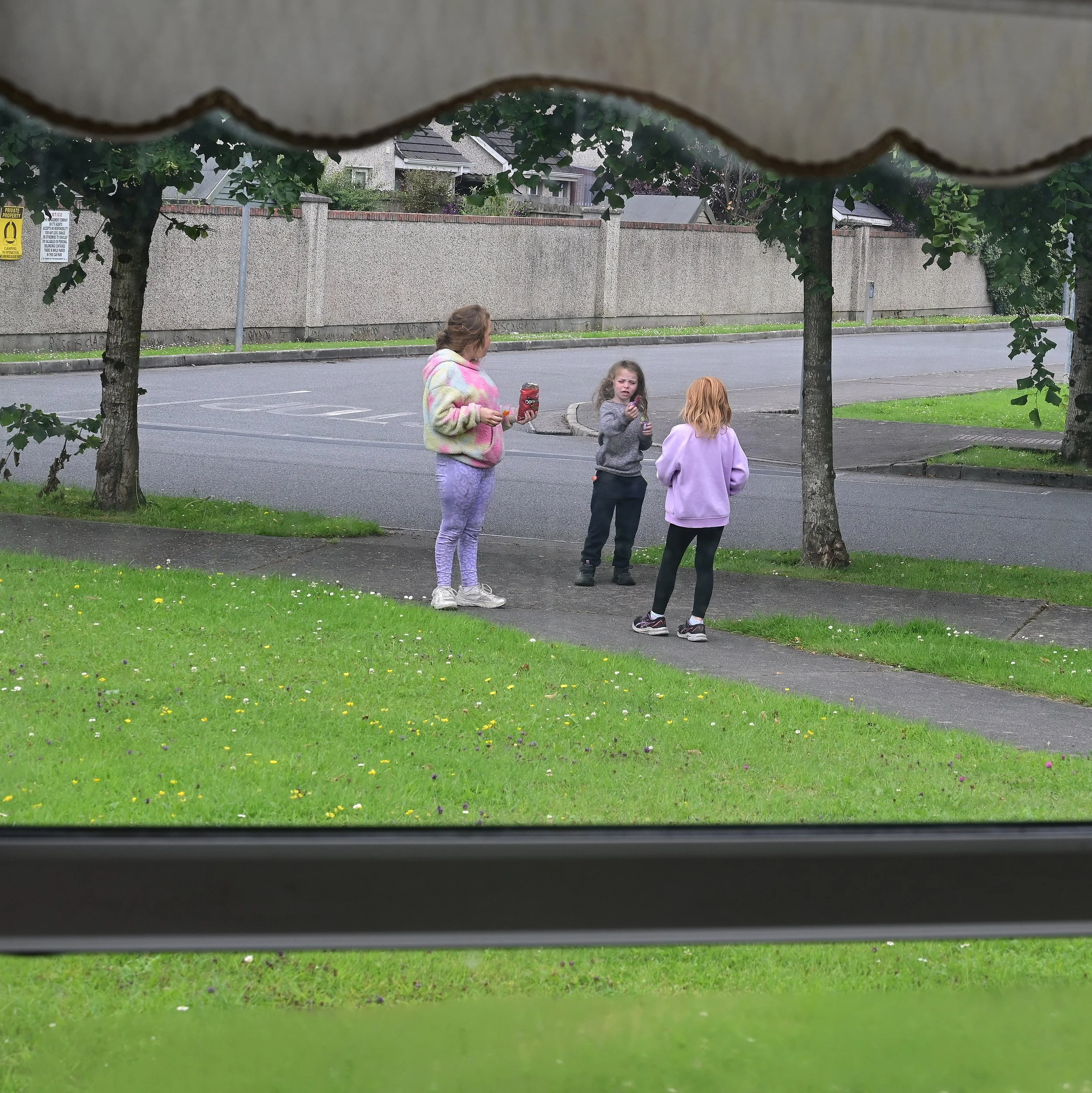
I did give the link to my website to two people in the neighbourhood, but they never spoke about it… I don’t think they saw the shots… I am wondering about the ones that include kids; I know this can be a sore point, I might have to remove them, which would be a great pity because they were a major part of the series, only because you see them more than anyone else. Kids come out to play, adults are travelling from A to B…
Over the years of making these photos, did you start to recognise certain people passing by regularly? Did any of them become like characters in a story for you?
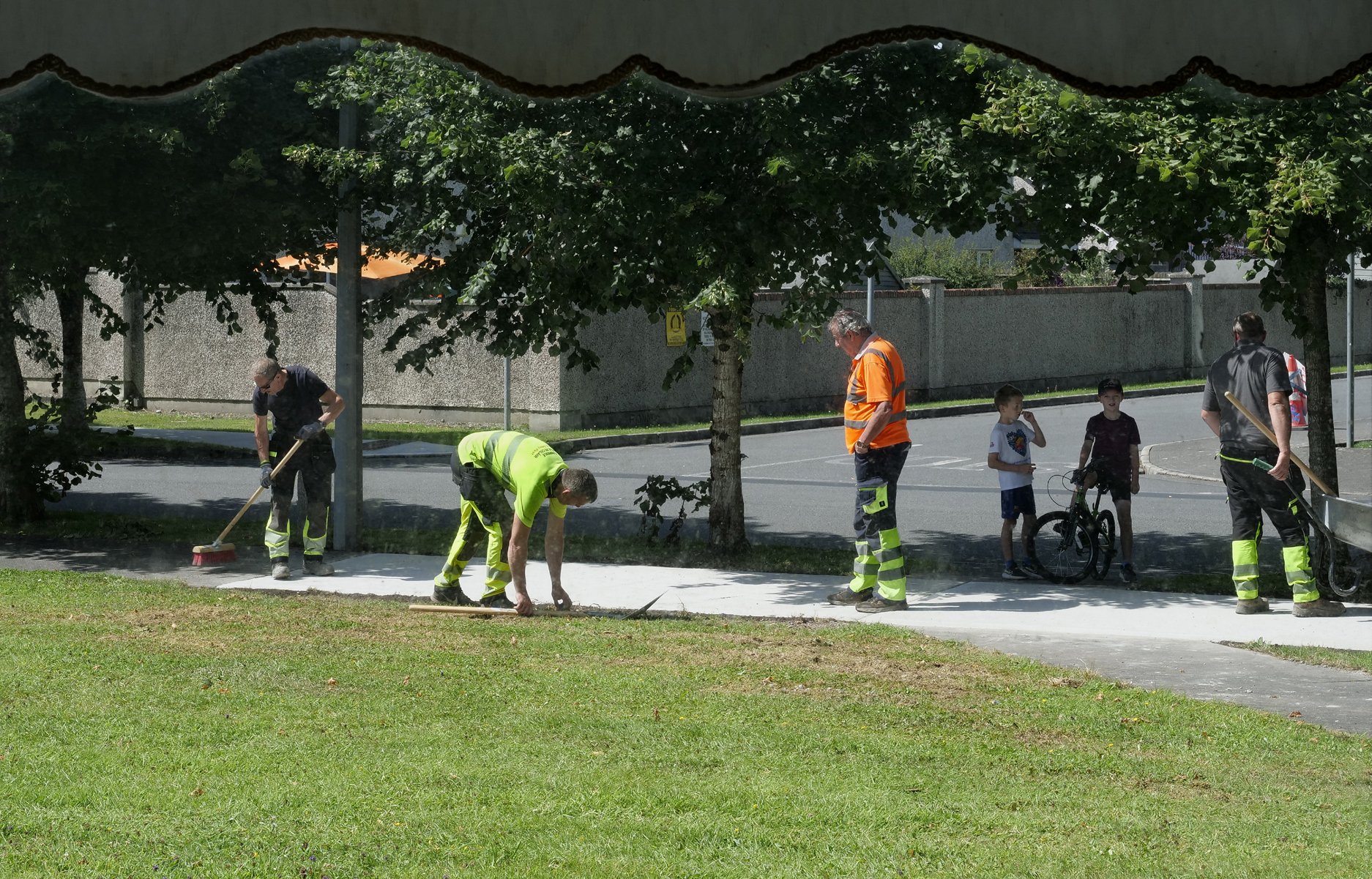
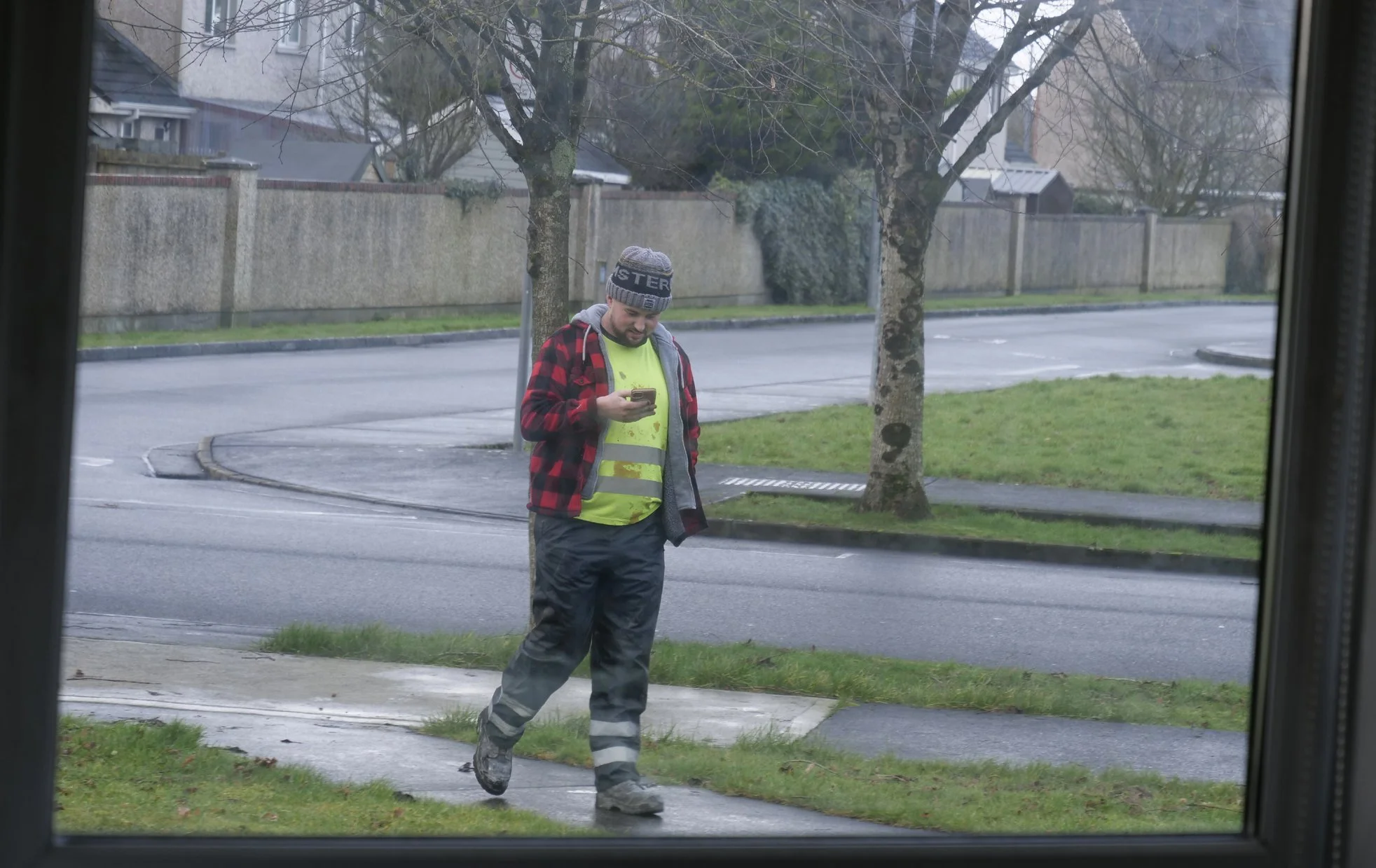
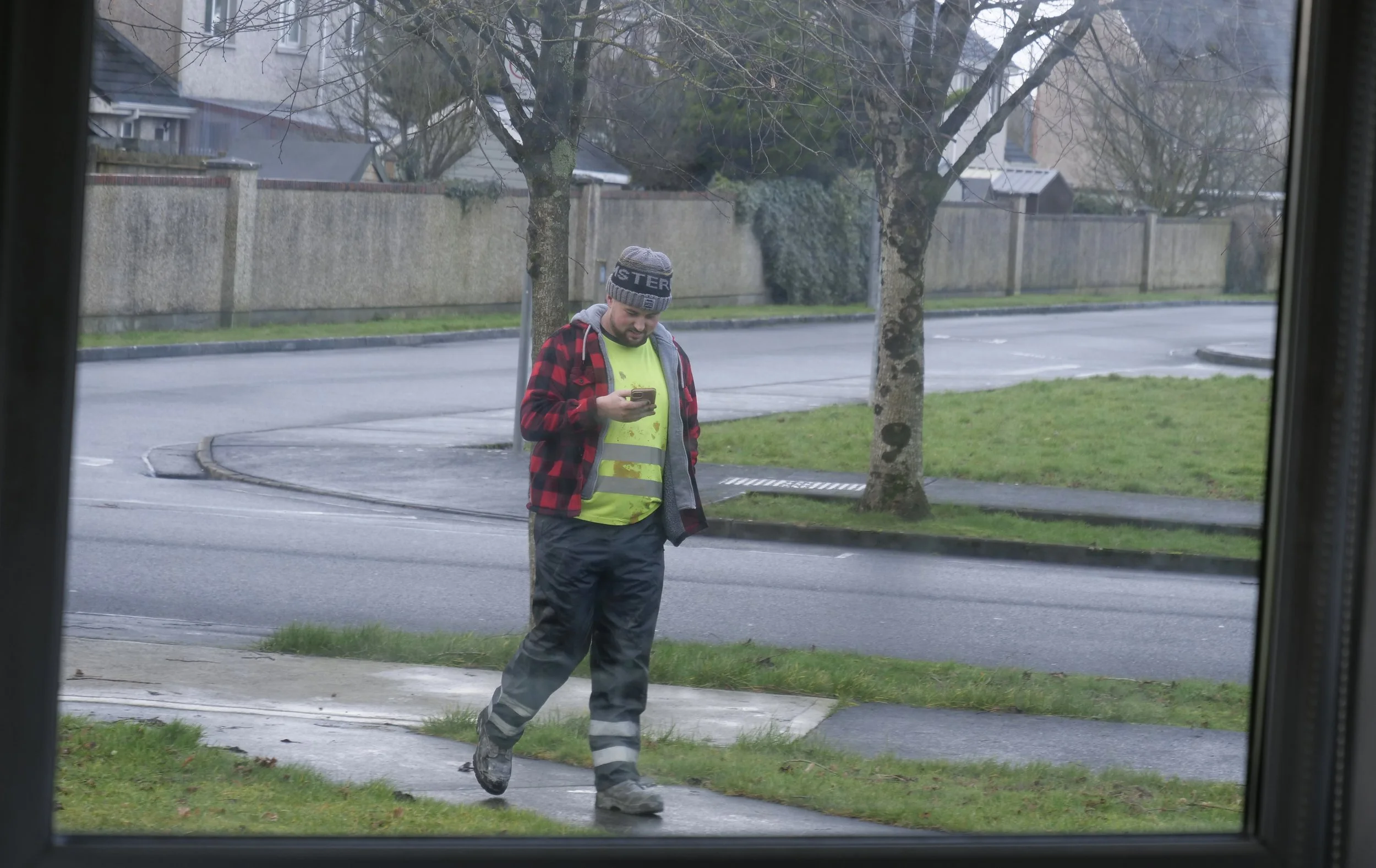
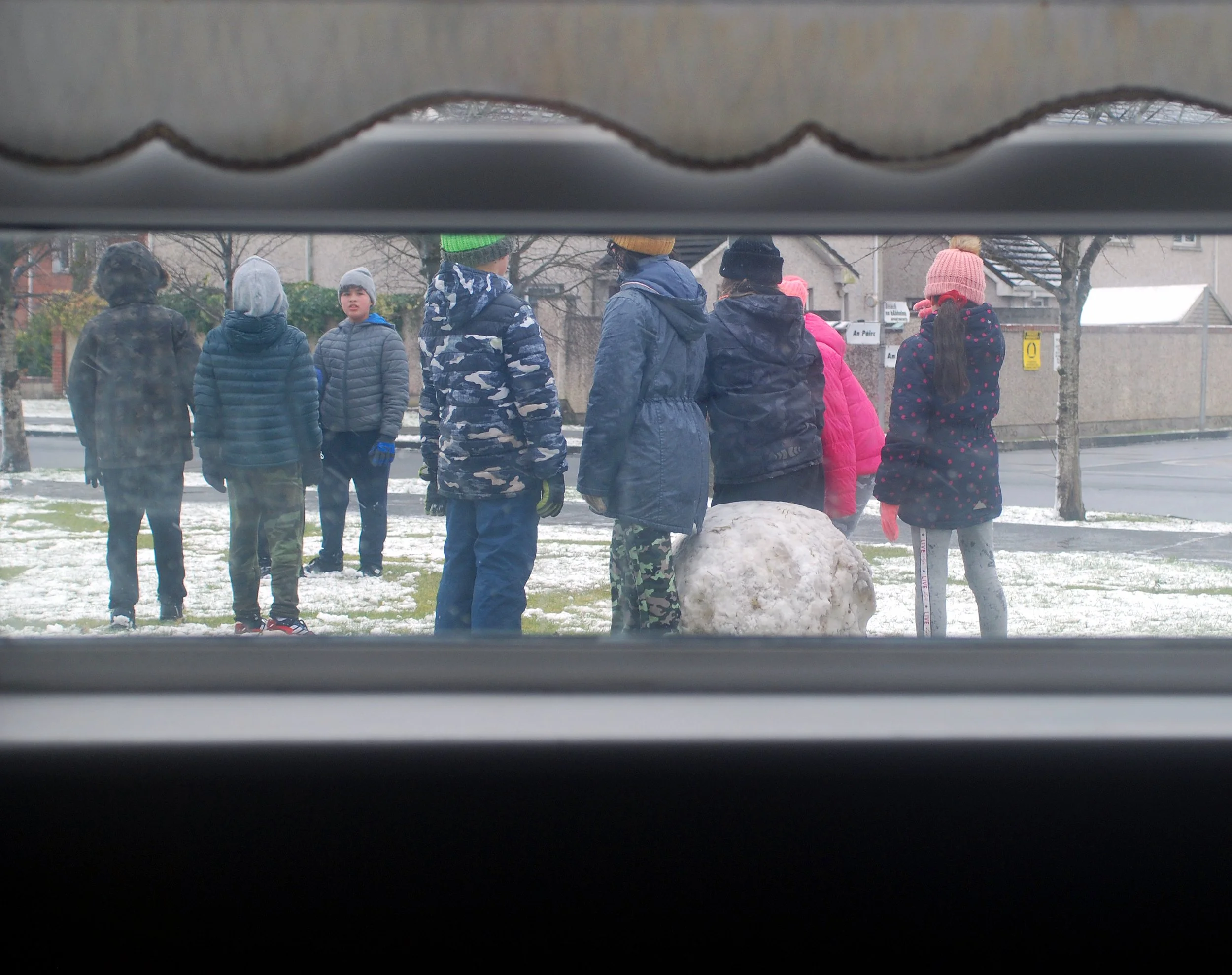
There was one kid I remember who stood out, he seemed to be larger than life, looked like the leader of the pack, I think he is in two shots, he’s the guy looking at the group of kids in the snow scene, close to my window. There was another kid too, who I got to know a little, Hayden… He’s in the one featuring the workers.
Suburbia feels like an unusual choice for a photography project, since most people see it as ordinary and unremarkable. What was the moment you thought "this place is actually worth photographing"?
I thought suburbia was worth shooting from the start for a number of reasons… invisible photographer, people are not nervous/self-conscious; you can get special moments anywhere; I think it’s an area in photography that has been neglected, the street photography I see is always in big cities, why? Why not small towns, where I live, and why not neighbourhoods? The answer has probably more to do with commercialism than photography…
You were shooting from the same spot every time. How did you keep the photos feeling fresh and interesting to you when the view never changed?
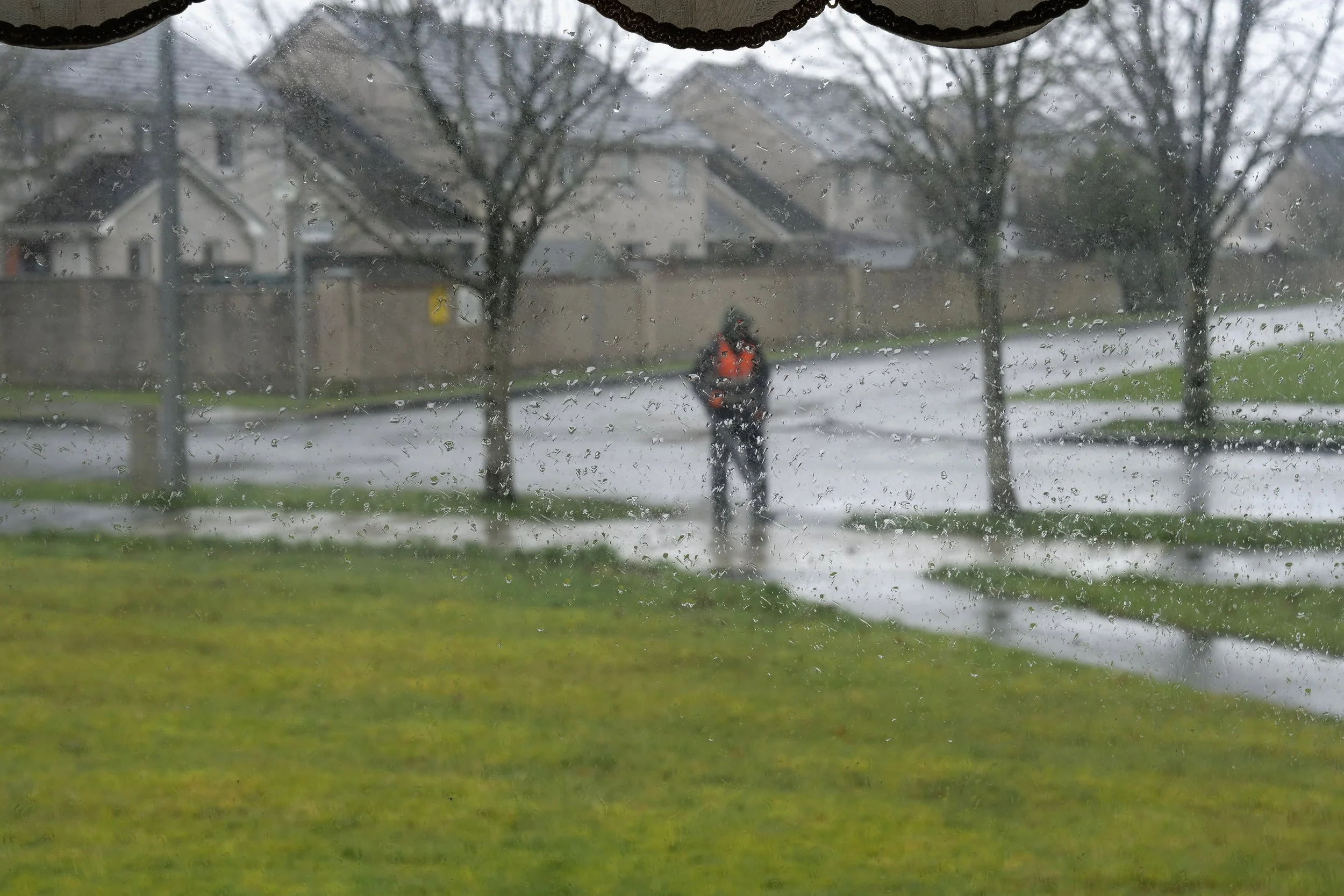
I never felt like I was repeating myself (although I probably was), there are multiple panes of glass in the window, I used them all, sometimes I opened them… I started with the lower pane, after a couple of years, it developed condensation, which I thought brought the series to an end, but I pulled up the blind, moved further back, in the hope people would not notice me, and used the upper pane… and of course, people are all different, that will always keep it interesting… I recently got a shot of a worker in the rain where I focused in the raindrops on the window, it added a variation on the theme, I haven’t uploaded it yet.
Looking at all the photos together now, is there one image that feels like it captures the whole idea of the project better than any other, and what makes it stand out for you?
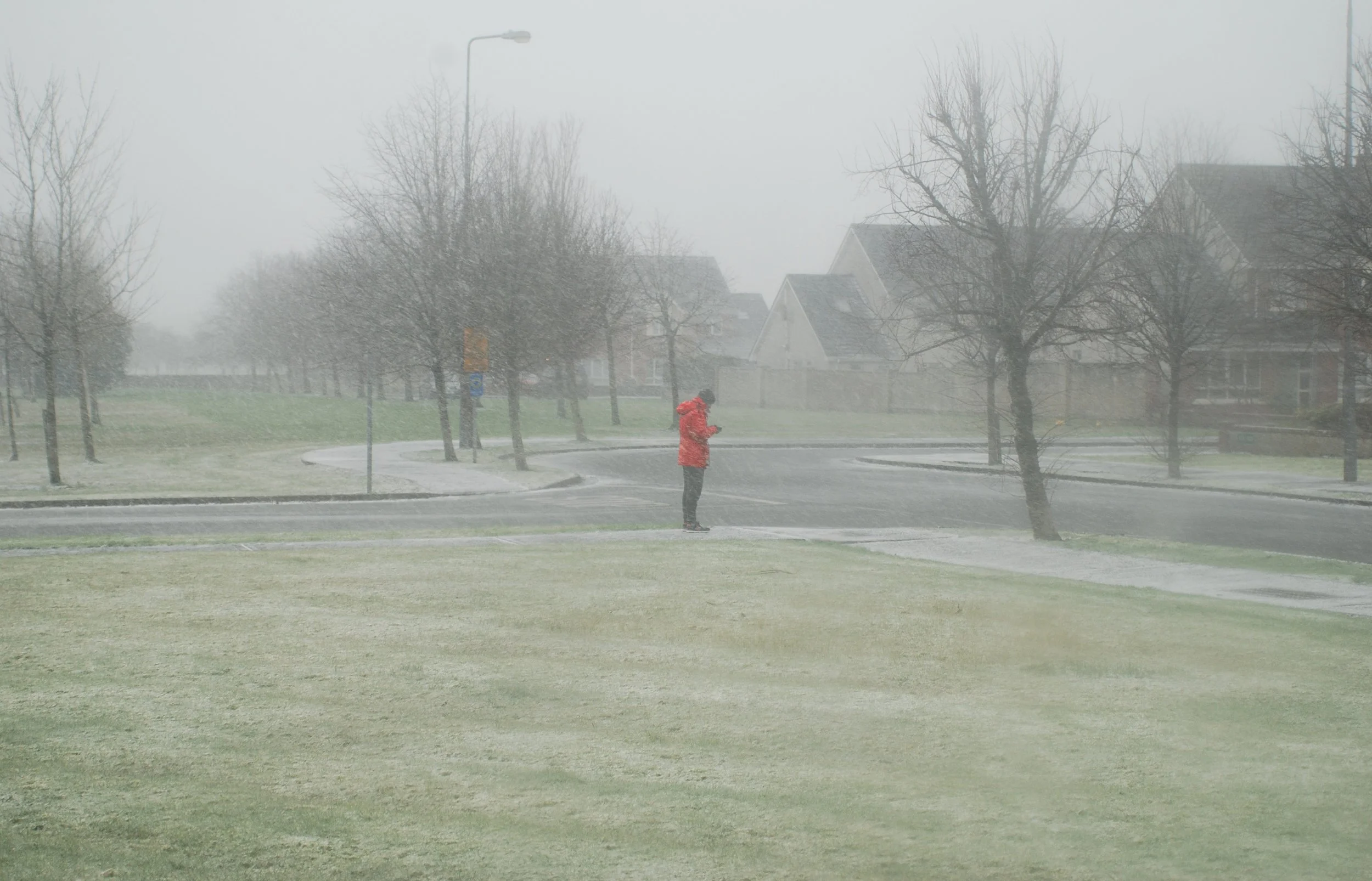
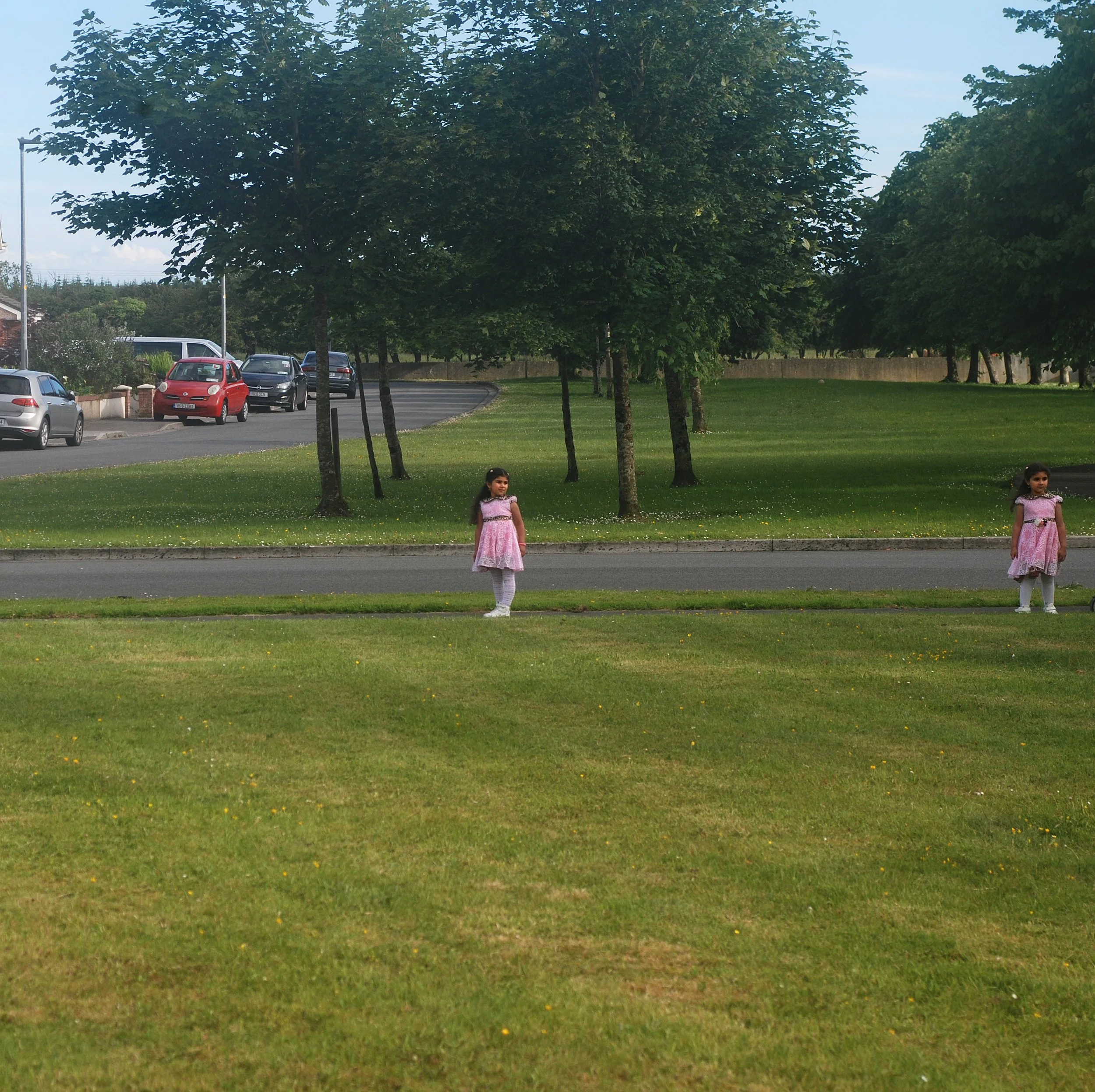
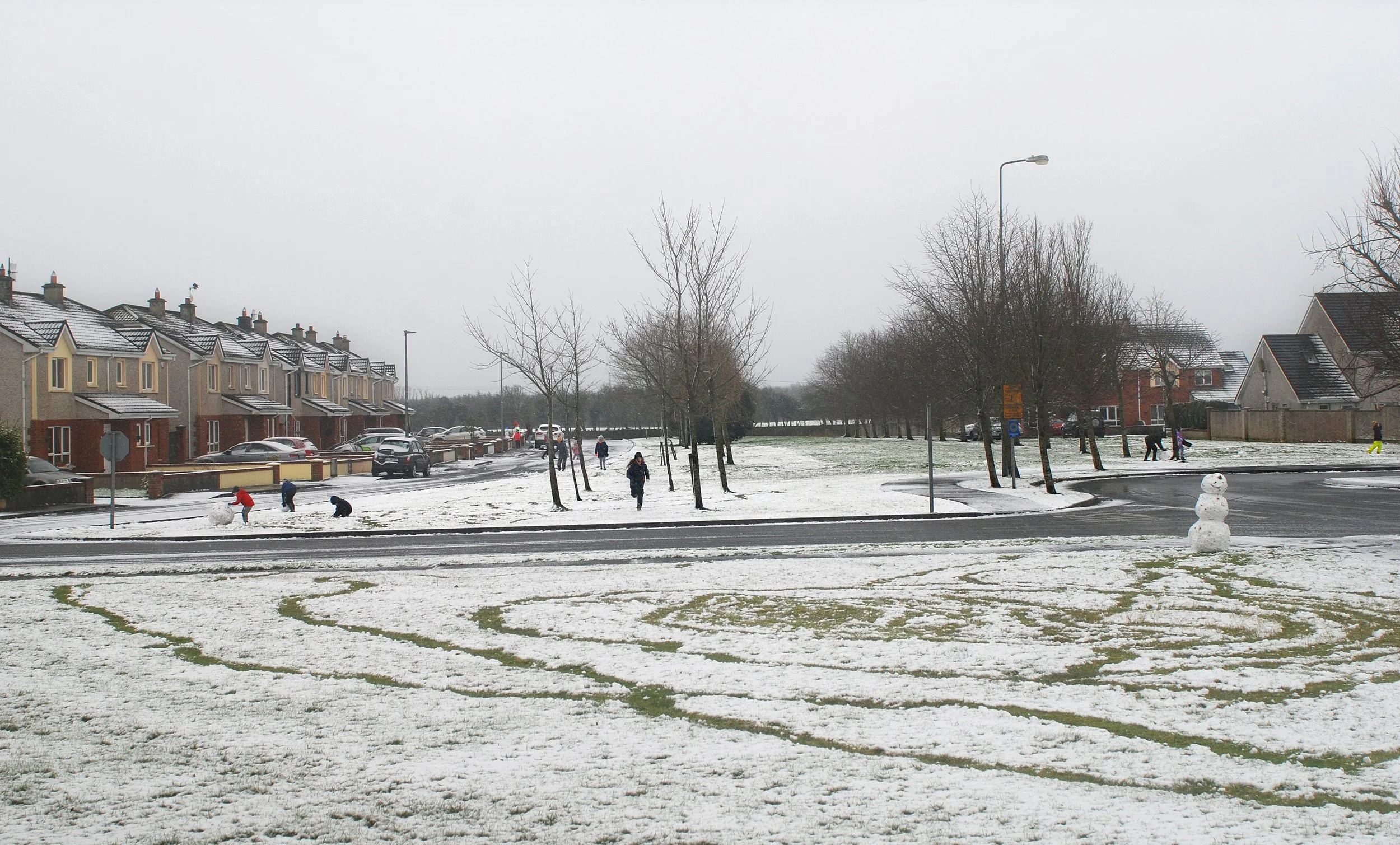
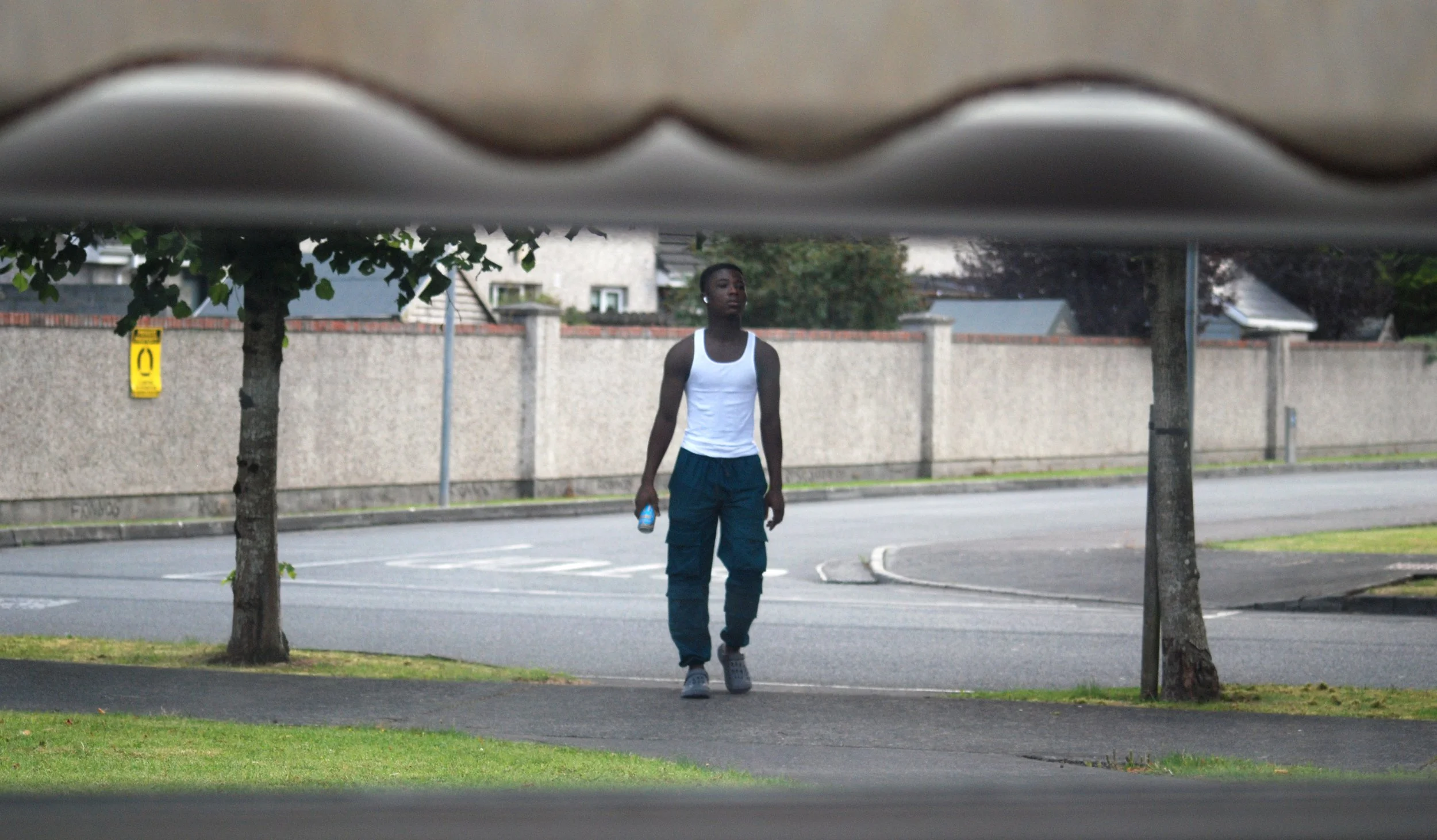
It’s hard for me to single out one shot, if I can mention a few: the black teenage guy with the can in his hand… it’s clean, minimalist, I like to take as much as I can, out of a shot… the workers with the two kids, everyone is in their right place… the twin girls in their pretty dresses, a different composition, which I was forced into, but I think works… the guy in the red coat in the snow scene, minimalist again, and a red/white colour combination, something I do regularly, I think Eggleston does it too but never told anyone… the boy in the snow shot close to the window facing the group of kids… and the wide snow shot including a snowman, and a girl in the centre, running towards the camera… if you forced me into one, probably the teenager in the vest with a can in his hand.

Michael Behlen photographed water that would not stay still. For three years, he returned to Millerton Lake in California’s Central Valley, making all the photographs during storms, when the reservoir became harder to read. Picture Story