Robin Dahlberg’s Breaking Point Shows How Law Enforcement Pressure Can Push Innocent People to Admit to Crimes They Didn’t Commit
Welcome to this edition of [book spotlight]. Today, we uncover the layers of 'Breaking Point,' by Robin Dahlberg (published by Kehrer Verlag). We'd love to read your comments below about these insights and ideas behind the artist's work.
Innocent people confess to crimes they never committed.
It sounds extreme, but it is a real and documented problem. In Breaking Point, Robin Dahlberg looks closely at how pressure inside interrogations can lead to these outcomes. Her background as a lawyer gives this work a strong foundation in real cases and experience. This article explores what actually happens before a confession is made.
We tend to trust confessions without question.
It feels like the clearest proof that someone is guilty. But this project shows how quickly that certainty can break under psychological pressure and isolation. Dahlberg works with exonerees to revisit these moments and make them visible in a direct and human way. The result is a different understanding of how fragile the idea of truth can be.
At the same time, this is also about how to photograph something you cannot see.
How do you show pressure, memory, or fear without forcing it or staging it? In this interview, you will see how trust, reconstruction, and patience can lead to images that carry real emotional weight.
The Book
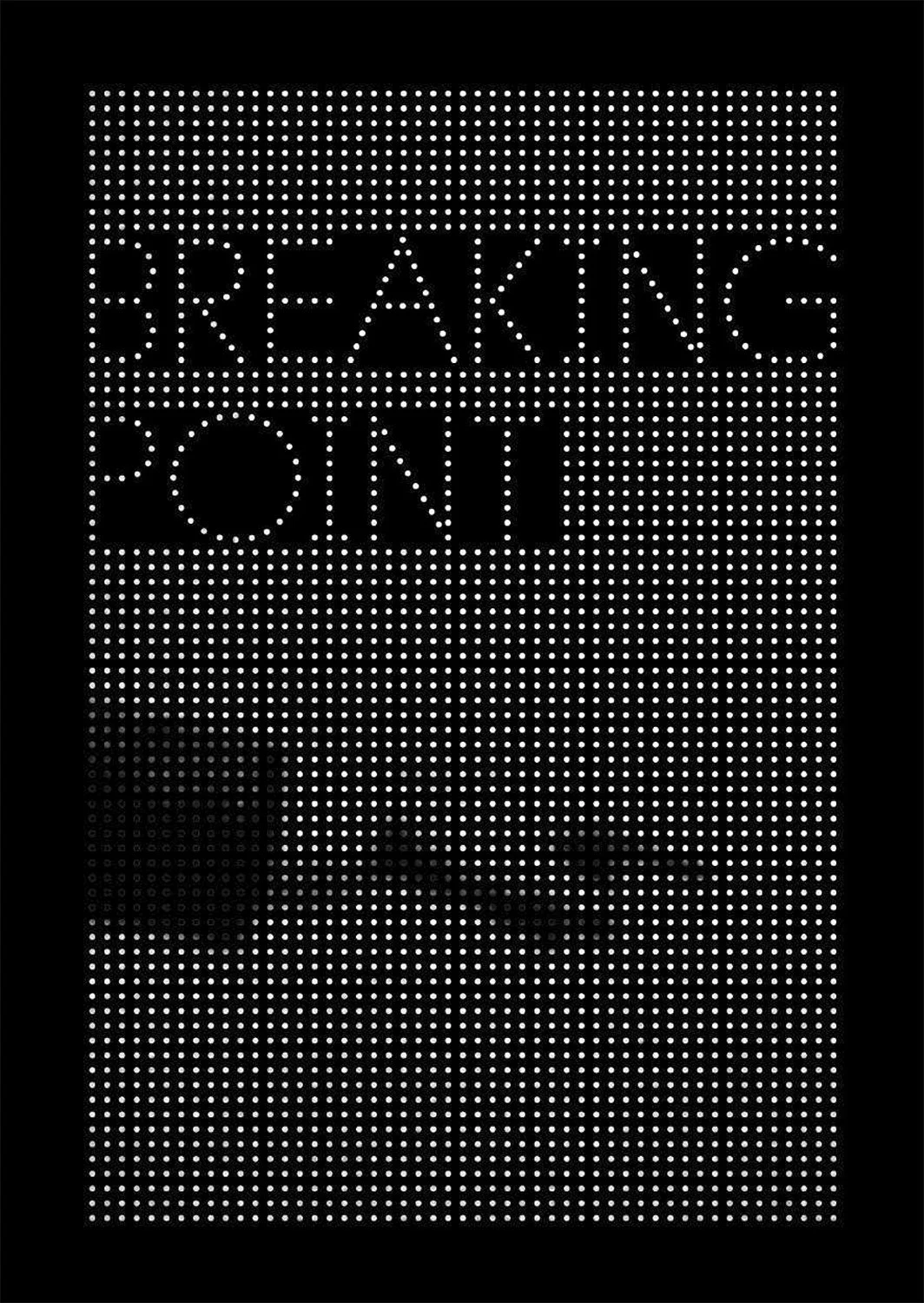
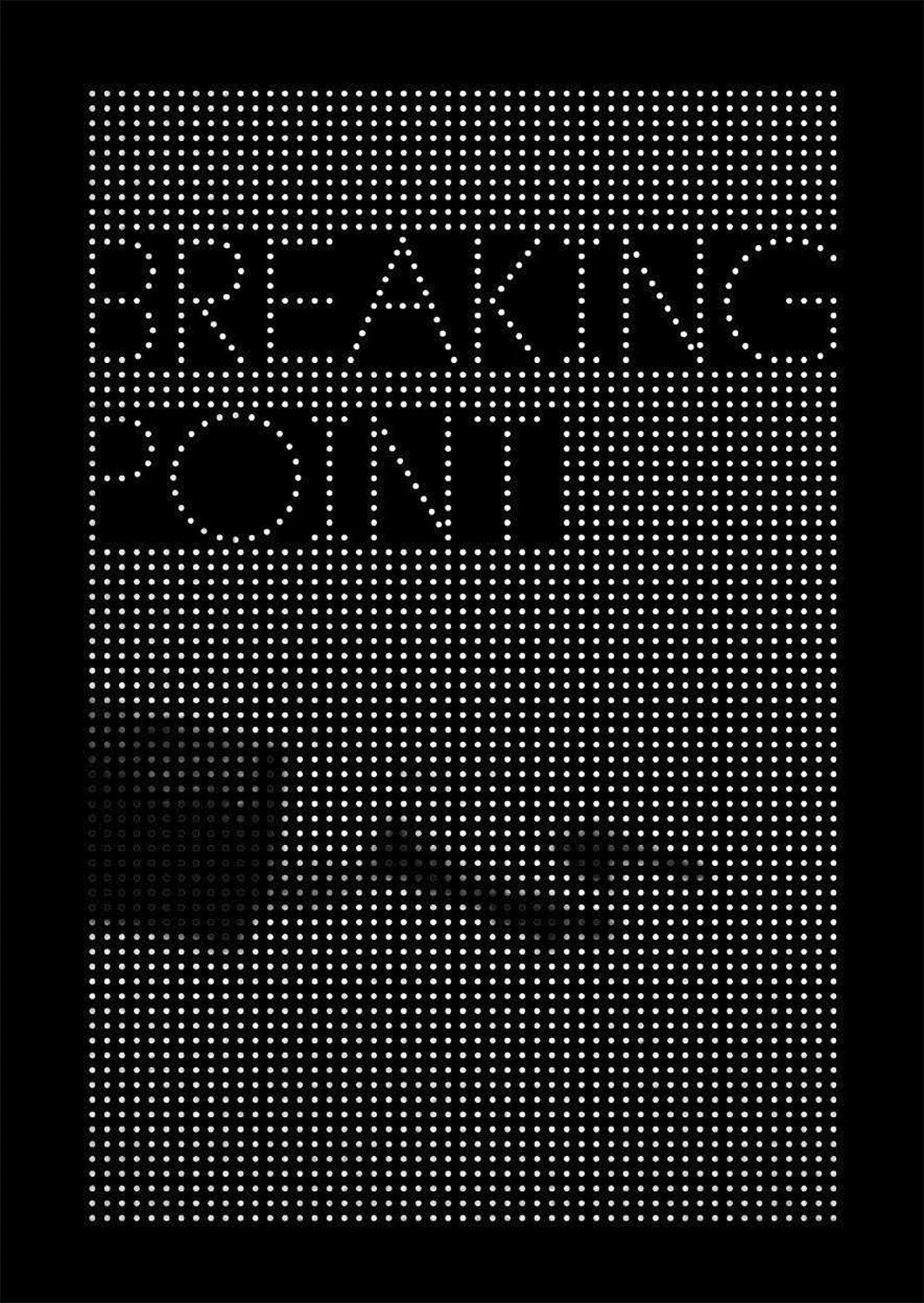
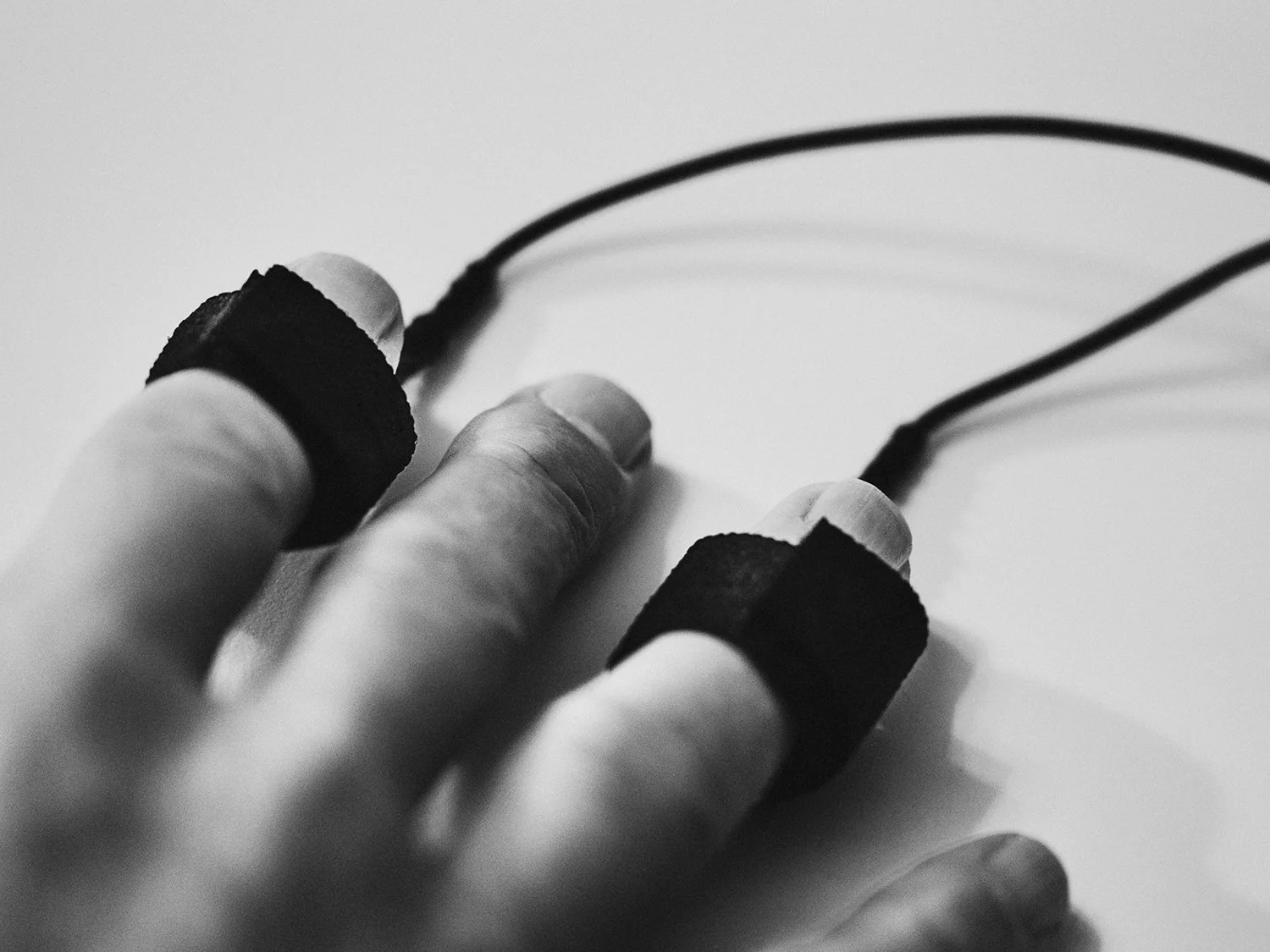
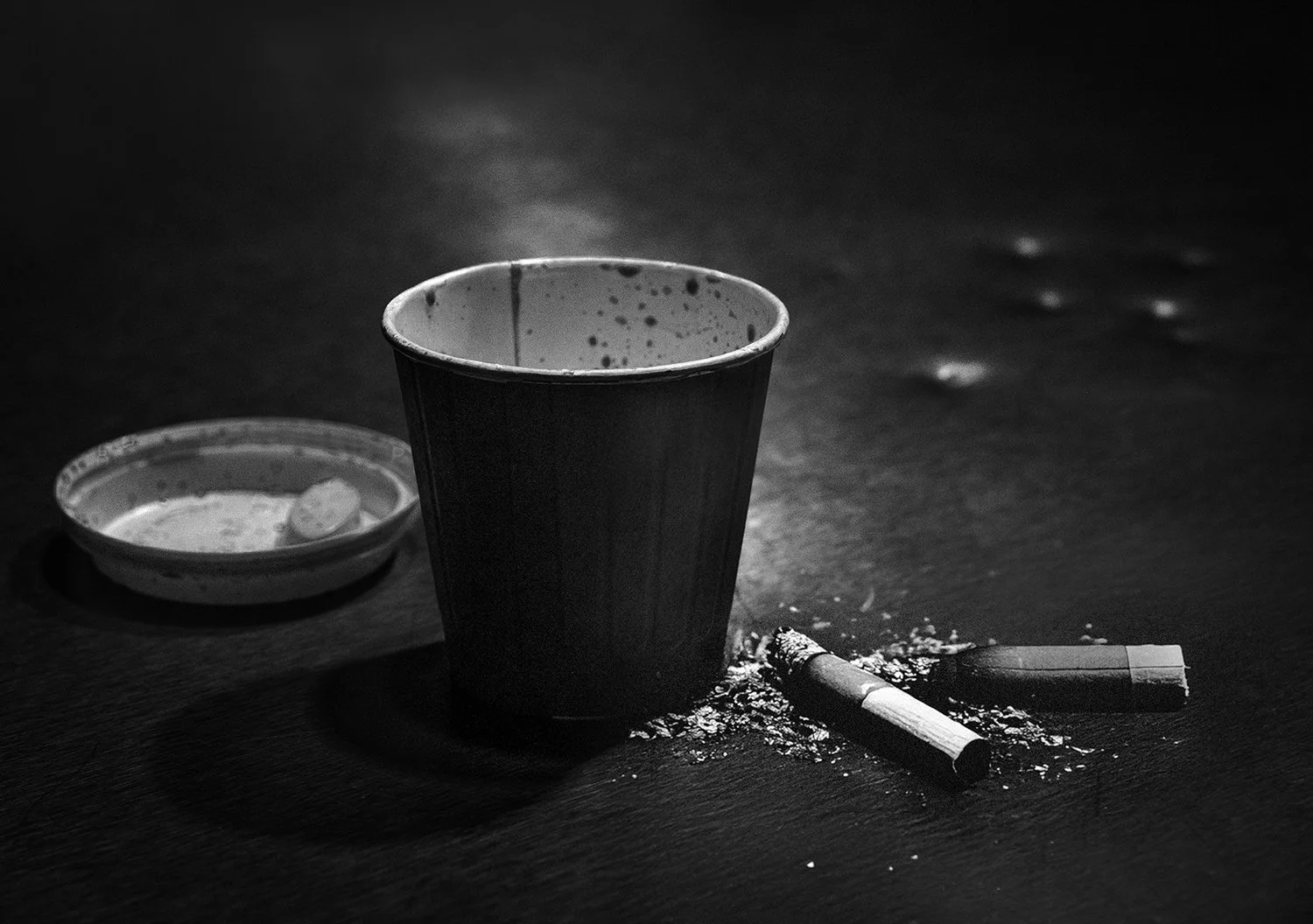
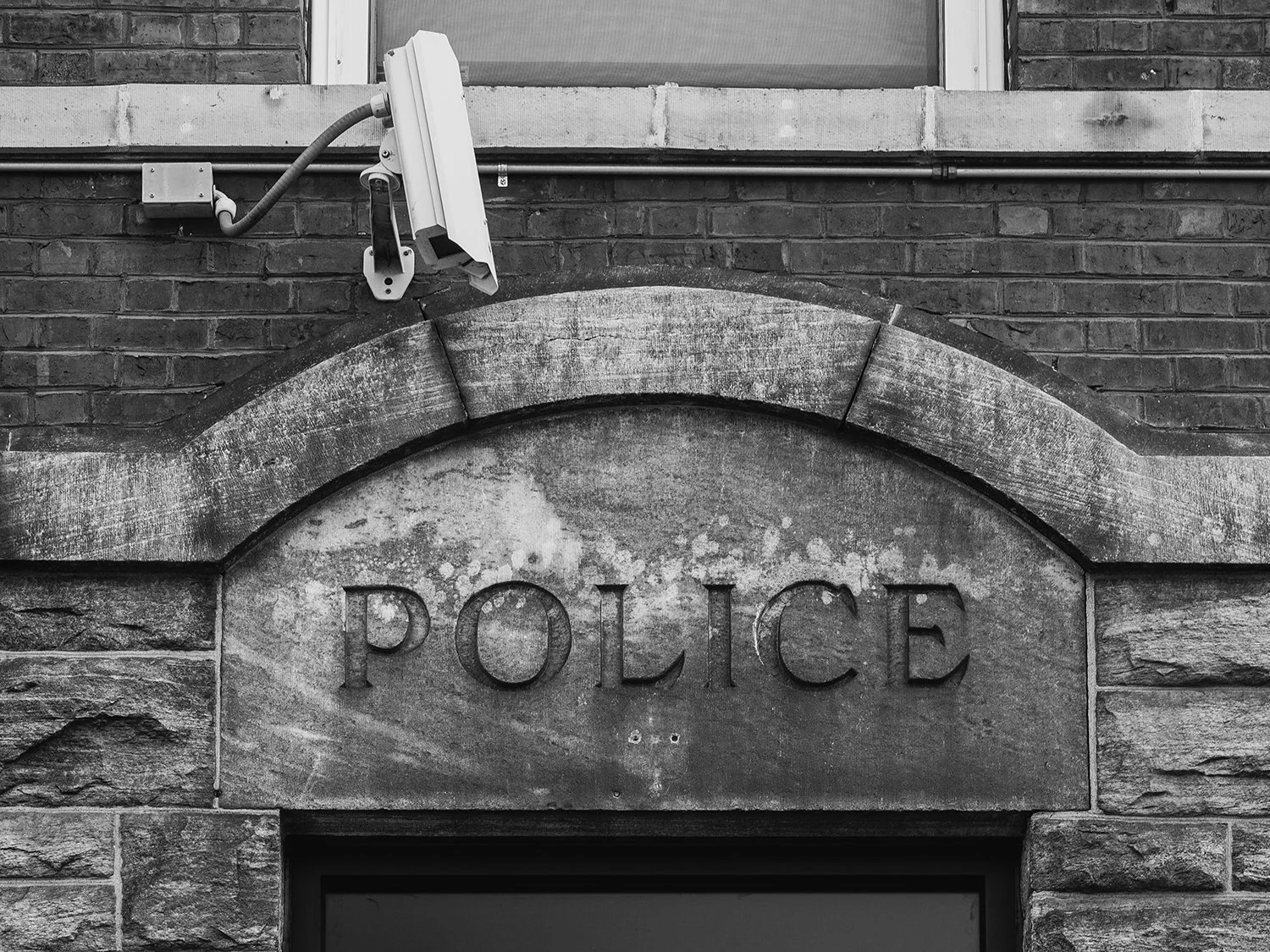
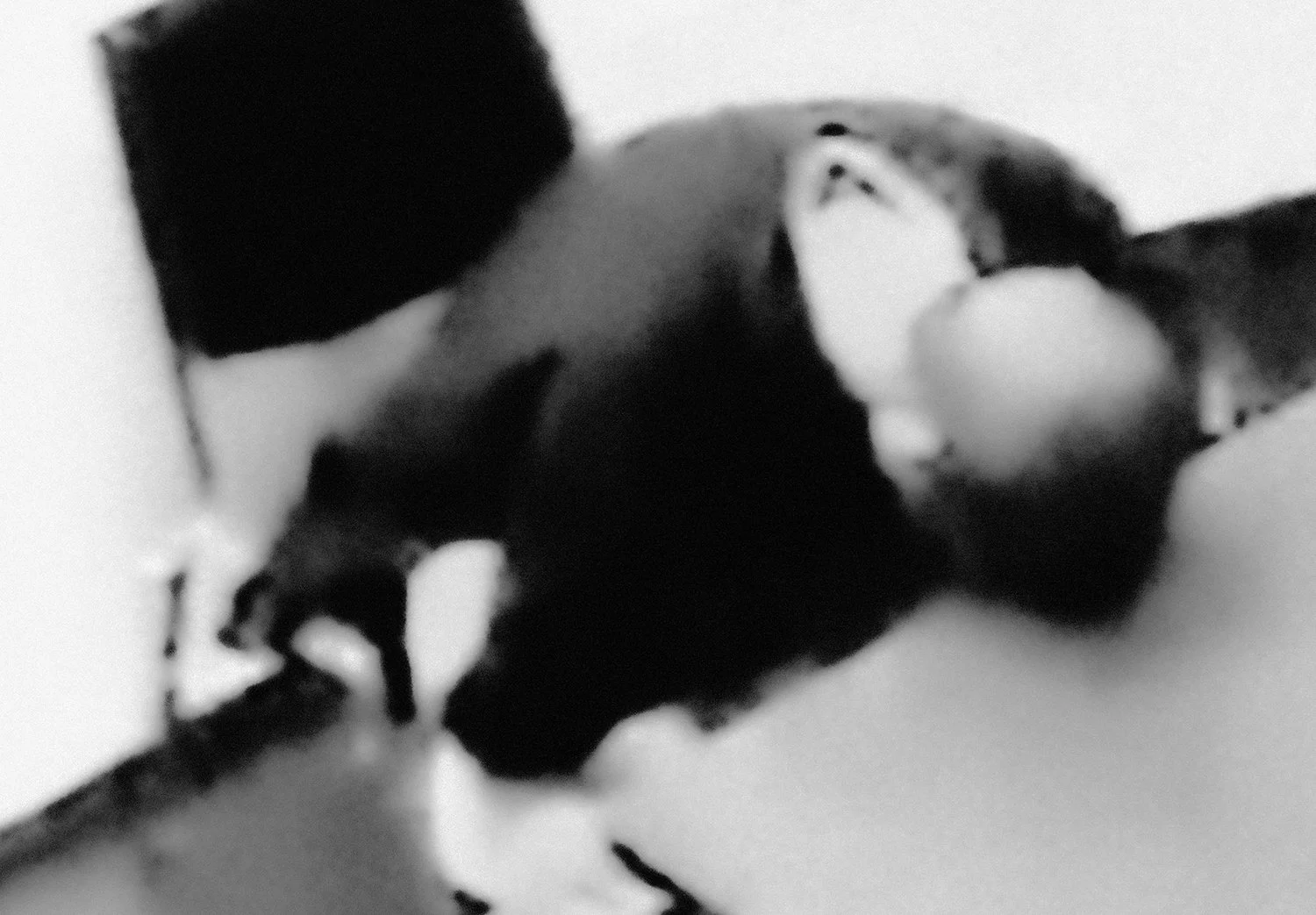
Breaking Point by Robin Dahlberg, published by Kehrer Verlag, brings together 75 tritone portraits and testimonies from six exonerees who were wrongfully convicted after giving false confessions. The book focuses on the psychological reality of police interrogations, where pressure, isolation, and manipulation can lead innocent people to admit to crimes they did not commit. Rather than documenting events directly, Dahlberg reconstructs these moments through collaboration with the subjects, allowing their memories and emotional responses to shape each image. The result is a quiet but unsettling work that shifts attention away from evidence and toward the human experience inside the interrogation room. (Kehrer Verlag, Amazon)
Project genesis: What first made you want to focus on false confessions and wrongful convictions for this project?
Before I became a full-time photographer, I worked for more than two decades as an attorney with the American Civil Liberties Union, focusing on criminal justice reform. During that time, I witnessed how deep-rooted bias, structural inequality, and persistent lack of resources can converge to produce wrongful convictions. I litigated cases and led advocacy efforts aimed at confronting and correcting those systemic failures.
What disturbed me most were false confessions, because they challenge a basic premise of the justice system—that it convicts only those who are truly guilty. After reviewing hundreds of case files and speaking with defendants, defence attorneys, prosecutors, judges, and advocates nationwide, I saw how innocent people—especially young individuals and those in vulnerable positions—could be pressured into confessing to crimes they did not commit. Once given, a confession can shape the entire trajectory of a case, often overshadowing conflicting evidence.
When I left the ACLU, I turned to photography as another way to examine and illuminate these issues. My legal work taught me that real reform often begins with empathy—when decision-makers and the public can recognise themselves in the lives of those harmed by injustice. Through visual storytelling, I aim to foster that sense of connection and understanding in a different, but equally powerful, way.
Access and trust: How did you find and connect with the six exonerees in the book, and how did you build enough trust to photograph them?
I connected with most of the exonerees through the Innocence Network, a nationwide coalition of legal organisations dedicated to freeing the wrongfully convicted, and a group that I had worked with while at the ACLU. The Network maintains a database of individuals exonerated by its member organisations and documents the factors that contributed to their wrongful convictions.
My contacts at the Innocence Network suggested that I initially reach out to exoneree Jeffrey Deskovic. His willingness to participate in the project helped open the door to others. The six individuals who ultimately took part were deeply committed to sharing their experiences, in large part to demonstrate how people who have done nothing wrong can become ensnared in the criminal justice system. Our shared purpose—educating the public—became the foundation of our collaboration. I am grateful to all of them for sharing their stories with me.
Portrait approach: The book pairs portraits with interview text from each person. How did you decide what to show in the portraits to reflect what these people went through?
Studies and firsthand accounts show that false confessions frequently happen when police wrongly decide that an innocent person is guilty. This erroneous decision often stems from investigations that are rushed, incomplete, or too narrowly focused. Having fixated on a suspect, investigators will then shift from fact-finding to confirmation. Their questioning of a suspect is no longer motivated by a desire to uncover the truth but to extract a confession.
In these situations, certain tactics are commonly used. Suspects may be kept alone for long periods, misled about the evidence against them, pressured through intimidation, and subjected to psychological strategies designed to wear them down. Ultimately, the atmosphere can become so overwhelming that the suspect starts to believe that confessing is the only way to make the interrogation stop.
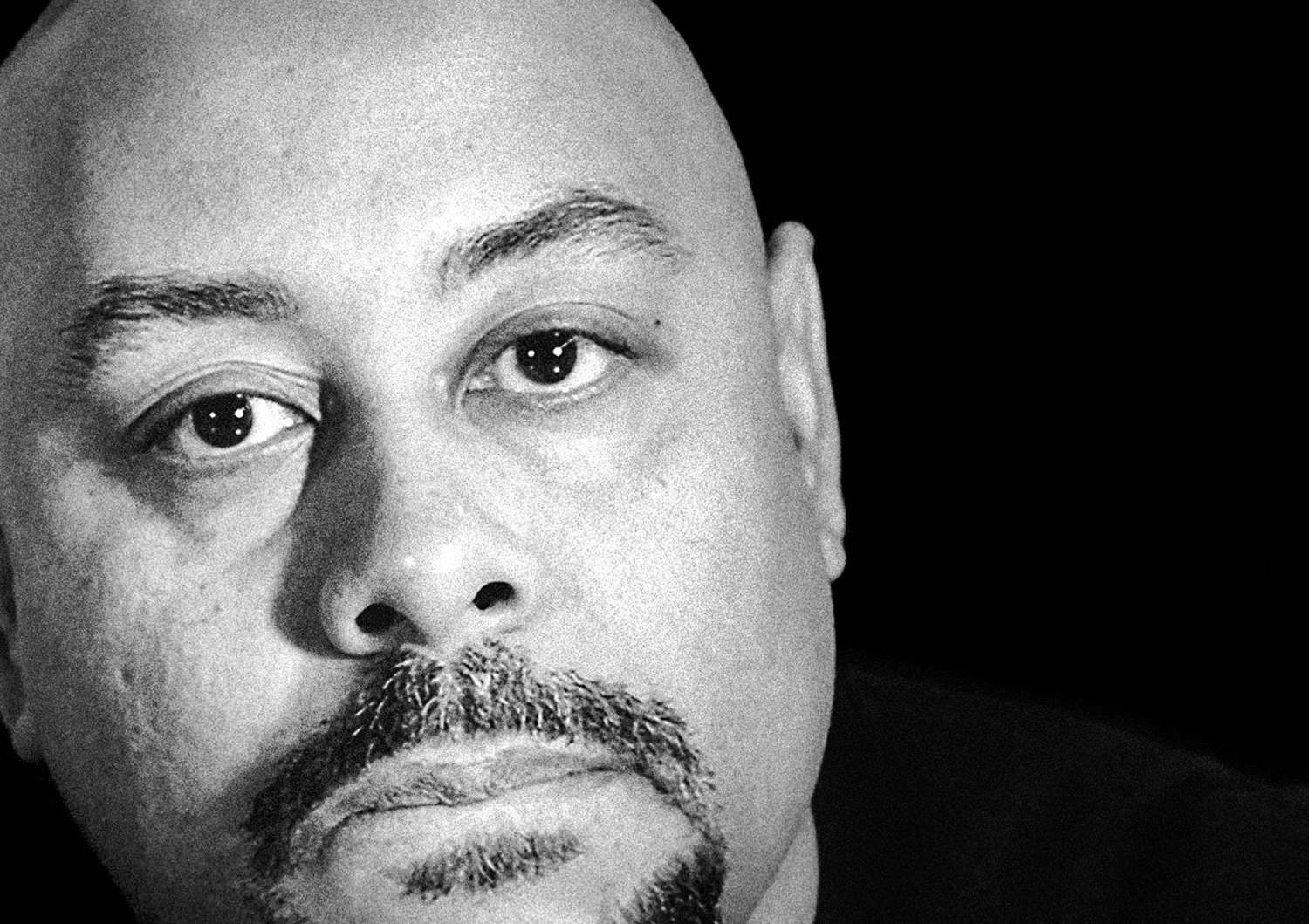
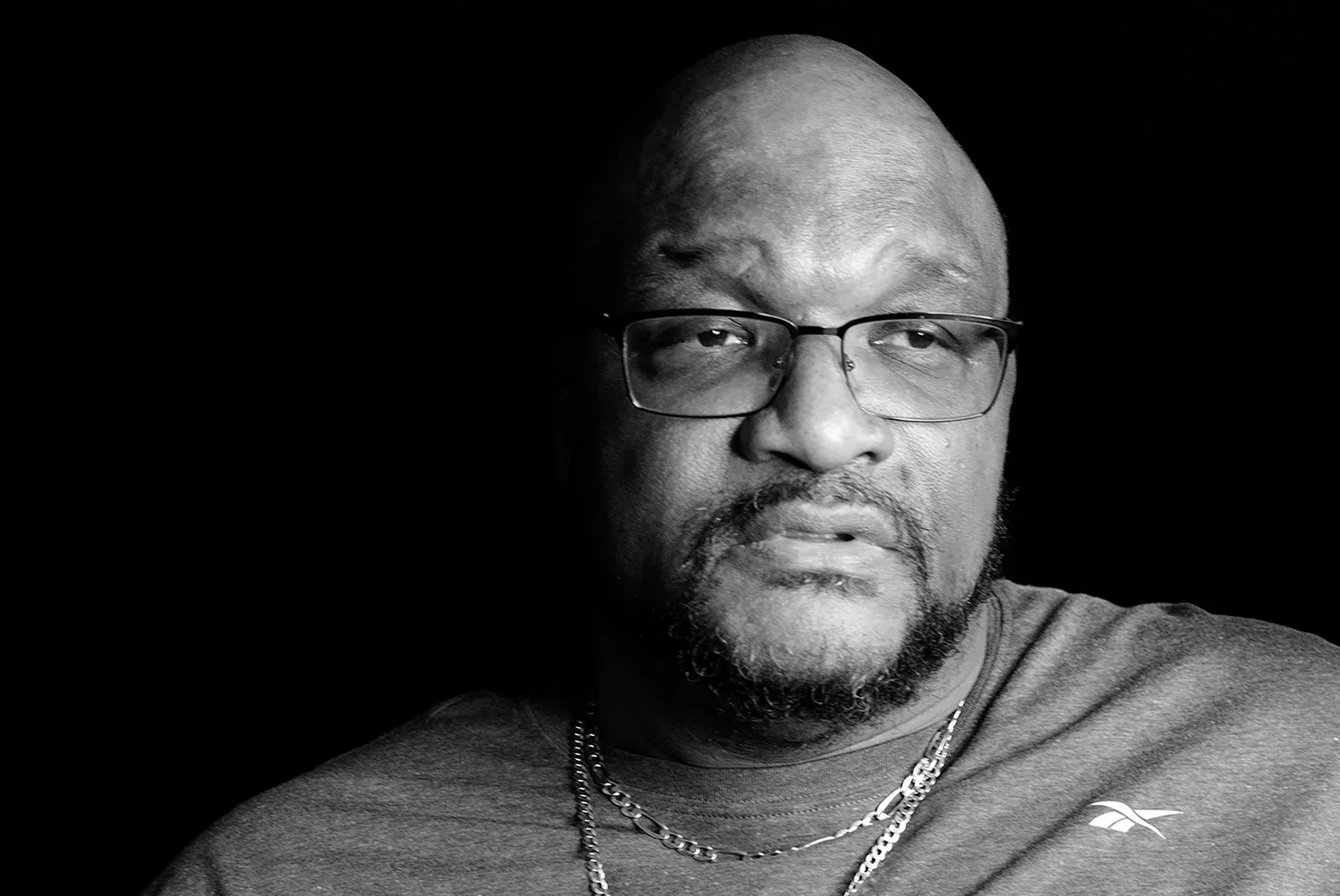
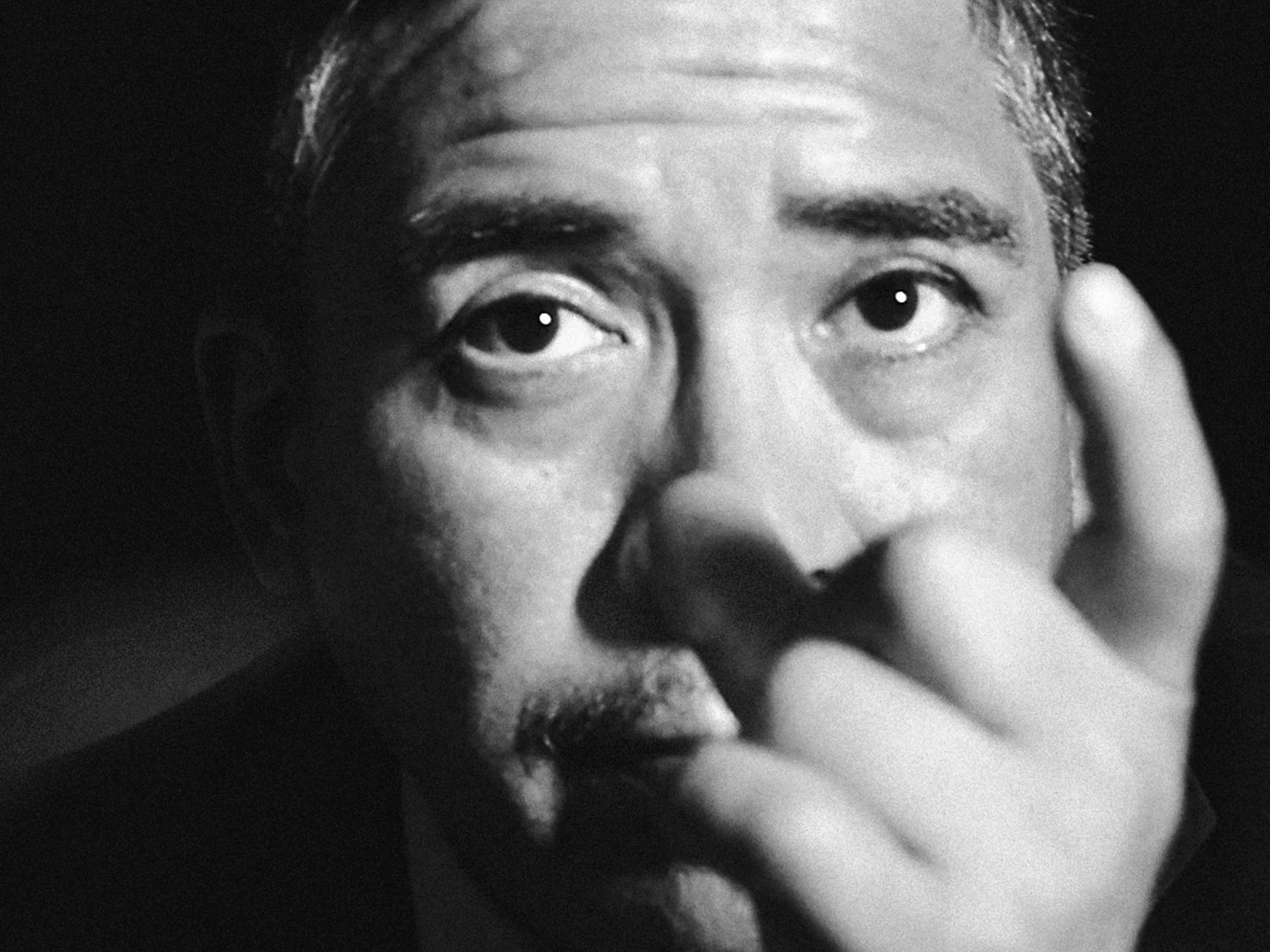
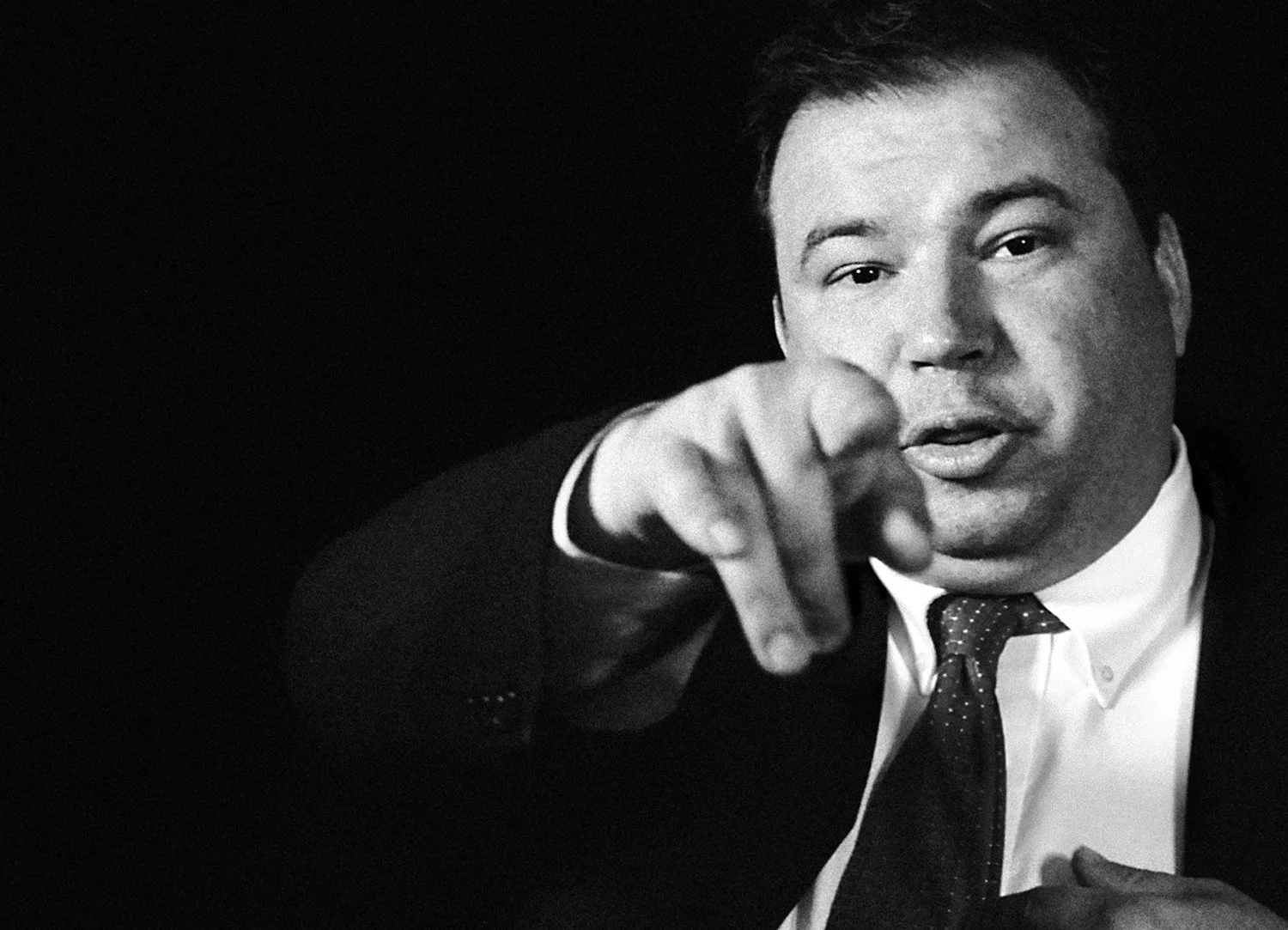
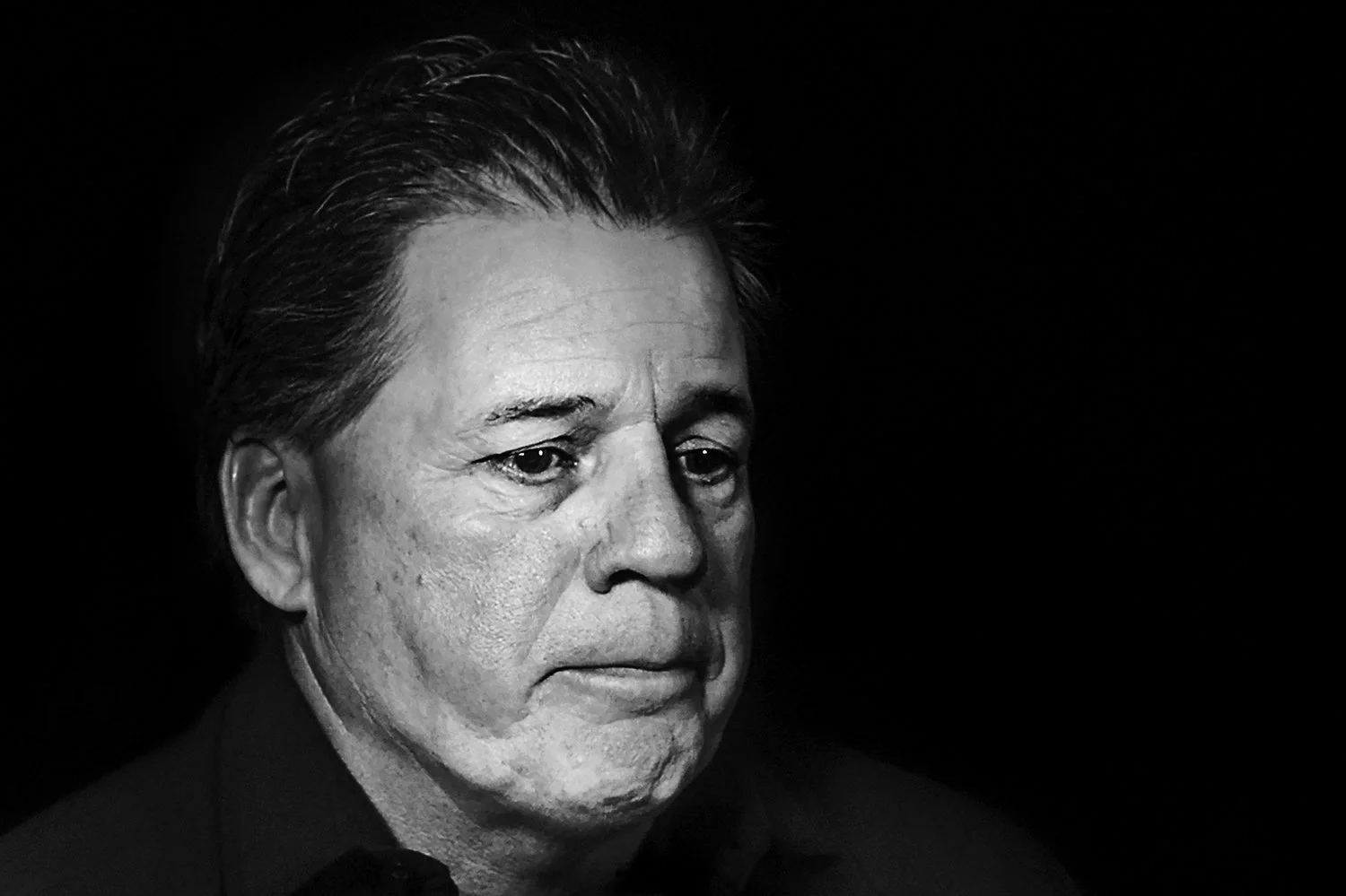
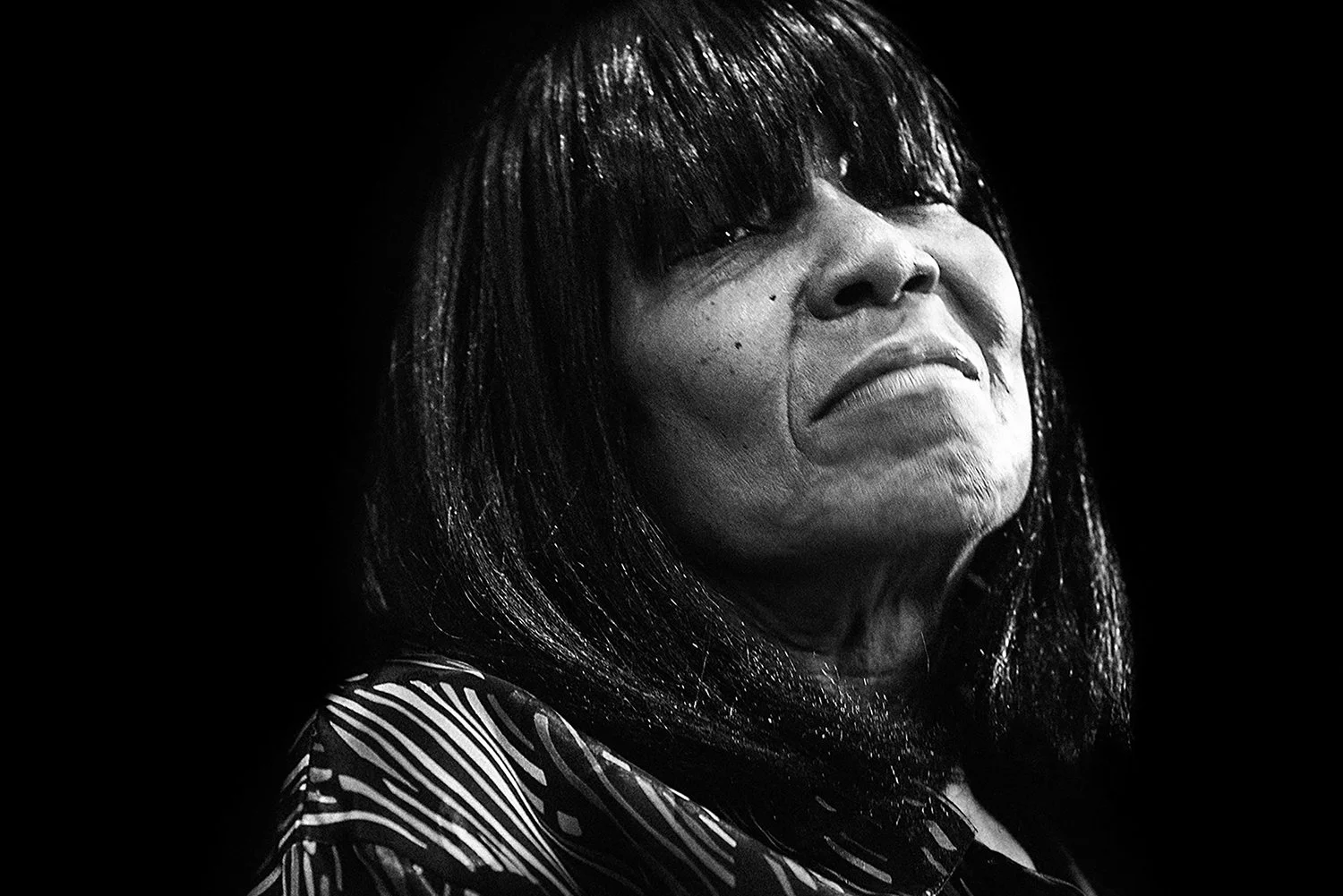
The central idea behind Breaking Point was to immerse viewers in the emotional and psychological reality of a coercive interrogation, told through the lived experiences of exonerees. I invited each person to physically reconstruct what they remembered: where they sat, how officers stood around them, the gestures they and the officers made, and the specific moments when pressure intensified. As they stepped back into those memories, I photographed them while they were actively recalling and expressing those experiences.
The portraits at the heart of the book are not staged. What you see—body language, facial tension, the direction of a glance—arose naturally as memories resurfaced. My role was simply to witness and frame these moments, creating opportunities for viewers to empathise with the exonerees and feel the psychological weight of what they had endured.
You mentioned that you asked each person to physically step back into the interrogation room to remember where they sat, how officers stood around them. That sounds like it could be very hard for them to do. What was it like in the room when someone started to relive those memories?
Most of the exonerees had already recounted their stories—including the details of their interrogations—many times to many different audiences. Nevertheless, I found it very moving to sit with them as they did so again. The situations in which each of them found themselves were truly nightmarish. For me, their retelling of their stories emphasised the emotional toll of a wrongful conviction and made me think about how I would have responded to such intense pressure.
Collaboration: You worked closely with psychology researcher Sara C. Appleby on the text. How did psychological research help shape the book?
Dr. Appleby is part of a community of social scientists who have developed a substantial body of empirical research on how and why false confessions occur. That research examines the psychological power dynamics of interrogations and the risk factors that can heighten vulnerability, such as youth, cognitive impairment, trauma history, and high stress. During this project, I grounded myself in that scholarship to ensure that the book’s visual narrative reflected established findings rather than just anecdote.
Technical choice: The book uses 75 tritone illustrations instead of full colour. Why did you choose tritone printing, and what does it add to the feel of the images?
I chose tritone printing because I wanted the photographs to feel controlled, introspective, and unified, rather than overly literal or tied to the realism of full colour. Using tritone gave me greater command over the tonal range—I could deepen the shadows, temper the midtones, and build a richness that mirrors the emotional gravity of the subject matter.
Colour can sometimes root an image too strongly in the ordinary, everyday world. By removing it, the focus shifts away from surface details and towards atmosphere, closeness, and subtle expression.
You said that removing colour shifts the focus away from the everyday world and towards atmosphere. When you were editing, how did you know a photograph was “right” that it had the emotional weight you were looking for?
In editing the images in post-production, I was guided by the feelings that I had while sitting with the exonerees. I wanted the portraits to evoke those same feelings in others. I showed my work to my family, friends, and other photographers to better understand how people were responding to it. I went back to visit at least two of the exonerees a second time.
Impact and purpose: Your work is in the permanent collection of MoMA and the New York Public Library. Do you think about photography as a tool for changing how people see social justice issues, and did that shape how you made this book?
Photographs can reach us in ways words sometimes cannot. A single image can shift how we see an issue, even how we understand history. What immediately comes to mind is Dorothea Lange’s Migrant Mother, which put a human face on the Great Depression and helped people see poverty as a shared national crisis. Or Nick Ut’s Napalm Girl, an image that cut through the American government’s official narrative of the Vietnam War by showing its human cost.
With this project, I aspired to work in that spirit. I want to use photography to compel others to question what they think about the criminal justice system. For most people, those ideas come more from television than lived experience — shows like Law & Order, where a confession usually means guilt and the system almost always gets it right.
By placing viewers face-to-face with exonerees inside the interrogation room, my photographs challenge that storyline. They ask people to sit with a more complicated truth — that false confessions happen, and that the path to them is deeply human, psychological, and often invisible.
You talked about Law & Order and how people’s ideas about confessions come from television. If someone reads this book and walks away with just one thing, one thought that stays with them, what would you hope that is?
I want people to recognise themselves in the exonerees. Any one of us, if in the wrong place at the wrong time, could be a victim of law enforcement overreach. Just look at what’s been happening with immigration enforcement in cities such as Los Angeles, Chicago, and Minneapolis, Minnesota. The fact that overreach is so ubiquitous is why it’s essential that the criminal justice system work as it was intended. The system was designed to prioritise justice and fairness over expediency and finality — one that provides everyone with a meaningful right to be heard before an impartial judge and jury; a presumption of innocence before conviction; and the right to remain silent during an interrogation.
To discover more about this intriguing body of work and how you can acquire your own copy, you can find and purchase the book here.(Kehrer Verlag, Amazon)
More photography books?
We'd love to read your comments below, sharing your thoughts and insights on the artist's work. Looking forward to welcoming you back for our next [book spotlight]. See you then!
Gosbert Gottmann wanted war photographs that resisted easy reading. In Freiheit Freedom Воля, he works with images connected to the war in Ukraine and changes them through abstraction, distortion and deformation. Photography Book Spotlight