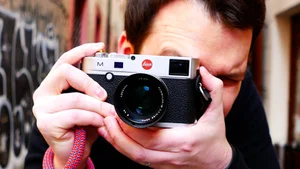
Time-Saving Hacks for Photographers Applying to Grants and Competitions
Disclaimer: “This post is sponsored and not my work, consider it a guest photographer stepping into my darkroom to help keep the lights on!”
Applying for photography grants and competitions can be both exciting and overwhelming. Between curating your portfolio, writing compelling artist statements, and meeting strict deadlines, it’s easy for photographers to feel stretched thin. Whether you’re exploring photography grants 2025 or searching for photography grants for students, having an organized approach and clear strategy is essential to make the application process manageable and efficient.
Fortunately, there are several smart tools and techniques that can save time while boosting your chances of success. For instance, maintaining ready-to-use portfolios, templates, and checklists helps streamline submissions, while digital assistants like MyAIWriter can come in handy when editing artist statements, polishing text, and ensuring your applications are professional and error-free. By combining practical organization with helpful technology, photographers can focus more on their creative work without feeling overwhelmed by administrative tasks.

Streamline Your Research Process
The first step in applying for grants efficiently is to target the right opportunities. Randomly browsing websites wastes hours that could be better spent creating. Instead, establish a clear, organized research routine. Start by exploring trusted sources like LensCulture, ArtConnect, and local photography organizations. Many platforms allow you to filter opportunities by category, eligibility, or submission deadline—helpful for quickly identifying grants relevant to your work.
Time-saving tips for research:
Subscribe to newsletters: Get the latest updates on upcoming photography grants 2025 directly to your inbox.
Set alerts: Use Google Alerts with keywords like “photography grants for students” or “emerging artist grants.”
Create a tracking sheet: Include columns for grant name, deadline, eligibility, website, and required materials.
Prioritize opportunities: Rank by prize amount, relevance, and application difficulty.
By maintaining a simple spreadsheet or Notion board, you’ll always know which grants to pursue next. This approach reduces repetitive searches and ensures you never miss deadlines, freeing up time for crafting stronger applications.
Create a Reusable Application Toolkit
Once you’ve identified the grants and competitions to apply for, the next step is preparation. Many photographers spend too much time recreating the same materials for each application. Building a reusable toolkit allows you to quickly adapt core documents to different opportunities.
Key elements to include:
Artist statement photography: Keep a polished, flexible version of your artist statement ready. Reviewing artist statement examples photography can help you tailor yours for different grant themes.
Portfolio folder: Maintain high-resolution and web-ready versions of your best work. Organize by project or theme for faster selection.
Resume/CV: Update regularly with exhibitions, awards, and relevant experience.
Project budget template: Having a pre-made template saves time when grants require detailed expense breakdowns. Include sections for materials, equipment, travel, and contingencies.
Document checklist: Track what’s needed for each application to avoid last-minute scrambles.
Having these materials ready ensures that each application can be submitted efficiently. Instead of starting from scratch, you can spend more time refining your work and addressing grant-specific requirements, making your applications stronger and more competitive.
Automate and Organize Your Workflow
Efficiency isn’t just about preparation—it’s also about leveraging technology to stay organized. Automating repetitive tasks can save hours and prevent costly mistakes.
Practical ways to automate your grant workflow:
Project management tools: Use Trello, Asana, or Notion to track deadlines, required documents, and progress on multiple grants simultaneously.
Calendar reminders: Schedule alerts for submission deadlines, portfolio updates, and follow-ups.
Email templates: Prepare reusable messages for grant coordinators or inquiries to save time.
Cloud storage: Keep all your files synchronized with Google Drive or Dropbox for access anywhere.
AI tools: For text editing or brainstorming ideas, AI writing assistants can refine your artist statement photography or other written materials quickly.
Example of a simple tracking table for multiple grants:
With these systems, you minimize repeated work and gain a clear overview of all your active applications, making it easier to meet deadlines without stress.
Simplify the Review and Submission Process
Even well-prepared applications can fail if submitted carelessly. Simplifying the review and submission stage ensures everything is polished and complete.
Tips for efficient submission:
Create a final checklist: Include portfolio file names, captions, formatted artist statements, and any required attachments.
Proofread your documents: Use tools like Grammarly or Hemingway to polish your writing. Consider cross-referencing artist statement examples, photography for structure and tone.
Batch submissions: Dedicate one day to finalizing and submitting multiple applications at once.
Test uploads early: Ensure all files are in the correct format and meet size requirements.
Keep a submission log: Record dates, links, and confirmation numbers to track your progress.
A simple bullet list for a pre-submission review:
Portfolio files named correctly
Artist statement photography reviewed
Project budget template filled and attached
Forms completed accurately
Email confirmation saved
By following these steps, photographers can submit applications confidently, reduce errors, and focus energy on their creative projects instead of administrative stress. Over time, these habits not only save time but also improve the quality of submissions, increasing chances of success.
Bottom Line
Applying to photography grants and competitions doesn’t have to be overwhelming. By streamlining research, preparing a reusable toolkit, automating your workflow, and simplifying submissions, photographers can save hours of unnecessary work. Whether exploring photography grants 2025 or targeting photography grants for students, these strategies help maximize efficiency, allowing more time for the work that matters most, creating outstanding images that reflect your vision and talent.