From Desert Stars to Downtown Shadows: How Moving Across Los Angeles Shaped David Cruz‘s Semiotic Nights
Welcome to another captivating photo essay, this time by David Cruz, aka The Drunk Wedding Photographer. We'd love to hear your thoughts. Feel free to comment below and, if you're interested, share your photo essay with us. Your perspectives add valuable dimensions to our collective exploration.
At night, Los Angeles reveals a second identity.
The streets become quieter, the light becomes harder, and familiar places feel uncertain. This is the Los Angeles most people never see, especially online. It is not about spectacle, but about presence, solitude, and atmosphere. This article is about photographing that hidden side of the city.
David Cruz has been returning to this darkness for almost 20 years.
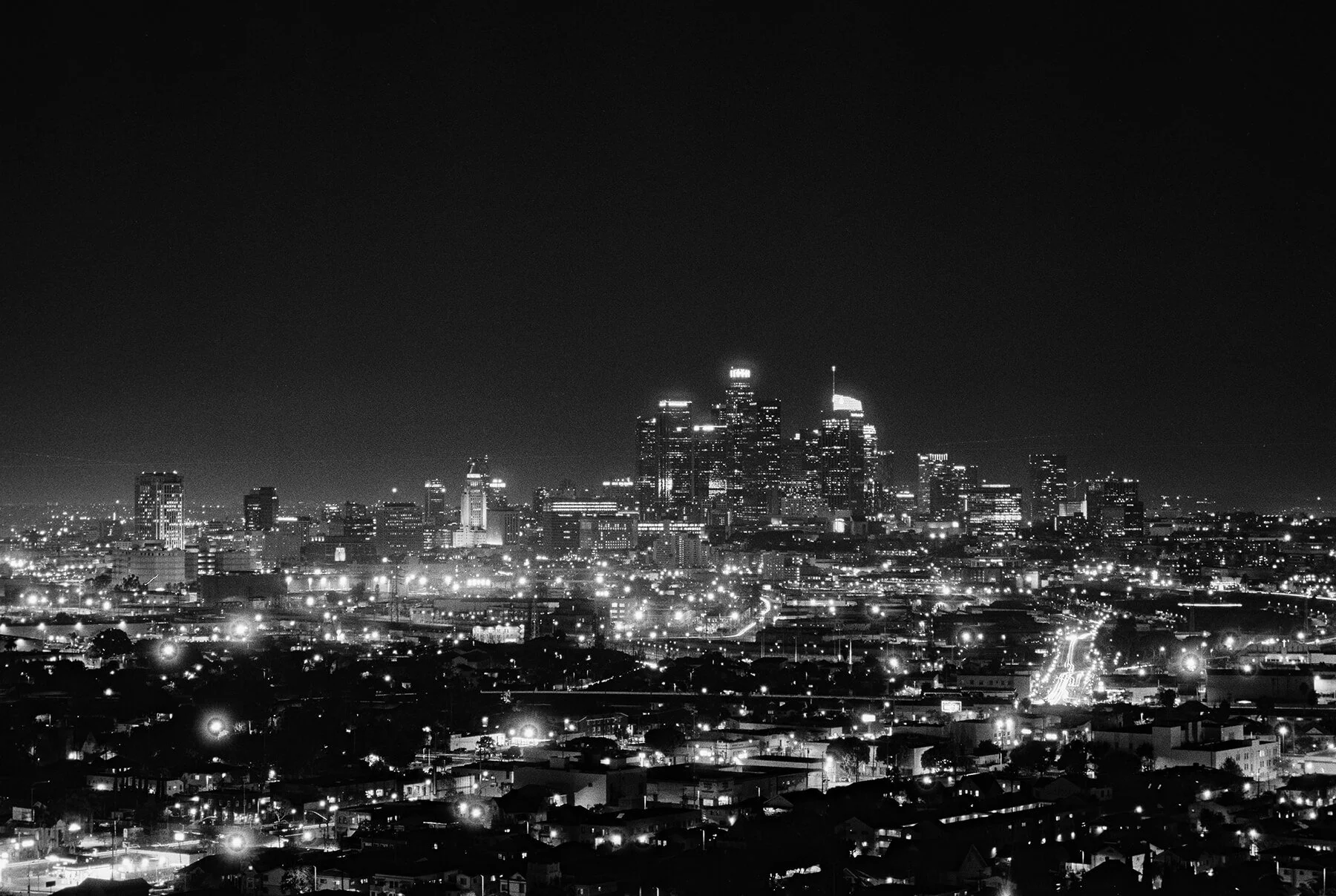
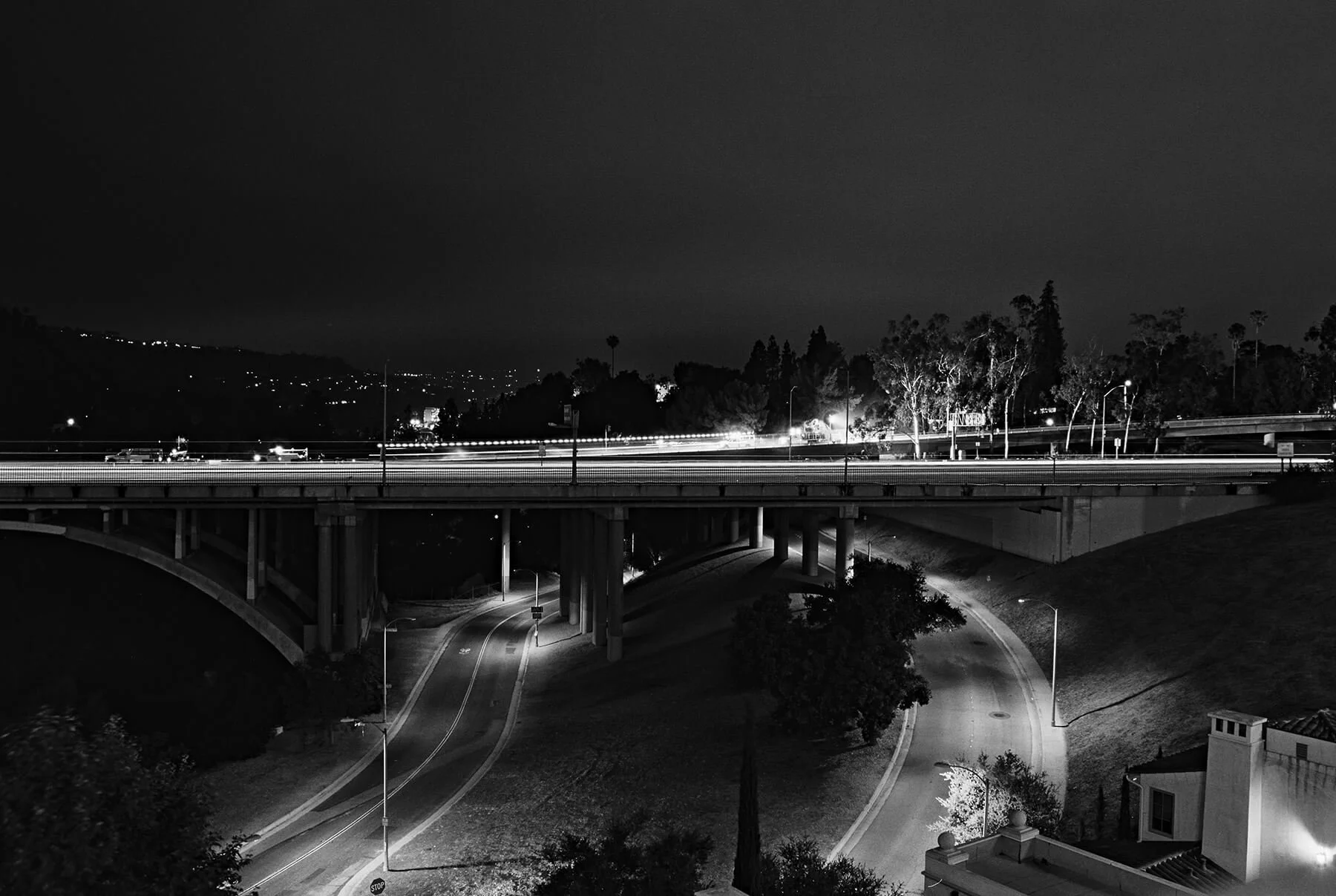
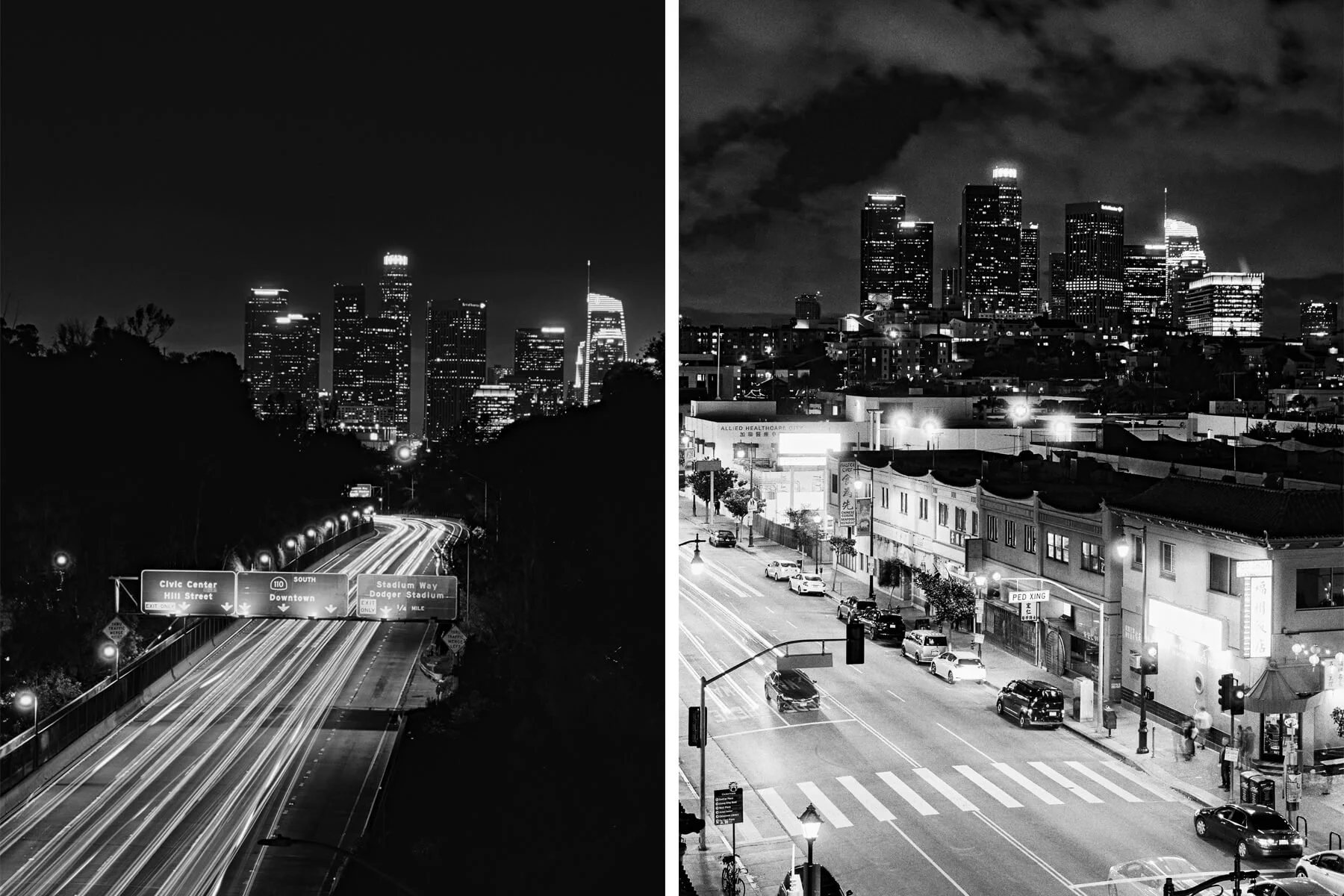
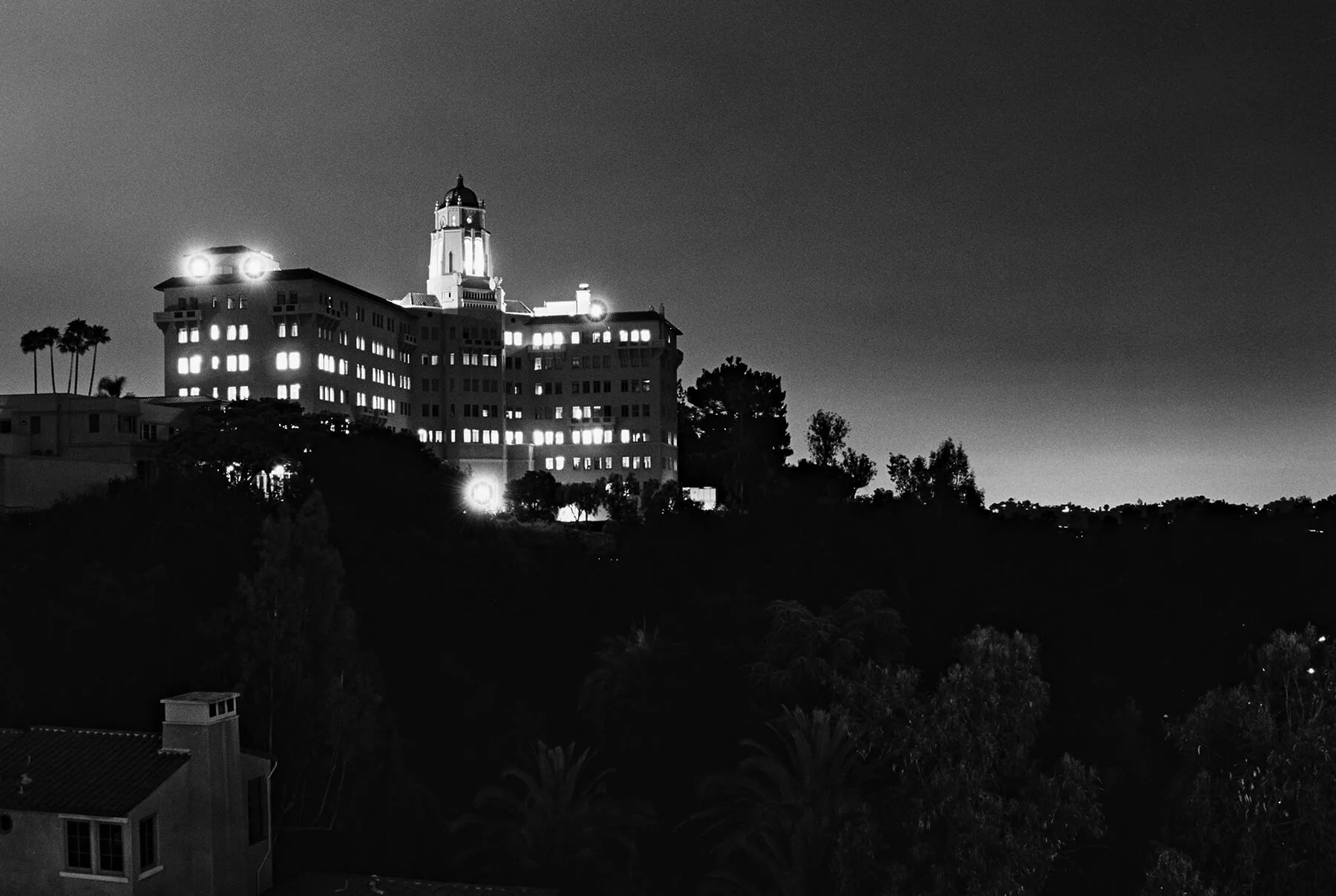
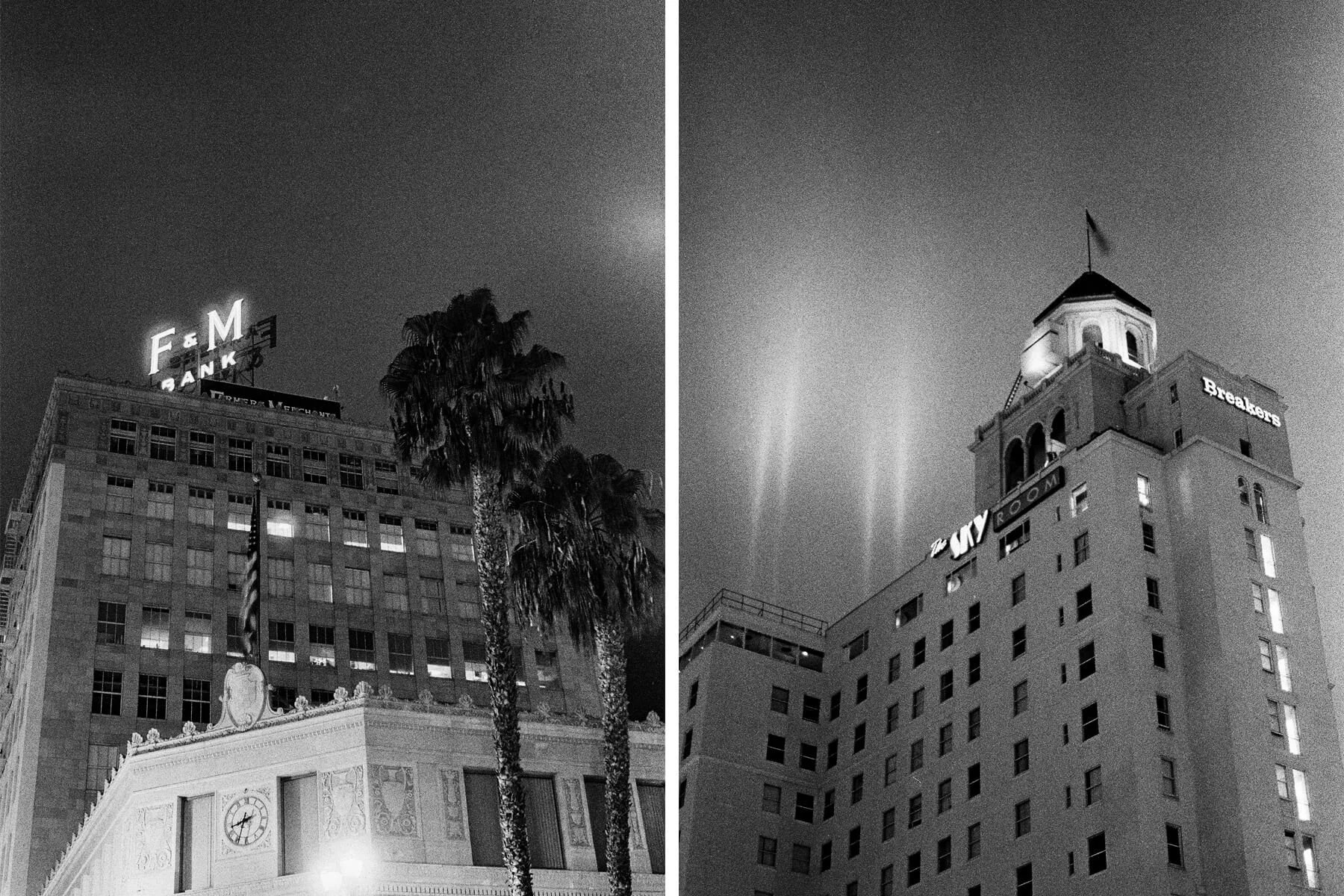
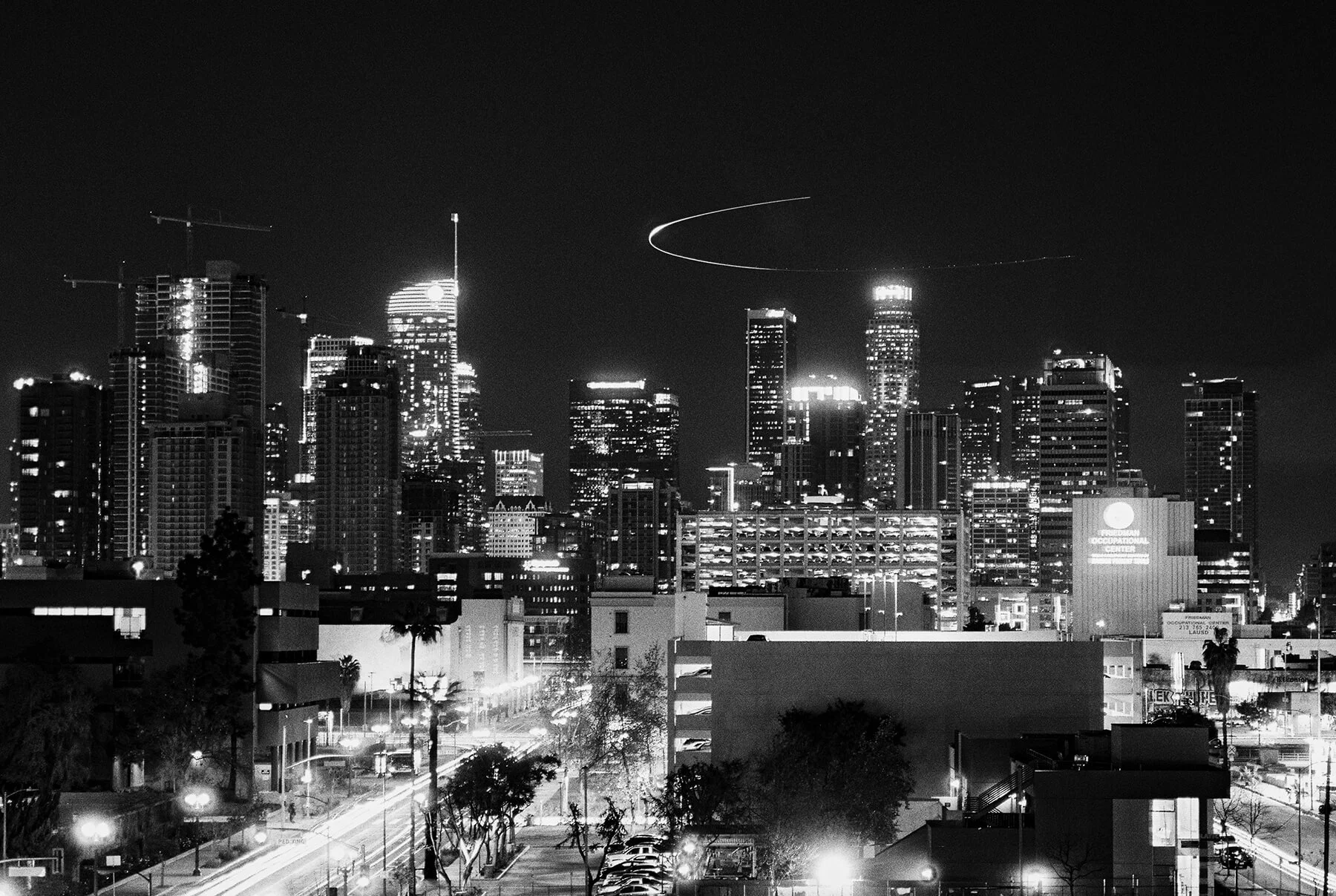
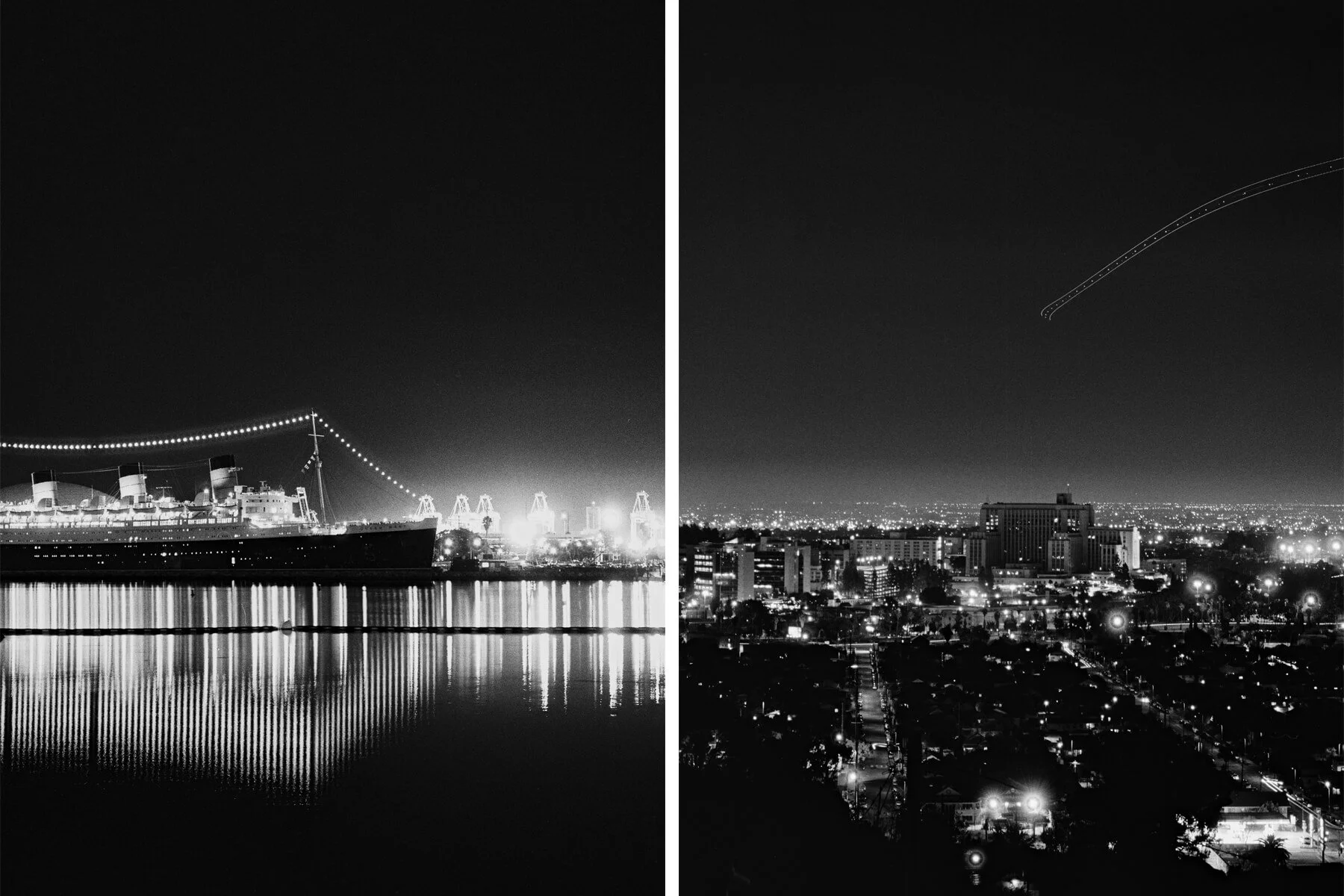
His long-term project Semiotic Nights began in 2006 and has followed him from the desert outskirts back into Downtown Los Angeles. Working with black-and-white film at night, he focuses on what disappears as much as what remains visible. The work is shaped by movement, isolation, and lived experience rather than trends or technique. This article explores how time, place, and restraint shaped Semiotic Nights, one night at a time.
The Project: Semiotic Nights
Semiotic Nights is a multi-year project I started in 2006, when I first moved to the hinterlands of Los Angeles. Having grown up in the city, living in the desert felt isolating and boring, so I started taking pictures at night with my Nikon D200 as an antidote to said boredom specifically because, as strange as it sounds, it was the first time in a long time I could see stars in the sky. I kept adding to the project throughout the years, specifically when I moved back to the city right smack in the middle of Downtown Los Angeles, but quietly forgot about it once life happened. Fast forward to my last year at East Los Angeles College, one of our final photography assignments was to create a personal project alongside our chosen genre for the final.
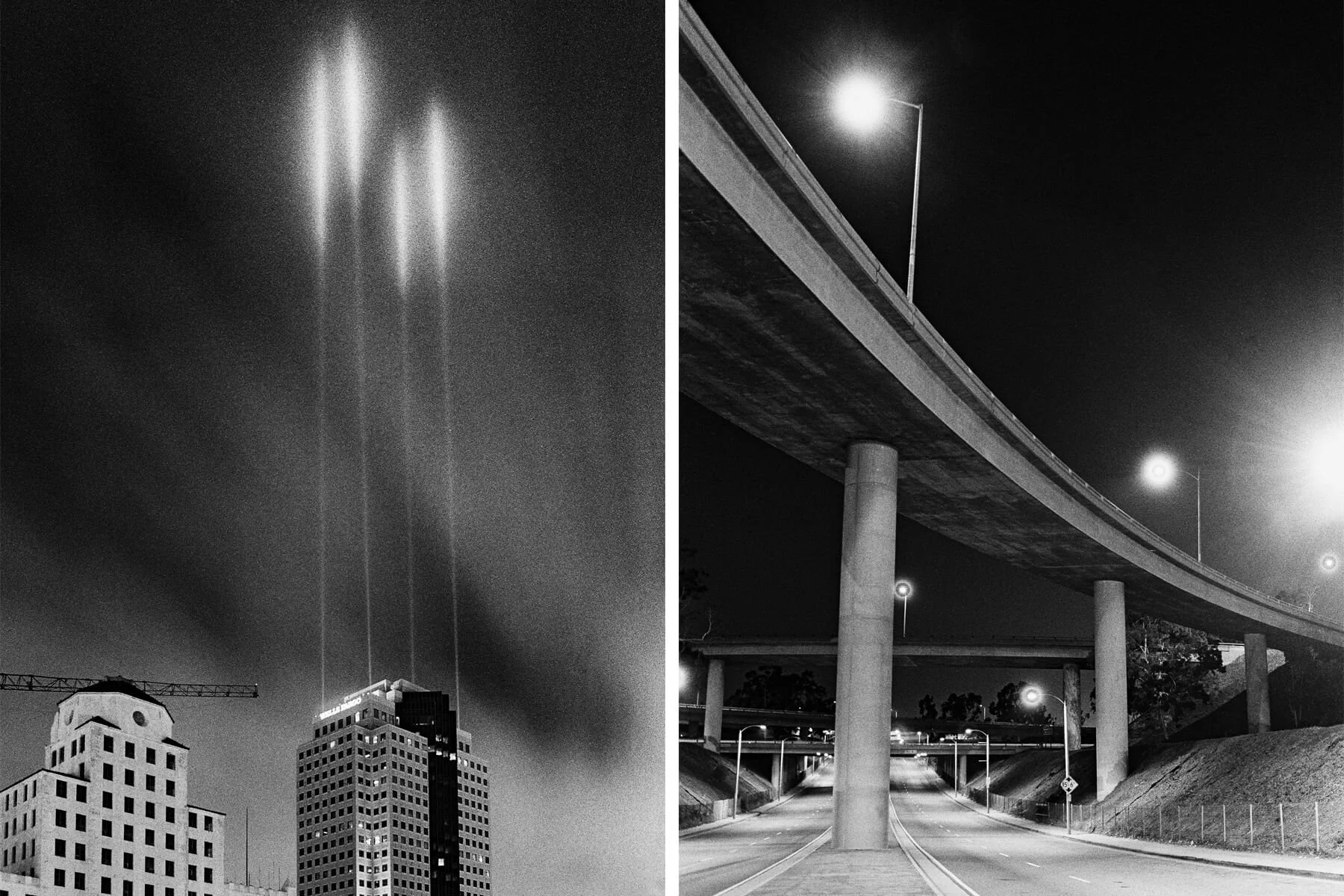
I decided to resurrect the project once again, only this time on Ilford 35mm black-and-white film for two reasons. First, I was taking an advanced black-and-white photography class alongside the business photography class, so I was essentially killing two birds with one stone by using the same project for both classes. Second, while night photos, and even night photos of Downtown L.A., are nothing noteworthy on their own, it’s not often you see L.A., or other parts of the city for that matter, photographed at night on black-and-white film.
And by the end of the year, the project not only earned me an A in both classes, but it was also included in the curated student art exhibition at the Vincent Price Art Museum, not once, but twice.
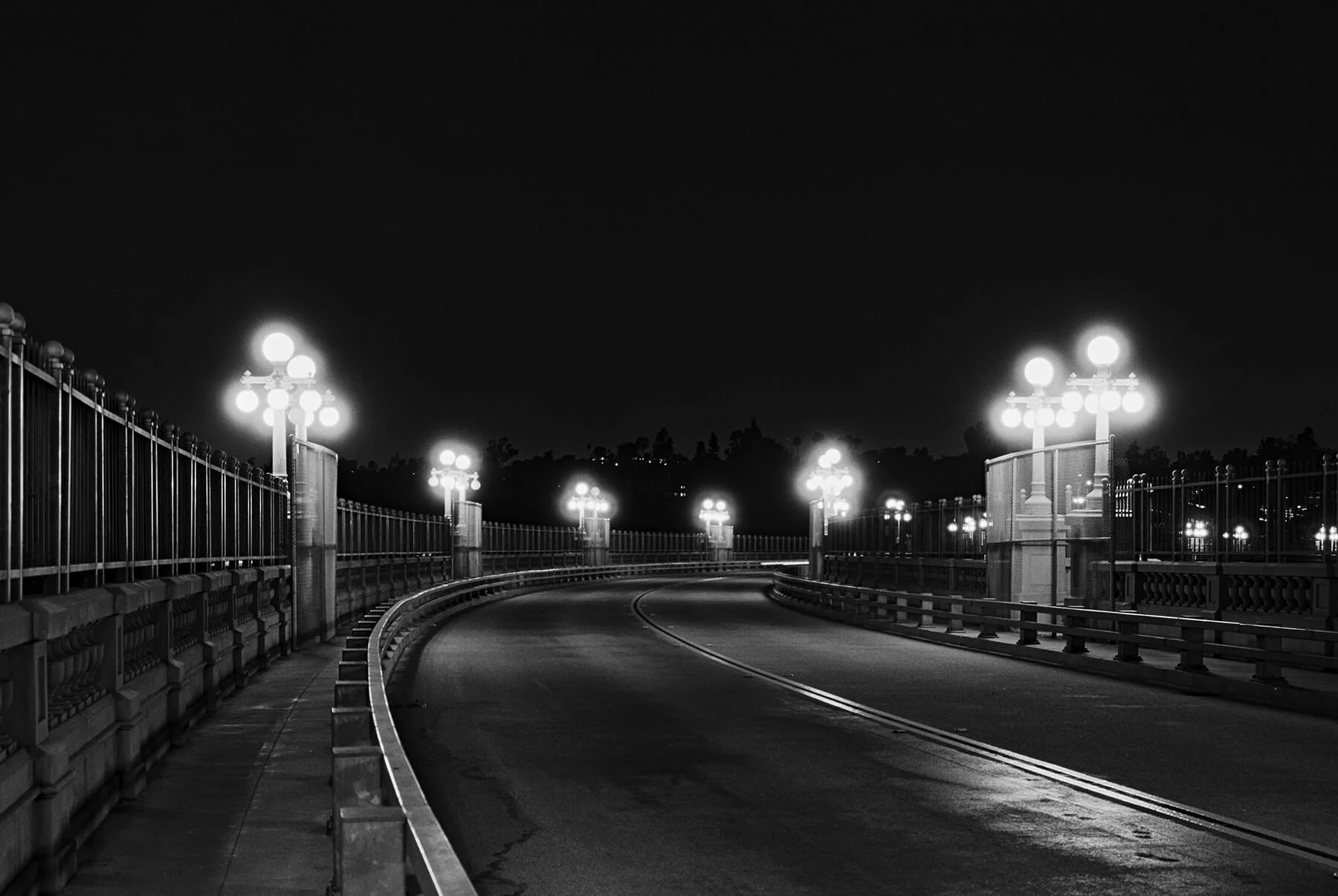
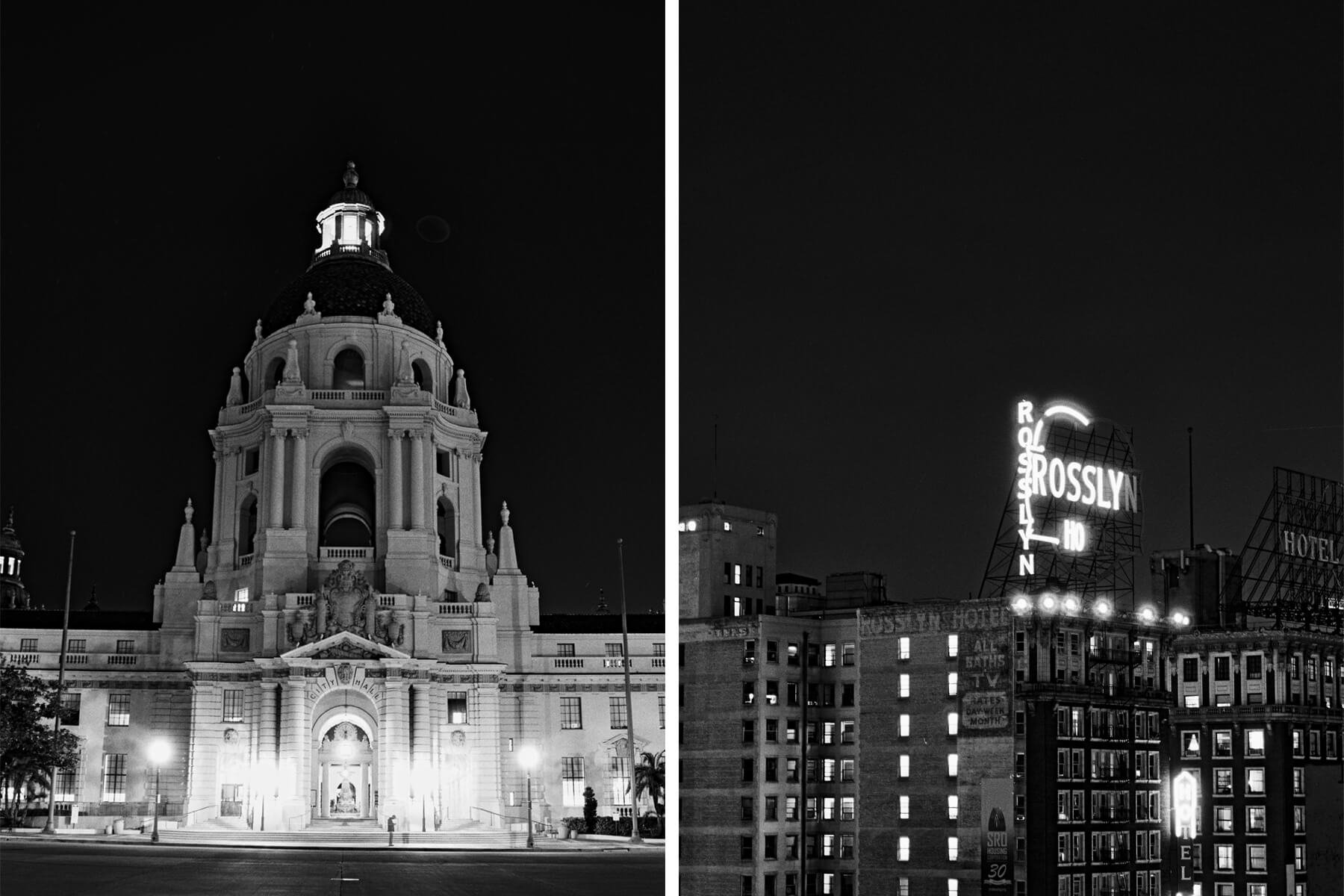
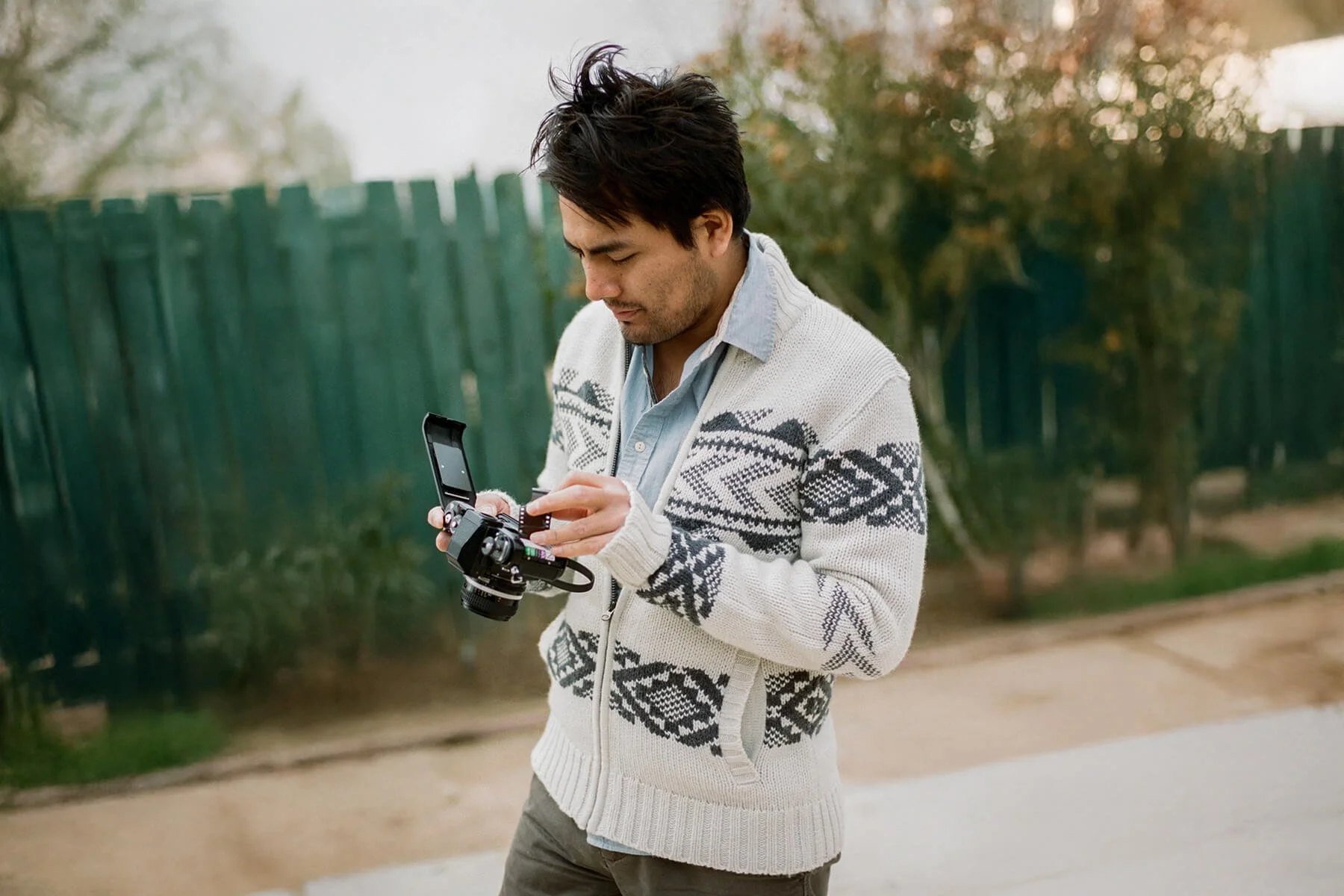
Now, the project itself consists of familiar scenes in and around Los Angeles and surrounding neighbourhoods that are not frequently seen on social media. All pictures were taken on Ilford HP5, FP4, and Delta 100 (with some Kodak Gold thrown in) using my beloved Nikon N75, which I’ve owned since 2005. That said, the goal of the project has never been to tell a new story of Los Angeles, but to continue telling my lived experience in The City of Angels, one cold night at a time. (Nikon N75: The Best 35mm Film Camera for Beginners)
You said black-and-white film at night shows L.A. differently than digital. What exactly does film show that a digital camera misses? How does it change what you see?
You know how they say the best horror movies are the ones that show the monster the least? Well, that's how I feel about using black-and-white film to take pictures of Los Angeles at night. But not so much because of what it shows when compared to digital, but for what it doesn't. You see, digital pictures at night are technically perfect, yes. All the detail is there, but there's something to be said for what's left out, letting the observer fill in the blanks with their own lived experience.
So when I rebooted the project in early 2016, I was going to continue with my Nikon D200 — the camera I started the project with in 2006 — but since I was taking black- and-white film classes at East Los Angeles College at the time, I figured there was no point in coming up with a new project. I was technically getting free developing anyway, so why not?
And not going to lie, at first, I didn't appreciate the extreme contrast with the almost nonexistent shadow detail I was getting, but I eventually embraced it. And this tension, this sense of mystery, is why I believe black-and-white 35mm film shows how it feels to be out there in the cold, not knowing what's hidden in the shadows.
The name "Semiotic Nights" sounds like you're reading the city like a book of symbols. What do you find at night that you can't see during the day? What is the city telling you in the darkness?
The City of Angels is interesting because it's experienced differently depending on which pocket of the city you call home. Each neighbourhood has its own rhythm, its own character, yet somehow every one of them threads into the larger fabric of what makes Los Angeles the icon that it is. However, at night, that fabric shifts, with each neighbourhood taking on a second identity.
And because of this, I don't think it's so much about what you see — or cannot see — at night, but how the city makes you feel after dark. To me, there's something almost romantic about being out there alone, especially driving at night. Somehow you fall in love with the city more and more each time you drive to nowhere, getting to know it a bit more intimately along the way. It's hard to explain, so I recommend watching Drive, the 2011 picture with Ryan Gosling.
You moved from the desert where you could see stars, then back to busy Downtown L.A. How did moving back to the city change what you were looking for when you photographed at night?
Since 2006, I have moved to and from the hinterlands back to the city three times. The first time, I was fresh out of high school, working at Ritz Camera in the Beverly Center, when my dad moved us to the high desert region. It's only sixty-something miles from Downtown Los Angeles, but it might as well be in a different galaxy because the local culture in the high desert is not what you'd expect to see in Los Angeles; it's called the Armpit of L.A. for a reason. But it's not all bad; I actually enjoy the solitude of this nowhere town.
And having grown up in the city, you were lucky to catch three stars a night, so it was crazy to finally see a dark sky filled with stars. And back then, this little town was borderline deserted, especially after dark. And that feeling of being alone in the desert is what I wanted to capture in this project when I moved back to the city.
However, while L.A. is not a 24-hour city like Vegas or NYC, it's wild finding little pockets that are alive well past midnight, specifically in the Monterey Park, Koreatown, and Hollywood/Sunset areas. Small islands of life amid the cold, quiet, and occasional malfunctioning streetlight, with the hum of the city that never quite disappears. And photographing that alone-but-alive tension in a dense urban landscape became my challenge, and a bit of an obsession.
Wedding photography is full of people and emotions. Your night photos are quiet and empty. Do these two very different types of photography connect for you in any way?
Surprisingly, they do. You see, I'm of the belief that the only two times most of the people you love are together in one place are at weddings and funerals. Which is why I focus on quiet, simple weddings, and the tonal depth and contrast of Kodak 35mm film lets me reveal a small, intimate slice of a wedding. And my night photography works the same way, only with Ilford 35mm film. The deep contrast, the shadows, the empty streets — all of it condenses the city into a simple, quiet vignette. Both projects, though seemingly different at first glance, are about choosing what to reveal and what to leave out, letting the viewer experience a distilled, intimate version of each scene.
You've been working on this project on and off since 2006 - almost 20 years. When you look at all the photos together now, do you see any themes or ideas repeating that you didn't notice while you were taking the pictures?
Well, originally the reason I started taking pictures at night with my Nikon D200 was to catch star trails, since, again, I didn't grow up with a dark sky filled with stars. So it really just gave me something to do when I first moved to the desert. Eventually, it grew into a project, specifically because I had rooftop access at my first apartment that overlooked the Downtown L.A. skyline. But overall, I think the general theme and idea has always been there since the beginning. And looking back, I realise the thread through it all has been a fascination with the unknown, solitude, and the way the city reveals itself after dark.

Michael Behlen photographed water that would not stay still. For three years, he returned to Millerton Lake in California’s Central Valley, making all the photographs during storms, when the reservoir became harder to read. Picture Story