THE CAMERA REVEALED WHAT WORDS NEVER COULD - Julian & Jonathan by Sarah Mei Herman
Welcome to this edition of [book spotlight]. Today, we uncover the layers of 'Julian & Jonathan,' by Sarah Mei Herman (published by GOST Books). We'd love to read your comments below about these insights and ideas behind the artist's work.
In 2005, a family trip quietly became a 20-year project.
It began as a way to photograph a young boy and his father during a short time together. Over the years, the camera stayed, even as childhood ended and adulthood arrived. What started as family photographs slowly became a long record of distance, closeness, and change. This project is about what happens when time is allowed to stay visible.
Photographing family is often expected to show love and harmony.
Here, it shows hesitation, silence, and moments that do not resolve easily. Sarah Mei Herman kept returning with the camera, even when connection was difficult. The photographs exist because the relationship itself was never simple. This interview looks at how a camera became a way to stay present without forcing intimacy.
The book
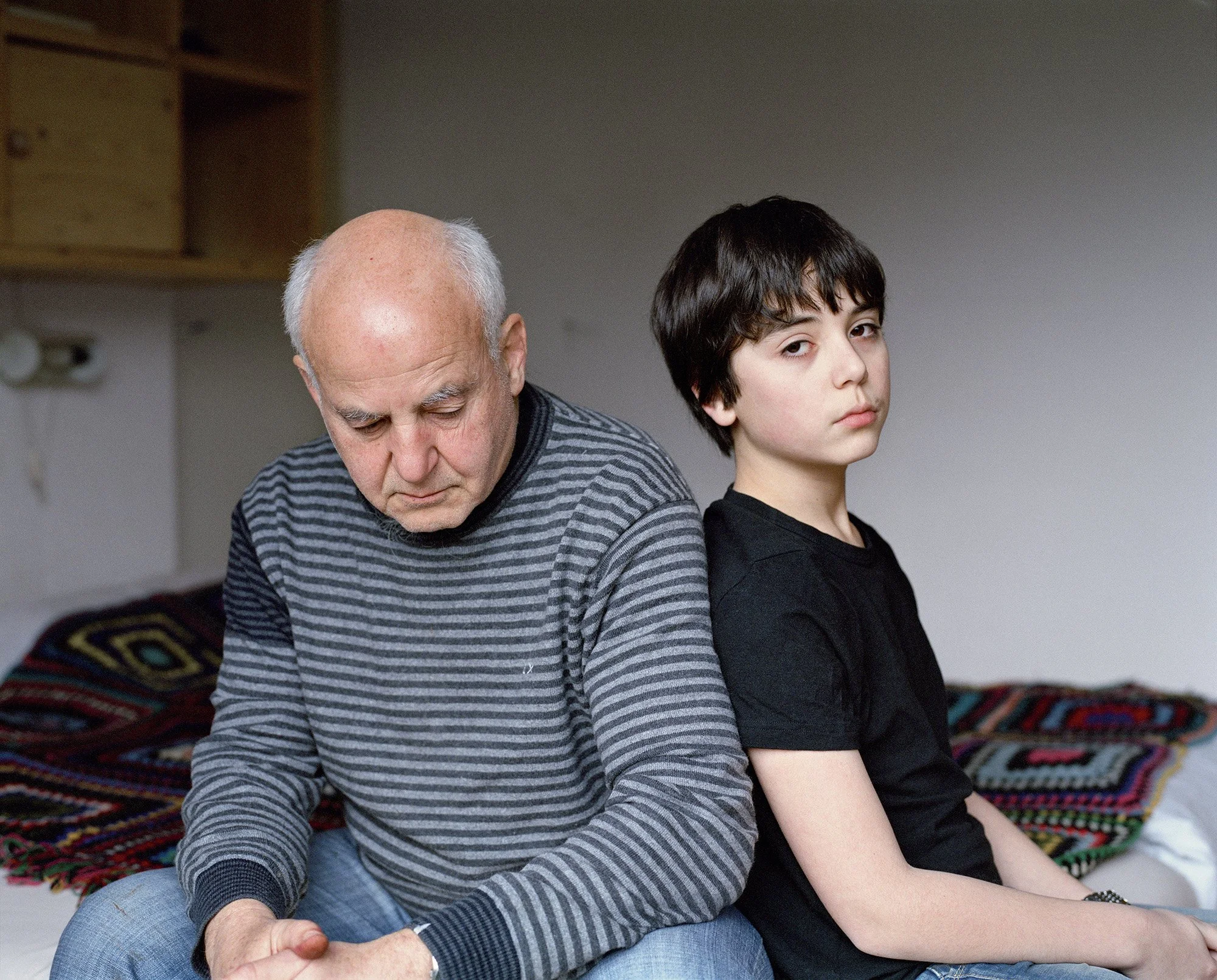
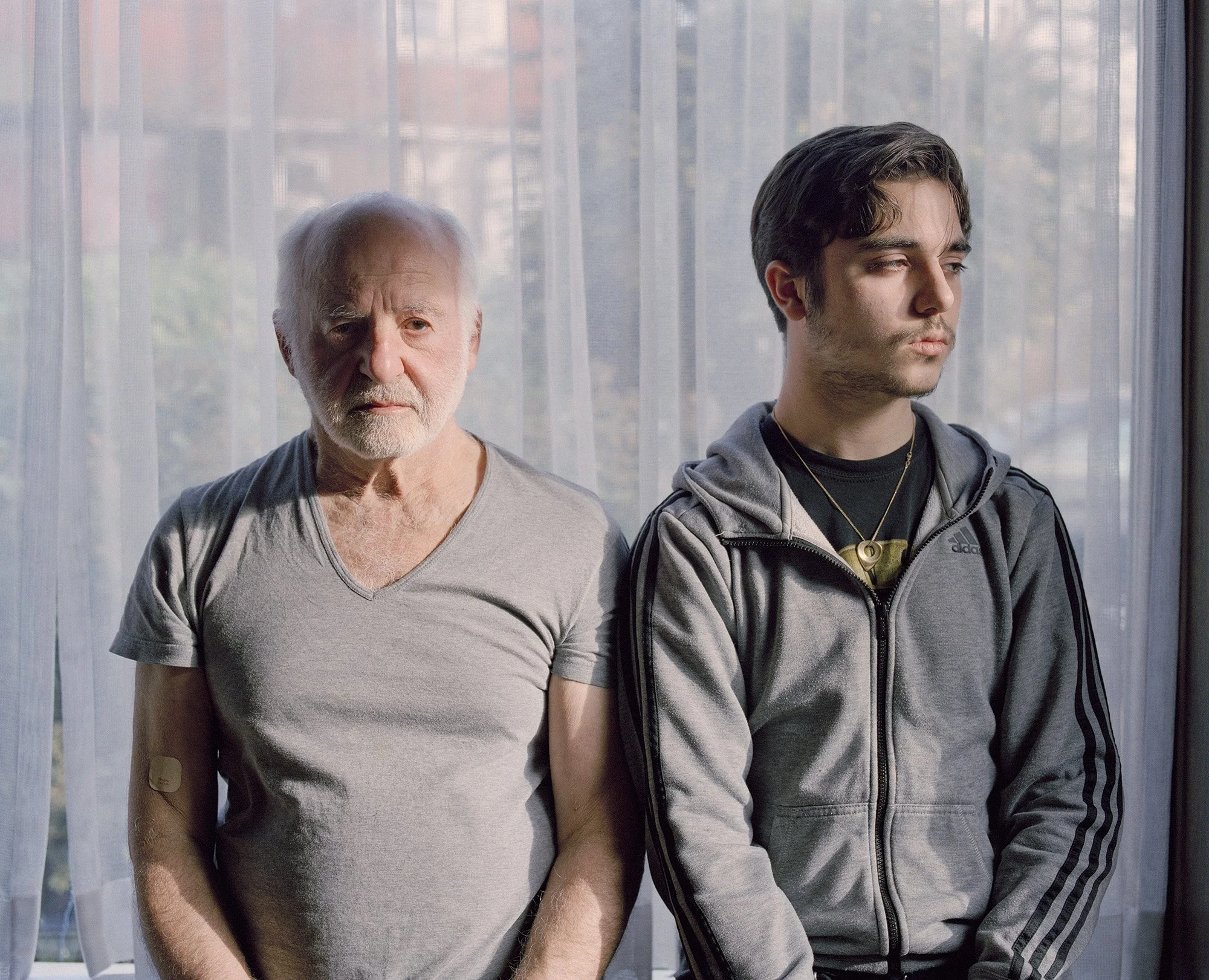
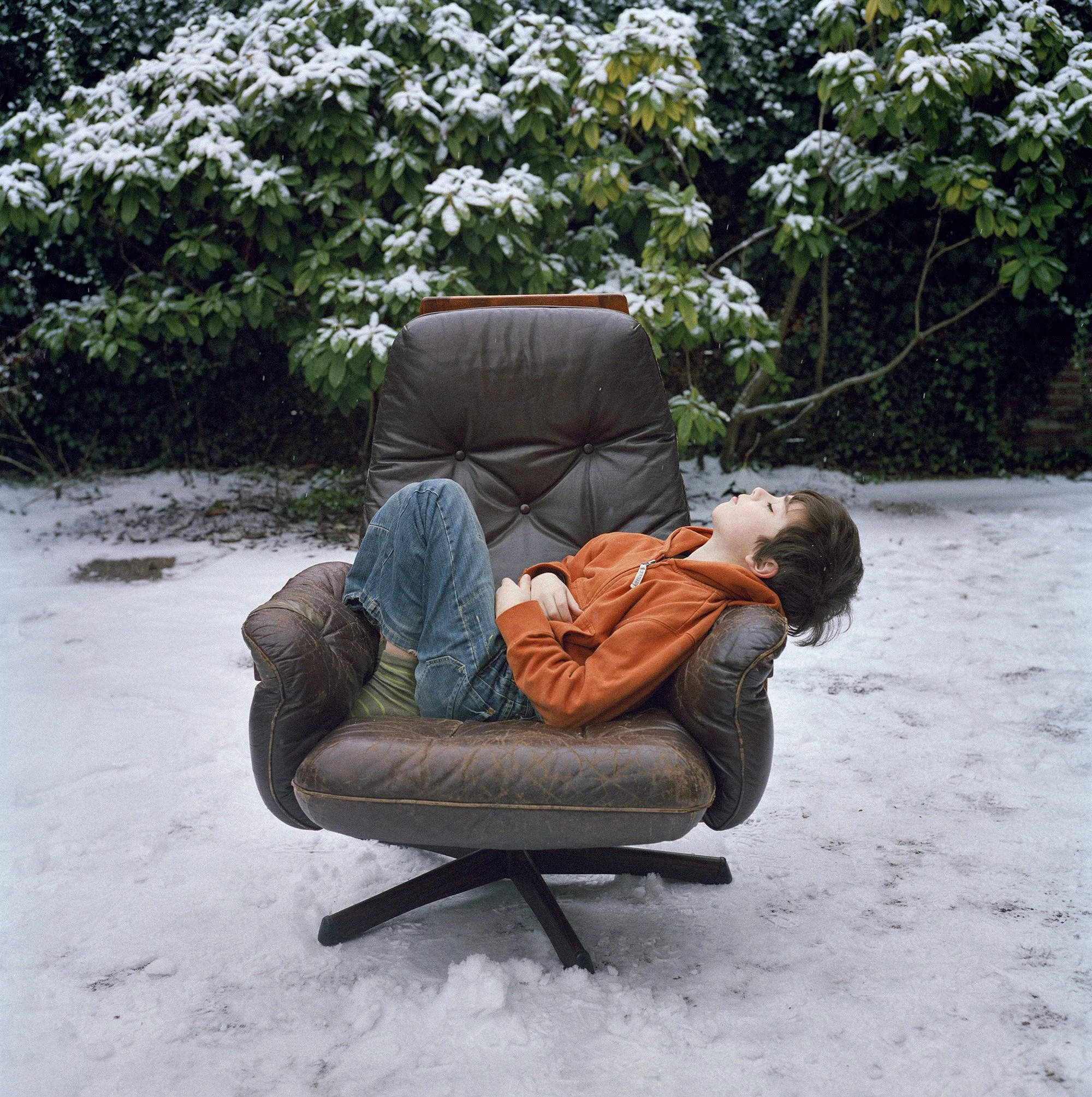
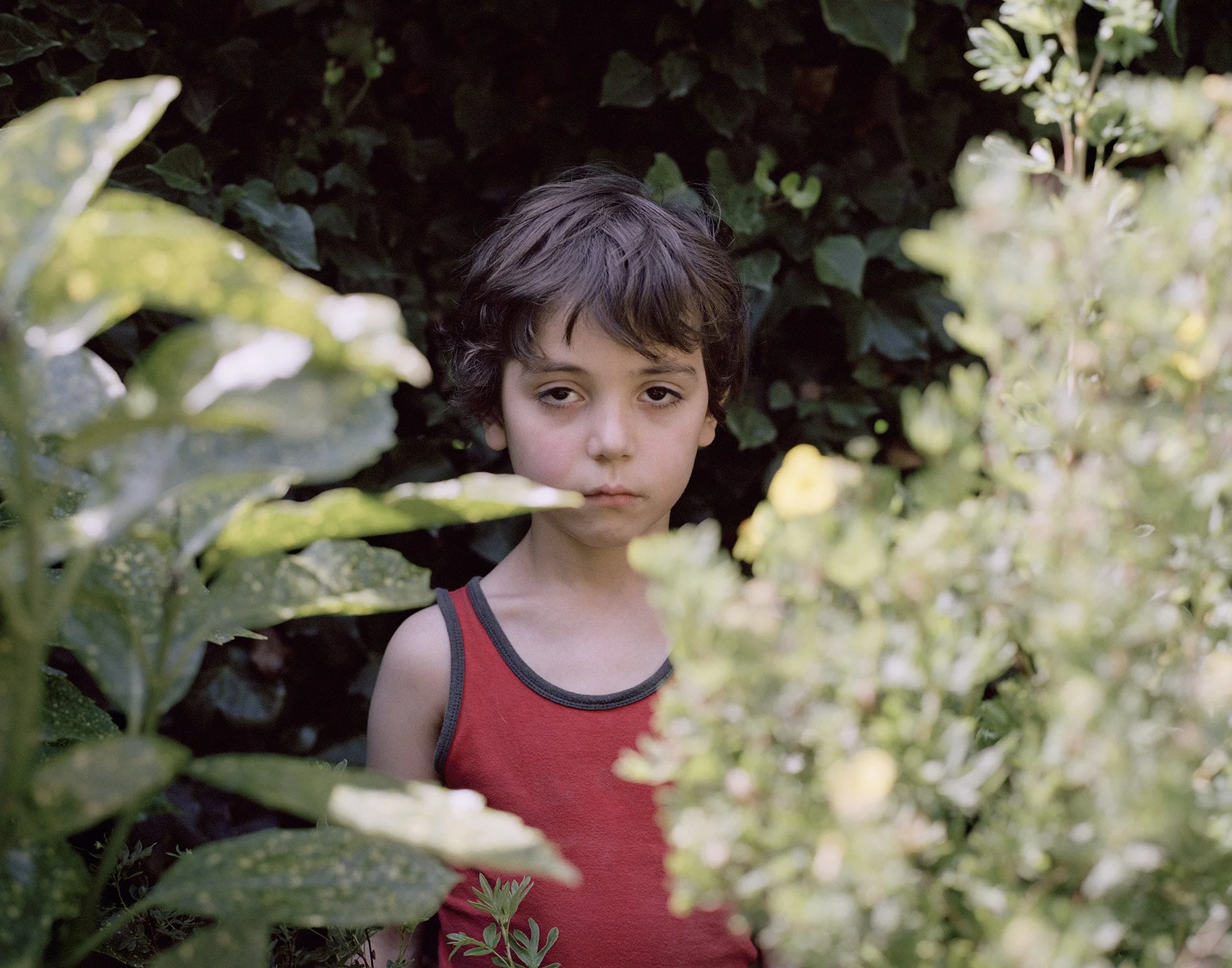
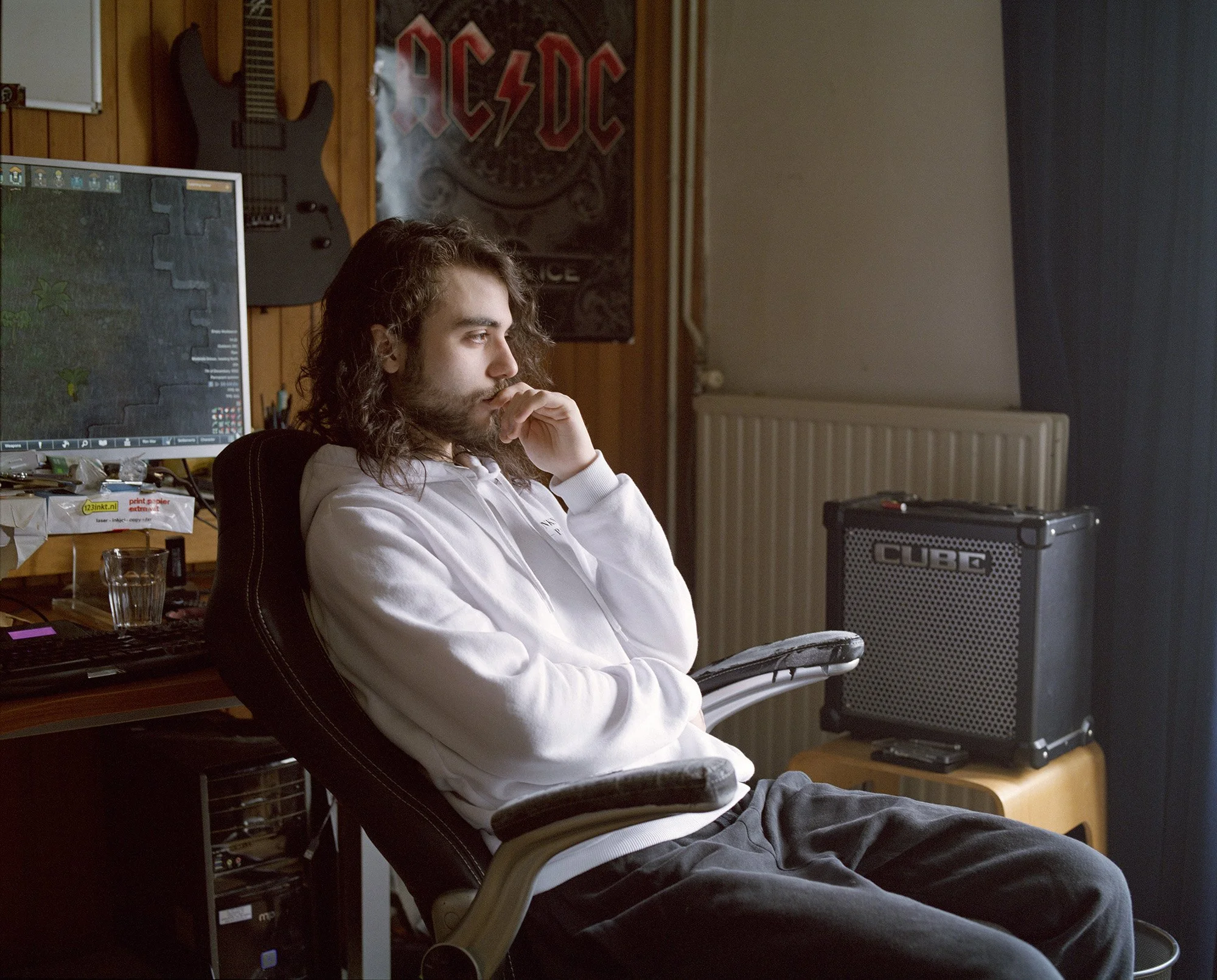
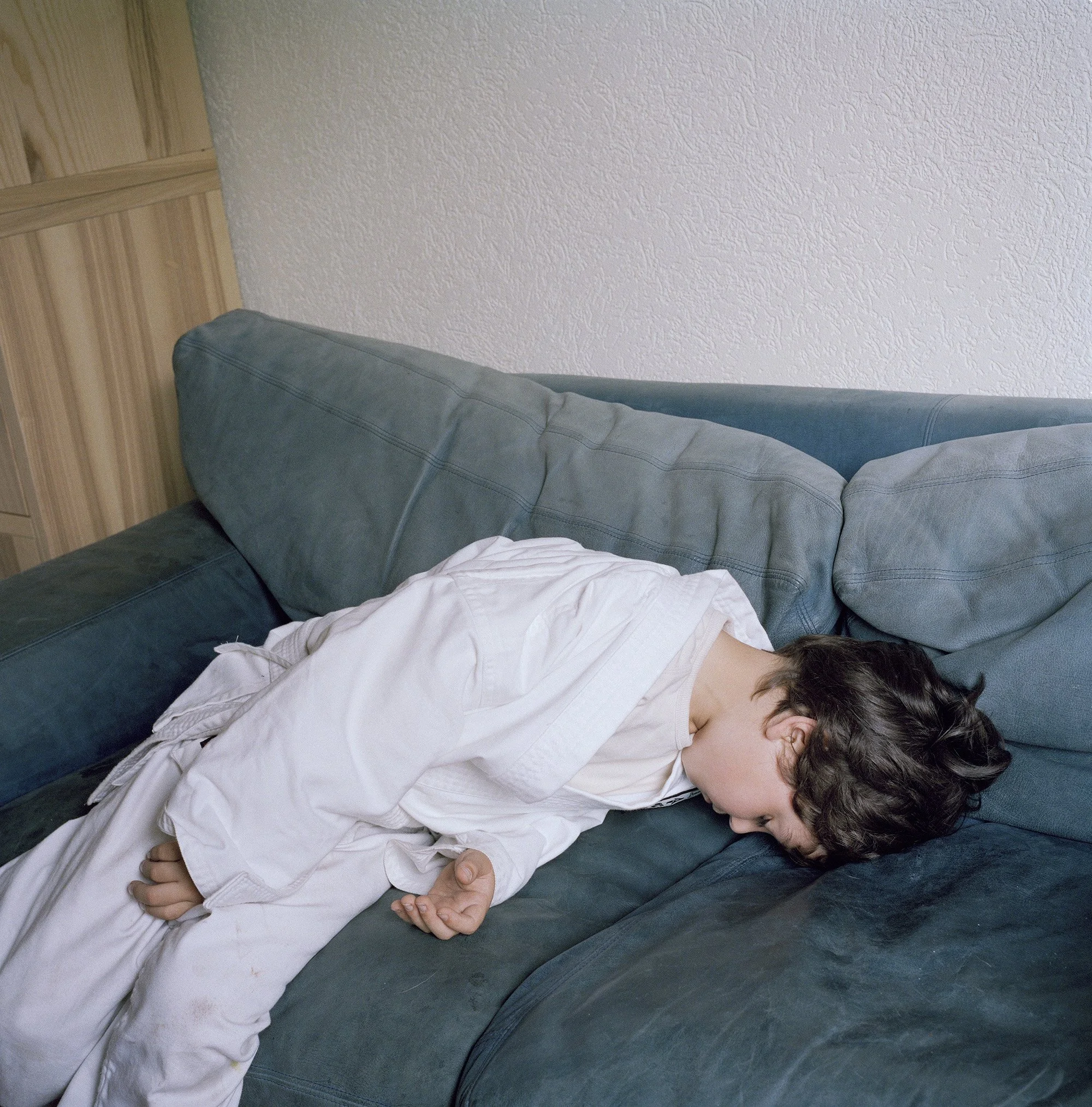
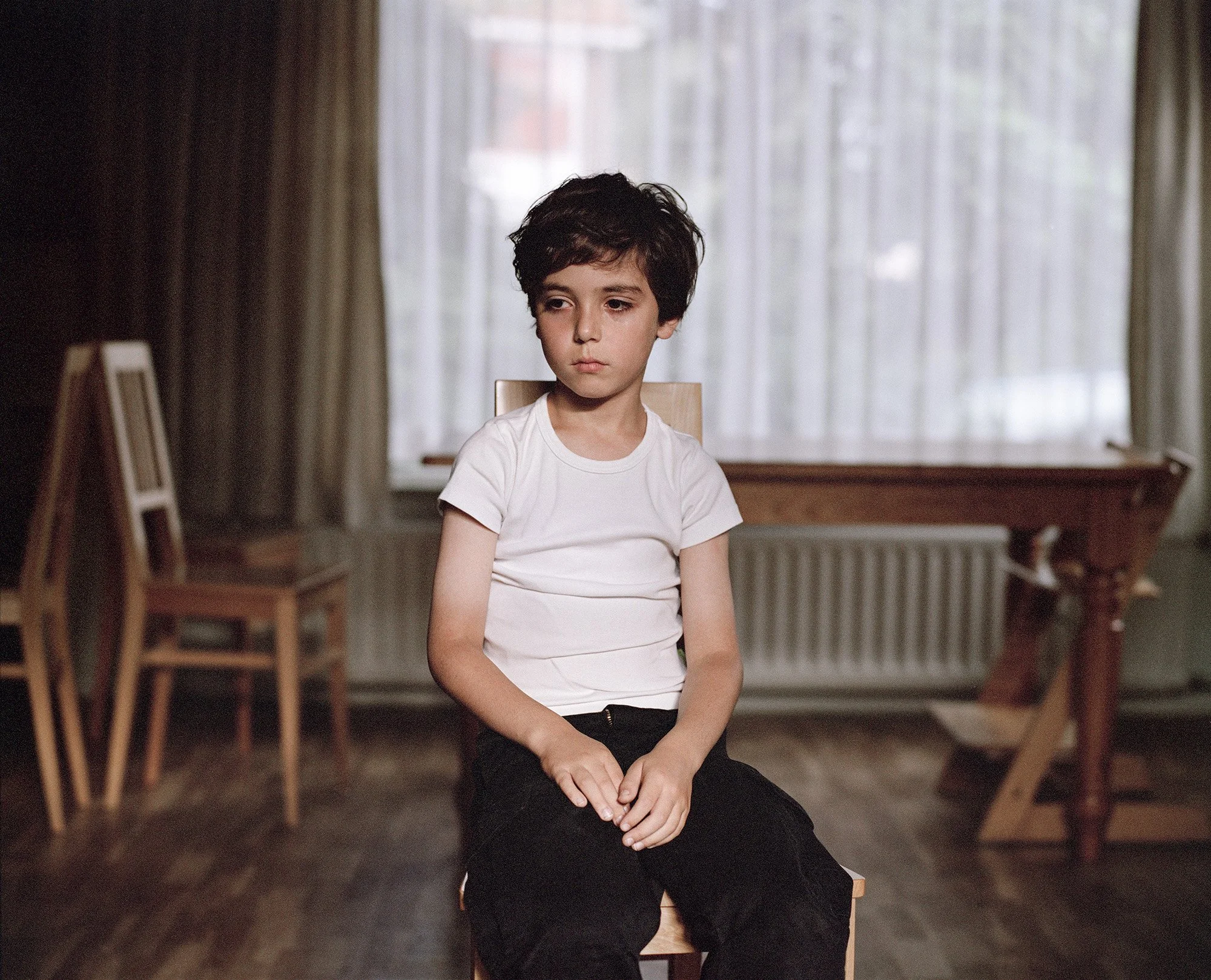
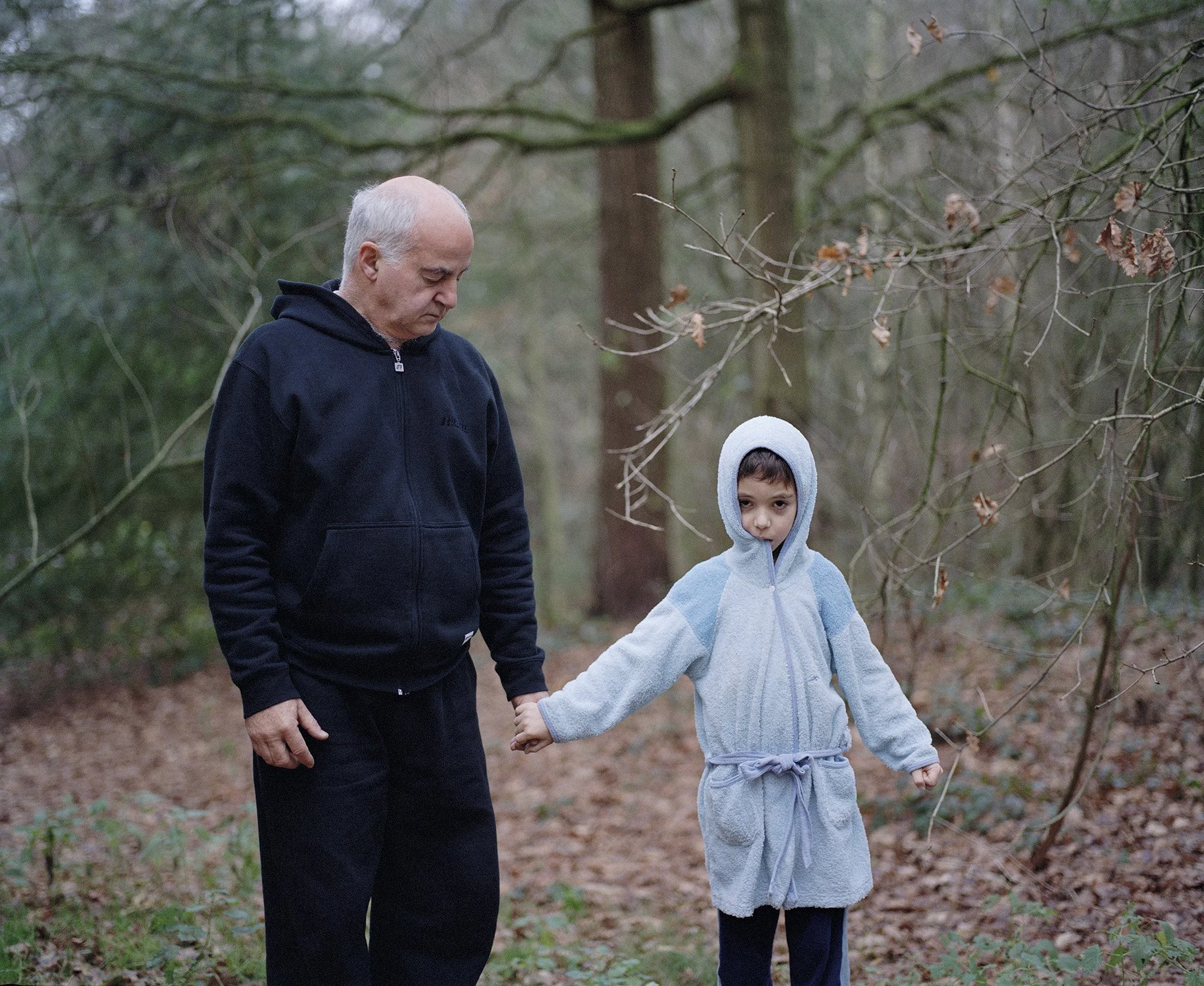
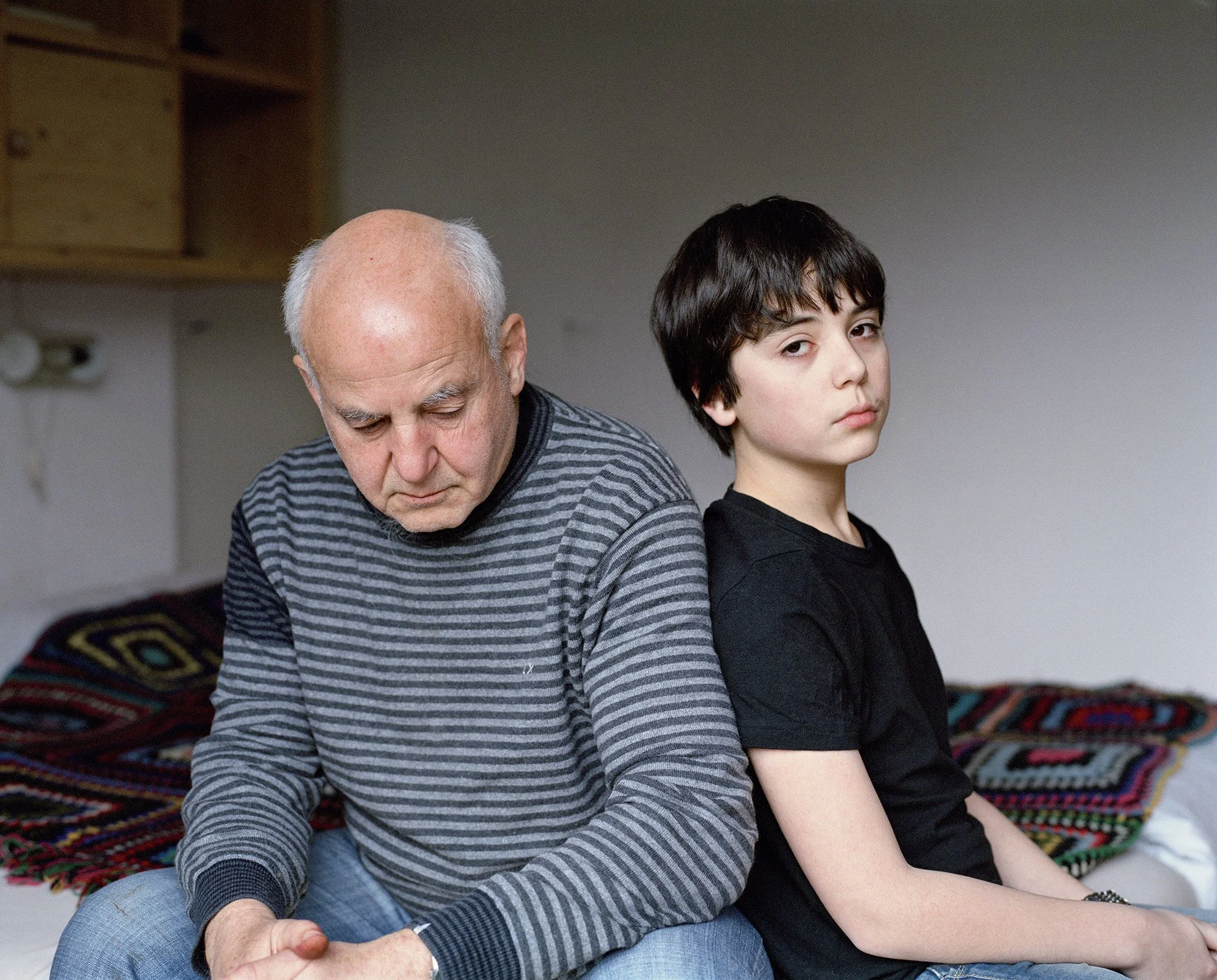
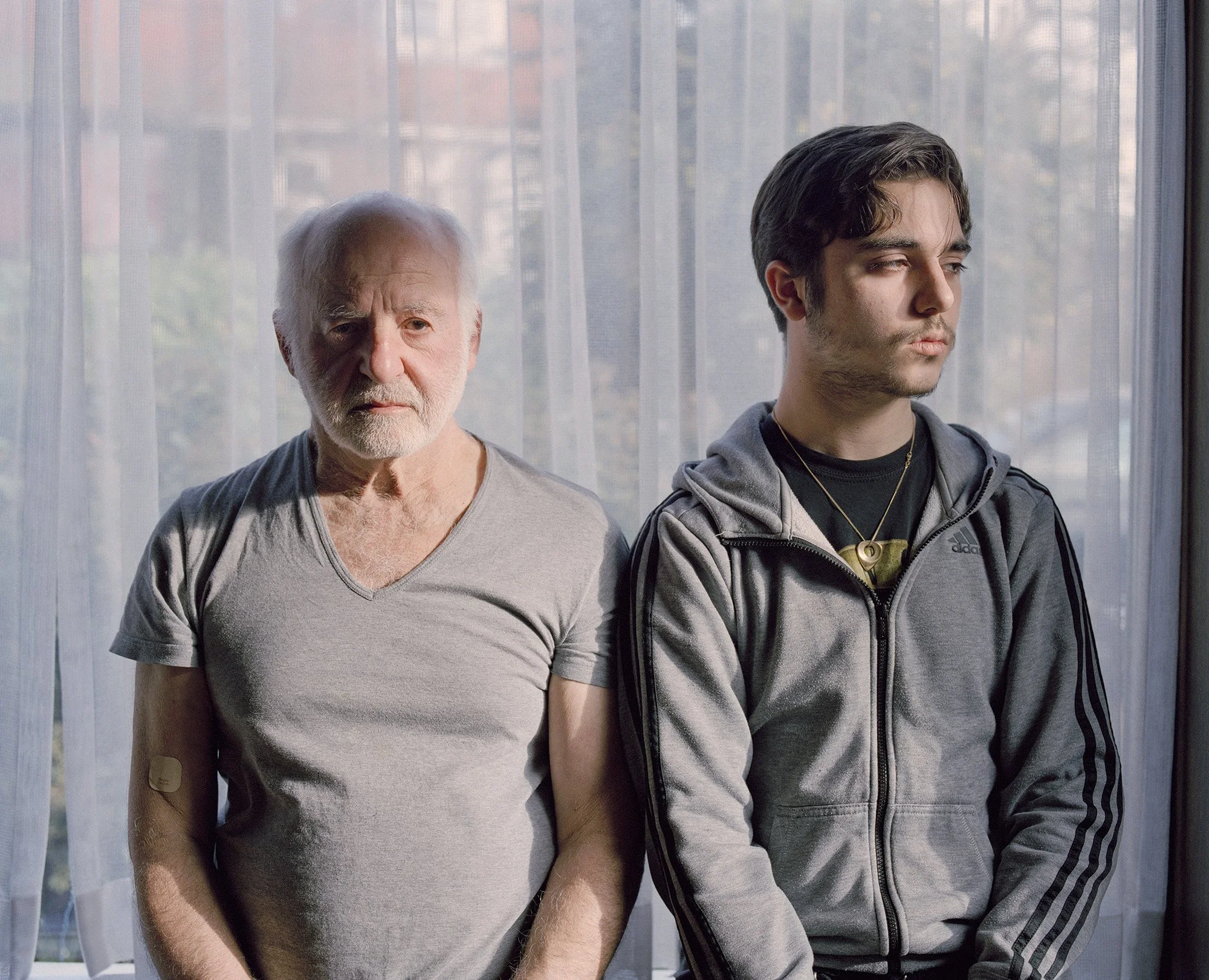
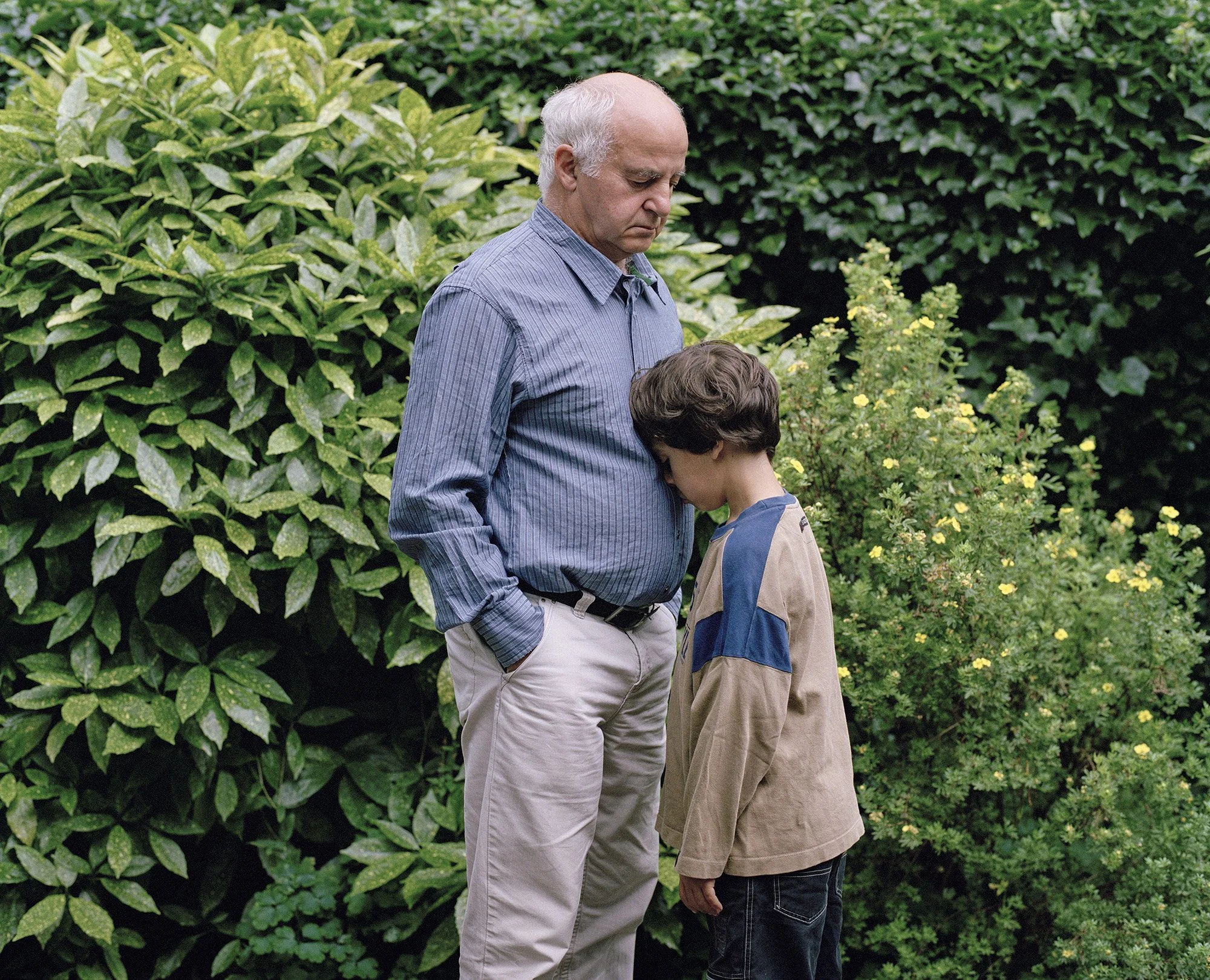
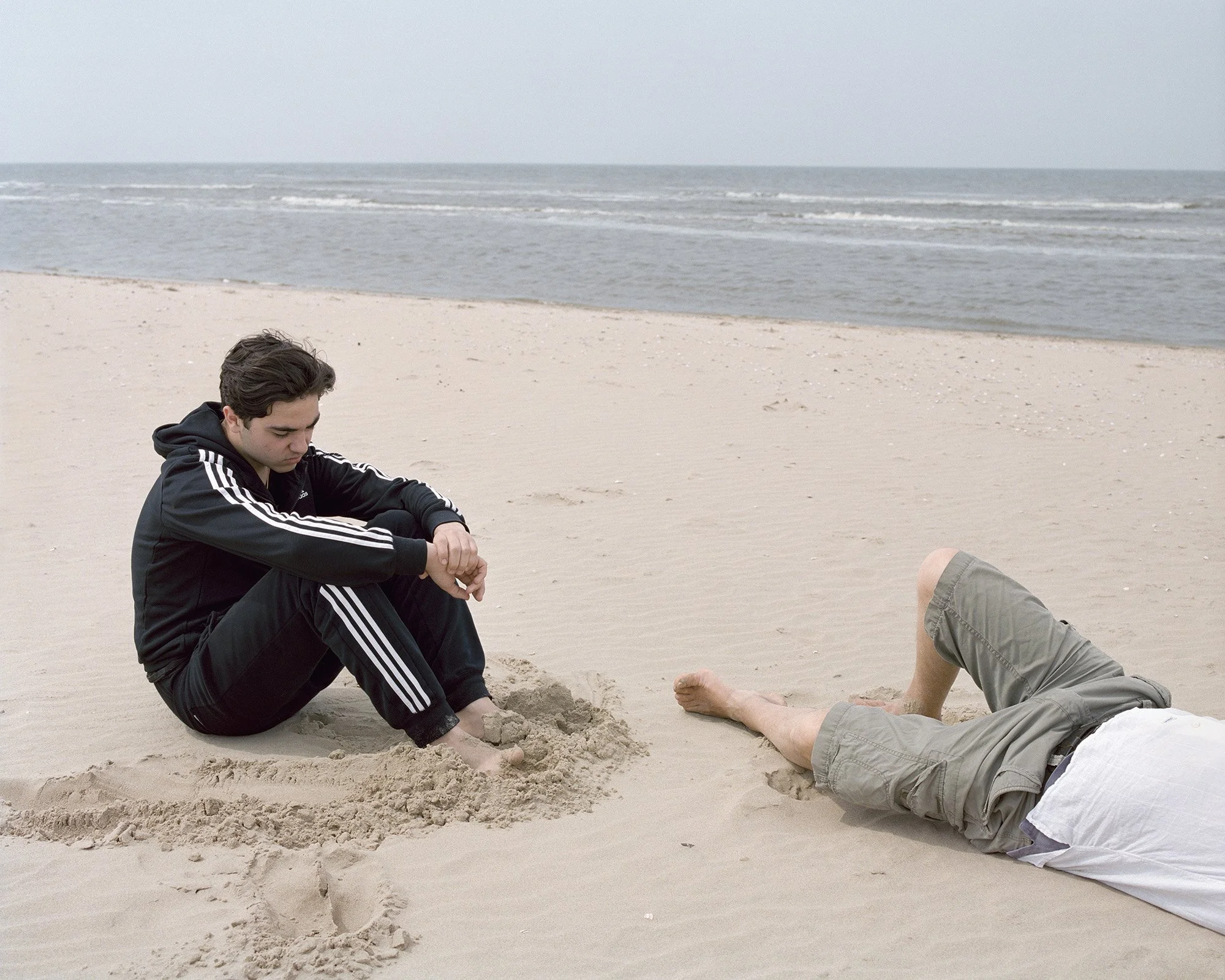
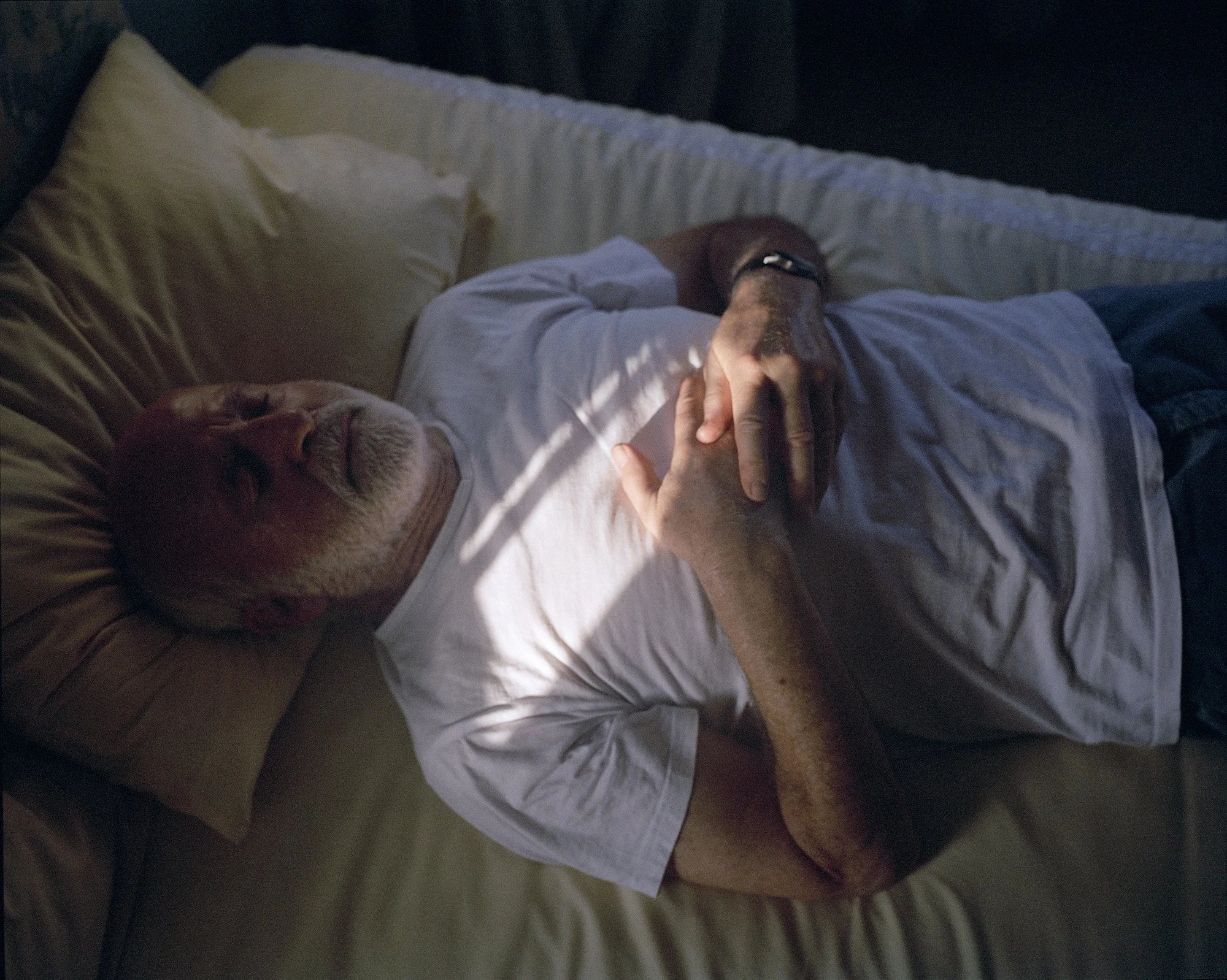
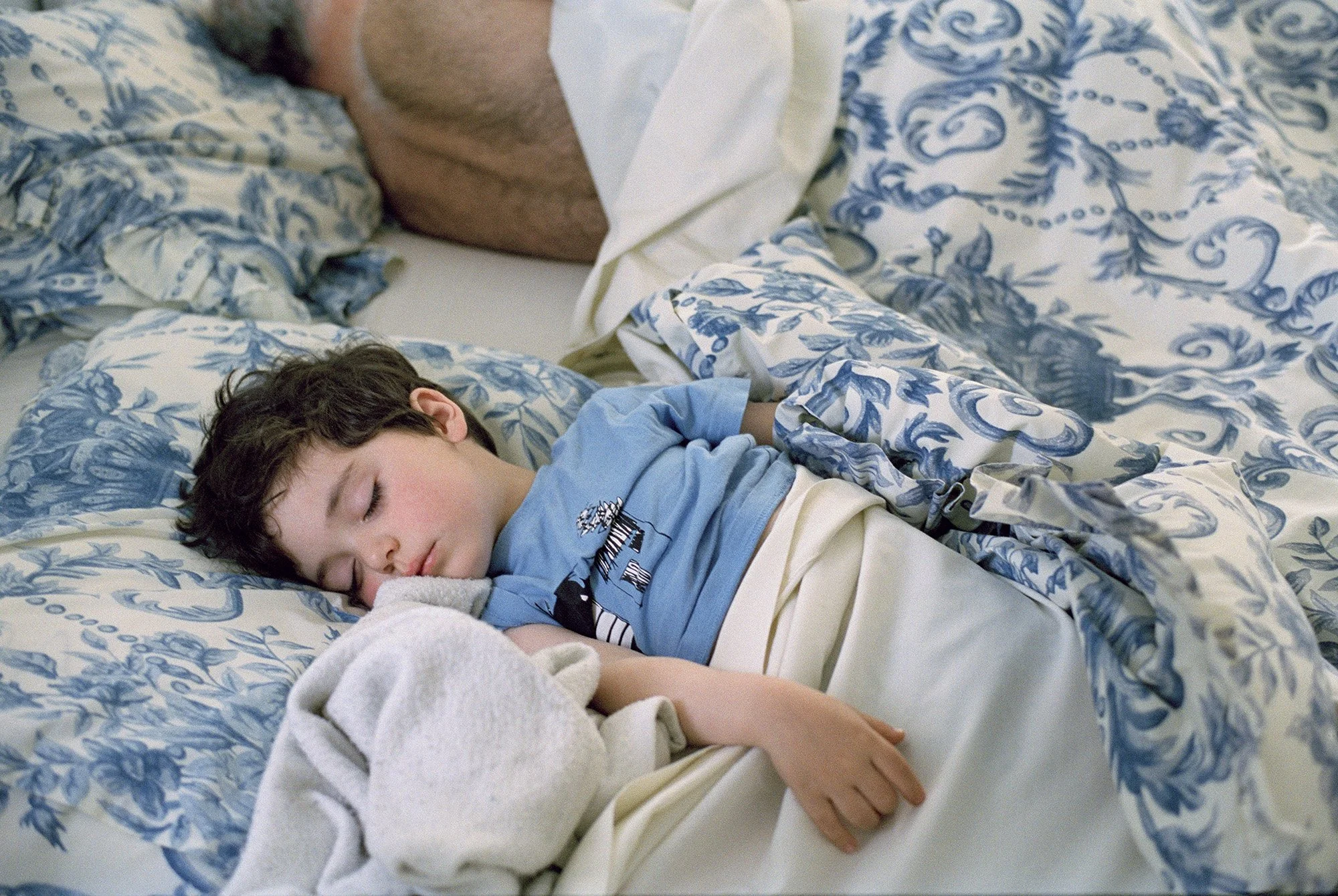
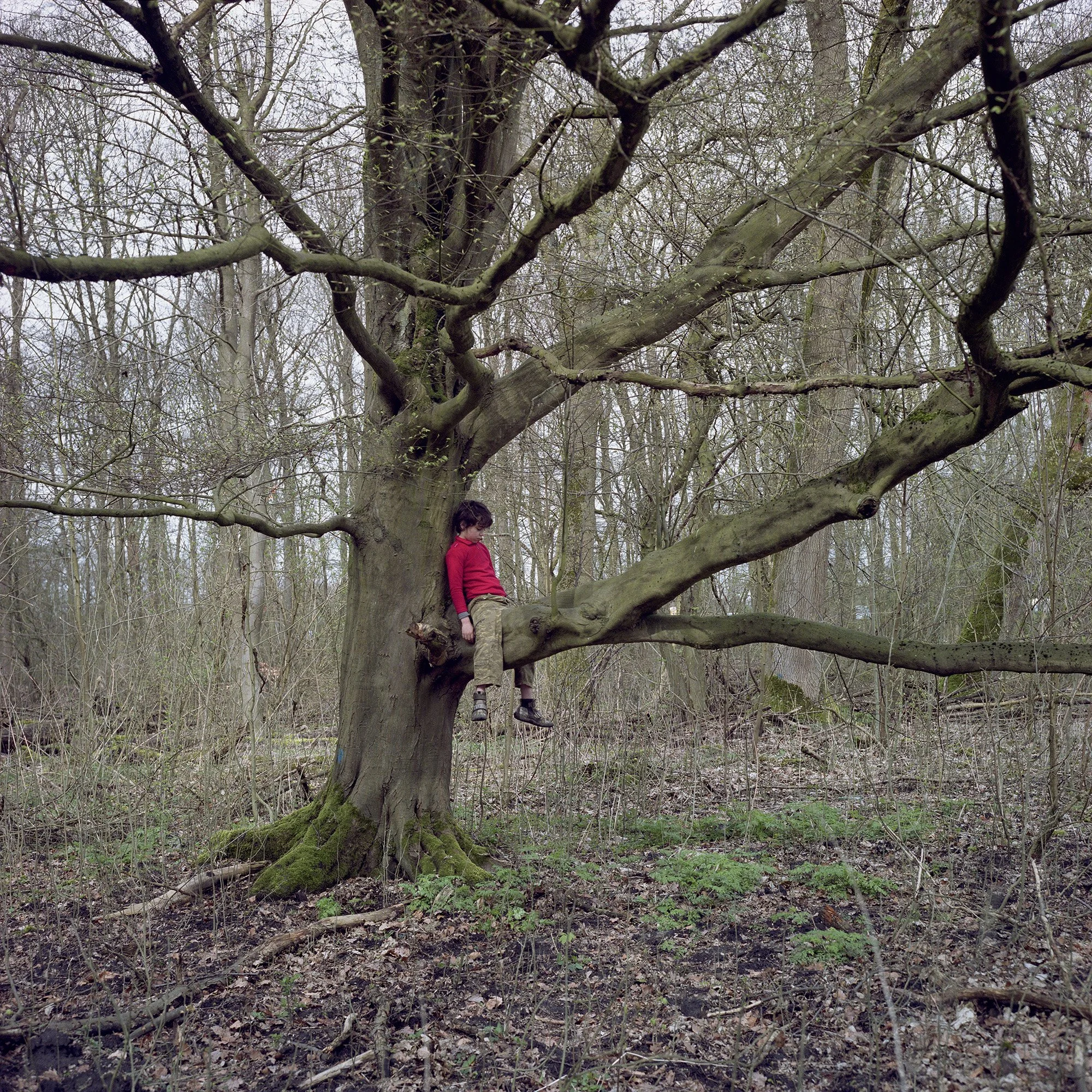
Julian & Jonathan by Sarah Mei Herman, published by GOST Books, brings together more than 20 years of photographs made within a single family. Beginning in early childhood and continuing into adulthood, the book follows Jonathan’s visible growth alongside the quieter passage of time in his father Julian’s life, while also reflecting Herman’s own position as daughter, sister, and observer.
Working mostly with medium format film, Herman builds a restrained and deliberate visual language shaped by stillness, repetition, and careful sequencing. Rather than presenting a conventional family album, Julian & Jonathan records moments of closeness and resistance, pauses and negotiations, allowing time, distance, and intimacy to remain unresolved on the page. (GOST Books)
Project Start: You began photographing Jonathan when he was four years old during a family trip to South Africa in 2005. What made you pick up your camera and start this project that day?
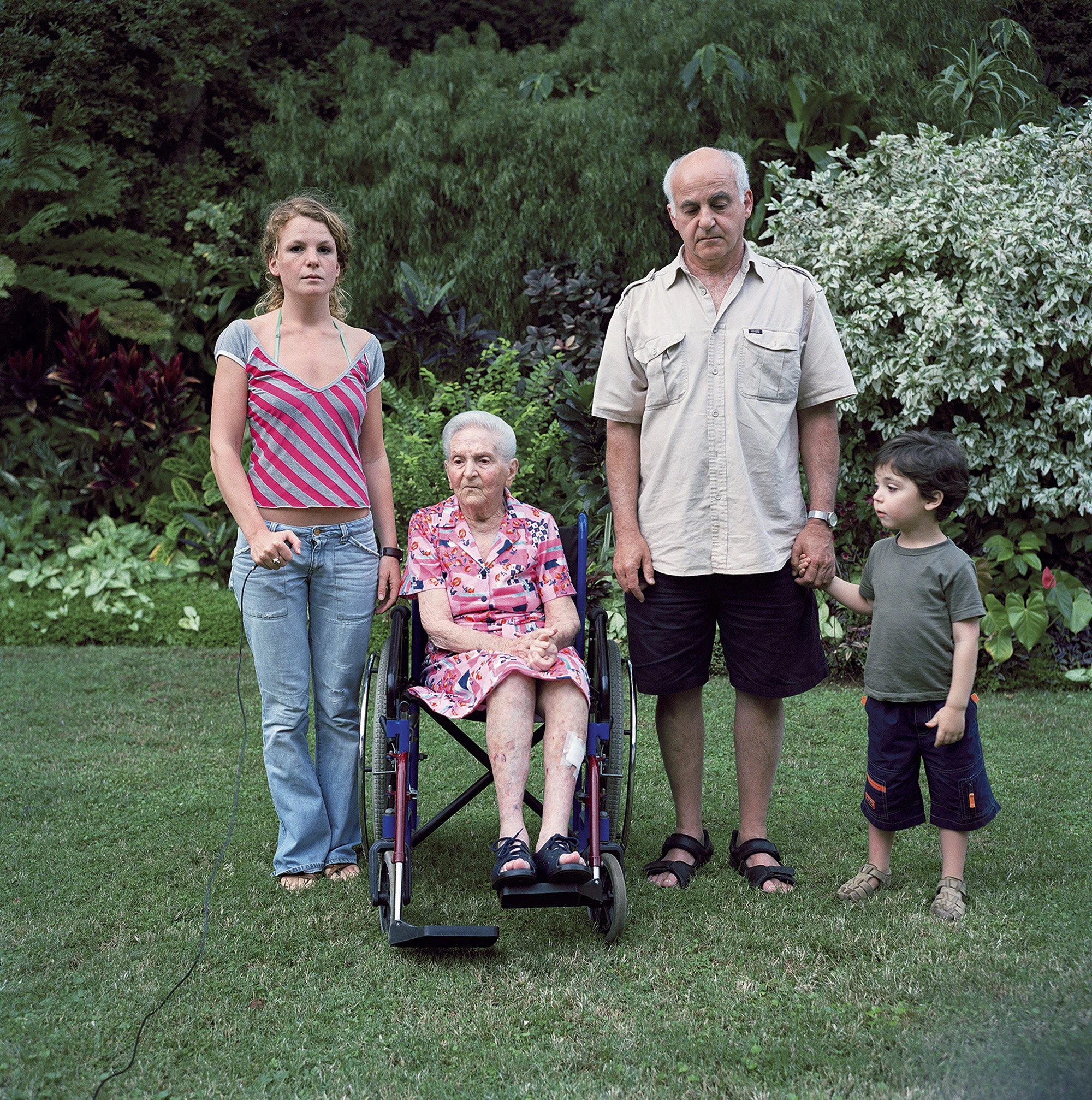
It wasn’t the very first time I photographed Jonathan - I had taken some photos already since he was a baby - but during that 2005 family trip to South Africa, I started photographing him and our father more intensively. The trip was particularly significant because my grandmother was 93, and I knew it would probably be the last time I would see her, as well as the first and likely only time Jonathan would meet her. Knowing that we would be alone together for a longer period, I felt compelled to capture these moments. The trip gave me the possibility to focus on both Jonathan and Julian, as well as on my grandmother, and to be aware of how different generations were briefly coming together.
Medium Format Choice: You switched to medium format film in 2007, which required Jonathan and Julian to stay very still. How did this slower way of working change the photographs and the time you spent together?
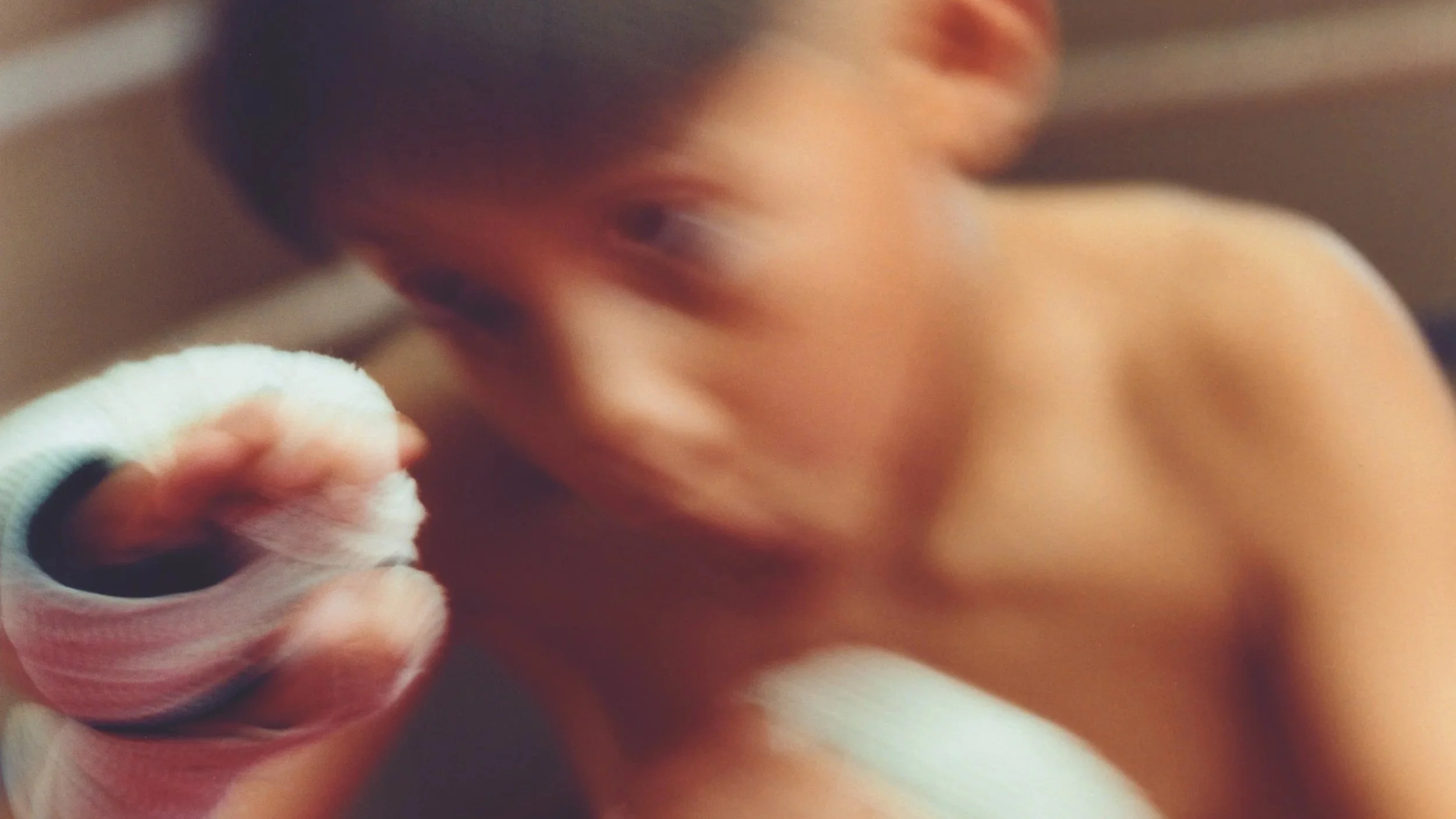
In 2007, I switched to medium format film and started working mainly with a Mamiya RZ 6x7. This change did affect my way of working, mainly because the camera is slower and more demanding. Film is expensive, but I still photographed a lot and worked intuitively. What changed was the duration of the moments: the camera asked us to pause. By photographing, everyday life was briefly interrupted and a kind of parallel reality emerged. In those moments, the three of us were silently together, sharing a temporary space shaped by the act of looking and being looked at. The slower pace influenced the photographs themselves, giving them a quieter and more restrained quality, without becoming rigid or overly controlled.
You mentioned that photographing created "a kind of parallel reality" where everyday life was interrupted. What did those pauses feel like for the three of you in the moment?
I don’t know what those pauses felt like for my father and my half-brother, but for me they felt very quiet and concentrated, moments in which we were briefly, silently together. Almost like a vacuum, a short suspension of daily life. Time seemed to slow down, and the usual roles and routines softened. For a moment, nothing was required of us except to be there.
Getting Close: You said photographing Jonathan was a way to connect with him because he was distant. Did the camera help you get closer to him, or did it keep you at a distance?
Jonathan has always kept a certain distance from me, and photographing him was initially one of the only ways I could connect. The camera created a structured space for interaction: it both brought us together and maintained a gentle distance that allowed observation without intrusion. Over the years, this repeated process has fostered a unique bond between us, one that exists exclusively within these photographic sessions. The camera didn’t replace real-life intimacy, but it created a space where closeness could emerge on its own terms. I believe that these repeated moments, when I photographed him, were important to both of us, and that over time they shaped our relationship.
Film Cost: Film is expensive, so you had to work slowly and carefully. How did the cost of each shot affect which moments you chose to photograph?
Working with film, and especially medium format, meant that every frame counted. Film is expensive, so you do become more aware of each frame. I still photographed a lot, but I also learned to wait more, to look longer, and to think about whether a moment needed to be photographed or not.
Removing Distractions: You remove extra objects from the frame to make calm, simple images. Can you explain your process for deciding what stays and what goes?
I approach photography with a “less is more” philosophy. I remove distracting objects from the frame to create calm, simple compositions, letting the subjects’ presence take centre stage. My goal is to peel away layers to get to a certain essence. This process isn’t just about minimalism, it’s about finding a quiet, balanced visual language that allows both staged and spontaneous gestures to coexist.
Staging vs. Reality: You describe your work as "a dance between fact and fiction." How do you find the balance between planning the photos and letting real moments happen?
My work is a dance between planning and letting things unfold naturally. I usually choose locations that have personal resonance, define the boundaries of the scene, and then leave space for unexpected moments. I am interested in what arises between the subjects and myself, and the dynamic that emerges among the sitters. The images may look like documentary photographs, but they are curated to a certain extent. This balance between intention and openness allows me to combine my own imaginative vision with what is actually happening.
Resistance: Jonathan sometimes resisted being photographed, and you had to negotiate how many pictures you could take. How did you work with his resistance instead of against it?
I learned to treat Jonathan’s resistance as part of the process rather than something to push against. When he was younger, he would sometimes turn away or block the camera, and I had to accept that not every image was going to happen. He never refused completely, but he did set boundaries, for example, around how many photographs I could take. Over time, we developed a rhythm, negotiating when and how long we would photograph. Respecting those limits was important, and it allowed moments of connection to emerge naturally. As he grew older, this resistance gradually disappeared, but those early negotiations shaped the way we worked together and made the project feel like a shared process rather than a one-sided act of documentation.
Time Passing: The book shows 20 years of change, arranged in order from start to finish. What did you learn about showing time passing in photographs?
The Julian & Jonathan project spans more than 20 years, so the passage of time was always present in the work. Rather than trying to illustrate time directly, I focused on repetition, recurring situations, and careful sequencing. Returning to similar gestures, poses, or moments allows small changes to become noticeable over time. Jonathan changes more noticeably as he grows up, while Julian’s presence remains more stable, which creates the sense of two different timelines unfolding alongside each other. Arranging the work chronologically felt like the most honest way to let those changes appear.
Two Roles: You are both a family member and the photographer. How did you manage these two roles when difficult moments happened that you wanted to photograph?
Being both a family member and the photographer has always required a careful balance. I am part of their lives, but when I photograph, I also take a step back in order to observe. This distance allows me to notice small changes and interactions that I might otherwise overlook. During more difficult moments, this dual role becomes especially delicate, and I try to be attentive without being intrusive. Photography creates a space in which I enter their lives for a moment, and then step away again. This movement, between presence and distance, has shaped both the work and my own experience as a daughter, a sister, and an artist.
You describe moving "between presence and distance" as both sister and photographer. When you look at the final book now, do you see yourself more as the family member who lived it or the artist who observed it?
That’s a complicated question, because I feel both. But when I look at the book now, I think I primarily see myself as a family member, though at a certain distance. The images carry lived experience rather than observation alone. At the same time, the distance was necessary; it allowed me to stay attentive and to translate something deeply personal into a visual language. The book exists somewhere between those two positions, just as I did while making it.

To discover more about this intriguing body of work and how you can acquire your own copy, you can find and purchase the book here. (GOST Books)
More photography books?
We'd love to read your comments below, sharing your thoughts and insights on the artist's work. Looking forward to welcoming you back for our next [book spotlight]. See you then!
Gosbert Gottmann wanted war photographs that resisted easy reading. In Freiheit Freedom Воля, he works with images connected to the war in Ukraine and changes them through abstraction, distortion and deformation. Photography Book Spotlight