From News Photography to Long Exposures: How Shintaro Sato Trained His Eye to Find Beauty in Pure Function
Welcome to this edition of [book spotlight]. Today, we uncover the layers of 'City Portraits,' by Shintaro Sato 佐藤信太郎 (published by Fugensha, sold by by shashasha). We'd love to read your comments below about these insights and ideas behind the artist's work.
Can discipline from news photography reshape how you see cities?
Shintaro Sato spent years working as a news photographer before creating long-term artistic projects about Tokyo. His discipline, restraint, and way of framing the world did not disappear when he left journalism. They became the foundation of his photographic language.
Shintaro Sato’s book City Portraits brings together 35 years of work in one place.
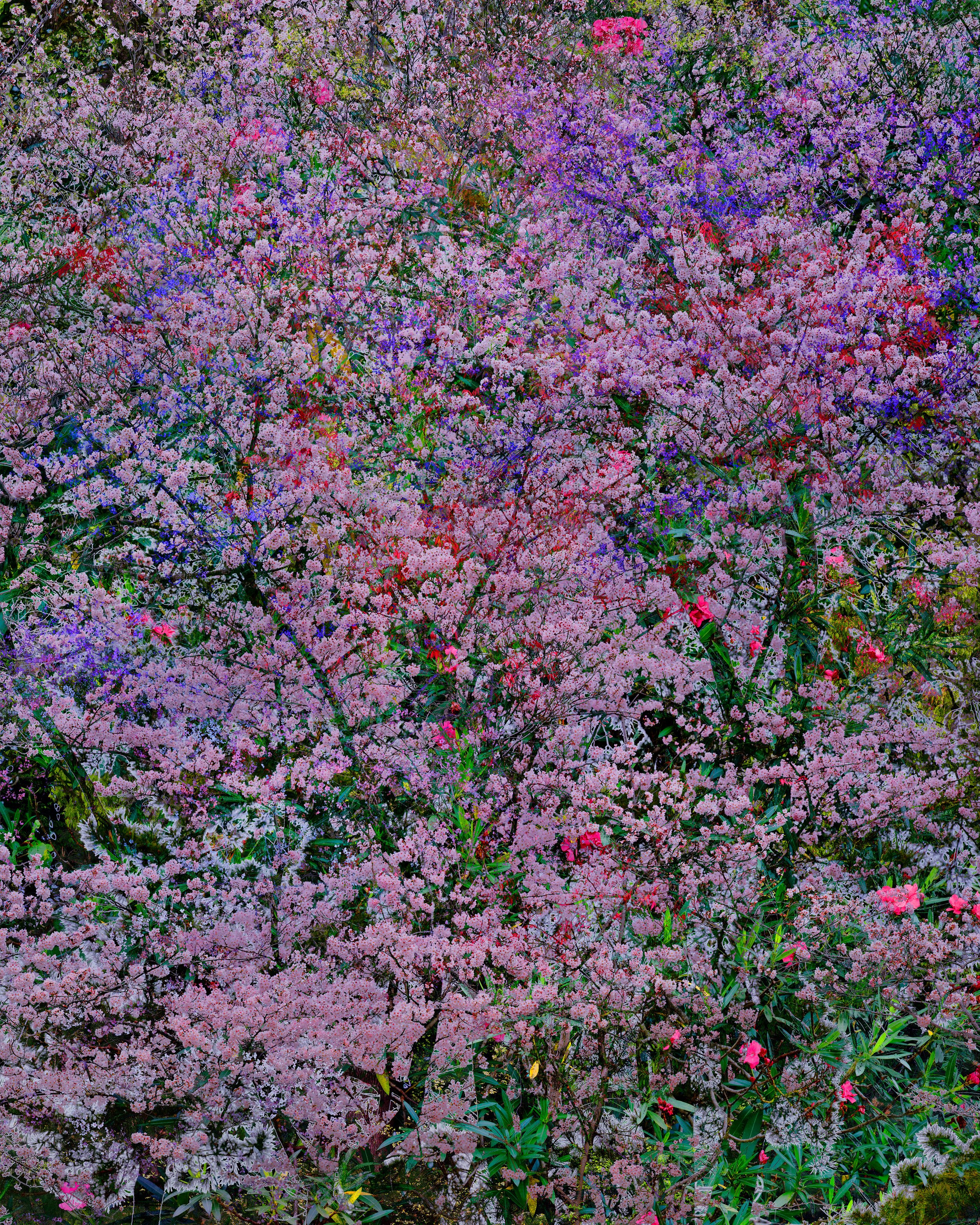
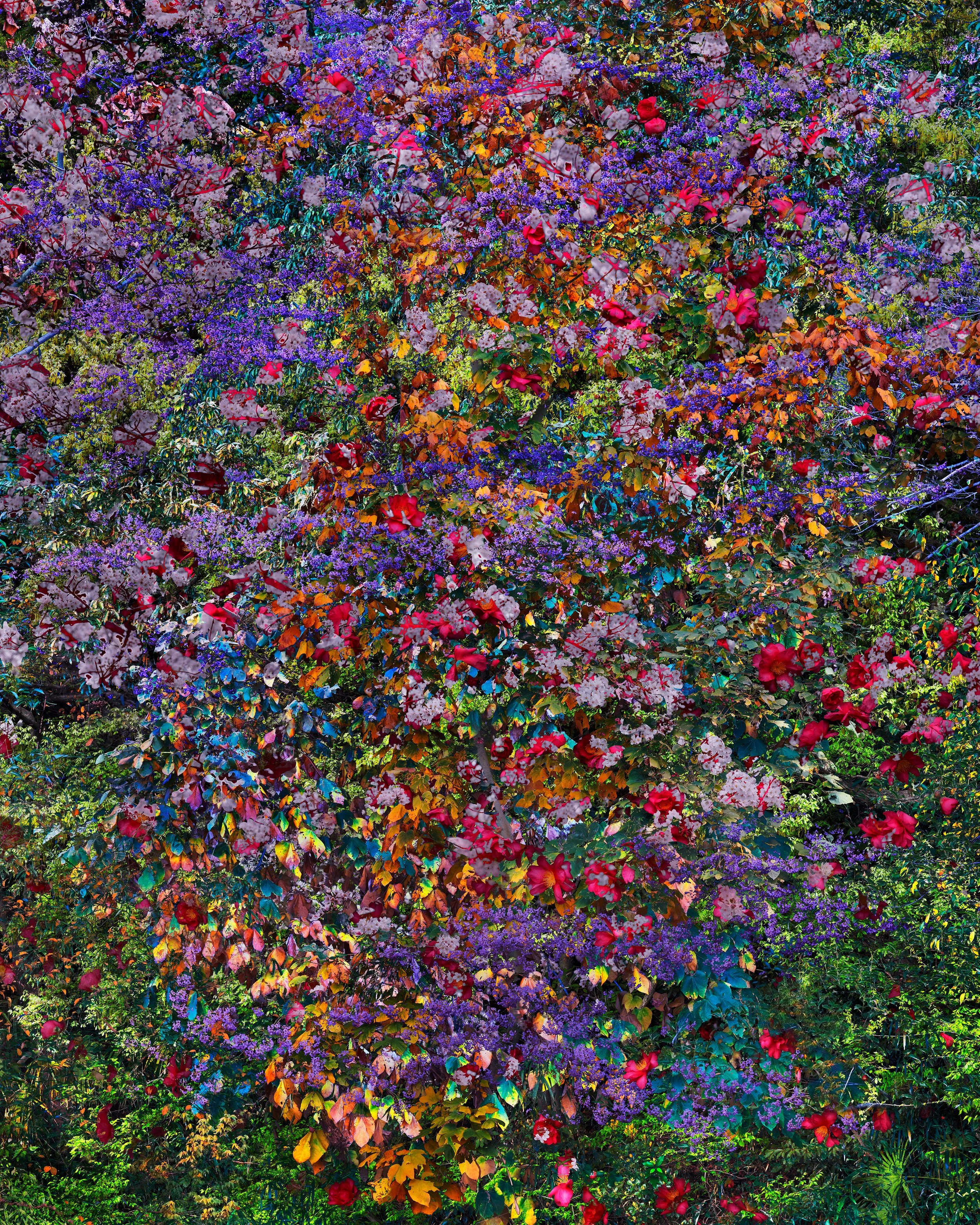
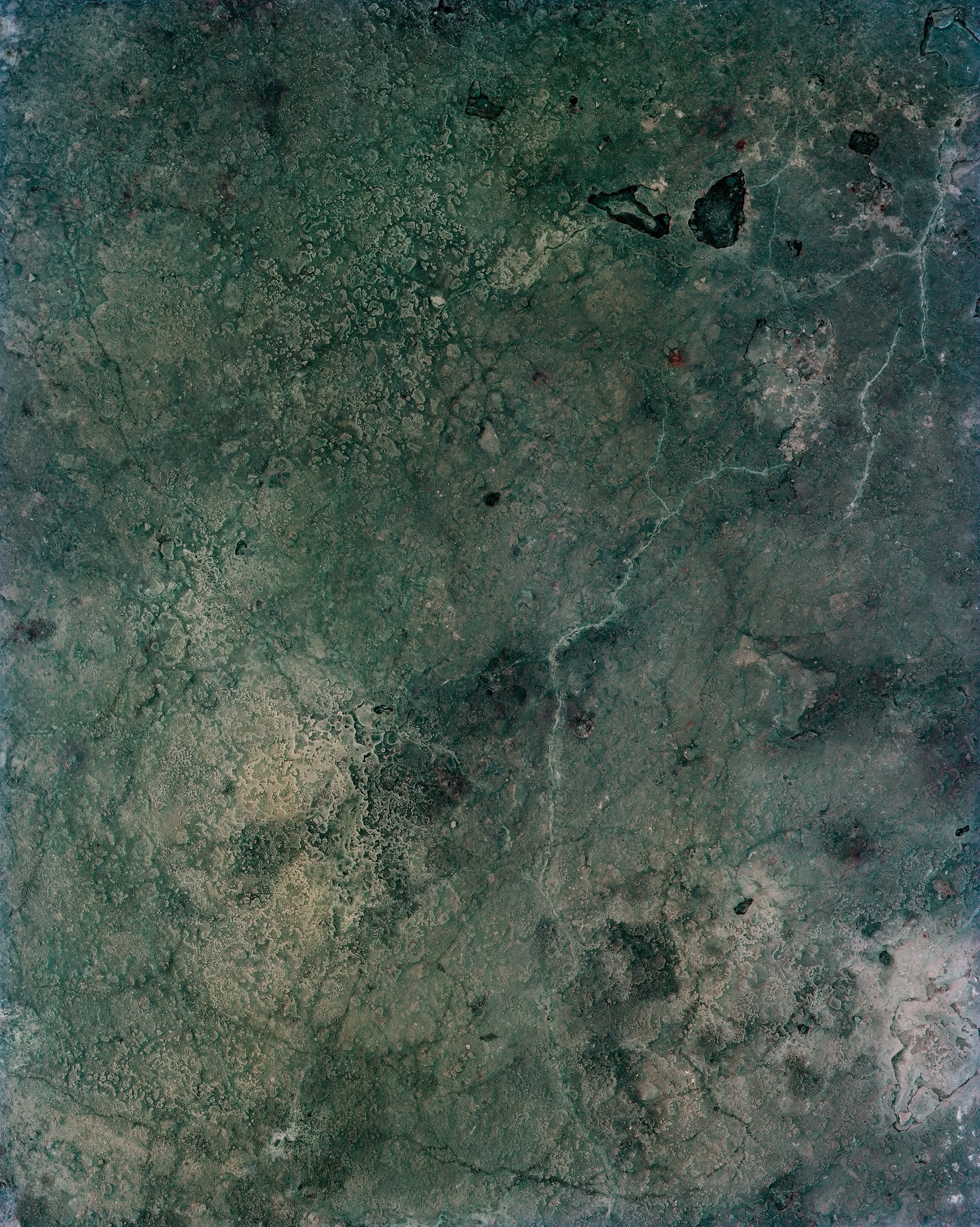
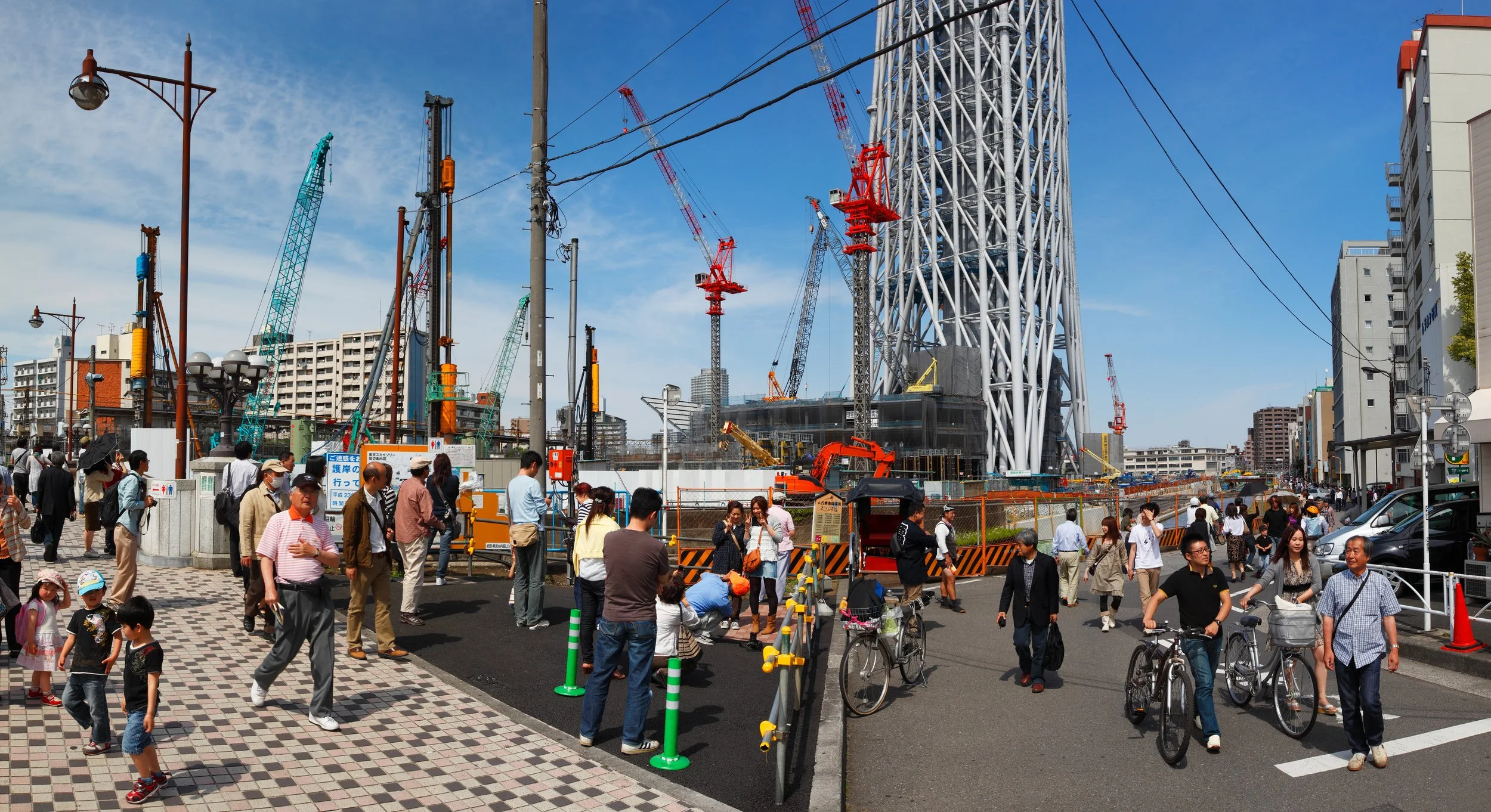
It combines abstract images, long exposures, and documentary approaches into a single vision of Tokyo. The projects were photographed from fire escapes, backstreets, and middle distances, not from iconic viewpoints. Each series shows how method, repetition, and distance shape how a city is understood.
The Book
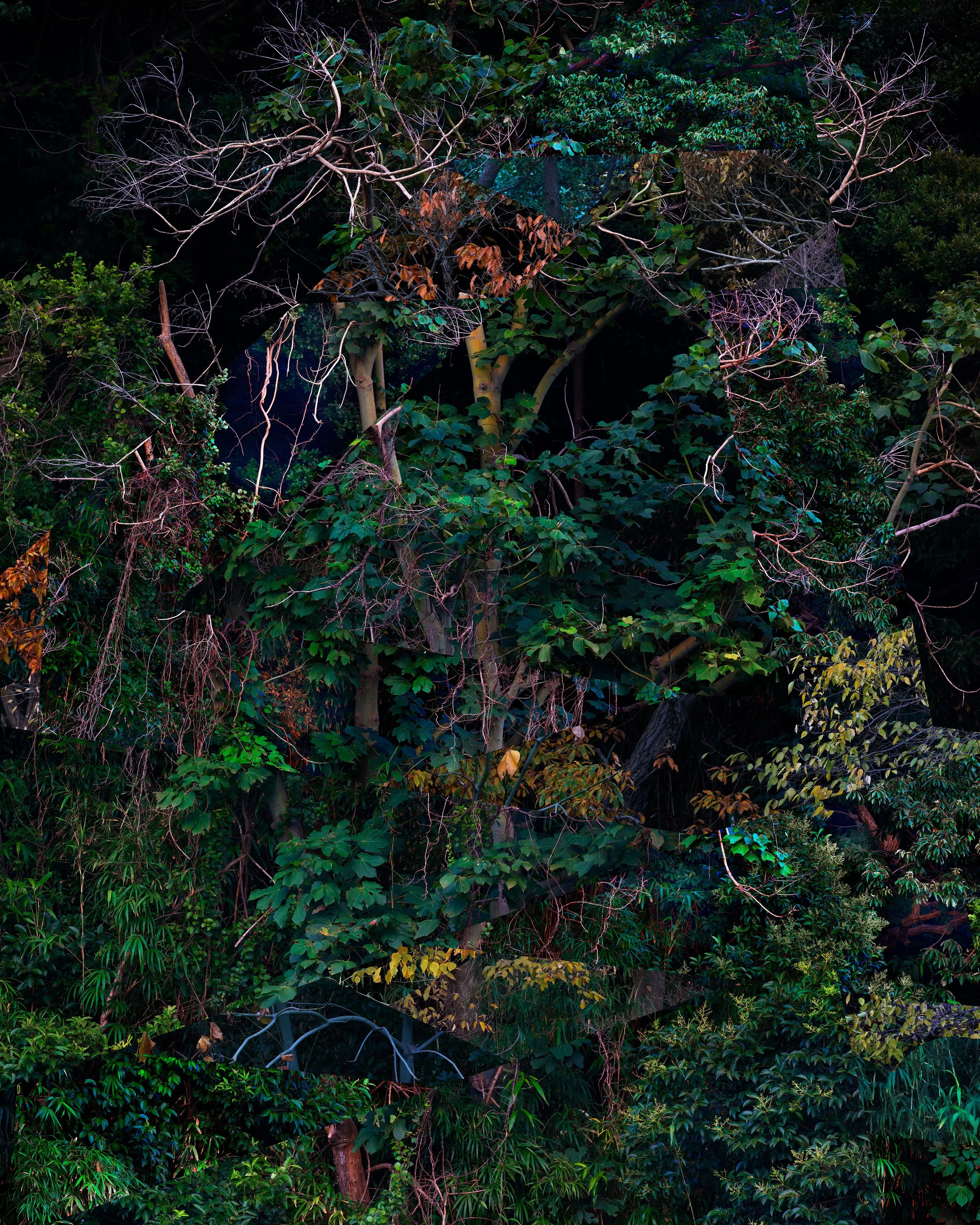
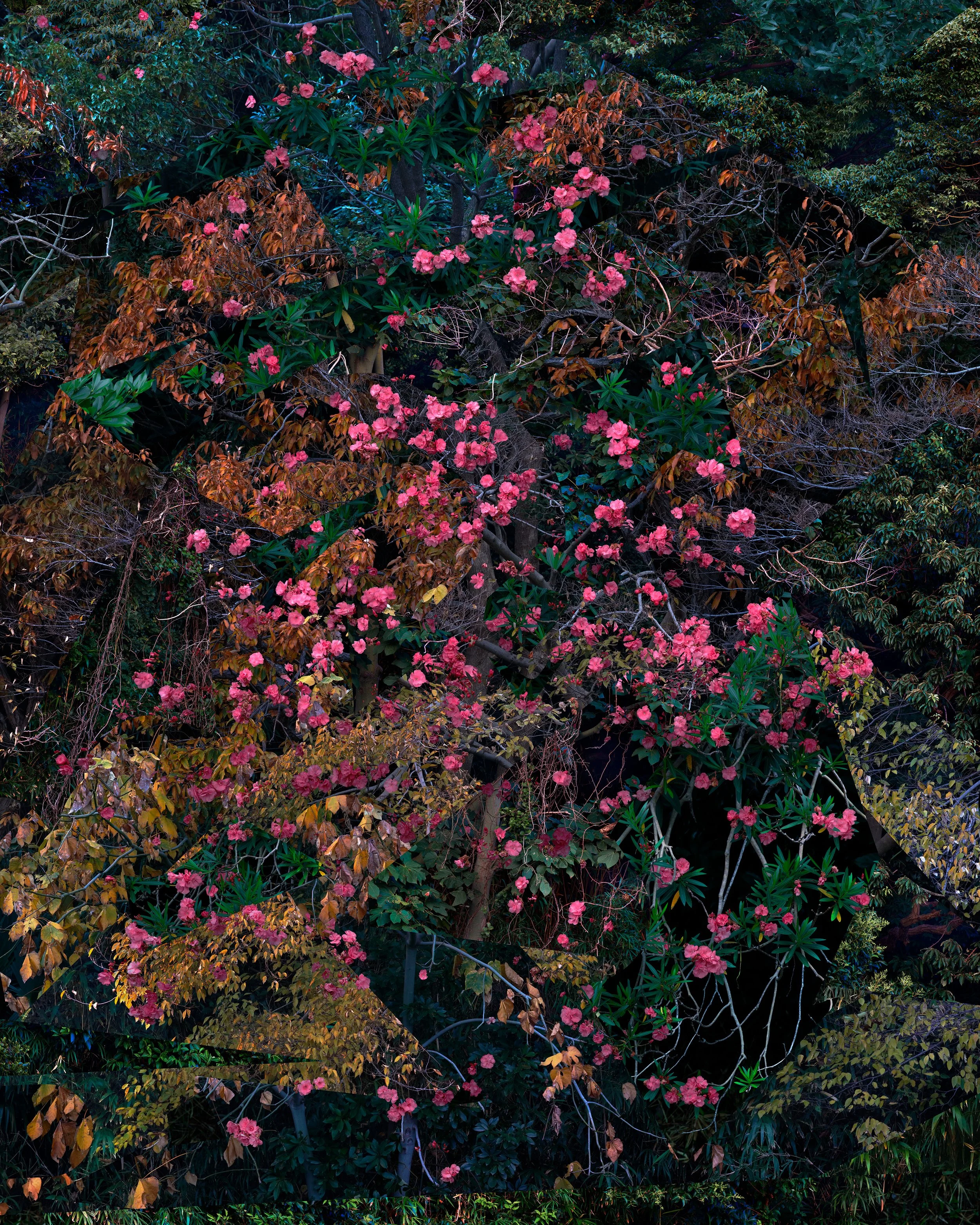
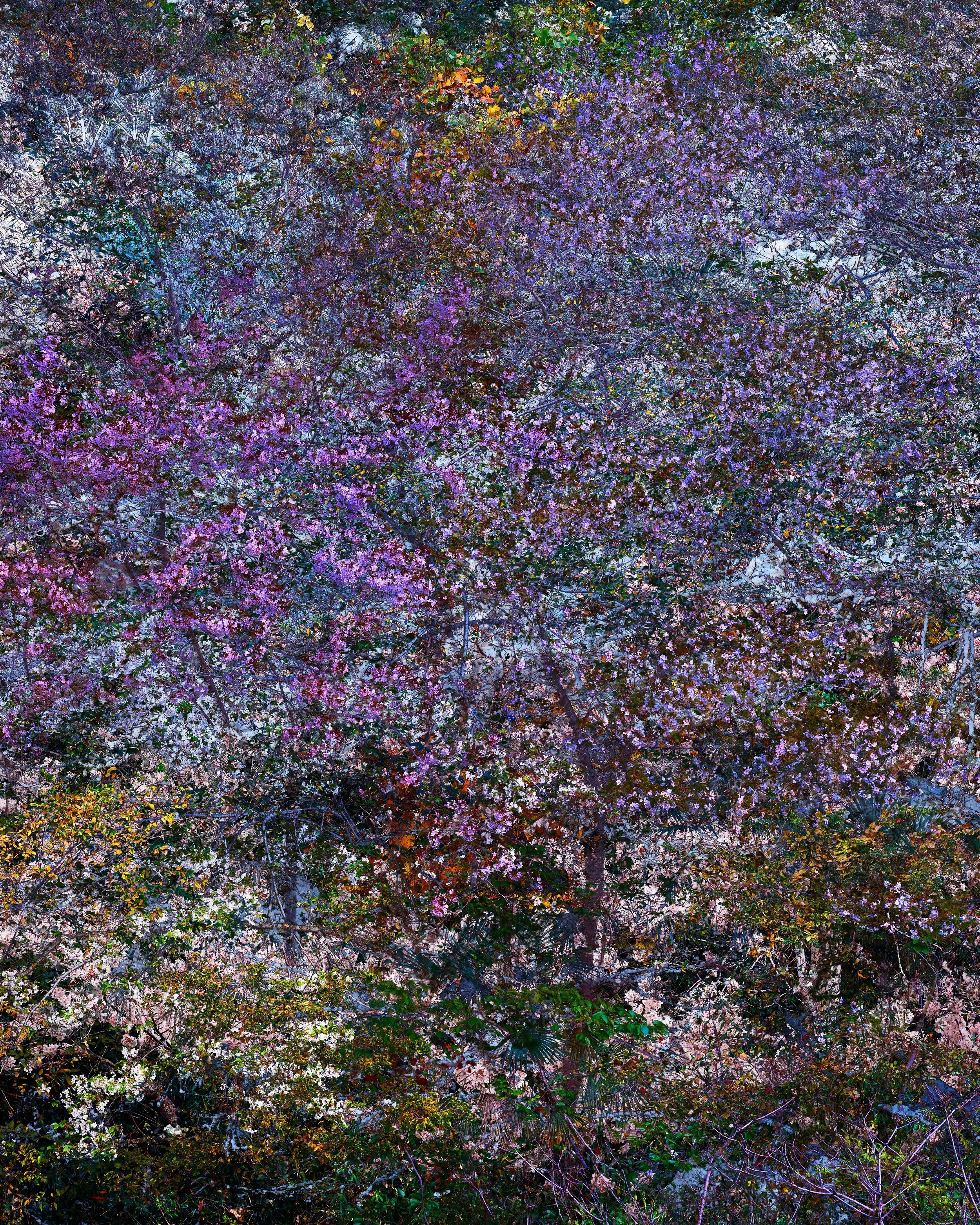
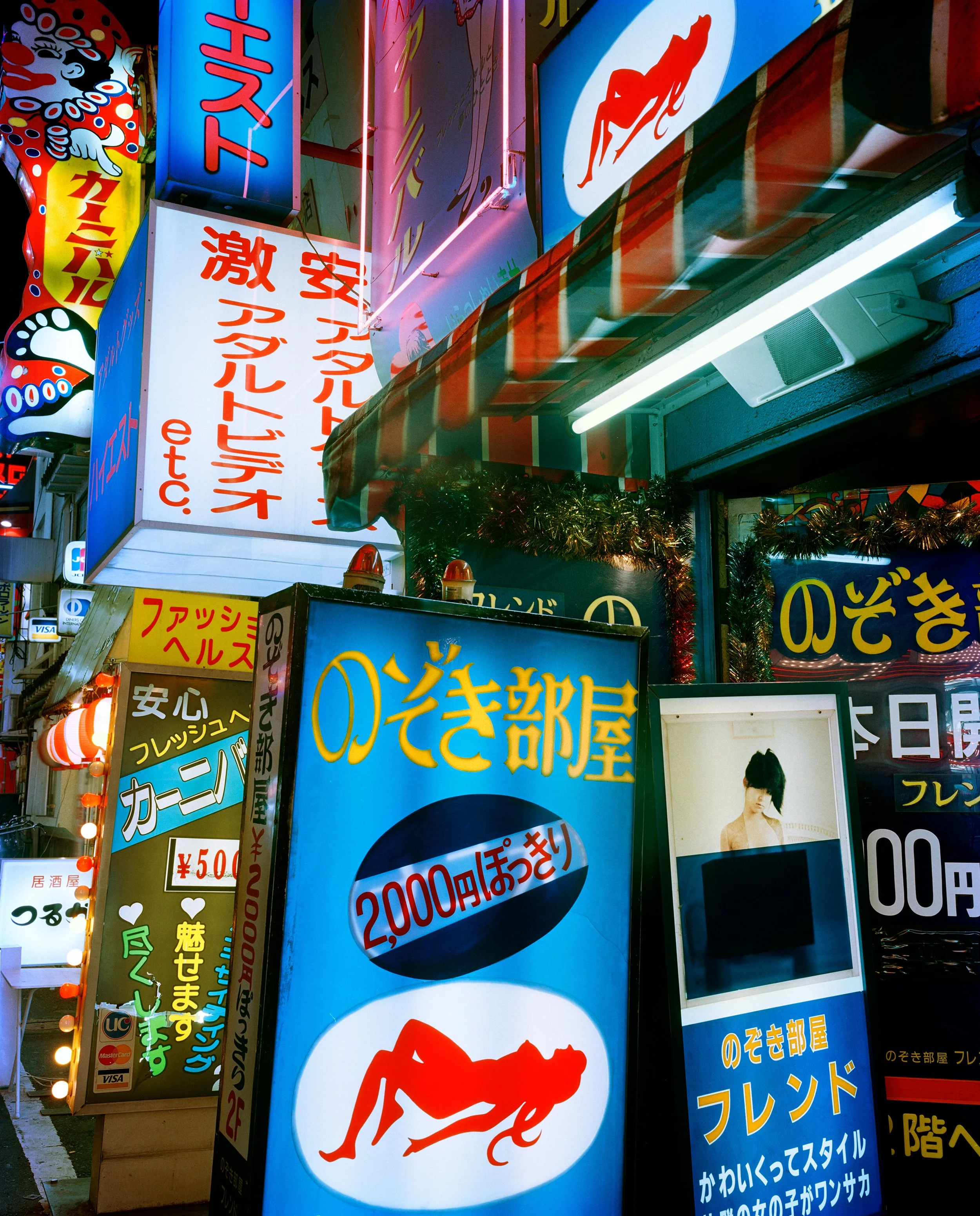
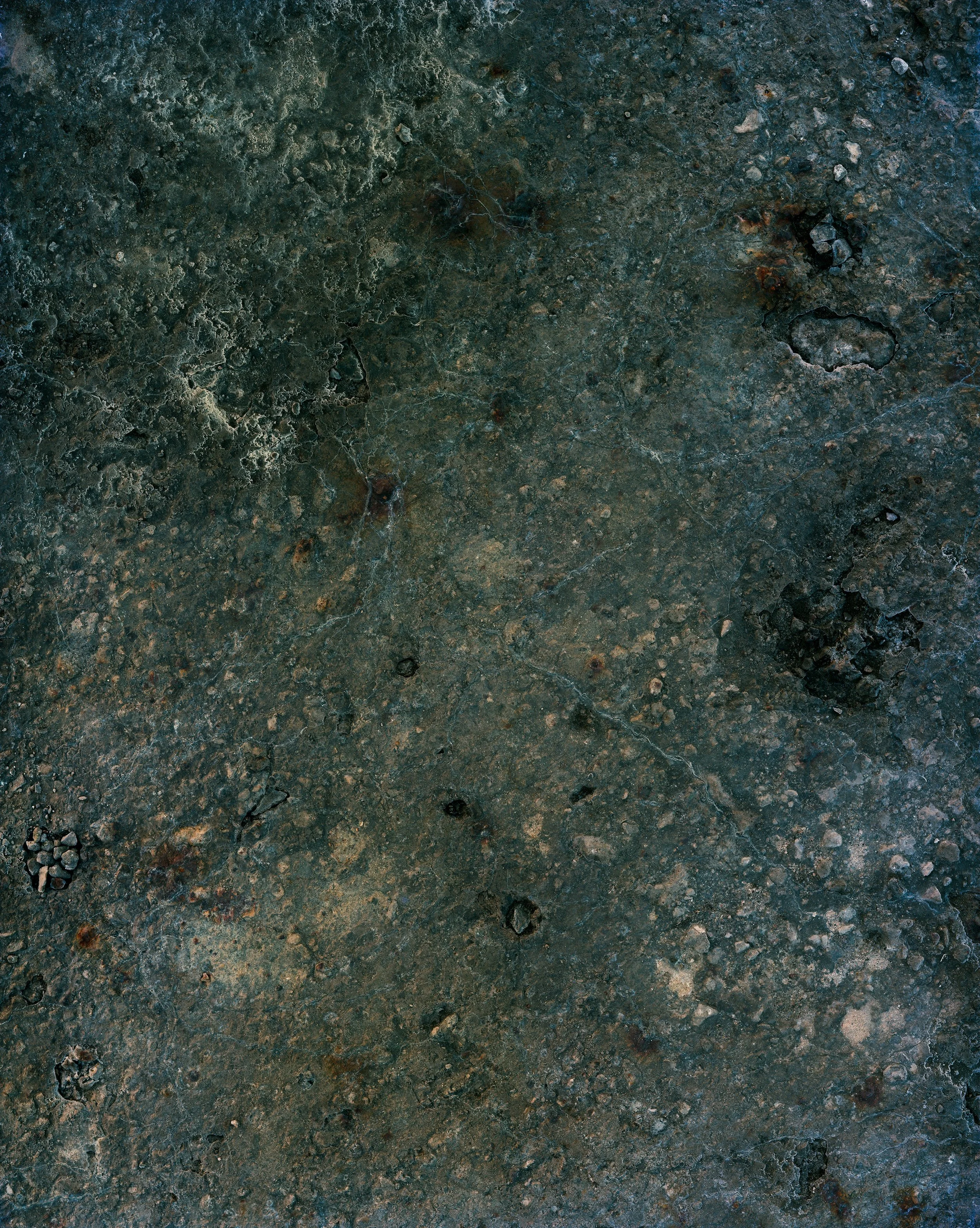
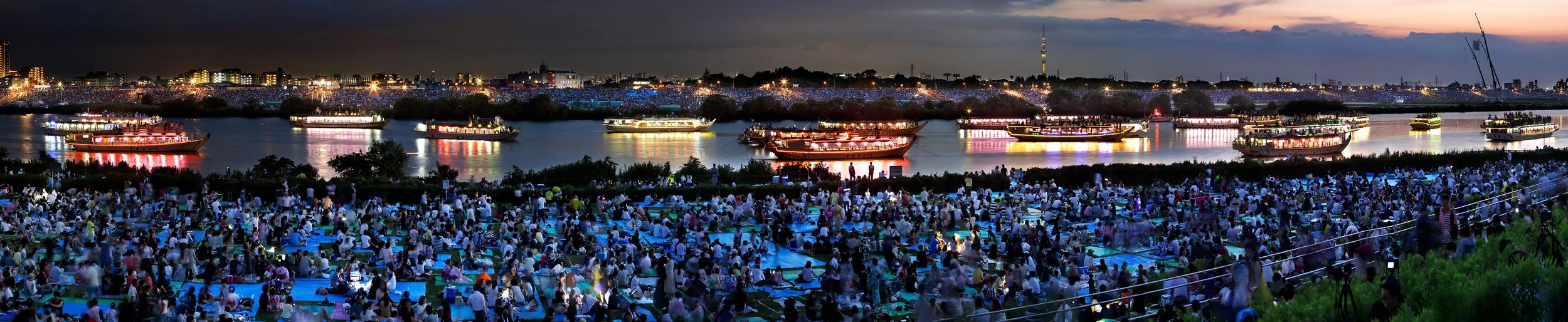
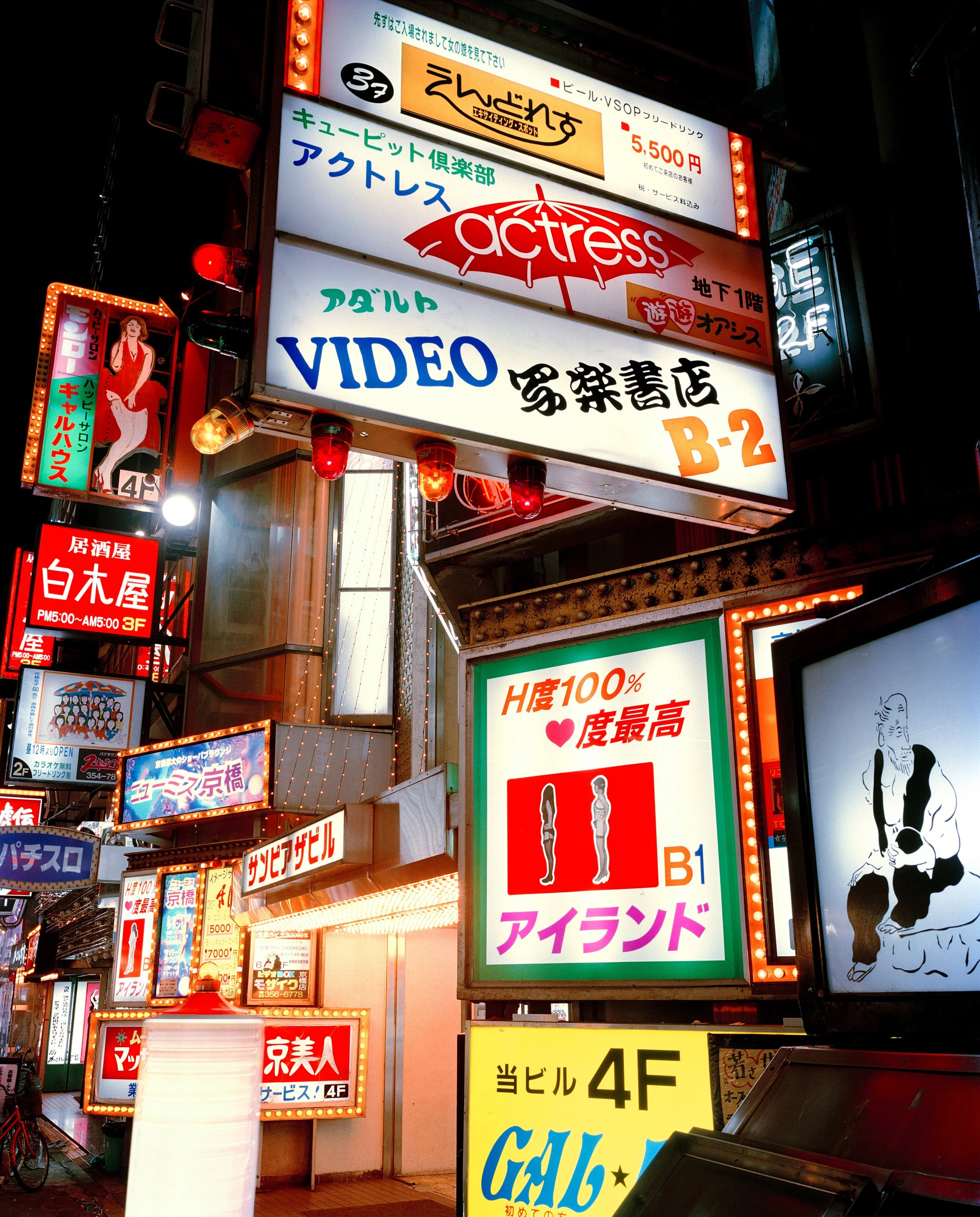
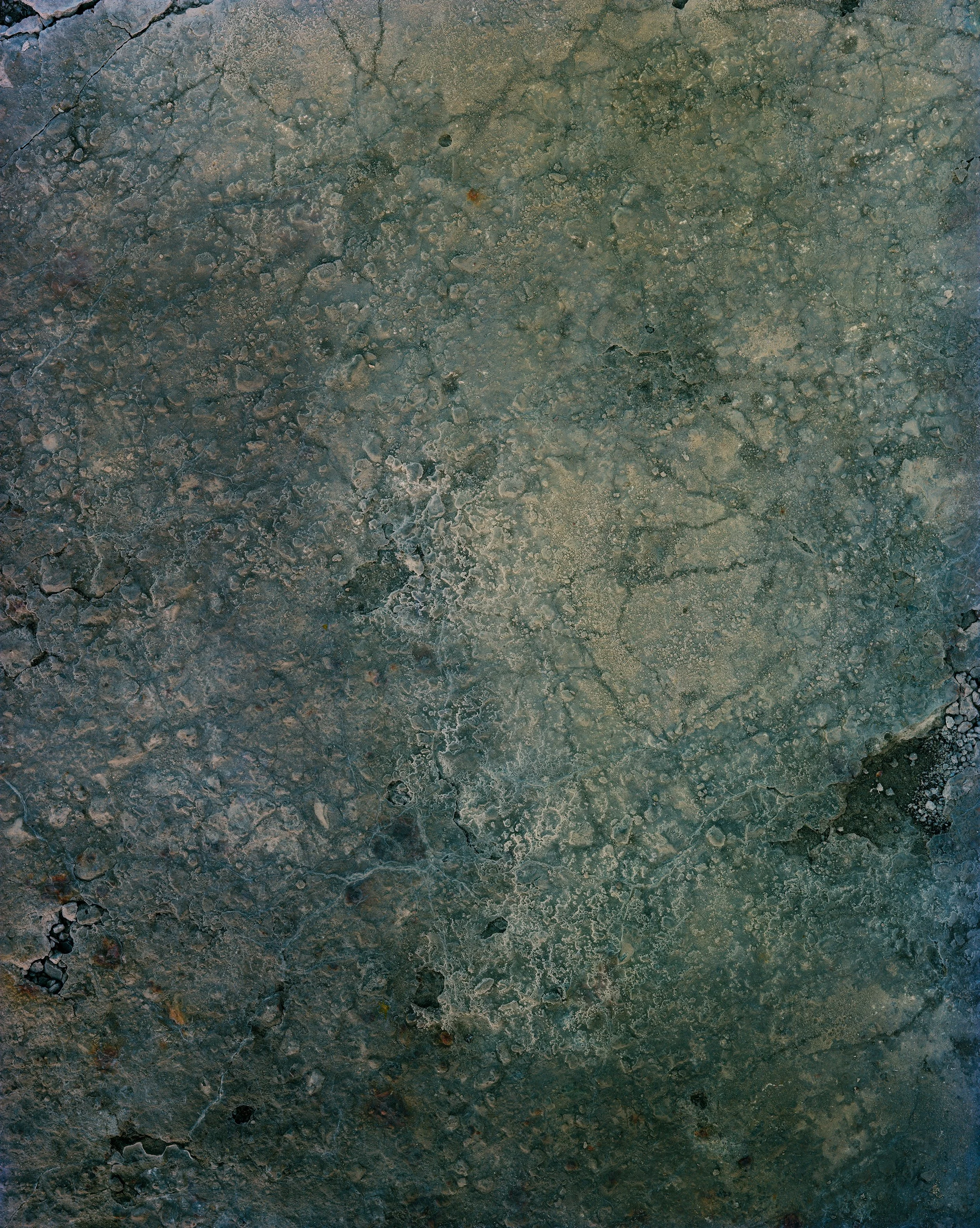
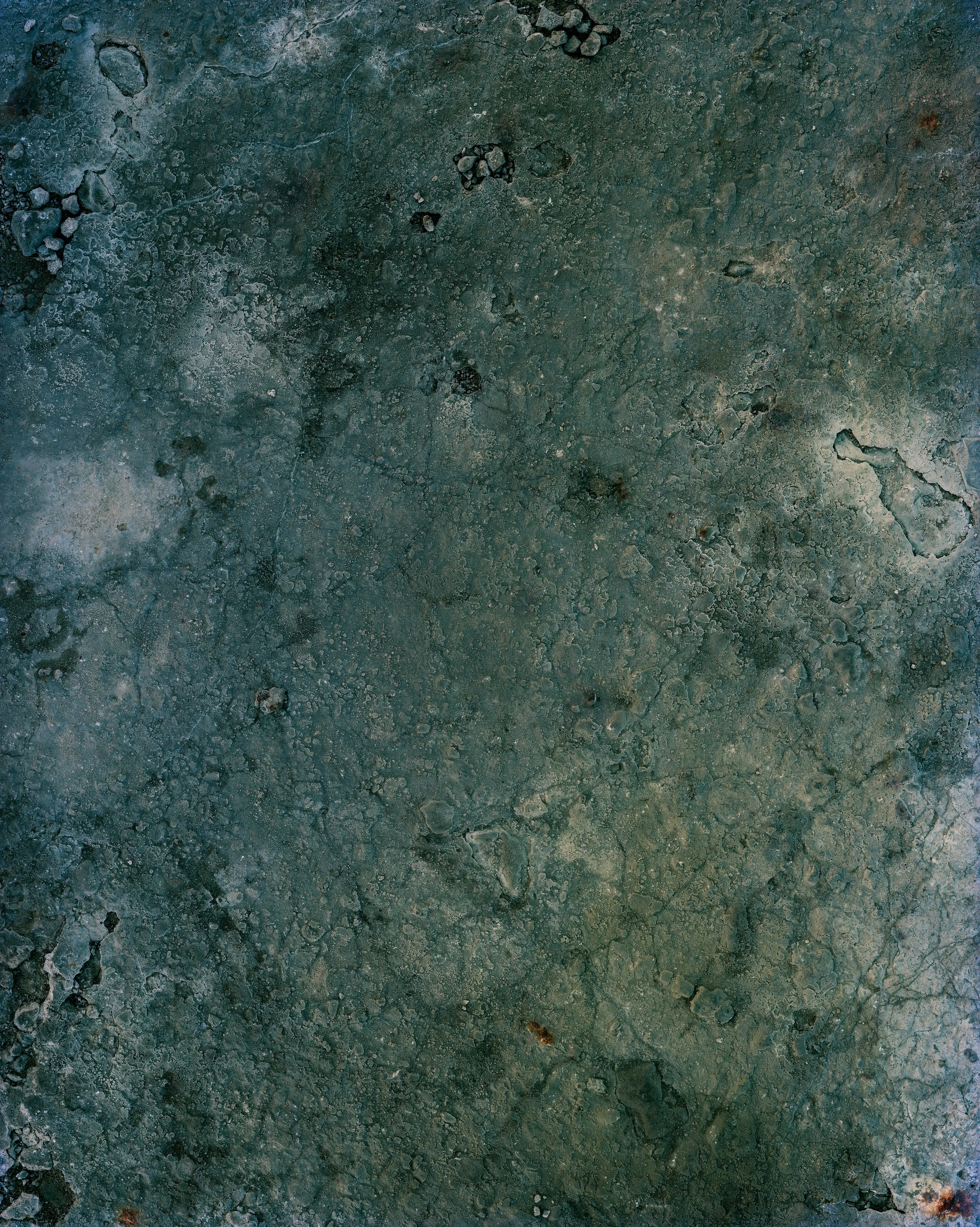
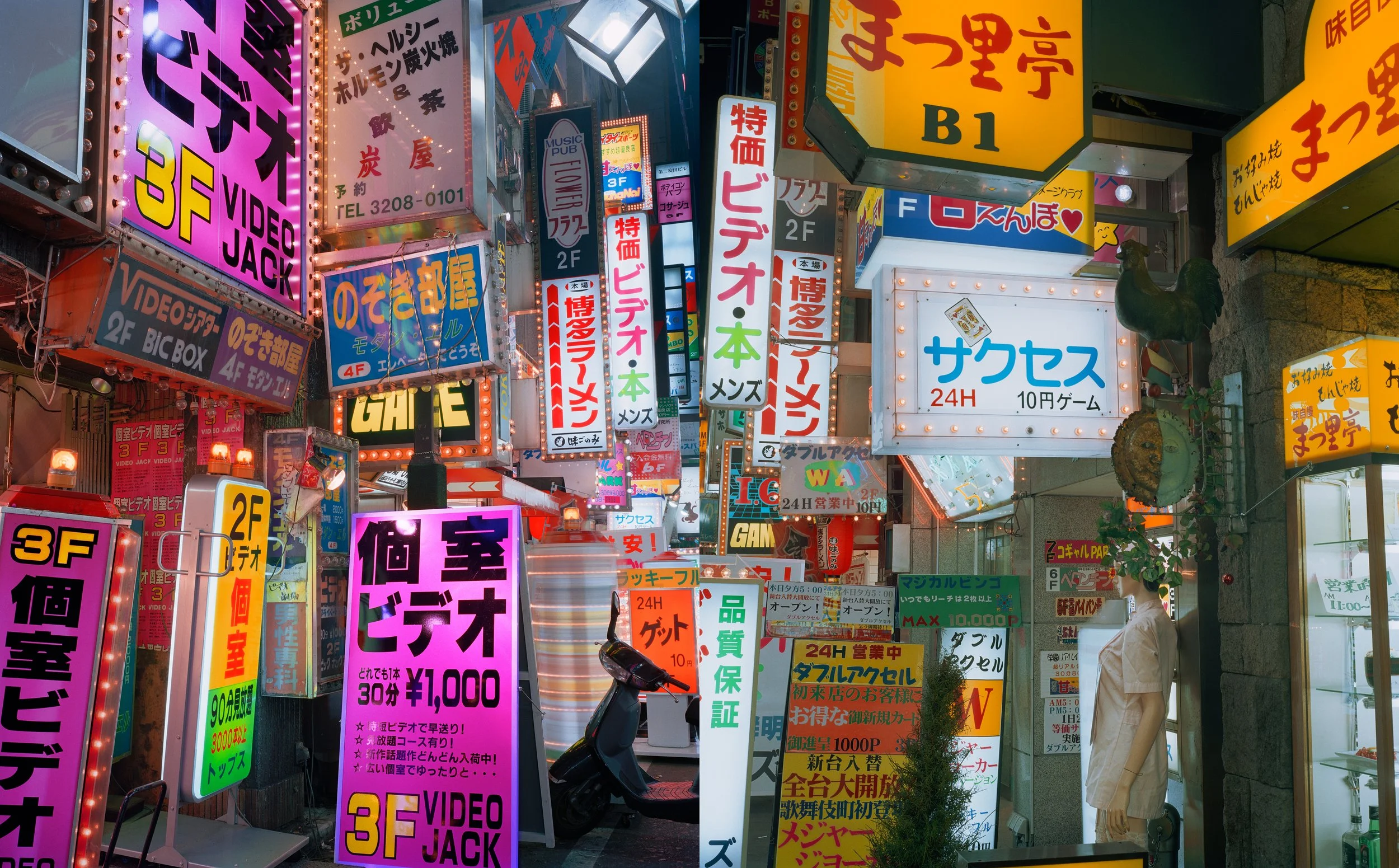
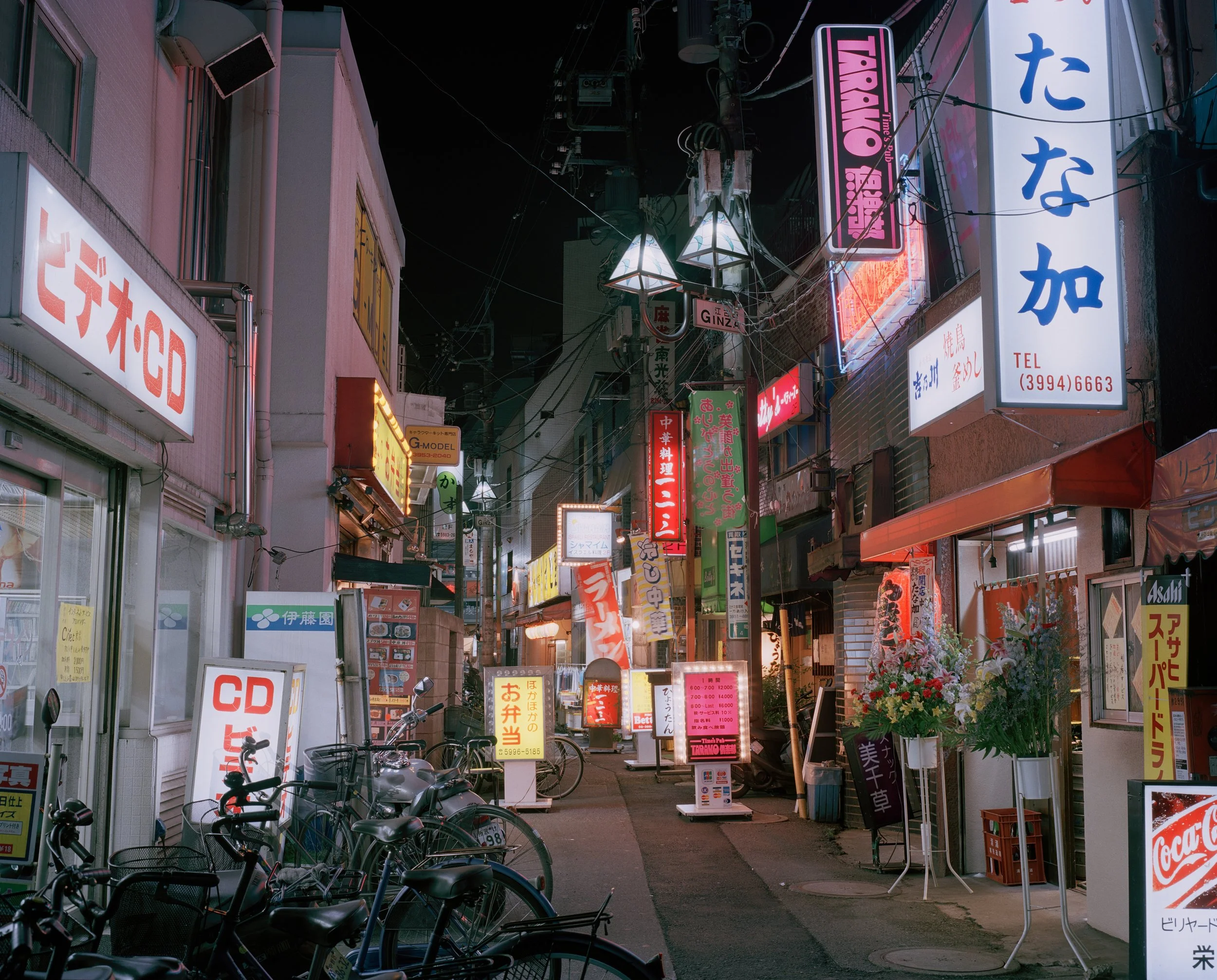
City Portraits is a comprehensive photobook by Shintaro Sato that brings together eight major series spanning his work from 1990 to 2025. The book covers Sato’s long-term projects about Tokyo and other Japanese cities, exploring everything from neon nights and reclaimed land to hidden architectural history and quiet streets.
It includes early works such as Flat City and Streetscapes, key series like Tokyo Twilight Zone and Risen in the East, and newer, previously unpublished images. Each series is accompanied by Sato’s own commentary, plus an essay by critic Osamu Ueno, offering insight into his evolving methods from straight photography to conceptual and digital collage. With 176 images across 220 pages, the book shows how Sato’s disciplined approach to composition and perspective reveals the layers, moods, and structures of the urban landscape. (Fugensha ,shashasha, Amazon)
Project Genesis: What made you decide to bring together 35 years of work spanning eight different series into one retrospective book?
My photographs range from abstract works to documentary ones, but they share a certain consistency. I felt that bringing all the series together in a single book was the best way to make that continuity visible.
Methodology Shift: Your work moves from abstract photography in "Flat City" to digital collage and documentary approaches. How do you decide which method fits each project?
It is difficult to give a simple answer. I feel that each subject and concept naturally demands its own method, and I try to respond to that necessity rather than impose a fixed style.
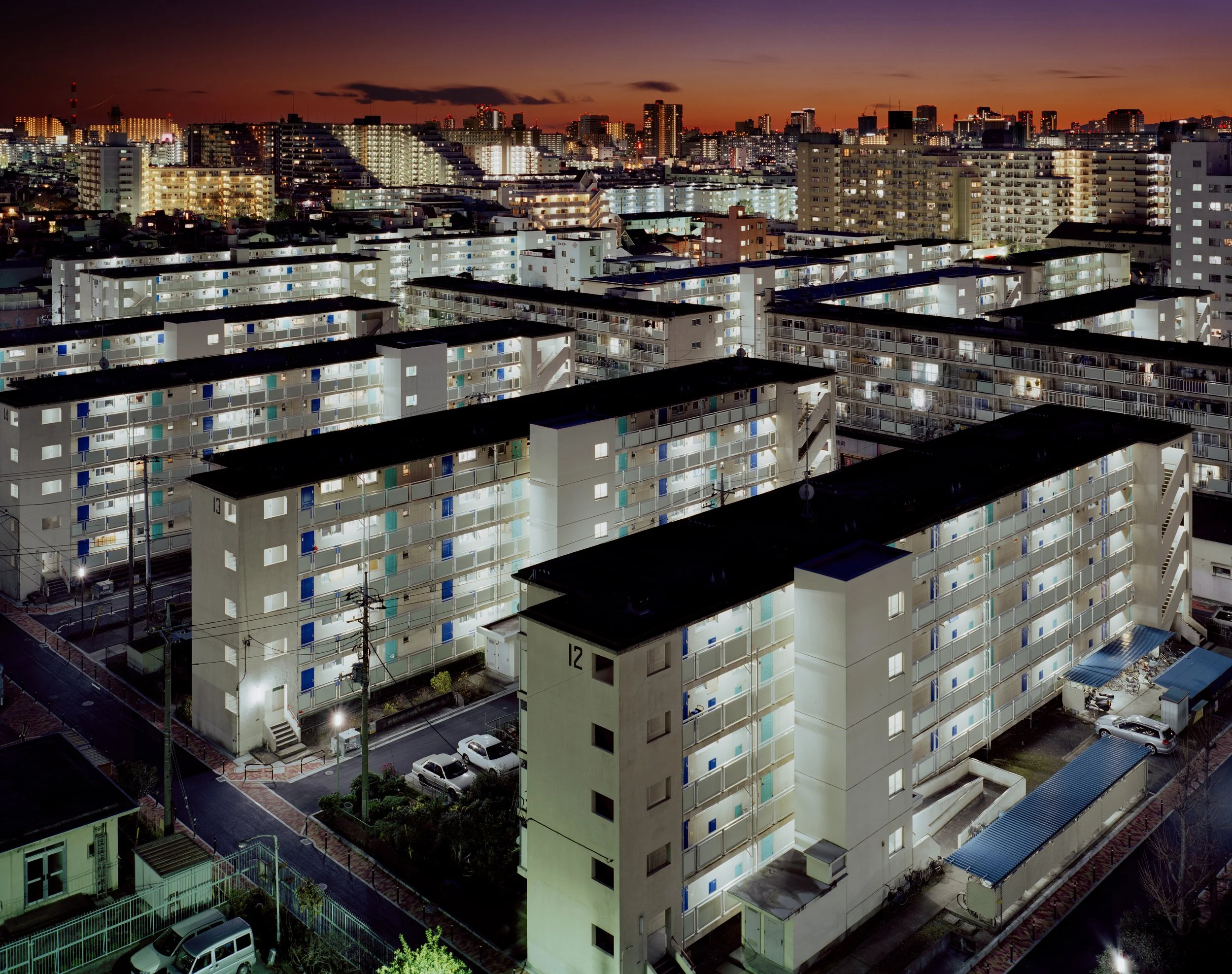
Fire Escape Technique: You shoot from fire escapes around the 10th floor rather than rooftops or street level. Why is this middle height important for capturing Tokyo?
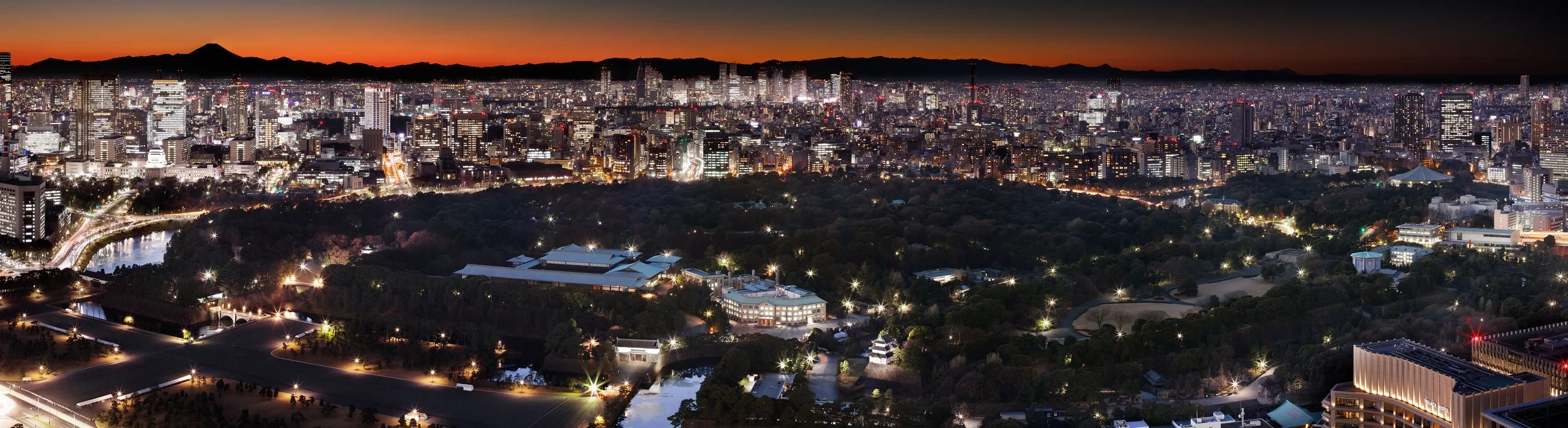
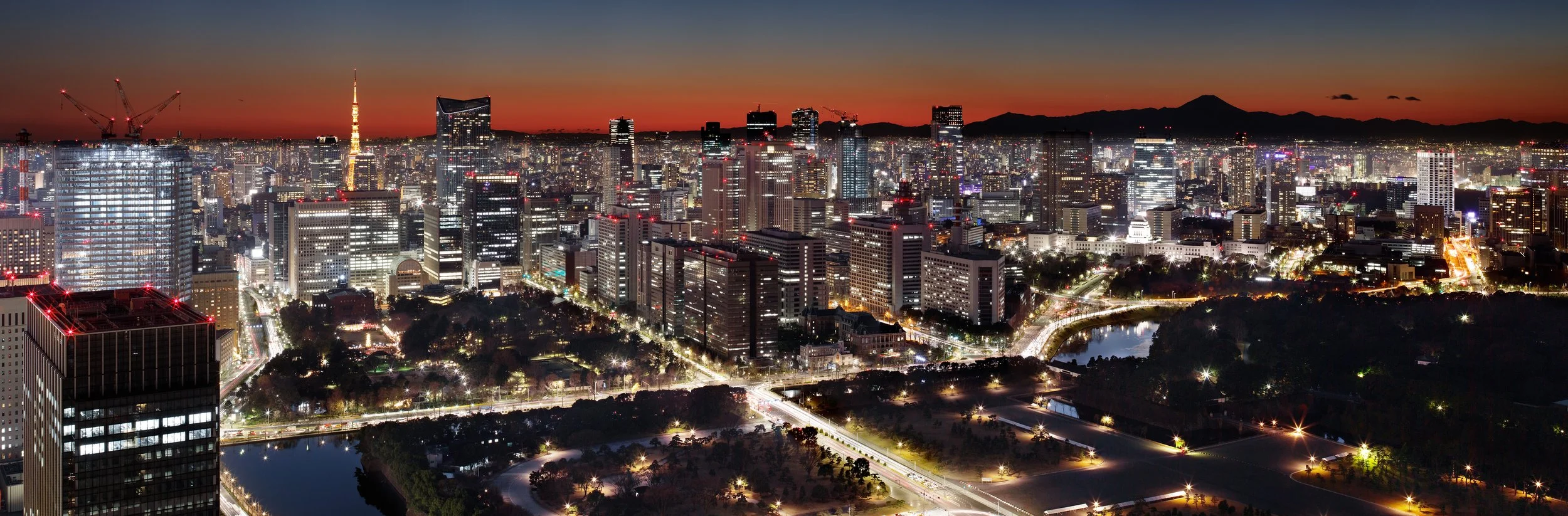
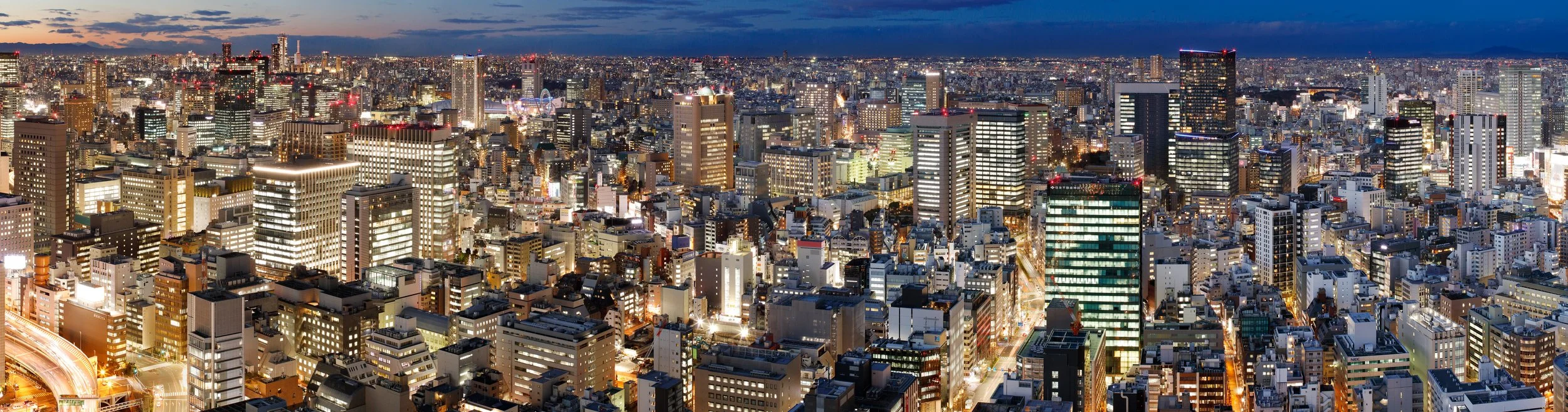
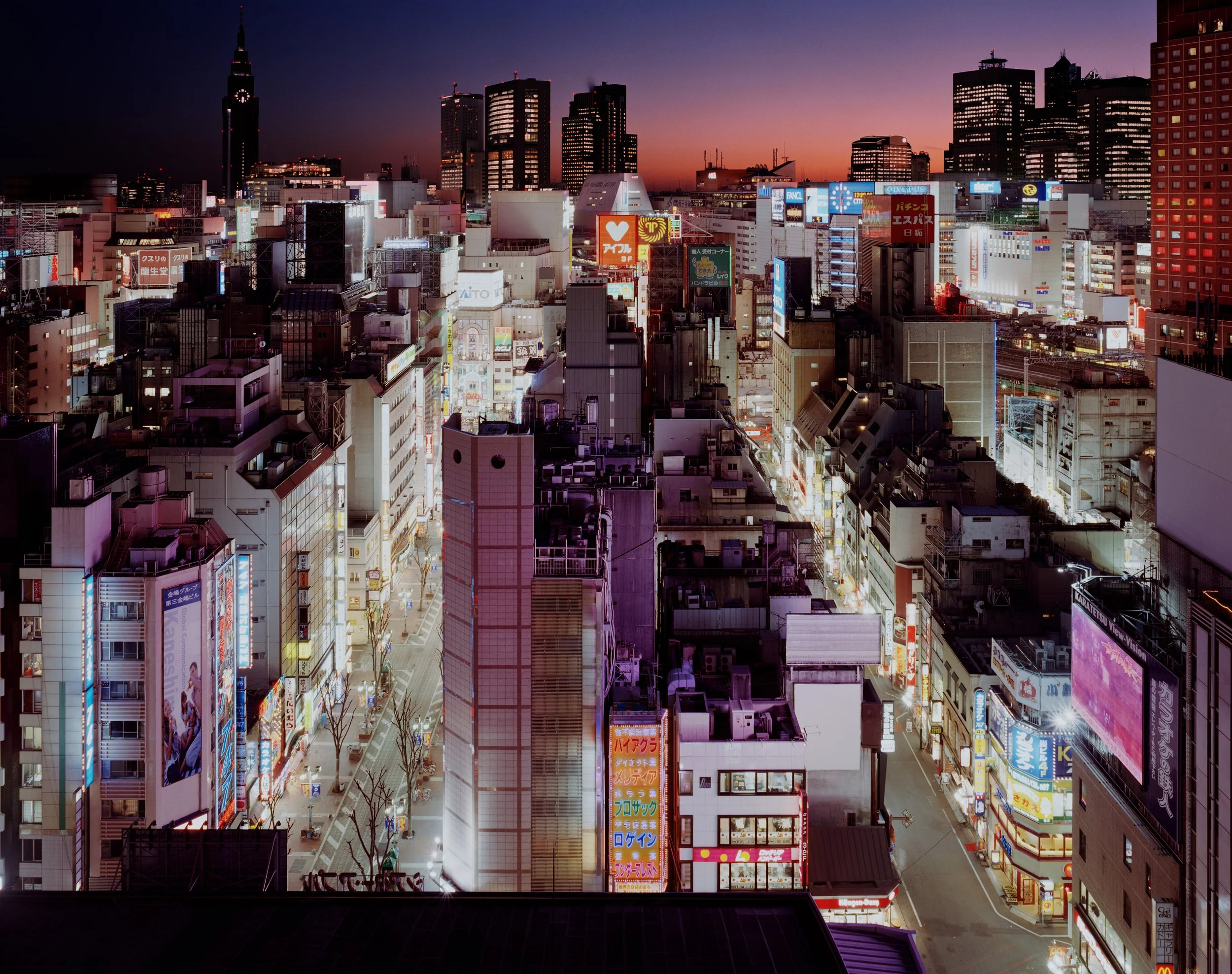
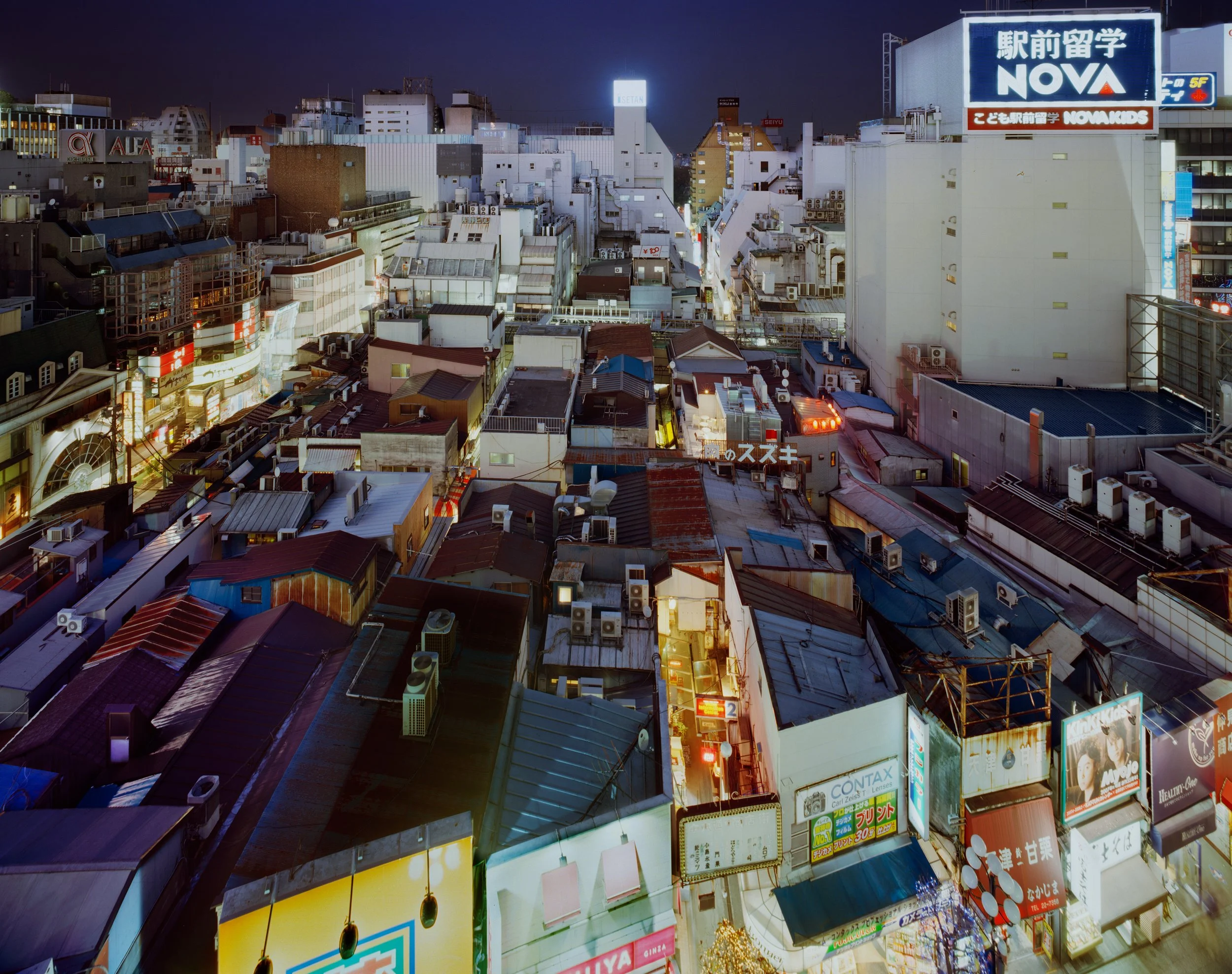
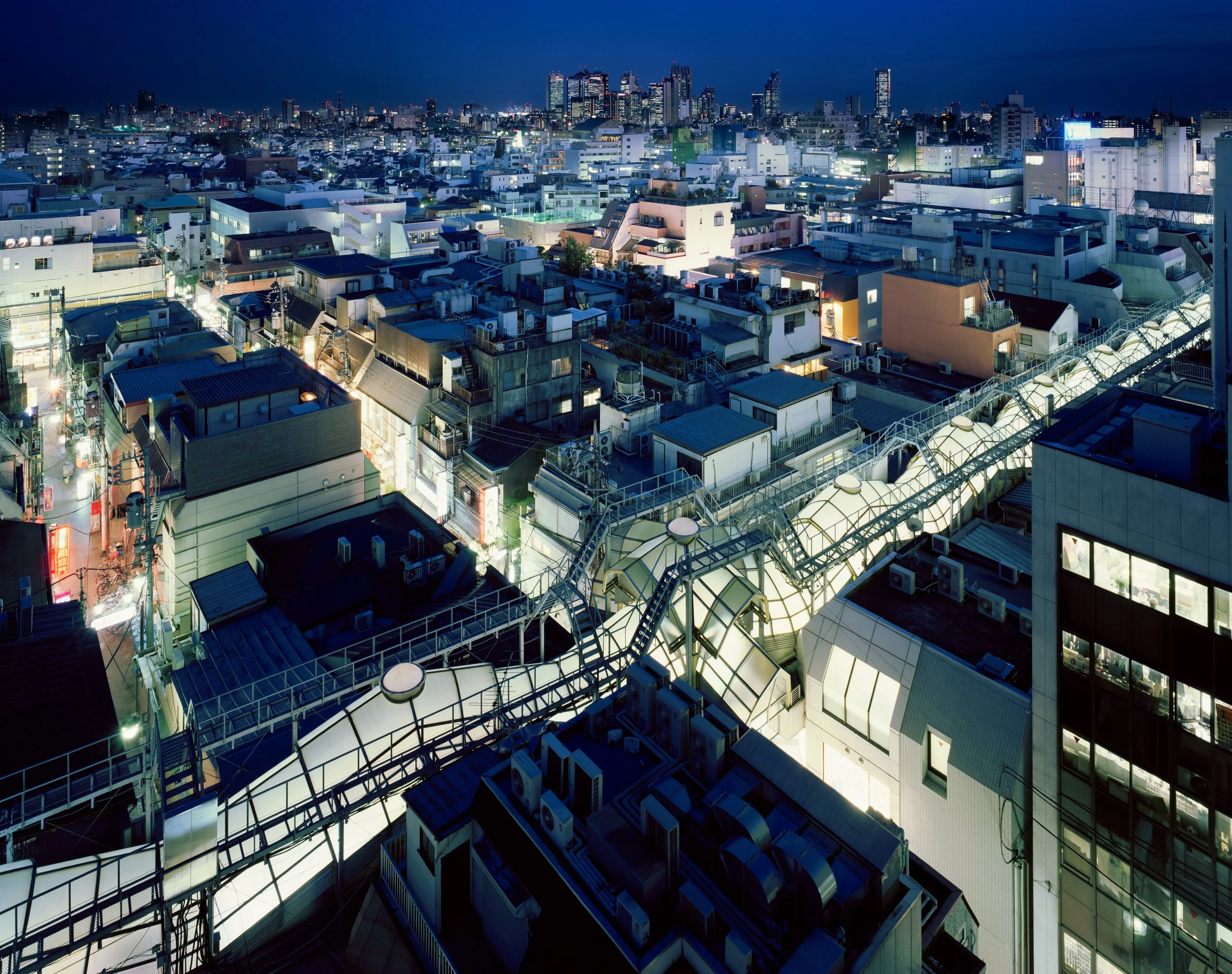
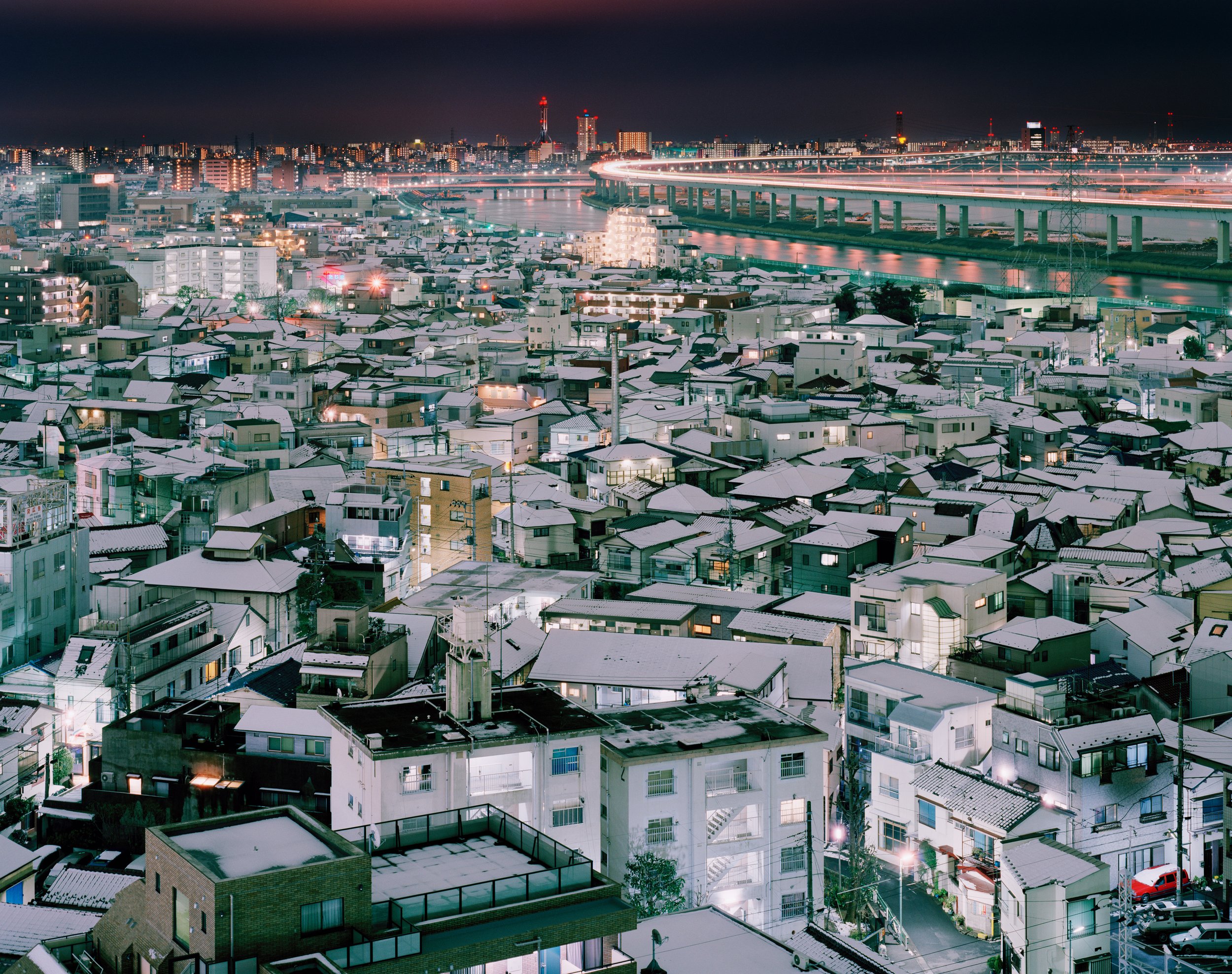
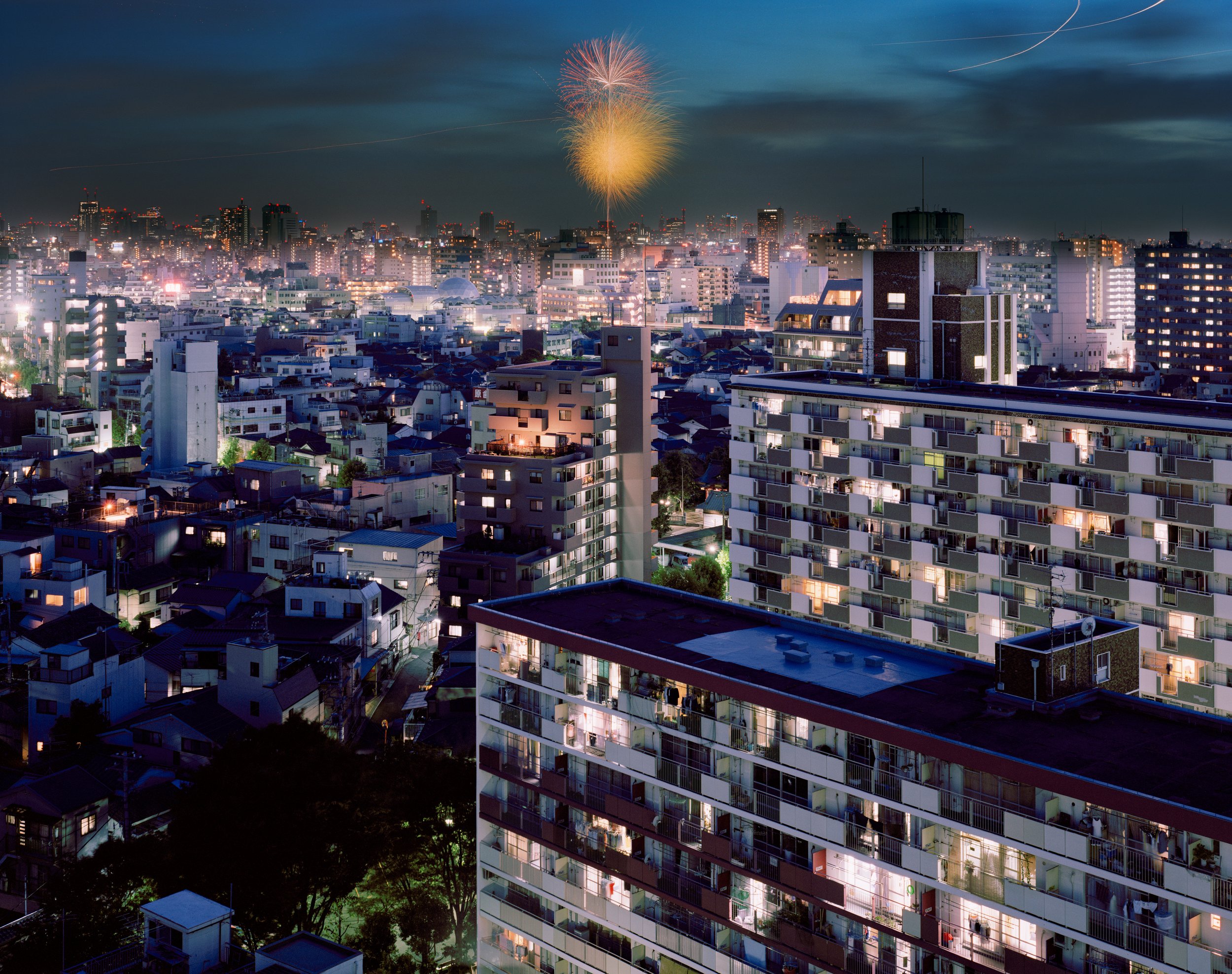
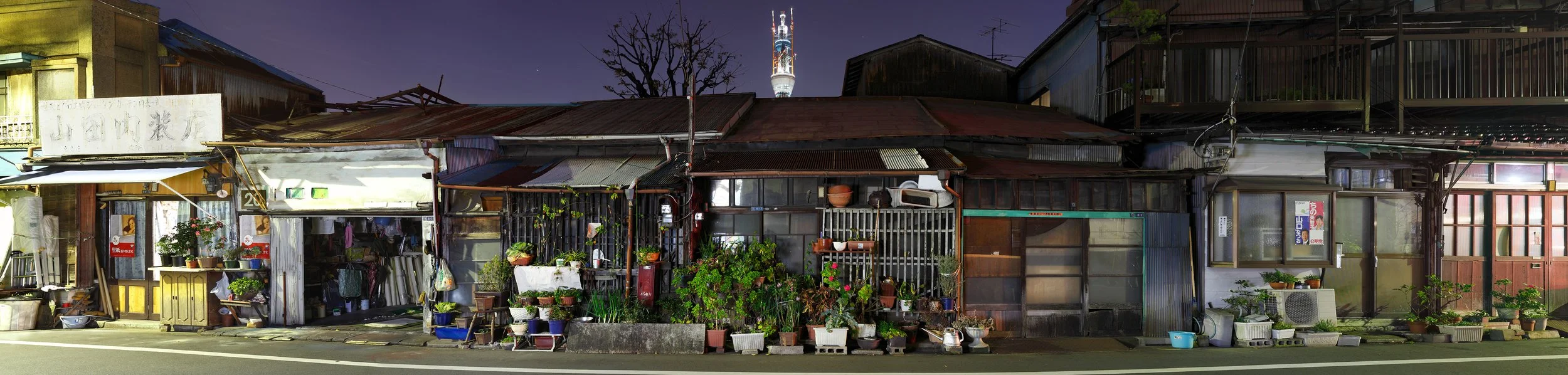
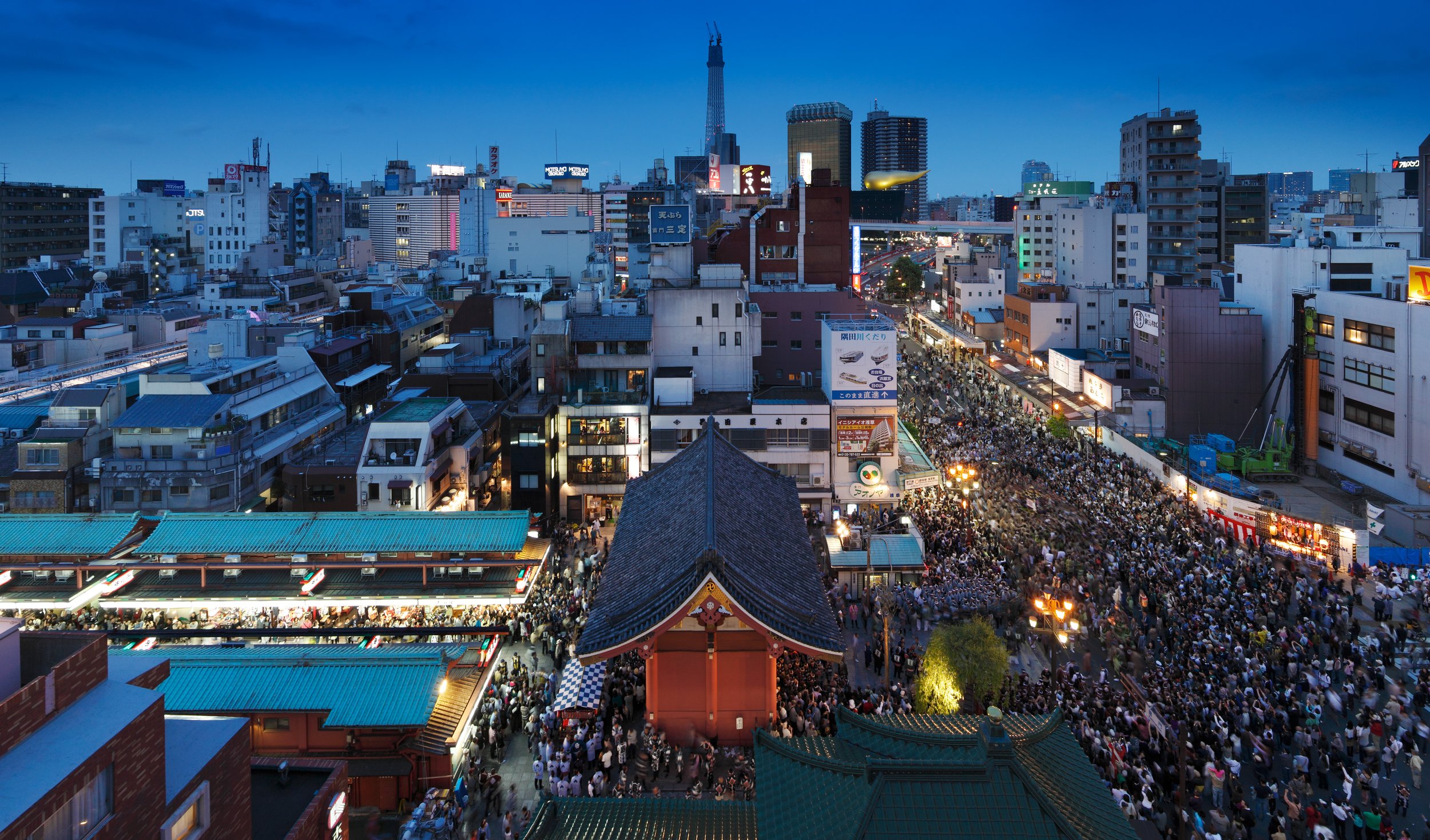
I sometimes work from rooftops as well, but fire escapes are especially important to me. They occupy a symbolic middle position, neither too high nor too low, and they often face the backstreets of the city. From there, the hidden layers of Tokyo come into view. At that height, I can see both the fine details of everyday life and the overall structure of the urban space at once.
Removing People: In "Night Lights" you covered your lens when people entered the frame during 30-second exposures. What does an empty city reveal that a populated one hides?
To clarify, I did not make a single 30-second exposure. I repeatedly covered the lens when people entered the frame and only exposed the film during moments when the scene was empty, accumulating a total exposure time of 30 seconds. The images created in this way present a deserted city that seems to continue functioning autonomously, as if humanity had disappeared and its original purpose had been lost.
Twilight Timing: You photograph during the transition from dusk to night when natural and artificial light mix. How do you find the right moment to capture this balance?
During that time, I usually made three exposures, at four minutes, eight minutes, and fifteen minutes. Rather than trying to calculate the perfect balance, I later chose the image that felt right to me.
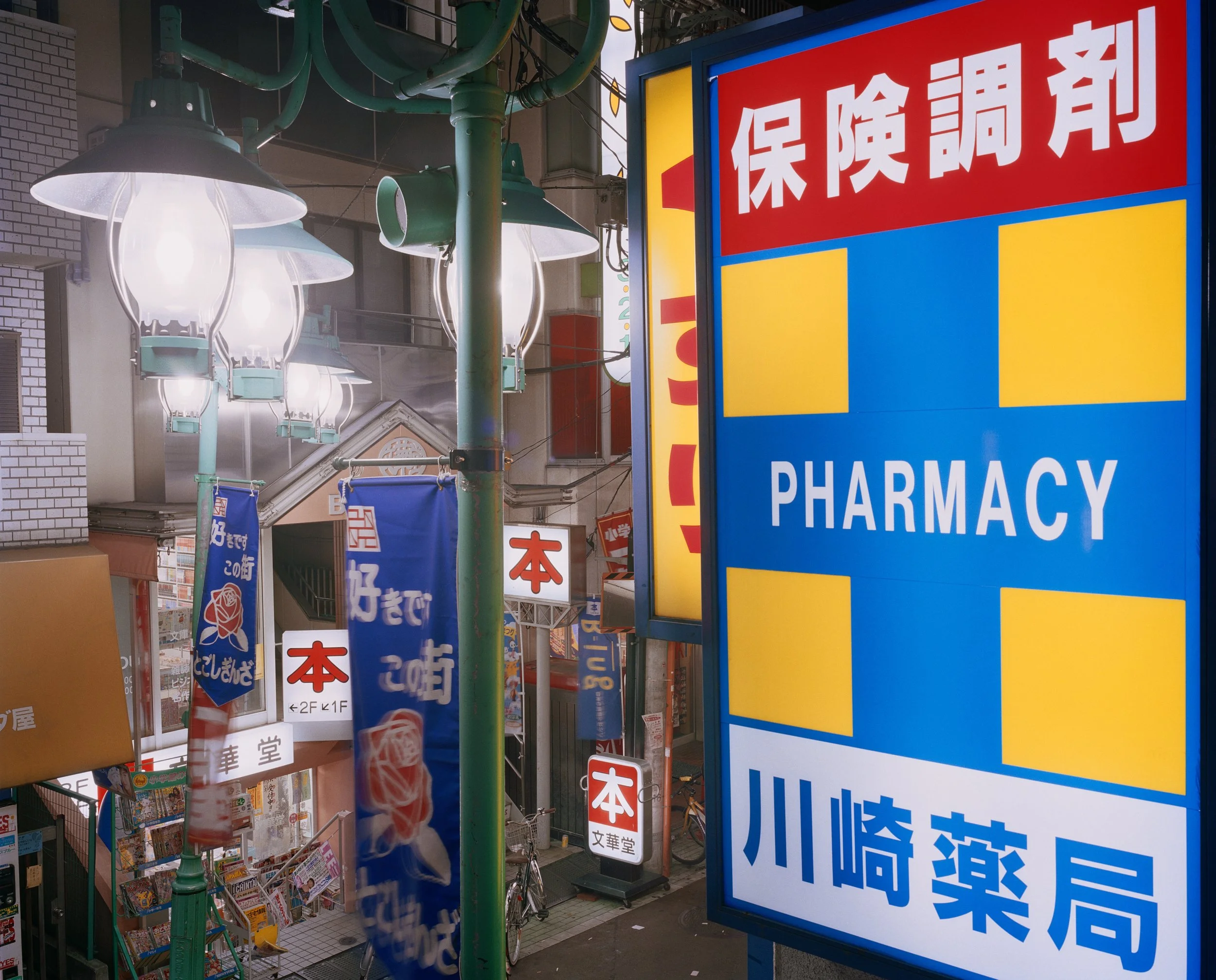
Unconscious Beauty: You talk about finding beauty in signboards and structures built for practical needs, not aesthetics. How do you train your eye to see this?
After graduating from university, I worked as a photographer for Kyodo News. The discipline of newspaper photography, its practicality, and its tight, economical framing, trained my eye. It taught me to see unintended beauty in things that exist purely for function.
Can you give me an example of something you photographed for the newspaper that later influenced how you approached your artistic work?
I don’t have a specific example in mind. It was the discipline of eliminating unnecessary space and focusing tightly on the subject that shaped my way of seeing, and that later led me to discover unintended beauty in things.
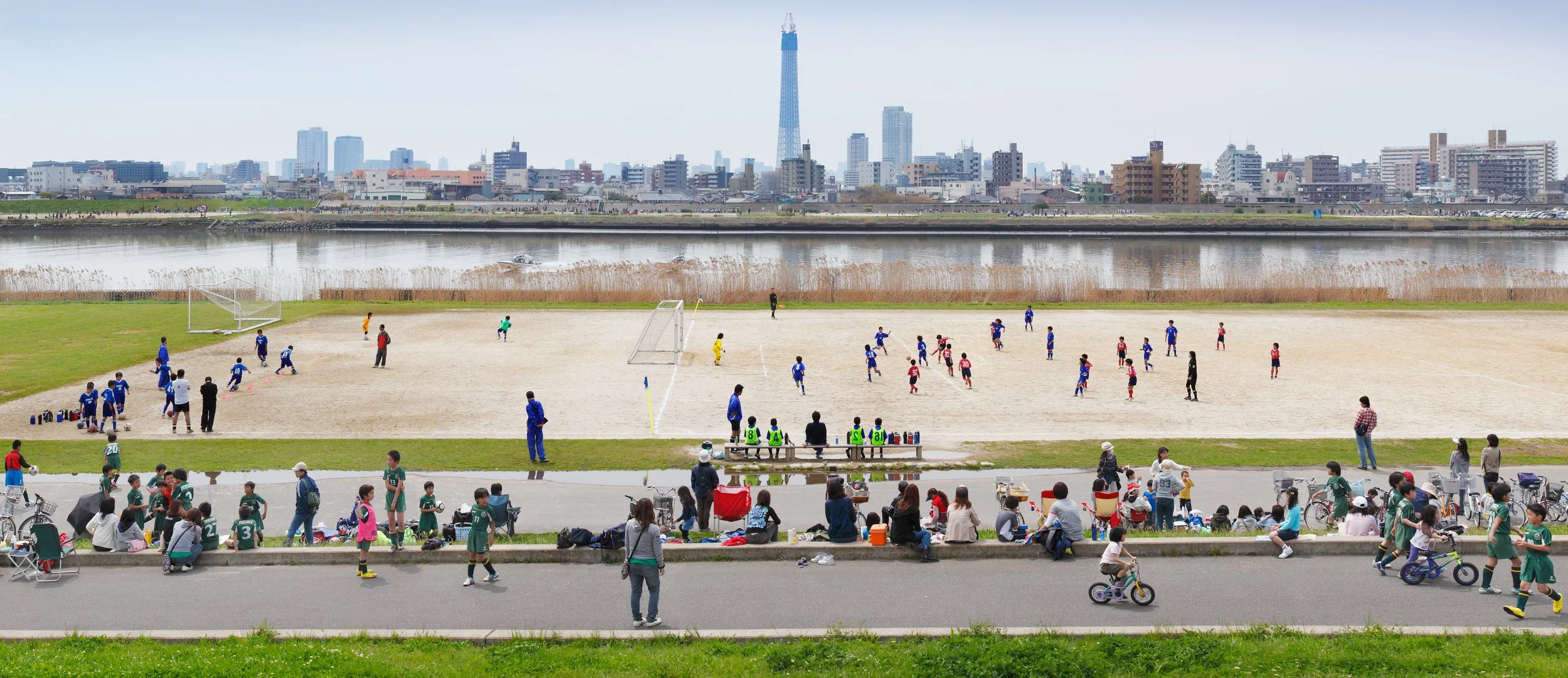
Composition Balance: In "Tokyo Twilight Zone" you kept the horizon line consistent across images. What does this repeated framing teach photographers about creating a unified series?
When developing a photographic series, it is important to maintain a certain distance from the subject. Keeping the horizon line consistent is one way to establish that distance and create a sense of unity across the images.
Genius Loci: Your work explores the spirit of place through geology, history, and atmosphere. How does understanding a location's past change how you photograph it?
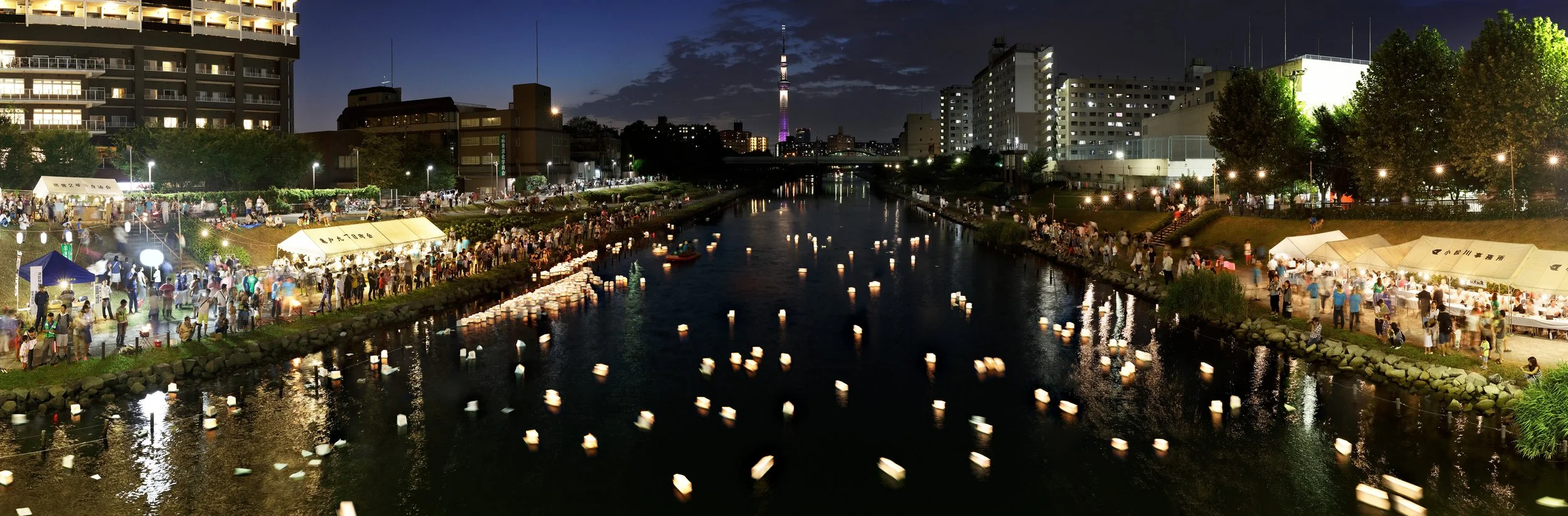
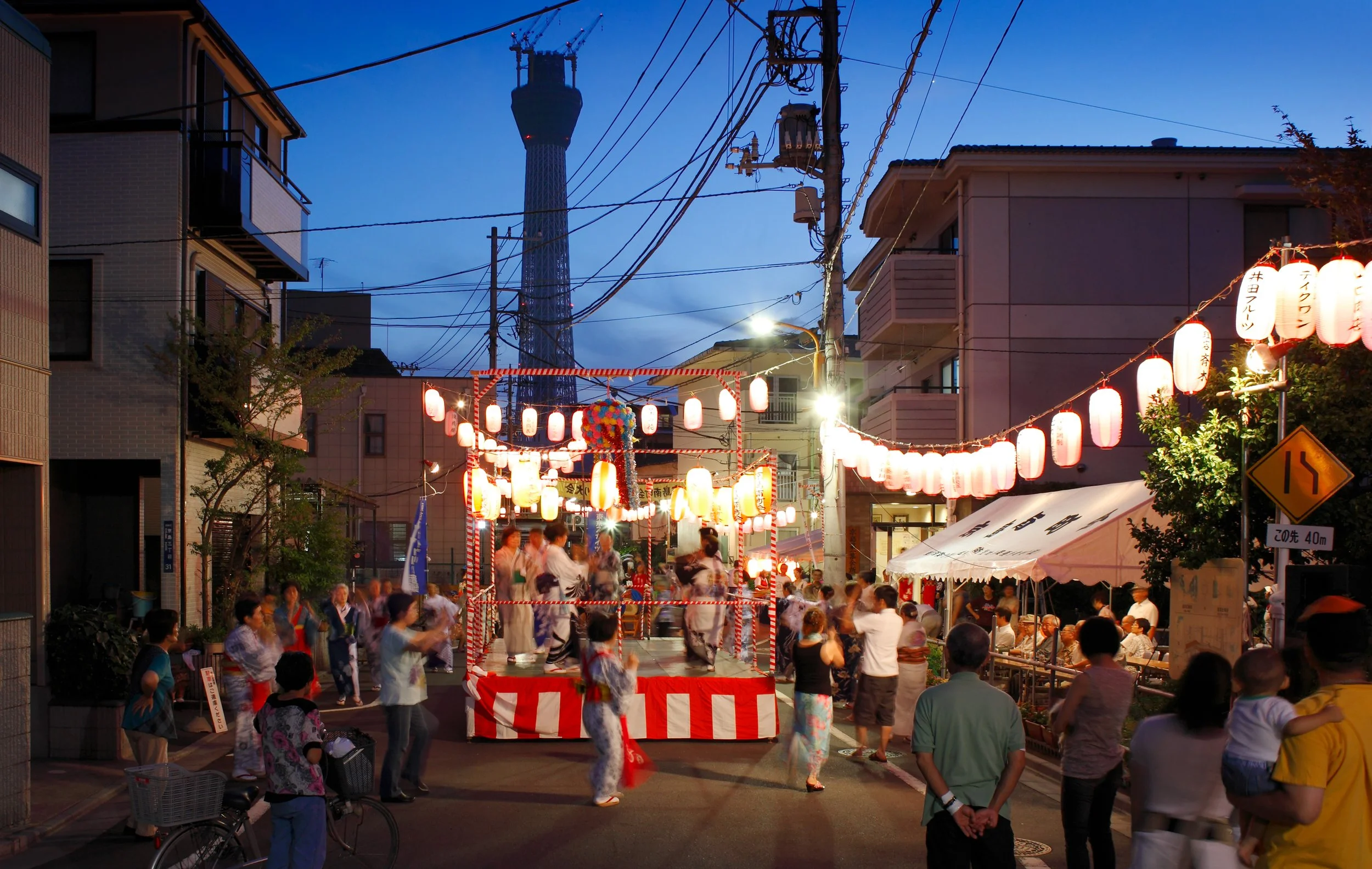
When I photograph cities, I sometimes perceive a distinct atmosphere, which I refer to as genius loci. Seen from a fire escape at dusk, the city can reveal a subtle flow in its structure, rooted in the original shape of the land. Human settlement has developed in response to that terrain, and through this accumulated history, each place acquires its own atmosphere. I photograph locations where I sense this underlying force.
When you talk about perceiving genius loci from a fire escape at dusk, I'm curious, is there a specific neighborhood or location in Tokyo where you felt this atmosphere most strongly? What made that place reveal itself to you?
In Tokyo Twilight Zone, my main subject was the eastern part of Tokyo. I believe the reason I feel a distinct atmosphere there is closely connected to the fact that I was born and grew up in that area. East Tokyo has also experienced devastating earthquakes and wartime air raids, and I think this history is what makes the place feel special to me.
Looking back at three decades of photographing Tokyo, has the city's genius loci changed? Or have you simply learned to see different layers of it?
Genius loci is closely connected to the character and history of the land itself. While Tokyo has changed through redevelopment, I feel that some places still retain their original genius loci, and that I have learned to perceive different layers of it over time.



More photography books?
We'd love to read your comments below, sharing your thoughts and insights on the artist's work. Looking forward to welcoming you back for our next [book spotlight]. See you then!
The past became visible once Richards learned where to look. For The Inner Passage, Virginia McGee Richards spent fifteen years photographing a waterway in the South Carolina Lowcountry. Photography Book Spotlight