Wahala: How Robin Hinsch’s Global Journey Reveals the Violence Behind the Oil and Coal We All Use
Welcome to this edition of [book spotlight]. Today, we uncover the layers of 'Wahala,' by Robin Hinsch (published by GOST Books). We'd love to read your comments below about these insights and ideas behind the artist's work.
Robin Hinsch is currently working on a new book, Lonely Are All the Bridges, a visual reflection on the war in Ukraine, displacement, and survival. The project is now live on Kickstarter.
Not every moment should be photographed, and knowing which is which takes courage.
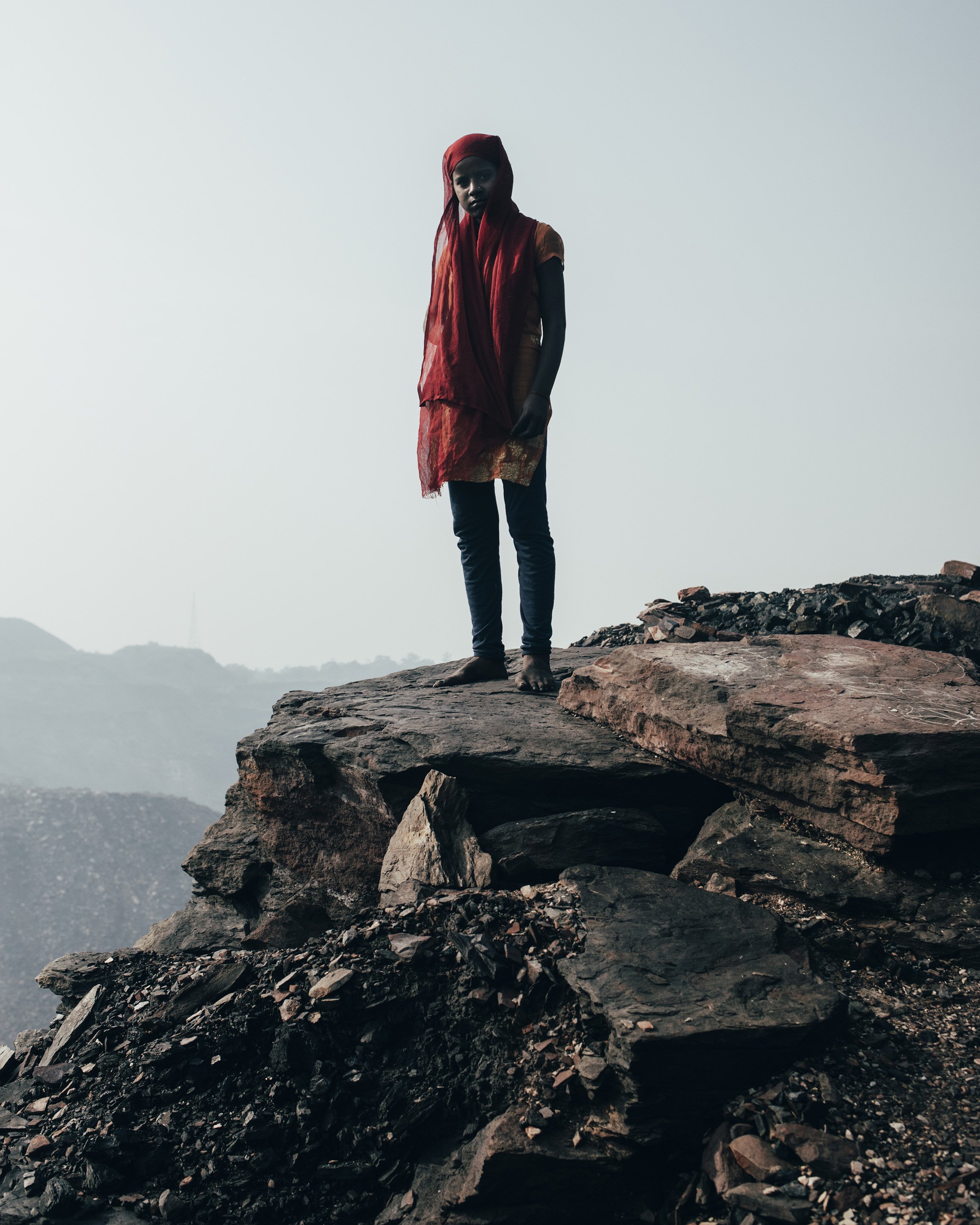
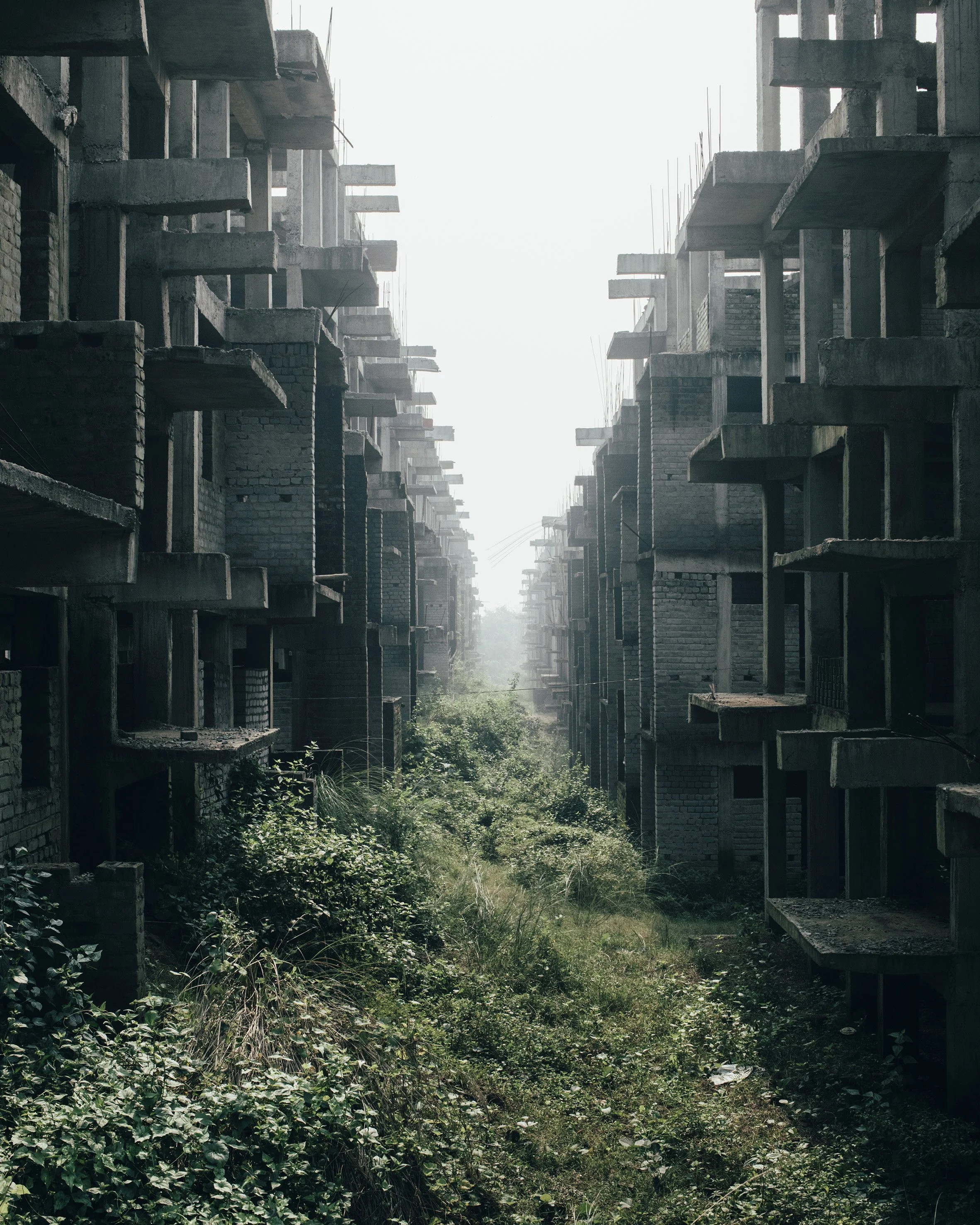
Robin Hinsch’s project Wahala shows the hidden cost of oil, coal, and gas in places most people never see. He worked in Nigeria, India, Germany, and Poland, photographing sites where fossil fuel extraction has damaged land, lives, and communities. The result is a book that feels honest, uncomfortable, and urgent. It doesn’t give easy answers, but it makes you stop and think.
This is for anyone who wants to understand how photography can deal with complex global problems.
Hinsch is not trying to be neutral. He is trying to be responsible. He talks openly about power, about complicity, and about when not to take a photo. He also shows what it means to care about the people and places you’re documenting. This interview is about making difficult work, asking better questions, and facing the truth—even when it’s hard.
The book
Wahala is a long-term photographic project by Robin Hinsch that examines the global consequences of fossil fuel extraction across Nigeria, India, Germany, and Poland. Combining stark landscapes with human encounters, the work traces the environmental and social cost of coal, oil, and gas. It focuses not only on the sites of destruction but also on the systems that connect them.
Published by GOST Books, Wahala blends documentary and artistic strategies to challenge traditional narratives of resource exploitation, complicity, and power. The book was developed in close collaboration with local activists and journalists, and it aims to confront viewers with the violence often hidden behind global energy consumption.
(GOST Books, Amazon)
Crossing Borders: In "Wahala," you've documented landscapes and communities across Nigeria, India, Germany, and Poland. What inspired you to embark on such a geographically and thematically diverse project?
The idea behind Wahala was to explore the global interconnectedness of fossil fuel extraction and its human and ecological consequences. I wasn’t interested in telling a local story in isolation—I wanted to show how deeply entangled and systemic the issues are. Whether it's the oil fields of the Niger Delta, coal mines in India, or lignite pits in Germany and Poland, each site represents a different face of the same global addiction to fossil fuels.
I was particularly drawn to the contrast between the places where these resources are extracted and the places where they’re consumed. There’s often a huge geographical and emotional distance between the two. By crossing borders—literally and figuratively—I hoped to bridge that gap and encourage viewers to see the bigger picture: that these seemingly distant places are part of a shared, destructive system. The diversity wasn’t just aesthetic—it was necessary to fully grasp the scale and complexity of the crisis.
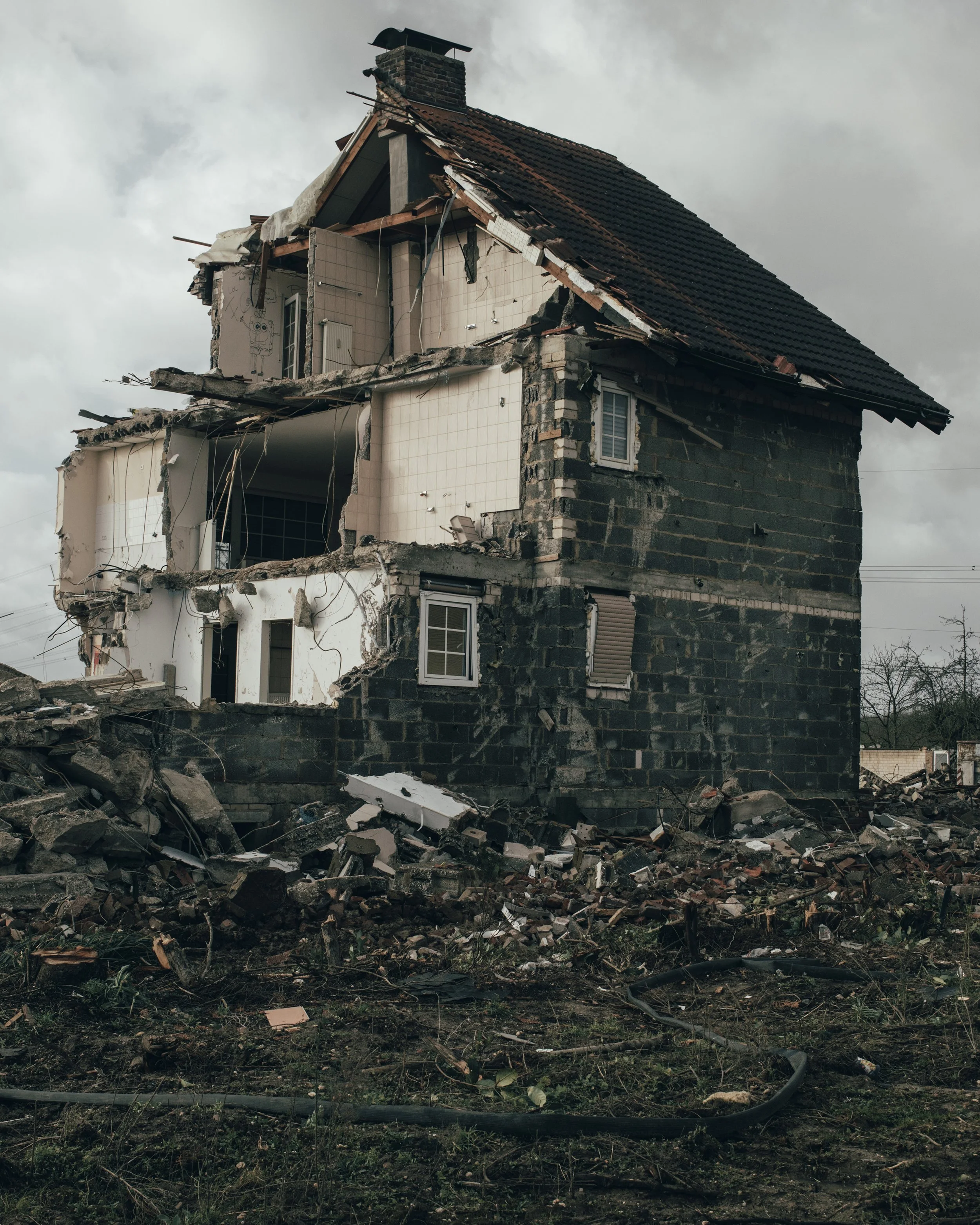
Did your experience moving between these vastly different geographies shift how you see your own place within that global system? How did it affect your sense of responsibility as both artist and consumer?
Moving between these different geographies—between devastation and excess, between extraction zones and zones of consumption—forced me to confront my own position within the very system I'm trying to critique. There’s no neutral ground. I travel, I consume, I benefit. And as an artist, I’m also part of a larger cultural economy. This realisation didn’t paralyse me, but it did change how I approach the work. It made me more careful, more questioning—not only of what I photograph, but how and why. The images reflect something out there, but they also implicate us, the viewers, and of course the makers. So the sense of responsibility has deepened. It’s not just about documenting injustice—it’s about recognising complicity, and holding space for that discomfort. I don’t believe in purity or moral distance. What matters is how we navigate that entanglement—ethically, politically, and artistically.
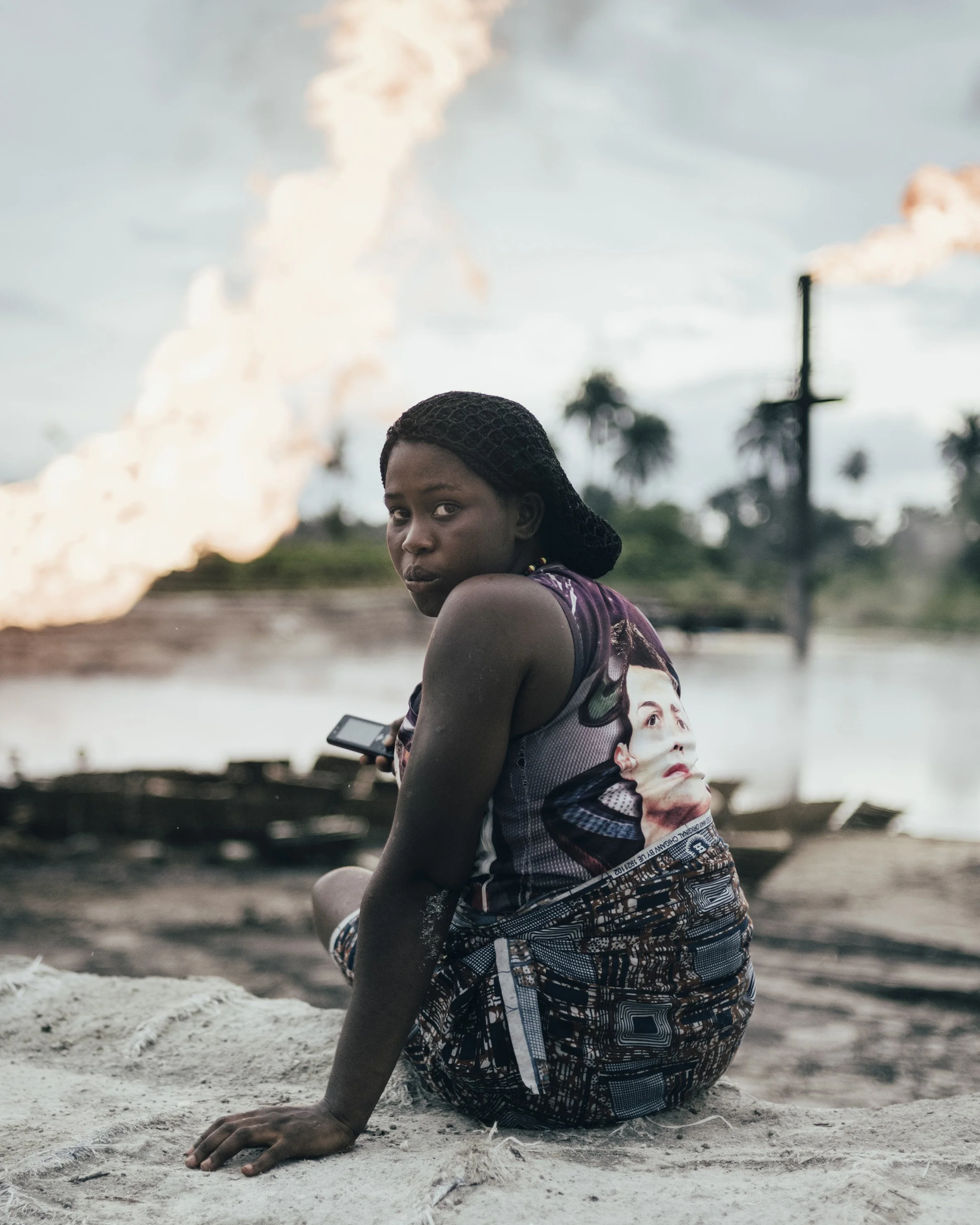

Visual Narratives: Your work shifts between various types of imagery, creating a disorienting yet compelling narrative. How do you decide which moments to capture, especially given the complex contexts of fossil fuel extraction?
I’m less interested in creating a linear, explanatory narrative and more in evoking an emotional and psychological response. The disorientation is intentional—it reflects the chaos, the violence, and the moral ambiguity embedded in these images. In my work, I try to avoid simplicity or linearity. In Wahala, I try to make space for different ways of approaching a deeply complex present. We live in a time where almost everything can be said, explained, categorised, or, let’s say, people think they can. Especially in these overwhelmingly populist times, it is important to disrupt the discourse and make complexity visible.
The images I make don’t offer solutions. They open up fragments of personal, societal, and spatial processes—not to clarify them, but to expose their entanglement. I want to make, as already said above, complexity visible, not dissolve it.
How do you decide when an image contributes to that complexity rather than reinforcing familiar visual tropes? Have you ever discarded a strong photograph because it felt too explanatory?
I’ve discarded many photographs that might have been strong in a conventional or formal sense, but felt too closed, too explanatory, or too easily decoded. For me, a successful image is one that resists immediate clarity. It should provoke questions rather than deliver answers. If an image feels like it wraps a complex situation into a neat visual metaphor, I usually step away from it.
There’s always a tension between aesthetic strength and conceptual ambiguity. Some tropes—especially in "documentary style" photography—carry a seductive visual power but risk flattening the subject. They reaffirm what we think we already know. That’s something I try to avoid. I ask myself: Does this image open up space for uncertainty? Does it destabilise the viewer’s perspective, or does it confirm it?
So the process becomes one of constant negotiation—between presence and distance, between aesthetics and ethics. I try to stay sensitive to the weight an image carries, and to the potential for harm or reduction. Sometimes that means letting go of photographs that might be visually compelling but narratively limiting. Complexity often lies in what is unresolved.
Collaborative Process: You collaborated with activists and journalists like Pinaki Roy and Fyneface Dumnamene. How did these collaborations shape the project, and what was the impact of their insights on your work?
These collaborations were absolutely essential to Wahala. Their knowledge, their lived experience, and their ongoing activism gave me access not just to places, but to deeper layers of context, meaning, and responsibility.
Challenges and Rewards: Travelling to areas impacted by ecological degradation and human exploitation must present unique challenges. Could you share a particularly challenging moment from your travels and how you navigated it?
One of the more challenging moments was working in the Niger Delta, where oil spills are a regular part of daily life. Being confronted with that level of environmental destruction, and the way it becomes normalised in people’s everyday surroundings, was difficult to process.
The challenge for me wasn’t only about physical access or safety—it was about how to approach the situation with the necessary respect and clarity. How do you photograph something like that without simplifying it, or without reproducing the same visual clichés? In those moments, I try to stay aware of my position and take cues from the people I’m working with—journalists, activists, and local residents. It’s important to keep asking yourself what you’re doing there and why. That kind of self-questioning is an essential part of the process for me.
Technical Aspects: Your images have a cinematic quality, with dramatic landscapes and intense atmospheres. Could you discuss your approach to composition and lighting, especially in such varied environments?
The cinematic atmosphere probably comes from my interest in using photography not just to document, but to create a certain emotional weight. I pay close attention to how space, light, and scale interact—and how those elements can convey something beyond the immediate subject. Compositionally, I try to build images that suggest something happening outside the picture as well—something unresolved. I’m not aiming for perfection or classical balance, but for an atmosphere that reflects the instability of the places I’m working in.
Human Connection: Despite the broader ecological and socio-economic themes, there's a profound human element in your photographs. How do you approach photographing people in these sensitive contexts?
Photographing people in these contexts requires a deep sense of respect and awareness. The people are often living in difficult, sometimes dangerous situations, and I’m aware of the power dynamics at play. I approach people not as subjects to be captured, but as collaborators in a shared space. The goal isn’t to reduce their experience to a single image, but to convey something of their resilience, complexity, and agency within these broader systems.
I spend time with people before taking photographs—engaging with their stories and perspectives. This is crucial in building trust. It's also important to be mindful of how I represent them. It’s a fine balance between working on the impact of larger systems and honouring the individual’s voice and presence. The human element isn’t just a subject matter; it’s what anchors the work in a real, lived experience, which is what I hope resonates with the viewer.
Are there specific conversations or moments of connection that changed how you approached the broader narrative of Wahala? How do those human exchanges shape what you choose to show or leave unseen?
Yes, there were several encounters that changed how I view the world—and the work. These moments often influence what I choose to show, and just as importantly, what I choose to leave out. Sometimes the most responsible decision is not to take a picture. Human connection plays a central role in that process. It keeps me aware that I’m not the sole author of the narrative. The people I meet aren’t passive subjects; their perspectives, their presence—and sometimes their refusal—shape the work in ways that go beyond the frame. Approaching them as collaborators means staying open, listening carefully, and being ready to let go of preconceived ideas. It’s a process of constant adjustment—and of acknowledging that I’m working within a shared space, not just observing it.
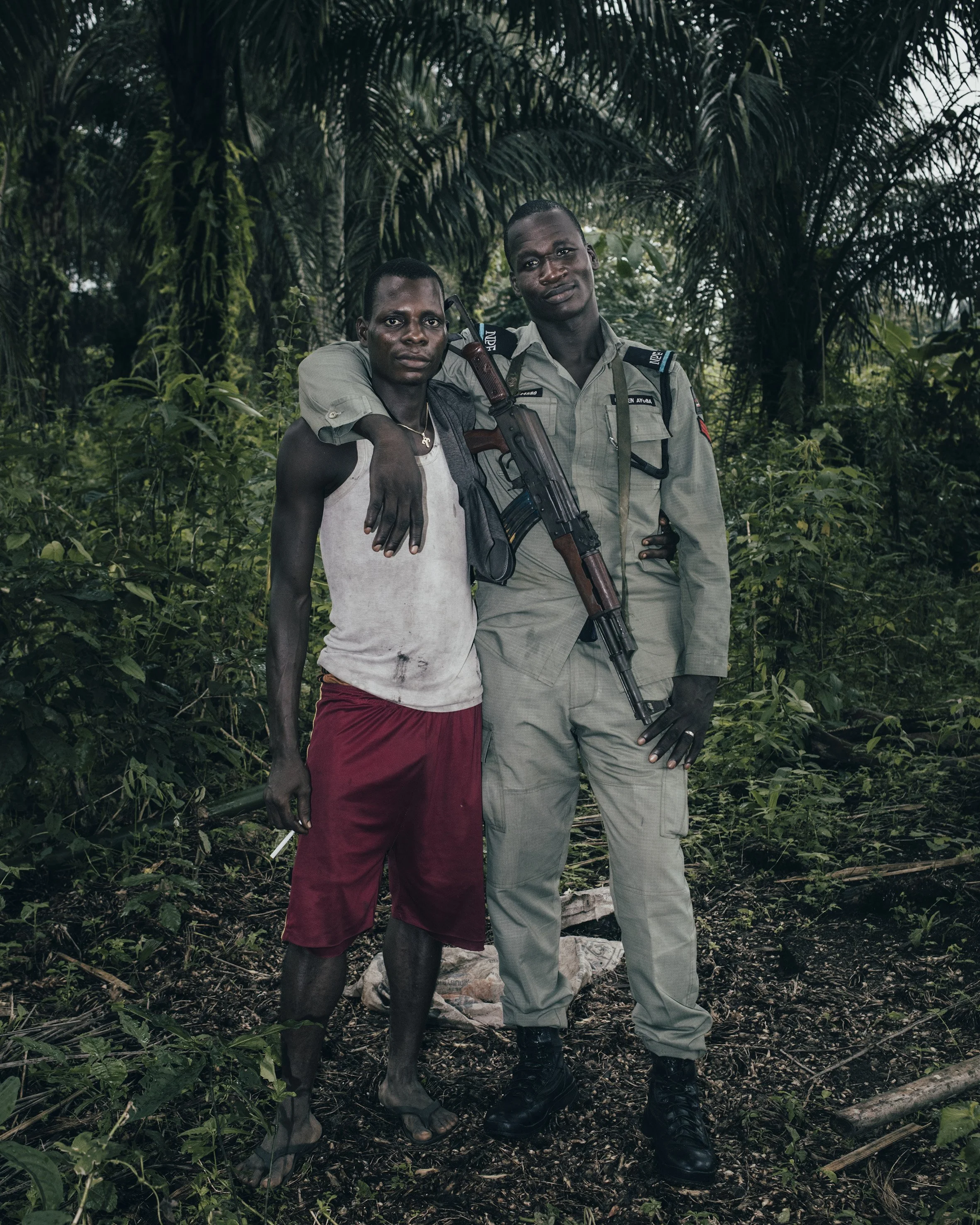
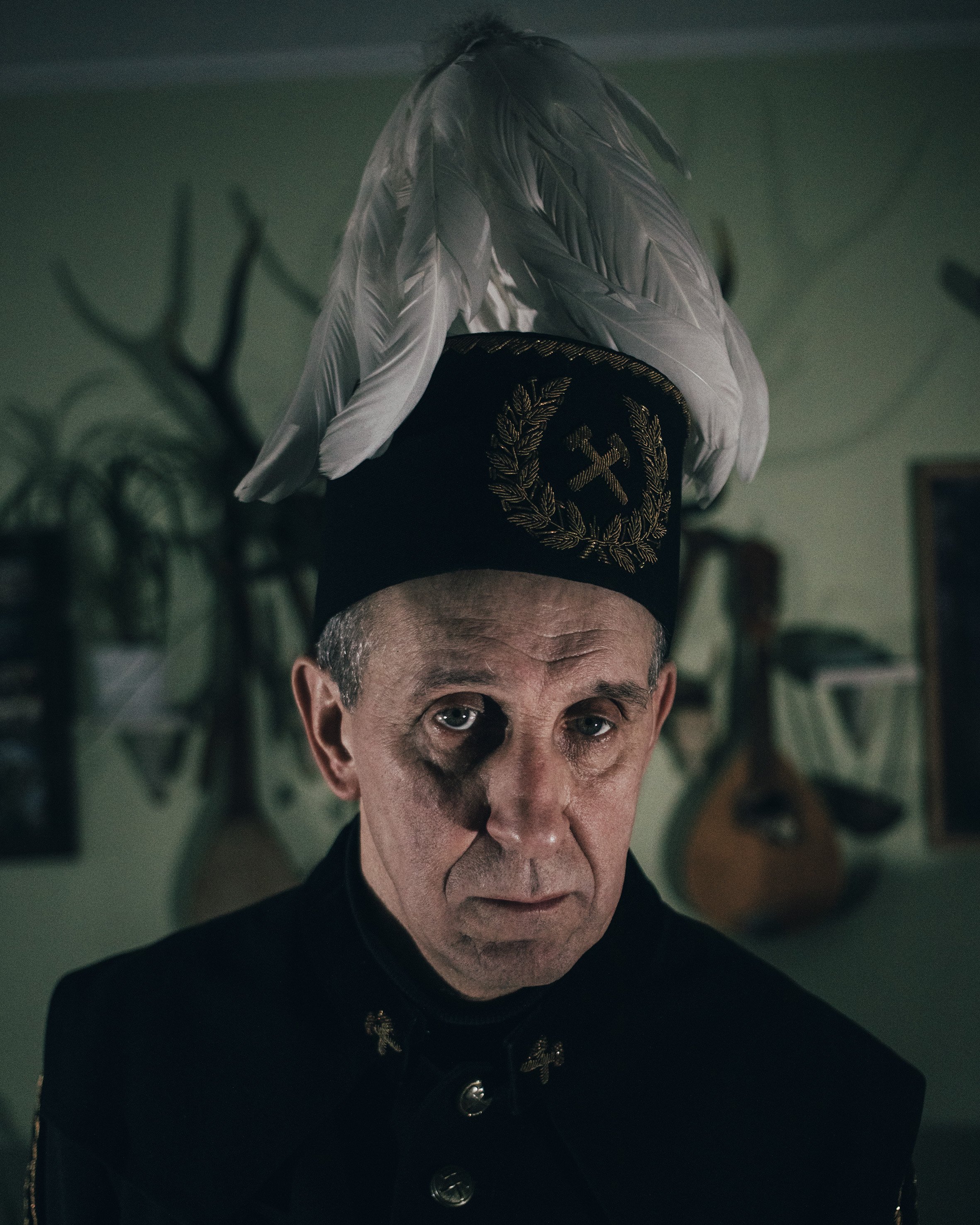
Viewer Impact: "Wahala" translates to 'problem' or 'stress,' signifying a problem that leaves one shaken. What do you hope viewers take away from these visual confrontations with the consequences of global reliance on fossil fuels?
I want viewers to feel unsettled, to sit with discomfort. Wahala is about confronting the complexity and scale of the issue, but it’s also about recognising that these consequences are not distant or abstract—they are happening right now, in places that are often overlooked or ignored. The hope is that the images provoke a deeper understanding of the interconnectedness of these environmental and social crises.
But more than that, I want the viewer to understand that these issues aren’t just something ‘out there’—they are part of our global system, and they affect us all, even if we don’t immediately see it in our everyday lives. If anything, I hope the work sparks a sense of urgency and responsibility, but also a recognition that this is a problem we can’t simply look away from. These images are meant to challenge complacency, not offer easy answers.
Future Directions: Having explored such critical issues through your lens, what's next for you? Are there other themes or projects you're planning to tackle in the future?
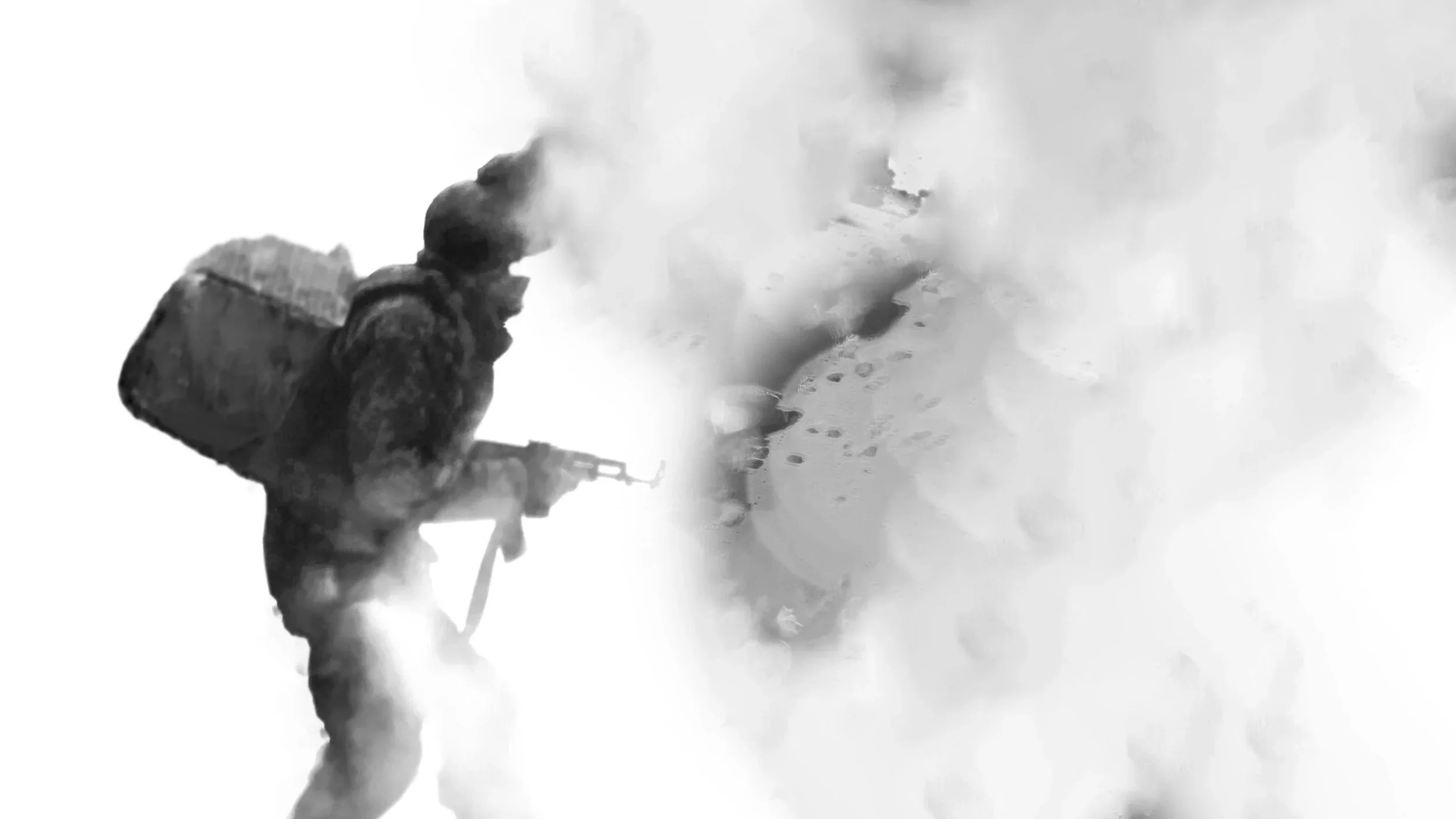
After Wahala, my next project is Lonely Are All the Bridges (Kickstarter campaign), a book focusing on the ongoing conflict in Ukraine. This project feels deeply personal and urgent, as it’s not only a documentation of the war’s impact on the land and people, but also a reflection on displacement, loss, and survival. Much like my previous work, the goal is not just to show the aftermath of violence, but to capture the humanity and resilience of those living through it.
In terms of future projects, I’m continuing to explore themes of environmental degradation and social injustice, particularly in regions where these issues intersect with geopolitical tensions. There are still many stories that need to be told, often in places that are difficult to access or where the narratives are overshadowed by larger political concerns. I want to continue working with local communities, activists, and journalists to ensure that these stories are not forgotten.
The challenges of our time—climate change, human rights, and conflict—are intertwined, and my work will continue to reflect these complexities. But I also hope to explore how art and photography can spark conversations and create space for change in these difficult, urgent contexts.
To discover more about this intriguing body of work and how you can acquire your own copy, you can find and purchase the book here. (GOST Books, Amazon)
More photography books?

We'd love to read your comments below, sharing your thoughts and insights on the artist's work. Looking forward to welcoming you back for our next [book spotlight]. See you then!

Robin de Puy could no longer make this project alone. She first photographed Randy in Ely, Nevada, during a 2015 road trip and kept returning to him for more than ten years. Interviews