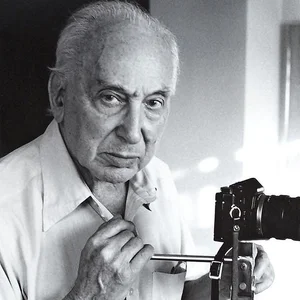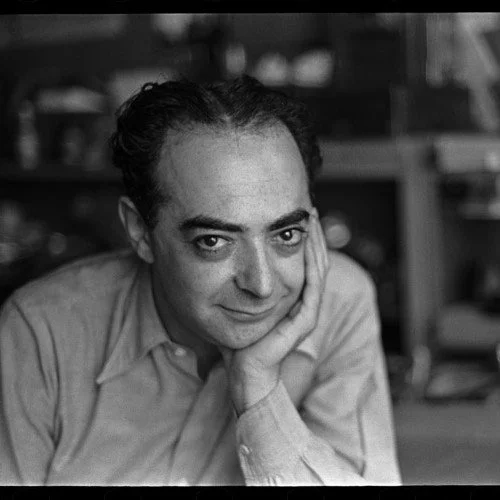
AT A GLANCE
- Known for
- Paris at night in the early 1930s: foggy streets, bars, dance halls and the people of the night
- Works in
- Black and white, glass plates and long exposures at night, gelatin silver prints
- Camera
- Voigtländer plate camera on a tripod; a Rolleiflex from 1935
- Also
- Drawing, sculpture and writing; portraits of artists such as Picasso, Dalí and Giacometti; the book Conversations with Picasso (1964)
- Shows
- Graffiti at the Museum of Modern Art (1956) · MoMA retrospective (1968)
- Start with
- Brassaï: Paris by Night (Flammarion, 2026)
Brassaï was the working name of Gyula Halász, born in 1899 in Brassó, Transylvania (today Brașov in Romania). He trained as a painter in Budapest and Berlin and came to Paris in the 1920s as a journalist. There he took up the camera and photographed the city at night: fog, streetlights, bars, dance halls and the people who lived after dark. His first book, Paris de nuit, made his name. The writer Henry Miller called him the eye of Paris. He also photographed artists such as Picasso, Dalí and Giacometti, and he drew, sculpted and wrote. He died in 1984.
The story
There was no light meter. On his night walks through Paris in the early 1930s, Brassaï set his camera on a tripod, opened the shutter and lit a cigarette. The cigarette was his clock. A Gauloise was right for one kind of light. If the street was darker, he smoked a Boyard. He carried only 24 glass plates on each outing, so every frame counted.
Photography was not his first plan. He had studied art in Budapest and Berlin and wanted to be a painter or sculptor. In 1924 he settled in Paris and wrote for newspapers about sport and other topics. At first he ordered photographs for his articles from others. Then he began to make them himself. His fellow Hungarian André Kertész encouraged him, and from him he learned how to photograph at night.
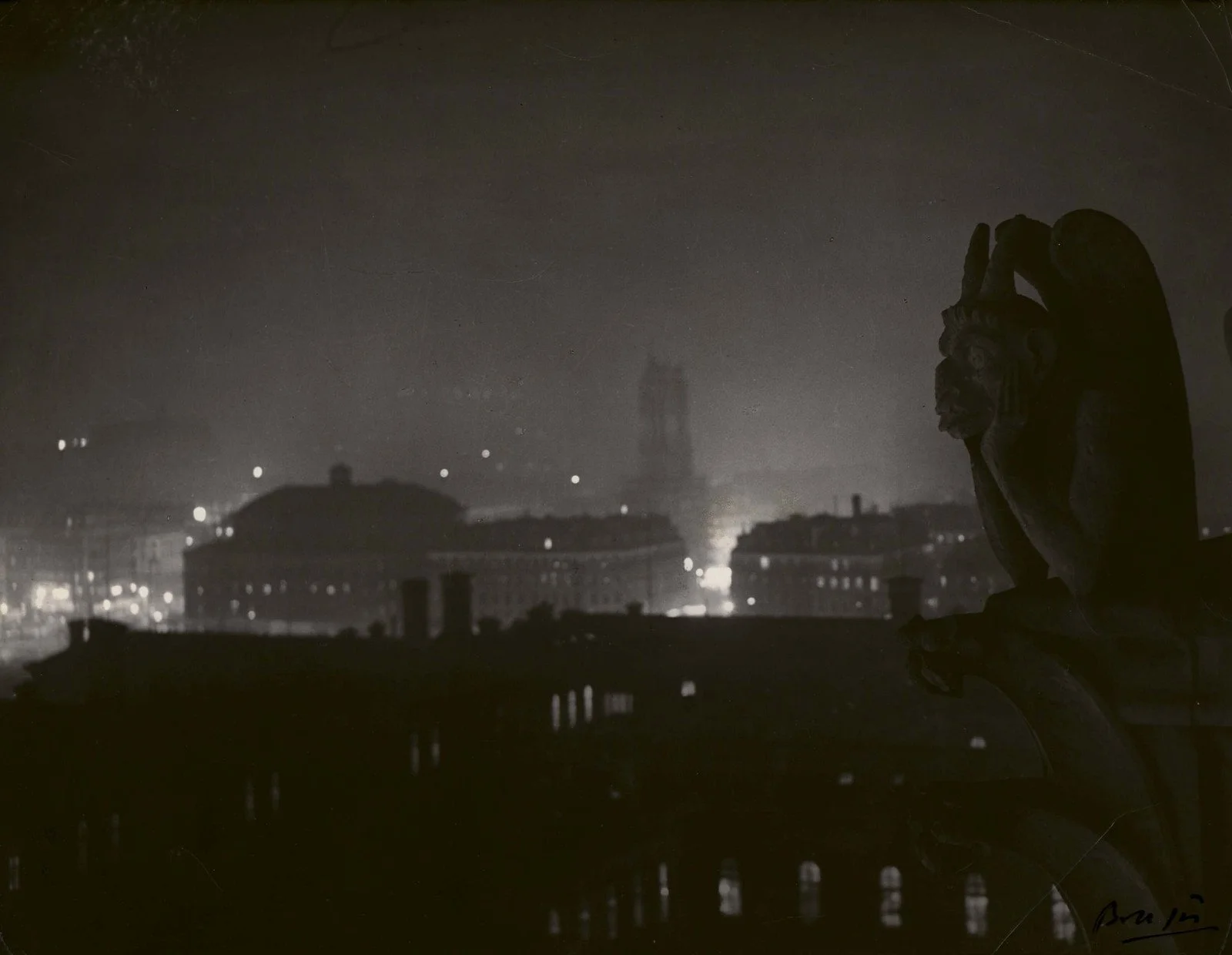
Friends guided him. The poets Léon-Paul Fargue and Jacques Prévert walked the dark streets with him. From these nights came quiet pictures of the city, like Paris, vue de Notre Dame la nuit, from about 1933.
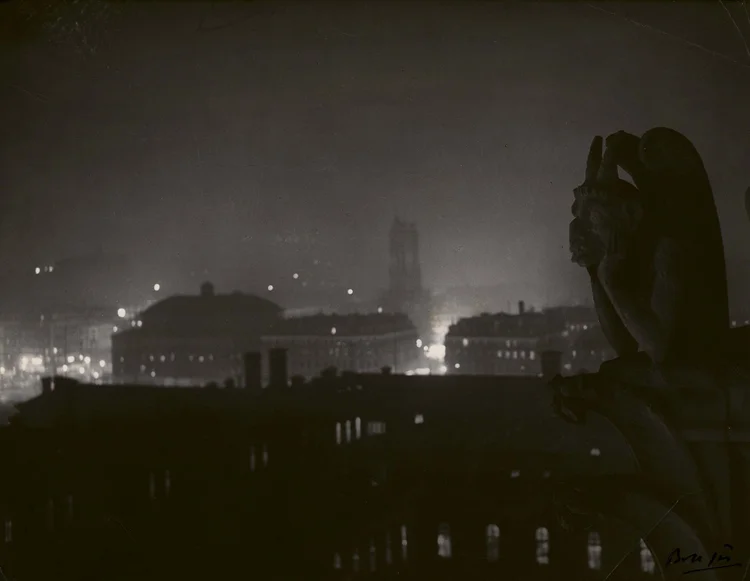
In 1932 the pictures became a book, Paris de nuit, with a text by the writer Paul Morand. Critics and the public both liked it. But the empty streets were only half of what he wanted to show.
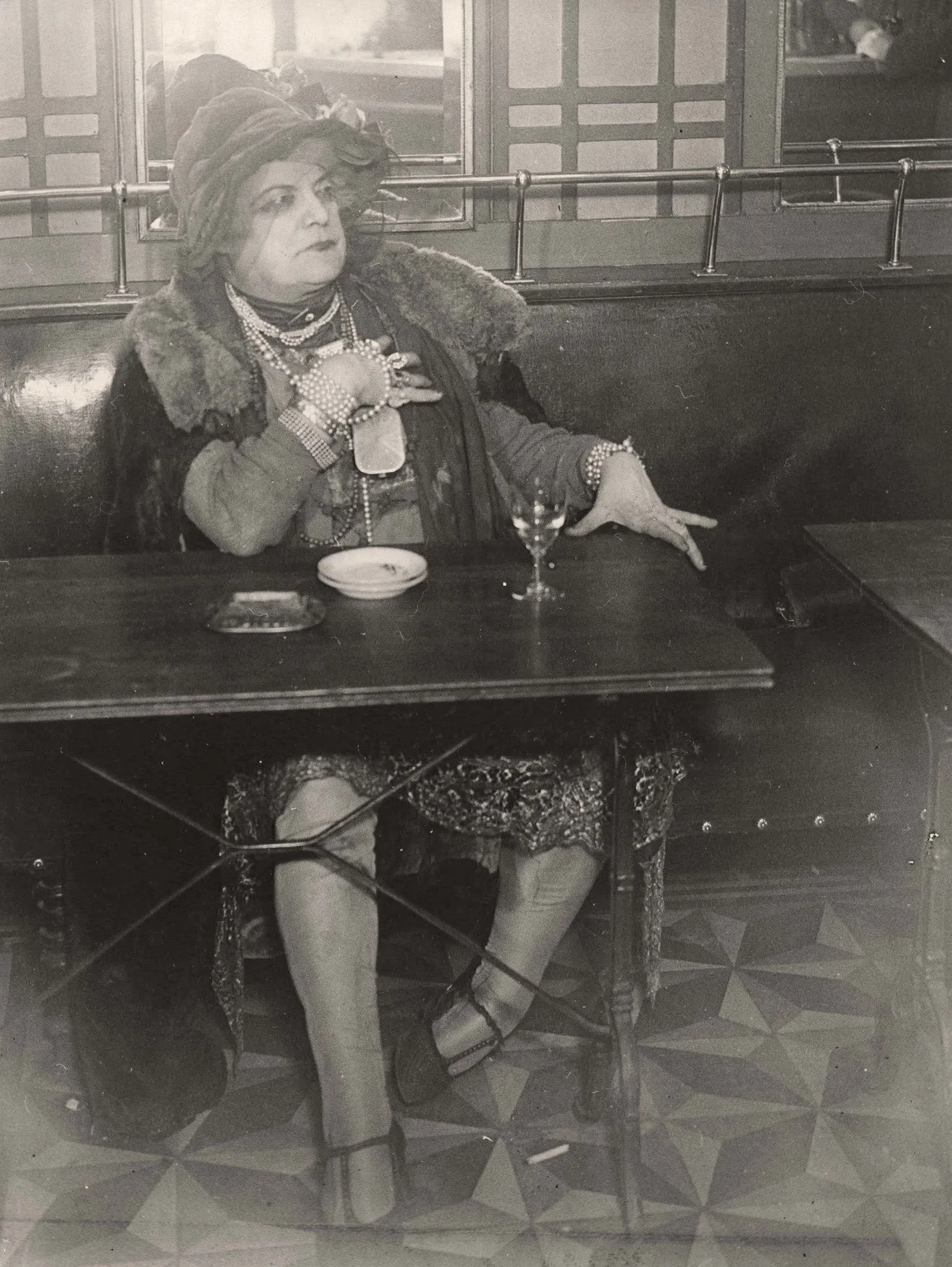
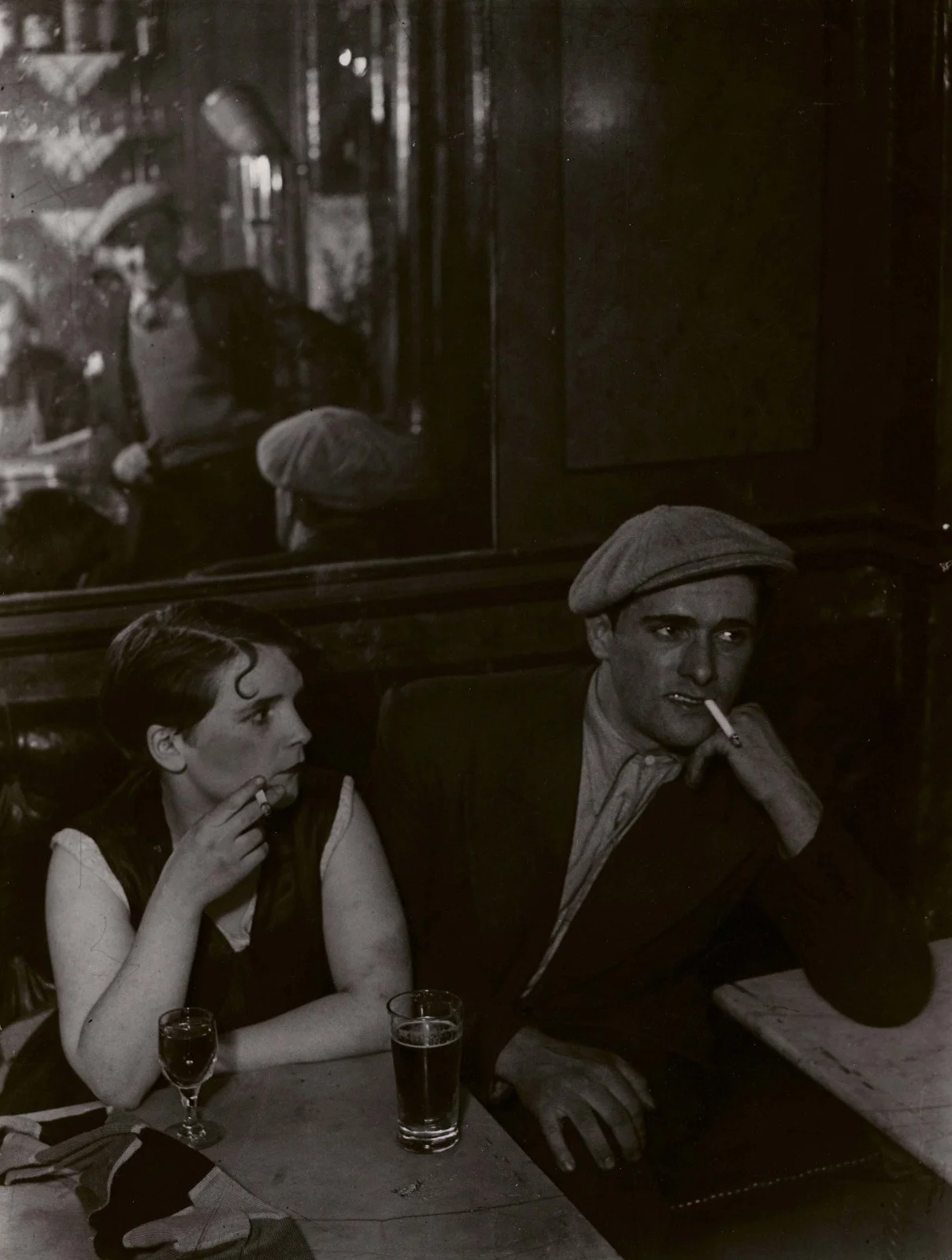
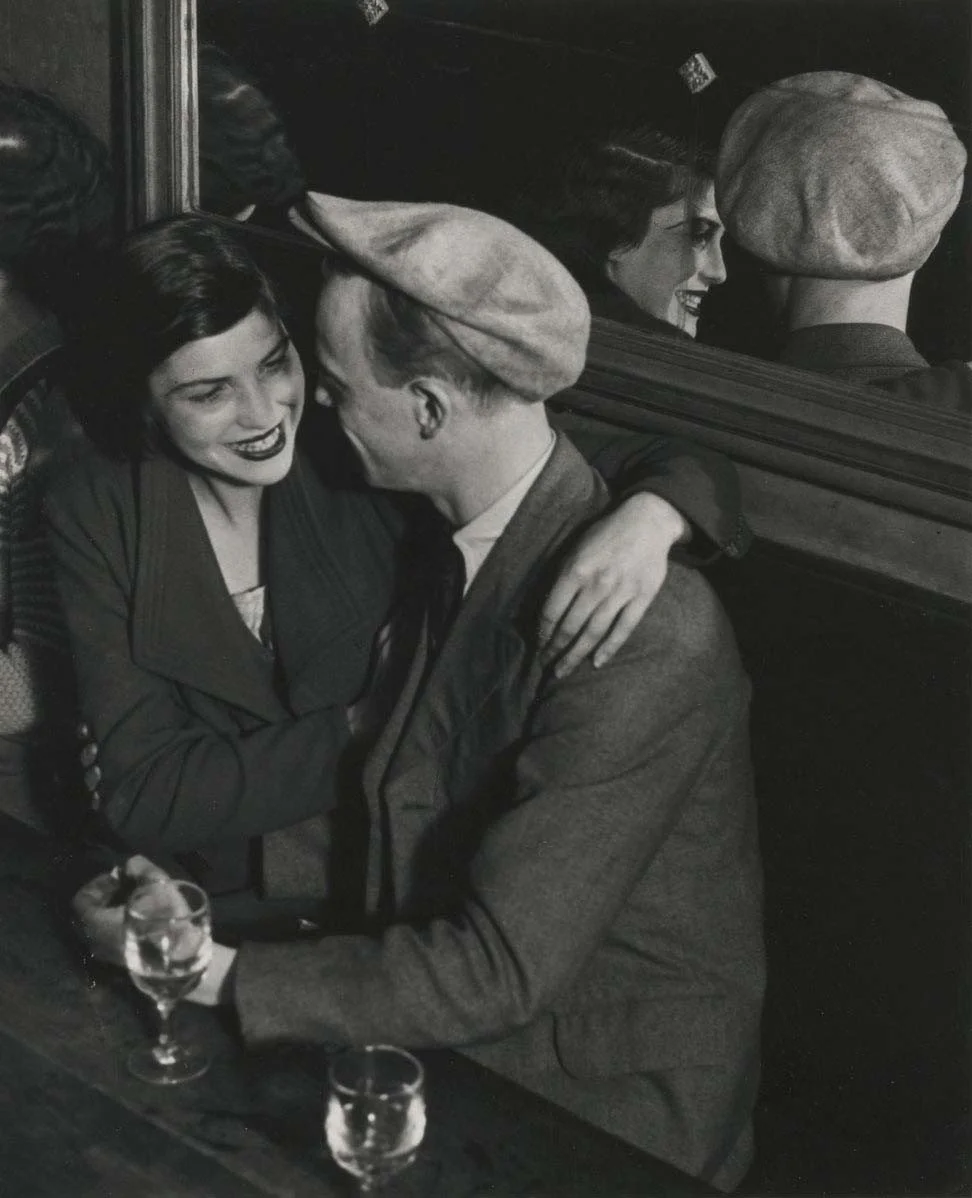
Therefore he went inside. In bars, brothels, dance halls and cheap cafés he photographed the people of the night. A burst of magnesium powder lit the room for a moment. La Môme Bijou, Bar de la Lune, Paris, from about 1932, shows a woman of Montmartre nightlife at her bar. The Museum of Modern Art later called his Bijou famous. Couple Dans Un Bistrot, Rue Saint Denis, from the same year, shows a couple close together in a small bistro. Some scenes he set up with care, and he often asked his subjects to pose.
Those pictures waited a long time. Many of them were published only in 1976, in the book The Secret Paris of the 30's. Looking back on his night work, he explained it in a few words: “Night does not show things, it suggests them.”
The work
Brassaï was born Gyula Halász in Brassó, Transylvania, in 1899. The town was then in Austria-Hungary and is today Brașov in Romania. He later took his working name from it. After serving in the Austro-Hungarian army during the First World War, he studied art in Budapest and then in Berlin. In Berlin he met László Moholy-Nagy and Wassily Kandinsky. In 1924 he moved to Paris.
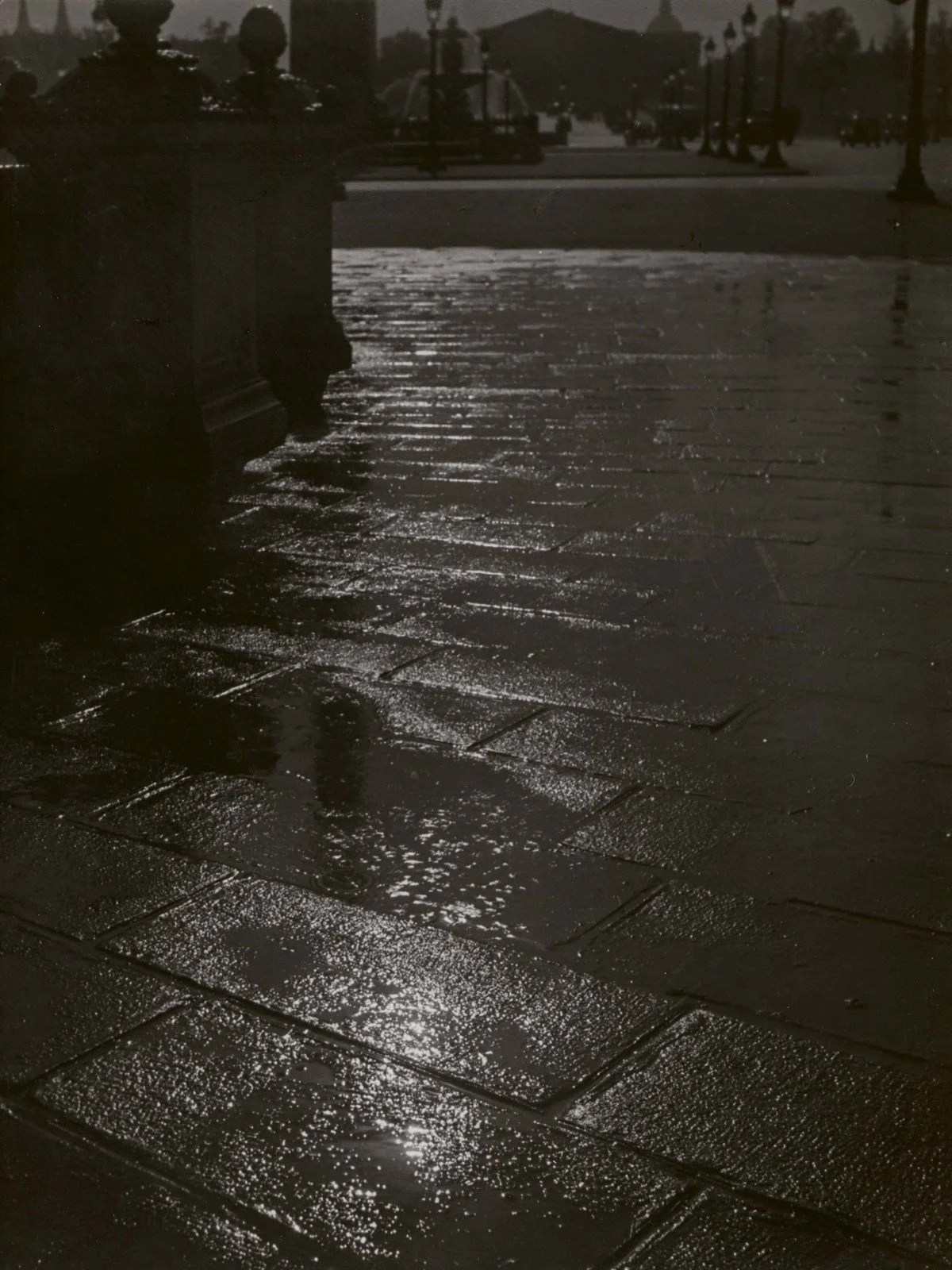
His night pictures are slow and calm. Outside, long exposures let streetlights and their reflections fill the frame, as in Pavement Reflection, Place de la Concorde, from the 1930s. Indoors he used flash, in dance halls like the one in Couple at the Bal des Quatre Saisons, Rue de Lappe, 1933. John Szarkowski of the Museum of Modern Art called his imagination blunt, unornamented and muscular.
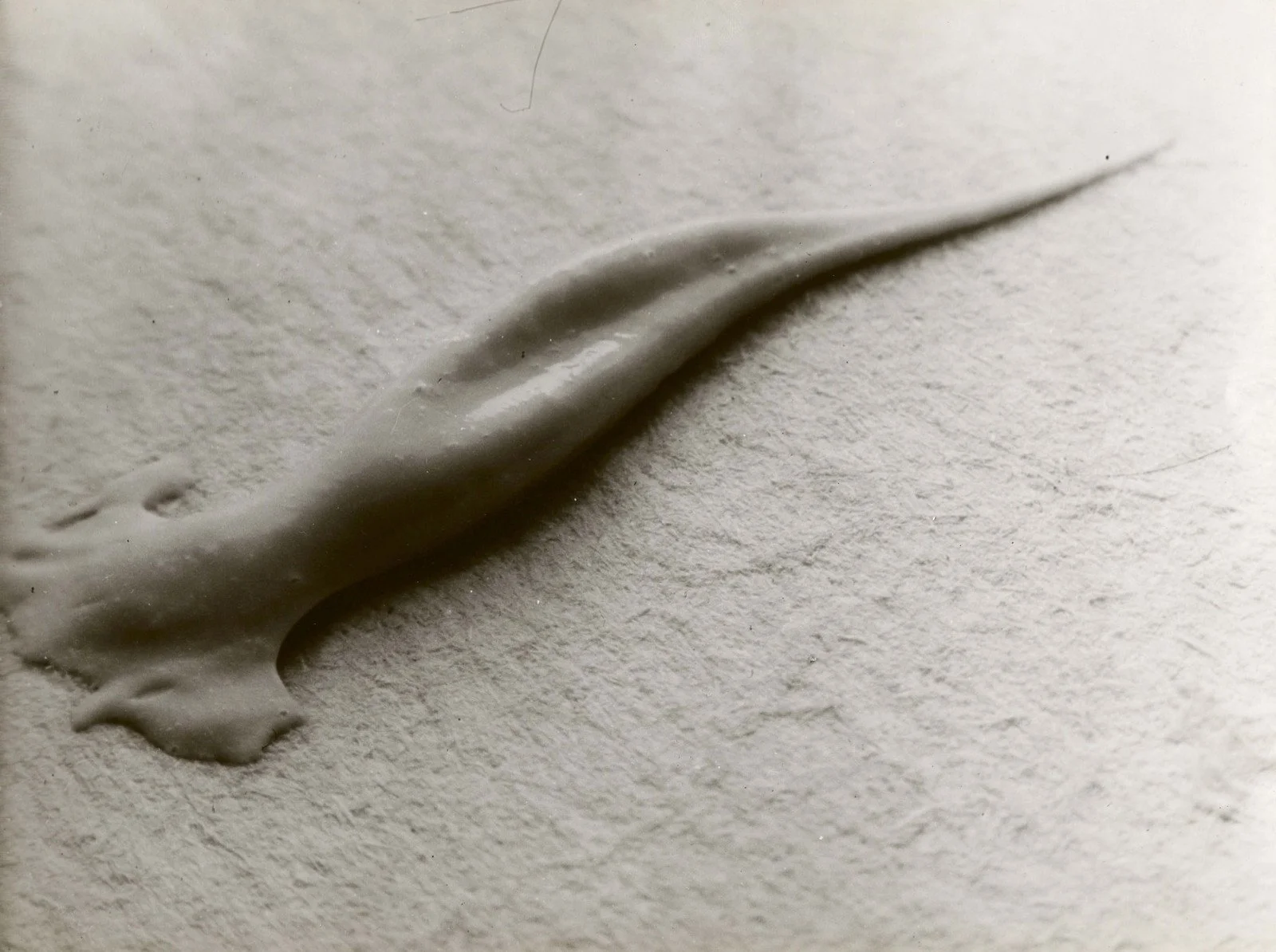
He was close to the artists of his time. For the magazine Minotaure he photographed artists' studios and met Salvador Dalí and Pablo Picasso. The Surrealists liked his work and published it often, but he did not see himself as a Surrealist. He also looked at small things, such as a bar of soap in Involuntary Sculpture: Soap, 1932. For years he photographed the drawings and marks scratched into Paris walls. The Museum of Modern Art showed these Graffiti in 1956.
During the German occupation, taking photographs on the streets of Paris was forbidden. He left for the south of France, then came back to Paris to save his hidden negatives. In those years he drew, made sculpture and wrote poetry. In 1945 he returned to photography. Magazines such as Harper's Bazaar asked him for portraits of artists. He stopped taking photographs in 1962. Later books include Conversations with Picasso (1964) and The Artists of My Life (1982). The Museum of Modern Art gave him a retrospective in 1968. He died in Èze, near Nice, in 1984 and is buried in Montparnasse cemetery in Paris.
- 1899Born Gyula Halász in Brassó, Transylvania (today Brașov, Romania)
- 1924Settles in Paris and works as a journalist
- 1932Publishes Paris de nuit, his first book
- 1945Returns to photography after the war years
- 1956The Museum of Modern Art shows his Graffiti
- 1964Publishes Conversations avec Picasso
- 1968Retrospective at the Museum of Modern Art, New York
- 1976Publishes The Secret Paris of the 30's
- 1984Dies in Èze, near Nice
Lessons
Use the night. Brassaï walked Paris after dark with a tripod and long exposures. Fog, lamps and wet streets did half the work. In his words, night suggests things rather than showing them.
Shoot less. He made only one, two or three pictures of a subject. He said this made him concentrate, and that a success then felt truly his own.
Let people know they are in the picture. He did not try to catch his subjects off guard. He wanted them to be fully aware that they were taking part in the picture.
Try this: go out after dark with a tripod and allow yourself only twelve frames. Pick one street with lamps, fog or wet pavement and wait for the right moment before each exposure. Count the seconds, or time them the way Brassaï did, in his case with a cigarette. At home, keep the best three.
Gear
Brassaï used very little equipment. The writer Lawrence Durrell remembered one old camera and a tripod that kept folding down like a kneeling camel.
Voigtländer plate camera: a larger format camera that took glass plates. He used it with long exposure times for his night pictures and carried about 24 plates on each outing.
Tripod: needed for exposures that could last a long time on dark streets.
Rolleiflex: he bought one in 1935. Indoors he also used a burst of magnesium powder as a flash.
Books
Brassaï: Paris by Night (Flammarion, 2026). A new edition of his first book from the early 1930s, with the foreword by the writer Paul Morand. It holds 62 night photographs of Paris: bistros, back alleys, metro stations and streets, with the artists, workers and outsiders he met there. It is short, about 96 pages, and the best place to begin. Good for anyone who wants to see where night street photography started.
The Secret Paris of the 30's (Thames & Hudson, 1983). First published in 1976 and translated from French by Richard Miller. It collects about 150 pictures of the hidden Paris of the 1930s that stayed unpublished for decades: brothels, opium dens and the places where high society met the underworld. Brassaï's own text tells how he made the pictures. For readers who want the stories behind the images.
Conversations with Picasso (University of Chicago Press, 1999). The English edition of Conversations avec Picasso (1964), translated by Jane Marie Todd, with a preface by Henry Miller and an introduction by Pierre Daix. It reads like a diary of his talks with Picasso, built from notes, with 53 photographs. Picasso himself said to read it if you want to understand him. For readers who love art as much as photography.
In his words
“Night does not show things, it suggests them.”
“I find it concentrates one to shoot less.”
“I want my subject to be as fully conscious as possible, fully aware that he is taking part in an artistic event, an act.”
“The photograph has a double destiny.”
“I sought only to capture reality because nothing is more surreal than that.”