AT A GLANCE
- Known for
- Passing Through Eden, his pictures of Central Park; street pictures of New York in the 1960s and 1970s; decades of teaching at Yale
- Works in
- Black and white film, gelatin silver prints; color Kodachrome slides in 1966 and 1967
- Camera
- Leica 35mm cameras; 6x9 medium format cameras from 1973
- Taught
- Walker Evans Professor at the Yale School of Art; head of its graduate photography program from 1979 to 2013
- Awards
- Guggenheim Fellowships (1970, 1977) · two National Endowment for the Arts fellowships
- Start with
- Passing Through Eden: Photographs of Central Park (Steidl, 2007)
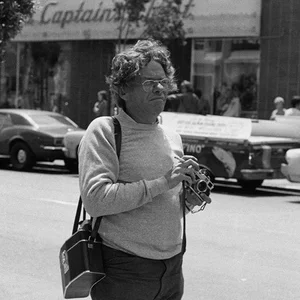
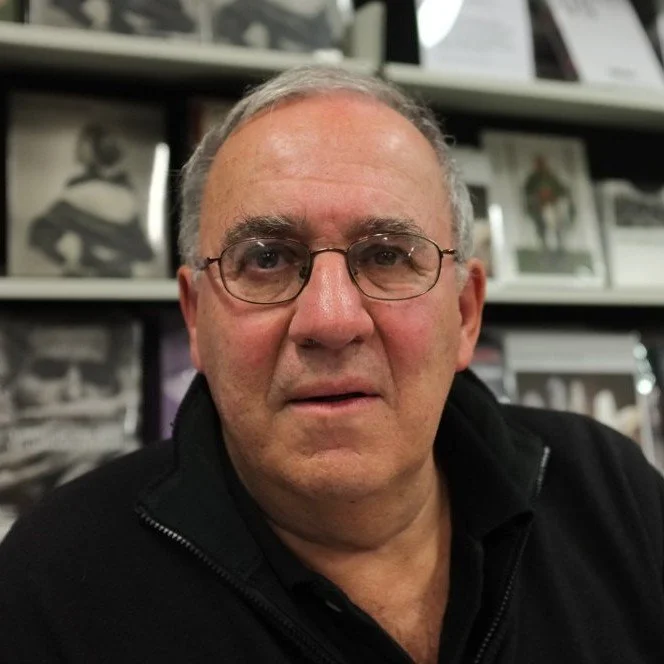
Tod Papageorge (born 1940) is an American photographer, writer and teacher. He started out in the New York street photography of the 1960s, in the circle around Garry Winogrand. His best known book, Passing Through Eden, collects about 25 years of pictures from Central Park. He has also photographed American sports, the beaches of Los Angeles, the nightclub Studio 54 and the tourists on the Acropolis. From 1979 to 2013 he led the graduate photography program at the Yale School of Art, where many of today's leading photographers studied.
The story
It was his last semester at the University of New Hampshire. Tod Papageorge studied English and wrote poetry, but he felt a strong pull to take a photography class. Out of curiosity, he went to the library and looked through old bound magazines. In one of them he found a photograph by a man he had never heard of. The man was Henri Cartier-Bresson, and the picture shocked him. He searched the whole library for more and found only one.
A little later, he won the school's poetry prize. It was fifteen dollars. With that money he walked to the university bookstore and ordered an out-of-print copy of The Decisive Moment, Cartier-Bresson's famous book. From then on, photography took the place of poetry.
But knowing what he wanted was not the same as being ready. First he spent a year in San Francisco. In 1965 he photographed for ten months in Spain and Paris. Then he moved to New York. There he met Robert Frank, who asked him to work as a grip on his film Me and My Brother. On the street, he kept running into Garry Winogrand, and one day Winogrand invited him home. Papageorge knocked at the door. Winogrand asked at once: “Where are your pictures? You didn't bring photographs?”
They still had a great night. Winogrand showed him stacks of prints from his trip across America. Soon Winogrand started a workshop in his apartment on Sunday evenings, and Papageorge joined it. At the end of the first class he was the last to show his work. He had photographed for four years without showing anyone. Winogrand looked through the prints and said: “These are crying to be published.”
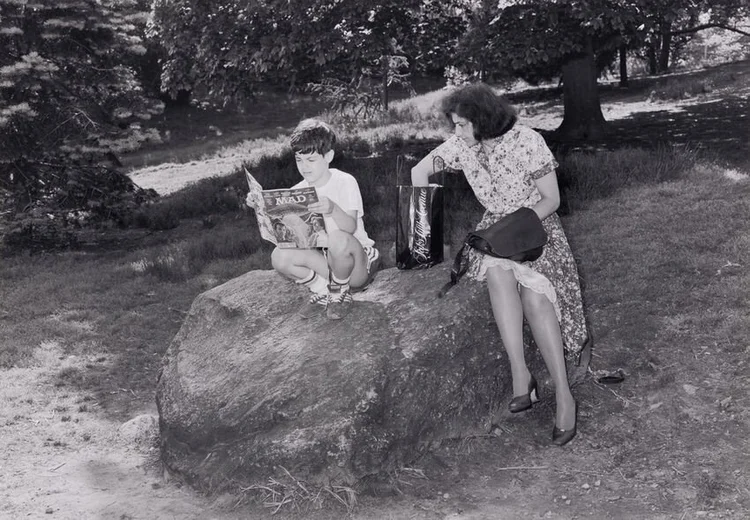
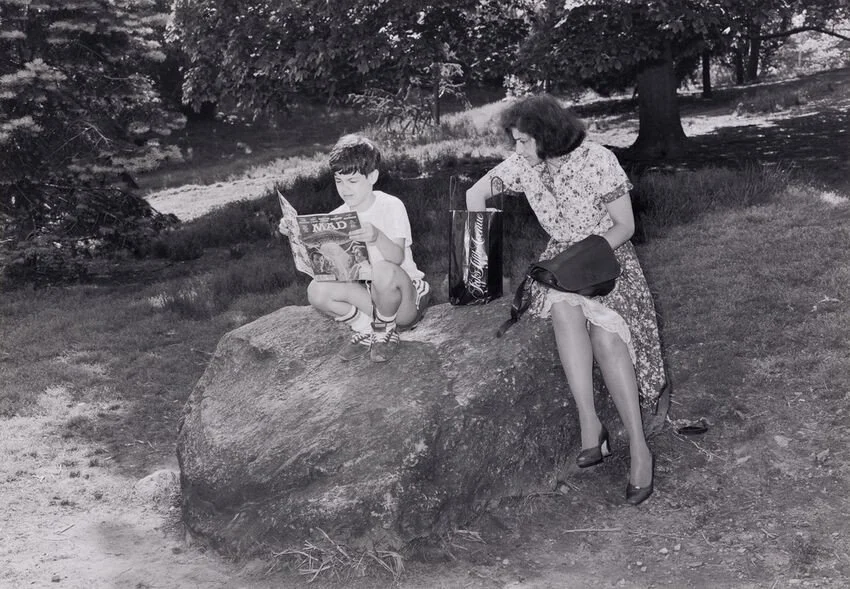
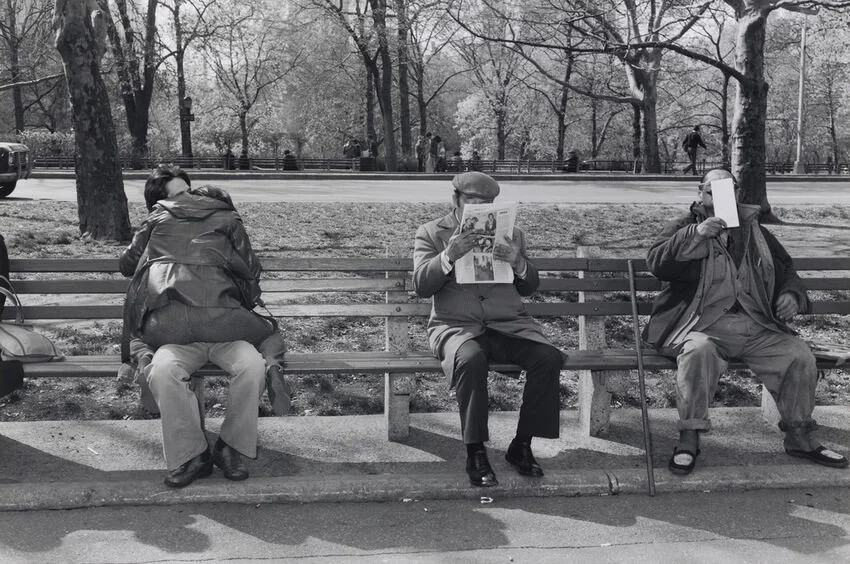
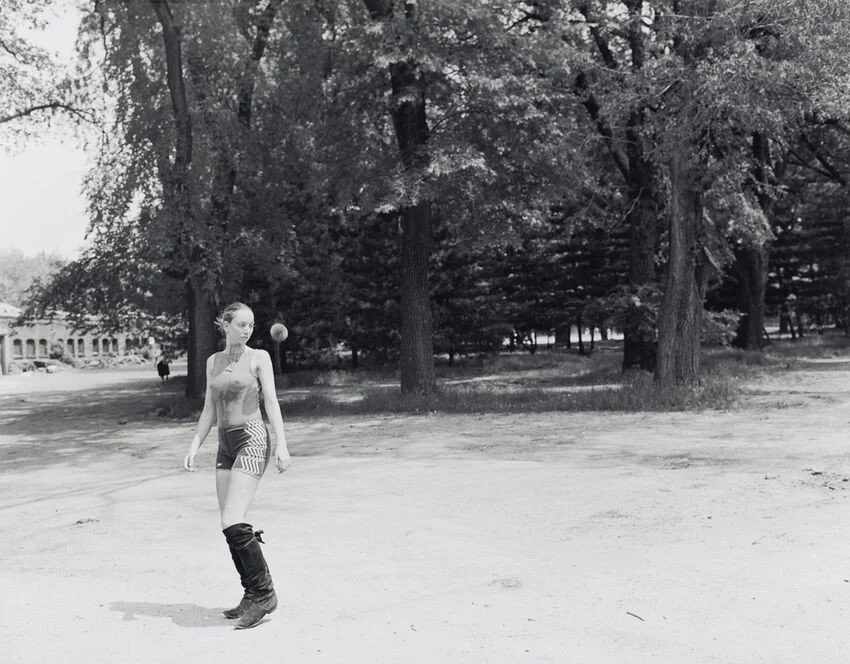
The friendship lasted. In 1977 Papageorge curated Public Relations, Winogrand's exhibition at the Museum of Modern Art. Every day he walked through Central Park on his way to the museum. That same year he received his second Guggenheim Fellowship, so he had time and money for new work. Therefore he asked himself a simple question: why not the park? Pictures like Central Park, 1978 and Central Park, 1979 came out of those walks. He went on photographing there until the 1990s, and Steidl published the work as Passing Through Eden in 2007.
He never planned it as a big project. In his own words: “It really wasn't any more formed than that; it was just something I kept returning to.”
The work
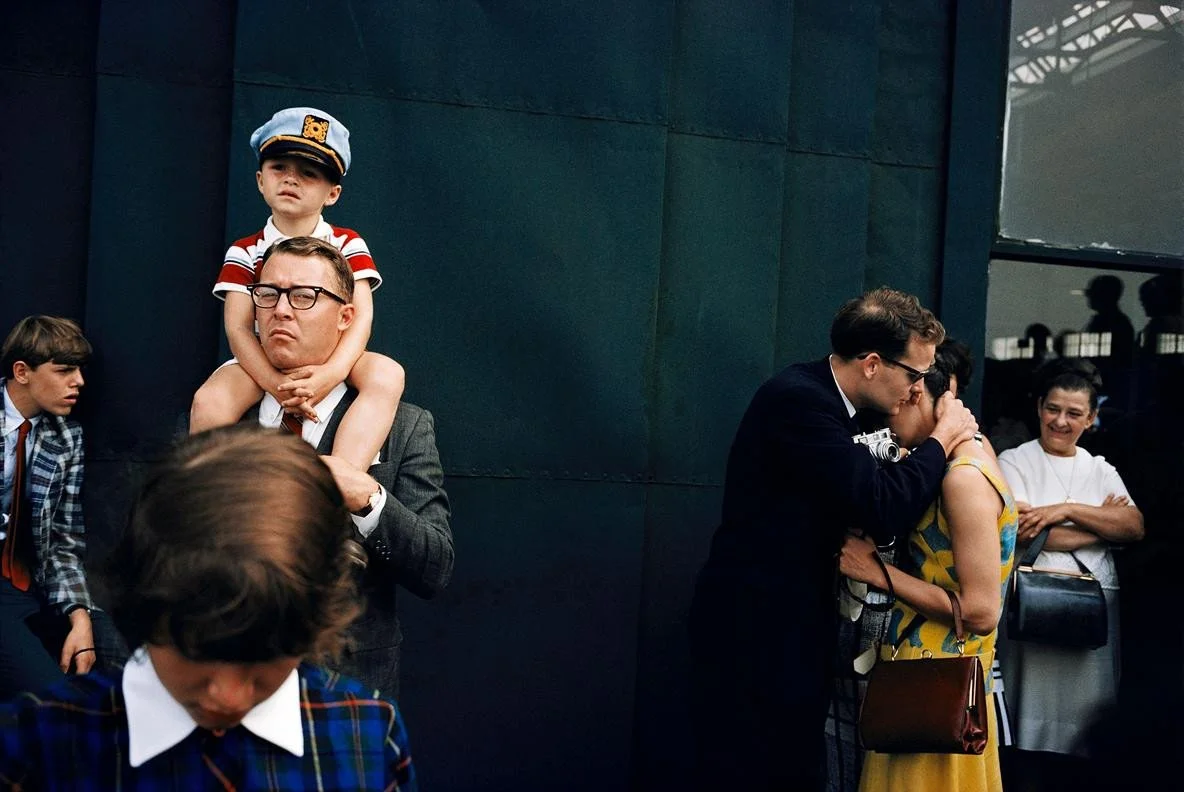
In his first New York years Papageorge worked with small Leica cameras, in the busy street style of the time. In 1966 and 1967 he also made color pictures in the city, like New York, 1966 and New York, 1967. These Kodachromes were published much later in the book Dr. Blankman's New York. In 1970 his first Guggenheim Fellowship took him across the country to football and baseball games. The pictures became the book American Sports, 1970: Or How We Spent the War in Vietnam.
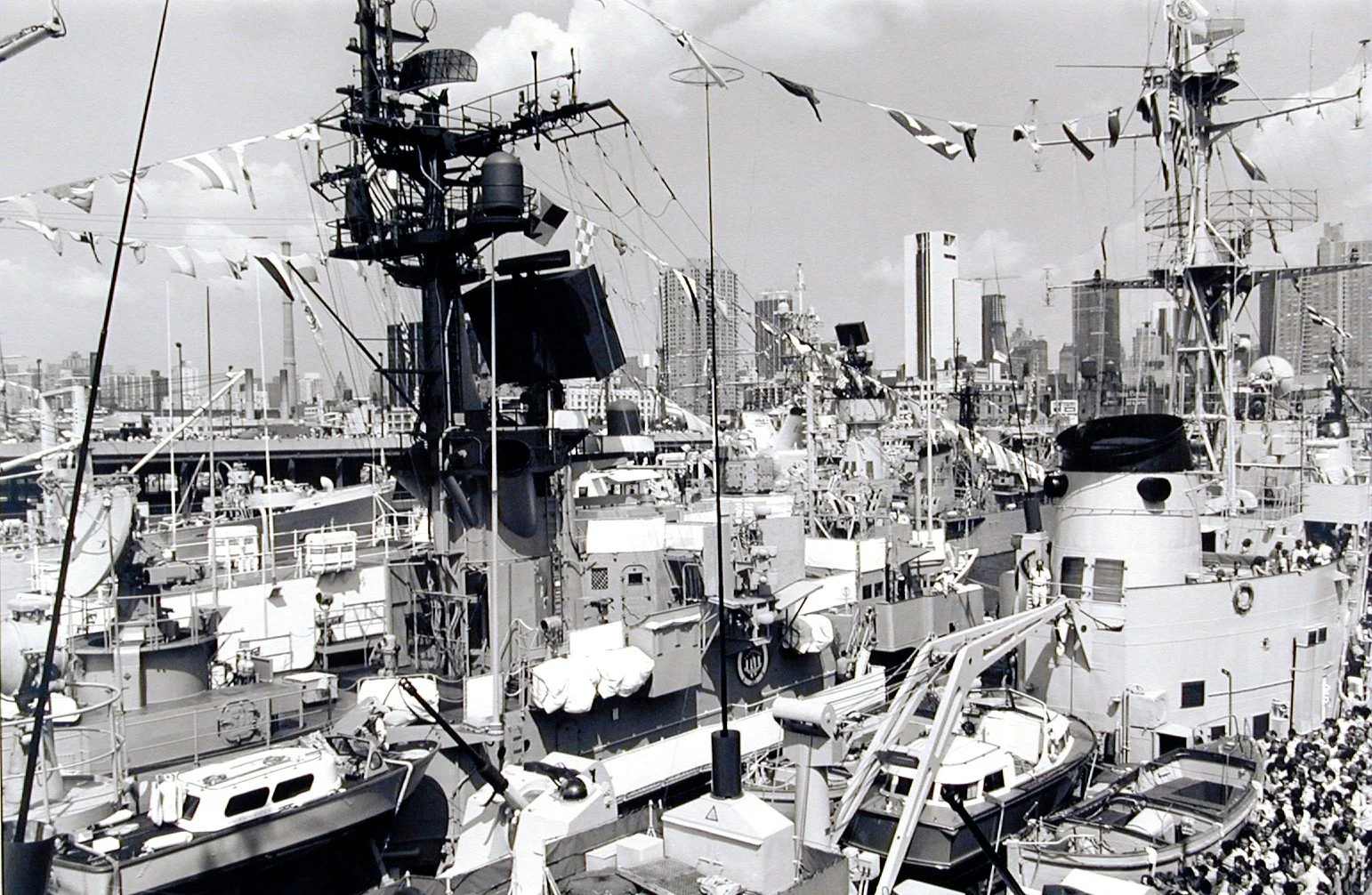
In 1973 he began to use medium format cameras that made 6x9 cm negatives. These negatives were four times larger than his Leica ones, but the frame had the same shape. In 1975 a road trip across America ended on the beaches of Los Angeles. He went back three more times, and the pictures became the series At the Beach. Closer to home he made pictures like NY City Pier, July, 1976. On 1 January 1978 he went to the nightclub Studio 54 for the first time, with a heavy Fujica 6x9 camera. He had been inspired by Brassaï's pictures of Paris at night, which he saw at the Museum of Modern Art. In the summers of 1983 and 1984 he photographed tourists among the ruins of the Acropolis in Athens.
Teaching became a second career. It began at Parsons School of Design, when the artist and art director Marvin Israel asked him to take over his photography course. In 1979 he became the Walker Evans Professor of Photography at Yale. He led the graduate program there until 2013. His students included Philip-Lorca diCorcia, Abelardo Morell, Dawoud Bey, An-My Le, Katy Grannan and Gregory Crewdson, who now runs the program himself.
Papageorge is also a sharp writer about photography. His essays were collected in Core Curriculum: Writings on Photography in 2011. One long essay looks closely at What We Bought, Robert Adams's pictures of the new Colorado suburbs. He wrote there: “The wonder, then, is not that Adams took so many photographs; it is that he made so many strong ones.” His own work is held by the Museum of Modern Art, the Art Institute of Chicago, the San Francisco Museum of Modern Art and the Bibliothèque nationale de France.
- 1940Born in Portsmouth, New Hampshire
- 1965Photographs for ten months in Spain and Paris, then moves to New York
- 1970First Guggenheim Fellowship; photographs American sports
- 1975A road trip across America ends on the beaches of Los Angeles
- 1977Curates Garry Winogrand's Public Relations at MoMA; second Guggenheim Fellowship
- 1978First night photographing at Studio 54, on 1 January
- 1979Becomes head of graduate photography at the Yale School of Art
- 2007Steidl publishes Passing Through Eden
- 2025At the Beach is shown at the Museum of Contemporary Art Connecticut
Lessons
Find your masters in books. Papageorge spent his first prize money on The Decisive Moment. A single book can teach you more than many classes.
Keep going back to one place. Central Park was on his way to work. He returned to it for years, and the pictures slowly became his best known book.
Know your frame by heart. After years with the same 2:3 frame he did not need to look through the camera. He simply lifted it and pressed the shutter when the scene came together.
Try this: choose one park or square that you pass often. For one month, take your camera every time you walk through it and make a few frames, even on dull days. Do not plan a project. At the end of the month, pick the ten strongest pictures and look at what kept pulling you back.
Gear
Papageorge has described his cameras in some detail. He moved between two kinds of machine.
Leica 35mm camera: his usual cameras from the 1960s on, used for his street work in New York and later in Paris.
Fujica 6x9 medium format camera: he started with 6x9 cameras in 1973 and used a Fujica at Studio 54. Its negatives were four times larger than the Leica's but kept the same frame shape.
120 roll film: with the 6x9 camera he got only eight pictures on each roll. On the Los Angeles beaches he shot fewer than one hundred and fifty rolls in four trips.
Books
Passing Through Eden: Photographs of Central Park (Steidl, 2007). A large book of 176 pages with black and white pictures made in Central Park over about 25 years. The pictures show people reading, resting and walking through a city park. It is the best place to see how Papageorge builds a full, rich frame. Good for anyone who loves street photography or New York.
American Sports, 1970: Or How We Spent the War in Vietnam (Aperture, 2007). Pictures from the year of his first Guggenheim Fellowship, made at stadiums and games across the United States. Fans, vendors, players and majorettes fill the frames. The subtitle ties the games to the years of the Vietnam War. For readers interested in sports, American history and 1970s street photography.
Core Curriculum: Writings on Photography (Aperture, 2011). A collection of essays written by Papageorge himself. He writes about photographers and about how pictures work. The texts give a sense of the thinking behind his long teaching career at Yale. For photographers and students who want to read about photography, not only look at it.
Studio 54 (Stanley/Barker, 2014). Black and white pictures from the famous New York nightclub, made with a heavy 6x9 camera from 1978. Papageorge wanted to catch the flesh, sweat and energy of the nights, inspired by Brassaï's Paris. He hoped the large negatives would give the pictures rich detail and tone. For anyone who likes night photography and the history of New York.
In his words
“I recognized in photography a way of making poetry without the terrible agony of putting words together, thinking in my delusion that photography would be easier, and never suspecting that it was harder, or at least as difficult.”
“It really wasn't any more formed than that; it was just something I kept returning to.”
“I'm never looking through the camera.”
“Let's call it poetic eloquence instead, an expressiveness shaped by the photographer's sense of form”