AT A GLANCE
- Known for
- Candid pictures of statesmen and conferences, taken with a small camera and no flash
- Works in
- Black and white photographs, indoors in available light
- Camera
- Ermanox, a small hand-held camera
- Also
- Published in the Berliner Illustrirte Zeitung from 1928 · Solo shows in London in 1935 and 1937
- Honoured by
- The Dr. Erich Salomon Award of the German Society for Photography, named after him (since 1971)
- Start with
- Erich Salomon: Portrait of an Age (Macmillan, 1967)
- Links
Erich Salomon was a German photojournalist, born in Berlin in 1886. He photographed statesmen and diplomats in meeting rooms, often without being noticed. A London magazine called his work “candid camera”. He was murdered in Auschwitz in 1944.
The story
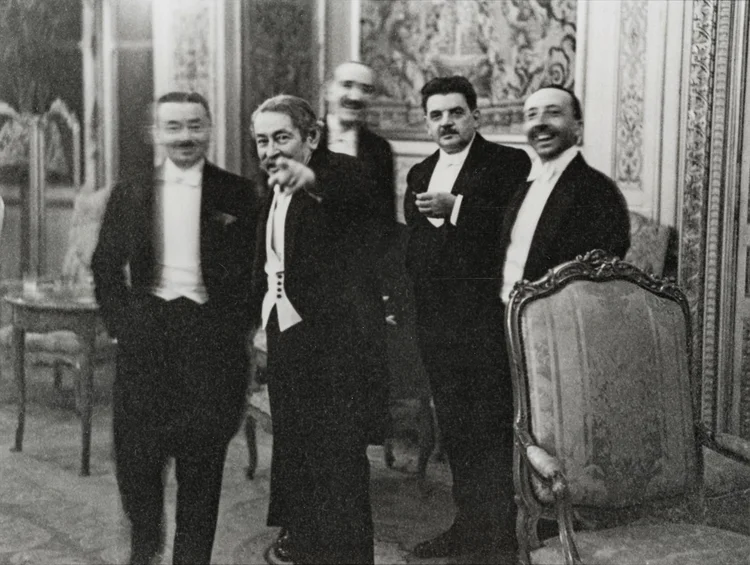
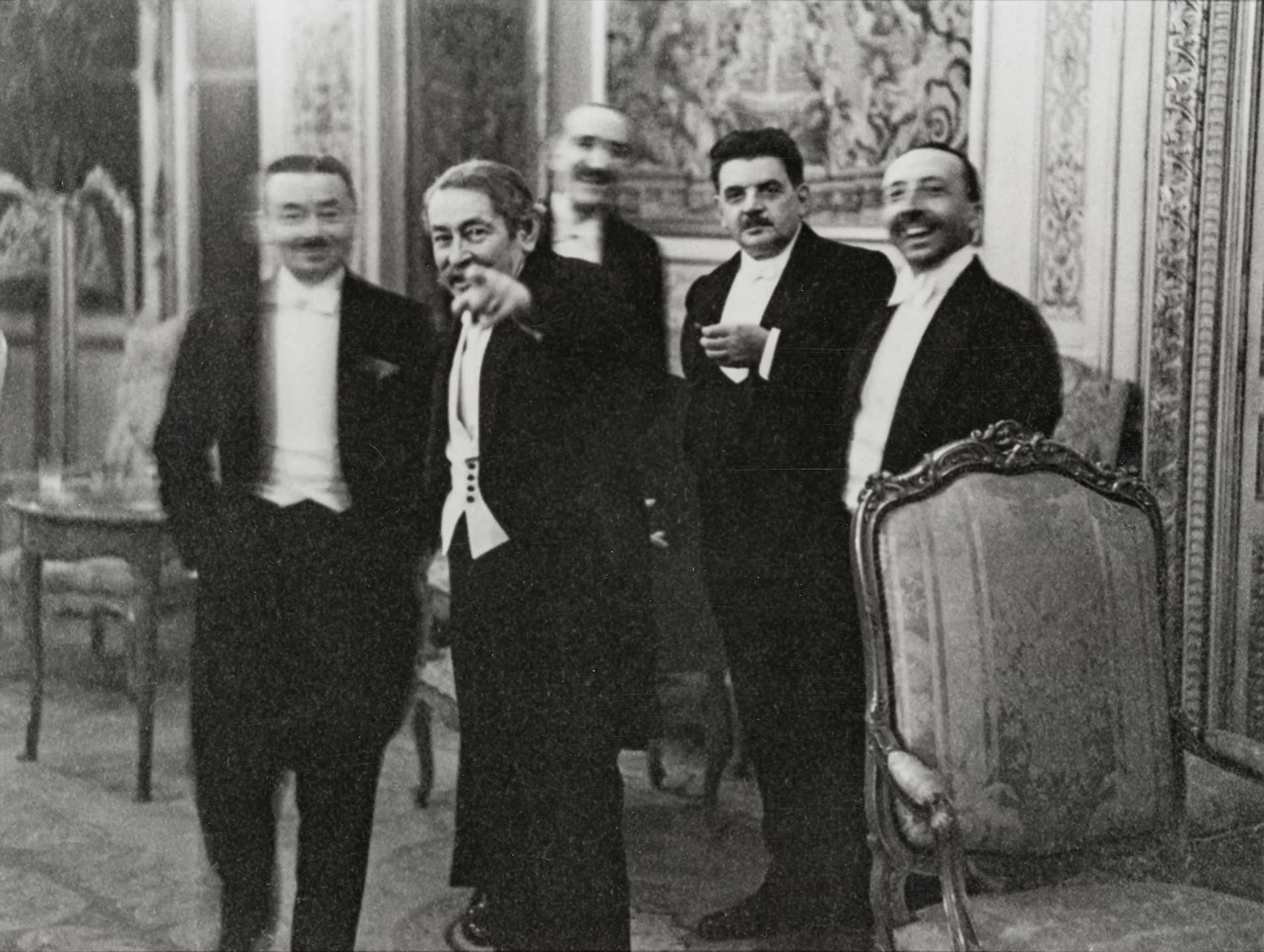
Paris, 1931. A grand reception is under way in the salons of the Quai d’Orsay. Press photographers are not allowed inside. Aristide Briand, the French foreign minister, is sure that one has come in anyway.
He looks around and sees Erich Salomon. He points and calls out: “Ah, le voilà! Le roi des indiscrets!” In English, that is: Ah, there he is, the king of the indiscreet. At that very moment, Salomon presses the shutter.
Briand was not angry. Sources say he was delighted. Salomon had found his way in again.
Four years earlier, Salomon was not a photographer at all. He was born in Berlin in 1886 into a wealthy Jewish family. His father was a banker. He studied zoology, engineering and law. In the First World War he was captured at the Battle of the Marne and spent years as a prisoner in France. After the war he worked at the stock exchange, in a piano factory and in a car rental business. In 1925 he joined the advertising department of the Ullstein publishing house.
Then, in 1927, a billboard campaign for Ullstein led him to photography. He bought an Ermanox.
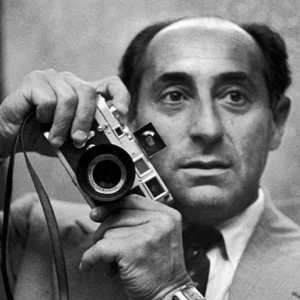
The Ermanox was small. It let him take pictures indoors, without flash, and stay hard to notice. Big press cameras could not do that. Therefore he could work in rooms where photographers were not welcome.
In 1928 he used it at a famous murder trial in Berlin. Photography was banned in the courtroom. Salomon’s camera was small enough to hide in a bowler hat. He came away with the only pictures of the trial. The Berliner Illustrirte Zeitung printed them, and his career began.
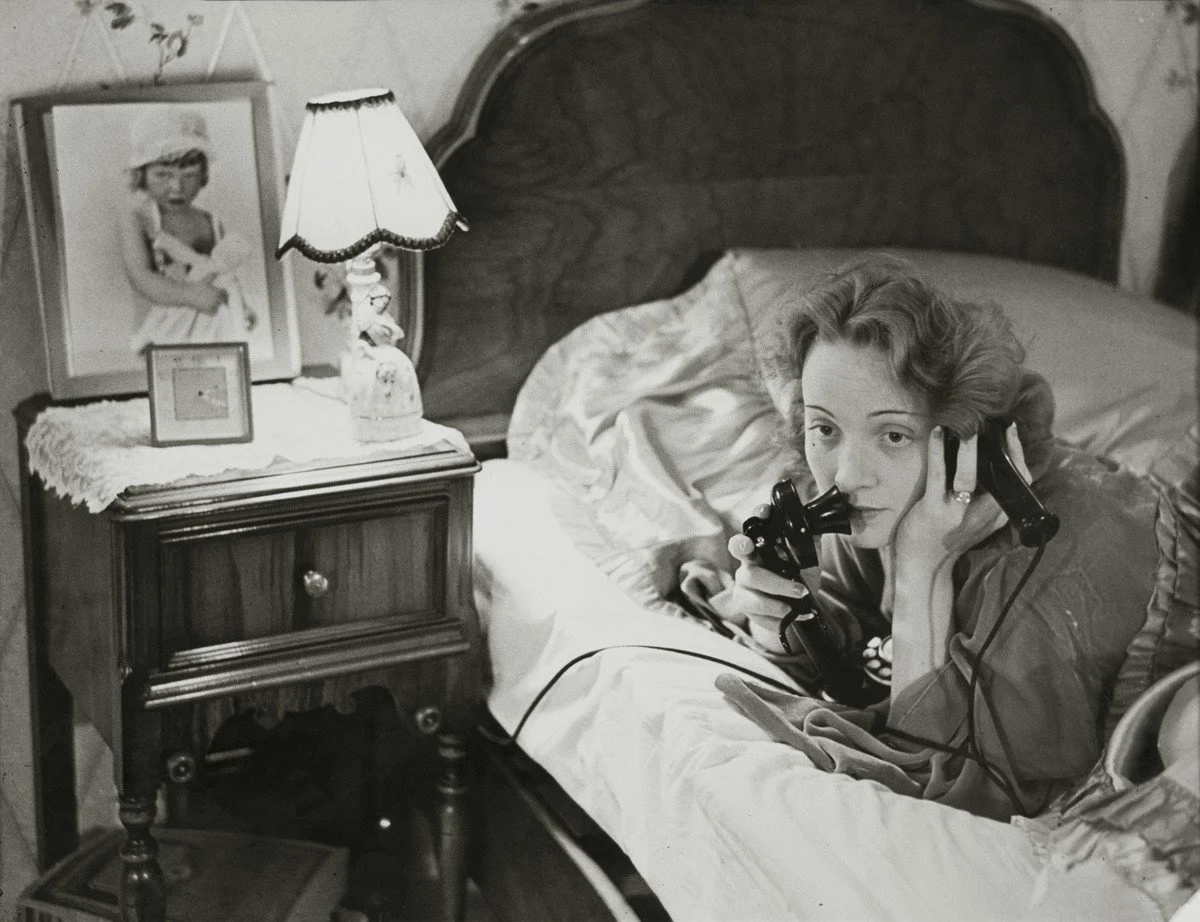
Conferences came next. He followed international meetings and photographed ministers at ease. In 1930 he spent months in the United States. There he photographed Marlene Dietrich, who is seen in one picture on a bed, calling her young daughter in Berlin. In 1931 he published a book, Berühmte Zeitgenossen in unbewachten Augenblicken. The title means Famous Contemporaries in Unguarded Moments.
But Salomon was Jewish. He left Germany for the Netherlands, his wife’s home country, and kept working from The Hague. After German troops occupied the country in 1940, he was no longer safe. He was arrested in 1943. In 1944 he was taken to Auschwitz. He was murdered there on 7 July 1944.
His older son Otto, who later called himself Peter Hunter, saved 400 of his father’s negatives. After the war he gathered the scattered archive. Around 1980 he gave it to the Berlinische Galerie in Berlin. Today it holds more than 10,000 photographs, negatives and documents.
The work
Salomon’s pictures show power without the pose. Ministers talk, laugh, eat and doze. He often watched the people around the main players too. He looked at the audience as well as the stage. He insisted that his name, “Doctor Erich Salomon”, appear on every reproduction.
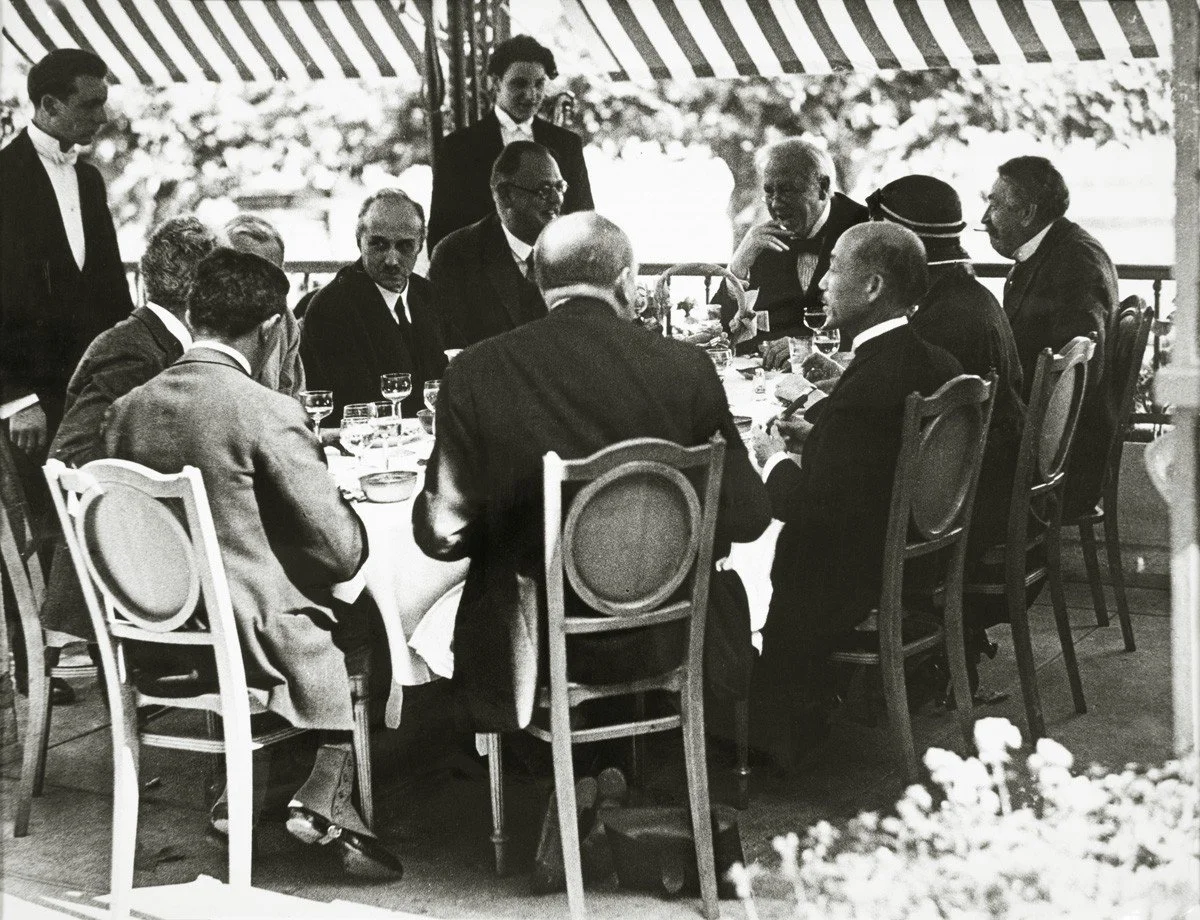
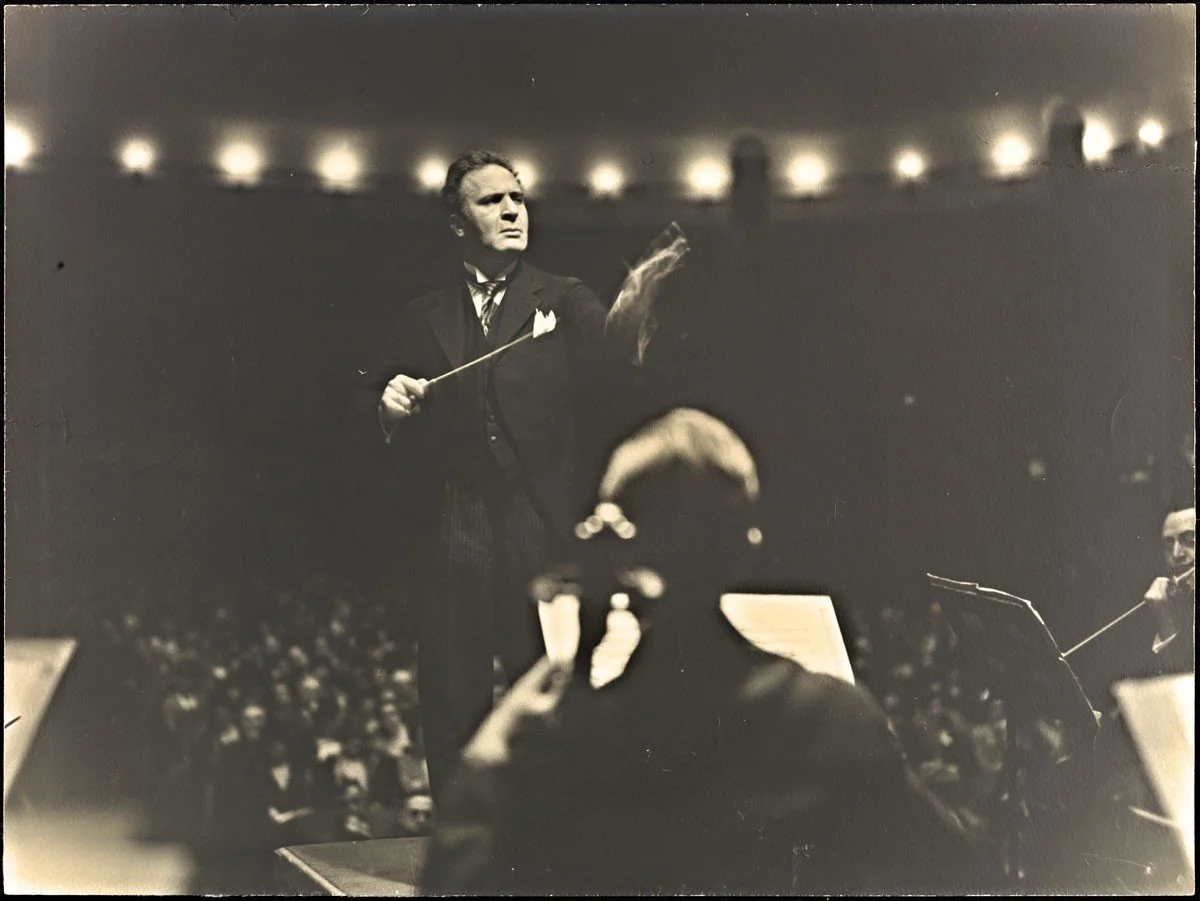
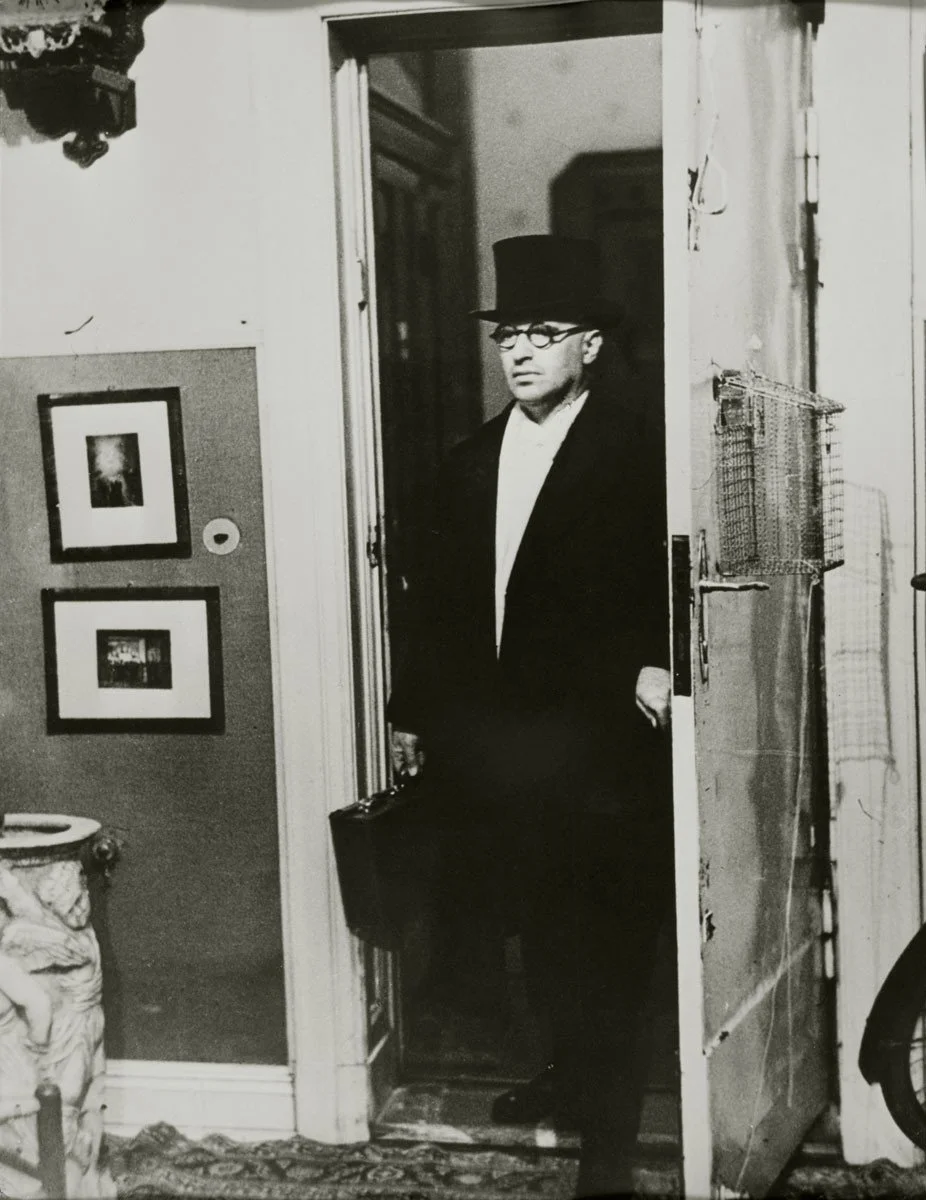
The Marlene Dietrich picture from 1930 is one example of his reach beyond politics. In a picture from the Hotel d’Angleterre in Geneva in 1928, men sit at a lunch table under an awning. Salomon was also fascinated by conductors. The Dutch museum Huis Marseille holds a 1932 picture of the conductor Bruno Walter at work. In his 1932 self-portrait, he appears in top hat and tails, with a dark bag in his hand.
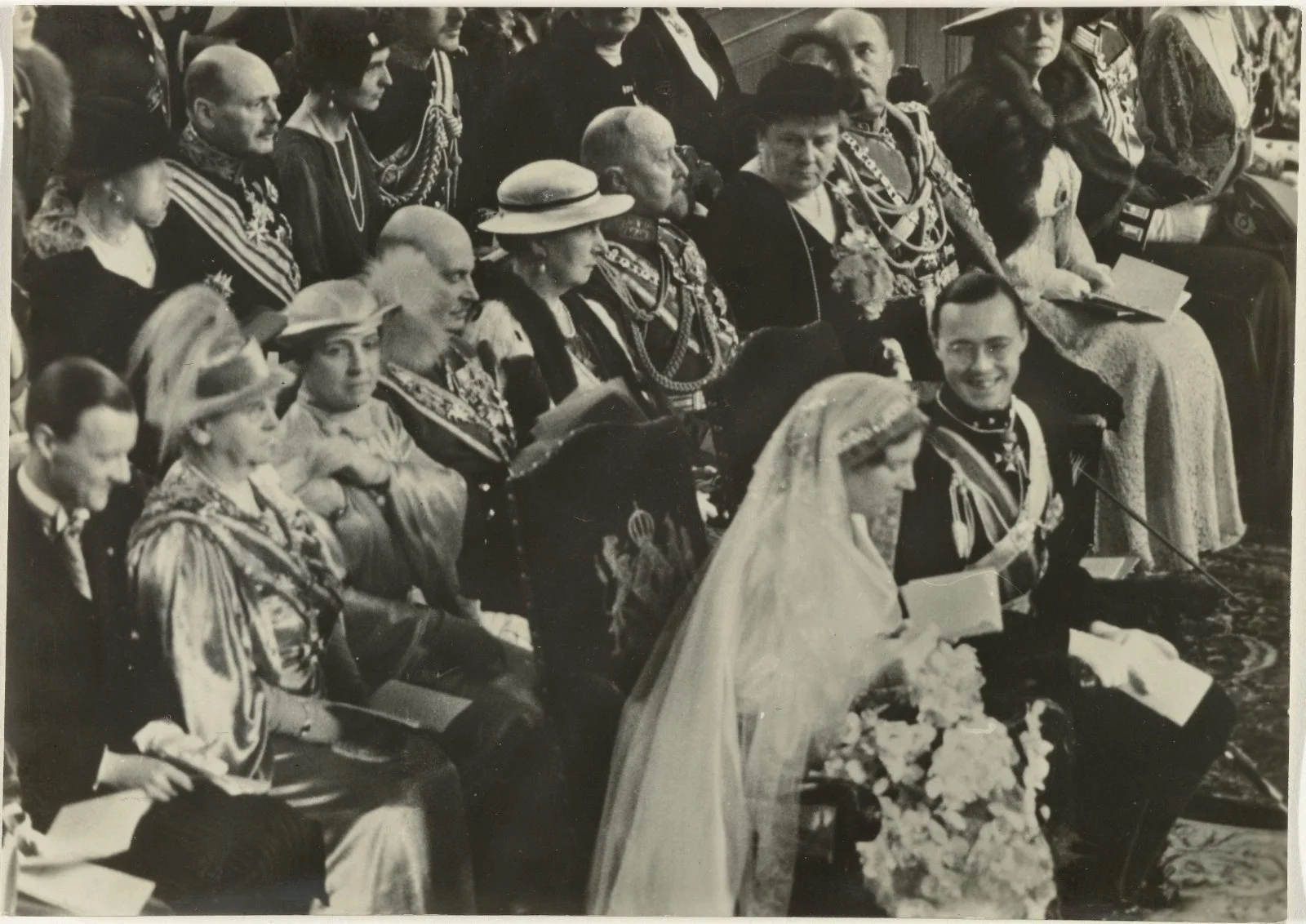
In 1937 he photographed the wedding of Princess Juliana and Prince Bernhard in the St. Jacob’s Church in The Hague. The Rijksmuseum in Amsterdam holds a print of it.
His name lives on in the Dr. Erich Salomon Award, which the German Society for Photography has given since 1971. In 2008 the Jeu de Paume in Paris showed his work in the exhibition “The King of the Indiscreet”.
- 1886Born in Berlin on 28 April
- 1914Captured at the Battle of the Marne; spends the war as a prisoner in France
- 1925Joins the advertising department of the Ullstein publishing house
- 1927Discovers photography on an advertising job and buys an Ermanox
- 1928Hidden-camera pictures of a Berlin murder trial appear in the Berliner Illustrirte Zeitung
- 1930Spends months in the United States and photographs Marlene Dietrich
- 1931Publishes Berühmte Zeitgenossen in unbewachten Augenblicken
- 1933Leaves Germany for the Netherlands and works from The Hague
- 1944Murdered in Auschwitz on 7 July
Lessons
Use the light that is there. Salomon worked indoors with no flash. A fast, small camera let him take pictures people did not notice.
Be polite and calm. Sources say he treated the people he photographed with respect. That helped doors stay open to him.
Look at the people around the event. Salomon photographed the audience and the guests as well as the speakers. Often that is where the human moment is.
Try this: At the next family dinner or meeting, leave the flash off and keep the camera low. Watch for ten minutes. Then take a few pictures of people when they stop performing. Show them the pictures afterward.
Gear
The sources agree on one thing. Salomon worked with a small camera called the Ermanox.
Ermanox camera: The International Center of Photography says it was small enough to use indoors and stay fairly unnoticed. The Victoria and Albert Museum says it was hand-held and worked without flash. Salomon bought one around 1927.
Books
Erich Salomon: Portrait of an Age (Macmillan, 1967). A photobook with an essay by his son, Peter Hunter-Salomon. It was published in the United States by Macmillan in 1967 and later by Collier Books in 1975. It is a good first book for anyone new to Salomon, because it shows the range of his work, from conferences to courtrooms.
Erich Salomon Retrospektive (Schirmer/Mosel, 2004). A large book from 2004, the year of a big Salomon retrospective at the Berlinische Galerie. It is for readers who want the full picture of his career. Expect German text.
Berühmte Zeitgenossen in unbewachten Augenblicken (Engelhorn, Stuttgart, 1931). Salomon’s own book from 1931, published by Engelhorn in Stuttgart. In it he presented himself as a hunter of the true face of famous people and told how each picture was taken. It is now a rare book, best for collectors and photobook fans.