AT A GLANCE
- Known for
- Muhammad Ali vs. Sonny Liston (1965) and the overhead view of Ali vs. Cleveland Williams (1966); more than 200 magazine covers
- Works in
- Color and black and white
- Camera
- Rolleiflex and Hasselblad medium format, Nikon 35mm
- Also
- Sports Illustrated, Time and LIFE photographer, 16 Olympic Games, now a filmmaker
- Start with
- Relentless: The Stories behind the Photographs (University of Texas Press, 2016)
- Links
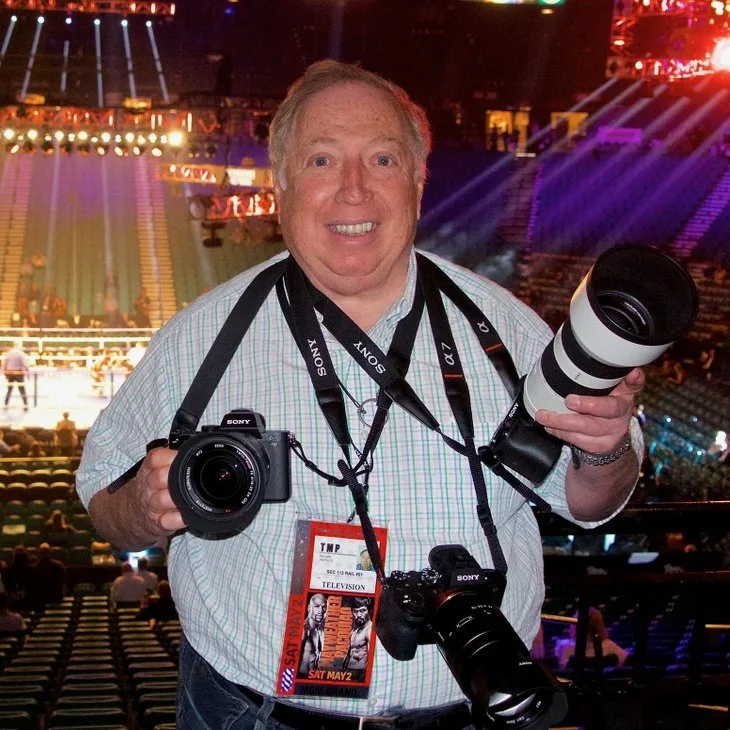
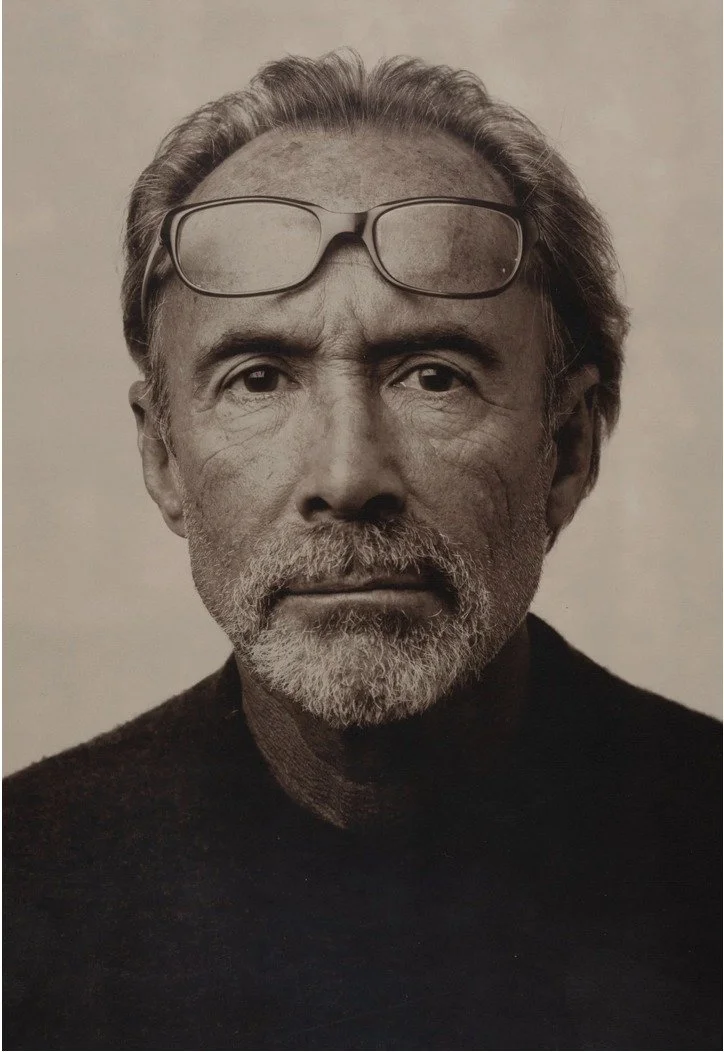
Neil Leifer (born 1942) is an American sports photographer from New York. Over more than 60 years his pictures have appeared on over 200 covers of Sports Illustrated, Time and People. His 1965 photograph of Muhammad Ali standing over Sonny Liston is often called the greatest sports photograph of all time.
The story
On December 28, 1958, Neil Leifer turned 16. He spent the day at Yankee Stadium, where the New York Giants played the Baltimore Colts for the NFL title. A boy from the Lower East Side, he had learned photography in a camera club at the Henry Street Settlement. He got onto the field by pushing the wheelchair of a disabled fan. In his hands was a small Yashica Mat. When the game went to sudden death, Colts fans crowded the field, and security did not worry about a kid they saw every week. “So I ended up exactly ten yards in front of Ameche as he scored the winning touchdown,” he said.
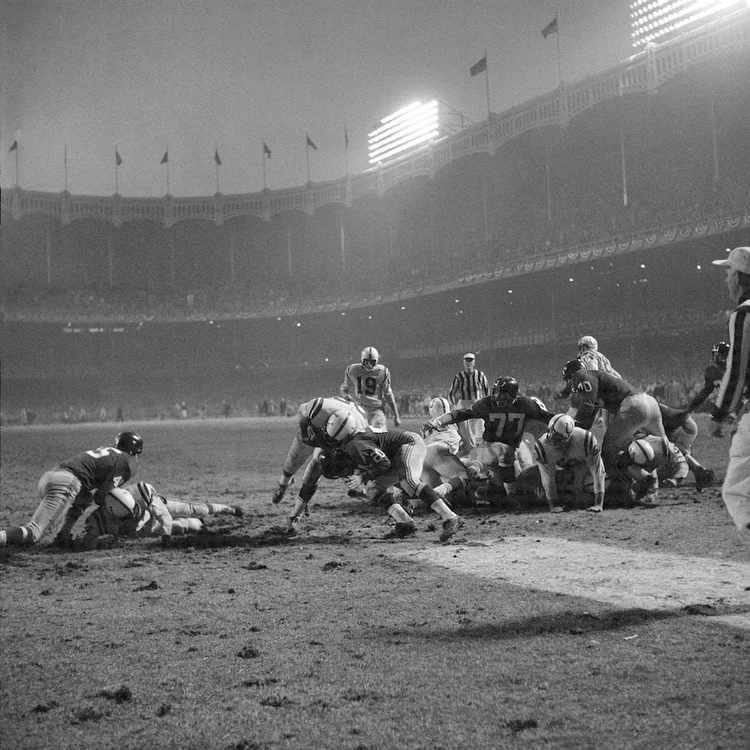
With no long lens, the picture took in the whole stadium. Years later he thought it was better than what he would have made as a pro. “I always think that if I had had any money and any decent equipment, I would never have taken that picture.”
Luck came back on May 25, 1965, in Lewiston, Maine. Now 22 and working for Sports Illustrated, Leifer had one of the magazine's two ringside seats. Herb Scharfman had the other. Three days before the fight, Leifer worked with electricians to hang strobes about 20 feet above the ring. “You want the fighters to pop out,” he explained. In the first round Ali knocked Liston down. Leifer was on the right side of the ring. Scharfman, across from him, can be seen between Ali's legs.
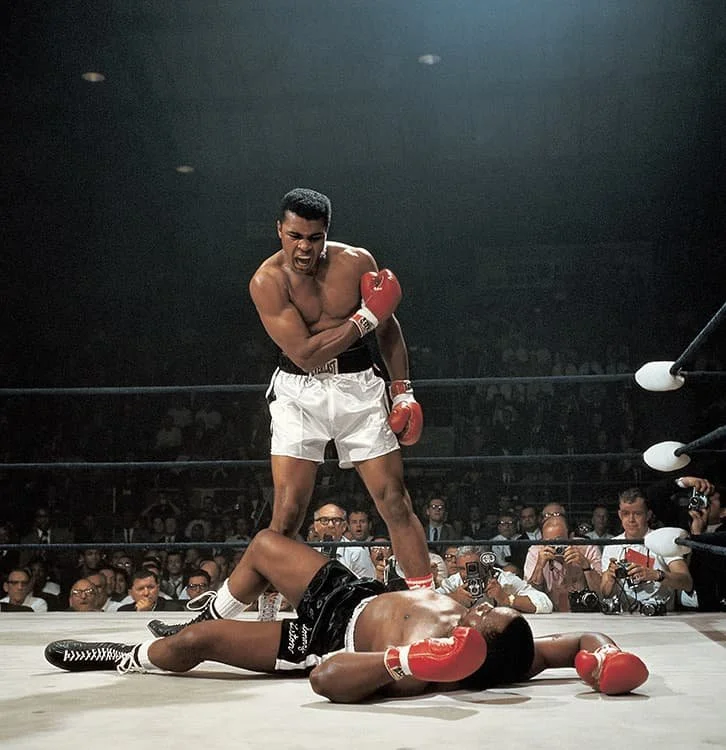
But the picture did not make the cover. It ran on the last page of the story, and it “didn't win a single award. Zero.” Its fame grew slowly, together with Ali's legend.
So for Ali's fight with Cleveland Williams at the Houston Astrodome in November 1966, he did not wait for the right seat. Two days before the fight, he put a Hasselblad in the lighting gondola, about 80 feet above the ring. A wire ran down to a button at ringside, and the camera held only 12 frames. “Nobody had ever put a camera in the middle of the lighting rig before,” he said. It is his favorite picture, and the only one of his photographs he keeps at home.
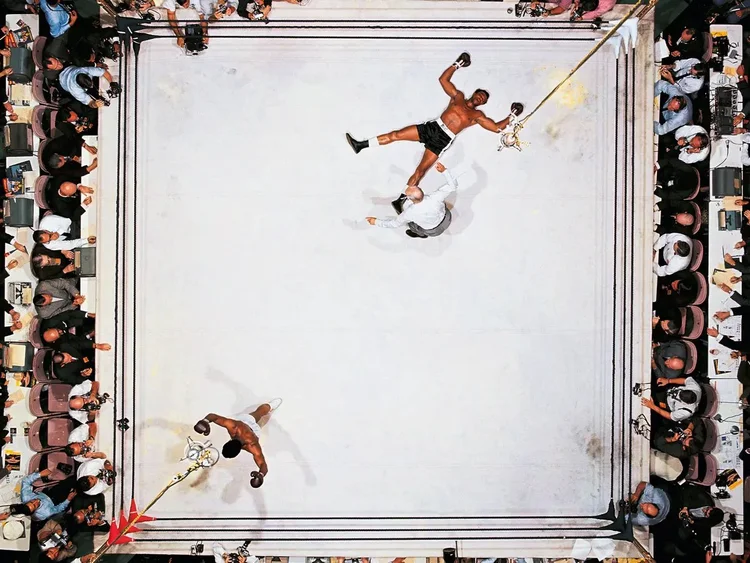
The boy at Yankee Stadium had been lucky. The man in Houston had been ready. For him, the two go together. “The point is when you get lucky, don't miss.”
The work


- 1942Born in New York City
- 1958Photographs the NFL title game at Yankee Stadium on his 16th birthday
- 1965Ali vs. Liston in Lewiston, Maine
- 1966Overhead view of Ali vs. Williams in Houston
- 1978Moves from Sports Illustrated to Time
- 1984Olympic preview portraits for Time in 13 countries
- 2014First photographer in the International Boxing Hall of Fame
- 2016Publishes his memoir Relentless
- 2020Publishes Boxing: 60 Years of Fights and Fighters
Lessons
Prepare the light. In Lewiston he came three days early to hang strobes above the ring, so the fighters would stand out from the dark crowd.
Find the angle no one has. In Houston he put a camera 80 feet above the ring. Nobody had placed one in the lighting rig before.
Let limits work for you. At 16 he had no long lens. The wide frame he was forced to make shows the whole stadium, and he later liked it more.
Try this: at a local game, choose your spot before it starts and stay there. Make one wide frame that shows the whole place, then compare it with your close-ups.
Gear
Yashica Mat: the small twin-lens camera he used at the 1958 NFL title game, on his 16th birthday.
Rolleiflex: a square-format Rolleiflex with a sports finder and color slide film made the Ali vs. Liston picture, at 1/500 second with strobes.
Hasselblad: the camera he hung above the ring in Houston in 1966, fired by a wired remote. He also used a Hasselblad at ringside in Zaire in 1974, with a Nikon 35mm for work outside the ring.
For Time's 1984 Olympic preview he photographed athletes at famous places in 13 countries. He says he did not use any artificial lighting for those pictures.
Books
Relentless: The Stories behind the Photographs (University of Texas Press, 2016). His memoir, written with Diane K. Shah, in the Focus on American History series. In about 400 pages he tells the stories behind some fifty of his best-known photographs: athletes, news events, presidents and celebrities. He also looks back on how photojournalism changed after the era of the big picture magazines. The best place to start if you want to know how the famous pictures were made.
Boxing: 60 Years of Fights and Fighters (Taschen, 2020). A huge 424-page collector's edition of 1,000 signed copies, with an introduction drawn from Gay Talese's boxing columns and captions by Gabriel Schechter. It follows boxing from the 1959 Patterson vs. Johansson fight to the 2020 Wilder vs. Fury rematch: title fights, boxers, promoters and entourages. For collectors and boxing fans who want his ringside work in one place.
Guts & Glory: The Golden Age of American Football 1958–1978 (Taschen, 2008). A 350-page limited edition of 1,500 signed copies, chosen from more than 10,000 rolls of film, many pictures never published before. The introduction is built from Jim Murray's football columns. Four chapters cover the game, legends such as Johnny Unitas, Jim Brown and Joe Namath, coaches such as Vince Lombardi and Tom Landry, and the big games from 1958 to Super Bowl XII.
Ballet in the Dirt: The Golden Age of Baseball (Taschen, 2007). More than 300 photographs of baseball from the 1960 World Series to the 1977 World Series, with texts by film director Ron Shelton and Gabriel Schechter, edited by Eric Kroll. The chapters look at the game, heroes such as Roberto Clemente, Mickey Mantle and Sandy Koufax, the great rivalries and the World Series. Taschen also made a signed edition of 1,000 copies, sold as The Golden Age of Baseball.




Today I want to talk about this particular picture — Muhammad Ali vs. Sonny Liston by Neil Leifer . I am going to take a closer at the story behind the photograph and why is this picture so iconic. So, let’s get started.