AT A GLANCE
- Known for
- Earth from Above, aerial pictures of the planet made from helicopters and balloons; the films Home (2009) and Human (2015)
- Works in
- Color
- Camera
- Canon full-frame digital cameras from helicopters and balloons; in recent years mostly drones, such as the DJI Inspire 2
- Also
- Founded the aerial photo agency Altitude (1991) and the GoodPlanet Foundation (2005); UN Environment Goodwill Ambassador since 2009
- Start with
- Earth from Above (Abrams, 1999)
- Links
Yann Arthus-Bertrand (born 1946) is a French photographer, filmmaker and environmental activist. He is best known for Earth from Above, a book of aerial photographs first published in 1999 that has sold more than three million copies. He also directed the film Home (2009) and founded the GoodPlanet Foundation in 2005.
The story
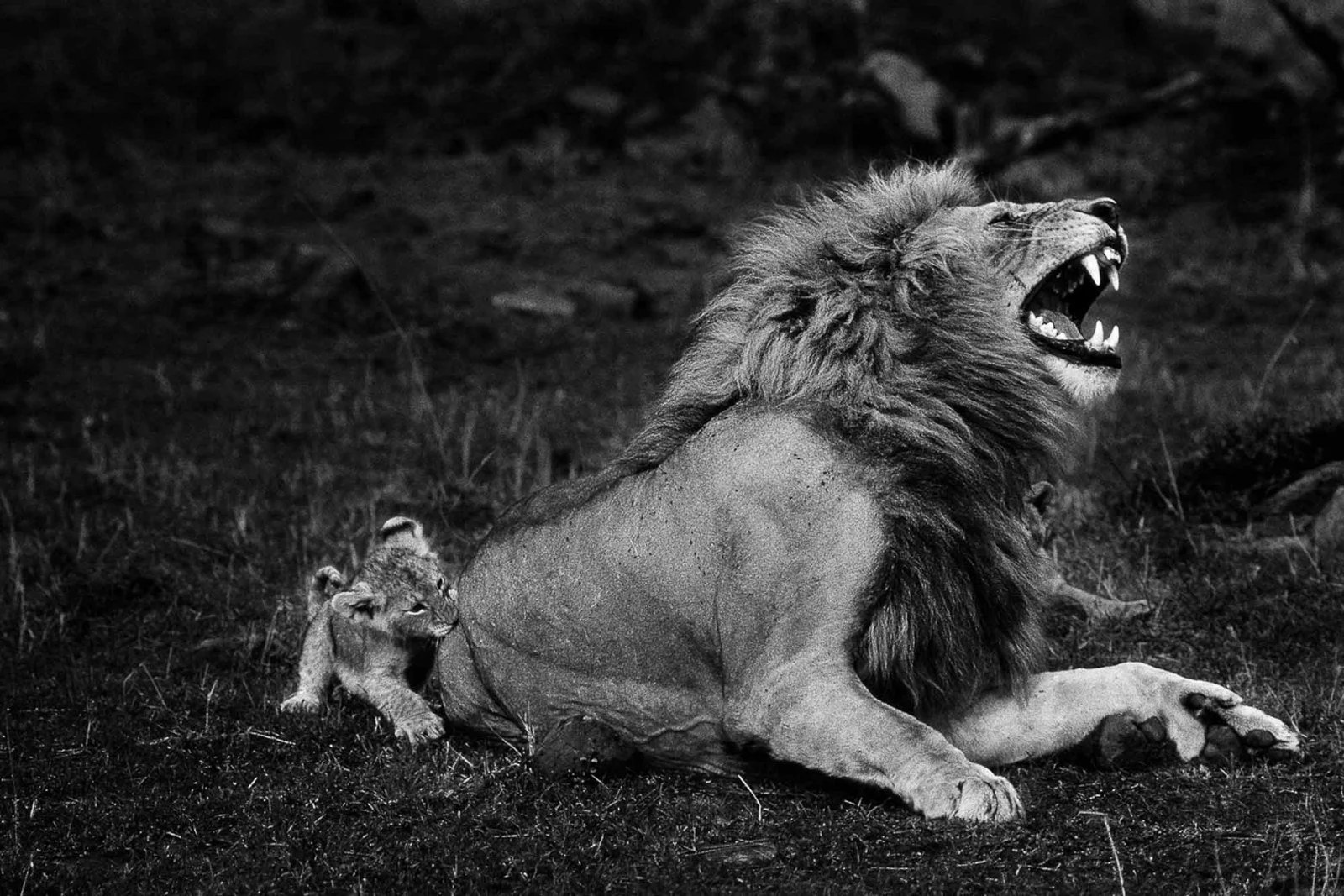
In 1976 Yann Arthus-Bertrand moved to Kenya with his wife, Anne, and their two young children. He was 30. For three years they followed lions in the Masai Mara reserve, for a doctoral thesis he was writing. To pay for the research, he trained as a hot-air balloon pilot and took tourists up to see the animals.
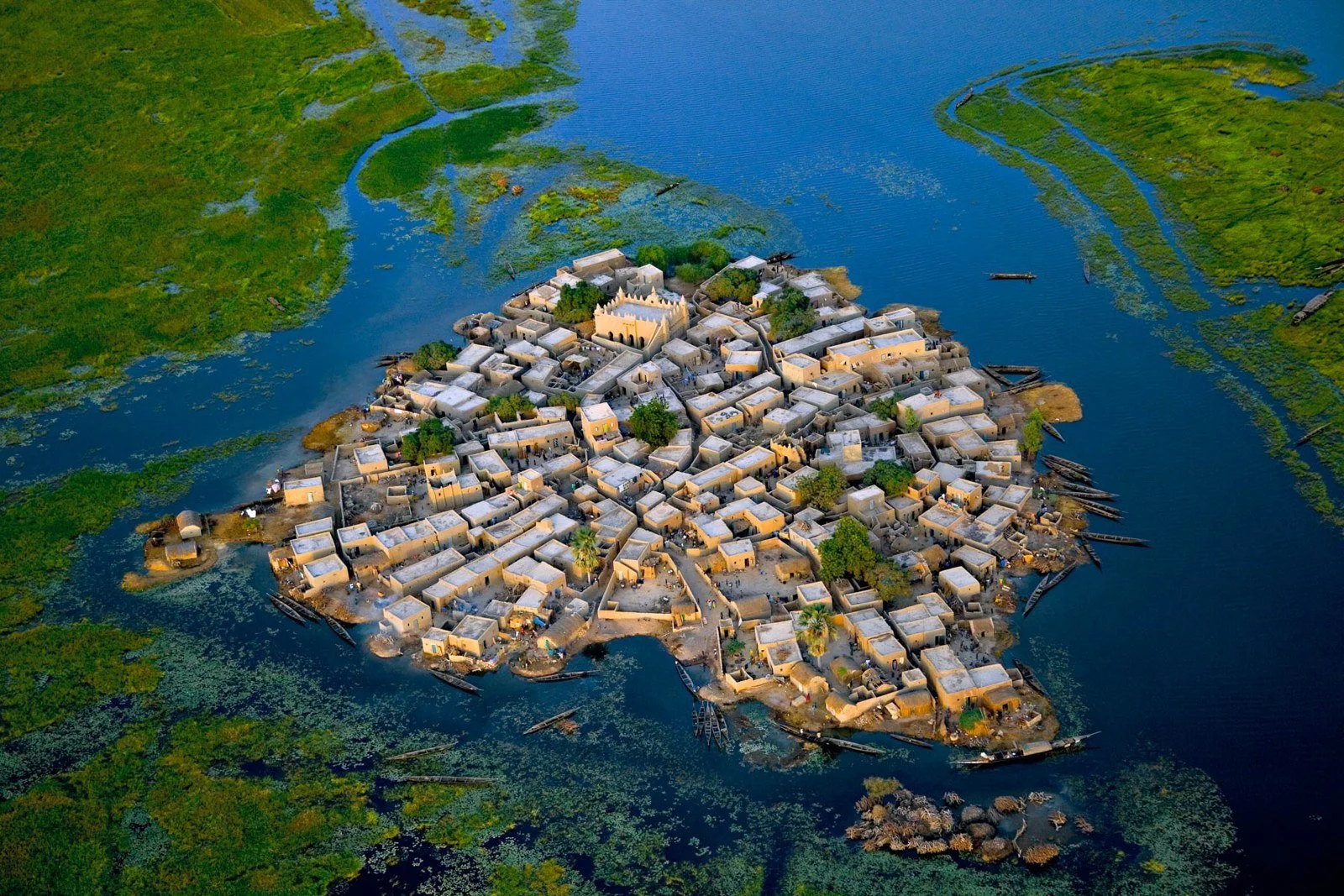
Up there, something changed for him. “It was completely different from the view from the ground,” he said. “It was like being in a dream, to fly like a bird.” He began to photograph the land below. In those years he also found that a picture could say things that words could not. “I decided to become a photographer, not a scientist,” he said.
Back in France in 1981, he published a book called Lions two years later. It sold well, and magazines such as Paris Match and GEO gave him work. In 1991 he founded Altitude, a press agency and image bank only for aerial photography.
Then, in 1992, he read about the Earth Summit in Rio de Janeiro. “That’s when I realized that I had work to do,” he said. So in 1994, with support from UNESCO, he started a long project to show the state of the planet, flying in helicopters and balloons.
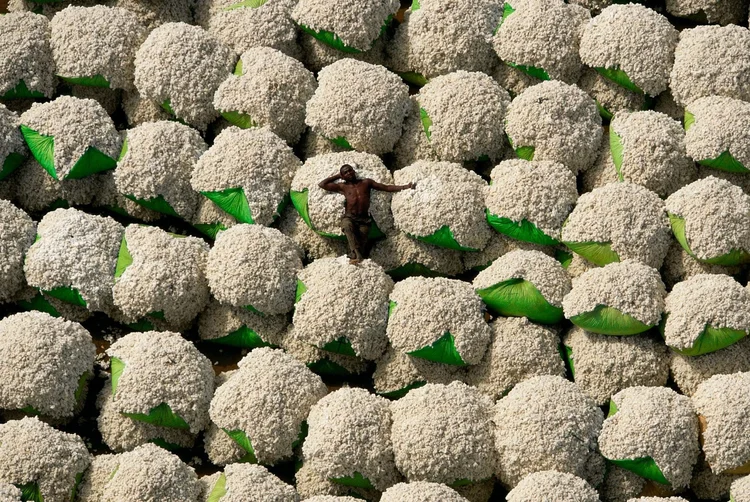
The book Earth from Above came out in 1999. It has sold more than three million copies in 24 languages. Every photo comes with a caption about environmental or social issues in that place, and he sees the captions as just as important as the pictures. One photo shows a worker resting on top of huge bales of cotton in Thonakaha, in the Korhogo region of Ivory Coast.
In 2000 the pictures went up as large prints on the fences of the Jardin du Luxembourg in Paris, free for anyone walking past. “We invented street photo exhibitions,” he said. The show later travelled to more than 100 cities.
The young pilot in Kenya flew for the joy of seeing the world like a bird. Years later, flying became a way to tell people what was happening to that world. “This work completely changed my life,” he said. “I became an activist.”
The work


- 1946Born in Paris on 13 March
- 1976Moves to Kenya to study lions in the Masai Mara
- 1983Publishes his first book, Lions
- 1991Founds Altitude, an agency for aerial photography
- 1994Starts the Earth from Above project with UNESCO support
- 1999Publishes Earth from Above
- 2005Founds the GoodPlanet Foundation
- 2009Releases the film Home; becomes UN Environment Goodwill Ambassador
- 2015Releases the film Human
Lessons
Your side job can show you the way. Flying tourists over Kenya in a balloon paid for his lion research. It also gave him the view that shaped his whole career.
Write good captions. Each photo in Earth from Above has a caption about the place and its problems. For him, the words are as important as the image.
Take pictures to the people. He showed Earth from Above for free on the fences of a Paris park, where anyone could stop and look.
Try this: find the highest place in your town that you can safely and legally reach, such as a hill, a tower or a top floor. Make ten photos looking down. Then write two short lines under each one about what it shows of how people live there.
Gear
Most of his aerial work was made from the air itself, so the aircraft matter as much as the camera.
Hot-air balloon: in Kenya in the late 1970s he flew tourists in a balloon. That is where he first saw and photographed the land from above.
Helicopter: for Earth from Above he worked mostly from helicopters, which let him get closer to his subjects. His GoodPlanet Foundation offsets the carbon from these flights.
Canon full-frame DSLR: before drones, he used a Canon full-frame DSLR kit for his aerial photos.
DJI Inspire 2 drone: in 2018 he began using this drone with a Zenmuse X7 camera. Today he does most of his aerial work with drones, because they produce less carbon than helicopters.
Books
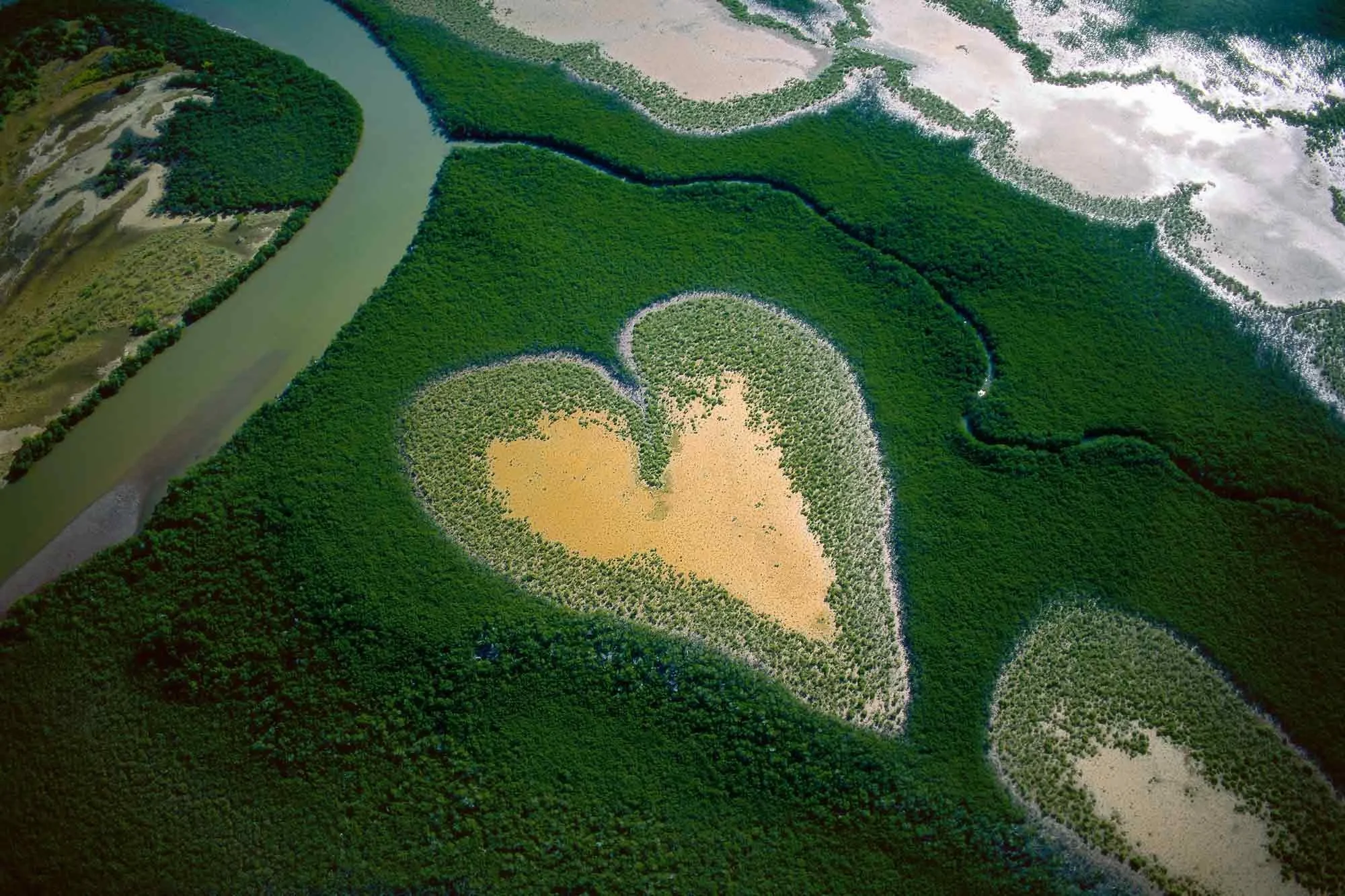
Earth from Above (Abrams, 1999; anniversary edition 2010). The book that made him famous. It grew out of a five-year project across 60 countries on five continents, supported by UNESCO. Each aerial photo has a caption about the place and its environment, from the heart-shaped mangrove at Voh in New Caledonia to Mammoth Hot Springs. A revised edition added an introduction by Lester R. Brown and new photos. The 2010 anniversary edition, 440 pages, has more than 100 new photographs and nine new essays in which he and about a dozen environmental experts look back at the decade. It is the best place to start, for photographers and for anyone who cares about the planet.
Human: A Portrait of Our World (Abrams, 2015). A 224-page book with 200 color pictures, made with the film Human. For three years he and the GoodPlanet Foundation recorded more than 2,000 interviews in 70 countries. The book mixes his portraits and aerial images with words from those interviews. Each chapter has a theme, such as justice, tolerance, poverty, war and happiness, with essays by journalists and human rights activists. Good for readers who want to see how his work turned from landscapes to people.
Yann Arthus-Bertrand: Being a Photographer (Harry N. Abrams, 2004). A 240-page look at his whole career, with biographical text by Sophie Troubac and an hour-long DVD. The first part follows his time with the Maasai in Kenya in the early 1980s, with lions and wildebeest. Later sections show his posed portraits of farm animals and their owners from the Paris Agricultural Show, and aerial images from Earth from Above. It also explains how he approaches people and works on location and in the studio. A good choice if you want to know the photographer behind the aerial pictures.
In his words
“There is no artist that can compete with a tree.”
“Photography is something everyone can understand.”