AT A GLANCE
- Known for
- Portraits of the writers and artists of Paris in the 1850s, such as Gautier and Rossini, the first aerial photographs from a balloon, and pictures of the Paris catacombs
- Works in
- Portrait studios at 113 rue Saint-Lazare and, from 1860, at 35 Boulevard des Capucines in Paris
- Also
- Caricaturist, journalist and balloonist · patented aerial photography in 1858 · his former studio hosted the first Impressionist exhibition in 1874
- Awards
- International Photography Hall of Fame
- Start with
- Nadar (The Metropolitan Museum of Art, 1995)
- Links
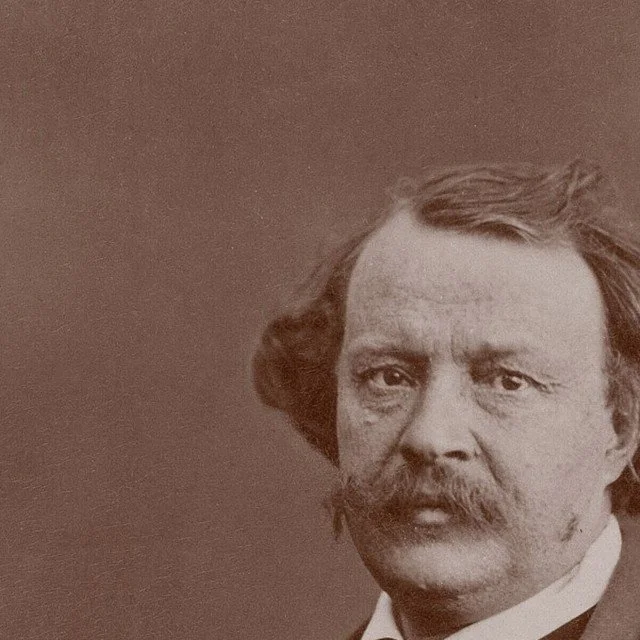
Nadar was the name used by Gaspard-Félix Tournachon (1820 to 1910), a French photographer, caricaturist, writer and balloonist. In the 1850s he made portraits of the writers, artists and musicians of Paris. He was also the first to photograph from a balloon and among the first to photograph underground with artificial light.
The story
Early in 1854, a banker friend offered to back Nadar in a portrait photography business. Nadar was busy as a caricaturist, so he paid for photography lessons with Gustave Le Gray for his younger brother Adrien and pushed him to run the studio. Adrien took the lessons and opened the studio alone.
But the camera had caught Nadar’s interest. He set up a darkroom in his garden apartment at 113 rue Saint-Lazare and photographed friends who came to visit. In September 1854 Adrien’s business was failing, and Nadar stepped in to save it. “I gave it everything I could,” he wrote.
In January 1855 the brothers quarreled and split. Adrien kept calling himself Nadar the Younger, and Nadar took him to court over the name. The case lasted until 1859, and Nadar won.
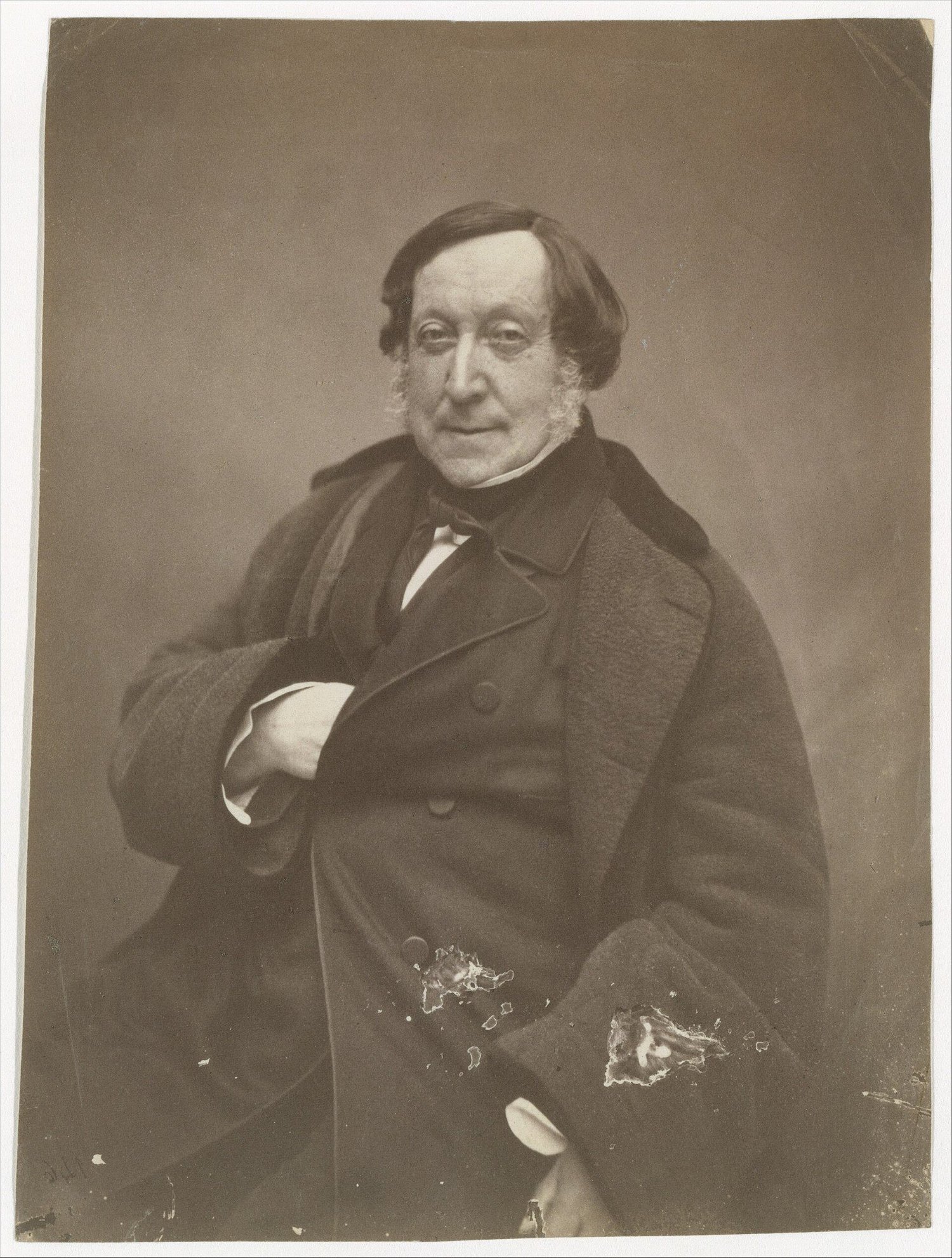
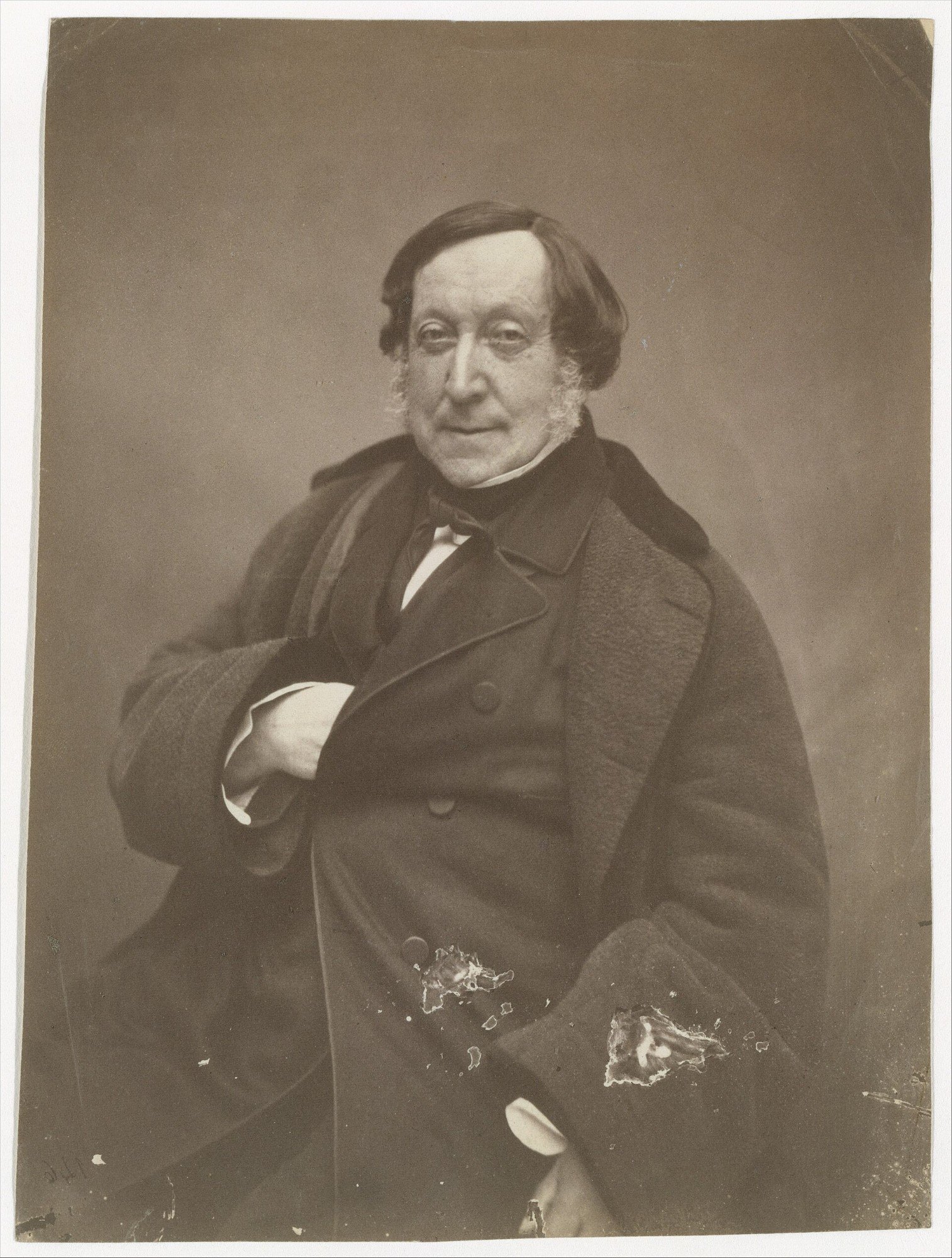
During those years he made his finest portraits. He worked at home, in a relaxed way, with friends and famous people he invited, such as the composer Gioacchino Rossini and the writer Théophile Gautier. He told jokes and stories while he worked. For him a portrait was a meeting between two people. “It’s the psychological side of photography.”
In 1860 he moved to a huge studio at 35 Boulevard des Capucines, in a building that Le Gray and the Bisson brothers had just left. His giant signature ran across the glass front. The studio became the leading portrait business in Paris, but Nadar left most of the work to his staff and later to his son Paul.
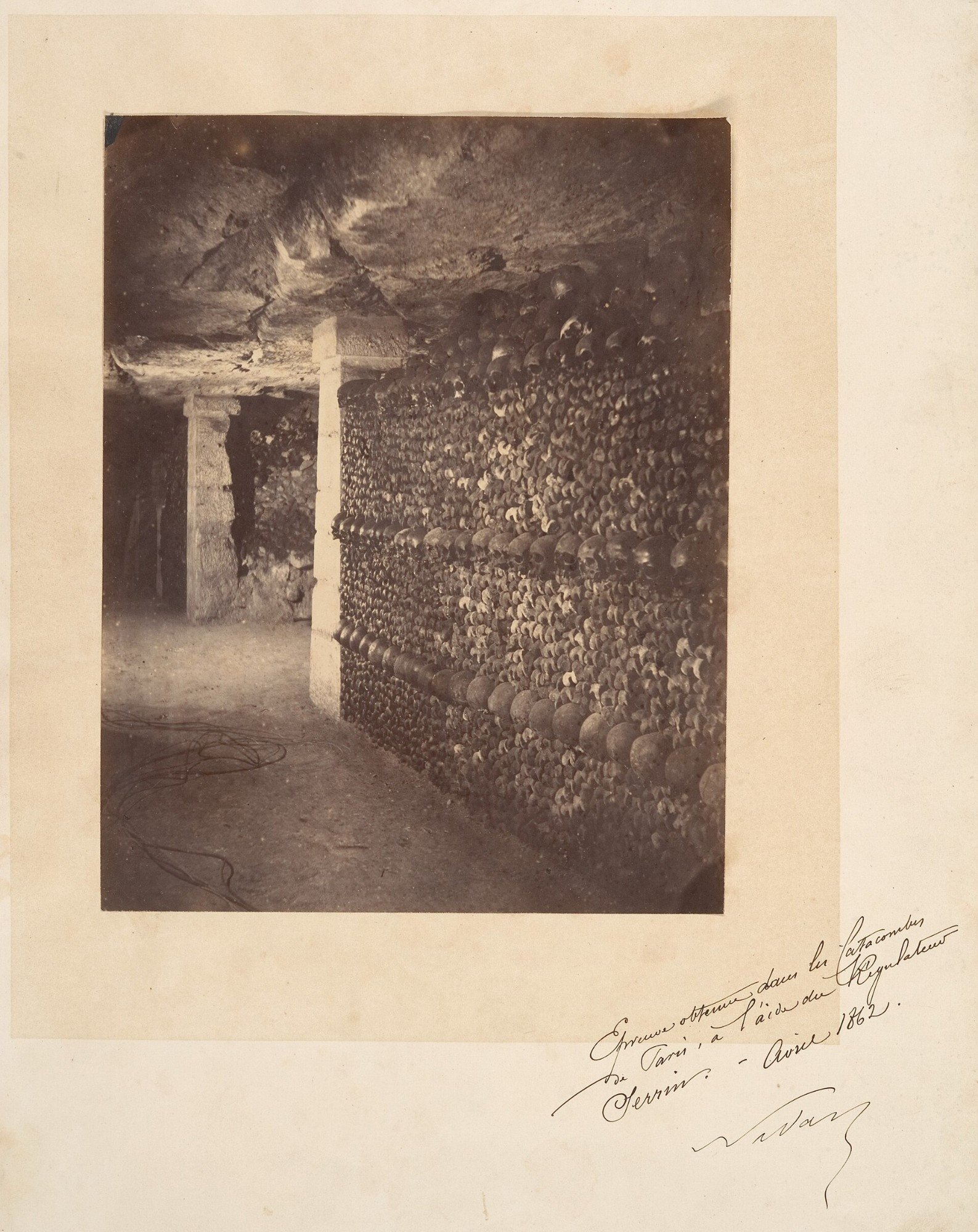
He turned to new adventures. In 1858 he patented aerial photography and became the first to make photographs from a balloon. He photographed in the catacombs and sewers of Paris with artificial light, and he flew Le Géant, the biggest balloon ever built. In April 1874 a group of painters held their first exhibition in his former studio on the Boulevard des Capucines. It became known as the first Impressionist exhibition. Late in life he was still full of plans. “As of today, my 75 years of age and I are planning to go start over somewhere around Nice...”
The work
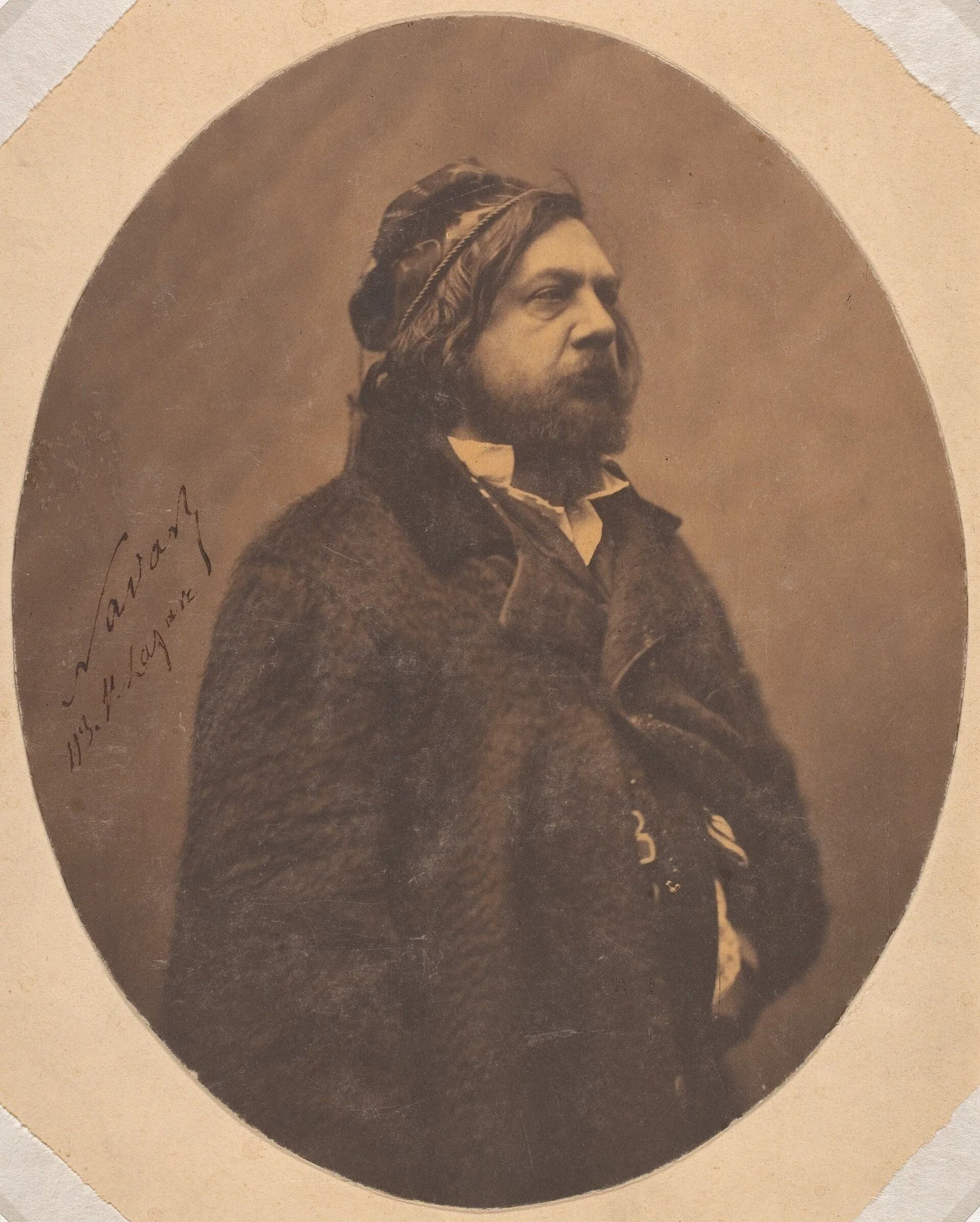
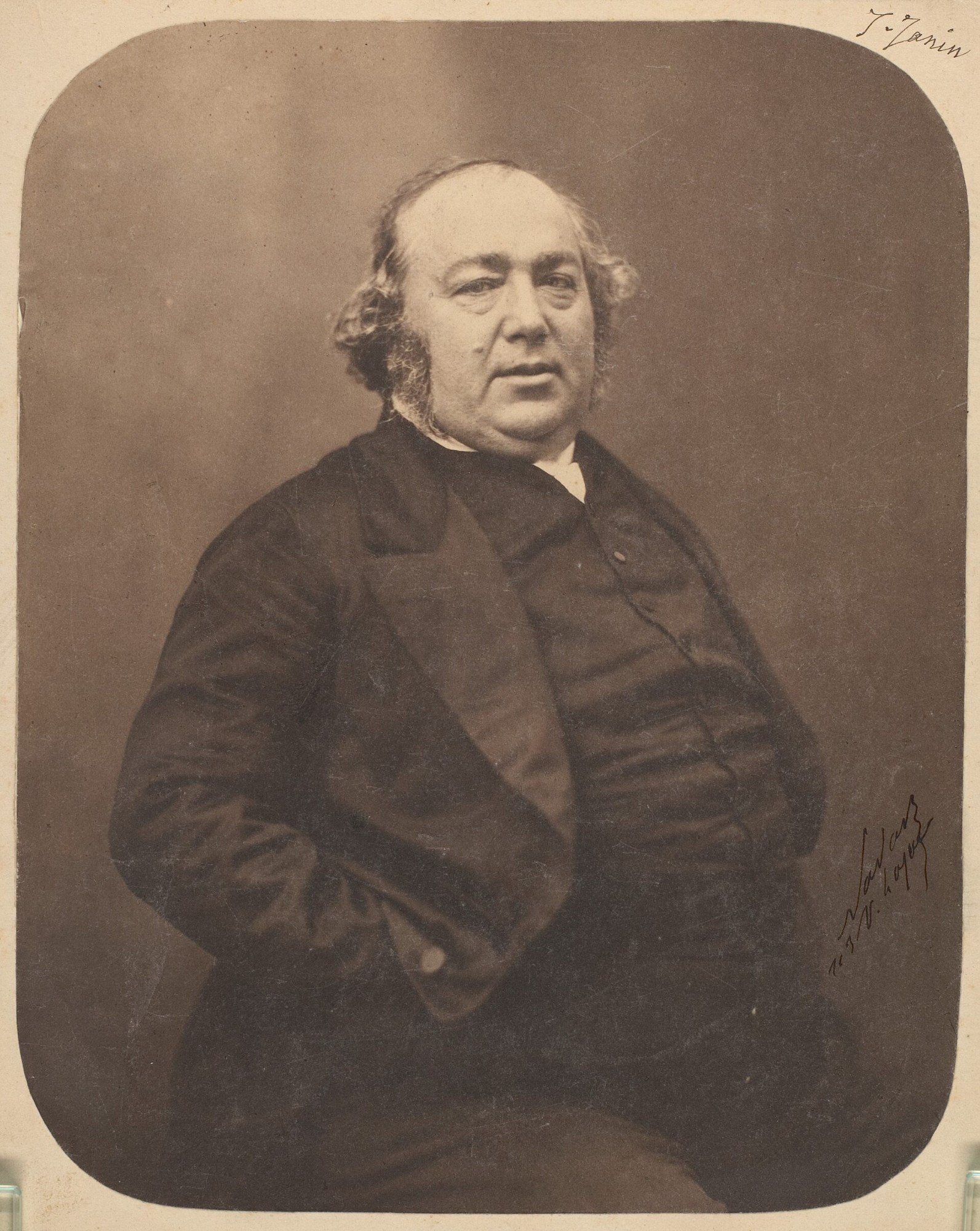
Nadar’s best portraits come from the 1850s. His sitters were mostly friends and people who shared his ideas: writers, painters, actors and musicians. In Gioacchino Rossini, 1856, and Théophile Gautier, about 1856, the faces are lit softly against a plain background. Jules Janin, about 1856, shows the critic as a big personality at rest.
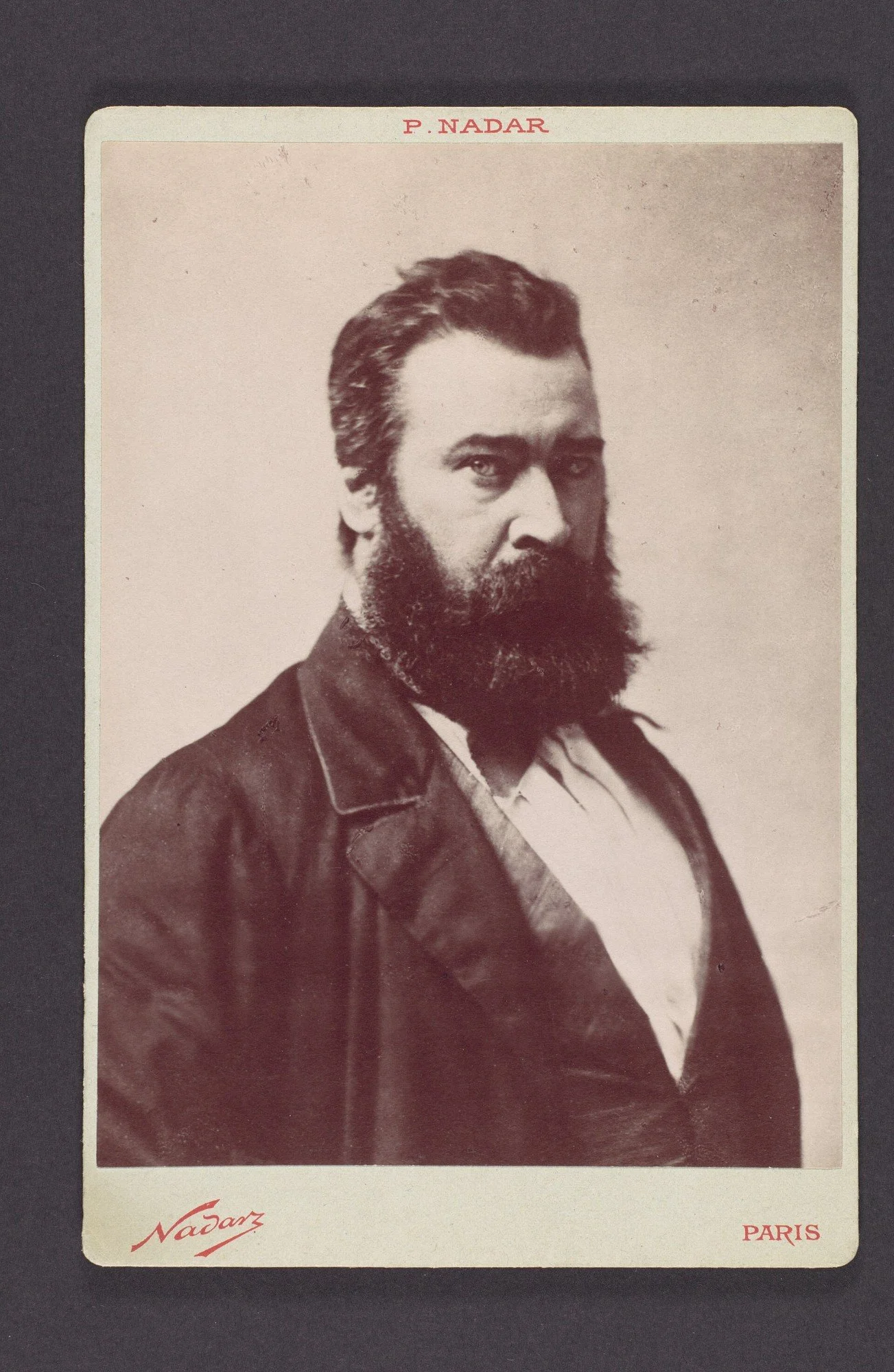
He also photographed artists. Jean-François Millet, made between 1856 and 1858, is in the collection of the Metropolitan Museum of Art. The Met describes his portraits as generous and perceptive, and as a private theater of personality.
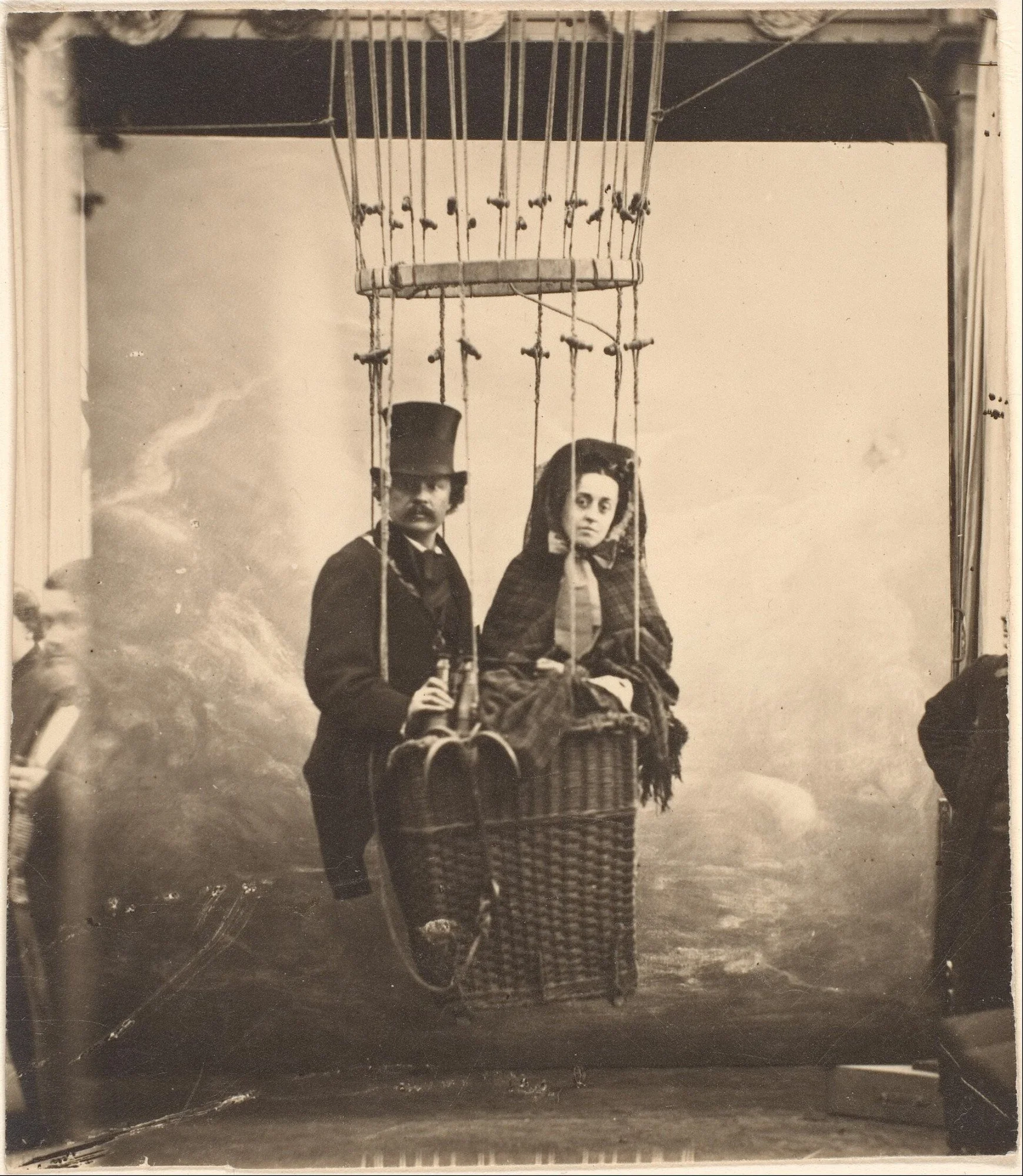
His adventures produced other kinds of pictures. Catacombs, Paris, 1862, was made deep underground with artificial light. Nadar with His Wife, Ernestine, in a Balloon, about 1865, is a studio picture of the couple in a balloon basket. Nadar himself more or less retired in 1873 and wrote several books of memoirs before his death in 1910.
- 1820Born Gaspard-Félix Tournachon in Paris, the son of a liberal publisher
- 1852Publishes the Panthéon Nadar, a huge caricature of famous people
- 1854Sets up a darkroom at 113 rue Saint-Lazare and begins to make portraits
- 1858Patents aerial photography and makes the first photographs from a balloon
- 1859Wins the right to the name Nadar in court against his brother Adrien
- 1860Moves to a large studio at 35 Boulevard des Capucines
- 1862Photographs the catacombs of Paris with artificial light
- 1874His former studio hosts the first Impressionist exhibition
- 1910Dies
In his words
“It’s the psychological side of photography.”
“I gave it everything I could.”
“As of today, my 75 years of age and I are planning to go start over somewhere around Nice...”
Gear
Collodion glass plate camera: In the 1850s Nadar worked with the new collodion on glass negatives, which gave sharp portraits in many copies, as the Metropolitan Museum of Art explains.
Books
Nadar (The Metropolitan Museum of Art, 1995). The catalogue of the large Nadar retrospective at the Musée d’Orsay and the Met, with essays by Maria Morris Hambourg, Françoise Heilbrun and Philippe Néagu. It focuses on his great portraits of the 1850s. The standard book in English.
When I Was a Photographer (MIT Press, 2015). Nadar’s own memoir, Quand j’étais photographe, first published in 1900, in an English translation by Eduardo Cadava and Liana Theodoratou. Lively stories about balloons, the catacombs and the early days of photography. For readers who want to hear Nadar himself.