Inside the World’s Most Secret Food Facilities: Gregor Sailer on Access, Control, and the Illusion of Plenty
Welcome to this edition of [book spotlight]. Today, we uncover the layers of 'Cockaigne,' by Gregor Sailer (published by Kehrer Verlag). We'd love to read your comments below about these insights and ideas behind the artist's work.
The Cockaigne exhibition opens February 10, 2026, at the Natural History Museum Vienna, presenting Sailer's photographic exploration of future food systems through two contrasting approaches: labor-intensive diverse agriculture and AI-controlled automated production. Find out more.
These facilities feed millions while remaining completely hidden.
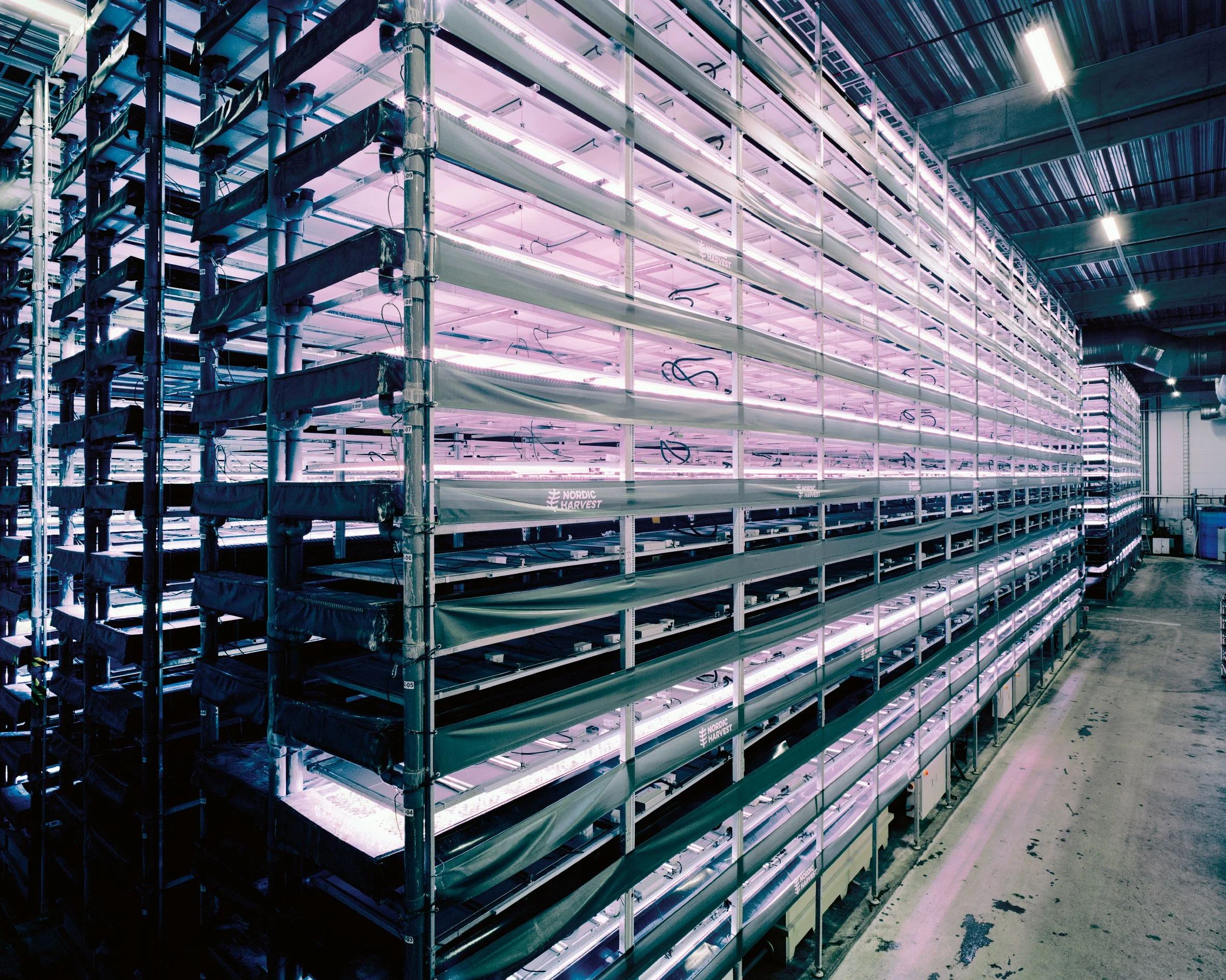
They are insect farms, jellyfish labs, vertical greenhouses, virus institutes, and high-security research centers spread across the world. Most people never see them, yet they shape how food is produced, controlled, and distributed on a global scale. They exist far from supermarkets, kitchens, and farms we imagine when we think about eating. This interview is about gaining access to those places and understanding what they mean.
Gregor Sailer spent years photographing these closed systems for his book Cockaigne.
Working with an analogue large-format camera, he entered locations that are usually inaccessible to the public. His projects required long research, special permissions, and work in extreme conditions, from Arctic food deserts to sterile laboratories. The images show food production without people, revealing how automation, control, and power now define these spaces. In this conversation, Sailer explains how he got access, why he chose this subject, and what these hidden places tell us about the future of food.
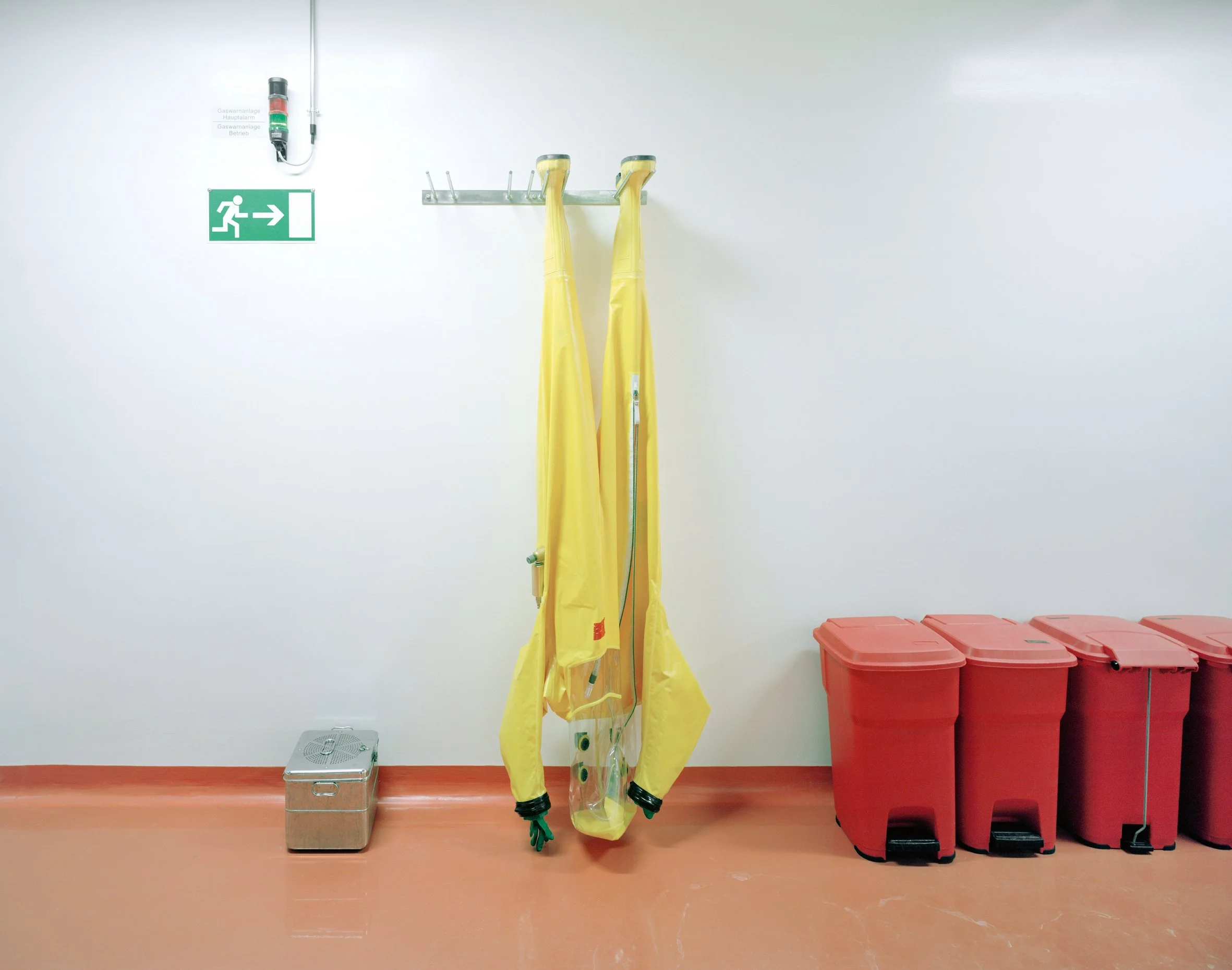
Gregor Sailer - Friedrich Loeffler Institute (Baltic Sea, Germany)
The Book
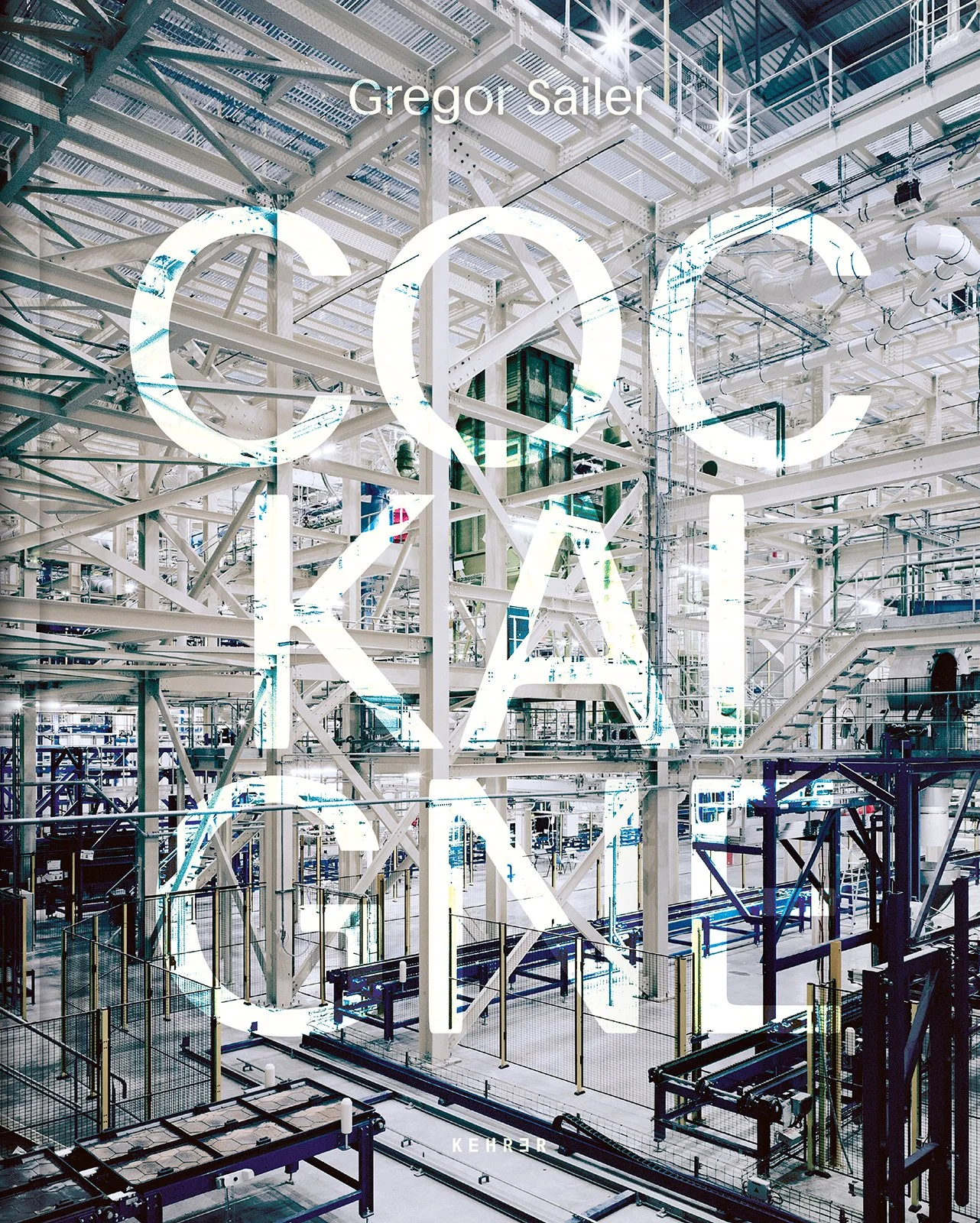
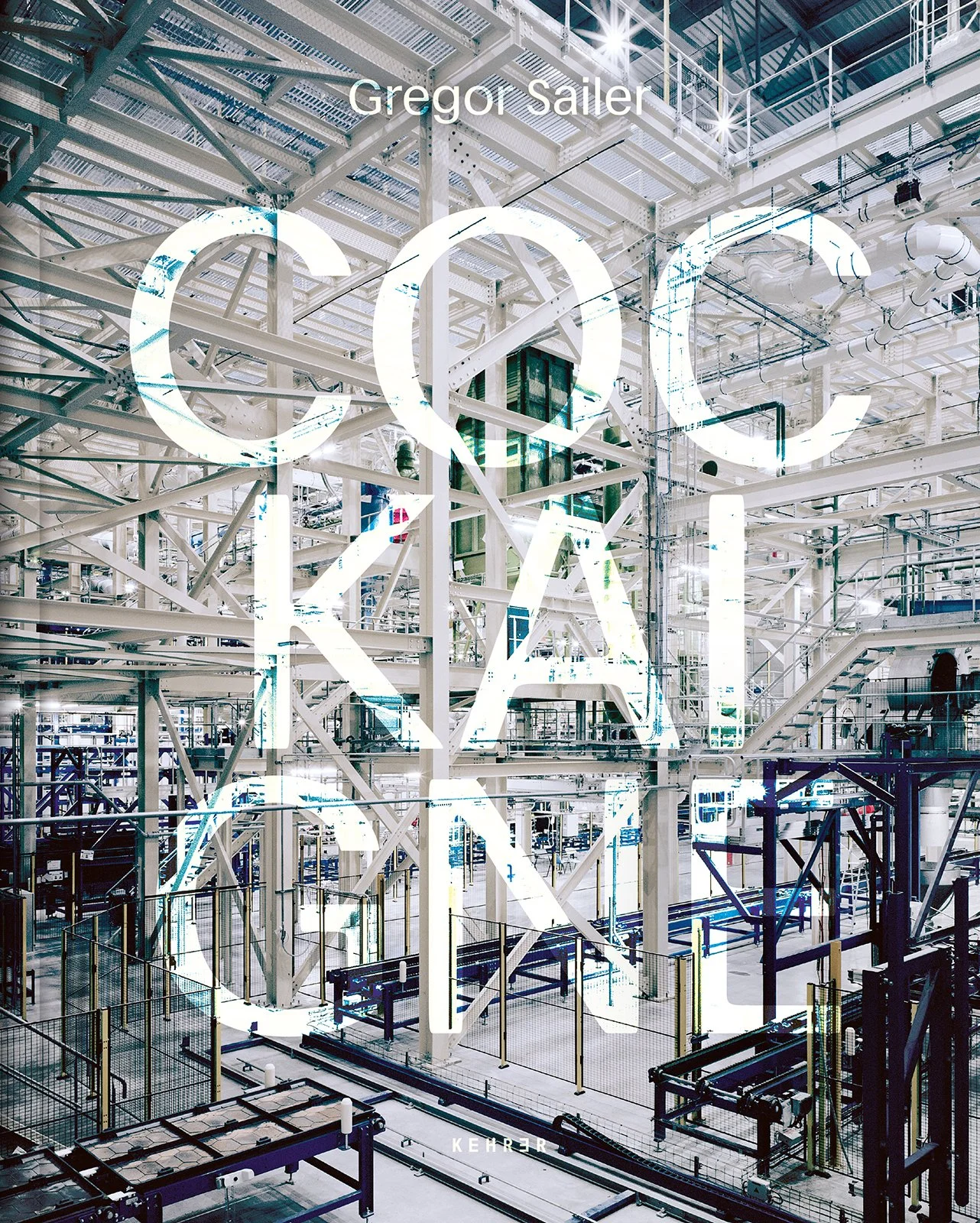
Cockaigne is a photography book by Austrian artist Gregor Sailer, published by Kehrer Verlag in 2025. The project takes its name from the medieval myth of a land of endless abundance and uses it as a starting point to examine today’s global food systems.
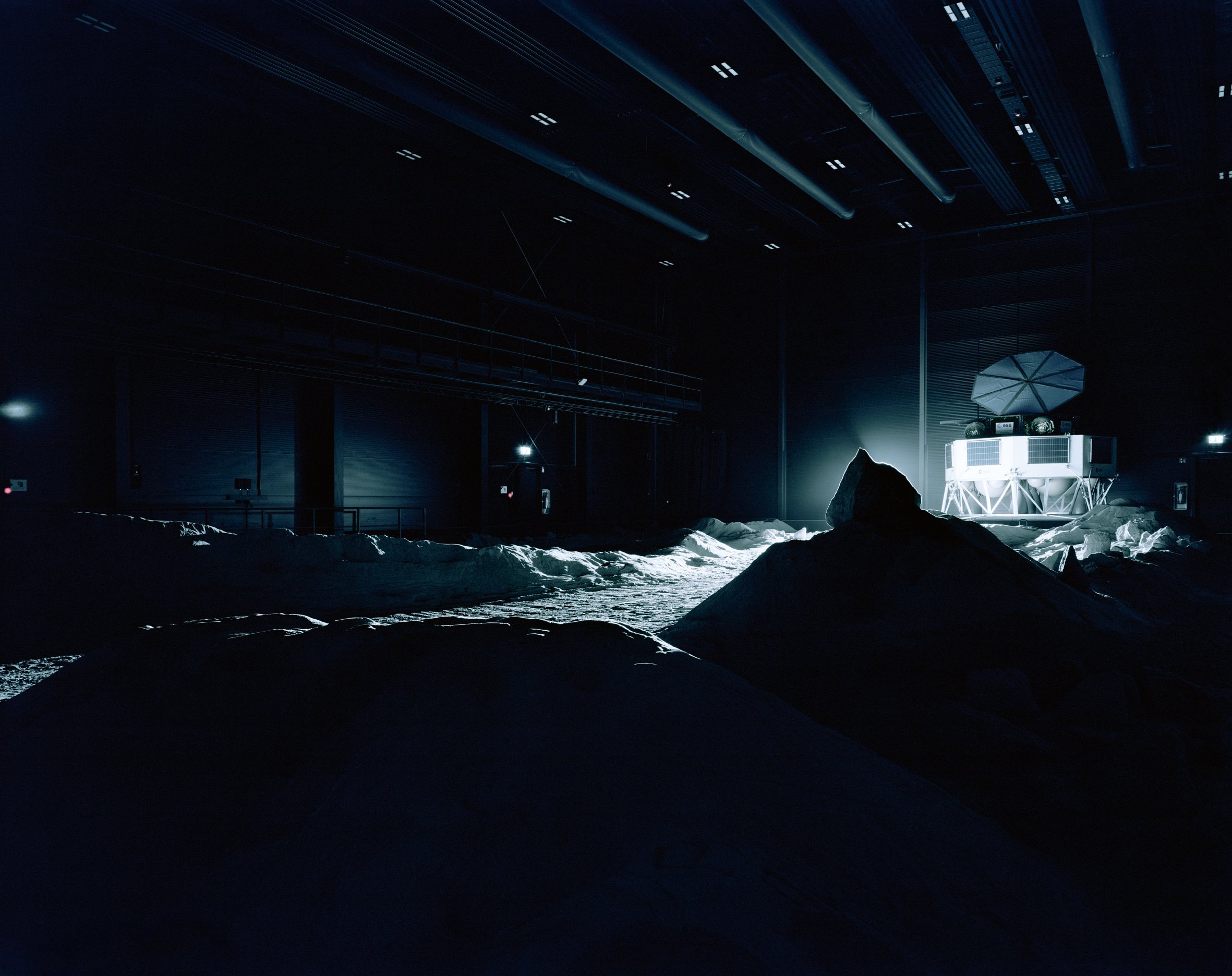
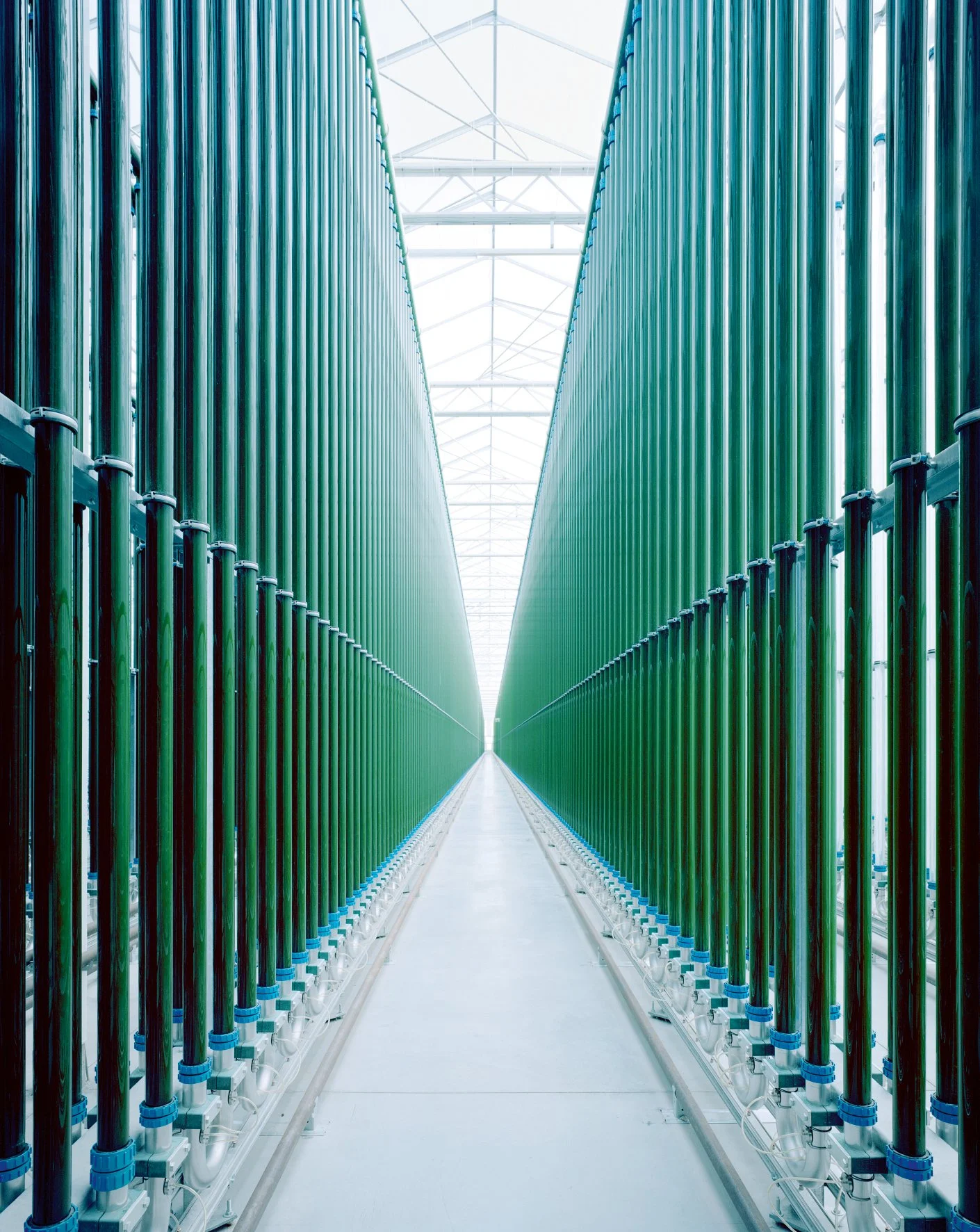
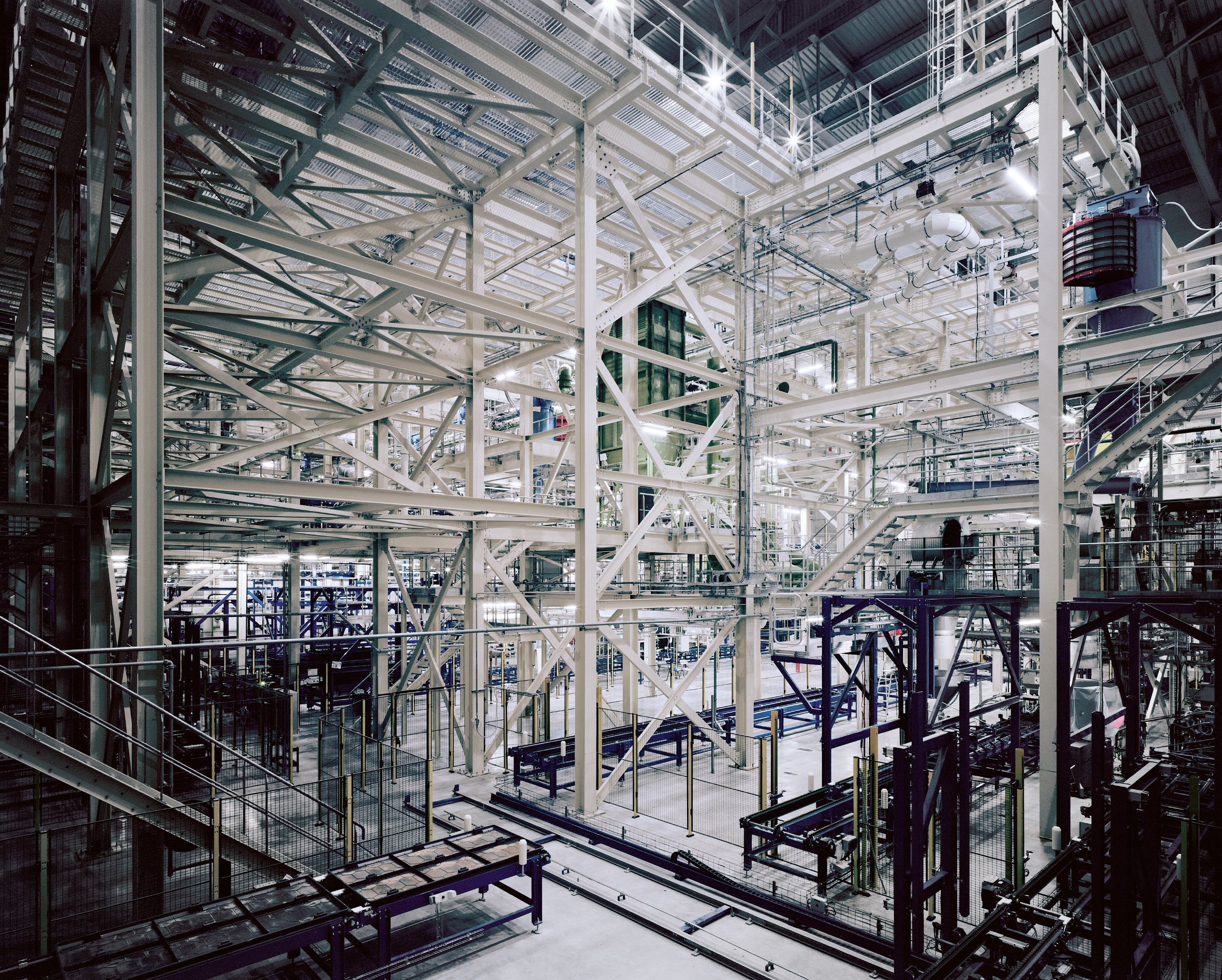
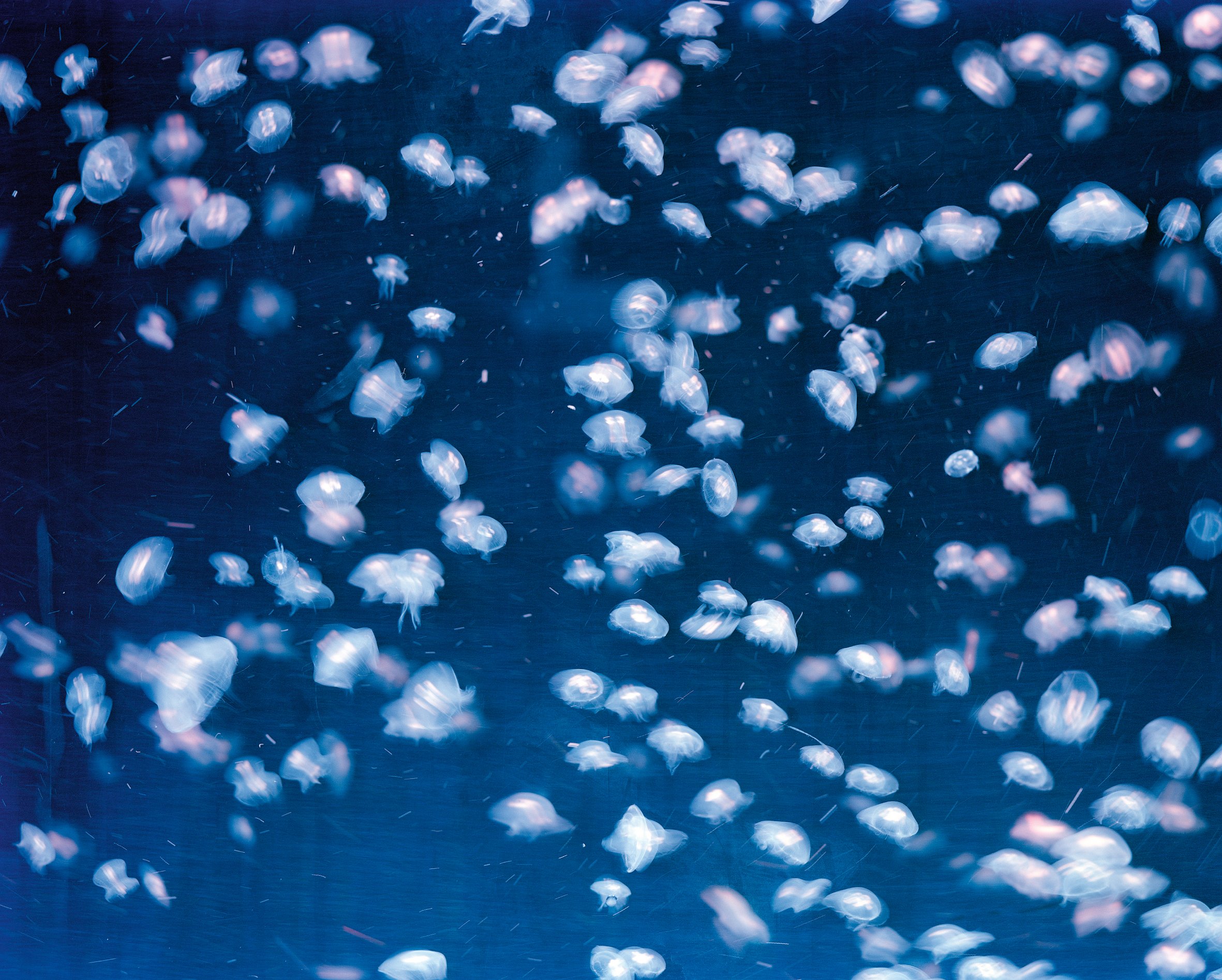
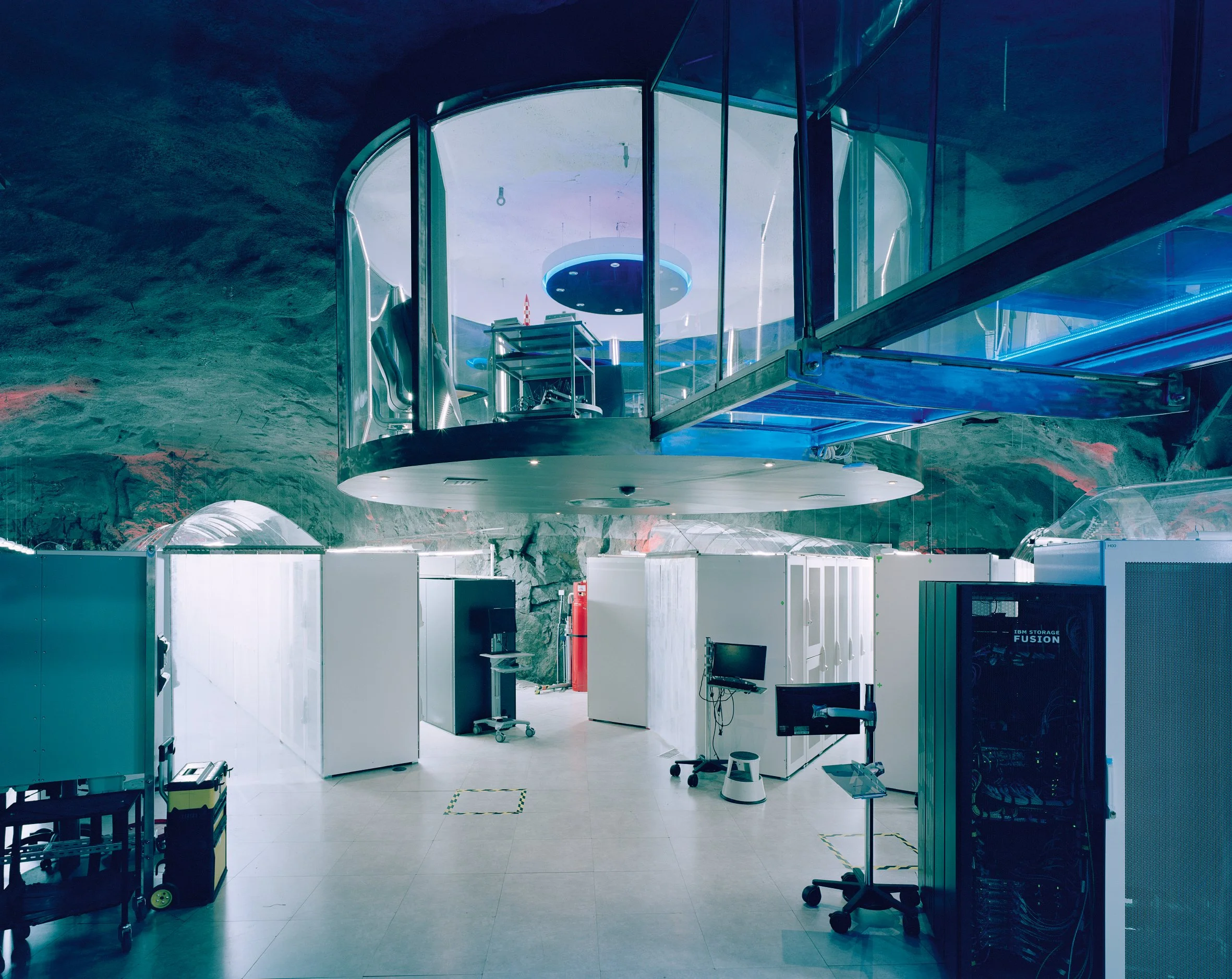
Sailer photographs places that are normally hidden from public view, including insect farms, jellyfish facilities, vertical farms, sealed laboratories, data centers, and experimental sites for future food production on Earth and beyond. Using an analogue large-format camera, he documents how technology, control, and efficiency shape the way food is produced today.
The book presents a quiet but unsettling portrait of a world that appears abundant on the surface, while revealing the complex infrastructures, power structures, and ethical questions behind what we eat. (Kehrer Verlag, Amazon)
Project Genesis: What inspired you to move from photographing Closed Cities and Potemkin villages to exploring modern food production systems?
After my last projects, which had a strong military and geopolitical background, I wanted to shift my focus and look further into the future. Even though the future of food looks pretty grim given the growing world population and the climate crisis, I want to use this series to highlight some possible positive alternatives. The starting point for my research was a long-standing interest in the Baltic Sea island of Riems, a hermetically sealed island home to the Friedrich Loeffler Institute, the world's oldest virus research institute, where research is conducted on topics such as the health of food-producing animals and the protection of humans from infections that can be transmitted between animals and humans (zoonoses). Until then, this location could not be integrated into any project. But in combination with my interest in science fiction landscapes, an exciting context emerged. I did not want to realise a project about conventional agriculture and focus exclusively on future developments. Many of these alternative approaches are currently reaching an industrial scale, which makes them interesting not only on a narrative level but also photographically. Furthermore, as a photographer and artist, I see it as one of my main tasks not only to give people visual access to these hidden worlds but also to sensitise them to this topic.
Among other things, the FLI conducts research into diseases that are transmitted from animals to humans via food, primarily through the consumption of meat. Research is being conducted into how this risk can be reduced, and work is being done on the development of various vaccines. This is where the topics of conventional agriculture, factory farming, and enormous global meat consumption, as well as its risks and consequences, converge. This is precisely what creates the context for the topic. This location also allows me to shed light on the topic-specific research aspect.
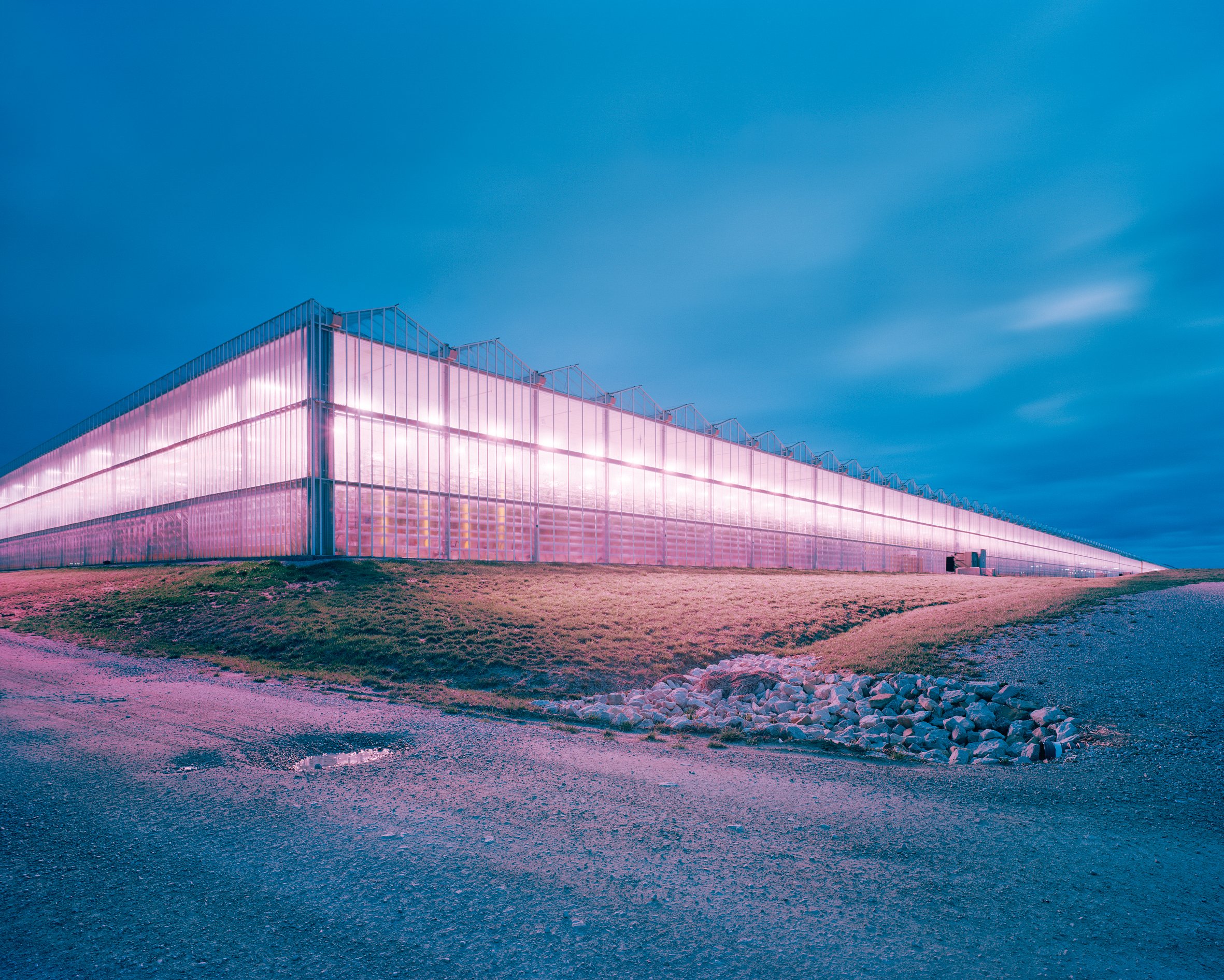
Gregor Sailer - Greenhouse (USA)
Access: How did you get permission to photograph usually hidden spaces like insect farms, jellyfish facilities, and sealed virus laboratories?
Like in most of my projects, this was a challenge which needs lots of time. Months and sometimes years of research, organisation, and preparation. Patience and consequence are a basic requirement. Most of these facilities are strictly off-limits for outsiders. Without a special permission, it’s impossible to gain access or to photograph - especially because of the patented futuretechnology. Due to this sensitivity, the challenges were similar to those in restricted military areaswhere I was regularly working in the past. It is necessary to get in touch with the appropriate person who can also make decisions.
Large Format Choice: Why do you continue using analogue large-format cameras (4x5" and medium format) instead of digital cameras for projects like Cockaigne?
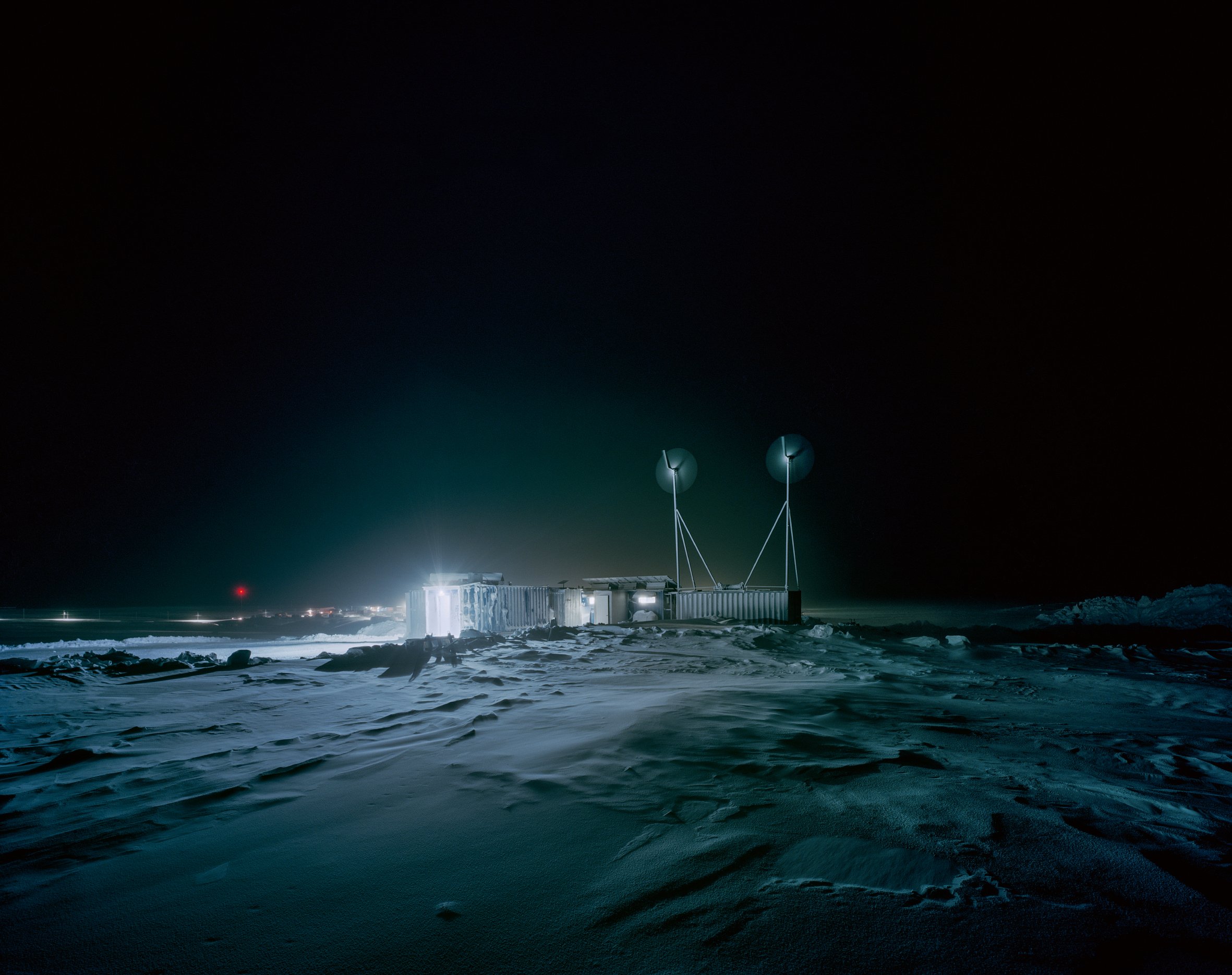
I love to work with an analogue view camera since my very beginning as a photographer. The photographic approach is slow and static. It allows you to compose the photographs exactly. And due to the fact that I only have limited film material with me, I have to choose the motifs carefully before I start to shoot. As well, I usually have only one chance to photograph. If there happens any mistake, I lose the image. That also increases my concentration and perception, which also influences the visual language. The technical quality of large format and also 6x9 cm negatives is amazing. I like the charming grain. And there’s another important advantage: the completely mechanical technique makes me independent compared to digital technology. For Cockaigne, I faced temperatures of -65°C in the Arctic and +50°C in Africa. You’d quickly have severe problems with batteries during such extreme temperatures. But especially during such low temperatures, you have to take care of film material because it can easily break. The heavy weight of the camera and tripod is challenging to carry but allows me, on the other hand, to produce sharp images even in difficult lighting situations and stormy conditions. The camera balances itself and allows me to use long exposure times. However, these conditions are also very demanding for me, both mentally and physically.
In Northern Kenya, I had to deal with the permanent security checks everywhere throughout the country or X-rays, which can damage the films. In general, it was very dangerous, tense, and exhausting for me to work in the refugee camps at the border to South Sudan and Uganda. In contrast, when I worked in high-end factories and laboratories, everything had to be as sterile as possible, both the people and the technology. And it was a challenge to deal with the sometimes very intense artificial lighting conditions.
Gregor Sailer - Data Center (Sweden)
Human Absence: Your photos show empty spaces without people - how does this help tell the story of modern food systems?
Not showing people in the pictures is a general photographic approach in my projects. Not showing people often enhances the already surreal character of these places. And I am more interested in the traces and signs of human beings than in their image itself. Most of the places I visit are inhabited or currently in use. I don't usually photograph lost places.
However, there were often only a few people on site for the Cockaigne series anyway. Modern factories in particular are controlled by AI and robots. As large as the facilities are, very few people are needed to operate them. That is a new reality anyway.
Conceptual Approach: The medieval "Land of Cockaigne" promised endless food - what visual contrasts did you want readers to see between that myth and today's reality?
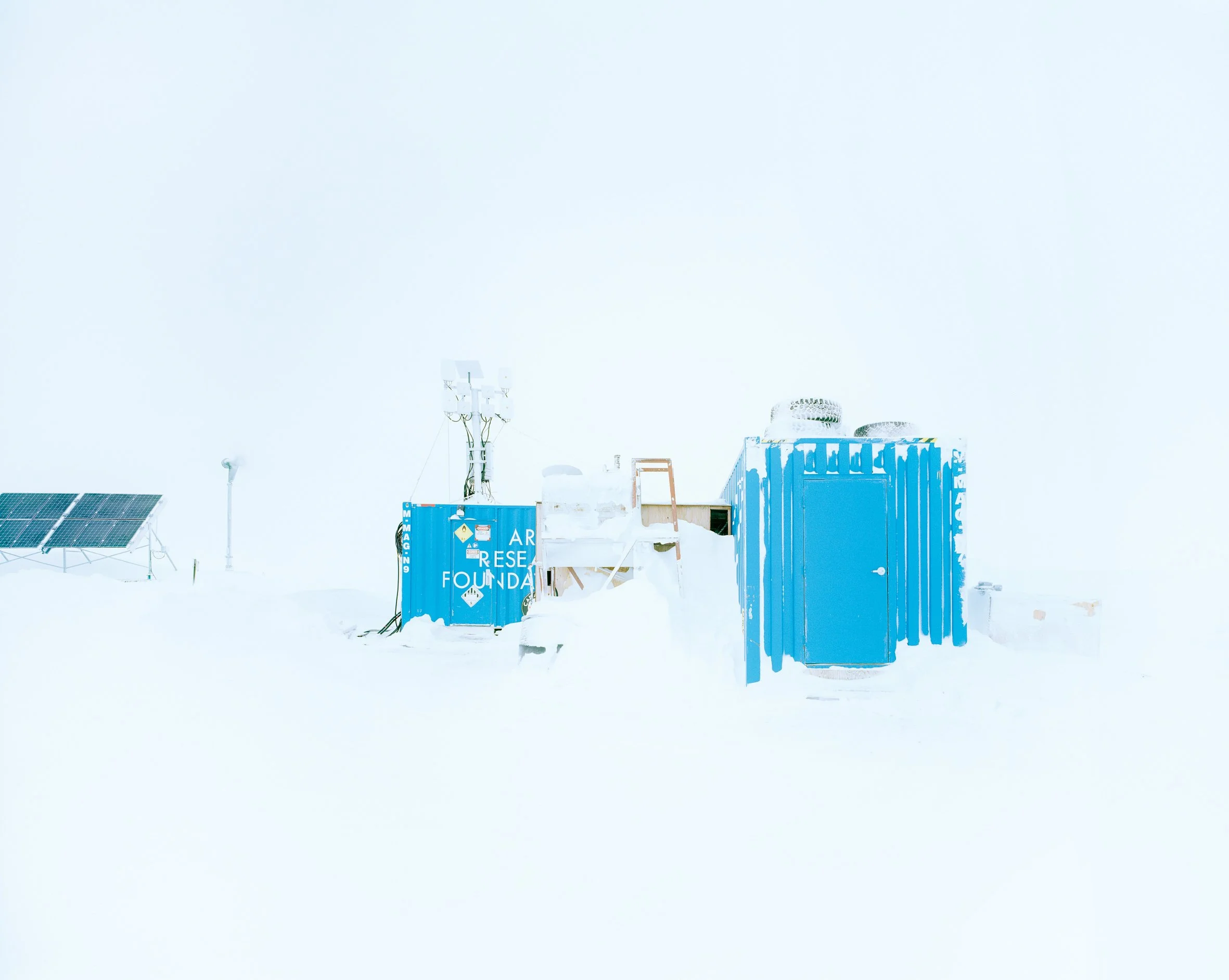
I decided to revive this medieval primordial myth and transport it into our time. Among other things, it was created as a parody and critique of the ruling class. Our era is not entirely dissimilar to that time. There is massive inequality (not only in terms of food), and this will not be remedied anytime soon. It remains a utopia. So, the title can also be understood as ambiguous. In addition to this narrative, it was very important to me not to remain in the comfort zone of the rich nations, where most technological developments take place, but to also include the exposed peripheral areas of our planet from a photographic perspective. You could think of it as a cinematic dramaturgy. The exposition starts with the theme of the food desert in the Arctic with its endless white landscapes, moves on to the main part, where the colourful high-tech landscapes become denser, and concludes with the green food forests of Africa, the global South. The greenery of these landscapes leaves the “viewer” with a positive outlook.
The sequencing in detail was a development process that took months. Ultimately, I decided to start with creatures such as jellyfish and insects after the ice desert and to take the viewer or reader further and further into a science fiction world, right up to big food data and a glimpse into the future, such as the colonisation of the Moon and Mars. The final part, however, is intended to bring the viewer back down to Earth and back to the ground. Hence the real-life extreme example of people in one of the world's largest refugee camps, growing food with the most limited resources. However, I wanted to end the series on a positive note, which is why I included the lush food forest at the end.
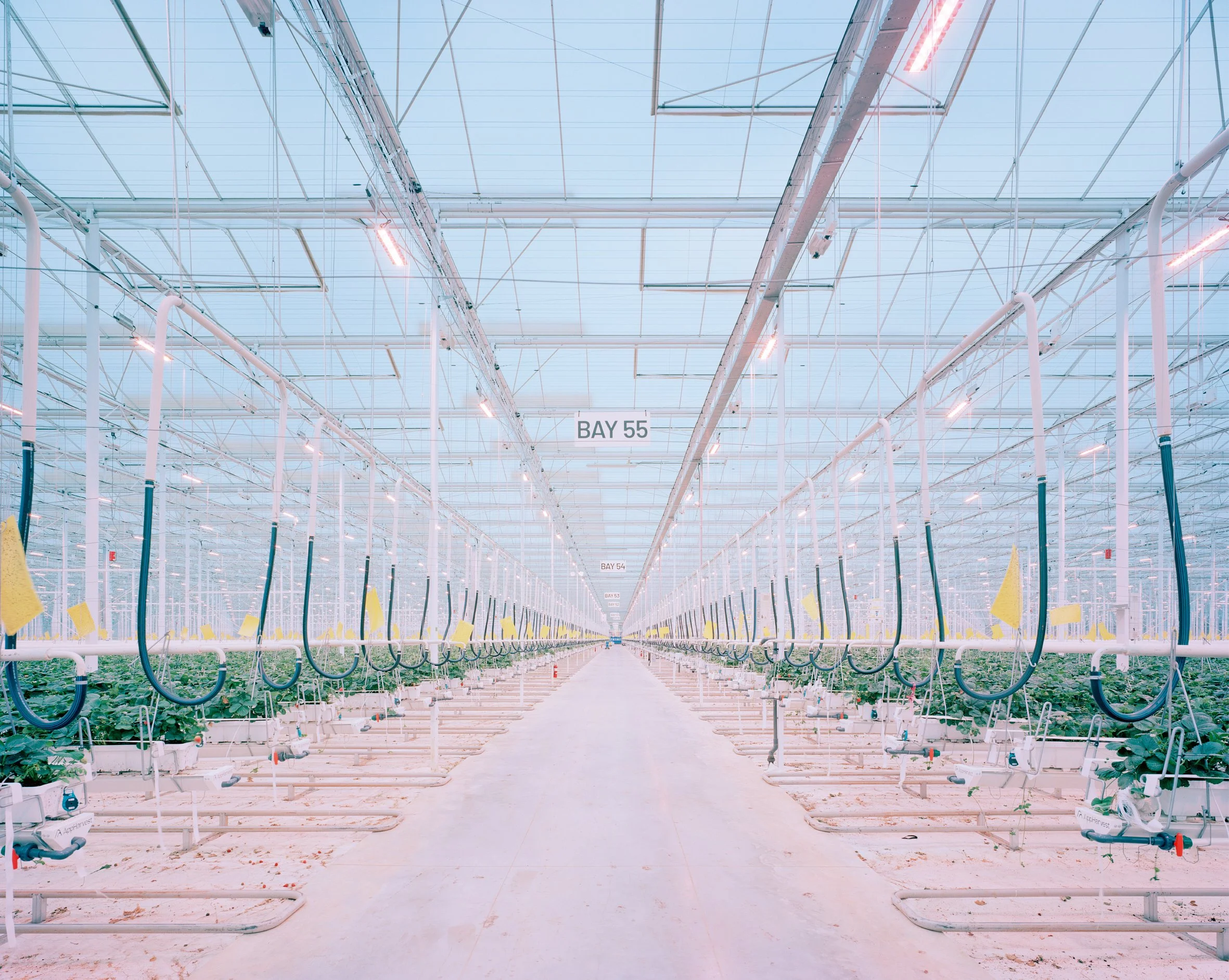
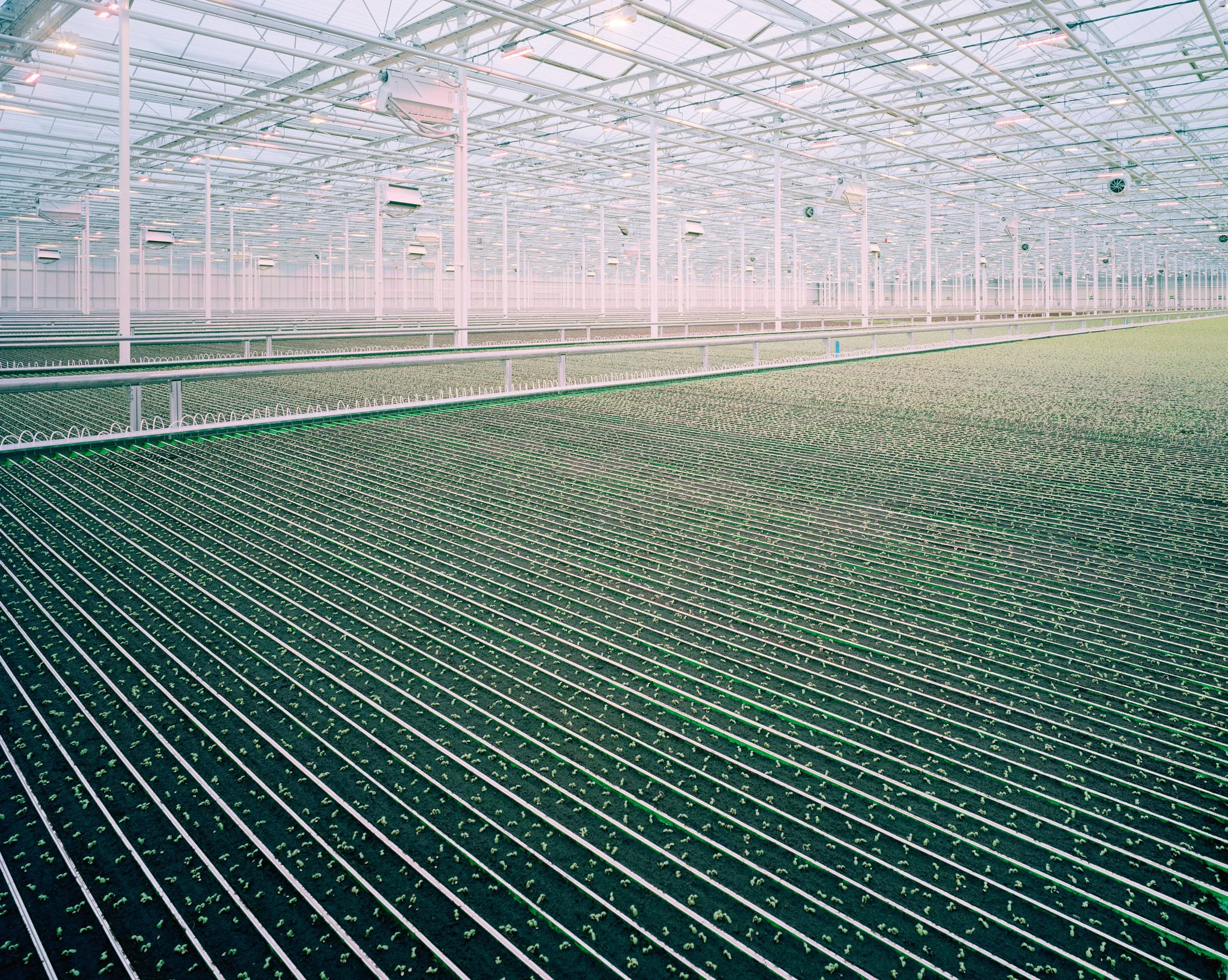
To discover more about this intriguing body of work and how you can acquire your own copy, you can find and purchase the book here. (Kehrer Verlag, Amazon)
More photography books?
We'd love to read your comments below, sharing your thoughts and insights on the artist's work. Looking forward to welcoming you back for our next [book spotlight]. See you then!
Robin de Puy could no longer make this project alone. She first photographed Randy in Ely, Nevada, during a 2015 road trip and kept returning to him for more than ten years. Interviews